




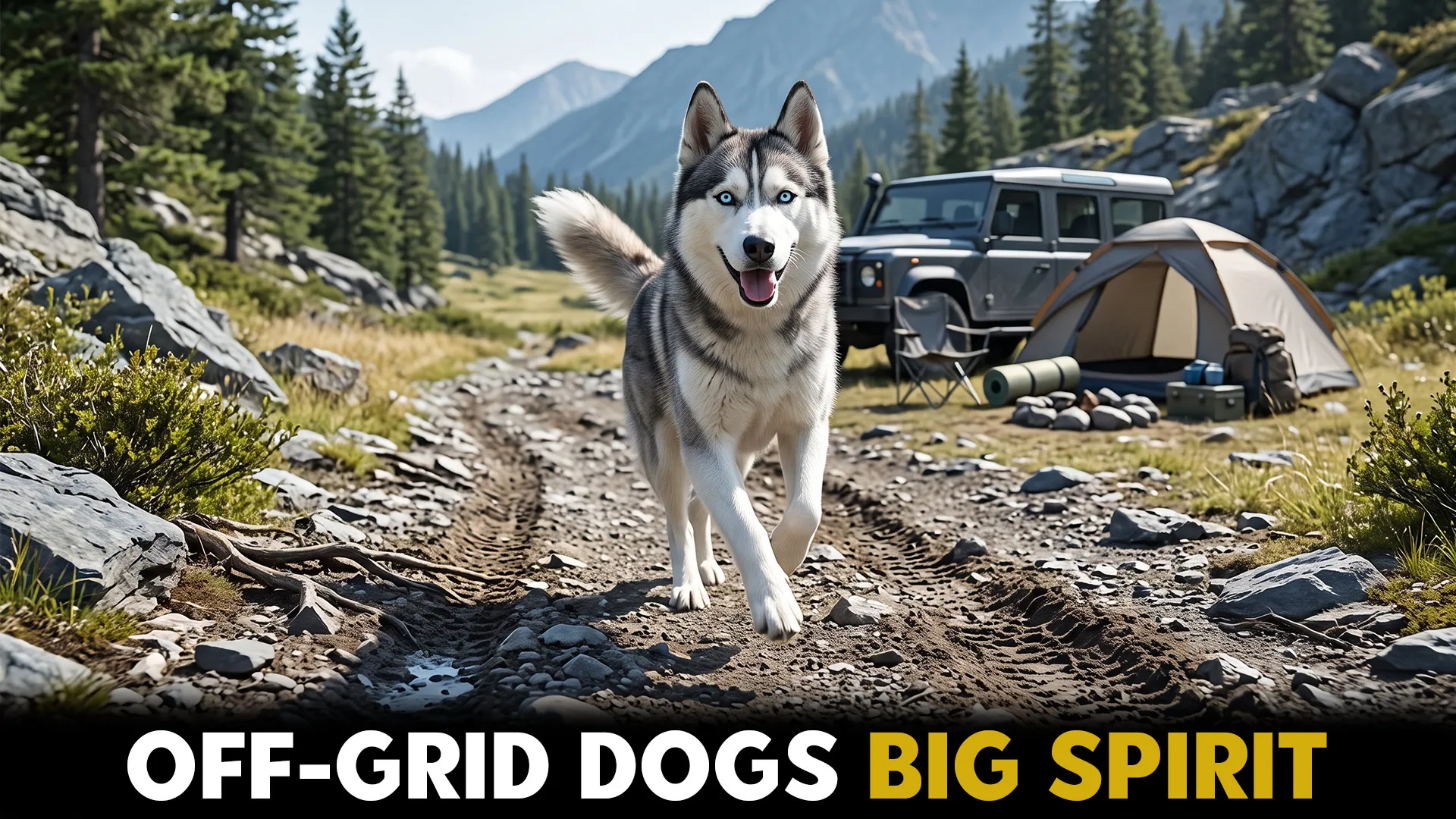
Off-road camping is even better when your dog is ready to explore every trail, muddy path, and scenic campsite with you. From rugged trails to quiet spots far from the crowds, the right canine companion can make every outdoor escape more exciting.
Of course, not every dog is built for rough terrain and unpredictable weather. The best camping companions are energetic, adaptable, confident, and easy to train, with enough stamina to handle long walks and new environments.
If your perfect getaway involves dirt roads, open skies, and plenty of adventure, these dog breeds may be just the companions you’re looking for. Get ready to meet some of the best dog breeds that truly love life off the beaten path!
Key Takeaways
Meet 7 adventure-ready breeds made for trails, campsites, and life off the beaten path.
See why Australian Cattle Dogs, Siberian Huskies, and German Shorthaired Pointers thrive on active adventures.
Discover how Labrador Retrievers, Australian Shepherds, and Alaskan Malamutes bring energy to every outdoor escape.
Find out what makes Rhodesian Ridgebacks bold trail companions, and what to know before heading into the wild.
Dog Breeds That Embrace Off‑Road Camping Adventures
1. Australian Cattle Dog
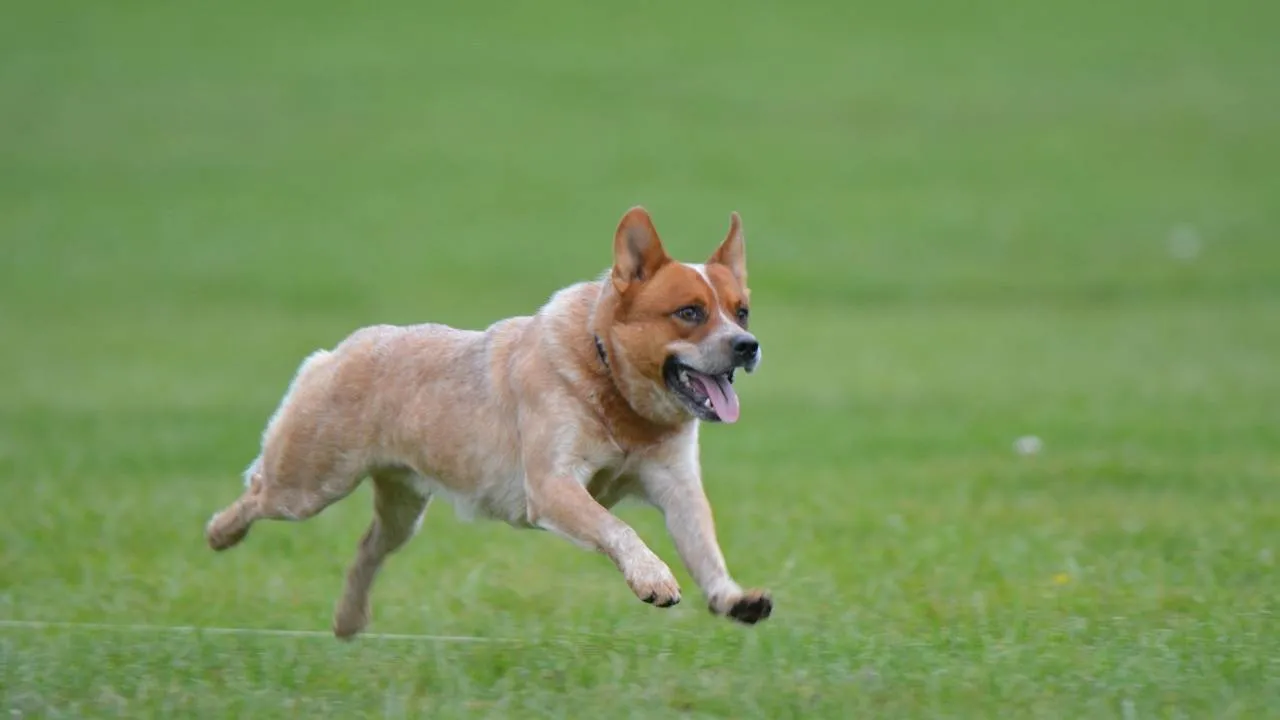
Australian Cattle Dogs are built for life on the move. Originally bred to work across Australia’s hot and rugged landscapes, they have impressive stamina, strength, and endurance.
Their short, dense double coats also help protect them from different weather conditions, making them well suited to off-road camping adventures.
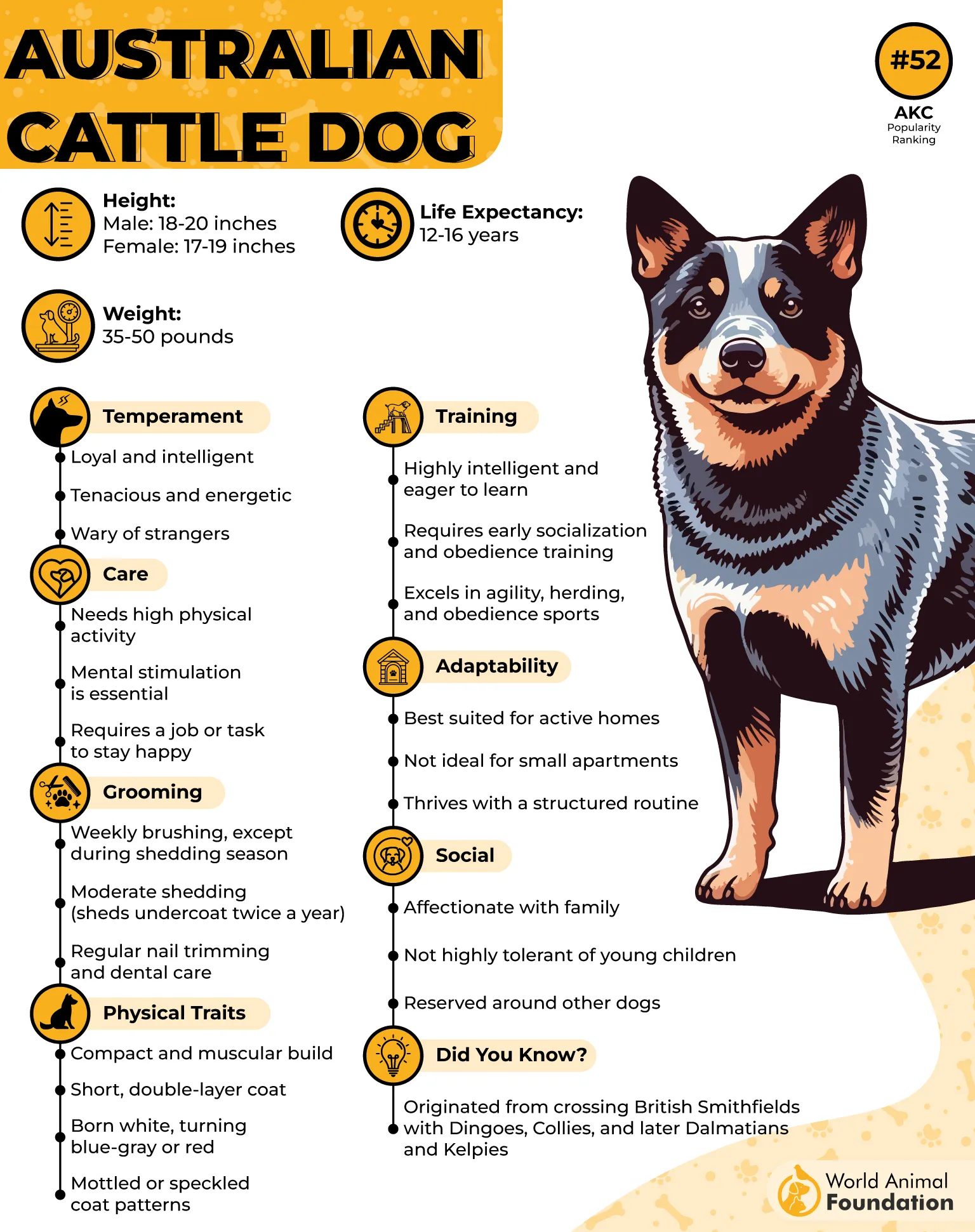
Smart, Active, and Adventurous
These intelligent dogs are alert, loyal, and adventurous. They love having a job to do and need plenty of physical and mental activity.
A camping trip with hiking, running, fetch, or other active games can be a great way to keep them engaged. They also form strong bonds with their owners, making them devoted outdoor companions.
A Good Match for Active Campers
However, Australian Cattle Dogs are not suited to a sedentary lifestyle, as mentioned by PetMD. Without enough exercise and stimulation, they can become bored and destructive. They can also be wary of strangers and may try to herd or nip, so proper training and supervision are important.
2. Siberian Husky
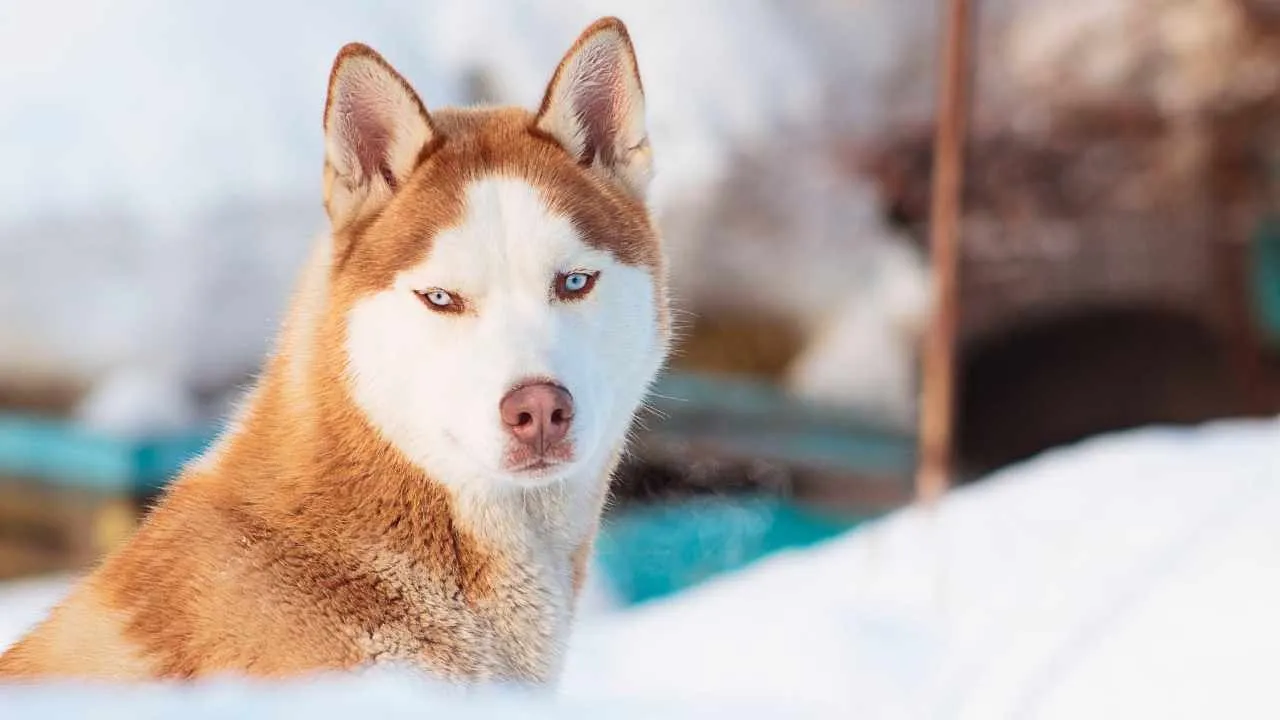
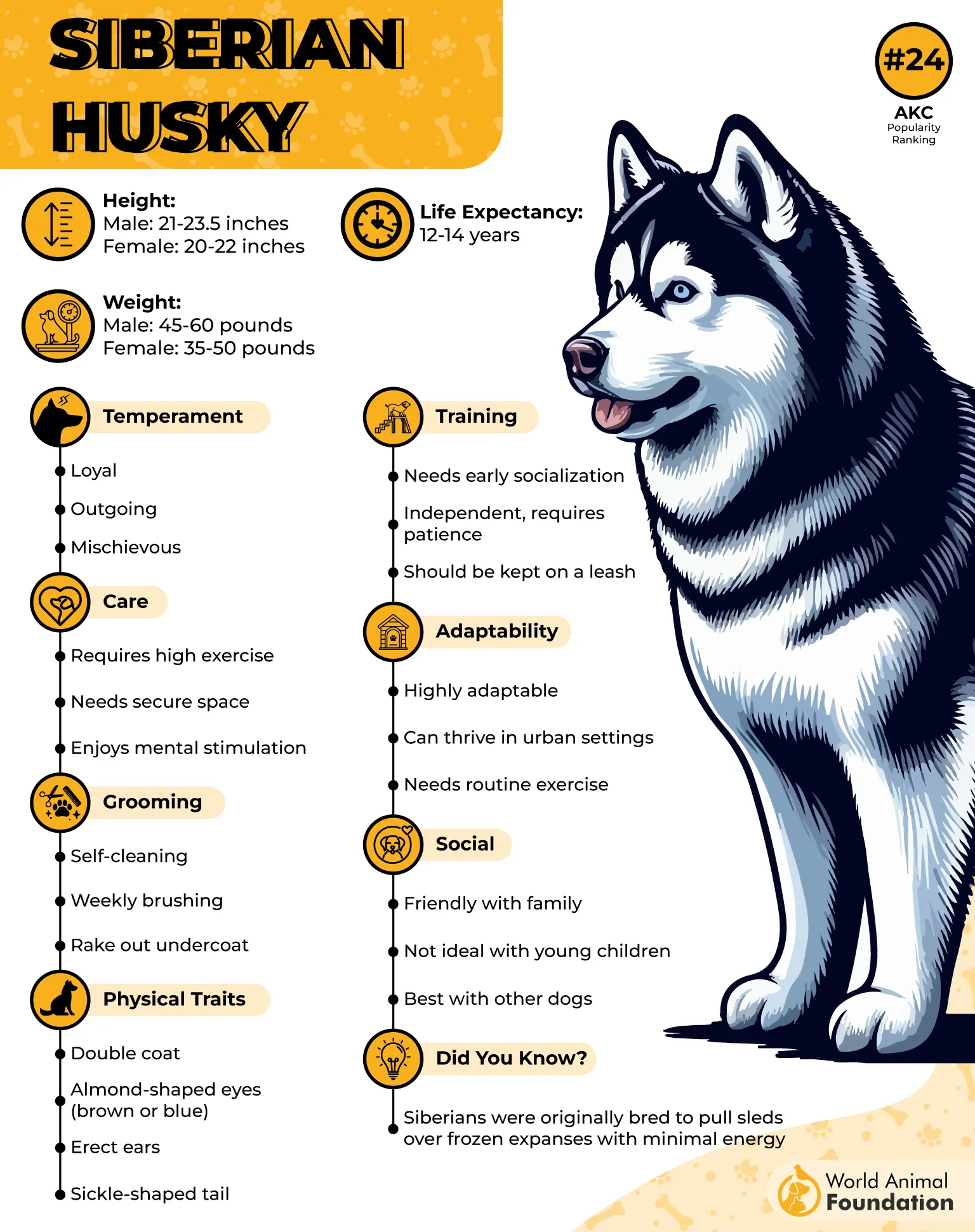
Siberian Huskies are natural adventure dogs. They were bred in Siberia to pull sleds and carry loads across long distances in harsh, frozen conditions. Their athletic build, endurance, and thick double coats make them especially comfortable in cold and challenging environments.
Energetic and Always Ready to Explore
These energetic dogs need about one to two hours of exercise each day. Hiking, running, pulling sports, agility, and other active games can keep them happy and engaged.
They are intelligent, playful, social, and often mischievous. They enjoy spending time with their people and other dogs, making them fun companions around a campsite.
Keep Them Secure
Huskies can be independent and strong-willed, so training is not always easy. Their strong desire to run and high prey drive also means they should stay on a leash or in a secure area during camping trips.
They can be surprisingly good escape artists. Their thick coats need regular brushing, especially during shedding seasons, while their natural cleanliness means they usually need only occasional baths.
3. German Shorthaired Pointer
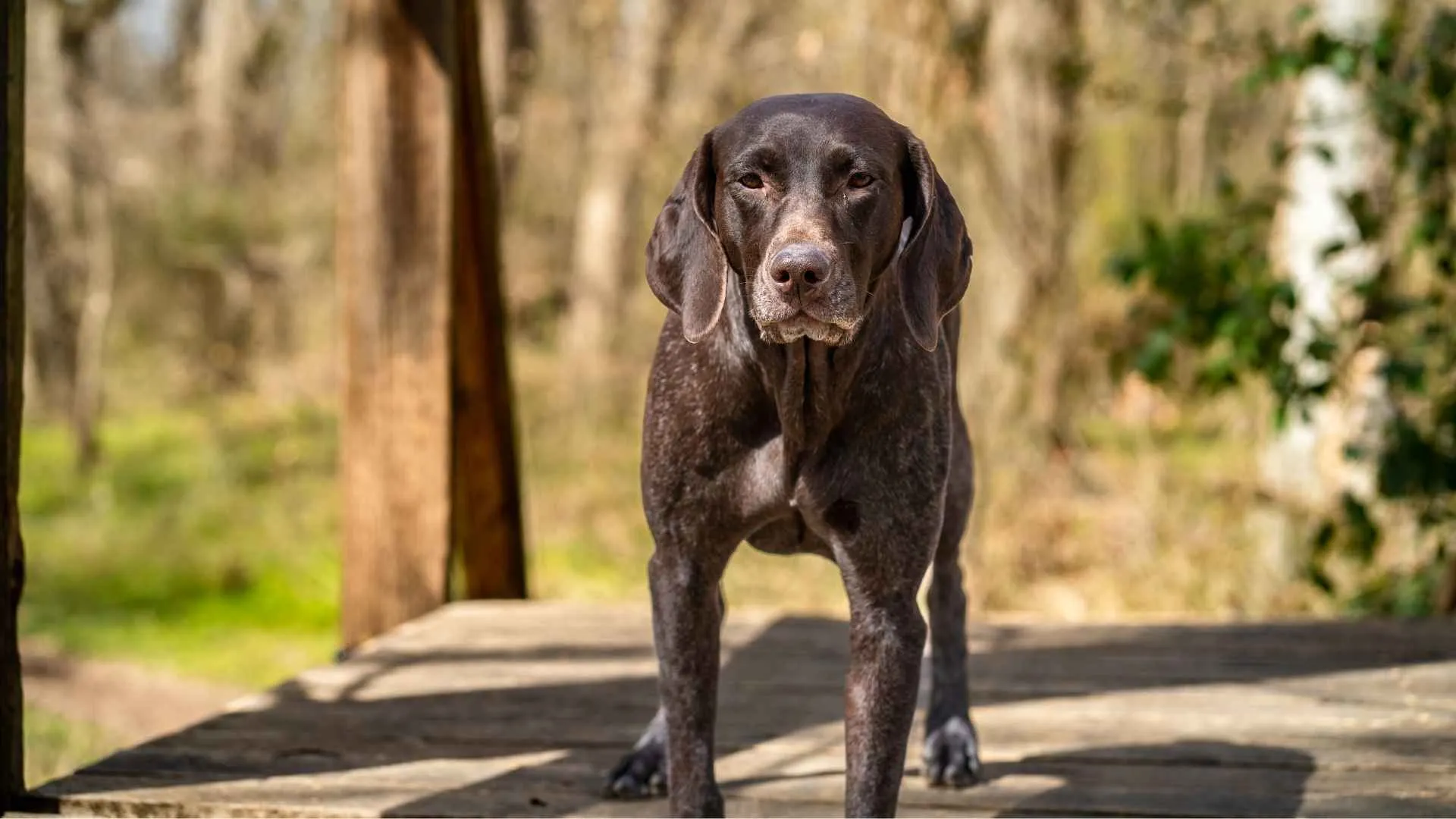
German Shorthaired Pointers are toned, athletic dogs built for movement and adventure. Originally bred as versatile hunting dogs, they are known for their speed, agility, endurance, and ability to explore challenging terrain.
Their adventurous nature makes them a natural fit for camping trips that involve hiking, running, and exploring the outdoors.
Energetic and Ready to Explore
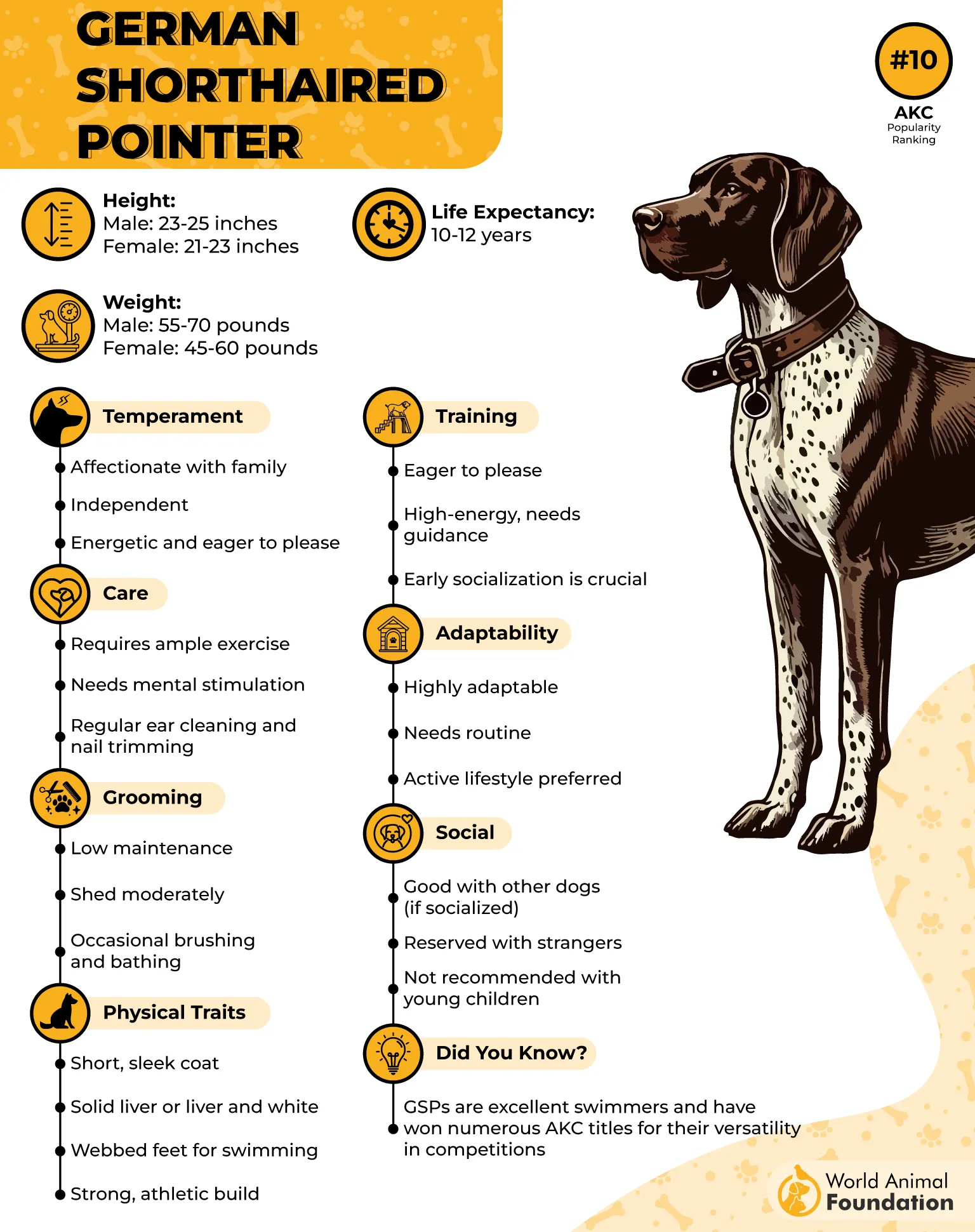
According to Orvis, these high-energy dogs need at least an hour of intense exercise every day. Hiking, running, fetch, agility, and other active games can help keep them physically and mentally stimulated.
German Shorthaired Pointers are also intelligent, playful, affectionate, and strongly attached to their families, making them enjoyable companions around the campsite after a long day outdoors.
Keep Them Close on the Trail
German Shorthaired Pointers have strong hunting instincts and a very strong prey drive. An interesting scent can easily send them wandering, so they should be kept on a leash or in a secure area during camping trips.
Consistent, positive training can help manage their independent streak and teach reliable outdoor manners. Their short, smooth coats are also easy to maintain, making them relatively low-maintenance companions for active campers.
4. Labrador Retriever
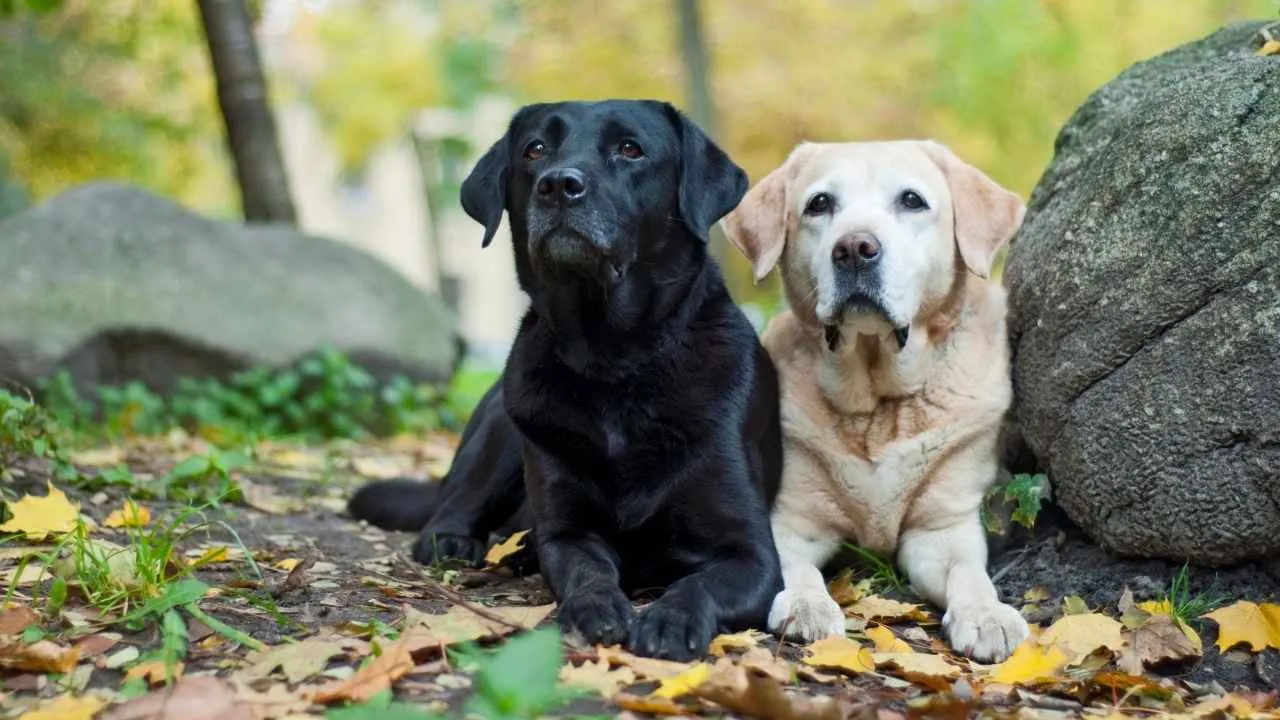
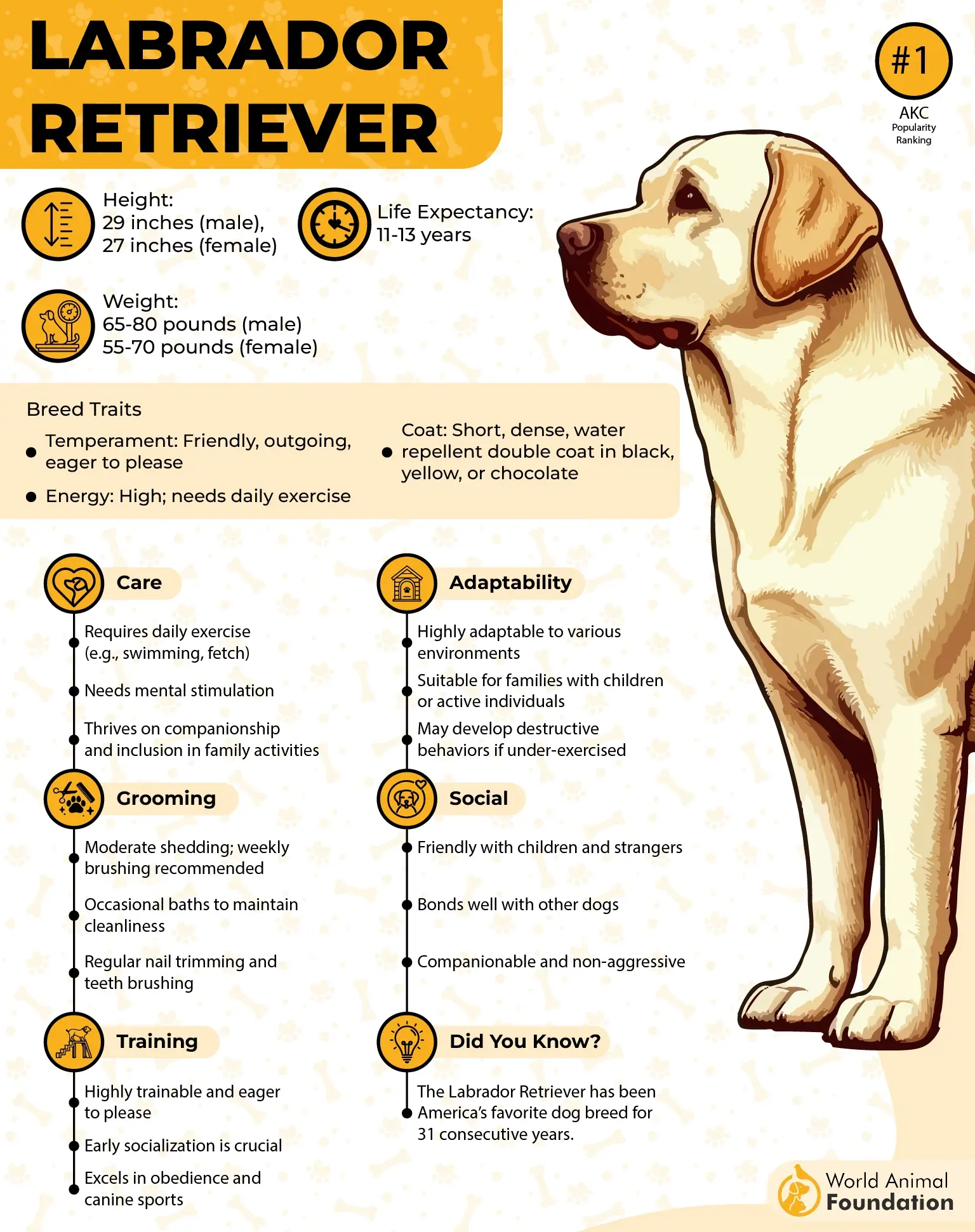
Labrador Retrievers are natural outdoor companions with an athletic build, strong bodies, and plenty of energy. Originally bred as working retrievers, they were developed to work alongside hunters and retrieve game, particularly from water.
Their water-repellent double coats, sturdy tails, and webbed feet make them especially well suited to camping trips that include lakes, rivers, or other swimming spots.
Always Ready to Join the Fun
Labrador Retrievers love having something to do and thrive when they can be part of their family’s adventures. Hiking, running, swimming, playing fetch, and other active games give them great outlets for their energy.
They are also intelligent, affectionate, friendly, and eager to please, so they can be wonderful companions for campers who want a dog that enjoys exploring during the day and relaxing with the family afterward.
Train Them for the Trail
Labs are generally easy to train, but their enthusiasm can become a handful without early obedience training and enough exercise.
When bored or left alone for too long, they may turn to chewing, digging, or other destructive behaviors. Their strong retrieving instinct can also make them prone to carrying or chewing things they shouldn’t.
5. Australian Shepherd
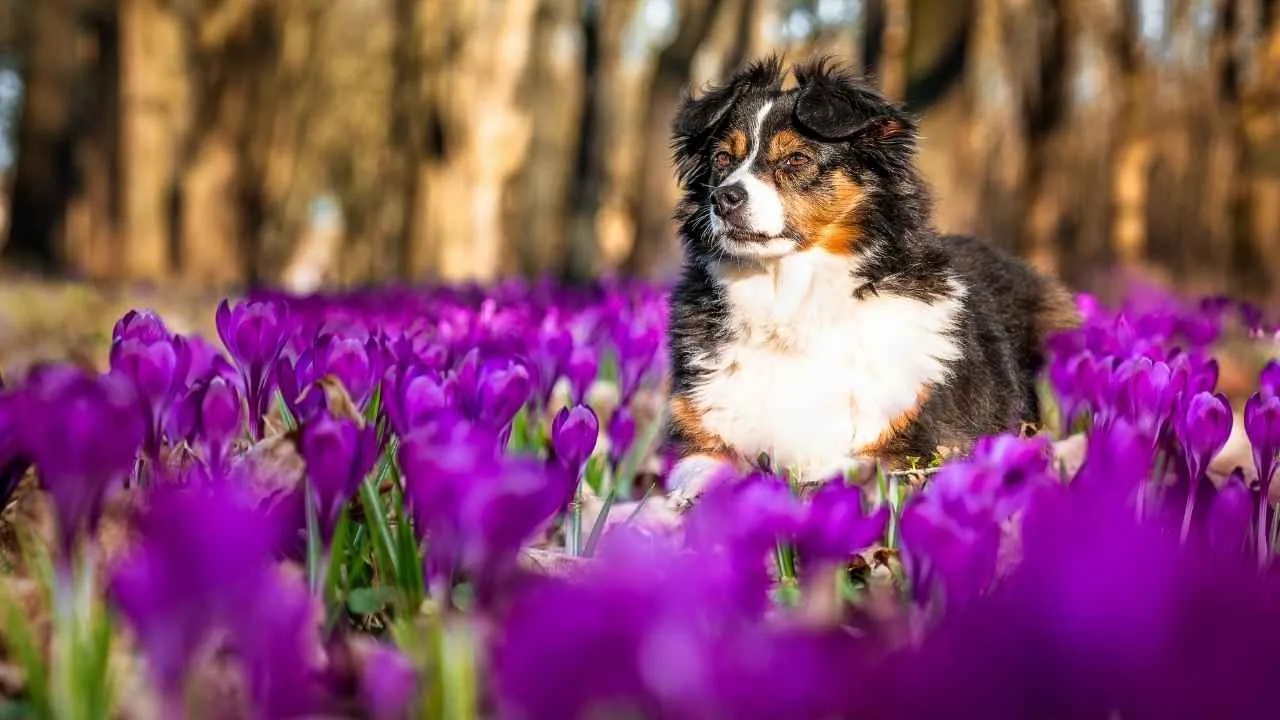
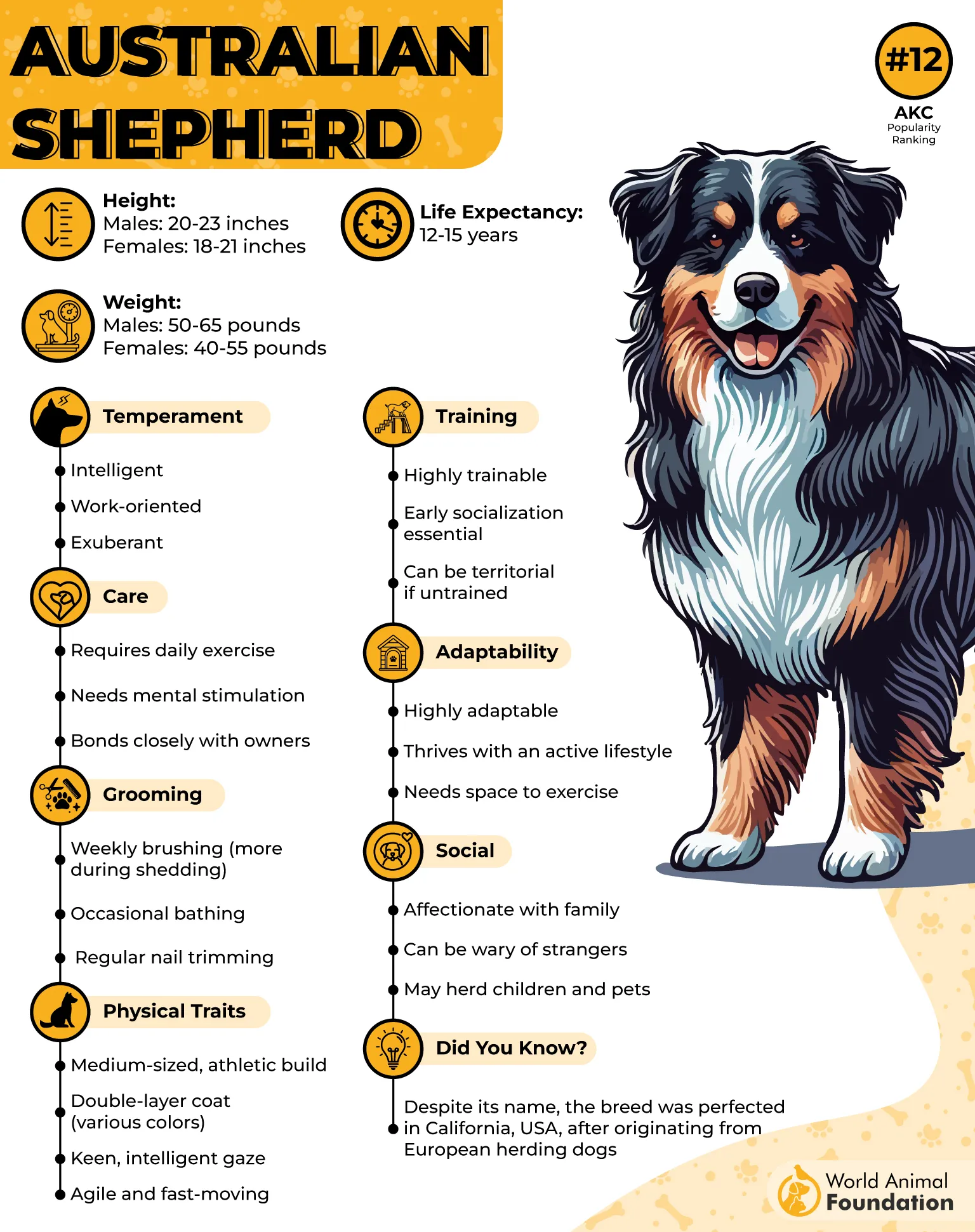
Australian Shepherds are highly intelligent, athletic dogs with muscular, agile builds and a strong work ethic. Originally developed as herding dogs in the western United States, they are used to staying active and getting jobs done.
Smart, Energetic, and Playful
Australian Shepherds need plenty of physical exercise and mental stimulation every day. They enjoy activities such as hiking, running, swimming, retrieving, and long walks, as well as agility and tracking.
They are also loyal, playful, responsive, and quick to learn. Spending time together outdoors can give these dogs the activity and interaction they naturally crave.
Keep Them Secure Outdoors
Aussies have strong herding and prey drives, so they may chase children, small animals, bikes, or other moving objects. Proper socialization and positive training are important, especially around unfamiliar people and dogs.
Their athletic nature also means reliable recall is essential, and they should stay on a leash or in a secure area when camping. Their double, water-resistant coats need weekly brushing, with more frequent grooming during shedding seasons.
6. Alaskan Malamute
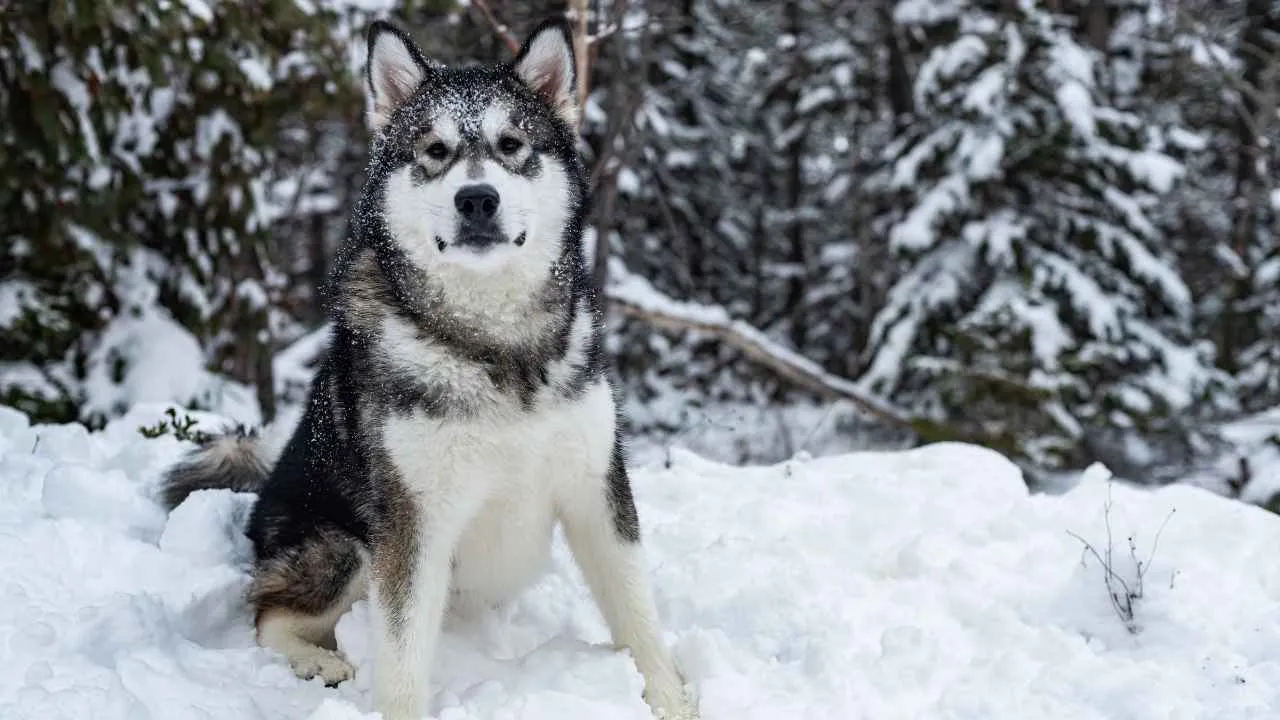
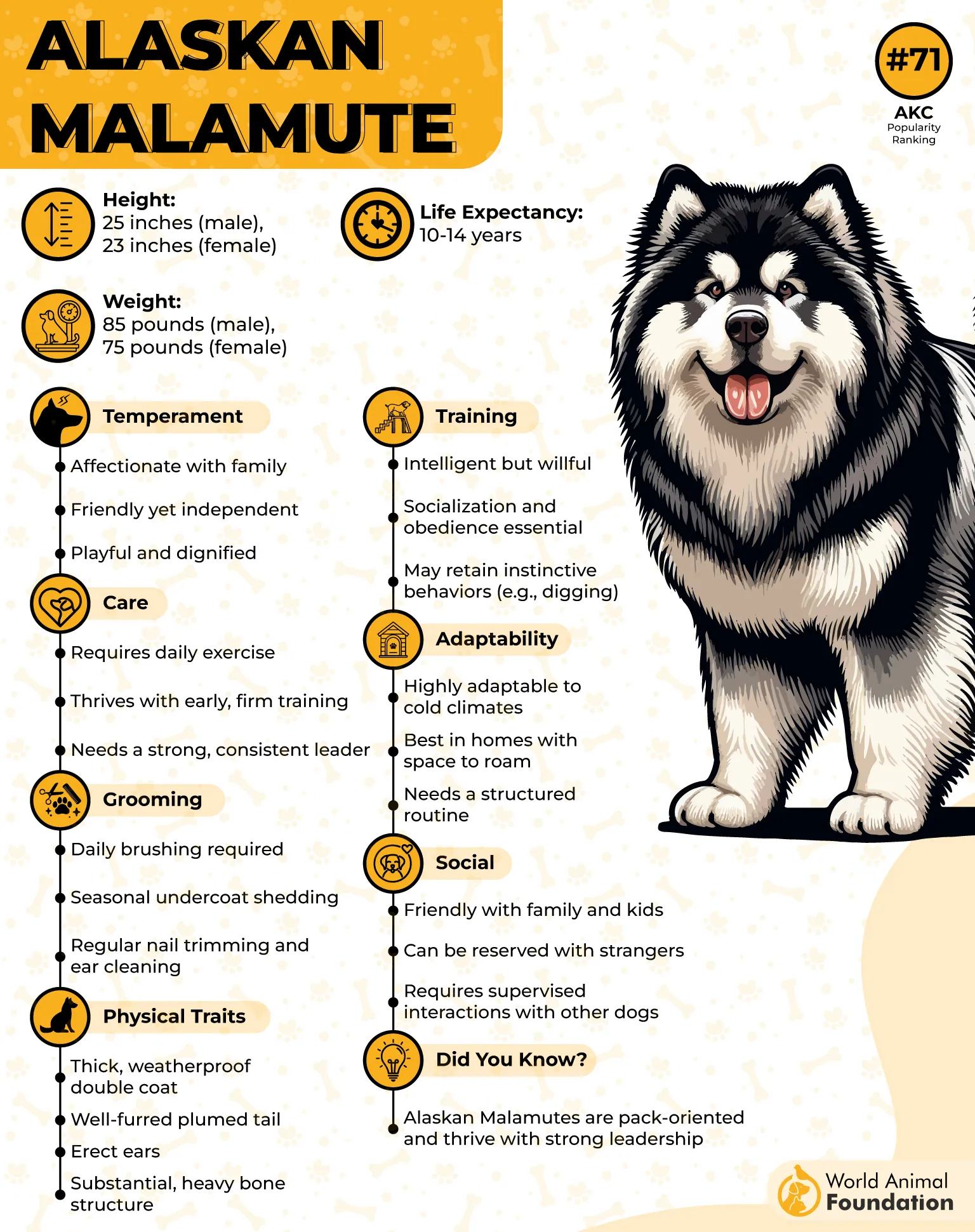
Alaskan Malamutes are powerful, athletic dogs with a long history of helping humans in harsh conditions. Developed alongside the native Mahlemut people of Alaska, they were used to pull heavy loads and haul sleds.
Their strength, endurance, and love of outdoor activity make them well suited to off-road camping adventures, especially in cold and snowy environments.
Strong, Smart, and Energetic
These dogs need plenty of exercise and mental stimulation to stay happy. Long hikes, jogging, backpacking, biking, tracking, and pulling activities can give Alaskan Malamutes a healthy outlet for their energy.
They are also intelligent, playful, affectionate, and highly social, so they enjoy being part of the family’s outdoor adventures. Puzzle games and training can keep their clever minds busy around camp.
Best for Cooler Camping Trips
Alaskan Malamutes have thick double coats designed for frigid conditions, but they can overheat in warm weather, as Britannica notes. Summer campers should plan outdoor activities for cooler times, such as early mornings.
Their independent and strong-willed nature also means training is important, while their tendency to wander makes secure areas essential. Daily brushing is needed to manage their dense coats, especially during shedding periods.
7. Rhodesian Ridgeback
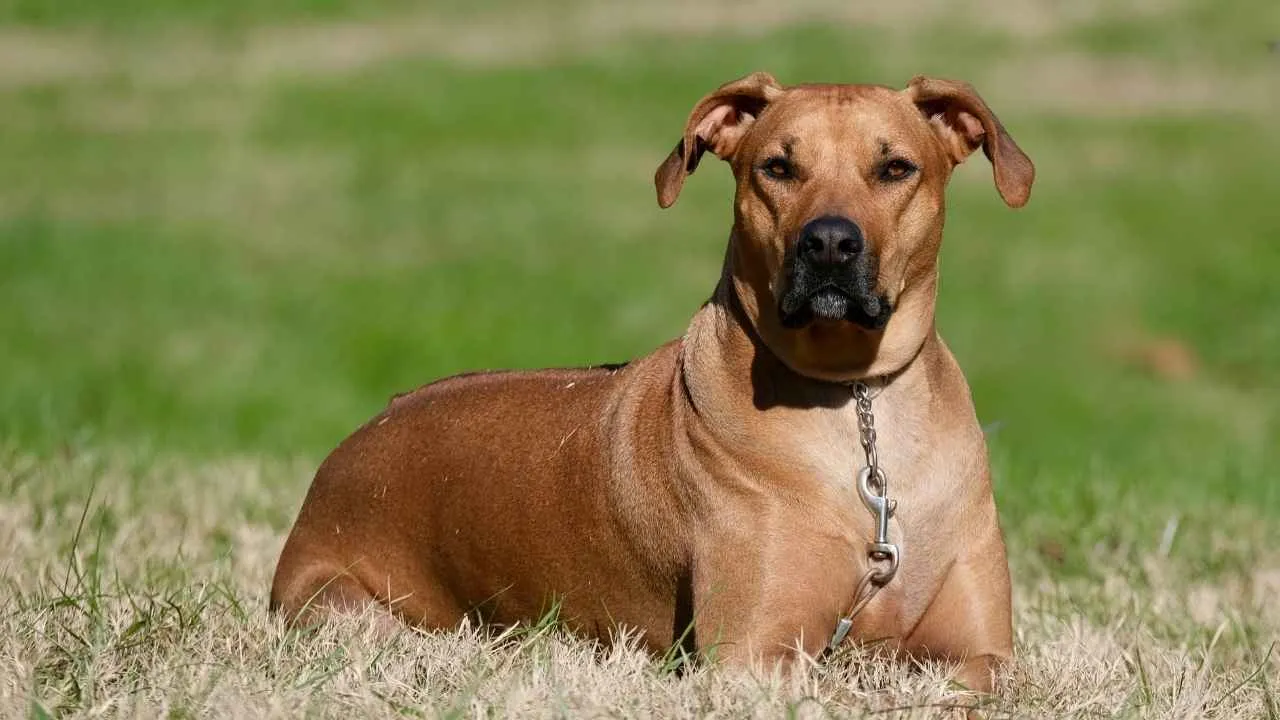
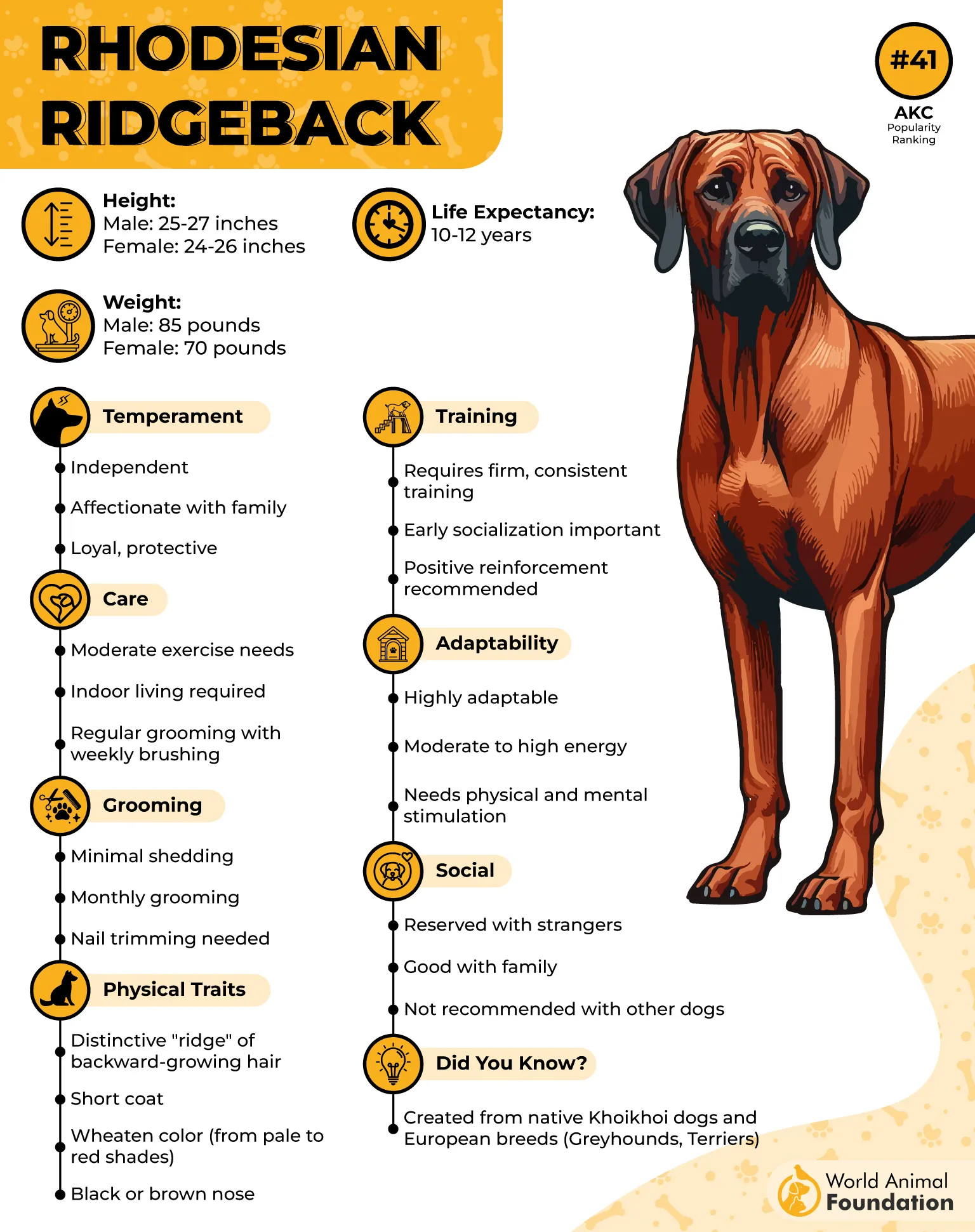
Rhodesian Ridgebacks are powerful, athletic dogs with impressive stamina and endurance. Originally bred in Africa for big-game hunting, they were developed to track and confront large predators, including lions.
Their strength, curiosity, and athletic nature make them well suited to off-road camping trips where hiking and exploring are part of the adventure.
Active, Intelligent, and Independent
Rhodesian Ridgebacks need regular physical challenges and daily mental stimulation to stay happy. Hiking, jogging, swimming, tracking, agility, and lure coursing can give them plenty of ways to stay active.
They are also incredibly intelligent, loyal, and affectionate with their families. With enough activity and enrichment, they are generally gentle and quiet rather than constantly barking.
Keep Them Secure Outdoors
Their strong hunting instincts and high prey drive mean Ridgebacks may chase small animals or anything they perceive as prey. They should stay on a leash or in a secure area while camping, especially in unfamiliar surroundings.
Their independent nature also makes consistent, positive-reinforcement training important. Fortunately, their short coats are easy to maintain, with weekly brushing usually enough to manage loose hair.
Conclusion
Off-road camping is more rewarding when your dog can keep up with the journey. The above breeds all bring their own strengths to life on the trail. From impressive endurance and athleticism to intelligence and a love of exploring, these breeds can make outdoor adventures even more memorable.
Before heading into the wild, choose a dog whose energy level, temperament, and needs match your camping style.
With proper training, enough exercise, and a secure setup, you can enjoy the hiking trails with a companion that is just as excited about the next adventure as you are. Sometimes, the best part of getting off the beaten path is having four paws beside you.
