




Wild hogs cause more than $3.4 billion in damage across the U.S. every year, and not a single hog has offered to pay up.
That figure comes from USDA numbers reported by DTN, which also count more than 9 million of these animals roaming 35 states. Suddenly, a hunter’s choice of dog stops being a hobby question and becomes a strategy question.
So what do you send in front of an animal built to hit back? The answer sits with dog breeds proven to hunt wild boars with precision and skill, and it comes down to how each dog handles a tusk.
These specialized breeds lean on innate instincts, but the right match depends on what you hunt. Keep reading for practical tips and see which dog steps up when the tusks come out.
Key Takeaways
Pick the role first: Catch dogs hold, baying dogs keep distance and make noise, and flushing dogs drive hogs from cover.
Protect your dog: Fit a cut vest before every hunt and check for scrapes afterward, because tusks ignore bravery.
Build recall early: Practice it for weeks before the season, because a dog locked onto a hog ignores everything except a rehearsed command.
Give high-drive dogs a job: Plan daily exercise and real work, since a bored hunting dog invents its own jobs, usually in your garden.
Verify the working record: Ask breeders for proof that the parents actually worked hogs, because a tough look proves nothing about nerve.
Dog Breeds Proven to Hunt Wild Boars with Precision and Skill
1. Dogo Argentino
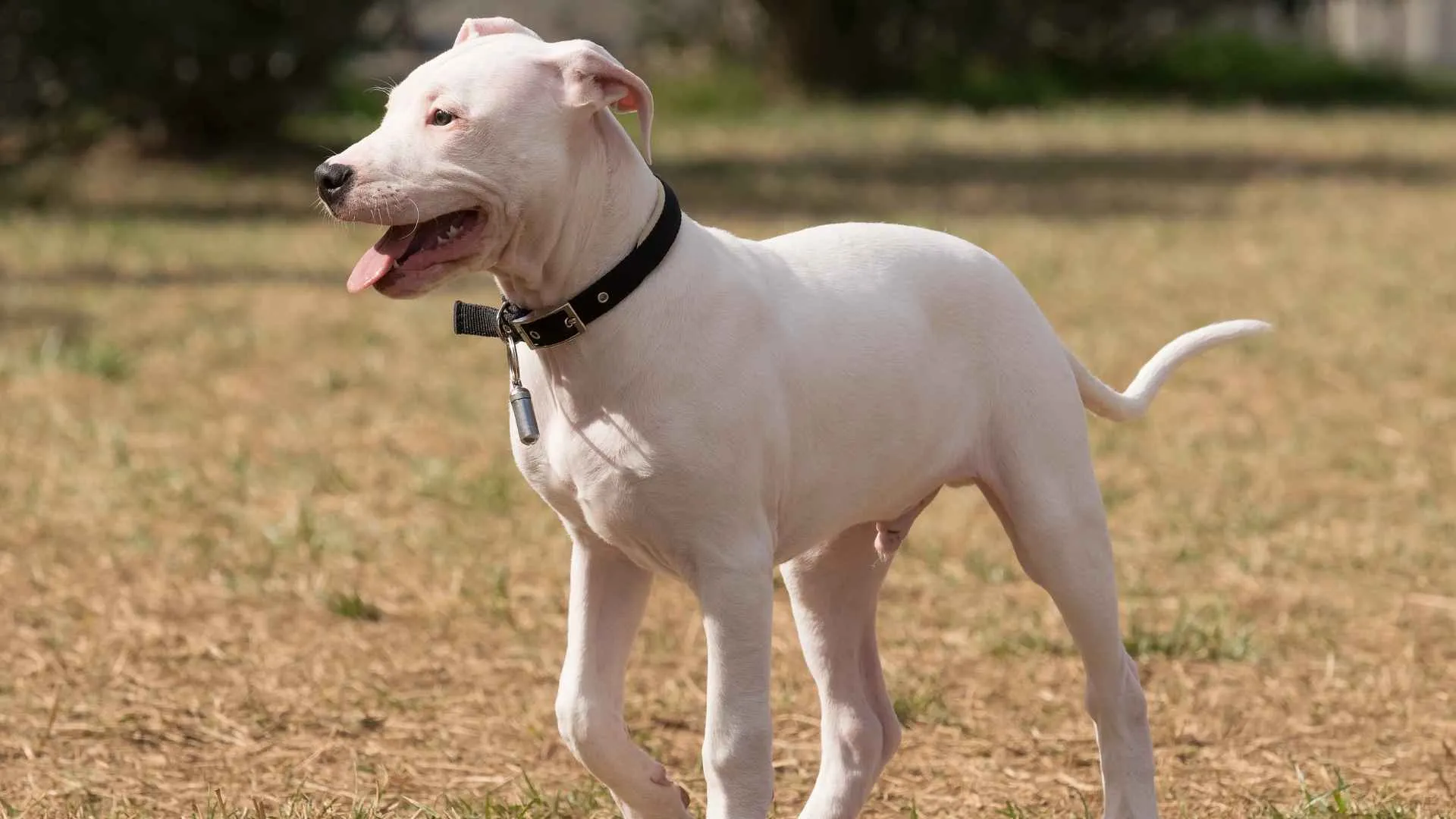
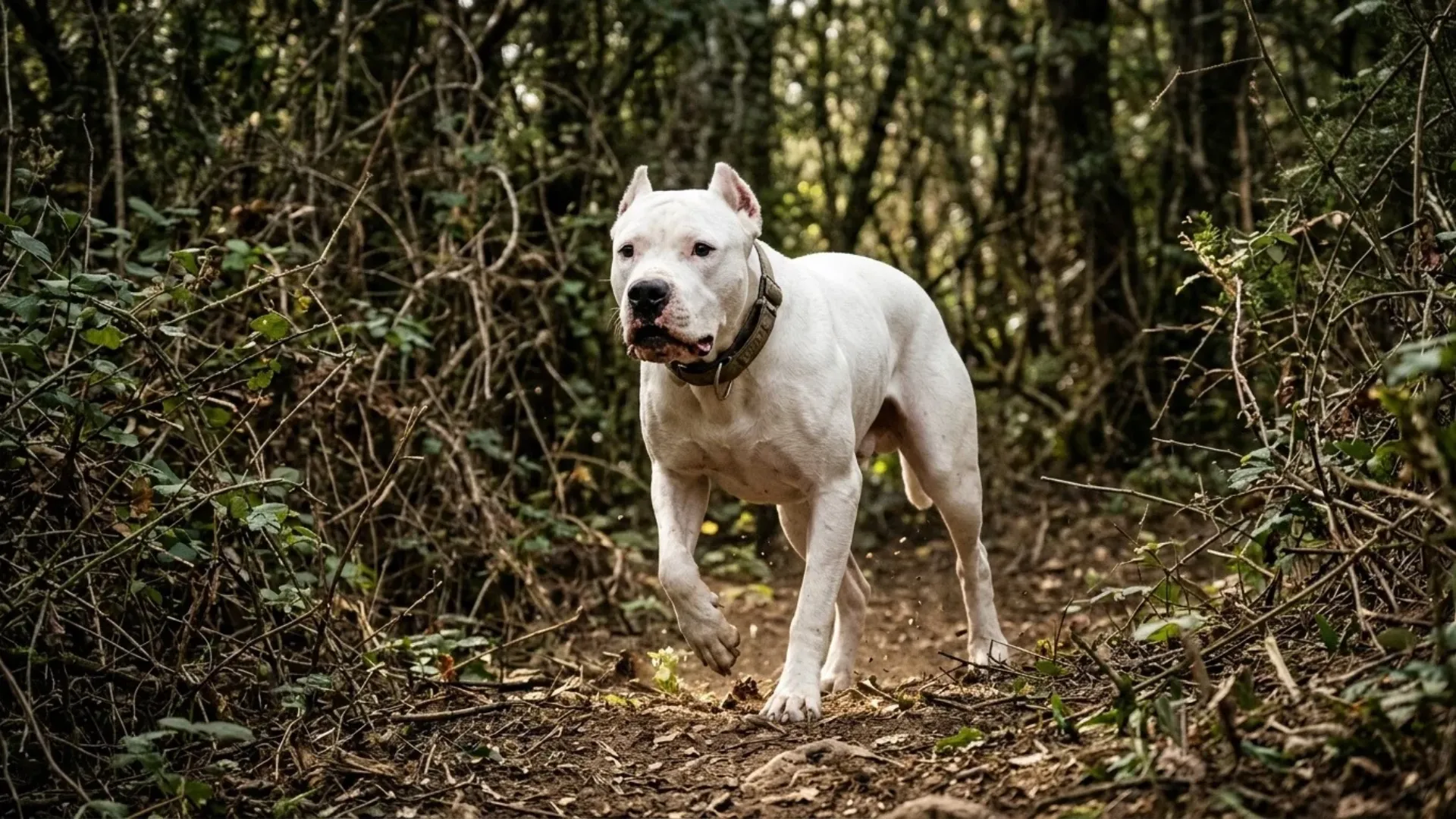
In 1920s Argentina, Antonio Nores Martinez set out to build a hunter for wild boar and puma, and the Dogo Argentino was born. The AKC confirms that boar is the main quarry for this breed. Its tusk strategy is Grip, which means winning with weight and then refusing to let go, even when the boar objects loudly.
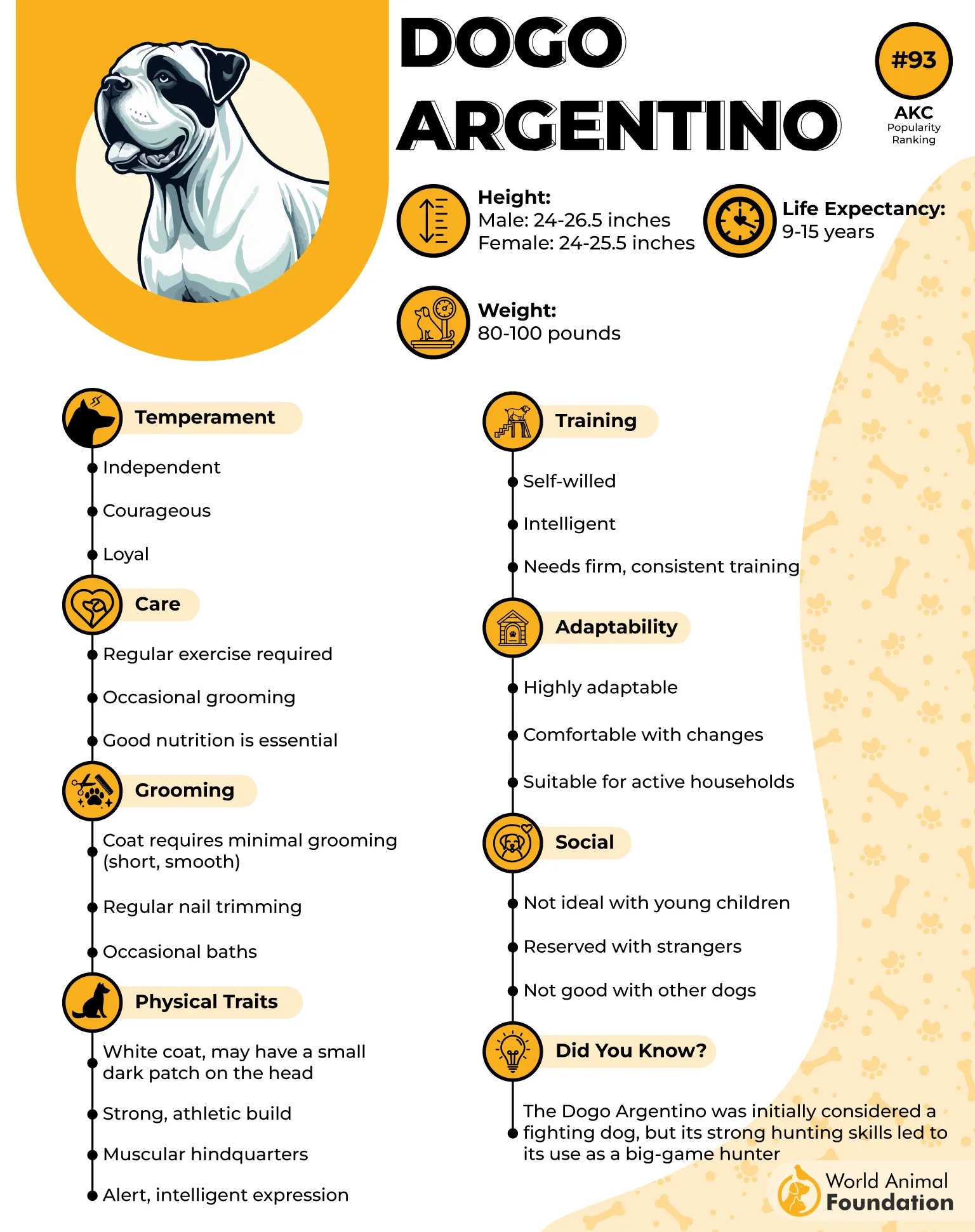
Courage is the headline here. Even so, the Dogo takes handler cues quickly, so the bravery comes with a steering wheel. That balance puts it among the best breeds for targeting larger animals.
Role in the hunt: A catch dog that closes in, pins the boar, and holds on, usually alongside packmates, until the hunter arrives.
Physical tools: Powerful muscles, exceptional scenting abilities, and a white coat that stays visible in thick brush.
Next comes the handler’s side of the deal. Early socialization and firm, consistent training are essential for a dog this strong, so beginners should look elsewhere. Cut vests also help here, because tusks do not care how confident a dog is.
2. American Pit Bull Terrier
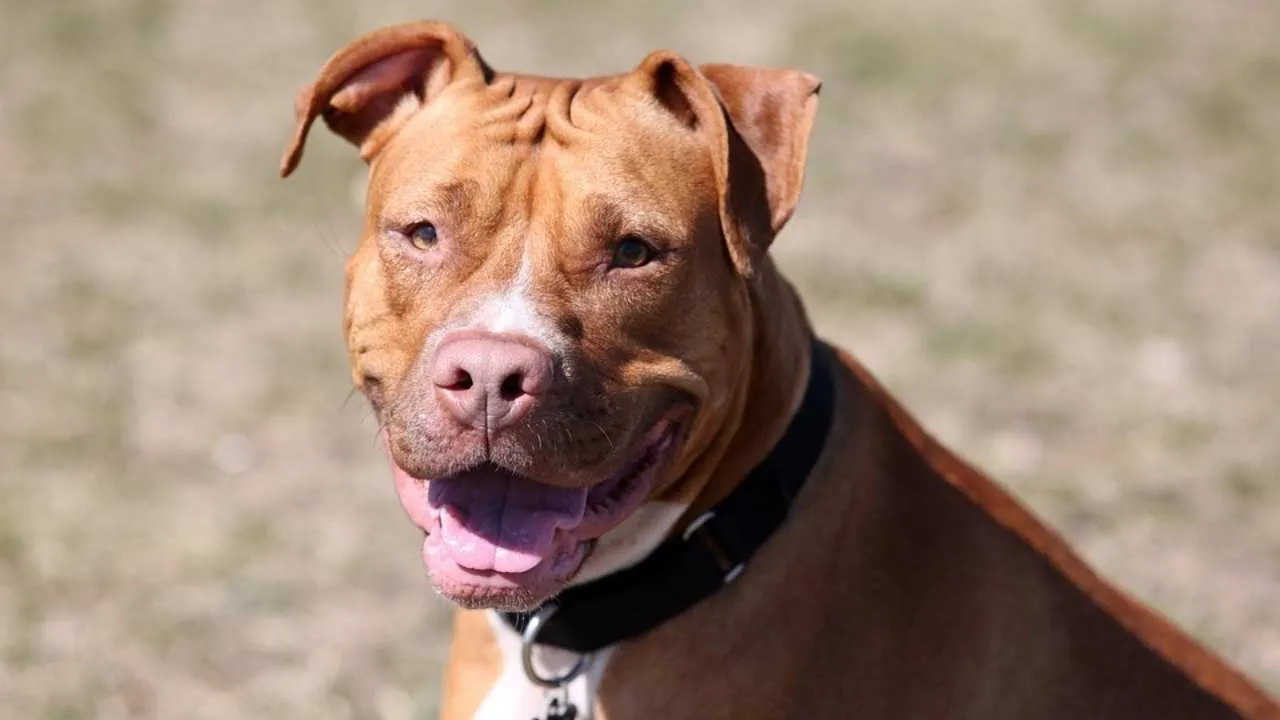
The American Pit Bull Terrier grew out of bulldog and terrier stock, and Britannica says the type was developed to capture and restrain semi-feral livestock. Hog work was a short step from there, since the job already rewarded grip and grit. This pit bull breed uses the Grip strategy, trading distance for a determined hold.
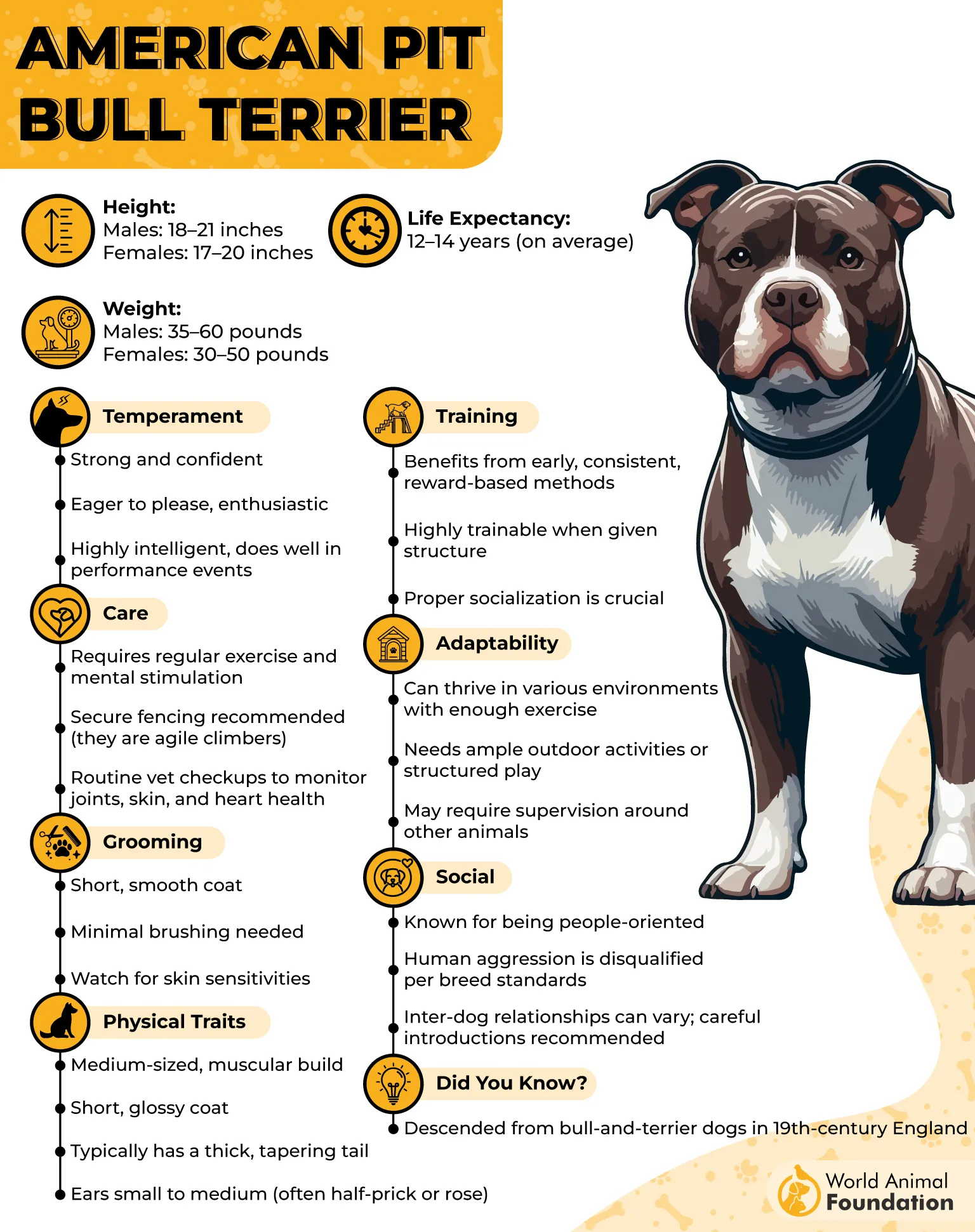
Target fixation is the star trait. Once a boar is in view, this confident dog locks on with razor-sharp focus. Naturally, that intensity needs a handler who can call it off the moment the hunter says so, every time.
Role in the hunt: Catch dog that takes hold and keeps the hog still until the hunter catches up.
Physical tools: A compact, muscular frame, a strong jaw, and high endurance tolerance for long, messy encounters that drag on.
Training matters more than muscle with this dog. Consistent, positive sessions and early socialization keep that drive aimed in the right direction. Injury risk is real, so only experienced handlers with proper backup should take it afield.
3. Catahoula Leopard Dog
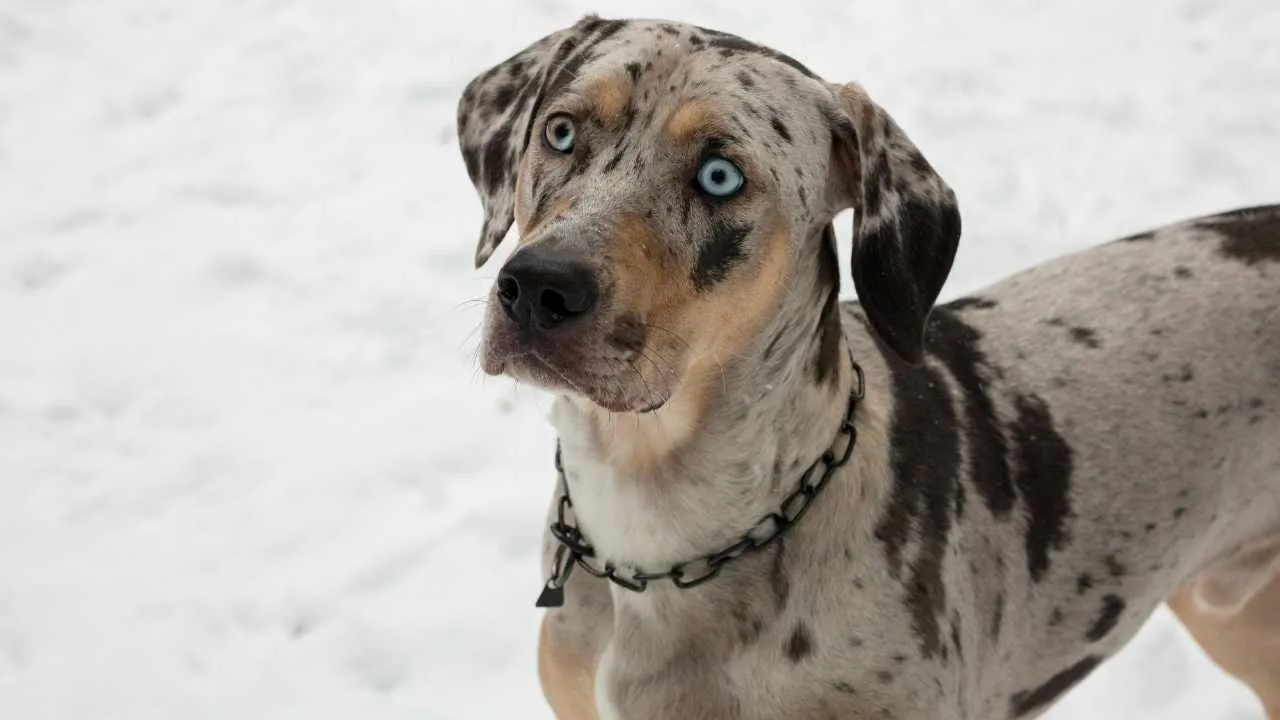
Louisiana’s swamps and bayous shaped the Catahoula Leopard Dog, and the breed has carried that muddy heritage ever since. Hill’s Pet explains that it was adapted for swamp work and hog hunting. Its tusk strategy is Bay, so it works at a safe distance and makes plenty of noise, which tells the hunter exactly where to go.
Under pressure, this smart dog stays sharp-witted rather than reckless. Its intelligence helps it judge when to press in and when to back away from a hog that suddenly turns. Think of it as a poker player with 4 quick legs.
Role in the hunt: Baying dog that locates a hog, circles it, and holds the animal’s attention while the hunter closes the gap.
Physical tools: Webbed paws for swampy mud and the stamina to keep working for hours.
Handlers should expect a busy, opinionated hunting partner. Daily work and firm training matter, because a bored Catahoula invents its own jobs. Scrapes happen in thick cover, so check for cuts after every hunt.
4. Black Mouth Cur
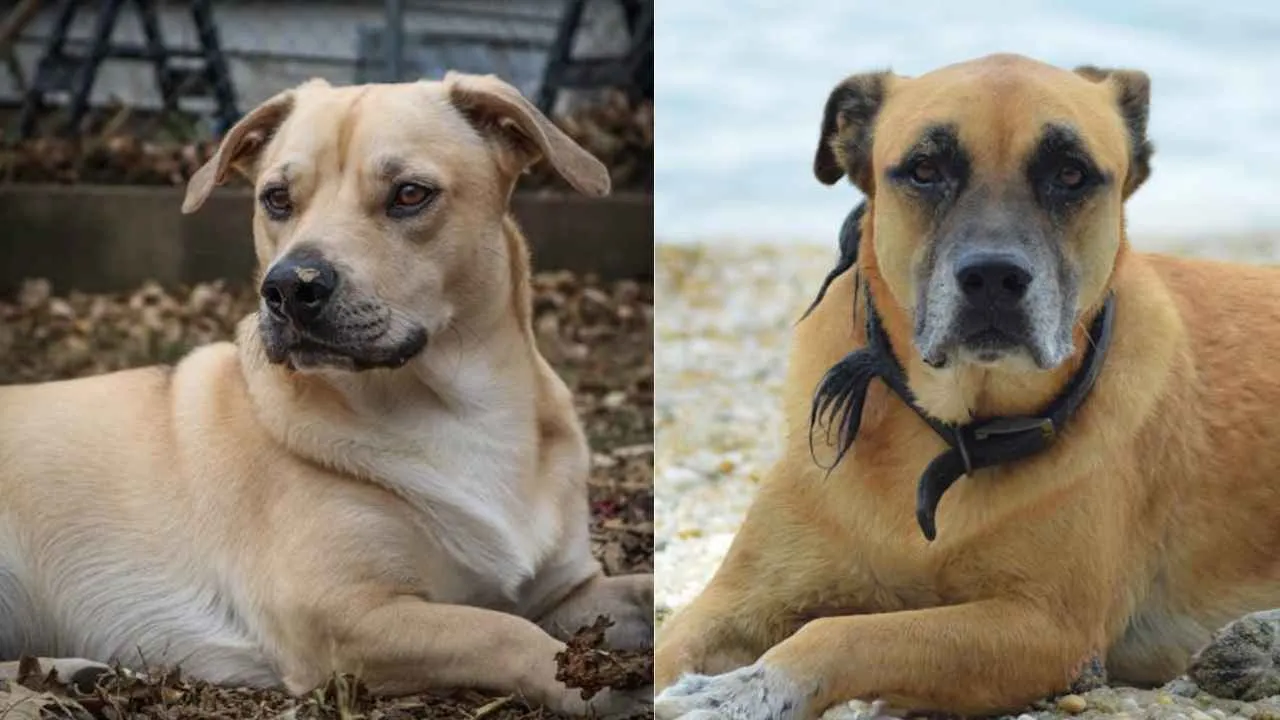
Southern farm families needed a do-it-all dog for the homestead, and the Black Mouth Cur answered the call. CKCUSA says these dogs trailed game and could pen or catch hogs and cattle. Its tusk strategy is Bay, with some grit held in reserve for when the hog stops cooperating.
This breed brings inborn talents for reading livestock and game across various species. Remarkable responsiveness to a handler’s voice keeps its sharp instincts on a short leash, figuratively speaking. Still, it can turn mischievous when the day gets boring, so keep it busy.
Role in the hunt: Baying dog that finds the hog, keeps it occupied, and steps in to catch when the situation demands it.
Physical tools: A rugged, well-muscled build and a short fur coat that shrugs off brush, thorns, and swamp water.
Because this is a high-drive worker, it needs real hunting tasks and daily exercise. Early training with positive methods pays off quickly and builds trust. Without a job, it makes a restless and rather creative pet.
5. Plott Hound
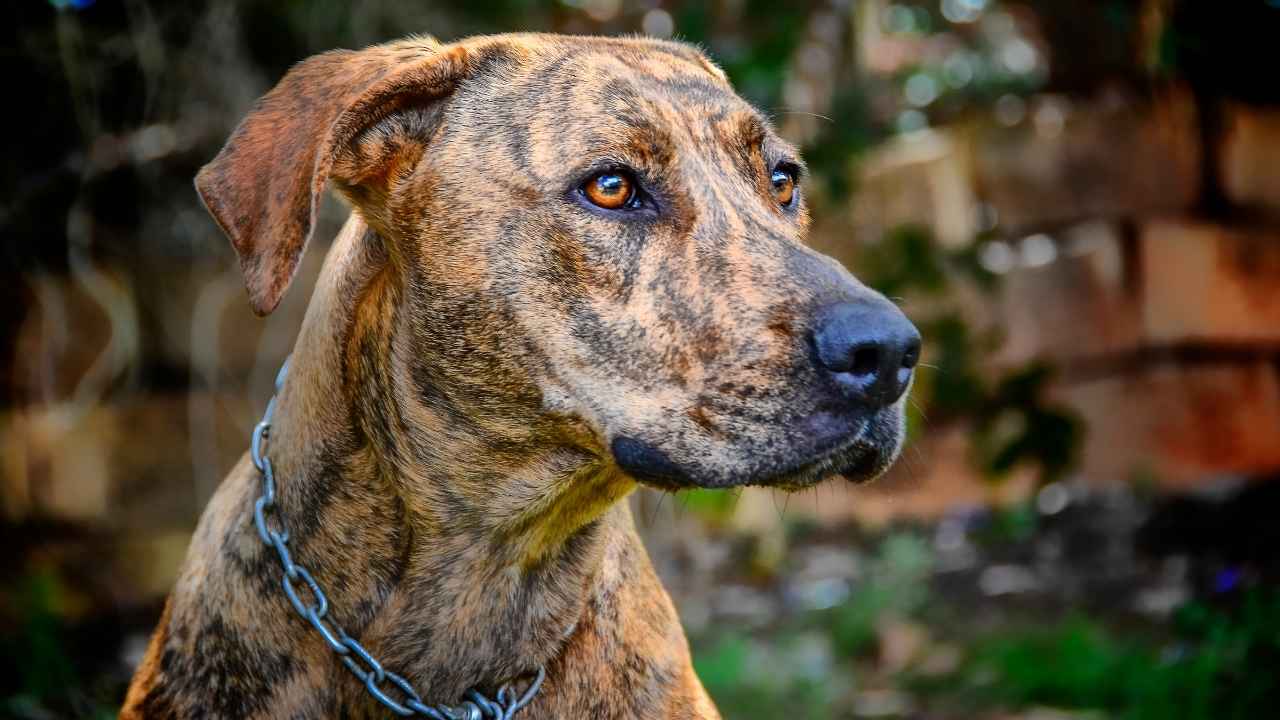
Johannes George Plott brought boar hounds from Germany to North Carolina in 1750, according to WebMD. Those dogs were bred for cleverness and stamina, and the Plott Hound carries that legacy across rough, wooded country. Its tusk strategy is Bay, so it keeps its distance and lets its voice do the heavy lifting.
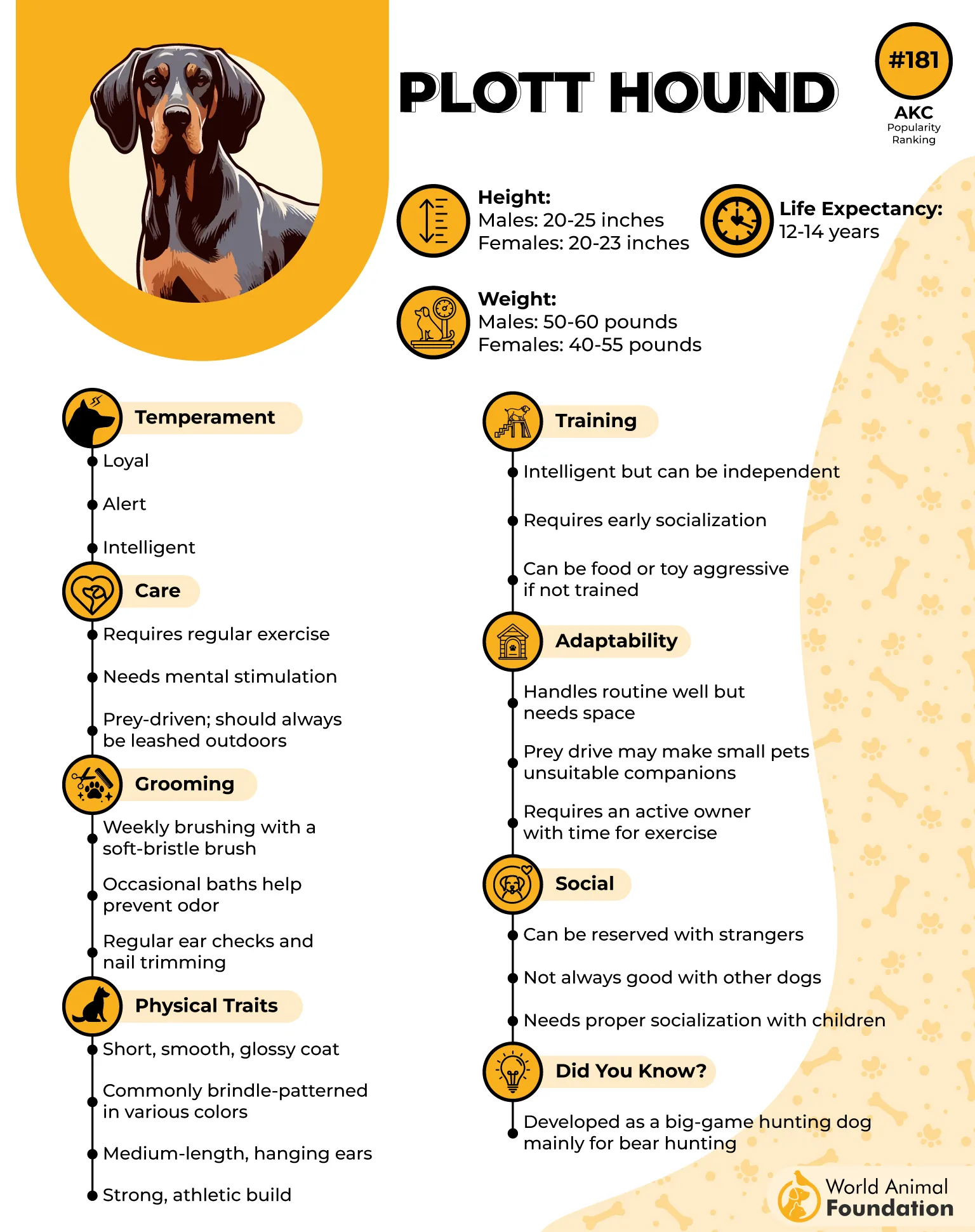
Wild boar are clever prey, yet a boar that turns around does not rattle a Plott. Its honed judgment and confident streak help it stay out of reach while still working close. That calm earns it a spot beside the most seasoned hunters on any trail.
Role in the hunt: Baying dog that follows the trail, spends hours chasing the boar, and holds it in place until backup arrives.
Physical tools: Extraordinary noses, exceptional agility, and the speed for high-speed pursuit over rough ground.
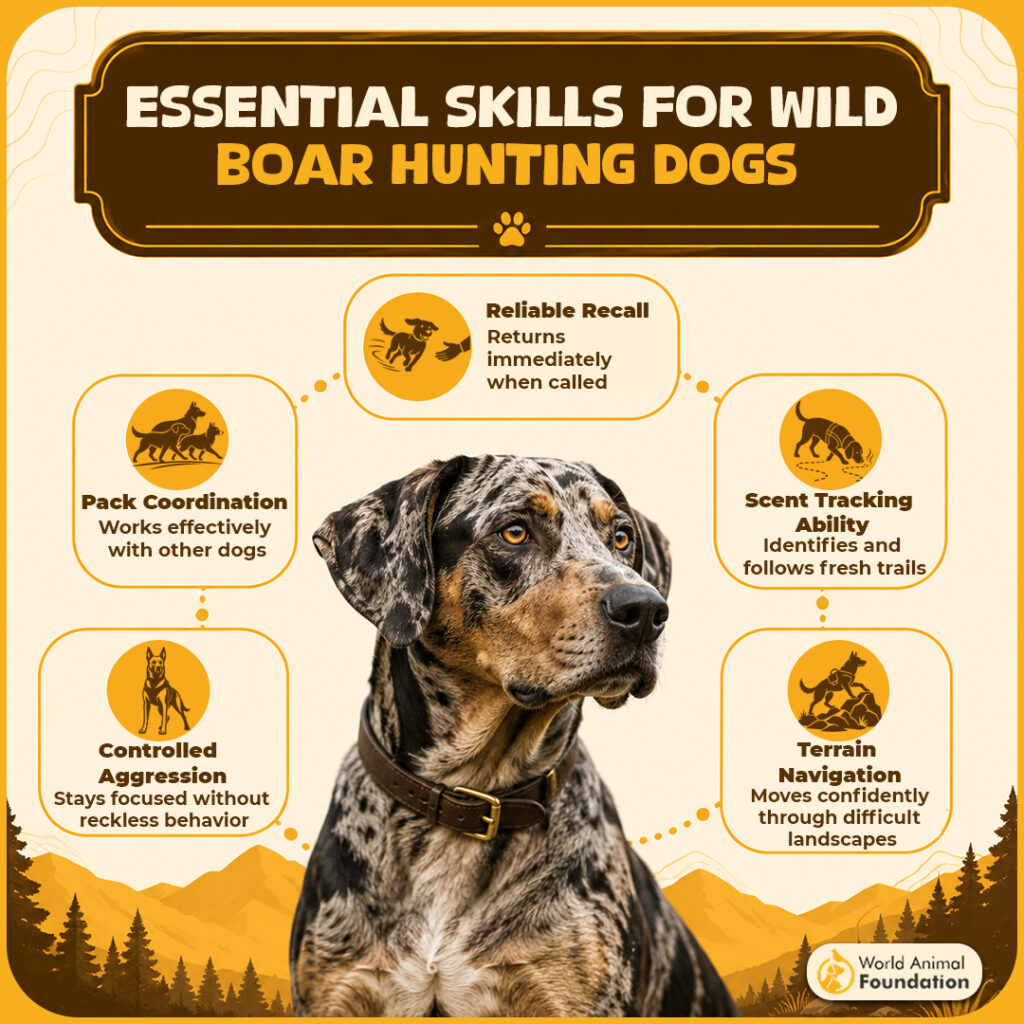
Plotts need miles, not minutes. Consistent recall training matters, because a hound on a hot trail can ignore everything else, including you. Active hunters are the best match, while apartment dwellers will struggle.
6. Jagdterrier
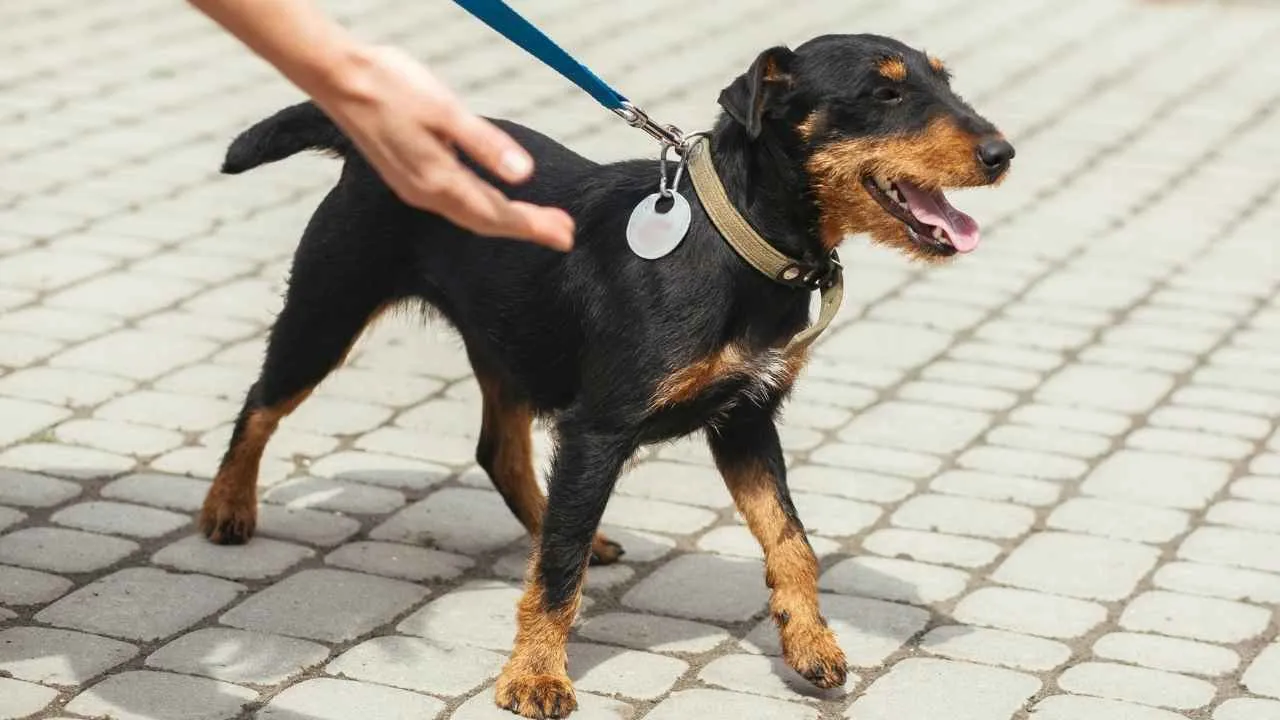
After World War I, German hunters wanted a working terrier that put job skills ahead of show-ring looks, and the Jagdterrier arrived. It was built for badger and fox work below ground, yet hunters soon added boar to its working resume. Its tusk strategy is Slip: small, quick, and annoyingly hard to pin down, a real asset around tusks.
Pressure seems to feed its brainpower. Fearless is the usual word for this breed, though fearless can slide into foolish near a charging boar. Smart handlers keep a close eye on that predatory behavior.
Role in the hunt: A flushing dog that drives boar out of thickets and into the open, where waiting hunters can see it.
Physical tools: A compact, sturdy body that excels at close-range work in tight cover and slips through gaps larger dogs cannot.
Handlers need patience and experience. Firm training, plenty of exercise, and a real job keep this dog out of mischief. Because a charging boar can seriously hurt even tough four-legged allies, close supervision matters.
7. American Bulldog

American Bulldogs descend from English bulldogs that settlers brought over, and Southern farmers put them to work catching cattle and feral hogs. That hog work even helped the breed survive. Its tusk strategy is Grip: use mass first, then hold on tight.
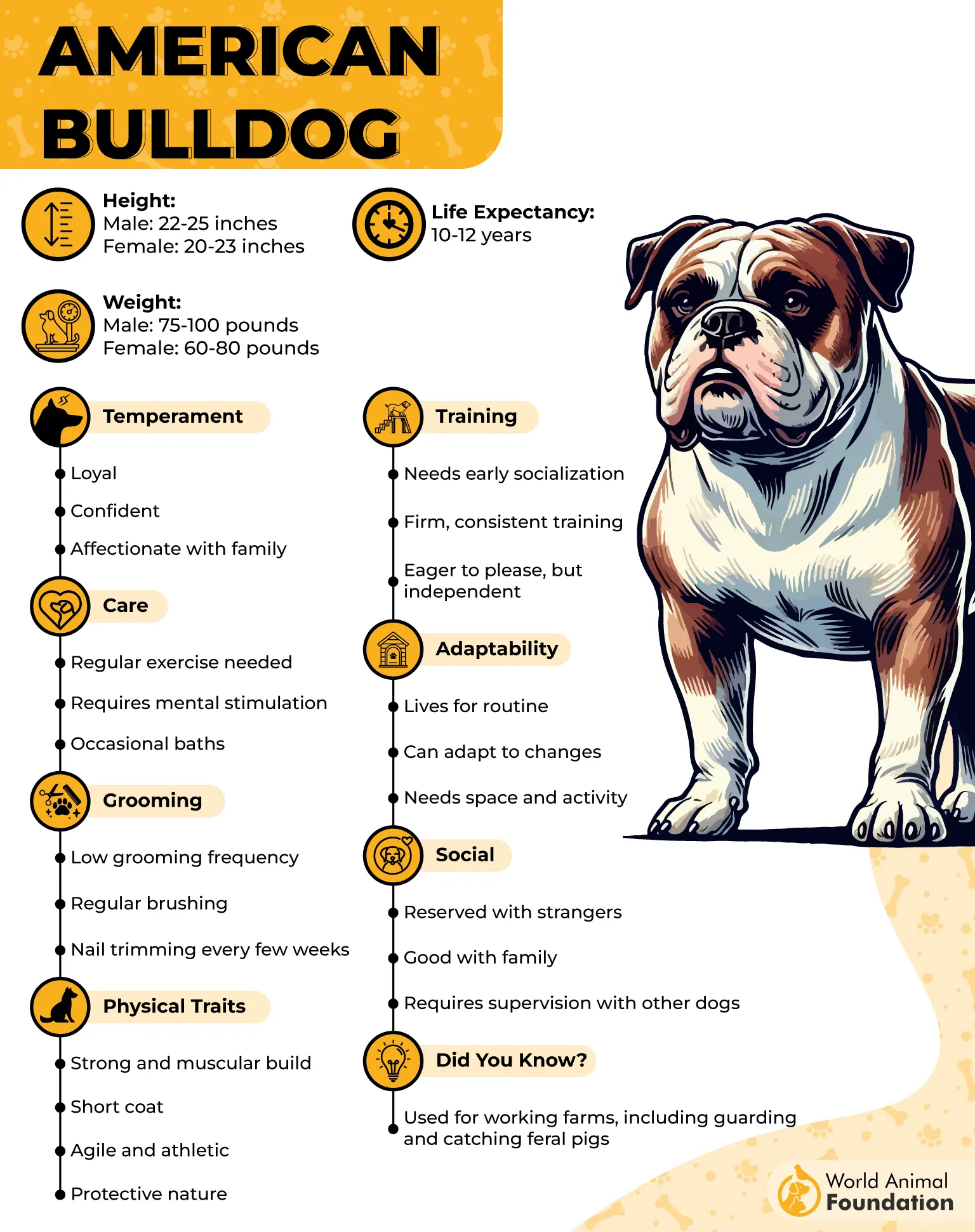
On the job, this dog is determined and keeps a cool head when a hog squeals, spins, and charges. Off duty, the grit has an off switch, which makes it a loving pet at home. That split is a big part of its charm for hunters and families.
Role in the hunt: A catch dog that charges in fast and drops its weight on the problem until the hunter takes over.
Physical tools: A broad chest, powerful neck and forequarters, and a short, easy-care fur coat that needs little grooming.
Ownership calls for a firm, experienced hand and a lot of patience. Early training and socialization are essential, because power and drive arrive in the same package. Expect plenty of exercise, plus a few scars that fans call honorable.
Conclusion
Boar hunting turns out to be less about speed and more about survival, and every dog here solved the tusk problem in its own way.
Some grip, some bay, and some slip, yet all of them mix remarkable intelligence, quick agility, and the modified predatory behavior that keeps a hog busy until you arrive, which is impressive for a pet that also naps on the couch.
Ready to find your match? Choose the best one for your terrain and experience, gear up with proper cut vests and solid training, and check your local hunting laws before your next hunt.
