




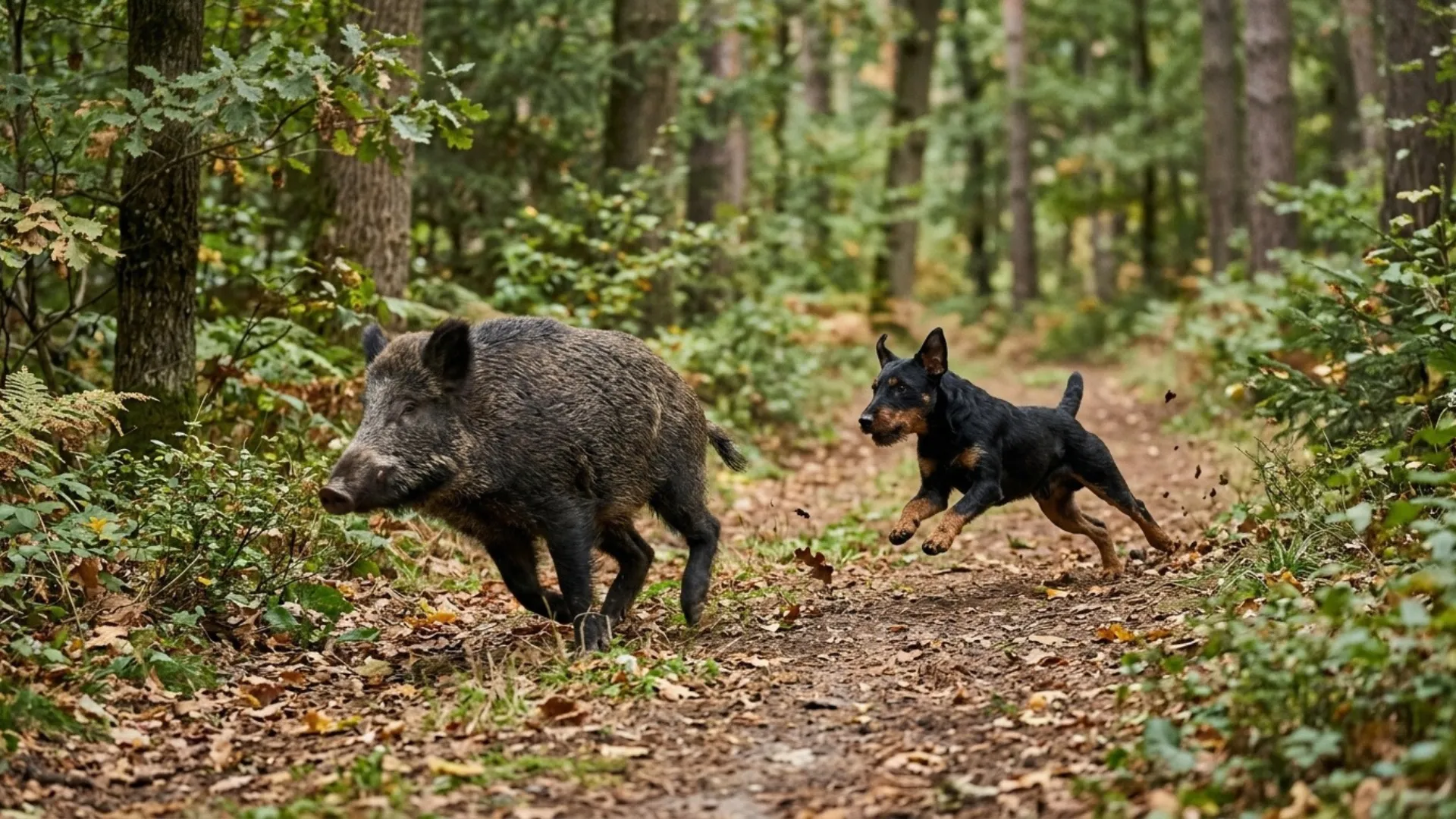
A wild boar disappears into thick woodland, leaving only a faint scent along the trail. For a hunting dog, the real work begins at that moment.
It must follow the animal’s path across uneven ground, work through tangled vegetation, and keep searching when the trail becomes difficult to read. If the boar turns to defend itself, the danger rises quickly. Adult wild boars can inflict serious injuries with their tusks, making reckless pursuit a genuine risk. Dogs used for this work need more than muscle.
Their stamina helps them cover rough terrain, their noses guide them through changing conditions, and their training helps them work alongside hunters. Some breeds are valued for tracking, while others are known for pursuing or baying game. Each role calls for a different combination of physical ability and working instinct.
The breeds featured in this article offer a closer look at those differences, including the traits that have earned them a place in wild boar hunting.
Key Takeaways
Hunting wild boar calls for serious stamina, and the dogs involved must navigate rough ground while following a scent that can quickly become difficult to trace.
The Plott Hound uses its keen nose and distinctive bay, while the Dogo Argentino brings considerable strength to close-range encounters with large game.
The Jagdterrier’s compact frame helps it work through tight cover, and the Alano Español has the muscular build needed to hold powerful animals during a hunt.
From the Mountain Cur’s sure footing to the Bavarian Mountain Scent Hound’s ability to track faint scents across rocky slopes, these breeds have some fascinating working traits worth discovering.
Dog Breeds Proven to Hunt Wild Boar with Skill and Stamina
1. Plott Hound
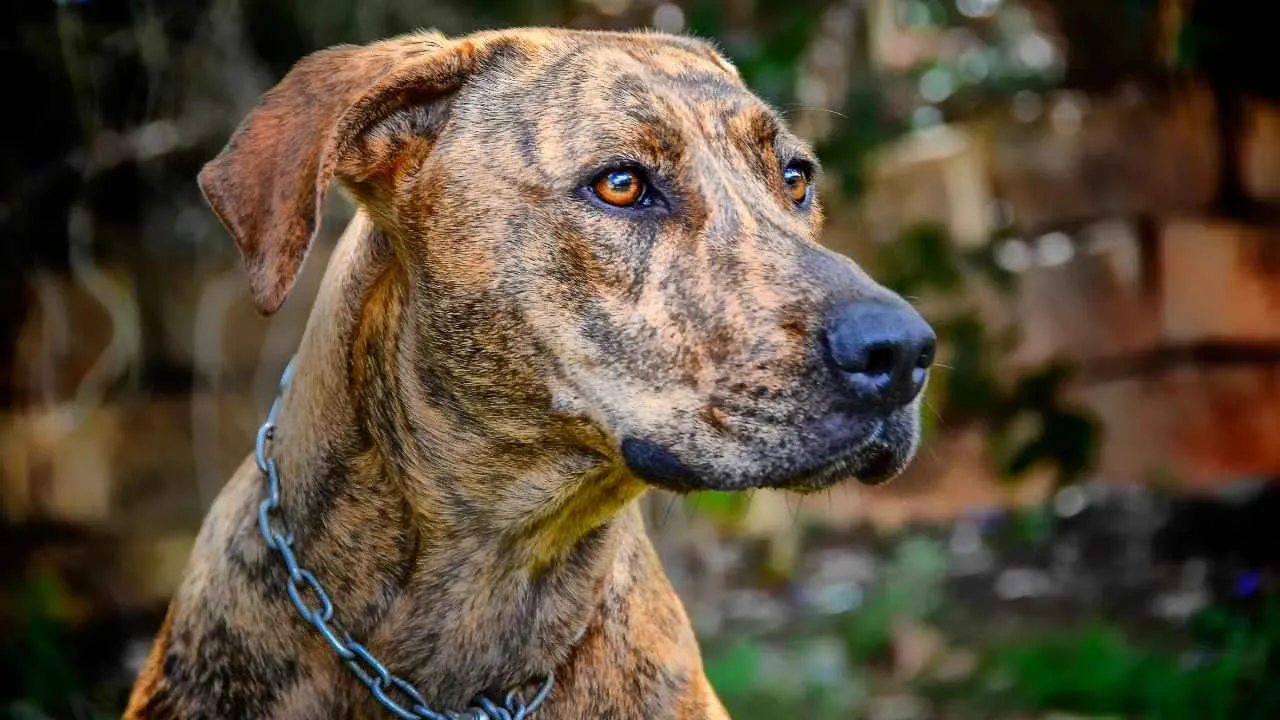
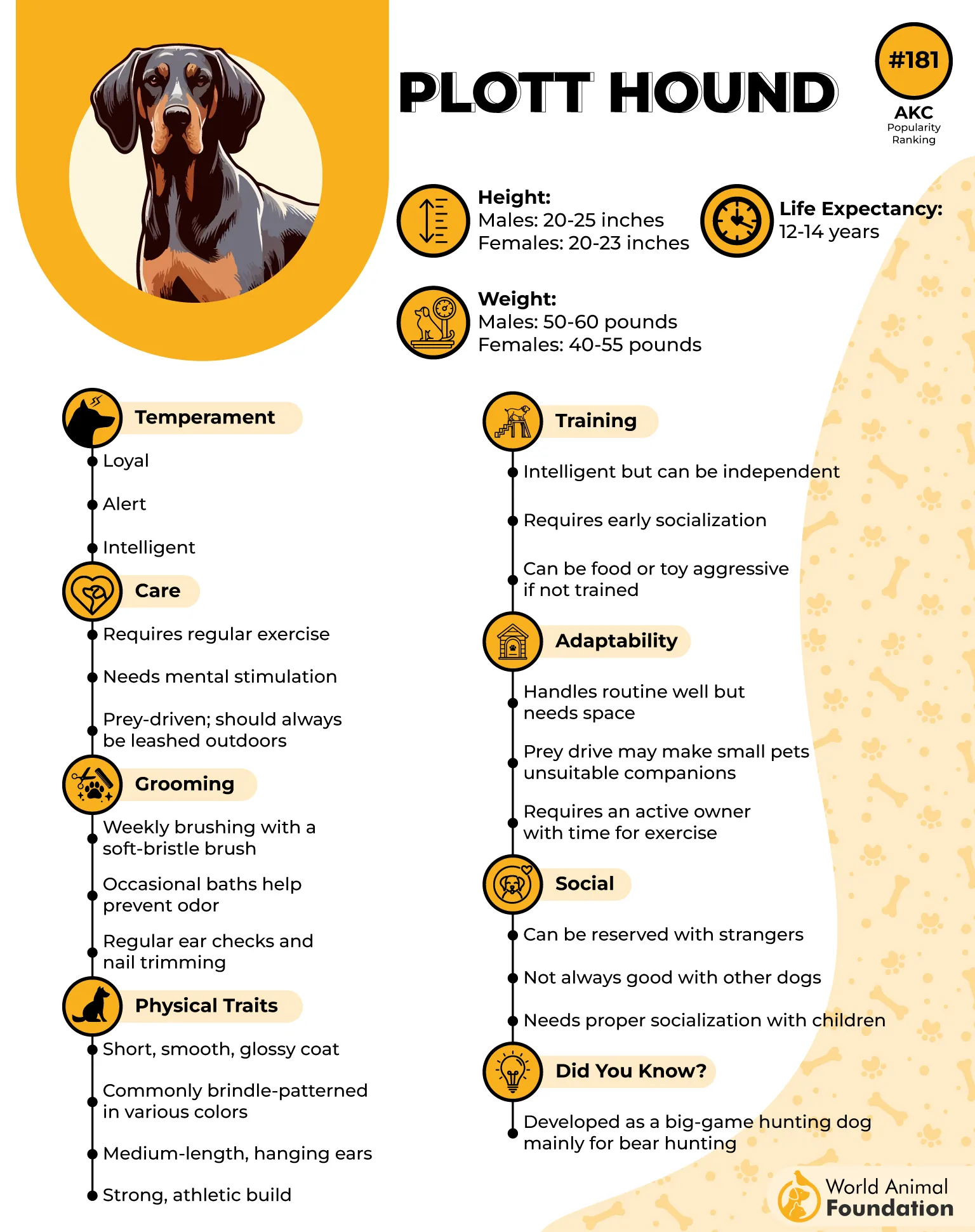
The Plott Hound traces its American beginnings to the mid-1700s, when Johannes Plott brought five Hanover hounds from Germany to North Carolina. His family later crossed these dogs with local hunting dogs, producing a breed used to pursue large game, especially wild boar and bears.
Following the Scent
Plott Hound relies on an exceptionally keen nose to follow older scent trails through thick brush and rugged, mountainous country. When a trail becomes difficult to follow, it can sweep its nose from side to side until it picks up the scent again, then focus intensely on the track.
Three working abilities help explain its approach in the field:
Loud vocalizations help hunters locate the dog
Dogs can work together using their voices and body language
Its nose can follow older scent trails across challenging terrain
A Voice in the Woods
The resonant bay of this hunting dog breed can change when it locates or holds game, giving hunters useful information from a distance, as the AKC claims. Its short coat is relatively easy to care for after outdoor work, and its brindle coloring can help break up its outline in woodland shadows.
2. Dogo Argentino
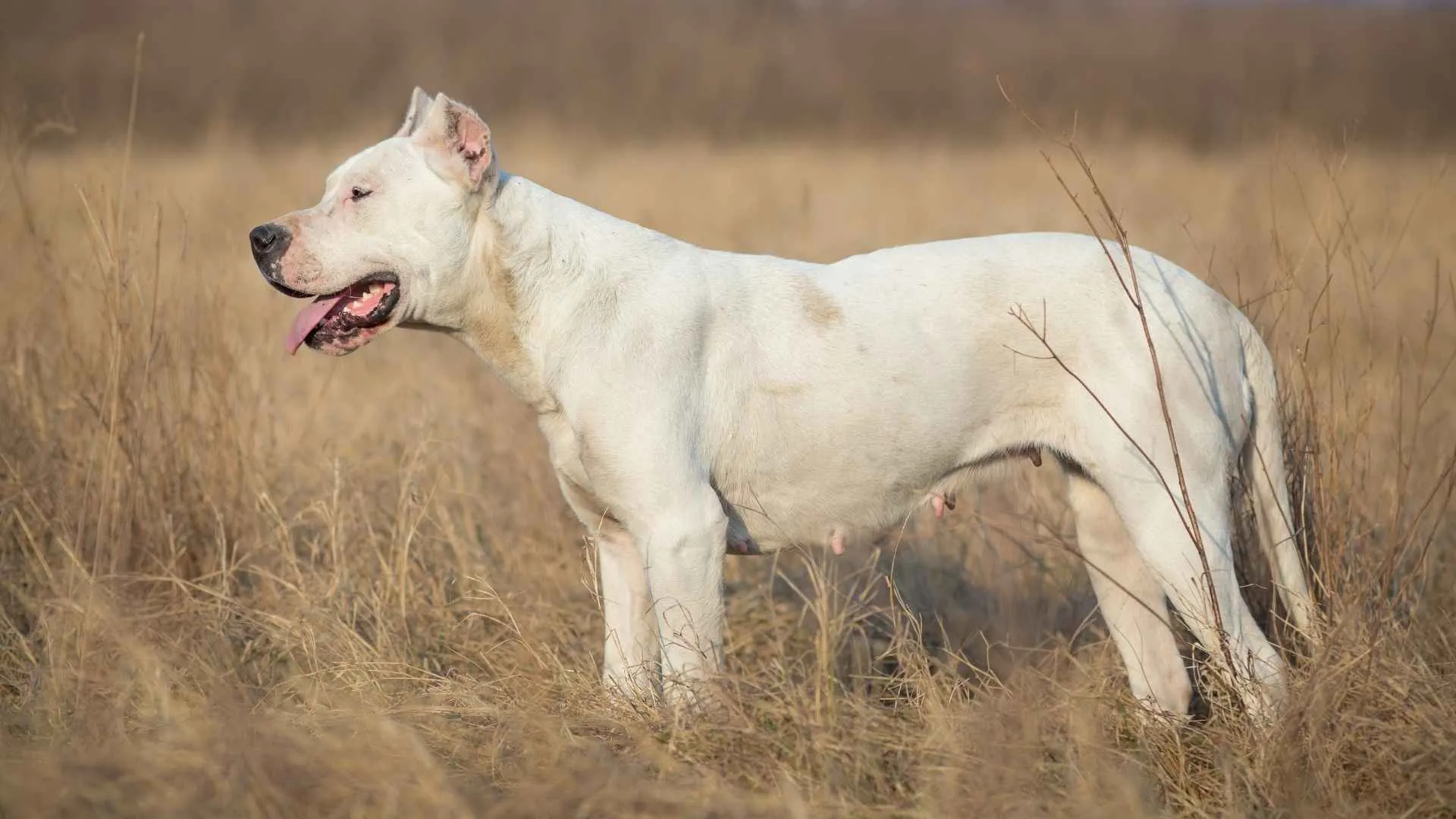
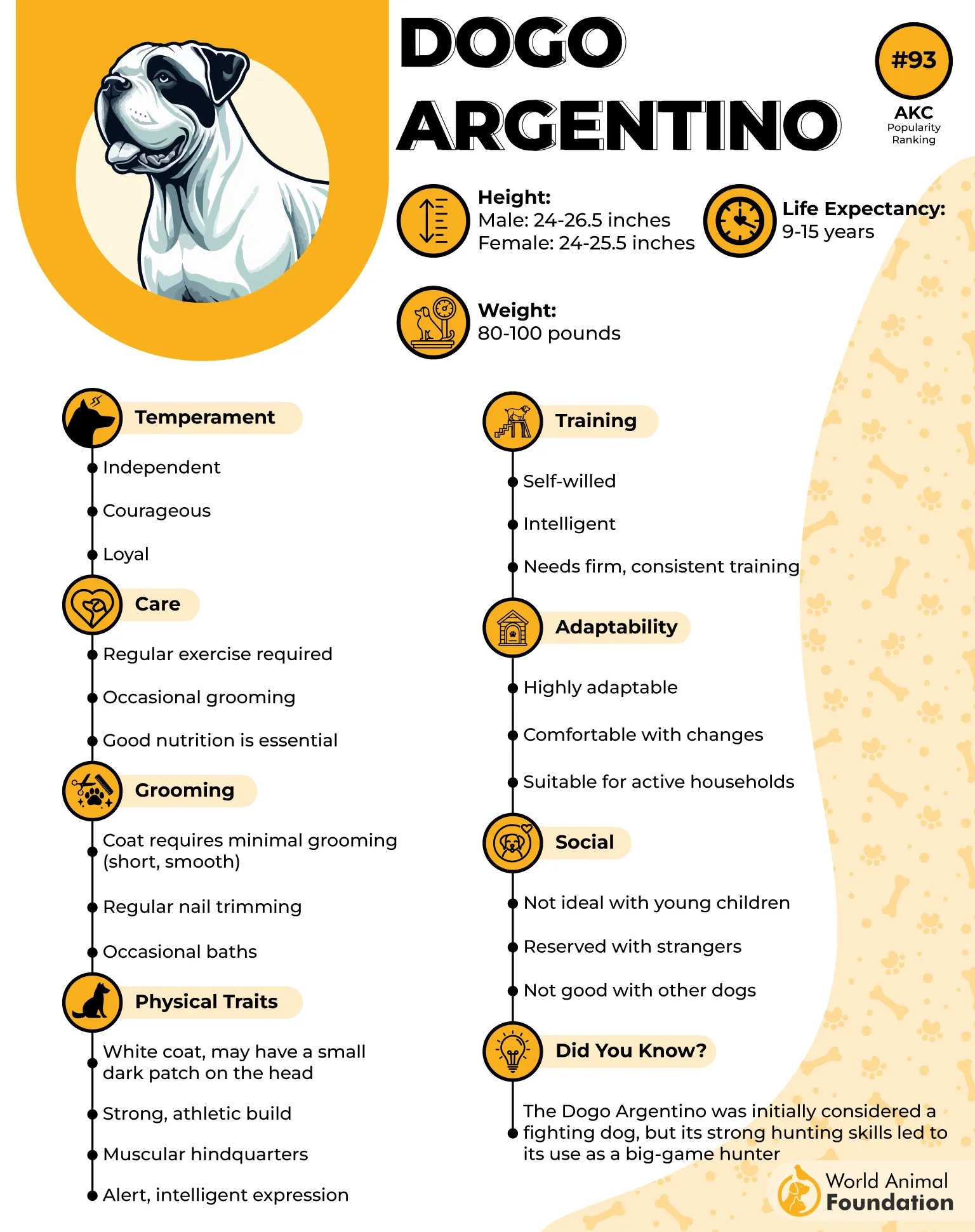
Dogo Argentino was originally bred in Argentina in 1928, drawing on several breeds, including the Great Dane, Pointer, Bull Terrier, Boxer, and Irish Wolfhound. Bred to pursue wild boar, mountain lions, and other large game, it was shaped for demanding hunts requiring power and determination.
Built for the Catch
A muscular frame, powerful neck, and broad head help the Dogo Argentino seize and control large prey during a hunt. Its working style combines explosive bursts of speed with the stamina needed to pursue animals across challenging ground.
The following physical features explain its hunting role:
Short, tight white coat for visibility in thick vegetation
Strong shoulders for grappling with large prey
Athletic build suited to sprinting and sustained pursuit
Powerful at Close Range
This active dog often uses a firm grip-and-hold style during work and physical play, reflecting its traditional role as a catch dog.
Structured tug games and controlled exercises can help channel that strength, while careful introductions matter because rough play with unfamiliar dogs may lead to conflict.
3. Jagdterrier
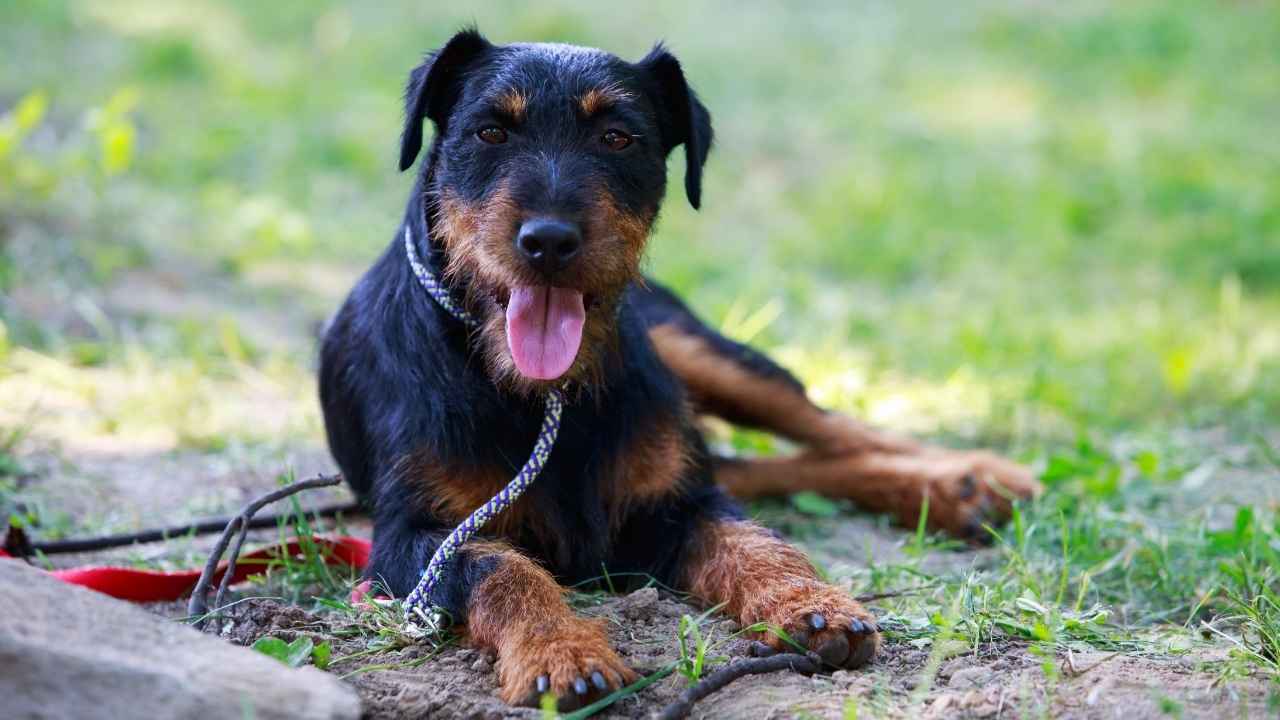
Jagdterrier emerged in Germany from crosses involving black-and-tan Fox Terriers, Welsh Terriers, and Old English wirehaired terriers. The German Hunter Terrier Club formed in 1926 to guide the breed toward specific working qualities, and it reached the United States during the 1950s.
Built for Tight Cover
This hog hunting breed has a compact, muscular frame that helps it enter narrow dens and push through thick brush while pursuing wild boar. Its persistence on scent can keep it focused on a trail through difficult cover, even when the quarry is dangerous.
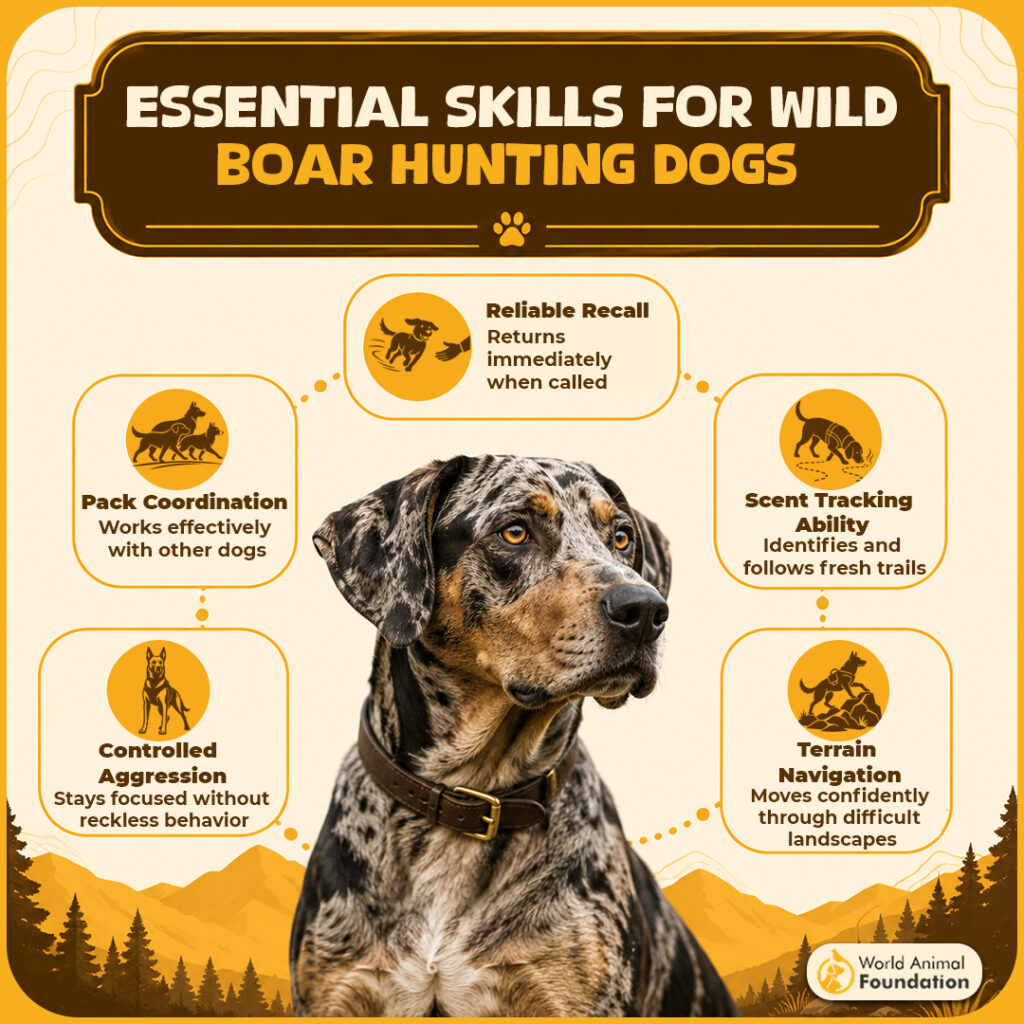
Several working features support this demanding role:
Smooth, rough, or broken coat varieties
Persistent baying to signal its location
Blood-tracking ability for wounded game
A Demanding Hunting Partner
Jagdterrier’s courage and high pain tolerance can put it at serious risk when confronting a boar’s tusks at close range. According to PetMD, its strong prey drive also calls for secure boundaries and careful management around cats, rabbits, and smaller dogs, particularly when quarry scents trigger intense excitement.
4. Alano Español
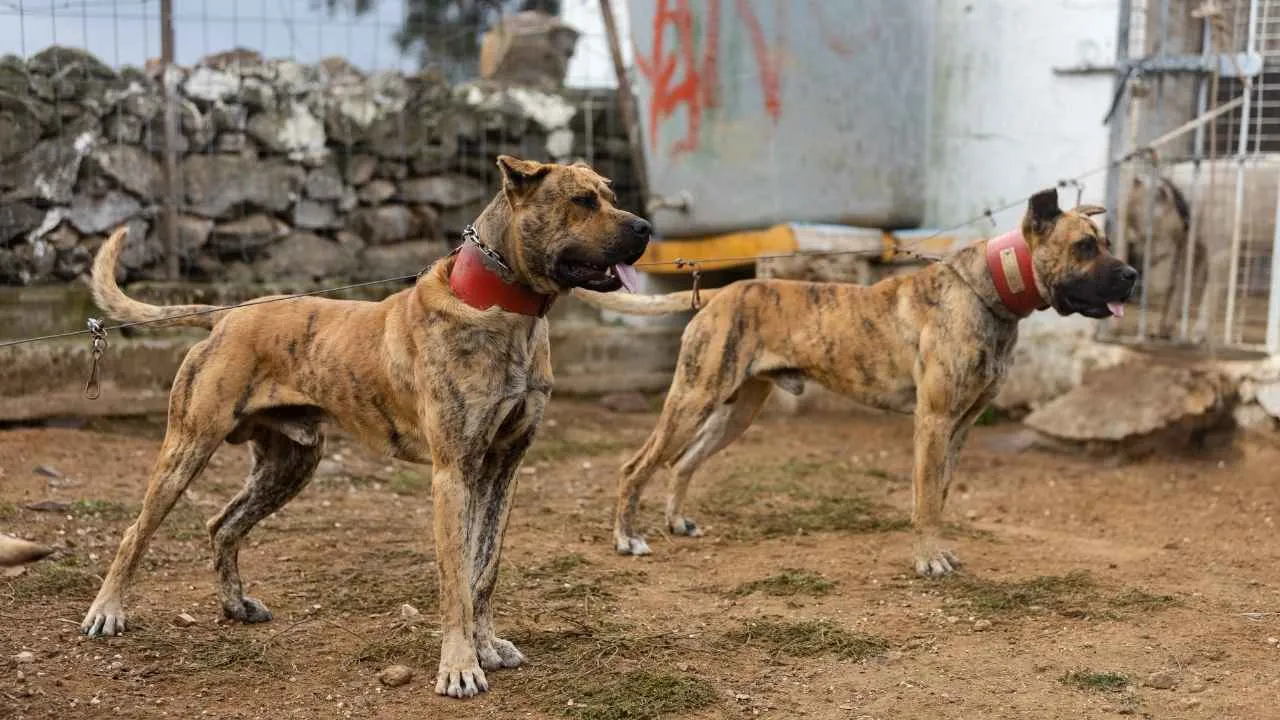
Alano Español takes its name from the Alani, an ancient nomadic people who traveled across Europe and Africa with large herds of sheep and goats. Their powerful dogs helped protect livestock and assist with hunts, eventually reaching Spain, where they became known as the Alano.
Built to Hold Powerful Game
They used to pursue wild boar, manage cattle, and hold large animals with a firm grip. Its muscular shoulders, deep chest reaching the elbows, and powerful front legs support the physical demands of this work, especially when confronting strong, resisting prey.
These features are especially relevant to its hunting style:
Large paws that provide a firm footing
A muscular hindquarters for powerful turns
A thick-based tail that acts as a rudder during sharp changes of direction
Serious but Controlled
Alano Español tends to be affectionate with familiar people and patient with children, while approaching strangers with considerable caution, as reported by CKCUSA.
Its serious temperament, low tendency to bark, and strong response to its handler are important considerations for anyone assessing this breed’s working nature.
5. Mountain Cur
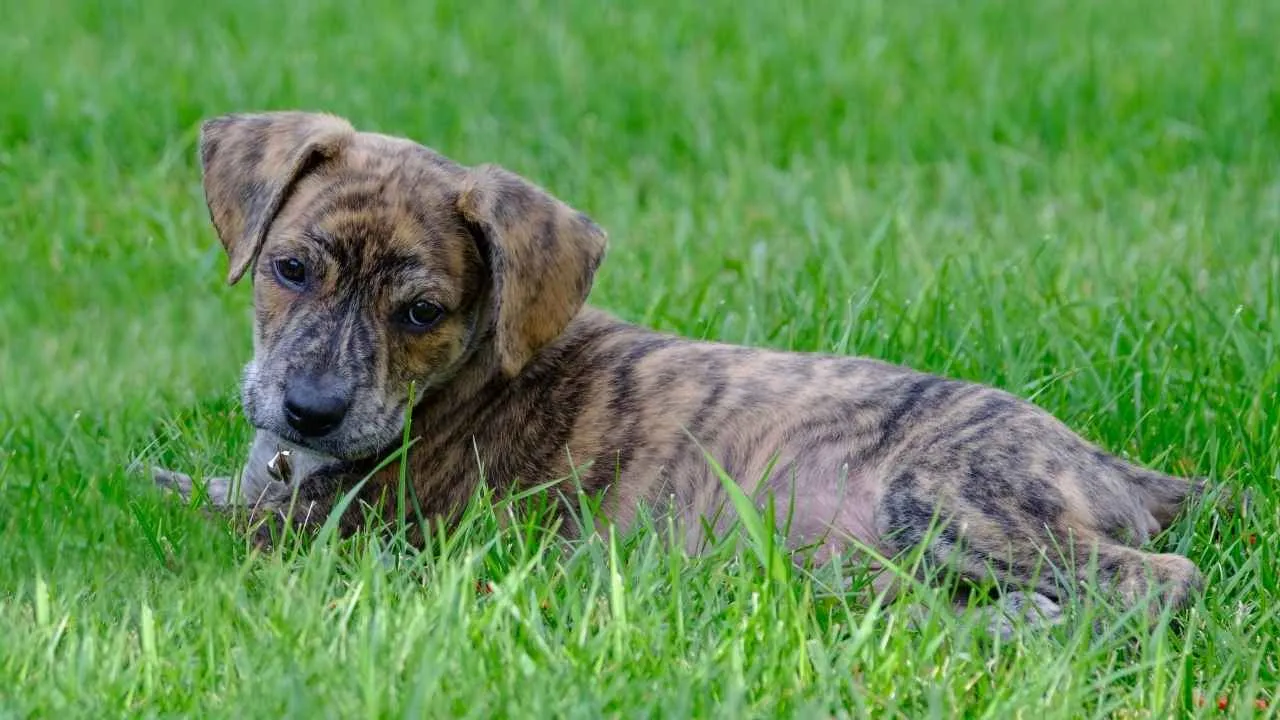
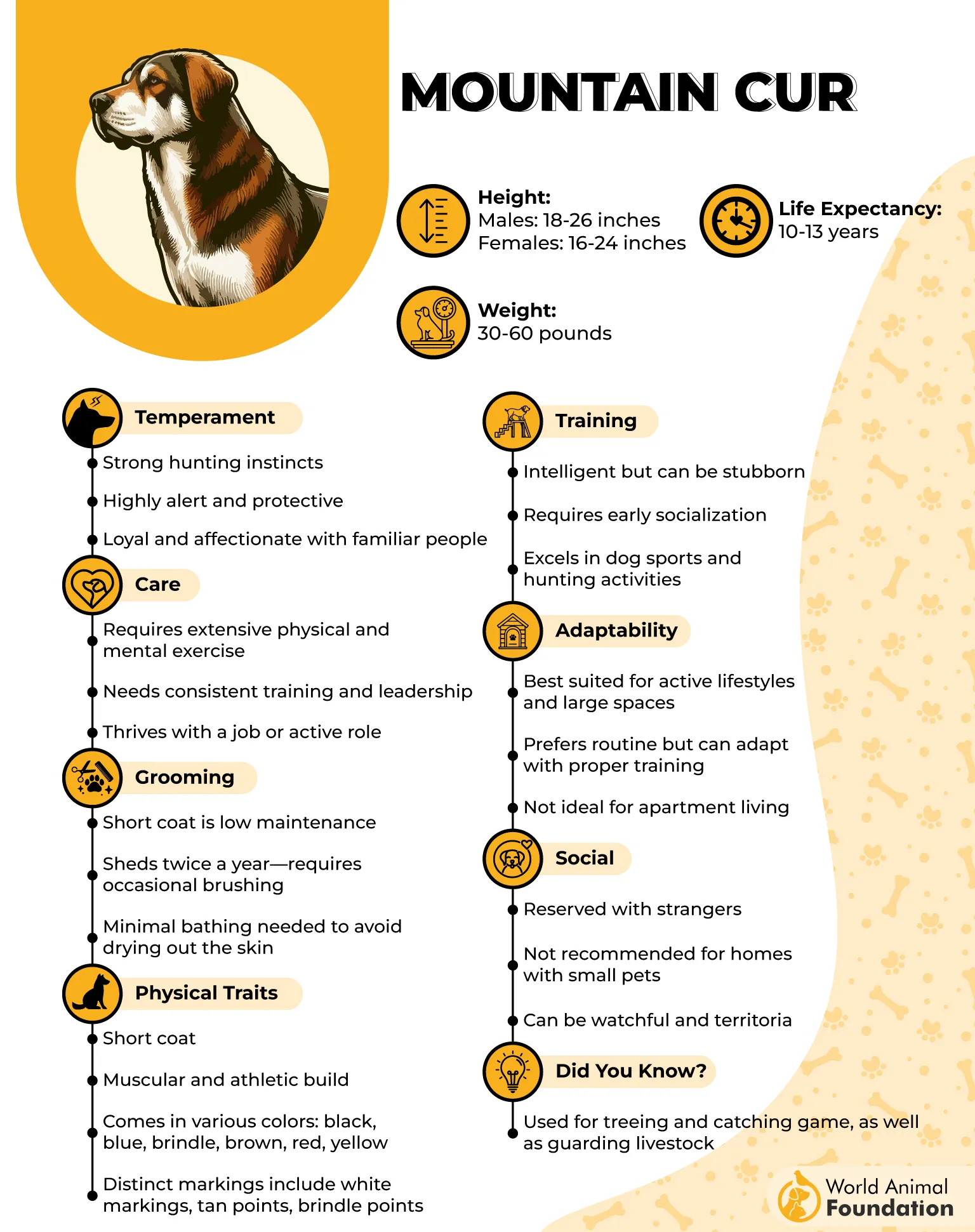
Mountain Cur became an important working dog for early European settlers in North America, particularly families establishing homes in the rugged Appalachian regions. These versatile dogs helped provide food through hunting while also serving as practical farm companions in isolated communities.
Fast Feet, Sharp Instincts
They combine muscular hindquarters with impressive stamina, helping them handle steep slopes, sharp turns, and dense brush during demanding hunts.
Their work with wild boar calls for sustained effort and careful control, especially when tracking game through difficult woodland terrain.
Three working qualities are especially relevant in the field:
Strong footing on uneven ground
Persistent scent tracking through thick cover
Controlled baying to locate or contain game
Tough in the Field
This working breed has a short, dense coat that sheds woodland debris and dries relatively quickly after wet work, reducing grooming demands after a long hunt. Its strong prey drive can also make life with cats or small pets challenging, even when the dog receives training and early socialization.
6. Catahoula Leopard Dog
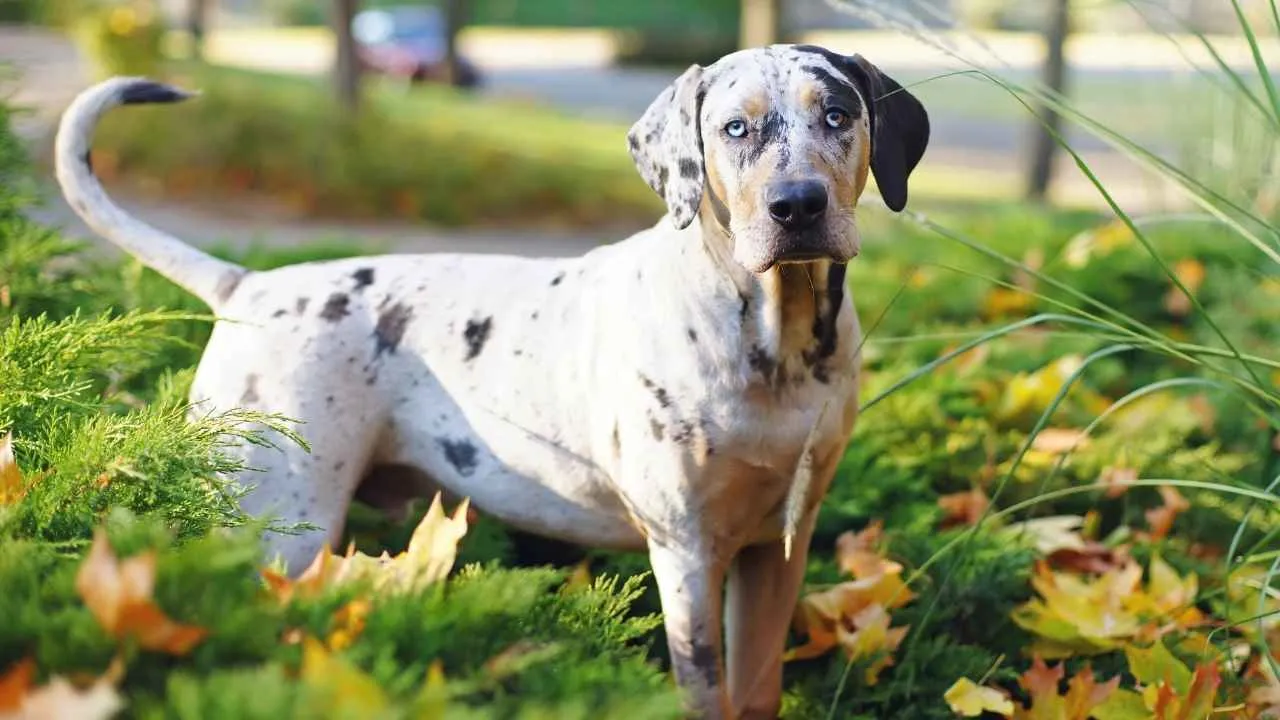
Catahoula Leopard Dog developed from Louisiana’s working landscape, where early dogs helped hunters track game and manage wild cattle and hogs. Its ancestry remains uncertain, with theories linking Native American dogs to Spanish arrivals and later French hounds brought to the region.
The Urge to Pursue
A muscular frame, powerful hips, and strong shoulders help this breed sprint, grapple, and change direction quickly when pursuing stubborn quarry through rough ground. Its short, tight coat also sheds mud and burrs more easily than longer fur in Louisiana’s wet, humid terrain.
The following working features add to its hunting ability:
Webbed paws for swampy ground
A loud baying voice to signal hogs
Persistent scent tracking on fresh trails
A Dog That Needs a Job
Catahoula Leopard Dog needs substantial daily activity, often around two hours, with hiking, swimming, running, or agility offering useful outlets. Its strong prey drive also makes leash control important around wildlife, while a secure fenced yard helps prevent pursuits beyond the property.
7. Bavarian Mountain Scent Hound
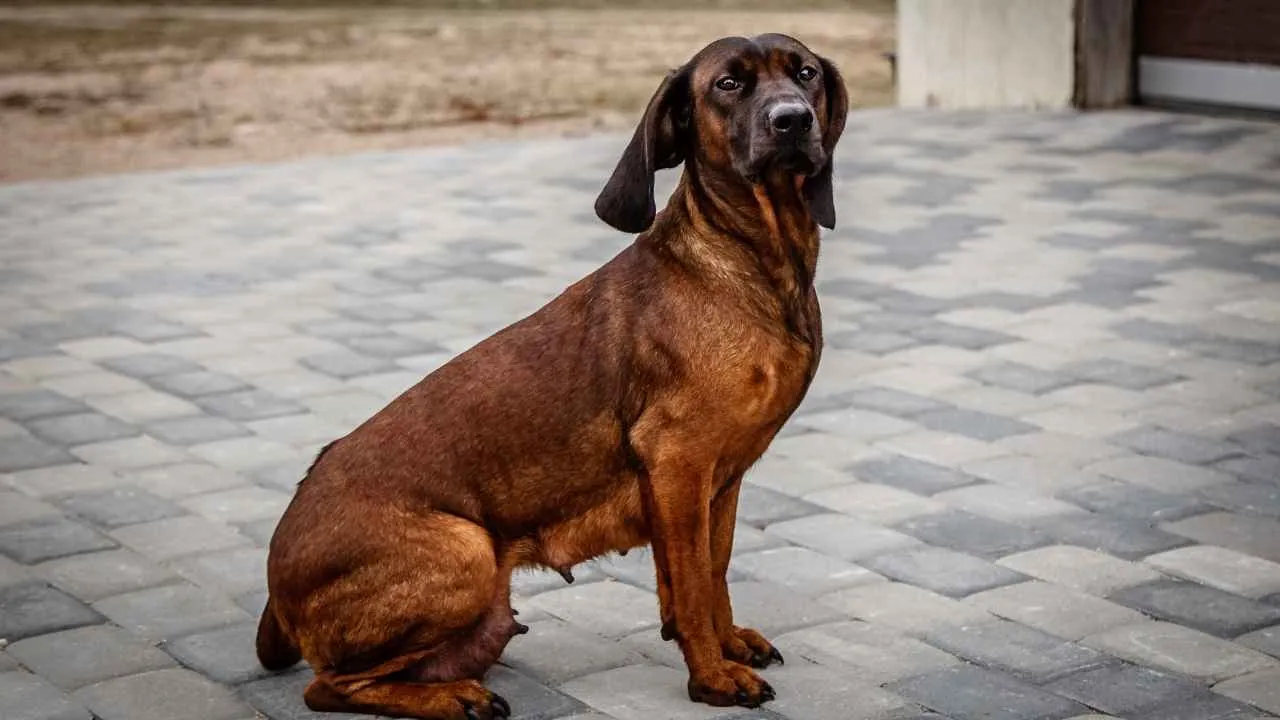
Bavarian Mountain Scent Hound originated in Germany through crosses between the Hanoverian Hound and Bavarian scent hounds, producing a lighter, agile tracker for mountainous hunting grounds. Its official breed club opened in 1912, and the breed later gained recognition in Germany, Austria, and Hungary.
Following the Trail
When injured game escapes into steep woodland, this hound uses its exceptional nose to follow faint ground scents across rocky slopes and damp forest paths.
Its medium-sized, muscular frame and weather-resistant coat help it handle long climbs and cold, wet conditions during demanding tracking work.
Here are the details that explain its specialized tracking style:
Sweeps the surrounding area to relocate a trail after losing it
Pauses to check for direction during controlled tracking
Consistent training is important for its determination
Reserved at Home
Around familiar people, this intelligent hound is generally loyal and calm, and it can get along well with children. New people may receive a cautious greeting, while its characteristic baying can emerge when excitement or an active scent trail captures its attention.
Conclusion
Wild boar hunting puts a dog’s strength, stamina, and judgment to the test. Following a scent through thick woodland takes patience and persistence, while pursuing powerful game demands muscular bodies and careful handling. Some dogs specialize in tracking, helping hunters follow difficult trails, while others use speed, baying, or a firm grip when the animal is located.
Each role brings different challenges and risks. Anyone considering a hunting companion should assess its working instincts, independent nature, training needs, temperament, and physical demands. The right breed also needs regular exercise. Proper supervision and responsible handling are essential when dogs work around dangerous wildlife in challenging outdoor conditions.
