




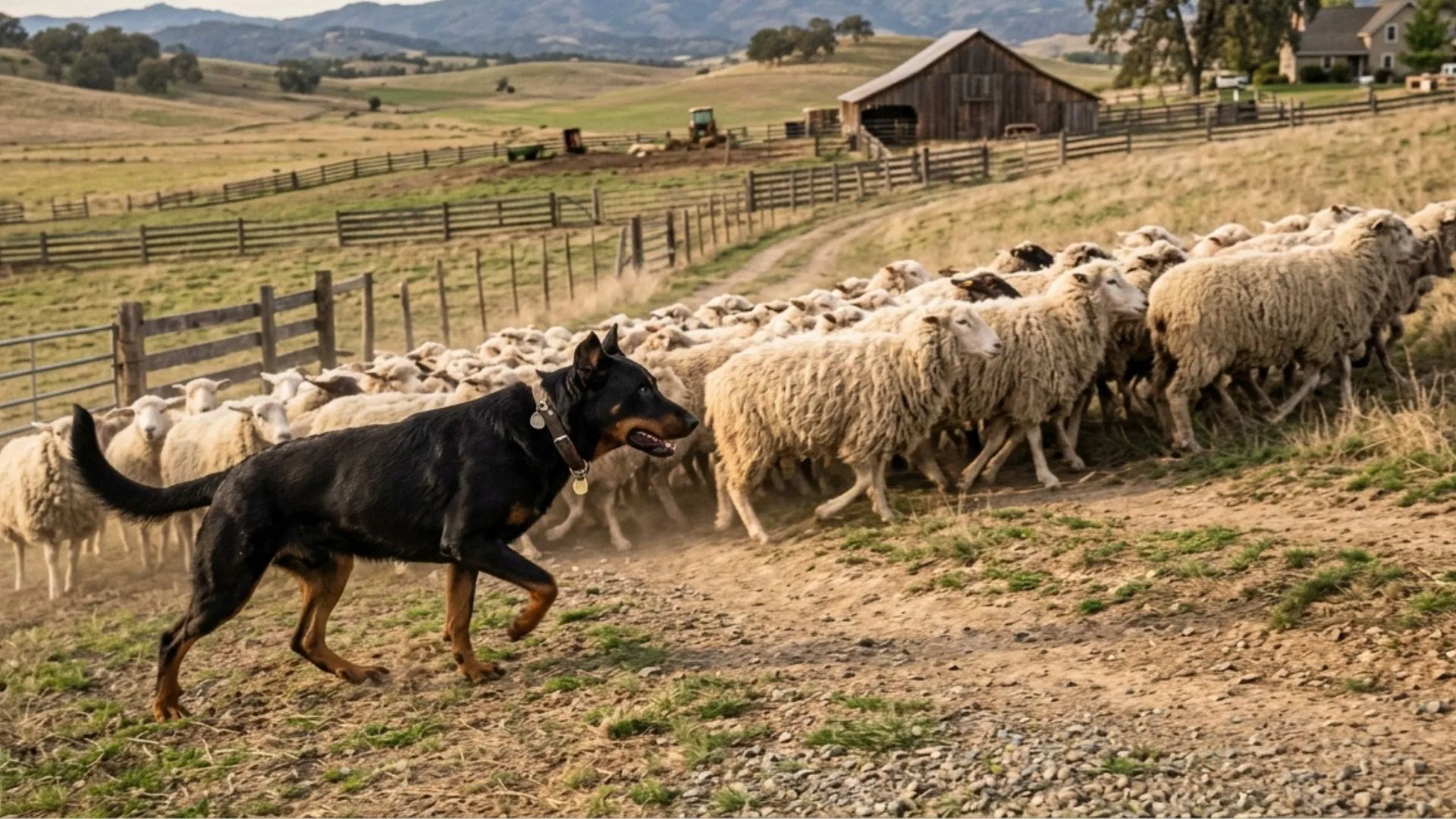
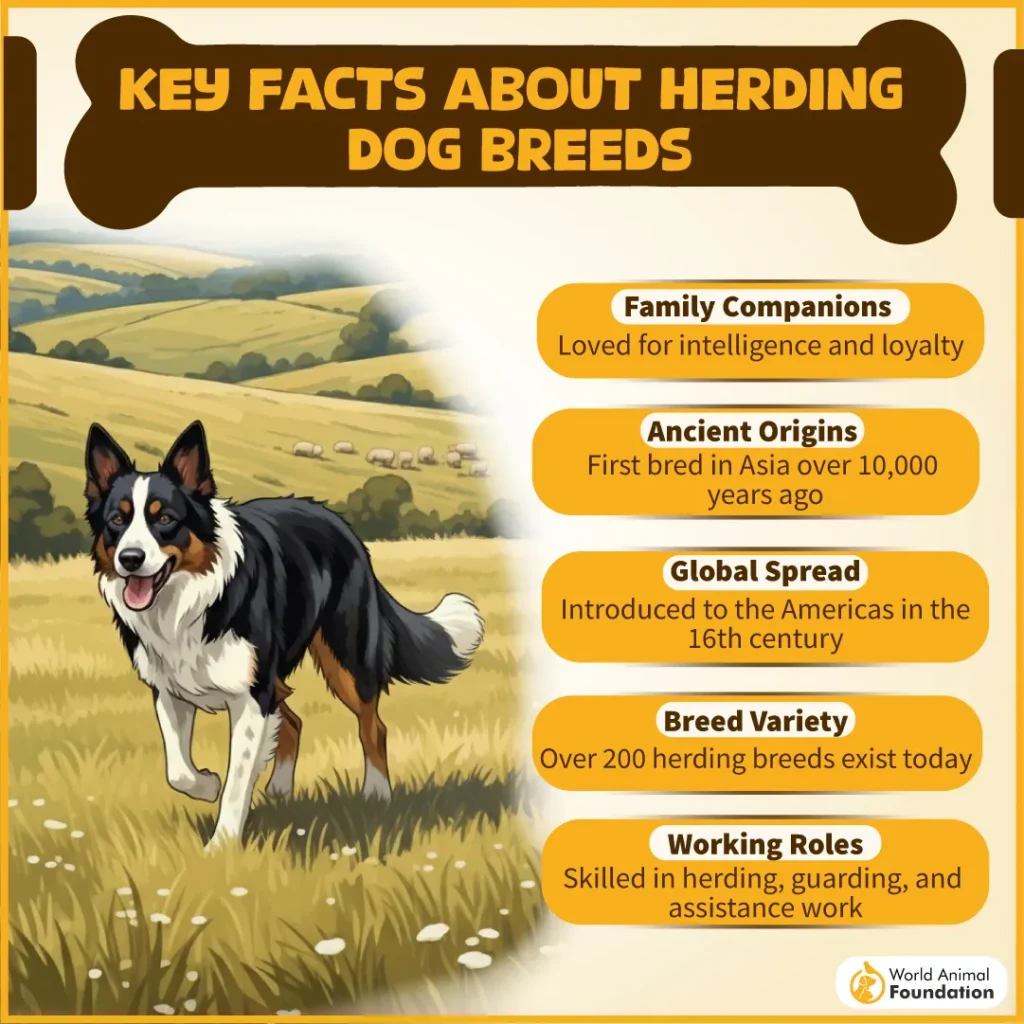
A truly impressive ranch dog needs more than a photogenic coat and a dramatic slow-motion trot through a field. It must possess the stamina to work livestock, the judgment to handle unpredictable animals, and the confidence to remain composed around machinery, strangers, noise, and changing weather.
Herding and guarding are related rural jobs, but they are not the same assignment. Herding dogs actively influence livestock through movement, position, controlled pressure, and sometimes voice, while livestock guardians usually remain near the flock and discourage predators from approaching.
The seven breeds below approach ranching from different angles. Let’s talk about them in detail!
Mighty Dog Breeds Ideal for Ranching, Herding, and Show Prowess
1. Old English Sheepdog
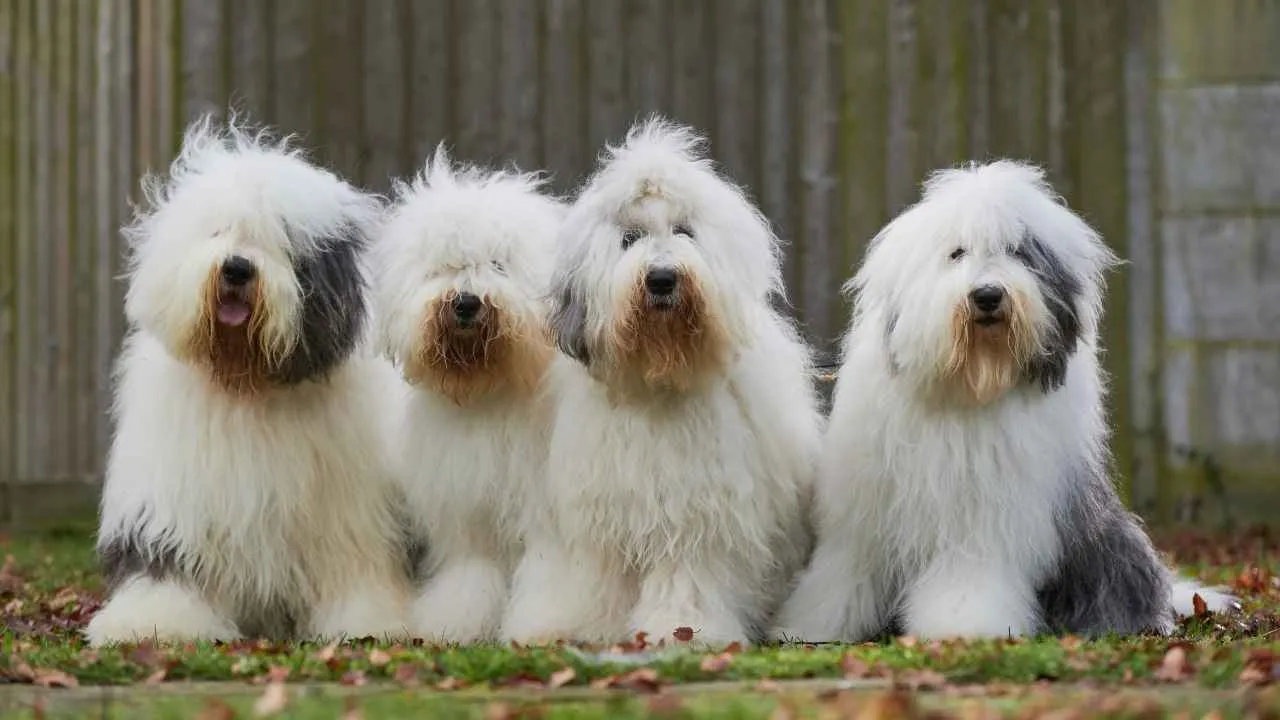
The Old English Sheepdog emerged in western England as a drover used to move sheep and cattle toward market rather than as a delicate specialist working tiny groups of animals.
It usually herds through body position, movement, persistence, and a controlled approach, rather than the intense, crouching eye associated with a Border Collie. It can work behind livestock, close gaps when animals begin drifting apart, and use its broad frame to block an attempted turn without producing unnecessary panic.
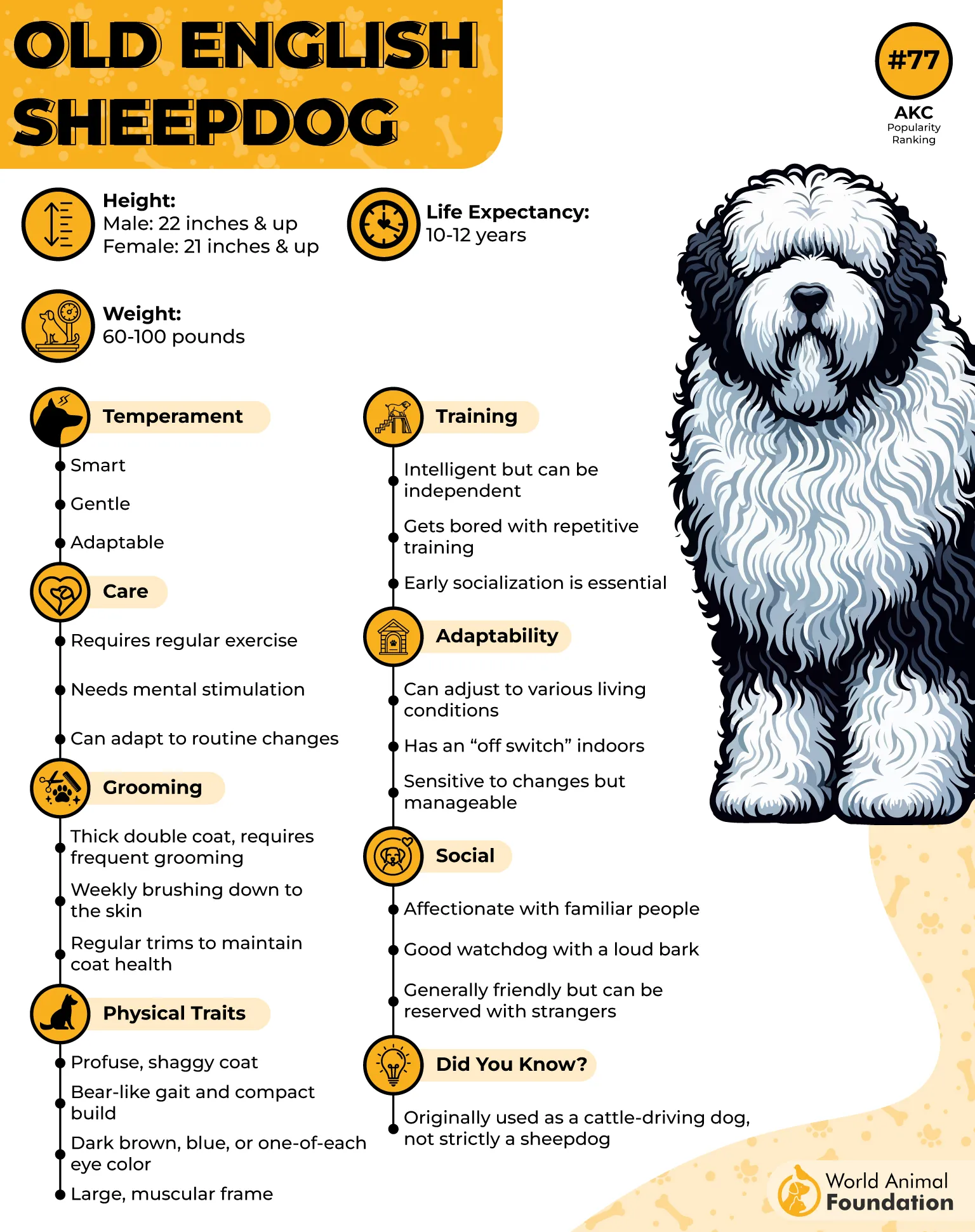
Around the ranch, Britannica states that the OES is generally sociable and adaptable. Still, it remains alert enough to announce the presence of vehicles, visitors, or unusual activity with a famously loud, ringing bark.
It is a sensible watchdog rather than a specialised predator-fighting guardian, so its strength lies in warning the household and standing confidently near its people, rather than living permanently among sheep to confront coyotes.
Maintaining show-level presentation while allowing real ranch work requires serious organisation. The dense coat can trap burrs, mud, straw, moisture, and livestock debris, so owners must brush thoroughly, inspect the skin, and decide whether a shorter practical trim is more realistic for a working dog that is not actively being exhibited.
2. Bouvier des Flandres
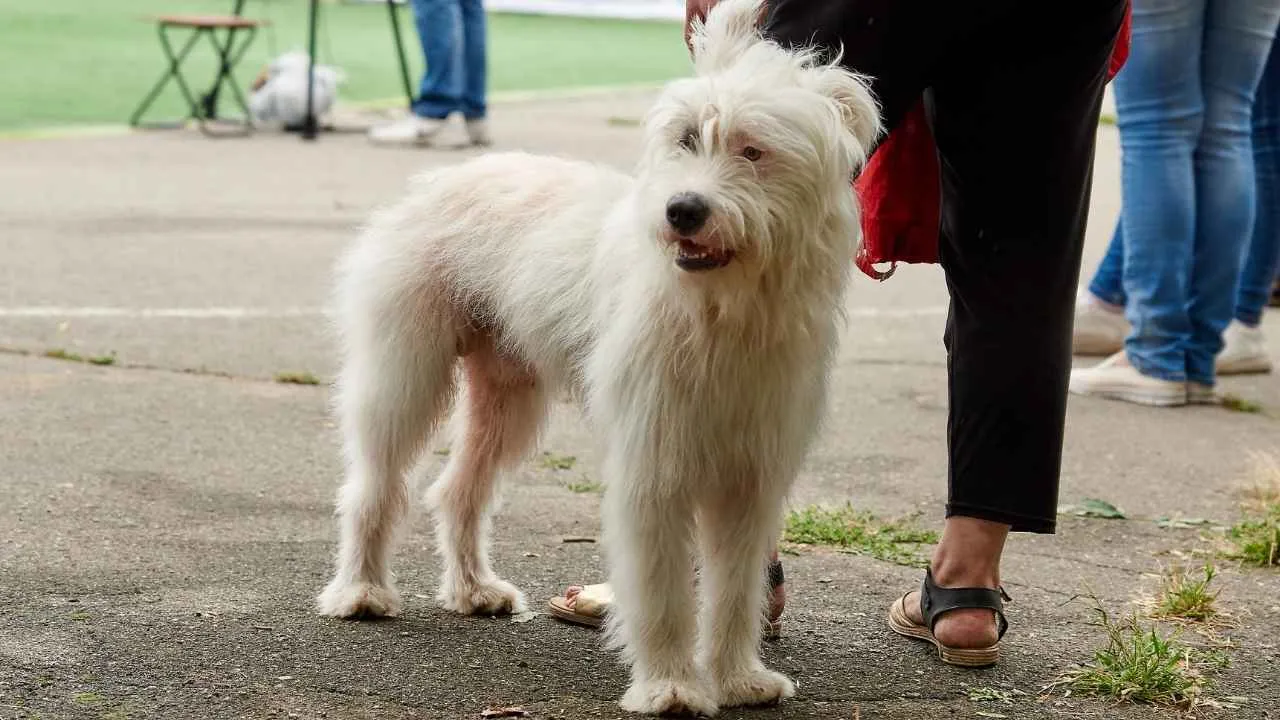
The Bouvier des Flandres was created in the farming regions of Flanders as an all-purpose rural worker rather than a one-skill specialist. Farmers used these livestock guardian dogs to herd and drive cattle, guard property and livestock, pull carts, transport produce, and even assist with farm machinery such as butter churns.
When handling cattle, a Bouvier uses confidence, deliberate pressure, and a sturdy build to hold its ground when challenged, says the Royal Kennel Club. It is less likely to float around stock with ultra-light movements than a small sheepdog, instead working with controlled power that suits animals capable of pushing back.
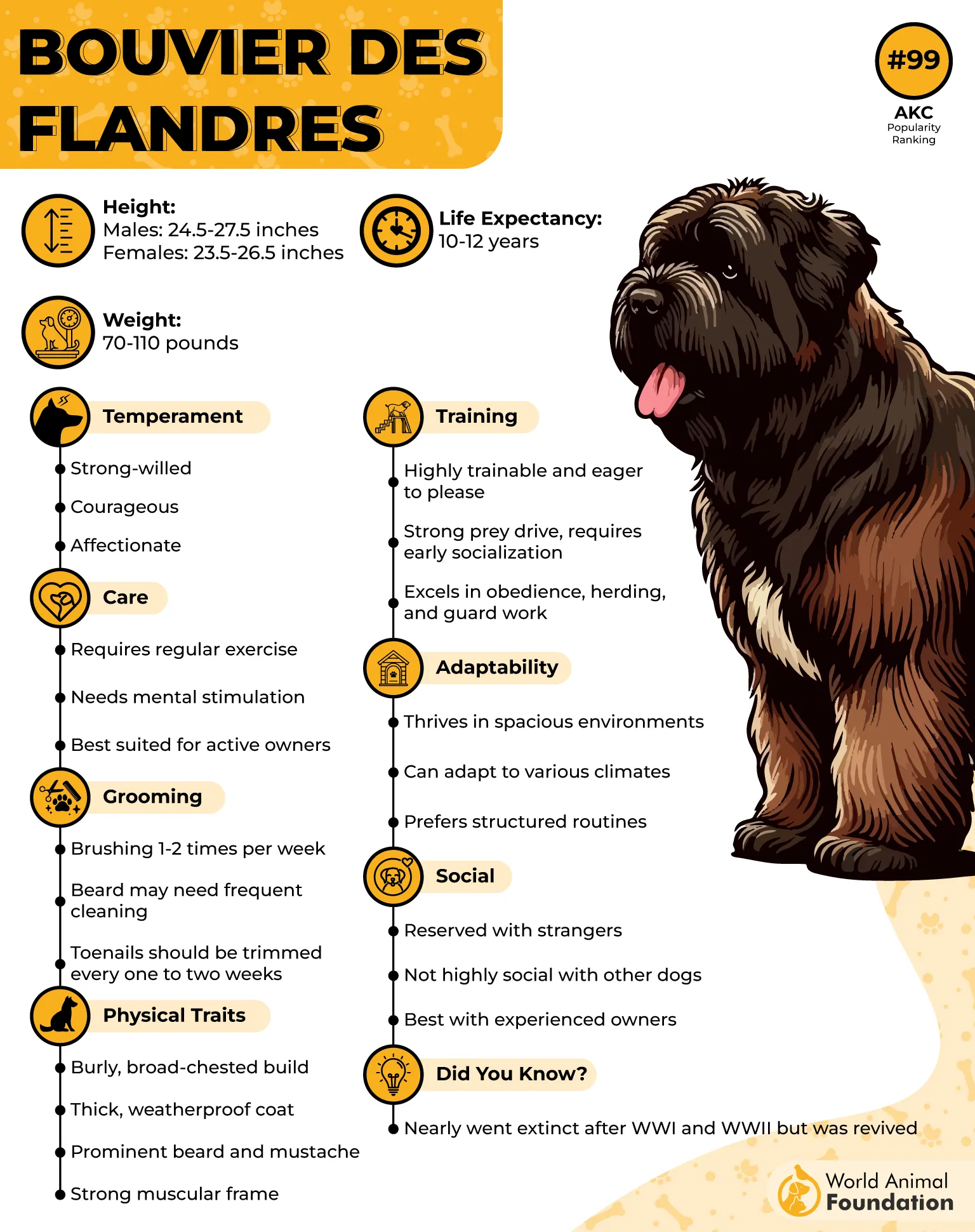
A properly trained Bouvier should remain thoughtful rather than reckless, because annoying a full-grown cow without an exit strategy is not bravery; it is a badly managed calendar event.
Ranch life suits the breed’s combination of courage, intelligence, and watchfulness. Bouviers often monitor gates, yards, barns, and family activity while remaining reserved enough to assess unfamiliar people before deciding they belong on the property.
The show-ring Bouvier should look rugged, broad-chested, substantial, and capable of performing hard agricultural work.
3. Beauceron
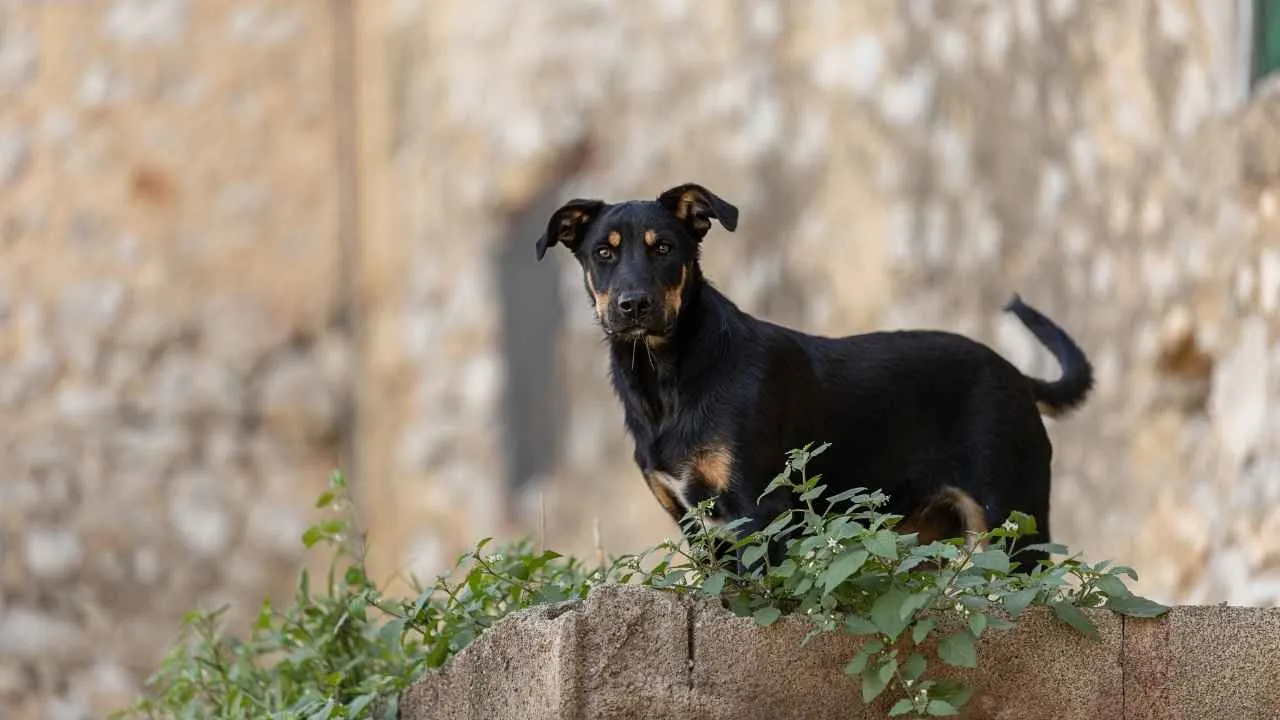
The Beauceron is a large French herding breed developed to move and guard substantial flocks across long distances. Historical working descriptions indicate that two dogs could manage groups of roughly 200 to 300 sheep, while breed materials describe dogs travelling up to 50 miles in a day without appearing exhausted.
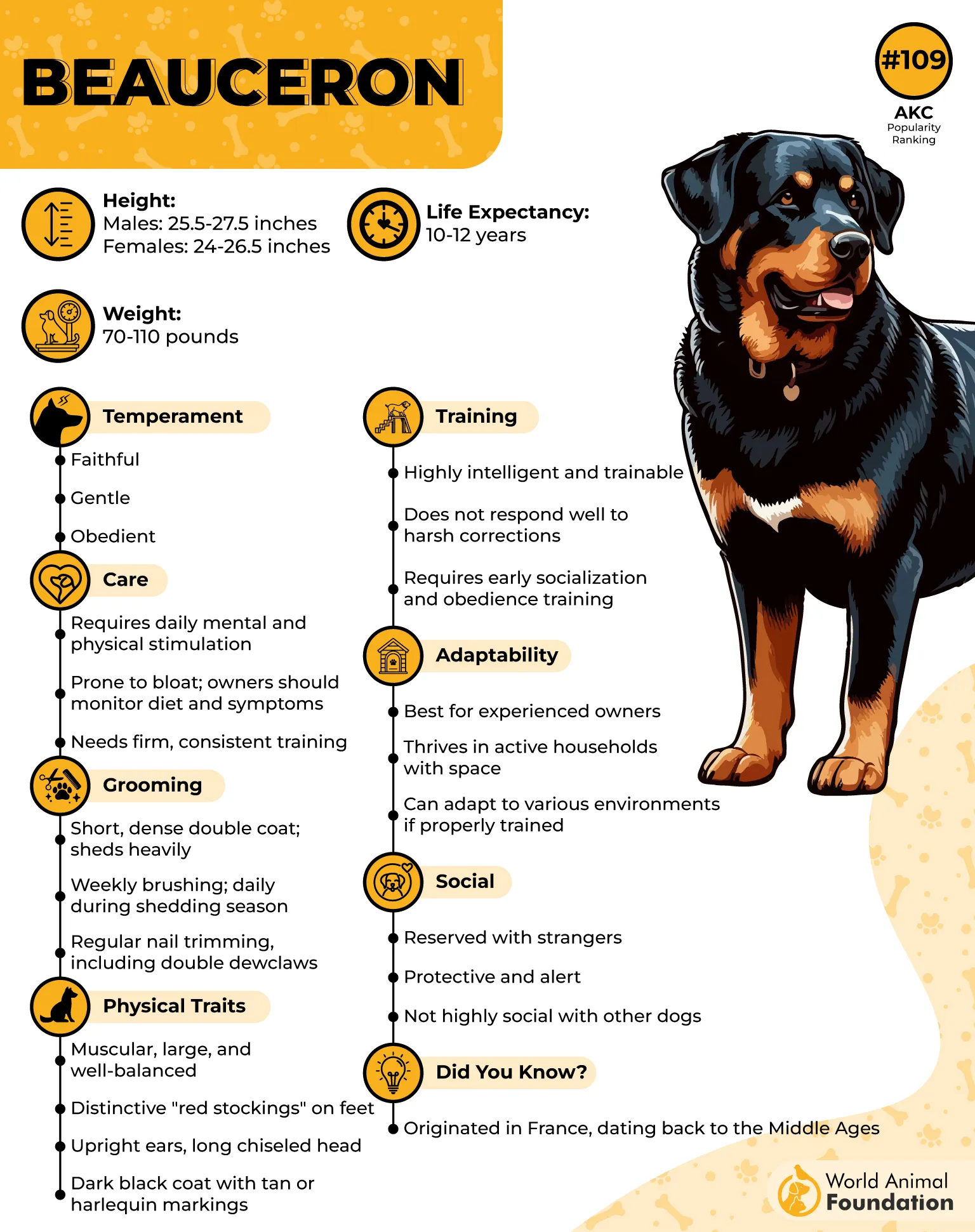
While herding, the Beauceron relies on intelligence, speed, positioning, and enough physical authority to influence both sheep and cattle. It can maintain the boundaries of a flock, prevent animals from straying into crops or onto roads, and shift quickly when stock attempts to break away from the group.
The breed’s guarding ability adds another layer of value to a ranch. Beaucerons are naturally alert, deeply loyal, and adept at detecting unfamiliar activity, making them useful around homes, barns, livestock yards, and equipment.
In conformation, the ideal dog should look strong and solid without appearing coarse or excessively heavy. Judges assess balanced proportions, a level topline, developed muscle, efficient movement, noble carriage, and the breed’s characteristic double rear dewclaws.
4. Briard
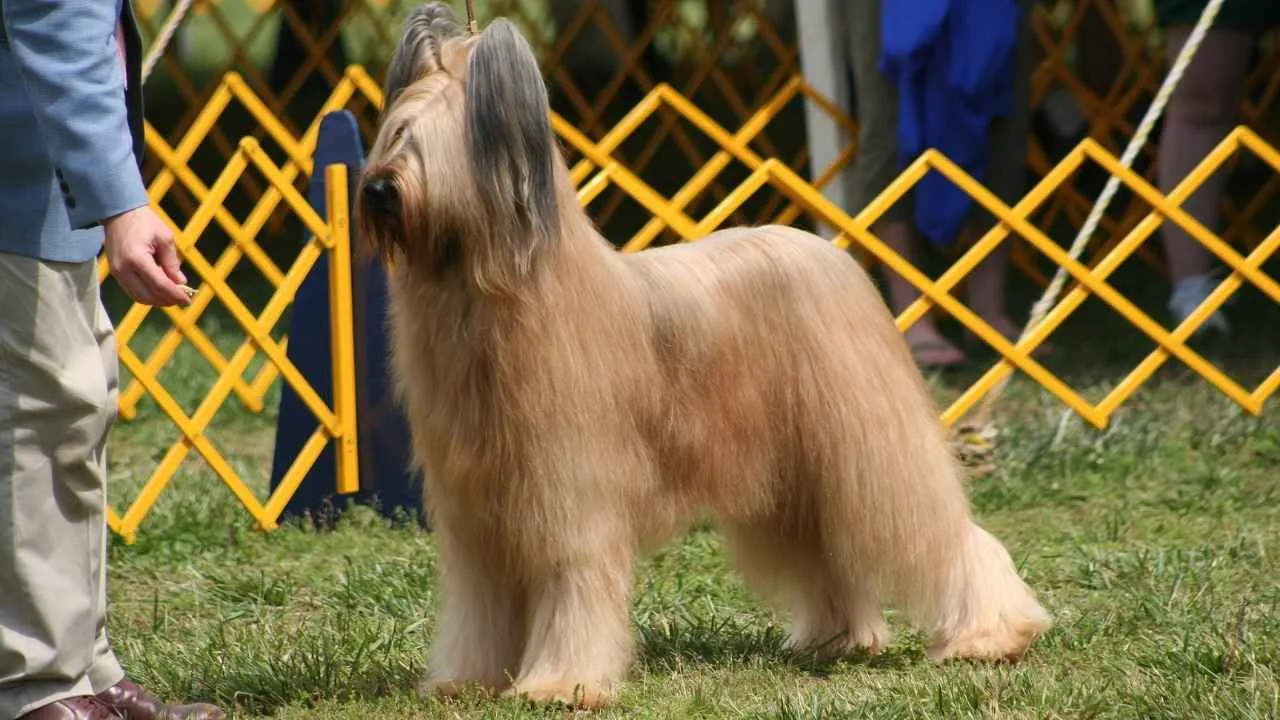
The Briard is an ancient French pastoral dog whose working history reaches back many centuries. French farmers developed it as a two-in-one partner capable of moving sheep during the day and protecting the flock, shepherd, and household when danger appeared.
Rather than always gathering sheep in tight circles, Briards historically worked as boundary herders, keeping large flocks within designated grazing areas. They patrol the edges, turn animals away from roads or crops, and use quick movement to close openings before one adventurous sheep begins a group rebellion.
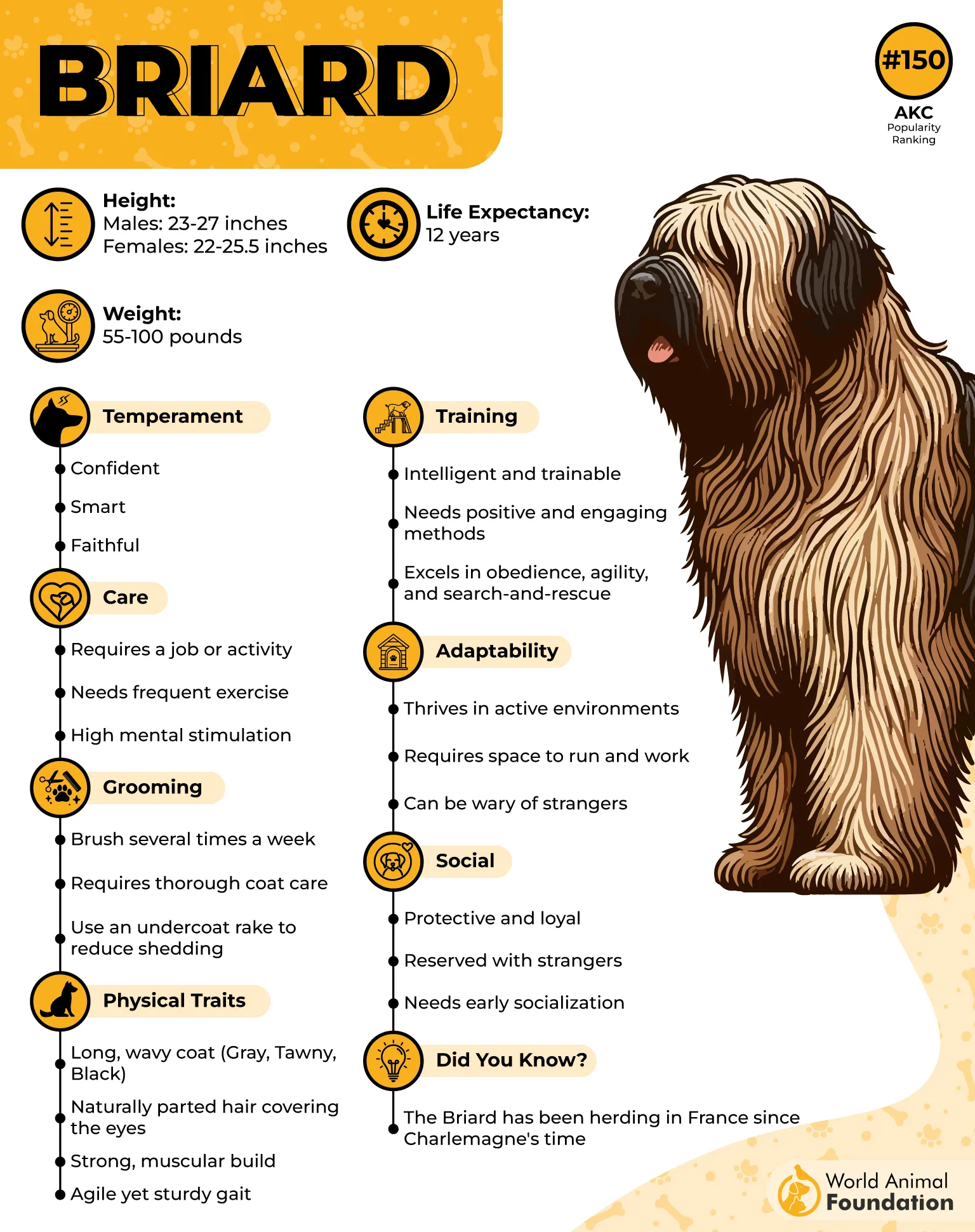
A working Briard is strongly attached to its people and livestock but remains capable of operating independently. Purina mentions that it may move stock with energy, settle near the flock when activity decreases, and respond protectively if predators or suspicious humans approach.
Show-ring Briards are recognised for their long, slightly wavy coats, powerful frames, confident expressions, and smooth movement.
Judges still need to feel correct structure beneath the hair, because coat volume can hide weak shoulders, poor feet, or an inefficient gait from spectators but should not fool an experienced examination.
5. Bergamasco Sheepdog
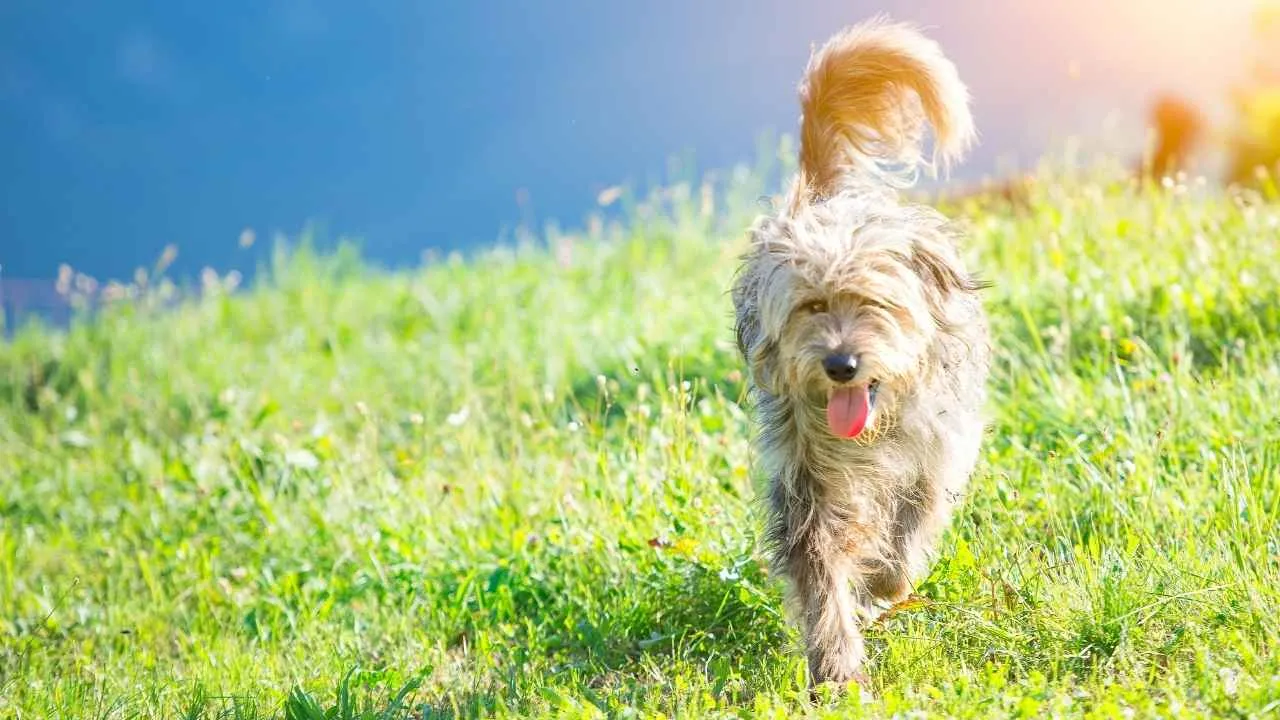
The Bergamasco Sheepdog developed as a mountain worker capable of moving and guarding sheep across rocky Alpine slopes. Its standard identifies the breed as both a drover and a guardian, meaning it does not fit neatly into only one rural job category.
Its herding style is deliberate, thoughtful, and adapted to uneven terrain rather than explosive speed across flat fields. Bergamascos move livestock through steady positioning, persistence, and calm pressure while conserving enough energy for long working periods.
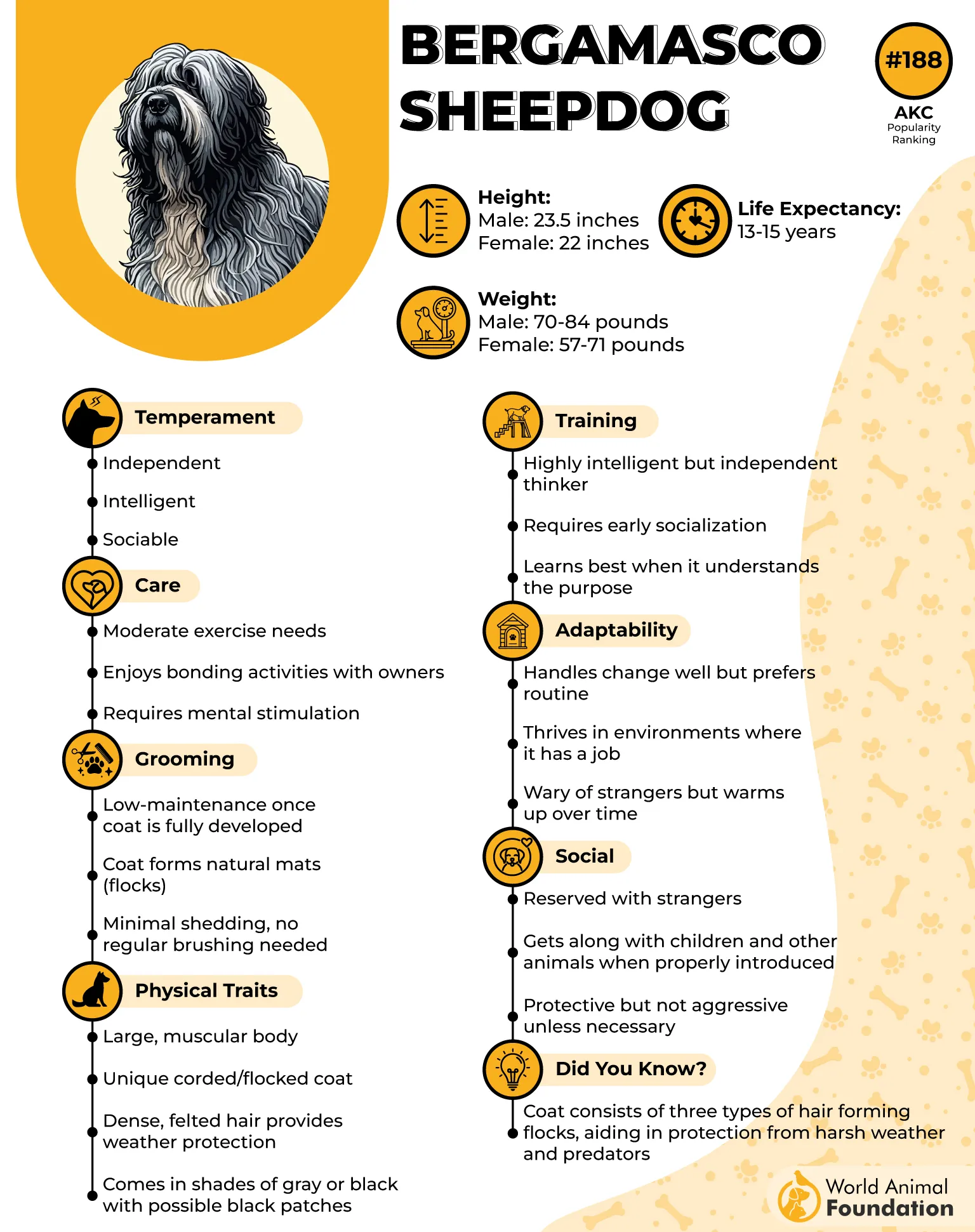
As a guardian, the American Kennel Club (AKC) says that the Bergamasco remains watchful and protective, ideally without becoming aggressive without cause. Its dense flocks make the dog appear larger, provide weather protection, and historically offered some defence against predator bites.
The coat is also the feature that makes the Bergamasco instantly recognisable in the show ring. Three different hair textures combine into flat flocks, and judges must evaluate their correct development while also examining the muscular body, balanced proportions, low-reaching movement, and calm temperament beneath them.
6. Komondor
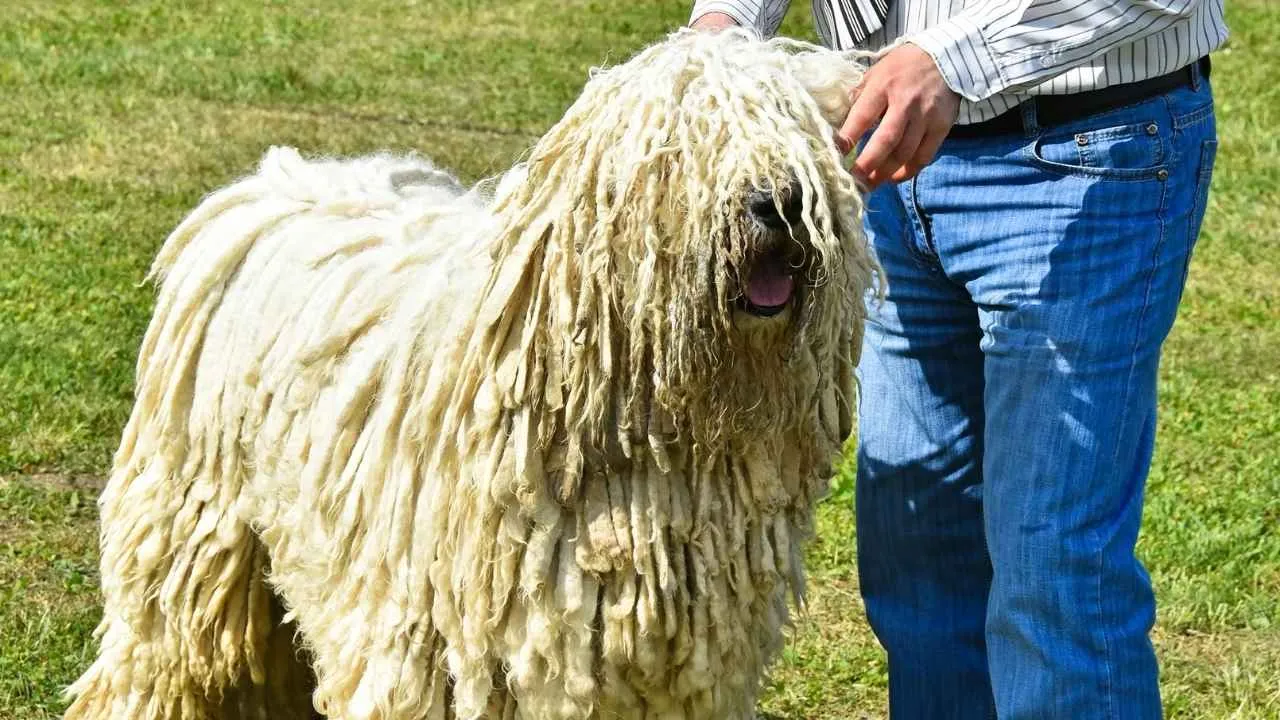
The Komondor is a Hungarian livestock guardian rather than a traditional herding dog. Its historical responsibility was to remain with the sheep and protect them from predators such as wolves, using territorial confidence, strength, and independent judgment rather than pushing the flock through gates.
On a ranch, an adult Komondor normally bonds with its livestock and treats the pasture as protected territory. Believe PetMD when it says that this dog watches quietly, patrols strategic areas, and may place itself between the flock and an unfamiliar person, dog, or predator before escalating its response.
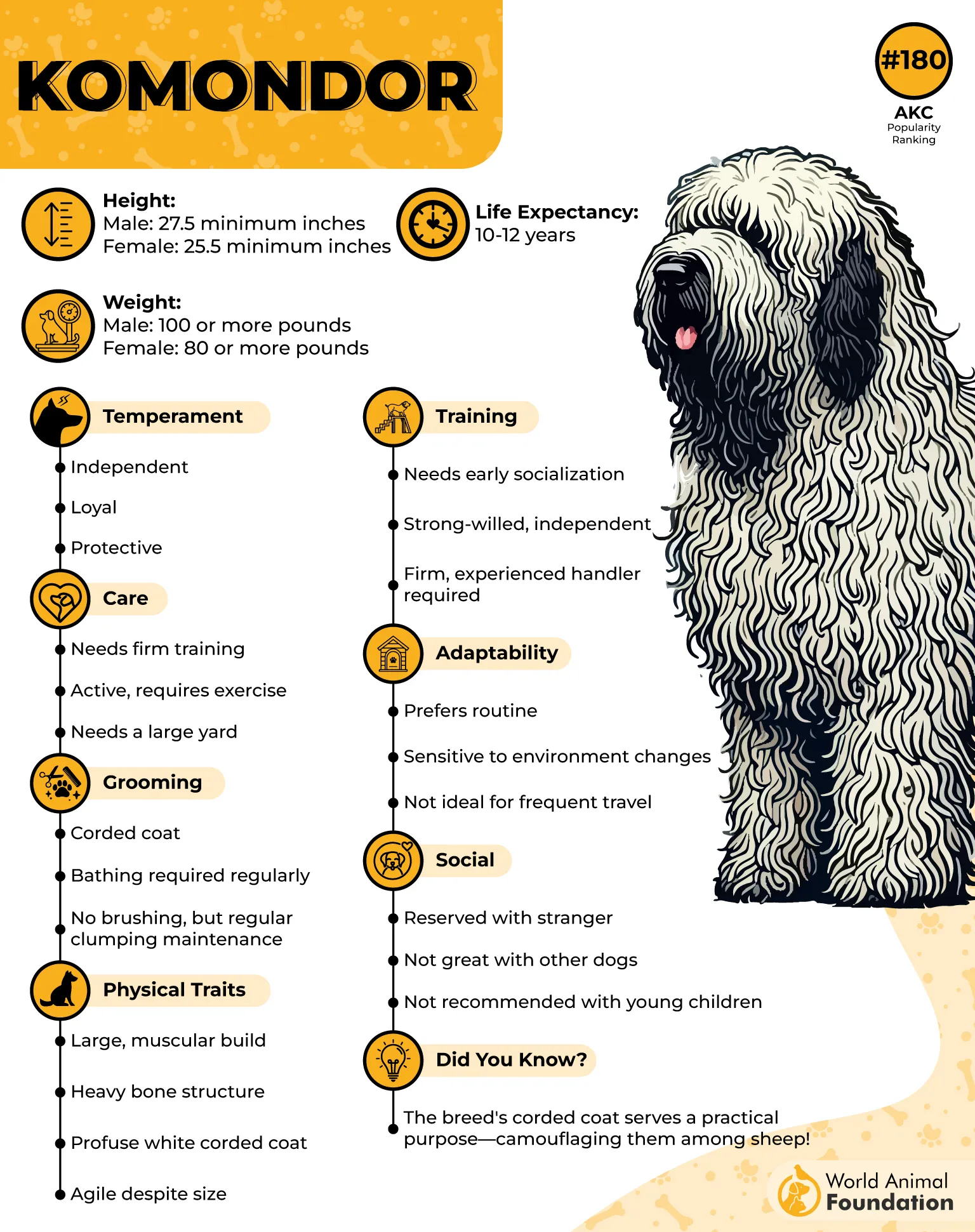
Young dogs require careful supervision because guardian maturity does not arrive the moment a fluffy puppy meets a sheep. Adolescents may chase, paw at, or play too roughly with small livestock until experience and emotional development strengthen their protective behaviour.
Show preparation is a serious logistical commitment because the cords must remain clean, correctly separated, and fully dry after bathing.
7. Anatolian Shepherd
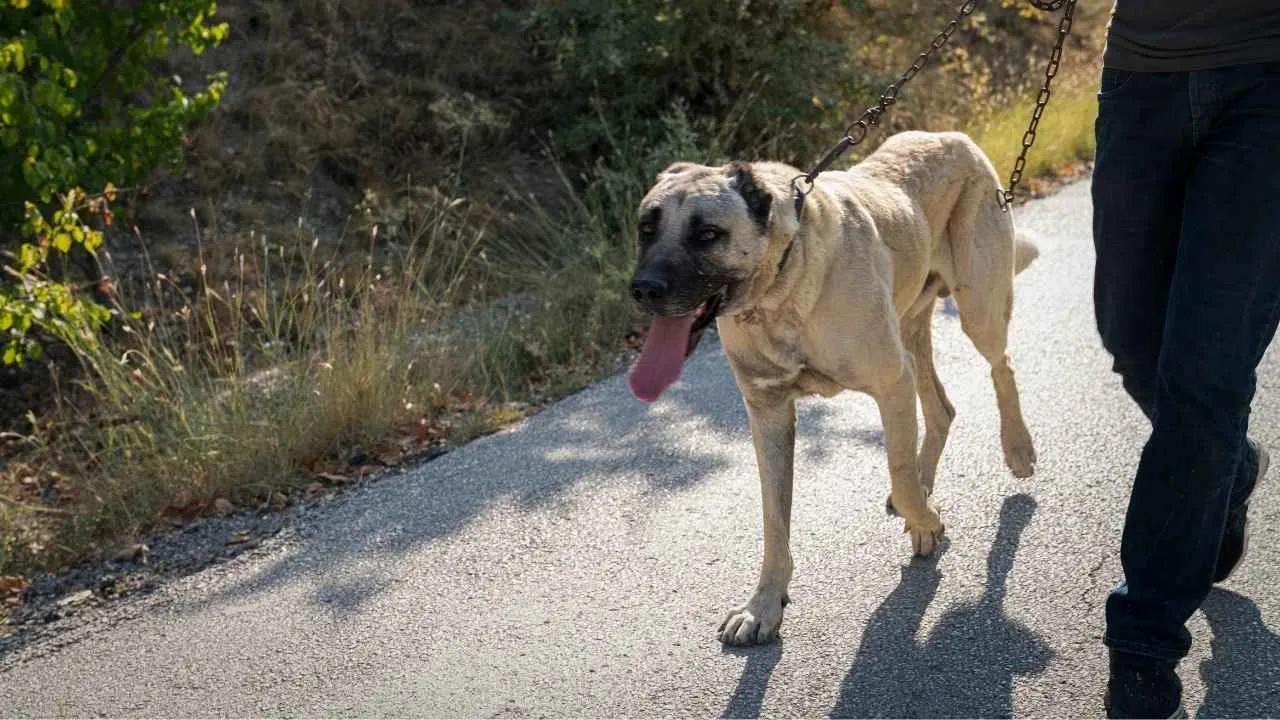
The Anatolian Shepherd is another livestock guardian that should not be described as a conventional herder. It was developed over millennia to protect flocks, monitor territory, and react to predators without waiting for constant guidance from a shepherd.
An Anatolian typically works by bonding with livestock, positioning itself around the herd, and checking distant movement before danger reaches the animals. Its imposing size, speed, bark, scent marking, and readiness to stand firm create several levels of deterrence.
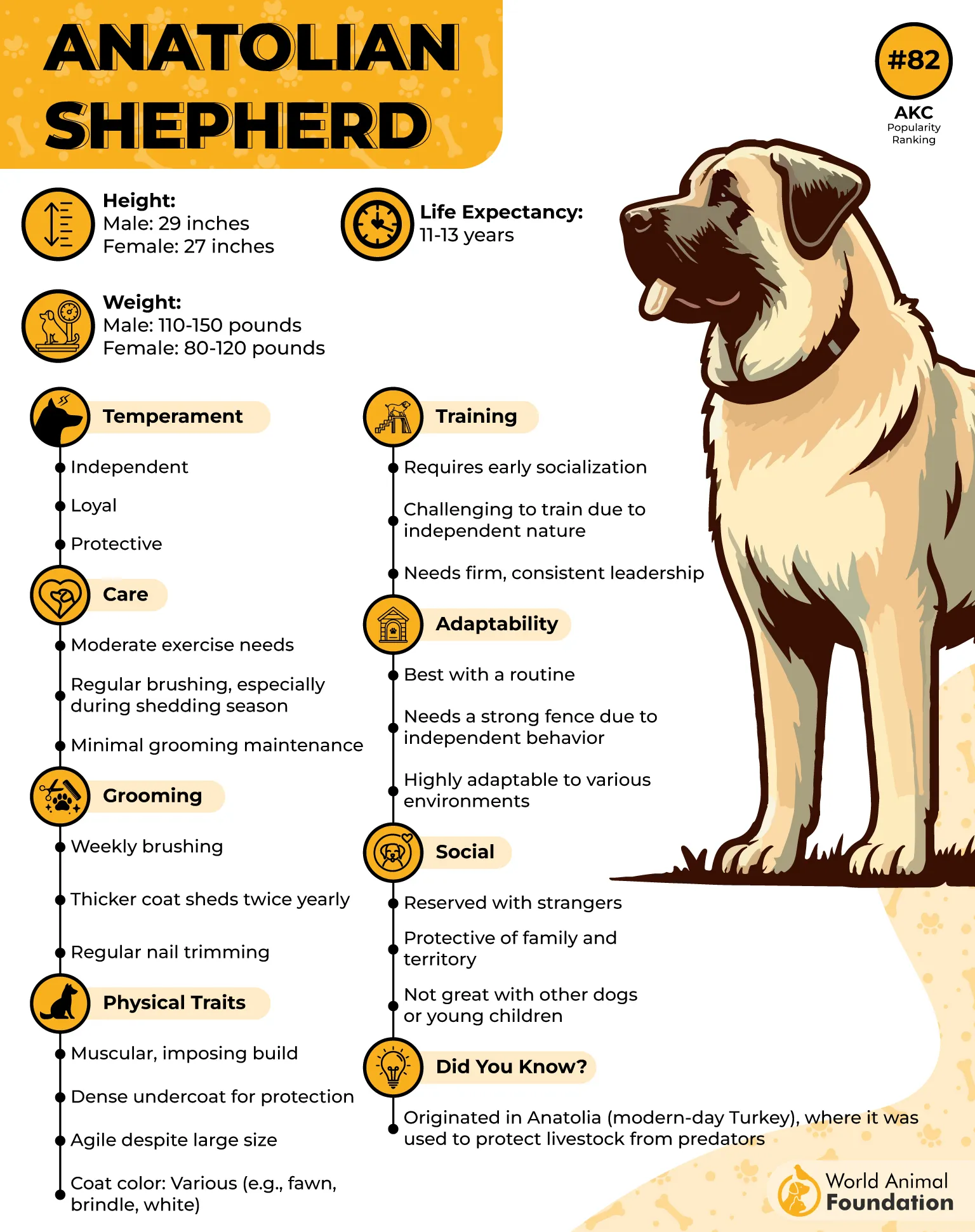
Ranch behaviour is usually calm and patient until this farm dog breed believes something threatens its charges or property. That rapid shift from peaceful observer to serious guard dog is valuable around predators but requires secure fencing, controlled introductions, and handlers who understand the psychology of independent guardians.
The show-ring Anatolian should look rugged, balanced, muscular, and capable of travelling efficiently over demanding ground. Judges consider proportion, sound movement, strength without unnecessary bulk, a protective yet controlled temperament, and the overall impression of a functional flock guardian.
Conclusion
Responsible owners should choose proven genetics, prioritise health and temperament, introduce livestock gradually, and work with trainers who understand the breed’s original role. Show success should complement working heritage rather than replacing it, because ribbons cannot move cattle, patrol a boundary, or convince a predator to leave.
Preserve the function behind the appearance, and these seven mighty breeds can serve the ranch, command the ring, and make the entire dual-career lifestyle look completely effortless.
