




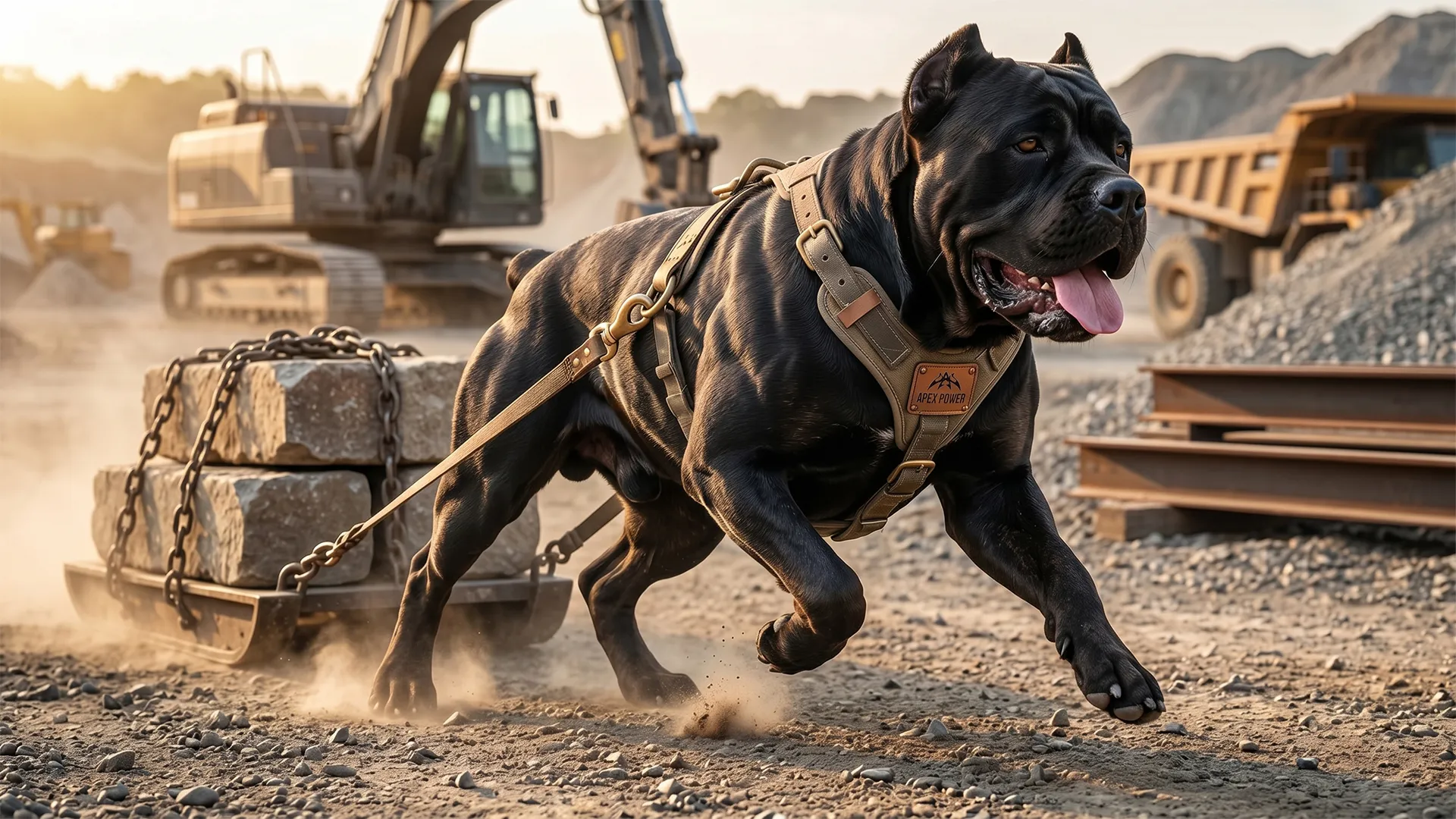
Some dogs aren’t just strong—they’re built like natural athletes, shaped over centuries for real, demanding work.
From hauling heavy loads in extreme weather to standing guard for long hours, these canines have always been more than companions—they’ve been reliable partners in survival, protection, and hard labor.
What makes them truly impressive isn’t just size or appearance, but the combination of dense muscle, high stamina, sharp instincts, and purpose-driven breeding. Even today, many of these traits remain strong in modern dogs, whether they’re working in the field or living at home.
Beneath the muscle and power, there’s also intelligence, loyalty, and discipline—qualities that make these powerhouse dogs both capable workers and deeply dependable companions when given the right training and care.
Key Takeaways
Rottweiler to Cane Corso, meet pure muscle built for strength and protection
Husky, Saint Bernard, Malinois, endurance, work drive, and intelligence in action
Akita and Anatolian Shepherd, loyal guardians with strong protective instincts
Learn what it takes—training, time, and lifestyle—for these powerful breeds
Powerhouse Dog Breeds for Heavy‑Duty Work and Muscle
1. Rottweiler
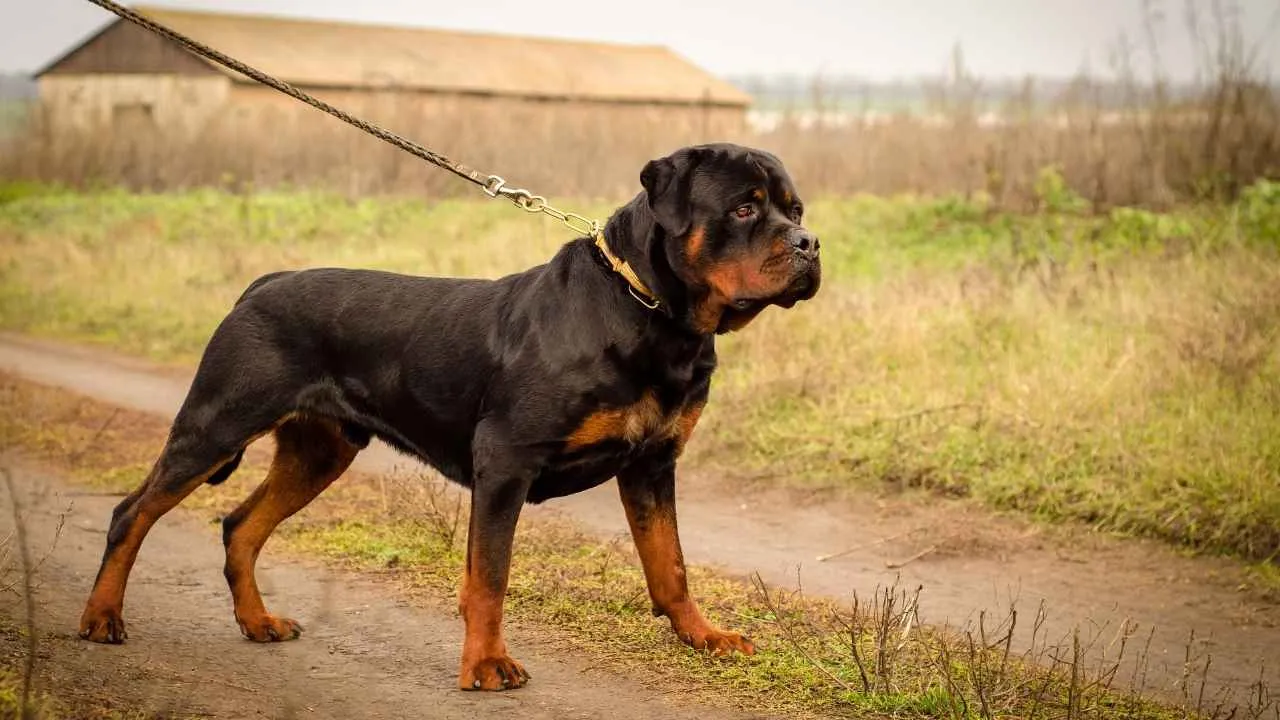
The Rottweiler is a strong, muscular working breed known for its confidence, intelligence, and natural guarding ability. With roots tracing back to Roman mastiff-type dogs, it was originally developed for heavy-duty tasks that required strength, endurance, and control.
Today, it remains one of the most dependable powerhouse breeds, known for its calm but alert nature. Around family, it is affectionate and playful, but in unfamiliar situations, it stays reserved and watchful.
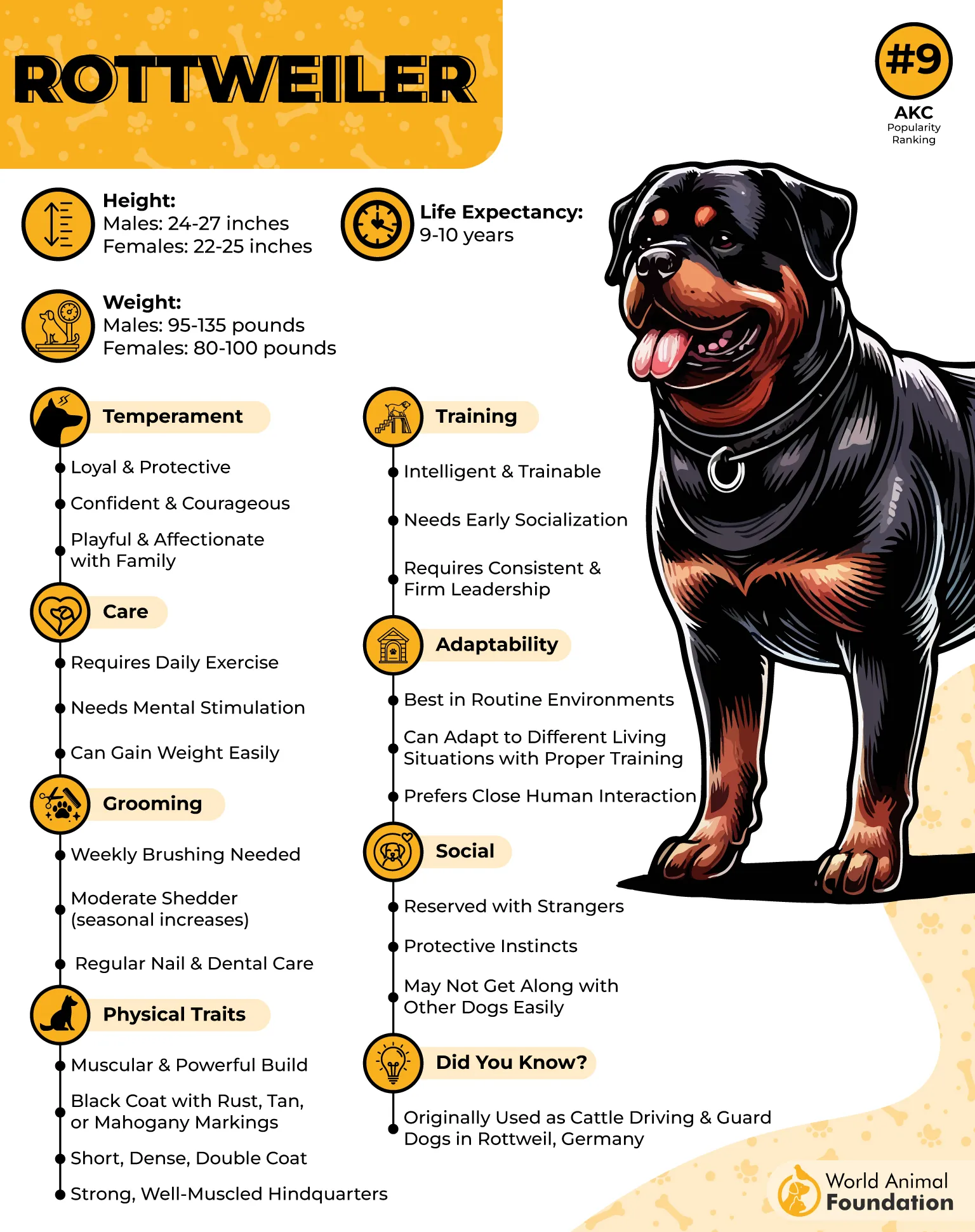
Key traits of the Rottweiler
Muscular, powerful build designed for demanding work
Naturally protective and highly alert
Calm, confident, and loyal with family members
Very intelligent and quick to learn commands
Can become stubborn without consistent training
Needs early socialization for balanced behavior
Training plays a huge role in shaping a Rottweiler’s behavior. The AKC says that it is highly intelligent and eager to please, so it responds well to positive reinforcement and structured guidance.
Early socialization is essential to help it stay confident and well-mannered around people and new environments. This is not a breed that should be left alone for long periods, as it thrives on human interaction, routine, and mental stimulation.
2. Newfoundland
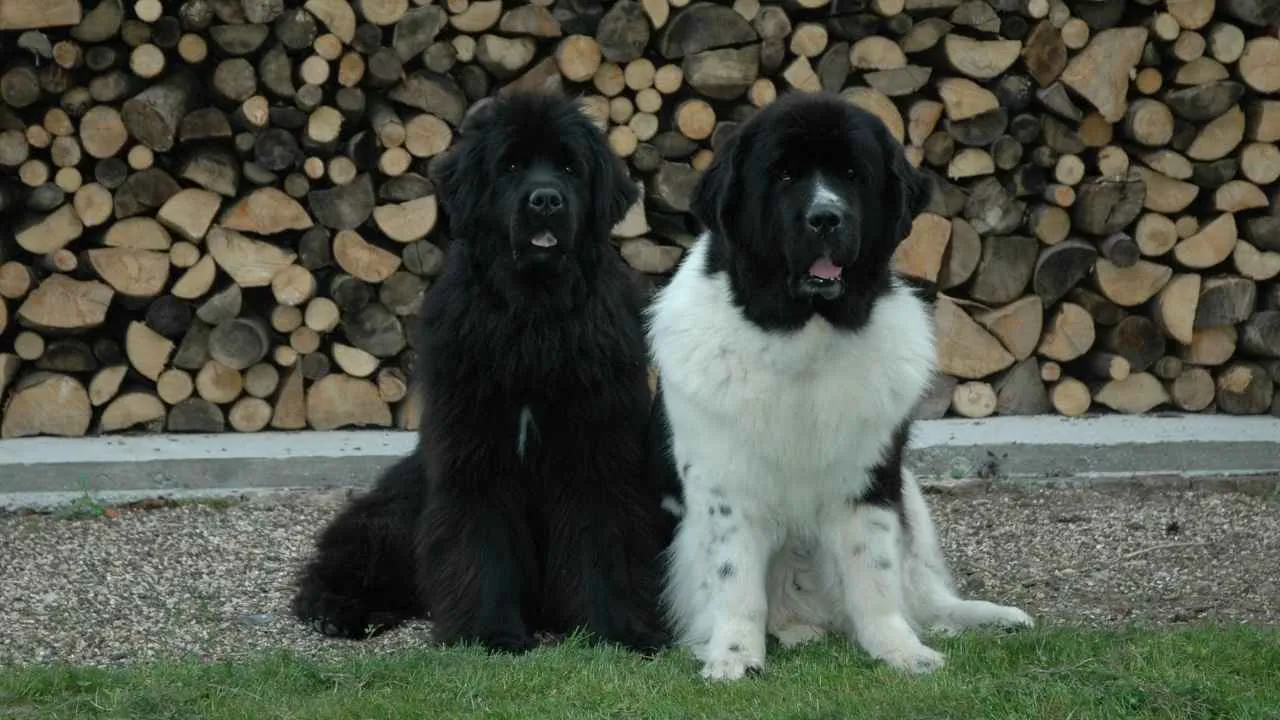
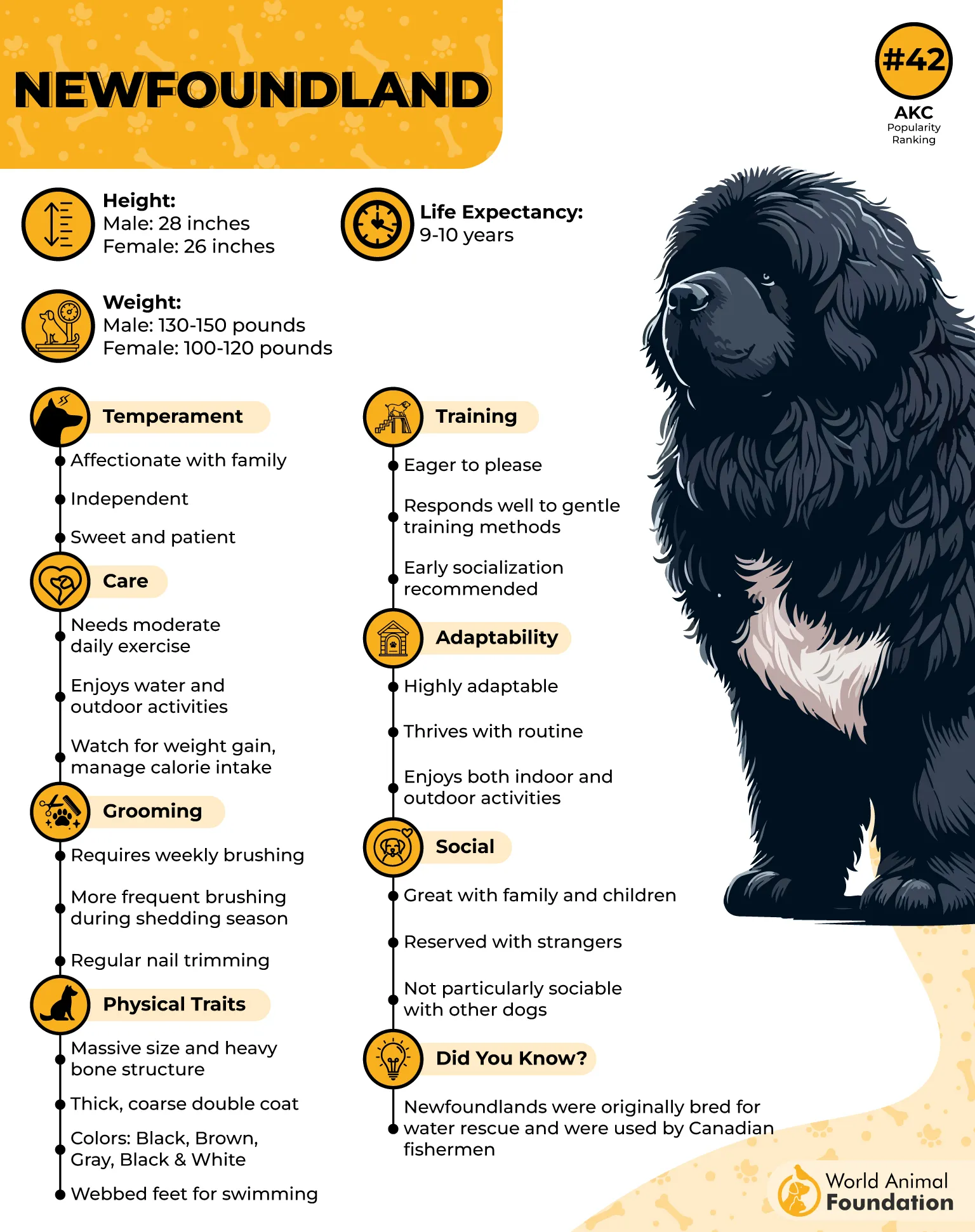
The Newfoundland is a massive, heavy-boned working breed known for its calm strength and deeply gentle nature. Despite its powerful build, it is famously sweet-tempered and often called a “nanny dog” because of its patience with children.
Originating in Newfoundland, Canada, this breed once worked alongside fishermen, helping with water rescues and pulling nets. Even today, it carries that same dependable, calm, and hardworking spirit.
Key traits of the Newfoundland
Extremely strong, large, and built for heavy work
Naturally calm, gentle, and patient in temperament
Excellent swimmer with webbed feet and a water-resistant coat
Highly affectionate and family-oriented
Intelligent and eager to please
Needs early training due to its fast growth and size
Newfoundlands are intelligent and easy to train, especially when started young. They respond best to gentle guidance and positive reinforcement rather than harsh methods.
Early socialization is very important to help them grow into confident, well-mannered adults. They also need daily human interaction, as they form strong bonds and may become anxious if left alone for long periods.
3. Cane Corso
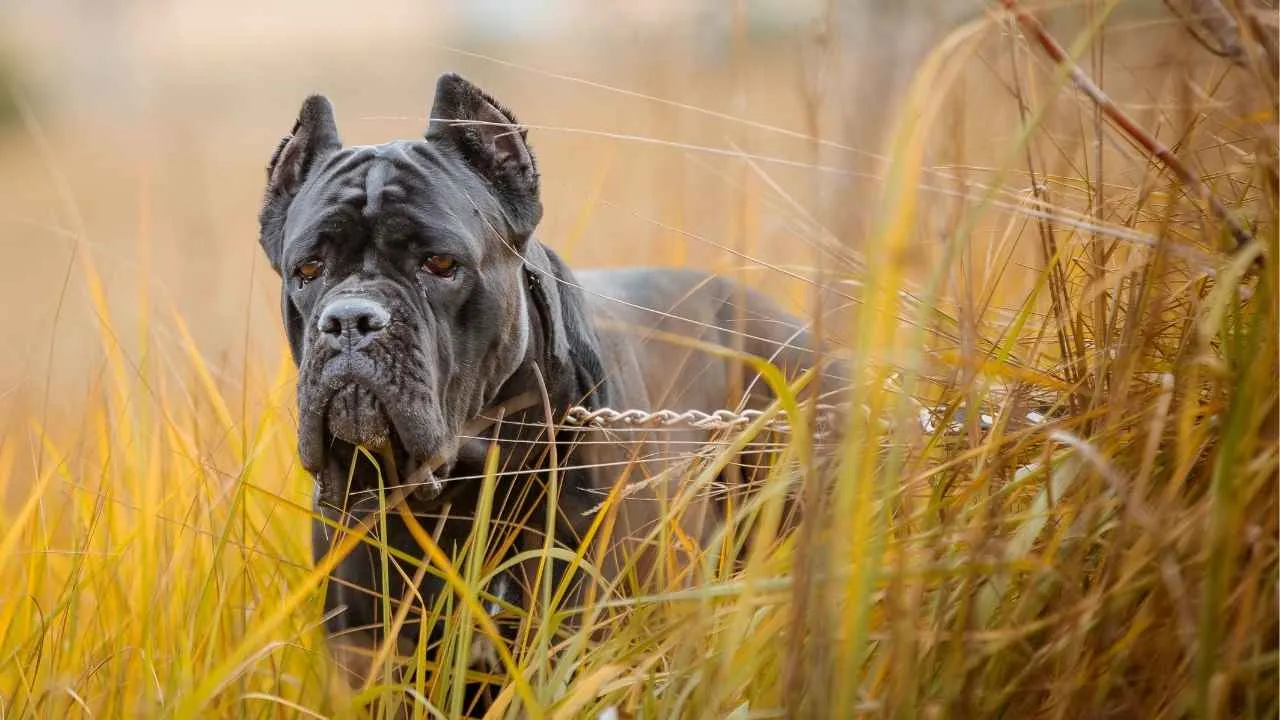
The Cane Corso is a powerful and intelligent working breed with a strong, noble presence. Its history goes back to ancient Roman times, where it was used as a guardian and protection dog.
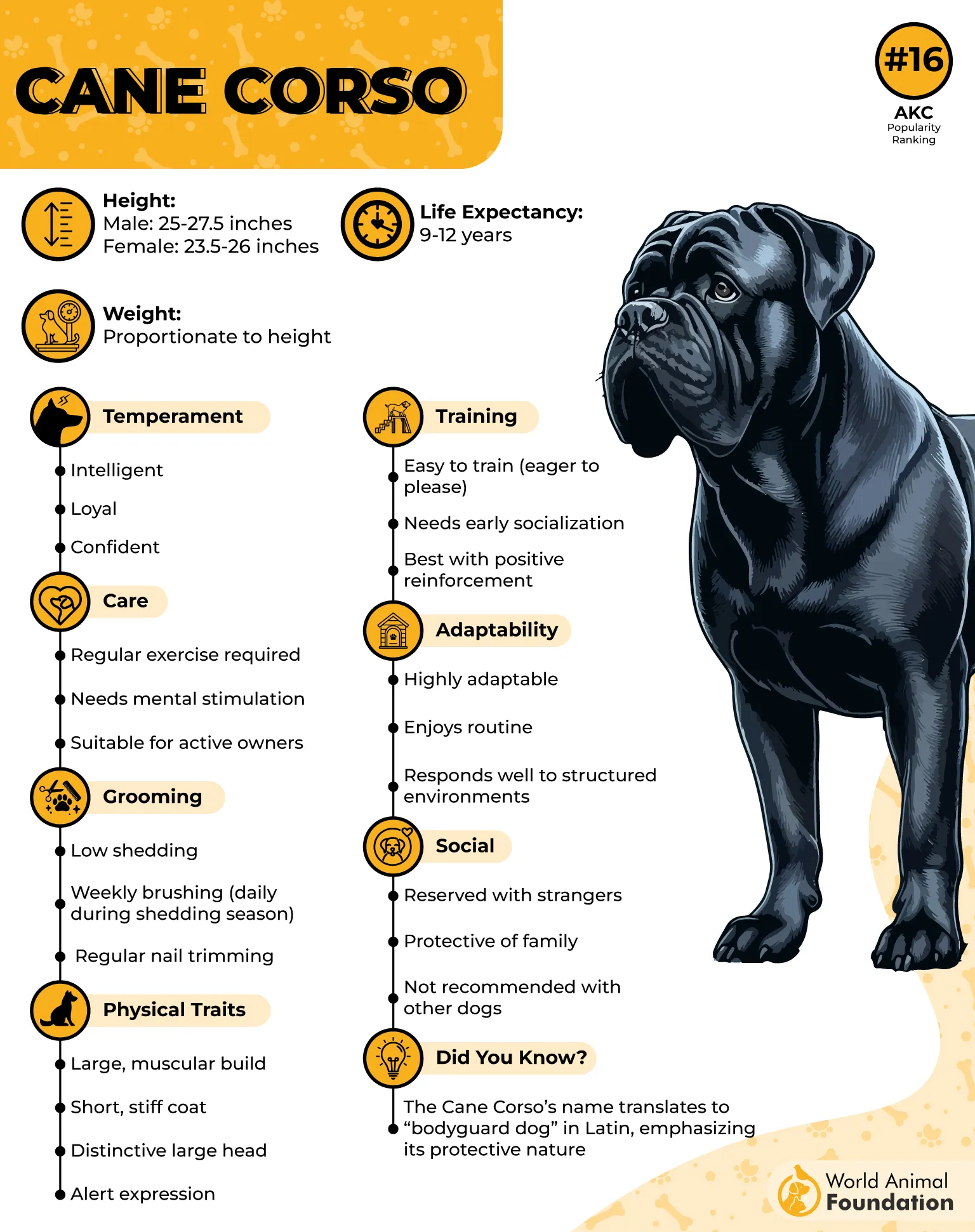
According to PetMD, the name itself translates roughly to “bodyguard dog,” which perfectly reflects its role and temperament. At first glance, its muscular frame, large head, and alert expression make it look intimidating, but this appearance is mainly its natural defense against threats.
Key traits of the Cane Corso
Strong, athletic, and muscular working build
Highly intelligent and quick to learn
Deeply loyal and protective toward family
Confident, serious, and naturally alert
Can be dominant without proper training
Needs early socialization and structured guidance
This breed is highly trainable and eager to please, but it also has a strong, independent mind. That’s why early socialization and obedience training are essential.
Without proper guidance, it can become overly dominant or controlling. Positive reinforcement works best, as Cane Corsos respond more to respect and reward than to harsh corrections. Because of their size and strength, they must learn boundaries early in life.
4. Akita
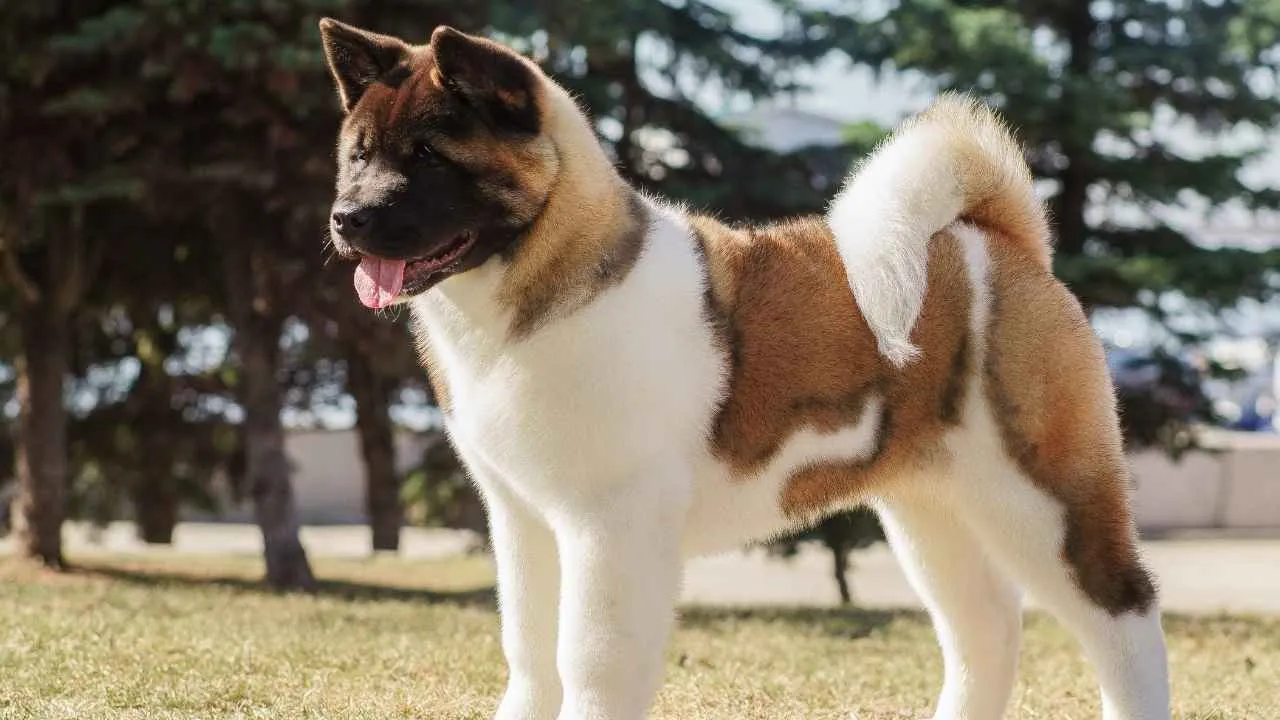
The Akita is a strong, muscular, and ancient Japanese breed known for its dignity, courage, and deep loyalty. Traditionally valued as a protector of families, it is also seen as a symbol of health and long life in Japan, as noted by Britannica.
With its powerful build, broad head, and thick double coat, the Akita carries a calm but commanding presence. It is quiet, alert, and naturally protective, often forming a strong bond with its family while staying reserved around strangers.
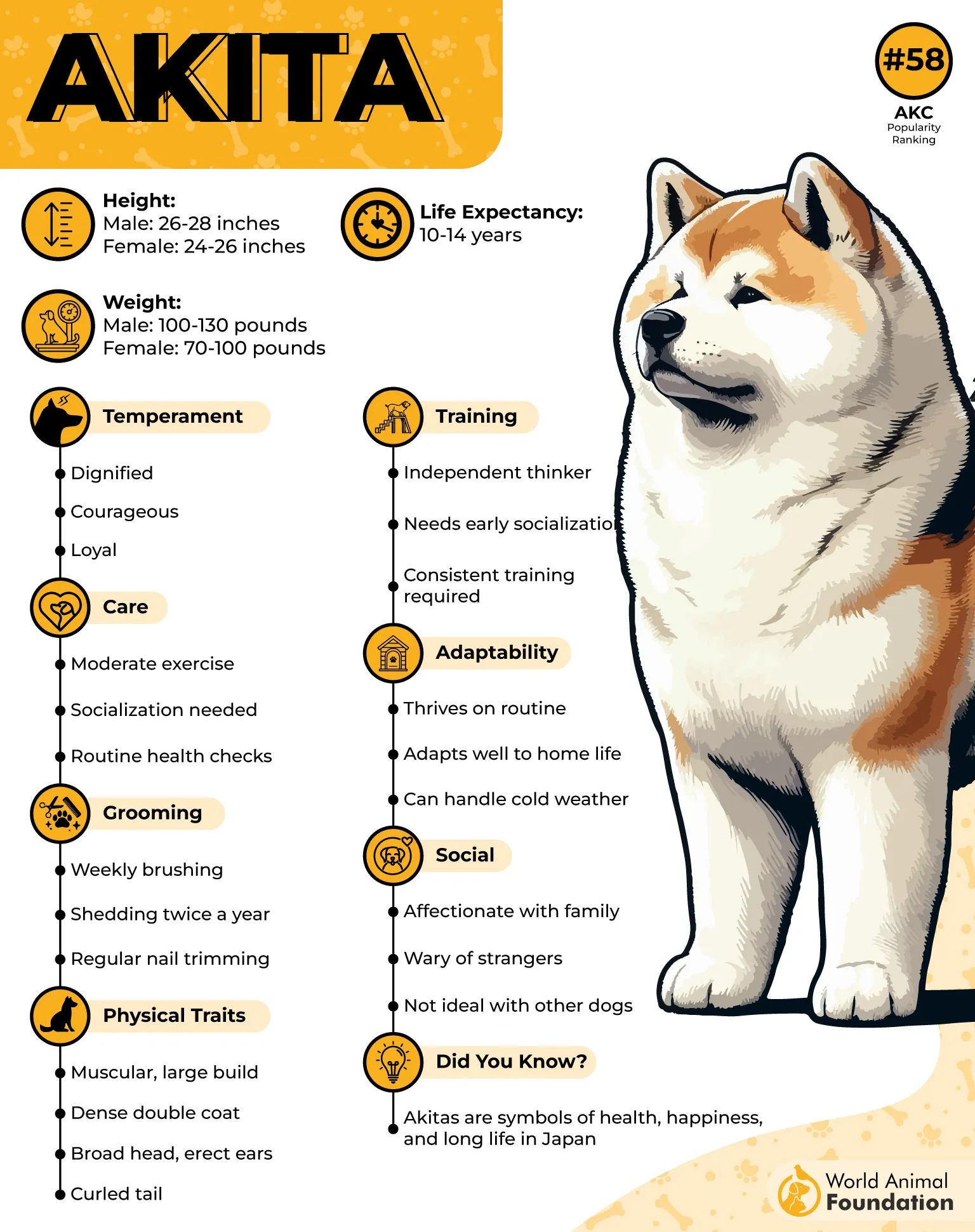
Key traits of the Akita
Strong, muscular, and heavy-boned build
Deeply loyal and naturally protective
Intelligent but independent in nature
Wary of strangers and highly territorial
Clean, quiet, and low-noise temperament
Requires early and consistent socialization
Akitas are intelligent dogs, but they are also independent and strong-willed. This means training must start early in puppyhood and remain consistent. They respond best to positive reinforcement, but they also need a confident and experienced owner who can set clear rules.
Early socialization is very important, as it helps them learn to accept strangers and reduce unwanted guarding behavior. Without proper training, their natural dominance and prey drive can become difficult to manage.
5. Siberian Husky
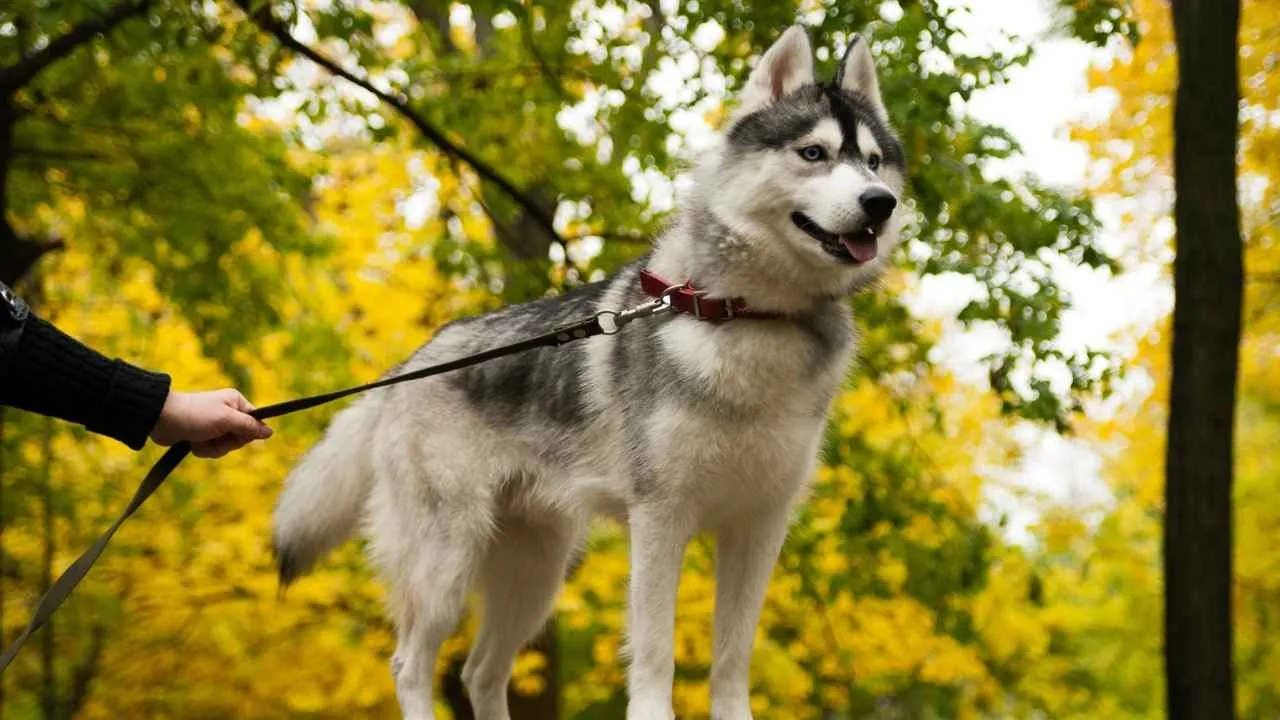
The Siberian Husky is a compact yet powerful working dog built for endurance rather than brute force. Originally developed to pull sleds across vast frozen landscapes, this breed is known for its stamina, speed, and effortless movement.
With its thick double coat, erect ears, and striking eyes, the Husky carries a graceful but athletic presence. Friendly and social by nature, it thrives in pack environments and enjoys being part of a family rather than acting as a guard dog.
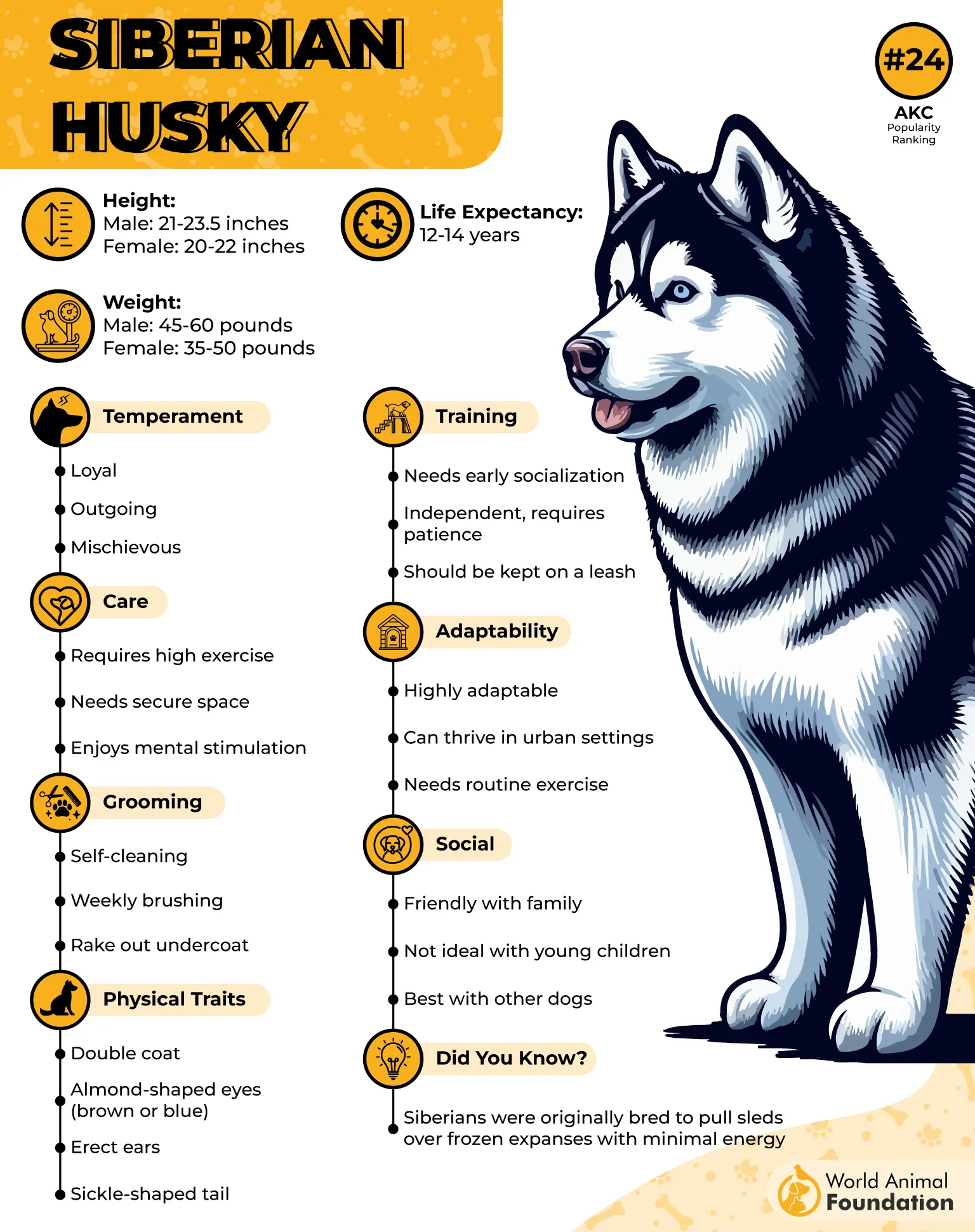
Key traits of the Siberian Husky
Strong endurance and built for long-distance work
Energetic, fast, and light on its feet
Friendly and social with people and other dogs
Intelligent but independent and sometimes stubborn
High prey drive and strong urge to run
Naturally clean with minimal dog odor
Siberian Huskies are intelligent but not always eager to obey, which can make training a challenge. They need early socialization and consistent, gentle training from puppyhood.
Positive reinforcement works best, along with keeping training fun and engaging. Because they are natural runners, they should always be kept on a leash or in a secure area. They also need constant companionship, as they don’t do well when left alone for long periods.
6. Saint Bernard
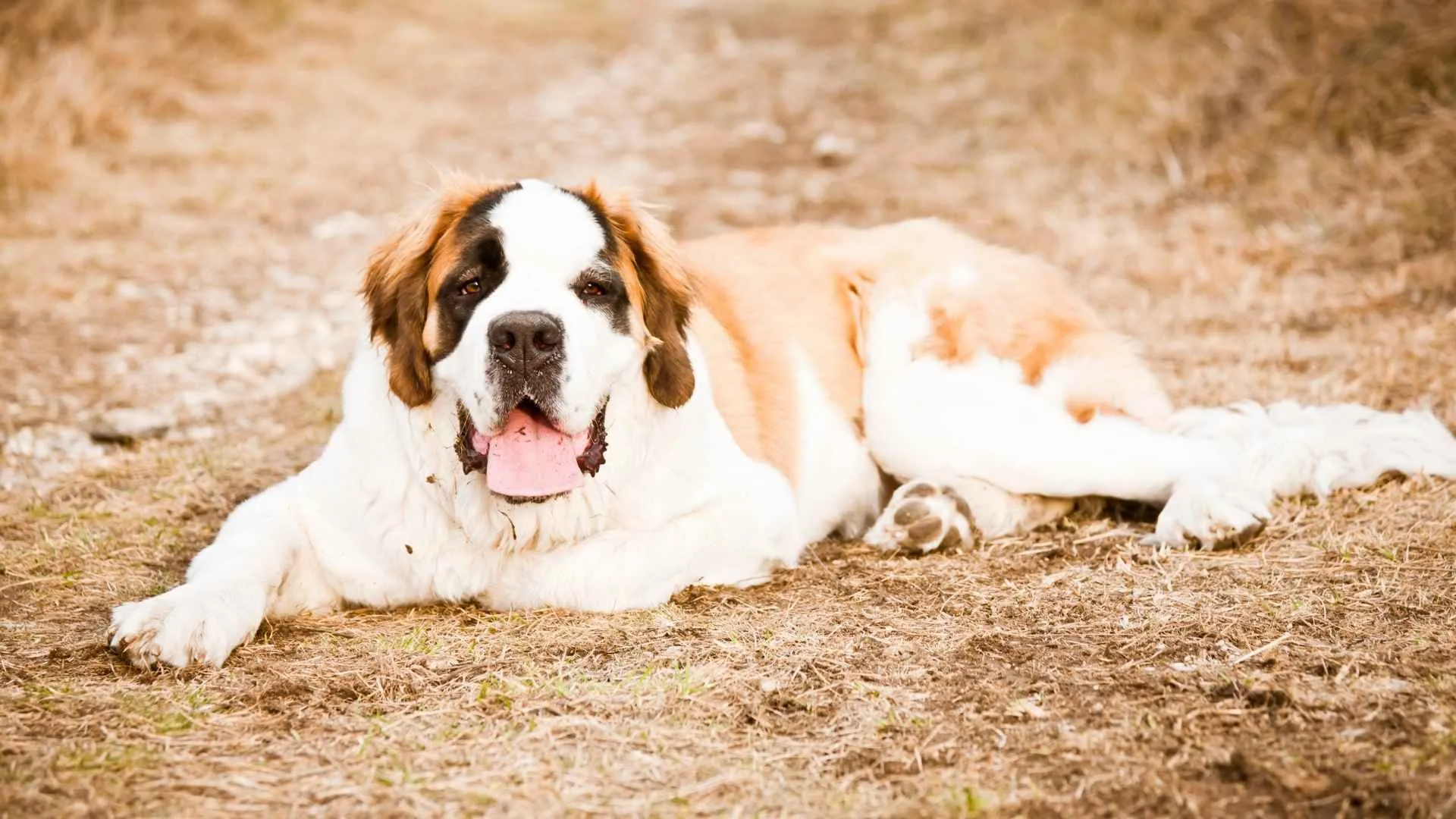
Saint Bernards are giant working dogs known for their incredible strength and calm, gentle nature. Originally trained by monks in the Swiss Alps during the 1600s, these dogs were used to locate and rescue people trapped in avalanches.
Built with powerful muscles and a massive frame, they were perfectly suited for harsh mountain conditions. Today, while many live as family companions, they still carry the same rescue instincts and dependable strength.
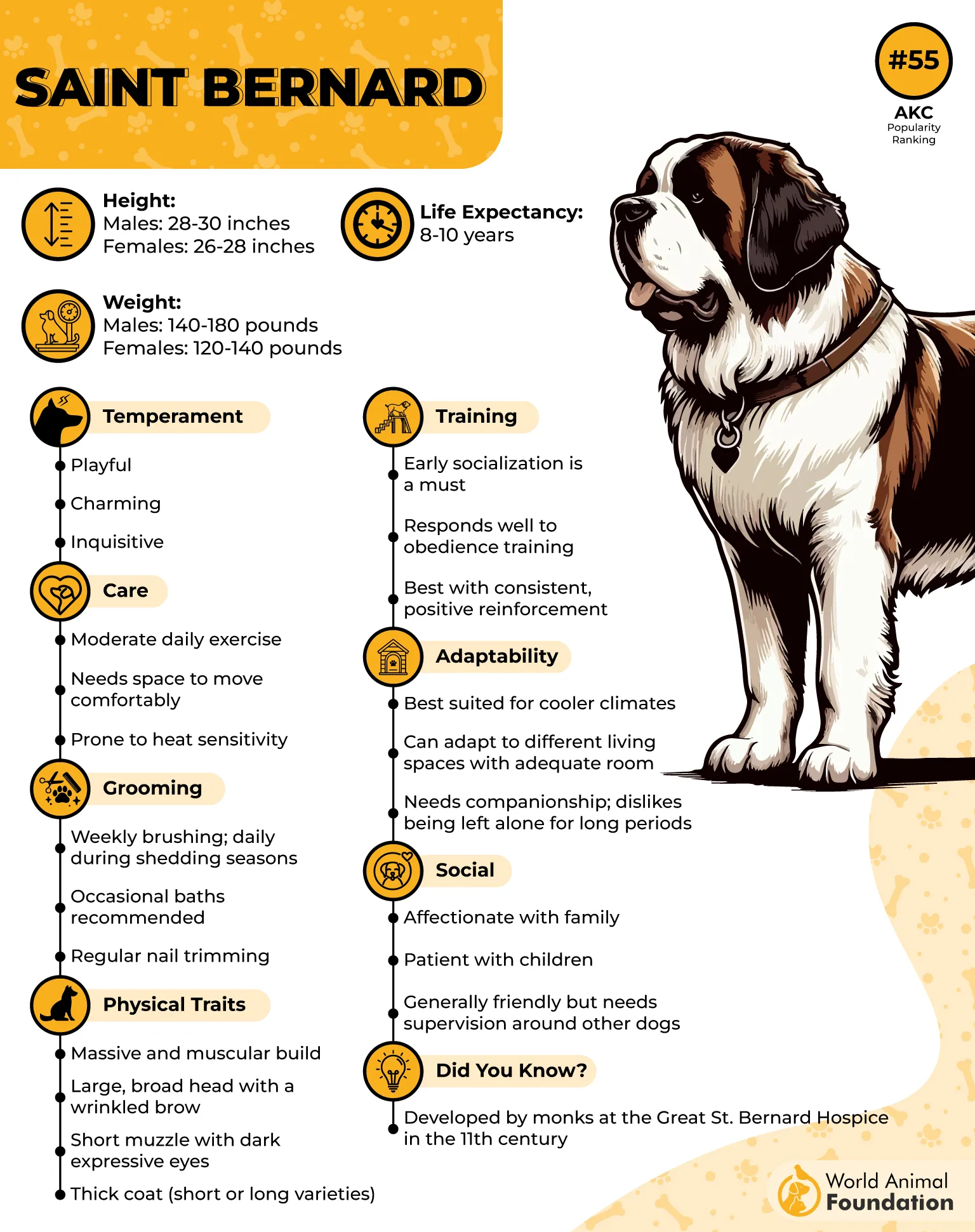
Key traits of the Saint Bernard
Extremely strong, massive, and built for rescue work
Calm, gentle, and patient temperament
Very affectionate and great with children
Intelligent and eager to please
Low prey drive and generally friendly with other animals
Prone to separation anxiety if left alone too long
Saint Bernards are intelligent and willing to learn, but their large size makes early training and socialization essential. As puppies, they are playful and energetic, but they become more relaxed as they mature.
Positive reinforcement works best, as they respond well to kindness and clear guidance. Obedience training helps manage their size, preventing behaviors like jumping or knocking things over.
7. Belgian Malinois
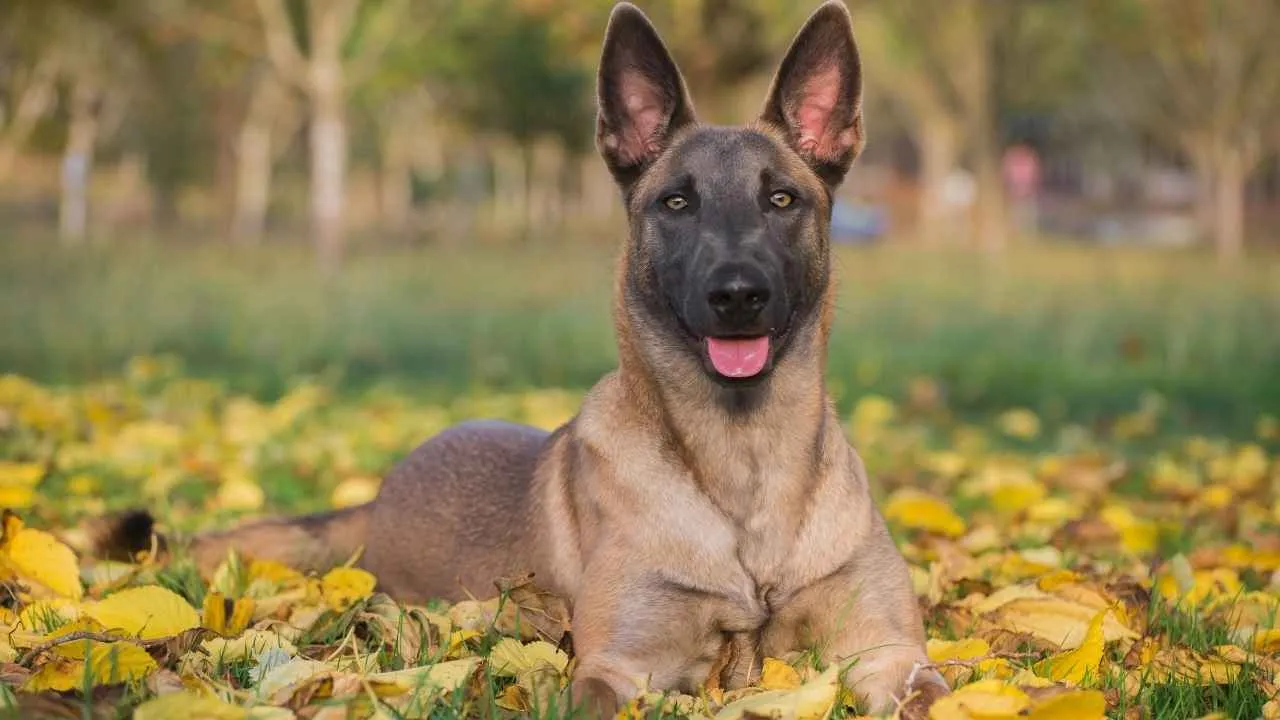
The Belgian Malinois is a smart, confident, and highly driven working dog built for performance and precision. Originally bred for herding in Belgium, it has evolved into a world-class police dog, military dog, and search-and-rescue dog.
Strong and well-muscled yet lean and agile, this breed is designed for speed, endurance, and nonstop activity. It forms an incredibly close bond with its owner and thrives when working side by side with them.
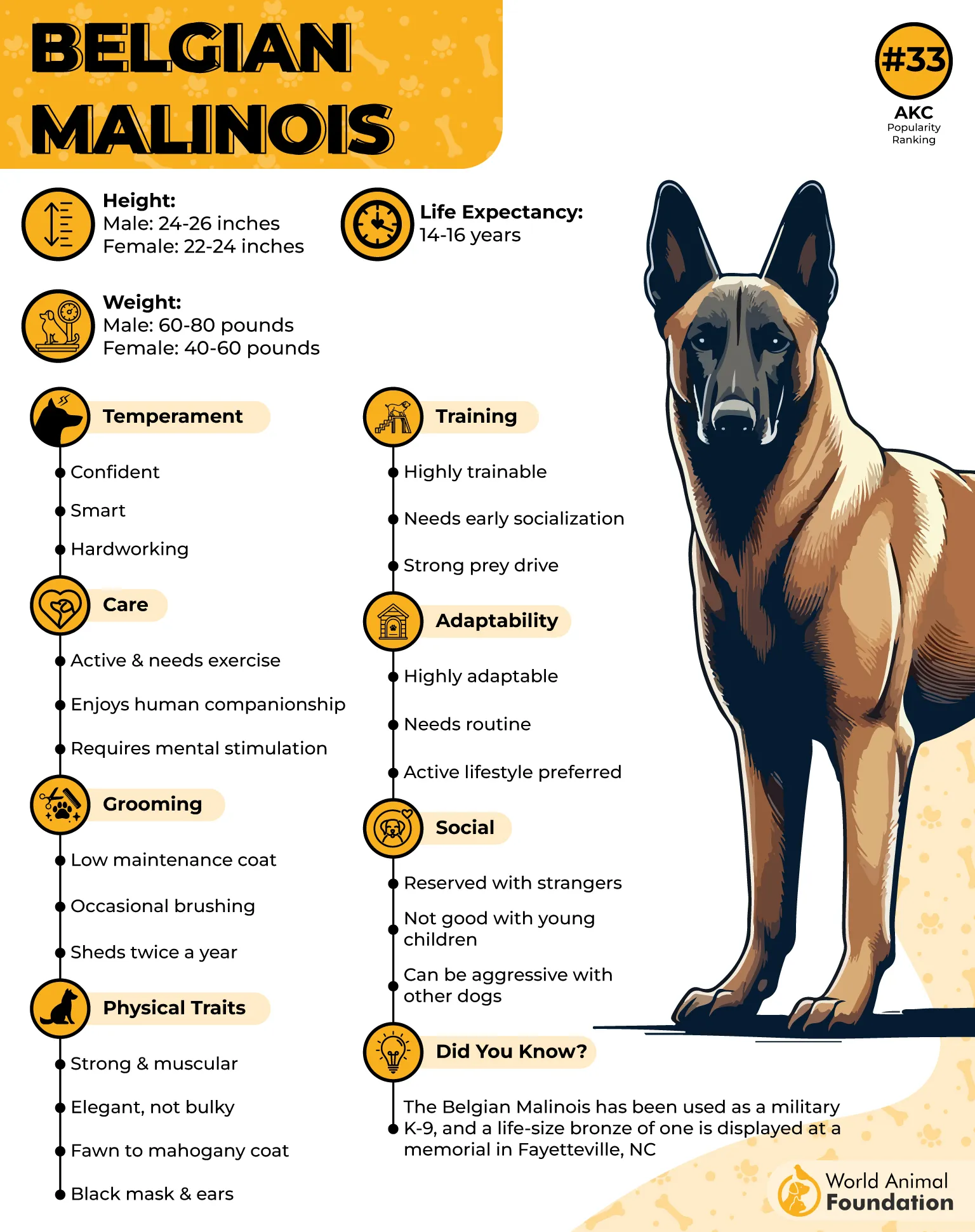
Key traits of the Belgian Malinois
Lean, muscular, and built for high-performance work
Extremely intelligent and quick to learn
Deeply loyal with a strong bond to its owner
High energy with an intense work drive
Strong prey drive and natural herding instincts
Needs constant mental and physical stimulation
The Belgian Malinois is easy to train but requires serious commitment. Early socialization and consistent obedience training are essential to manage its strong instincts and energy levels.
Positive reinforcement works best, along with structured, ongoing training throughout its life. Without enough activity or engagement, this breed can quickly develop destructive behaviors, as it naturally seeks out tasks to stay busy.
8. Anatolian Shepherd Dog
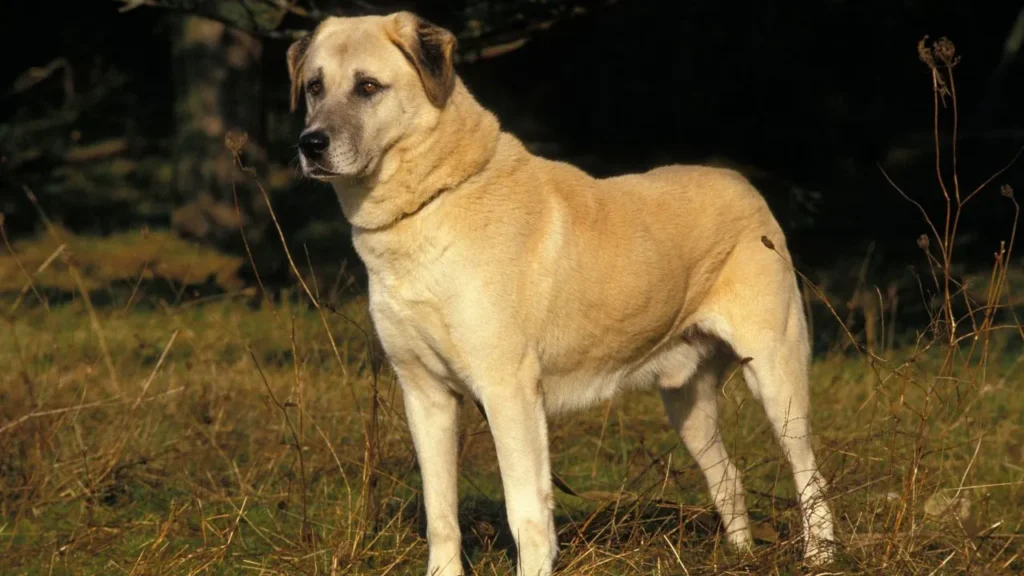
The Anatolian Shepherd is an ancient and powerful working breed, developed thousands of years ago to guard livestock in harsh conditions. Originating from Turkey, this muscular dog was bred to think independently and protect its flock without human direction.
Its massive size, muscular build, and natural confidence make it an intimidating presence to any threat. Even today, it remains one of the most reliable livestock guardians, known for its loyalty and protective instincts.
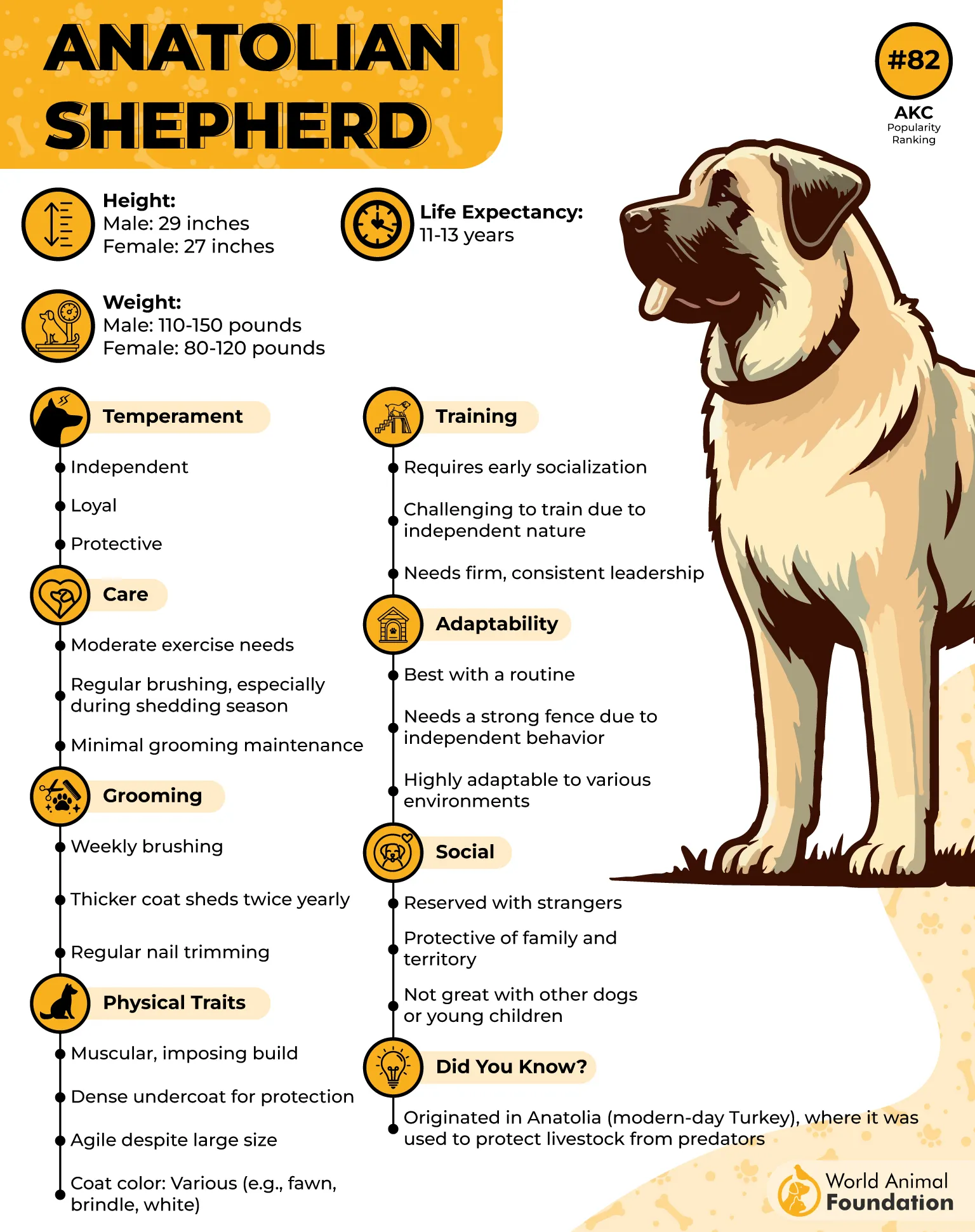
Key traits of the Anatolian Shepherd
Large, muscular, and built for tough outdoor work
Highly independent and strong-willed
Naturally protective and territorial
Calm, patient, but quick to react to threats
Intelligent but challenging to train
Deeply loyal to family and flock
The Anatolian Shepherd is not a typical obedience-driven breed. Its independent nature, developed over centuries, can make training more difficult compared to other dogs.
Early socialization is essential to help it understand different people, animals, and environments. Consistent, positive training works best, but it requires an experienced owner who can provide strong leadership without harsh methods.
9. Dogo Argentino
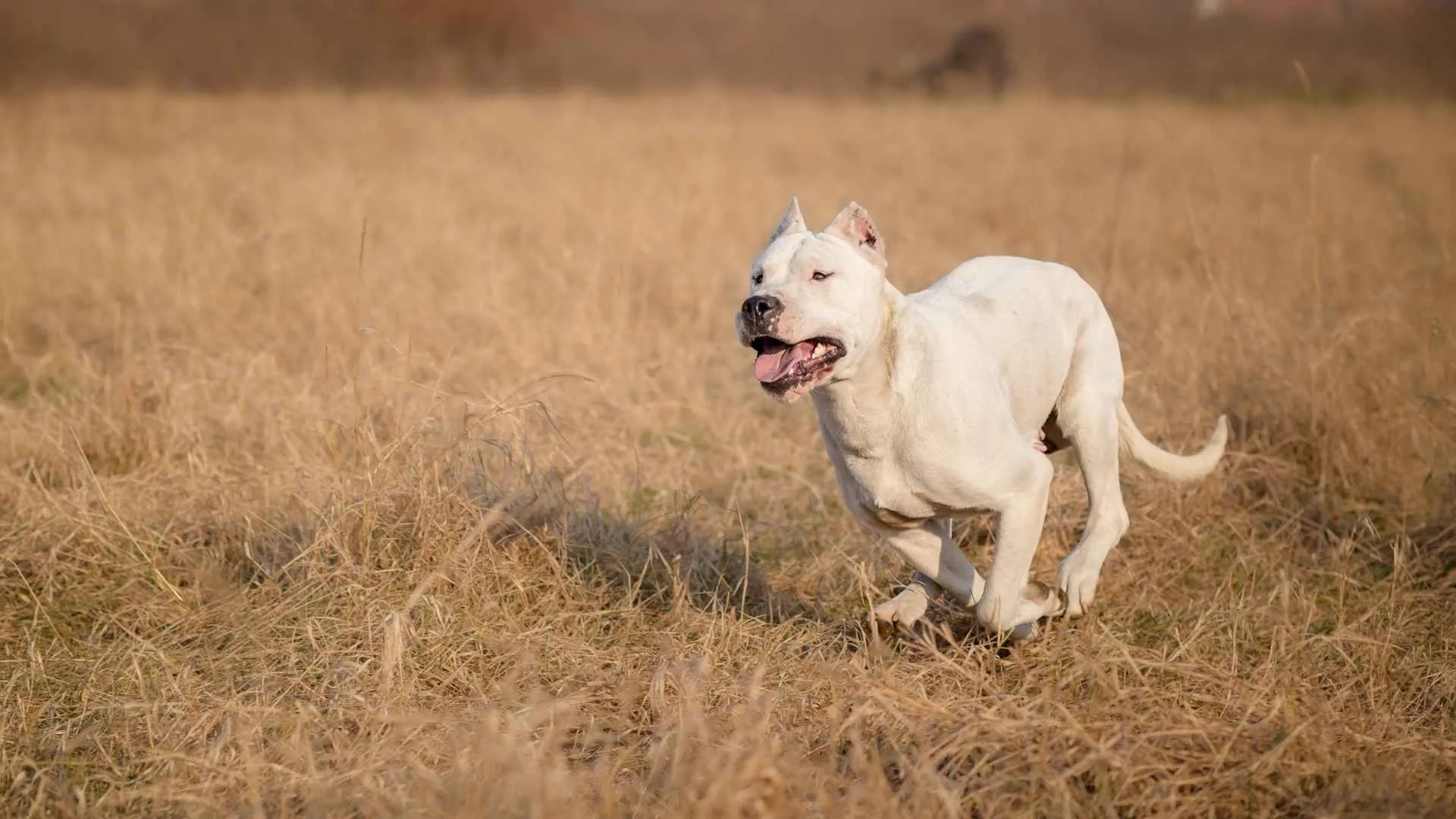
The Dogo Argentino is a powerful, athletic working dog originally bred for big-game hunting, including wild boar and puma. Built with a strong, muscular body and impressive stamina, this breed is designed for speed, strength, and endurance.
Its short, all-white coat and alert expression give it a striking appearance, while its overall build reflects explosive power and agility. Despite its intense working background, it is also deeply devoted to its family.
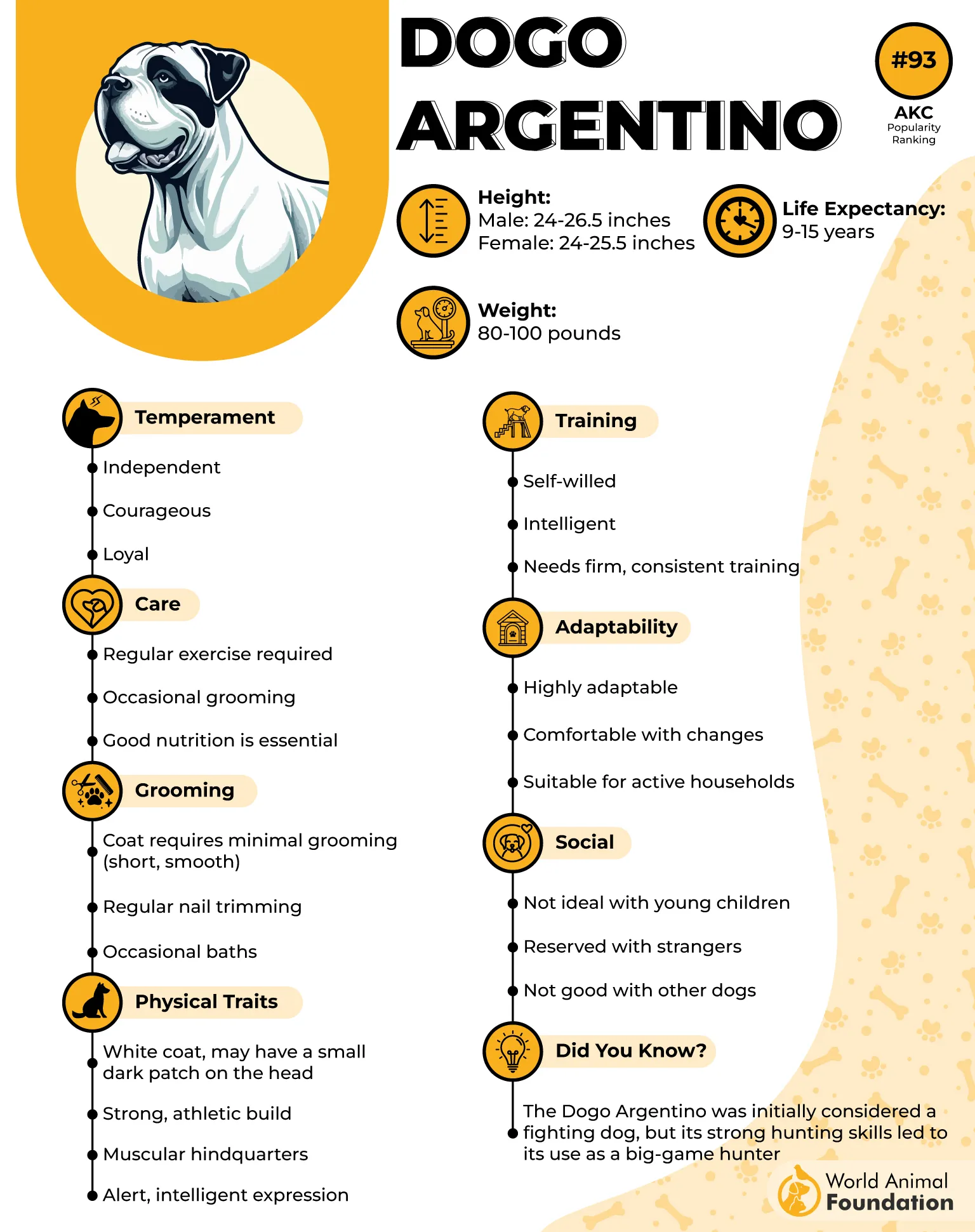
Key traits of the Dogo Argentino
Strong, muscular, and built for high-intensity work
Fearless, energetic, and highly athletic
Extremely loyal and protective of family
Intelligent with strong senses, especially smell
Naturally wary of strangers
Needs experienced handling and early socialization
The Dogo Argentino is intelligent and eager to learn, but it also has a strong will and natural hunting instincts. Early training and socialization are essential to shape its behavior and manage its prey drive.
Positive reinforcement works best, as this breed responds well to guidance and structure. Without proper training, its strength and determination can become difficult to handle, especially for inexperienced owners.
10. Boxer
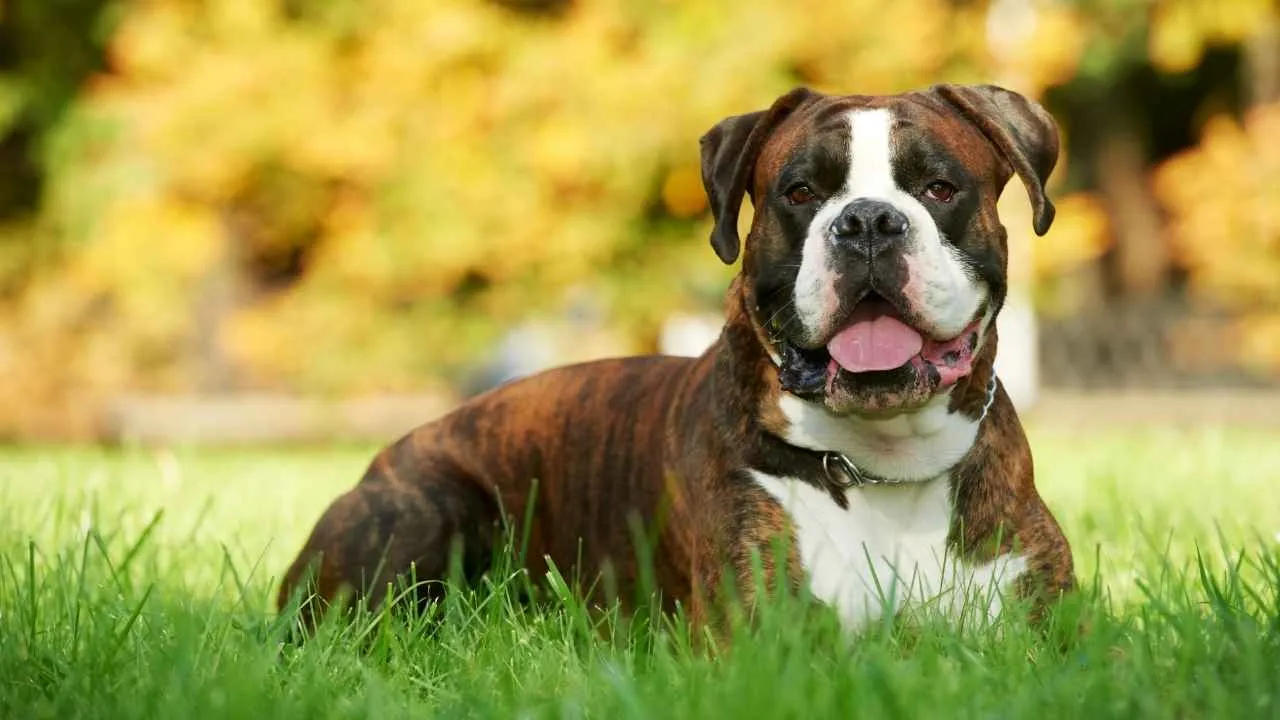
The Boxer is a strong, athletic working dog known for its energy, intelligence, and playful spirit. Originally brought from Germany for hunting and working roles, this breed combines muscular strength with agility and speed.
Its compact, well-built body and smooth, powerful movement reflect its natural athleticism. While it looks tough and alert, the Boxer is also known for its fun-loving and affectionate personality, especially with its family.
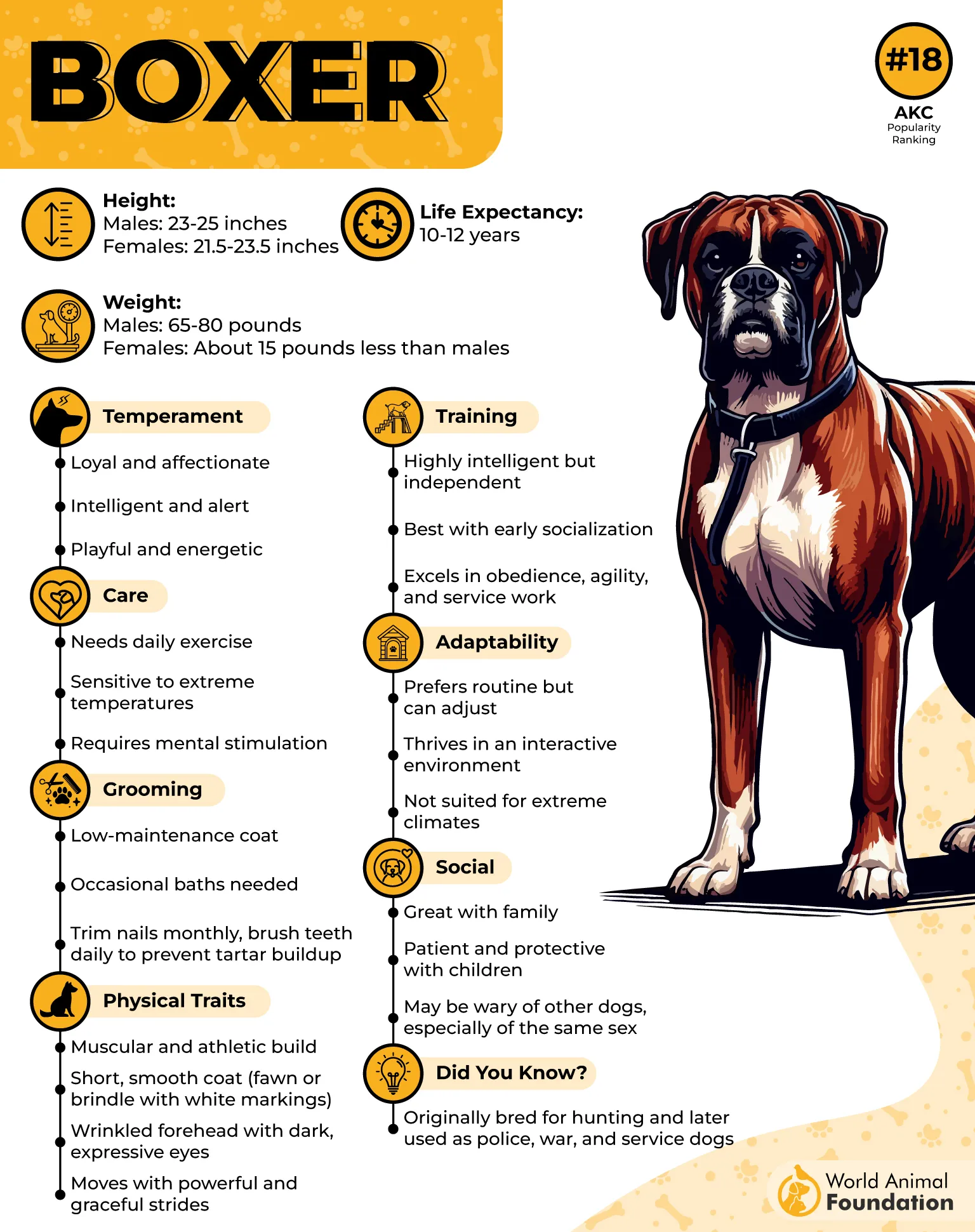
Key traits of the Boxer
Muscular, athletic, and built for speed and power
Energetic, playful, and full of life
Intelligent and quick to learn
Loyal and naturally protective
Can be stubborn and easily bored
Needs early socialization and consistent training
Boxers are highly intelligent but can lose interest if training becomes repetitive. They need engaging, positive training methods along with early socialization to shape their behavior.
Because of their energy and strong personality, they require patience and consistency. Without proper training, habits like jumping, chasing, or digging can become common, especially due to their playful and curious nature.
Conclusion
Powerhouse dog breeds are more than just muscle—they’re the result of generations of purpose-driven breeding, built for strength, endurance, and real work. From natural guardians to tireless workers, each of these dogs brings a unique mix of physical power, intelligence, and loyalty.
But one thing stays the same across all of them: they need structure, training, and an owner who understands their energy and instincts. Strength without guidance can quickly become overwhelming, which is why these breeds thrive best with experienced, committed handlers.
If you can meet them at their level, the reward is unmatched: a loyal, capable companion dog who doesn’t just live with you, but stands beside you with strength, devotion, and heart.
Looking for stronger dog breeds? You can also check out the German Shepherd, Alaskan Malamute, Italian Mastiff, American Pit Bull Terrier, English Bulldog, Doberman Pinscher, Great Dane, and Rhodesian Ridgeback.
