




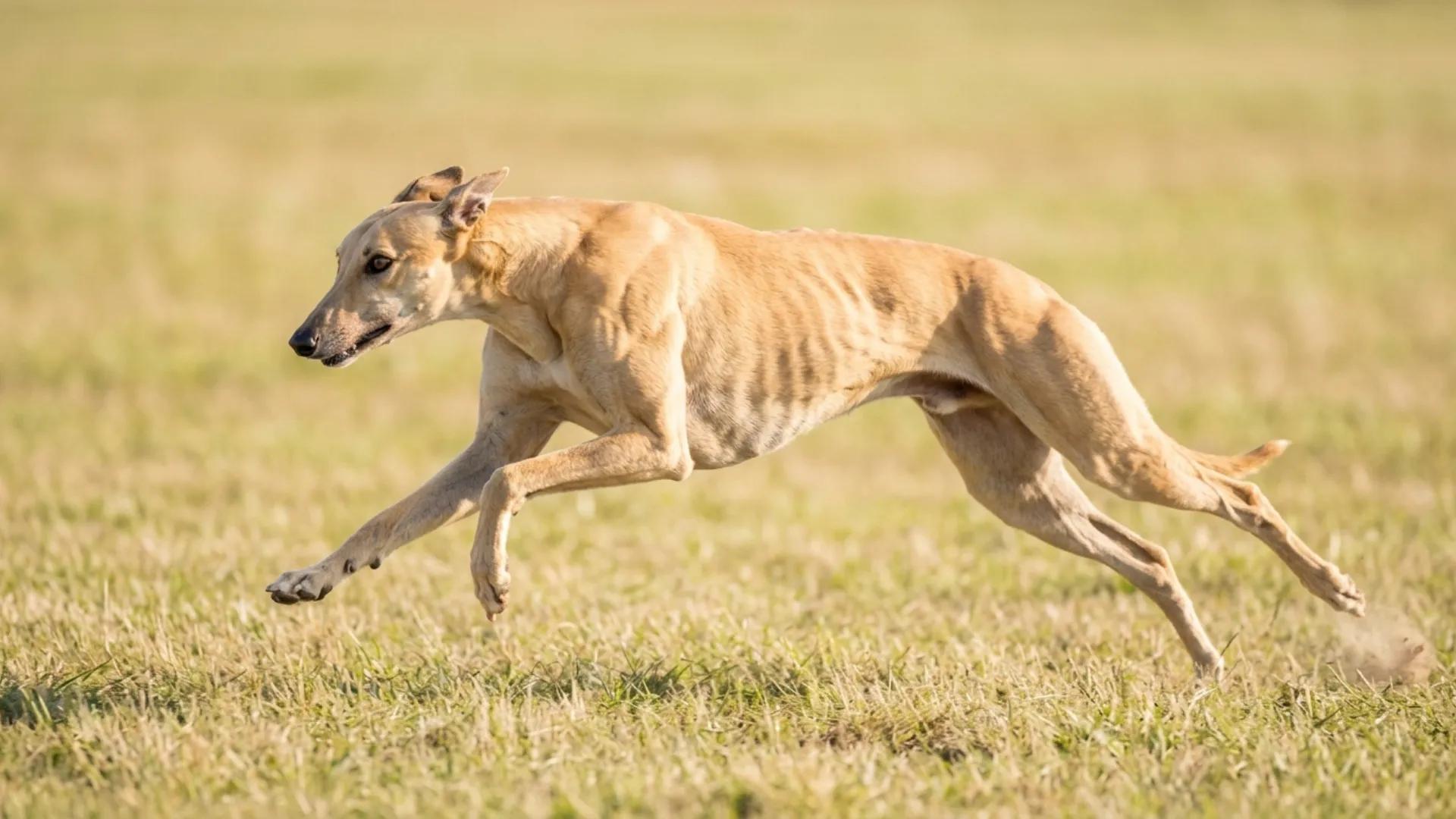
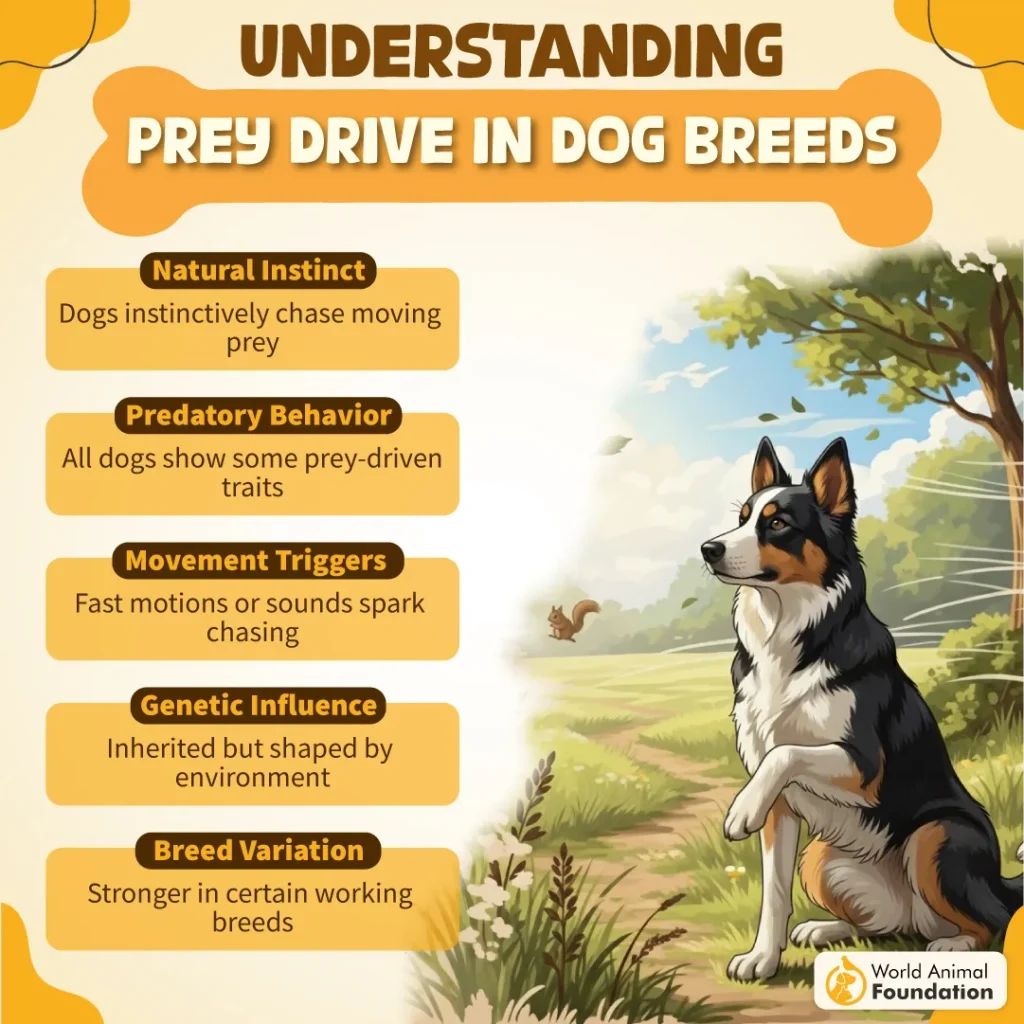
Ever watched your dog freeze mid-walk, lock eyes on a squirrel, and completely forget you exist? That is prey drive: raw, ancient, and honestly unstoppable. Not every dog operates at this level, but certain breeds are literally wired for the chase.
They are not problem dogs. They are mission dogs. And if you have an active lifestyle, a hike with one of these breeds is an experience like no other.
Dog breeds with high prey drives are genetically built to pursue, chase, and capture moving targets. Managing this instinct, rather than trying to train it out entirely, is the key to a happy life with one of these dogs.
Think of them as nature’s athletes, built to stalk, sprint, and pursue with remarkable precision. According to the American Kennel Club, prey drive is rooted in wolves’ ancient survival instincts and has been selectively refined through centuries of purposeful breeding. Owning one is like driving a sports car on an open road: exhilarating, but demanding every bit of your attention.
Let’s dig in.
Dog Breeds Driven to Pursue – High Prey Drive Guide
1. Border Collie
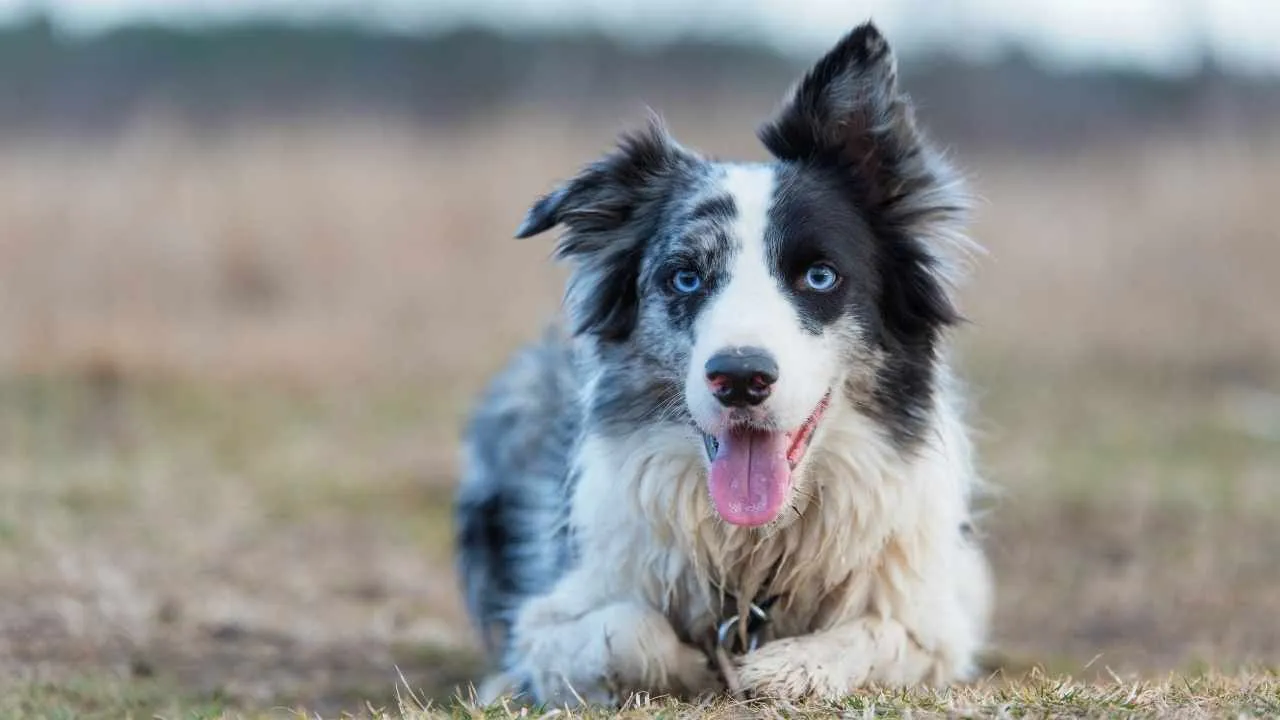
This medium-sized dog was originally bred in Britain as a herding dog. This is the most intelligent dog in the world. ‘Collie’ comes from a Celtic word which means ‘useful.’ Today, the breed is widely used for herding, tracking, and dog sports. Not only animals, but this dog is also used to remove unwanted birds at airports, according to Wikipedia.
It has strong eyes that create a hypnotic stare to intimidate sheep. It can easily detect any object 900m way. When it locks its eyes on a prey, its pupils are dilated, and there is a dopamine rush in the brain that reinforces intense focus. It tends to chase small animals and control them rather than consuming them.
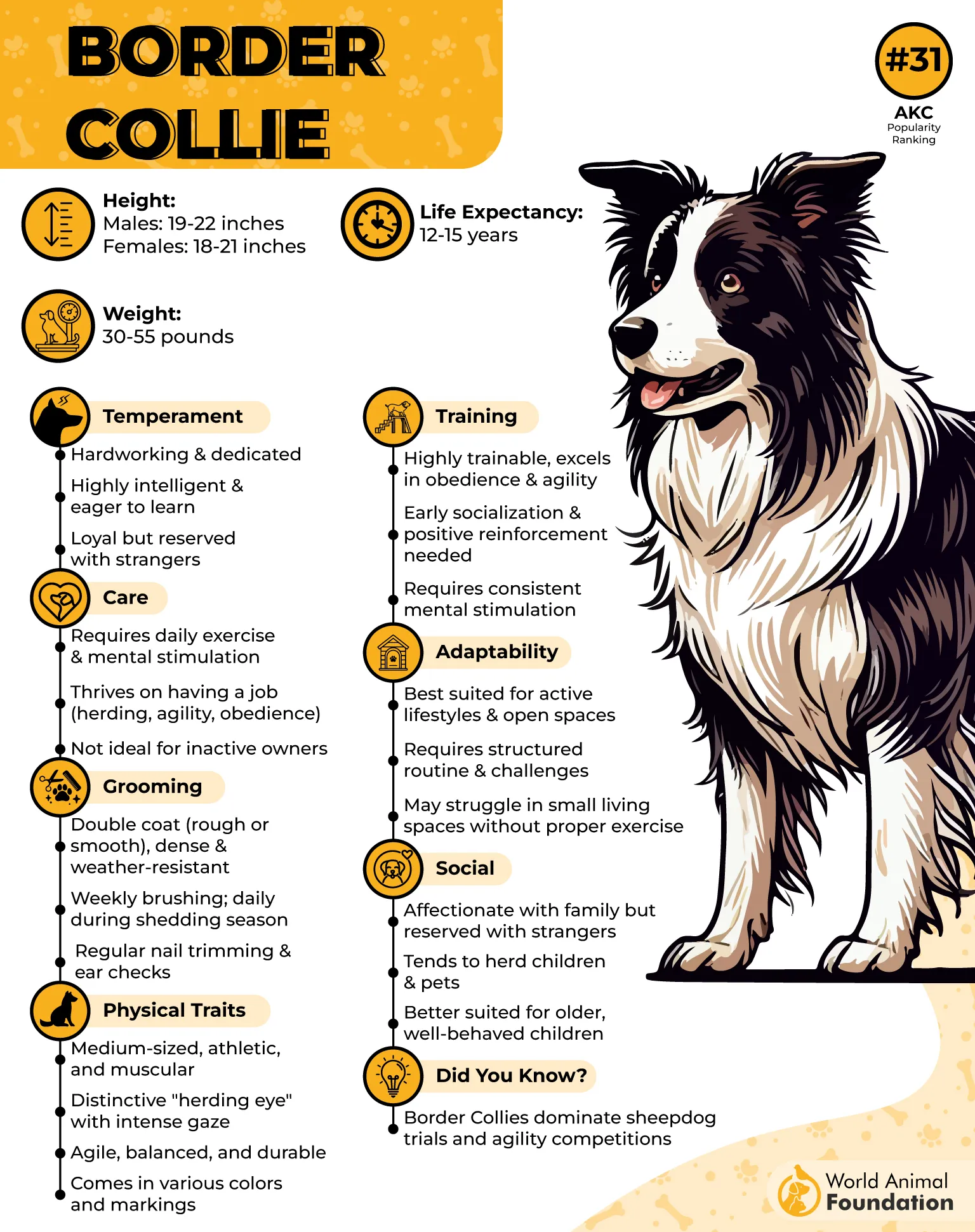
It needs 1.5-3 hours for vigorous mental and physical enrichment: running, hiking, fetching, canine sport, and indoor play. Since it is incredibly intelligent, keep the training short and non-repetitive (10-15 minutes). The strong herding instincts need early socialization and proper training.
2. Greyhound
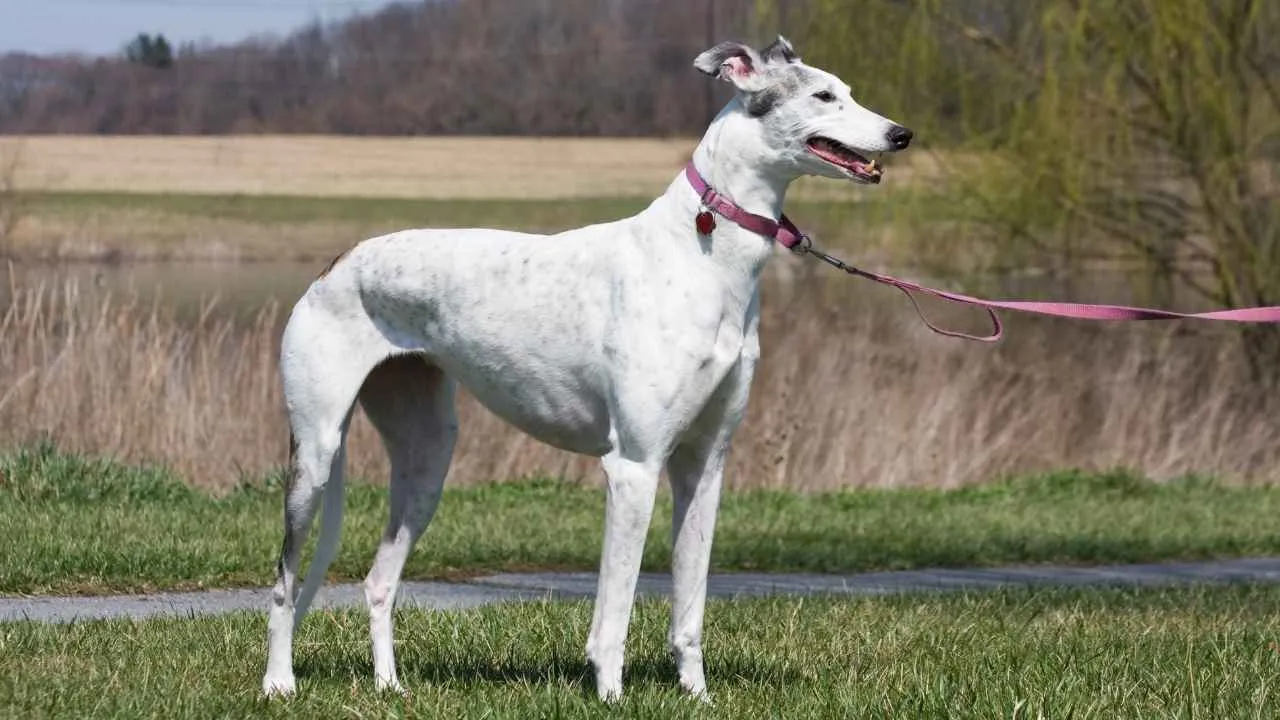
This ancient scent hound was originally developed as a hunting dog because of its high speed (43 mph) and a strong sense of sight. It is also kept as a show dog and a family dog. It has an inverted S-shaped abdomen that cuts the air, minimizing air resistance.
This domestic dog has retinal cells in a special set of eyes that move horizontally, providing a panoramic field of view. This assists in spotting the slightest movement almost a half mile away. The ‘chase sequence’ is triggered as soon as it sees a darting object, such as a rabbit. The brain goes directly to the ‘drift’ state, completely ignoring the distractions.
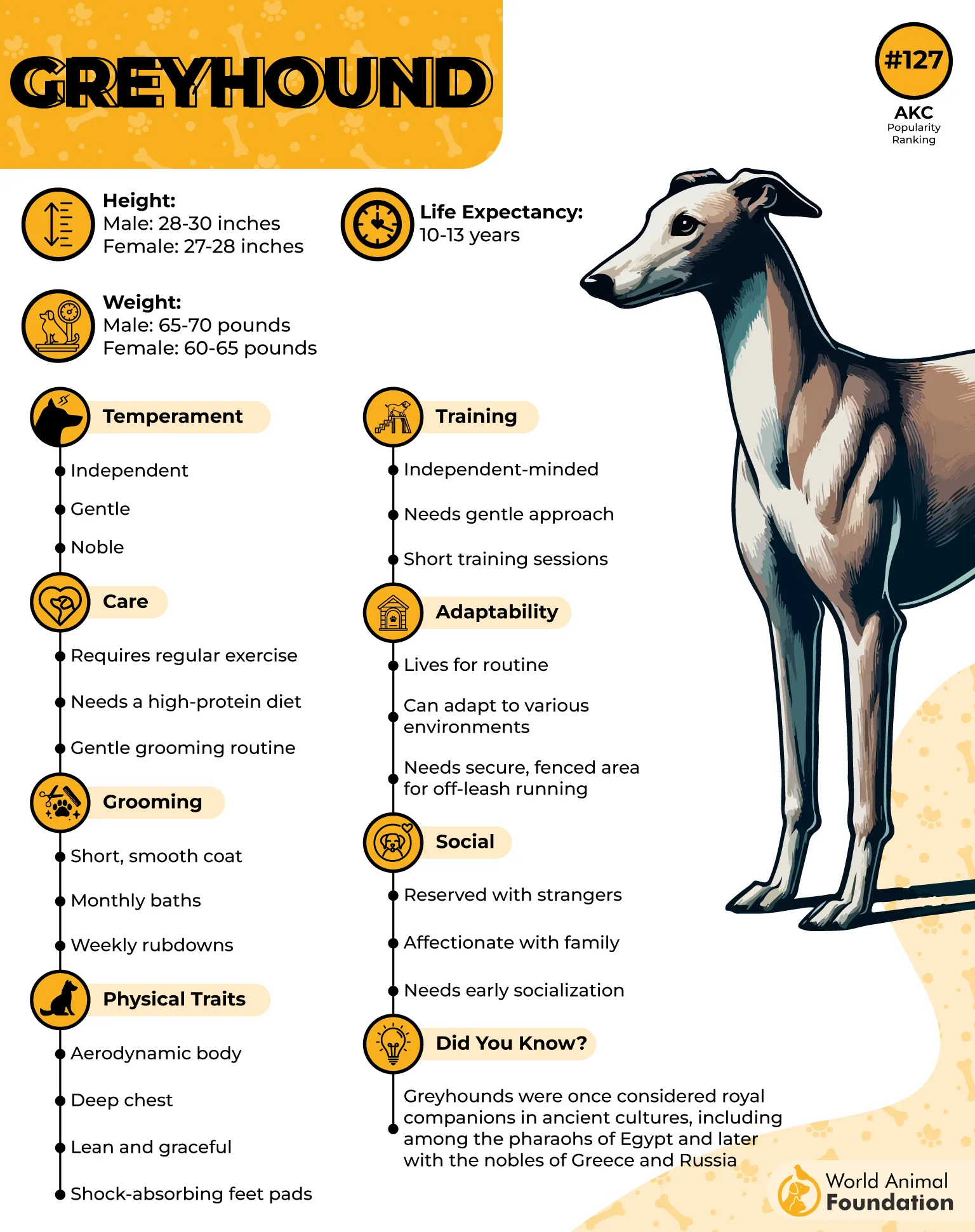
Unlike other dogs, the Greyhound follows a certain pattern: orient, chase, and grab, skipping the stalk and kill phase. It needs regular exercise for 30-60 minutes a day: sniffing, leash walking, and swimming.
Since it is a couch potato, low-impact exercise should be avoided. It tends to instinctively chase running animals, such as rabbits; add a reward technique to control this habit in a multi-pet household.
3. Jack Russell Terrier
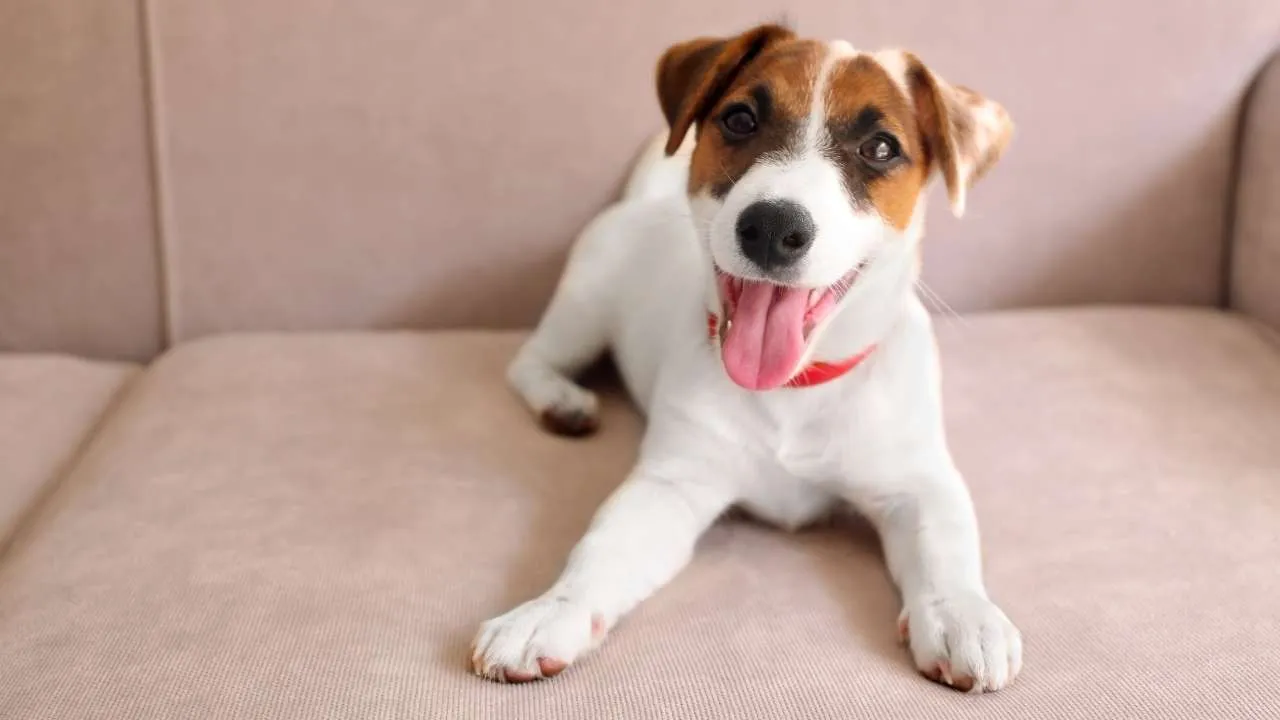
The modern-day Jack Russell Terrier traces its roots back nearly 200 years to the work of Reverend John Russell. A passionate sportsman, the Reverend refined the breed to create a tenacious hunting companion that could flush a fox out of its underground den without killing it, while still serving as a devoted family dog, as per Purina UK.
It has an advanced nasal cavity that can detect smell through dense bushes. The flexible chest can squeeze into tight spaces. Since it is an independent dog, it tends to make its own decisions without the handler’s supervision. It relies on scent-driven, sound-activated, and motion-activated cognitive triggers to locate small animals.
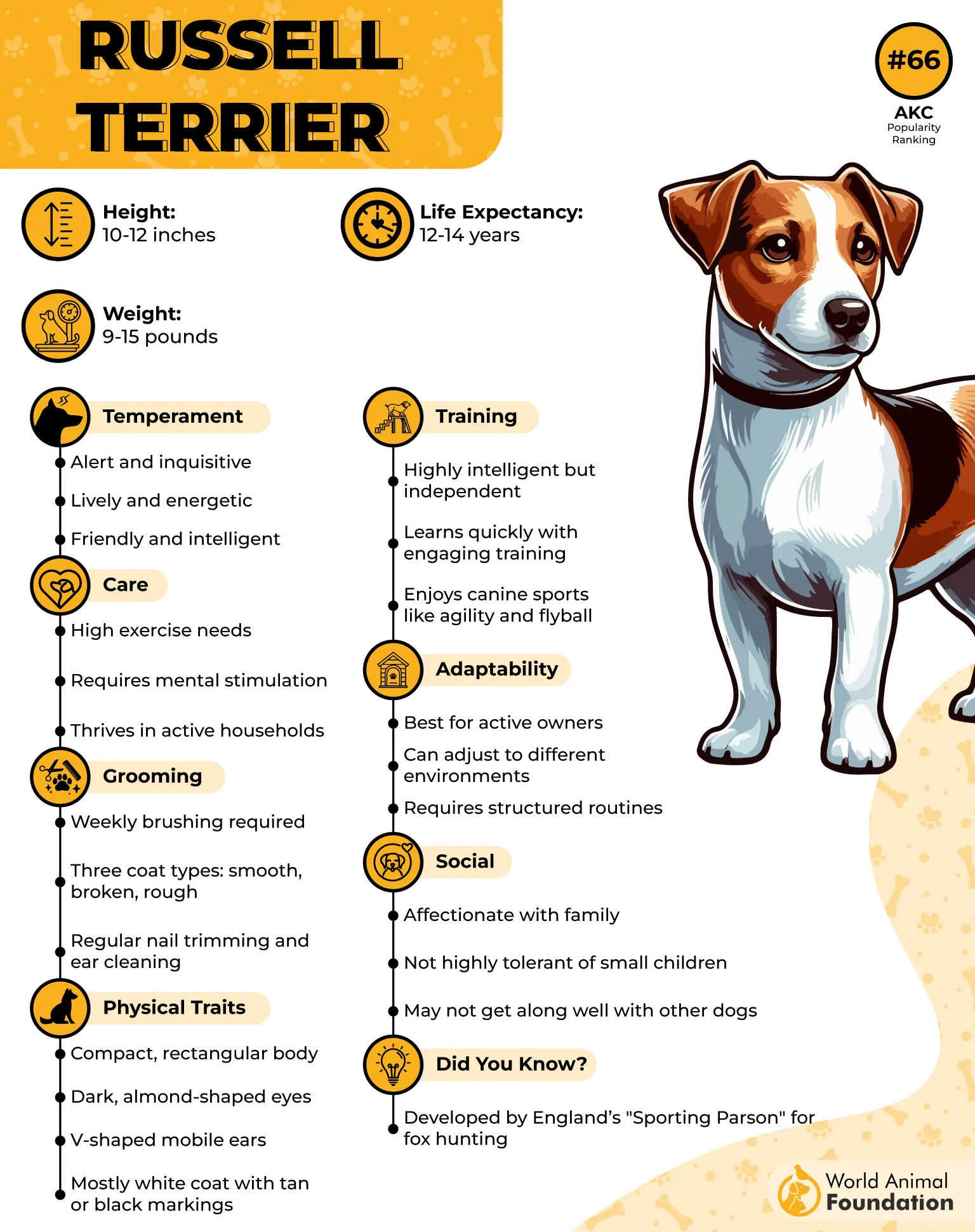
It follows the following hunting sequence: orient, gaze, stalk, chase, grab-bite, and shake. High-impact exercise is usually recommended (1.5-2 hours): jogging, running, hiking, canine sports, and scent games. Basic obedience training is important to control natural prey and herding instincts.
4. Beagle
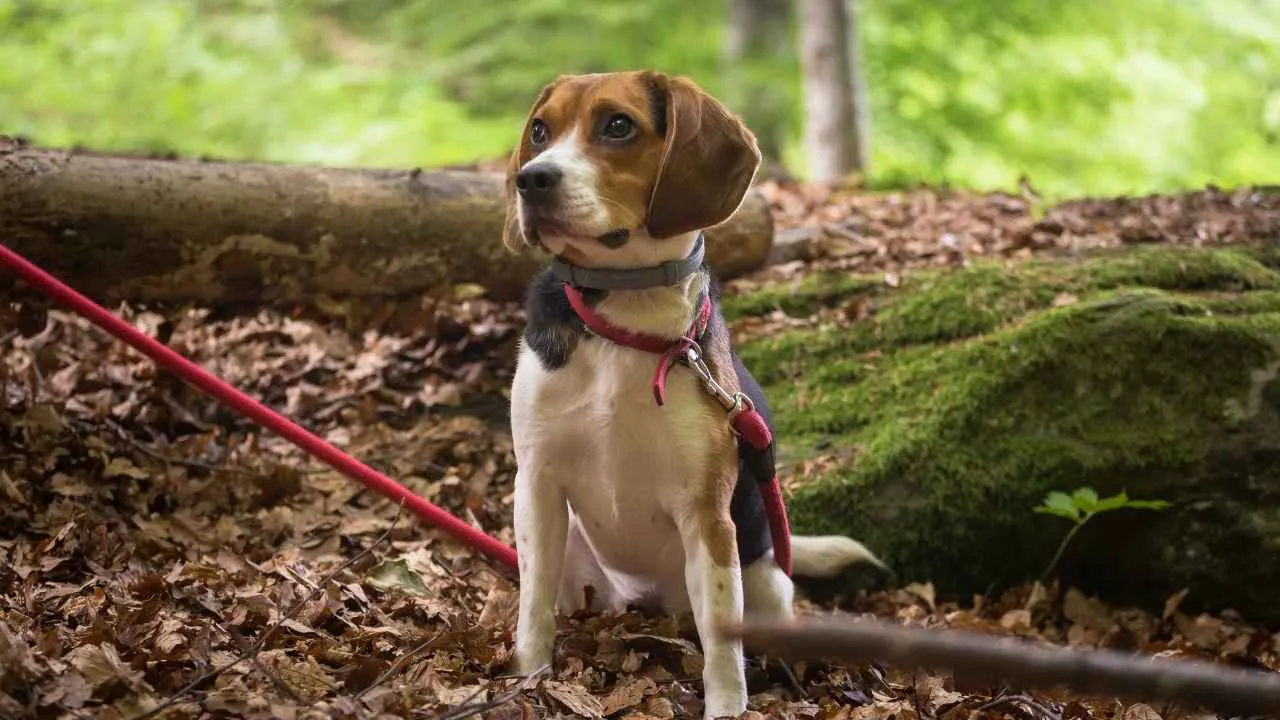
It is classified as both a sight hound and a scent hound in the mid-16th century. As a small hound, it was bred to kill small animals, such as rabbits and rodents. Because of this reason, this herding breed was given the name (‘beagle’ comes from a French word, which means ‘gape throat’).
The dog possesses the tendency to bay at packs. It has almost 225 million scent receptors. The low-set ears and a broad muzzle collect and redirect scent to the wide nose that processes multiple scents simultaneously. It creates an invisible scent map while tracking, making it easier to track and chase moving animals
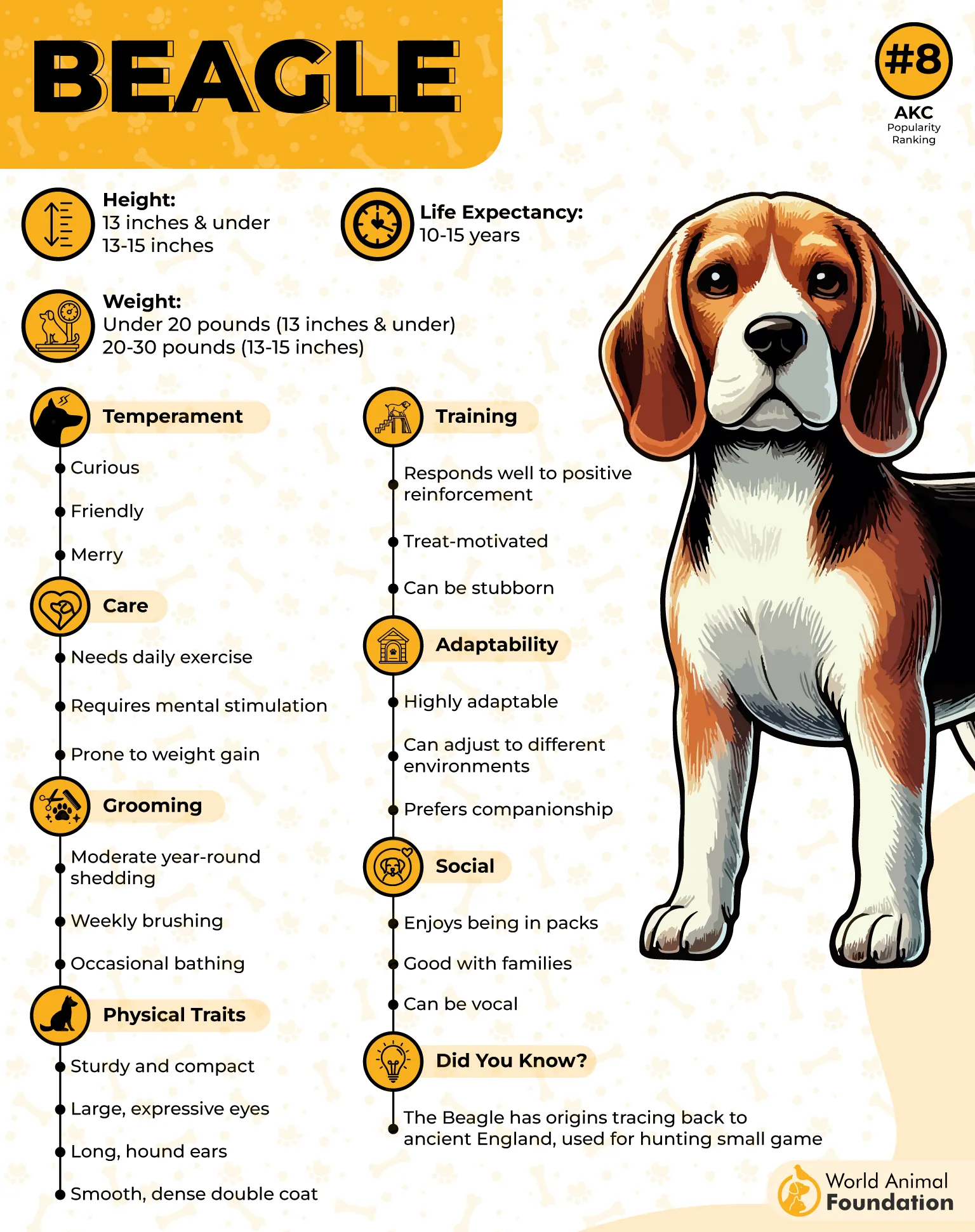
Be consistent in training and teach commands like ‘leave it’ to prevent activities like eating random objects. It needs 1-2 hours of daily exercise: daily 1-2 walks, sniffaris, scent games, and puzzle toys. Puppies should not be exposed to high-impact exercise because of the delicate developing joints.
5. Weimaraner
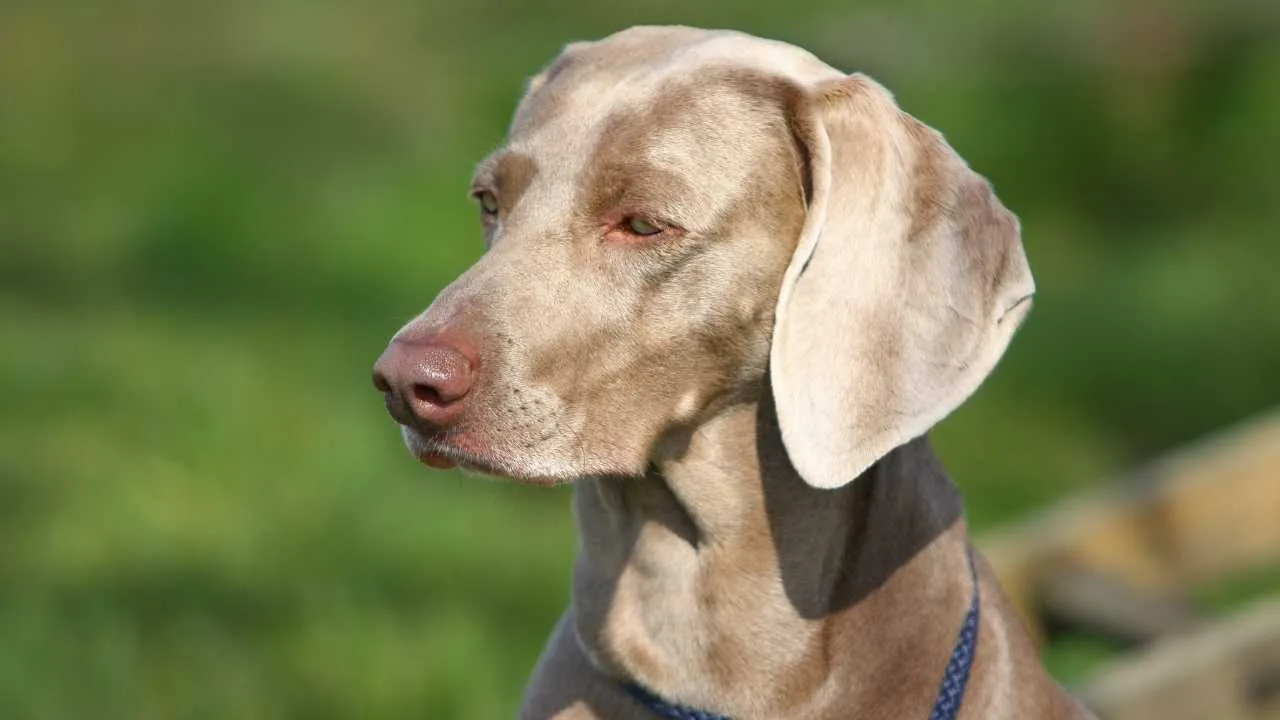
Historically bred in Germany in the 1800s by Grand Duke Karl August, an enthusiastic sportsman who aimed at developing a perfect hunting breed. This energetic dog was bred by crossing the Bloodhound with the French and German hunting dogs. Its primary goal was to hunt large game, but later, it was adapted to be a bird dog.
A dedicated section in the brain called the ‘olfactory bulb’ is responsible for processing olfactory signals. The brain creates a bridge between three sensory inputs: sight, sound, and smell, and the physical actions: chase, capture, and kill sequence. The high problem-solving skills make it an exceptional strategic hunter.
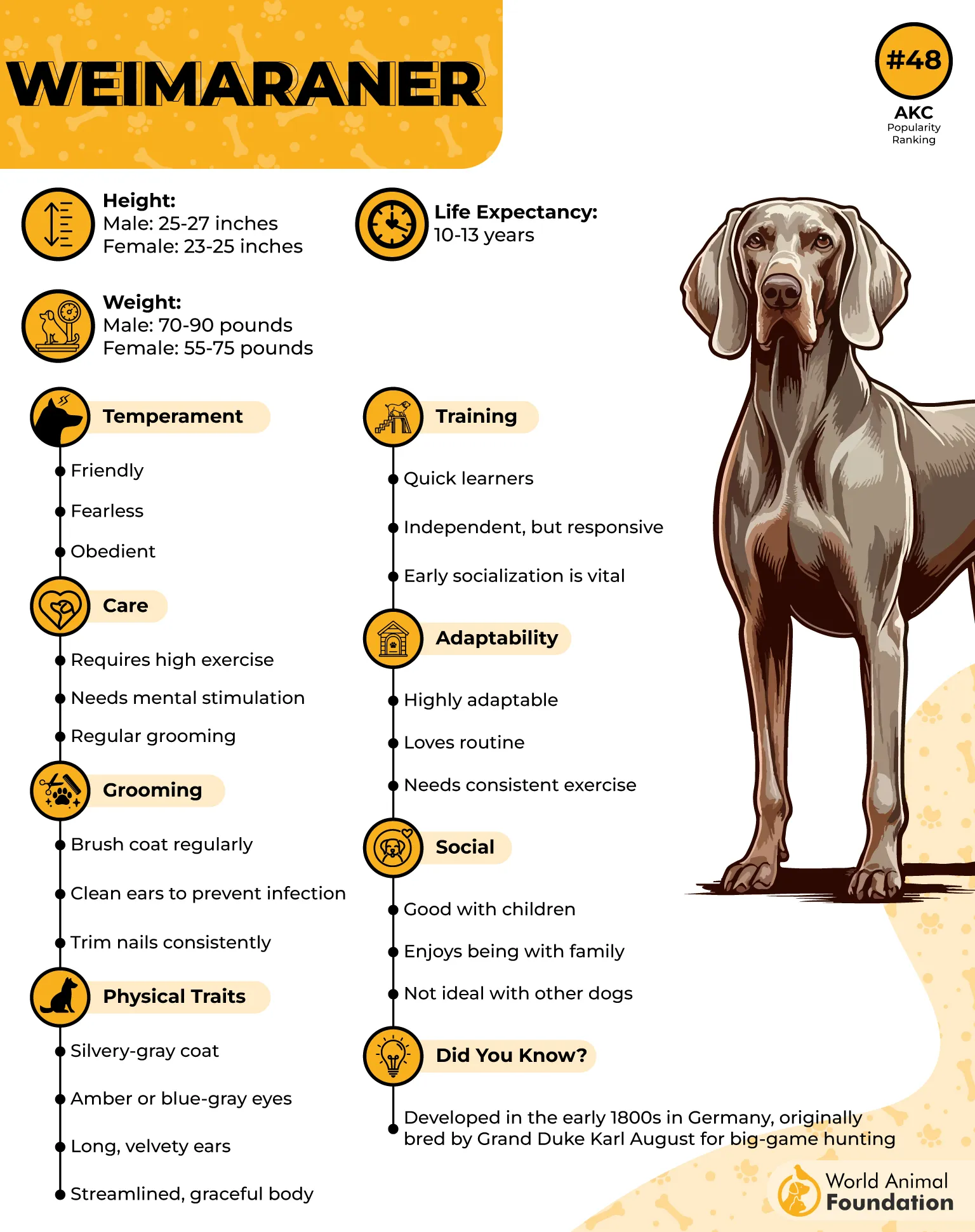
Because of the natural prey drive, it is recommended to redirect and manage the herding instincts rather than completely suppressing them. It is an affectionate guard dog and may develop separation anxiety if left alone for too long. 1-2 hours of physical activity and mental stimulation are highly recommended.
6. Rhodesian Ridgeback
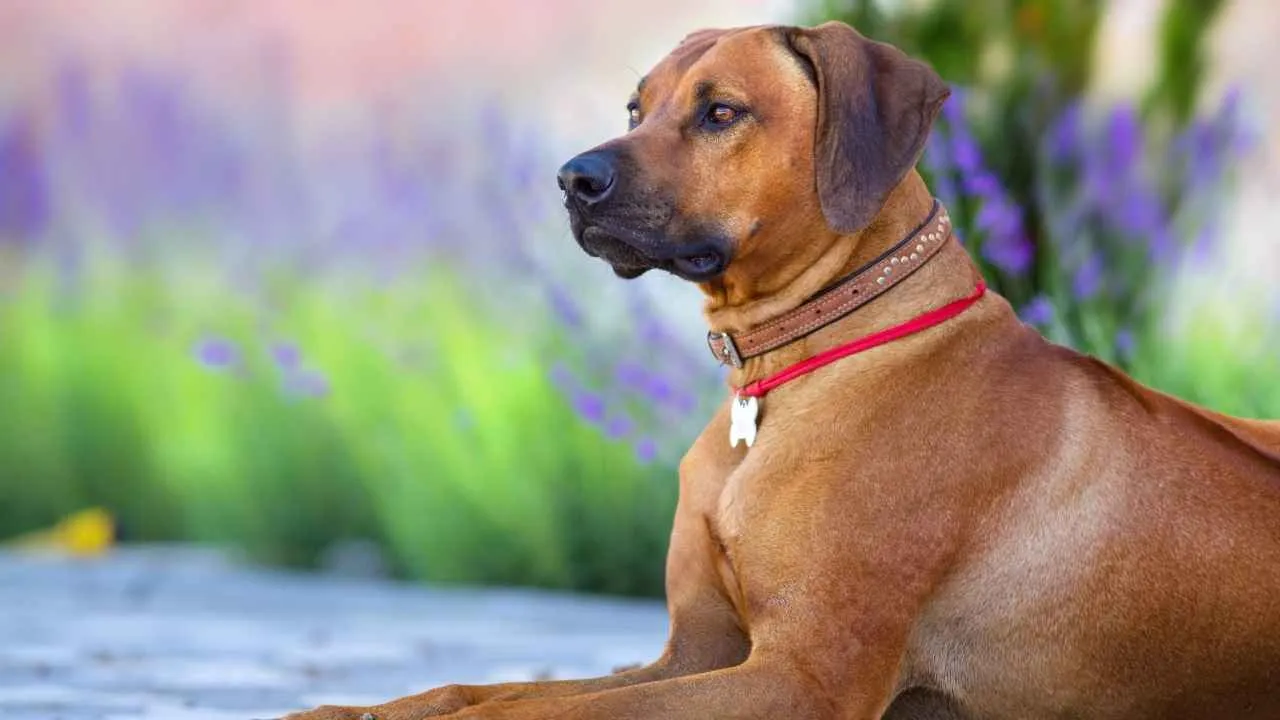
This large dog was originally bred in South Africa and was refined by F.R. Barnes in Rhodesia. Its history goes back to the ridged hunting and the guard dogs of Khoikhoi. These dogs were interbred with European dogs for the baying of lions.
This selective breeding improved the sense of smell, eyesight, and muscular endurance to track and catch moving objects. Darting movement, a sudden twitch, and the odor of small wild animals trigger its herding instincts. The temporary ‘flow state’ makes it go into an unresponsive state to external stimuli.
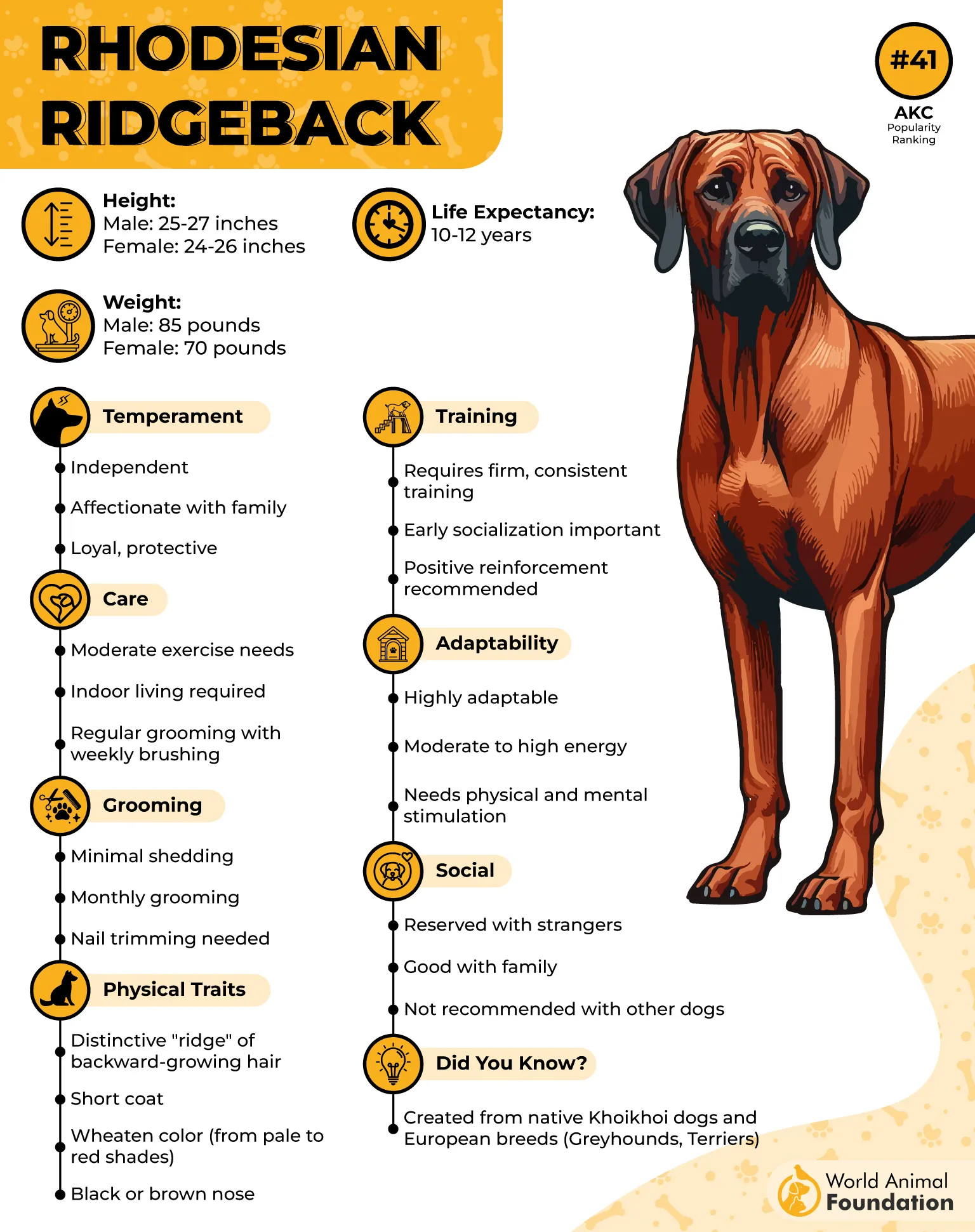
The brain of this athletic dog instantly calculates the trajectory of a running target and coordinates its immense speed to intercept it. Proper socialization is crucial, and never leave this loyal family dog alone for more than 4 hours. Aerobic activities in leashed or fenced environments are suggested.
7. Australian Cattle Dog
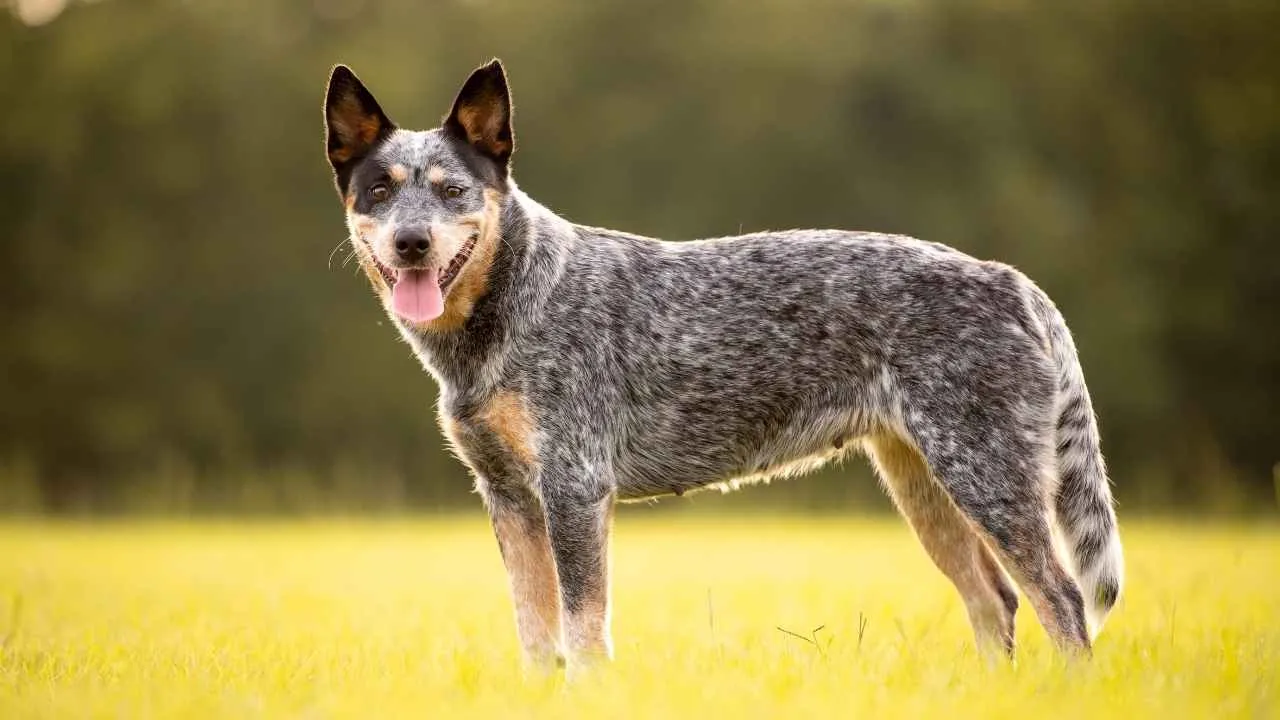
Also known as ‘blue/Red heeler,’ the Australian Cattle Dog is famous for nipping at the heels of the cattle while herding. It is a medium-sized dog that weighs between 35-50 pounds and stands 7-20 inches tall. The longest-living dog breed to ever be recorded was an Australian Cattle Dog named Bluey, who lived 29 years, says PetMD.
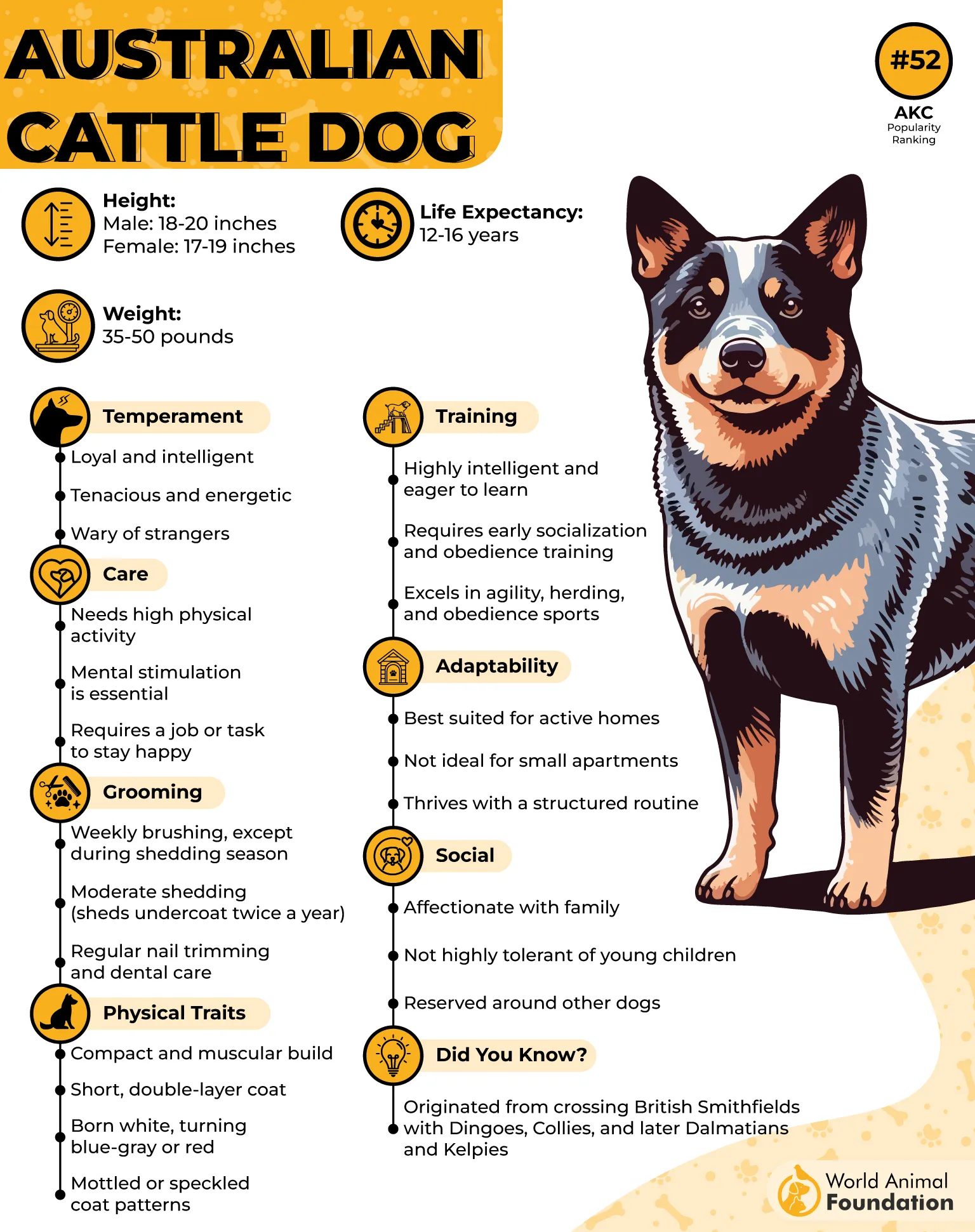
It has a relentless working attitude and is often known for ‘arresting prey drive,’ since it chases and controls prey rather than killing it instantly. It has pricked ears that provide information about sudden movements in the environment. The rapid-fire calculation of locating the moving object provides precise blocking.
Because of its nipping instincts, it can nip and ‘herd’ children, which can be controlled by strict obedience commands and positive reinforcement. Daily exercise for 1.5-2 hours is important to burn calories: fetching, flyball, herding trials, and puzzle toys, etc.
8. Irish Wolfhound
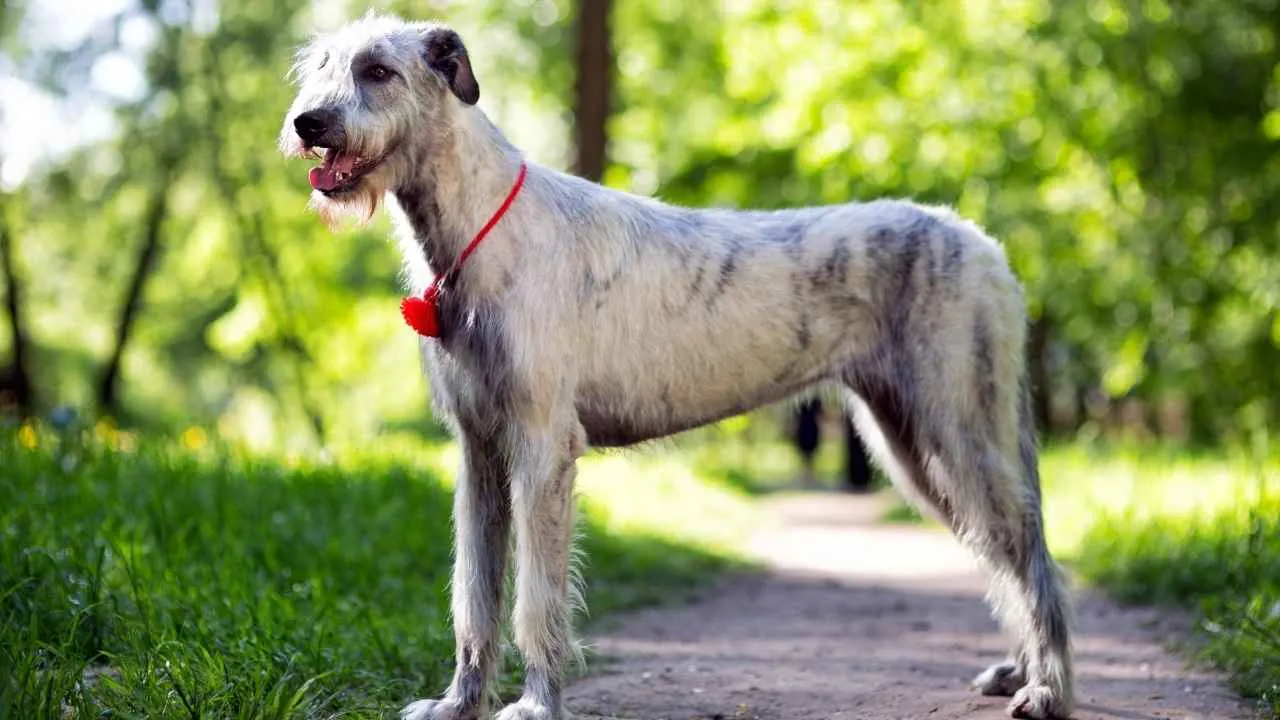
This is one of the largest sighthounds of all dog breeds and was originally used by coursing hunters. The breed was declared the regimental mascot of the Irish Guards in 1902. The breed is intelligent, introverted, and quite reserved around people. It makes strong bonds with people, other dogs, and small children.
It has an elongated skull that gives it a vast field of vision. A deep chest and powerful legs allow it to attain a high speed gallop movement (30-40 mph). The brain is specialized to lock into the smallest visual shift at great distance, triggering the onset of a chase. Bred for emotionless survival mechanisms, the breed is less likely to show emotion-based aggression.
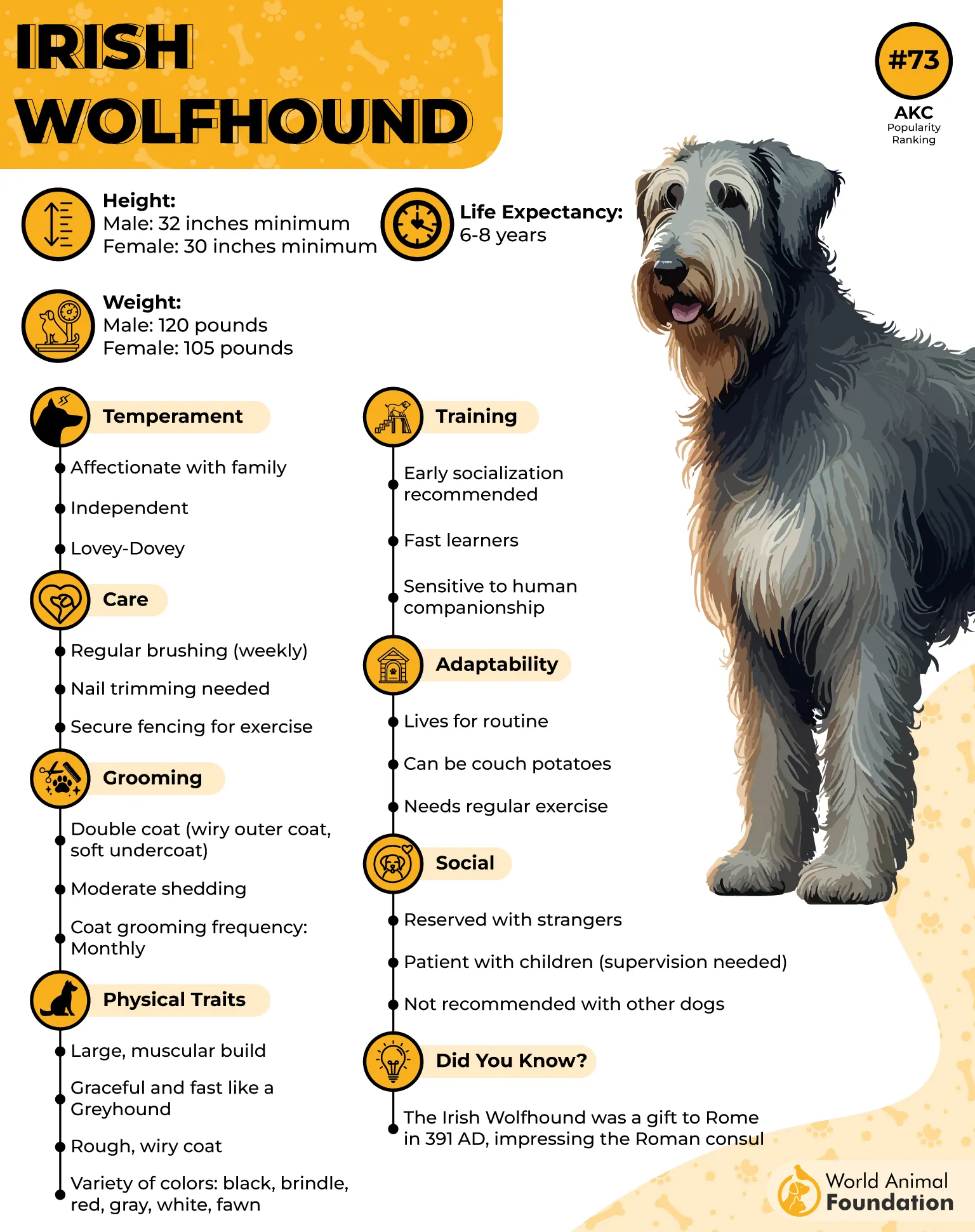
Because the breed can weigh more than 100 pounds, habits like not jumping on people, staying off furniture, and polite leash walking should be taught. Puppies under the age of 12-18 months must not be exposed to high-impact exercise because of the growth plates.
9. Belgian Malinois
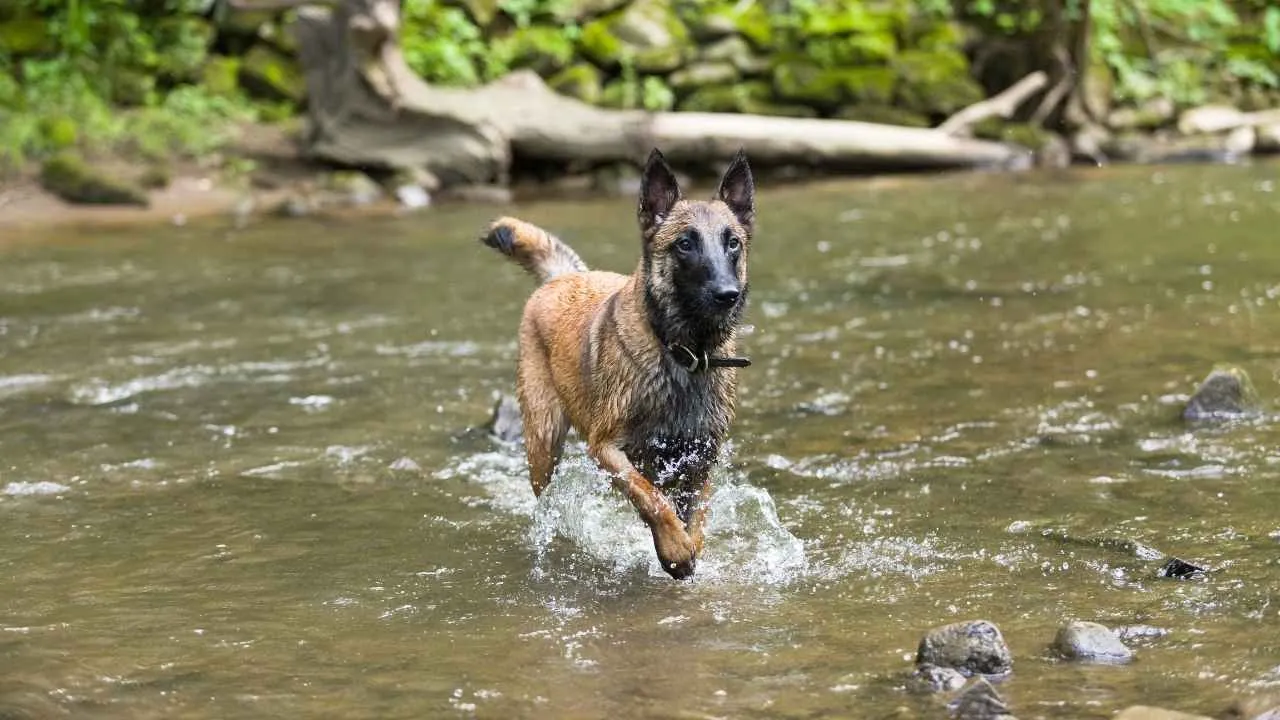
Originating in the northwestern region of Belgium, the Belgian Malinois resembles the German Shepherd Dog, but it has a different head and longer legs. It was developed to herd livestock; thus, it has a naturally high prey drive. The breed revived after the 1960s, as it almost got disappear after the World War II.
Having triangular, erect ears means it is highly alert and picks up high-frequency sounds from miles away. Since it has also been used as an effective guard dog, the actual prey drive comes from the neurological instincts to stalk, chase, grab, and hold. It mostly relies on visual and scent input; hence, there is less impulse control and selective hearing.
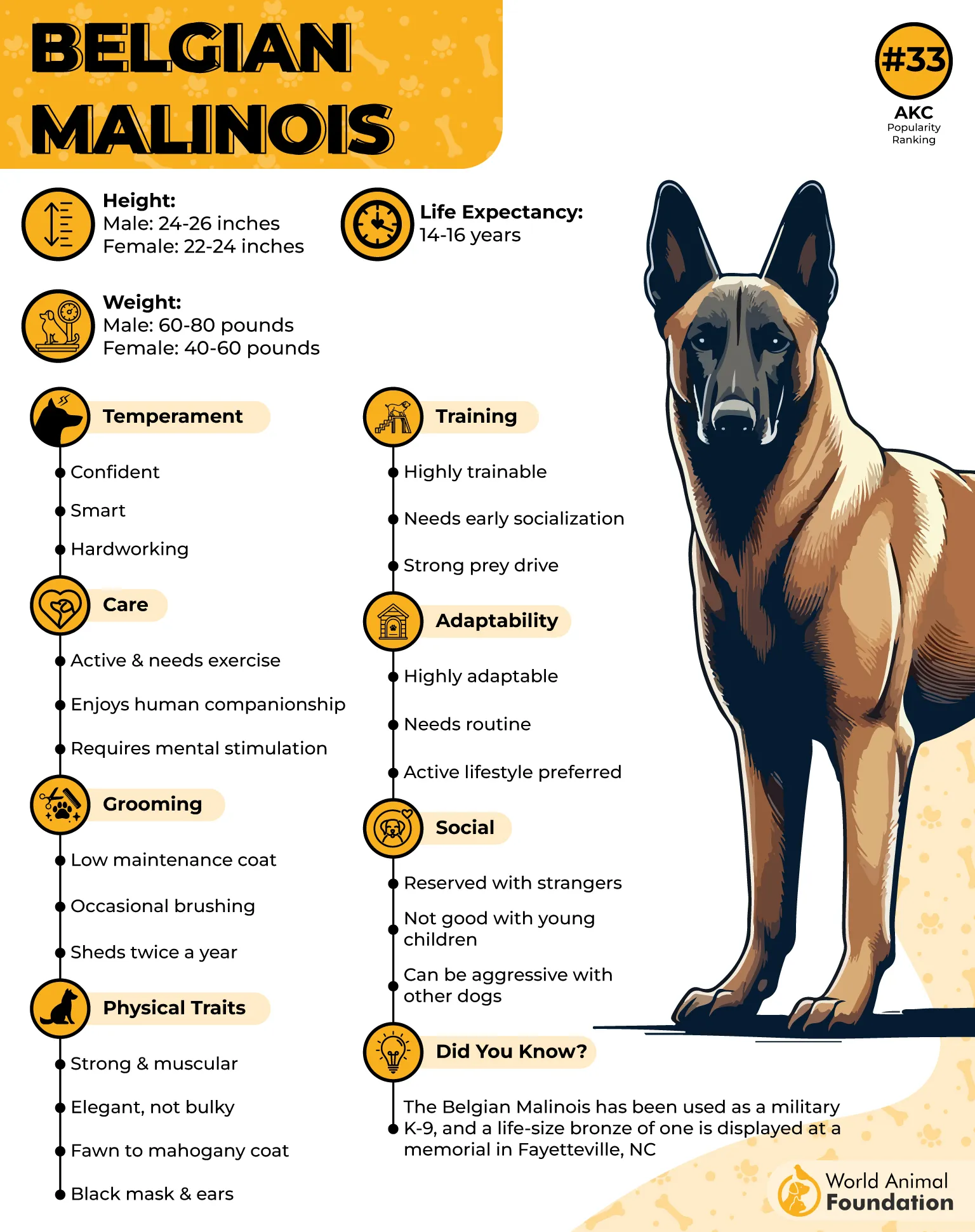
This playful working dog requires 1.5-2 hours of extensive exercise daily. It can develop destructive behavior and boredom if daily physical requirements are not met. Go for biking, hiking, fetching, and mental stimulation games.
Conclusion
High prey drive dogs are not for everyone, and that is completely okay. These animals are extraordinary, passionate, purpose-built, and instinct-driven in ways most breeds simply are not. But for the right owner, they are nothing short of transformative.
The real turning point comes when you stop fighting the instinct and start working with it. Once you genuinely understand why your dog chases, fixates, and pursues, the relationship shifts entirely. You become a team, not adversaries struggling at opposite ends of a leash.
From the Border Collie’s legendary focus to the Malinois’s military-grade precision, every prey-driven dog breed on this list has something irreplaceable to offer the world. Prey drive is not a design flaw. It is a feature; one that, when respected and properly channeled, builds the most loyal, driven, and deeply rewarding partnership you will ever have with a dog.
