




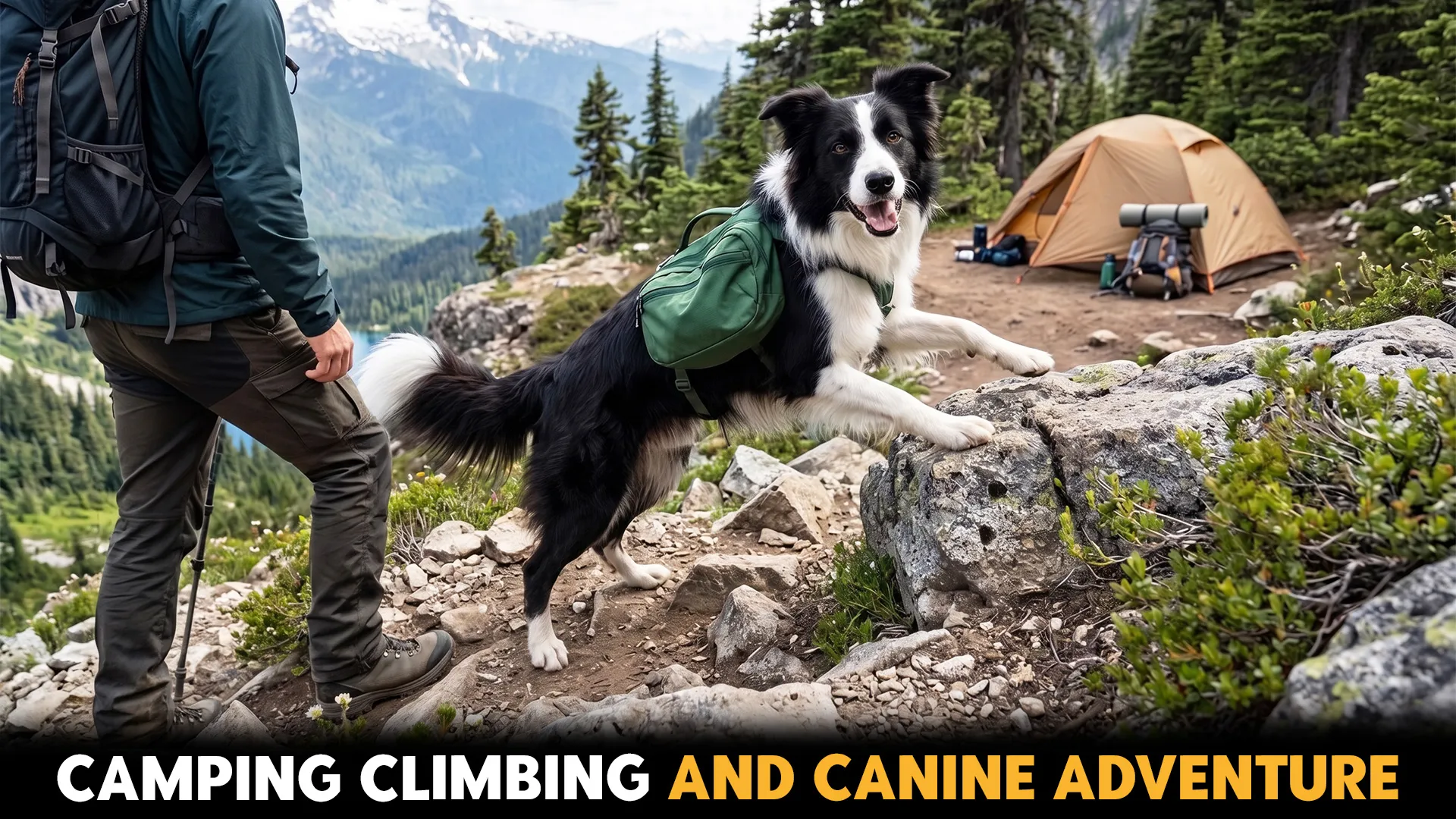
From winding forest trails to rugged mountain paths, outdoor adventures become even more memorable when shared with a canine companion. Some dog breeds are naturally better suited to active outings, thanks to their stamina, athleticism, curiosity, and enthusiasm for exploring new surroundings.
However, wilderness trips require more than an adventurous spirit. Your dog’s fitness, training, temperament, and ability to handle changing conditions all matter when planning a safe excursion.
Meet seven dog breeds that may make excellent adventure partners and learn what makes each one a potential fit for your next camping or climbing trip.
Dog Breeds Built for Camping, Climbing, and Wilderness Fun
1. Alaskan Malamute
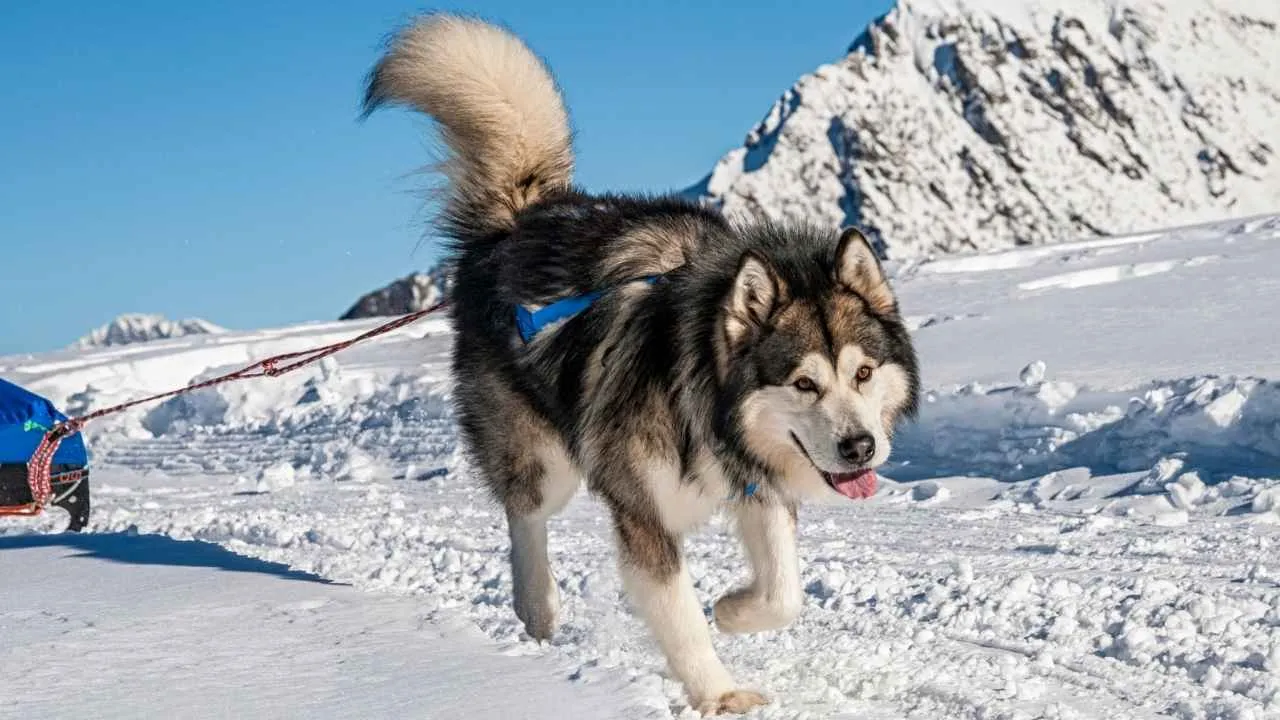
Built for demanding Arctic work, the Alaskan Malamute is a powerful, sturdy dog with a deep chest, strong shoulders, and impressive endurance. Originally used to haul heavy sleds, this breed is well suited to snowy trails and cold-weather camping, where strength and stamina are valuable.
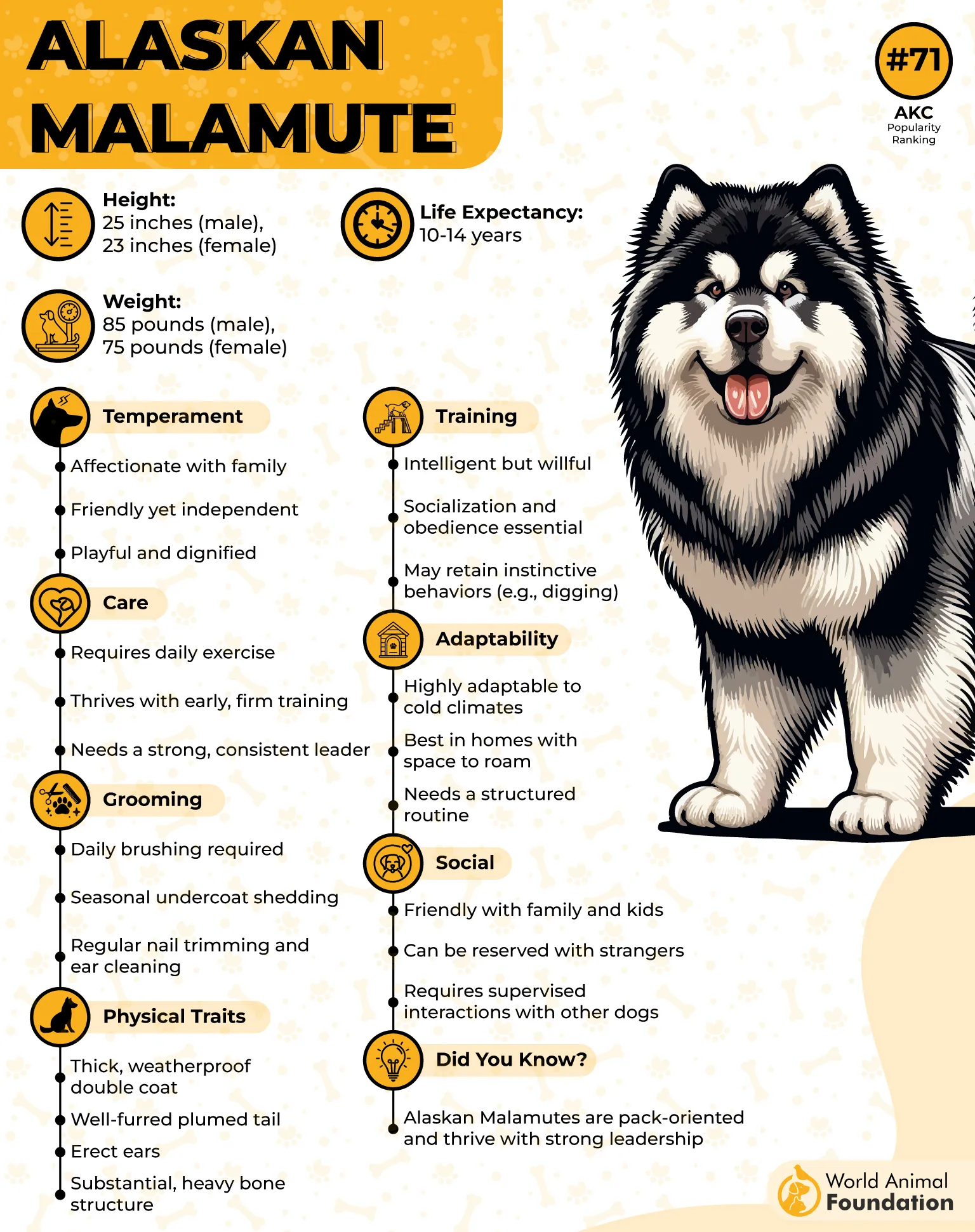
Its thick, weather-resistant double coat provides insulation in harsh winter conditions, while its plumed tail and erect ears give it a distinctive northern appearance. Despite its rugged build, the Malamute is affectionate, playful, and enjoys relaxing close to its family after an active day outdoors.
As a natural pack dog, it needs firm, loving leadership and early, consistent training. A well-guided Malamute can be a friendly companion, but its size and strength make reliable manners important during outdoor adventures.
How This Breed Stands Out
Powerful build developed for hauling heavy loads across snowy terrain: Its strong shoulders, substantial bone, and endurance reflect its sled-pulling heritage.
Dense, insulating coat helps it withstand harsh winter conditions: Its thick, weatherproof fur offers protection during cold-weather outings.
2. Weimaraner
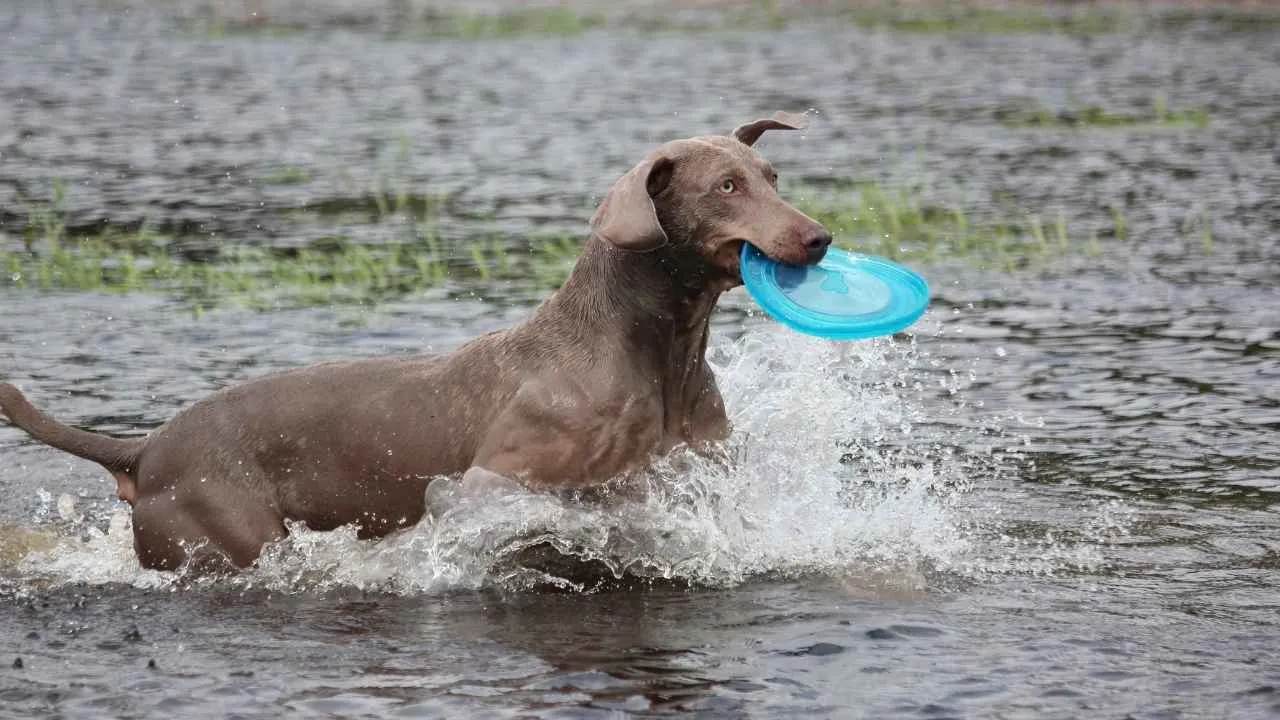
With its distinctive silver-gray coat and athletic frame, the Weimaraner brings speed and stamina to wilderness adventures. Originally bred in Germany for hunting, this energetic dog enjoys long runs, challenging hikes, and exploring unfamiliar trails rather than spending the day lounging indoors.
According to PetMD, Weimaraners are sociable, courageous, and well-behaved dogs that need plenty of exercise and mental challenges to remain happy and healthy.
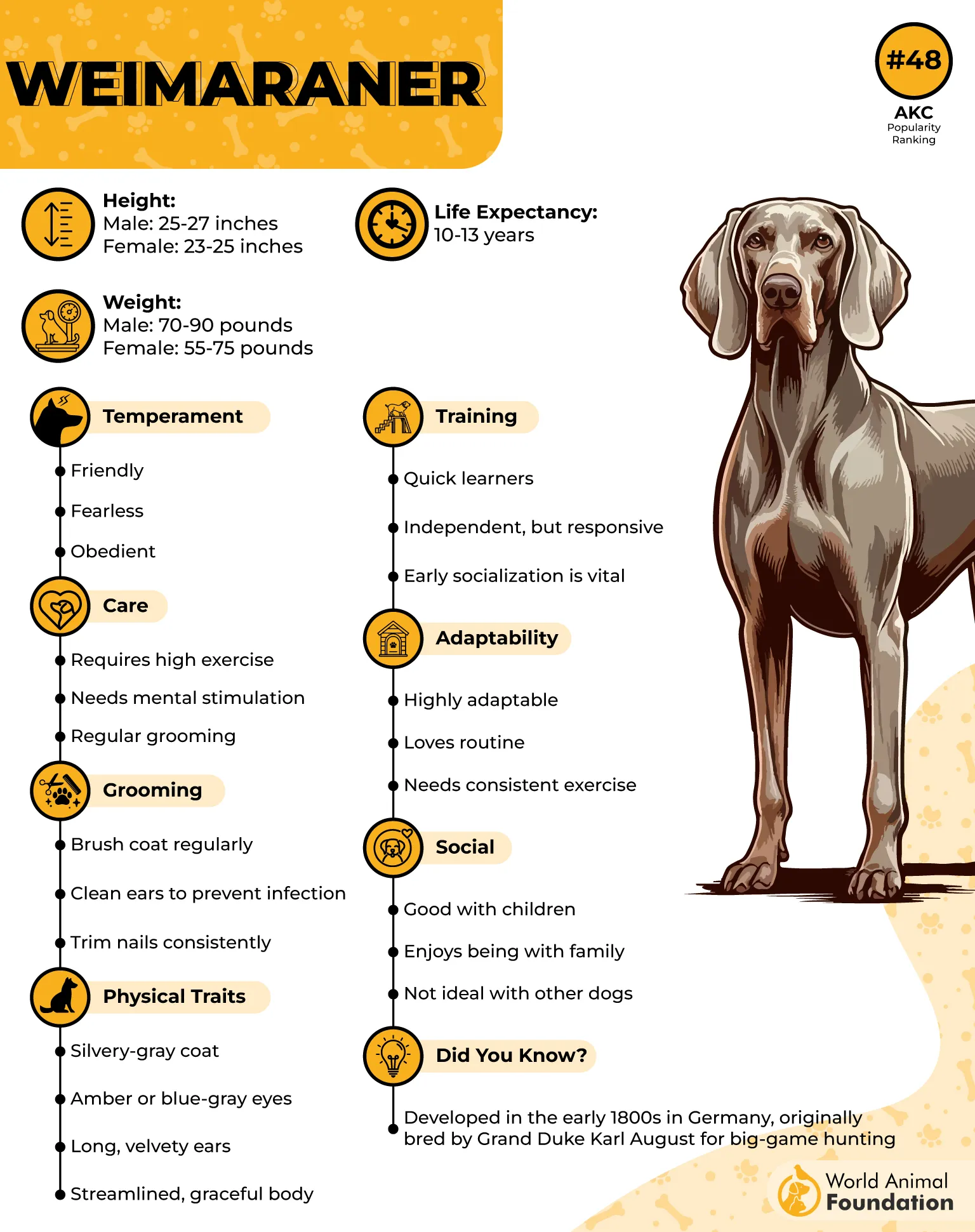
Curiosity and intelligence make the Weimaraner well suited to outdoor activities that involve tracking scents, retrieving objects, and investigating new surroundings. Its long-striding movement helps it cover ground during demanding excursions, while its eagerness to work gives active camping trips extra purpose.
Deeply loyal to its family, the Weimaraner thrives when included in shared activities. However, its high energy and hunting instincts require consistent training, regular exercise, and mental stimulation to help keep it focused around wildlife and unfamiliar terrain.
How This Breed Stands Out
Fearless curiosity encourages exploration of unfamiliar wilderness terrain: Its inquisitive nature makes new trails and outdoor challenges engaging.
High energy and long-striding movement suit demanding outdoor excursions: Its athletic build and stamina support extended runs and energetic hikes.
3. Vizsla
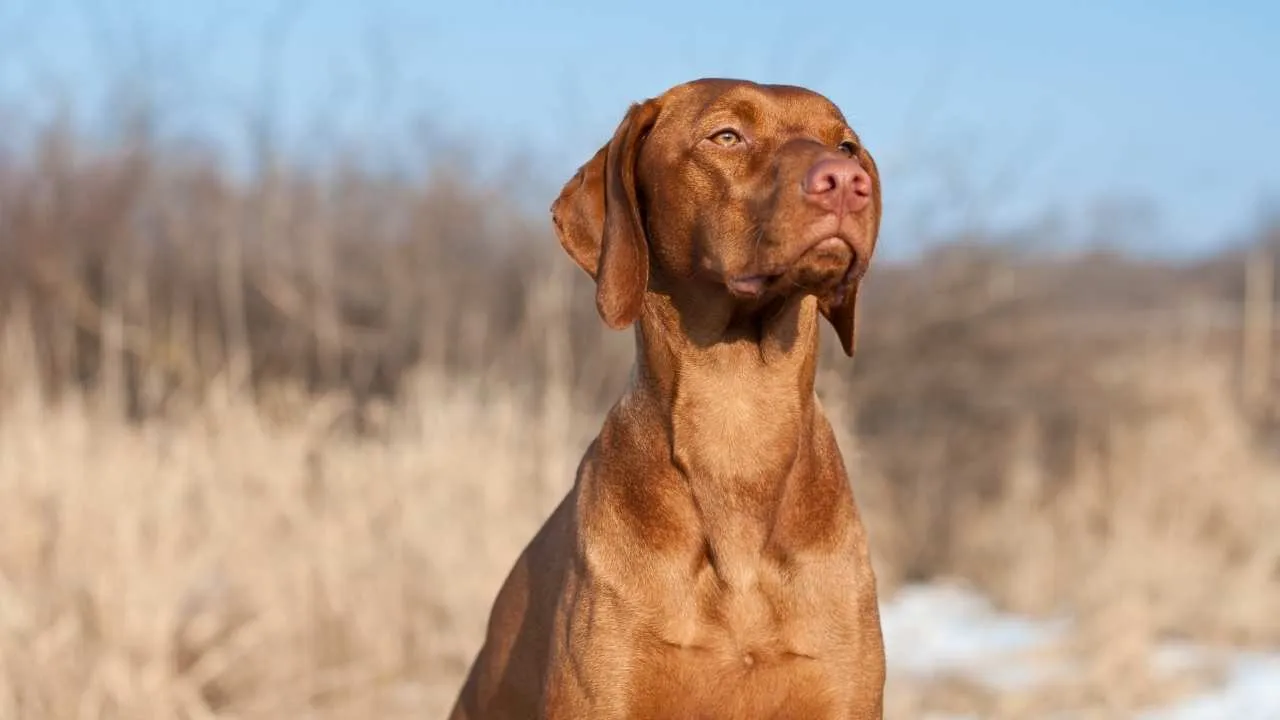
Originally developed in Hungary as a hunting dog, the Vizsla is a lean, muscular athlete with a sleek, rust-colored coat. Light on its feet and full of stamina, this breed enjoys long hikes, woodland trails, and energetic games that keep it moving throughout the day.
According to WebMD, Vizslas are medium-sized hunting dogs with sleek, short coats in golden or rust shades, combining a lean physique with a strong, sturdy build.
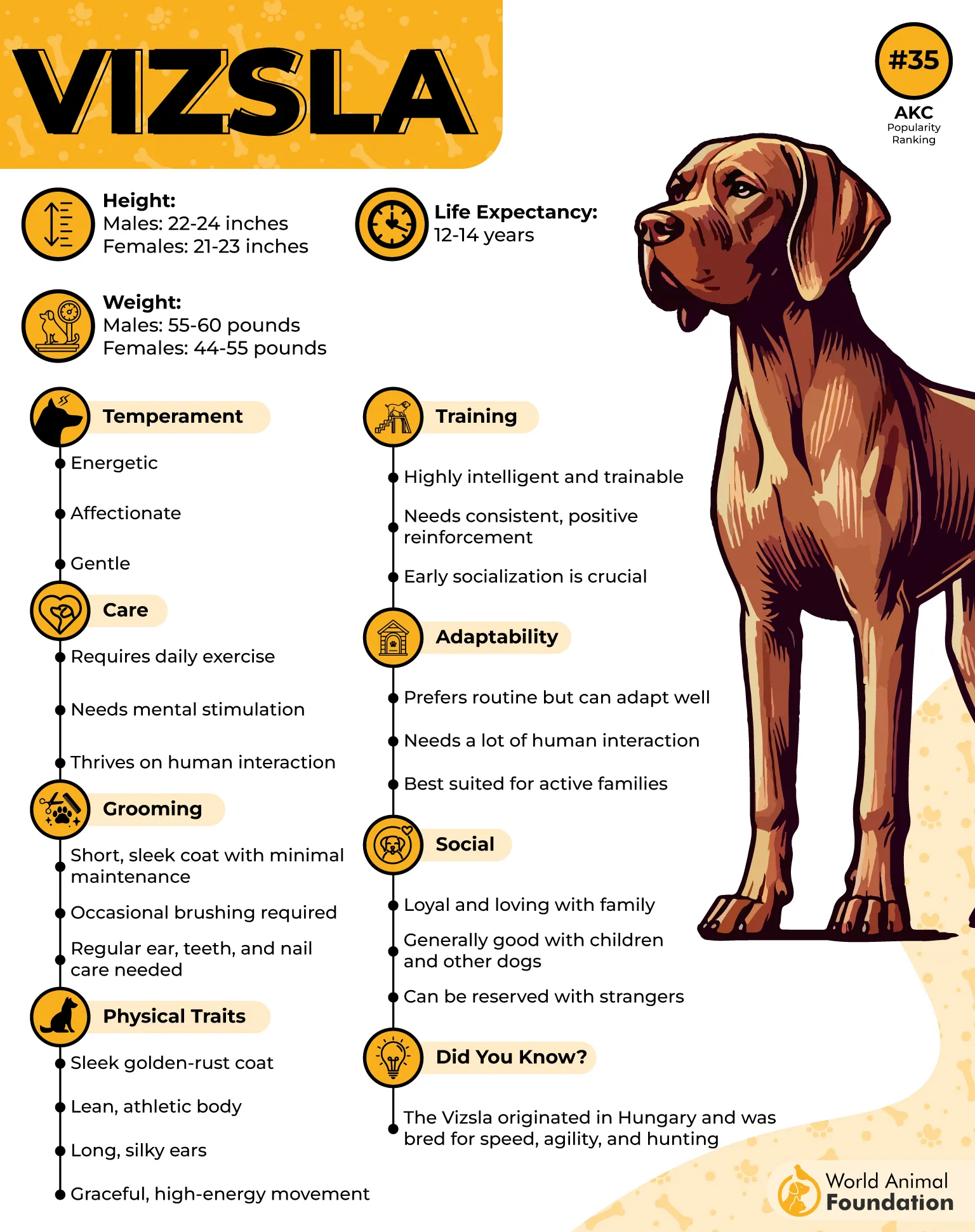
What makes the Vizsla especially appealing for camping is its strong attachment to its people. It loves staying close to its owners and joining in their activities, making it an attentive companion on outdoor excursions.
Its natural swimming ability also adds fun to lakeside adventures, although its short coat offers limited protection against cold weather.
Vizslas need plenty of daily exercise and mental stimulation to stay content. Their hunting instincts can draw them toward wildlife, so reliable training and leash control are important when exploring unfamiliar terrain.
How This Breed Stands Out
Close attachment to owners makes it an engaging hiking companion: The Vizsla thrives on human company and enjoys remaining involved throughout the journey.
Lean, muscular build supports sustained running and active exploration: Its athletic physique and endurance suit energetic days on varied trails.
4. German Shorthaired Pointer
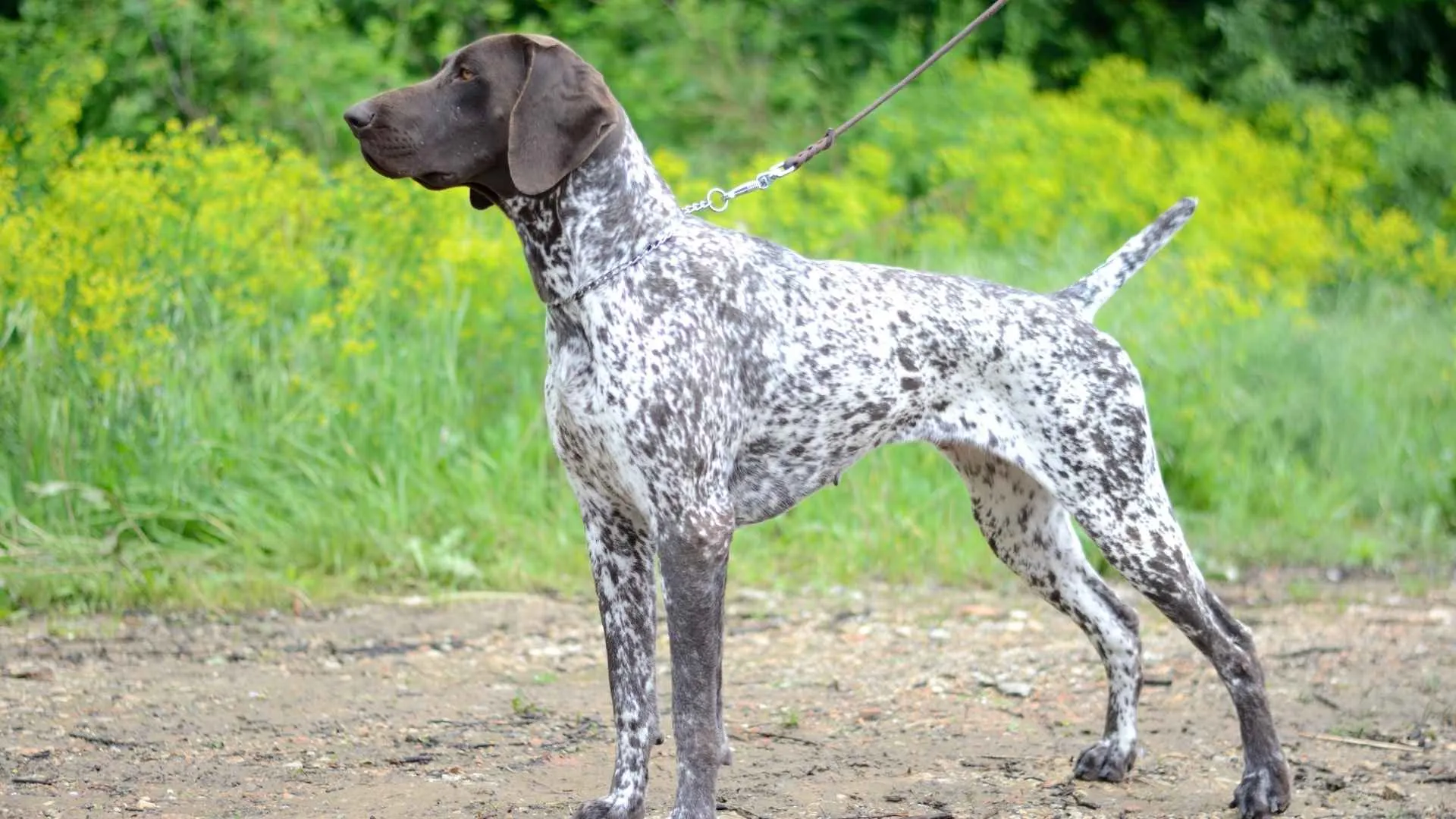
Bred in Germany as an all-purpose hunting dog, the German Shorthaired Pointer is an athletic, energetic breed suited to active outdoor lifestyles. Its stamina and curiosity make it a natural companion for campers who prefer exploring winding trails and open landscapes to staying indoors.
Its short, sleek coat requires minimal grooming, making the German Shorthaired Pointer a practical companion for outdoor adventures.
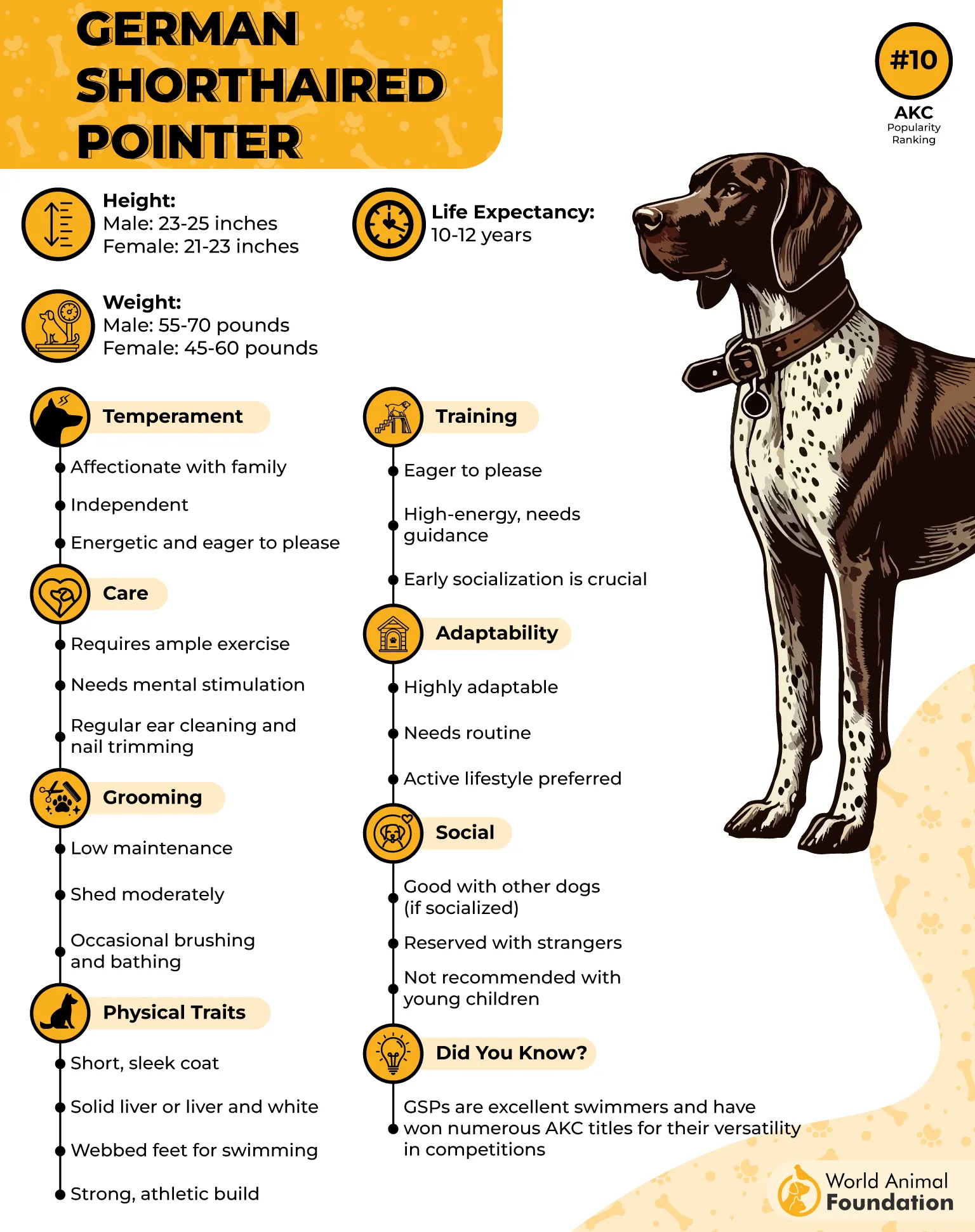
This versatile dog enjoys hiking through woodlands, running across open fields, and splashing into lakes, showing how adaptable it is in water and on land. Its strong swimming ability adds another dimension to outdoor adventures, while its intelligence and eagerness to learn make training rewarding.
Regular exercise and mental challenges are essential to prevent boredom and destructive behavior. Search-and-find games can also engage it mentally outdoors.
German Shorthaired Pointers are affectionate and sociable, forming close bonds with their families. Although independent and capable of ranging ahead on a trail, they benefit from consistent guidance and early socialization, especially during exciting outdoor activities.
How This Breed Stands Out
Versatile performance across hiking trails, open fields, and water: Its athleticism, stamina, and swimming ability suit varied outdoor terrain.
Strong pointing and retrieving instincts that add purpose to outdoor games: Its hunting heritage encourages engaging activities that involve locating and retrieving objects.
5. Rhodesian Ridgeback

Originally developed in Southern Africa to track and hunt large game, the Rhodesian Ridgeback is a muscular, athletic dog with impressive stamina. Its strength and determination make it a capable companion for campers who enjoy challenging hikes, rugged trails, and outdoor exploration.
According to Purina, Rhodesian Ridgebacks were originally bred to track and corner lions without attacking them, but today they are cherished family companions known for their affectionate and sociable personalities.
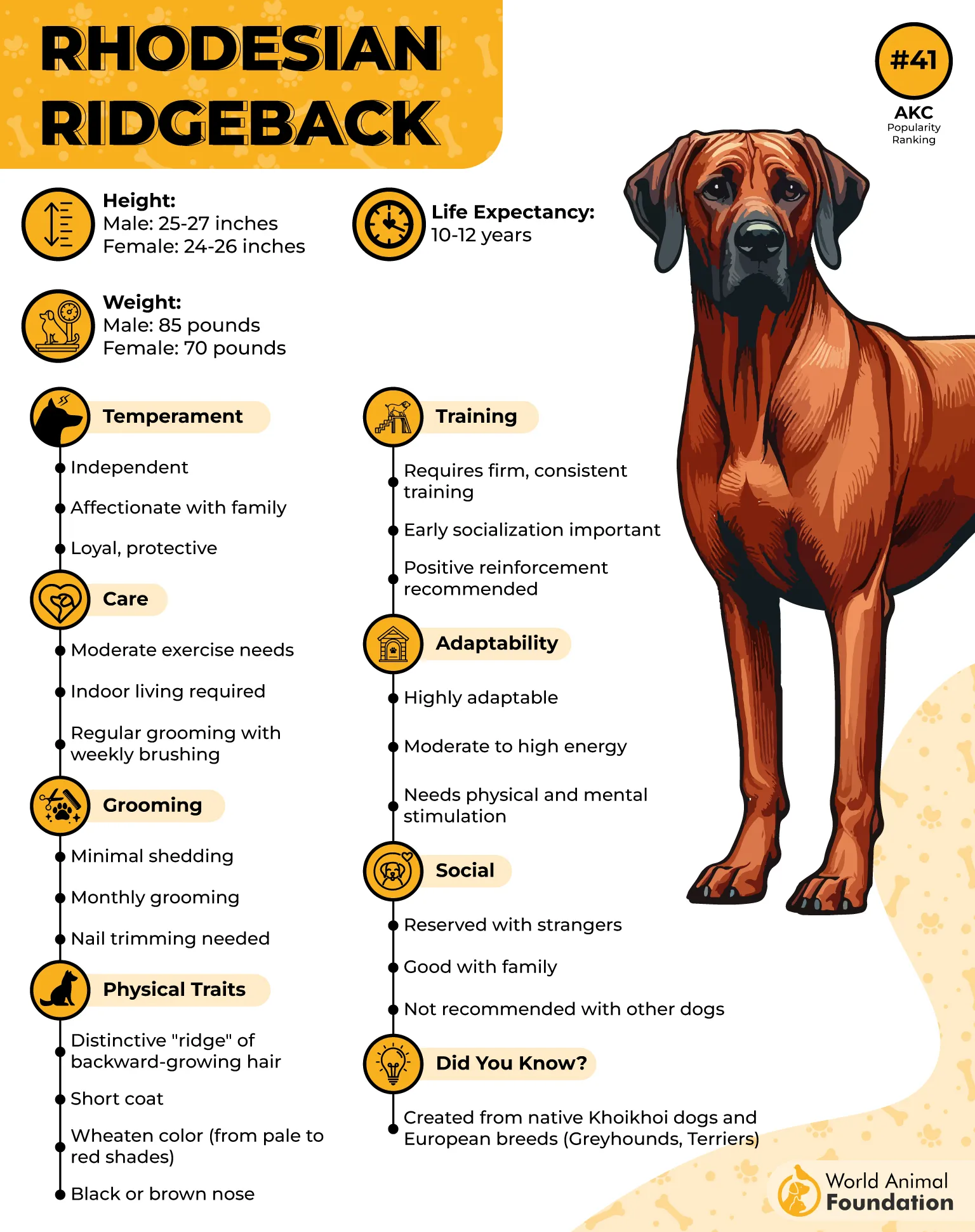
Unlike thick-coated breeds better suited to snow, the Ridgeback’s short, sleek coat and ability to handle warm conditions make it a practical choice for adventures in hotter climates, though strenuous outings in humid, hot weather can still cause overheating
This breed also has an independent streak and a strong prey drive, so consistent training and early socialization are important, especially when considering a dog’s temperament since dogs accustomed to meeting new people are often easier and more enjoyable to manage outdoors.
How This Breed Stands Out
Athletic endurance for covering rugged terrain in warm climates: Its muscular build and stamina support active outings in hot, challenging environments.
Distinctive ridge of backward-growing hair along the spine: A unique strip of hair growing in the opposite direction gives the breed its recognizable appearance.
6. Border Collie
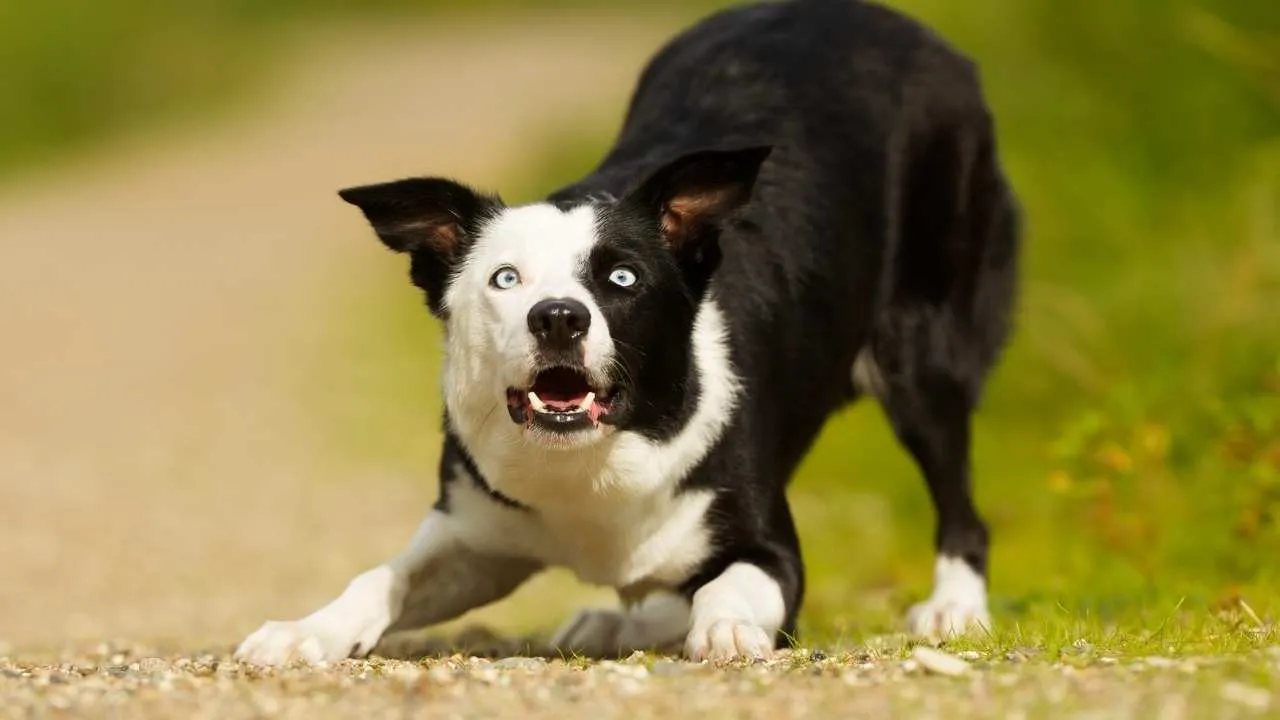
Developed to herd sheep across the rugged borderlands of England and Scotland, the Border Collie combines remarkable intelligence with impressive stamina.
Its energetic nature makes it a natural companion for campers who enjoy long hikes, active days outdoors, and exploring changing terrain, and Border Collies are among the breeds that excel in climbing and hiking.
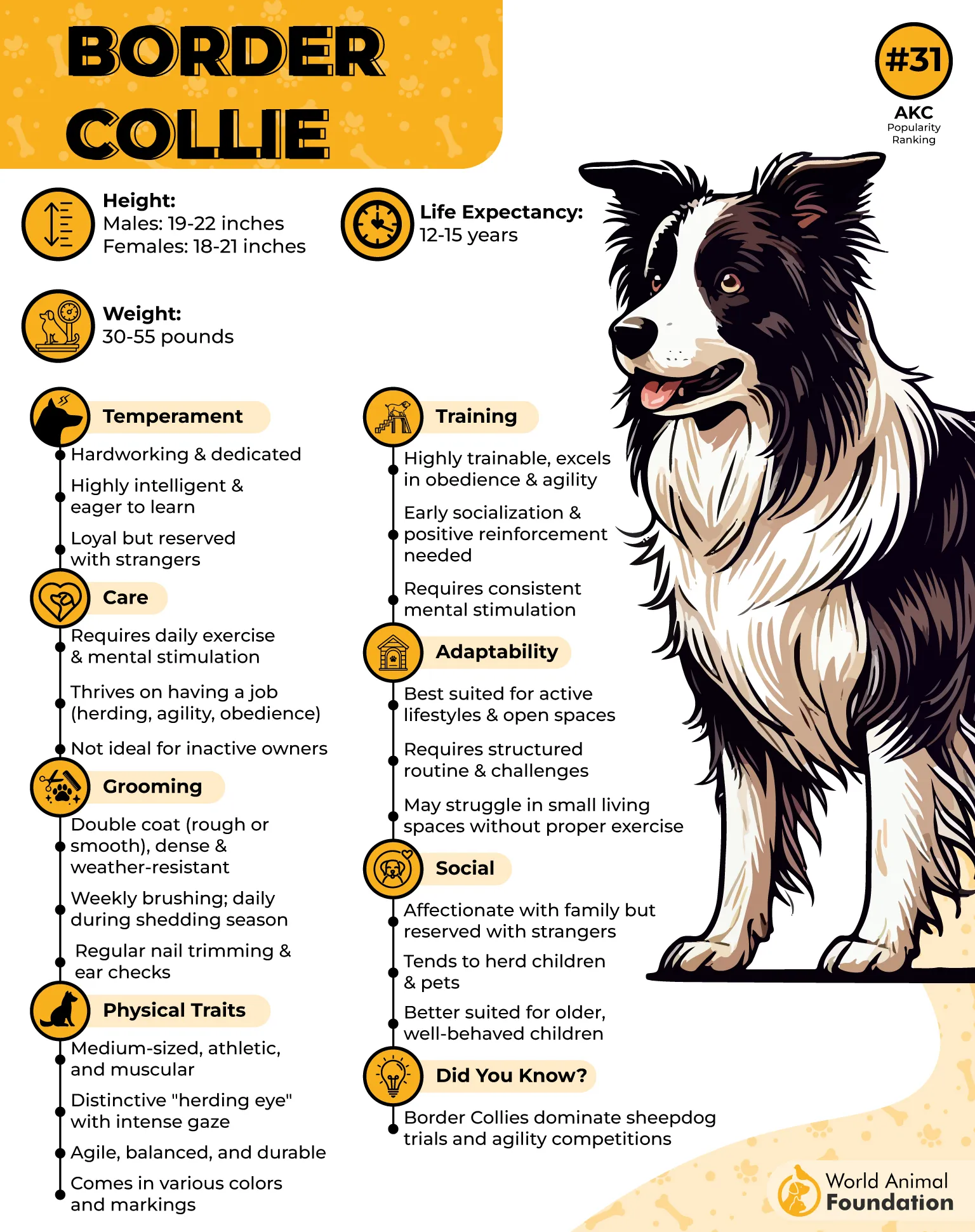
What sets this breed apart is its ability to tackle physical challenges while staying mentally engaged. Border Collies enjoy learning commands, solving problems, and adapting to new tasks, making outdoor adventures an opportunity to exercise both their body and sharp minds while supporting mental focus.
These dogs move with exceptional agility and responsiveness, helping them negotiate uneven trails and natural obstacles; they are also adept at handling trail etiquette and navigating challenging terrains with precision. However, they need substantial exercise, consistent training, and mental stimulation to stay content.
How This Breed Stands Out
Exceptional problem-solving skills for navigating challenging outdoor activities: Its sharp mind helps it respond to changing situations and learn new tasks.
Agile, responsive movement across uneven trails and natural obstacles: Its herding background supports quick reactions and nimble footwork.
7. Siberian Husky
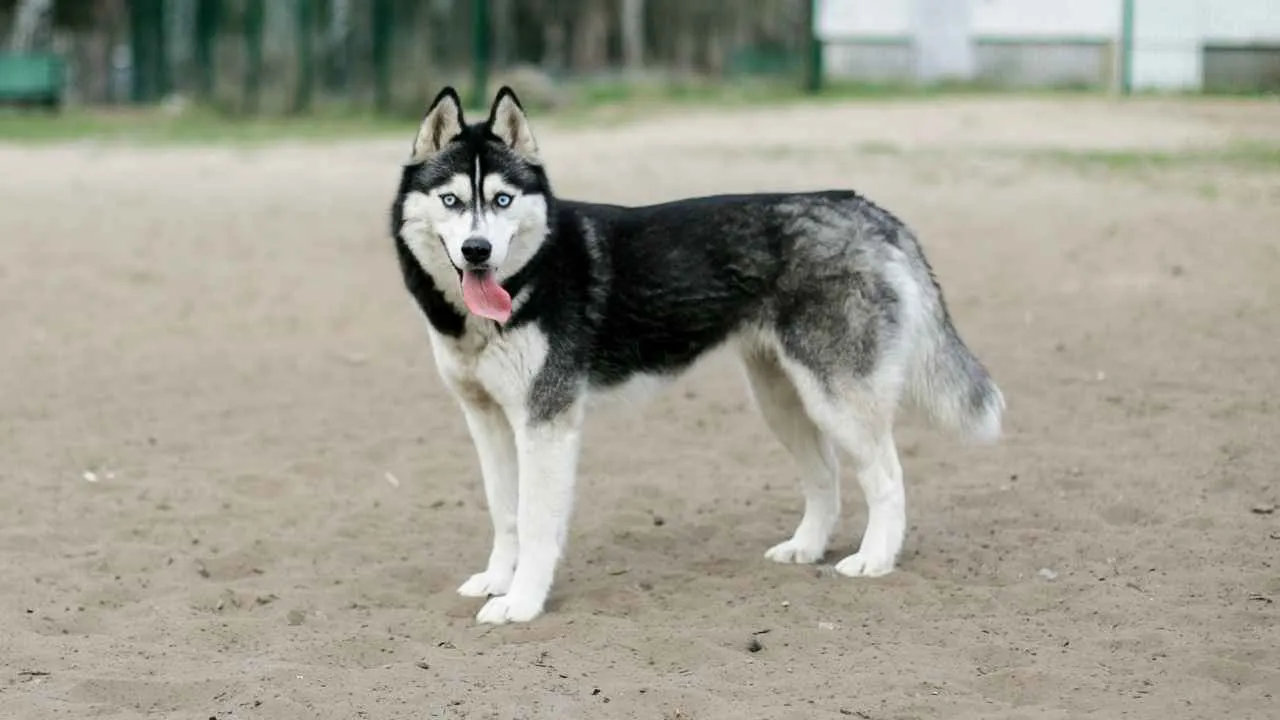
Originally bred to pull lighter loads across frozen terrain and thrive in the harsh climates of Siberia, this athletic working dog combines impressive endurance with a smooth, efficient stride, and many can run for hours without tiring, making them spirited companions for long treks, trail runs, and multi-day camping trips.
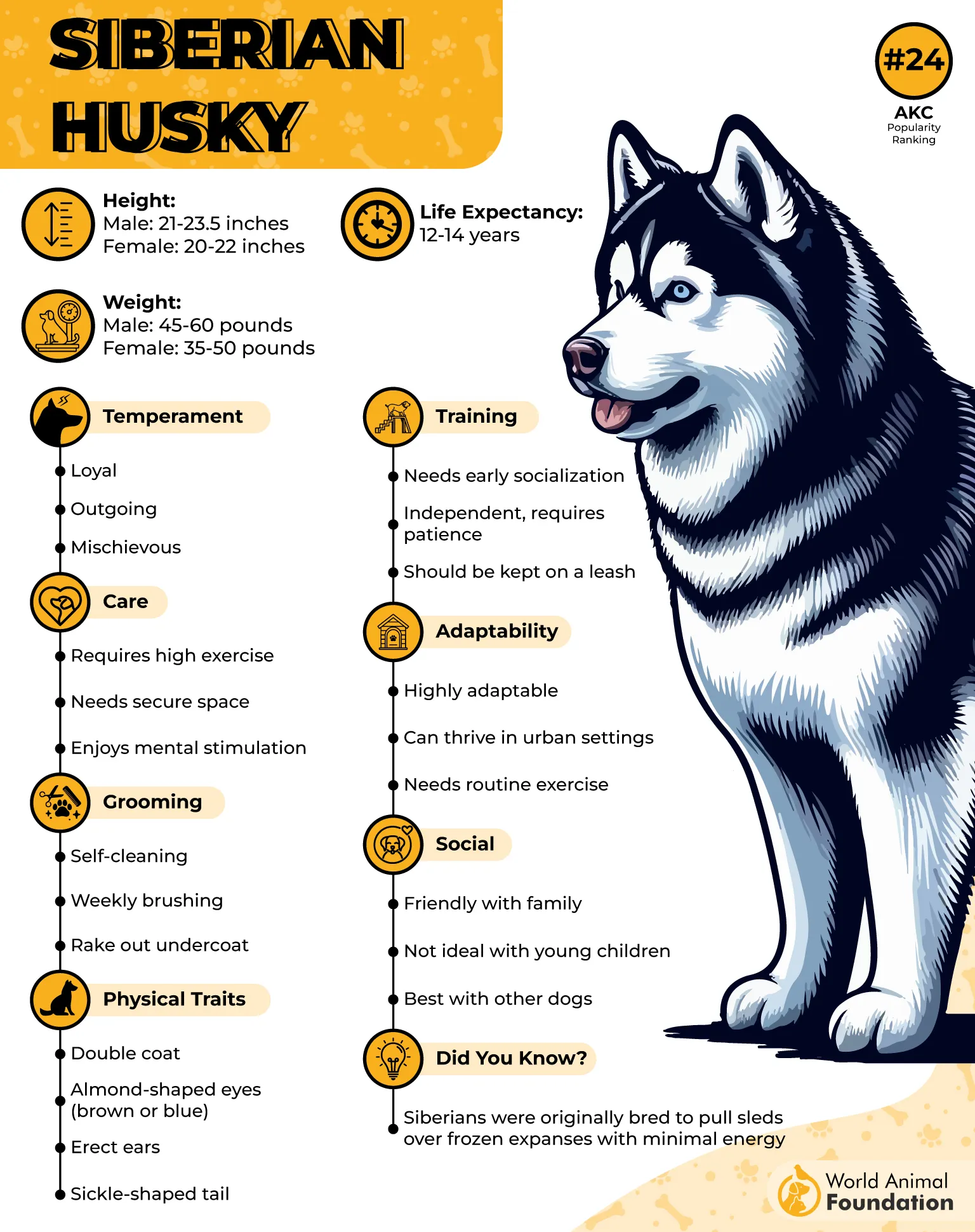
Huskies enjoy human and canine company, so outdoor excursions can be especially rewarding when shared with the family. Their independent nature and strong urge to run, however, make consistent training and secure leashing essential. Regular exercise and mental challenges also help prevent boredom and destructive behavior.
A dense double coat provides insulation in cold weather, making this breed well suited to snowy campsites and winter landscapes. However, that heavy coat can make hot weather difficult, so warm-weather adventures require careful planning to avoid overheating and close attention to temperature.
How This Breed Stands Out
Exceptional stamina for long-distance trails and extended outdoor adventures: Its working heritage supports sustained activity across demanding routes.
Thick double coat suited to cold-weather camping and snowy landscapes: Its insulating coat helps the Husky handle chilly conditions comfortably.
Conclusion
Choosing the right dog for wilderness adventures means finding a companion whose energy, stamina, and temperament match your outdoor lifestyle. From snowy mountain trails to warm woodland paths, different breeds bring unique strengths to every journey.
Before heading out, consider your dog’s exercise needs, coat, training, and comfort in changing weather, and build an exercise routine gradually before bigger trips.
Reliable recall, proper preparation, and a sturdy harness for control on difficult ground help, as does choosing a dog whose dog’s temperament suits encounters with people and other dogs and paying attention to wildlife to make outdoor adventures safer and more enjoyable.
With the right preparation and a well-matched canine companion, camping, hiking, and exploring the wilderness can become rewarding experiences filled with discovery, activity, and lasting memories while helping you find the right companion for your shared adventure.
