




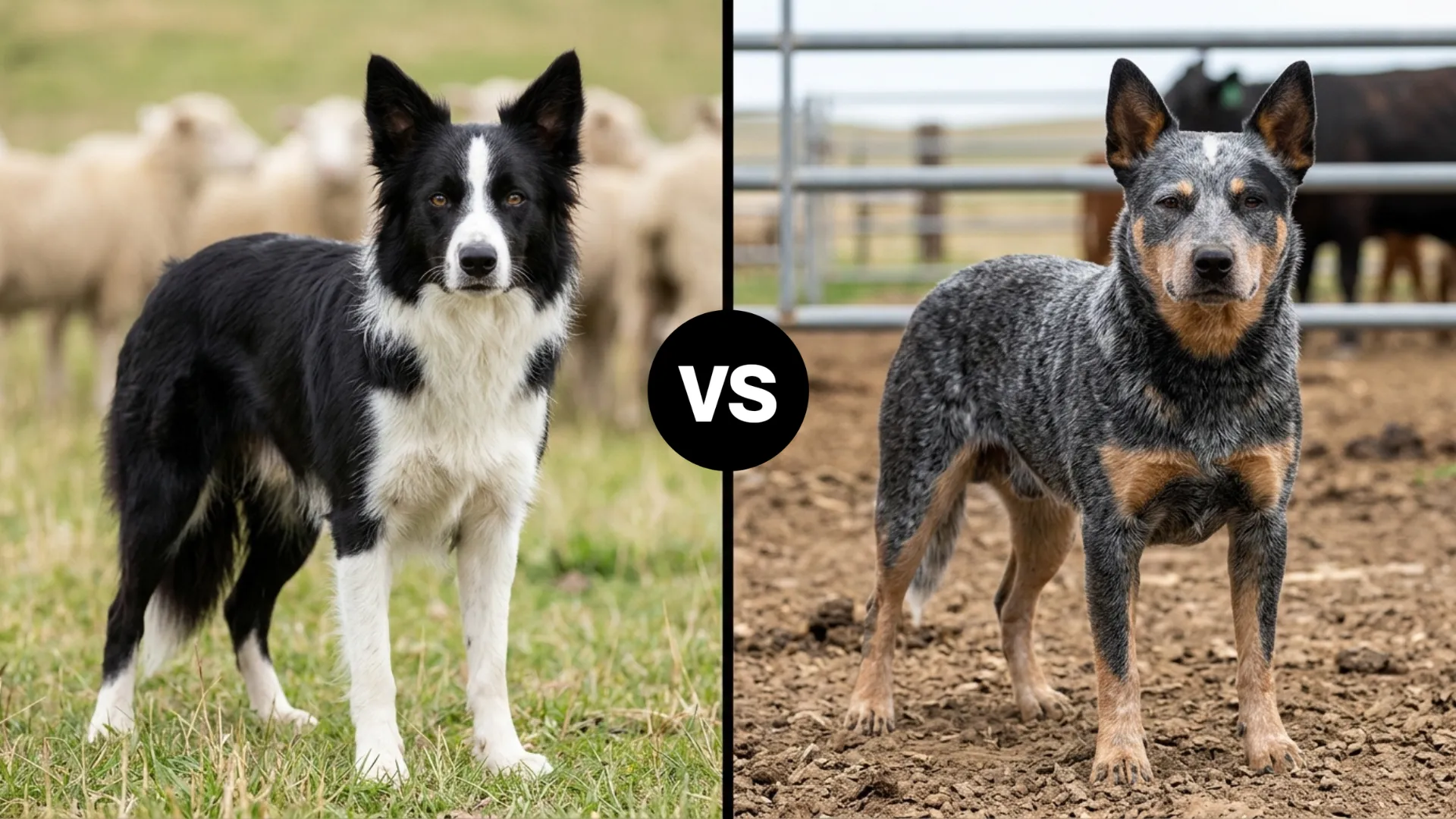
The smartest dog is not automatically the easiest dog to live with. Highly intelligent working breeds can learn commands quickly, notice small changes, and solve problems, but those abilities also call for regular training and purposeful activity.
Two popular herding dogs illustrate this well. Both were bred to work with livestock, both have strong instincts, and both can become difficult to manage when their daily needs go unmet. Their differences deserve equal attention. One is especially associated with precise herding work and close cooperation with a handler.
The other has a reputation for toughness and controlling cattle across challenging terrain. Their sizes are broadly comparable, with adult weights commonly ranging from 30 to 55 pounds. However, coat care, temperament, and exercise needs can influence which dog suits a particular household. A quick look at intelligence alone leaves important questions unanswered.
This article examines the facts that matter beyond reputation, helping you compare these breeds in practical terms before deciding which better fits your lifestyle.
Key Takeaways
Both Border Collies and Australian Cattle Dogs are brilliant herding dogs, and their intelligence can make everyday life exciting for the right owner.
Australian Cattle Dogs bring a muscular build and a strong protective instinct, while Border Collies are known for their agility and ability to learn complex tasks.
Their exercise needs can reach several hours a day, and their herding instincts may even show up around children and other pets.
So, which one fits your lifestyle better? Their differences in training, grooming, and guarding instincts reveal a lot more than their intelligence alone.
Border Collie vs. Australian Cattle Dog Breeds: Quick Facts
1. Size and Strength
Compact Power and Quick Footwork
Australian Cattle Dogs typically stand 17 to 20 inches tall and weigh around 35 to 51 pounds. Their muscular bodies, strong forequarters, and well-developed hindquarters support quick turns and sustained movement, giving them a sturdy, compact build.
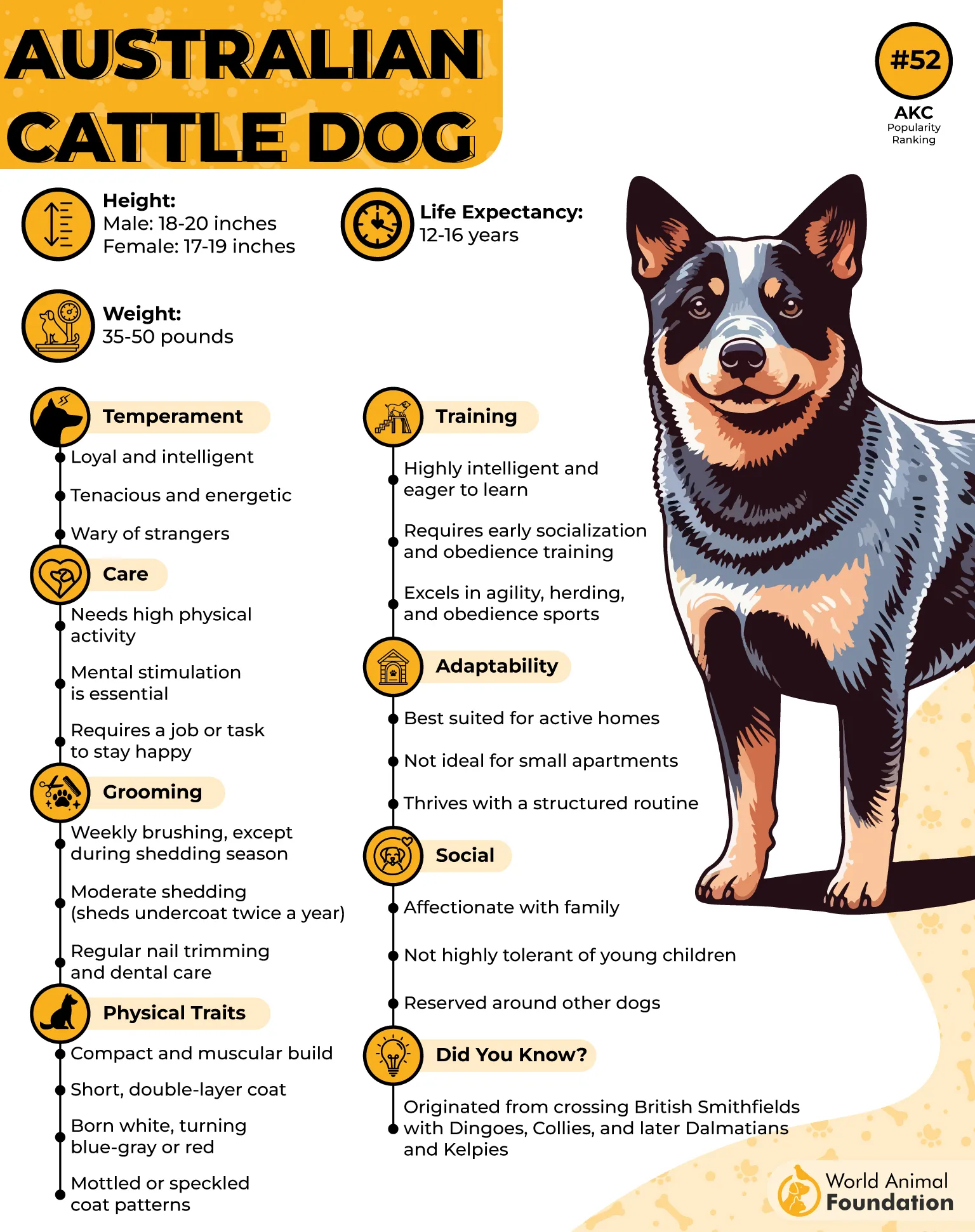
Males are generally heavier, with broader heads, deeper chests, and more muscle around the neck and shoulders. Females tend to have a lighter, more streamlined frame, while both retain the breed’s strong working proportions and alert expression.
Leaner Lines and Greater Reach
Border Collies usually stand 18 to 22 inches tall, with males reaching the larger end of the range. They typically weigh between 31 and 51 pounds, depending on sex and individual build, with a lean, athletic frame designed for agility and endurance.
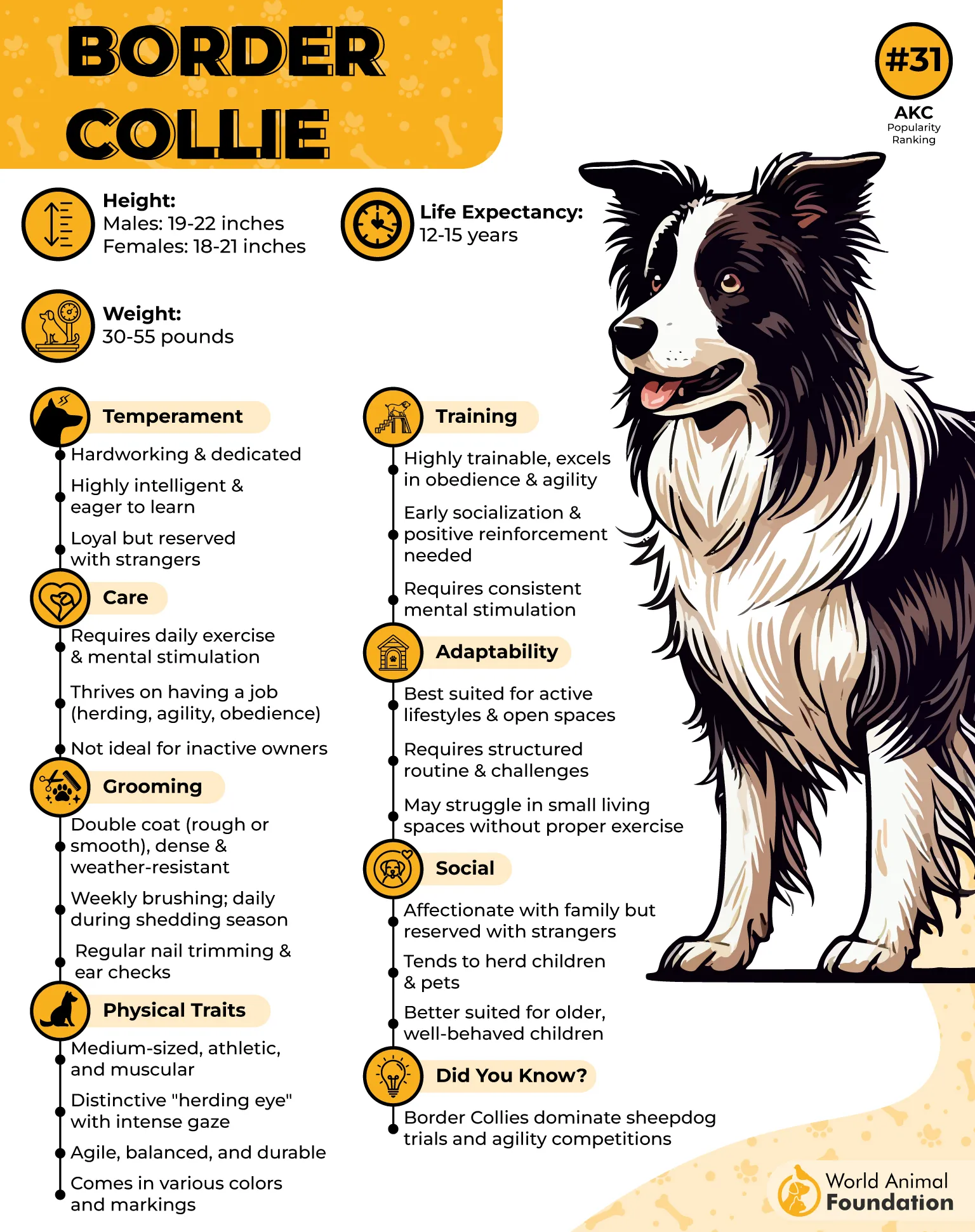
Males often have broader heads and chests, while females tend to be slightly lighter and more refined. Their long strides, quick changes of direction, and strong rear drive support sustained movement, giving them a more agile outline than the compact, muscular Australian Cattle Dog.
2. Temperament and Personality
Always Ready for a Challenge
Australian Cattle Dogs are energetic problem-solvers that enjoy having something to do. Their intelligence helps working dogs manage herds with little direction, but their strong herding instinct can make them demanding companions, especially around young children who run and play unpredictably.
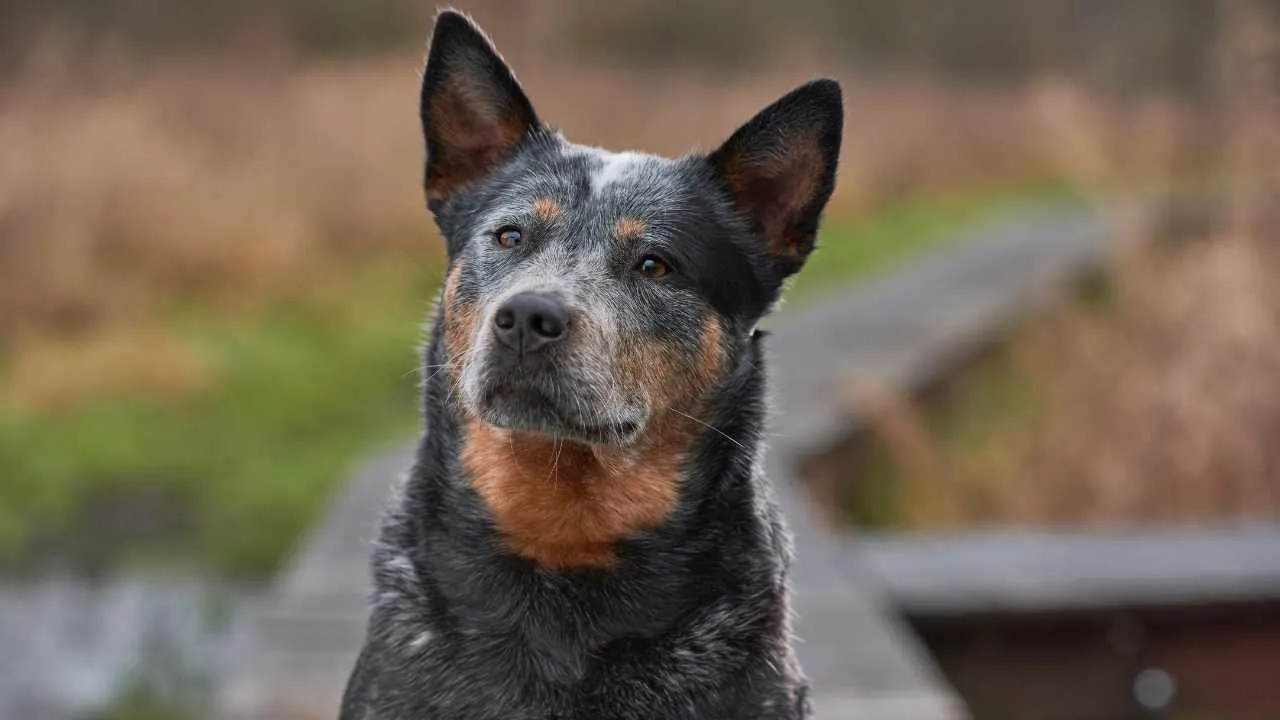
They often suit families with older children who understand how to interact with active dogs. Without early socialization, they may try to control other pets by barking, chasing, or nipping at their heels, so teaching them appropriate behavior around dogs and cats is important.
Work Hard, Then Settle Close
Border Collies can keep playing and training for hours before settling down beside their favorite people at home. They are affectionate and eager to please, although unfamiliar people and other dogs may receive a more cautious response until trust develops, as reported by Orvis.
They can be good companions for children they know, but boisterous games may trigger their instinct to manage the action through barking or heel-nipping. They may also use an intense stare and herding behavior around other pets, making early socialization and supervised interactions important for a more peaceful household.
3. Health and Lifespan
Keeping an Active Herding Dog Healthy
Australian Cattle Dogs are generally hardy and live around 12-16 years, but responsible breeders should screen for deafness, progressive retinal atrophy (PRA), and hip dysplasia. Regular ear checks help remove debris and prevent wax buildup, while routine toothbrushing supports good oral health.
Health screening should also include hip and elbow evaluations, an ophthalmologist examination, BAER hearing testing, and DNA tests for primary lens luxation and PRCD-related progressive retinal atrophy. With proper care, these checks can help owners stay alert to potential health concerns.
A Hardy Breed With Important Health Checks
With an average lifespan of 12-15 years, Border Collies are healthy and resilient, although certain inherited conditions deserve attention. Responsible breeders screen for hip dysplasia, progressive retinal atrophy, deafness, epilepsy, collie eye anomaly, neuronal ceroid lipofuscinosis, and trapped neutrophil syndrome.
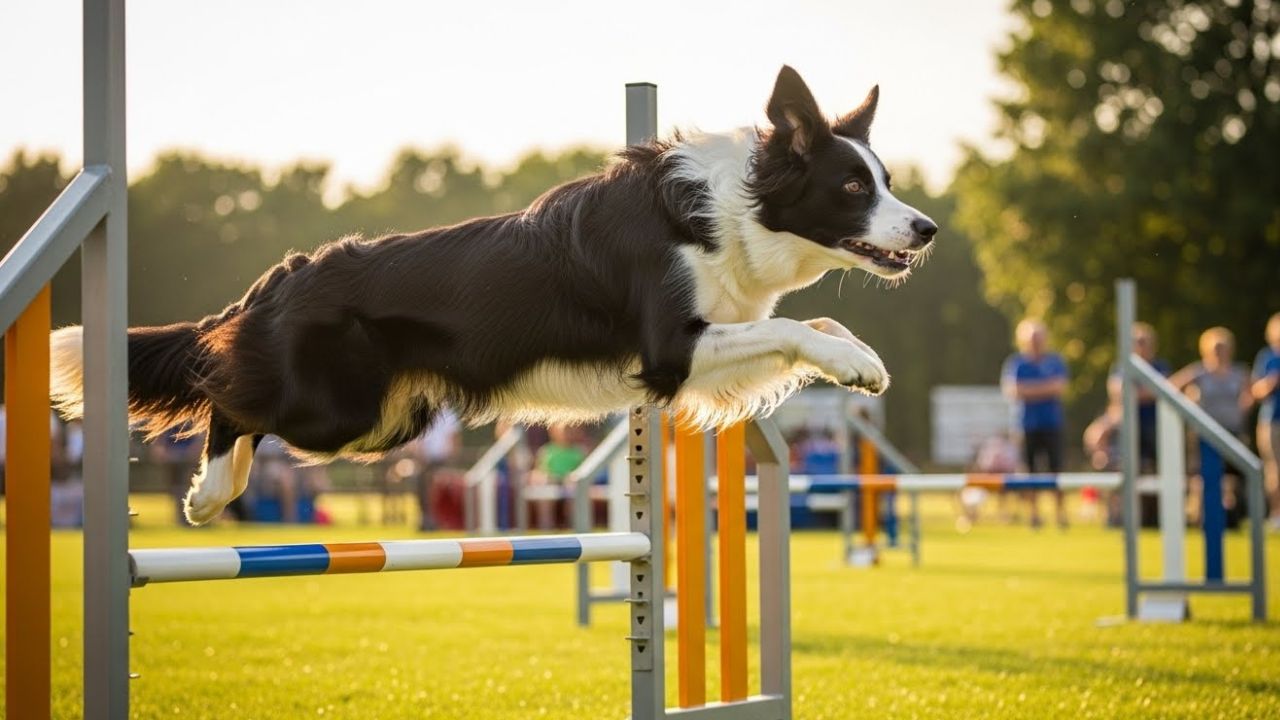
Regular ear checks can help identify signs of infection, and brushing the teeth consistently supports dental health. Recommended screening includes a hip evaluation and an ophthalmologist examination, helping identify potential concerns before they affect a dog’s quality of life, as per the AKC.
4. Training and Exercise
Consistency for an Independent Mind
Australian Cattle Dogs respond best to confident, patient training built around praise, treats, and toys. Start with basic cues around eight weeks old, then gradually teach leash manners, recall, and more advanced skills. Puppy classes can also help with early socialization.
Their independent streak means consistency matters just as much as choosing the right reward. Once the basics are reliable, activities such as agility, flyball, and dock diving provide fresh challenges for their quick minds and athletic bodies. Positive reinforcement and engaging lessons help keep training productive.
Daily Challenges for a Quick Learner
Border Collies need consistent training and mental stimulation to keep their sharp minds occupied. Short, engaging sessions work well, particularly during puppyhood, when positive reinforcement helps establish a strong obedience foundation. Basic cues often come quickly, allowing you to introduce more complex skills as their confidence grows.
Daily practice gives this eager learner something useful to focus on, while agility training adds jumping, balancing, and problem-solving to the routine. Border Collies enjoy learning alongside their people, so mixing structured lessons with physical challenges helps prevent boredom and keeps their skills progressing.
5. Grooming Needs
Low-Fuss Care With Seasonal Shedding
Blue Heelers and Red Heelers, the two common color varieties of Australian Cattle Dogs, have smooth double coats that protect them during outdoor work without requiring frequent grooming.
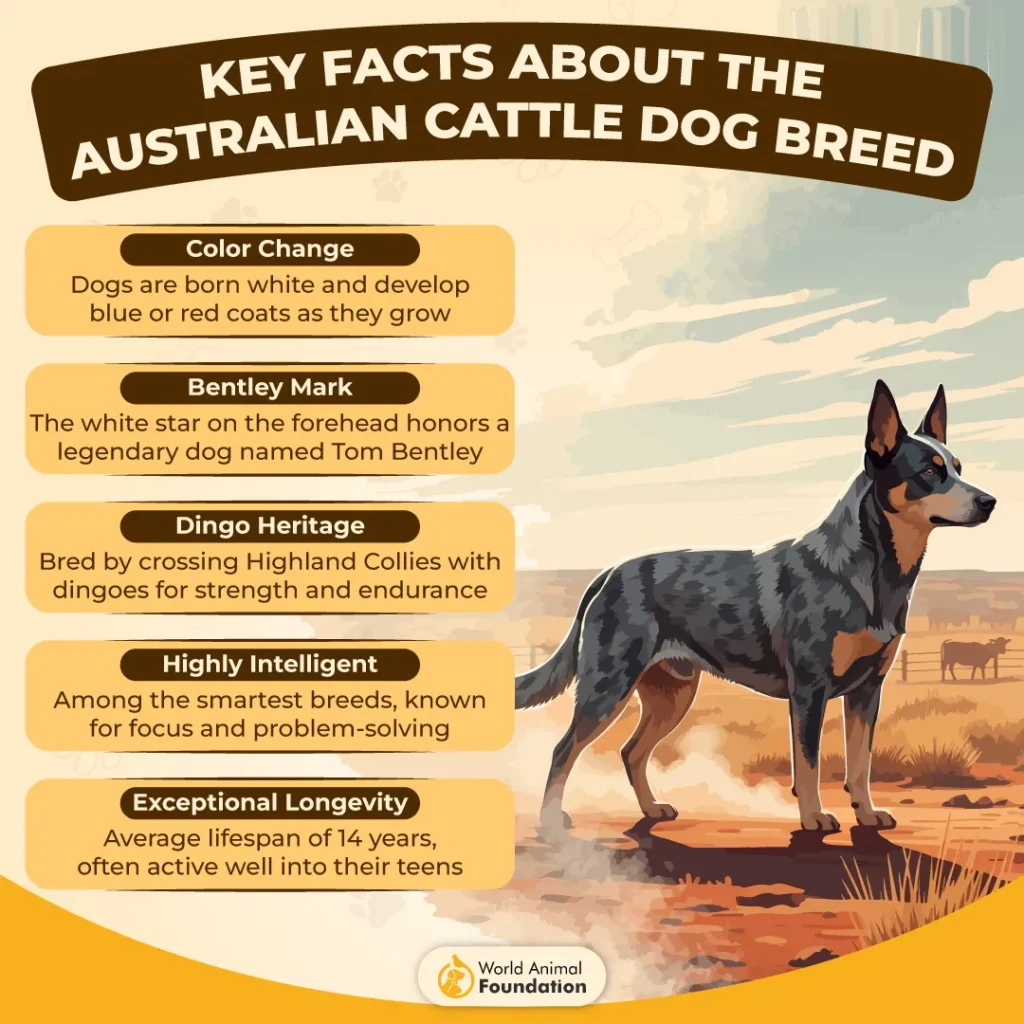
A weekly brushing and an occasional bath are generally enough, although their undercoat sheds heavily twice a year and needs extra attention.
During seasonal coat changes, brushing every few days helps remove dead hair before it spreads around the house or collects on furniture. A short-bristle brush and a comb can help clear loose undercoat while keeping the coat clean, smooth, and in good condition.
Regular Brushing for a Healthy Coat
Border Collies need weekly brushing to manage loose hair and keep their coat in good condition, with a monthly bath helping maintain skin cleanliness. Their coat renews seasonally, so regular brushing and light scissoring help manage its appearance without clipping the coat.
Professional grooming every 8 to 12 weeks can help keep shedding and coat maintenance under control, with more frequent attention often useful during spring and autumn. Check the nose and paw pads regularly for dryness or cracking, as these areas also need care beyond brushing and bathing.
6. Energy Level & Mental Stimulation
Energy That Needs an Outlet
Australian Cattle Dogs need around 1 to 2 hours of daily exercise and mental stimulation to stay satisfied. Running for at least 45 minutes, hiking, and games such as fetch or frisbee can help use their energy, while agility and obedience training keep their minds engaged.
These dogs can join you on runs of five miles or more and manage half-day hikes with ease. Longer outings can also work with suitable rest breaks, making them a good match for active people who enjoy spending plenty of time outdoors with their dogs.
A Mind That Needs a Challenge
Border Collies typically need 1 to 3 hours of vigorous exercise each day, along with activities that challenge their intelligence. Herding, advanced obedience, agility, flyball, and frisbee can keep them engaged, while long walks, running, and hiking add variety to their routine.
A healthy Border Collie can run alongside you for a few miles, although repetitive routes may leave this clever dog mentally underwhelmed. They can also join hikes of around three to four miles, making them a strong match for owners who enjoy mixing physical activity with training and interactive games.
7. Guarding Instincts
Alert Guardians With Strong Protective Instincts
Australian Cattle Dogs take their role as protectors seriously, keeping a close watch on their family and surroundings, as noted by Britannica. They naturally patrol their property and alert their people when something seems wrong, becoming more forceful when they sense a genuine threat.
Their strong guarding instincts make early socialization important, helping them distinguish between harmless visitors and potential threats. With proper guidance, they can be reliable watchdogs without treating every unfamiliar person as a danger.
Watchful Companions With a Cautious Side
Border Collies are protective of their flock and family, keeping a sharp eye on their surroundings throughout the day. They may bark loudly when strangers approach their territory, using their alertness to warn their people when something seems unusual or out of place.

Although they can be wary of unfamiliar visitors, Border Collies are not usually aggressive once guests are welcomed inside. They can suit households looking for an attentive companion that raises the alarm without necessarily displaying the stronger guarding response associated with Australian Cattle Dogs.
Conclusion
Both herding dogs bring intelligence, athletic ability, and strong working instincts into everyday life, but those qualities need direction. Regular exercise, training, and mental challenges help prevent boredom and unwanted behavior. Their personalities can also affect family life, particularly around young children, unfamiliar visitors, and other pets.
Grooming is fairly straightforward, although seasonal shedding calls for extra brushing. Health screening and routine veterinary care deserve attention as well. Before choosing, think about how much time you can give each day and whether you enjoy an active training routine. A suitable companion should fit your household beyond appearance or reputation.
