




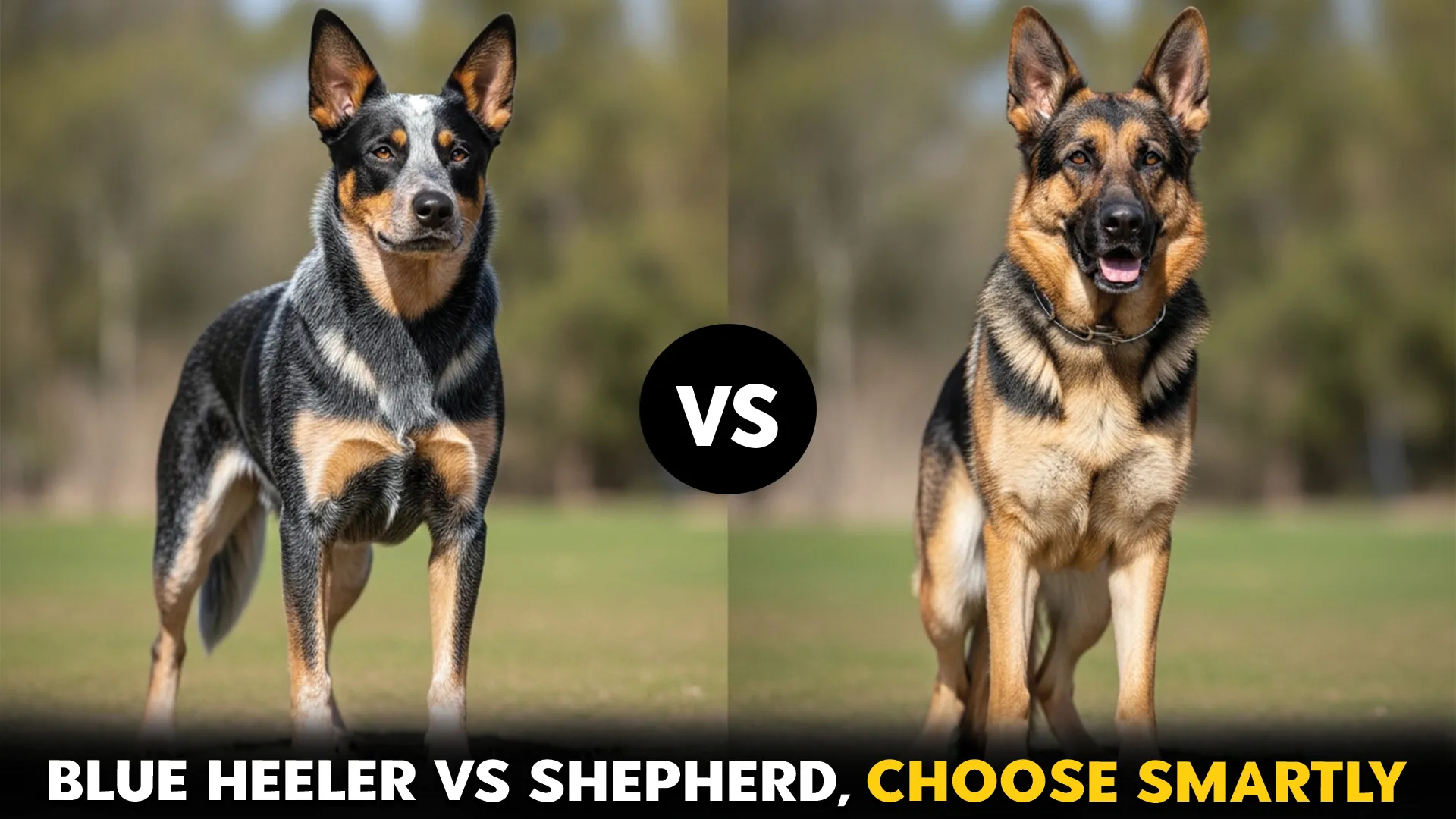
The Blue Heeler and the German Shepherd are two highly intelligent working dogs known for their loyalty, energy, and strong connection with humans.
The Blue Heeler originated in Australia in the 19th century, where it was bred to herd cattle across long distances and rough terrain. Compact, strong, and agile, this breed was valued for its stamina, quick decision-making, and ability to protect herders, livestock, and property.
German Shepherds are also widely respected for their intelligence and work ethic. Originally developed as herding and protection dogs, they are known for their loyalty, trainability, and strong guarding instincts.
Although both breeds share a reputation for intelligence and dedication, they differ in size, temperament, training style, and energy needs. Understanding these differences can help potential owners choose the dog that best fits their lifestyle and expectations.
Key Takeaways
Both breeds are highly intelligent working dogs, originally developed for herding and demanding tasks.
Blue Heelers are generally smaller but extremely tough and agile, while German Shepherds are larger and more powerful in build.
Energy levels are very high in both breeds, meaning they require daily exercise and mental stimulation.
Blue Heelers thrive in active environments where they can run, work, or engage in challenging activities.
German Shepherds are known for their versatility, often working in police, military, search-and-rescue, and service roles.
Blue Heeler vs German Shepherd: Surprising Differences Between These Smart Dogs
Size and Strength
The Australian Cattle Dog, often called the Blue Heeler, may appear compact, but it is built with remarkable strength and endurance. This muscular herding dog was developed to handle tough cattle across long distances and rough terrain.
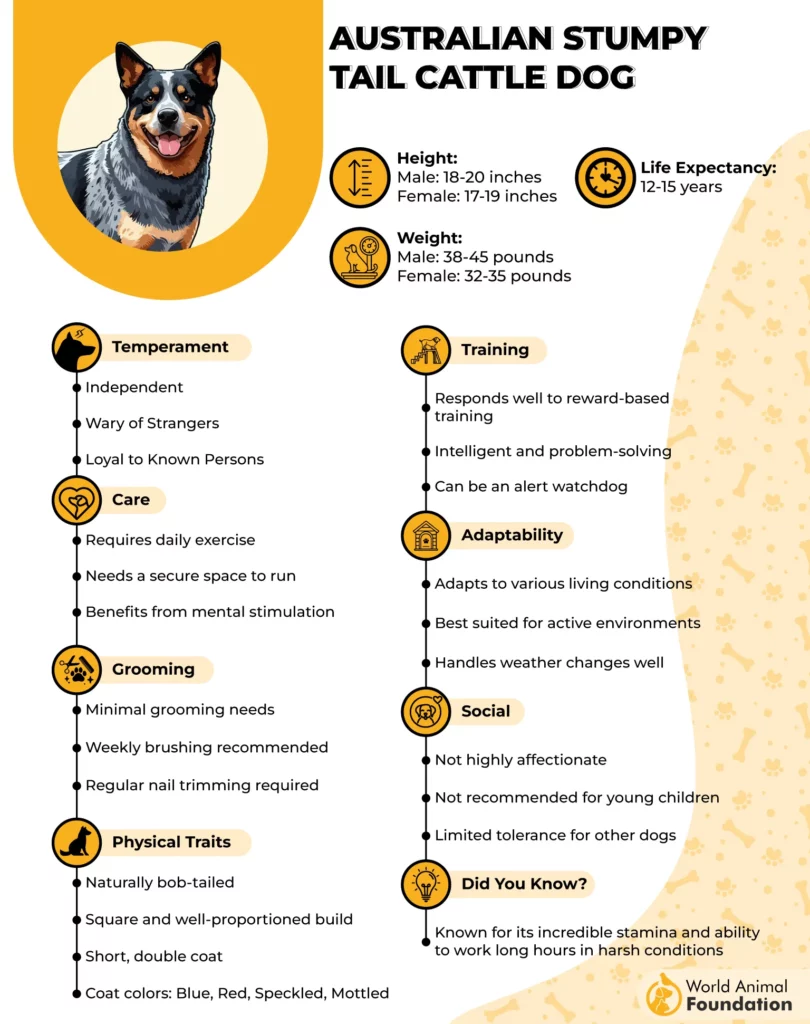
Despite its moderate size, the breed’s sturdy frame, agility, and powerful movement make it surprisingly resilient for demanding outdoor work.
The German Shepherd, in comparison, is noticeably larger and carries a commanding presence. Standing taller than the Blue Heeler, this breed combines strength with elegance and balance.
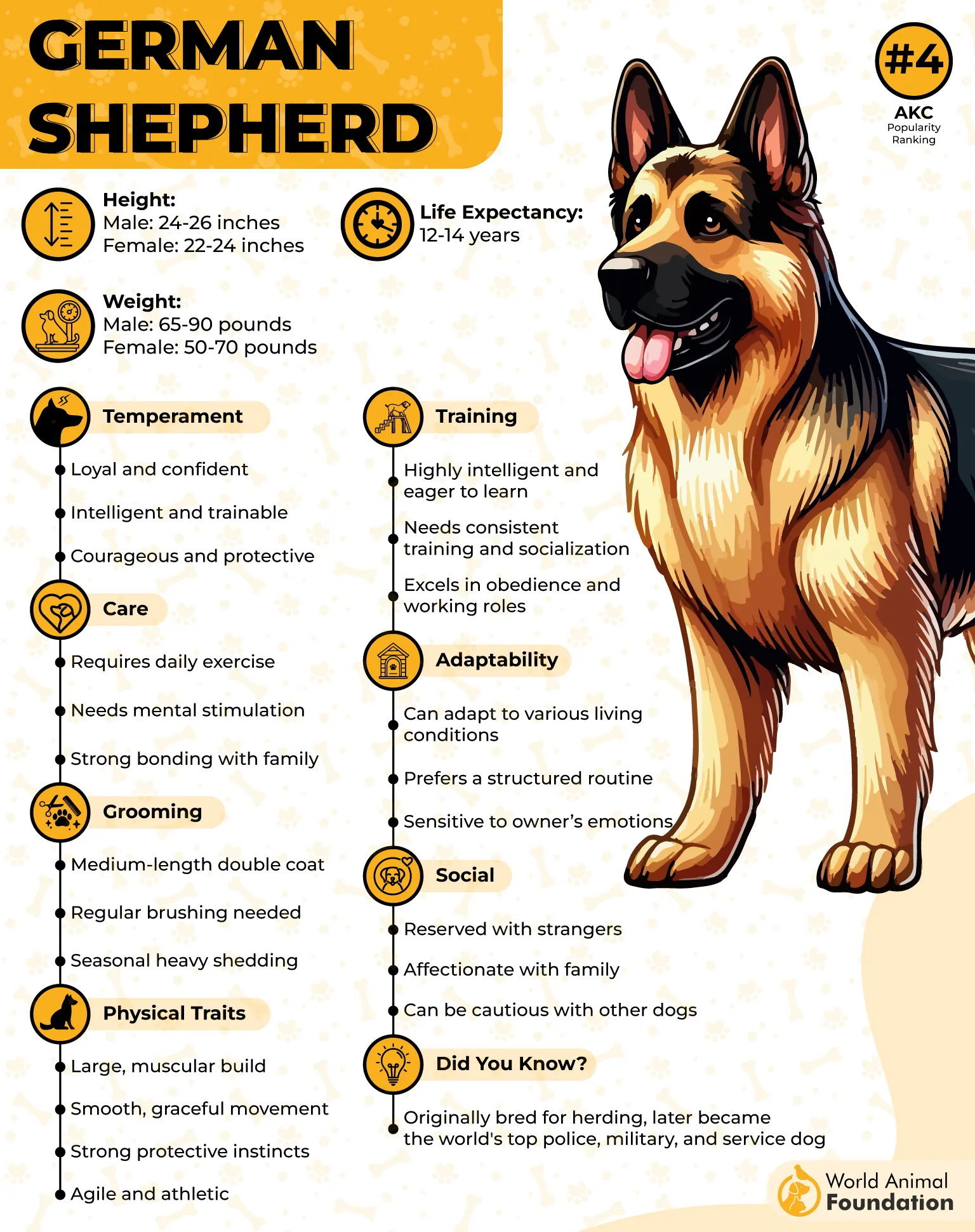
Its well-proportioned body allows it to perform physically demanding roles such as guarding, search work, and service duties.
While the Blue Heeler impresses with compact toughness and agility, the German Shepherd stands out for its size, power, and athletic versatility. Both breeds demonstrate exceptional physical capability, though their build reflects the different tasks they were originally bred to perform.
Temperament and Personality
The Blue Heeler is widely admired for its sharp intelligence, loyalty, and tireless work ethic. Bred to manage livestock across vast distances, this breed thrives on activity and responsibility.
It forms strong bonds with its family and tends to remain constantly alert to its surroundings. Because of its independent streak and natural herding instincts, the Blue Heeler may be cautious around strangers and sometimes attempts to herd or nip at moving objects, including children.
Mental challenges and regular tasks help keep this energetic dog content and well-behaved.
The German Shepherd is equally intelligent but expresses its temperament in a slightly different way. Known for forming deep, devoted bonds with its handler, it is often described as a loyal and protective companion.
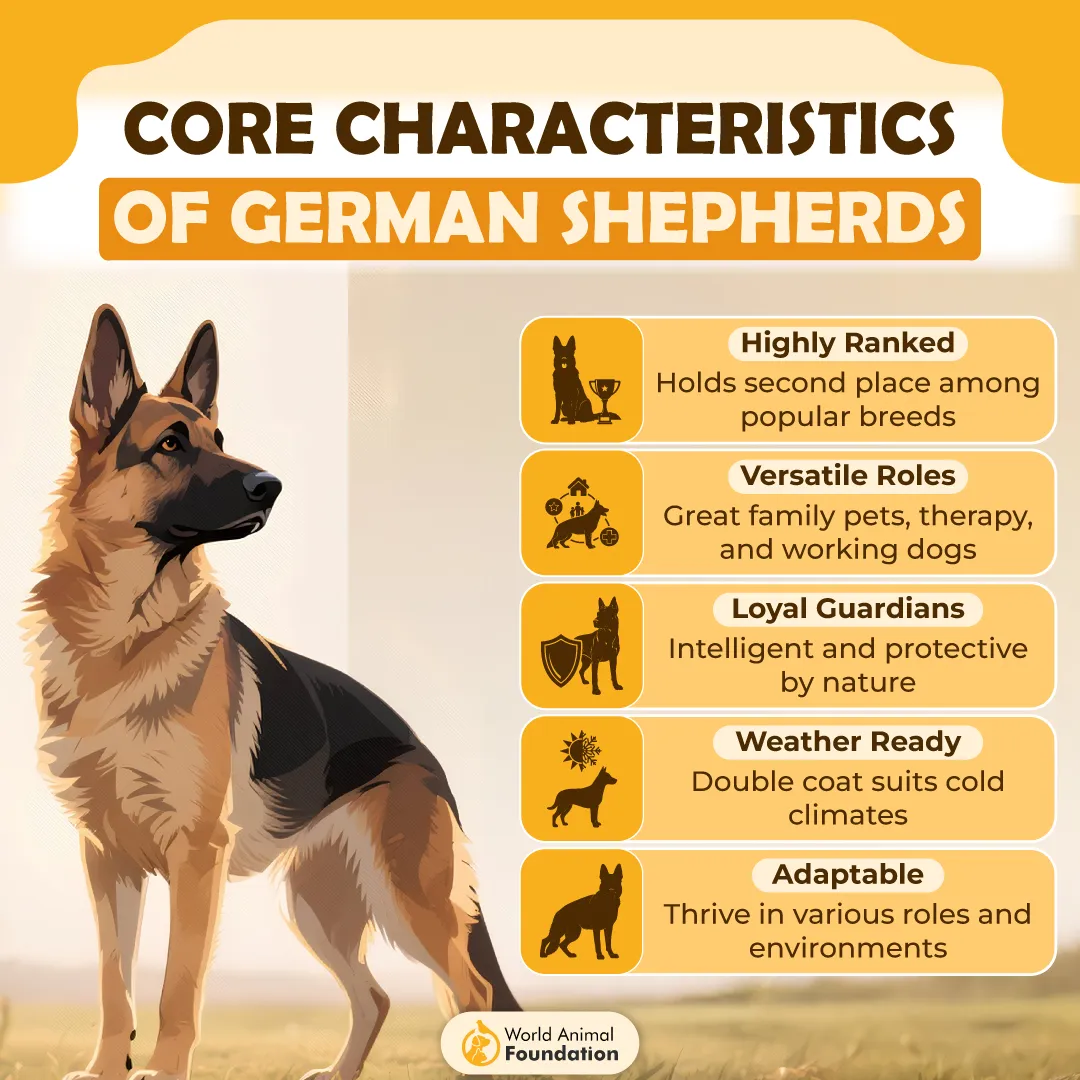
A well-raised German Shepherd is confident, calm, and eager to learn, according to Purina. With proper socialization and patient, reward-based training, it becomes a dependable family dog capable of working in many roles while remaining affectionate with its owners.
Health and Lifespan
The Australian Cattle Dog, often called the Blue Heeler or red heeler, is widely known among working dogs for its strong build, high energy, and remarkable endurance.
This hardy dog breed was originally developed by farmers to manage cattle, a job that required sharp instincts, focused behavior, and the ability to protect livestock and property on farms and in the yard.
Because of this background, blue heeler dogs are typically smart, loyal, and deeply connected to their family and owners. Many can live between 13 and 17 years when given proper training, regular exercise, and a healthy lifestyle.
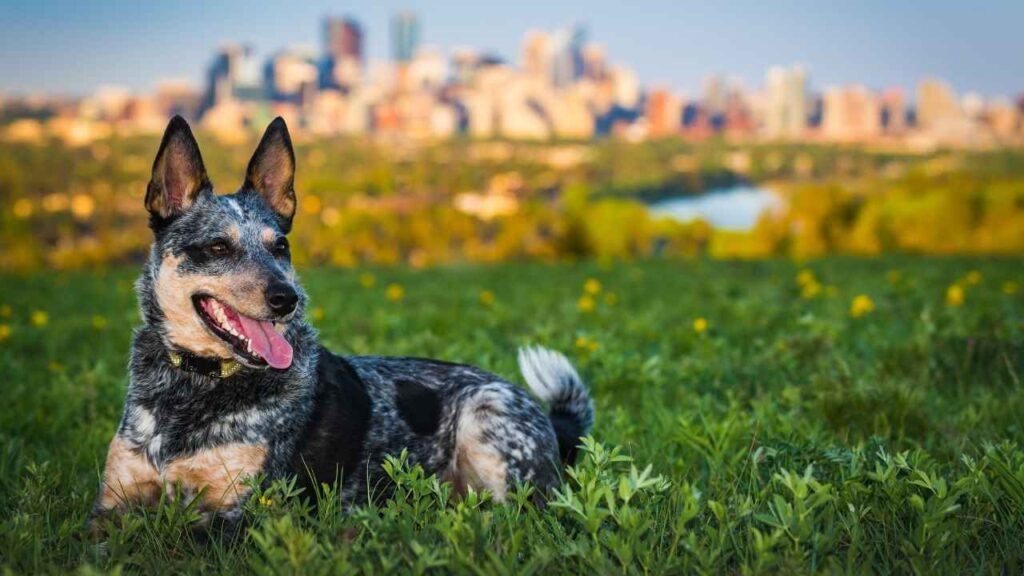
Responsible breeders of the ACD often recommend health screenings for conditions such as deafness, progressive retinal atrophy, and hip dysplasia.
With routine care, balanced nutrition, and daily activity—whether it’s kicking a ball in the yard or active herding practice—this energetic cattle dog can remain active for a long time. Their shorter coat is generally easier to manage.
The German Shepherd, commonly known as the GSD, is another smart and strong shepherd breed admired for its loyal nature and protective temperament.
German Shepherds are widely used as guard dogs and service animals because of their intelligence, quick sense of trouble, and instinct to protect their family, kids, and house. They are often cautious around strangers and may appear suspicious until properly introduced.
However, despite their impressive build and great abilities, German Shepherds generally have a shorter life expectancy, typically around 9 to 13 years.
As large working dogs, they may face joint issues or digestive concerns during adult life, making careful diet, exercise, and veterinary monitoring important. With consistent training, mental stimulation, and enough rest after active play or work, these dogs can stay healthy and strong for many years.
Training and Exercise
Training and exercise are essential for both breeds, though their needs may differ slightly. The Blue Heeler is an extremely energetic working dog that thrives when given a clear job to do. Simple walks are rarely enough for this breed.
Activities such as running, obedience work, herding tasks, or agility training provide the mental stimulation and physical activity it requires. Without consistent challenges, this intelligent dog can quickly become bored and may develop destructive habits.
Early socialization and ongoing training are particularly important for shaping its strong instincts and high energy, as stated by the American Kennel Club.
German Shepherds also require significant exercise and mental engagement, according to Best Mate Dog Training. Most adults benefit from at least two hours of varied daily activity, including walks, play sessions, and training exercises. Known for learning quickly, they respond well to positive reinforcement and structured training.
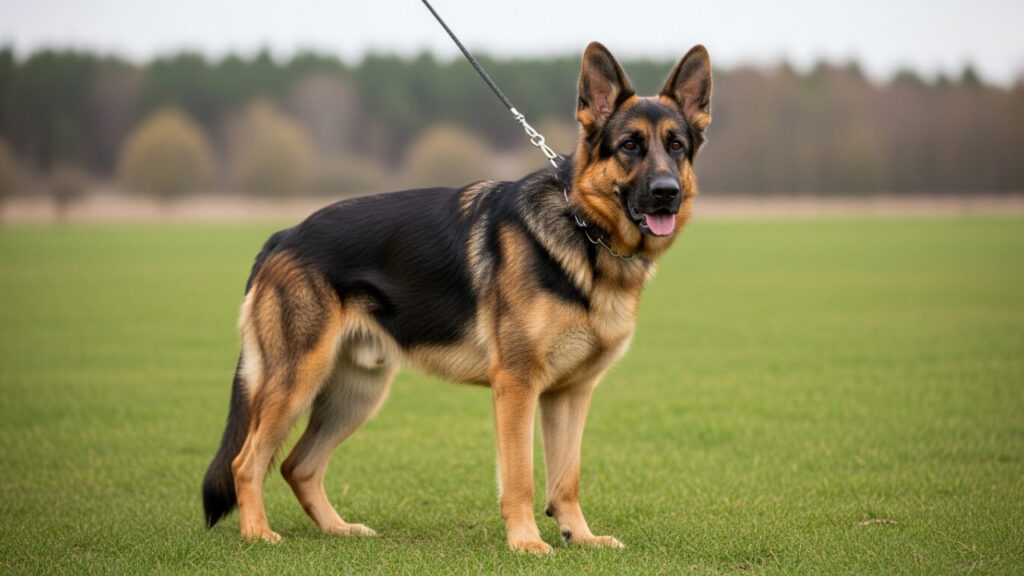
Puzzle games, obedience work, and advanced tasks help keep their sharp minds occupied. A well-trained and active German Shepherd is confident, balanced, and deeply connected to its owner.
Grooming Needs
When it comes to grooming, both the Blue Heeler and the German Shepherd have double coats, but their maintenance needs differ. The Blue Heeler has a short, dense, weather-resistant coat that is relatively easy to manage.
Weekly brushing is usually enough to remove loose hair and keep the coat healthy. However, during seasonal shedding periods, more frequent brushing may be needed to control the extra hair. Baths are only necessary occasionally, typically every few weeks or when the dog becomes particularly dirty from outdoor activities.
The German Shepherd, on the other hand, requires slightly more attention. Its thick double coat sheds consistently and often heavily during seasonal changes. Brushing several times a week helps manage loose fur and prevents buildup around the home.
During heavy shedding periods, daily brushing may be necessary. Like the Blue Heeler, German Shepherds only need occasional baths, but regular coat care is essential to keep their dense fur healthy and manageable.
Energy Level
Both breeds are known for their remarkable energy, but the way they express it can feel quite different. The Blue Heeler was originally bred to herd cattle across vast, rugged landscapes, which explains its seemingly endless stamina.
This breed thrives when it has a purpose, whether that means running, learning new tasks, or engaging in challenging games. Without sufficient exercise or mental stimulation, a Blue Heeler can quickly become restless and develop destructive habits.
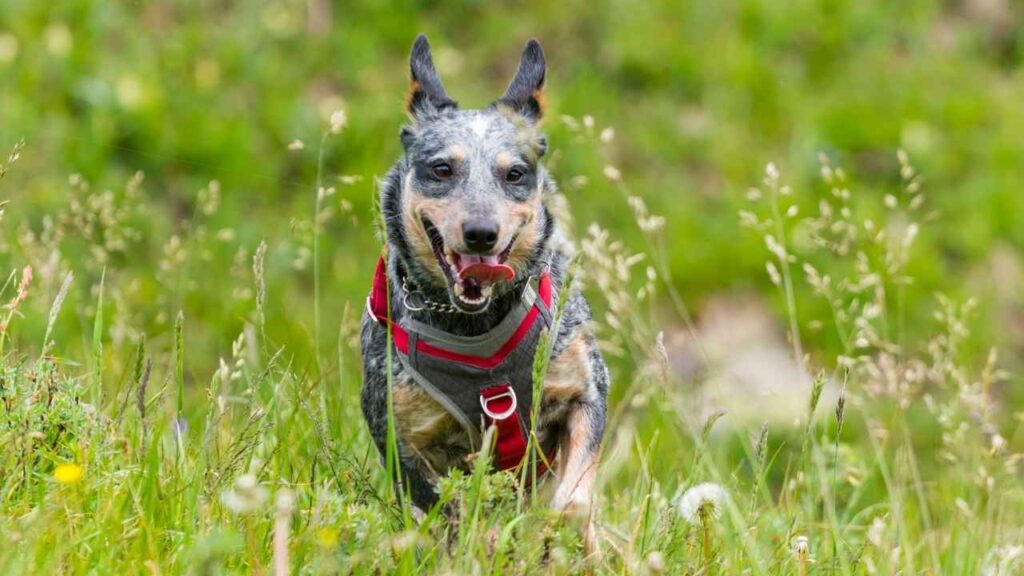
German Shepherds are also highly energetic, though their activity is often directed toward structured tasks. Developed as versatile working dogs, they excel in roles that require both physical endurance and mental focus. Regular walks, play sessions, and training exercises are important for maintaining their balance and well-being.
In both cases, these intelligent breeds need more than just casual activity. They flourish in environments where daily exercise, learning opportunities, and purposeful engagement are part of their routine.
Natural Guard Instincts
Natural guarding ability is one of the key traits that distinguishes these two intelligent breeds. Blue Heelers are naturally alert and observant dogs, as explained by Lyka. Bred to manage livestock and protect their herd, they possess a strong awareness of their surroundings and often act as watchful companions.
While they may not be traditional guard dogs, their sharp senses and cautious attitude toward unfamiliar people make them effective at alerting their owners to unusual activity.
German Shepherds, however, are widely recognised for their powerful guarding instincts. Originally developed as herding and working dogs, they quickly gained a reputation for protecting both property and people.
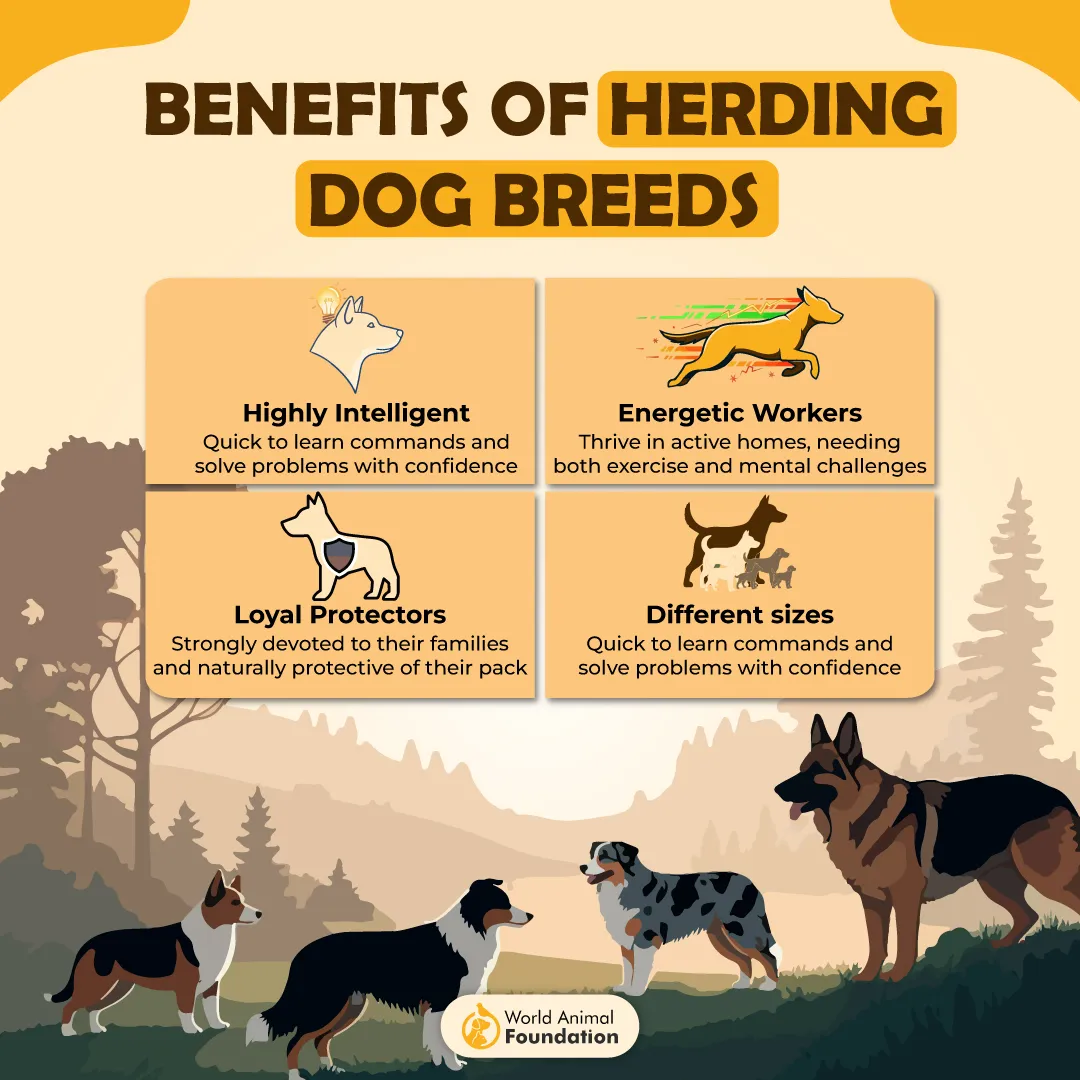
Their intelligence, confidence, and strong sense of duty allow them to perform protective roles in police, military, and security work around the world.
Although both breeds are attentive and loyal, the German Shepherd’s guarding instinct is generally stronger and more refined due to generations of specialized training and breeding.
Protective Temperament
Loyalty runs deep in both the Blue Heeler and the German Shepherd, and this devotion often shapes their protective nature. Blue Heelers form extremely strong bonds with their families and are known for following their owners closely, almost like a shadow.
Their protective behaviour usually appears as watchfulness and caution around strangers rather than overt aggression. With proper socialisation, they remain affectionate and devoted companions while still maintaining their alert personality.
German Shepherds display protection in a more pronounced way. Known for their confidence and courage, they naturally step into the role of guardian when they sense a potential threat. Their loyalty to their family is intense, and they often show a calm but vigilant attitude when strangers are present.
With early socialisation and consistent training, both breeds can develop balanced temperaments, remaining loving family companions while still retaining their instinct to protect the people they trust.
Conclusion
The Australian Cattle Dog, also known as the heeler, red heeler, or ACD, was originally developed by farmers for herding cattle and managing livestock across large properties. With roots that include the wild dingo, this Cattle Dog is typically extremely smart, loyal, and focused on its job.
Blue Heelers have high energy, a shorter coat, and strong herding instincts, which means they need activity almost all the time, whether that means chasing a ball in the yard, helping on a farm, or participating in advanced training. For active owners, this energetic dog breed can be a great companion that loves to work, learn, and stay busy every day.
The German Shepherd, often called the GSD, is another strong and highly capable shepherd dog breed. Known for its protective temperament, the GSD is widely respected as a guard dog that naturally wants to protect its family, kids, and property.
These dogs are smart, confident, and often suspicious of strangers, which can be a useful sign of their protective behavior. With proper training and socialisation from puppy to adult, a German Shepherd learns to balance protection with calm behavior inside the house.
Both breeds share many similar qualities: they are loyal, strong, and inclined to build deep bonds with the people they love. However, the size, energy level, and personality of each breed may influence what kind of owners they suit best.
While the cattle dog thrives with constant movement and tasks, the German Shepherd combines intelligence with discipline, making it a natural choice for professional work such as security and service roles.
In the end, both dogs can become devoted companions when given the important things they need—consistent training, daily exercise, mental stimulation, and plenty of time with their family. With the right environment, either breed can easily grow into a good, reliable partner that will stay loyal for many years.
