




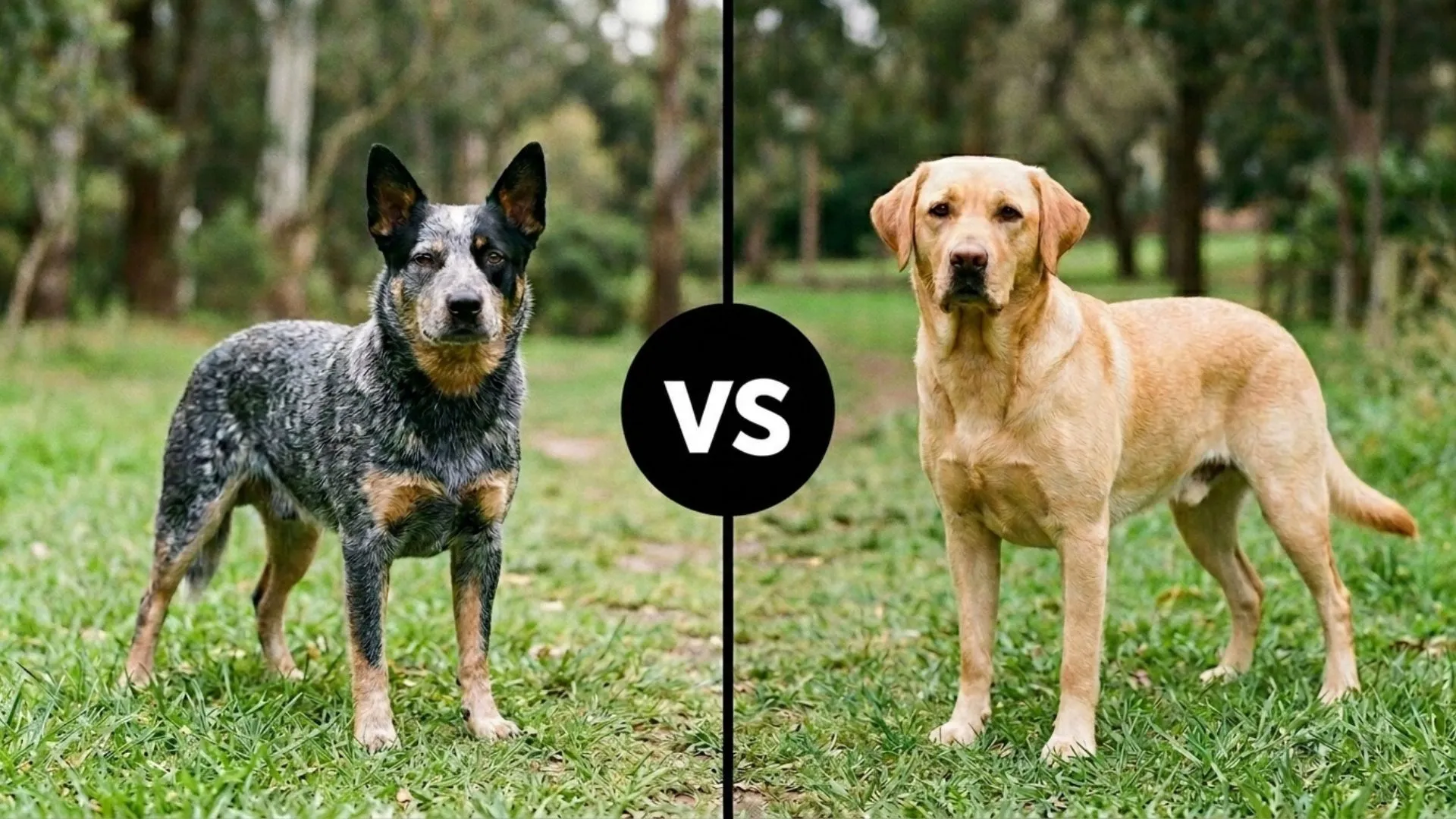
Choosing between a Blue Heeler and a Labrador Retriever can feel like picking between a high-speed athlete and your favorite couch buddy. Both dog breeds are lovable and popular, but their personalities, energy levels, and daily needs are very different.
One dog may keep you running around the yard for hours, always ready for action and mental stimulation, while the other is happily waiting with a ball, eager for a relaxed game of fetch. It all sounds like fun at first, right?
But here’s the reality—choosing the wrong breed for your lifestyle can quickly turn that fun into stress. From training and exercise to temperament and behavior, every detail matters.
So, if you’re planning to bring home a puppy, this guide will help you understand their key traits in a simple, fun, and engaging way before you decide.
Blue Heeler vs Labrador Retriever: Key Traits You Should Know
When choosing between the energetic, sharp-witted Blue Heeler and the famously friendly Labrador Retriever, understanding their distinct temperaments is essential to matching your lifestyle.
While both are highly capable companions, the intense focus of the Australian Cattle Dog contrasts sharply with the social, versatile nature of the Labrador, setting the stage for very different daily dynamics.
Origins & Purpose
The Blue Heeler was developed in Australia to handle tough farm work and herd cattle across long distances. These cattle dogs were carefully bred by early settlers to create a strong, agile, and intelligent breed capable of working in harsh conditions.
With influence from native dingoes, the blue heeler became one of the most reliable herding breeds used on ranches.
In contrast, the Labrador Retriever originated in Newfoundland, where they assisted fishermen and later became popular with hunters. Labrador retrievers were bred to retrieve game from water and land, making them excellent working dogs and loyal companions.
While both breeds were developed for specific jobs, their origins shaped their roles—heelers for herding cattle and labradors for retrieving and assisting humans.
Physical Size & Build
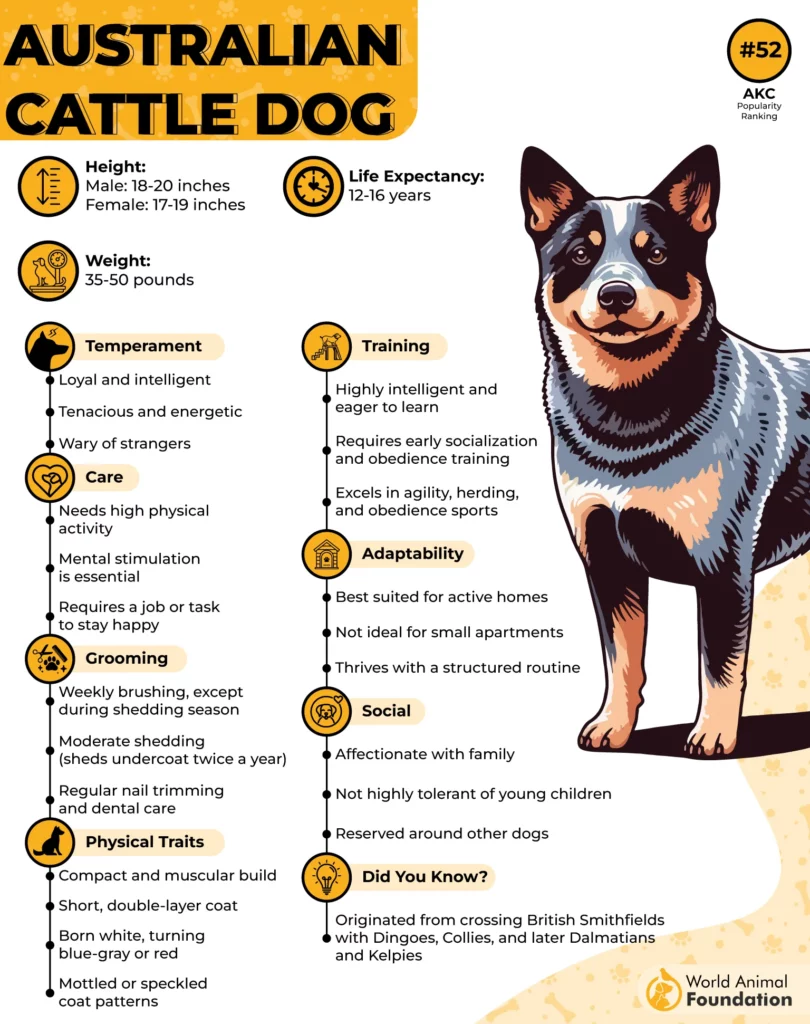
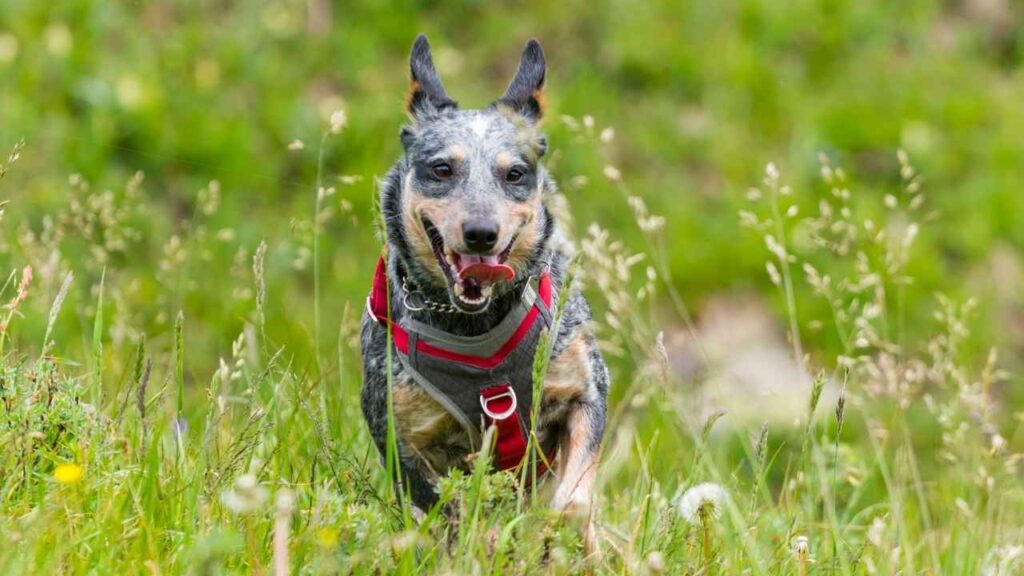
When it comes to size, the Blue Heeler is like a compact athlete—small but seriously powerful. Standing around 17 to 20 inches tall, this dog is all muscle, agility, and action.
As per AKC, its coat starts white and turns into a cool blue or red speckled pattern, giving the blue heeler its signature look. Built for herding cattle, this breed is tough, quick, and always ready to move.
Now enter the Labrador Retriever—bigger, broader, and a bit more “cuddly strong.” Labs stand taller and have a solid, balanced build with that famous “otter tail” always wagging. Whether it’s a black lab, yellow, or chocolate, their sturdy frame supports endless play.
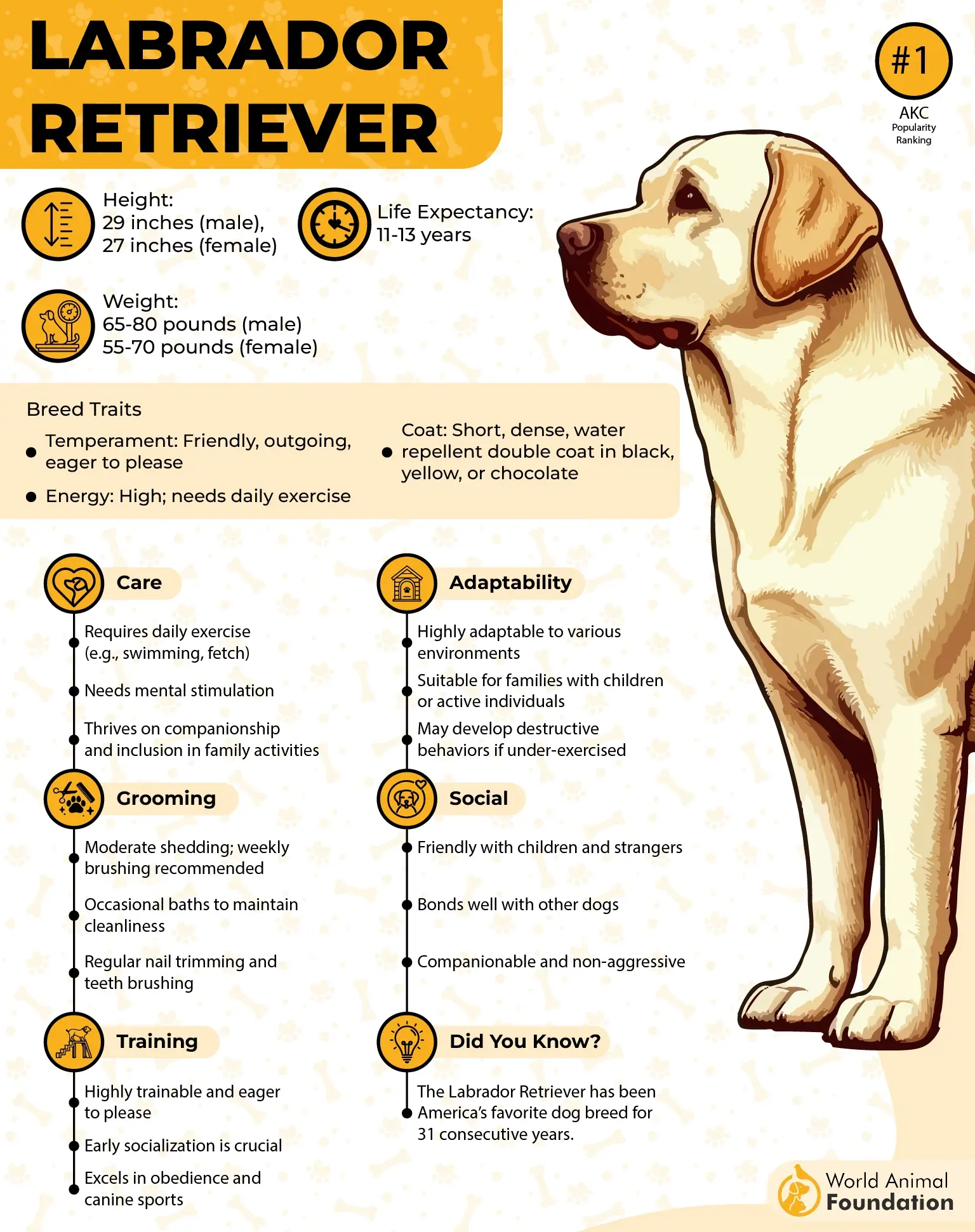
So, while the heeler is a lean working machine, the lab is a strong, friendly all-rounder built for both work and fun.
Pricing & Availability
The Blue Heeler is usually priced between $800 and $1,500 when purchased from a reputable breeder. Availability can vary depending on location, as this cattle dog is more common in working or rural areas than in city pet markets.
Demand often rises for well-bred or show-quality pups, which can increase the price. Because this breed is highly active and driven, responsible breeders also focus on matching puppies with experienced owners, so you may need to wait before bringing one home.
The Labrador Retriever is generally easier to find and remains one of the most popular dog breeds worldwide. Prices typically range from $600 to $2,000, while premium bloodlines or trained puppies can cost more.
Labradors are widely available through breeders, rescue centers, and adoption programs due to their popularity as family pets. However, demand is consistently high, so good breeders often have waiting lists for well-bred litters.
Temperament & Sociability
The Blue Heeler is deeply loyal and often forms a strong bond with one specific owner. This cattle dog is intelligent, alert, and naturally protective, which makes it a great watchdog—but also a bit cautious around strangers.
Heelers are not the type to sit idle; they were bred for herding, so they need constant mental stimulation and physical activity.
Without it, they can become restless or develop unwanted behaviors like chewing or trying to herd children and even adults. Their “mouthy” nature (nipping during excitement) can be managed with proper training and early socialization.
In contrast, the Labrador Retriever is famously friendly and social. Labradors are affectionate with family, children, and even strangers, making them one of the most easygoing family dogs. However, their playful energy can sometimes knock over small kids, and their curious nature means puppies may chew or eat things they shouldn’t, as per PetMD.
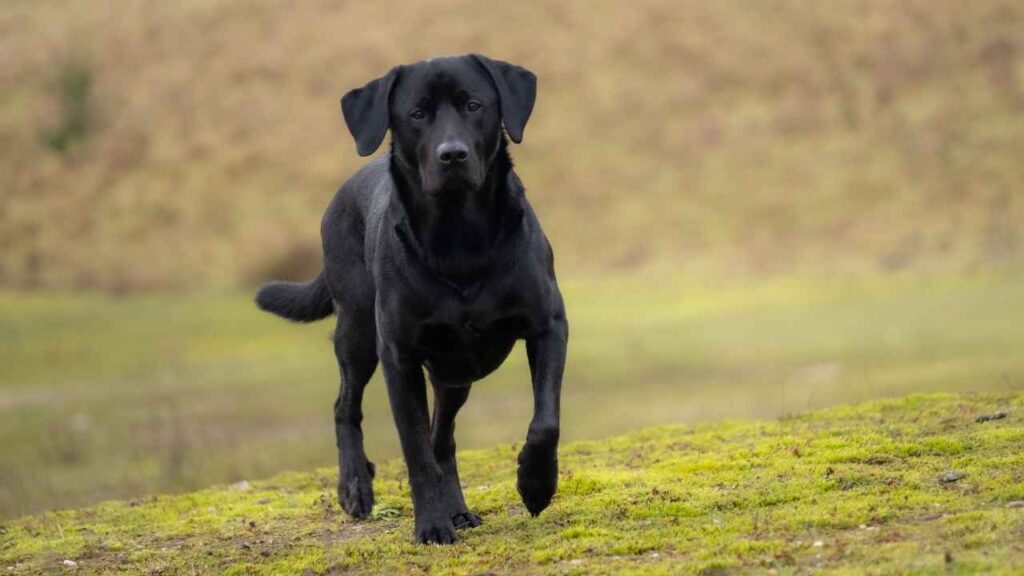
With regular exercise and consistent training, Labradors grow into loving, well-balanced companions who thrive in active homes.
Exercise Needs & Energy Level
The Blue Heeler is a nonstop energy machine. Bred for herding cattle all day, this cattle dog needs serious daily exercise—often more than two hours. A simple walk is not enough for this working breed. Heelers thrive when they have a real “job,” whether that’s running, herding, or training drills.
In farm life, they stay busy naturally, but in a city home, owners often need to take them on runs or long outdoor sessions.

As per WebMD, dog sports like agility and obedience training are perfect for burning their endless energy and keeping their sharp minds engaged. Without enough activity, they can become restless or destructive.
The Labrador Retriever is also highly energetic but in a more balanced way. Labradors love swimming, fetch, and outdoor adventures, making them great companions for active families.
They need regular exercise to avoid boredom, but their routine is usually easier to manage. Many labs also excel in service work, rescue tasks, and canine sports like tracking and obedience, giving their energy a positive outlet.
Training & Intelligence
The Blue Heeler is extremely smart, quick to learn, and strongly driven by purpose. This cattle dog responds best to early training, clear rules, and consistent leadership.
Socialization from puppyhood is important so they grow into balanced adults. Because they were bred for herding, they naturally enjoy structured activities like agility, obedience, and herding tasks. Training for this breed is not just commands—it is mental stimulation and a real “job.”
Without enough activity and guidance, they can become bored, restless, or even develop separation anxiety. However, with proper training, they form a deep bond and become extremely devoted companions.
The Labrador Retriever is also intelligent but much easier to train due to its eager-to-please nature. Labrador puppies benefit from early obedience classes and socialization with people, pets, and environments.
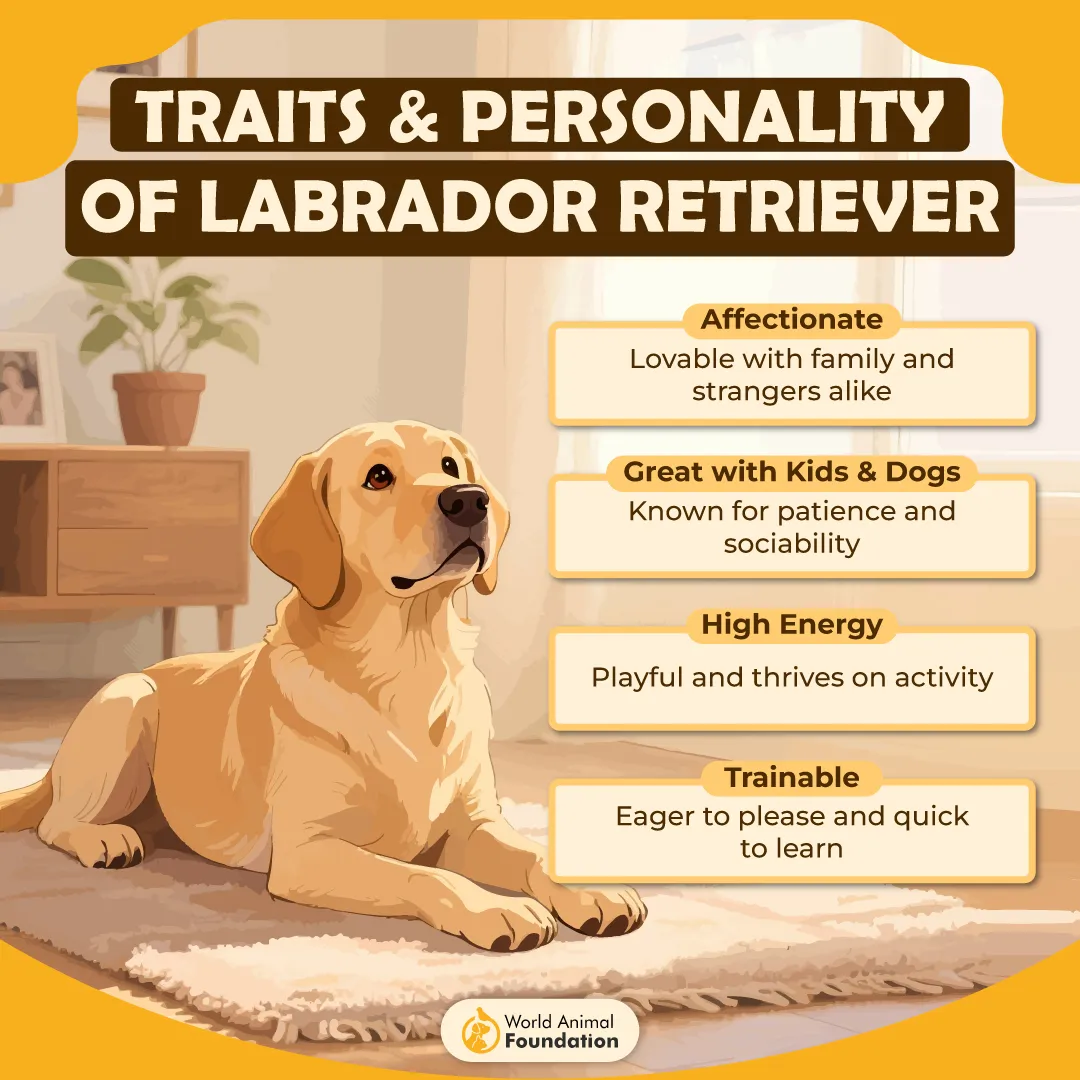
They may develop chewing habits if not guided early. Labs are widely used as service, therapy, and search-and-rescue dogs because they learn quickly and stay cooperative, making them one of the most versatile family-friendly breeds.
Grooming & Coat Care
The Blue Heeler has a dense, weather-resistant coat that was built for outdoor farm life. It doesn’t require heavy grooming, but it does shed more during seasonal changes in spring and fall.
During these times, extra brushing helps remove loose hairs and keeps the coat healthy. Outside of shedding seasons, a quick brush once or twice a week is usually enough to keep this cattle dog looking clean and tidy.
Overall, grooming is simple, but regular care still helps manage loose fur around the house.
The Labrador Retriever also has a thick, water-resistant coat that naturally protects them during swimming and outdoor activities.
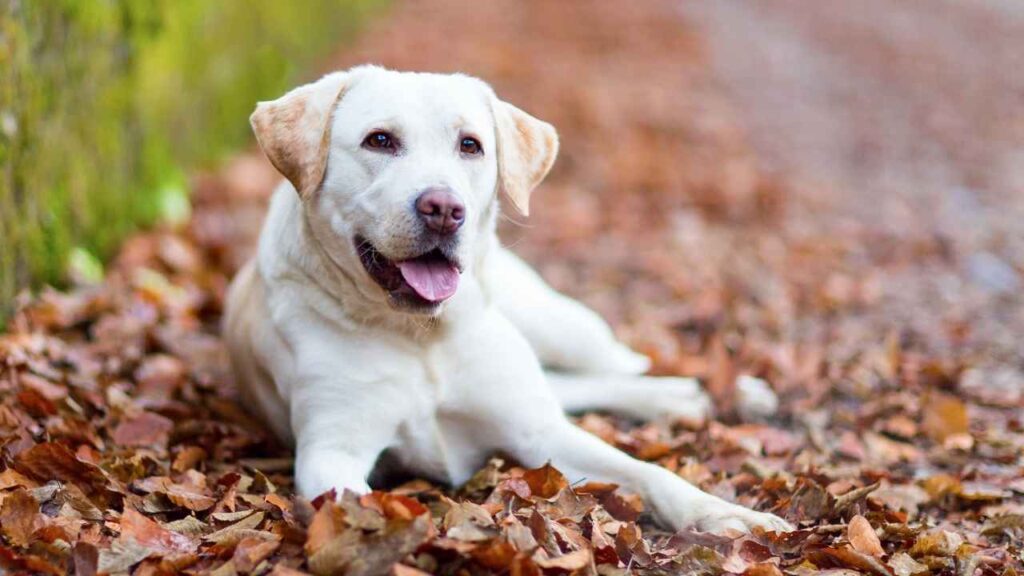
As per Britannica, Labradors shed moderately year-round, with heavier shedding during seasonal changes, so more frequent brushing is helpful at those times. For the rest of the year, their coat is easy to maintain with occasional brushing and only rare baths.
Despite their shedding, Labradors remain one of the most low-maintenance and family-friendly breeds when it comes to grooming.
Lifespan & Health
The Blue Heeler is a hardy and long-living breed, with a life expectancy of around 12–16 years. This cattle dog is generally tough, but it can be prone to certain health issues such as hip and elbow dysplasia, deafness, cataracts, and progressive retinal atrophy, as per Orvis.
Some may also develop conditions like osteochondritis dissecans or von Willebrand’s disease. Responsible breeding and early health screening play a big role in reducing these risks and ensuring a healthier life.
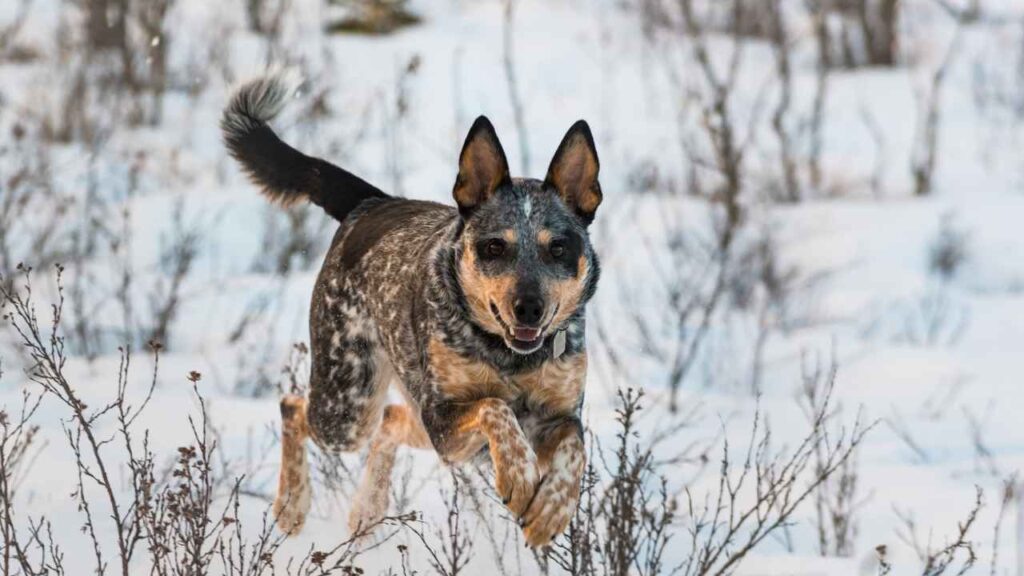
The Labrador Retriever typically lives around 12–14 years and is also a generally healthy breed. However, Labradors can face issues such as hip and elbow dysplasia, obesity, ear infections, and certain skin conditions.
They may also be prone to cancer in later life. Regular exercise, a balanced diet, and routine vet checkups are essential to keep them healthy and active throughout their life.
Blue Heeler vs. Labrador Retriever: Which Breed Fits Your Lifestyle?
Before deciding, think honestly about your daily routine—do you want a dog that challenges you, keeps you active, and needs constant engagement, or a companion that easily blends into family life and social settings?
The right choice isn’t about popularity; it’s about compatibility. When matched well, both breeds can bring years of loyalty, joy, and unforgettable moments into your home.
Conclusion
Both the Blue Heeler and the Labrador Retriever are loyal, intelligent, and full of personality, but they fit very different lifestyles.
The Blue Heeler is a high-energy cattle dog built for work, structure, and constant activity, making it best suited for experienced owners who can match its drive.
The Labrador, on the other hand, is a friendly, easygoing companion that adapts well to families, first-time owners, and social homes.
In the end, there is no “better” dog breed—only the one that fits your daily routine, energy level, and expectations.
If you choose wisely, you’re not just bringing home a pet—you’re welcoming a lifelong partner who will shape your everyday life in return. Take your time, understand your needs, and choose the dog that truly fits your world.
