




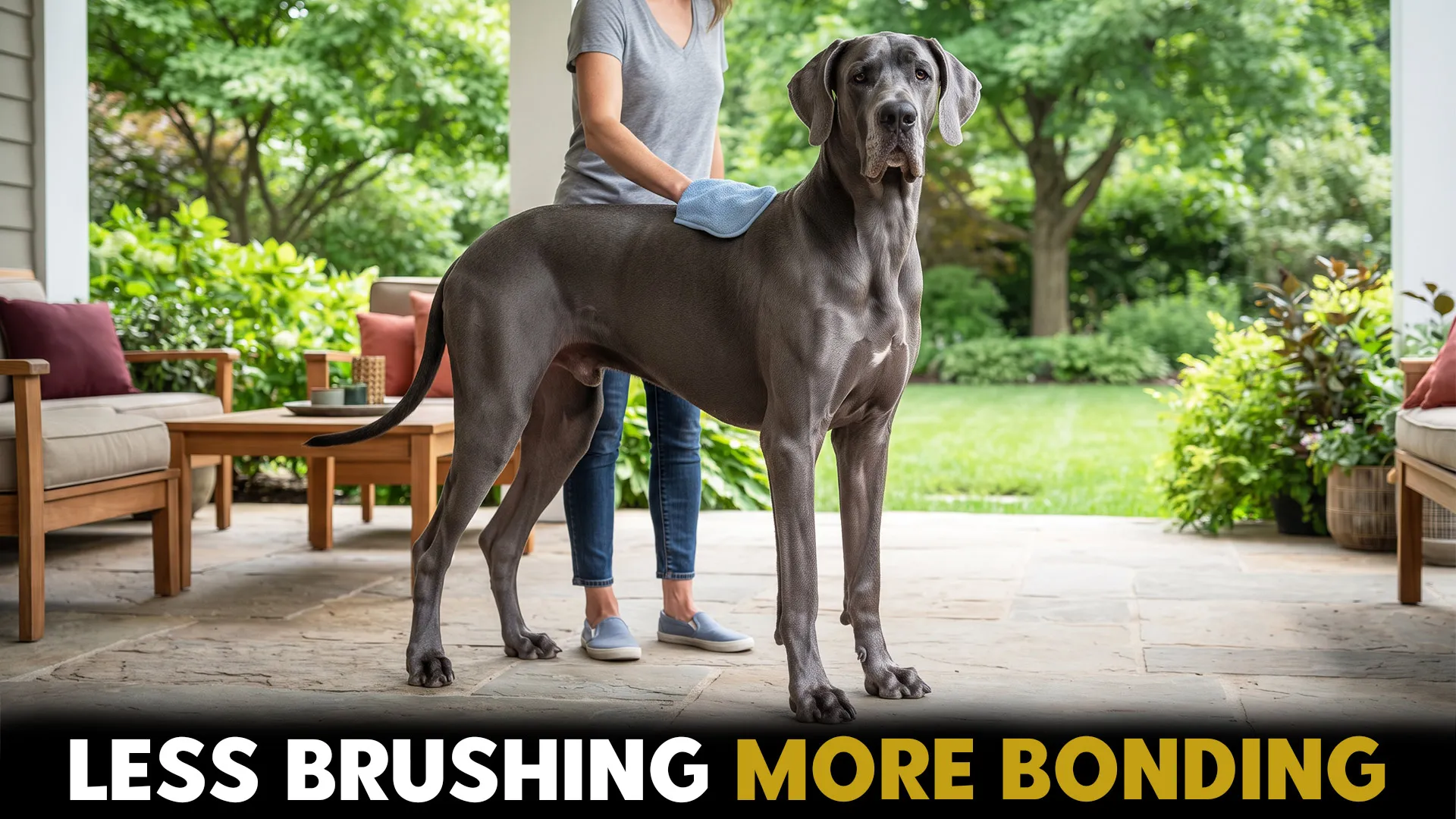
Large dogs can have surprisingly different grooming requirements. While some giant breeds have flowing or heavily feathered coats, others have short hair that can be brushed quickly with relatively simple equipment.
A short coat does not necessarily mean a dog will shed very little. Shedding levels vary between breeds, and regular brushing can still help remove loose hair, distribute natural oils, and keep the skin and coat in better condition.
The breeds below combine substantial body size with relatively short coats. Their grooming routines can be less complicated than those of heavily coated breeds, although bathing, nail care, dental hygiene, and routine skin checks remain important parts of ownership.
Big Dog Breeds With Short, Easy-to-Brush Coats
1. Great Dane
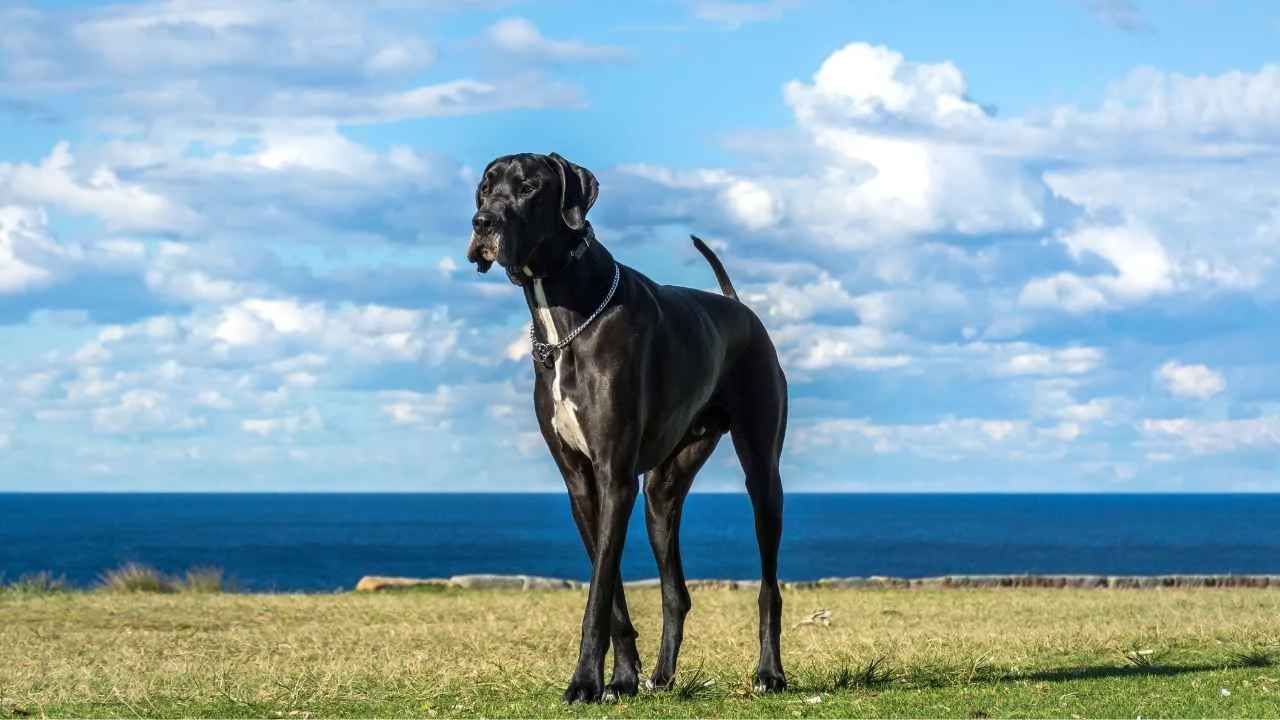
The Great Dane developed in Germany from large European hunting dogs. Earlier dogs of this type were used by aristocrats to pursue substantial game, while later breeding emphasized a more refined appearance and companionable temperament. Today, the breed is recognized for its enormous height and smooth coat.
Simple Brushing and Routine Care
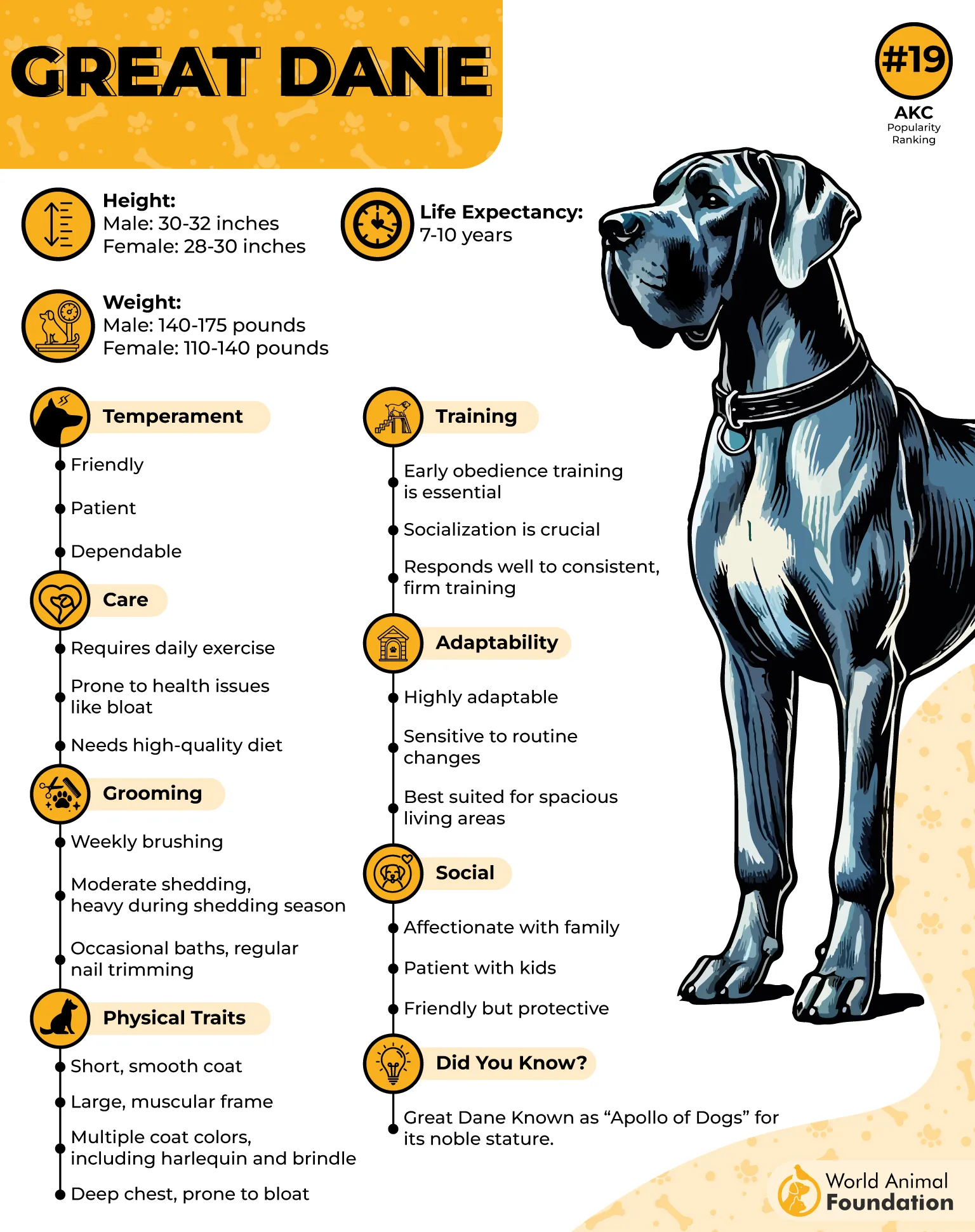
The Great Dane’s short, sleek hair generally requires only occasional brushing to remove loose fur and distribute skin oils. A rubber grooming mitt or soft-bristled brush works well for routine maintenance. Bathe as needed, and include regular nail and dental care in the overall routine.
A Smooth Coat With Minimal Fuss
Its short coat is one of the easier aspects of caring for such a gigantic dog. The hair does shed, particularly during seasonal changes, but brushing can help keep loose fur under control. Owners still need to account for the breed’s enormous size when managing bathing, grooming equipment, and household cleanup.
2. Mastiff
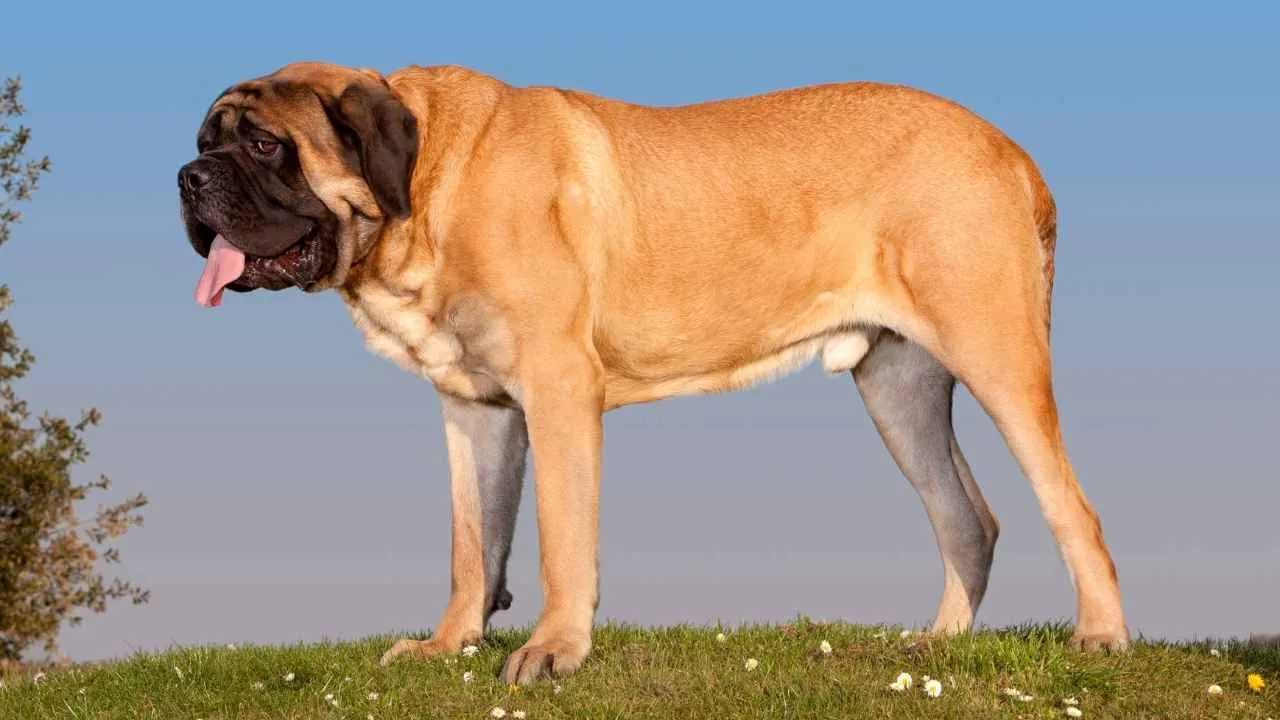
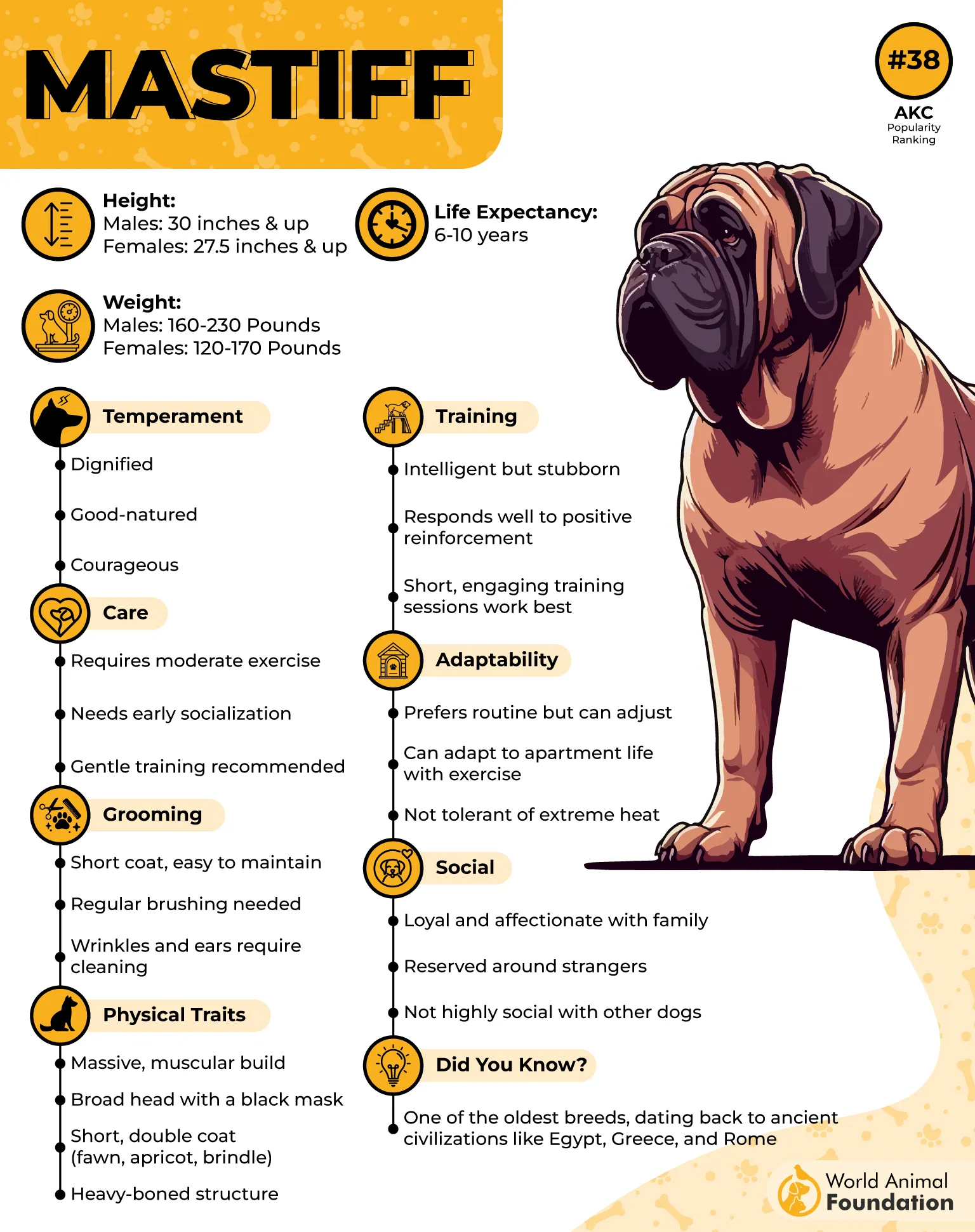
Mastiff-type dogs have an ancient history in Britain and were associated with guarding, property protection, and other demanding duties. Over generations, different lines were developed for particular working and companion purposes. The modern Mastiff retains its imposing body and short, dense coat.
Straightforward Grooming and Skin Care
Mastiffs generally have coats that can be maintained with regular brushing using a rubber curry brush or grooming mitt. Their facial folds, if present, should be checked and kept clean and dry. Routine bathing, nail trimming, ear care, and dental hygiene complete their grooming needs.
A Short Coat on a Massive Frame
The Mastiff does not require the extensive coat styling associated with long-haired breeds. Its short hair can still shed around the home, so periodic brushing remains useful. The main grooming challenge is often handling the dog’s sheer physical size rather than managing complicated fur.
3. Bullmastiff
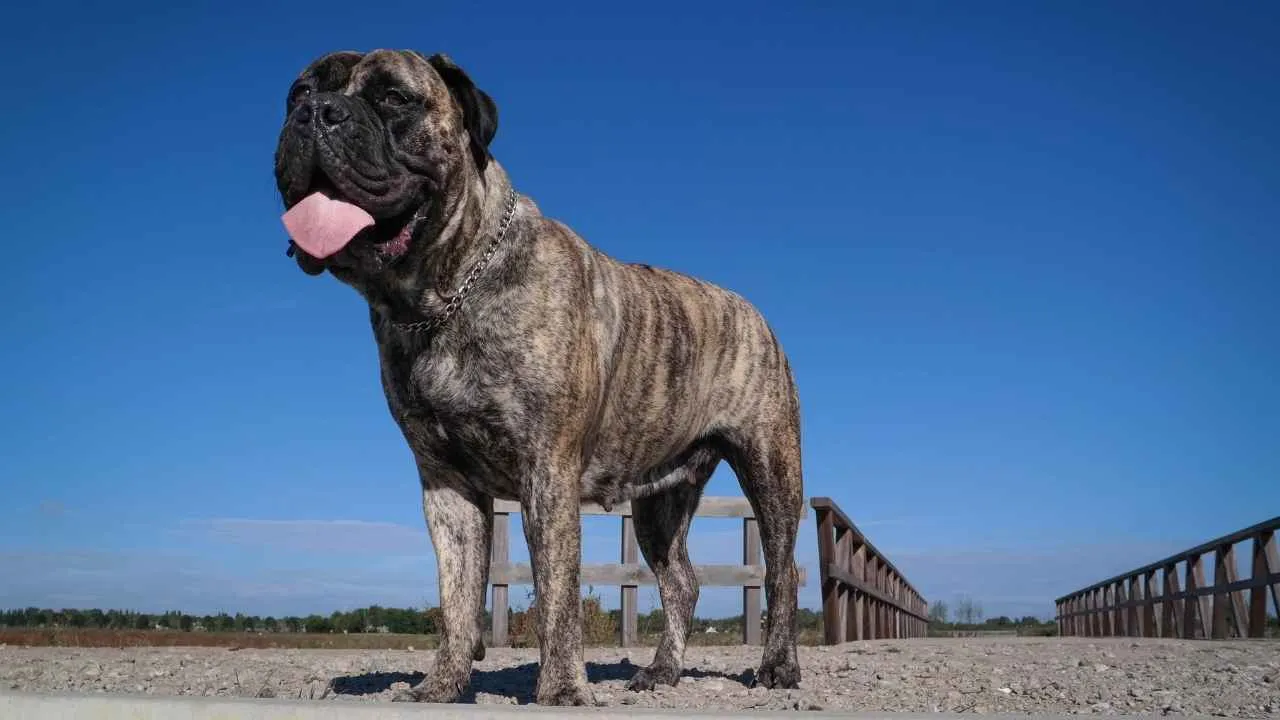
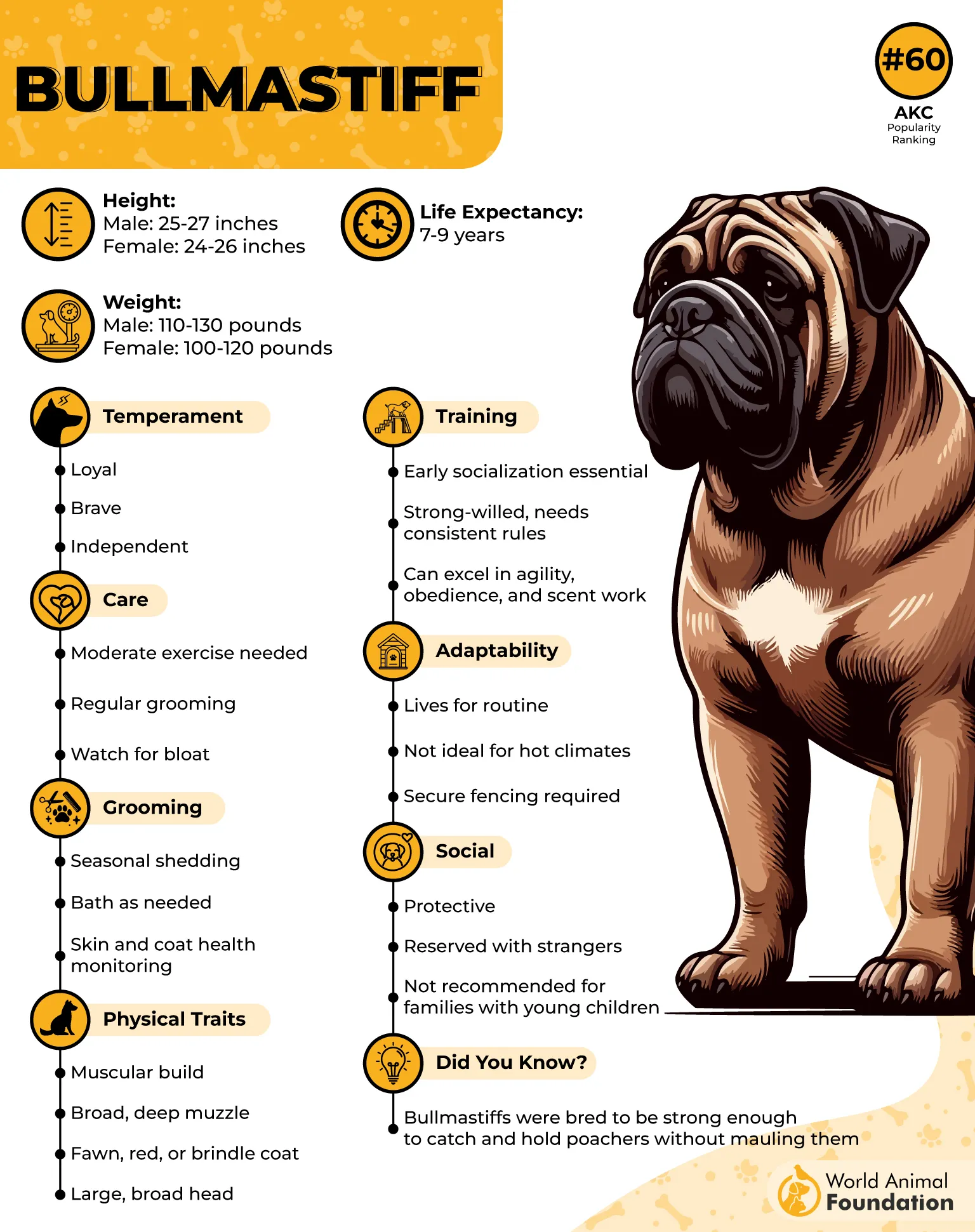
The Bullmastiff was developed in Britain during the 19th century to assist gamekeepers with protecting estates from poachers. Breeders combined Mastiff and Bulldog ancestry to create a strong, agile guardian. Its short coat was practical for a dog expected to work outdoors.
Easy Coat Maintenance and Regular Checks
Bullmastiffs typically need relatively uncomplicated brushing because their hair is short and close to the body. A grooming mitt can remove loose hairs while providing gentle skin stimulation, as per PDSA. Owners should also inspect the ears, nails, teeth, and skin folds as part of routine care.
A Compact Grooming Routine for a Powerful Dog
The Bullmastiff’s coat does not require trimming or elaborate styling. Regular brushing can help manage shedding and keep the skin cleaner. Owners should remember that easy coat care does not eliminate the other responsibilities associated with caring for a muscular, powerful breed.
4. Bloodhound
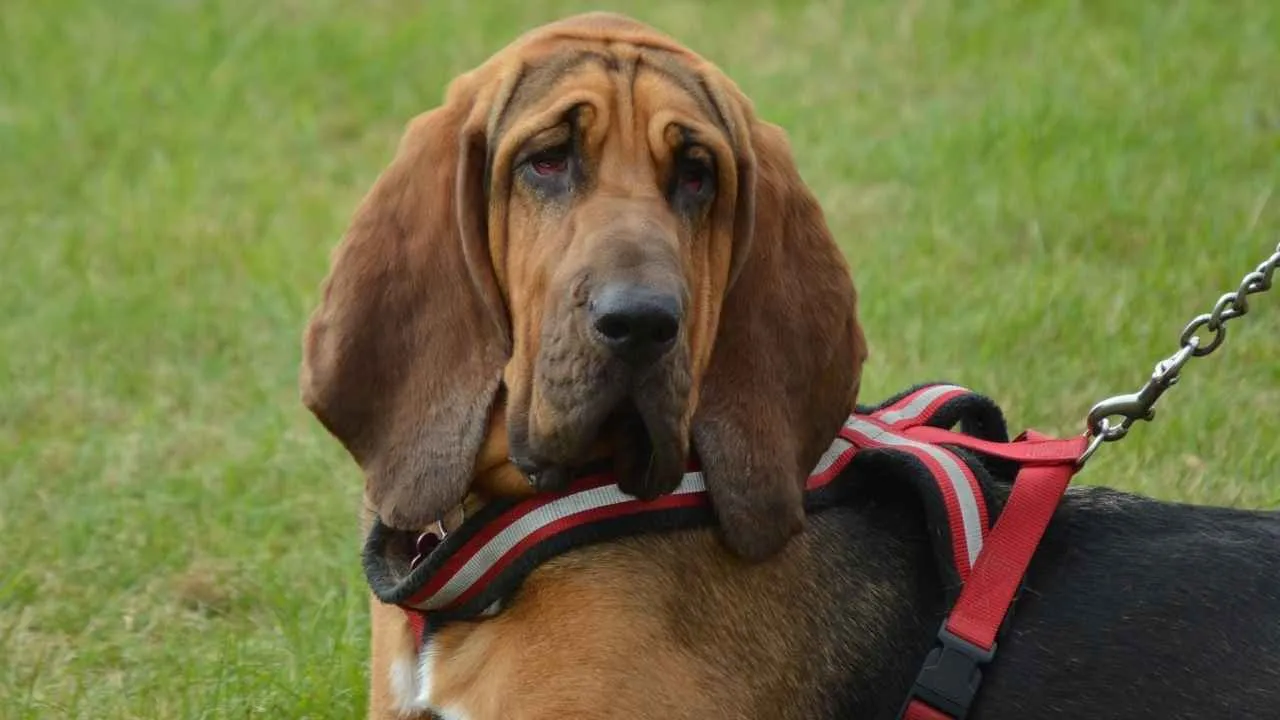
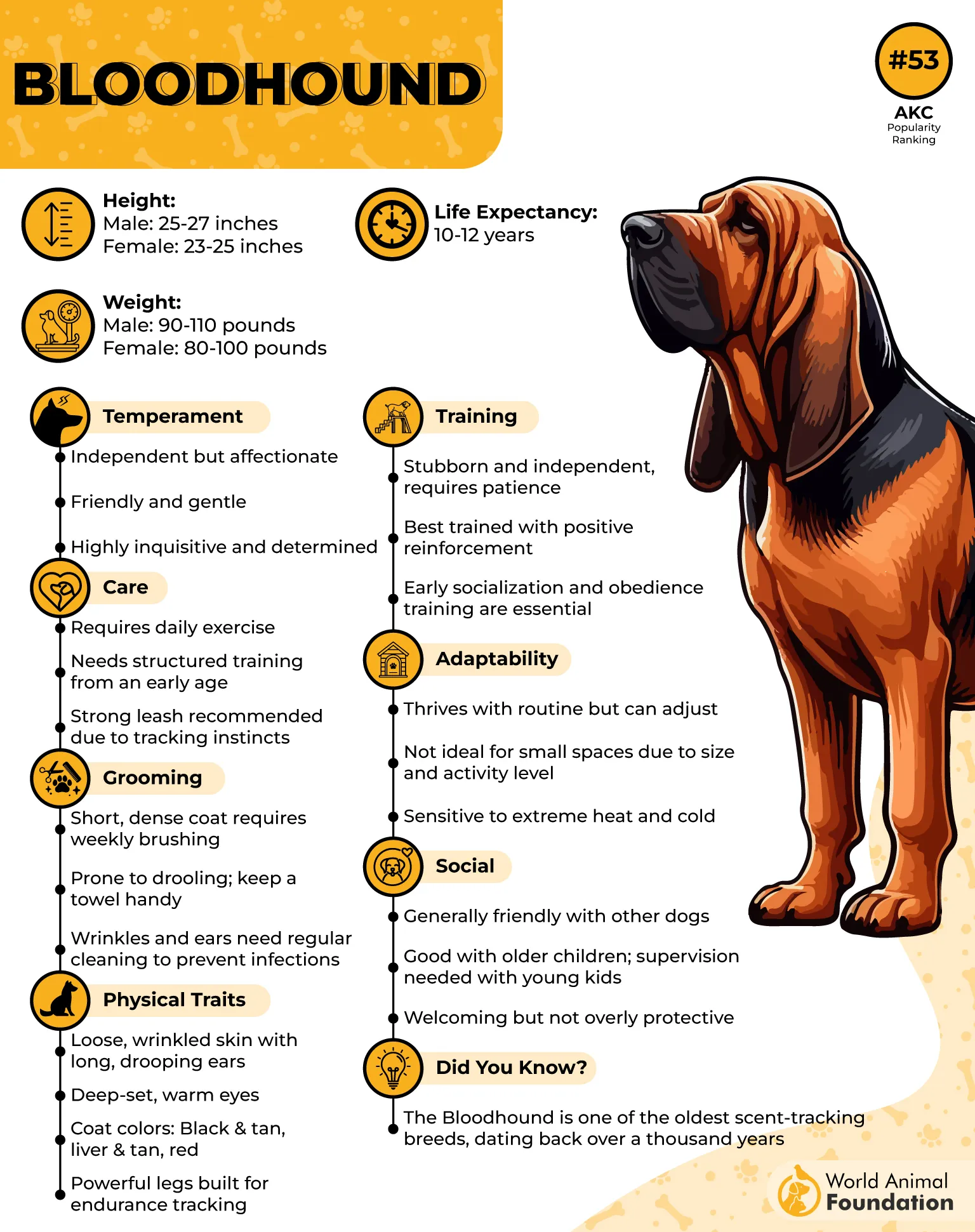
The Bloodhound has ancient roots in Europe and became strongly associated with medieval monasteries and hunting traditions. Breeders developed dogs with exceptional scenting abilities for tracking people and animals, as per the AKC. Its loose skin, long ears, and short coat are distinctive physical features.
Brushing, Ear Care, and Cleanliness
Bloodhounds generally need occasional brushing to remove loose hair from their short coats. Their long ears require particular attention because limited airflow can contribute to moisture and debris accumulation. Facial folds should also be checked regularly and kept clean according to veterinary guidance.
A Short Coat With Extra Maintenance Elsewhere
The Bloodhound’s fur is simple to brush, but the breed has other grooming considerations that should not be overlooked. Drooling, long ears, and loose facial skin can create additional cleanup and hygiene needs. Owners should therefore distinguish between simple coat care and simple overall grooming.
5. Anatolian Shepherd
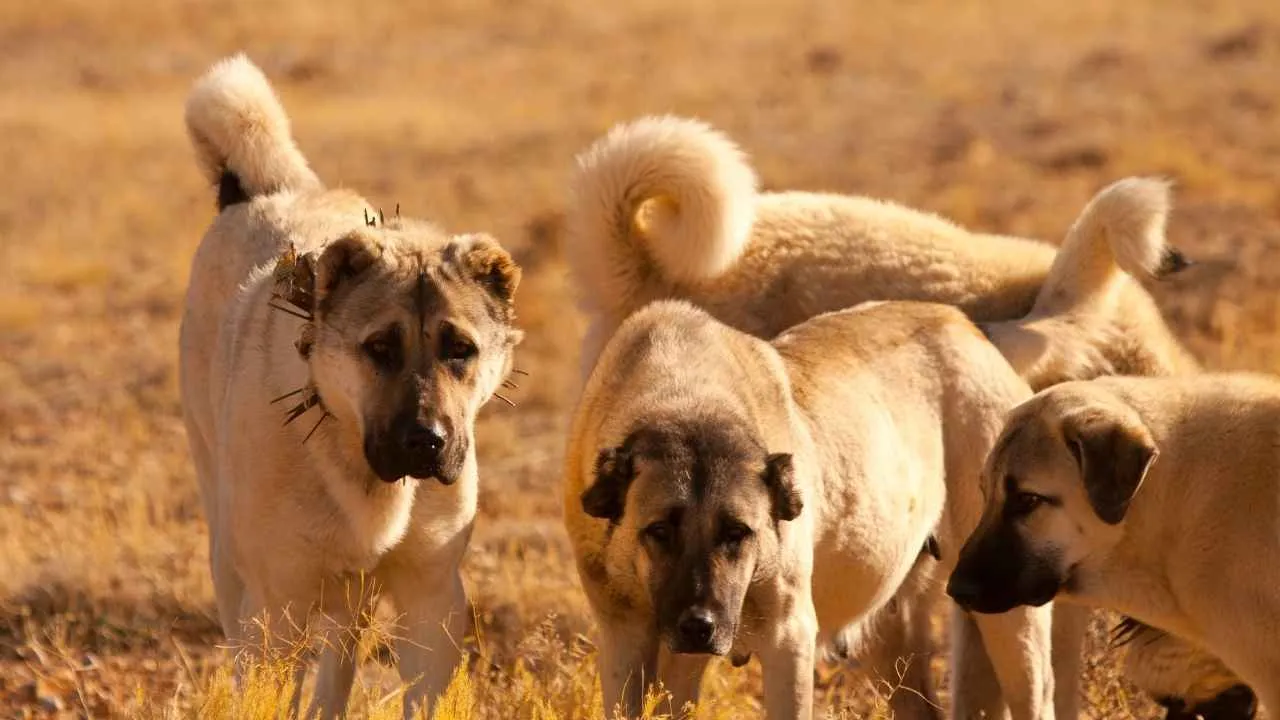
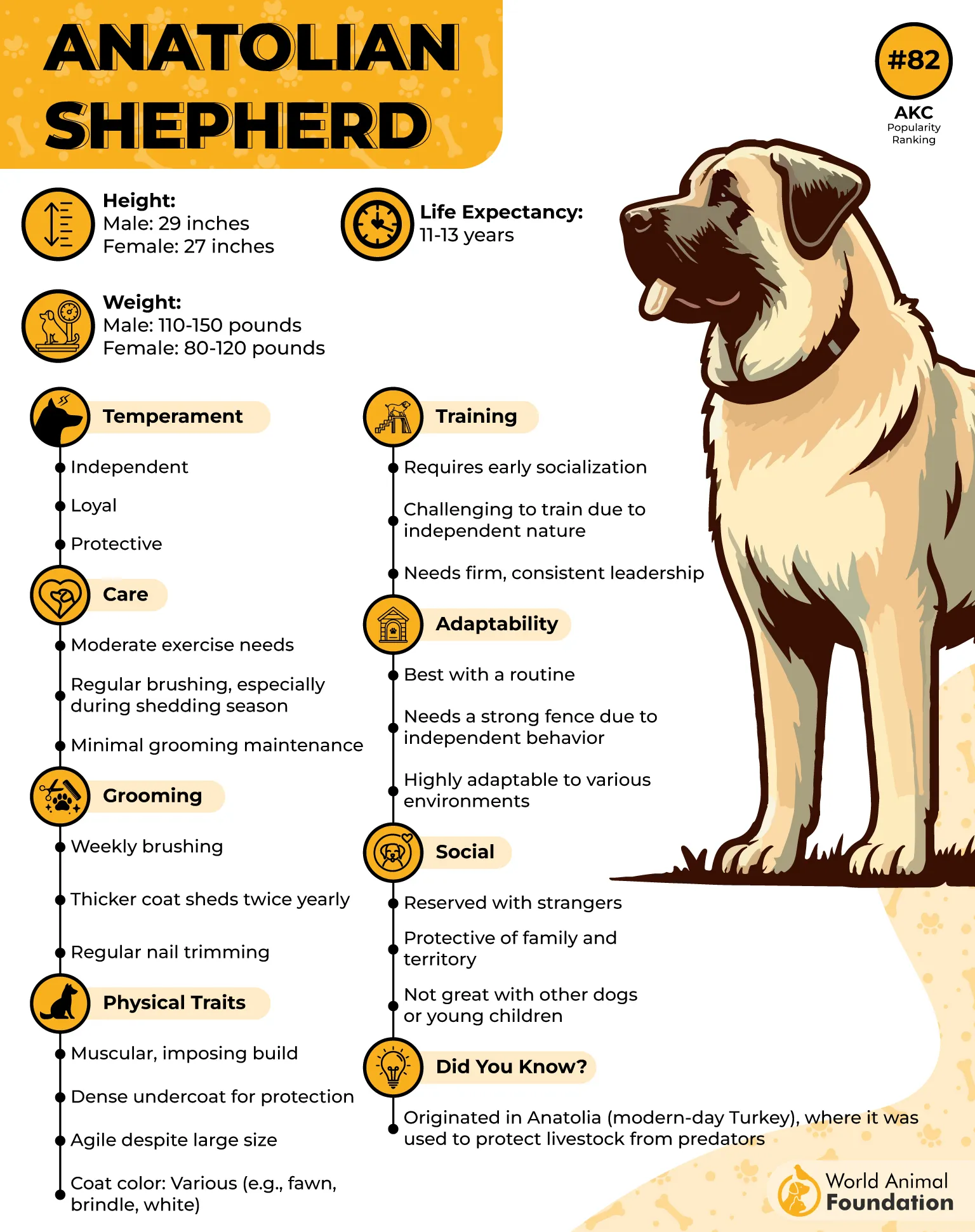
The Anatolian Shepherd Dog originated in Turkey, where regional livestock guardian dogs protected sheep and other animals across expansive landscapes. Different local varieties contributed to the development of the modern breed. Its practical coat helped it cope with outdoor work and changing weather conditions.
Regular Brushing and Seasonal Shedding
Anatolian Shepherds generally have short to medium-length double coats that benefit from routine brushing. During heavier shedding periods, more frequent grooming can help remove the loose undercoat. A suitable deshedding tool or undercoat rake can be useful when seasonal shedding increases.
A Practical Coat for an Outdoor Worker
The breed’s coat was shaped by function rather than elaborate appearance. It offers protection from environmental conditions while remaining relatively straightforward to maintain compared with long, flowing coats. Owners should be prepared for significant shedding even though the outer hair is not especially long.
6. Dogue de Bordeaux
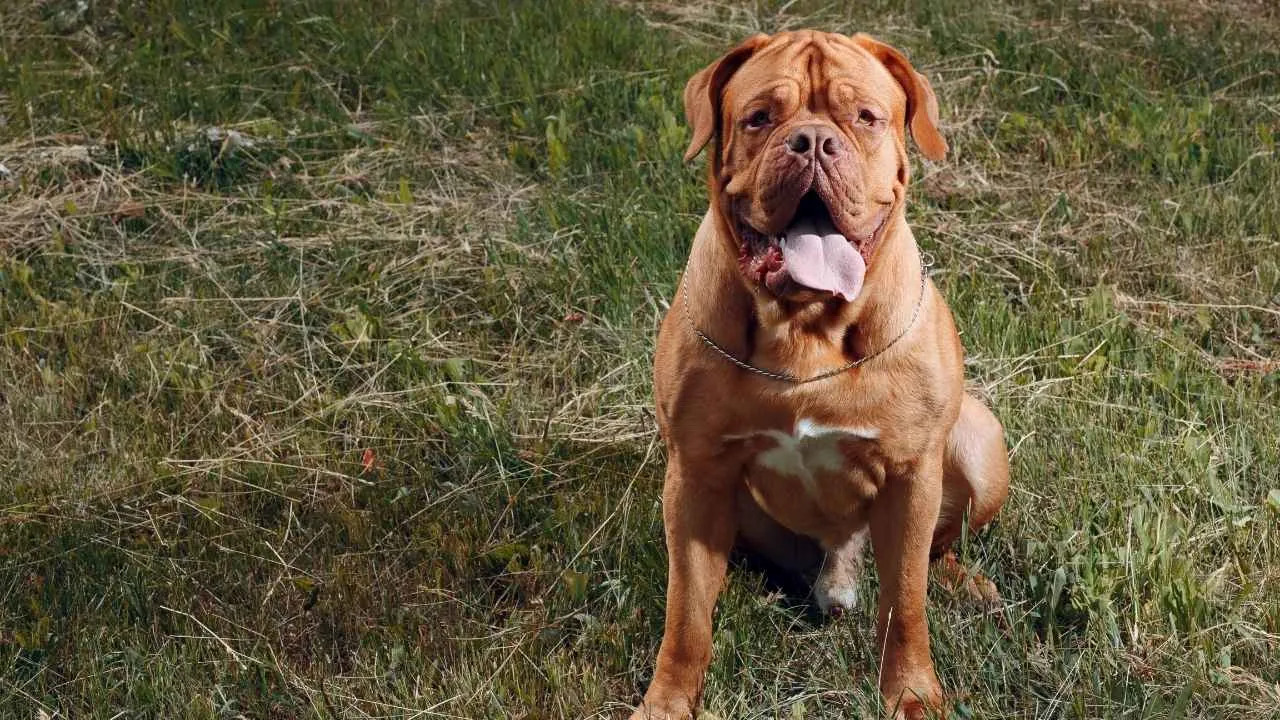
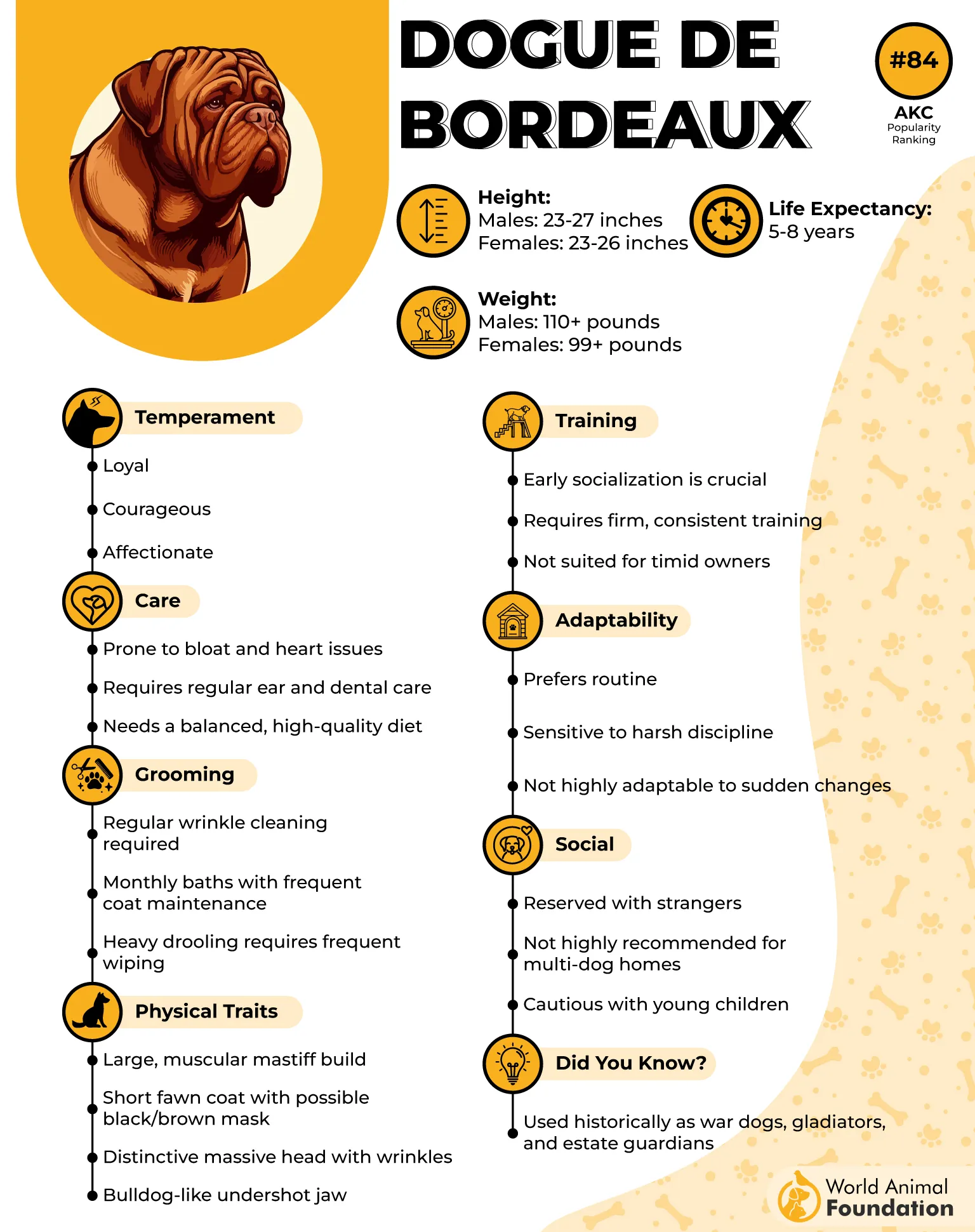
The Dogue de Bordeaux originated in France and belongs to the ancient mastiff family of European dogs. It was historically associated with guarding, hunting, and other forms of farm work. Its modern appearance includes a powerful body, broad head, and distinctive reddish short coat.
Basic Brushing and Facial Care
Its short coat generally needs only routine brushing to remove loose hair and keep the skin comfortable. Because the breed has facial wrinkles, owners should regularly check those areas for accumulated moisture or debris, as noted by Orvis. Nails, ears, teeth, and general skin condition should also be monitored.
A Low-Complexity Coat on a Giant Breed
The Dogue de Bordeaux does not need extensive trimming or coat shaping. A quick brushing session can often cover most of its fur, making coat maintenance relatively uncomplicated. Its wrinkles and substantial size, however, mean that overall grooming still requires consistency.
7. Boerboel
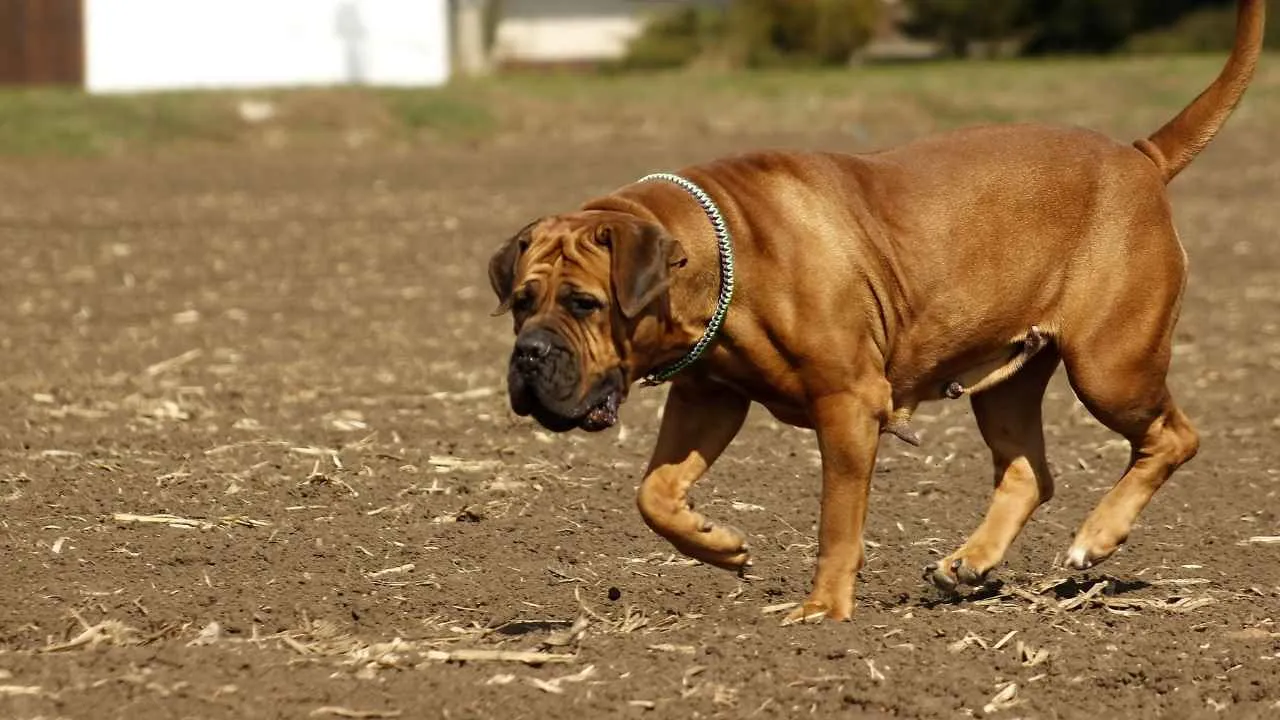
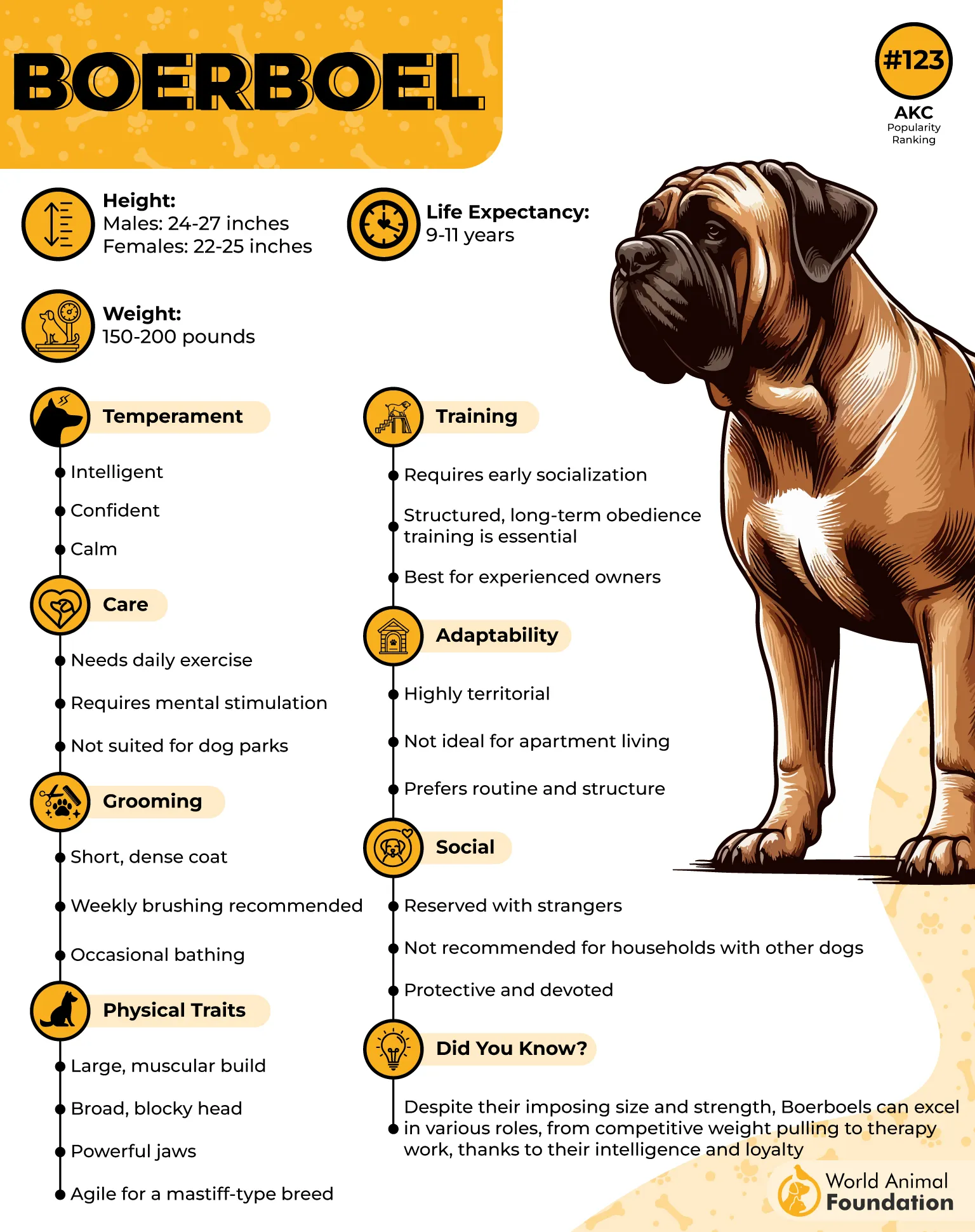
The Boerboel developed in South Africa as a powerful farm and homestead guardian. Its ancestry includes large dogs brought by European settlers along with other dogs found in the region. Selective breeding emphasized strength, endurance, confidence, and the ability to function in demanding rural settings.
Quick Brushing and Regular Hygiene
Boerboels have short, dense coats that are generally easy to brush. Weekly grooming can help remove loose hair and provide an opportunity to inspect the skin for abnormalities. Owners should also maintain routine nail, ear, dental, and bathing care.
A Dense Coat That’s Easy to Manage
The Boerboel’s coat does not require clipping or elaborate styling. Its short hair can be maintained with a brush or grooming mitt, although shedding still occurs. The dog’s substantial body means that even simple grooming sessions require enough room and a comfortable handling routine.
8. Neapolitan Mastiff
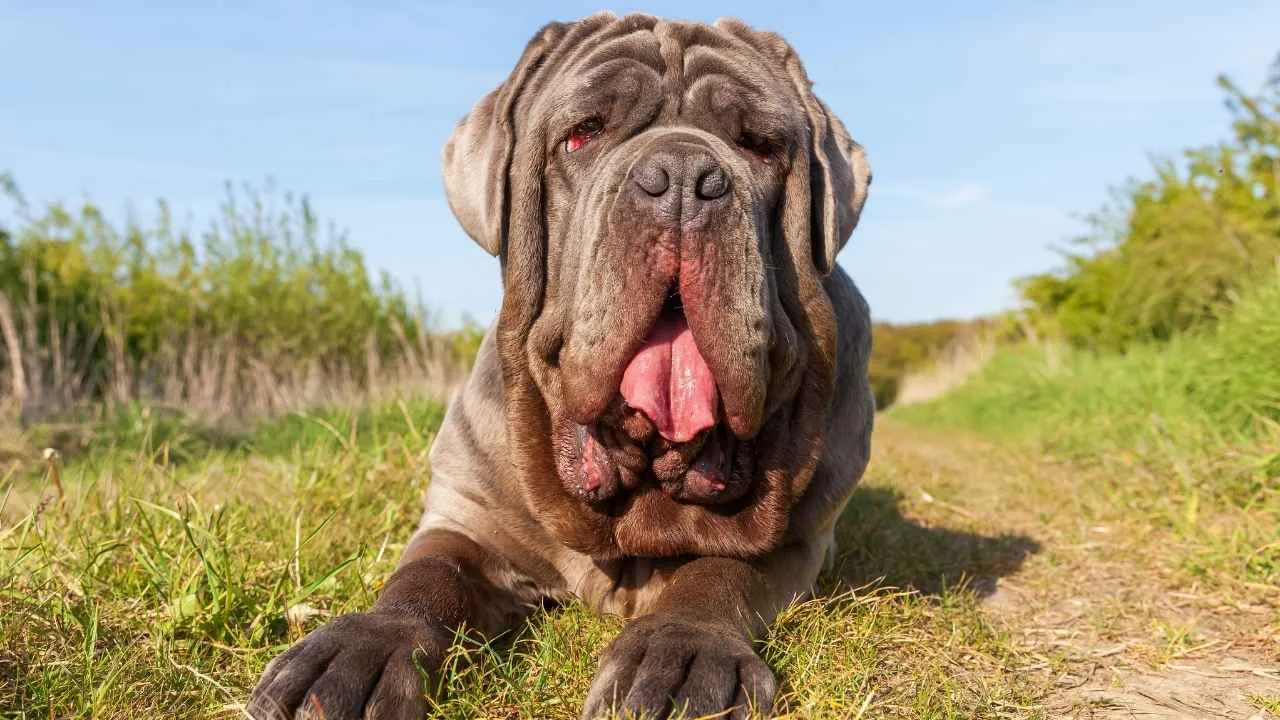
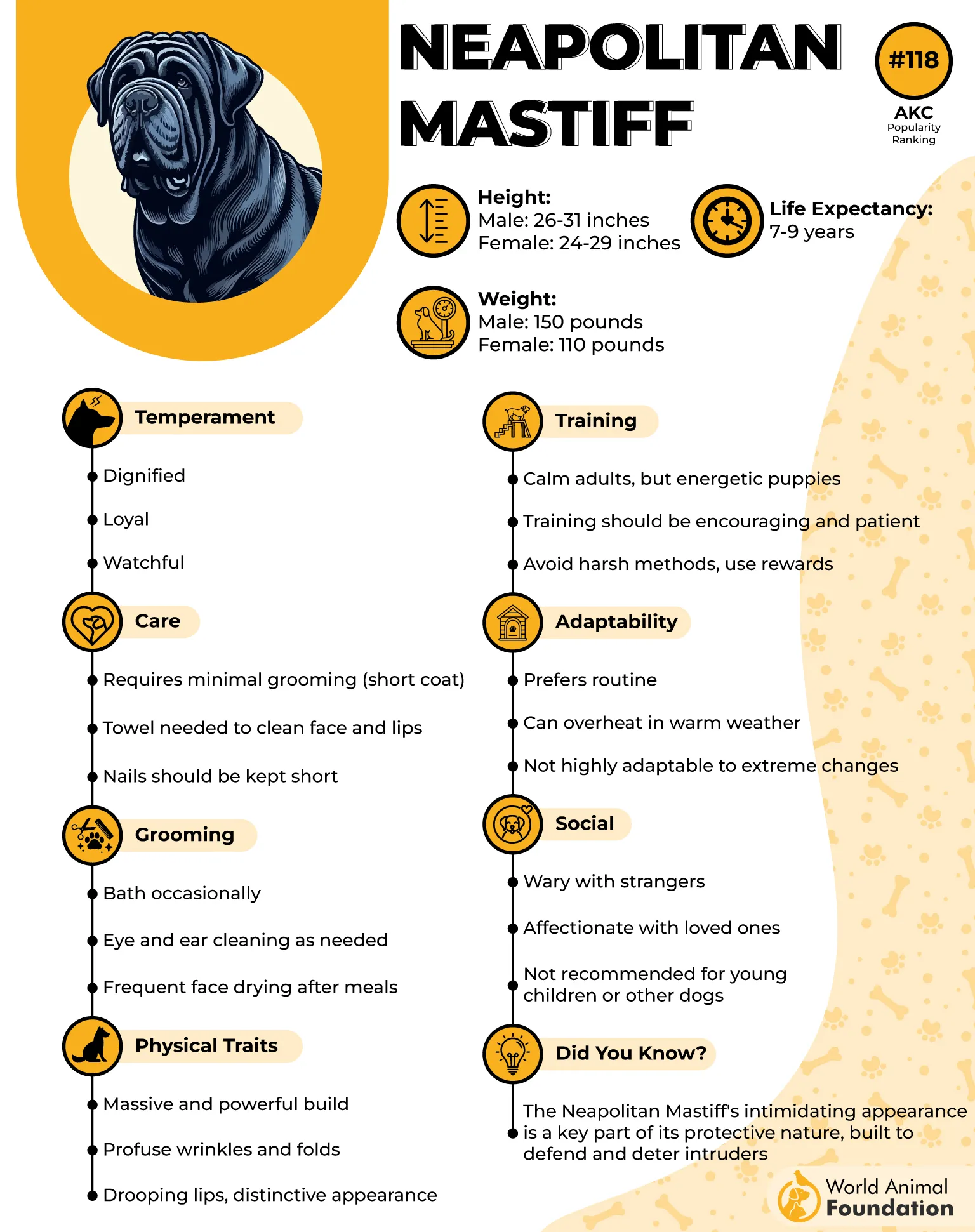
The Neapolitan Mastiff originated in Italy and developed from ancient mastiff-type dogs associated with the Naples region. Breeders valued dogs with substantial bodies and protective capabilities for guarding properties. Its loose skin, heavy wrinkles, and short coat became defining characteristics.
Short-Fur Care With Attention to Wrinkles
The breed’s coat itself is relatively simple to brush because the hair lies close to the body. Its numerous wrinkles require more attention than the fur, particularly around areas where moisture or debris can accumulate. Gentle cleaning and thorough drying can help support healthy skin.
Easy Brushing, More Detailed Skin Care
Neapolitan Mastiffs do not need complicated coat styling, but their skin requires careful observation. Loose facial and body folds can make routine hygiene more involved than the short hair initially suggests. Owners should therefore maintain a regular inspection routine alongside basic brushing.
9. Broholmer
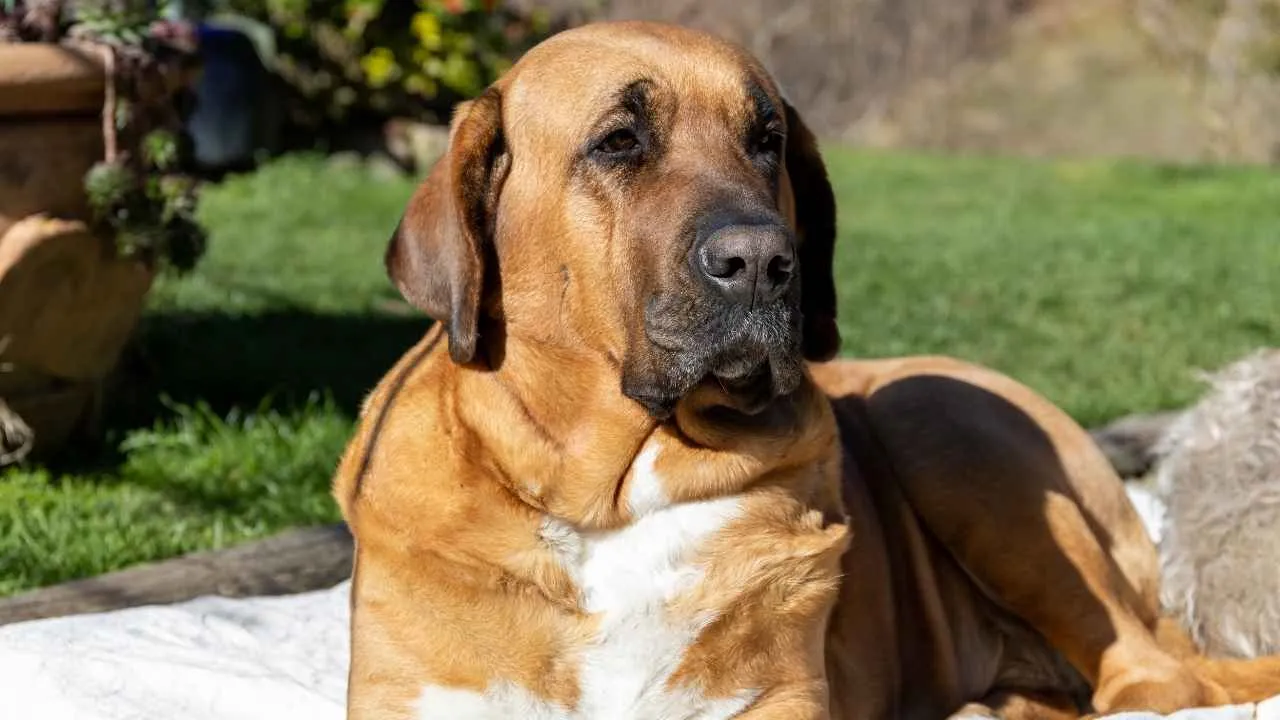
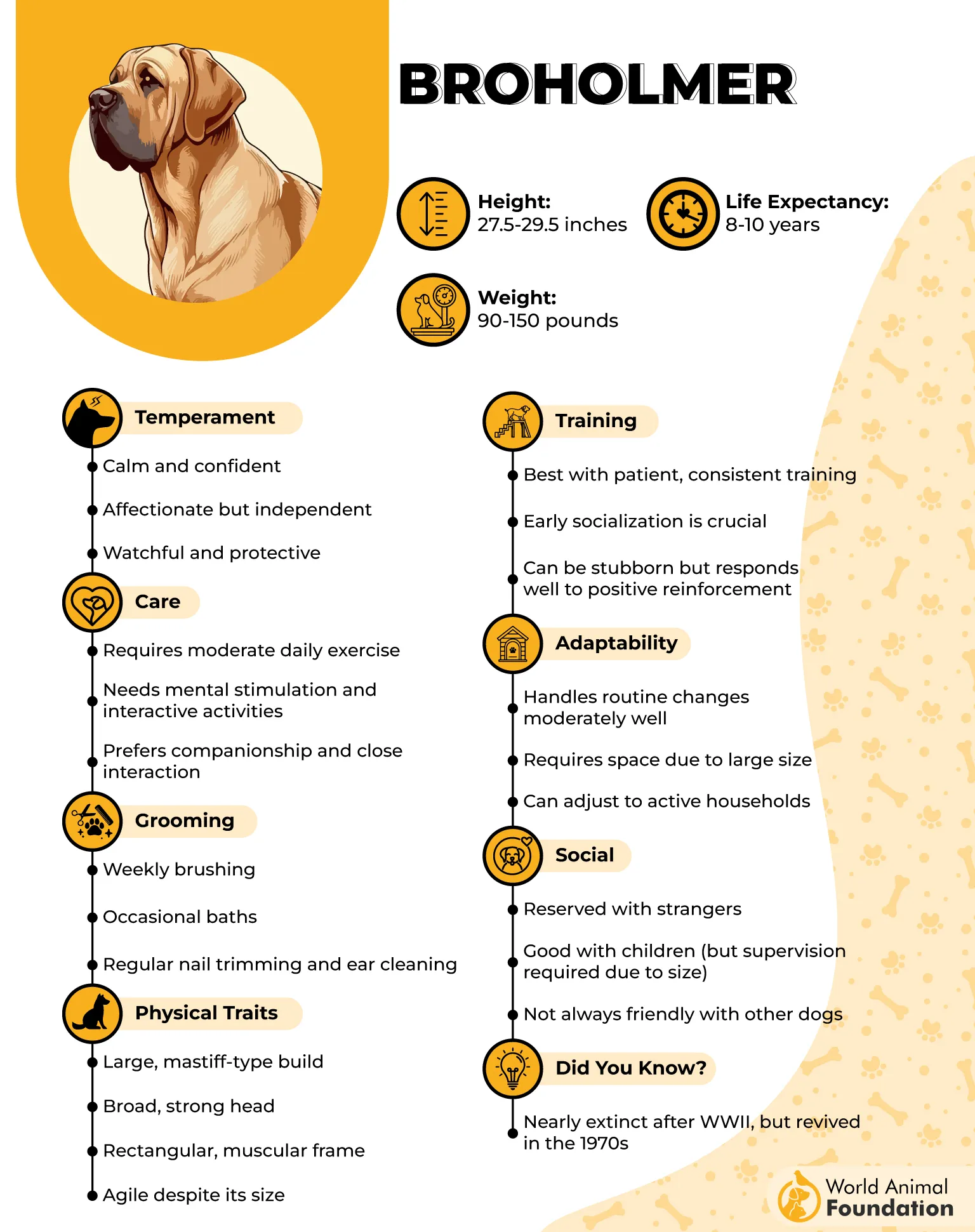
The Broholmer originated in Denmark and was developed as a large estate and farm dog. It was historically used for guarding properties and assisting with livestock-related work. The breed has a short, dense coat that reflects its practical working background.
Simple Brushing and Seasonal Maintenance
Broholmers generally have coats that are uncomplicated to brush. Regular sessions can remove dead hair and help distribute natural oils through the coat. During periods of heavier shedding, increasing brushing frequency can reduce the amount of loose fur around the home.
A Practical Coat for Everyday Living
The Broholmer’s coat requires considerably less styling than long-haired working breeds. Its dense hair can still shed, so owners should maintain a consistent grooming schedule. The straightforward coat can make routine maintenance easier while leaving more attention for exercise and training.
10. Spanish Mastiff
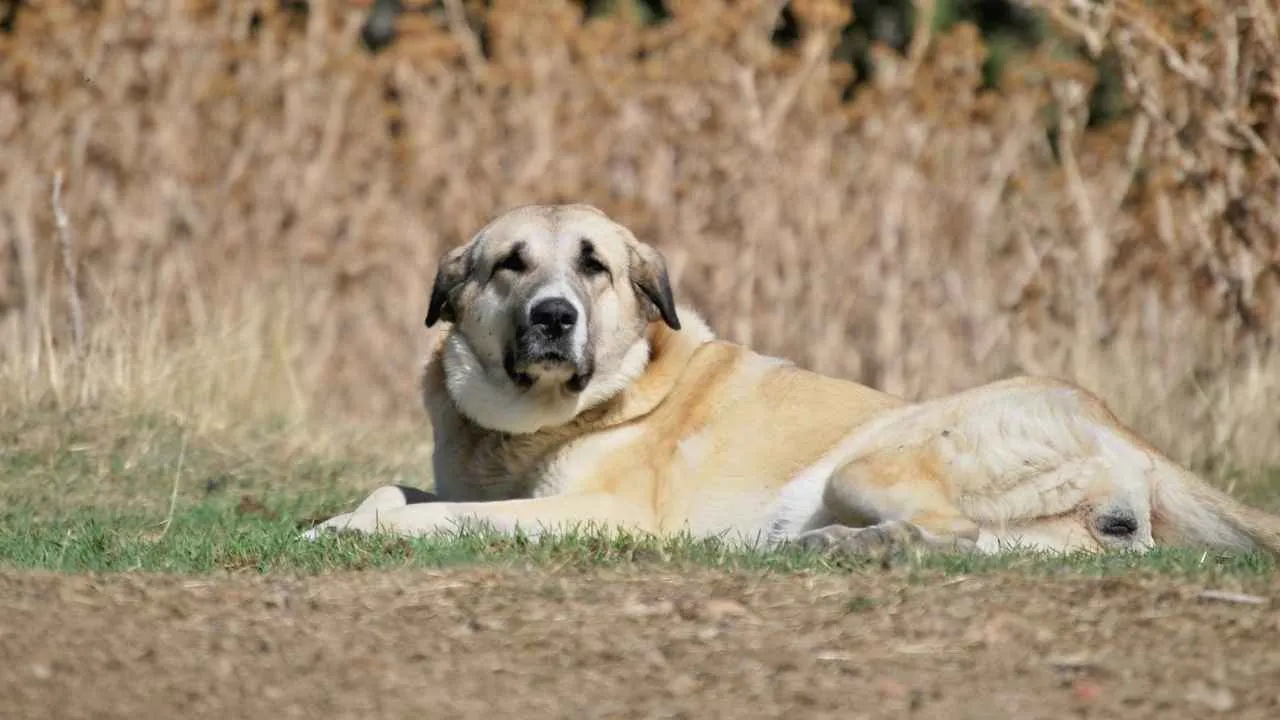
The Spanish Mastiff developed in Spain as a livestock guardian, particularly in regions where sheep were moved across long-distance seasonal routes. These dogs protected flocks from predators and worked in varied weather. Their dense coat provided useful protection while remaining relatively practical for a working dog.
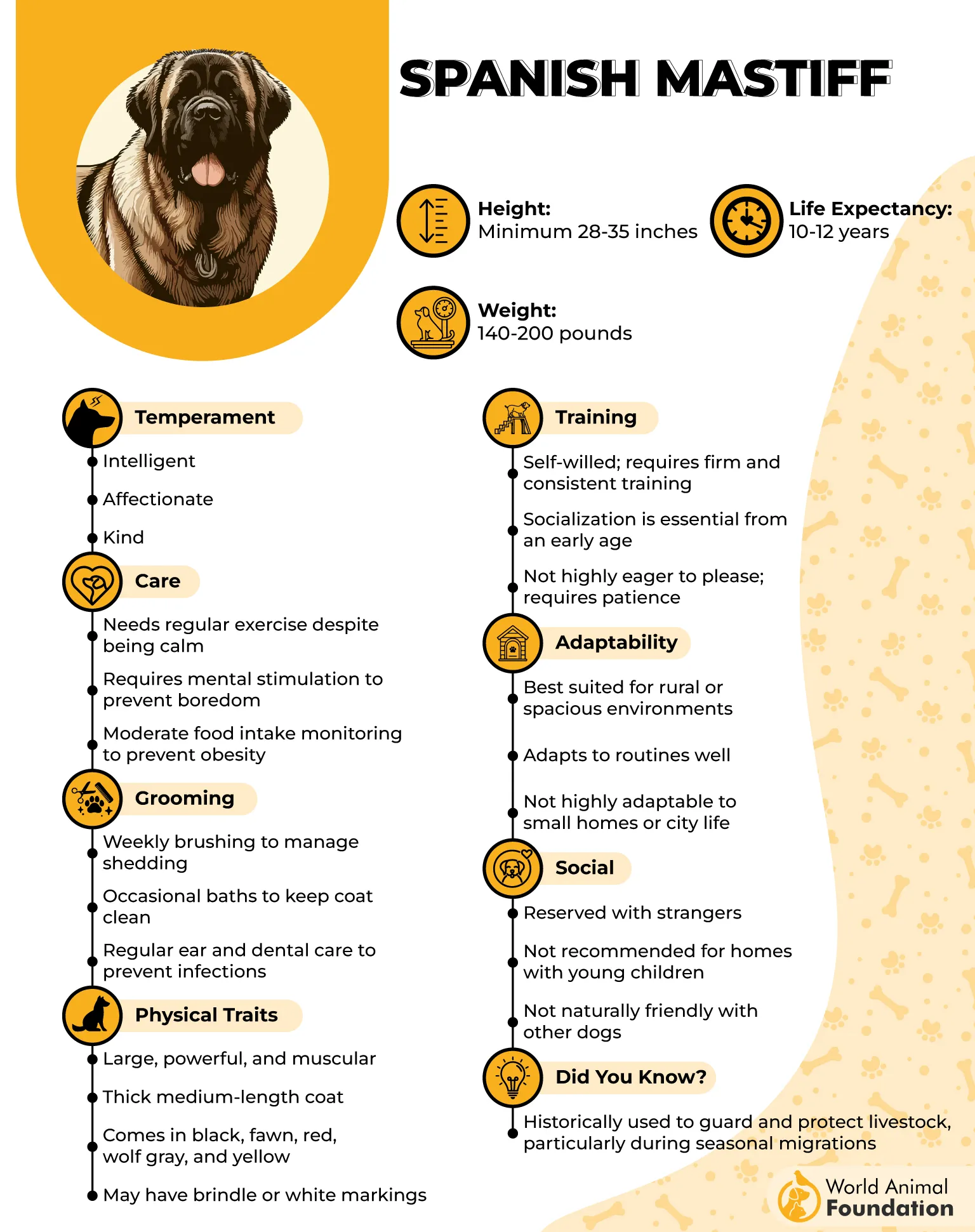
Brushing a Dense Working Coat
Spanish Mastiffs generally benefit from regular brushing to remove loose hair and keep the coat in good condition. Their heavier coat means they may require more attention during shedding periods than some smooth-coated mastiffs. Bathing, nail care, ear checks, and dental hygiene should also be part of routine maintenance.
Manageable Grooming for a Giant Guardian
Although the Spanish Mastiff has more coat than some breeds on this list, it does not require elaborate trimming or styling. Regular brushing can keep shedding more manageable and allow owners to monitor the skin. Its large frame means grooming sessions should be planned around comfort and safe handling.
Conclusion
Great Danes, Mastiffs, Bullmastiffs, Bloodhounds, and Dogues de Bordeaux all combine substantial size with coats that are relatively straightforward to brush. Boerboels, Broholmers, and Neapolitan Mastiffs likewise have short coats that do not require elaborate styling, although individual grooming considerations differ.
Anatolian Shepherds and Spanish Mastiffs have somewhat denser coats and may shed more heavily during seasonal changes. Their grooming remains practical when owners establish a consistent brushing routine and use appropriate tools.
A short coat can simplify brushing, but it does not mean a dog requires no grooming. Regular skin checks, bathing when needed, nail trimming, ear care, dental hygiene, and veterinary attention remain important regardless of coat length.
