




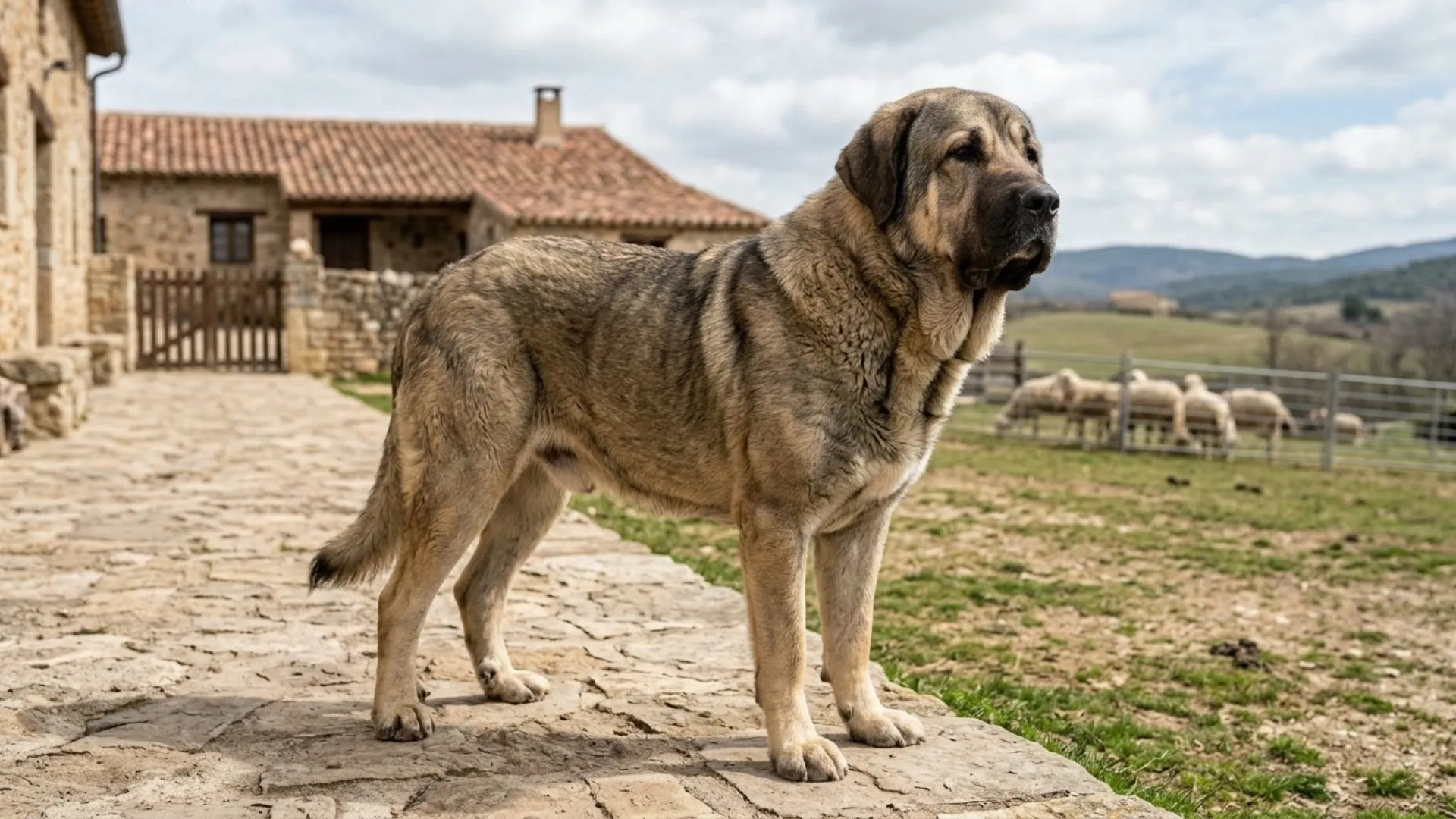
Let’s be honest: leaving a big dog home alone can feel like leaving a toddler with the keys to the pantry. You worry, you check the camera, and you pray the couch survives. But some large breeds are naturally better at solo time. They were bred to think for themselves, guard livestock, or simply relax while their people handled business.
That does not mean they want to be ignored all day. No dog does. It means a calm, well-trained giant may handle a normal workday better than a clingy breed.
Below are seven big breeds that can do well with reasonable alone time, if their exercise, training, and emotional needs are met. Think of them as the “I’ll hold down the fort” dogs of the canine world.
Big Dog Breeds That Excel When Left Alone
1. Great Pyrenees
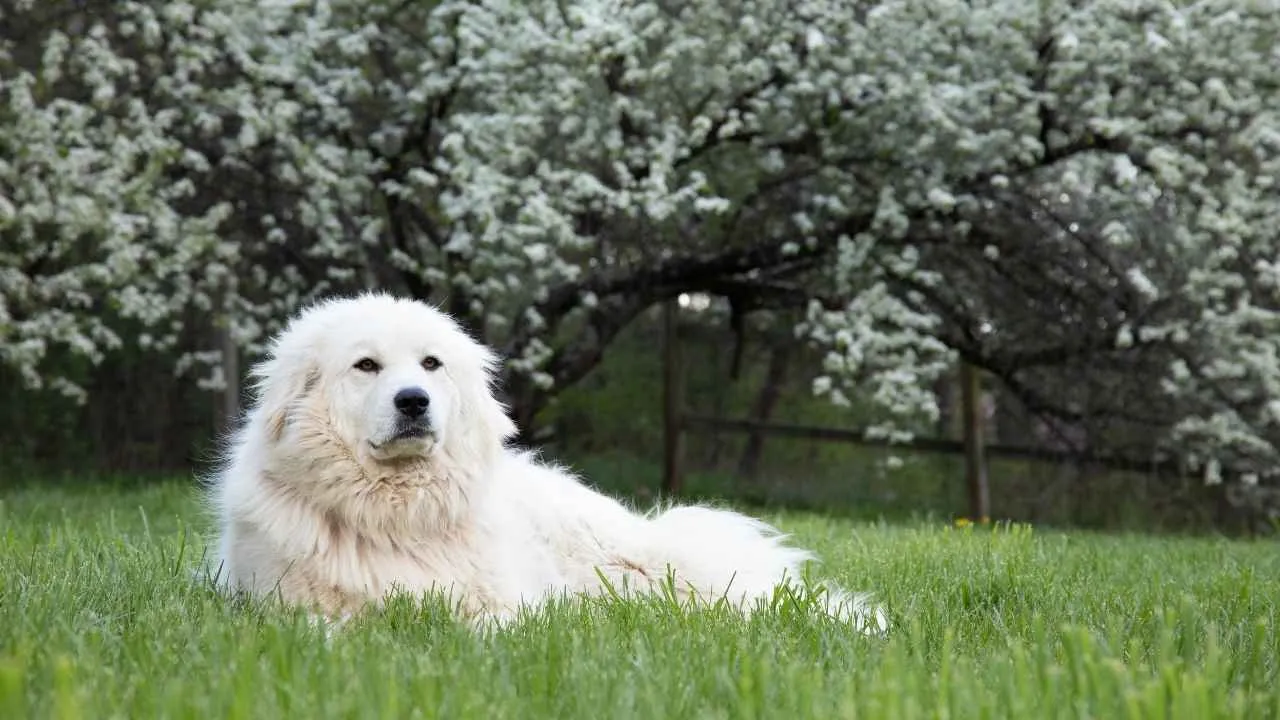
The guard dog was originally bred in the region of Spain and France for livestock protection against wolves and bears. Known for its calm and protective nature, the 3,000-year-old breed is kept as a companion dog today, according to Hill’s Pet.
The working breed was selectively bred to work alone for hours and even days. It generally has low energy and conserves it for the night to stay vigilant while sitting in one place. The affectionate dog maps out a defensive perimeter and utilizes vantage points to keep an eye on surroundings. However, the breed has a low prey drive.
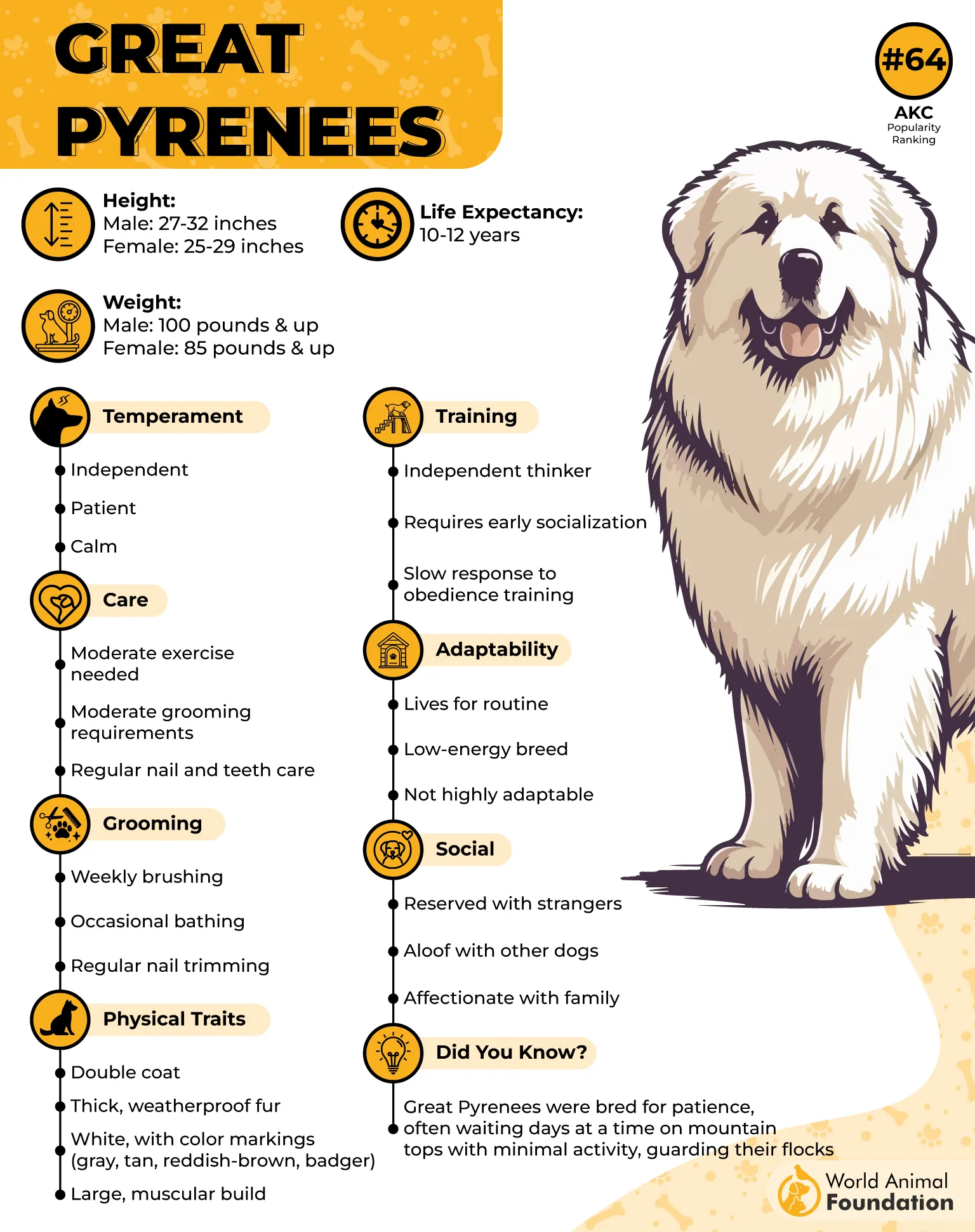
The dog breed needs 30-60 minutes of daily physical exercise and mental stimulation. It has short bursts of energy followed by a prolonged resting phase and can easily sleep for 8 hours a day.
2. Spanish Mastiff
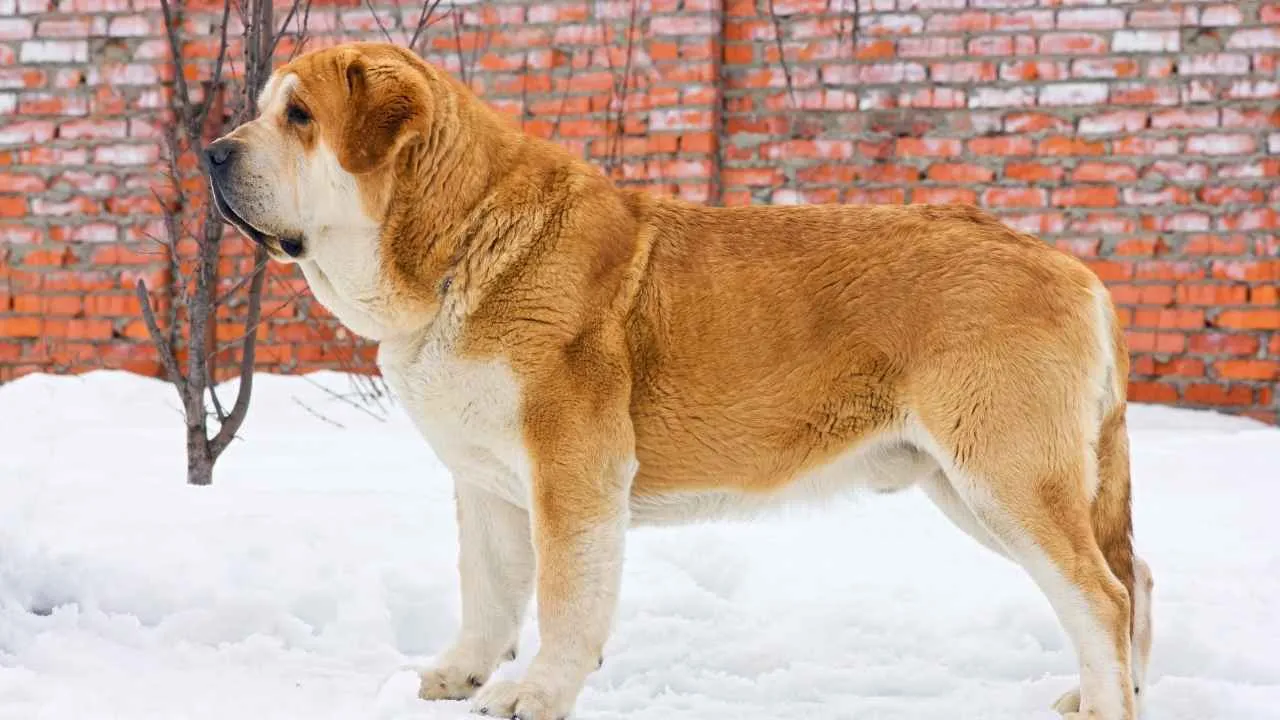
Also known as the Mastín Español, the breed was developed in Spain as a guard dog for livestock. Later, it was adopted as a defense and a companion dog. Existing for almost 2,000 years, the breed can look after up to 100 sheep at once. The dog is known for its double dewlap, a large head, and muscular body.
The breed has a high threshold for reactivity and shows aggression only when there is an actual threat. With its spatial memory, the dog establishes protective zones and calculates entry paths for predators. Despite being ‘lazy,’ the large dog has a few health issues and needs minimal grooming.
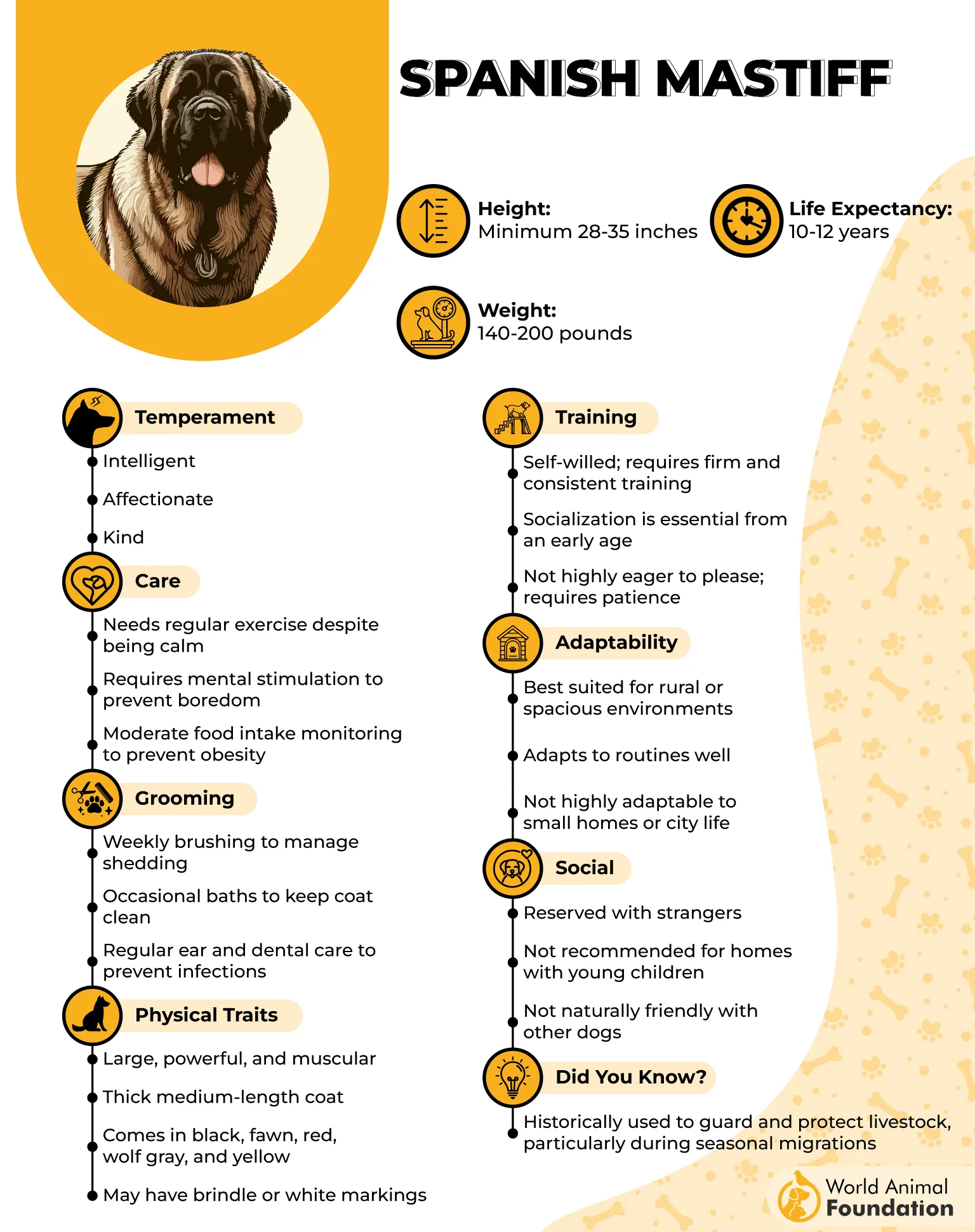
It has low-to-moderate energy levels and needs 45-60 minutes of regular exercise. It naturally crashes out during the day to rest. It produces a booming bark in defence
3. Kuvasz
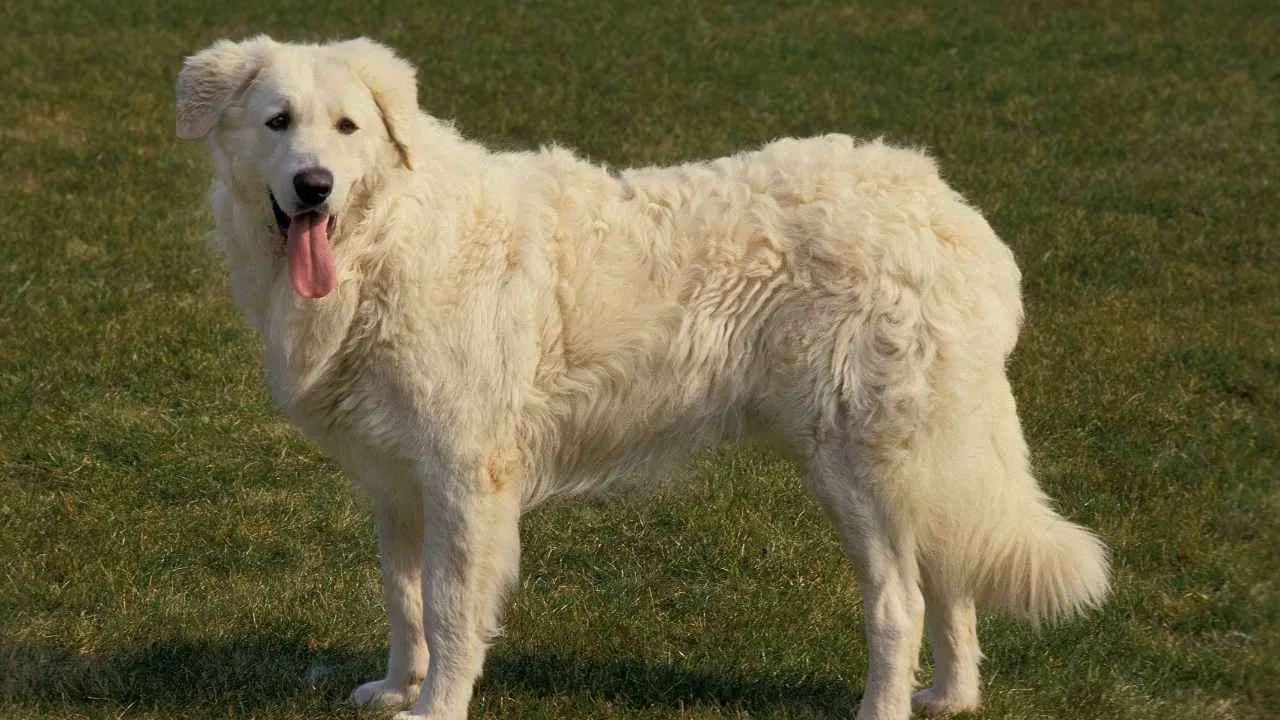
Thought to have originated in Tibet, the breed got its name from Turkiye. Then it arrived in Hungary, where it was adopted as a livestock guardian. Favored by the royalty, it was trusted by King Matthias in the 15th century more than men around him, as reported by Chewy.
The dog has a low emotional dependency and does not get bored easily. It works on the ‘assess-then-act’ method and watches silently before it intervenes physically. The breed has a high weather tolerance because of the double coat, helping it work outdoors for hours. Despite being bigger in size, it relies on remarkably little food.
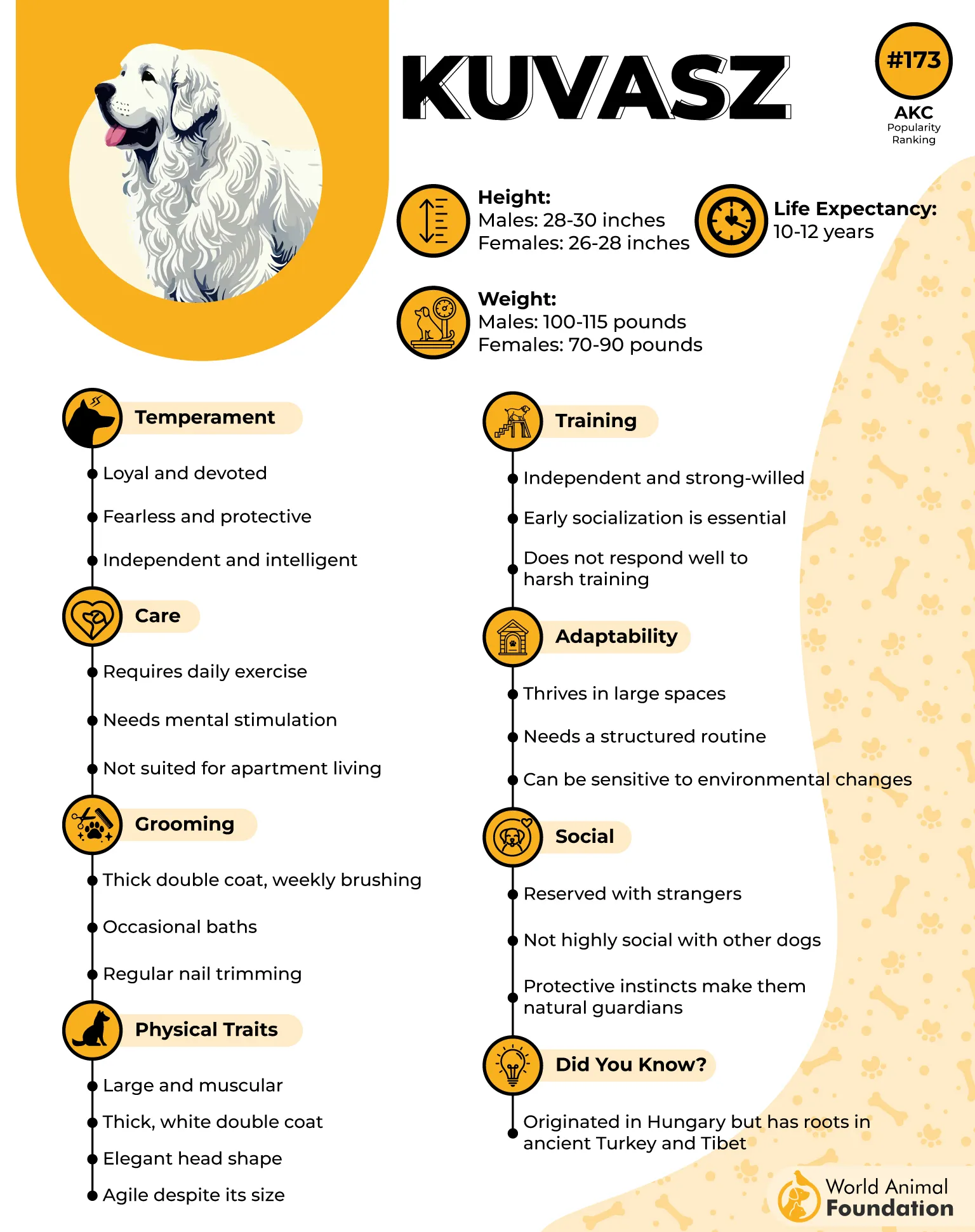
High intelligence requires daily mental stimulation, such as food puzzles and scent work. It naturally holds its head low at its shoulders when relaxing. It has a smooth ‘switch-off’ mode and goes back to a resting phase once the threat is diminished.
4. Tibetan Mastiff
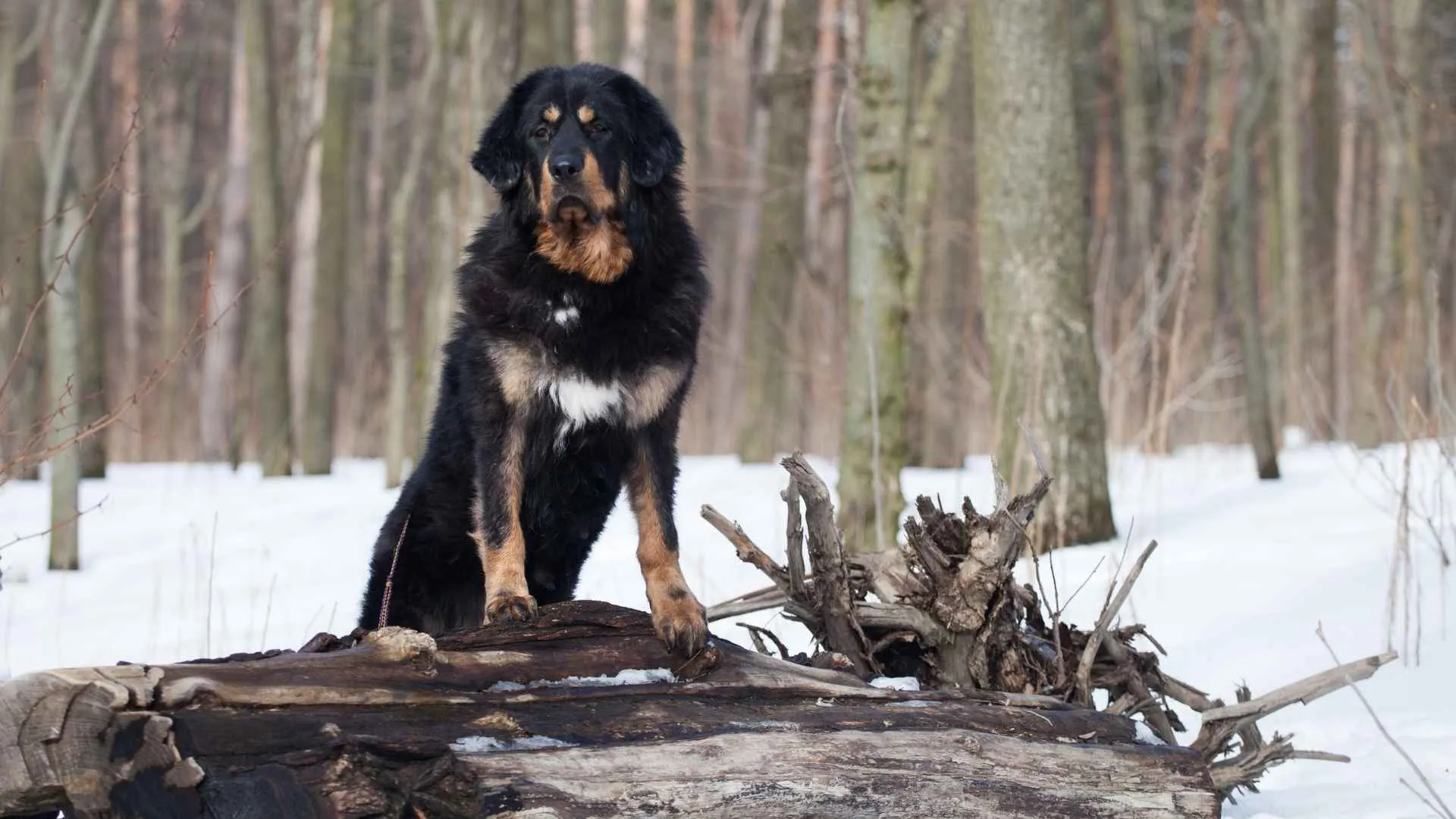
The protection dog was developed in China in 1,100 BCE, where it was named ‘do khyi’ (home guard) in the native language. Known for its wedge-shaped head, golden double coat, and loyal nature, the breed has a 3,000 years old history. However, the current version is relatively new.
It tends to rest during the day and becomes active at night. With its cat-like temperament, the dog is self-assured and is not prone to separation anxiety. The quiet breed has a slow metabolism and tends to conserve its energy systematically. The dog opts for visual and vocal deterrence rather than acting aggressively.
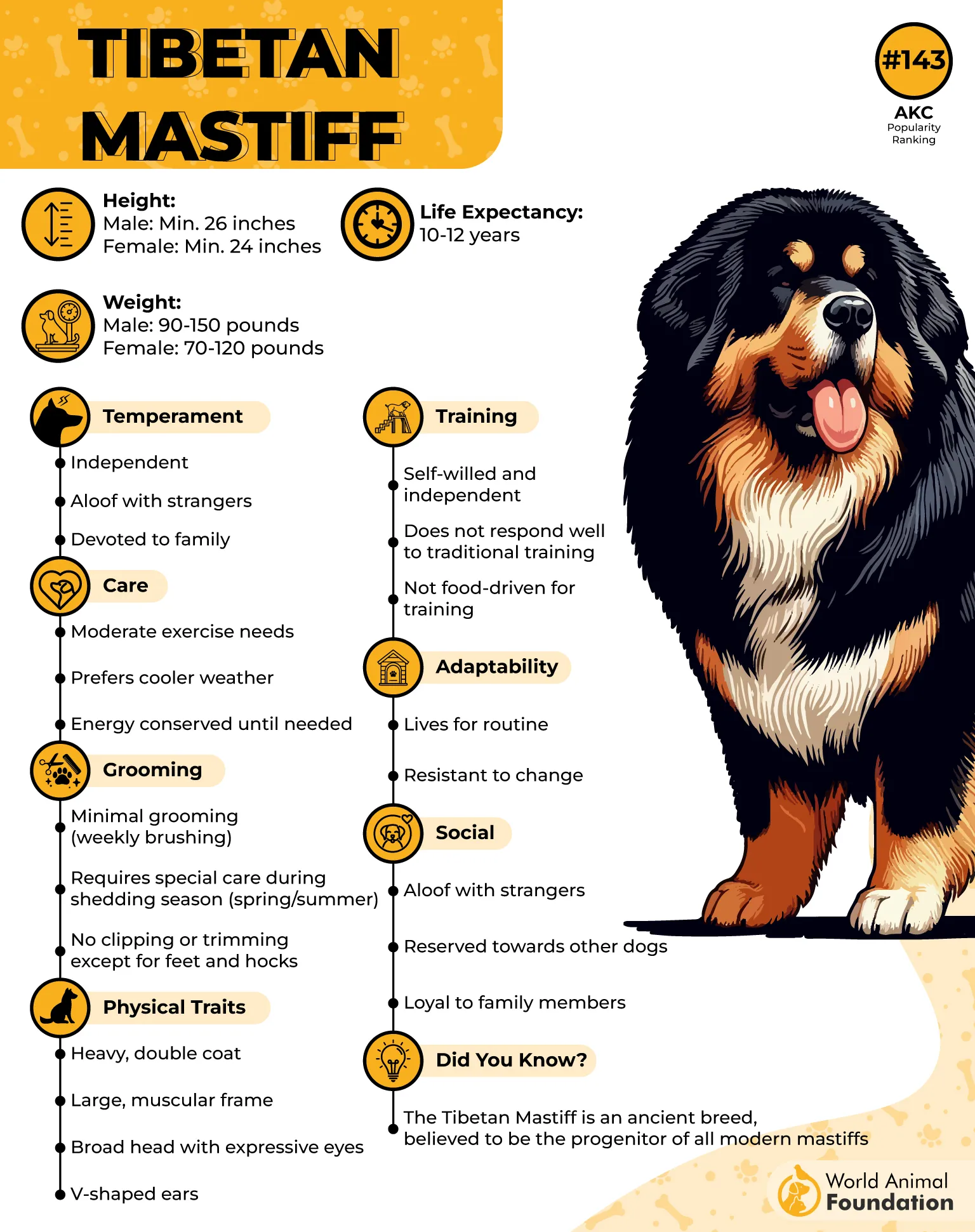
The mastiff breed relies on sentry patrols over running and has regular exercise needs (30-60 minutes): daily walks, soft fetching, and indoor games. The breed is prone to chewing when understimulated.
5. Irish Wolfhound
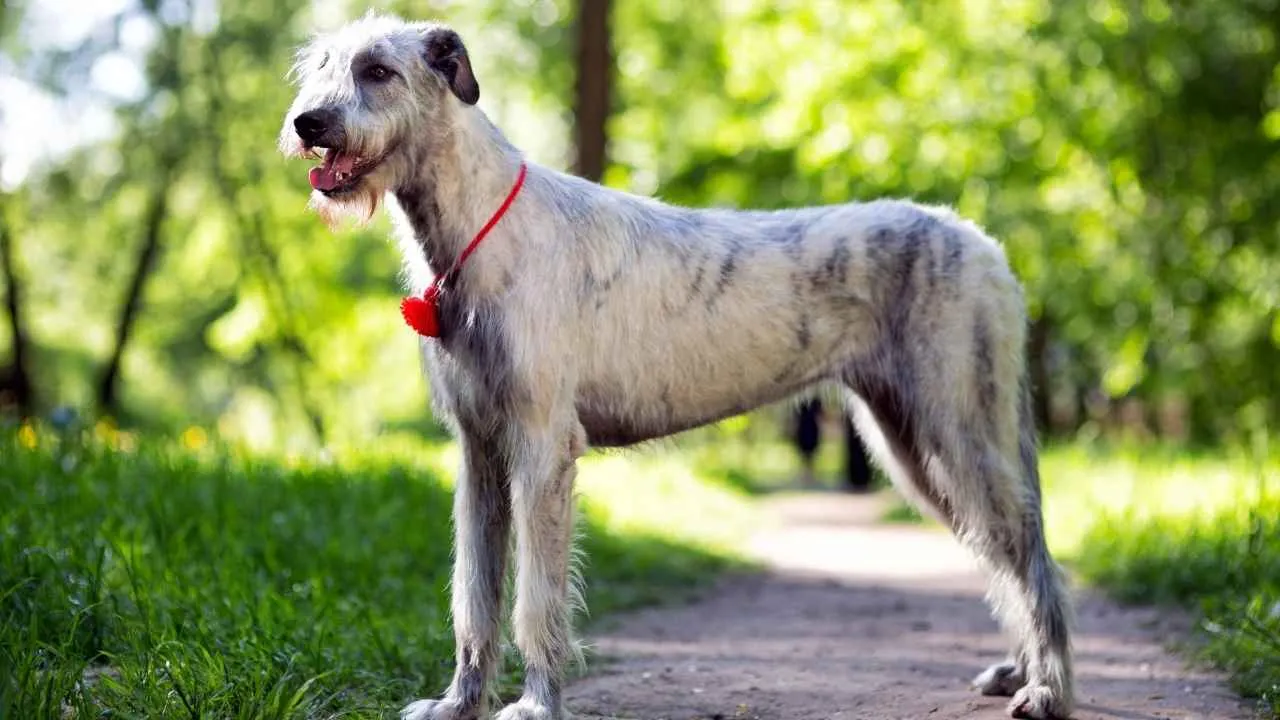
The ancestor was an adaptable sighthound that was taken to the United Kingdom some 3,000 years ago and was interbred with the Mastiff to create a Greyhound-like dog. This resultant breed was crossed with the Irish sheepdog, producing the Irish Wolfhound, says Purina.
The gentle giant has a low energy level and tends to remain calm indoors. The quiet disposition means it rarely barks at random things. The breed is slow-processing and highly analytical rather than reactive. The massive frame requires considerable time for rest to support its heavy bones and joints.
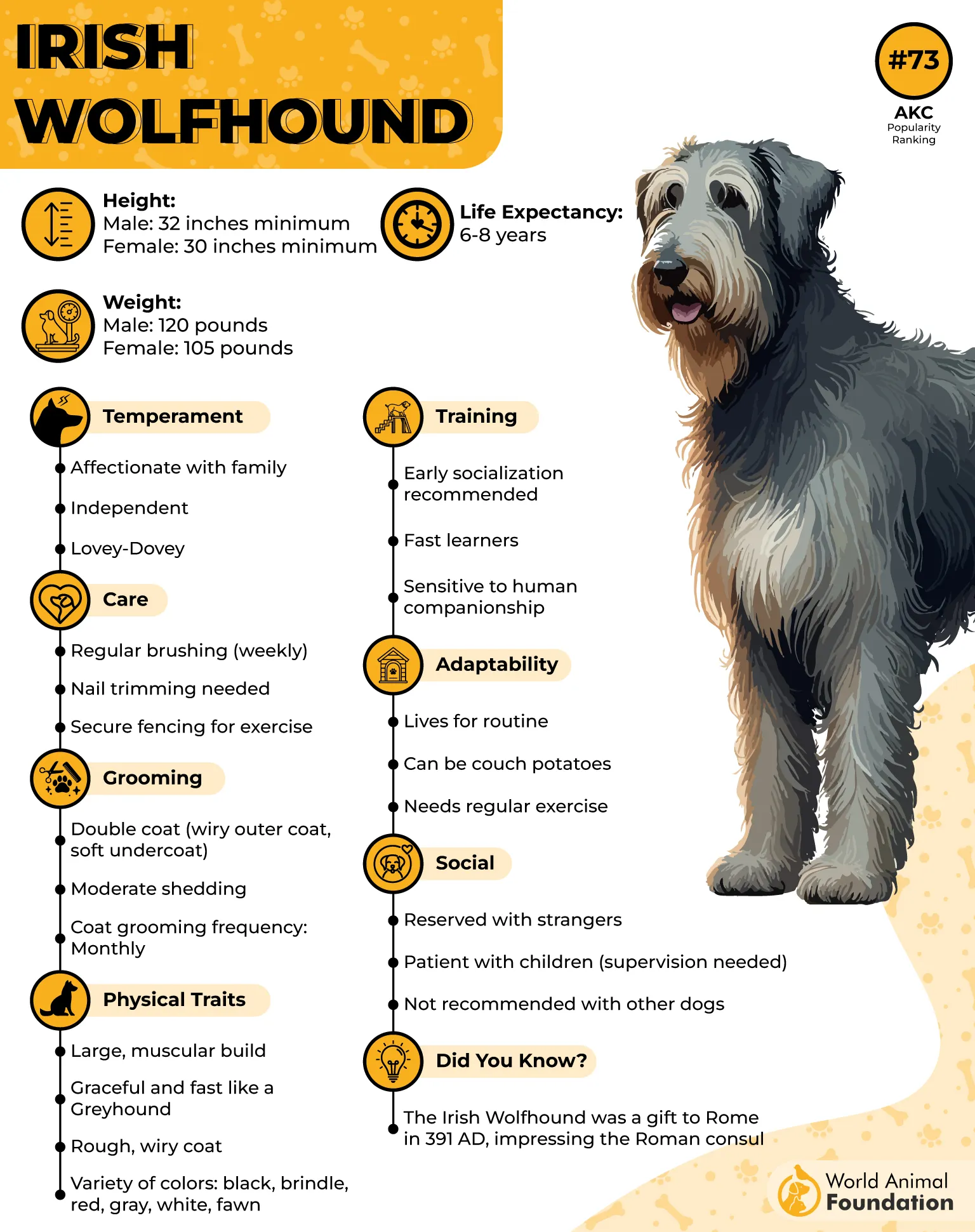
The couch potato needs 45-60 minutes of daily walks and free yard play. It naturally maintains a low heart rate and does not require high-impact exercise. The hyper-vigilant breed barks only to alert the owner of a potential threat.
6. Scottish Deerhound
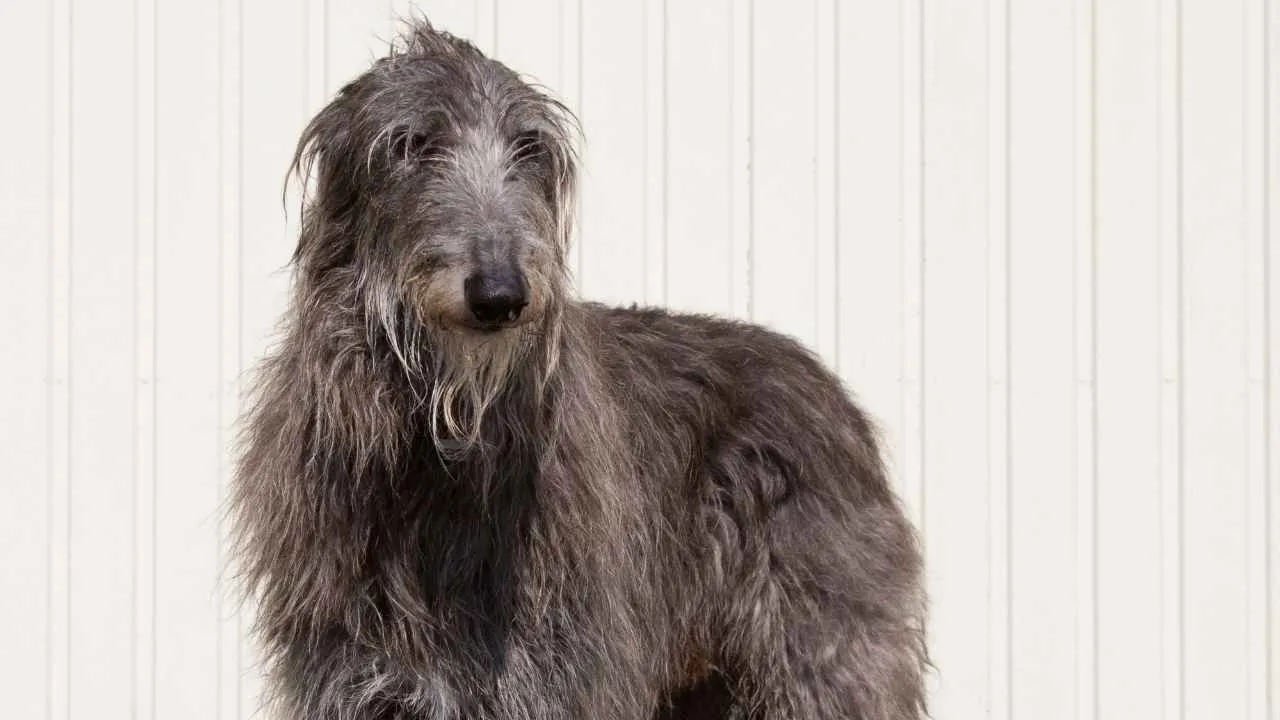
The breed was developed in Scotland as a hunting breed, specifically for deer hunting. However, it has been around since the Middle Ages. The number declined in the 19th century after gun hunting became a trend. The population is still low today despite having a devoted and easygoing nature.
It does not possess a demanding nature and tends to rest when alone. The breed has no territorial or watchdog instincts and has a lower risk of isolation-induced stress. The dog is slow to mature and can be destructive if left alone for a longer period of time. It was built for short sprinting rather than endurance.
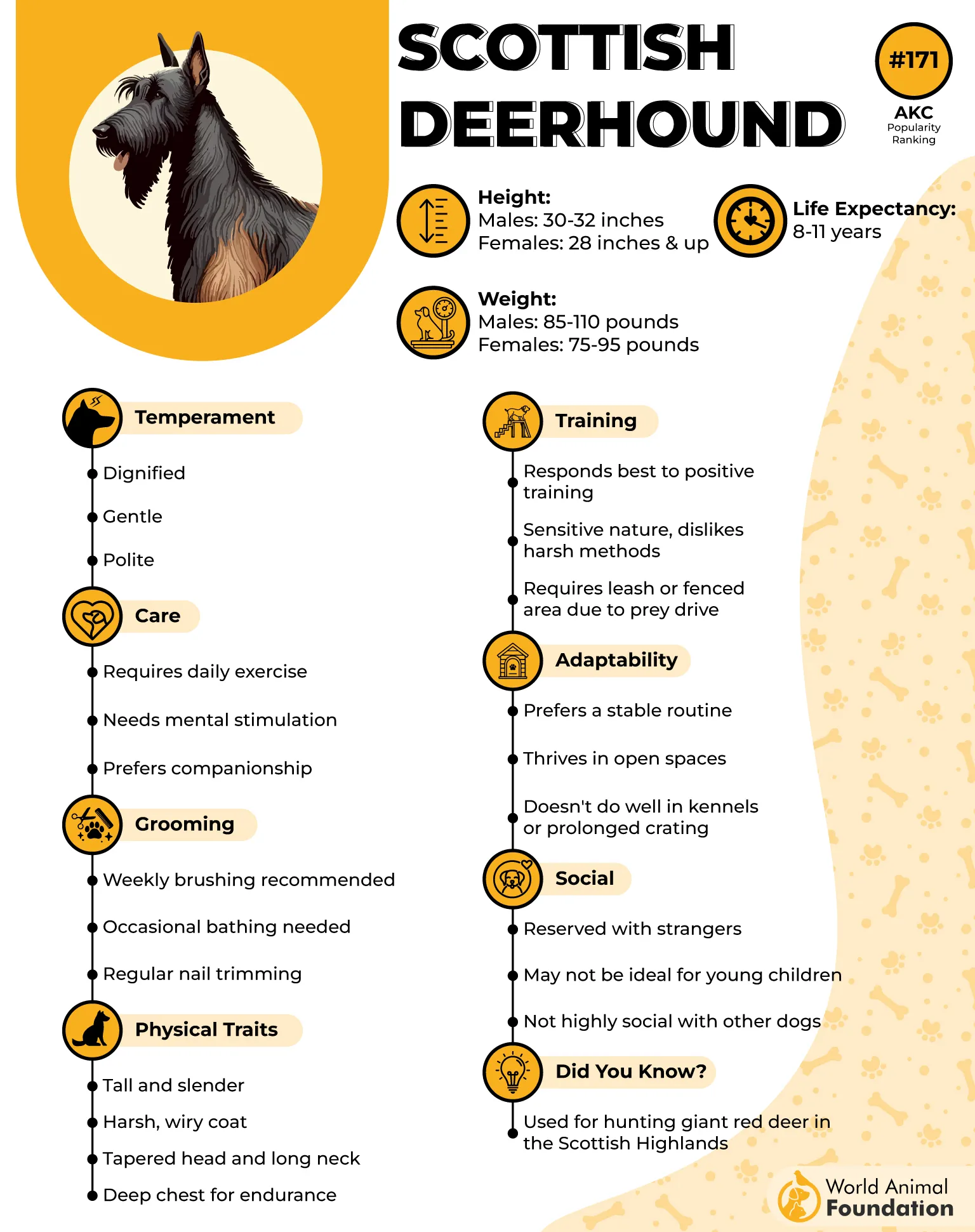
The friendly companion can jump over a 6 ft height because of its high prey drive. However, low-impact exercise is recommended for puppies because of their developing joints and bones.
7. Caucasian Shepherd
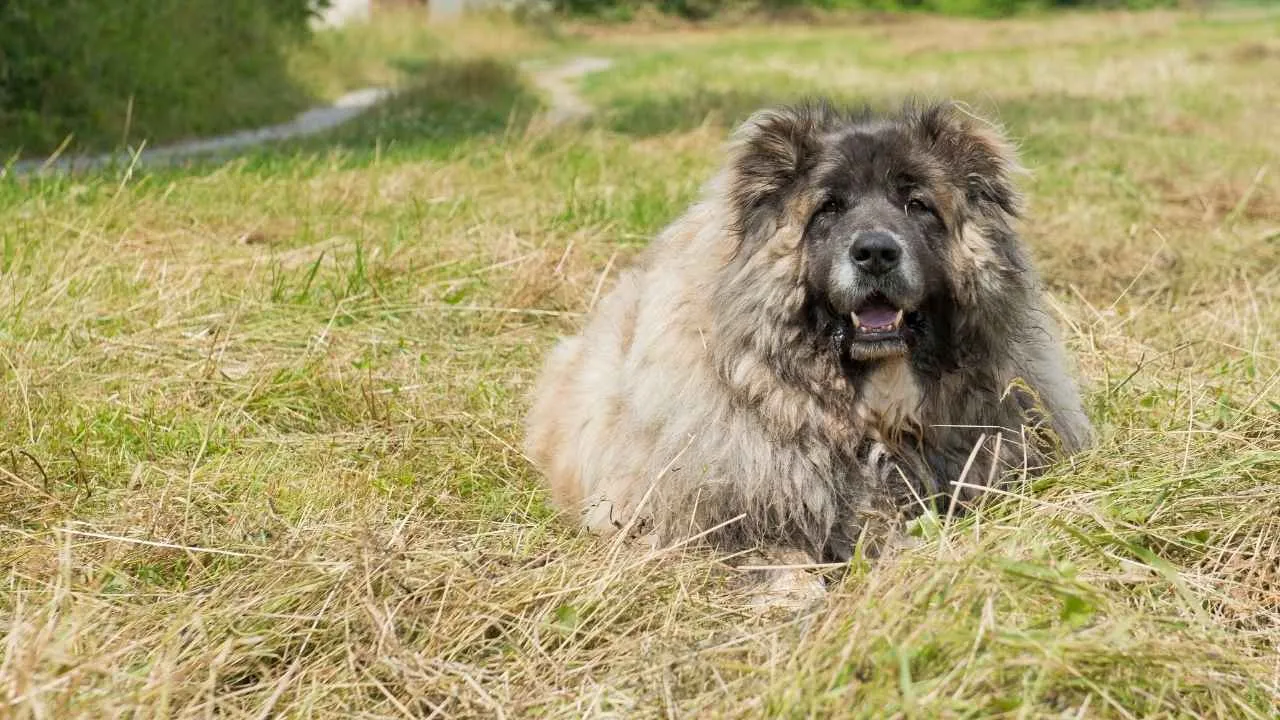
The breed has existed for centuries in Asia and Europe. The primary purpose was to protect livestock and guard property. The dog comes in two varieties: the steppe type (has a short coat and is lighter in weight) and the mountain type (has a longer coat and is heavier in weight).
The breed was designed for 24 hours of vigilance. It has a natural instinct to identify and neutralize predators, such as wolves and bears, by body blocking and with minimal barking.
It prefers slow and steady patrol walks to conserve energy for future physical confrontations. The dog has a high pain tolerance, allowing it to absorb injuries quickly.
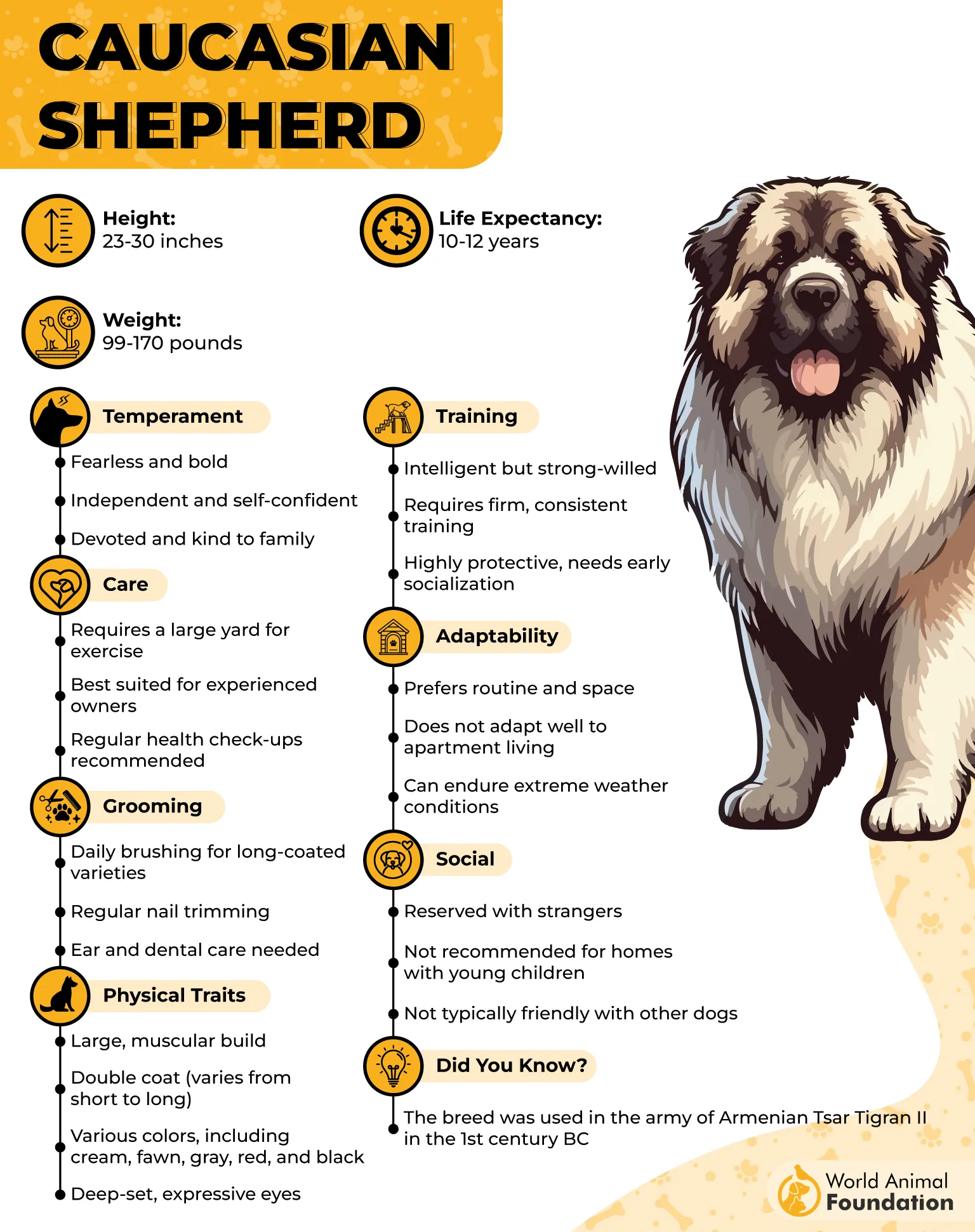
The dog naturally positions itself at the point where it can have a view of maximum territory. High fencing is recommended outdoors as it is prone to escape. The dog breed is aloof towards strangers and needs early socialization and proper training.
Conclusion
Big dogs are not just bigger versions of small dogs. They come with bigger hearts, bigger appetites, bigger vet bills, and, sometimes, a bigger ability to relax without you glued to their side. If your life includes long workdays, choose a breed that matches your routine honestly. Then build up alone time slowly, leave enrichment activities, and make arrivals and departures calm.
The best breed is not the one that looks impressive in photos. It is the one whose needs fit your real life. Choose with your head, love with your heart, and your giant companion will reward you with loyalty that is hard to beat.
