




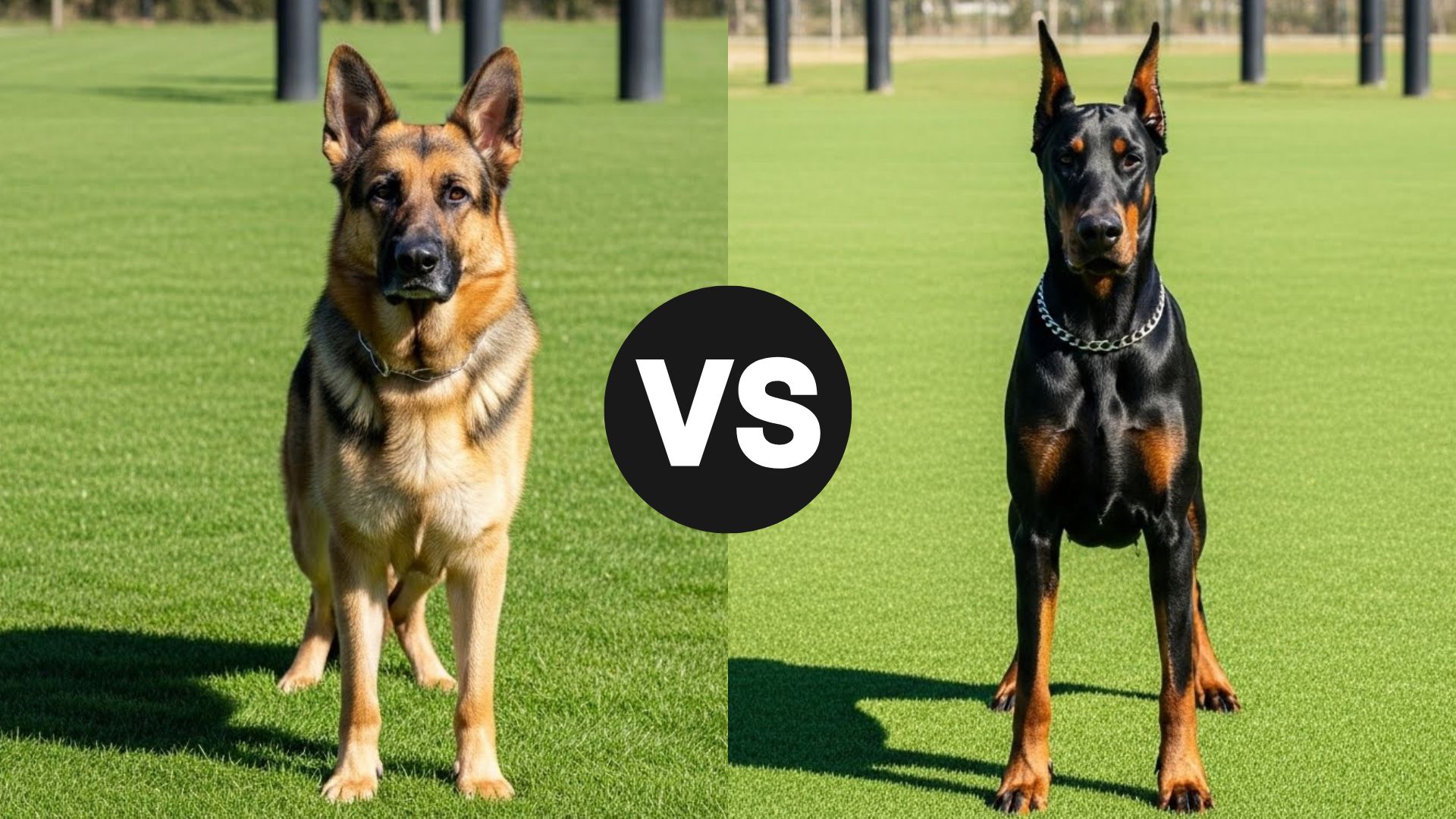
Looking for the perfect dog can feel both exciting and overwhelming. With so many breeds out there, each with its own story and purpose, figuring out which one fits your life takes a bit of thought. Choosing a canine companion is a journey full of curiosity and imagination.
Some dogs have earned global recognition for their versatility and unique backgrounds. From working roles to loyal companionship, these breeds have fascinated people for generations and continue to capture attention today.
In this blog, we’ll take a closer look at the German Shepherd and Doberman Pinscher. You’ll learn about their history, lifestyle needs, and what it’s like to live with each, helping you decide which breed could be your ideal companion.
Big Differences: German Shepherd vs. Doberman
Overview
The German Shepherd is the world’s most recognizable working dog. With a thick double coat and a sturdy frame, they are built for endurance and rugged outdoor tasks. They are often seen as the “all-purpose” dog, capable of transitioning from a seeing eye dog to a high-stakes search and rescue partner.
The Doberman Pinscher, by contrast, is the “aristocrat” of the canine world. They possess a short coat, a sleek silhouette, and a lean, muscular build that screams speed and agility. Often referred to as velcro dogs, they are less about roaming the yard and more about staying glued to your side.
History & Purpose
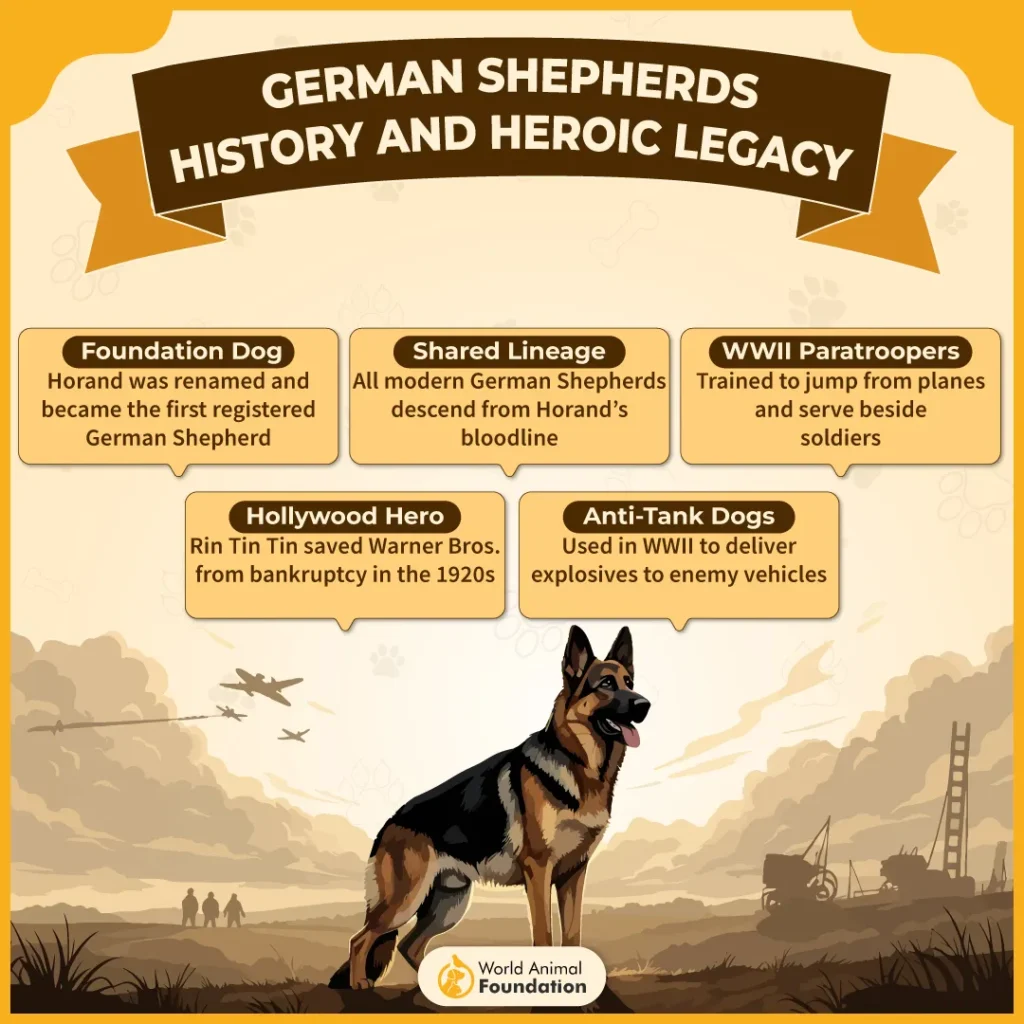
The GSD breed owes its lineage to Captain Max von Stephanitz, who sought to standardize a herding dog with unparalleled intelligence. His vision created a dog that could think independently while remaining fiercely loyal to its handler. This history as a herder means the German Shepherd is naturally inclined to “round up” its family and keep a watchful eye on the perimeter.
The Doberman was developed with a more singular focus: personal protection. Britannica mentions that Louis Dobermann, a German tax collector, needed a large dog to intimidate potential attackers while he made his rounds. By mixing the German Pinschers, Rottweilers, and perhaps some Greyhound, he created a fearless guardian that prioritizes the safety of its person over the safety of a piece of property.
Size & Physical Build
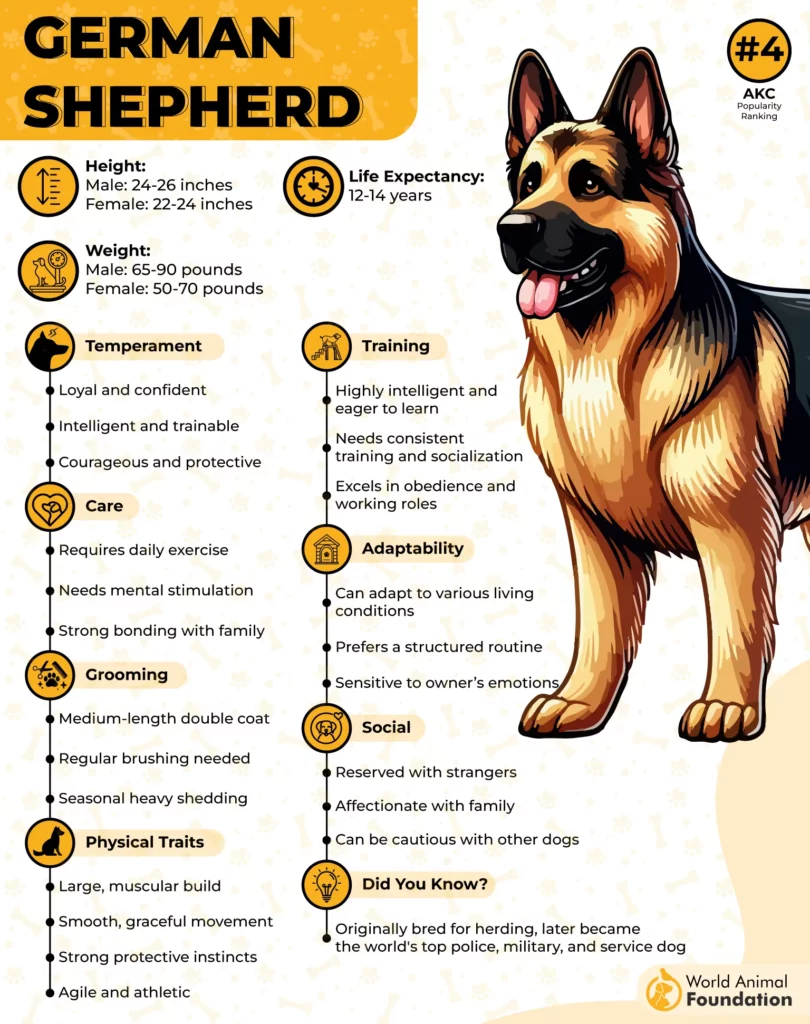
German Shepherds are strong, well-built dogs with a balanced and muscular look. They carry themselves with confidence and always seem ready for action. Their bodies are large and deep-chested, a bit longer than tall, with smooth, rounded lines instead of sharp angles. Overall, they have a sturdy and solid frame.
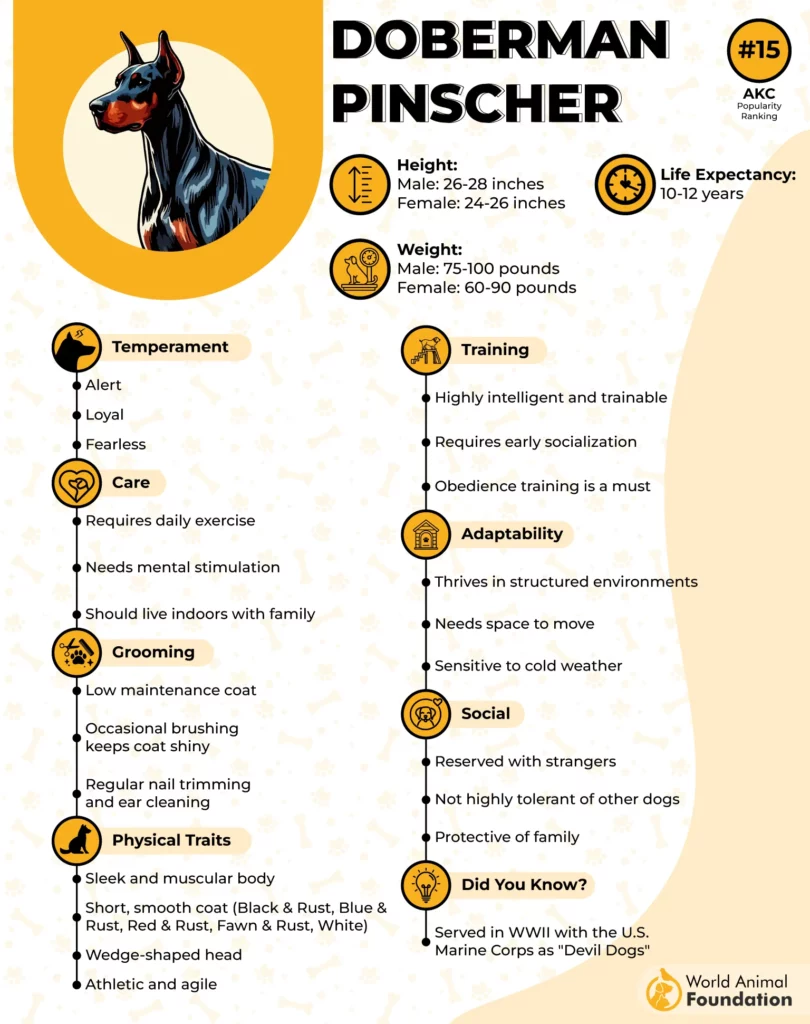
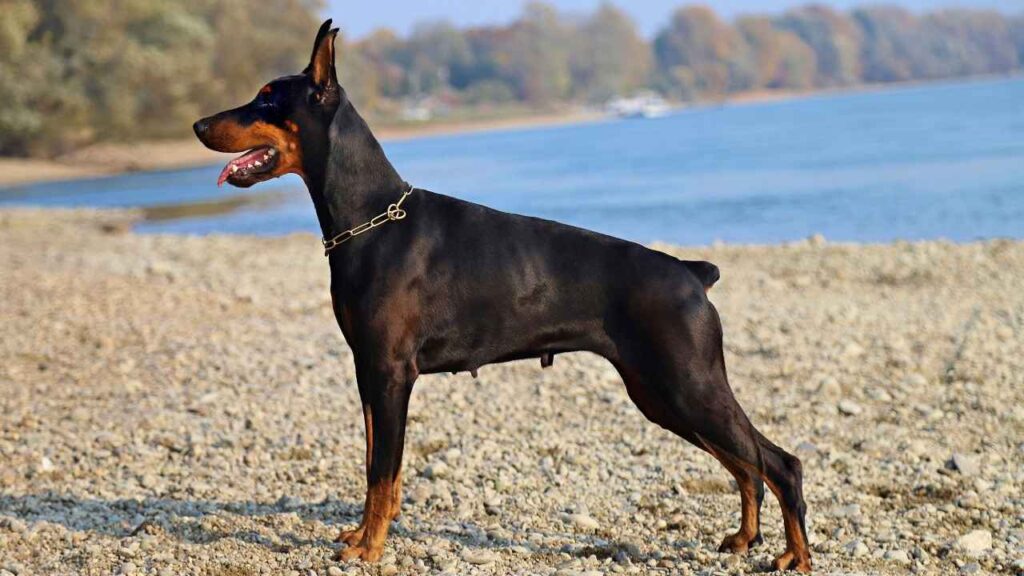
Dobermans tend to be more square and compact. They are built for explosive speed rather than long-distance herding. While they are a large dog, they carry less “bulk” than a Shepherd. Their physical elegance is striking, but because they lack an undercoat, they are much more sensitive to extreme temperatures.
Temperament & Personality
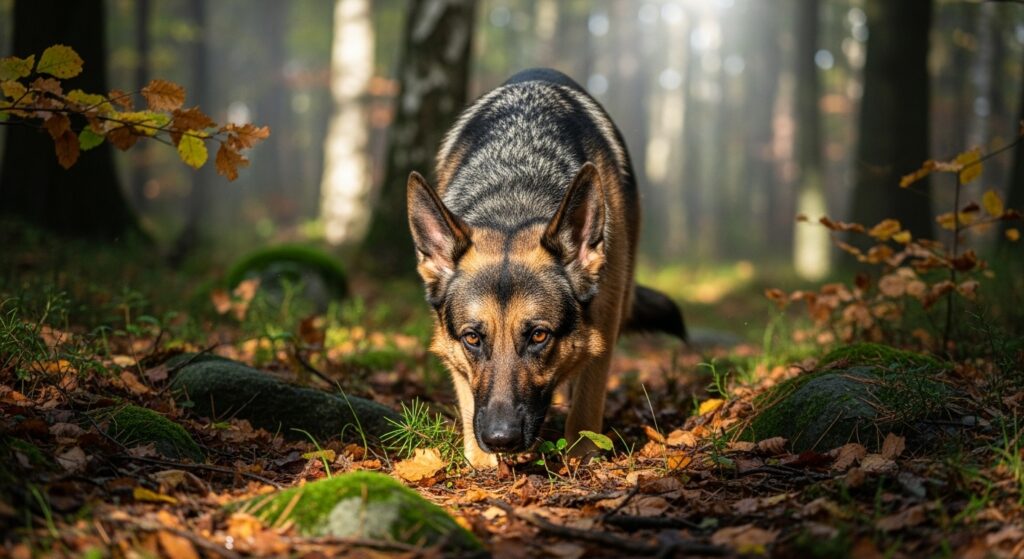
The temperament of a German Shepherd is one of “approachable aloofness.” They are super sweet and affectionate with their owners, but they don’t feel the need to make friends with every stranger they meet on the street. GSDs are calm, confident, and possess a natural protective instinct that makes them very alert.
The Doberman Pinscher is often more high-strung and sensitive. They are natural protectors but are also incredibly “needy” for human interaction. If you leave a Doberman alone in the backyard for too long, it may become anxious. Moreover, these pups are smart and thrive on being part of every household activity, often resting their head on your lap while you work.
Exercise & Energy Levels
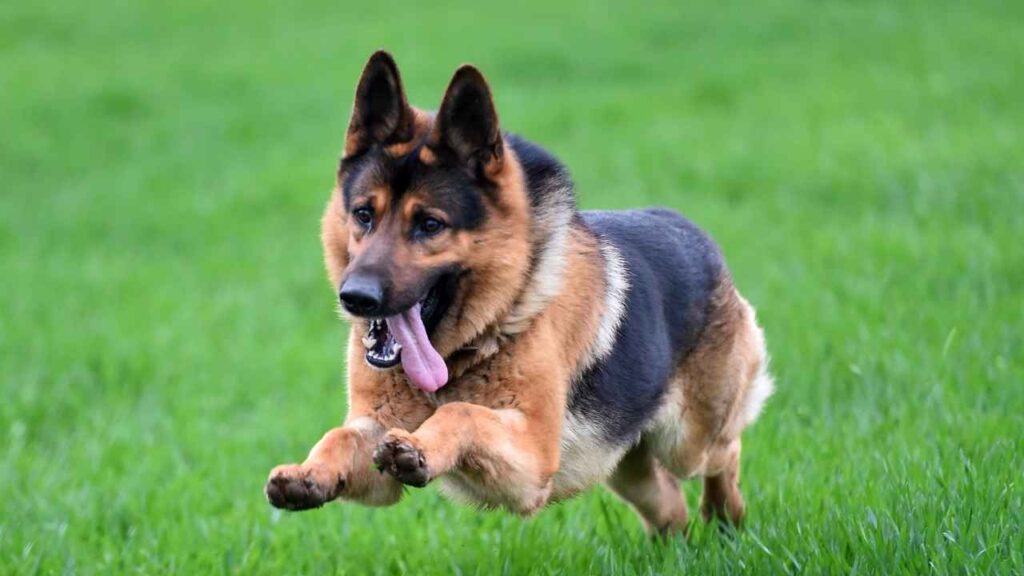
If you bring a GSD into your house, you are committing to a lifestyle of activity. These dogs have high energy and require quite a bit of daily exercise to stay healthy, as mentioned by the American Kennel Club. Without a physical outlet, they can become frustrated, leading to a bark that never seems to stop or destructive chewing habits.
Dobermans also require a fair amount of exercise, but their needs are often more about “burning off steam” through sprinting or intense play. They need mental stimulation just as much as a long walk. A well-behaved Doberman has been challenged with puzzles, games, and “jobs” around the house to satisfy their active minds.
Training & Intelligence
When it comes to training, the German Shepherd is often considered the gold standard. Highly intelligent and highly trainable, this breed excels in obedience training. They enjoy working and find joy in mastering new commands, which makes them an ideal dog for first-time owners willing to put in the effort.
The Doberman is equally smart but can be a bit more stubborn or “creative” in thinking. Consistent training from a young age is important to manage a strong prey drive. Because of their sensitivity, harsh or heavy-handed tactics do not work well. They need a firm leader, yet reward successes with plenty of praise and positive reinforcement.
Grooming Frequency
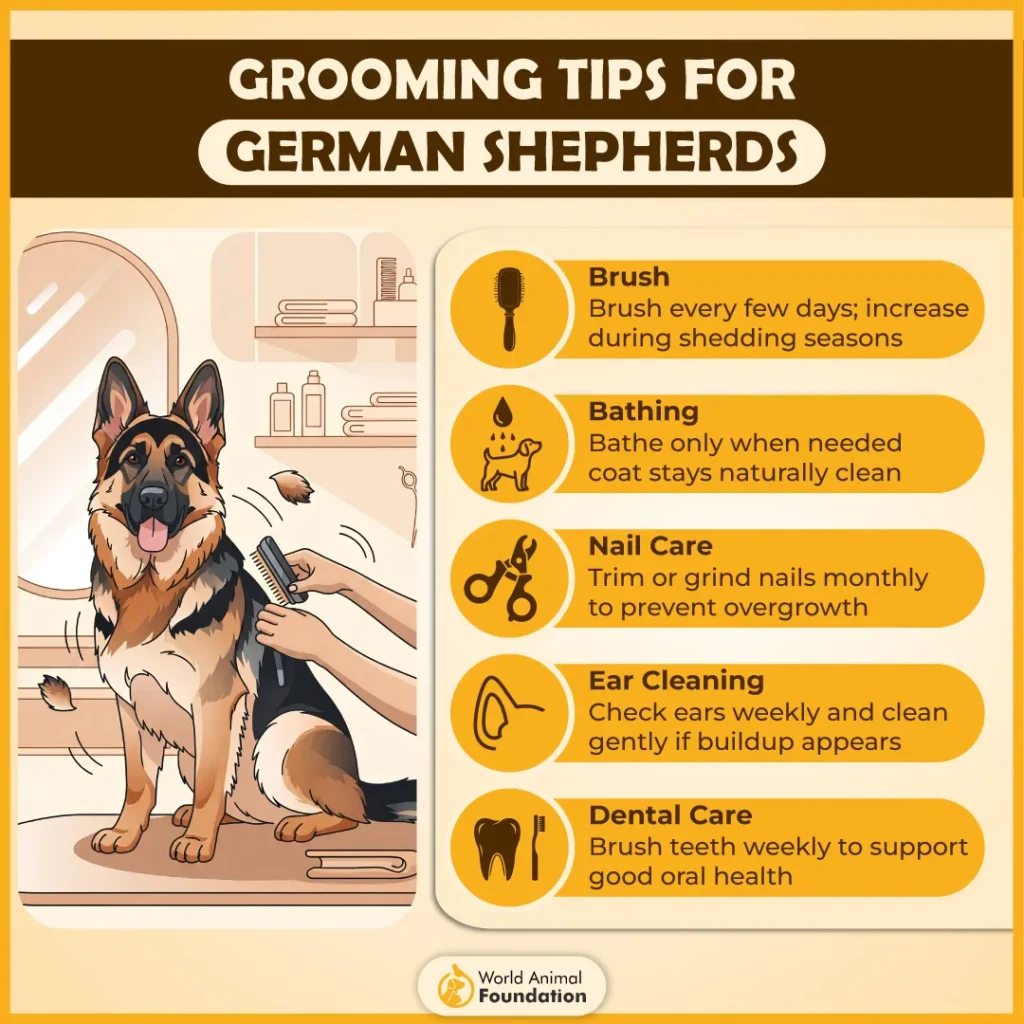
Grooming a German Shepherd is a part-time job. Their double coat means they shed year-round, with two massive “blowouts” per year. You will find fur on your clothes, your furniture, and in your food. Regular brushing is essential to manage the mess and keep their skin healthy.
The Doberman is the complete opposite. Their short coat requires almost no maintenance beyond a weekly wipe with a damp cloth and an occasional bath. They don’t have that “doggy smell” as strongly as other breeds, making them a better choice for someone who wants a pet but hates the idea of constant vacuuming.
Lifespan Expectancy
The life of a Shepherd usually spans 7 to 10 years, as mentioned by PetMD. Aside from joint issues, owners should watch for degenerative myelopathy, a tragic spinal condition. Health testing and buying from a reputable breeder are the best ways to ensure your puppy has a long, pain-free journey with you.
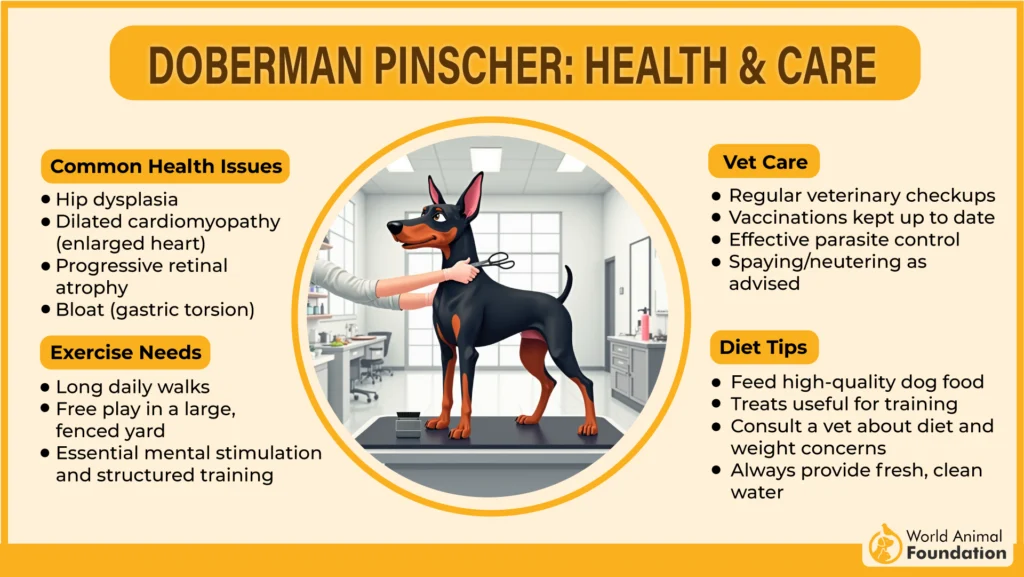
Dobermans have a lifespan of 10 to 12 years, but they face a significant threat from dilated cardiomyopathy (DCM), a heart condition that is unfortunately common in the breed. It is worth listening to veterinary advice regarding regular heart screenings. They are also prone to Von Willebrand’s disease, a blood-clotting disorder.
Suitability as Family Pets vs Guard Dogs
These two breeds are great family dogs, but each interacts with the home in its own way. A Shepherd is very patient with kids and serves as a good guard dog for the entire family. Excellent at guarding, it uses a loud bark to alert everyone to visitors long before they arrive. They thrive as active members of the household who take their job of surveying the property quite seriously.
The Doberman Pinscher is also wonderful with children, but its protection focuses more on people than property. Intensely bonded to their humans, these loyal pups prefer staying close rather than patrolling the yard.
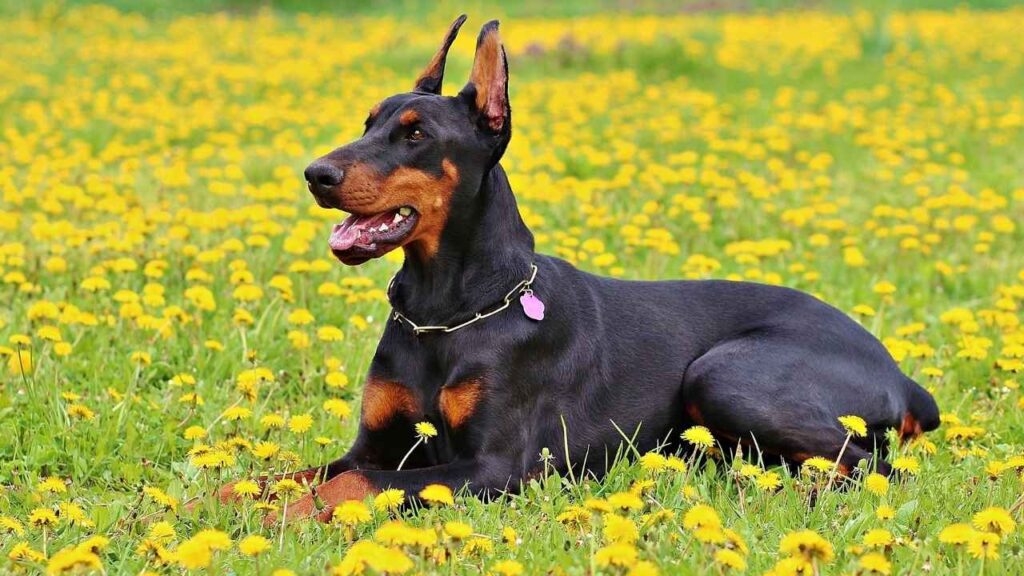
They act like a personal shadow, making sure no harm comes to their family members. This deep devotion makes them incredibly intuitive companions that prioritize physical closeness and emotional connection over territorial distance.
Conclusion
Choosing between a German Shepherd and a Doberman Pinscher depends on what kind of companion you want. The German Shepherd is built to watch over the home, keeping an eye on the surroundings and alerting the family to any visitors. The Doberman Pinscher prefers staying close, acting as a personal protector who bonds deeply with its humans rather than patrolling the property.
Energy levels and training needs differ, too. German Shepherds enjoy long, active tasks and mental challenges, while Dobermans thrive on focused play, sprinting, and constant interaction with their family.
In the end, both bring loyalty, protection, and companionship. The choice comes down to whether you want a guardian of the home or a devoted shadow by your side.
