




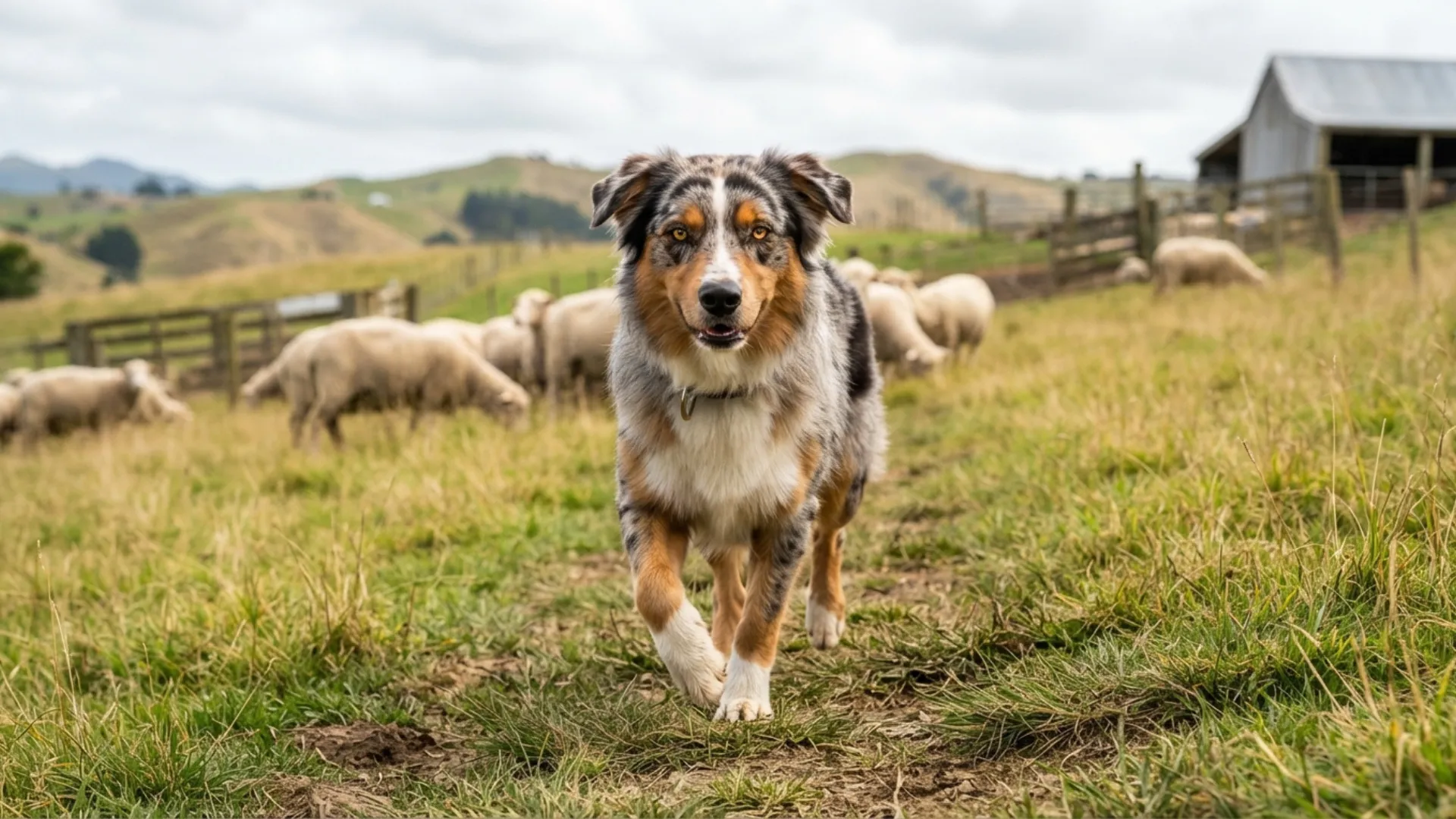
What makes a dog capable of competing at the level of herding? It takes more than athleticism. Competitive herding demands a response to handler commands, livestock awareness, movement, and enough stamina to work through demanding courses without losing concentration.
Some dogs naturally understand how much pressure to place on sheep or cattle, while others need extensive guidance before they can work reliably. Temperament matters just as much. A confident dog can approach livestock with purpose, yet still needs the judgment to avoid creating unnecessary chaos.
Handlers also have to consider the trial format, livestock involved, consistent training demands, and the dog’s willingness to work closely with a person. These details can separate a working dog from a competition partner. Selecting at the start can save years of frustration later.
This article looks at the breeds that bring the combination of instinct, control, athletic ability, and trainability needed for herding competition.
Key Takeaways
A herding champion needs more than speed. The dog has to read livestock, follow commands, stay focused, and know exactly when to apply pressure.
The Border Collie can recognize more than 1,000 words, while the Australian Cattle Dog can manage herds with surprisingly little guidance.
Then there is the Pembroke Welsh Corgi, whose short legs helped it nip at cattle heels and quickly duck away from their hooves.
From the intense focus of the Belgian Malinois to the quick turns of the Shetland Sheepdog, these seven breeds have some fascinating working skills worth discovering.
Top Best‑Suited Dog Breeds for Herding Champions
1. Australian Cattle Dog
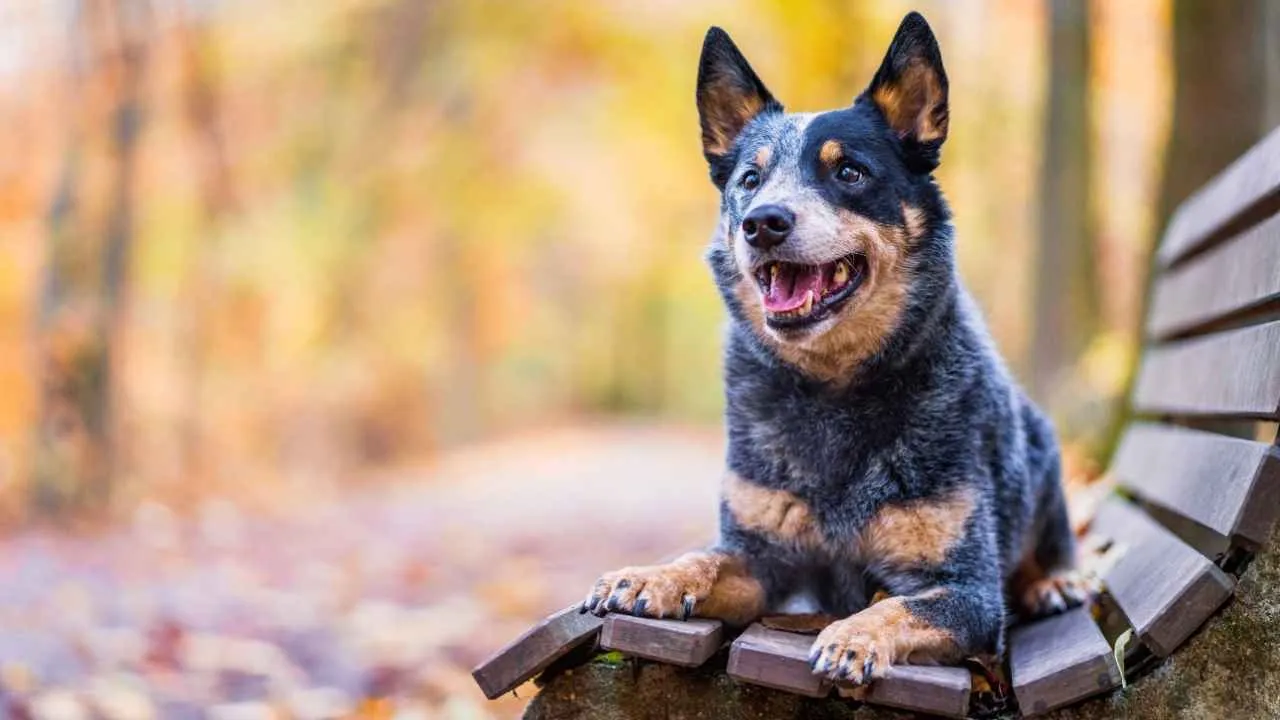
Australian Cattle Dog took shape in the Australian Outback after ranchers found imported English herding dogs poorly suited to the region’s harsh conditions. Breeding efforts eventually brought together a rugged worker linked to the Dingo, capable of managing large herds with controlled force.
Born to Herd
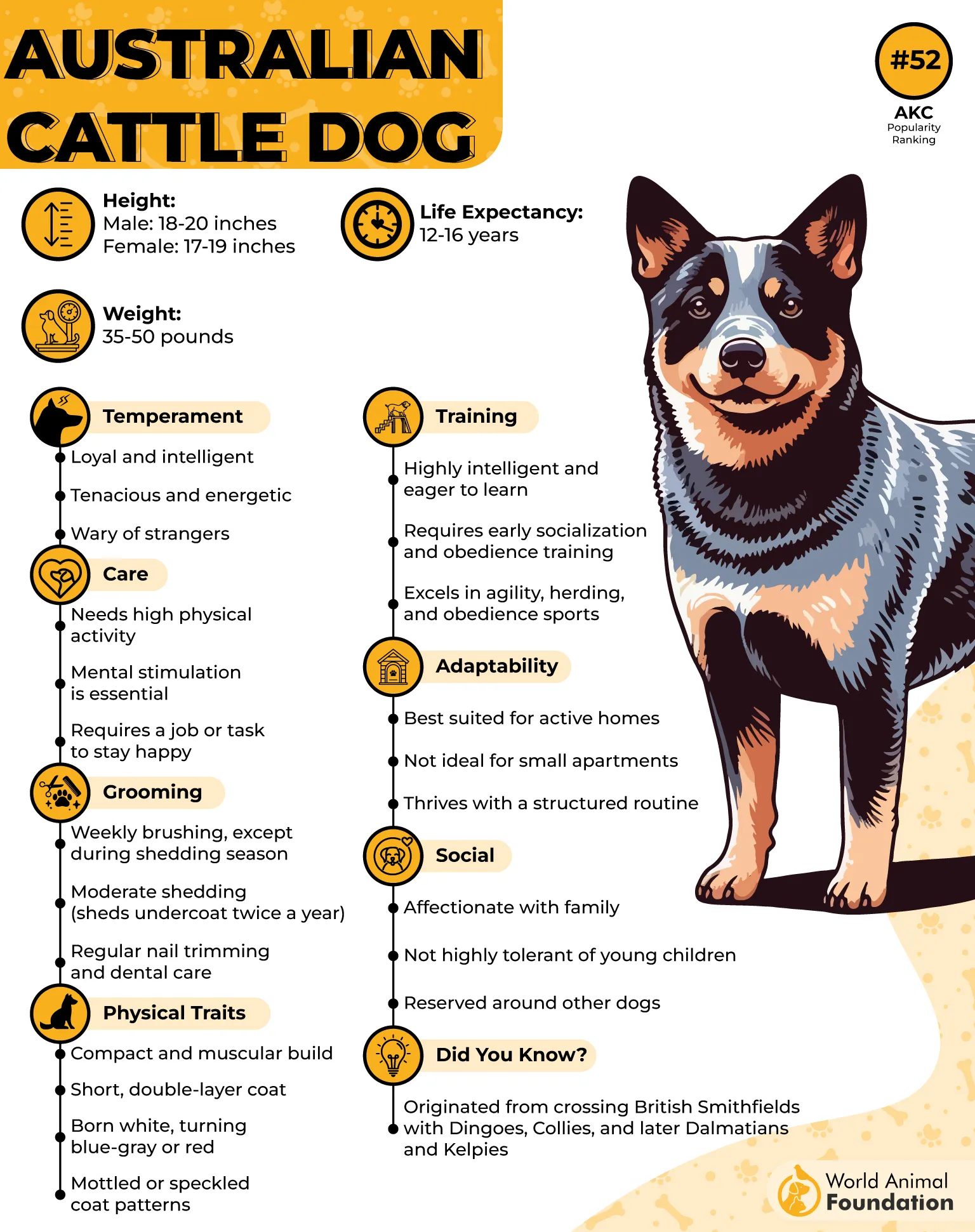
ACD can direct livestock with little guidance, using its intelligence, speed, and strong herding instinct to control animals across demanding work. Agility, tracking, advanced obedience, and livestock work give this breed the kind of purposeful challenge it seeks, as Orvis noted.
Three details make its working style especially distinctive:
Can control herds independently
Excels at livestock and property patrols
Runs or jogs for at least 45 minutes daily
Strong Herding Instinct
Australian Cattle Dog may try to control energetic children by barking forcefully or nipping at their heels, making older children with experience around active dogs a better fit. Early socialization also helps the breed accept other dogs and cats as part of its social group.
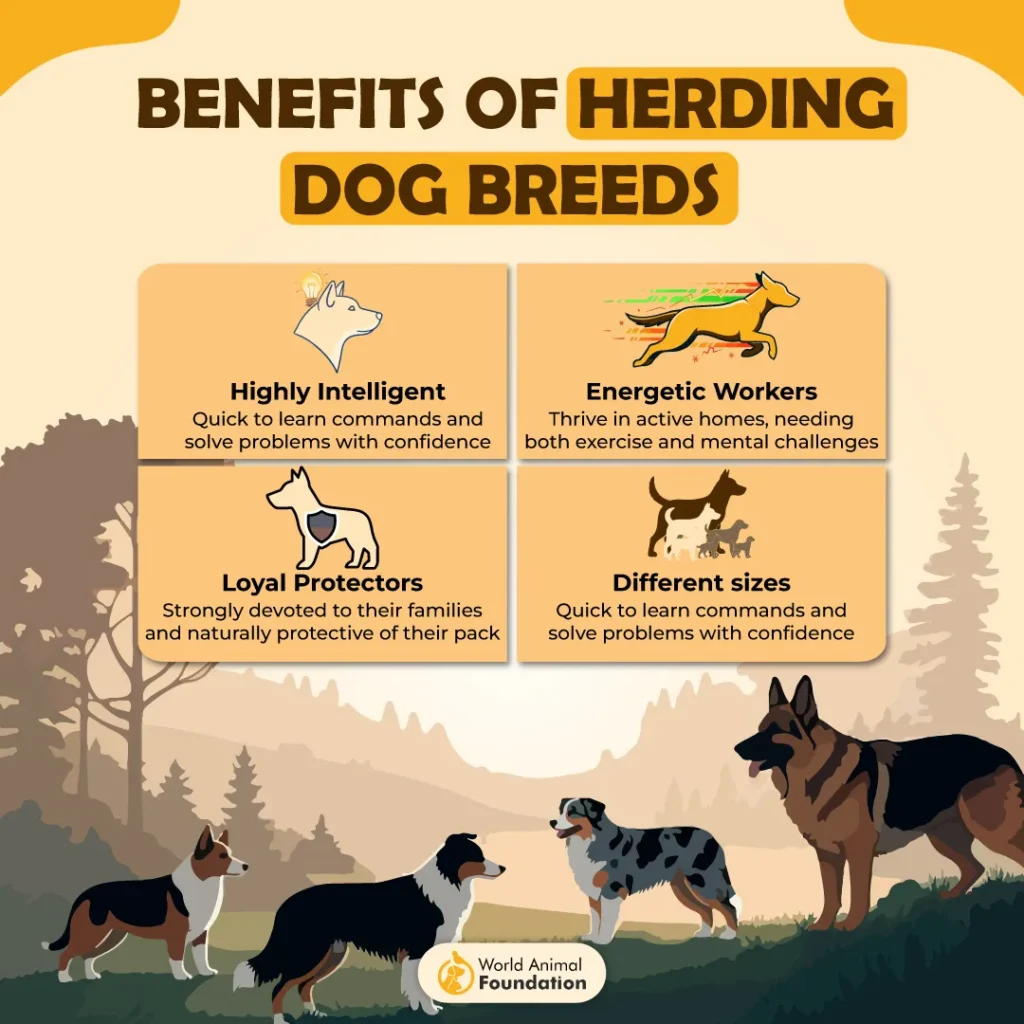
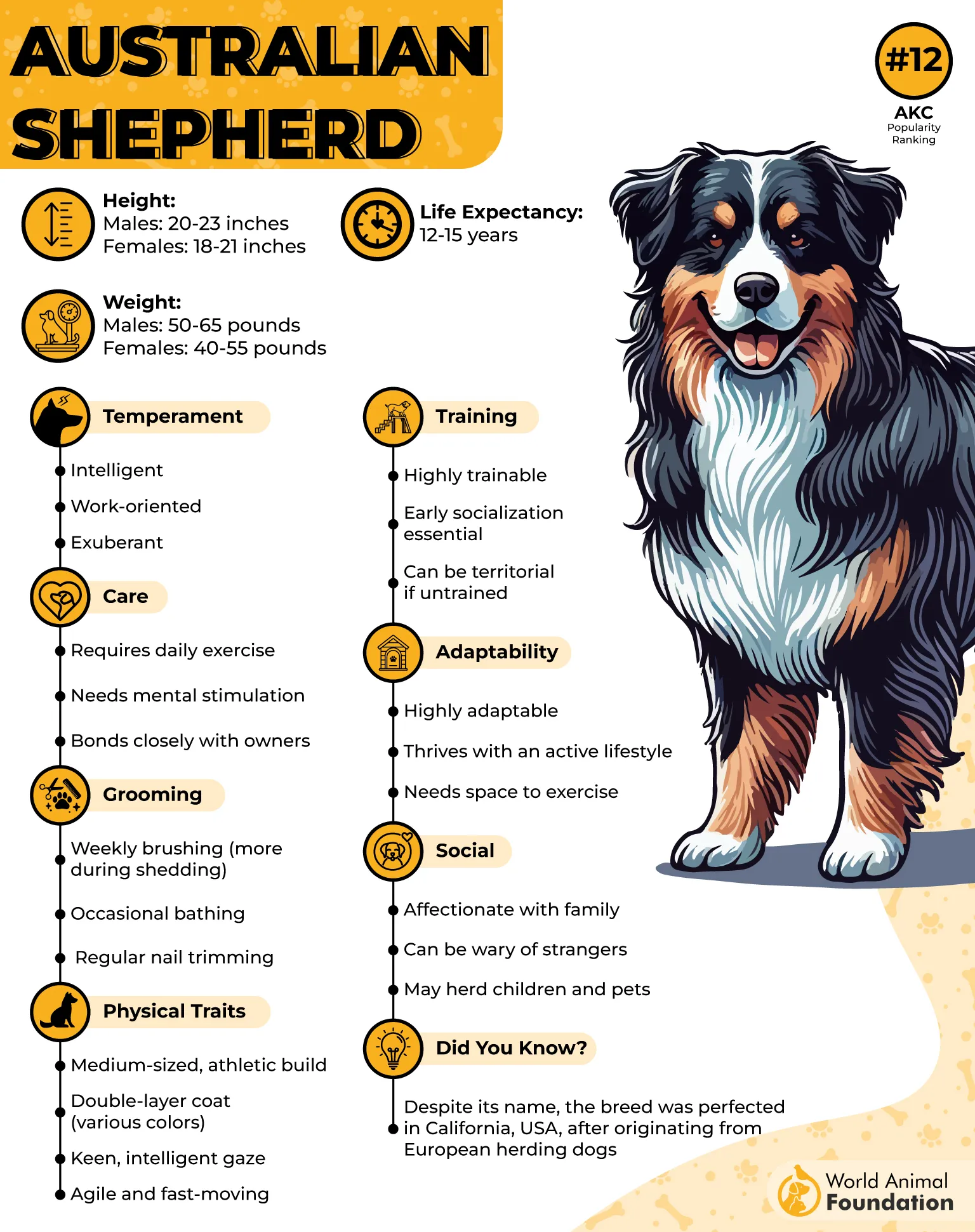
2. Australian Shepherd
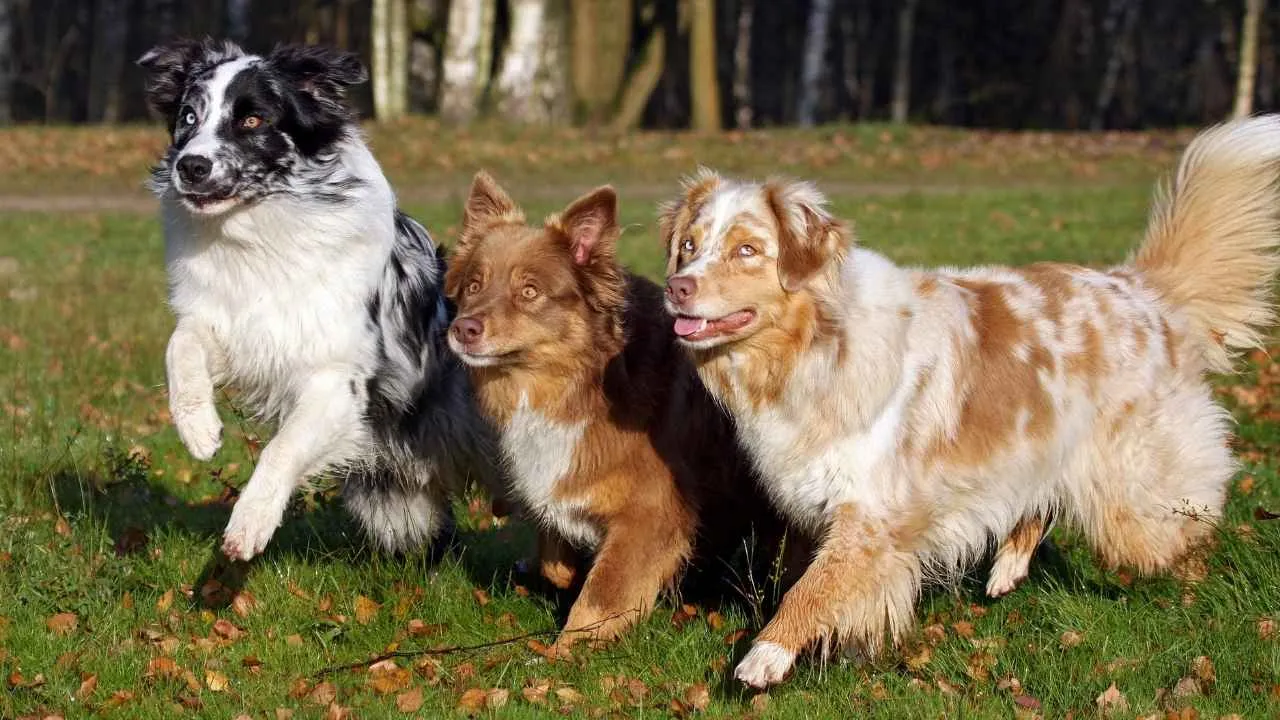
Australian Shepherd began with Basque shepherds from the Pyrenees region between Spain and France, whose sheepdogs later accompanied them to Australia and then the United States.
American ranchers associated the dogs with Australia because of that migration, giving the breed its familiar name even though its modern form took shape in the U.S.
A Serious Stock Worker
This herding breed handled large sheep flocks and cattle herds, including livestock packed into narrow chutes and alleys. Its loose-eyed working style combines close control, agility, and carefully measured force, allowing the dog to adjust its approach to different animals, as ASCA claims.
Some working details make that style easier to understand:
Uses grip nipping to influence livestock
Can flush cattle from heavy brush
Uses authoritative barking when needed
Work Has to Matter
Australian Shepherd is intensely energetic and needs a worthwhile outlet for that drive, whether through herding, agility, obedience, rally, or scent detection.
Without a structured activity, this highly capable dog may invent its own projects, including tearing apart household items or vocalizing for long periods.
3. Border Collie
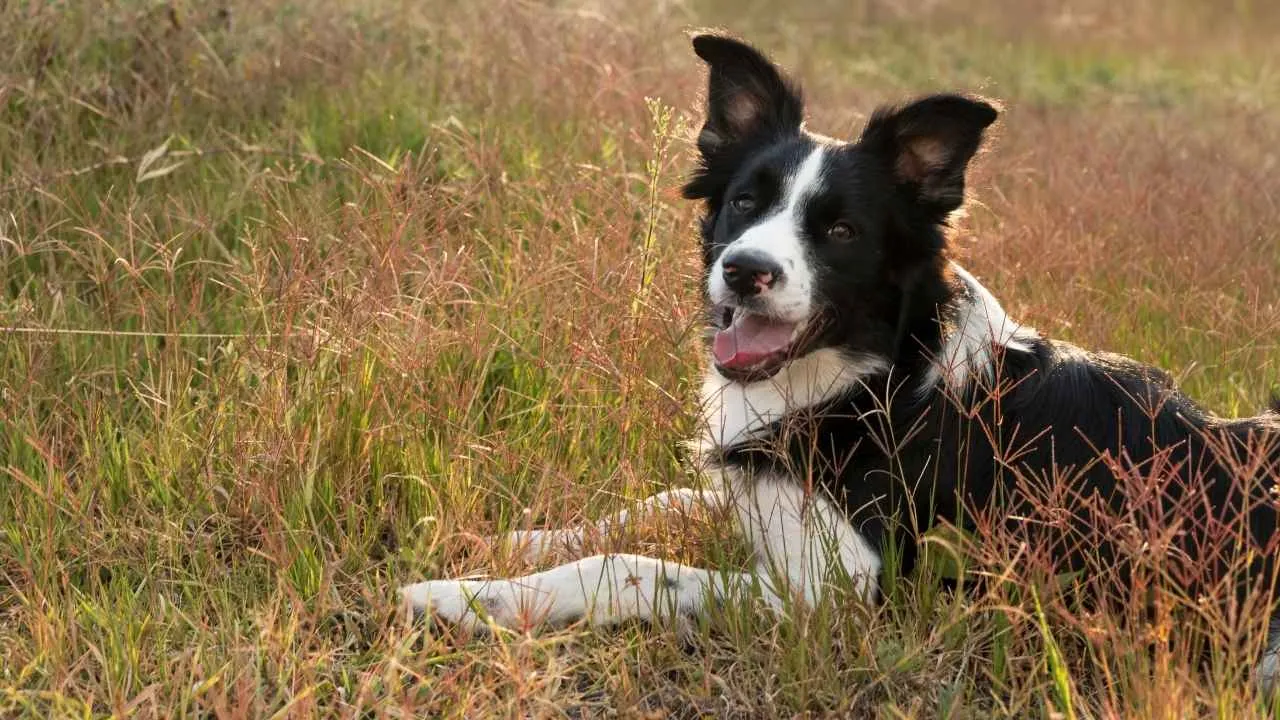
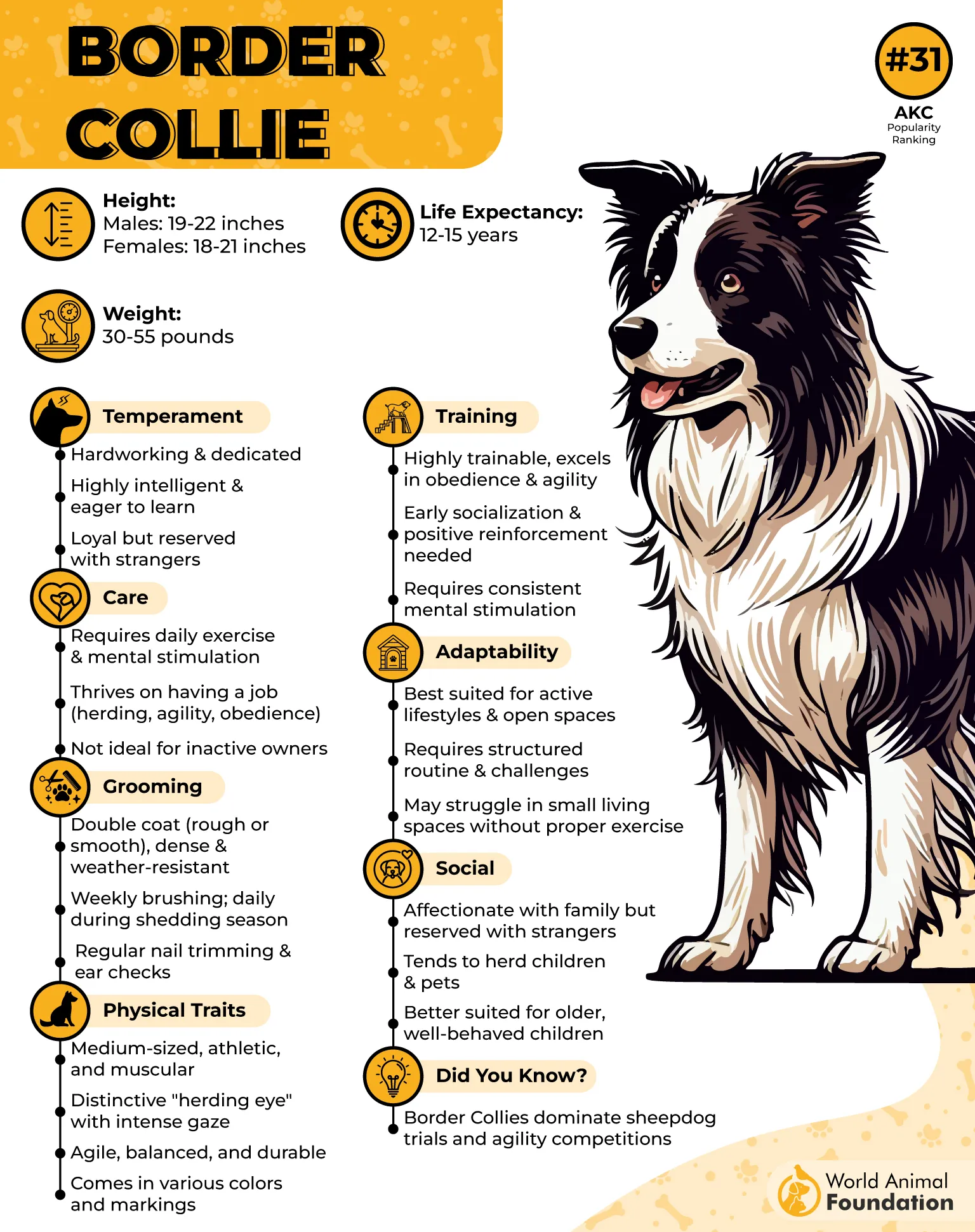
Border Collies’ story begins with herding dogs brought to Britain by Roman forces, which later crossed with Viking herding dogs. The resulting type was smaller and agile enough for the rocky highlands of Scotland and Wales, where livestock work demanded precision and quick footing.
The Herding Eye
They were bred to gather and fetch sheep, using an intense gaze called “the eye” to direct livestock without constant physical pressure. Its traditional gathering style lets a handler remain in place while guiding the dog with whistles and verbal commands.
A few details reveal just how specialized that work became:
Known for creeping and sweeping runs
Uses bursts of focused energy
Can recognize over 1,000 words
A Mind That Notices Motion
This popular herding dog breed can react to remarkably small movements, from a skirt fluttering in the breeze to a cat heading toward a barn. That sensitivity can make early training important because young dogs may instinctively try to gather children, pets, or anything else that catches their attention.
4. Shetland Sheepdog
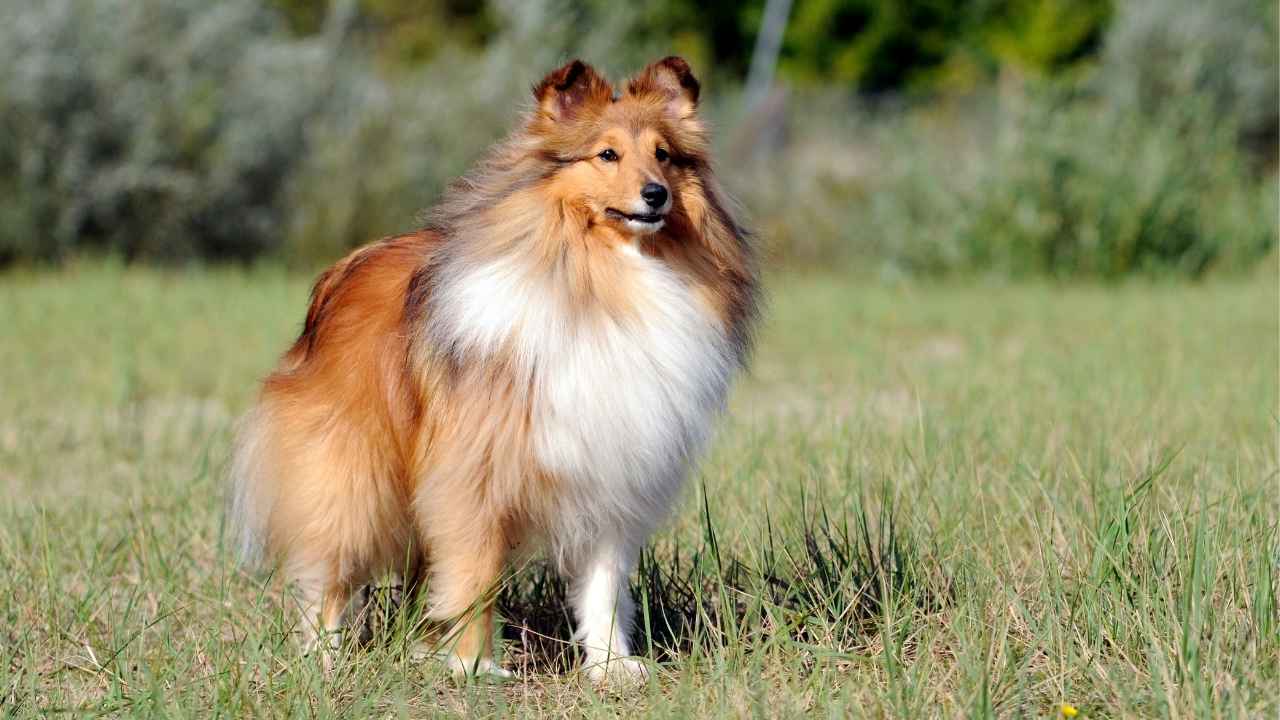
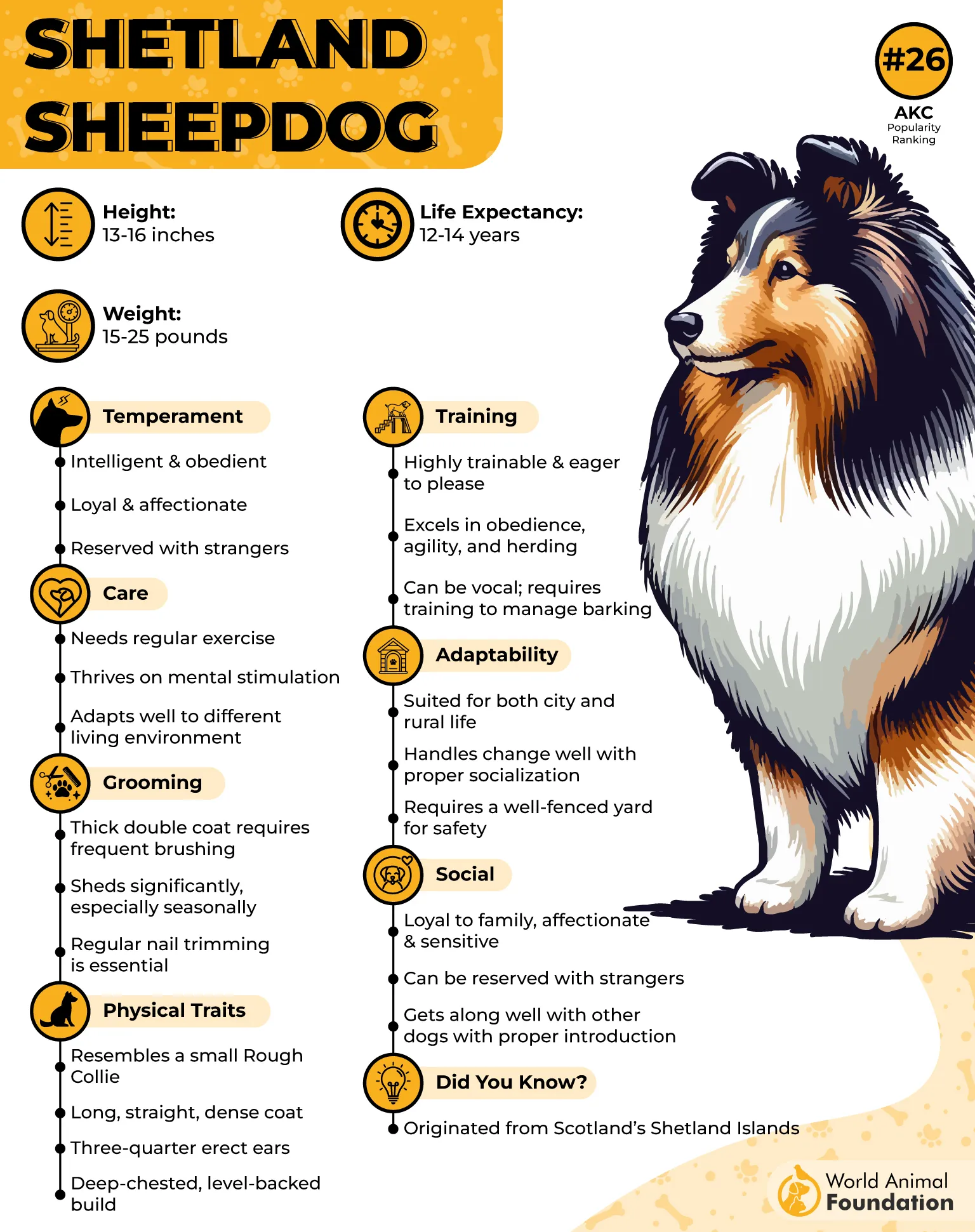
Shetland Sheepdog comes from Scotland’s remote Shetland Islands, where it worked among sheep, poultry, and ponies across rugged ground and fierce maritime weather. Its lineage includes the Rough Collie, Icelandic Sheepdog, and possibly smaller Scandinavian breeds.
Made for Herding
Its smaller frame, quick turns, and sharp response to movement suited the demands of tending stock across uneven island terrain. A dense undercoat beneath longer guard hairs also helped shield this farm dog breed from wind and moisture.
These working details give this breed its distinctive style:
Strong response to sudden movement
Natural circling of moving animals
Quick, cooperative reactions to cues
A Busy Mind
Shetland Sheepdog enjoys challenges such as agility, obedience, Flyball, and herding trials, particularly when training includes praise and tasty rewards, as Omlet noted. Some may also dart toward running children or bicycles and nip at heels as they attempt to control movement.
5. Bearded Collie
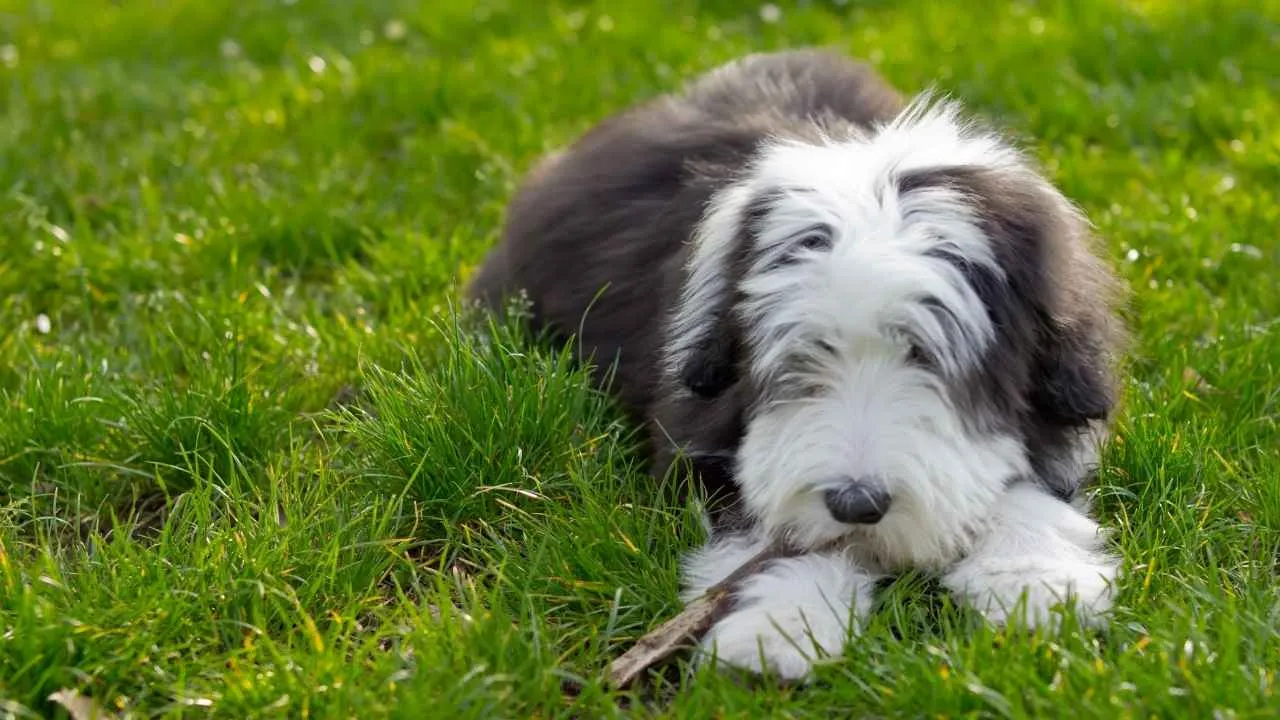
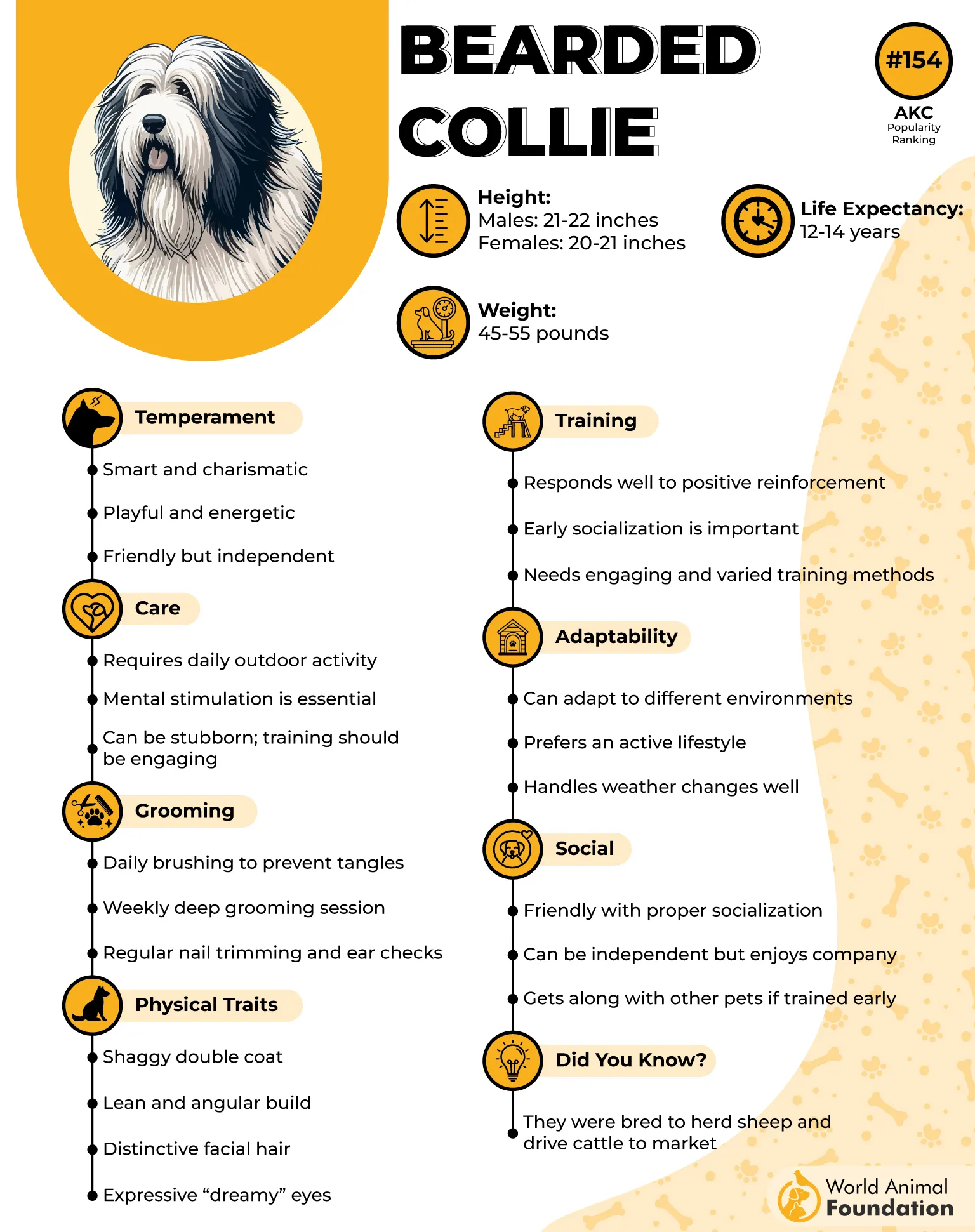
Bearded Collie originated in Scotland as a sheep and cattle drover, with records linking the breed to the 16th century. European sheepdogs, including the Polish Lowland Sheepdog, are thought to have influenced its early development alongside local herding dogs.
Herding Instinct
This intelligent dog still works with cattle and hill sheep on British farms, using an energetic style that suits livestock across open, uneven ground. Its quick responses and willingness to work with people make it particularly useful for active herding tasks.
Some working characteristics add another layer:
Excels at sheep and cattle herding
Uses barking while working livestock
Enjoys agility and obedience tasks
Training With Purpose
Bearded Collies respond well to firm, kind, reward-based training and clear communication, while harsh or confusing methods can create difficulties. Puppy training and socialization help channel its strong-willed nature into productive work and teach appropriate use of its herding instincts.
6. Belgian Malinois
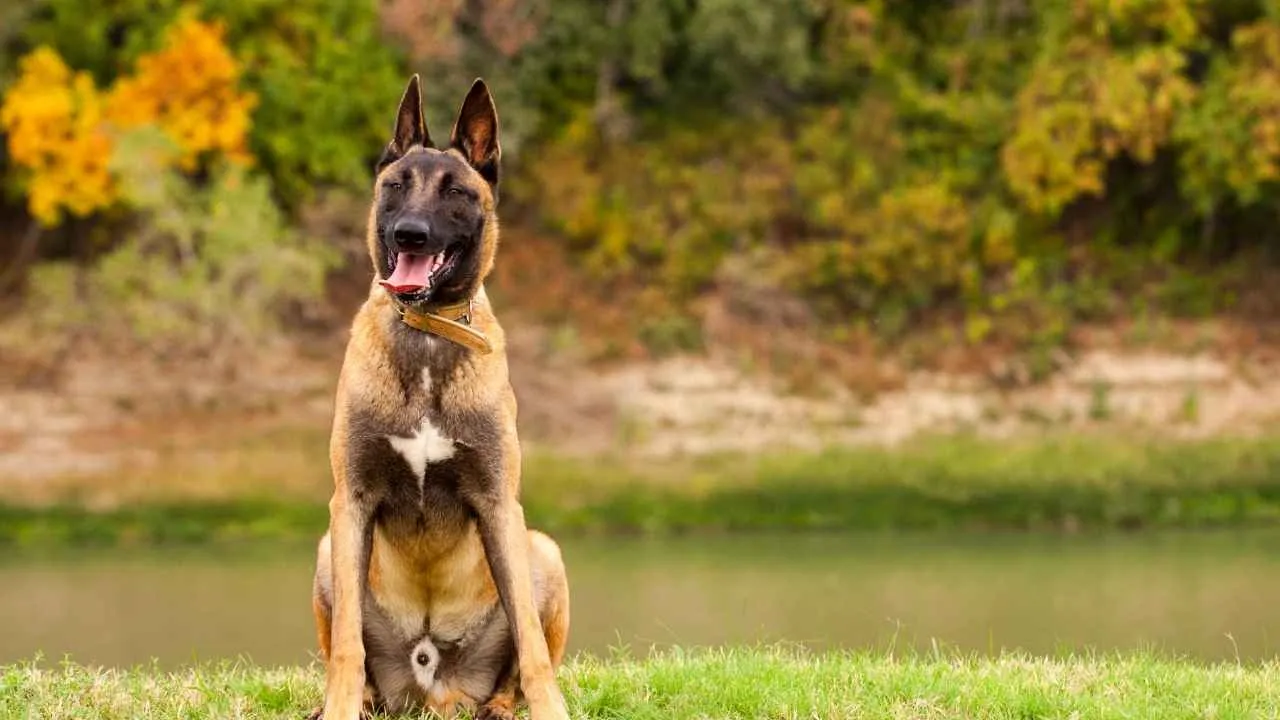
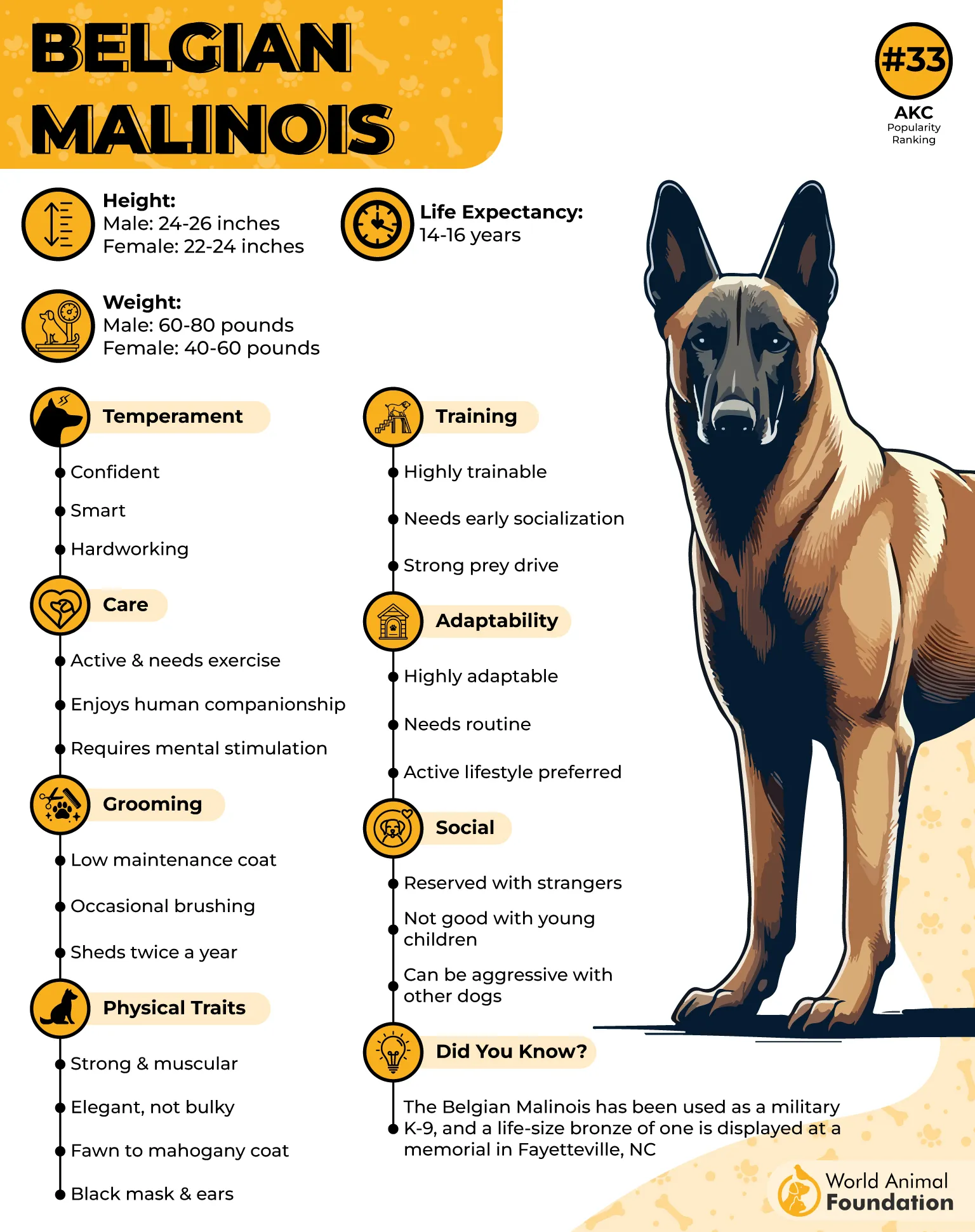
Belgian Malinois was originally bred near Malines, Belgium, where the breed was used for herding before its intelligence and drive opened doors to demanding working roles. Its later work included police service, search and rescue, and bomb and drug detection.
A Precise Herding Style
They can handle livestock through fast, close-range work, using curved paths, direct pressure, and intense concentration to guide active animals. Its approach depends on speed and agility, with the dog keeping close control of the flock rather than directing it from a distance.
A closer look at that working method reveals:
Thrives on demanding physical activity
May chase, circle, or nip at heels
Can be cautious around unfamiliar people
Training Has Purpose
These excellent companions need extensive training and early socialization, with firm guidance that avoids harsh handling. Activities such as tracking, obedience, agility, herding, and fetch give this highly capable dog structured tasks that use its natural abilities.
7. Pembroke Welsh Corgi
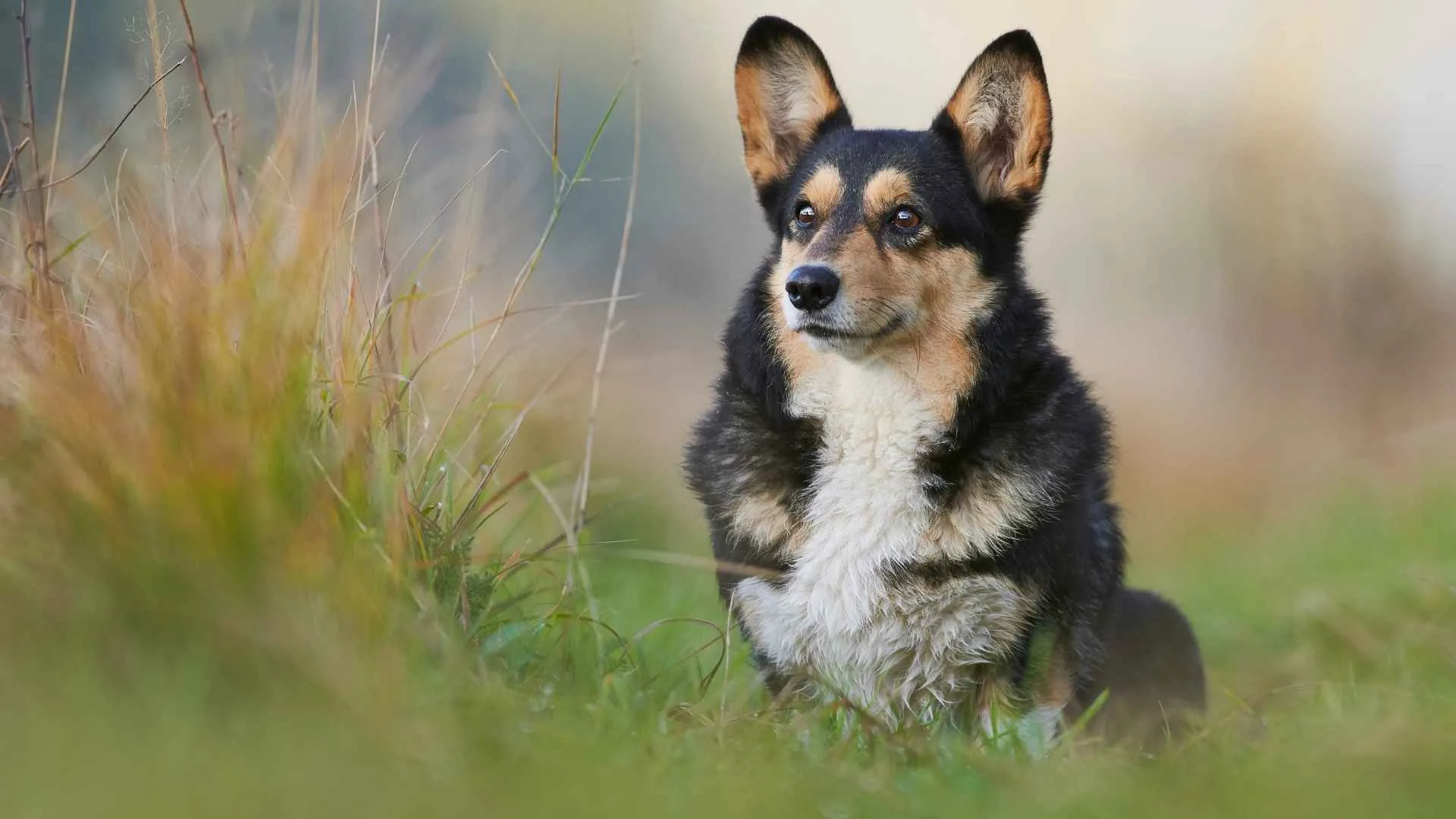
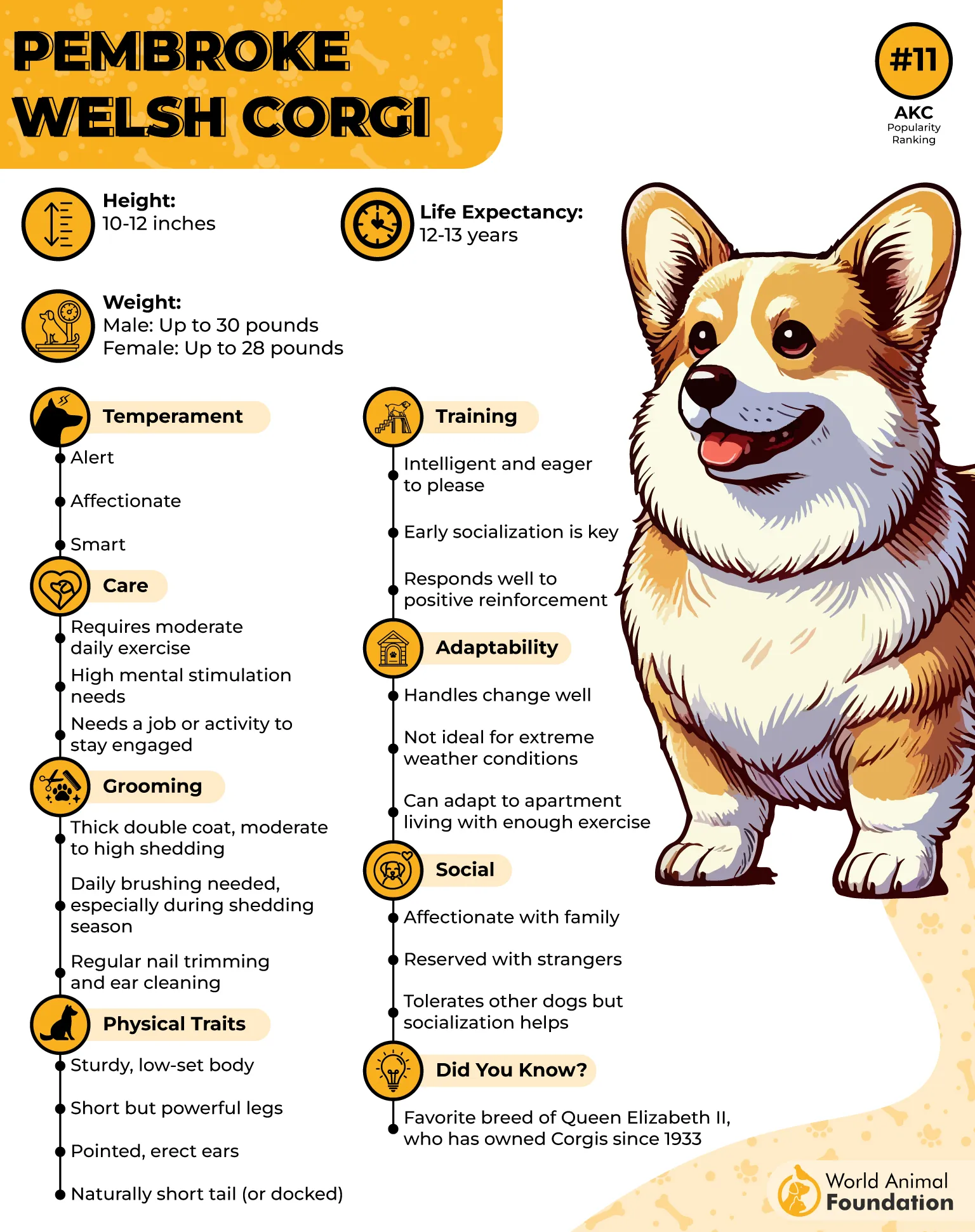
Pembroke Welsh Corgi developed in Pembrokeshire, Wales, with its lineage linked to Swedish Vallhunds brought by Vikings during the 9th and 10th centuries. Farmers used these compact dogs to drive cattle and sheep, working close to the livestock while avoiding dangerous kicks.
Low to the Ground
Pembroke Welsh Corgi’s short legs were practical for farm work, letting it nip at the heels of cattle and quickly duck away from hooves. Rather than circling livestock, it worked from behind in semicircles, pushing the entire herd forward.
That working method gives the breed some fascinating specifics:
Vocal when unfamiliar sounds occur
May initially be reserved with strangers
Needs early socialization with people and animals
A Busy Little Worker
Pembroke Welsh Corgi has a quick mind and a strong desire to have something to do, which can make training especially rewarding. Its working instincts can also appear at home, where a family dog may attempt to direct children around the living room.
Conclusion
Herding competition asks a dog to do more than chase livestock. The best working partners need to read movement, respond quickly to handler cues, control pressure, and remain focused when the course becomes demanding. Intelligence helps, but instinct and judgment are just as important when working around unpredictable animals and learning to protect livestock.
Energy also needs direction, since many herding dogs can become difficult to manage without enough training and purposeful activity. Your choice should reflect the trial format, livestock, training experience, and time you can commit. When those pieces fit together, dog sports can turn natural herding ability into focused performance for dedicated pet parents.
