




A busy lifestyle doesn’t mean you have to miss out on the joy of having a dog. Many people love the idea of a loyal, affectionate companion at home, but worry about the time and effort that comes with grooming, training, and daily care.
That’s where easier-care dogs can make a real difference, blending naturally into more relaxed, manageable routines.
It’s important to remember that no dog is completely “zero maintenance.” Every dog still needs attention, care, and love. However, some are simply easier to handle in everyday life, especially for first-time dog owners or people with packed schedules.
The best part is that low-maintenance doesn’t mean low affection. These dogs can be just as loving and loyal, while fitting more smoothly into your lifestyle.
Whether you live in a small space or just prefer a calmer routine, exploring the best low-maintenance dog breeds for a relaxed household can help you find a companion that truly fits your life.
Key Takeaways
Not all easy dogs are alike—some are lazy couch lovers, others enjoy quick bursts of energy and then relax all day.
From Dachshunds to Whippets and Basset Hounds, you’ll see how simple care and chill routines can still fit busy lives.
Greyhounds and Cavaliers prove that low effort can still mean big love, loyalty, and strong family bonds.
Shiba Inus and Great Danes show how different personalities can still suit relaxed homes with the right match.
Best Low-Maintenance Dog Breeds for a Relaxed Household
1. Dachshund
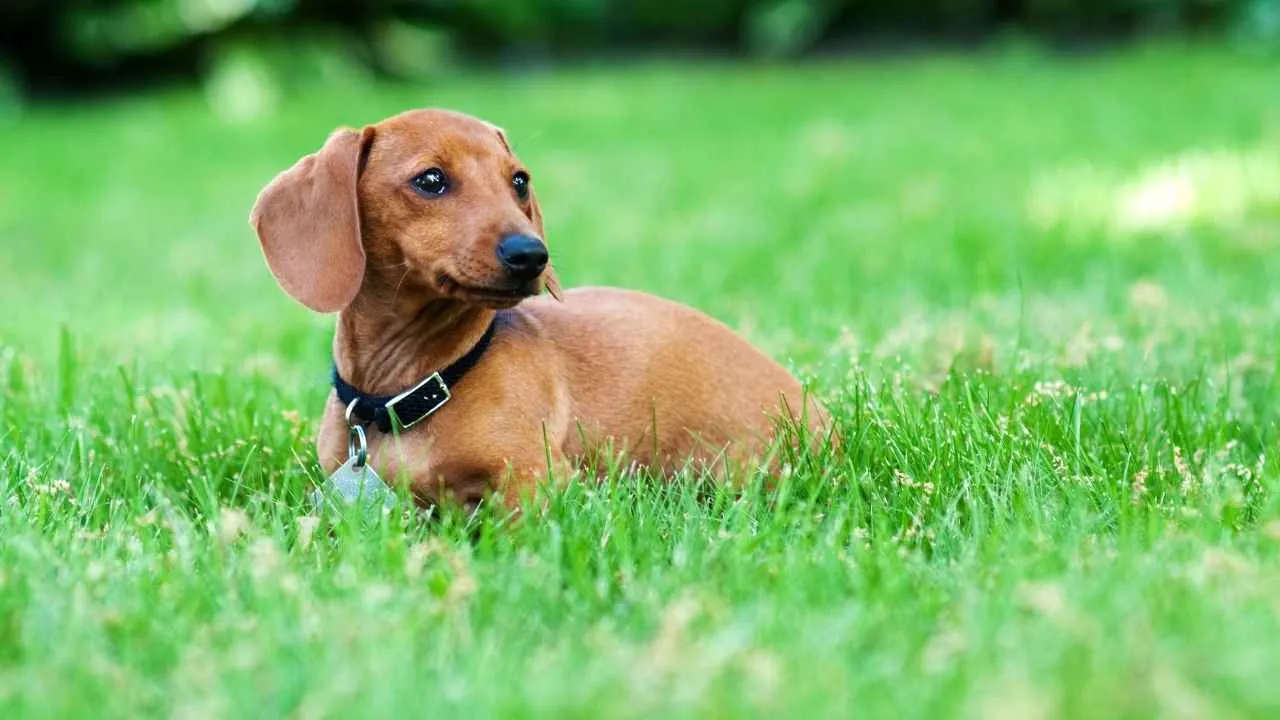
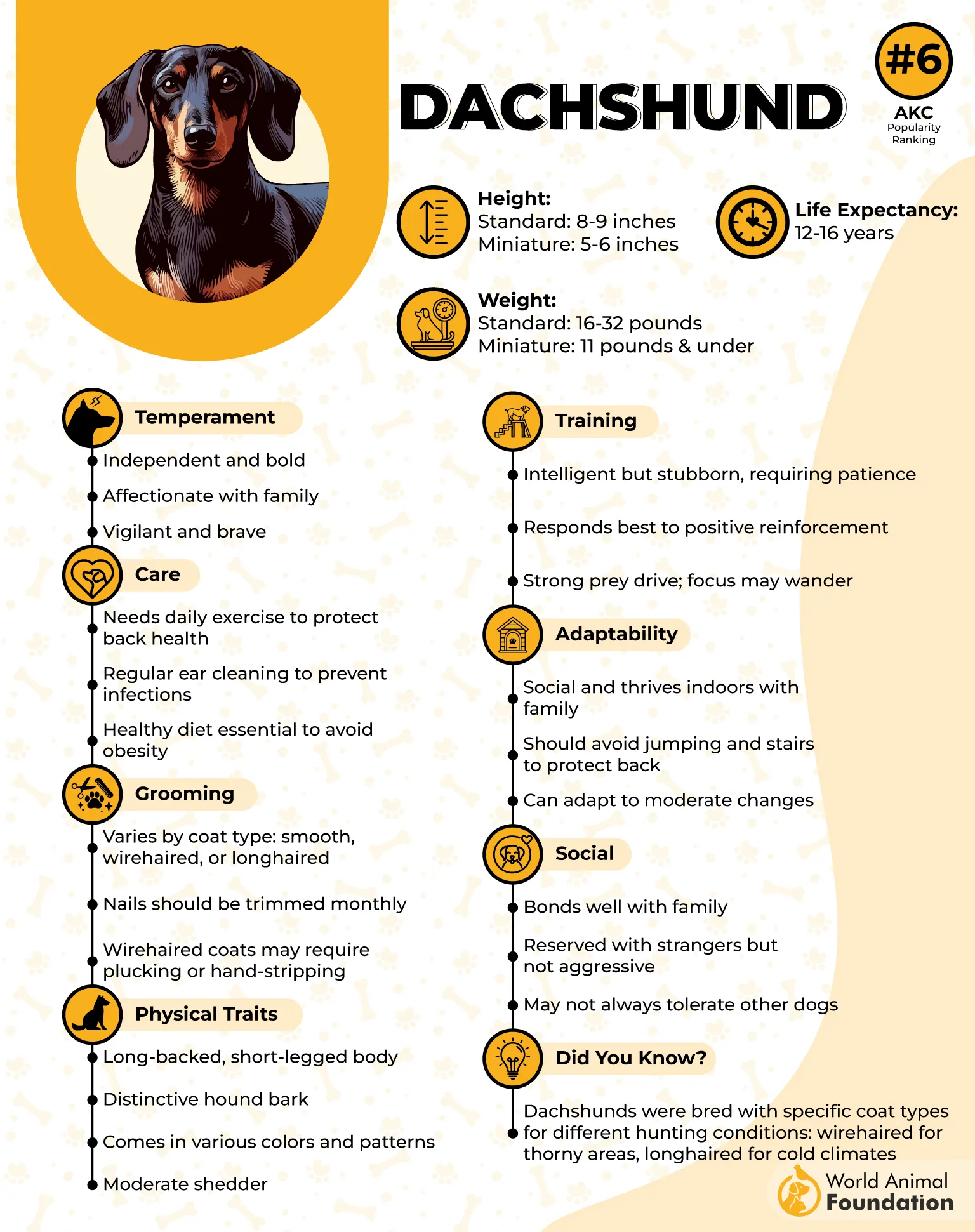
Dachshunds are loyal, intelligent dogs that form strong bonds with their families. Originally bred in Germany as independent hunters, they are naturally brave, alert, and confident. Their playful and mischievous nature makes them entertaining companions in a relaxed household.
Behaviour and Daily Needs
PetMD says these dogs are independent thinkers and can be a little stubborn. They may not always get along easily with other pets, and they usually do better in homes without very young children due to their fragile backs and necks.
Gentle handling is important, as rough play can lead to injuries. They are also quite vocal and like to bark, but early training and positive reinforcement can help manage this.
Care and Lifestyle Fit
Dachshunds don’t need heavy exercise—daily walks and light outdoor time are enough. They enjoy exploring scents but should avoid jumping or rough activity. Grooming is simple, especially for smooth-coated types, with only occasional brushing and bathing.
They may try to dig or chase small animals outdoors, so supervision helps. With basic care and structure, they fit well into a calm, low-maintenance lifestyle.
2. Greyhound

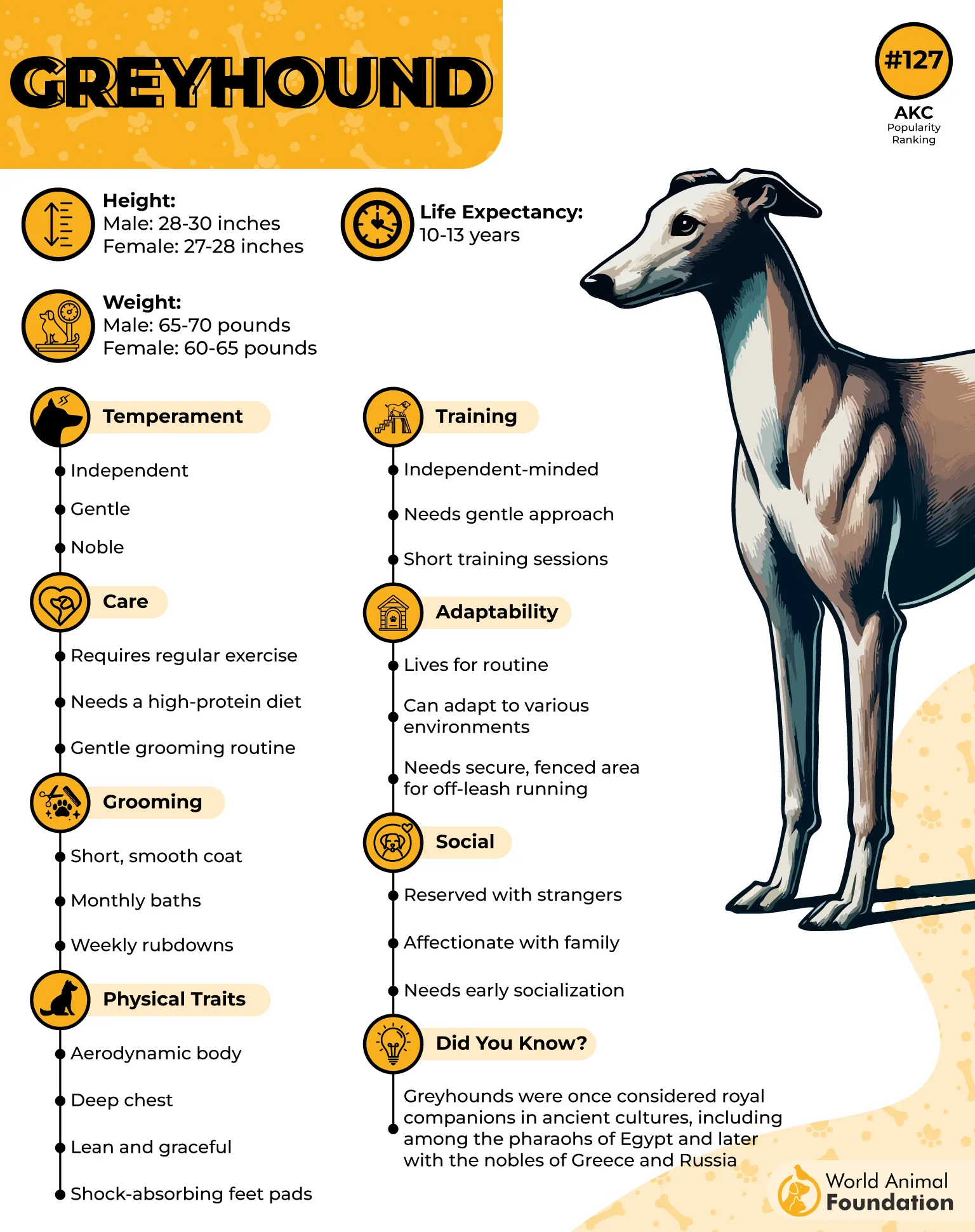
Greyhounds are calm, gentle, and highly social dogs. Indoors, they are often relaxed and can even be quite lazy. Despite their racing background, they are sensitive dogs that adapt well to family life when placed with the right owners.
They are affectionate with their families but can be a bit reserved with strangers. Most of them get along well with other dogs, but caution is needed around cats due to their strong hunting instincts.
Temperament and Daily Lifestyle
These dogs are famous for their speed, but at home, they are the opposite of energetic. They are often called “40-mph couch potatoes” because they enjoy lounging as much as short bursts of activity.
Their hunting instinct is still present, so they may chase small animals outdoors. However, they are not built for long runs or intense exercise. Gentle daily walks and relaxed outdoor time are usually enough for them.
Care and Home Suitability
Greyhounds are easy to care for when it comes to grooming, as their short coat only needs occasional brushing. They are better suited for owners who prefer slow-paced routines, with walks instead of intense workouts.
Sensitive joints also mean they should avoid rough or high-impact activity. With their sweet nature and calm behavior, they fit perfectly into relaxed households that value quiet companionship and easy care.
3. Cavalier King Charles Spaniel
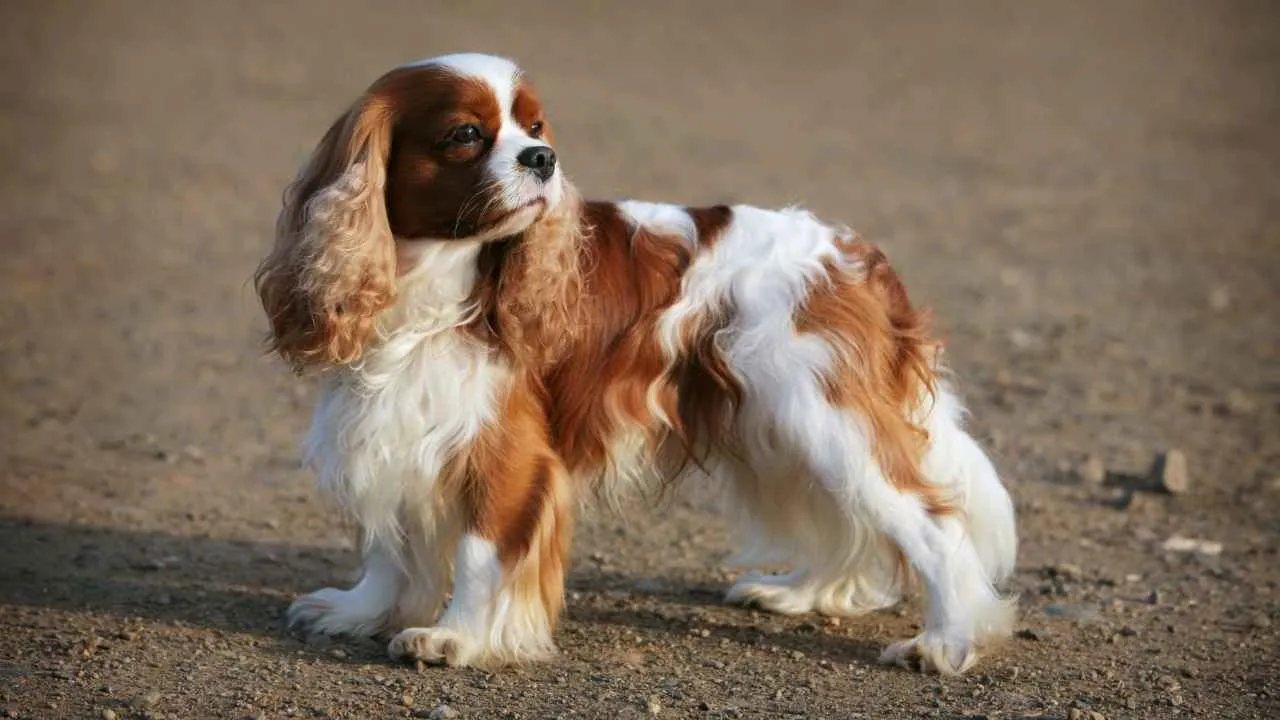
Cavalier King Charles Spaniels are affectionate, playful, and intelligent companion dogs. They are known for their loving and devoted nature, always eager to stay close to their owners.
These dogs are friendly by nature and are not shy or aggressive, making them excellent household companions. Hill’s Pet mentions they are especially good with children and enjoy being part of family life.
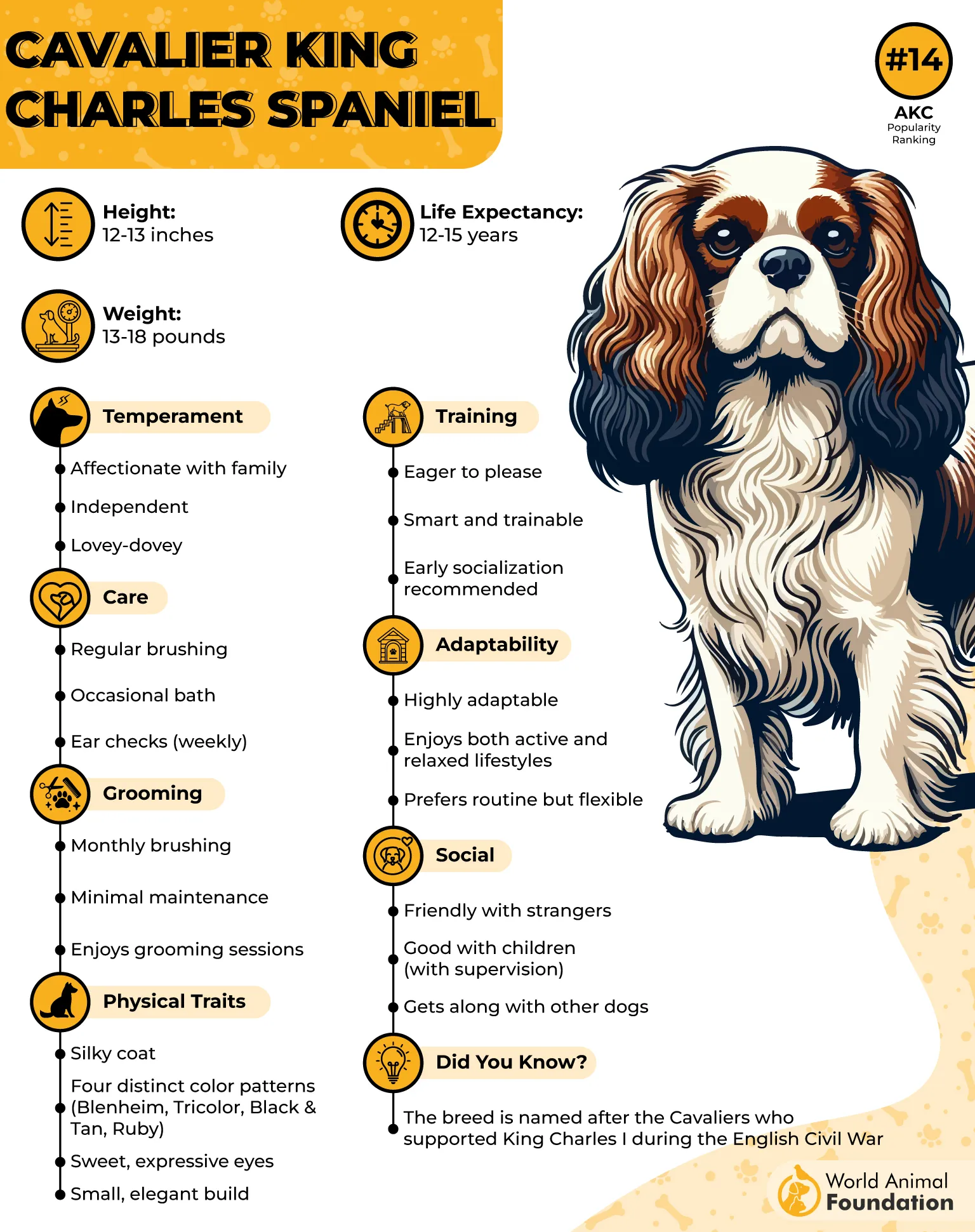
Temperament and Everyday Living
These affectionate dogs are true social butterflies. They enjoy meeting new people and generally get along well with other dogs and even cats.
However, they should not be left alone for long periods, as they thrive on human companionship. Cavaliers are adaptable and can fit into both active and relaxed households.
They enjoy daily walks and light play but are equally happy spending quiet time indoors as lap dogs. Because of their curious nature, it is better to keep them on a leash or in a secure space during outdoor time.
Care and Maintenance
Cavaliers are relatively easy to maintain, making them a good fit for relaxed households. Their coat is silky and only needs regular brushing to stay healthy and reduce shedding.
Light shedding may occur during seasonal changes, but it is usually manageable. They benefit from a balance of moderate exercise and rest, such as short daily walks and indoor relaxation.
4. Whippet
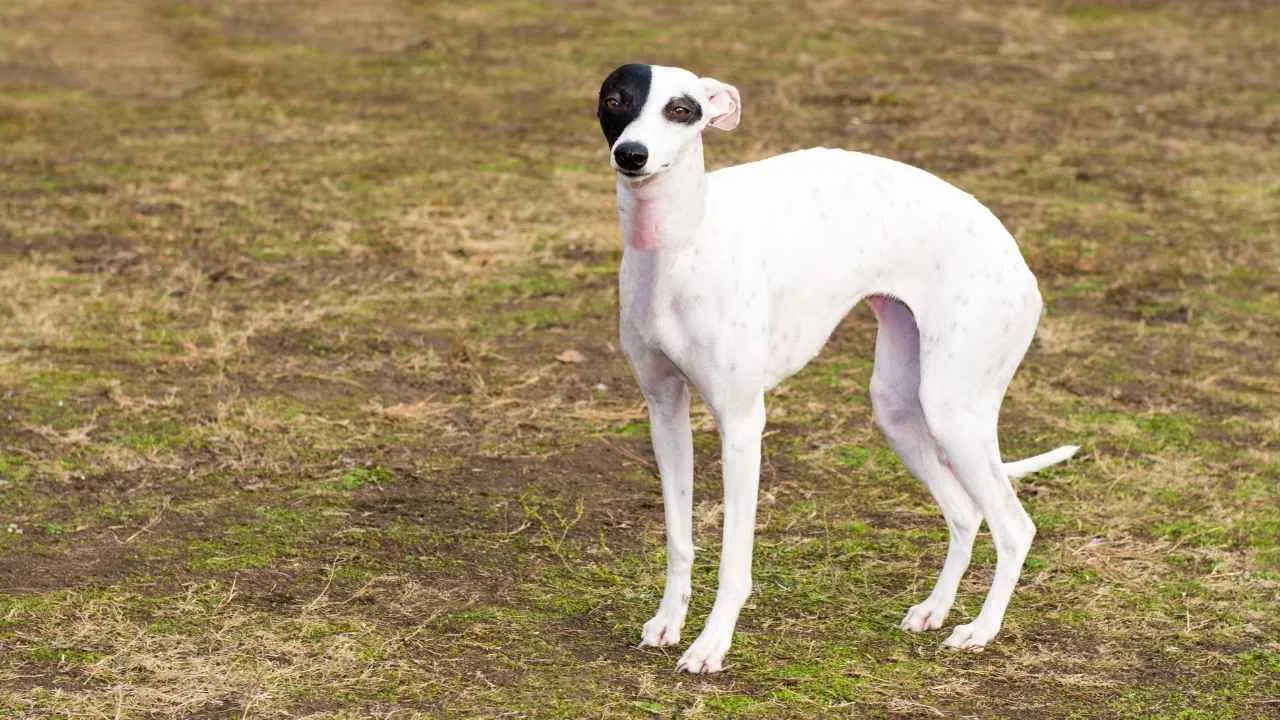
Whippets are gentle, affectionate, and quiet dogs that bond closely with their families. They are sensitive, and so they do best with understanding owners.
While they are calm indoors, they can switch into full focus mode when chasing something. This mix of softness and speed makes them loving and rewarding companions in the right home.
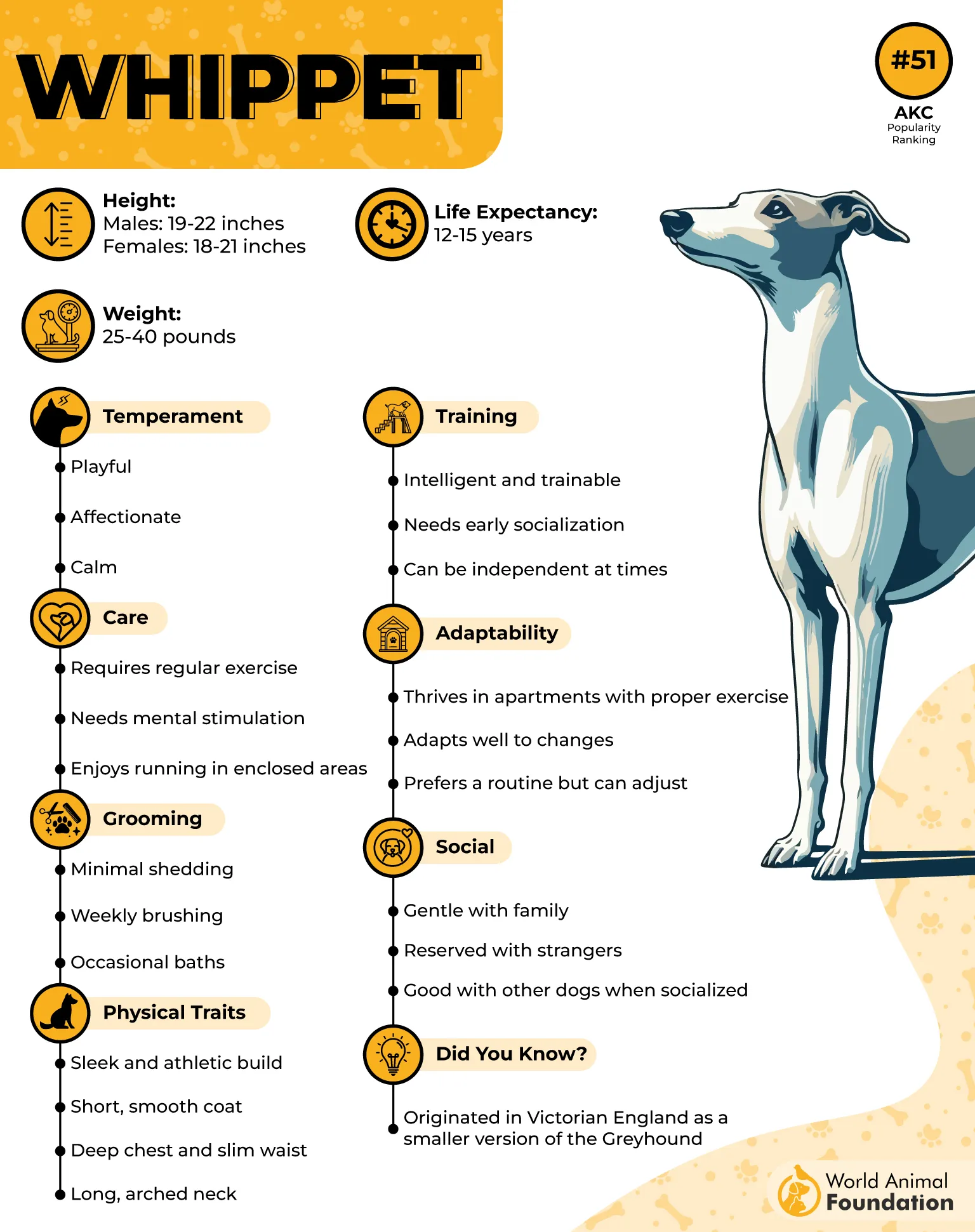
Personality and Lifestyle
These dogs are famous for their speed and athletic build, but at home, they are relaxed and even lazy at times. They enjoy long hours of rest after short bursts of running or play.
Whippets are generally quiet and rarely bark, making them suitable for apartment living as long as they get regular exercise. They are social dogs but can develop separation anxiety if left alone for long periods, so companionship is important.
Care and Maintenance
Whippets are considered low-maintenance dogs. Their short, smooth coat needs only occasional brushing and light grooming. However, they do have sensitive skin and can get cold easily, so gentle care and protection in harsh weather is important.
They should be checked regularly for minor cuts or skin issues after outdoor activity. With their calm nature indoors and simple grooming needs, Whippets fit well into relaxed, easygoing households.
5. Shiba Inu
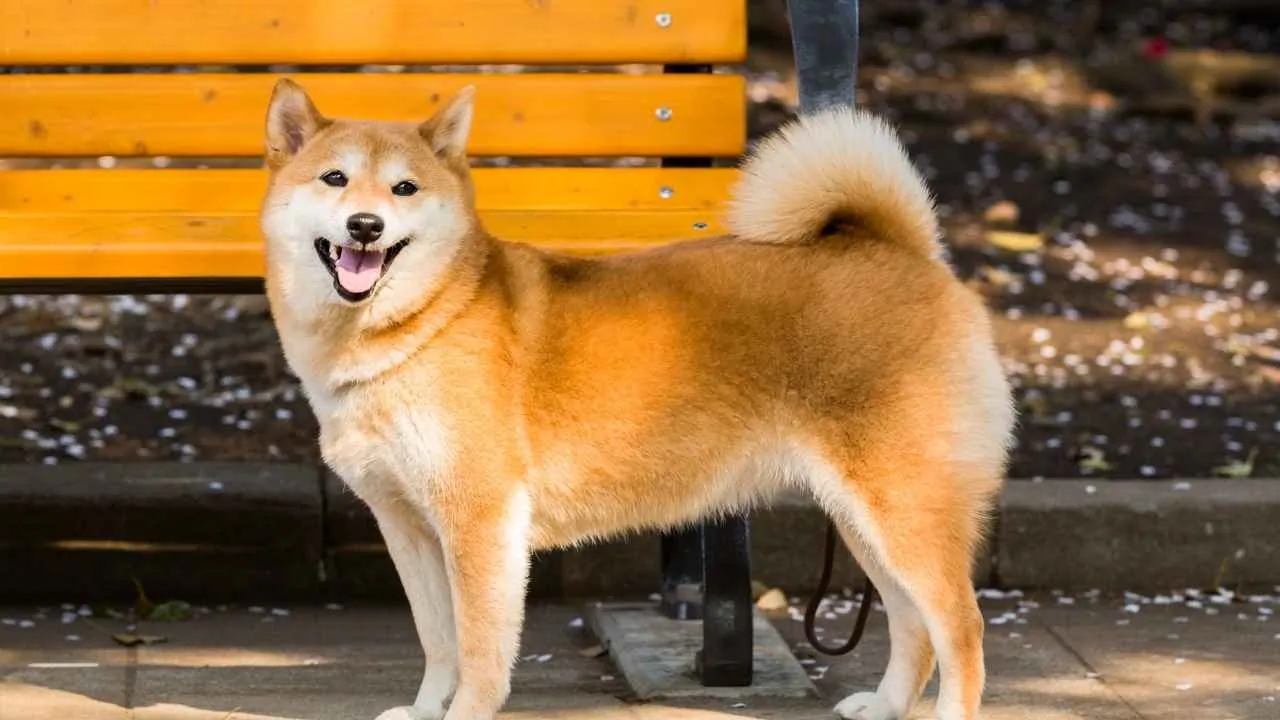
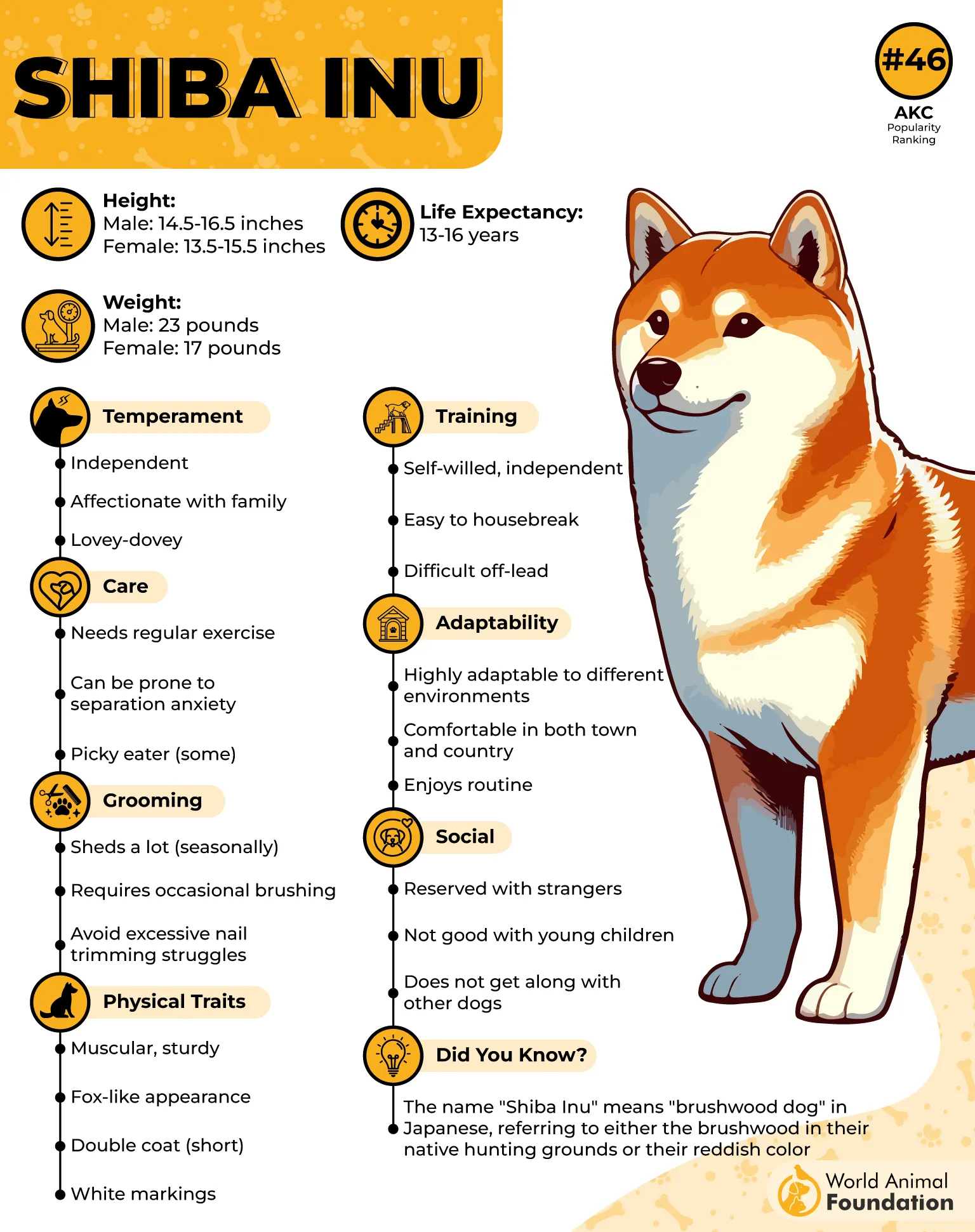
Shiba Inus are ancient Japanese dogs originally bred for hunting small game and birds. They are one of the oldest and most popular breeds in Japan today. Small, muscular, and foxlike in appearance, they are known for their curled tails, pointed ears, and alert, confident expression.
They are intelligent, strong-willed, and naturally clean dogs, but their independent nature makes them better suited for experienced owners.
Personality and Behaviour
These dogs are loyal and affectionate with their families, but often reserved with strangers. They have a strong independent streak and can be quite opinionated. Shibas are also known for being vocal in a unique way, often producing the famous “Shiba scream” when excited or upset.
They are intelligent but stubborn, so early training and socialization are very important. They also have a strong prey instinct and may try to escape or chase small animals if not properly managed.
Care, Grooming, and Lifestyle Needs
Shiba Inus are generally low-maintenance when it comes to grooming because of their clean nature. They naturally keep themselves tidy, but their thick double coat sheds heavily and needs regular brushing, especially during seasonal shedding.
They are active dogs that require daily exercise and mental stimulation to stay balanced. Without enough activity, they can develop unwanted behaviors.
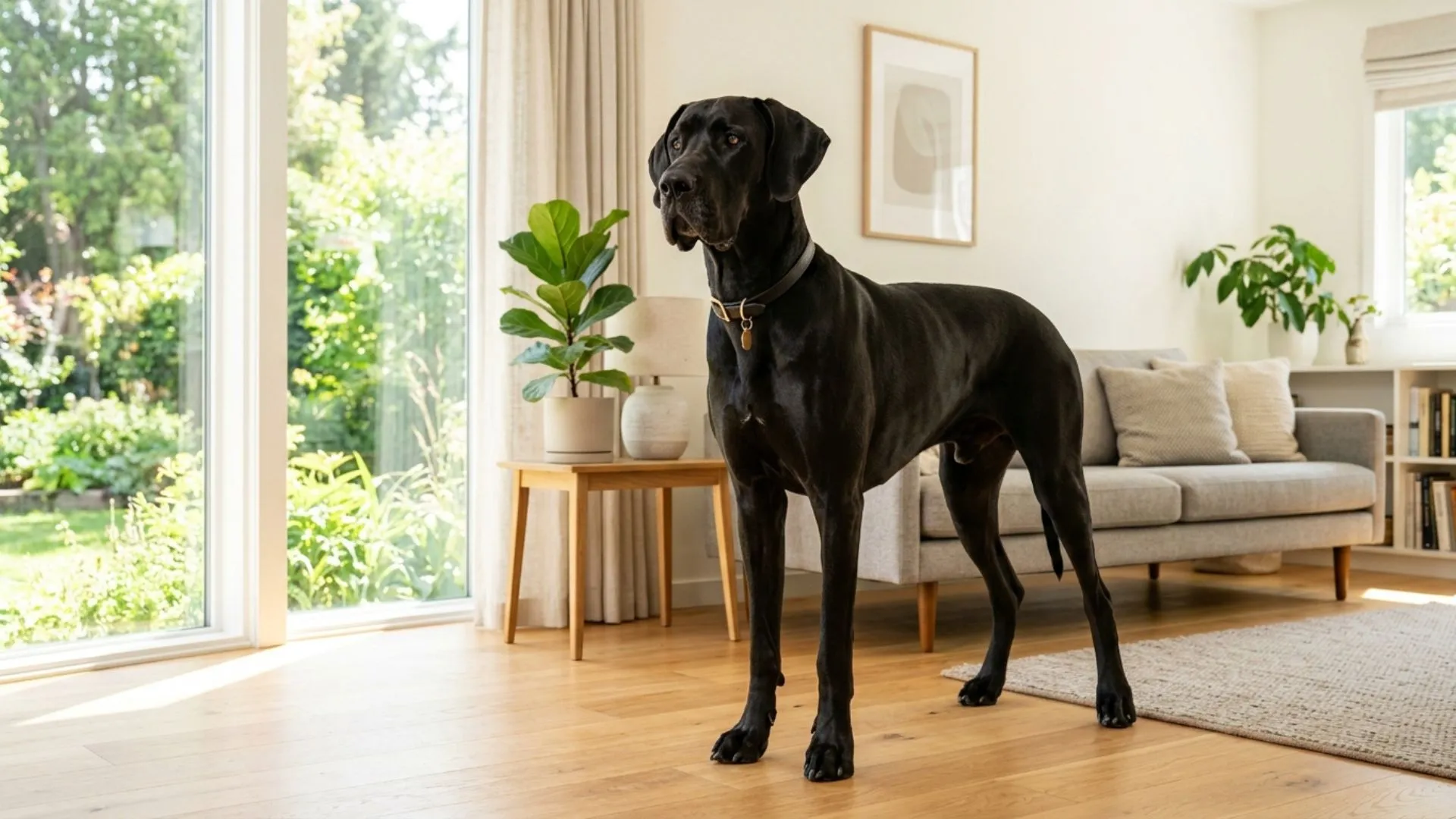
6. Great Dane
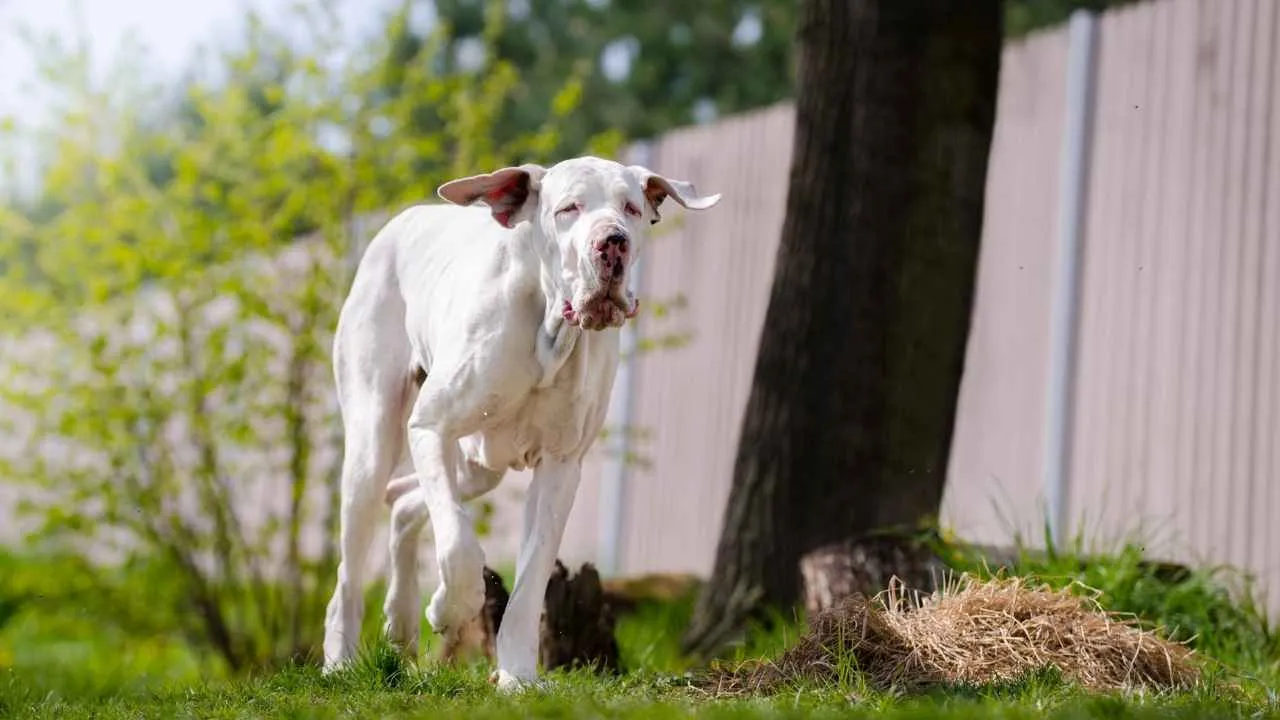
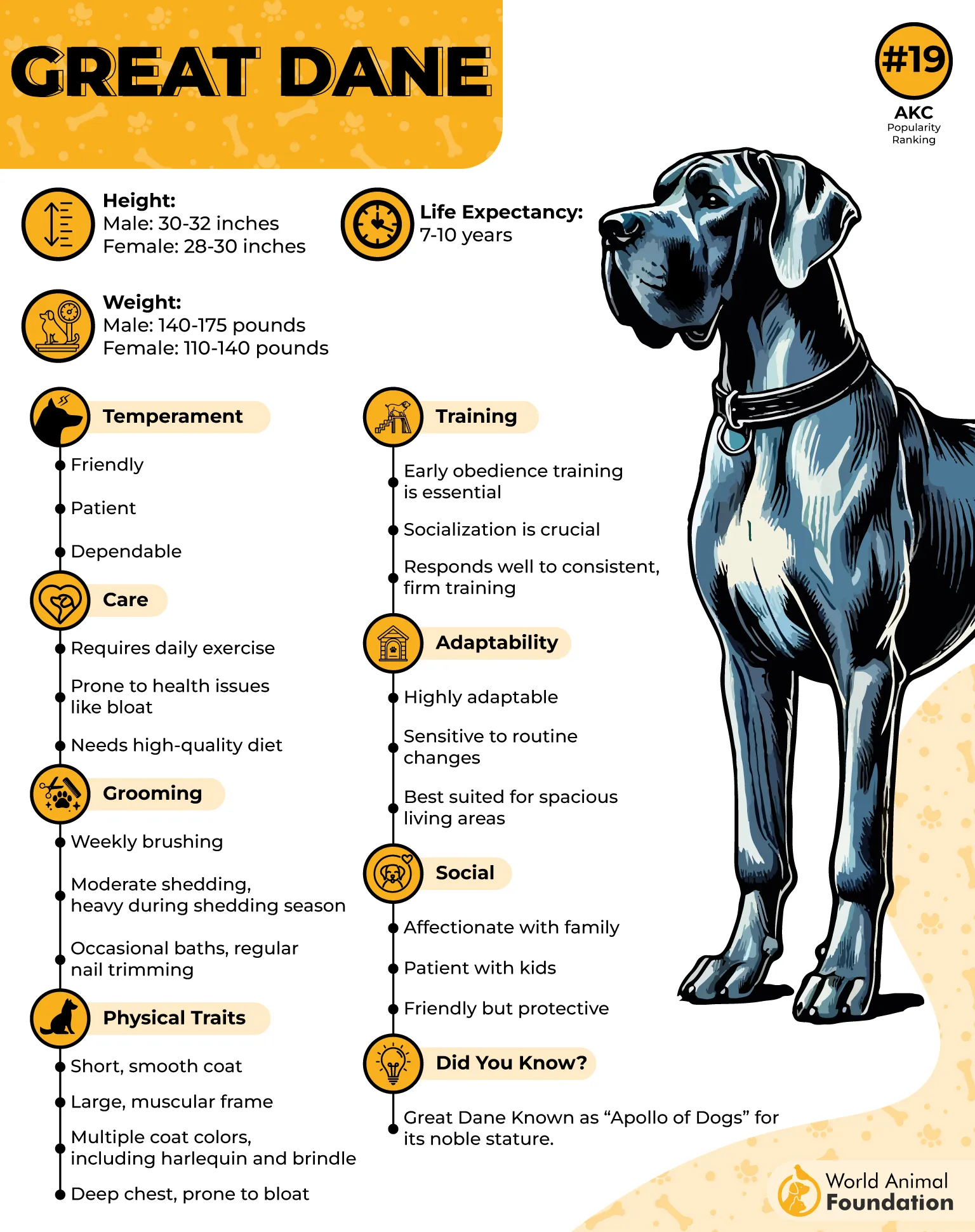
Great Danes are often called “gentle giants” for a reason. Originally bred in Germany for hunting wild boar and guarding estates, they are powerful dogs with a calm and friendly nature.
Despite their massive size and strong presence, they are affectionate, people-loving dogs that enjoy being part of family life. They are loyal, gentle with children, and naturally protective of their home.
Temperament and Daily Life
These dogs are generally easygoing and enjoy relaxed companionship with their families. They are moderately playful but not overly energetic, making them a good match for calm households with space to move around.
Great Danes usually get along with other animals if raised together, though they can sometimes be cautious with unfamiliar dogs. They are intelligent and trainable, but early obedience training and socialization are very important due to their size and strength.
Care and Maintenance
Great Danes have short coats that are simple to maintain, needing only weekly brushing. While they are not high-maintenance in grooming, their large size means they need more food, space, and structured care than smaller breeds.
Daily walks and light exercise are essential, especially when young. They also need careful feeding routines to support digestion and prevent health issues like bloat.
7. Basset Hound
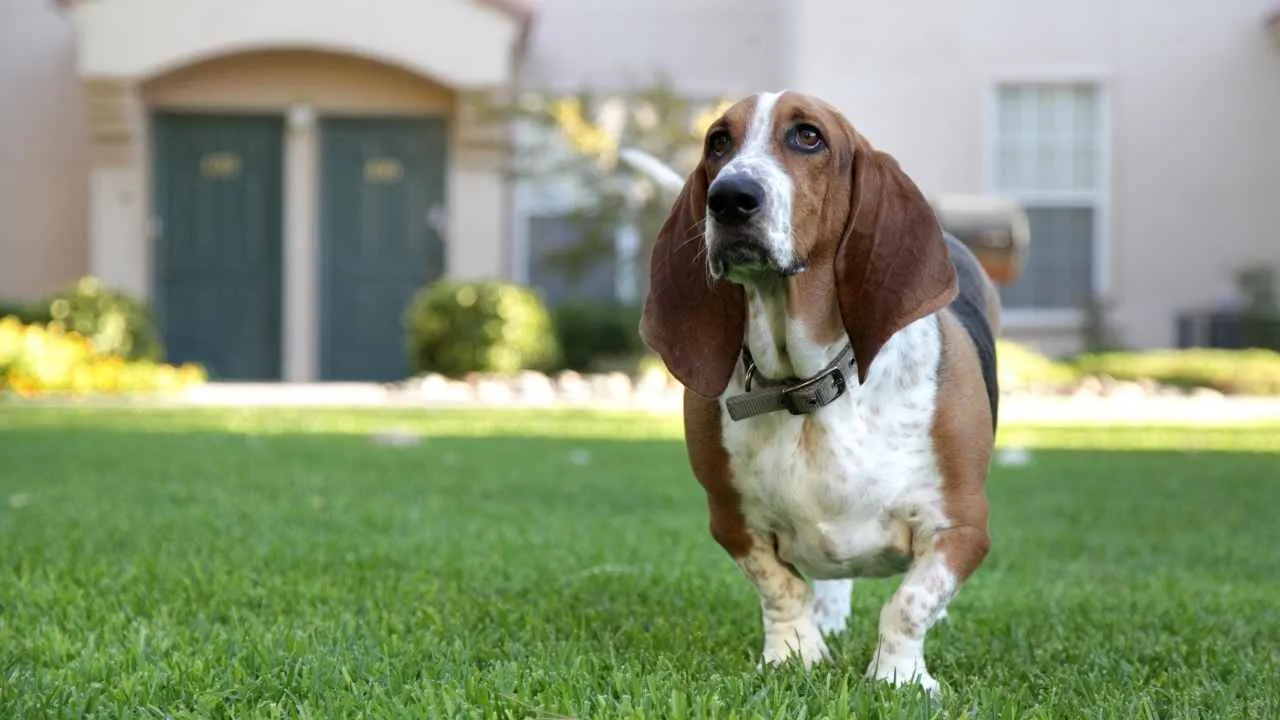
Basset Hounds are French hound dogs originally bred to hunt rabbits and hares. They are descendants of the St. Hubert Hound and are known for their short legs, long bodies, and strong scenting ability.
Despite their hunting background, they are calm, slow-paced dogs that are now mostly kept as loving companion pets. Their droopy ears, wrinkled skin, and sad-looking eyes give them a unique and easily recognizable appearance.
Temperament and Daily Life
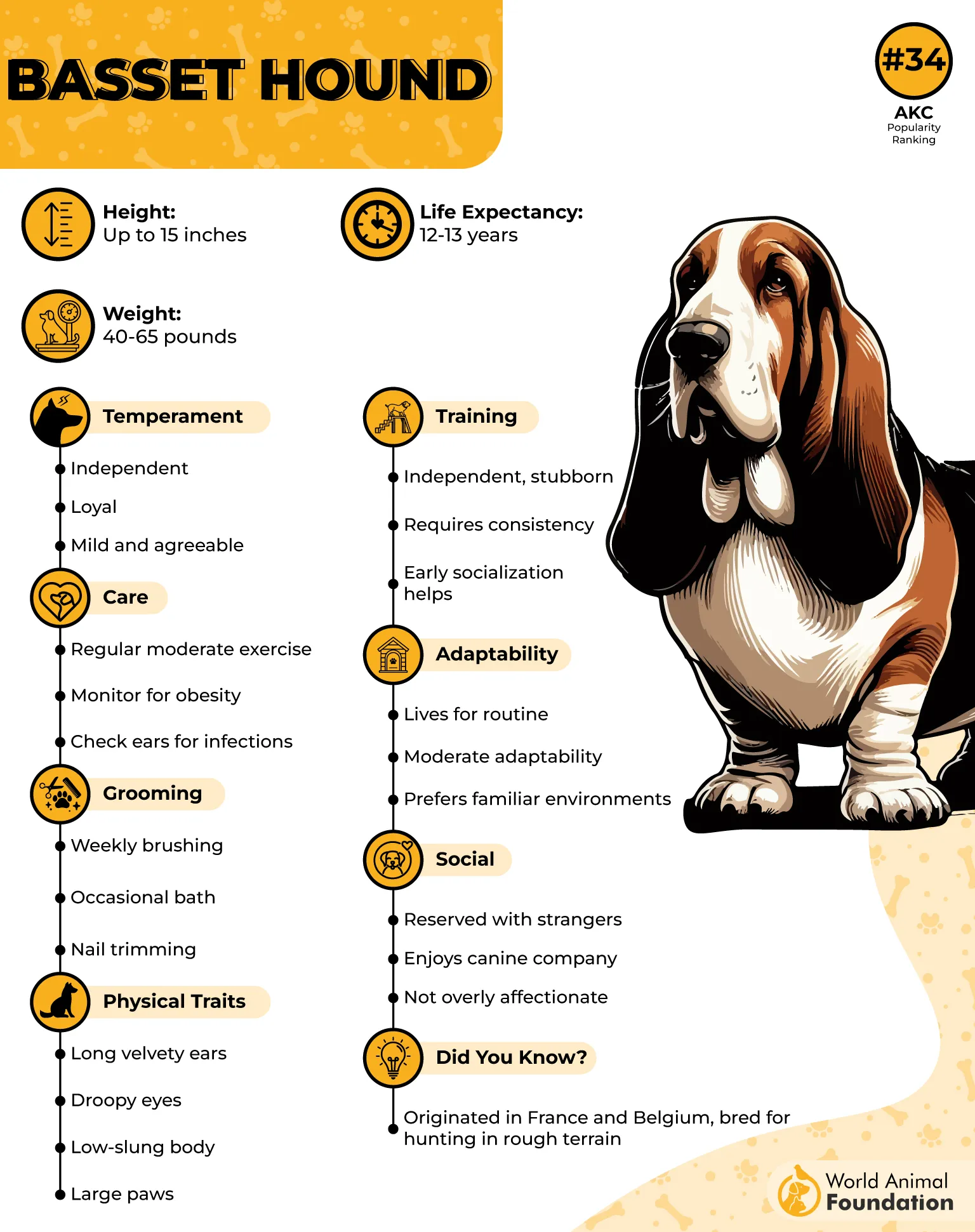
These dogs are friendly, social, and easygoing. According to Purina, they usually get along well with children and other dogs, especially since they were originally bred to work in packs. However, they can be stubborn and independent, which makes training a bit challenging and requires patience.
Basset Hounds also have a strong sense of smell, so they may follow scents and wander off if not supervised. They can bark loudly and enjoy companionship, so they don’t like being left alone for long periods.
Care and Maintenance
Basset Hounds are considered low-energy dogs and only need light daily exercise, such as a simple walk. Their short coat is easy to manage but sheds regularly and needs daily brushing to control loose hair.
They don’t require professional grooming, but their skin folds and ears need regular cleaning to prevent infections. With their relaxed nature and simple exercise needs, they fit well into calm, low-maintenance households.
Conclusion
Finding the best low-maintenance breeds for a relaxed household is really about choosing a companion that matches your lifestyle, not just your living space.
While every dog needs care, attention, and love, most low-maintenance breeds naturally fit better into calm routines with minimal grooming, moderate exercise needs, and adaptable temperaments.
If you’re planning to welcome a dog into your home, take your time to think about your daily schedule, energy level, and space. The right dog breed doesn’t just reduce stress—it creates balance and companionship that feels effortless over time.
In the end, the best choice is the one that brings joy into your routine without complicating it, turning everyday moments into something warmer and more meaningful.
