




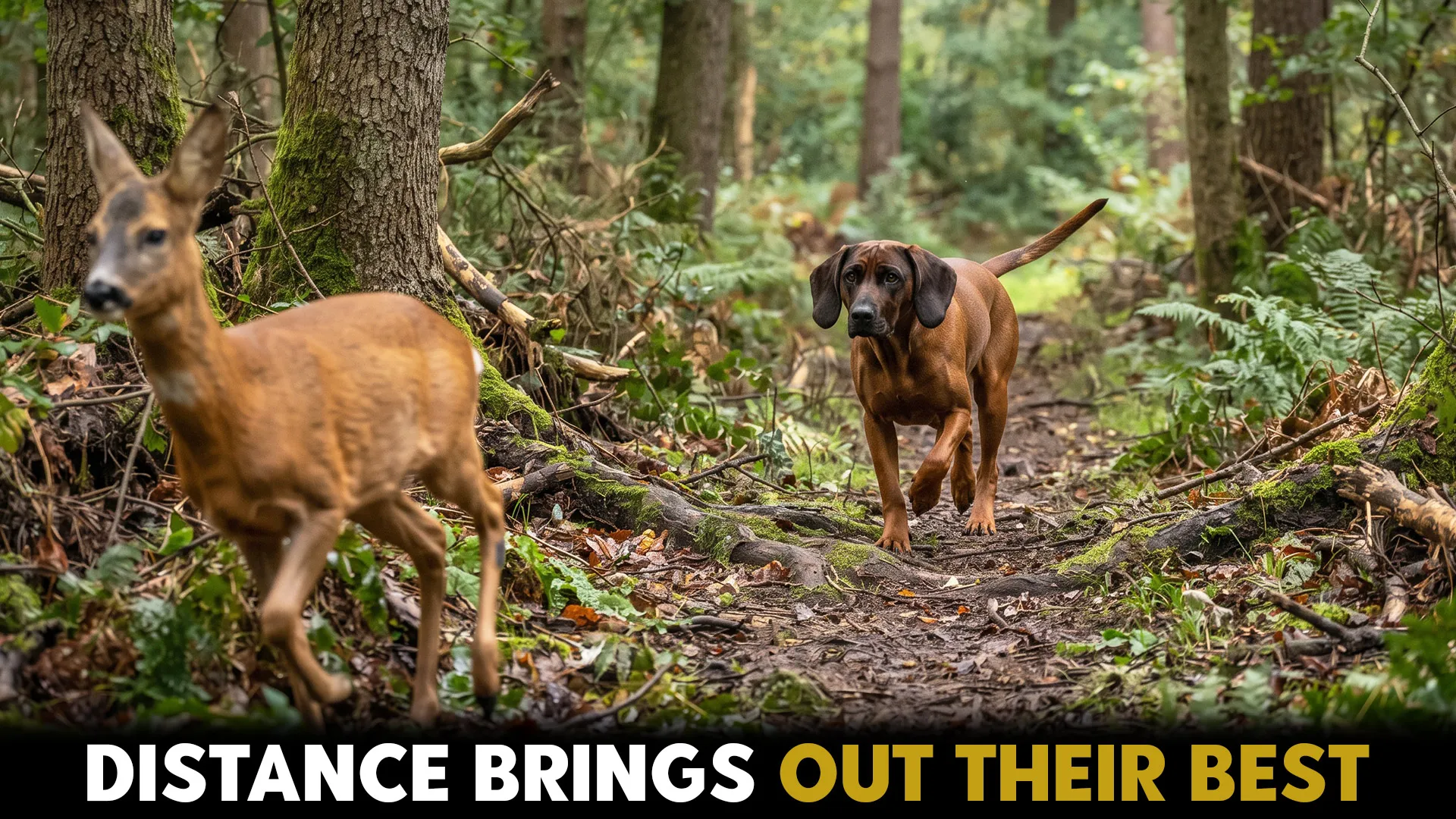
A long trail can test a hunting dog from the first step to the final find. Scent may weaken, terrain may change, and the quarry can travel far enough to leave the handler wondering whether the trail will hold.
Dogs suited to this work are built around qualities that matter beyond simple speed. Strong scenting ability helps them locate and follow a trail, while endurance keeps them working across demanding ground. Focus matters too, especially when distractions, cross-trails, or difficult surfaces interrupt the path.
Scent hounds are naturally well equipped for extended trailing, and other hunting dogs bring valuable combinations of athleticism, sight, scent, and determination. The distance itself is only part of the challenge. Trail age, weather, terrain, and the type of quarry can all influence performance.
Finding a dog that matches those conditions makes every tracking outing more productive, controlled, and rewarding for the hunter in practice outdoors.
Key Takeaways
A scent trail can disappear, yet these dogs know there is still something worth following.
The Bloodhound can stay locked onto an odor for hours, and the Bavarian Mountain Hound knows how to search for it when the trail weakens.
The Hanoverian Scenthound takes a patient approach to wounded-game tracking, while the Black and Tan Coonhound uses casting patterns to find a lost scent line.
The American Foxhound, Plott Hound, and Bluetick Coonhound take the story further, with each one showing a different side of long-distance tracking.
Best Hunting Dog Breeds for Long-Distance Tracking
1. Bloodhound
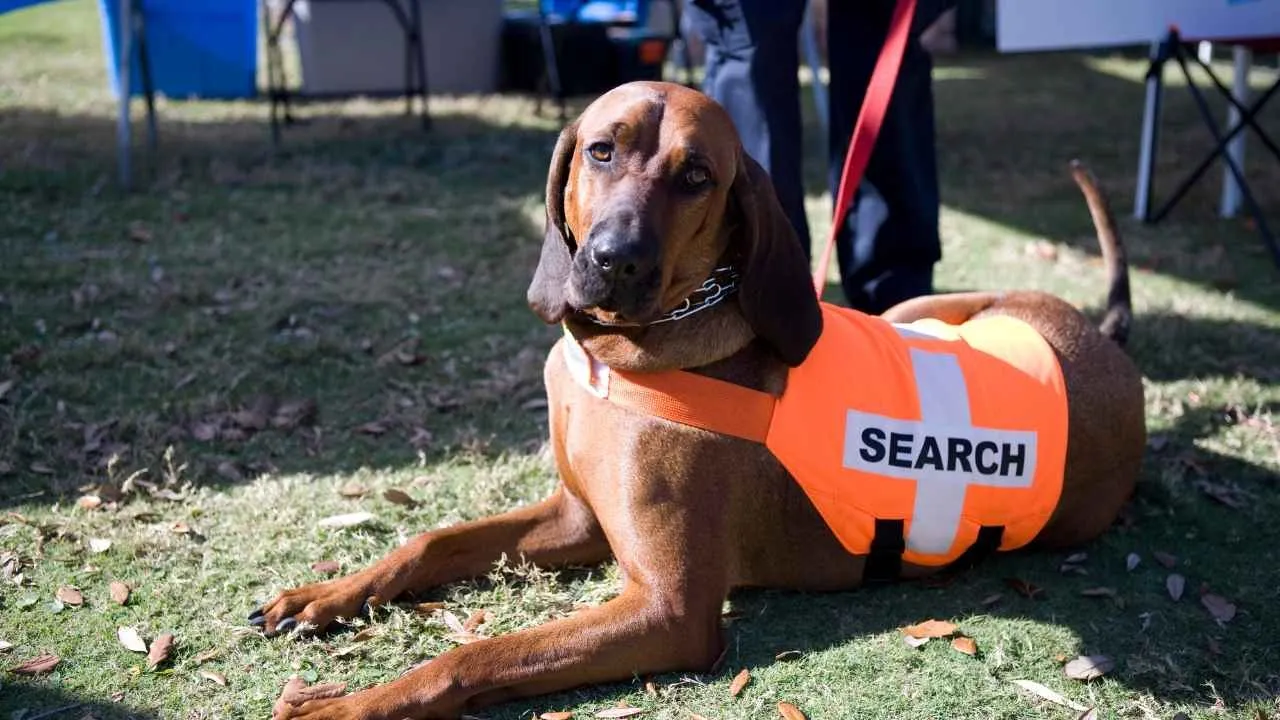
The Bloodhound has roots in medieval Europe, where these scent hounds were used for hunting and carefully bred on the grounds of French monasteries. Their earlier name, “blooded hounds,” referred to noble bloodlines, and the name Bloodhound emerged later, as mentioned by Purina.
A Nose Built for Trails
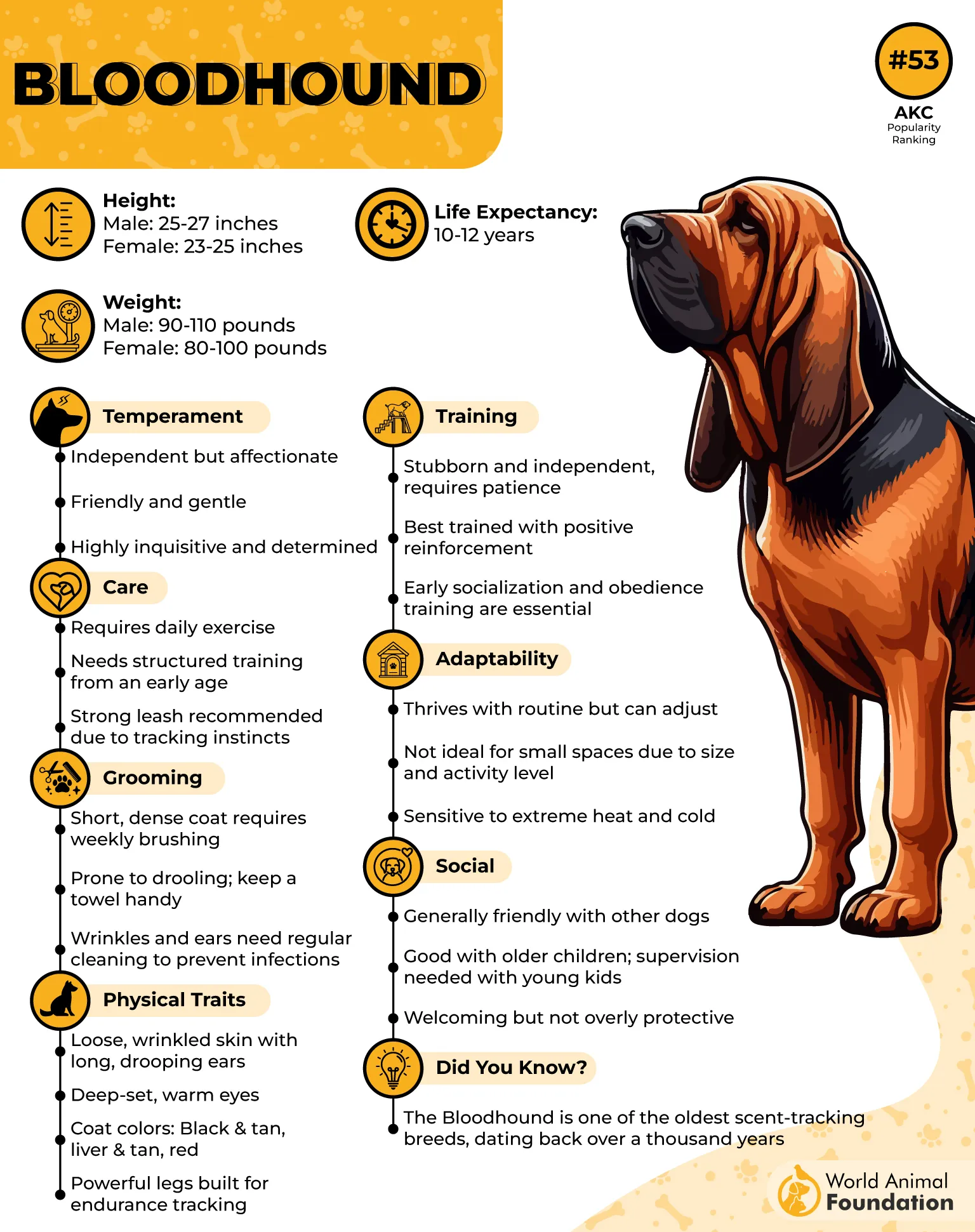
They can follow a scent line with extraordinary persistence, using their large nasal cavity and specialized scent anatomy to distinguish odors. Their long, low-set ears can also help stir ground scent toward the muzzle while tracking across varied terrain.
These working details make their tracking style especially distinctive:
Can bay while following a trail
Uses air-sniffing when ground scent weakens
Sweeps side to side to reacquire trails
A Determined Tracker
This hunting dog breed can lock onto an odor and ignore distractions for hours, using a deliberate gait suited to prolonged walking and trotting rather than bursts of speed.
Loose skin and wrinkles around the head and neck may also help retain scent close to the nose during tracking.
2. Bavarian Mountain Hound
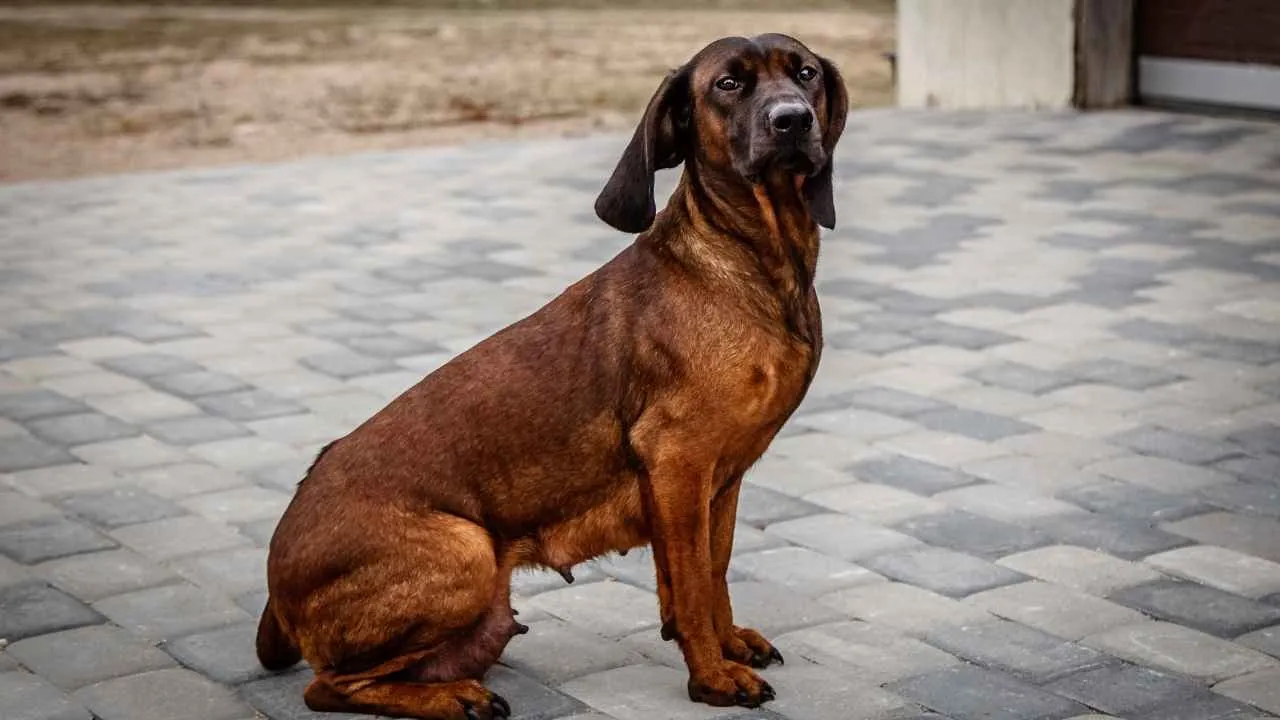
Bavarian Mountain Hound originated in Germany through deliberate crosses between the Hanover Hound and Bavarian hounds, creating a lighter scent hound suited to rugged terrain.
Hunters used these dogs to follow injured large game through hilly regions, while the breed later gained popularity across Germany, Austria, and Hungary.
A Nose for the Trail
They work methodically with their nose close to the ground, following blood, hoof, and disturbed-earth scents while correcting their line when the trail weakens.
If the scent disappears, they can cast in wide arcs and search systematically until the track is found again.
The working details behind that ability are quite specific:
Long ears help retain scent near the nose
Strong paws provide traction on rocky ground
Weather-resistant coat handles wet forest conditions
Focused to the End
This skilled hunting dog can become intensely absorbed in hoofed-game scent once a trail captures its attention, making recall particularly difficult during off-leash work.
Its persistence can seem stubborn during training, so patient and consistent methods are important for keeping lessons productive.
3. Hanoverian Scenthound
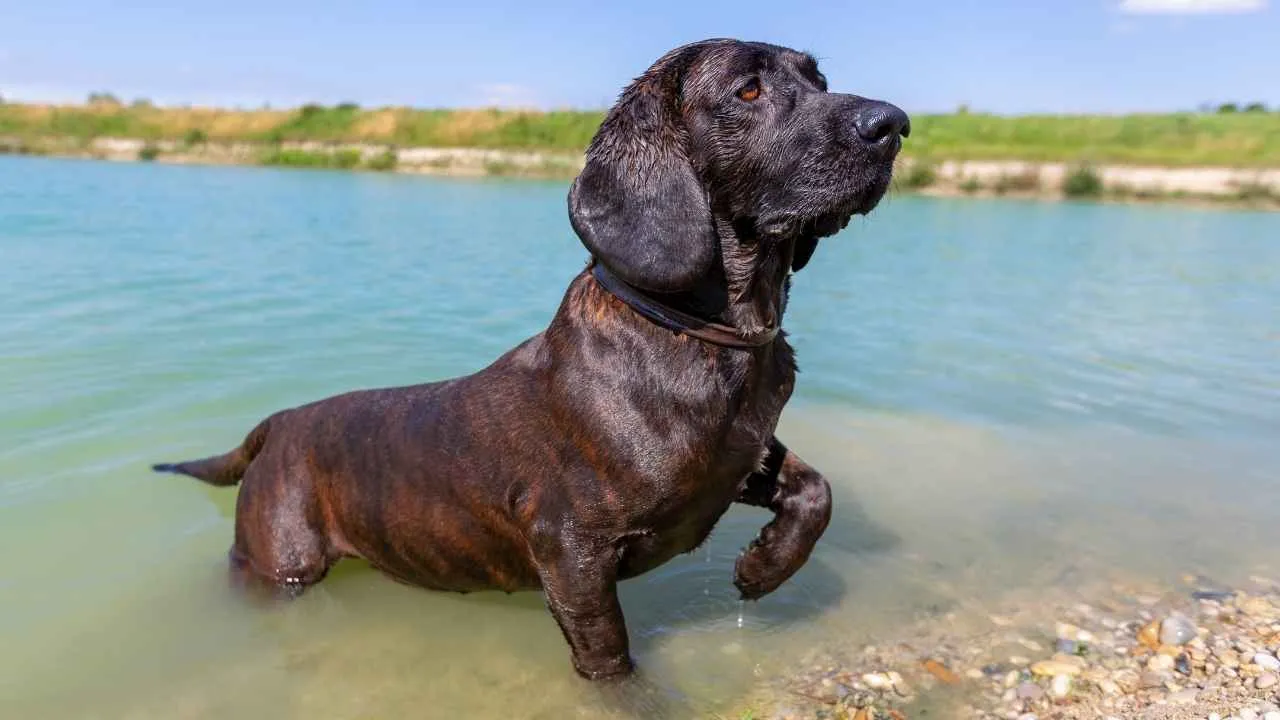
Hanoverian Scenthound was originally bred in Germany’s Hanover region during the early 19th century, with local hunting dogs crossed with Bloodhounds and other scent hounds.
One local influence was reportedly the Liam Hound, a type of hound associated with the early Middle Ages.
Nose on the Trail
This scent hound was used specifically to follow wounded game through scent, giving it a highly specialized role in demanding hunts. Its tracking style is calm and methodical, with the dog concentrating closely on one scent while working on a long leash.
These details make that tracking ability easier to understand:
Broad, deep chest for strong lung capacity
Muscular legs suited to rough ground
Patient, careful scent work
A Serious Prey Drive
Hanoverian Scenthound has been used in search and rescue work, including efforts to locate missing people and disaster victims, as Basepaws claims. Its powerful hunting instinct can also send it after smaller animals, making early socialization and careful training particularly important.
4. Black and Tan Coonhound
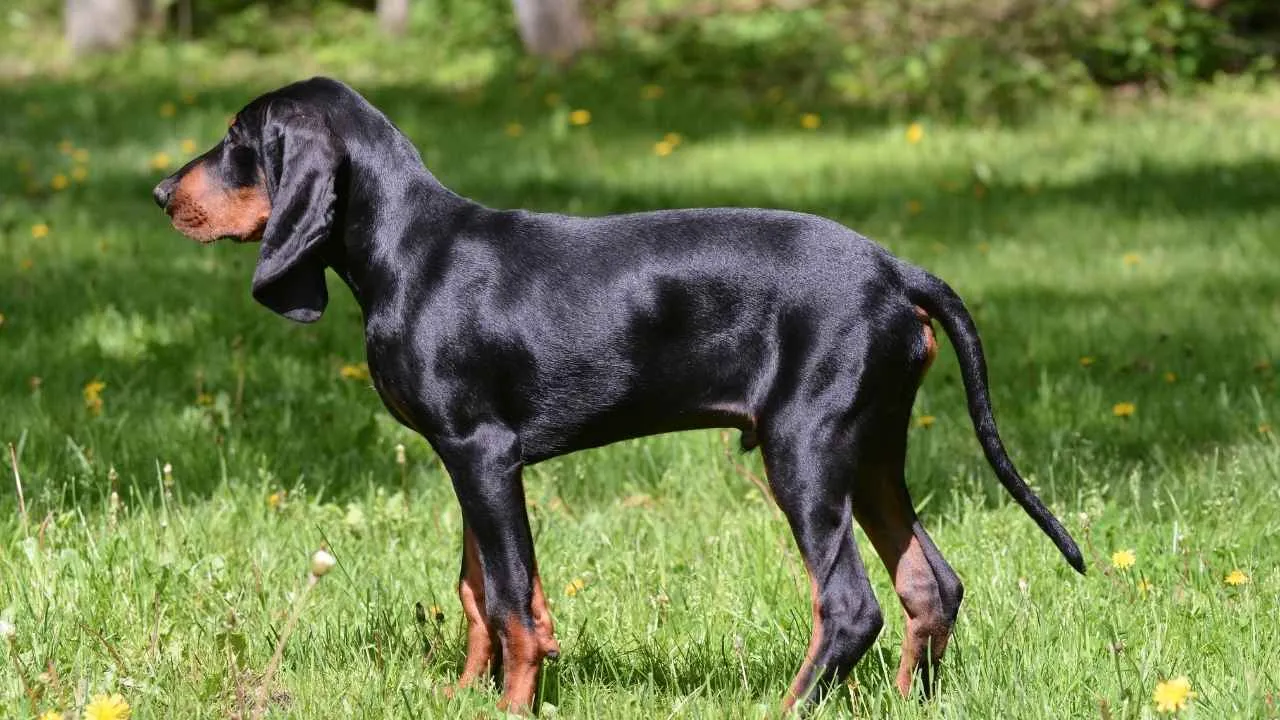
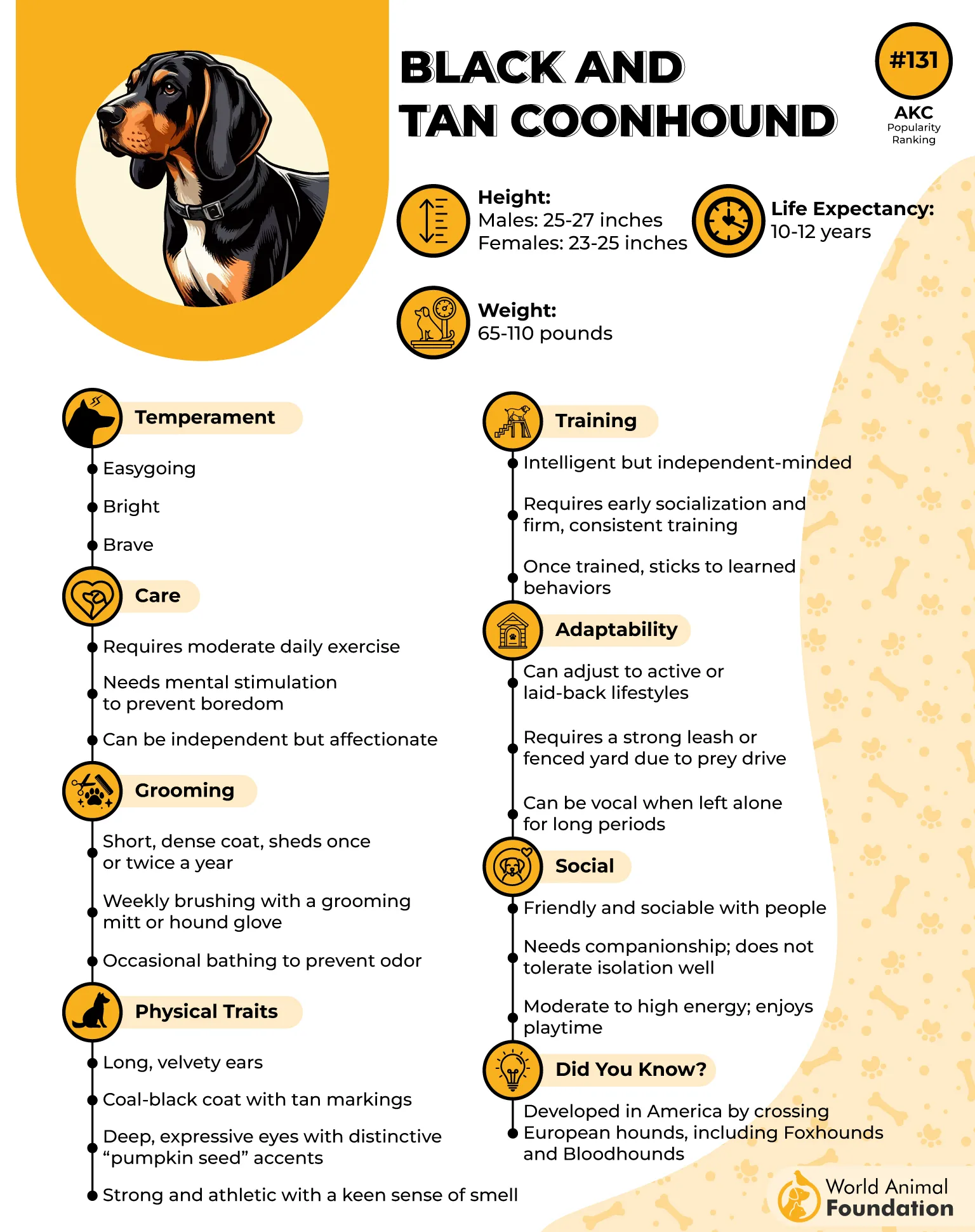
Black and Tan Coonhound is an American scent hound whose early work centered on tracking raccoons and other game through challenging terrain. The breed emerged in the United States around the turn of the 20th century, with the American Kennel Club recognizing it in 1945.
Nose to Ground
This Coonhound follows odor rather than relying mainly on sight, using its powerful scenting ability to work out a trail over long distances.
Its long ears can help direct ground scents toward its nose, while the loose skin around its head and neck may help keep scent particles close to its face.
These details reveal how specialized that tracking style can be:
Uses zig-zag casting to recover lost scent lines
Reads scent marks on trees and posts
Switches from trail baying to sharper tree barking
Made for the Miles
Black and Tan Coonhound has a deep chest and efficient gait suited to steady trailing rather than short bursts of speed. Its persistence and high pain tolerance also support prolonged work across rough ground, including the demanding conditions encountered during extended hunts.
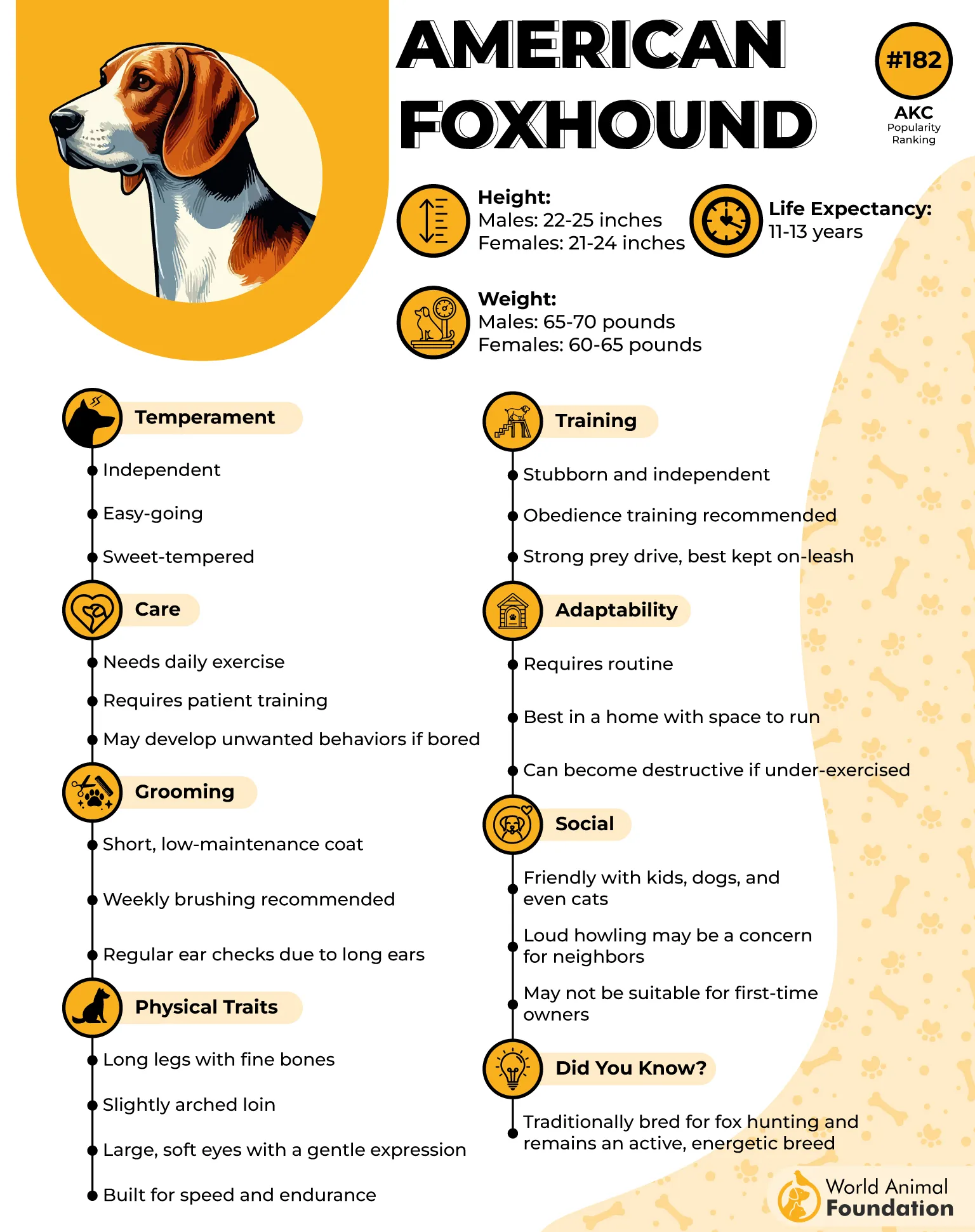
5. American Foxhound
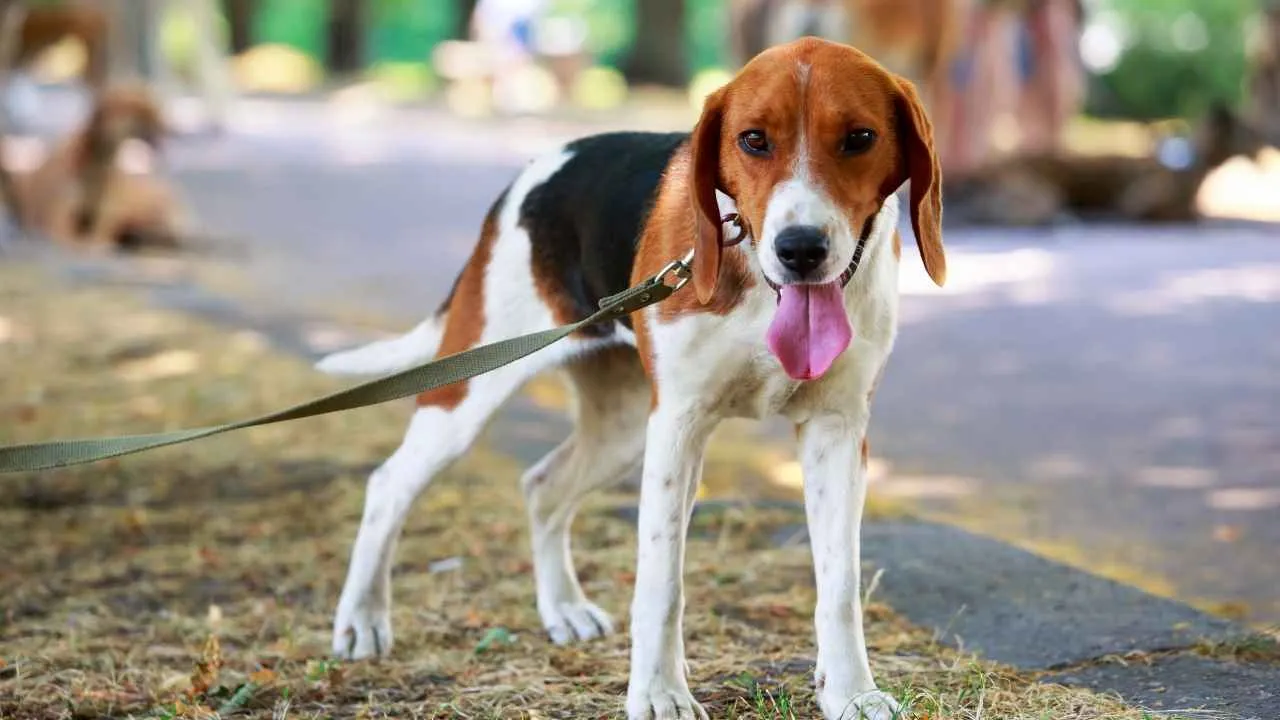
American Foxhound arrived in America during the 1650s through English settlers, and fox hunting became increasingly popular among the upper classes by the 1700s. Riding with a pack of Foxhounds even became a marker of social status during that period.
Built for the Scent Trail
Their exceptional nose lets them follow a quarry across miles of ground, making sustained scent work central to their style. Its lean frame, long legs, and efficient gait support a steady pace across varied terrain for extended pursuits.
The breed also brings several specialized tracking features:
Pendant ears that help channel scent toward the nose
Broad nasal area suited to close-ground tracking
Widening arcs used to relocate a lost scent
A Pack-Minded Worker
American Foxhound was shaped for cooperation within large packs working under human direction, so interaction with other dogs can be especially important. Once a scent line catches its attention, intense nose-to-ground focus can make surrounding distractions much easier to ignore.
6. Plott Hound
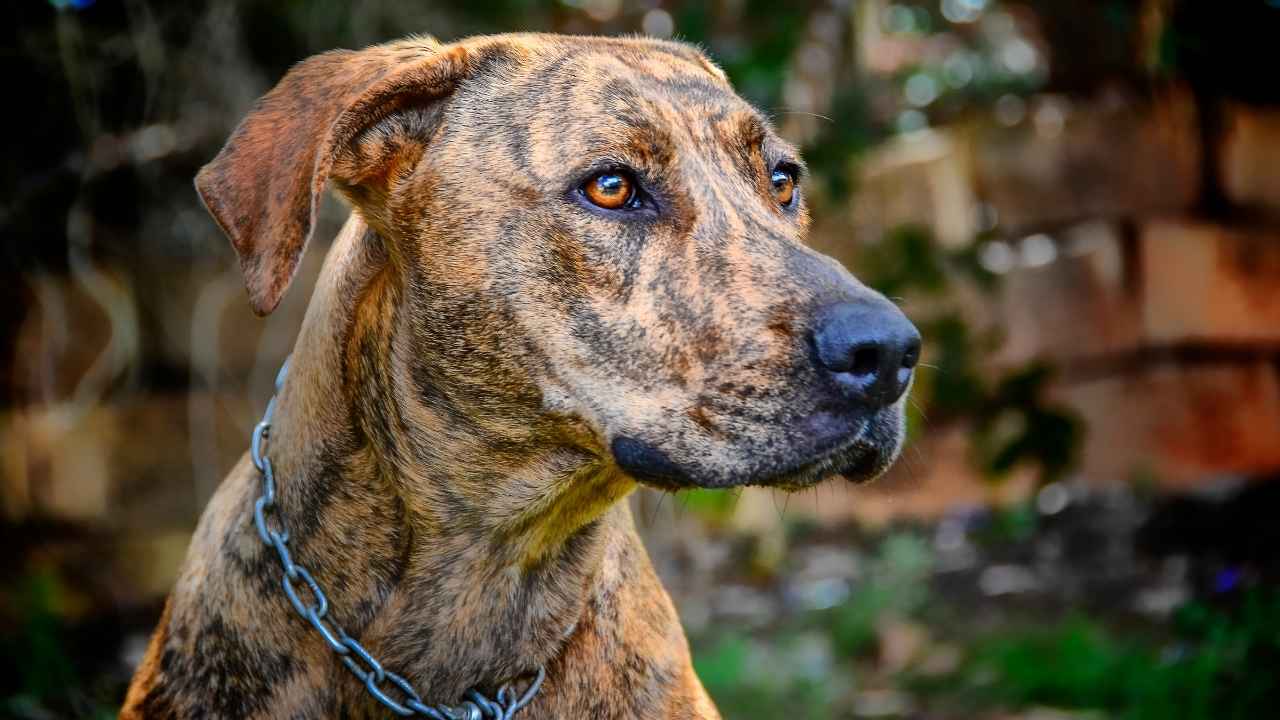
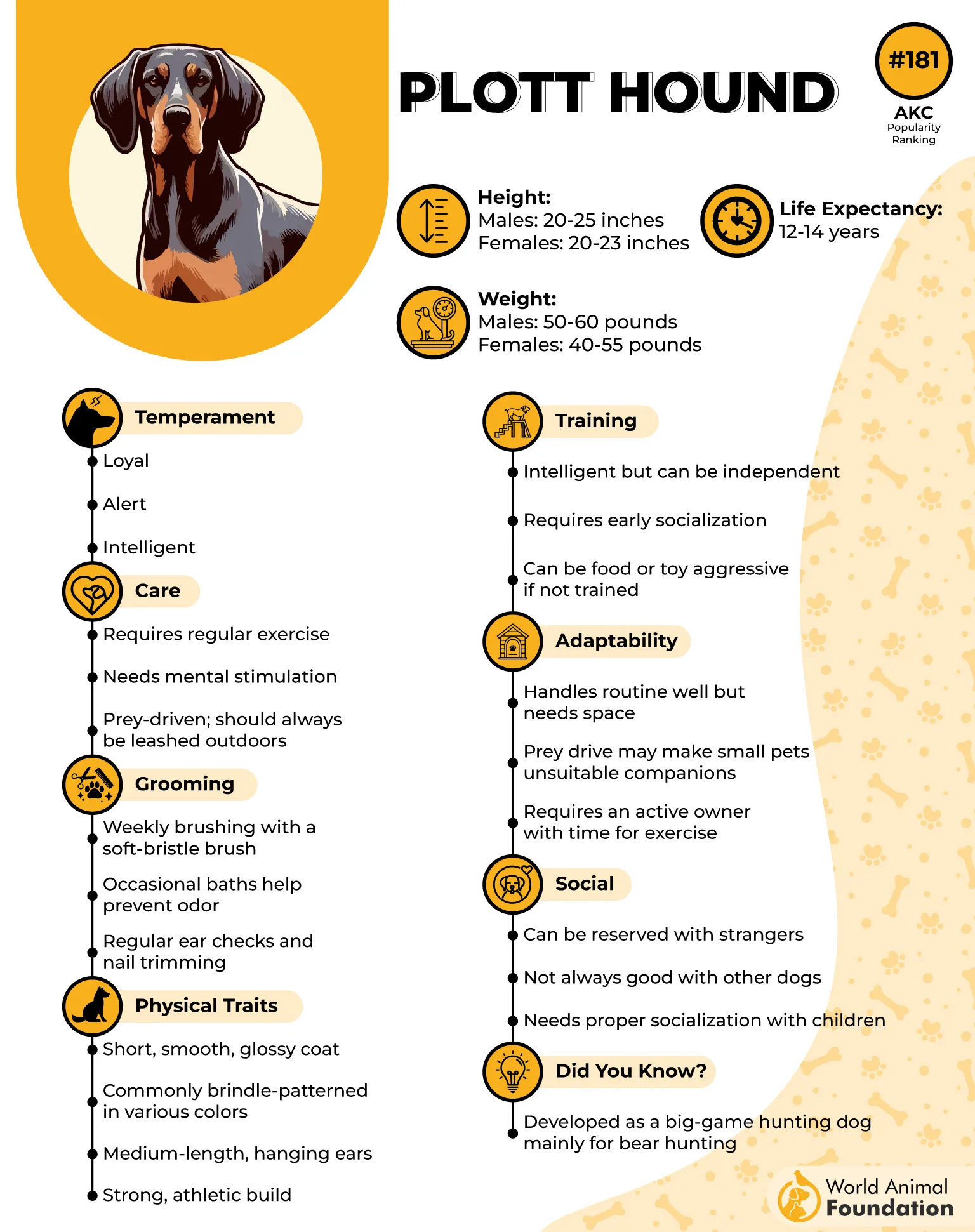
Plott Hound is the official state dog of North Carolina, with roots reaching back to the mid-1700s when the Plott family brought their German hunting dogs to the region. Their work also extended beyond hunting, as nearby farms sometimes relied on them for protection.
Made for Old Trails
This good hunting dog has an intense tracking ability shaped by selection for cold trails, meaning older scents, and difficult mountainous or brush-covered ground.
Its efficient gait and durable frame help it work for long periods while following a fading trail through demanding terrain.
These traits are useful on extended tracks:
Side-to-side scent-casting to recover lost trails
Deep bay audible through dense woodland
Persistent pursuit across long distances
Voice Has a Purpose
Plott Hound uses different vocalizations during pursuit, with changes in its bay helping indicate that it has located or is holding game. Its pack instincts can also support coordinated work with other hounds, while a strong prey drive may make chasing squirrels and managing small pets an important consideration for a family dog.
7. Bluetick Coonhound
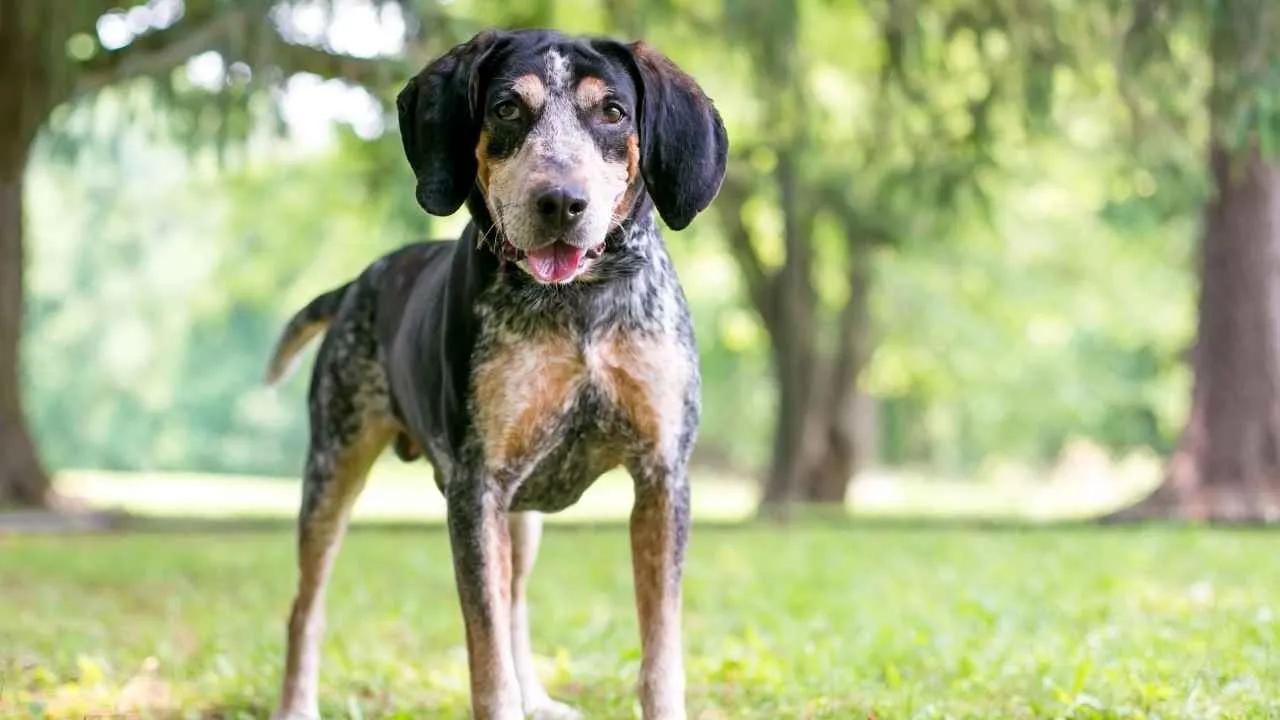
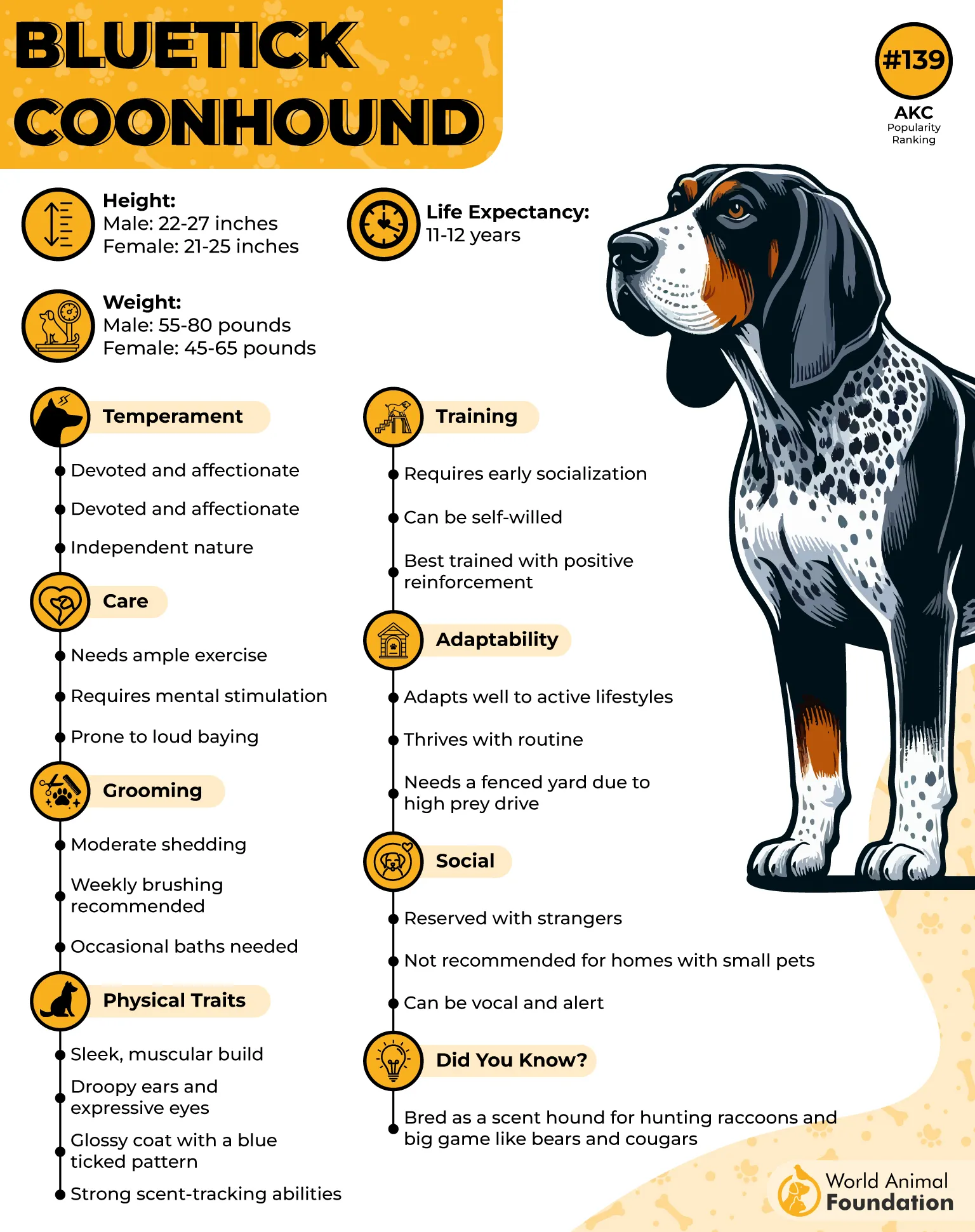
Bluetick Coonhound descends from the Grand Bleu de Gascogne and English Foxhound, and was once grouped under the English Coonhound name. In 1945, its breeders separated from that group as English lines favored faster, hot-nosed hunters, while Blueticks retained the slower, cold-nosed style.
The breed was later recognized by the AKC in 2009, giving its distinct identity official recognition. Its cold nose allows it to work out older scents that can be difficult for faster scent hunters to locate.
Nose on the Trail
This loyal hunting companion uses an exceptionally strong sense of smell to follow raccoon and other game through forests and swamps, as noted by the AKC. When a scent fades, it can sweep from side to side until the trail returns, then lock onto the line and pull forward again.
Three qualities reveal how specialized that tracking style is:
Loose facial skin around the muzzle
Long ears positioned near the scent path
Deep chest built for sustained exertion
Independent on Purpose
Bluetick Coonhound was bred to work away from its handler, so it may select its own route when following a scent instead of waiting for constant direction.
It also has a strong prey drive around other animals, while its intelligence and determination make it highly trainable with patient, confident guidance.
Conclusion
Long-distance tracking asks more from a hunting dog than a strong nose alone. Endurance, focus, trail discipline, and the ability to track down a fading scent can make a major difference when the quarry has traveled far. Weather, terrain, trail age, and ground cover can also change how difficult the work becomes.
Handlers should match the gun dog’s natural tracking style to the conditions they expect to encounter. Recall and leash control remain important because a focused tracker may ignore everything once a scent takes over.
Regular conditioning and practical scent work can prepare a dog to track down its quarry through the great outdoors on demanding days in the field.
