




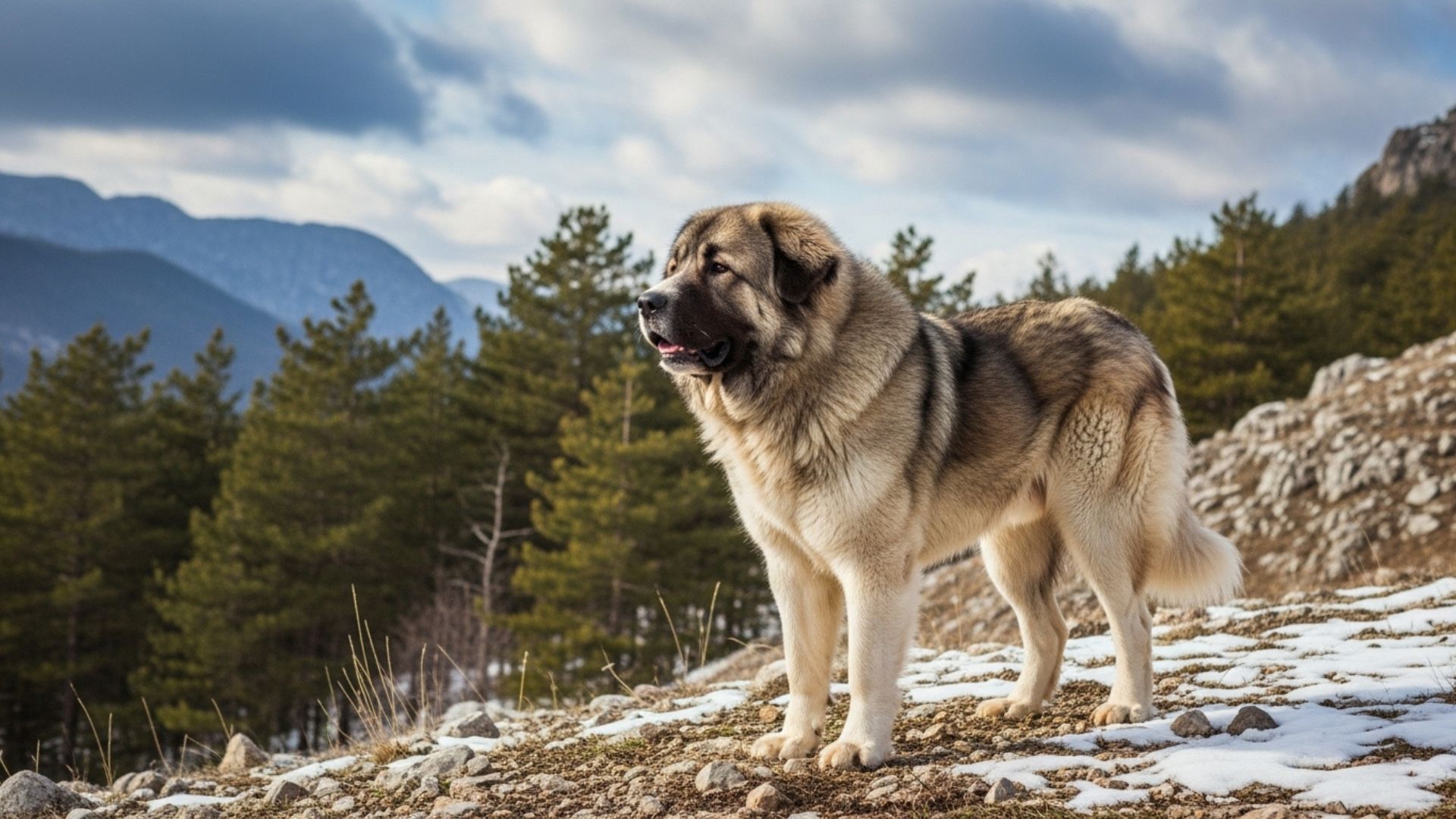
Imagine stepping outside at dawn, only to hear distant howls echoing through the forest. For those living near wilderness or wolf-populated areas, safety isn’t just about fences—it’s about having a loyal, fearless protector by your side.
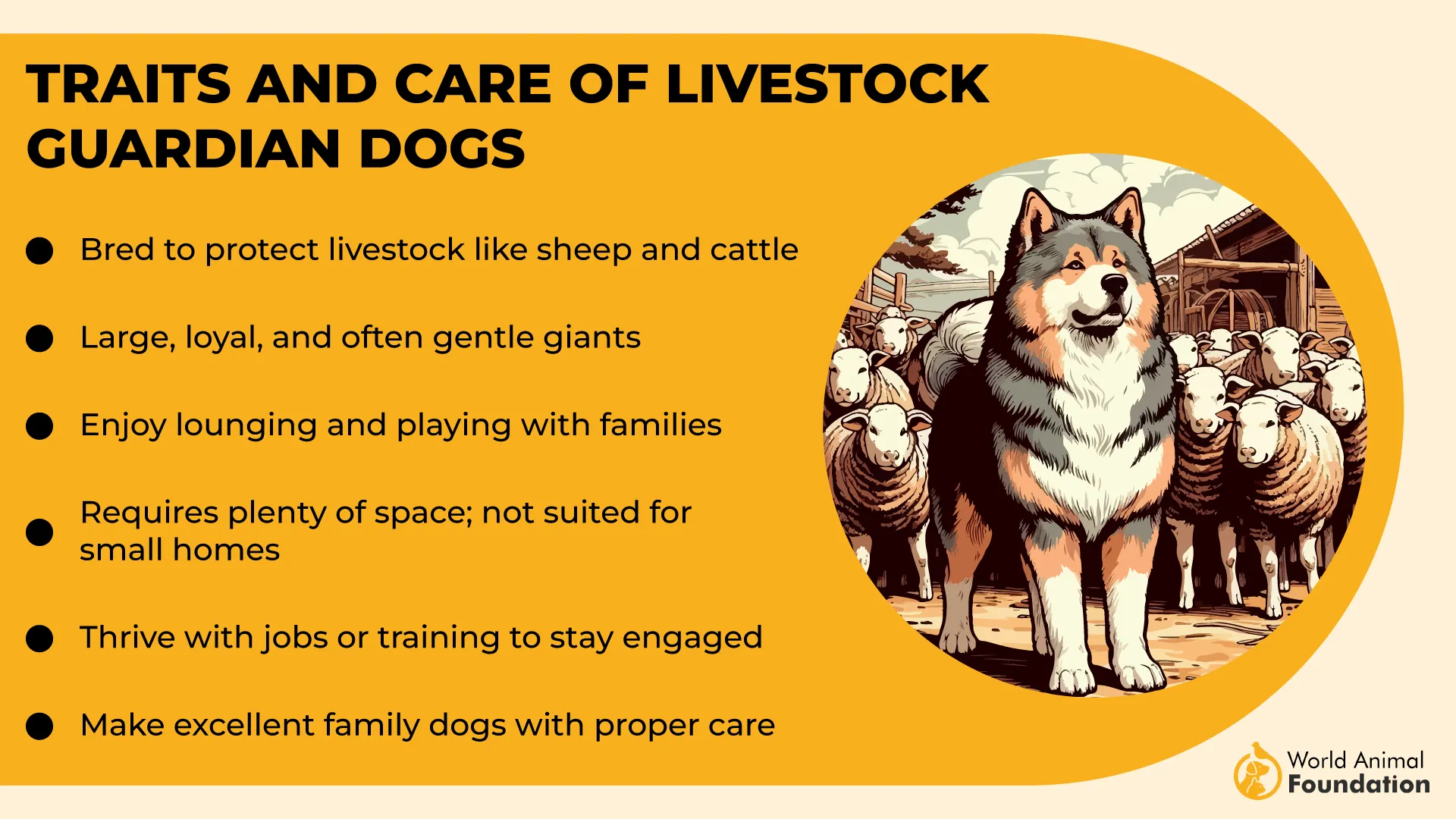
Certain dog breeds have evolved to guard livestock and families against predators, combining strength, intelligence, and courage. These aren’t ordinary pets; they’re guardians with instincts honed over generations.
Choosing the right breed isn’t just about size—it’s about temperament, training, and commitment. We’ll explore the top dog breeds best suited for keeping wolves at bay, their unique characteristics, and tips for training and care.
Whether you’re looking for a gentle giant or a fierce guardian, the right dog can transform your property into a safe haven, turning fear into confidence and howls into background music for your morning coffee.
Did you know? The Kangal, one of the most famous wolf-deterring breeds, has a bite force of over 700 PSI—stronger than a lion’s!
Best Dog Breeds For Wolf Deterrence
1. Anatolian Shepherd
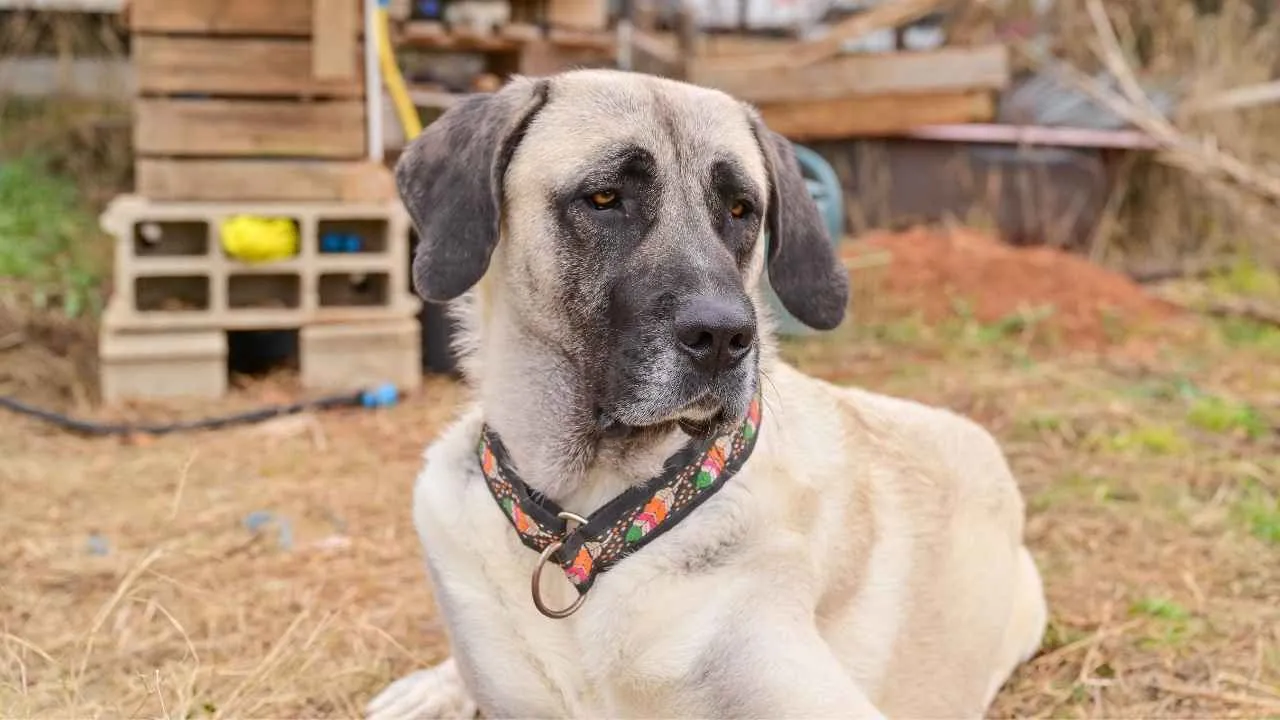
Picture this: you’re a wolf, you’re hungry, and you’ve just spotted what looks like an all-you-can-eat sheep buffet. You take one step closer and—BAM!—out of the shadows comes an Anatolian Shepherd, giving you that “don’t even think about it” glare. Suddenly, hunting rabbits doesn’t sound so bad anymore.
The Anatolian Shepherd hails from Turkey, with a history as legendary as its bark. Technically, it’s thought to be a cross between the regal Akbash and the mighty Kangal, but make no mistake—this isn’t some “designer dog” situation.
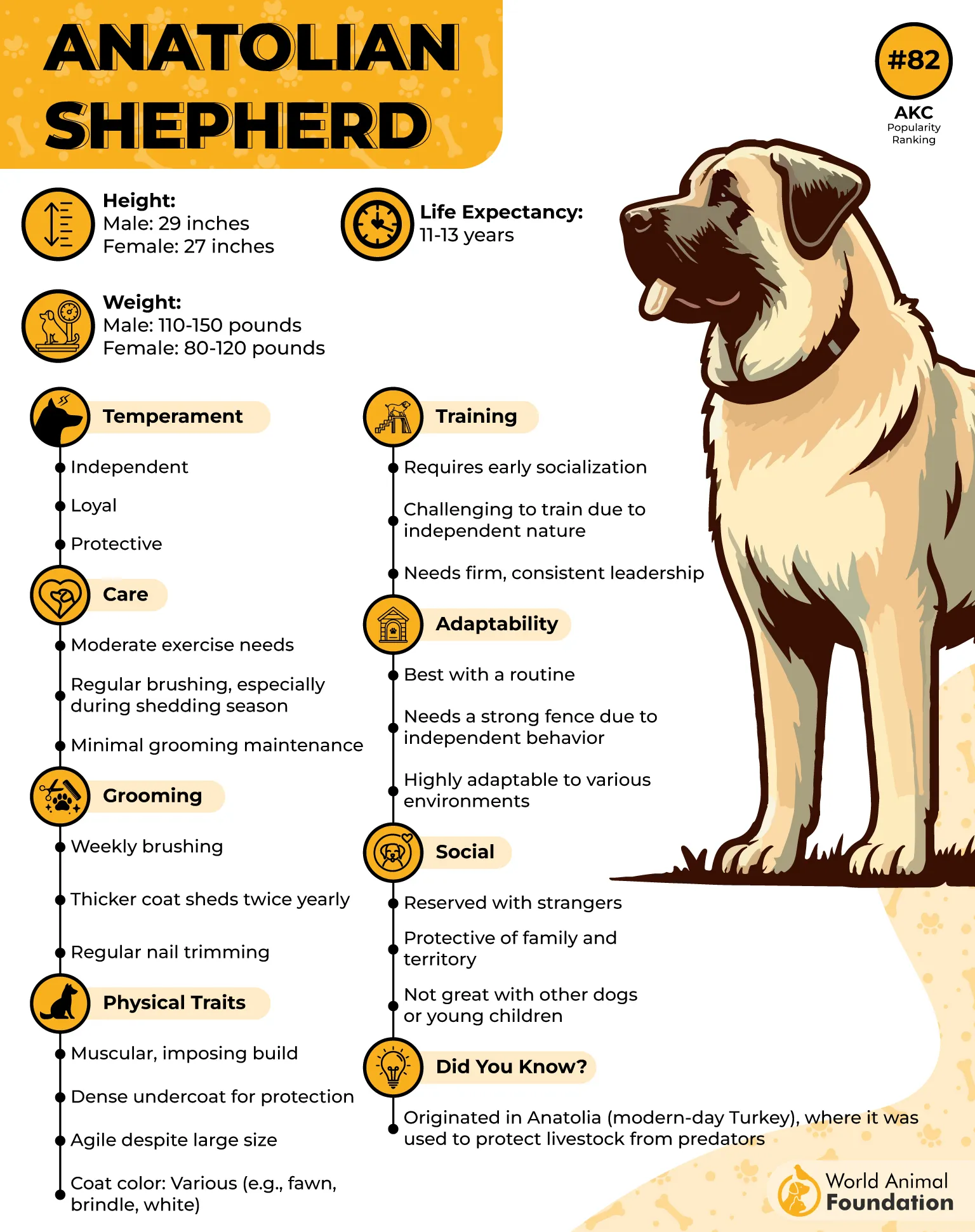
This is a no-nonsense livestock guardian dog (LGD), bred for centuries to keep wolves, jackals, and even bears at bay. These dogs aren’t your “fetch-the-ball, belly-rub” types. Nope. WebMD says Anatolians are independent thinkers with a stubborn streak wide enough to park a tractor on.
They don’t need constant direction from humans—they size up the situation, make a decision, and stick with it. Think of them as the ranch’s version of Batman: quiet, calculating, and willing to deliver justice at 3 a.m. when the sheep start bleating.
Bottom line? If you’ve got sheep and you want them to stay sheep instead of becoming wolf chow, the Anatolian Shepherd is a top pick.
2. Central Asian Shepherd Dog
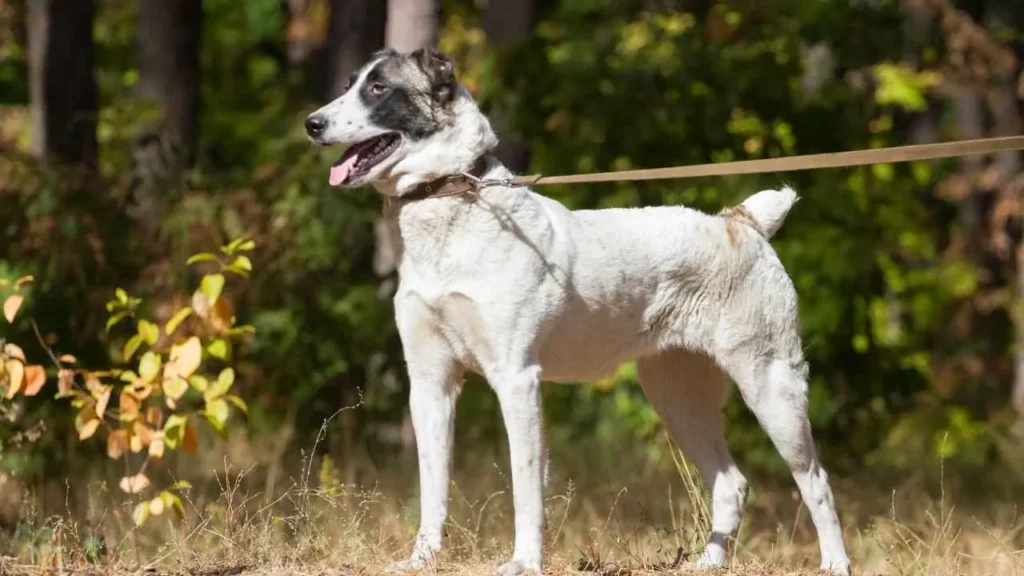
Also known as the Alabai, this breed has been guarding livestock, villages, and probably the occasional unattended sandwich for thousands of years. Seriously—archaeological evidence suggests they’ve been around for over 4,000 years.
That’s older than most civilizations, and definitely older than your neighbor’s obsession with CrossFit. What makes them so effective against wolves? For starters, they’re massive.
A fully grown Central Asian Shepherd can weigh anywhere from 100 to 170 pounds, with the kind of muscular build that screams, “Don’t test me.” Wolves may be clever, but even they know when they’re outmatched.
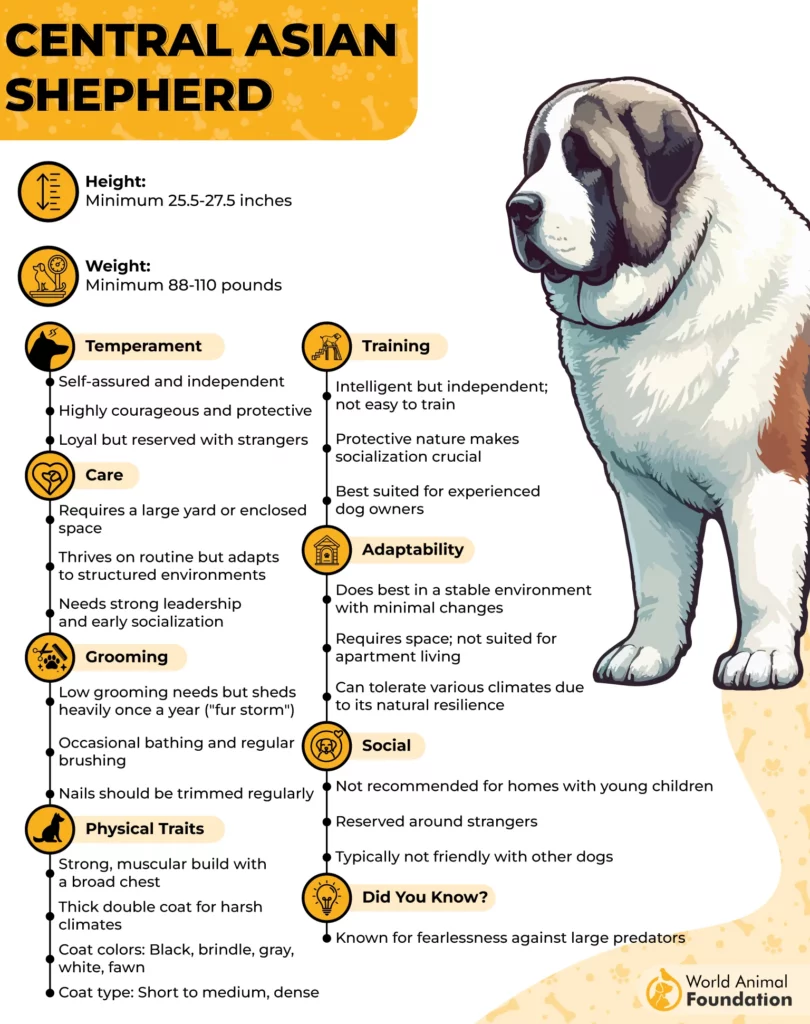
But don’t let the “tank-like” description fool you. As per Wikipedia, these dogs aren’t just brawn—they’re strategic thinkers. Bred across harsh terrains from Kazakhstan to Turkmenistan, they’ve developed the ability to make decisions independently. They don’t wait around for orders; they act when they sense danger.
Central Asian Shepherds are calm, confident, and fiercely protective. They’re not going to be the dog that greets your guests with sloppy kisses—instead, they’ll stand by quietly, sizing everyone up like a bouncer outside a nightclub.
So, if you’re worried about a few hungry wolves eyeing your livestock, the Central Asian Shepherd will handle it—and then probably take a nap afterward, because intimidating apex predators is just another Tuesday for them.
3. Caucasian Shepherd Dog
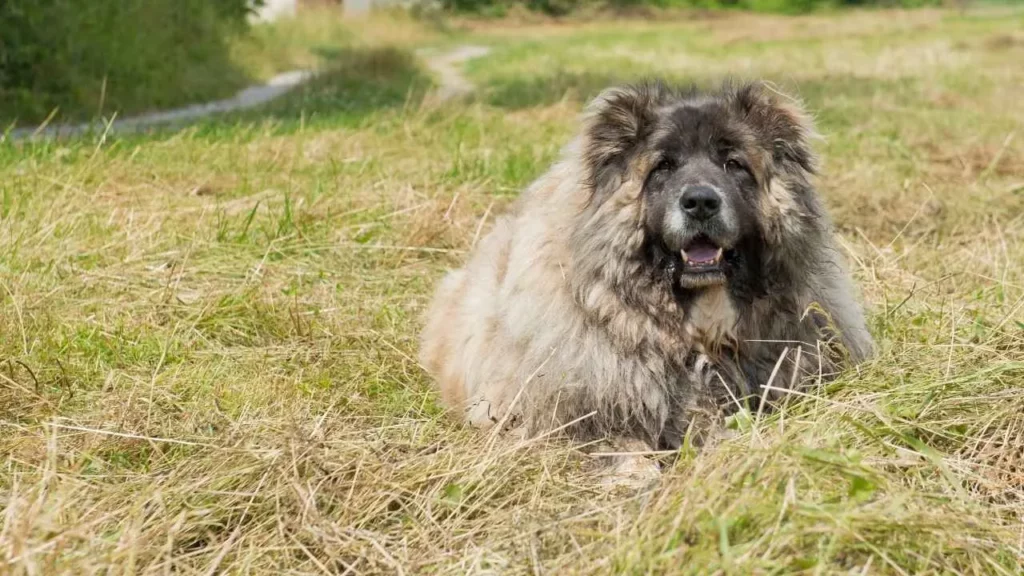
Originating from the rugged Caucasus Mountains (Armenia, Azerbaijan, Georgia), these giants were bred to take on some of nature’s boldest predators: wolves, jackals, and even bears.
Yes—bears. When your résumé includes “bear deterrence,” you’ve officially leveled up in the dog world. At first glance, the Caucasian Shepherd might look like an oversized teddy bear with a lion’s mane—big, fluffy, and huggable.
Underneath that glorious fur coat is a powerful guardian with the strength of a heavyweight wrestler and the courage of a superhero. Wolves see fur; wolves learn pain.
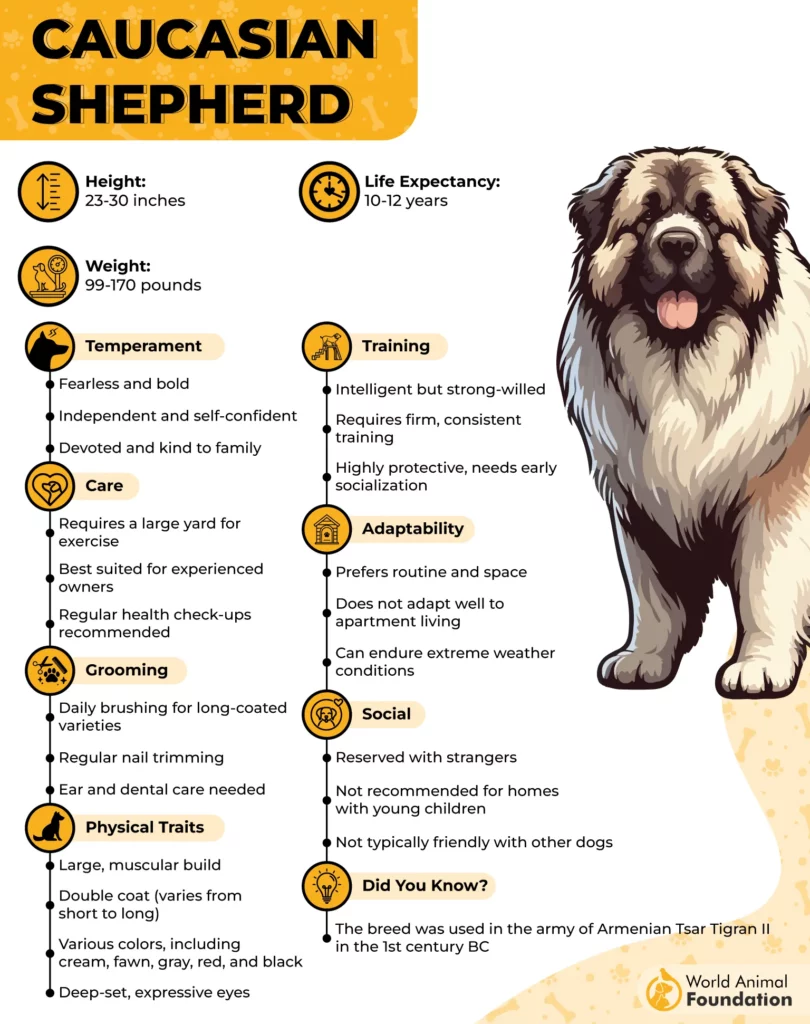
These dogs are massive—males can tip the scales well over 150 pounds, sometimes pushing 200. They’re built like living fortresses: broad chest, heavy bones, and a bark that sounds like it could rattle mountains.
But here’s the catch: these dogs aren’t for everyone. They’ve got an independent and stubborn streak thicker than their double coat. Training a Caucasian Shepherd is not like teaching a Golden Retriever to “sit.”
That’s why they’re not recommended for first-time dog owners—unless your idea of fun is being outsmarted daily by a 180-pound wall of fur and muscle. Just be prepared: owning one is like having a personal bodyguard who also happens to shed enough fur to knit a sweater every week.
4. Great Pyrenees
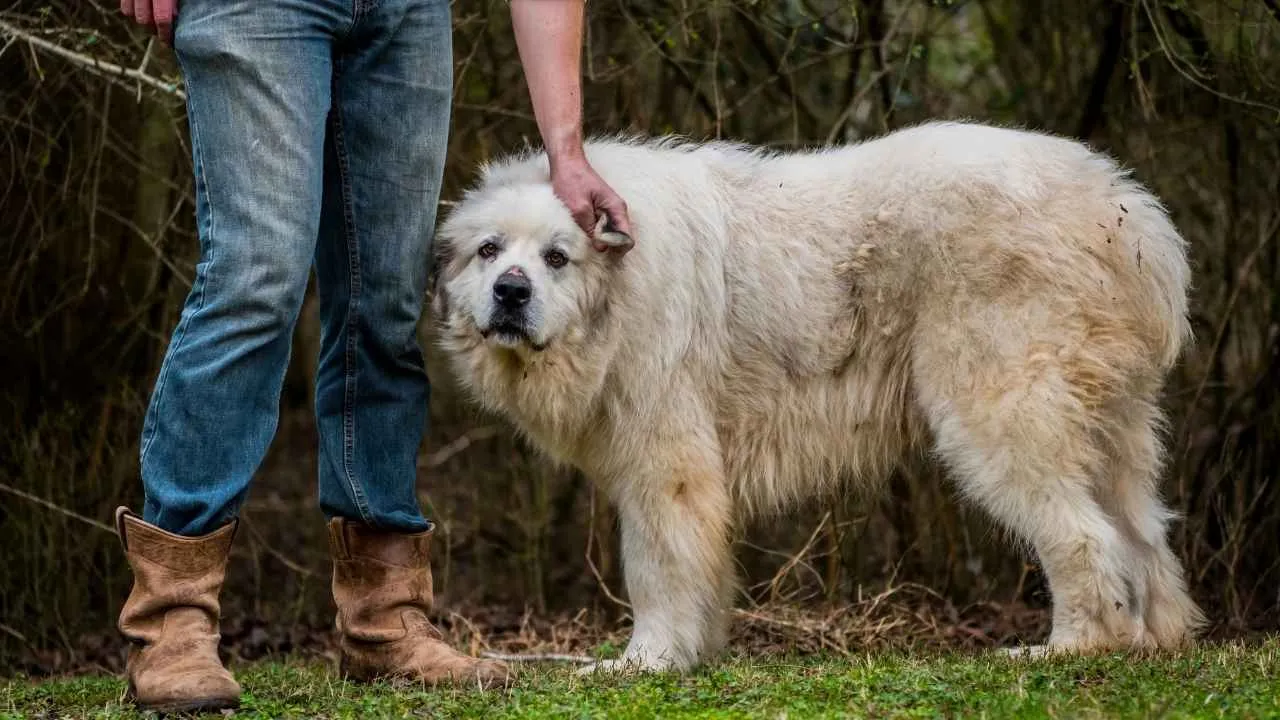
Originating from the rugged Pyrenees Mountains between France and Spain, these dogs have been around since at least the 15th century, proving that good looks and excellent guarding instincts never go out of style.
The Great Pyrenees dog may be one of the most popular LGDs, and it’s not hard to see why. They’ve got the whole package: towering size, majestic white coat, and a personality that’s equal parts “sweet family dog” and “wolf’s worst nightmare.”
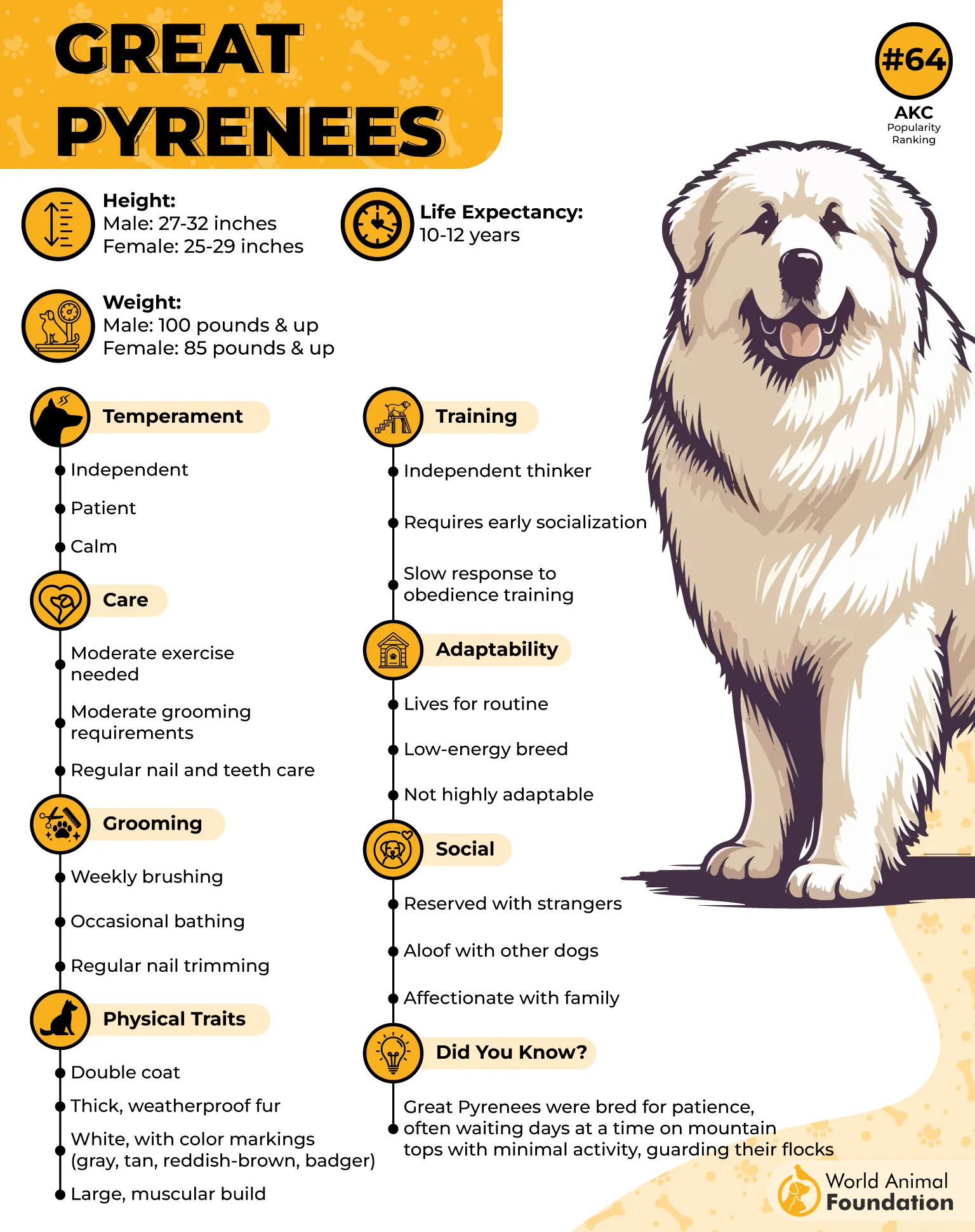
Around livestock and children? According to the American Kennel Club (AKC), they’re gentle giants. Around unwanted predators? Let’s just say they flip the switch from “therapy dog” to “security alarm” real fast.
One of their secret weapons is their night owl tendencies. While you’re snoozing, dreaming about winning the lottery, your Great Pyrenees is wide awake, patrolling the pasture like a four-legged security guard with an all-access badge.
Another standout trait is their independence. These dogs were bred to think for themselves, which means they don’t need you to micromanage. No “sit,” “stay,” or “roll over” nonsense when danger shows up—your Pyr already knows what to do.
But here’s the twist: despite their wolf-chasing skills, the Great Pyrenees is also one of the gentlest breeds around. Many even work as therapy dogs, bringing comfort and calm wherever they go.
Bottom line? The Great Pyrenees is proof that you don’t have to choose between a guardian and a family dog—you can have both.
5. Maremma Sheepdog
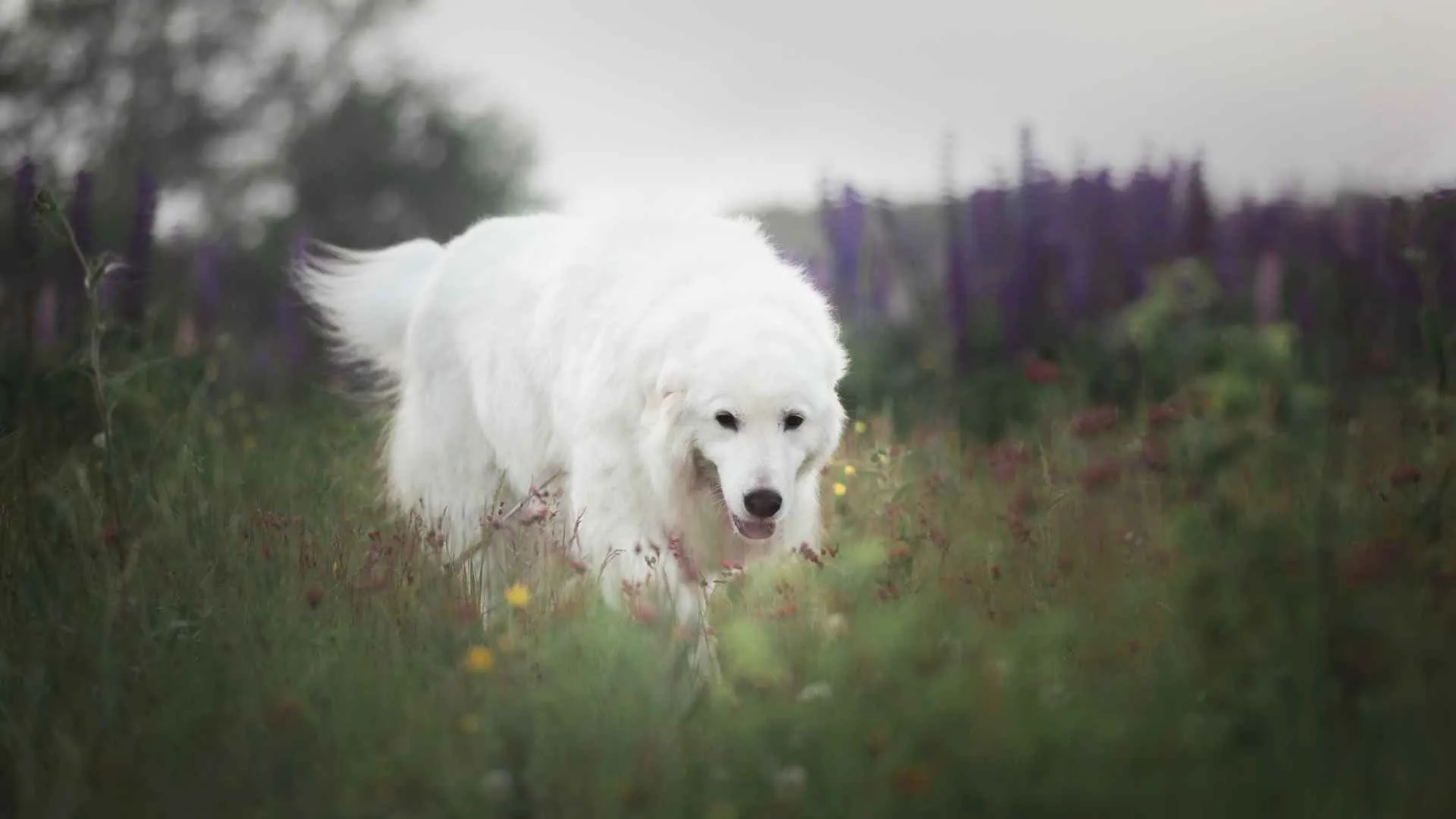
If livestock guardian dogs had a fashion show, the Maremma Sheepdog would strut the runway in a gleaming white coat, tossing a confident glance over its shoulder as the crowd (and wolves) gasped.
Hailing from central Italy, specifically the Abruzzo and Maremma regions, this breed has been guarding flocks since Roman times. That’s right—while emperors were busy building empires, Maremmas were busy making sure nobody stole the sheep.
At first glance, they look a lot like their cousins, the Great Pyrenees—big, white, and majestic—but don’t be fooled. The Maremma has its own brand of flair. These dogs are fiercely loyal to their flock, their family, and their turf. Wolves? Consider them uninvited guests at an exclusive Italian dinner party.
What sets them apart is their blend of guardian grit and gentle charm. They’re protective and independent, but also deeply affectionate toward their flock and human families.
And let’s not forget their appearance: with that beautiful, thick white coat, they look like cloud guardians drifting across the pasture. But beneath that fluffy exterior is a no-nonsense protector with enough courage to keep wolves second-guessing their dinner plans.
Bottom line? The Maremma Sheepdog is an elegant enforcer—part guardian, part family dog, and entirely devoted to the job of keeping your flock safe.
6. Tibetan Mastiff
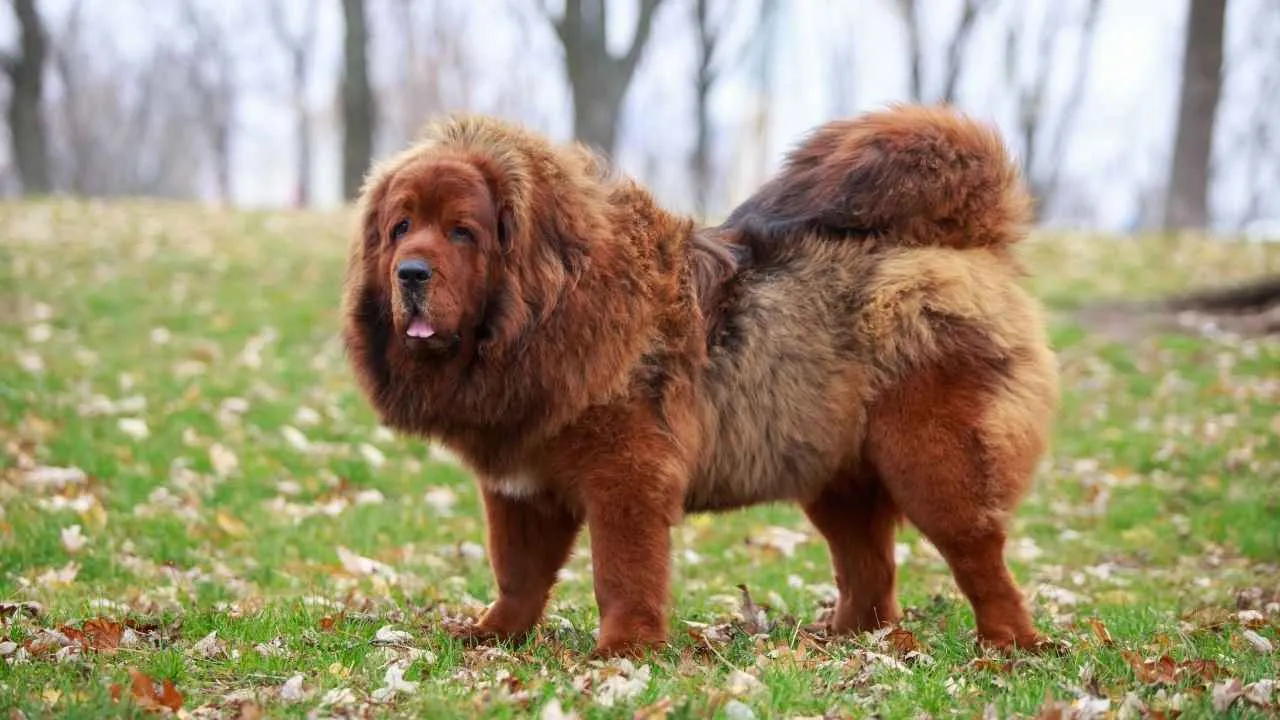
If you thought wolves were scary, imagine being one and suddenly facing down a Tibetan Mastiff—a dog so massive and imposing it’s often mistaken for a lion. Seriously, these dogs aren’t just guardians; they’re living, breathing myths.
Originating from the harsh Himalayan mountains, they were bred to protect livestock (and sometimes entire monasteries) against predators that included wolves, coyotes, leopards, and yes—even bears.
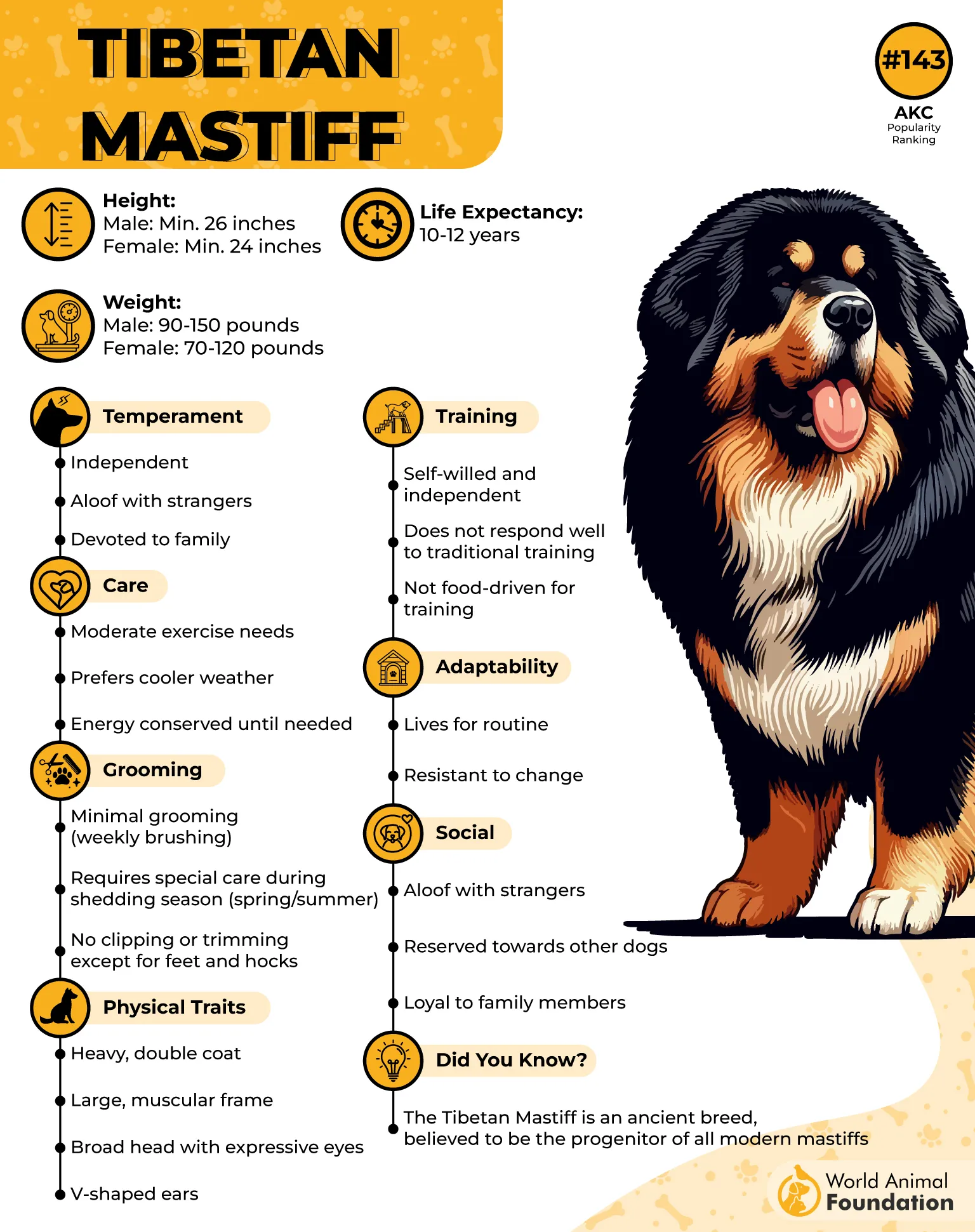
Built for brutal winters, Tibetan Mastiffs have a thick double coat that makes them look twice their already enormous size. This fluff isn’t just for show—it kept their ancestors warm while patrolling snowy mountain passes.
Combine that with a thunderous bark that could wake the dead, and you’ve got one of the most intimidating watchdogs on earth. Wolves tend to rethink their dinner plans when the “lion dog” shows up at the buffet.
But here’s the thing: Tibetan Mastiffs are also known for being… let’s say independent-minded. Despite their ferocious reputation, they’re also deeply loyal and protective of their families.
Once bonded, they’ll guard you with the same intensity they guard their flock. Just be ready for a dog that looks like royalty, acts like a king, and occasionally sheds enough fur to carpet your living room.
Bottom line? The Tibetan Mastiff is ferocity wrapped in fluff—a majestic, ancient protector who doesn’t just deter wolves but makes them regret ever setting foot near your pasture.
7. Spanish Mastiff
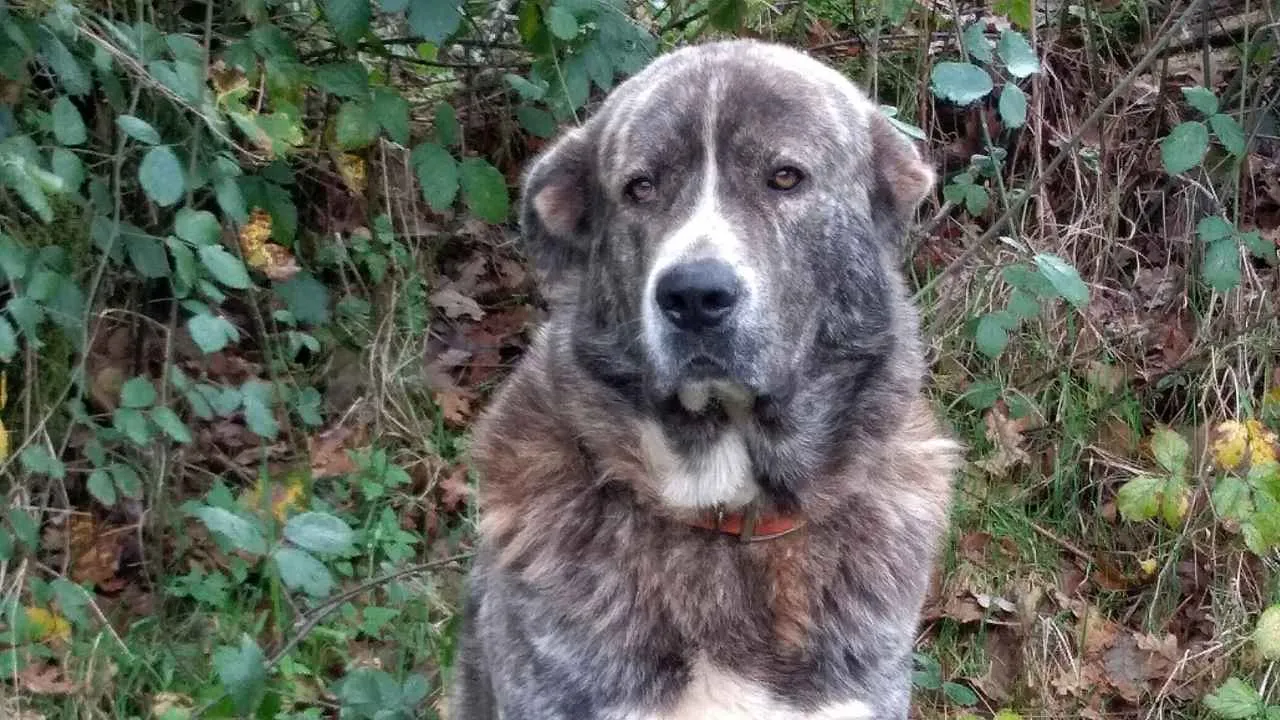
If the Tibetan Mastiff is the lion of the Himalayas, then the Spanish Mastiff is the stoic knight of Iberia—massive, noble, and surprisingly gentle for a dog that can stare down a wolf without breaking a sweat.
Originating from Spain, these colossal guardians have been protecting flocks for centuries, especially during the great “transhumance” migrations, where shepherds moved their sheep across long distances and needed a canine bodyguard to keep hungry predators at bay.
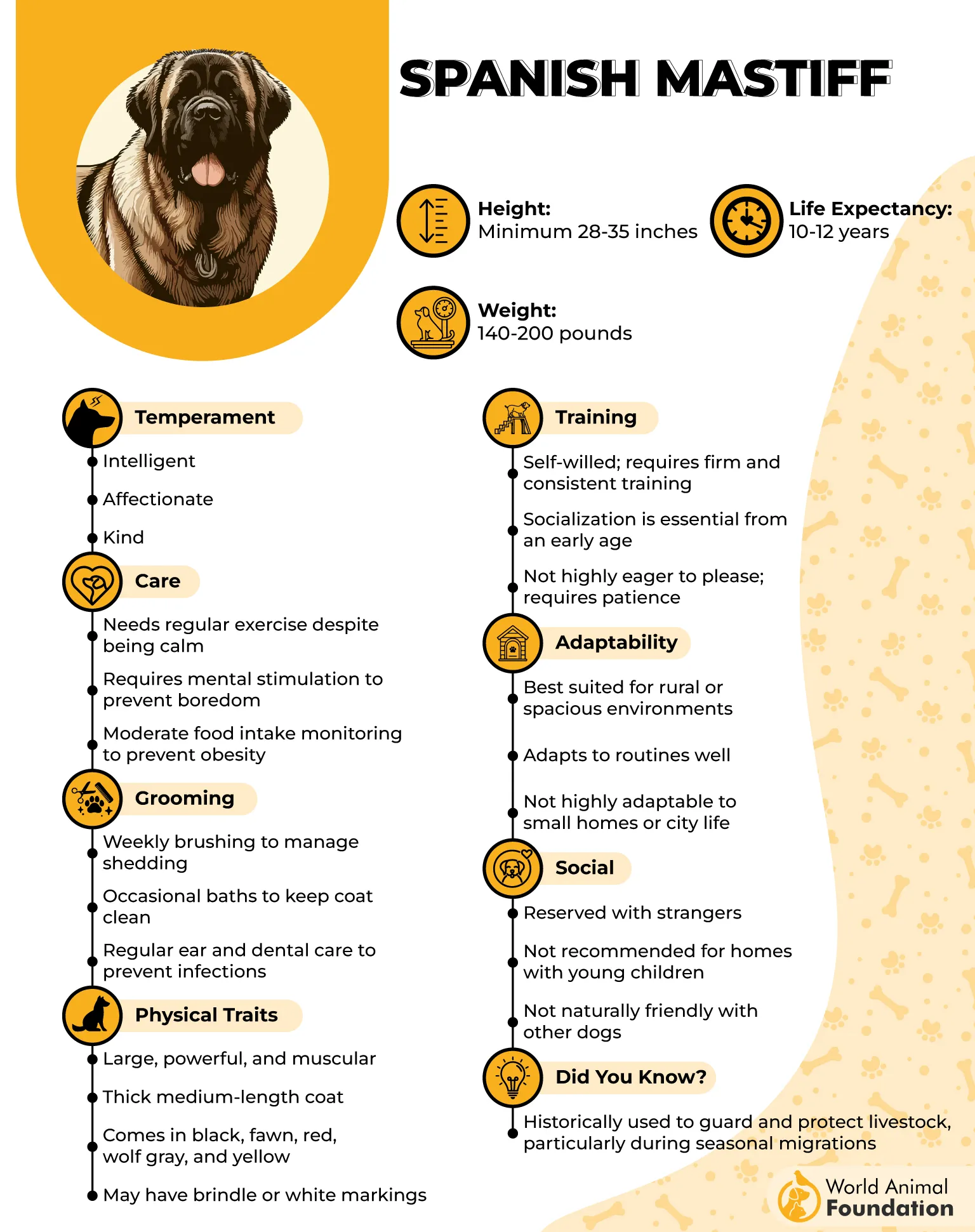
How massive are we talking? A full-grown Spanish Mastiff can weigh anywhere from 140 to 200 pounds (and sometimes more). To put it simply: they don’t just guard the flock—they are the biggest thing in the flock. Wolves sizing them up usually realize they’ve bitten off way more than they can chew.
But here’s the twist: for all their size and power, Spanish Mastiffs are known for their calm and gentle nature. Around their families and livestock, they’re affectionate giants, patient with children, and surprisingly low-drama for such an imposing breed.
One fun quirk? These dogs are known for their deep, booming bark. It’s less of a “woof” and more of a “thunderclap.” Predators don’t just hear it—they feel it in their bones.
Bottom line? The Spanish Mastiff is a majestic mix of gentleness and might—a loving family dog who just so happens to double as a wolf’s worst nightmare.
8. Komondor
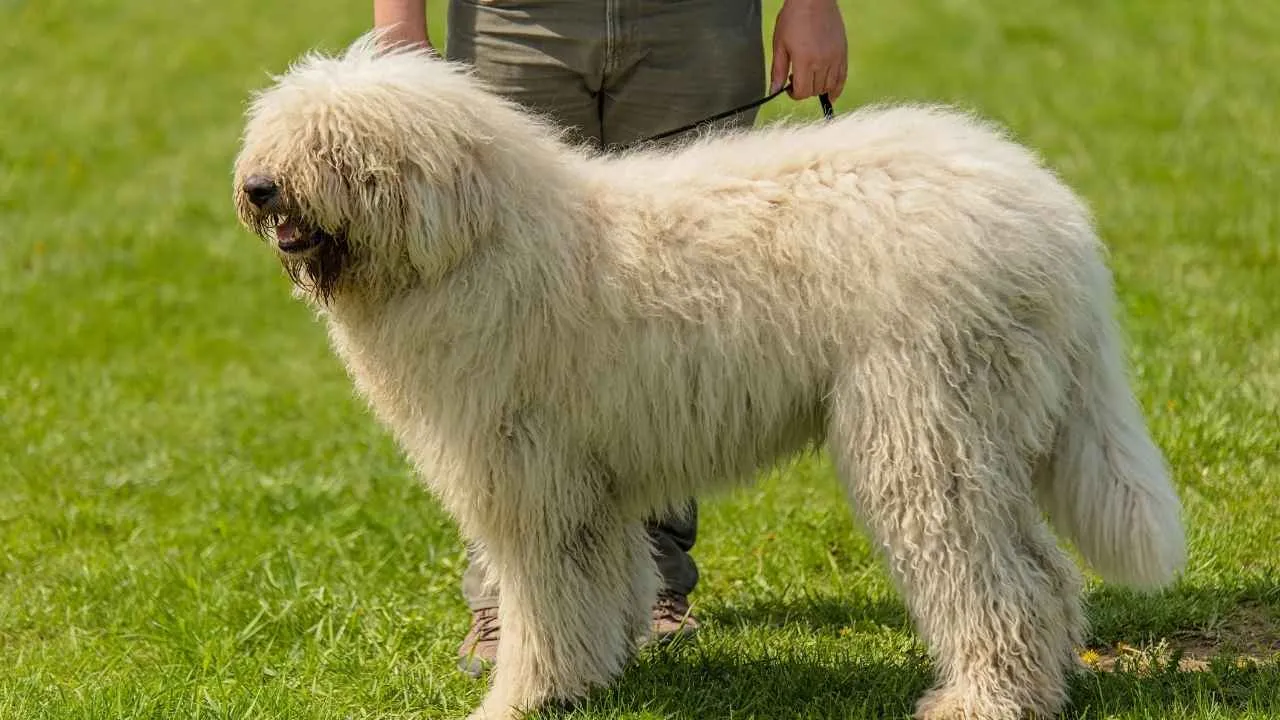
At first glance, you might think the Komondor wandered out of a mop factory rather than a sheep pasture. With their long, corded coats that look like dreadlocks, these Hungarian guardians blend in so well with their flock that from a distance, predators often don’t realize what they’re up against.
Imagine being a wolf sneaking into a field of sheep, only to discover one of them suddenly lunges at you like a woolly linebacker. Surprise! It’s not a sheep—it’s the Komondor.
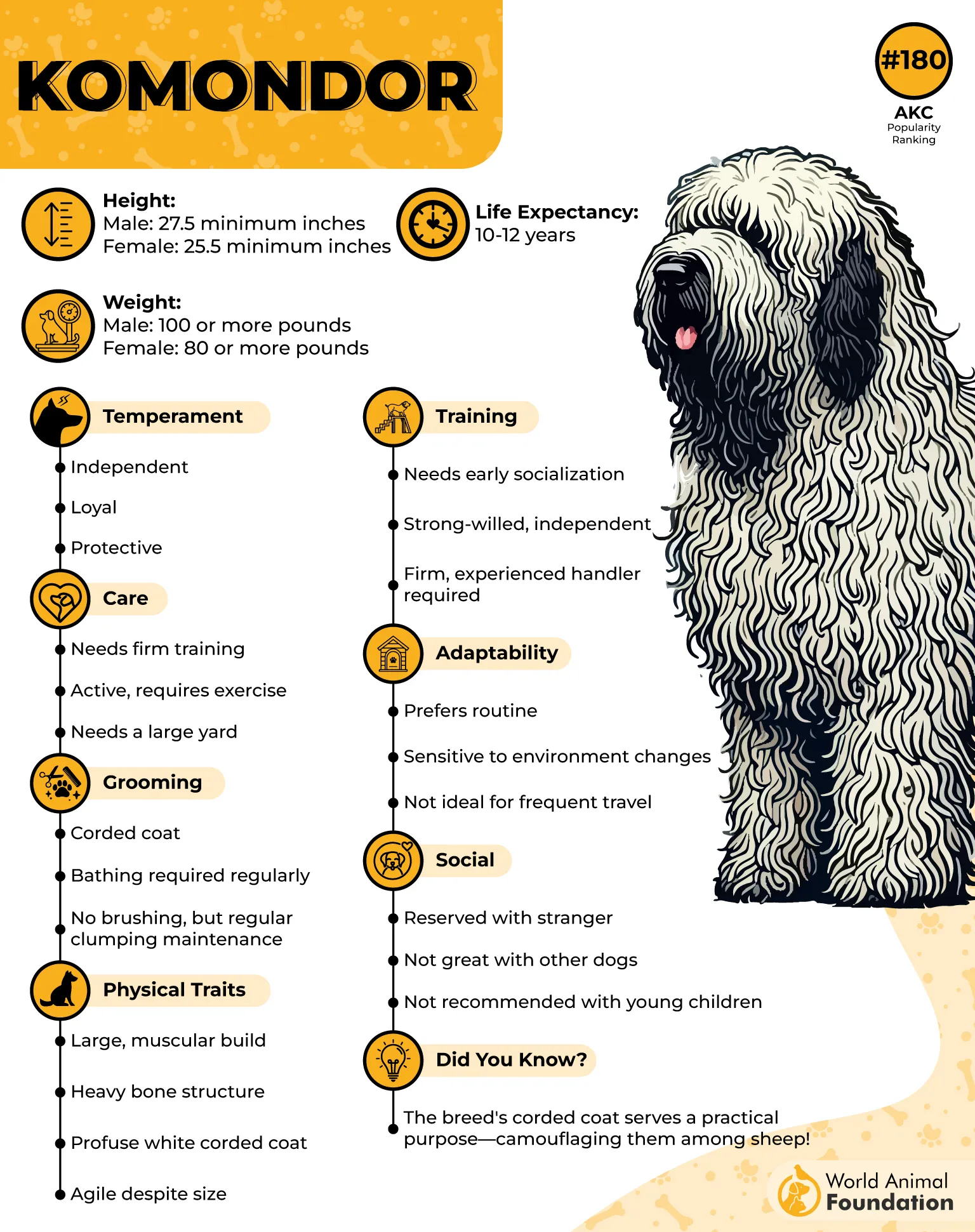
It takes about two years for the cords to fully form, and once they do, the Komondor is basically wearing a suit of armor. Wolves may try, but they’ll have a tough time getting through the shaggy shield.
Komondors are extremely territorial and loyal, forming strong bonds with their flock—whether that’s sheep, goats, or even their human family. Unlike some other guardian breeds that patrol the perimeter, the Komondor prefers to stick close to the animals they’re guarding, staying right in the thick of things.
One word of advice: socialize them early. Without proper training, their protective instincts might extend to pinning down your mailman—or any unsuspecting visitor. But with the right upbringing, they’re excellent, devoted guardians and loyal family companions.
Bottom line? The Komondor is a wolf’s worst nightmare disguised as a sheep’s best friend.
9. Kuvasz
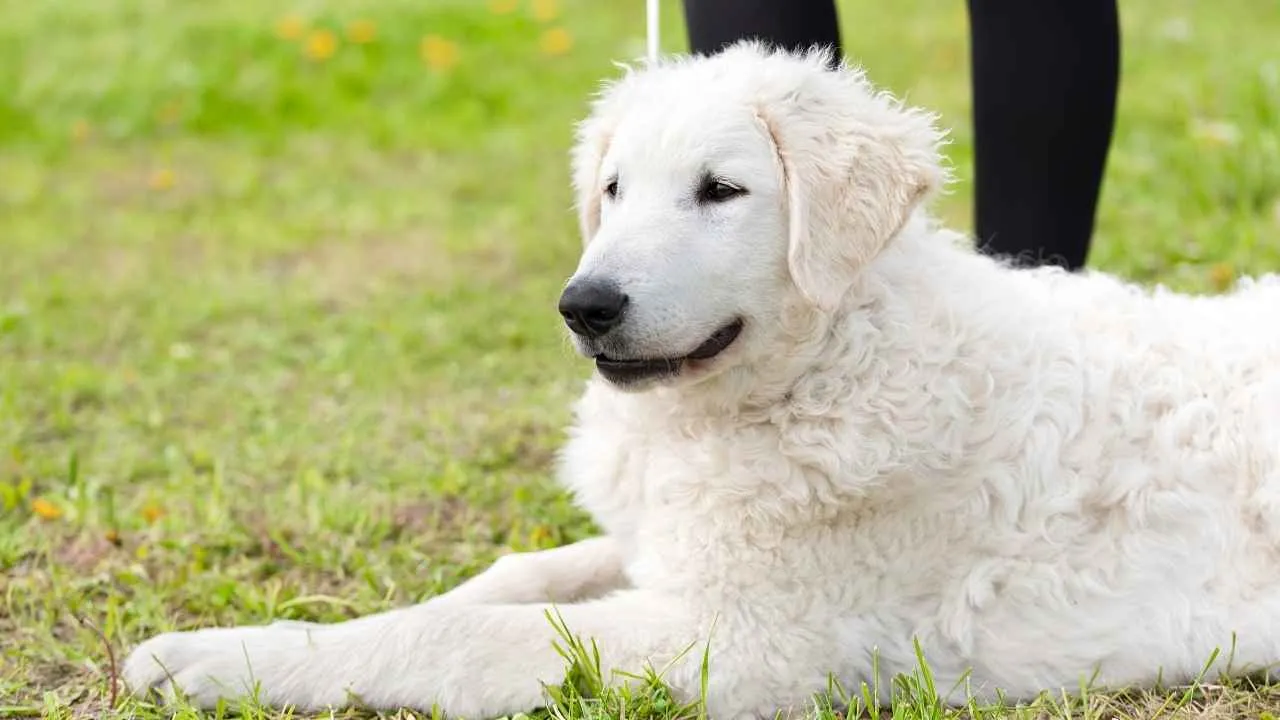
Also hailing from Hungary, the Kuvasz proves that guard dogs can have both brawn and a sense of humor. Yes, you read that right—this ancient breed is actually known for its playful, even funny personality.
Imagine a dog big enough to stare down a wolf but goofy enough to clown around with the kids in the backyard. That’s the Kuvasz in a nutshell. But don’t let the jokes fool you. These dogs are serious when it comes to protection.
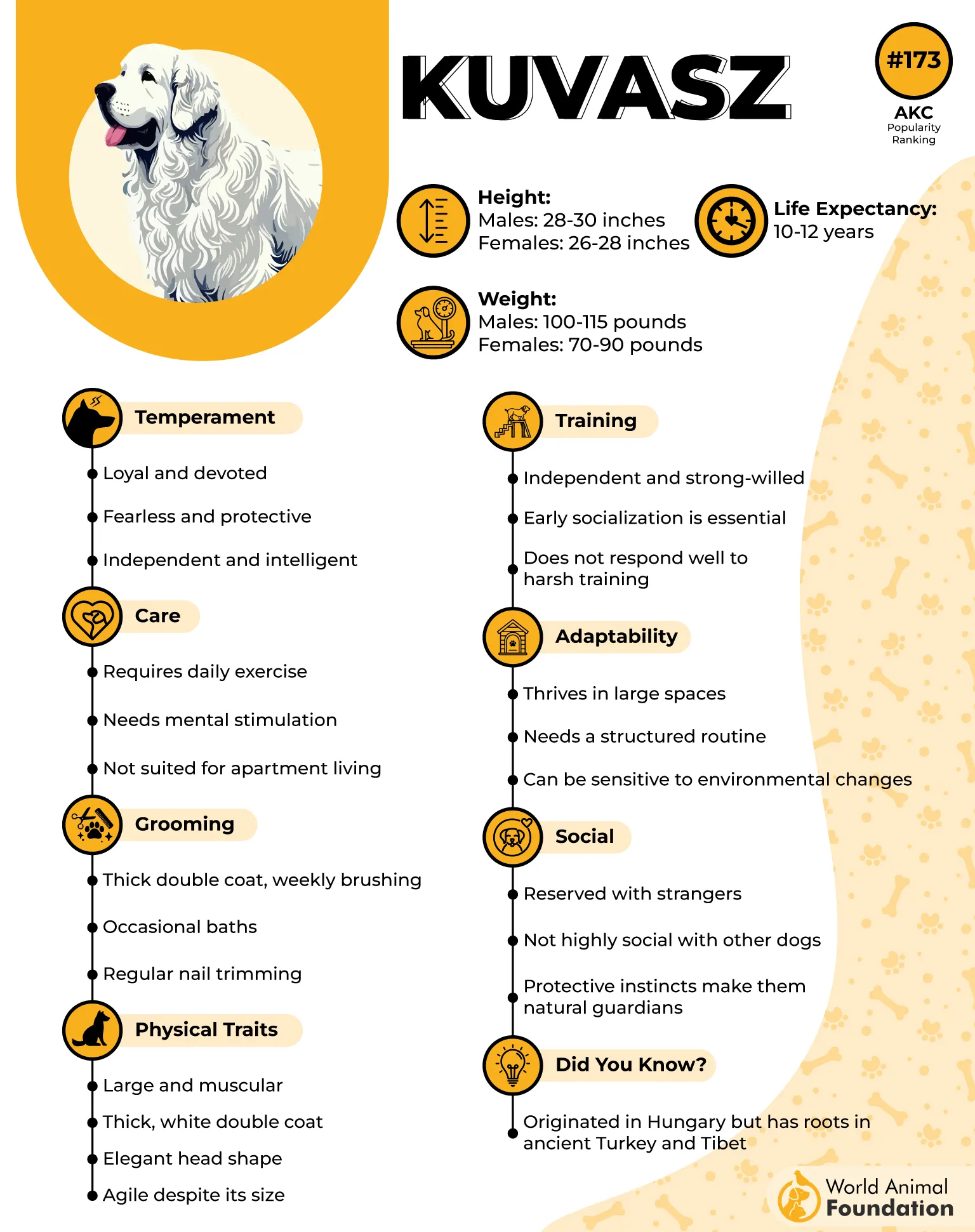
Historically, they guarded nobility, livestock, and even entire estates, which means they’ve got centuries of wolf-fighting instinct bred into them. With their large, muscular build and snow-white coat, they’re not just eye-catching—they’re downright intimidating to any predator that dares test their turf.
They are independent thinkers, like most LGDs, and they’re not shy about using their voice. Expect barking—lots of barking. Think of it as their way of telling the world, “This is my flock. Step back.”
Kuvasz dogs are deeply loyal and affectionate with their families, but they can be wary of strangers and aren’t always the best around smaller pets (because in their eyes, everything is either “family” or “not family”).
That independence means they need consistent training, but once you’ve earned their respect, you’ve got a guardian who’s both fearless and surprisingly funny.
Bottom line? The Kuvasz is the perfect combination of class clown and bodyguard—a wolf deterrent with a sense of humor.
Conclusion
In ranch settings where wolves and other predators pose a real risk, selective breeding has given us different breeds of guardian dogs that protect livestock with remarkable instinct. These livestock guardian breeds work in a pack or alongside multiple dogs to defend sheep herds, goats, and other animals.
From pups to mature guardian dogs, their role is to alert ranchers, deter mountain lions, and kill fewer wolves by relying on nonlethal tools and nonlethal deterrents that still provide effective protection. A popular breed is often chosen as an example, but many breeds can serve as point wild allies, showing that with the right training, even puppies grow into guardian dogs capable of balancing wildlife, ranch needs, and the safety of other dogs.
