




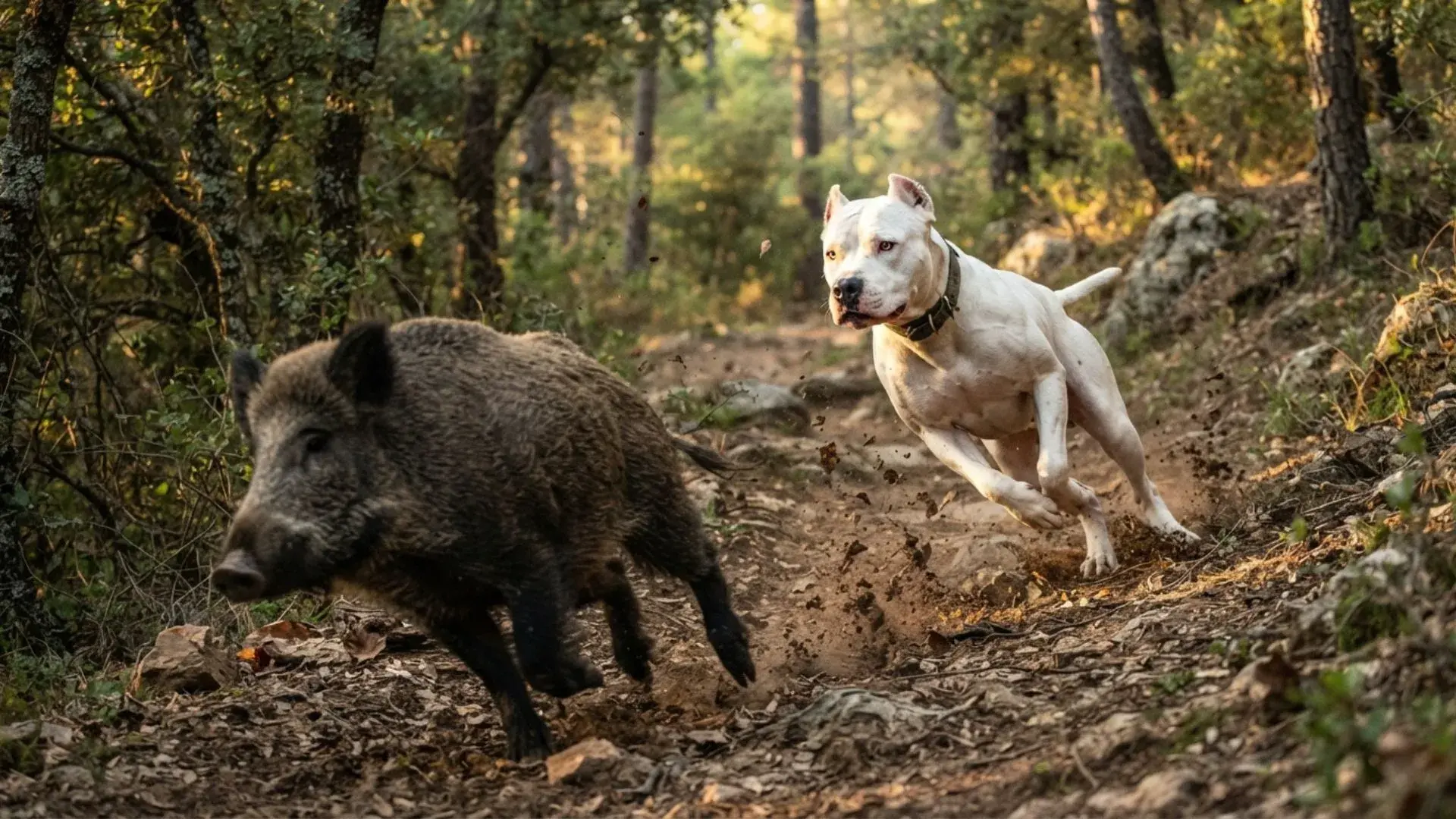
If you have an active routine and love to go hunting, hiking, and camping, you know that you need a powerful, intimidating, and intelligent dog breed with all the protection equipment. A good dog has keen senses of smell, sight, and hearing that act as an excellent alarm system before humans do.
With their powerful muscles, they can hold and hunt large animals like wild boar and keep on barking till the owner comes.
Some of these breeds are calm and track the prey quietly, while some are aggressive with a strong prey drive. In any case, you need to choose a breed based on your demands and lifestyle. Strong hunting instincts, fearlessness, and power- that is all you need in all dog breeds.
Let us dive into the details of each breed to find the perfect match for your hunting campaign.
Best Dog Breeds for Wild Boar Pursuit: Find Your Pack
1. Catahoula Leopard Dog
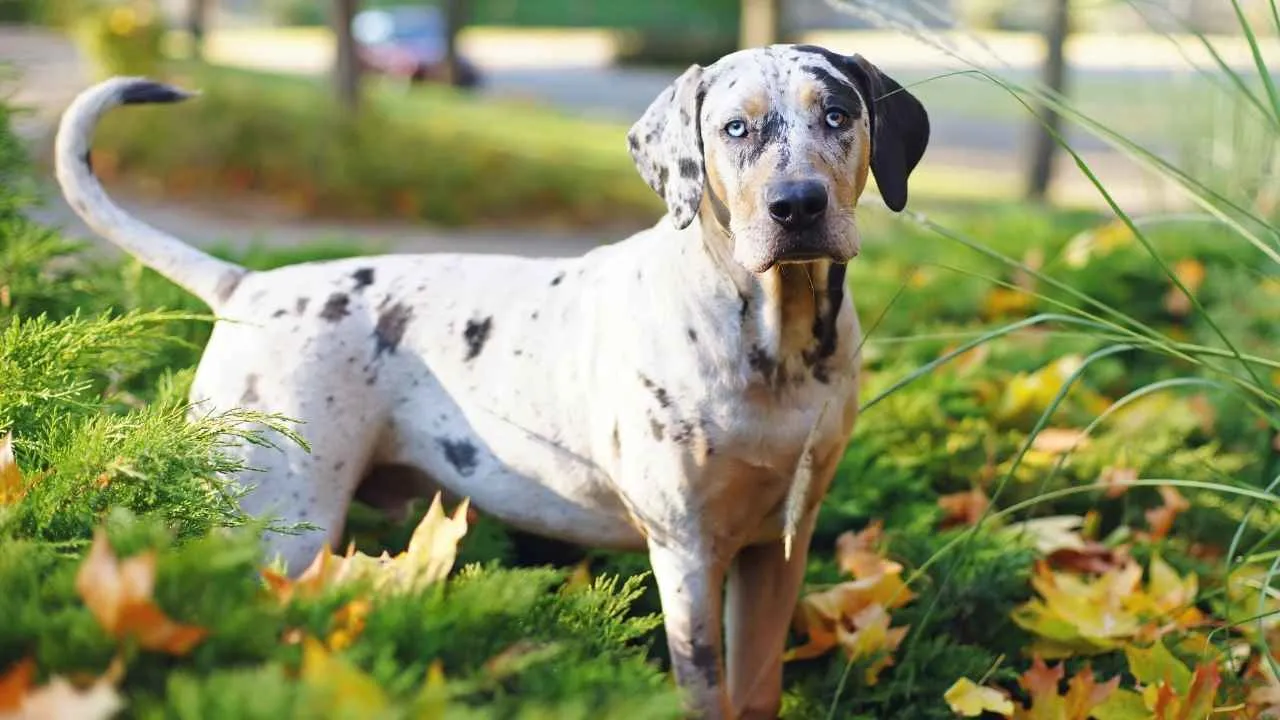
This dog originated in Louisiana, United States, near Catahoula Lake. The name comes from a Choctaw Nation word which means ‘a sacred lake.’ Its primary goal was to work as a working breed to track and drive cattle and hogs from the Southern swamps, according to PetMD.
It has tight, webbed feet that make it an excellent swimmer and also act as snowshoes to prevent sinking in the mud. The moderately boned hindquarters and forequarters are perfectly aligned, giving it explosive speed (42-45 mph). With a well-developed muzzle and a strong skull, it exhibits a powerful bite force to clamp down, hold, and control boars from escaping.
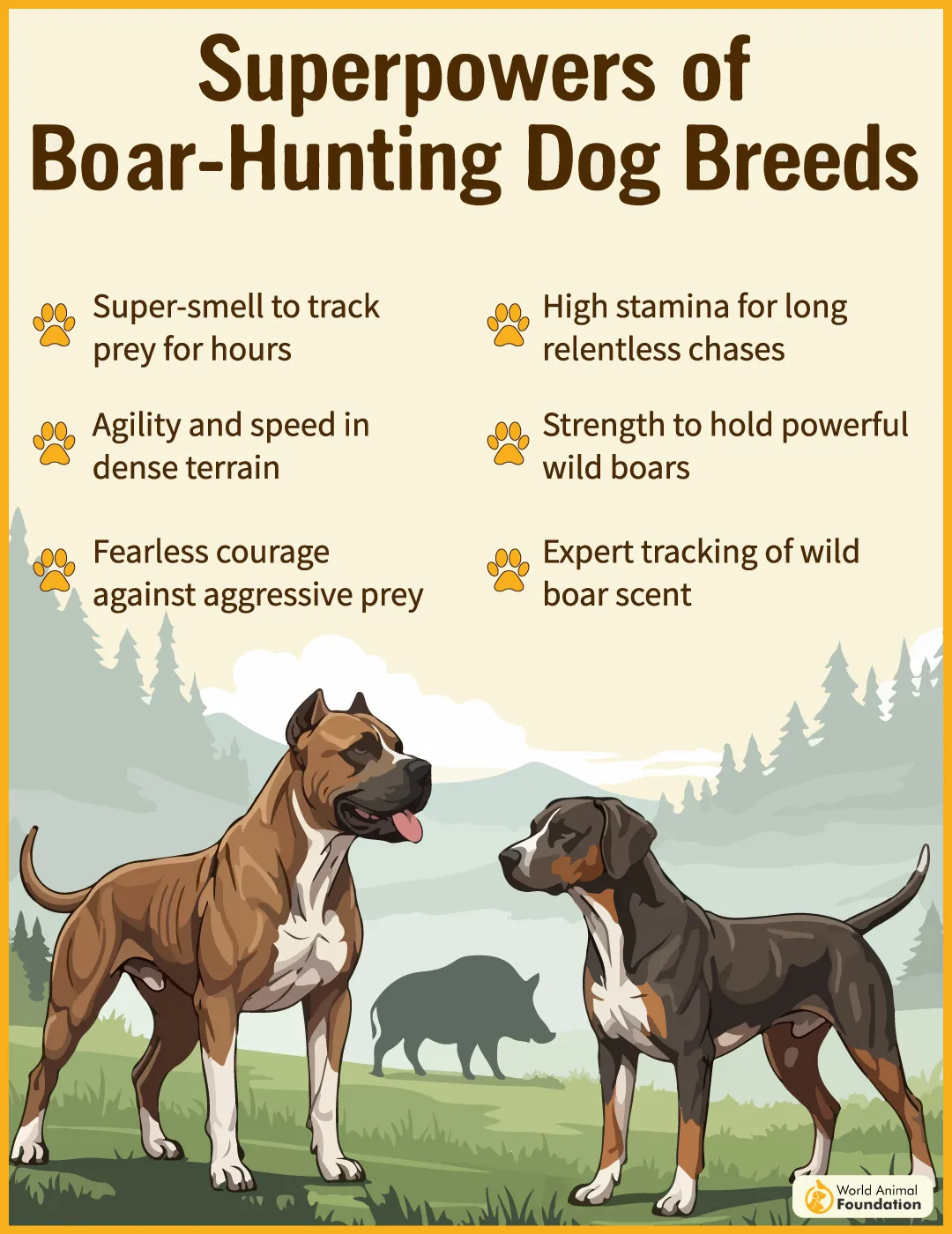
Being a ‘hot-nosed’ tracker, it focuses on the most recent scent trails. It has a sharp ‘on/off’ working mode; thus, it is not suited for first-time dog owners. It shows territorial aggression, especially towards the dogs of the same sex. The high-energy breed requires 1-2 hours of daily vigorous exercise.
2. Plott Hound
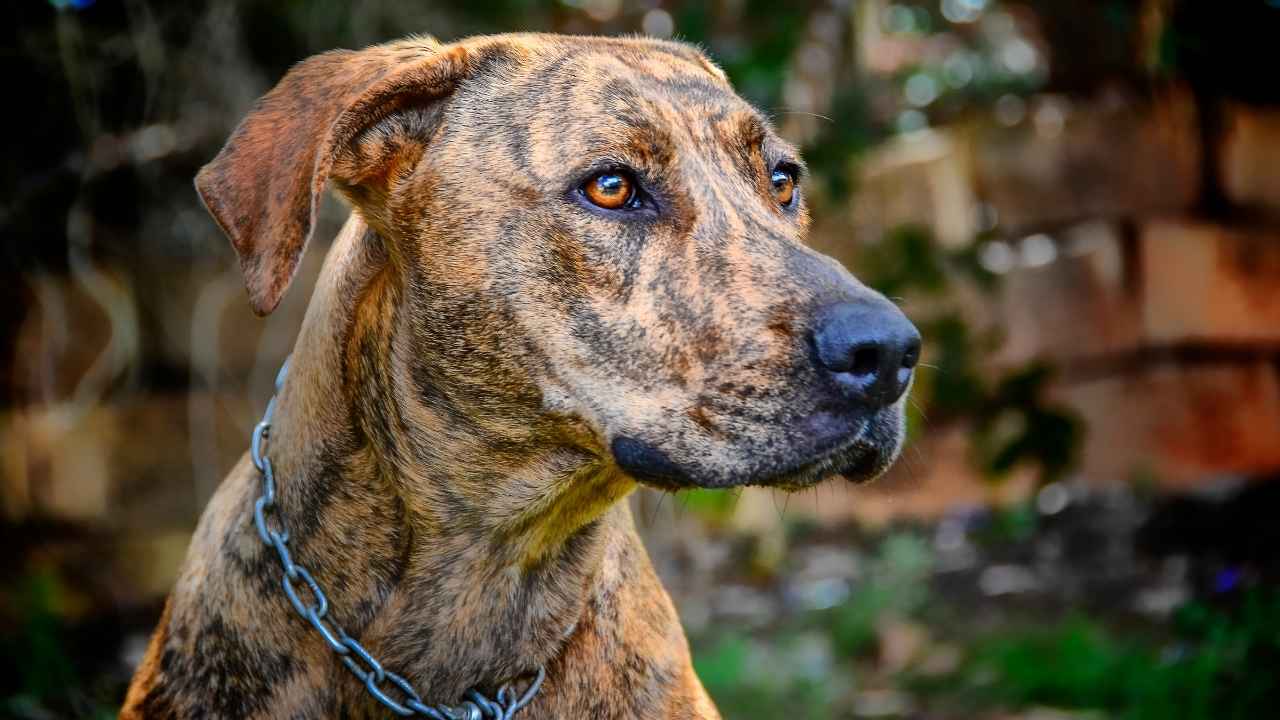
This large scent hound was specifically bred for boar hunting. It was developed in the northwestern mountains of North Carolina. It is the only coonhound dog that is not related to the foxhounds. This dog breed is known for its high speed (30 mph) and stamina.
With its pendant-shaped ears, it can sweep the ground and funnel scent particles directly toward sensitive nostrils, tracking hot and cold scents. It has a square body structure that provides excellent balance and explosive agility. The tight-fitting skin with no folds protects against tearing from boar tusks and thorny underbrush.
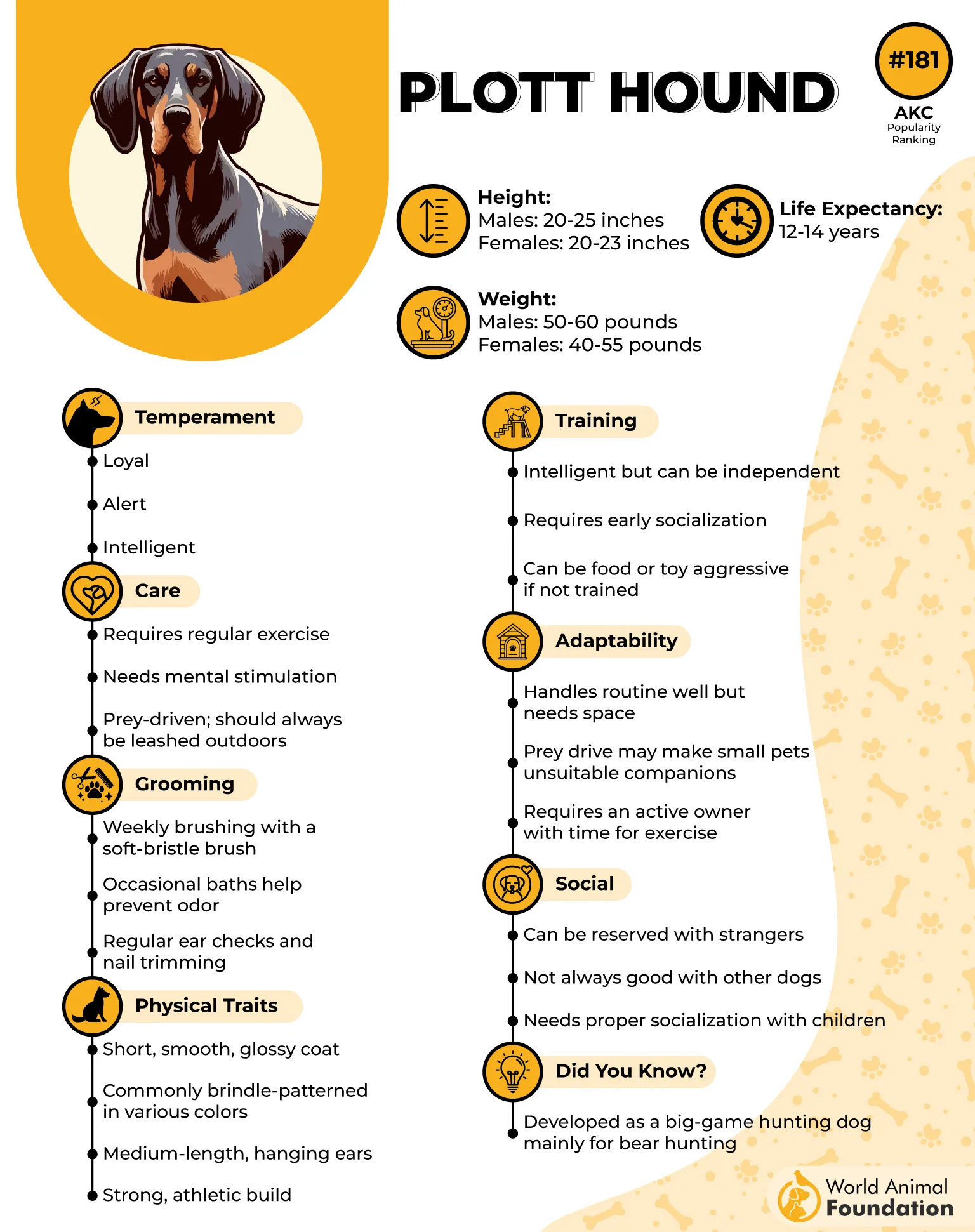
The well-arched toes and tough foot pad shield from sharp rocks, debris, and abrasive terrain. The high tail acts as a counterbalance during sharp turns. It possesses the aggression required to bay the large and small game until the hunter arrives.
3. Dogo Argentino
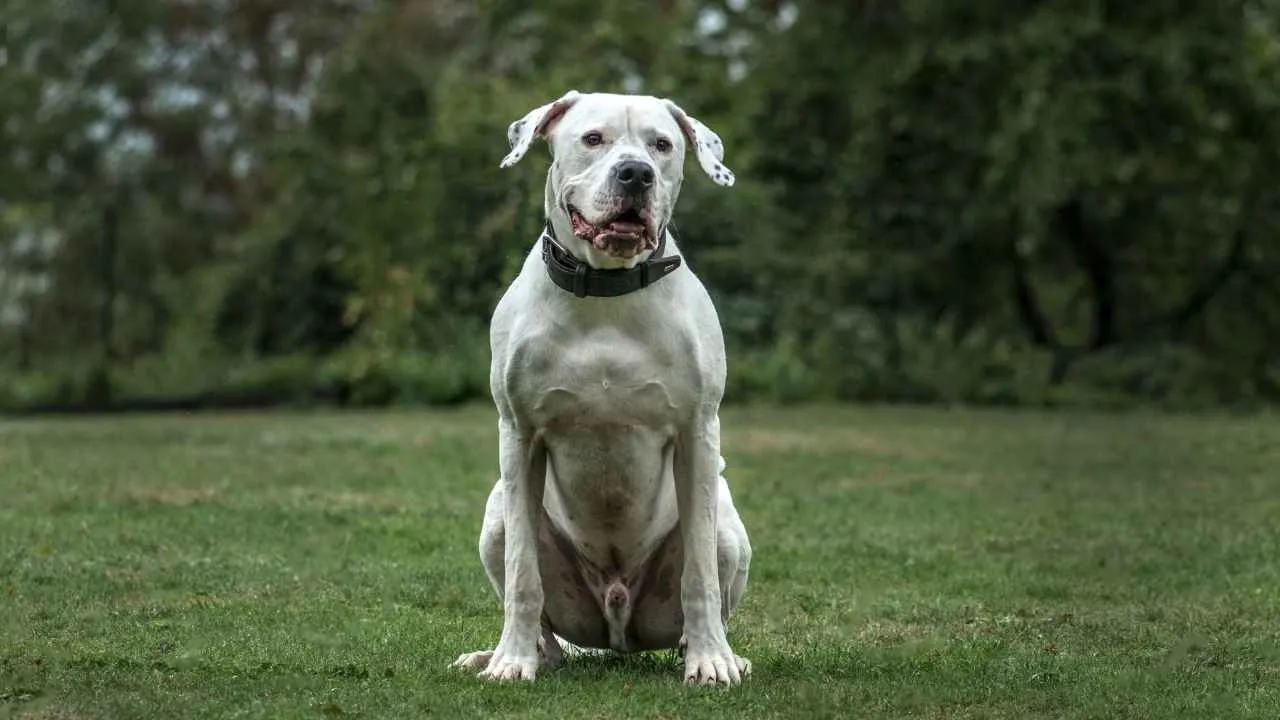
A relatively new dog breed, the Dogo Argentino was developed in 1928 in Argentina by a doctor named Antonio Nores Martinez. It was developed by crossing the now-extinct Cordoba fighting dog with the Bulldog, Spanish Mastiff, Bull Terrier, Boxer, Great Dane, Irish Wolfhound, Pyrenean Mastiff, and Pointer.
This hog hunter has a broad chest, a straight back, and well-muscled hindquarters, enabling explosive leaping power and incredible agility to dodge a charging boar while retaining optimal center of gravity. With a strong bite force of 500 PSI, it puts immense pressure and grabs a wild boar by the snout, ear, or throat and holds it firmly.
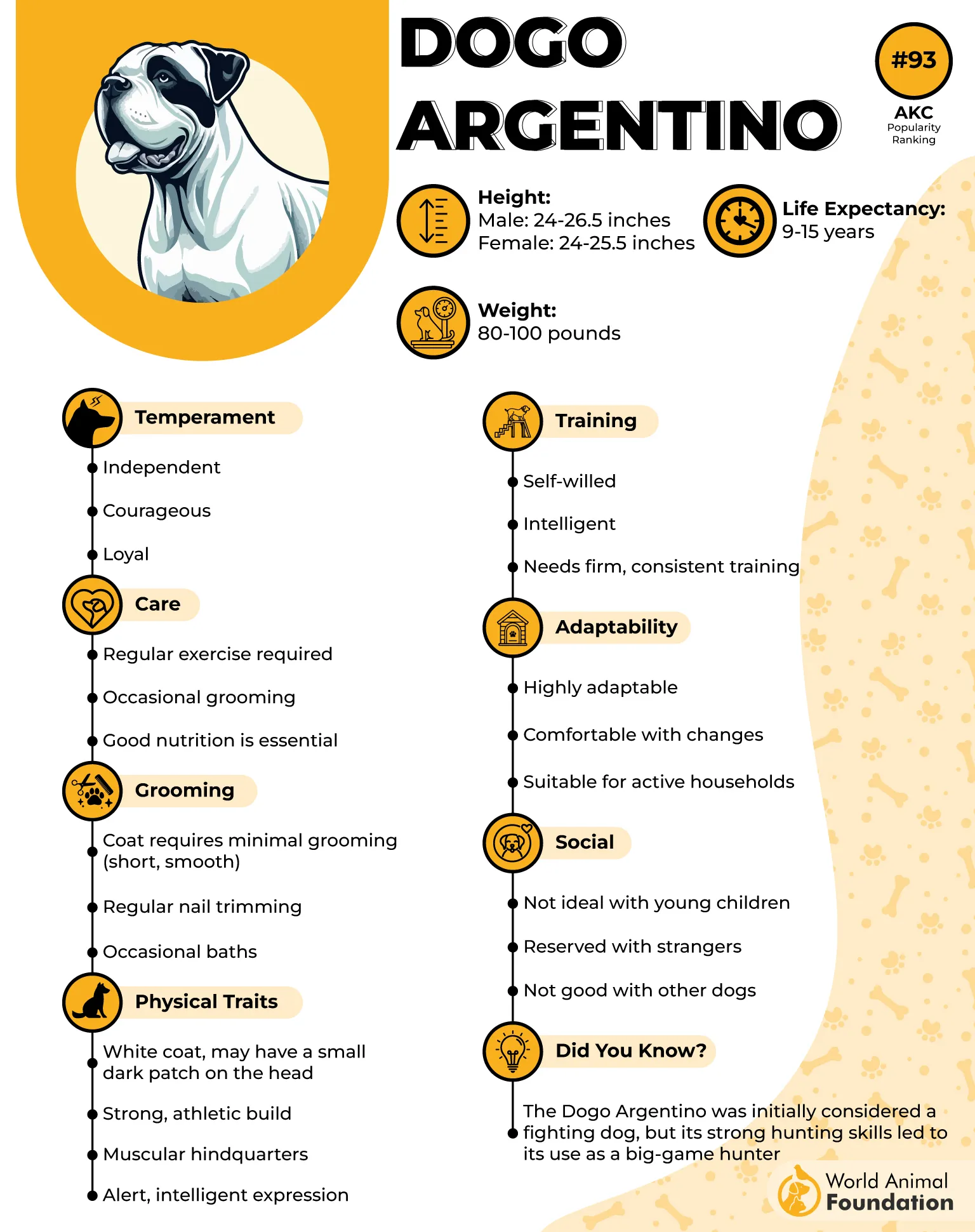
The elastic skin allows the hog dog to turn and twist safely without tearing and also protects the internal organs and critical vessels from the predator’s bite. It utilizes its strong nose to pick up a scent from long distances. It has a strong prey drive and tends to selectively hear while chasing prey.
4. Black Mouth Cur
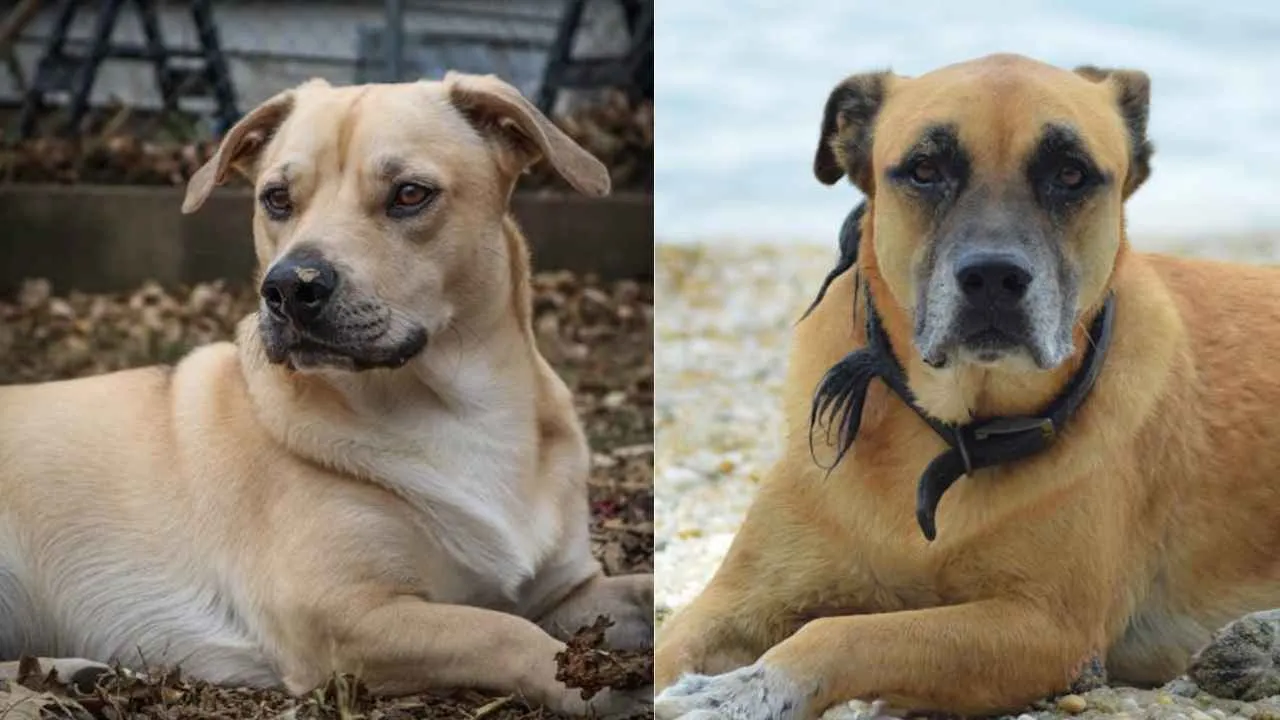
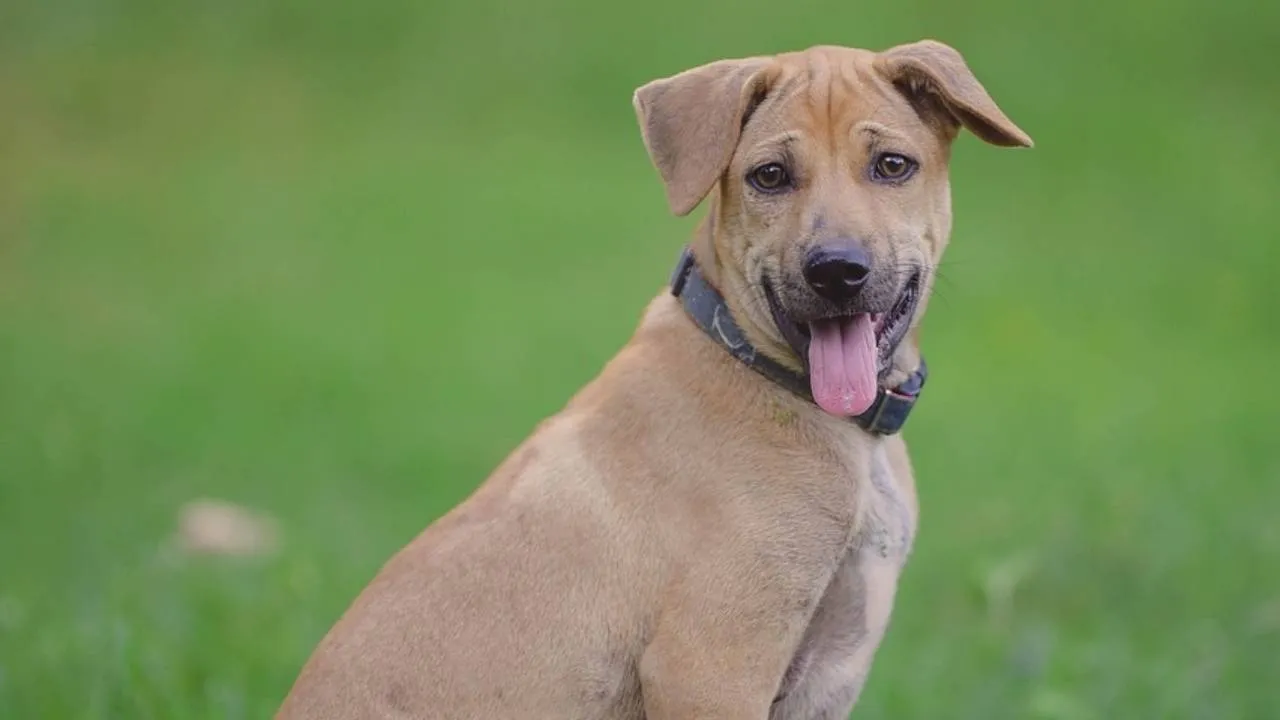
Developed in the Southern region of the United States, it was used by early settlers to hunt game, protect their homes and livestock, and assist on the ranch. The ‘cur’ in the name suggests a ‘mongrel’ dog. It is widely used as a livestock guardian in America.
It also acts as a catch dog by physically holding heavy prey, such as wild pigs, boars, and deer. It has heavily pigmented lips. The breed hunts using a blend of sight, sound, and smell. With its high pain tolerance, it can even survive encounters with dangerous prey.
It adapts well to the water, though it instinctively tries to jump in and pursue splashing wildlife without proper training. The breed is not well-suited for a sedentary lifestyle and requires 1-2 hours of vigorous exercise and mental stimulation.
5. Bloodhound
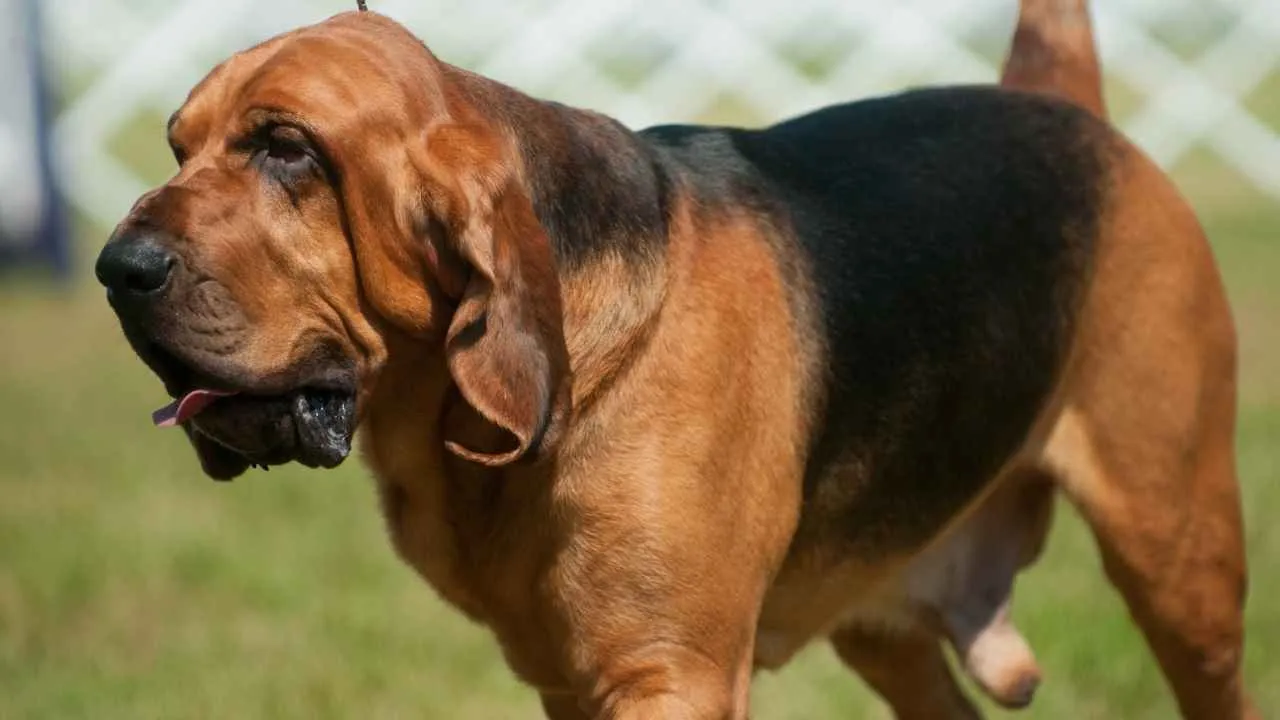
This hunting breed has the strongest nose among all dog breeds. It is more likely the oldest hound of all time. Known since ancient Greece and Rome, it was refined as a tracker in the Middle Ages. It is believed the dog was originally bred and developed by the monks in the 8th and 9th centuries, as per Britannica.
It has almost 230-300 million scent receptors, allowing it to detect micro-particles of sweat, breath, and crushed vegetation. The large breed has a well-sprung rib cage, which provides the endurance needed to pursue game for hours through rugged terrain. With its low-set neck, it keeps its nose glued to the ground to trail blood without experiencing muscle fatigue.
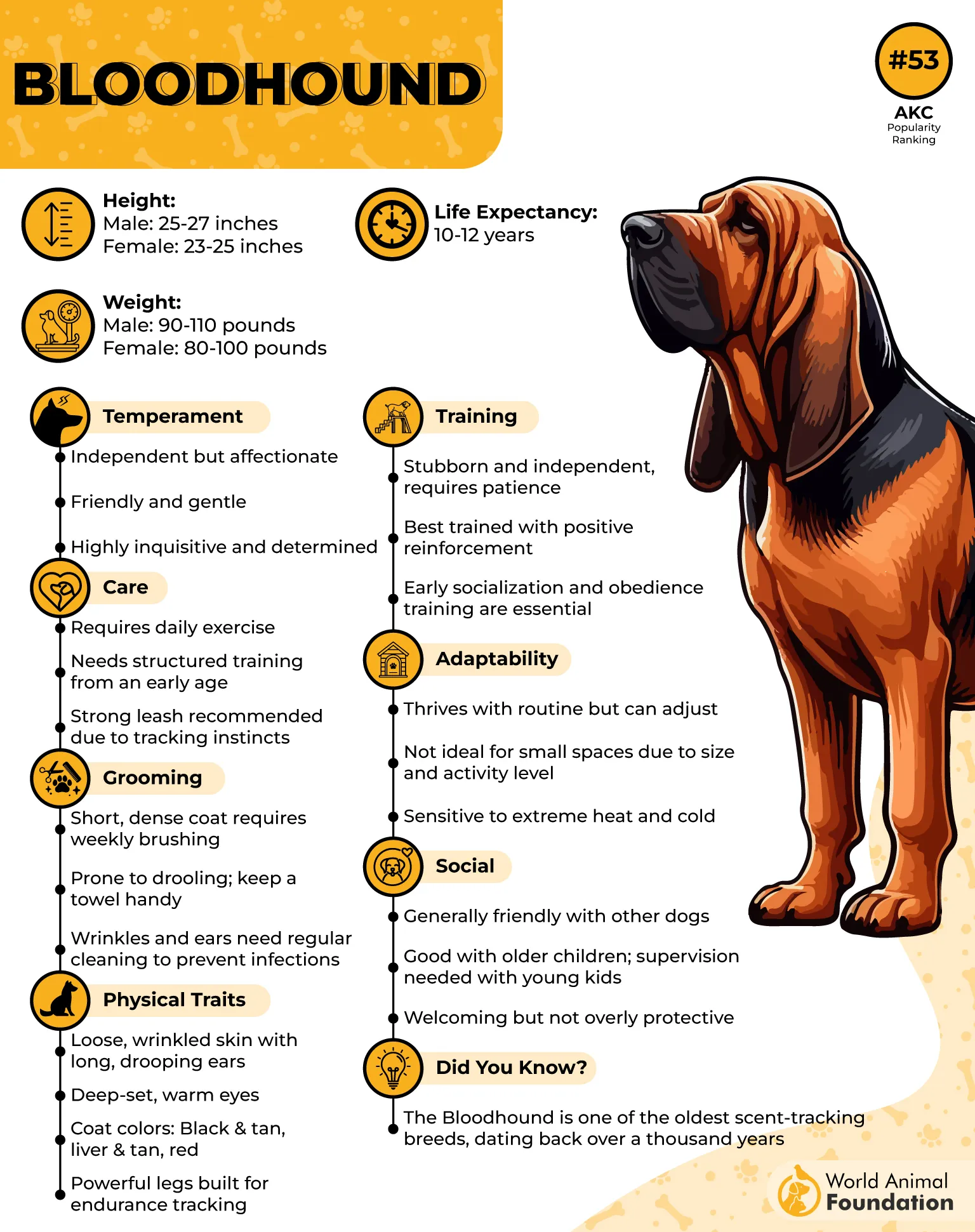
Unlike aggressive dogs, it has a calmer temperament, making it reliable for leading the hunter quietly to the target location. The tracking dog needs 1-2 hours of daily high-impact exercise: brisk walks, jogging, scent games, and mental stimulation.
6. Mountain Cur
The breed used to be a vital part of the frontier family during the settlement of Europeans in ancient America. The primary goal was to hunt small game initially, such as rabbits, squirrels, and hares. Today, it is also used to hunt large game, as noted by the AKC.
This medium-sized dog has a slightly square or rectangular body structure, providing an optimal power-to-weight ratio. It has cat-like paws with leathery pads. The physical toughness protects the dog’s legs and feet. It has a highly alert mental disposition that enables natural grit, keeping it boldly standing its ground to protect the handler.
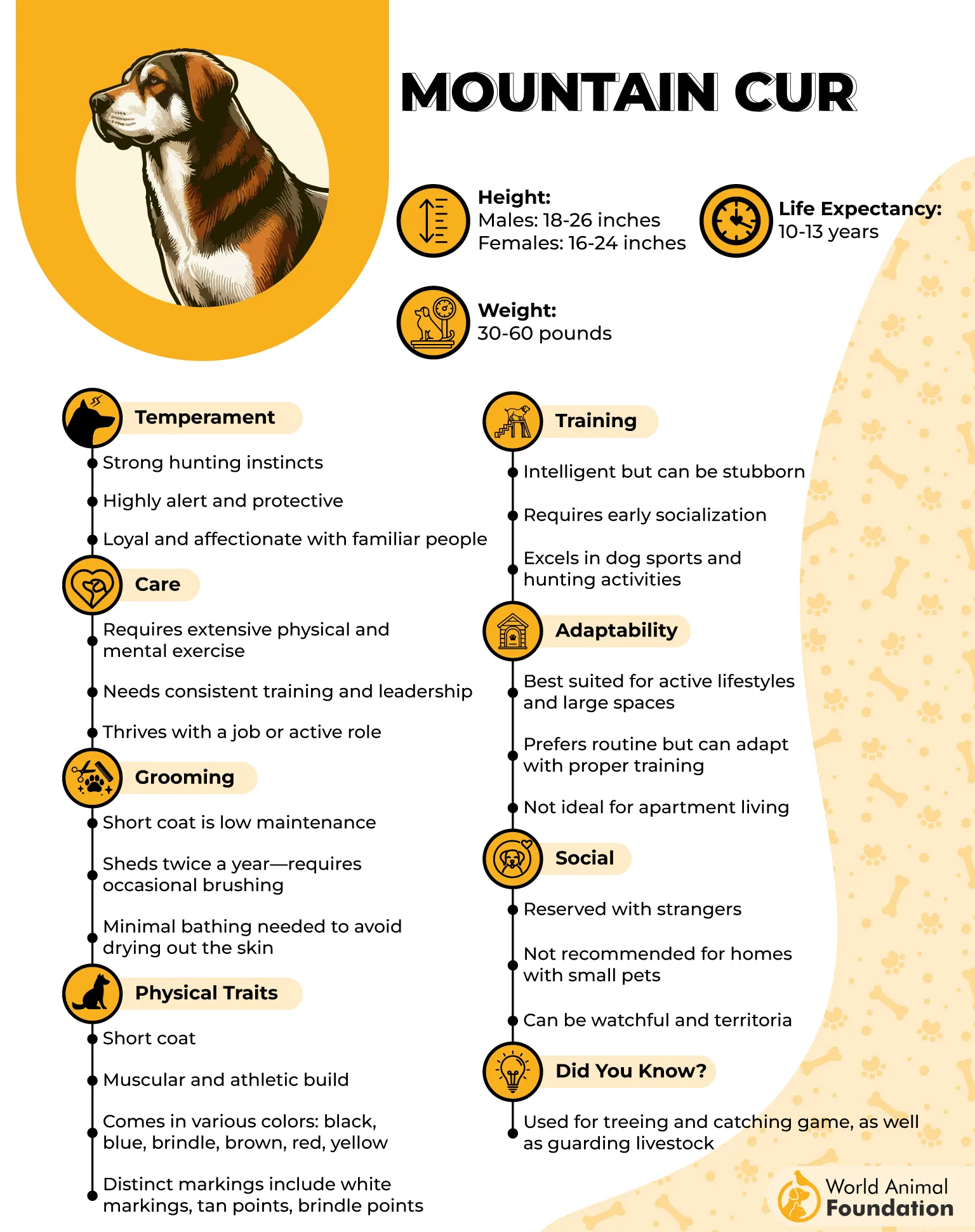
The breed needs a constant job, or it will develop destructive behavior, such as chewing and digging. Being sensitive to loud noises, it requires early desensitization and positive reinforcement. The breed needs 1-2 hours of daily exercise.
7. Polish Hound
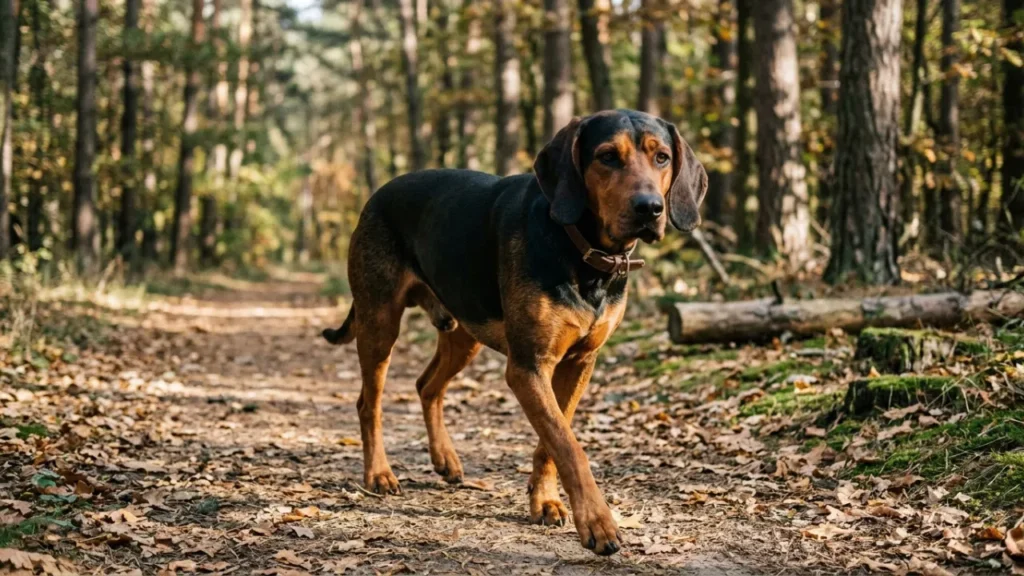
The Polish Hound was developed by crossing the Bloodhounds that were imported in the Middle Ages with the local hounds. The numbers of this breed dropped drastically during World War II and got a revival in two distinct forms: the light-boned and the heavier-boned Polish Hounds.
A well-developed larynx and deep chest cavity produce a ‘hound melody,’ allowing hunters to locate its position in low-visibility forest. The double coat has a weather-resistant topcoat and an impenetrable undercoat. The high RBC count and a slow beating heart help track and harass a wild boar, which can take hours over torturous trails.
While not bred as a retriever, it is an excellent swimmer with high endurance. The strong prey drive means it can even pursue birds or wildlife jumping near the water. Being an independent thinker, it does not require a handler’s instructions for tracking.
Conclusion
Every dog on this list brings something different to the hunt. Some shine because of their incredible nose, while others stand out for their grit, speed, or ability to work closely with hunters and other dogs. Choosing the right breed depends on your hunting style, local terrain, and level of experience rather than simply picking the toughest-looking dog.
A well-trained dog with proper conditioning will always outperform one that relies on instinct alone. At the end of the day, successful wild boar pursuit is about teamwork, trust, and preparation. When the bond between hunter and dog is strong, every trip into the field becomes more than a hunt; it becomes a shared adventure built on confidence, respect, and years of partnership.
