





“Ever blinked for half a second and wondered how your calm, well-behaved dog suddenly transformed into a four-legged missile? It happens faster than you’d expect—and there’s a fascinating reason behind it.”
Some dogs aren’t chasing because they’re stubborn or ignoring your commands. They’re simply responding to instincts that have been part of them for generations. A sudden movement, an unfamiliar scent, or even a rustling leaf can switch their focus in an instant, making everything else seem unimportant.
That’s why understanding high prey drive instincts is so important. It helps you recognize what’s motivating your dog’s behavior, train more effectively, and prevent situations that could put them at risk. Instead of fighting their instincts, you can learn how to manage them safely and positively.
In this guide, we’ll explore the high prey drive dog breeds, why these instincts remain so strong, and how to live happily with these energetic, instinct-driven companions.
Top Dog Breeds with a Powerful Prey Drive
1. Border Collie
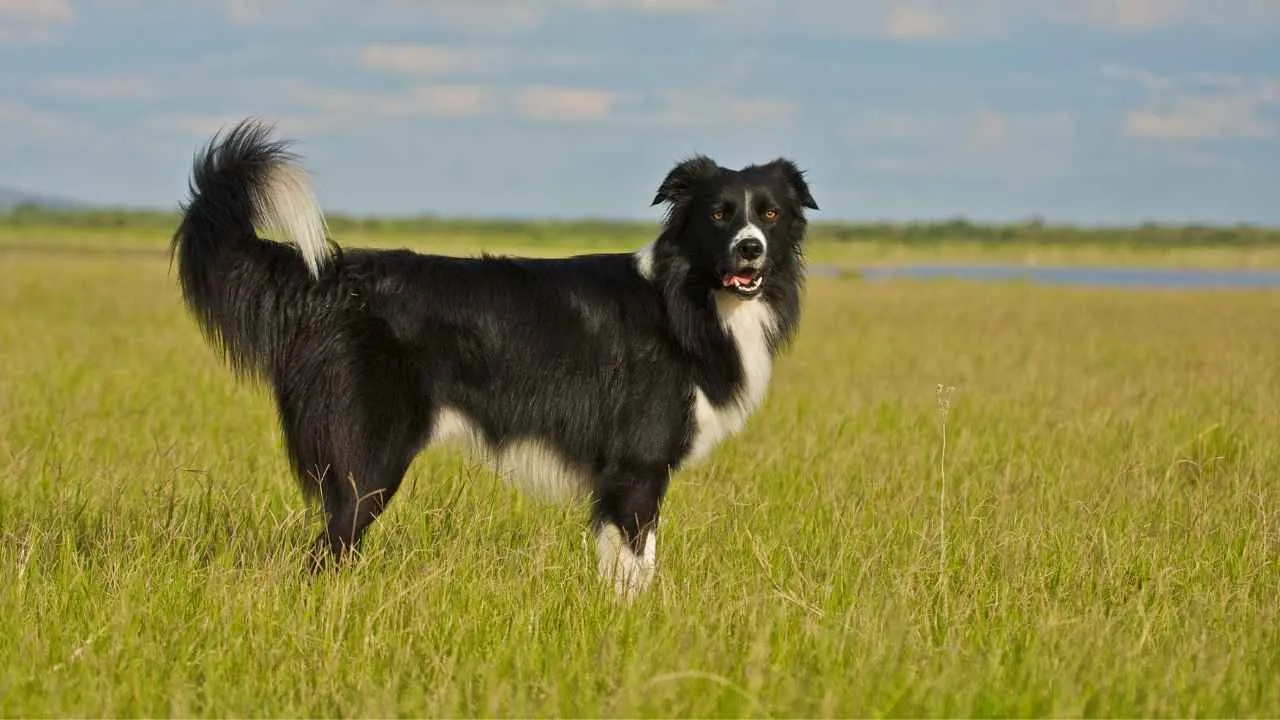
Don’t let their calm, focused expression fool you. Once something catches a Border Collie’s attention, its instincts take over in the blink of an eye.
Originally bred to herd sheep, Border Collies are widely regarded as the smartest dog breeds—but they’re also among the dog breeds with high prey drive. Their instinct isn’t simply to chase. It’s to spot movement, pursue it with incredible speed, and control it. That means running children, squirrels, cyclists, joggers, or even fast-moving cars can instantly grab their attention.
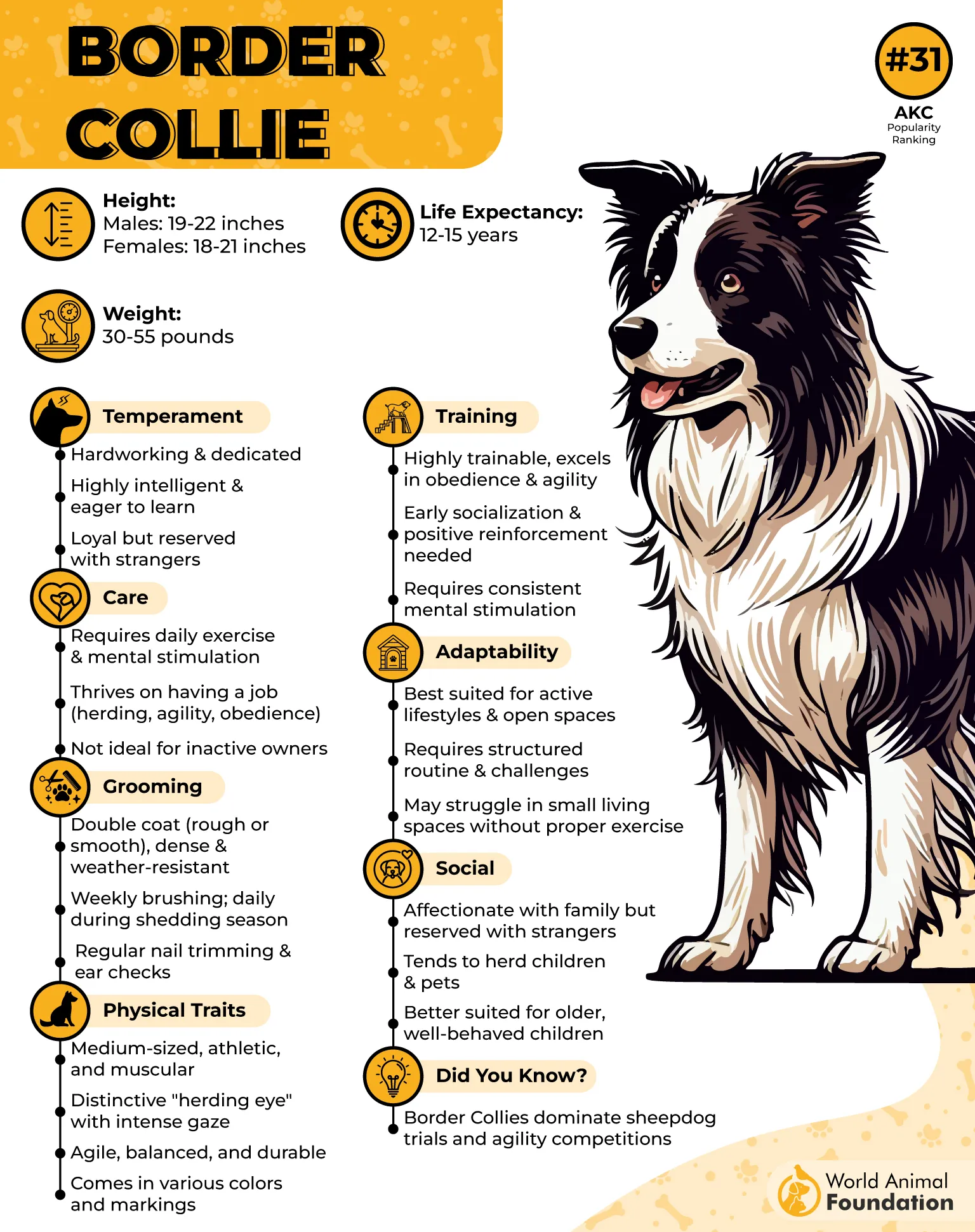
As per the AKC, their famous “herding eye” and lightning-fast reflexes make them exceptional working dogs, but they also need an outlet for those instincts.
Without enough physical exercise and mental stimulation, they may begin chasing, herding family members, or developing unwanted behaviors. For active owners, however, this loyal and highly trainable breed is an outstanding companion that thrives when given a purpose.
Tips for managing a Border Collie’s prey drive:
Provide vigorous daily exercise and mentally challenging games.
Teach a reliable recall and impulse-control commands from an early age.
Supervise interactions with small pets and young children.
Channel their instincts into activities like herding, agility, flyball, or frisbee.
2. Rhodesian Ridgeback
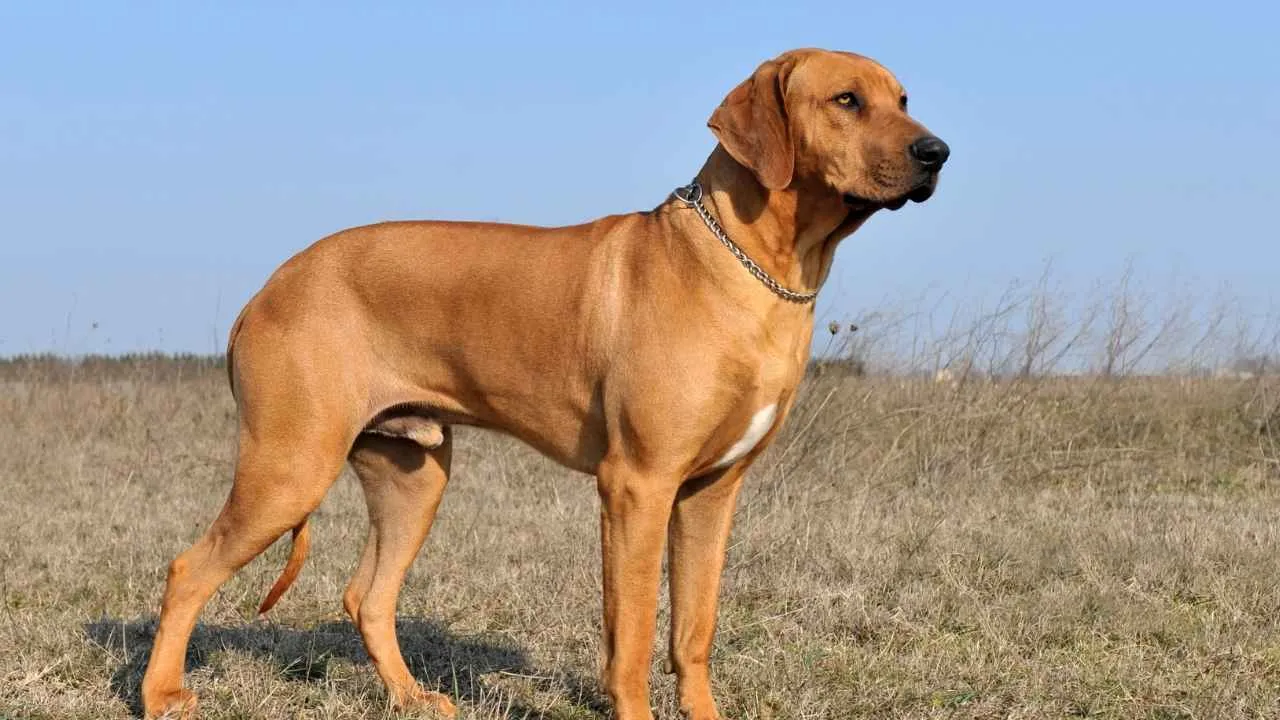
If you’re looking for a dog with both courage and powerful instincts, the Rhodesian Ridgeback deserves a spot on the list. Originally developed in southern Africa to track and hold lions at bay until hunters arrived, this fearless breed still carries an exceptionally strong prey drive today.
Fast, athletic, and highly independent, Rhodesian Ridgebacks naturally notice and pursue moving animals. Their hunting instincts can be triggered by squirrels, rabbits, or other small pets, making early training and careful supervision essential. While they’re deeply loyal and affectionate with their families, they’re often reserved around strangers and prefer making their own decisions.
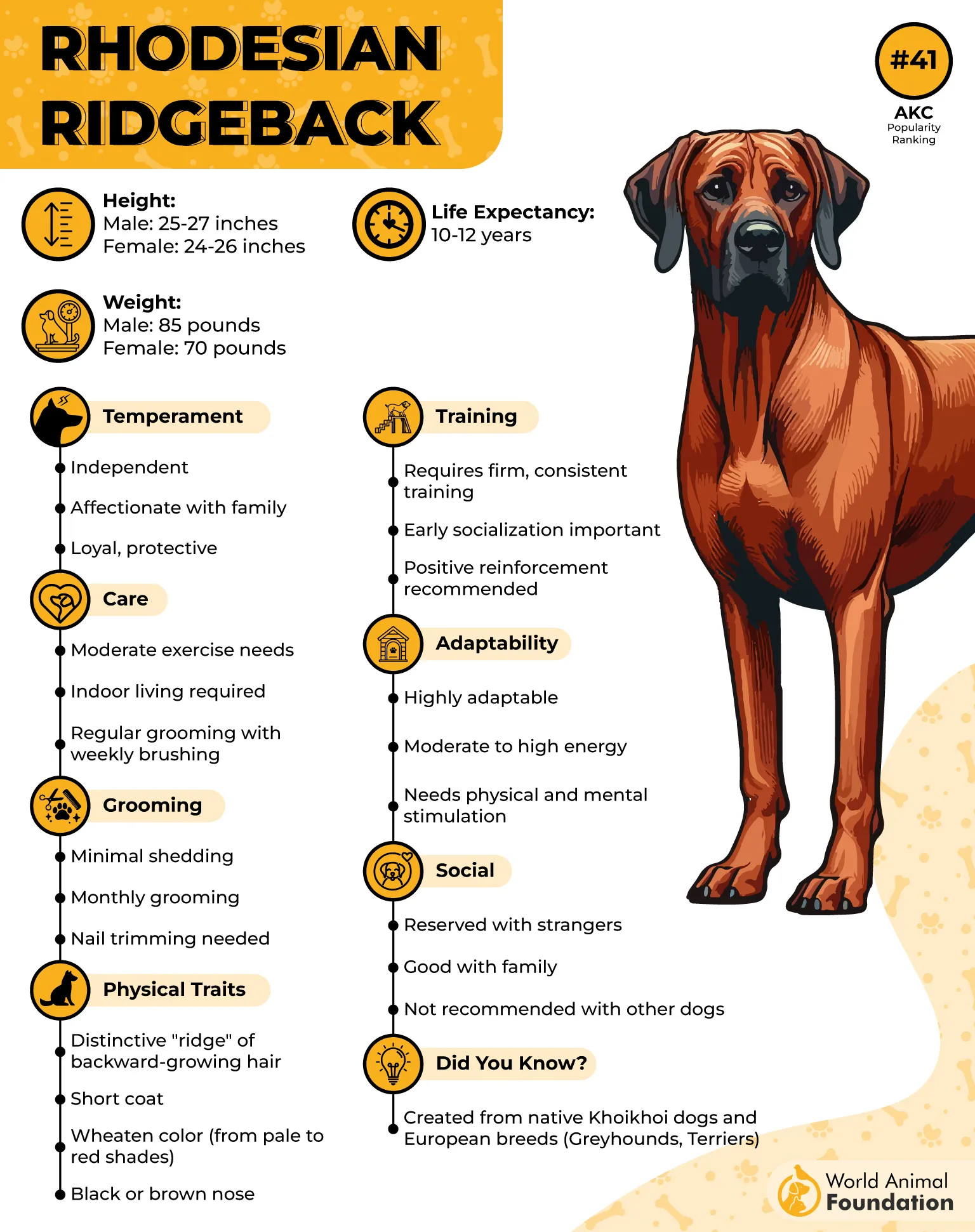
As per WebMD, because of their intelligence and strong-willed nature, these dogs thrive with active owners who can provide consistent training, long runs, and mentally stimulating activities like tracking or agility. A well-exercised Ridgeback is a confident, well-mannered companion, but without enough physical and mental outlets, their instincts can become difficult to manage.
Tips for managing a Rhodesian Ridgeback’s prey drive:
Start socialization and obedience training from puppyhood.
Keep them on a leash or in a securely fenced area outdoors.
Provide daily exercise, including running and tracking activities.
Teach a reliable recall before allowing off-leash freedom.
3. American Staffordshire Terrier
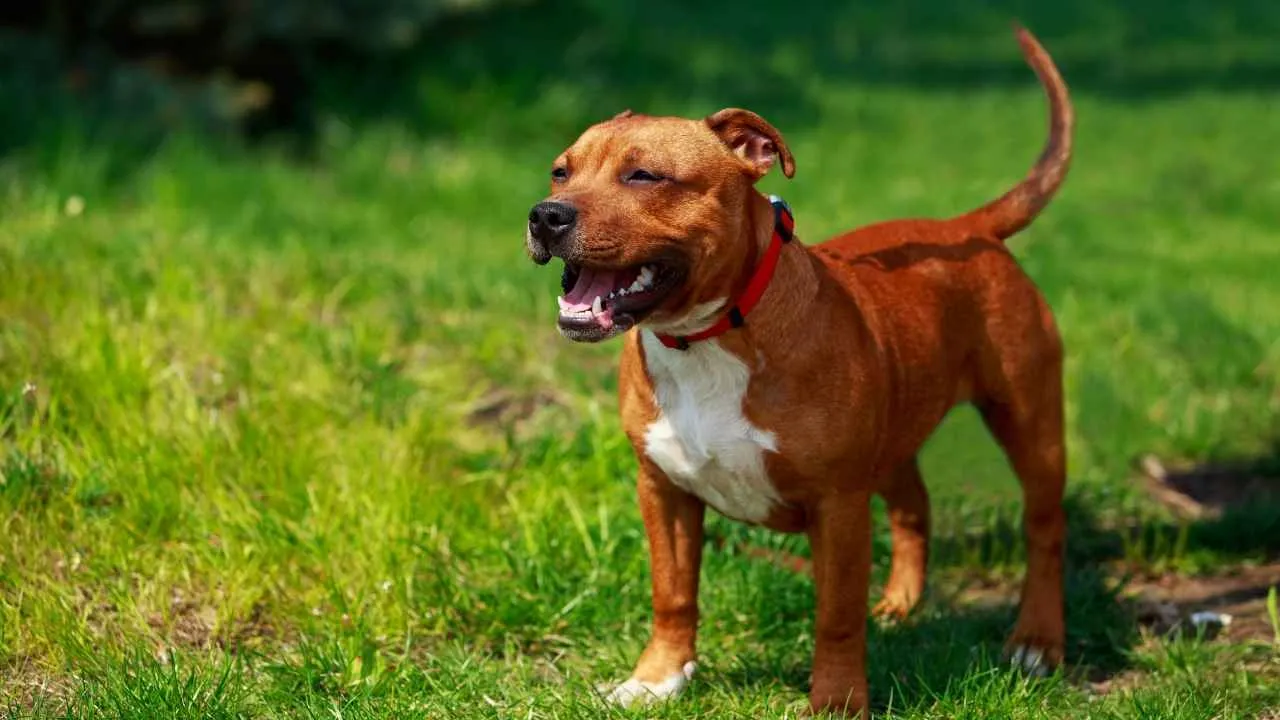
Strong, athletic, and incredibly loyal, the American Staffordshire Terrier has the energy and determination to match its powerful build. While today’s AmStaff is best known as a loving family companion, the breed still retains a strong prey drive that can surface around fast-moving animals.
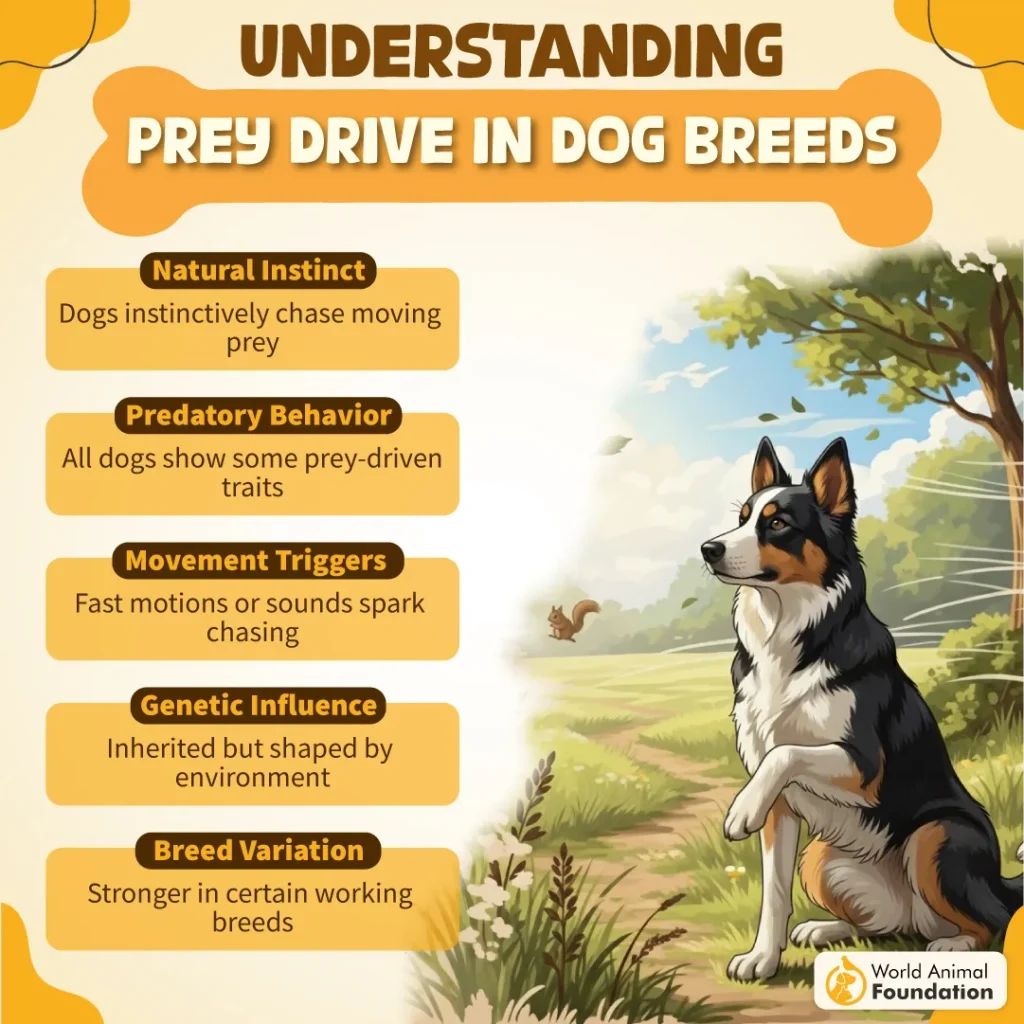
Small pets, squirrels, or anything that suddenly darts away may trigger their instinct to chase. That’s why early socialization and consistent training are so important. With the right guidance, AmStaffs learn to control their impulses and become calm, well-mannered companions, as per PetMD. They also thrive on human interaction and are happiest when included in family activities.
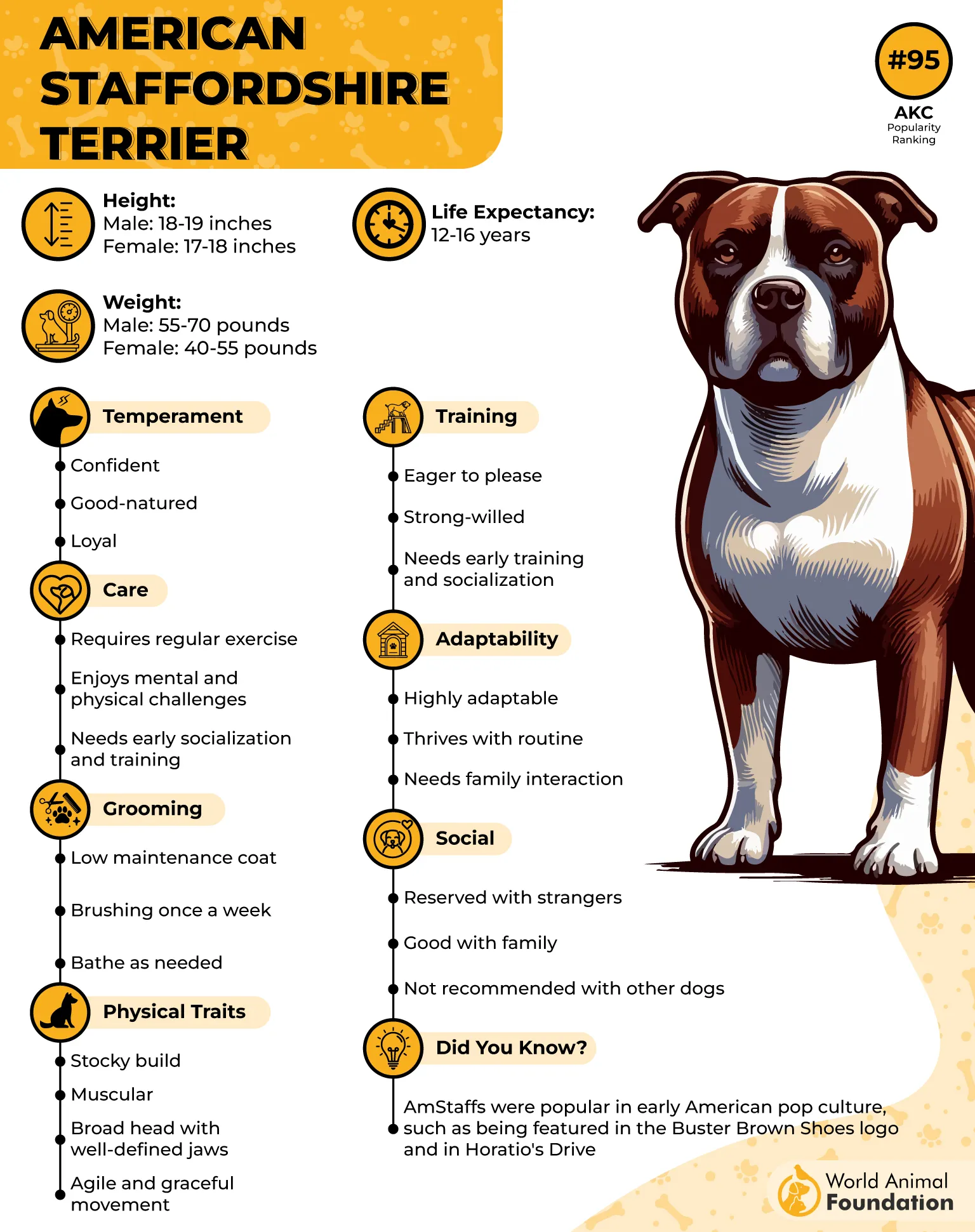
This high-energy breed needs more than a casual stroll. Daily vigorous exercise, interactive games, and mentally engaging training help channel their natural drive into positive behaviors. Their eagerness to please makes them highly trainable, but they can also be strong-willed, so patience and consistency go a long way.
Tips for managing an American Staffordshire Terrier’s prey drive:
Socialize early with people and other animals.
Provide at least 60 minutes of vigorous exercise every day.
Teach impulse control and a reliable recall using positive reinforcement.
Supervise interactions with small pets and reward calm behavior around them.
4. Weimaraner

Nicknamed the “Gray Ghost,” the Weimaraner is built for speed, stamina, and the thrill of the chase. Originally developed in Germany to hunt large game before transitioning into a skilled bird dog and retriever, this breed still possesses a remarkably powerful prey drive.
Fast-moving animals, birds, and unfamiliar scents can quickly capture a Weimaraner’s attention. Their hunting instincts, combined with endless energy and curiosity, mean they need plenty of opportunities to run, explore, and stay mentally engaged. Without enough exercise, they can become restless and may channel that drive into chasing wildlife or other moving objects.
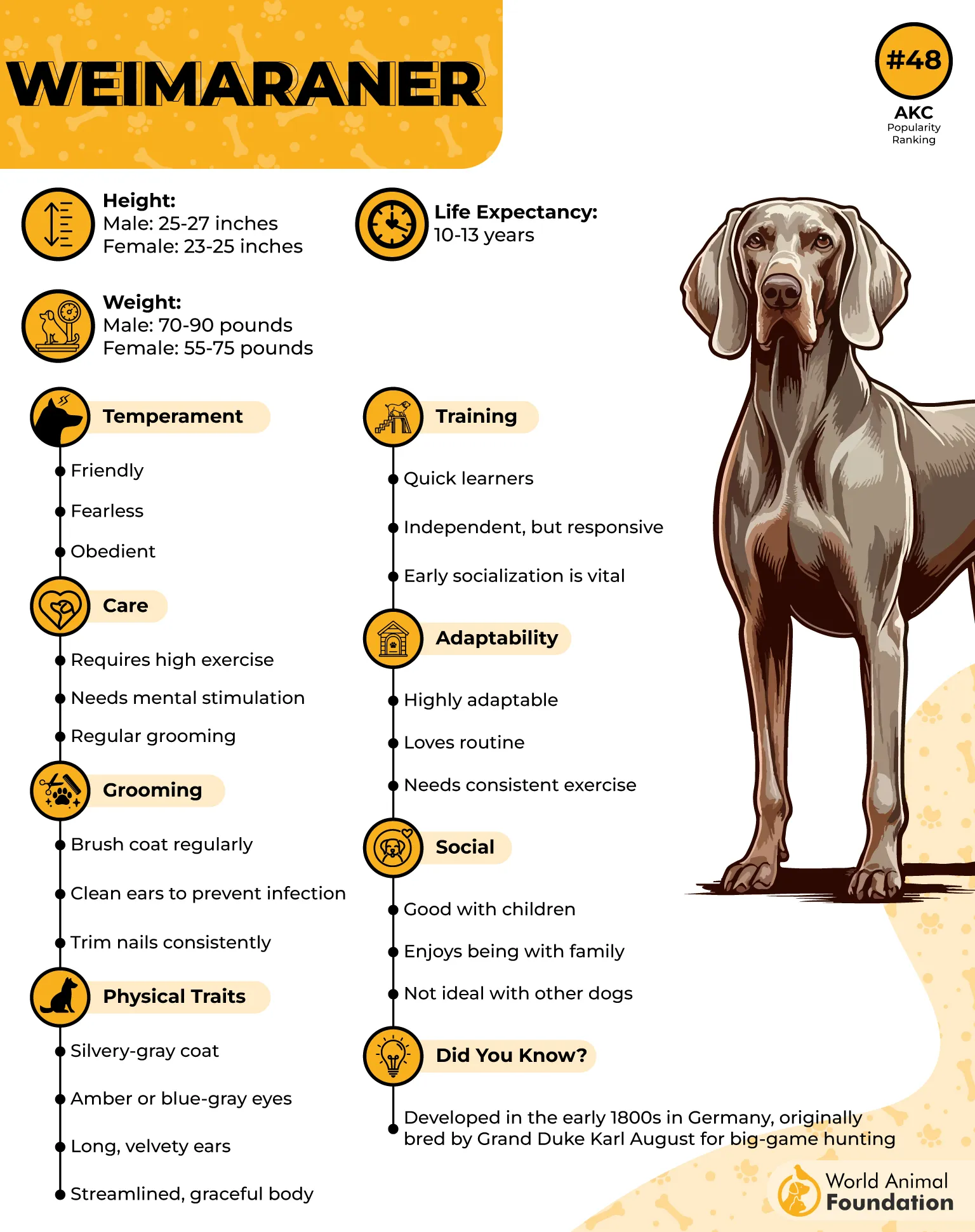
Despite their intense hunting instincts, Weimaraners are affectionate, loyal, and eager to please. They respond well to consistent training and thrive with active families who enjoy outdoor adventures like hiking, running, swimming, or tracking, as per Britannica. For owners who can match their energy, they’re both devoted companions and exceptional sporting dogs.
Tips for managing a Weimaraner’s prey drive:
Provide at least an hour of vigorous exercise every day.
Practice recall and impulse-control training from an early age.
Keep them leashed or in secure areas around wildlife.
Channel their instincts through activities like retrieving, tracking, agility, or scent work.
5. Greyhound
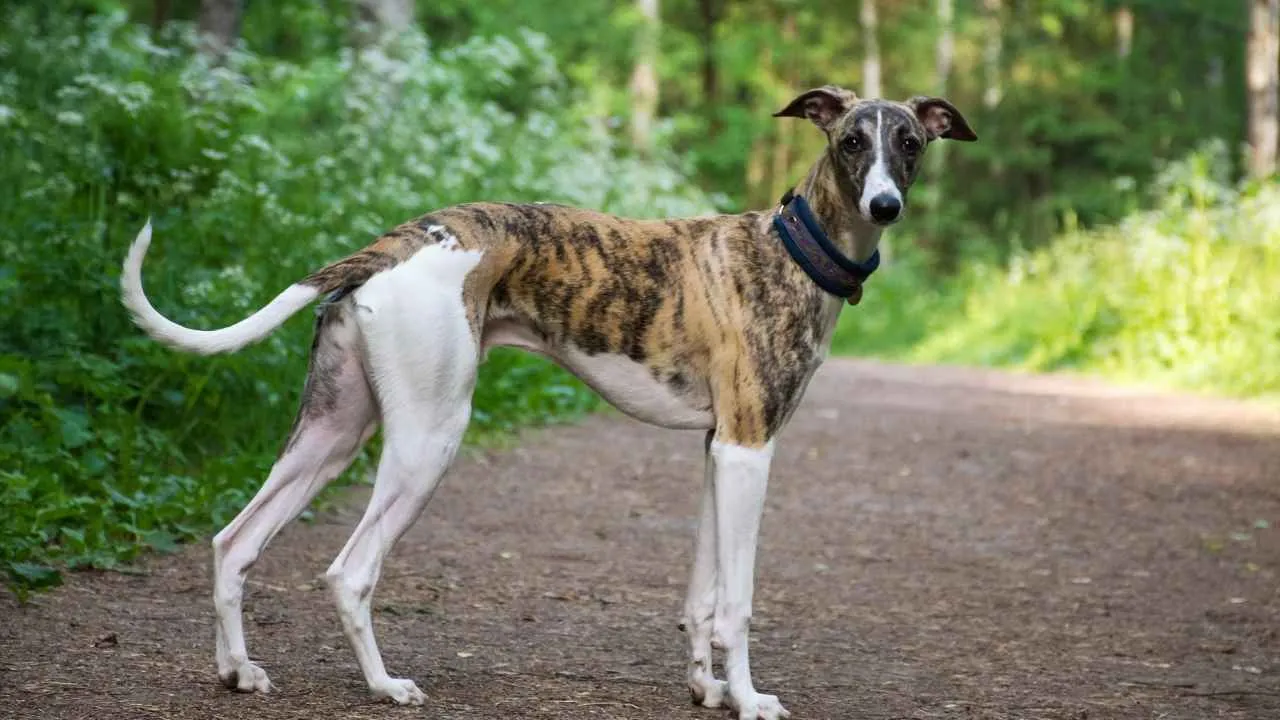
Don’t let their calm, laid-back personality at home fool you. The moment something darts across their path, a Greyhound’s powerful prey drive can take over in seconds.
As one of the oldest sighthounds, Greyhounds were bred to hunt using exceptional eyesight and incredible speed rather than scent. Their high prey instinct is meant to spot movement and chase it, which is why squirrels, rabbits, cats, or other fast-moving small animals can be almost impossible for them to ignore. Even well-trained Greyhounds may forget their recall when their hunting instincts kick in.
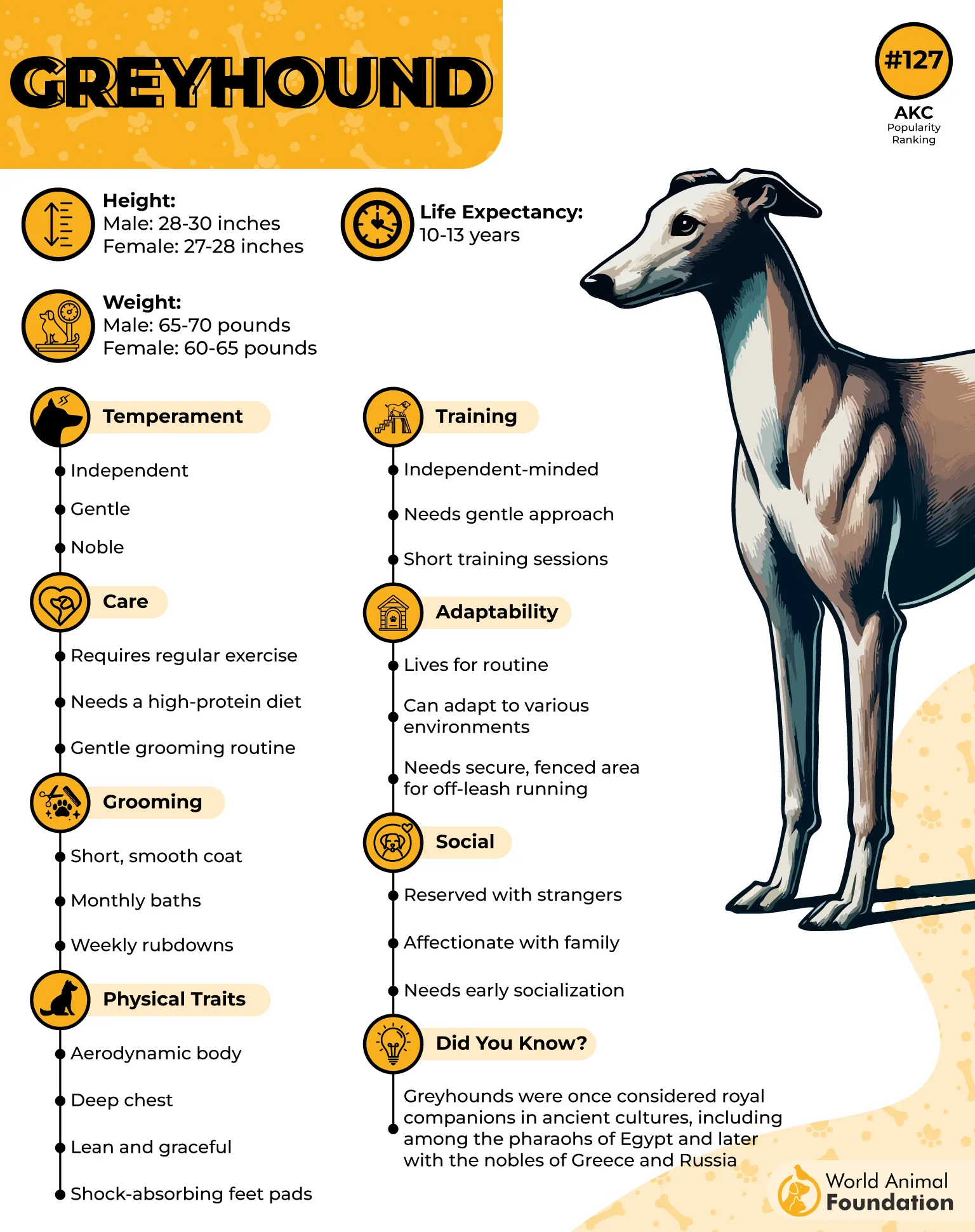
As per Wikipedia, fortunately, they’re also affectionate, gentle, and surprisingly quiet companions that love relaxing with their families after exercise. However, because of their high prey drive, they should always be walked on a leash or exercised in a securely fenced area. With proper management, these elegant athletes make wonderful pets for active and responsible owners.
Tips for managing a Greyhound’s prey drive:
Always use a leash in open or unfenced areas.
Practice recall in secure, distraction-free environments.
Supervise interactions with small pets unless you know they’re safe together.
Provide regular sprinting opportunities and activities like lure coursing to satisfy their instincts.
6. Irish Setter
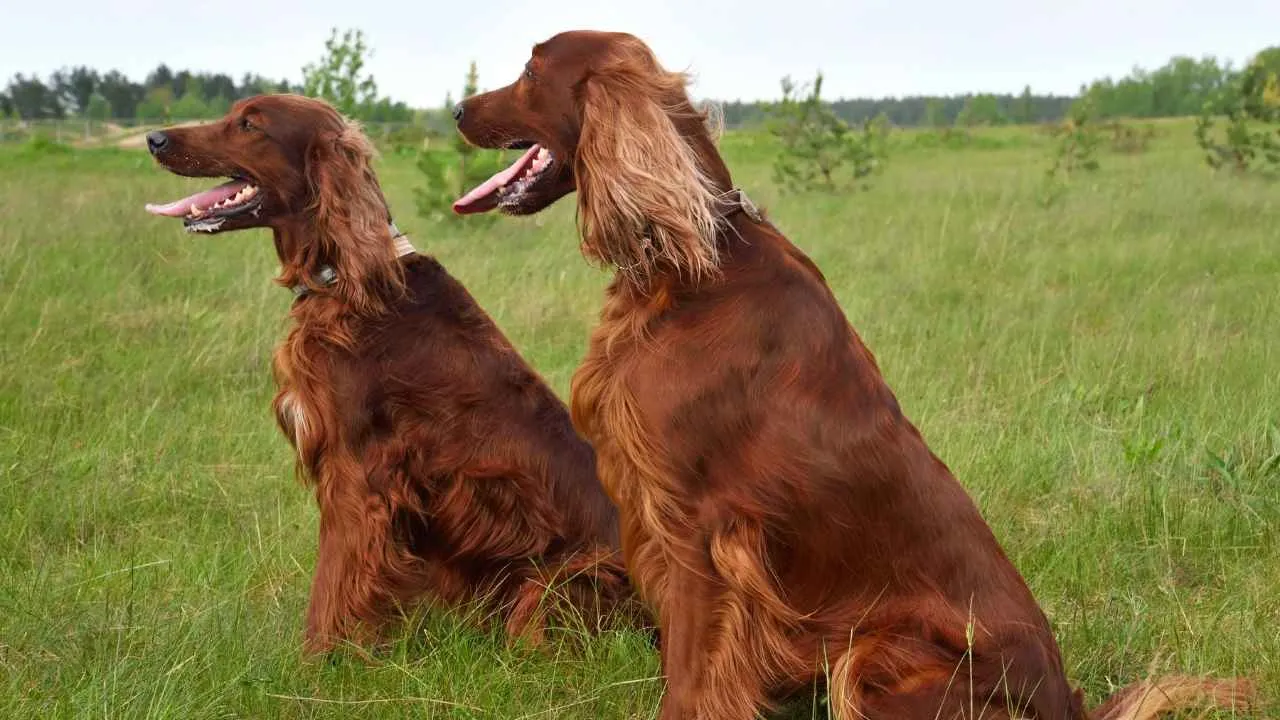
With their flowing red coat and cheerful personality, Irish Setters may look like carefree companions—but beneath that elegant appearance lies a capable hunting dog with a noticeable prey drive.
Originally bred in Ireland to locate and retrieve game birds, Irish Setters are naturally drawn to movement, scents, and wildlife. Birds, rabbits, and squirrels can quickly spark their instinct to chase, especially if they haven’t learned strong impulse control. While some individuals have a stronger prey drive than others, this breed benefits from early training and consistent guidance.
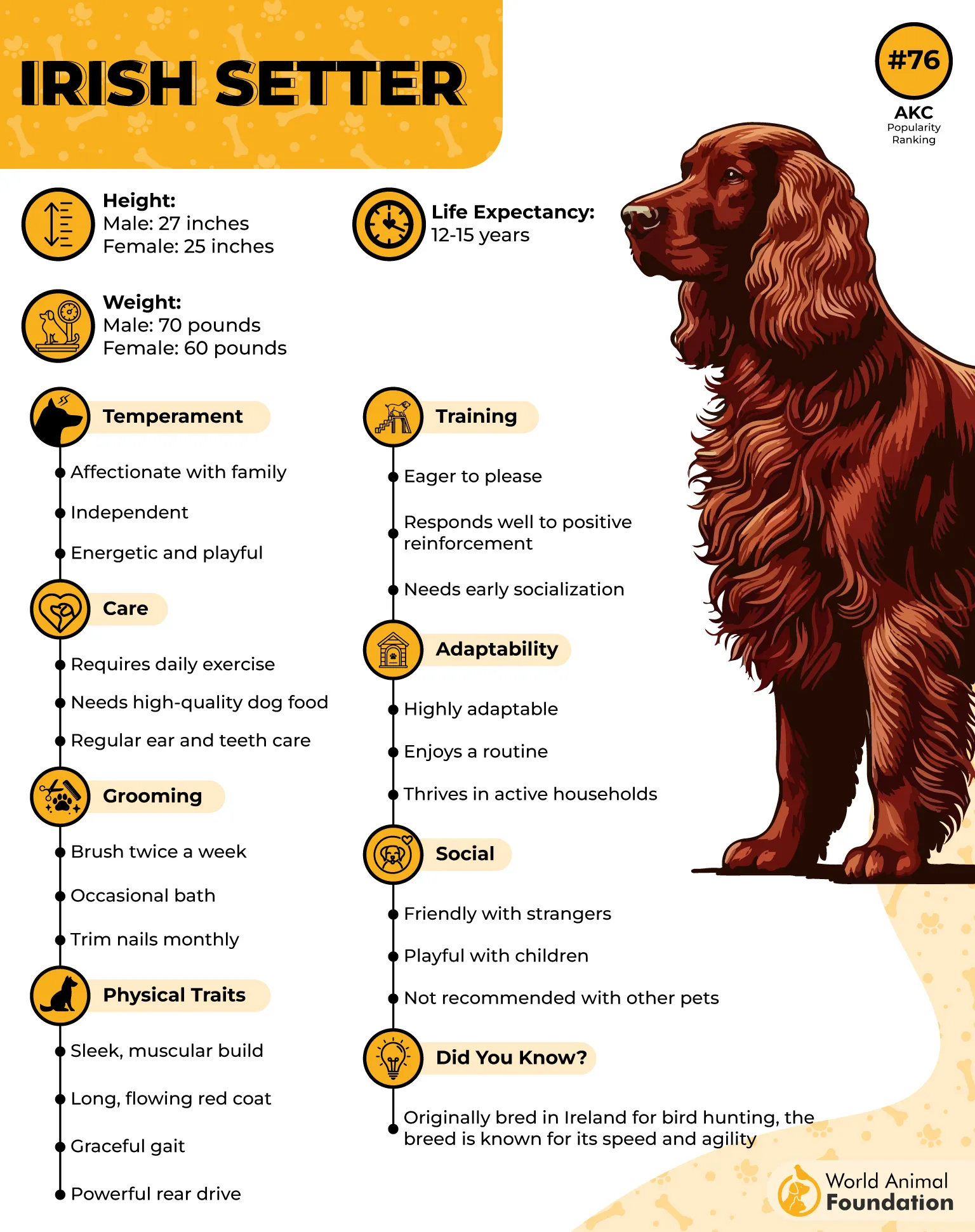
The good news? Irish Setters are intelligent, eager to please, and highly trainable. They thrive with active families who can provide plenty of exercise, interactive play, and mentally stimulating activities. When their energy and hunting instincts are directed into positive outlets, they become affectionate, fun-loving companions that are a joy to live with.
Tips for managing an Irish Setter’s prey drive:
Start recall and obedience training early using positive reinforcement.
Provide daily exercise and games that satisfy their natural hunting instincts.
Keep them leashed around wildlife until recall is dependable.
Use scent work, retrieving games, or field activities to channel their energy productively.
7. German Shorthaired Pointer
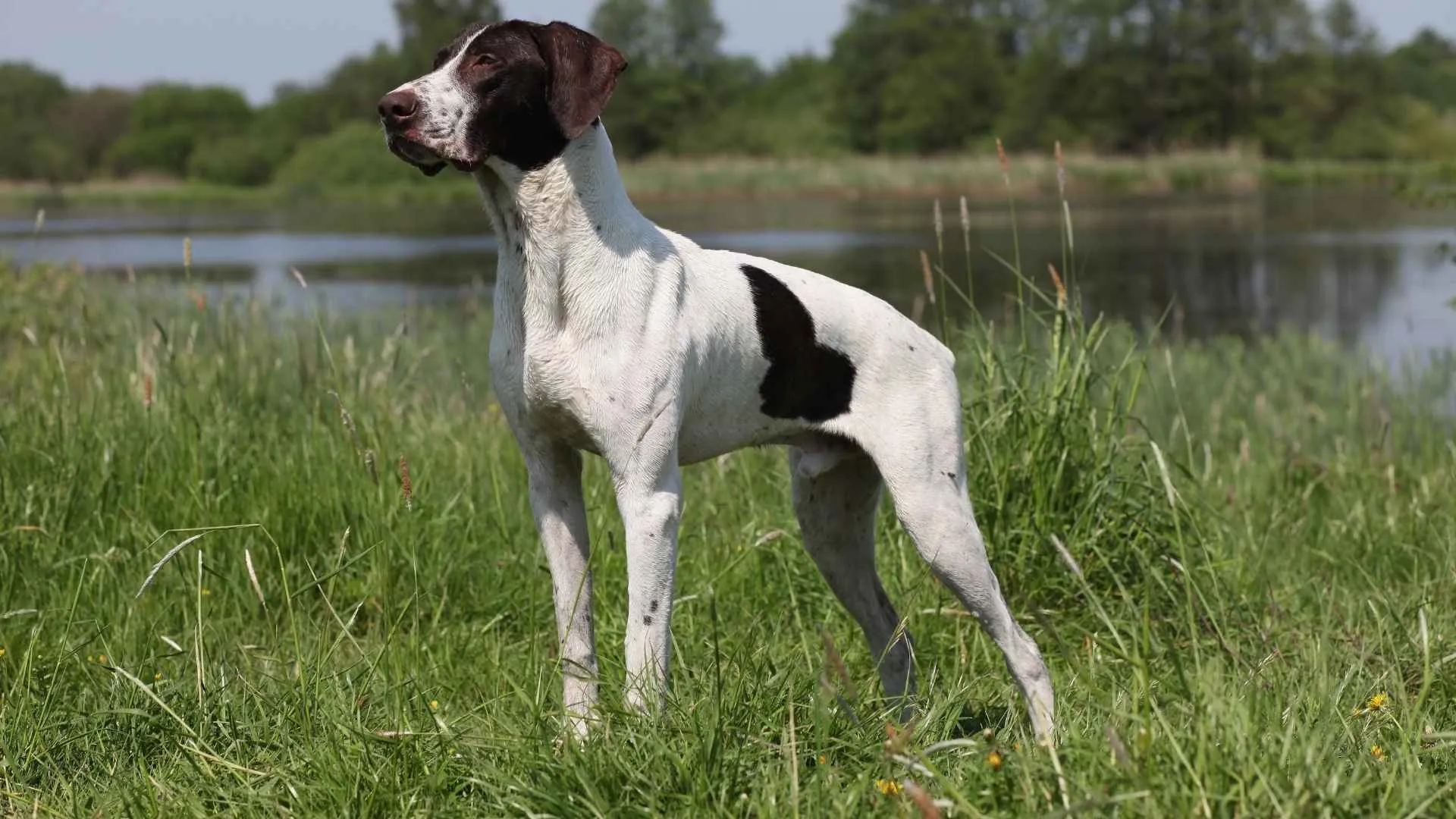
If there were an award for enthusiasm, the German Shorthaired Pointer would be a top contender. Bred in 19th-century Germany as an all-purpose hunting dog, this energetic breed has one of the strongest prey drives in the canine world.
Movement, scent, or even the sound of rustling bushes can instantly grab a GSP’s attention. Their instinct to point, chase, track, and retrieve is deeply rooted in generations of selective breeding. Without enough physical activity and mental challenges, that natural drive can easily turn into unwanted chasing or restless behavior.
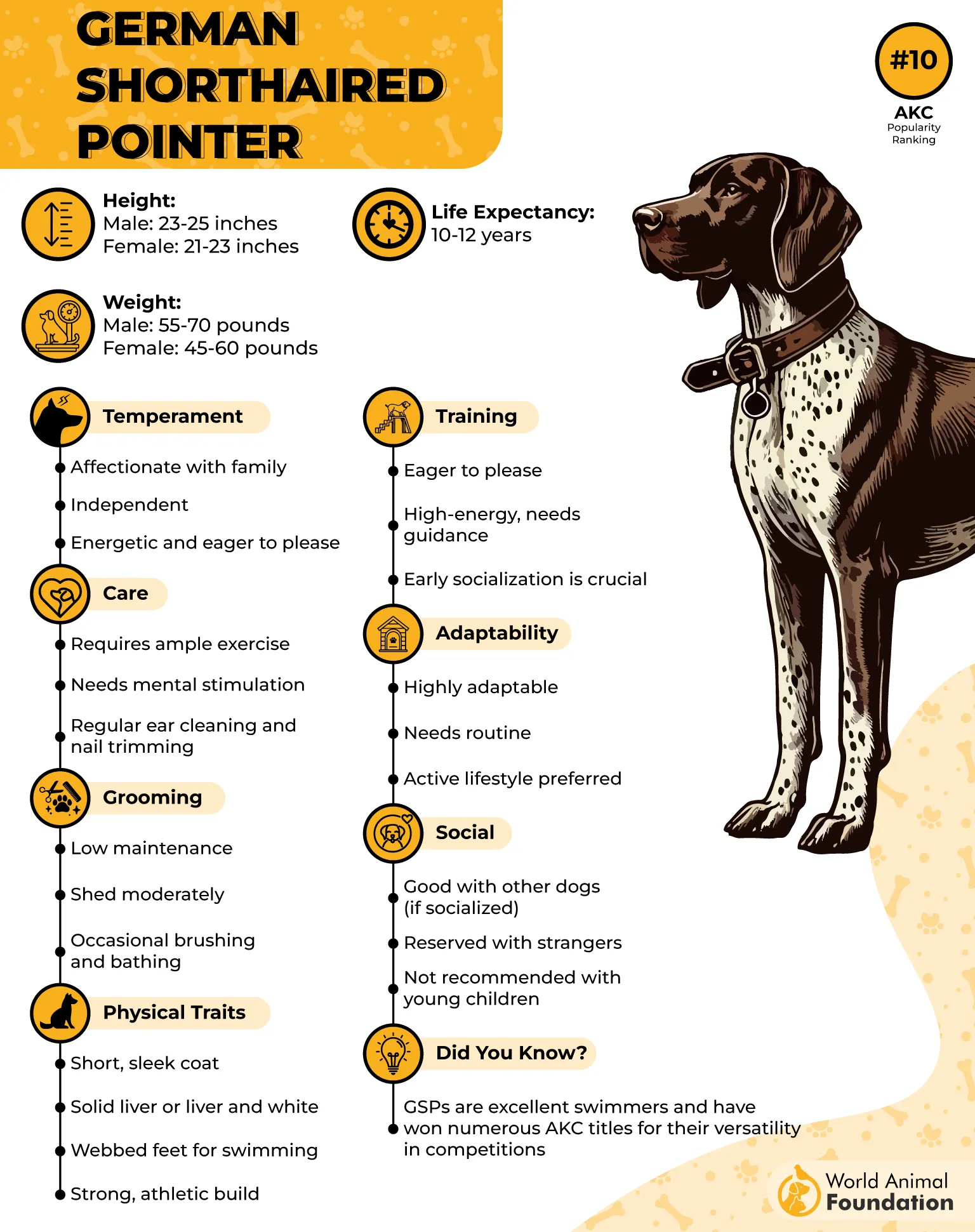
The good news? German Shorthaired Pointers are highly intelligent, eager to work, and love having a job to do. With early socialization, consistent training, and plenty of exercise, they channel those powerful instincts into positive activities instead of impulsive chasing. For active owners, they’re loyal, affectionate, and endlessly adventurous companions.
Tips for managing a German Shorthaired Pointer’s prey drive:
Start obedience and recall training early using positive reinforcement.
Redirect their focus with treats, toys, or training before they begin chasing.
Provide daily vigorous exercise and activities like scent work, retrieving, or agility.
Keep them leashed or in securely fenced areas when wildlife is nearby.
Conclusion
A powerful prey drive isn’t a flaw—it’s an instinct that has shaped some of the world’s most capable and fascinating dog breeds. From expert trackers to lightning-fast chasers, each breed on this list was developed with a purpose, and those instincts are still part of who they are today.
The key isn’t trying to eliminate prey drive but learning how to manage it through consistent training, early socialization, regular exercise, and plenty of mental stimulation. When those needs are met, these energetic dogs can become loyal, well-balanced companions that thrive both at home and outdoors.
If you’re considering one of these high-drive breeds, choose one that matches your lifestyle and activity level. Understanding their instincts from day one will help you build a safer, stronger, and more rewarding relationship for years to come.
