




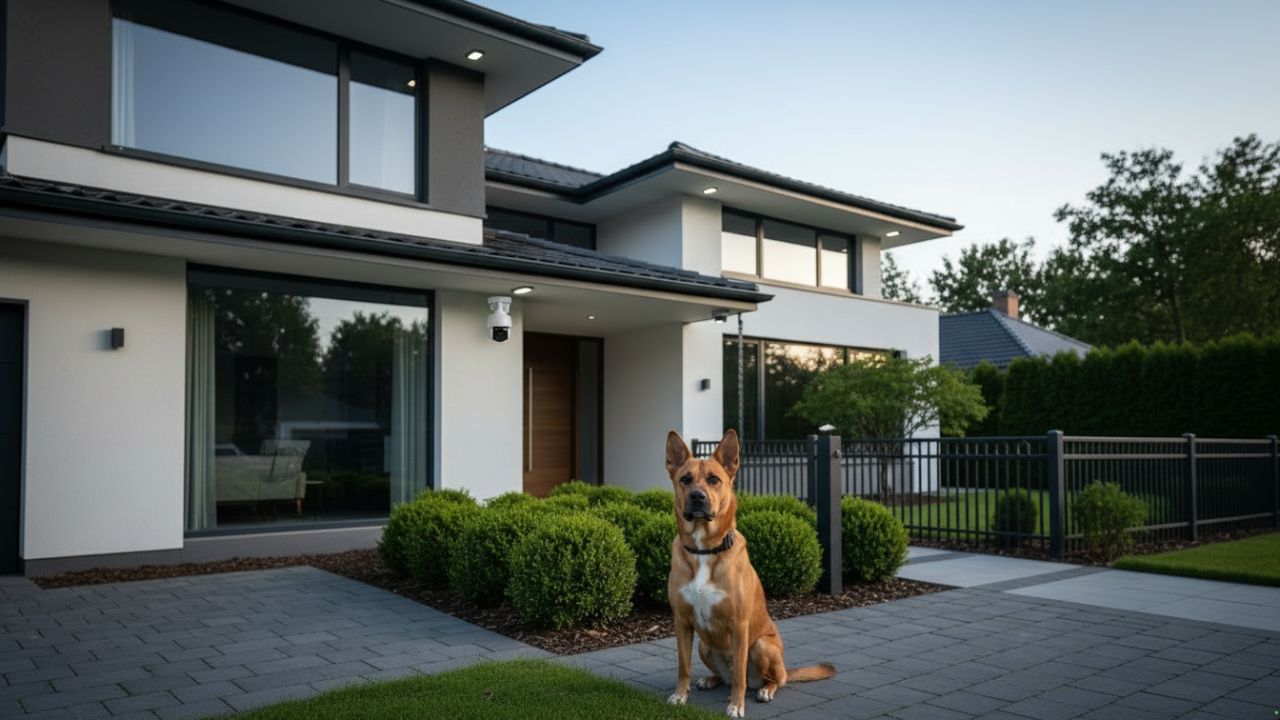
When it comes to your family’s safety, there is no substitute for the comfort of knowing a dog is protecting you. For some dog owners, the assurance a dog provides can be a better alternative compared to relying on technology.
Unlike alarm systems and surveillance cameras, a guard dog breed will provide an instinctual awareness of knowing what is happening around you, an emotional intelligence to notice when something is wrong, and a physical presence to respond to real-world threats.
In contrast to guard dogs, protective dog breeds are not based on aggression. Rather, they are the smartest breeds that use high intelligence to detect changes in behavior, unfamiliar noises, and unusual movements. Most protective dog breeds are used primarily for prevention, deterrence, and loyalty, rather than fighting.
Let’s check out some of the best guard dogs and see what makes them so special.
Best Dog Breeds to Protect Against Potential Threats
1. German Shepherd
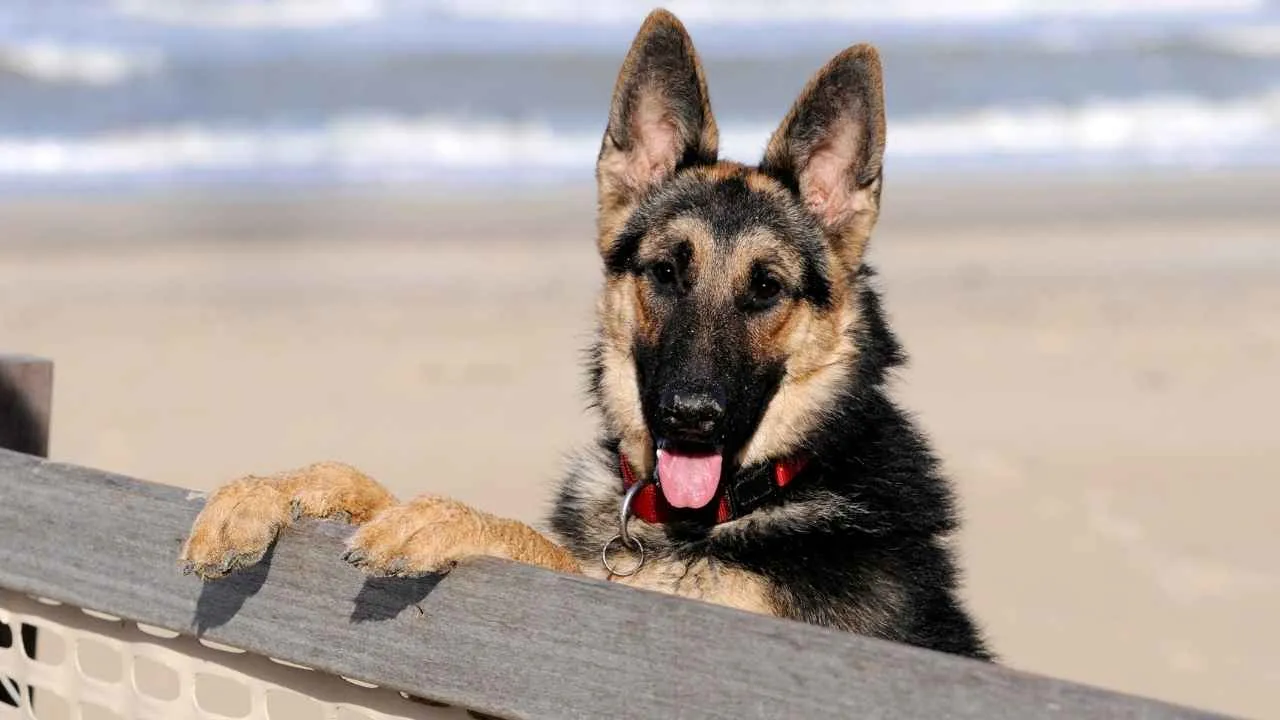
German Shepherds are one of the most versatile protection dogs. They are great family pets with high intelligence and are able to analyze information quickly and respond accordingly with actions that are well-thought-out rather than impulsive.
Their ability to remember routines and recognize slight deviations enables their sharp instincts to identify potential dangers earlier than other breeds.
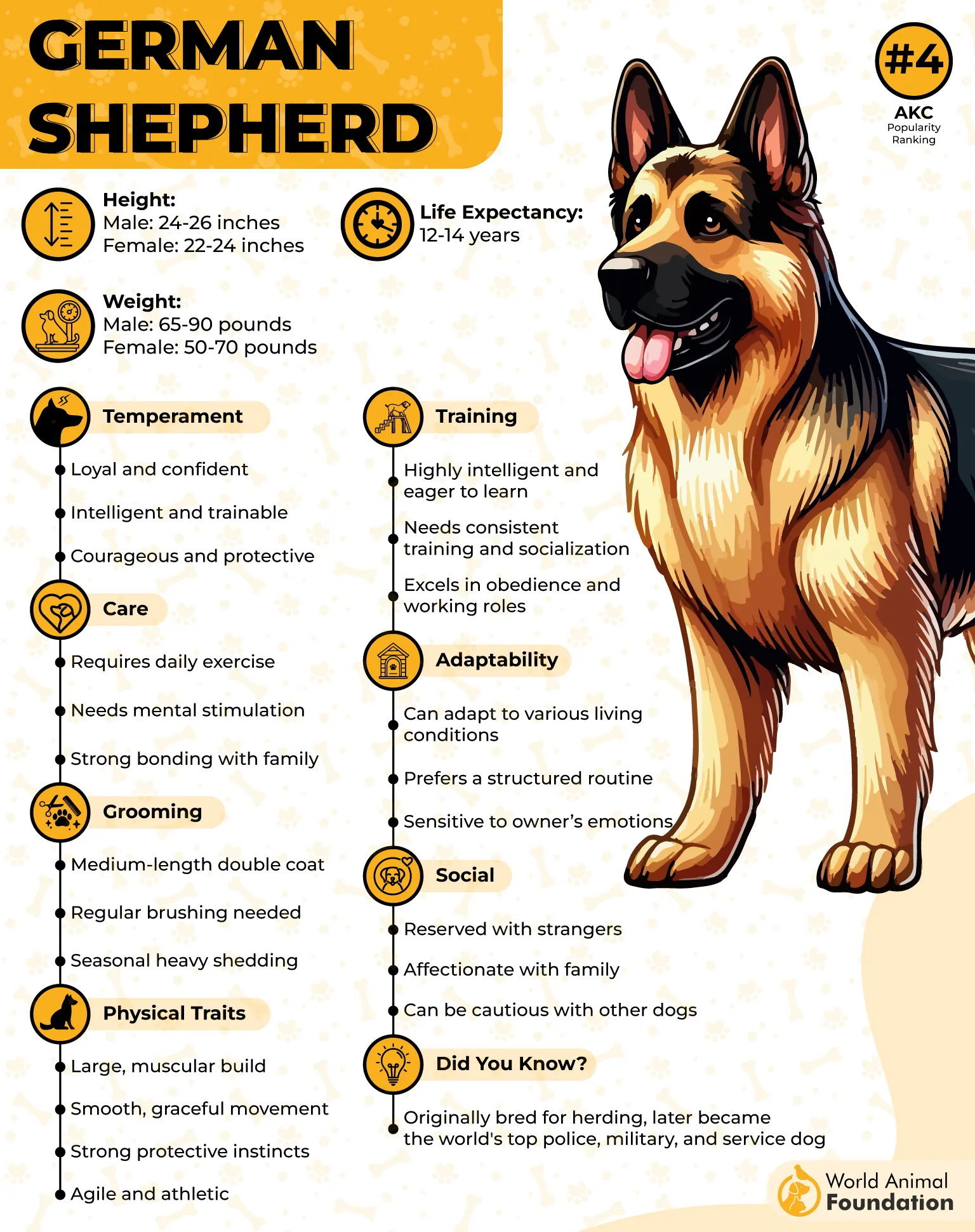
As stated by the American Kennel Club, this breed is one of the most popular breeds for a job that requires reliability and responsibility, as they have natural protective instincts. German Shepherds naturally survey their surroundings and will typically position themselves where they can best view their environment.
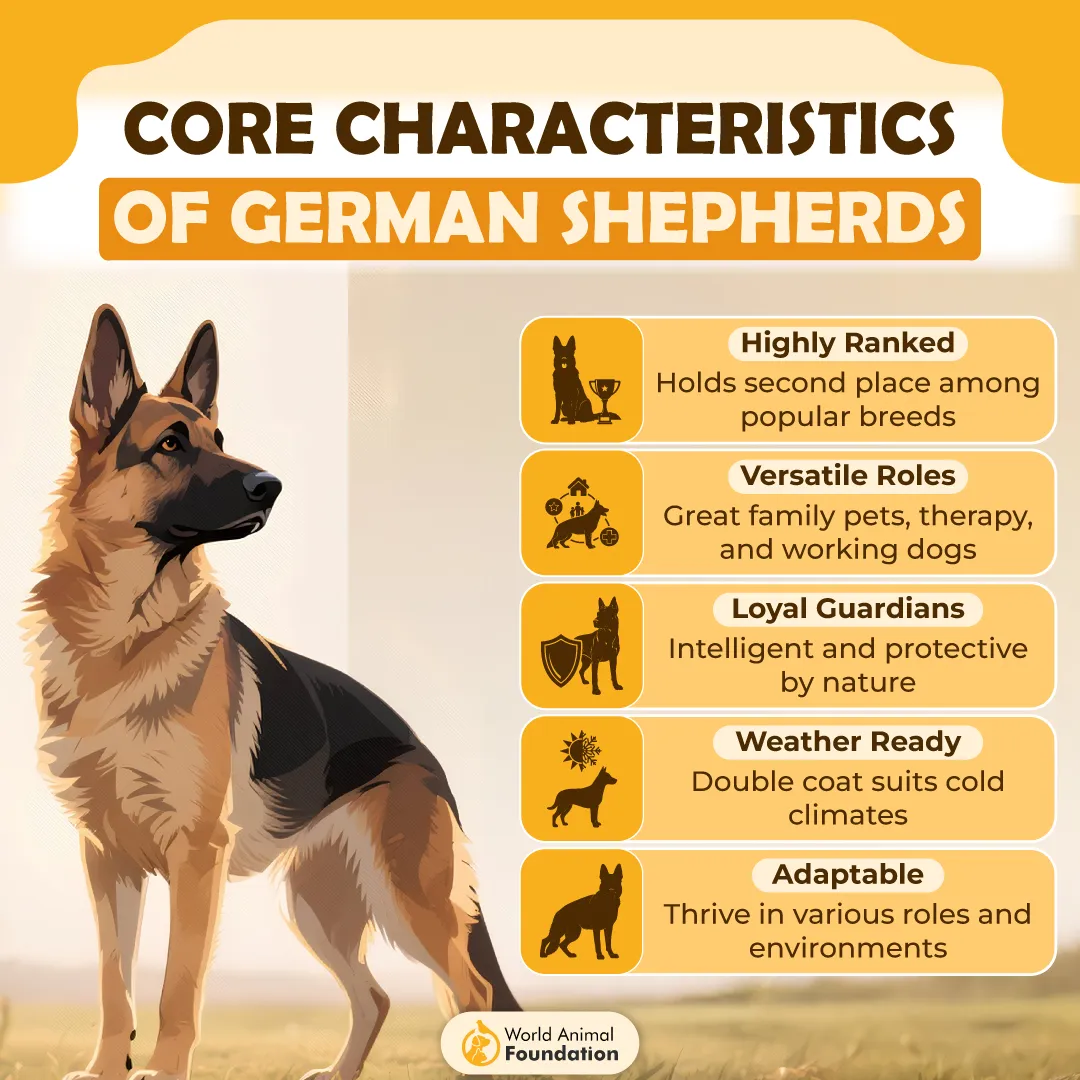
Often, they will be positioned near the front door, stairs, etc., so that they can easily monitor those areas.
Protection Style: Early detection and controlled response.
These highly intelligent dogs will perform best in households and can do various tasks of police work.
2. Belgian Malinois
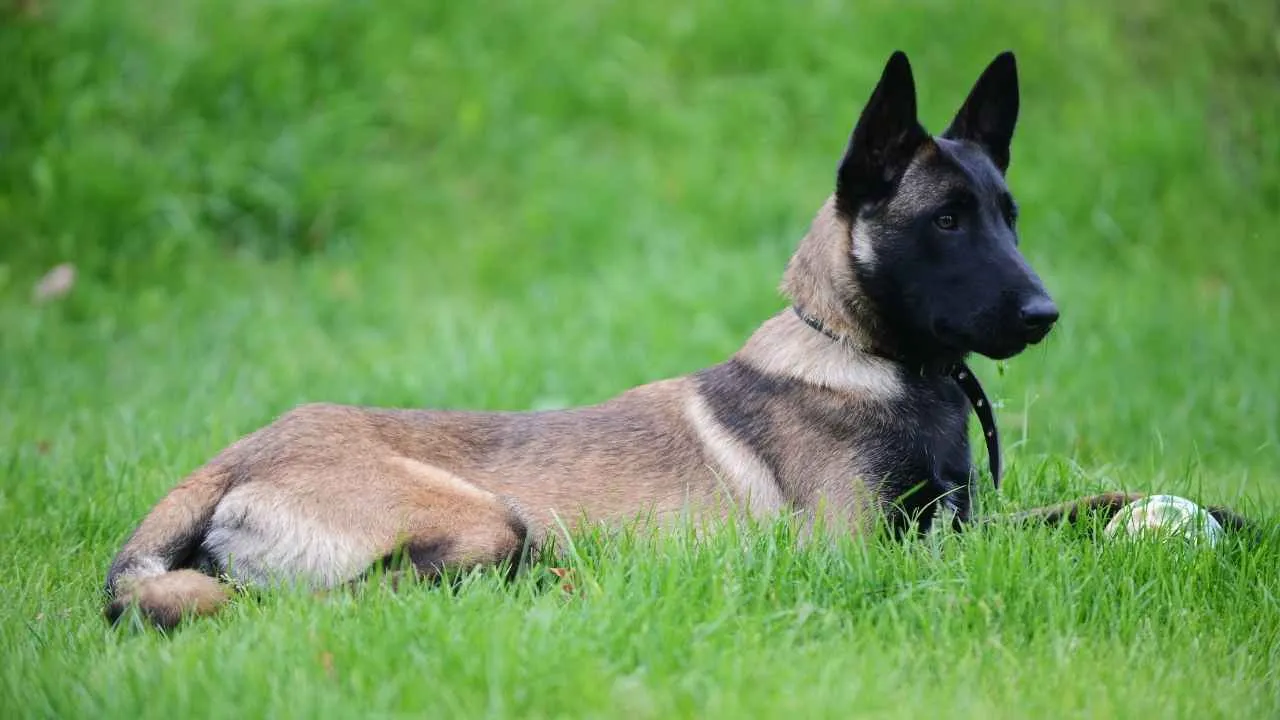
The Belgian Malinois has an extremely focused and driven temperament. These guard dogs are constantly attentive and rarely lose focus on their environment, making them well-trained at watching and detecting threatening situations in their surroundings.
These guard dog breeds are well-suited to fast-paced, high-energy environments that require speed, agility, and endurance. Belgian Malinois will require early training to be content.
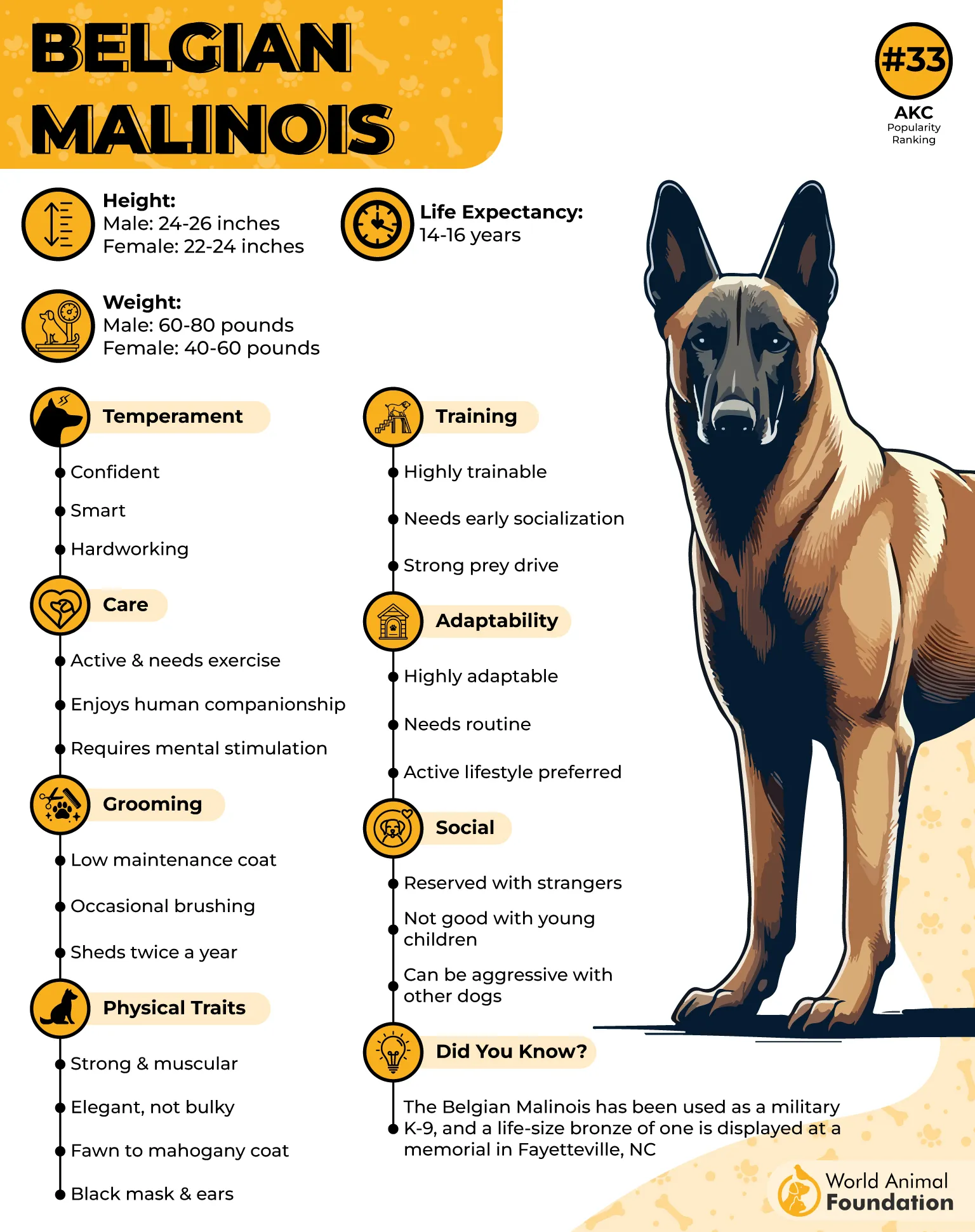
The Malinois responds to subtle cues, including body language and loud barking. This enables them to respond silently to certain situations when necessary.
Protection Style: Fast response, consistent leadership, and tactical awareness.
The Malinois requires an owner who enjoys providing consistent training and mental stimulation activities for their dog.
3. Rottweiler
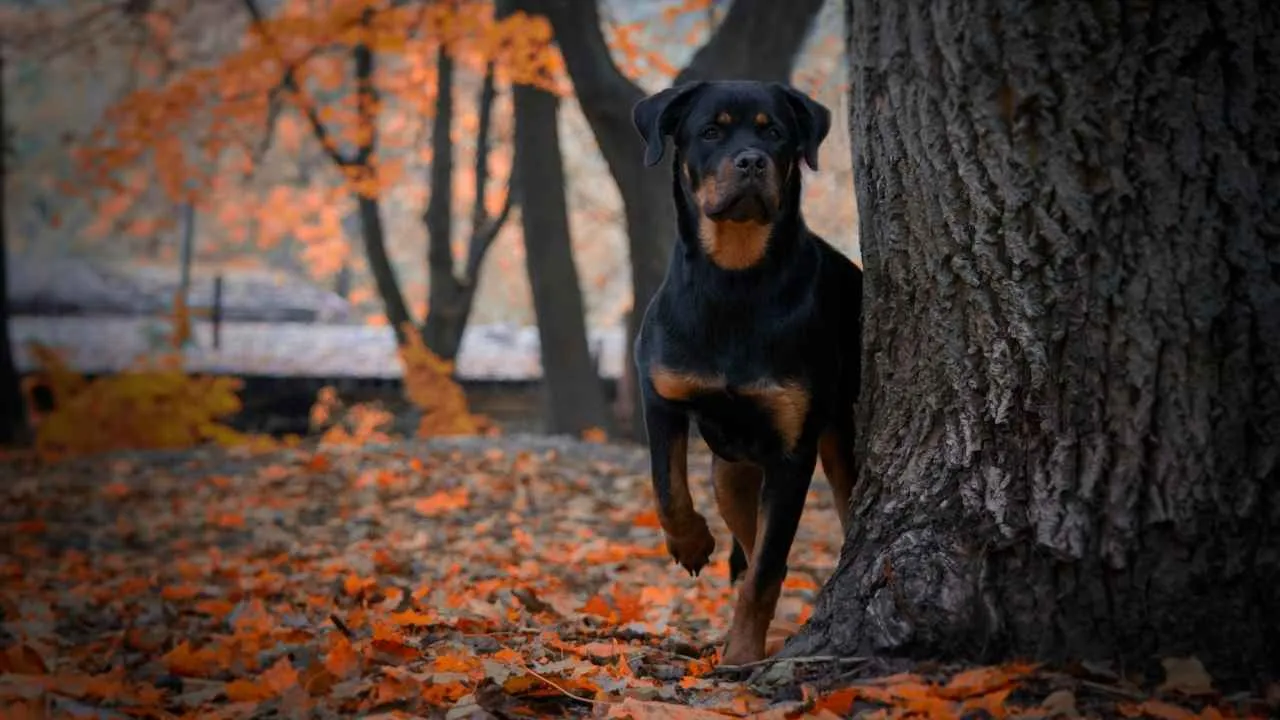
Rottweilers are excellent guard dogs that show a subtle self-assuredness. Rottweilers are naturally protective and have a muscular frame.
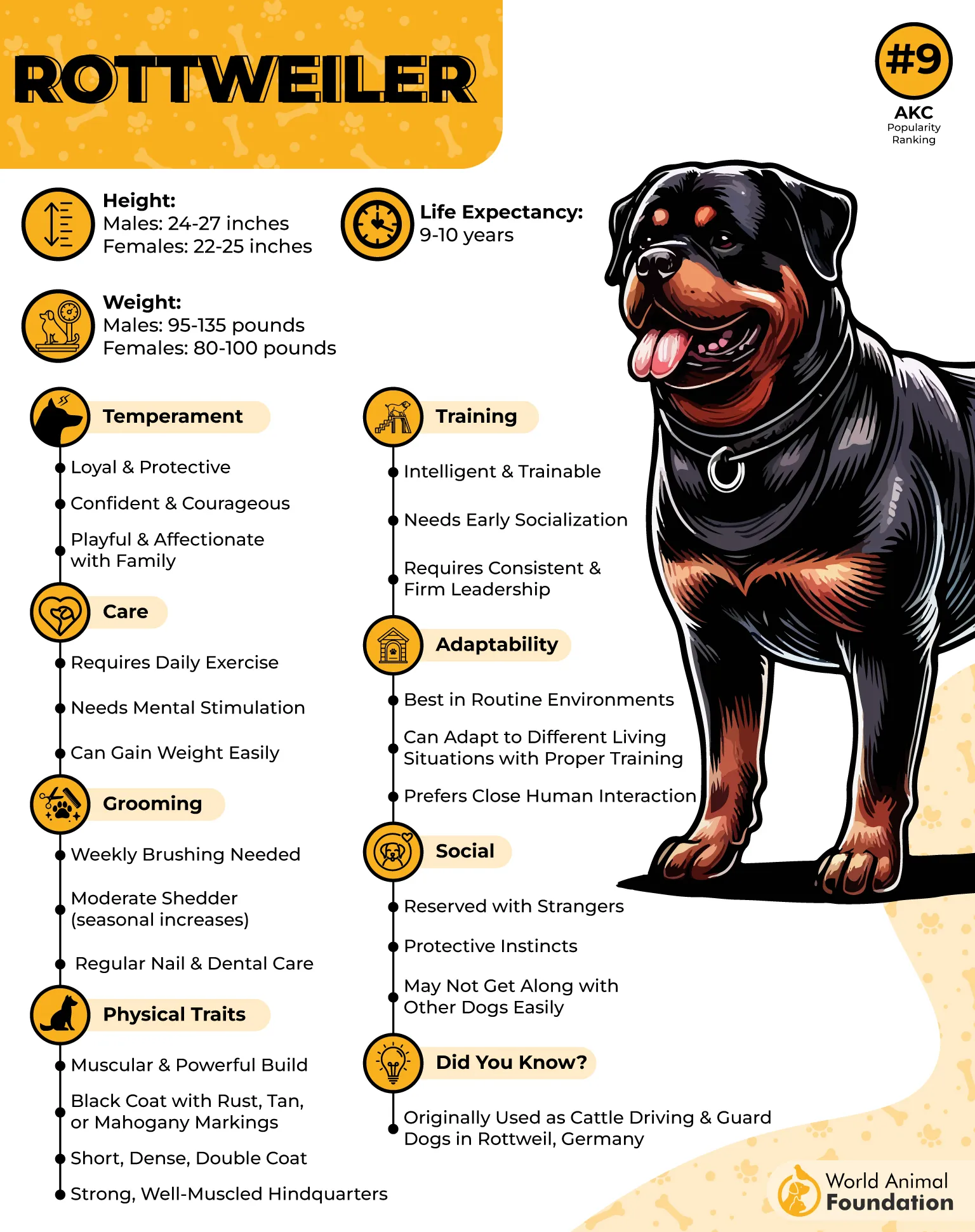
In the past, Rottweilers used to guard estates, which has played a role in tuning their natural instincts. Britannica mentions that Rottweilers have been used for centuries as trustworthy and effective working dogs.

Usually, Rottweilers are a bit cautious and prefer to analyze the situation before deciding whether or not to get involved.
Protection Style: Authority through presence and judgment.
These guard dogs thrive in households that are stable and provide early socialization with clearly defined boundaries.
4. Akita
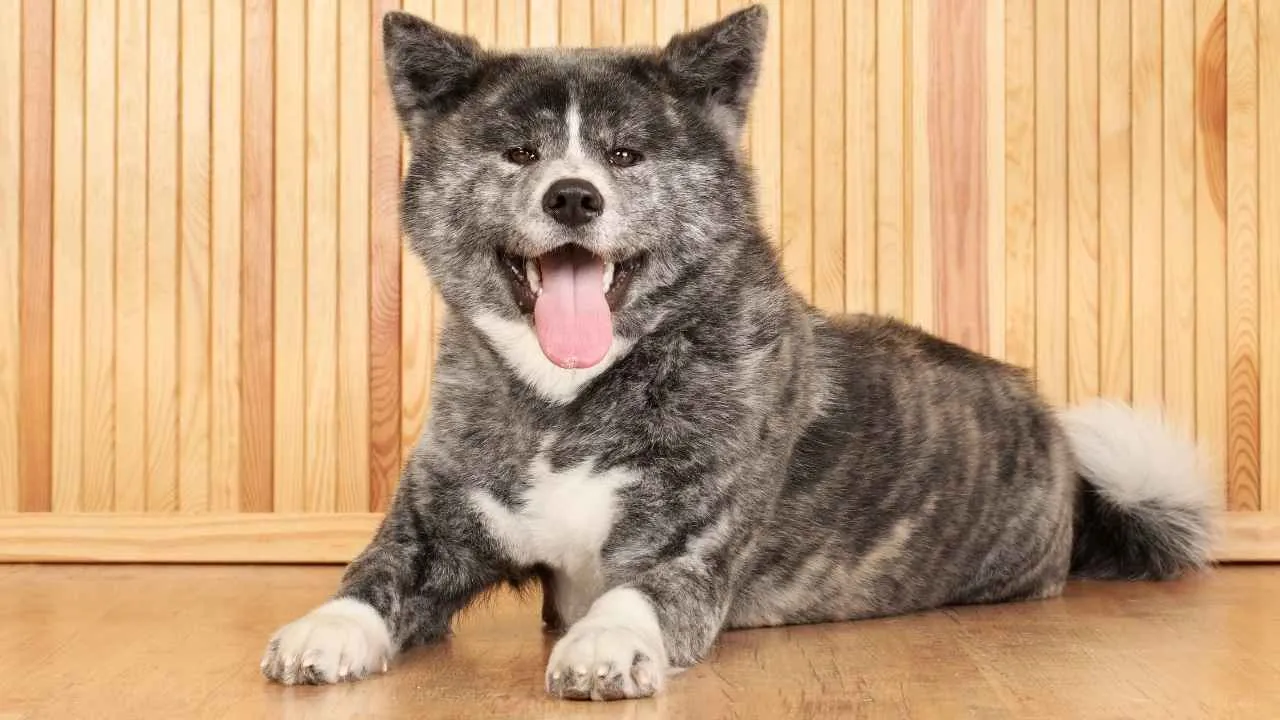
Akitas are recognized for their deep loyalty. These natural guard dogs often are fiercely loyal to a few individuals and tend to reserve their affection for these people. In Japan, they are famous as symbols of happiness, long life, and health.
As described by PetMD, Akitas’ generally cautious behavior towards strangers contributes to their protective nature.
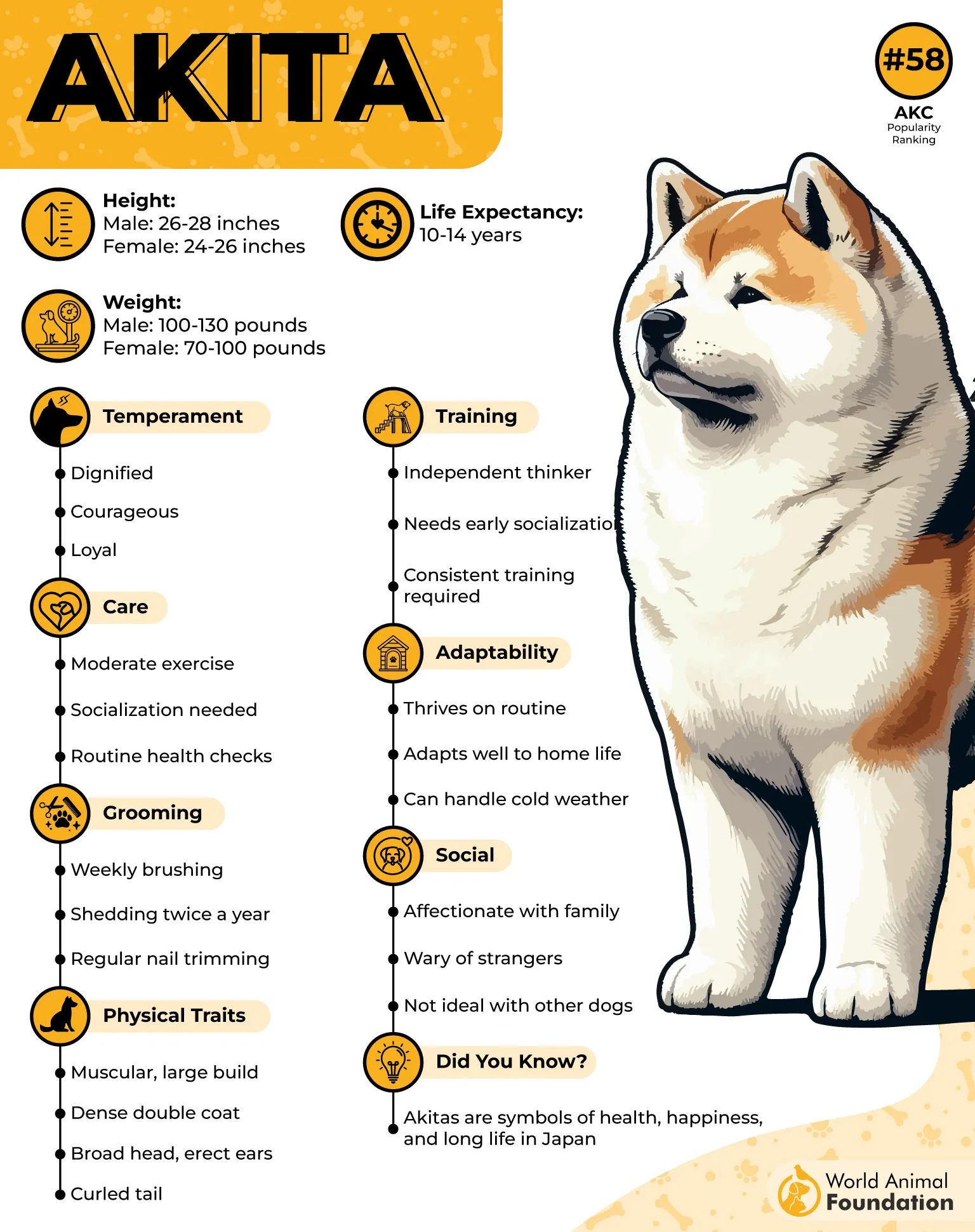
Akitas rarely bark unnecessarily when properly trained. When they sense danger, they rely on their positioning and body language to express their concern.
Protection Style: Silent vigilance and personal loyalty.
Akitas are best suited to calm households and can do various military and police work as well.
5. Cane Corso
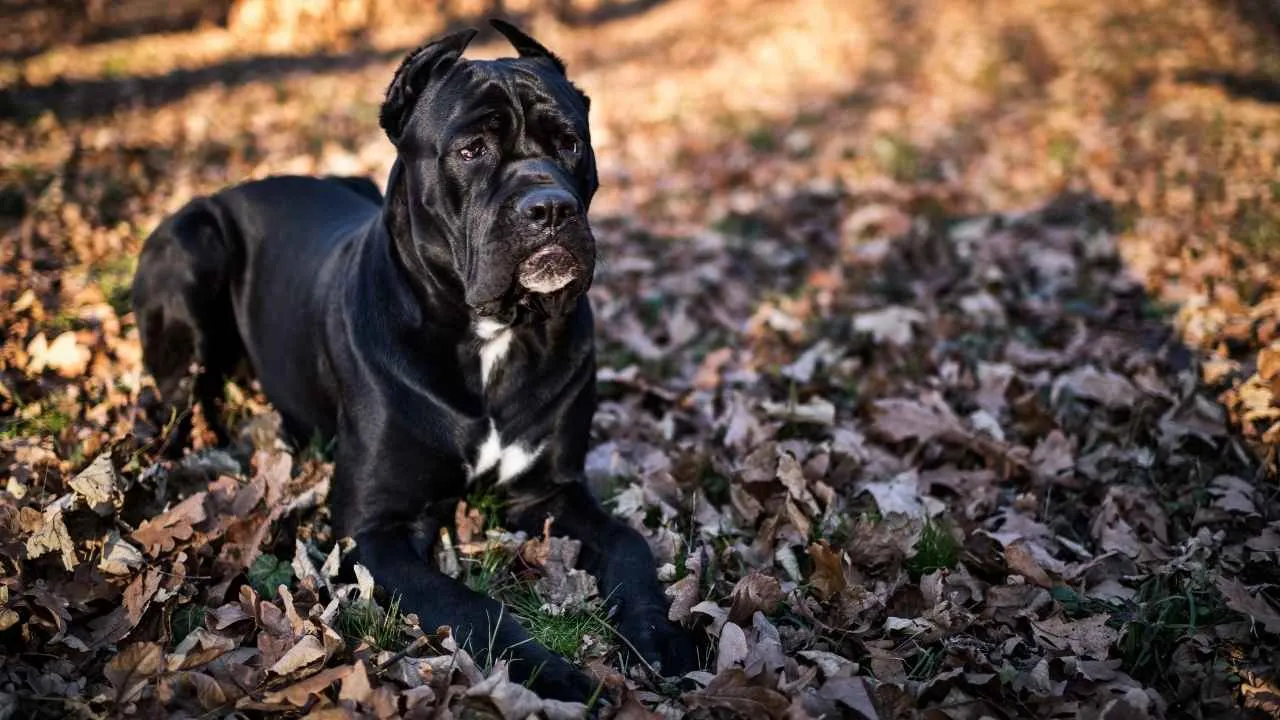
Cane Corso were bred specifically to be a great guard dog. These dogs were used in wars and to hunt game.
They are very large and need proper training and socialization to be house pets. Hence, this large dog should only be taken care of by experienced owners. Cane Corso also needs proper obedience training and playtime to keep it mentally and physically active.
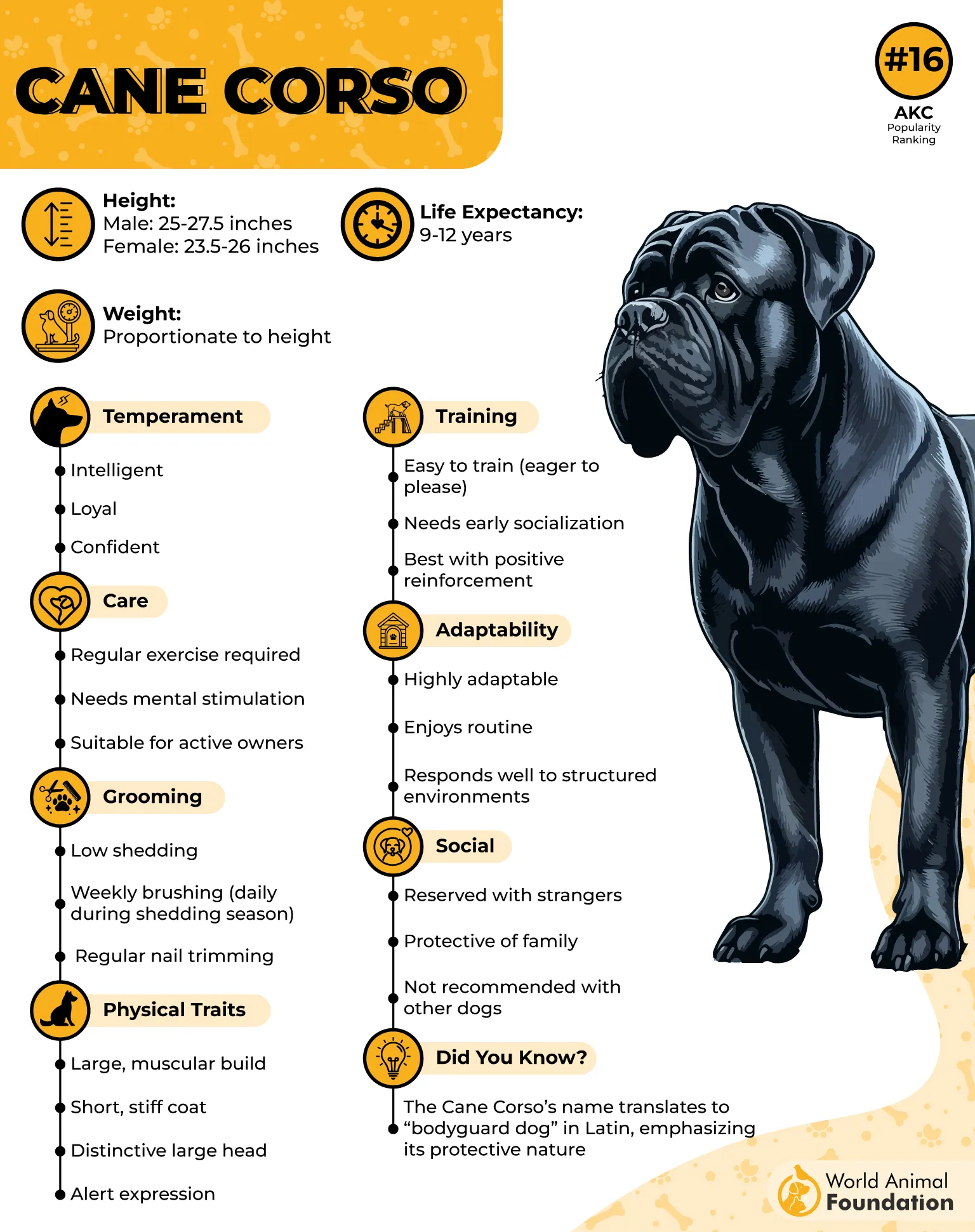
They are a brave and deeply loyal breed that will not hesitate to stand their ground when they sense real danger. Rather than acting aggressively right away, they rely on their size and strength to control a threat, using force only when necessary.
Protection Style: Boundary control and territorial awareness.
Naturally territorial and averse to strangers, Cane Corso are reliable as a protective dog compared to other dogs.
6. Doberman Pinscher
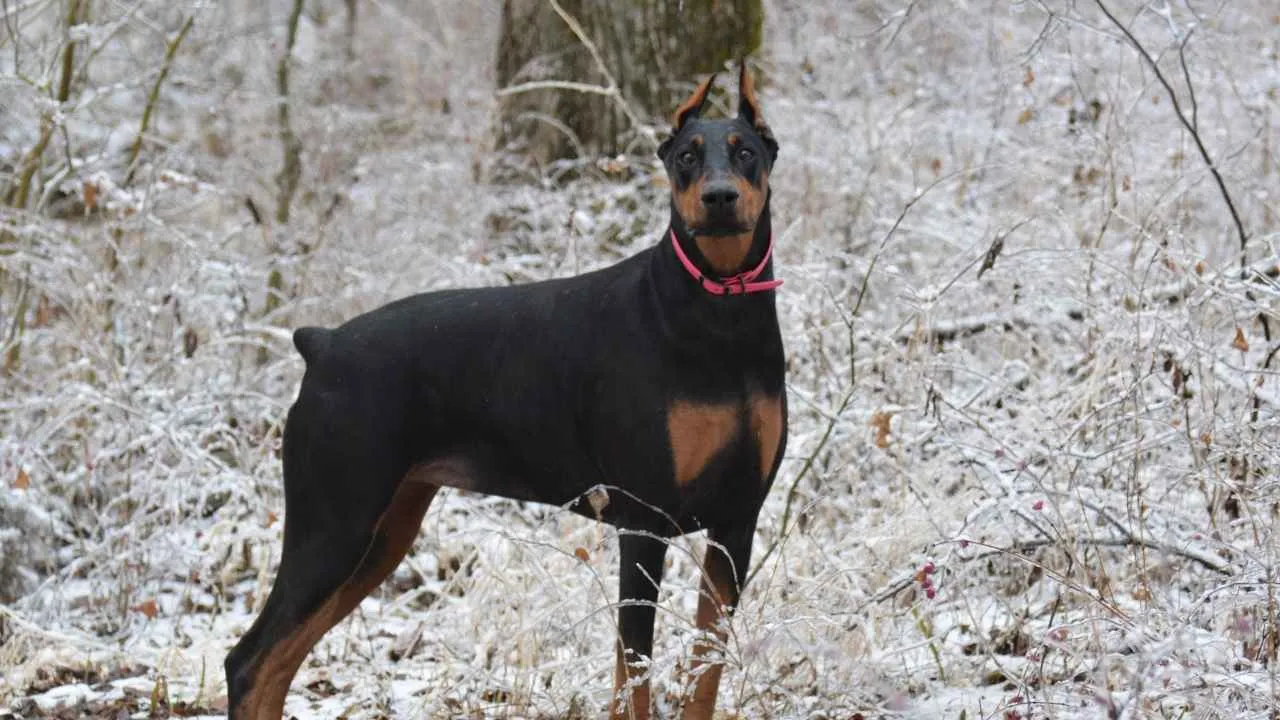
Doberman Pinschers are alert, perceptive, and emotionally connected to their owners. They are rarely disengaged from their environment.
When confronted with unfamiliar activity, Doberman Pinschers will respond rapidly; however, they also respond to commands given by their owners. They are incredibly loyal to humans and perceive them as part of their pack.
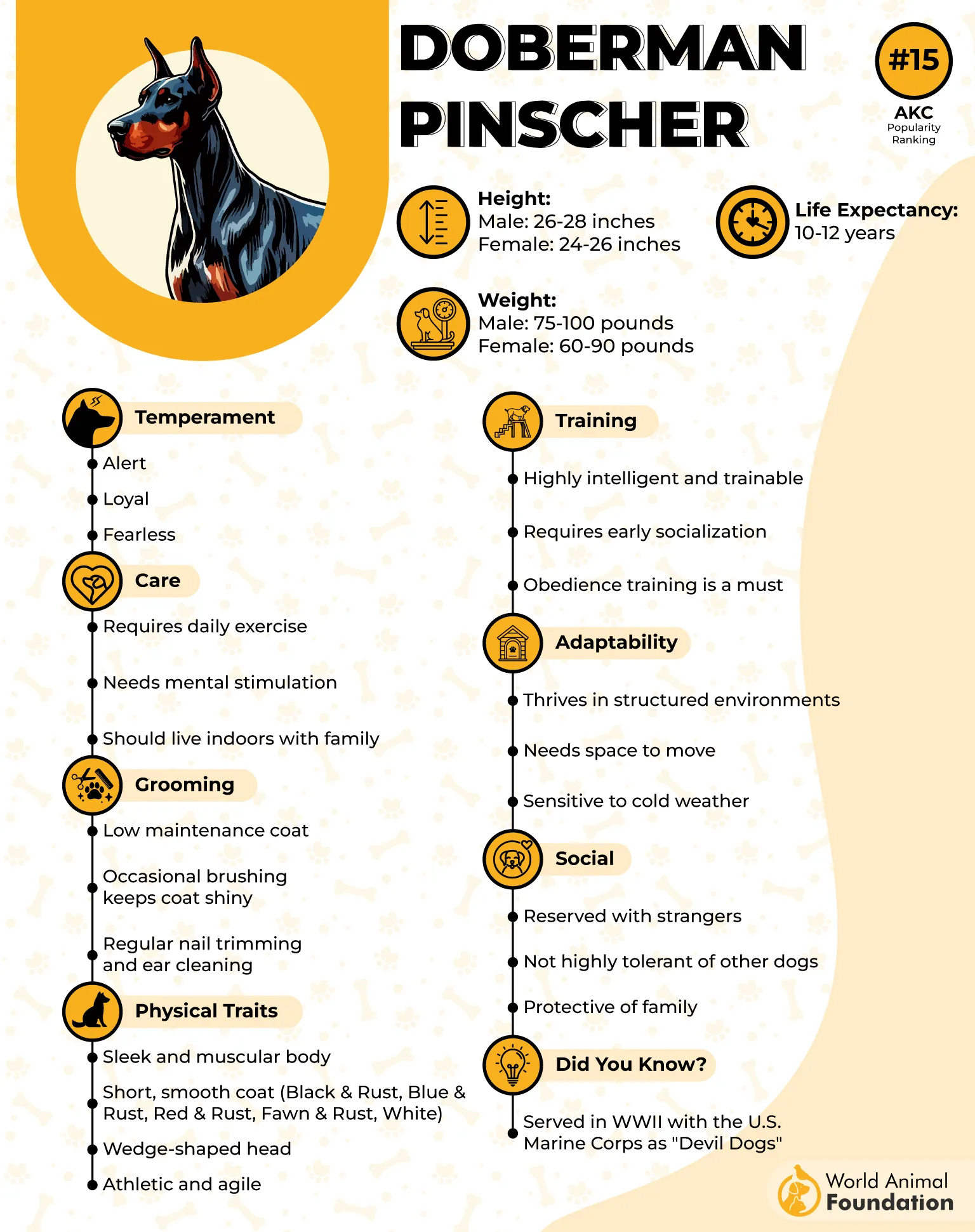
Doberman Pinschers will often remain in close proximity to their owners, allowing them to immediately react should danger arise.
Protection Style: Close-range security and awareness.
Doberman Pinschers thrive in households where they are viewed as family members and not merely passive pets.
7. Great Dane
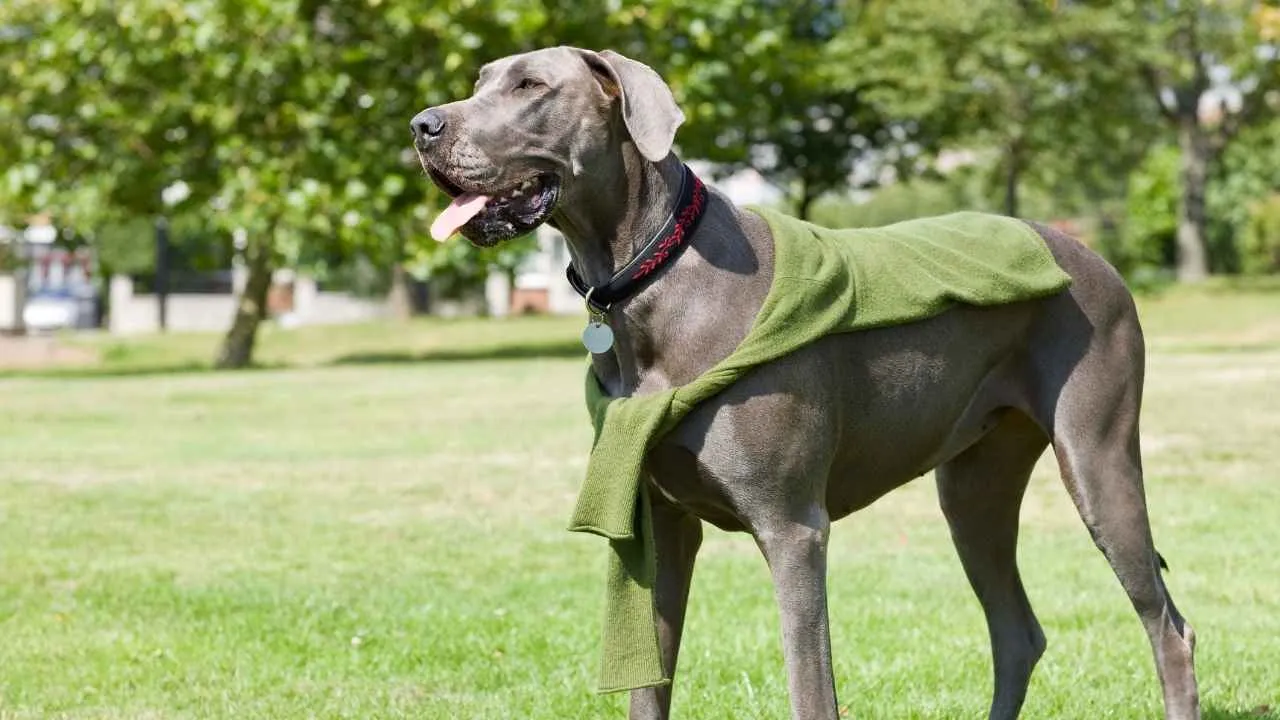
Great Danes came into existence almost 400 years ago. They were originally used as hunting dogs to hunt animals such as boars, but modern Danes are more likely to spend their energy running and playing with their owners.
Purina states that they are very aware of what is happening around them from a very young age, and they do so with a gentle nature. Great Danes are the largest of the working dogs, and hence they need a really open space to live in.
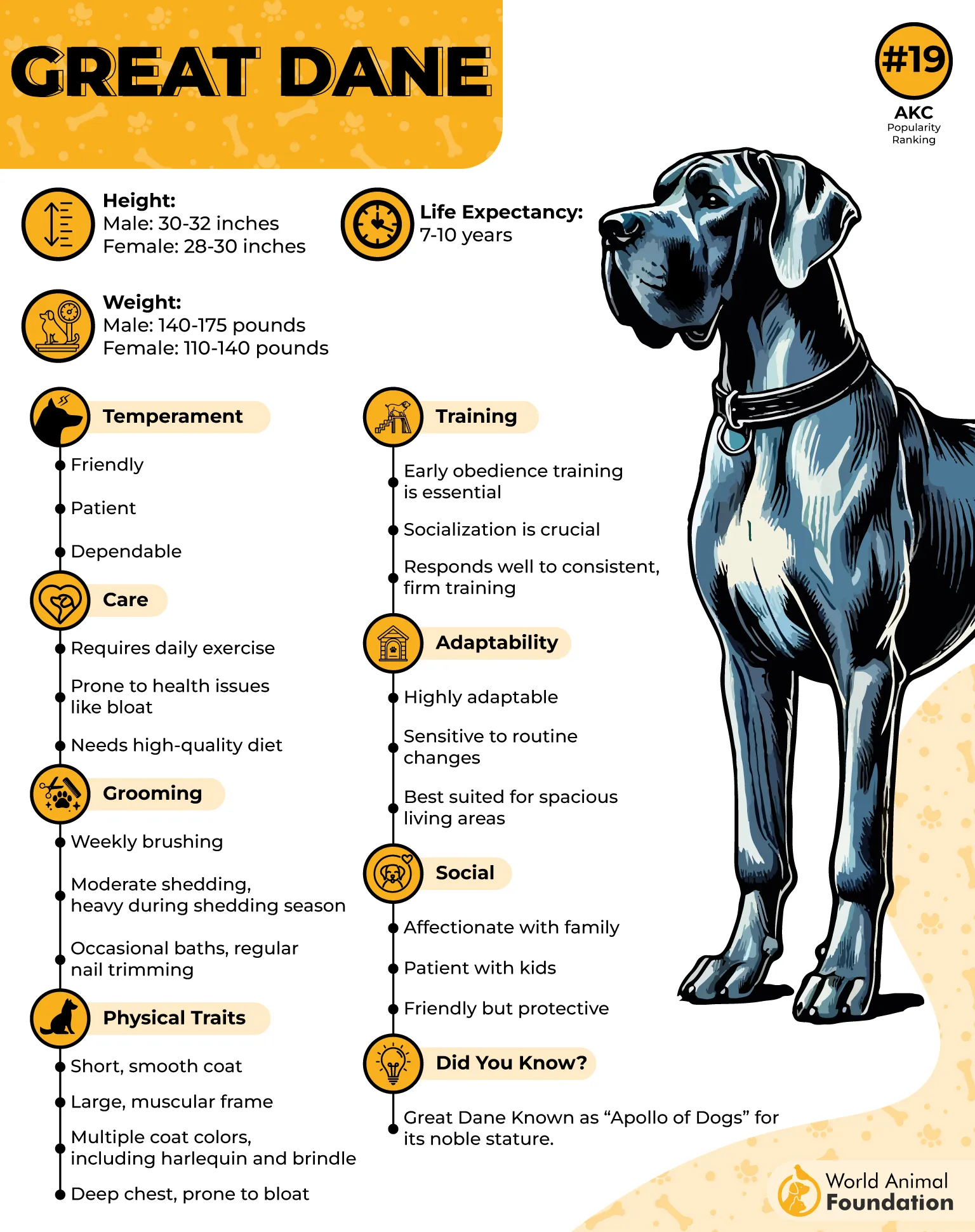
They surprisingly have a low energy level, preferring to do something else after just a little while. They also need training for proper socialization so that they can blend in with small children.
Protection Style: Visual deterrents and situationally aware (knowing when something has changed).
These loyal dogs are good for people looking for a calm guardian as opposed to an active one.
Conclusion
Protective dog breeds rely upon intelligence, awareness, and emotional control, not raw aggression, to protect you from potential threats. Some are fast and focused; some are large and present a physical barrier; some protect due to strong emotional connections to their owners.
If the proper environment and training are provided, each of those breeds can be a protective companion, providing confidence and peace of mind in your day-to-day life.
