




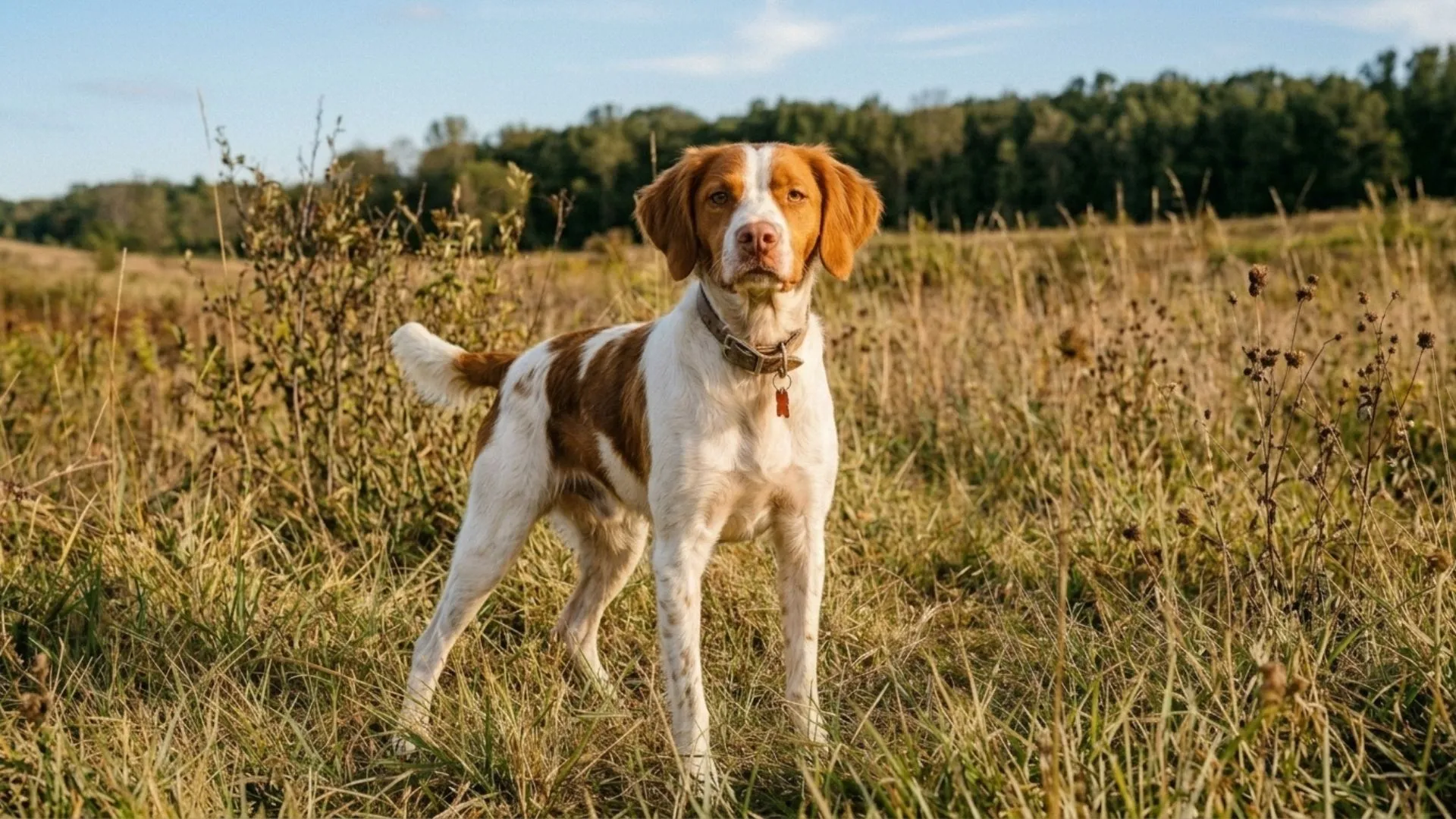
A hunting trip can fall apart quickly when a dog struggles to locate birds hidden deep in thick cover. Long hours in open fields, shifting wind, and unpredictable terrain demand far more than excitement or speed from a sporting companion.
Hunters rely on dogs that can stay focused, work methodically, and signal game birds with precision before flushing them too early. Without those instincts, even experienced hunters spend more time searching than actually succeeding in the field. The right-pointing dog changes that entire experience.
It moves with purpose, reads scent trails carefully, and helps hunters cover difficult ground far more efficiently. These dogs are valued not just for skill, but for the way they work naturally alongside people during demanding conditions. Some are built for endurance, while others stand out for sharp instincts and remarkable control.
Ahead are the dog breeds known for locating and pointing game birds with impressive consistency.
Key Takeaways
Bird locating dogs work with focus that feels almost silent, moving across land in steady patterns that follow scent instead of noise.
German Shorthaired Pointer and English Setter show this clearly, one freezing in place when scent locks in, while the other lowers into a calm searching stance.
Vizslas and Brittany bring speed into the field, covering wide ground with control that helps handlers read every movement with ease.
Keep reading till the end to see how each breed turns open fields into a coordinated hunt shaped by instinct and precision.
Best Dog Breeds to Locate and Point Game Birds
1. Wirehaired Pointing Griffon
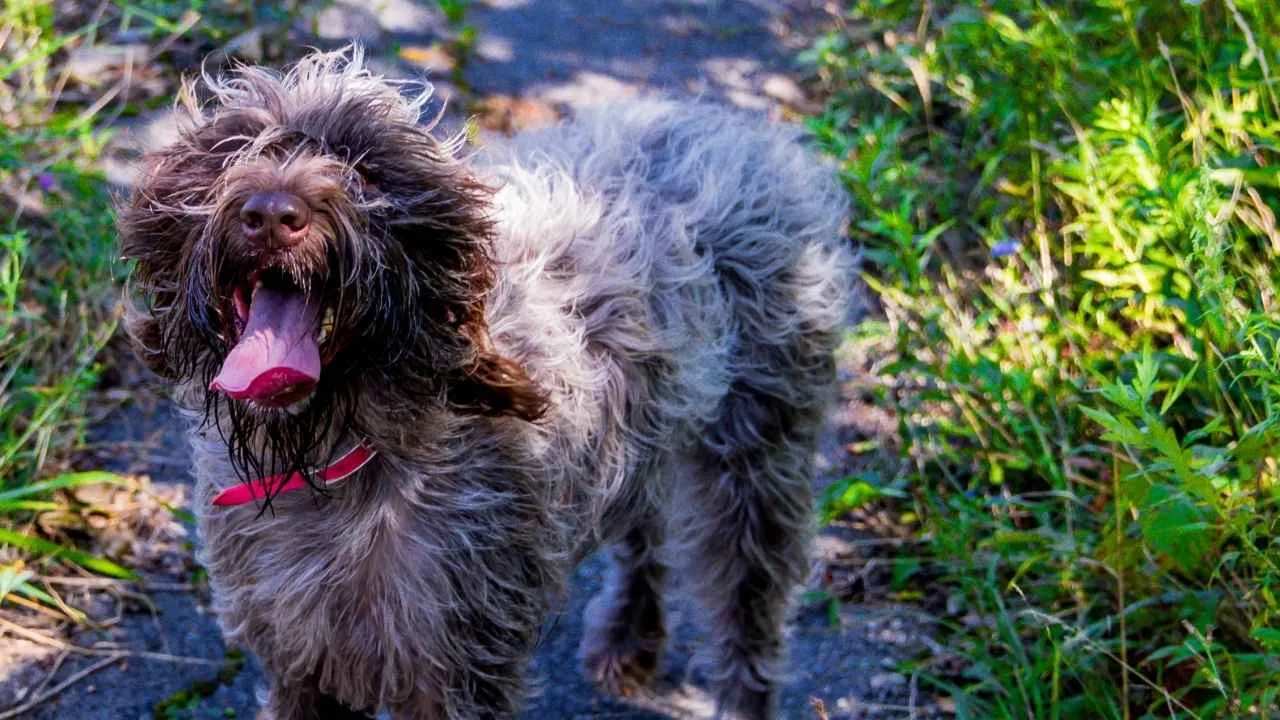
The Wirehaired Pointing Griffon was shaped in Europe during the 1800s, with refinement in France after early Dutch origins. Its structure supports work across both land and water, built for the steady pursuit of game birds. This foundation created a dog focused on utility rather than appearance.
Field behavior is built on purpose
This upland hunting breed works with deliberate focus, covering ground while tracking scent and preparing to indicate bird location for hunters. Its actions reflect cooperation with human direction during outdoor activity.
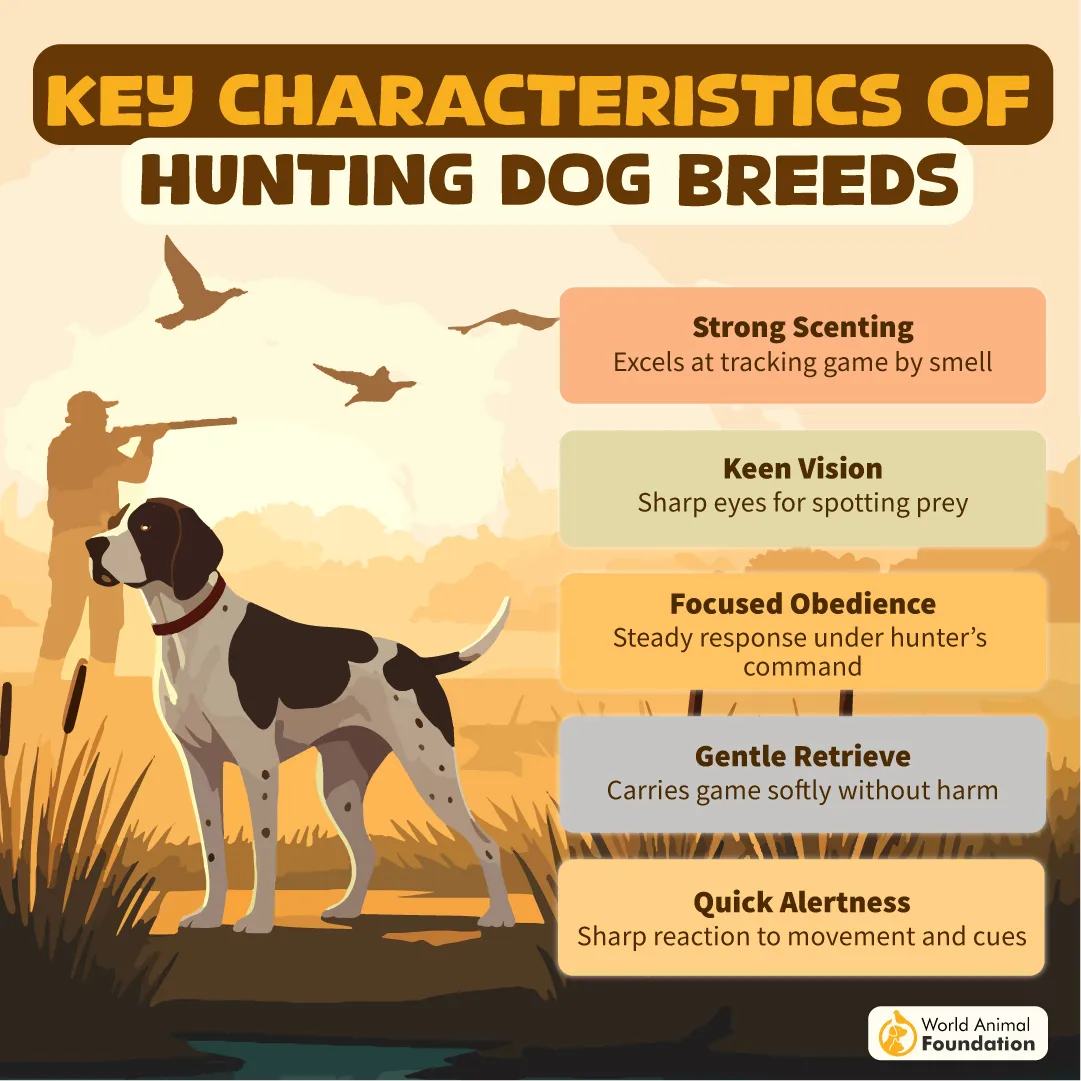
This working style appears in clear field behaviors:
Tracks scent across land and water environments
Directs attention toward the bird’s location rather than chasing
Responds quickly to structured outdoor guidance
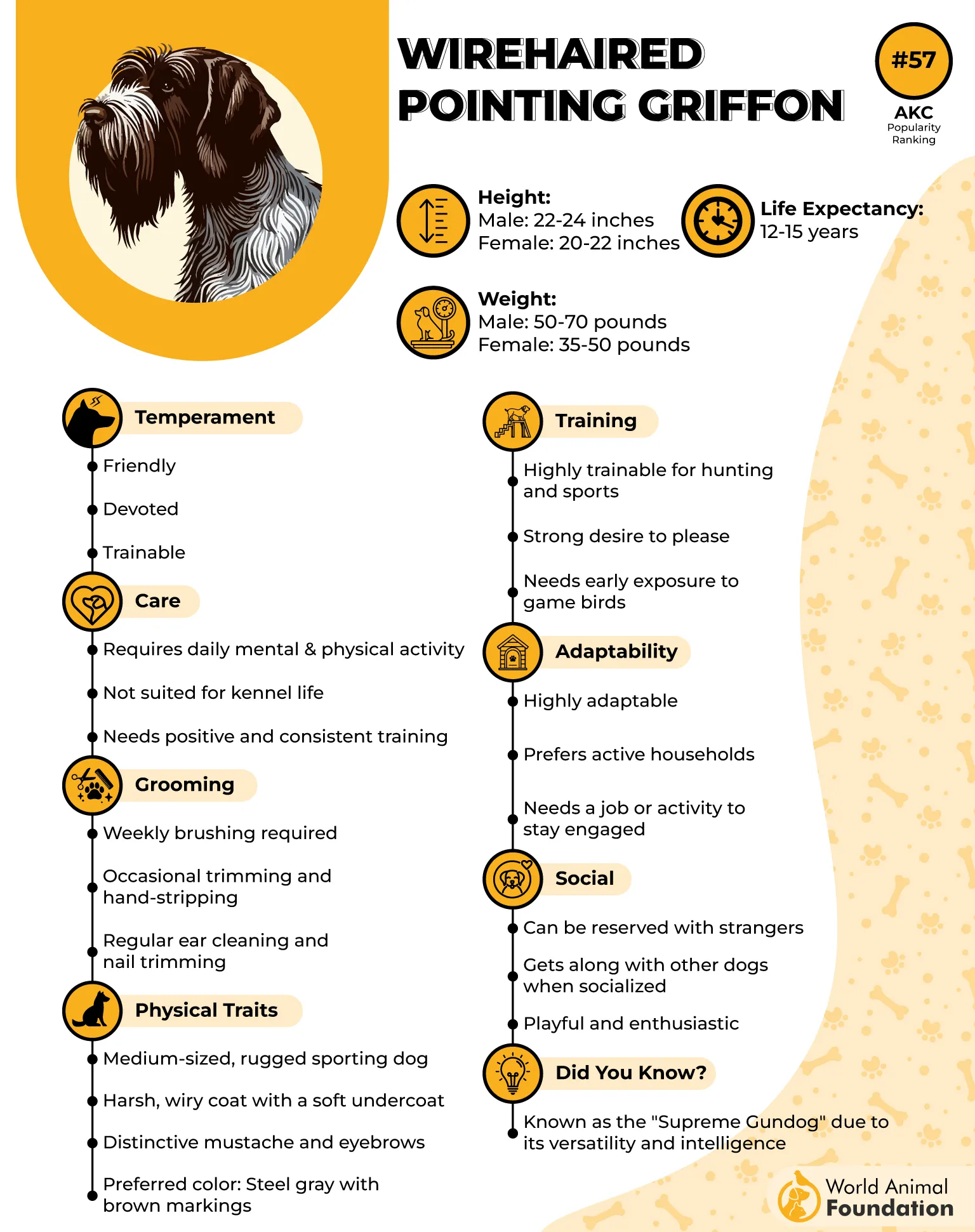
Temperament in social settings
It behaves with a gentle, people-oriented nature when off the field, often seeking interaction with family members, as WebMD mentioned. Its patience with children improves further when socialized early. This balance links its working intensity with a calm household presence.
2. English Setter
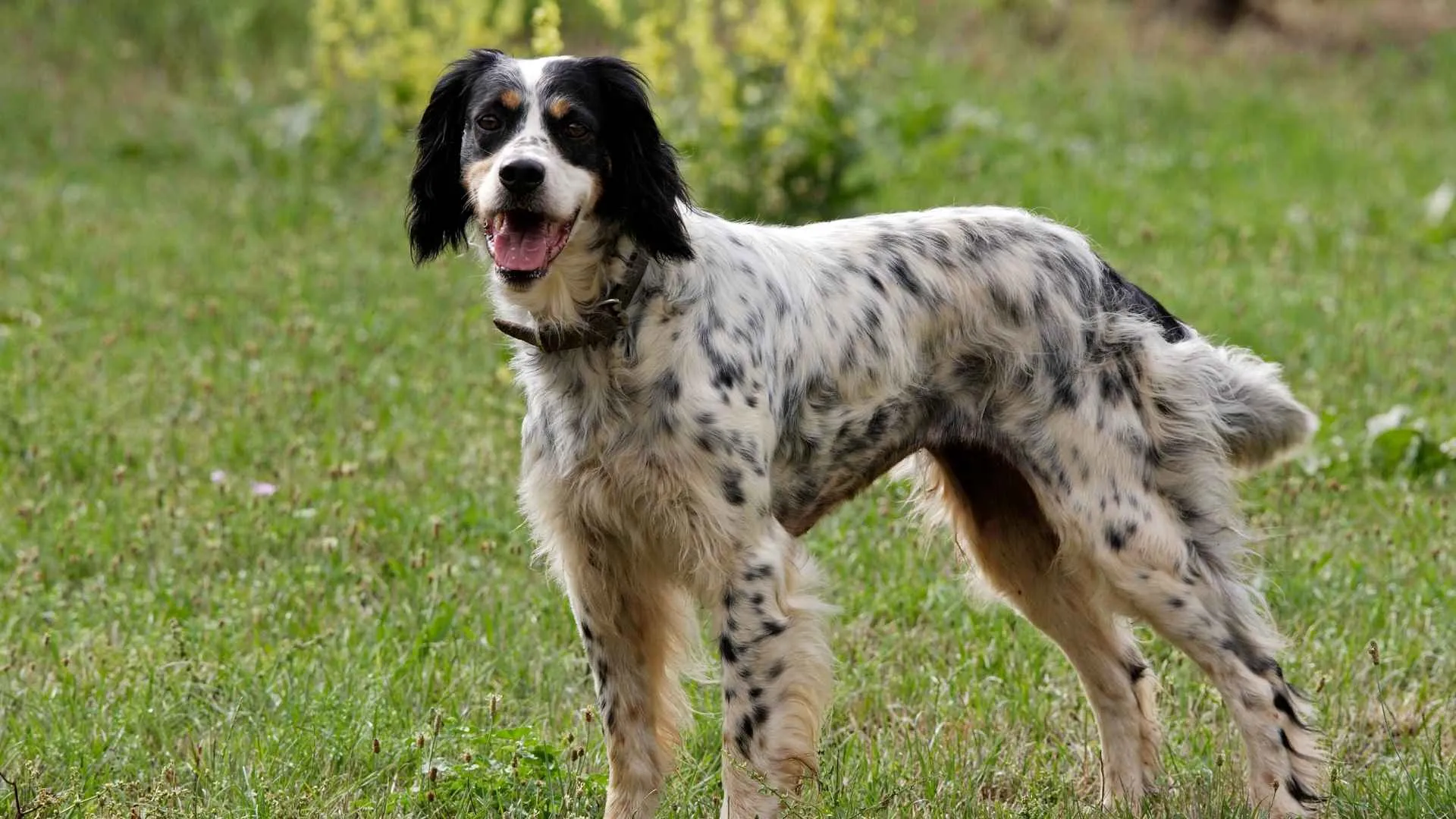
The English Setter is recognized for a refined build paired with a calm presence, originally refined in England for bird hunting and retrieval.
According to PetMD, its crouching “setting” posture became the defining method used to locate game in open land. This working style shaped a dog built for a wide-ranging field focus.
Ground search behavior in open terrain
This bird dog works through slow, deliberate coverage of ground, lowering its body when scent signals appear to mark the location for the handler. Its search pattern relies on patience rather than speed bursts, making it effective in bird-heavy environments.
That field method appears in clear working actions:
Covers ground in wide, controlled sweeps
Drops into a low stance when scent is detected
Uses scent focus instead of chase reaction
Temperament in daily surroundings
The English Setter shifts into a gentle, people-centered behavior indoors, often staying close to family members and reacting softly to interaction. It forms strong attachment bonds and prefers consistent human presence over isolation. This balance contrasts with its active outdoor focus.
3. German Shorthaired Pointer
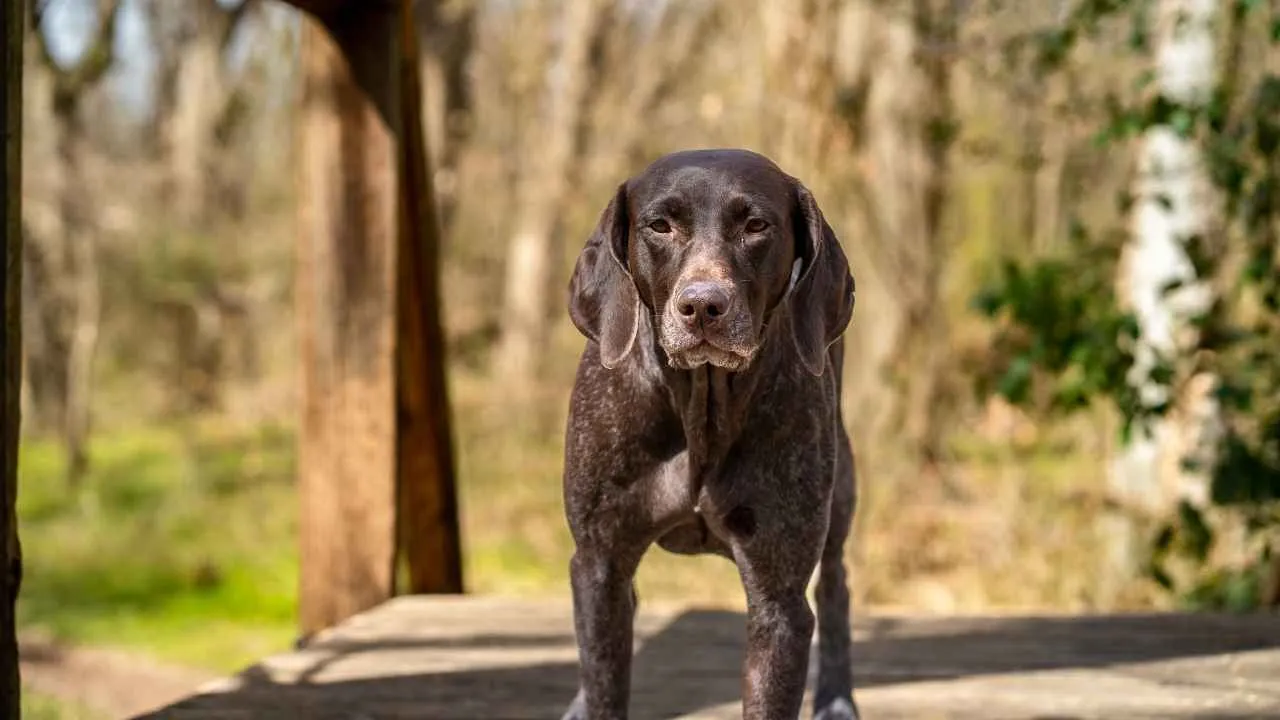
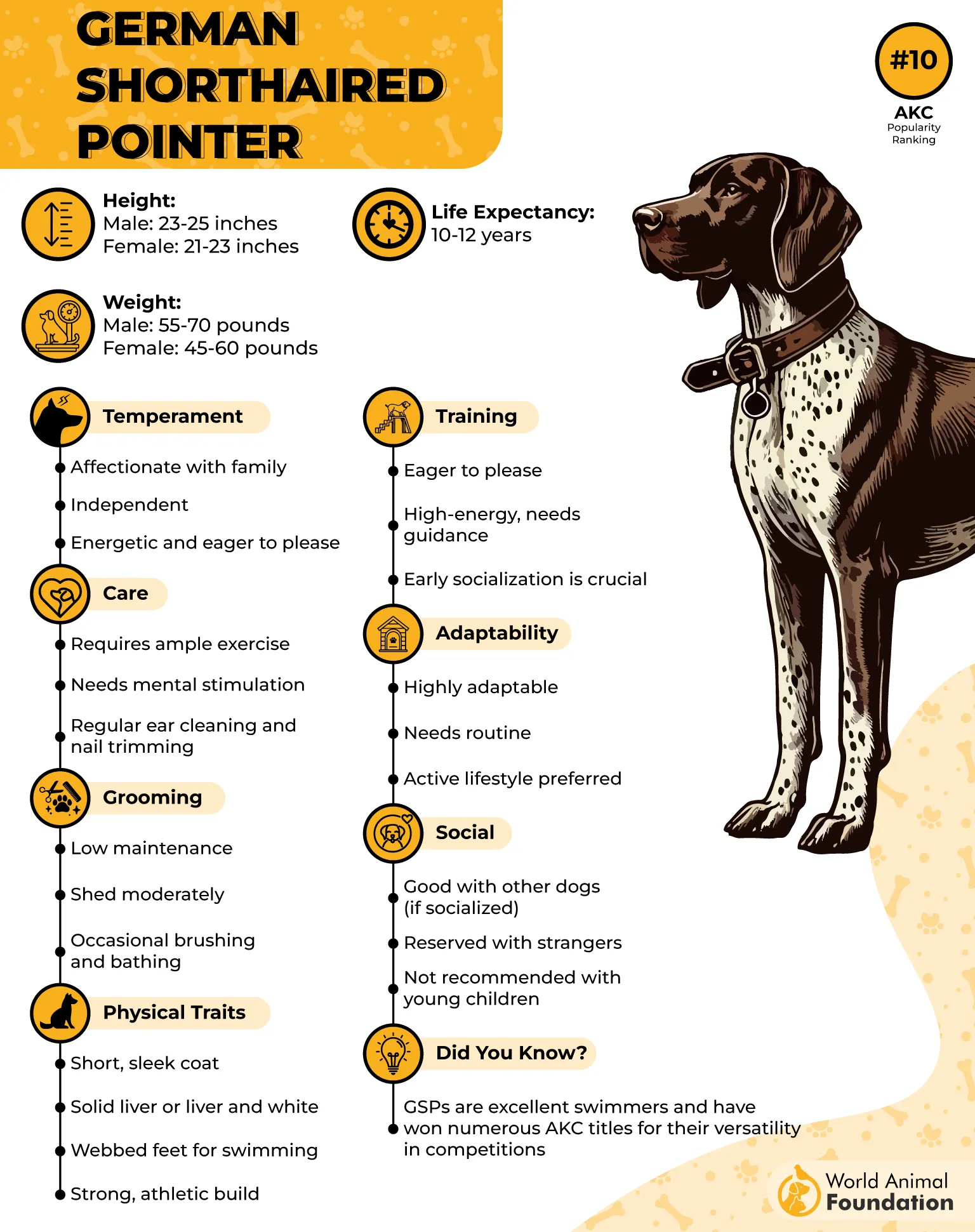
The German Shorthaired Pointer carries a lean, athletic frame shaped for fast coverage and long-distance stamina across open terrain. Its structure supports quick directional changes while following scent trails with focus. The overall presence reflects a dog built for wide-ranging field work.
The pointing method defines its role
As a famous bird dog breed, they work through a distinct pointing stance, freezing when scent is detected, and directing attention toward the exact location. This pause-and-indicate method replaces chasing, waiting for human direction before the next action.
That field behavior appears through clear working actions:
Freezes instantly when the scent is located
Aligns the body toward the direction of the game birds
Waits for the handler cue before flushing
Drive that needs a consistent outlet
This pointing breed channels strong physical drive into running, retrieving, and agility-based tasks that match its endurance level, as stated by the AKC.
Without structured activity, this drive builds tension due to its instinct to follow scent trails. Long sessions of movement help regulate its working energy.
4. Brittany
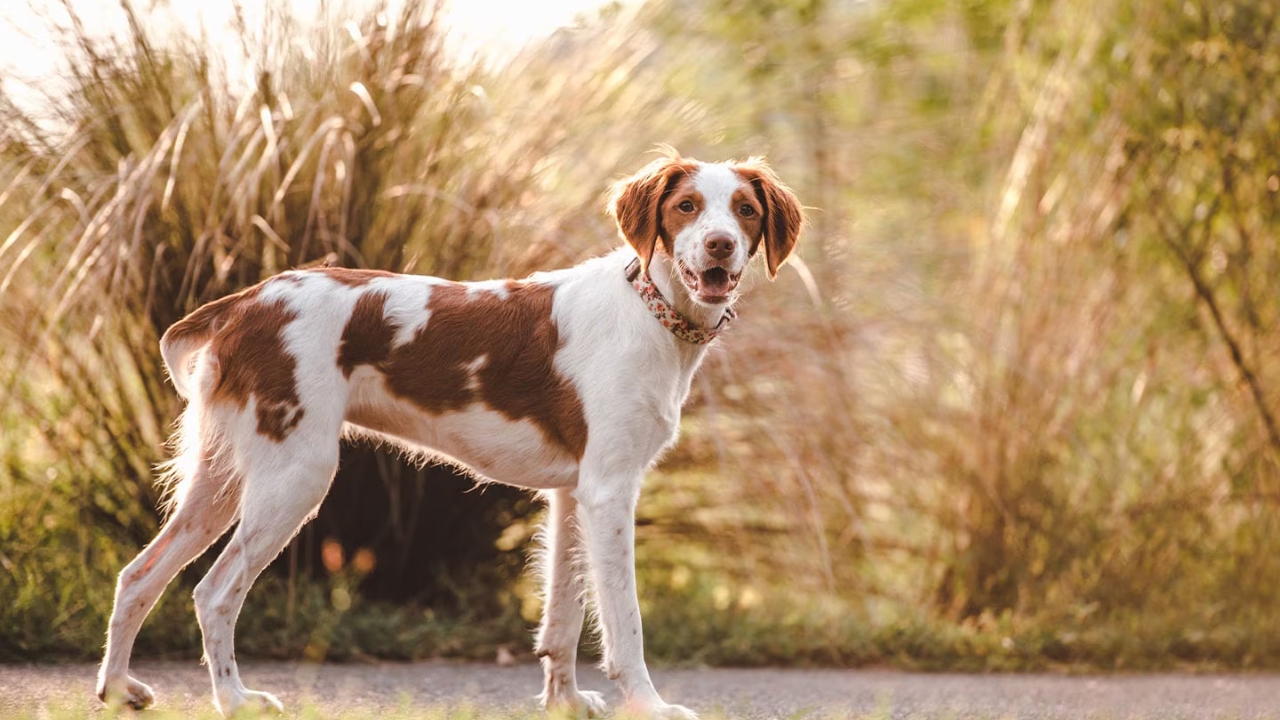
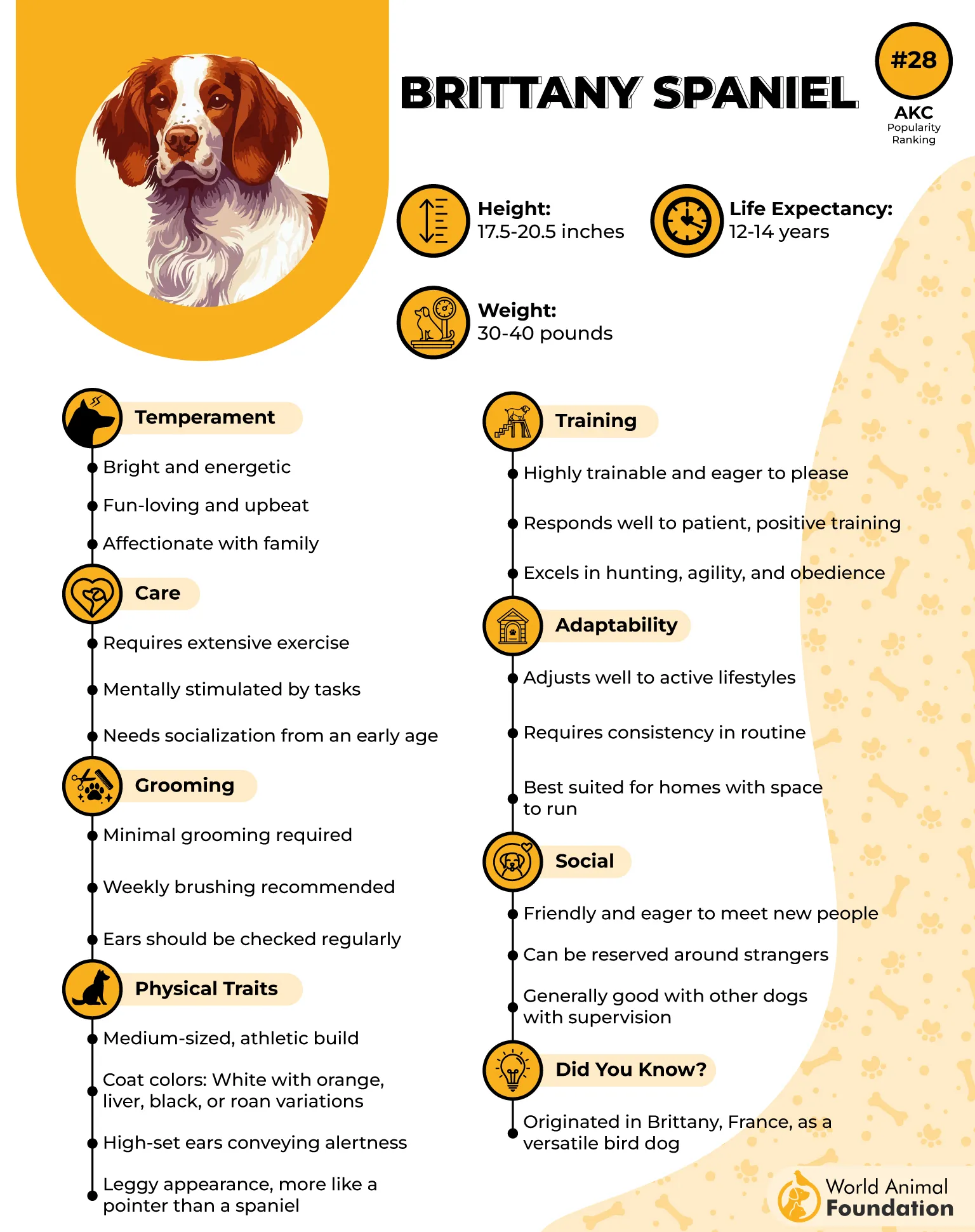
The Brittany originates from the Brittany region of France, shaped as a compact bird-hunting dog built for speed and responsiveness. Its structure supports quick direction changes and alert field focus during outdoor work. This foundation links closely to its sharp field awareness.
Field habits and working rhythm
As a versatile hunting dog breed, it operates with high energy, covering ground quickly while focusing on bird movement in open spaces. Its instinct pushes it toward constant activity, especially when scent or motion is detected.
That working rhythm appears through key behaviors:
Tracks birds with fast, directed bursts
Reacts immediately to movement in open terrain
Engages in repetitive field coverage without hesitation
Social nature and sensitivity indoors
The Brittany forms strong bonds with people and responds well to early interaction with children and other animals. Its sensitive nature makes it less comfortable when left alone for long periods, often seeking activity or companionship instead. This emotional responsiveness shapes daily behavior at home.
5. Vizsla
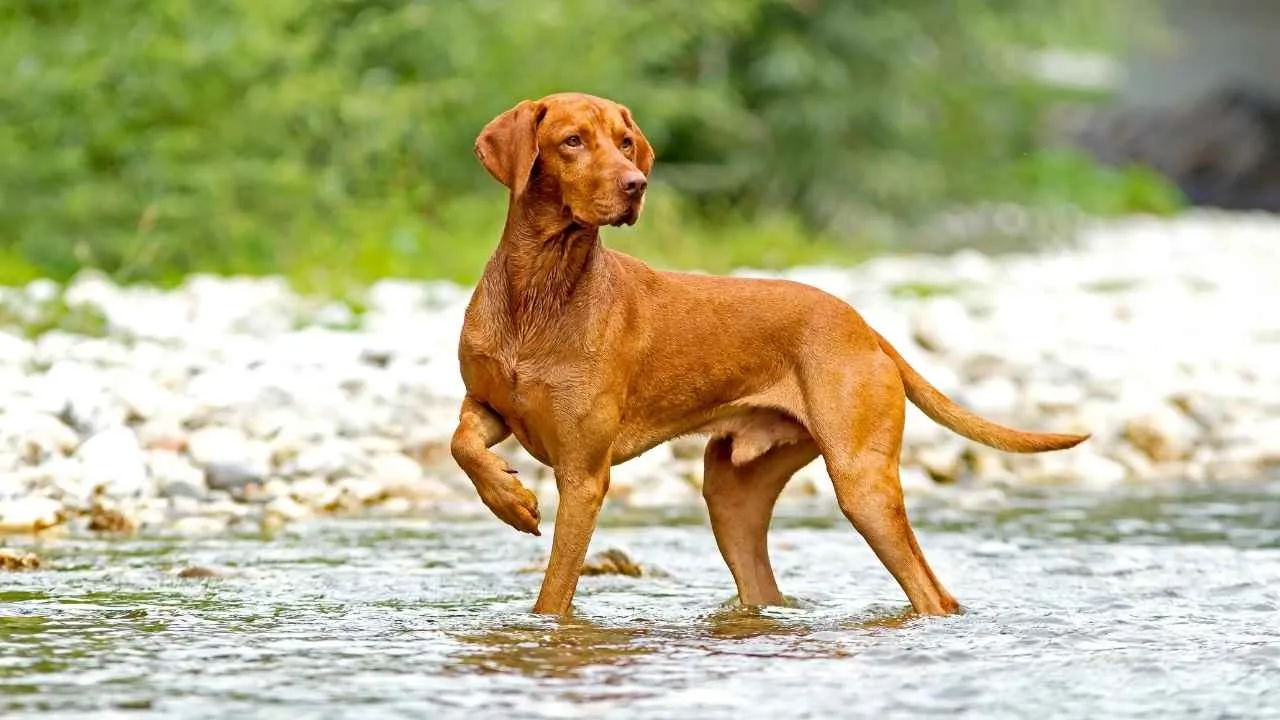
The Vizsla comes from Hungary, where it was shaped as a pointing partner for open-field work, known for reading scent and direction across wide terrain.
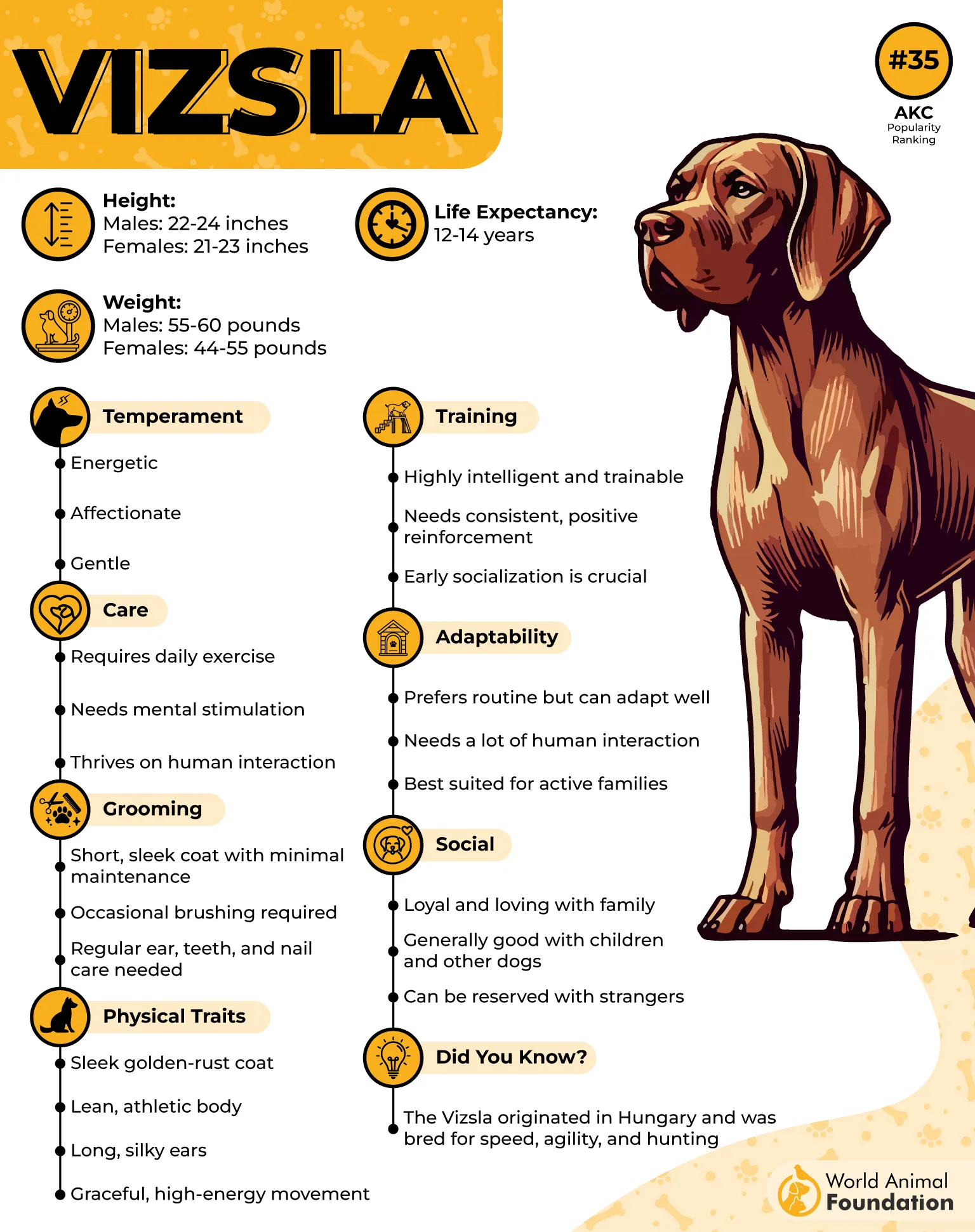
Its structure reflects long limbs and a lean frame built for continuous field coverage. The name itself connects directly to its pointing role in hunting work.
Field response and working patterns
The Vizsla works with steady scanning across land, using scent awareness to locate targets before freezing into position instead of rushing forward. Its approach depends on control and timing rather than chase behavior, making its role highly readable in the field.
This working style appears through clear actions:
Tracks scent across long open ground
Freezes when locating game birds
Uses steady pacing instead of sudden bursts
Demands of an active routine
This medium-sized dog fits environments where long hours outdoors are part of the daily rhythm, relying on consistent activity such as running, swimming, or extended walks.
It falls under athletic dogs that need structured physical engagement to balance their energy. Without that outlet, restlessness becomes noticeable in confined spaces.
6. Weimarner
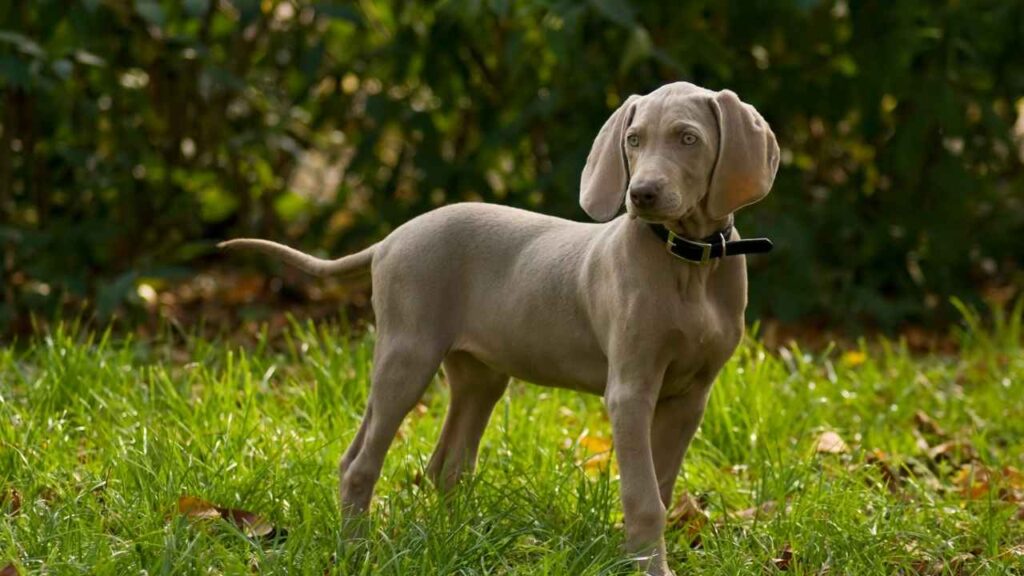
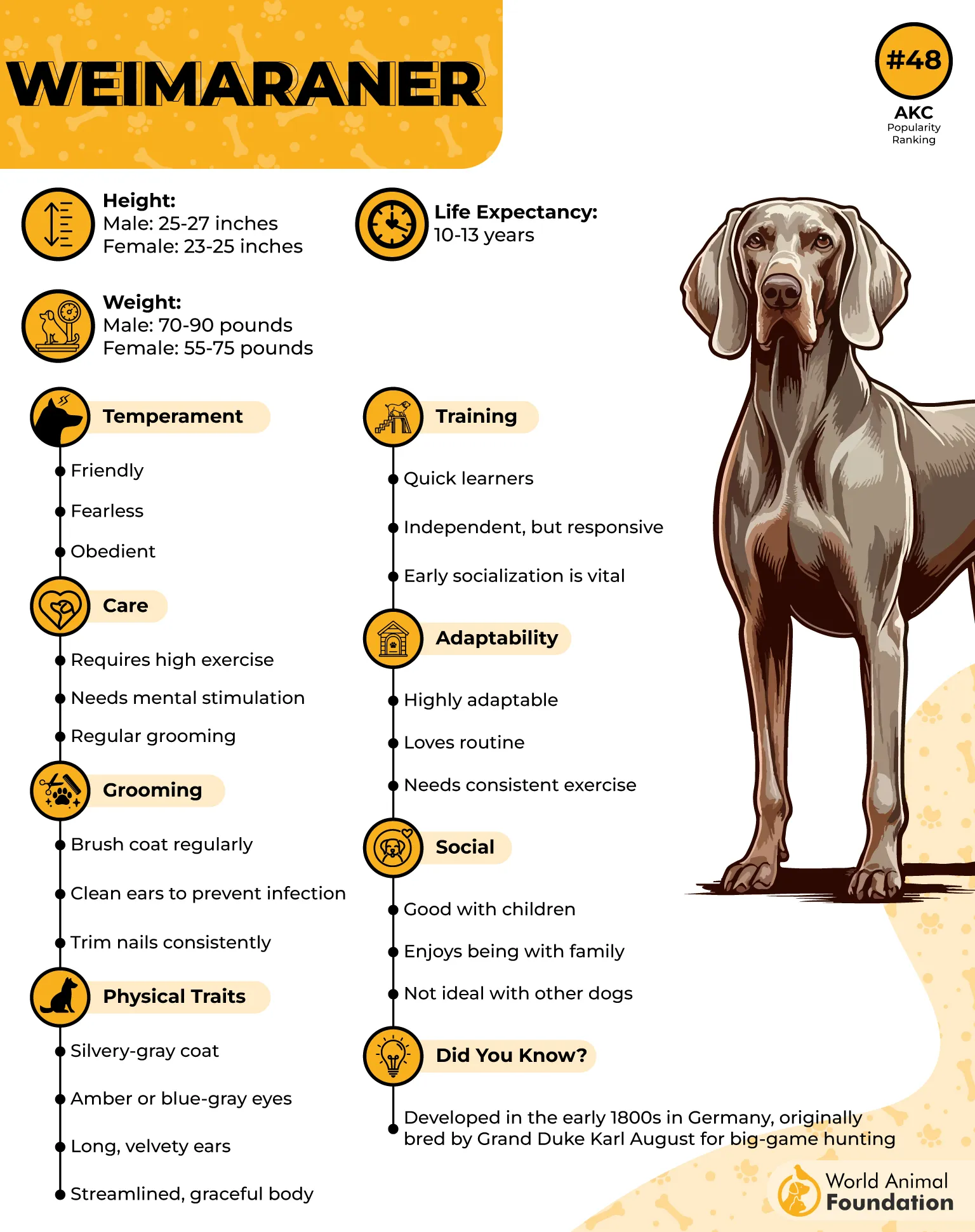
The Weimaraner arrived in the U.S. in the late 1920s as a sporting dog, originally bred as an excellent tracking and hunting dog. Its structure reflects a dog built for continuous physical engagement across open terrain. The focus on movement and purpose defines its working identity.
Energy directed through structured activity
The Weimaraner requires extended physical engagement and mental occupation to prevent restless behavior such as chewing or digging. Its intelligence responds best when given consistent tasks that keep both body and mind active.
This working demand appears through clear needs:
Needs at least two hours of daily physical activity
Requires mental tasks to avoid destructive habits
Performs best in large, secured outdoor spaces
Living style shaped by intensity
Weimaraners fit best in environments that allow wide movement and regular outdoor activity, especially for running, hiking, or field tasks. Its strong frame and high endurance make it unsuitable for inactive routines or limited spaces. This intensity shapes how daily life must be structured around it.
7. Labrador Retriever
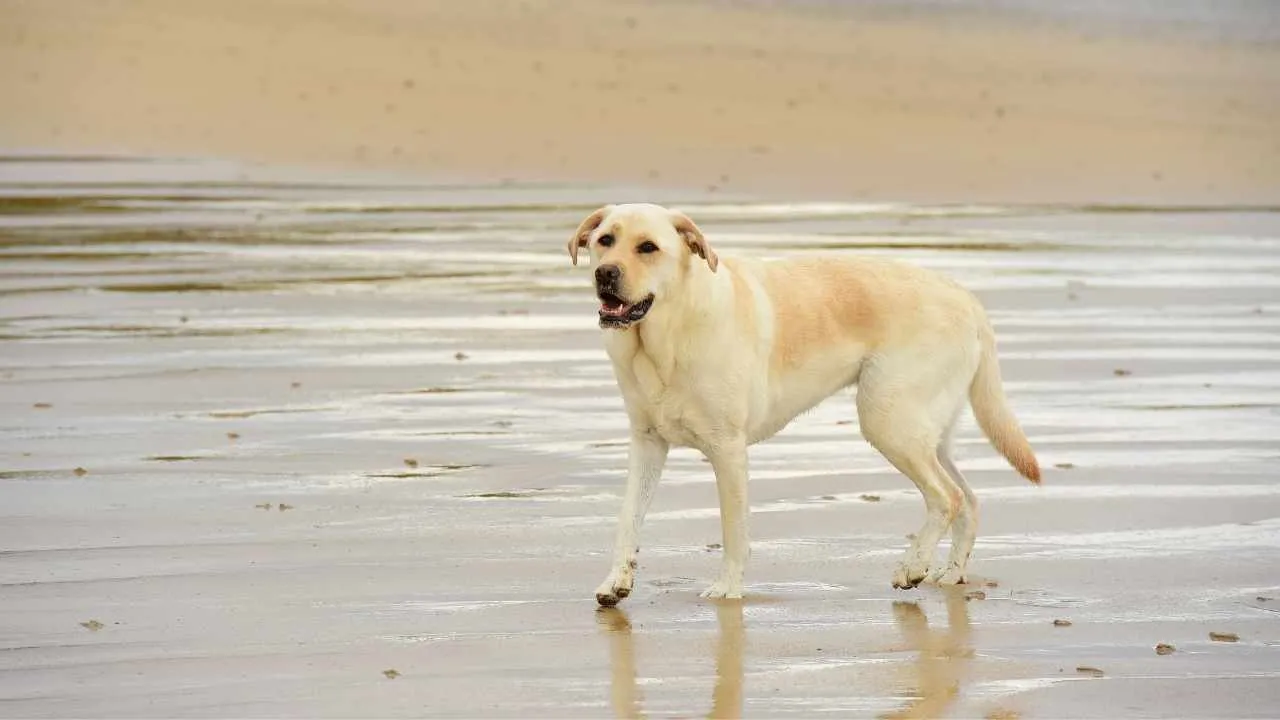
The Labrador Retriever works as a gun dog, trained to locate and retrieve game birds and waterfowl for hunters. Its ability covers both land and water, handling birds like quail and mallards with equal ease. This versatility defines its working direction in open field settings.
Working method during search tasks
The Labrador Retriever follows scent and target movement with a steady approach, shifting between flushing birds from cover and retrieving downed game. Its coordination allows it to function in varied hunting conditions without hesitation.
This working style is reflected in clear field actions:
Locates game birds across different terrain types
Retrieves both land and water-based targets
Switches between flushing and retrieving roles
Learning drive and specialized roles
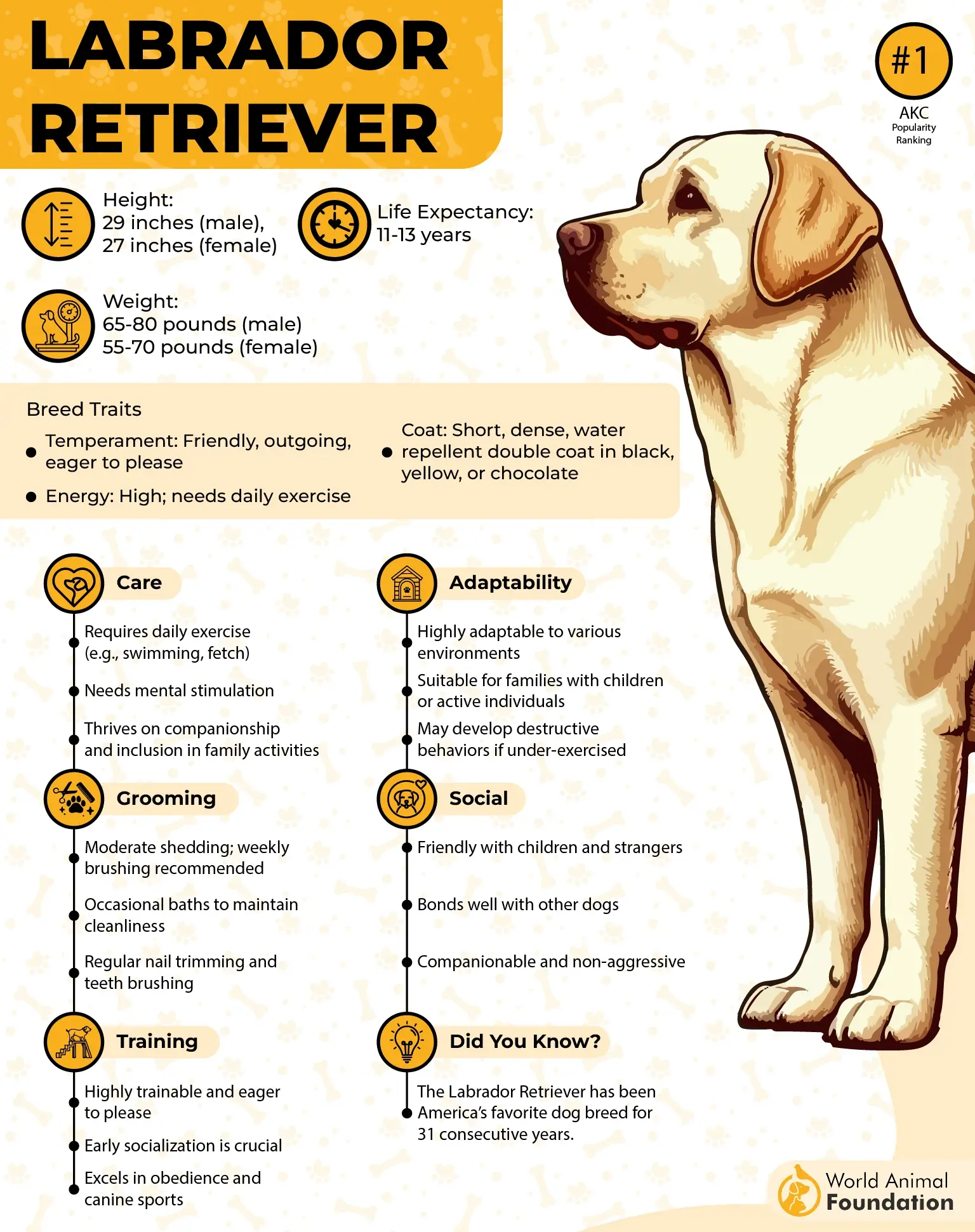
The Labrador Retriever responds strongly to training due to its willingness to work with people, often progressing into roles beyond hunting, such as service work and search operations. Its ability to adapt to structured instruction supports long-term reliability in task-based environments.
Conclusion
The best bird locating dogs do far more than cover ground quickly. They move with patience, read shifting scent trails carefully, and stay connected to the handler through every stage of the hunt. That balance between instinct and cooperation is what makes these energetic dogs so valuable once conditions become unpredictable in open fields or dense cover.
Some rely on endurance across long distances, while others stand out through precise pointing behavior that signals game with control. Watching skilled companions retrieve upland birds or assist in waterfowl hunting shows how deeply selective breeding shaped their natural hunting instincts. For many dog owners, that precision becomes impossible to overlook.
