




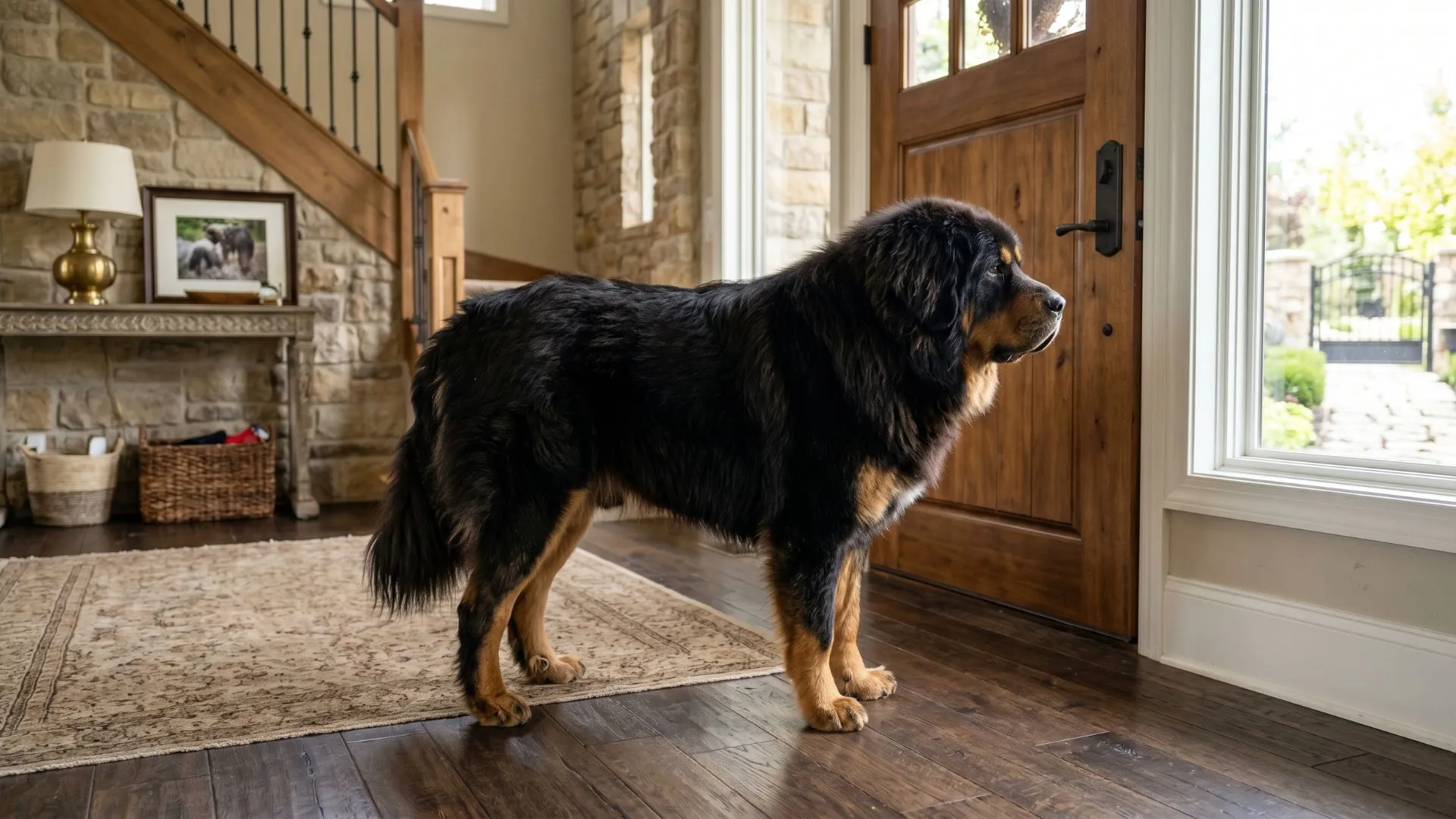
A safe home brings a quiet kind of comfort that nothing else can replace. Many dog owners choose guard dogs not just for security, but for the emotional reassurance that comes with having a loyal presence by their side. Certain breeds carry a natural instinct to observe, assess, and protect, without hesitation.
Protective dog breeds guard their families through a combination of intelligence and a sharp ability to read their environment. They can sense subtle changes around them and identify potential dangers before those dangers become real threats. From highly trained working dogs to calm but formidable watchdogs, each breed brings its own unique strengths to keeping a home safe.
Fun Fact: The most effective guard dog breeds of today are rooted in history: their ancestors were developed to protect livestock and watch over estates. Those early roles shaped the instinctive protective behavior that still drives these breeds to stay alert and remain completely loyal to their families.
Best Dog Breeds to Keep Your Property Safe
1. German Shepherd
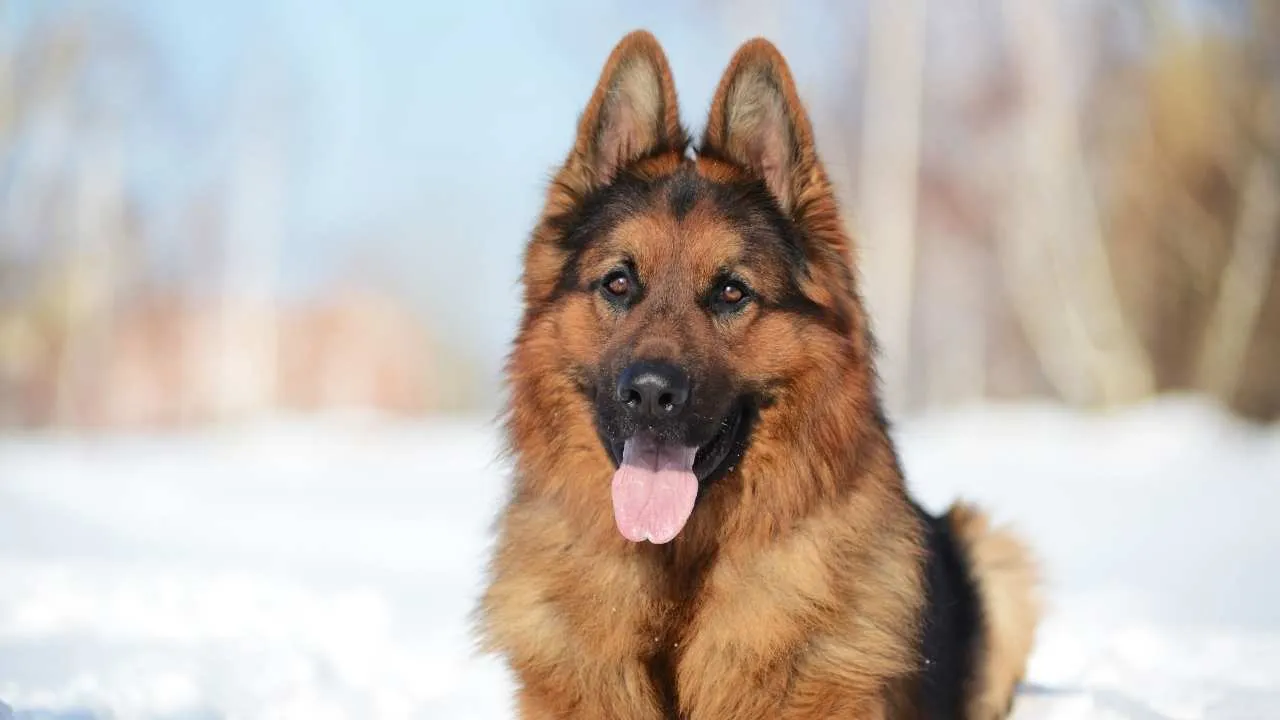
The German Shepherd is widely regarded as one of the top guard dog breeds in the world, and for good reason. Its combination of physical strength and exceptional trainability makes it a natural fit for military, police, and personal protection roles.
The American Kennel Club describes the breed as confident, courageous, and even-tempered. A well-trained German Shepherd is constantly aware of its surroundings and handles unfamiliar situations with composure rather than panic.
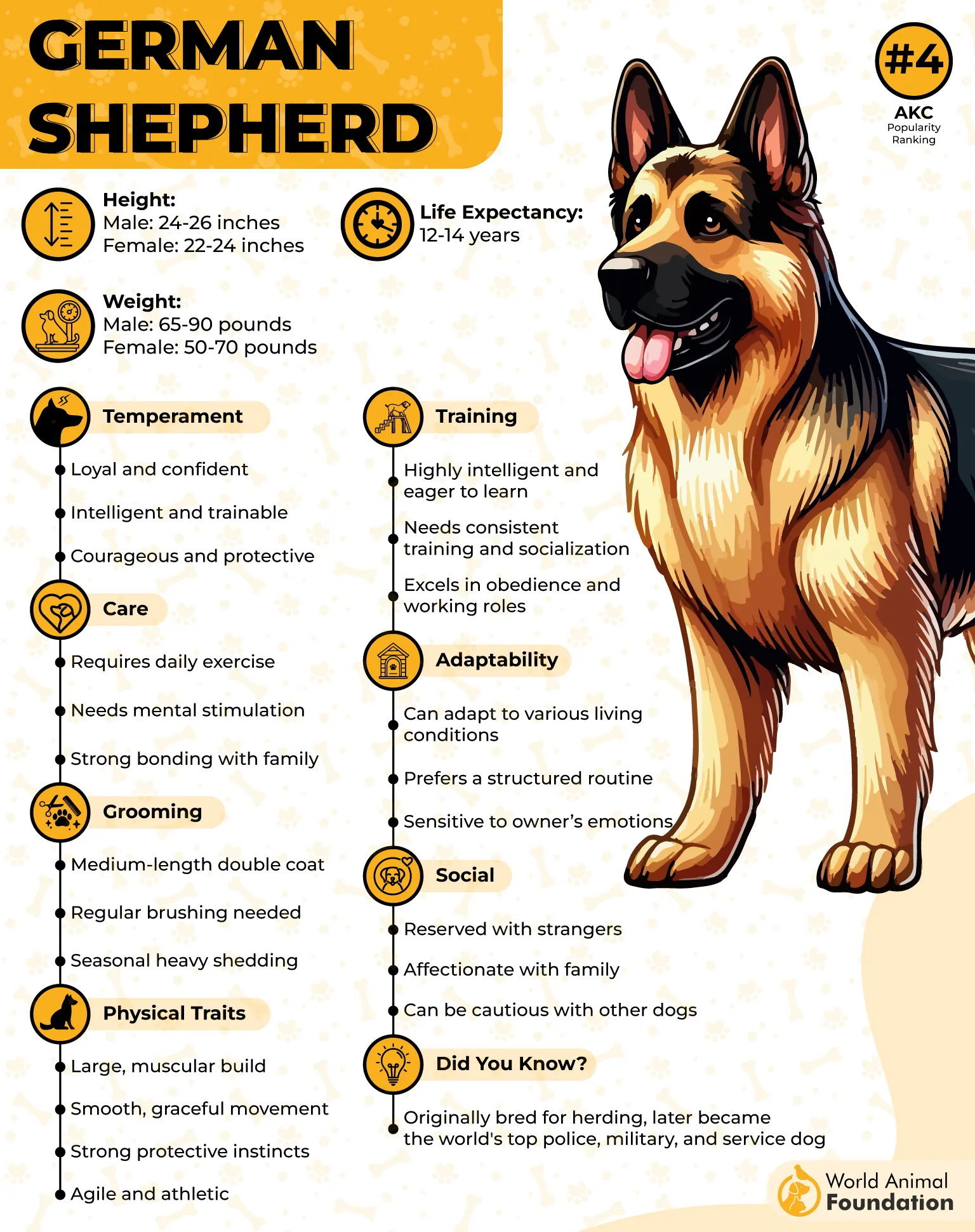
To bring out the best in this breed, owners need to commit to training from puppyhood and maintain daily exercise throughout the dog’s life. Mental stimulation is equally important; it keeps the German Shepherd focused and prevents boredom from turning into destructive behavior.
Without early and ongoing socialization, however, they can become overly suspicious of strangers or reactive around other dogs.
2. Rottweiler
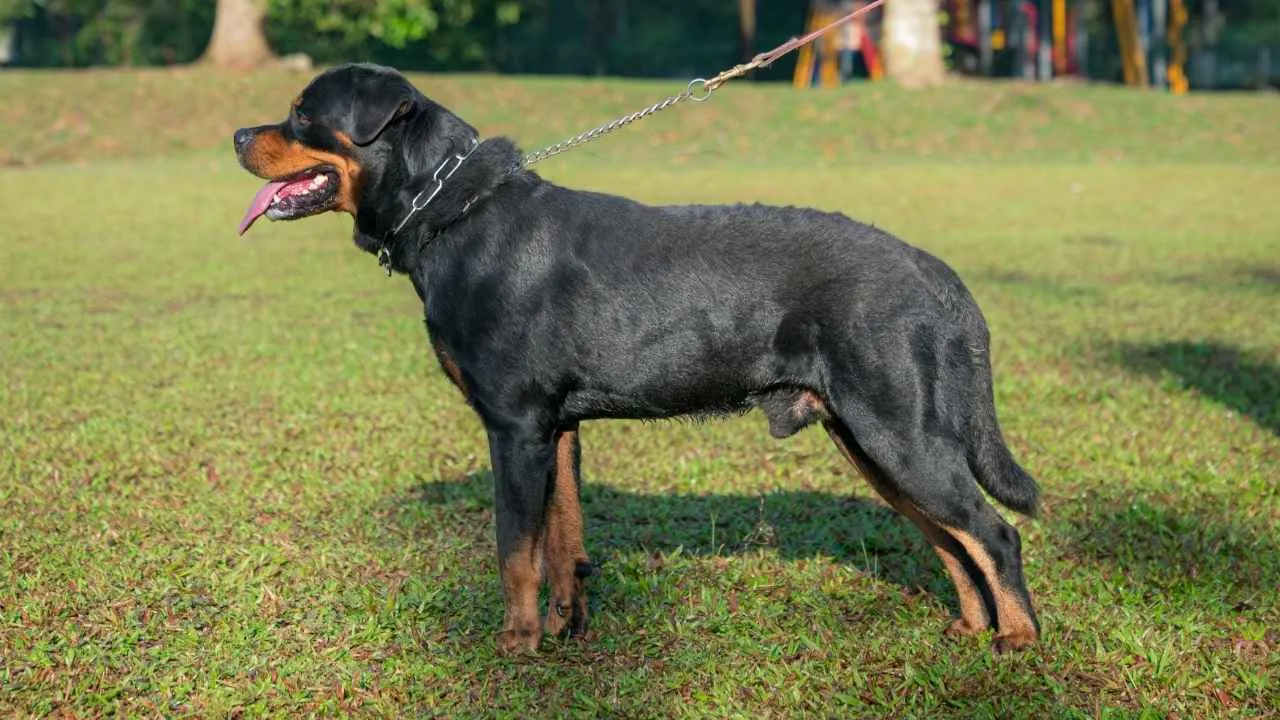
The Rottweiler commands attention through its muscular build and calm self-assurance. Originally bred as a protector, it remains one of the top guard dog breeds in the world today. Hill’s Pet Nutrition highlights the breed’s natural protective instincts and its deep dedication to its owner.
Rottweilers are completely devoted to their family and territory. With proper training, they display a well-balanced temperament, but they do best with experienced handlers, as stubbornness can develop without a firm, consistent routine.
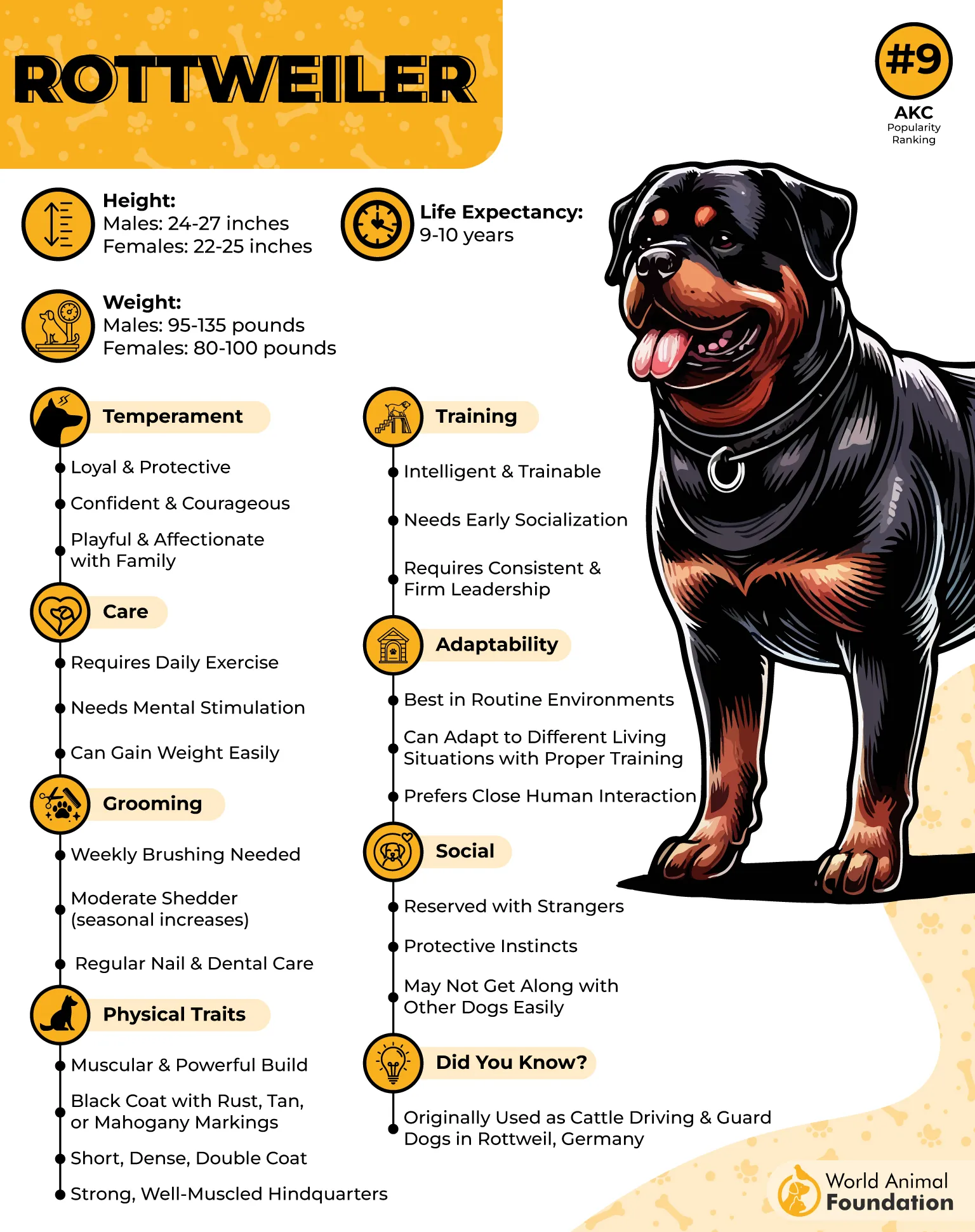
Daily exercise, structured activities, and early training are essential for building self-control, and appropriate socialization helps them learn how to behave around other dogs and people.
As a former herding breed, Rottweilers may instinctively try to “bump” or herd children; a behavior that can easily knock over small children or the elderly, especially during boisterous play. This tendency is manageable but should be addressed early through consistent training.
3. Doberman Pinscher
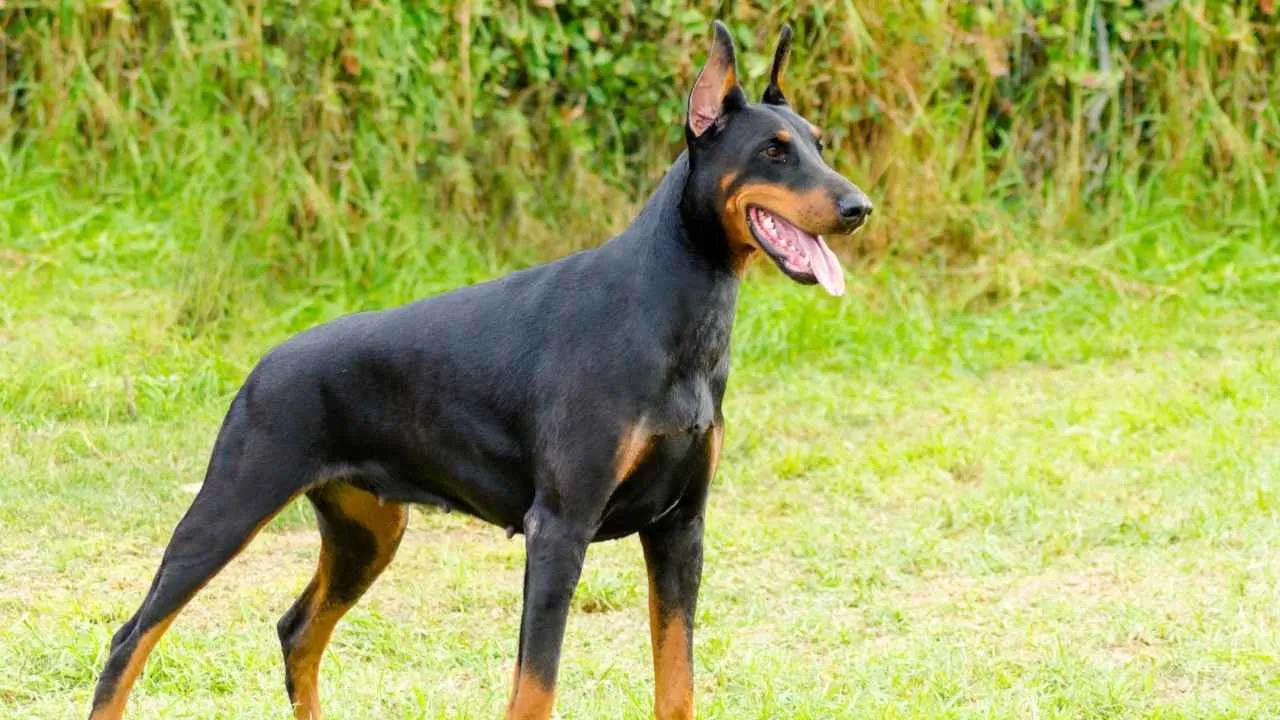
The Doberman Pinscher is defined by three standout qualities: speed, sharp reflexes, and constant alertness. PetMD identifies the breed as highly trainable and naturally energetic, placing it among the most intelligent breeds suited for protective work.
Dobermans respond to threats immediately and maintain a keen awareness of their surroundings at all times. Their streamlined build allows for impressive speed, while a sharp instinct for danger makes them highly effective protectors. They also form strong bonds with their families, making them as devoted and affectionate as they are capable guardians.
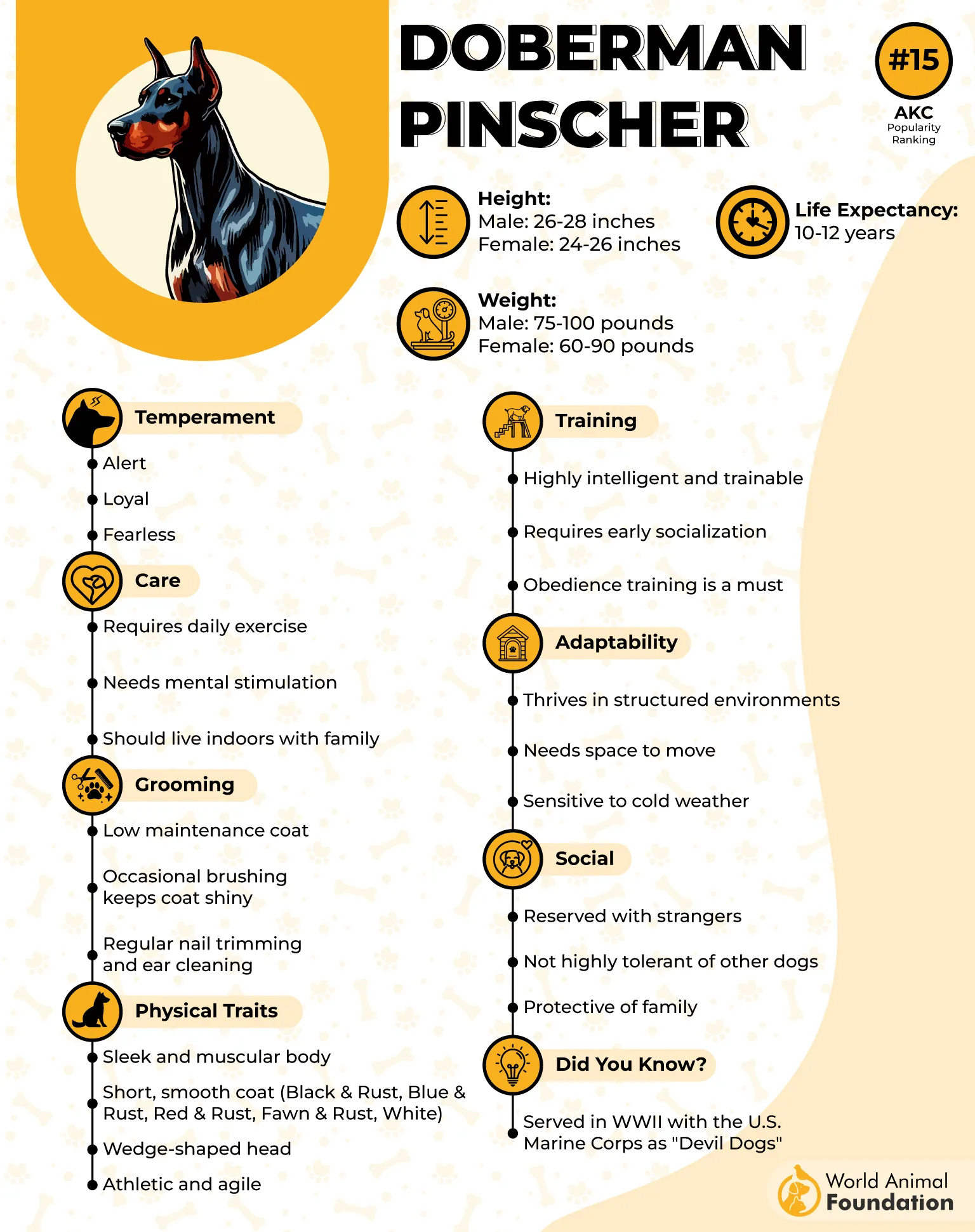
In fact, Dobermans are deeply people-oriented; they love to cuddle and thrive on being included in everyday family life. They do not respond well to harsh discipline and can develop anxiety if left alone for long periods or kept isolated in an outdoor kennel.
To stay balanced and well-behaved, Dobermans need regular physical exercise and consistent mental challenges. Ongoing training sharpens their focus, channels their energy productively, and helps prevent restlessness from setting in.
4. Belgian Malinois
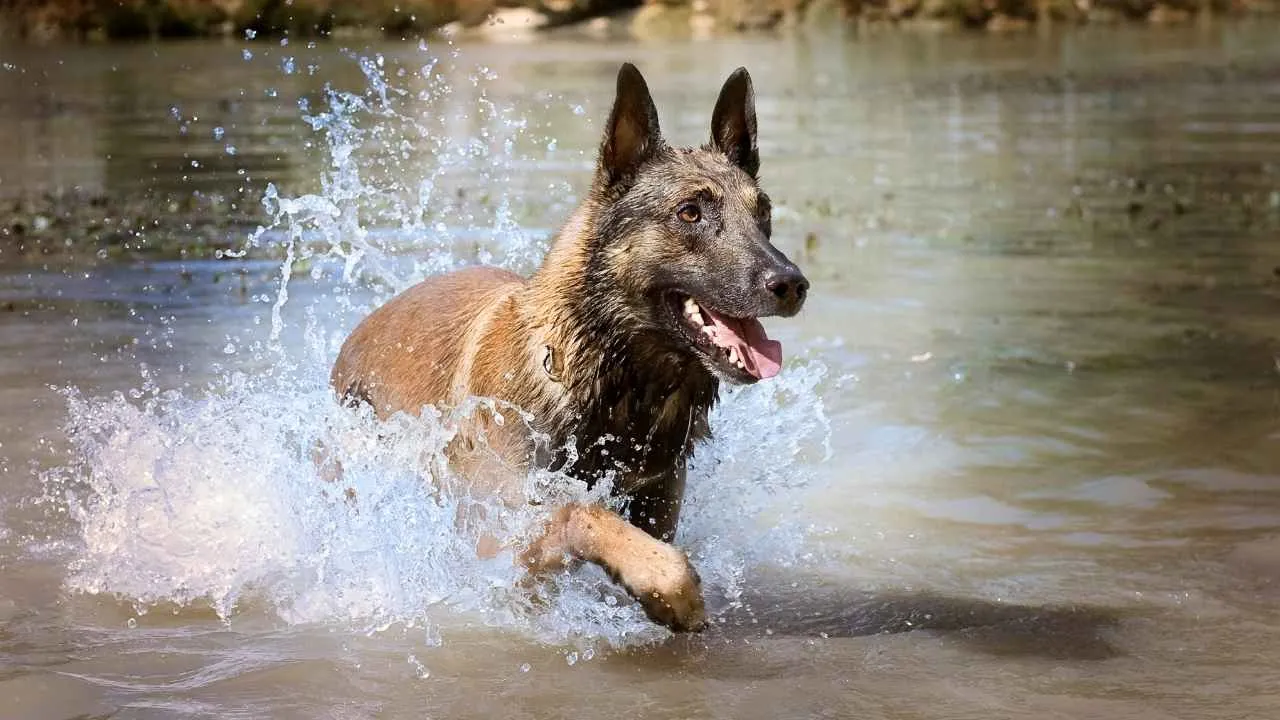
The Belgian Malinois stands out as a top choice for advanced protection work, renowned for its unmatched focus and relentless energy. Purina describes the breed as highly driven and purpose-built for demanding roles.
It operates with remarkable precision while staying completely aware of everything happening in its surroundings. Combined with sharp, instinctive protective skills, this makes the Belgian Malinois one of the most capable protection animals in the world.
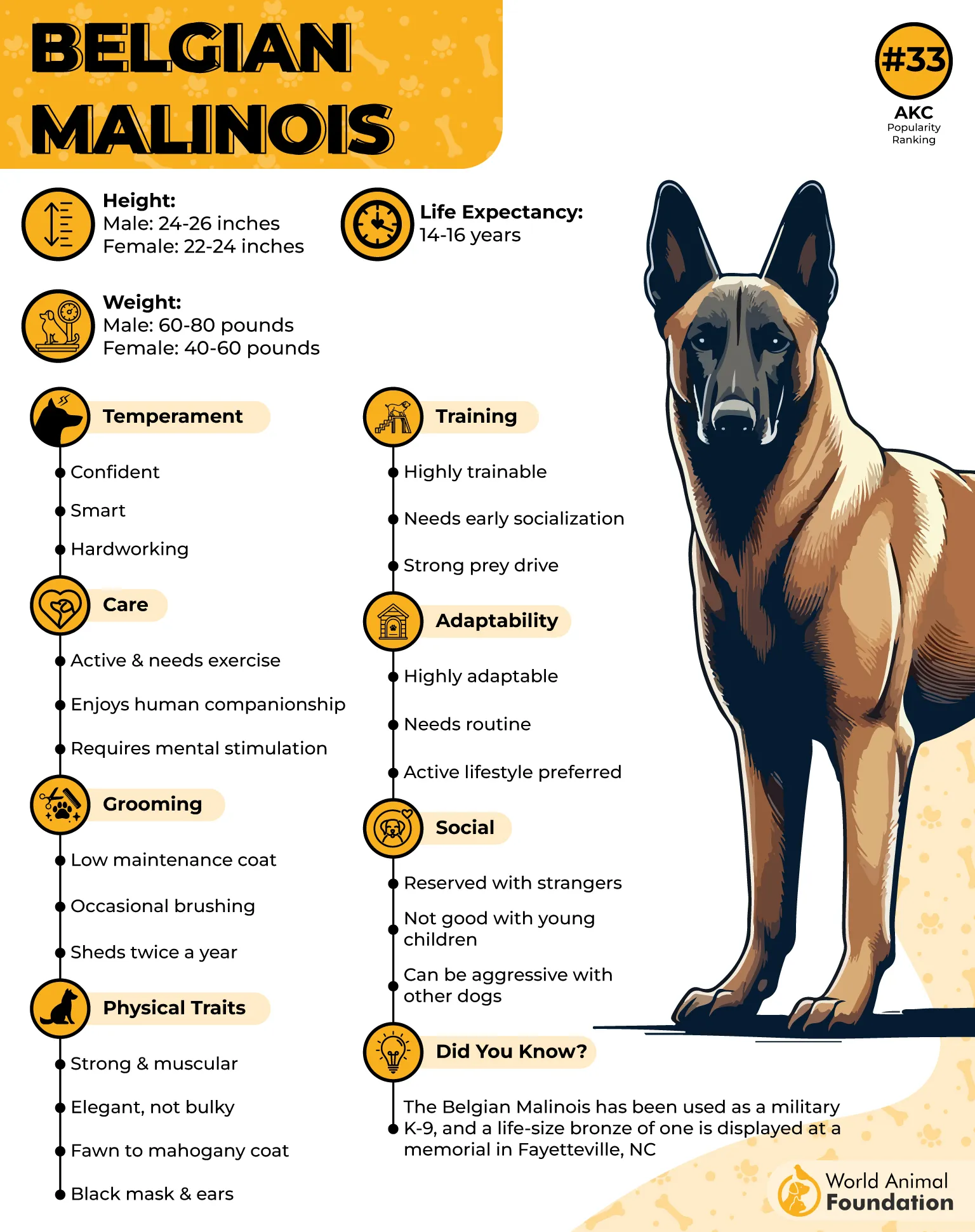
The breed thrives on daily physical activity, structured training, and a consistent routine. It performs at its best when handled by experienced owners or professional trainers who can match its intensity and keep it properly engaged.
That same drive, however, comes with a caveat: their strong instinct to chase or herd can result in nipping, which makes them particularly unsuitable around young, unpredictable children without careful supervision and training.
5. Cane Corso
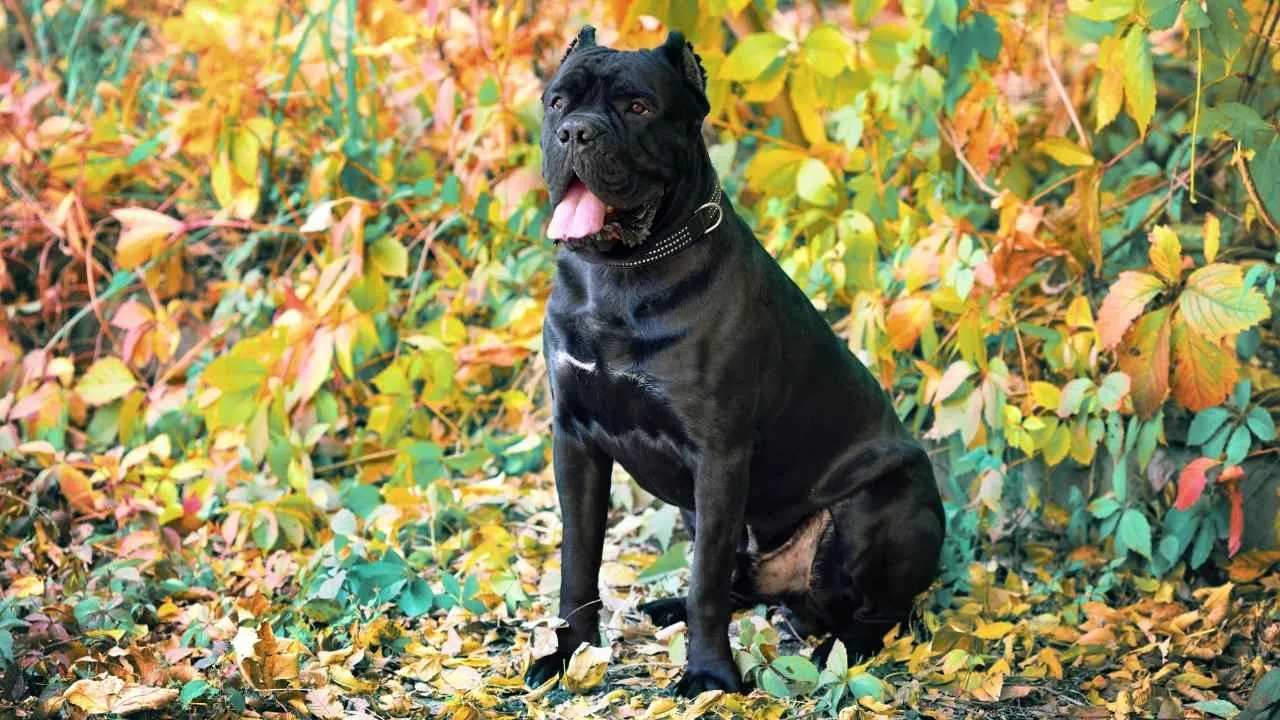
The Cane Corso is a breed of powerful character deeply rooted in history. According to PDSA, the breed descends from Roman war dogs that soldiers used to guard territory and work their farms.
This large and imposing breed carries a calm demeanor but projects undeniable authority. Around family, it is loyal and composed, but it becomes visibly protective when encountering strangers, relying on its physical presence and natural instincts to deter intruders.
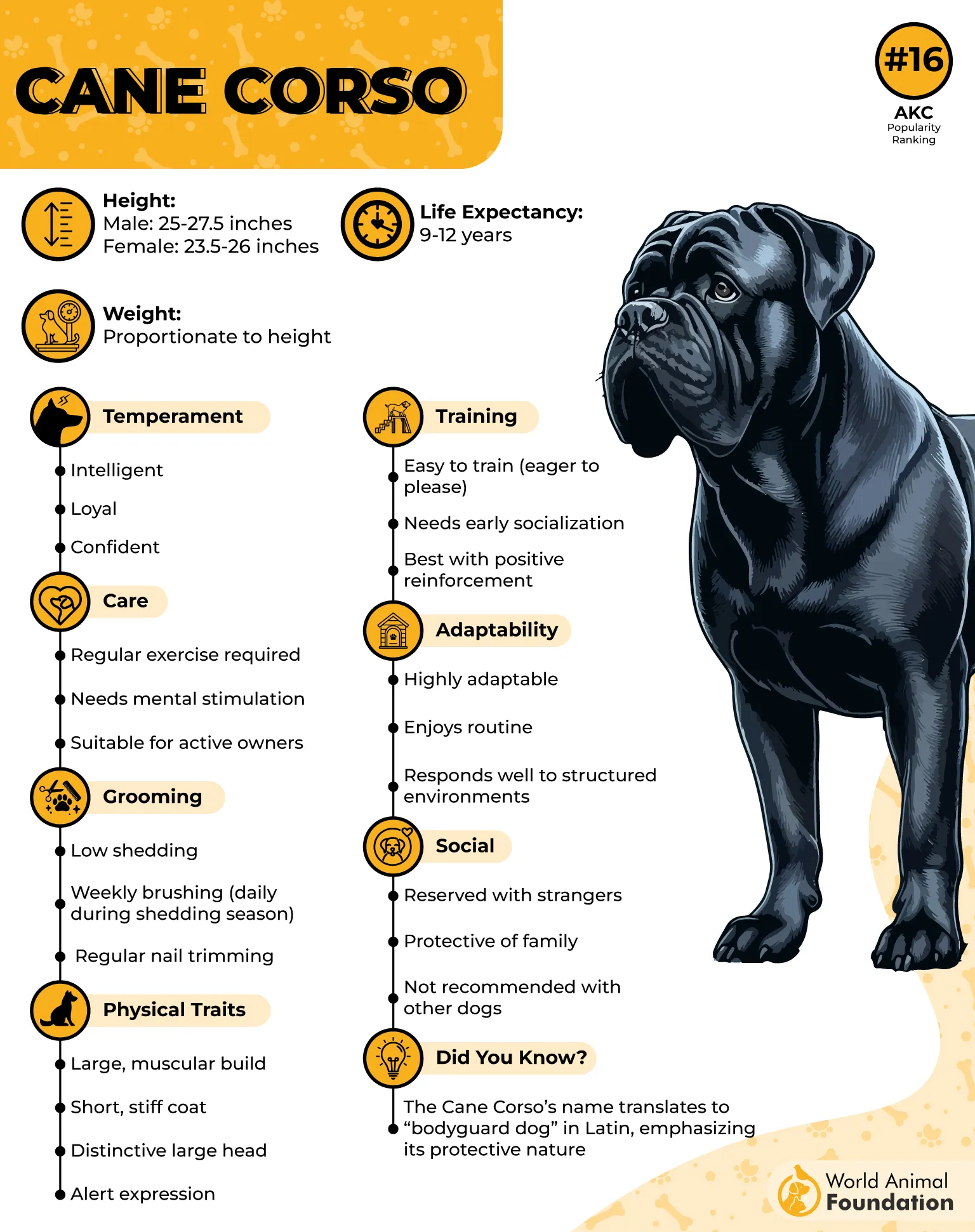
As a guardian breed, the Cane Corso can misinterpret high-energy play between children and their friends as a genuine threat. Early socialization and consistent training are essential to prevent the breed from becoming overly territorial, and regular exercise with structured routines helps support its emotional balance.
6. American Staffordshire Terrier
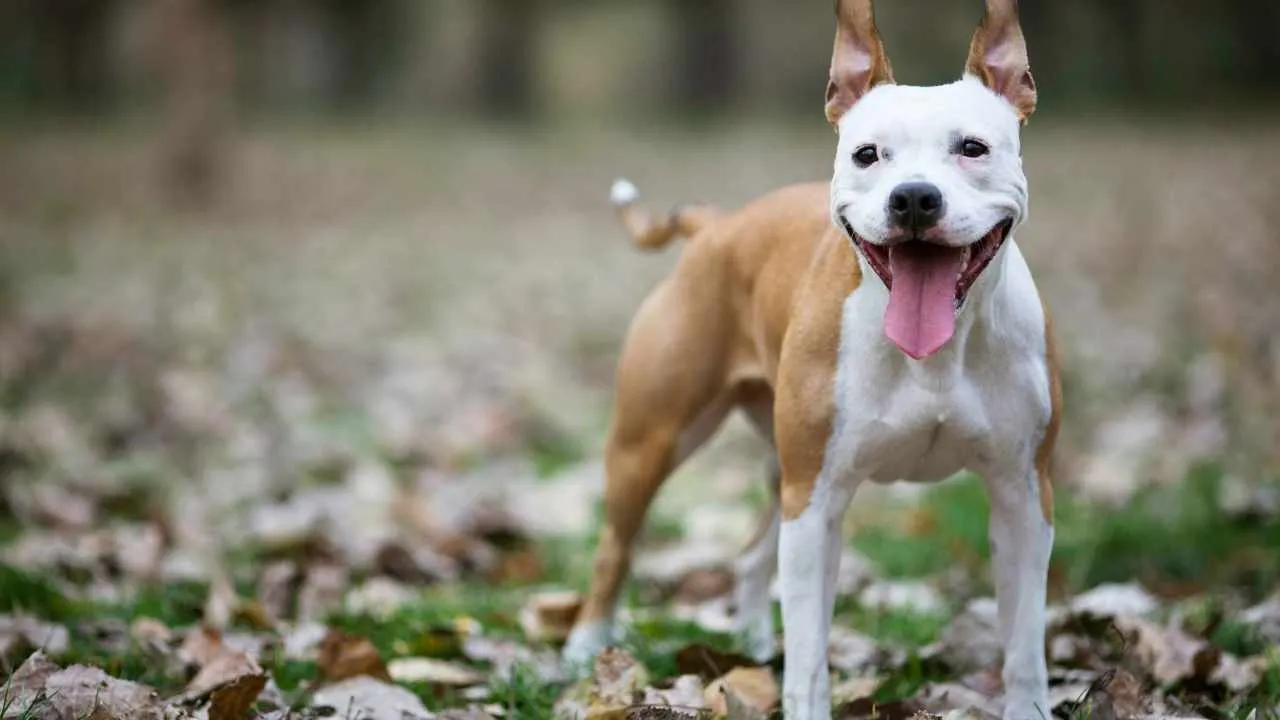
The American Staffordshire Terrier is a striking blend of power and affection. According to Britannica, the breed is naturally people-oriented and full of energy, making it both a loving family pet and a capable protective companion.
AmStaffs form deep bonds with their family members while staying alert to their surroundings. They are warm and friendly with those they know, but consistent training is important to prevent that protectiveness from tipping into aggression toward unfamiliar animals or people.
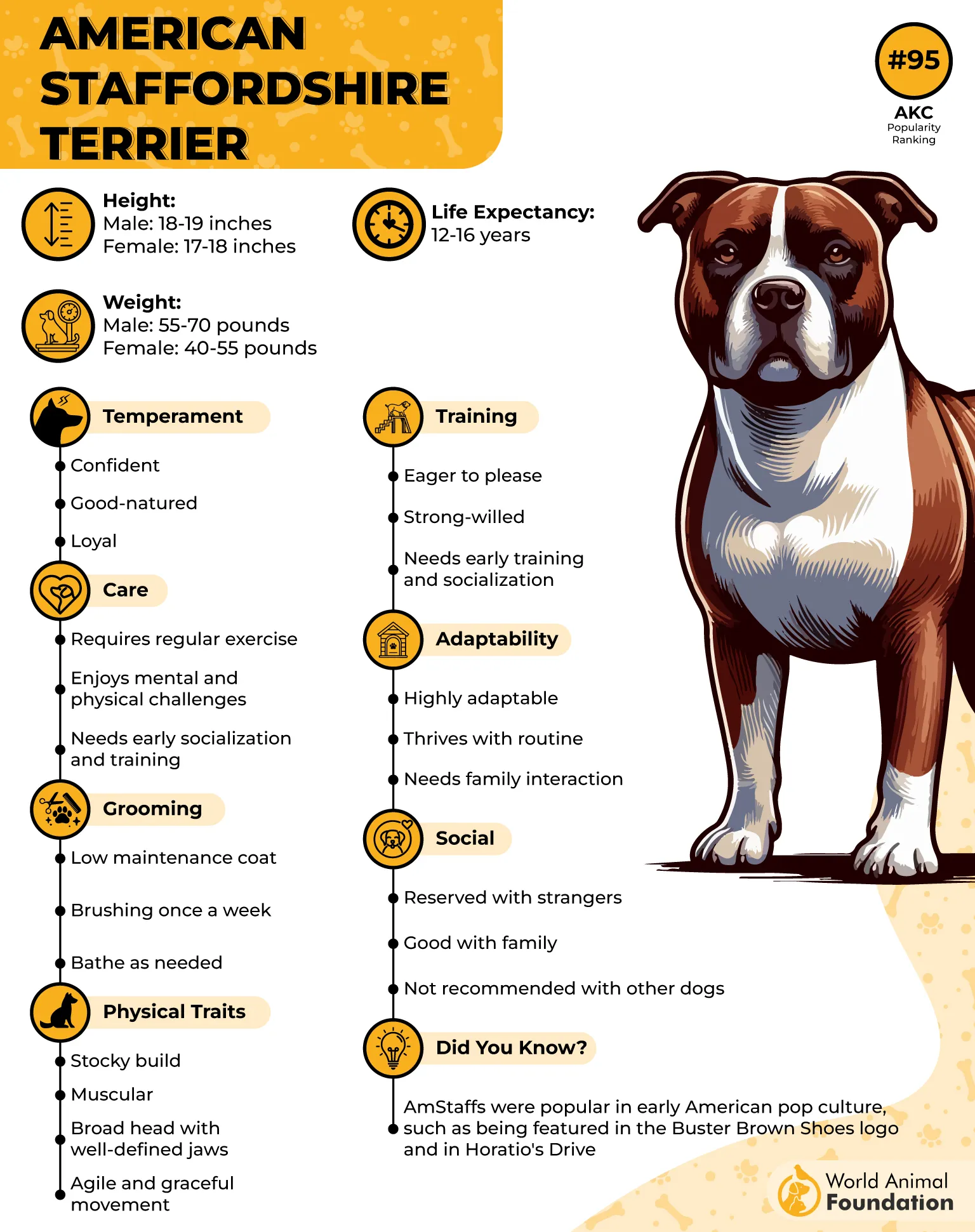
With early training, regular exercise, and gradual exposure to different social situations, American Staffordshire Terriers develop excellent behavior and become well-rounded, trustworthy companions. Because they can be strong-willed and stubborn, they thrive on patient, positive reinforcement rather than harsh discipline.
7. Bullmastiff
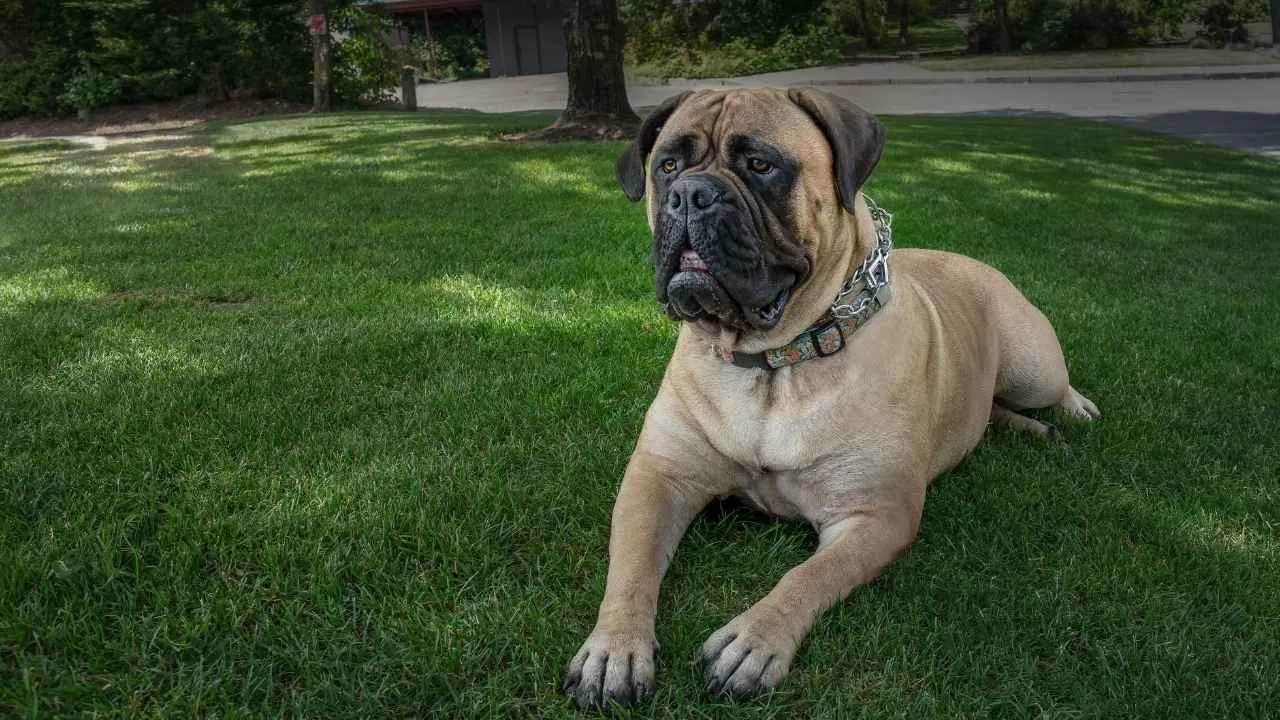
The Bullmastiff is a breed of impressive power and quiet dependability. According to WebMD, the breed was originally developed as a property guardian, and notably, it was trained to silently track and pin intruders rather than bark, making it a remarkably discreet protector.
The Bullmastiff is calm and watchful by nature, acting only when truly necessary. This well-balanced temperament allows it to function equally well as a devoted home companion and a commanding security presence: its sheer size alone is often enough to deter intruders.
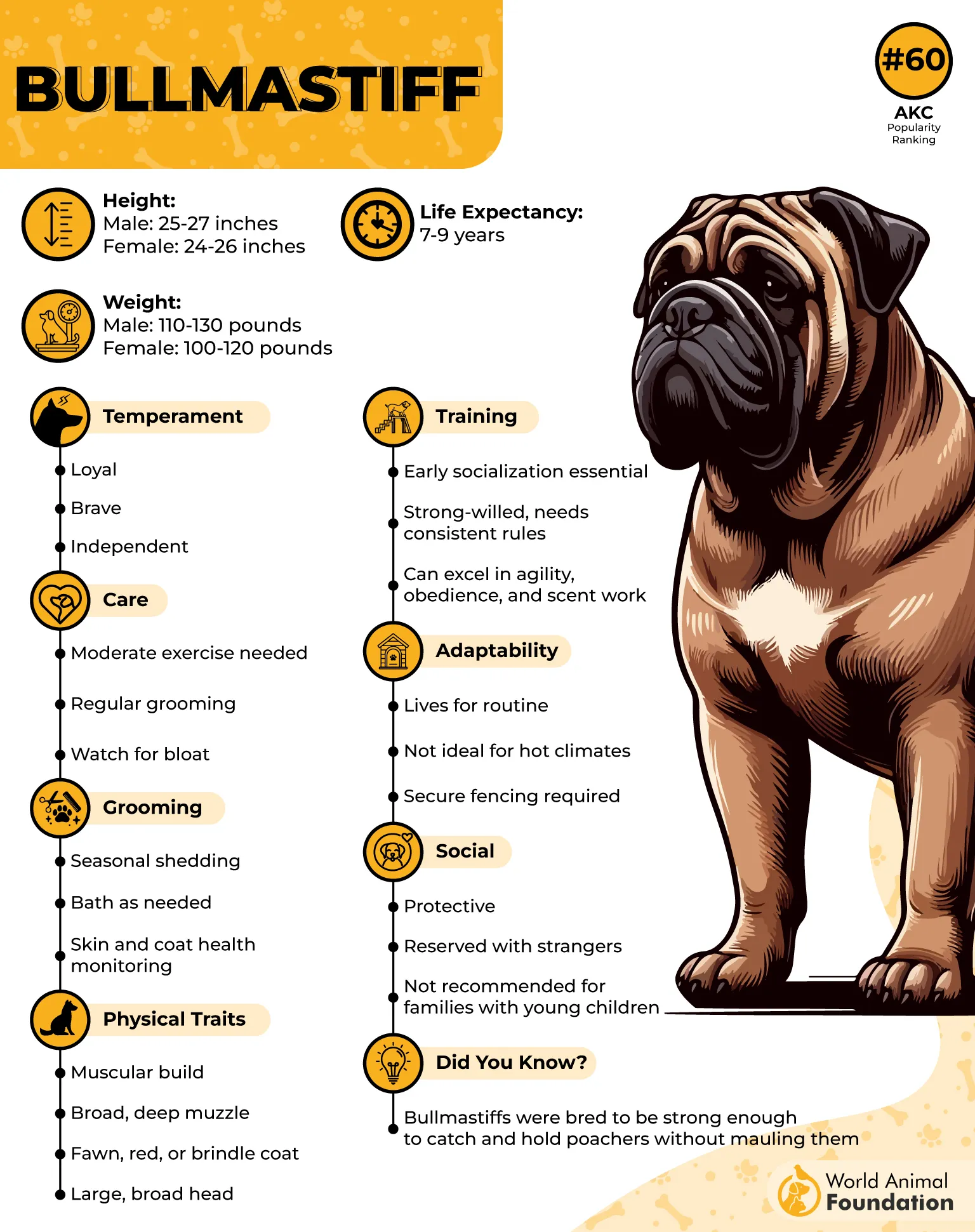
Moderate daily exercise, proper nutrition, and routine grooming are all the breed needs to stay healthy. Training should begin early to establish boundaries and keep its protective instincts well-managed.
Bullmastiffs are not the best housemates for other pets, however. Their prey drive is strong enough to make them a genuine danger to cats, and they can show aggression toward other dogs, particularly males.
8. Akita
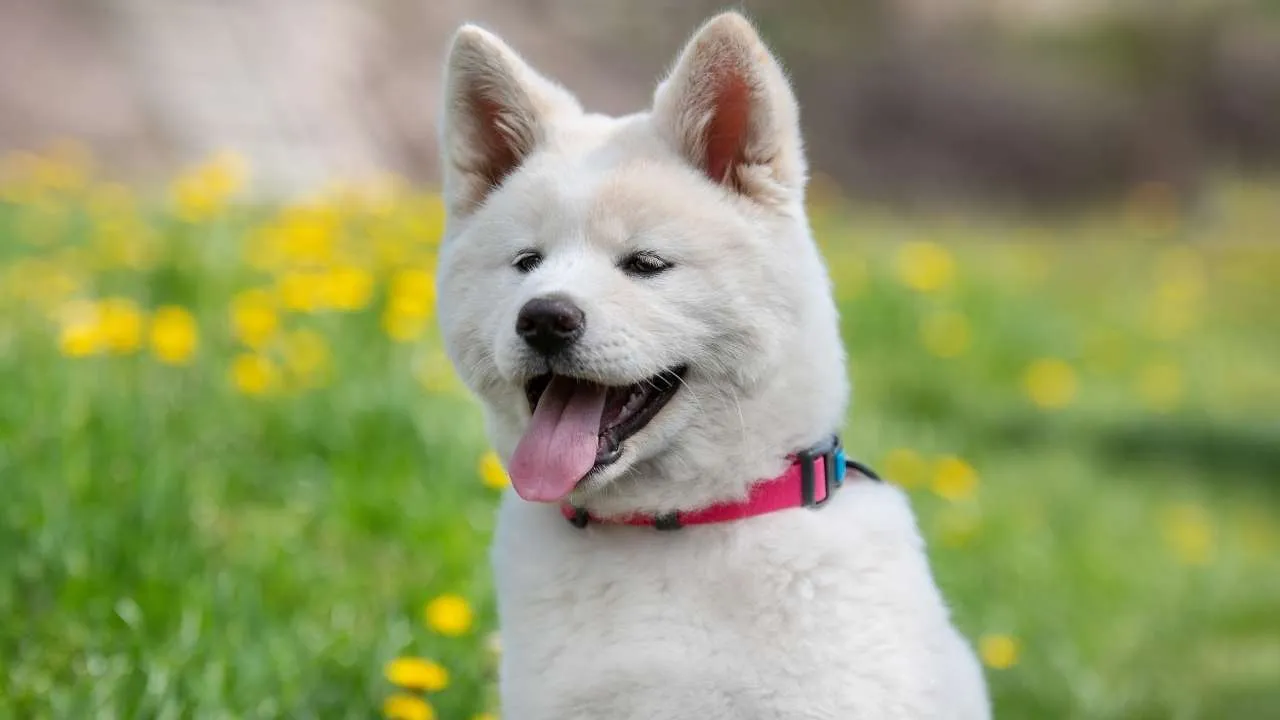
The Akita is a breed defined by dignity and loyalty. Naturally courageous, it carries a strong protective instinct and forms deep, unwavering bonds with its family, expressing devotion quietly but unmistakably.
The Akita tends to be reserved around strangers while remaining deeply attached to those in its home. Its independent nature means it requires firm, consistent training, but that same loyalty makes it a devoted and reliable protector.
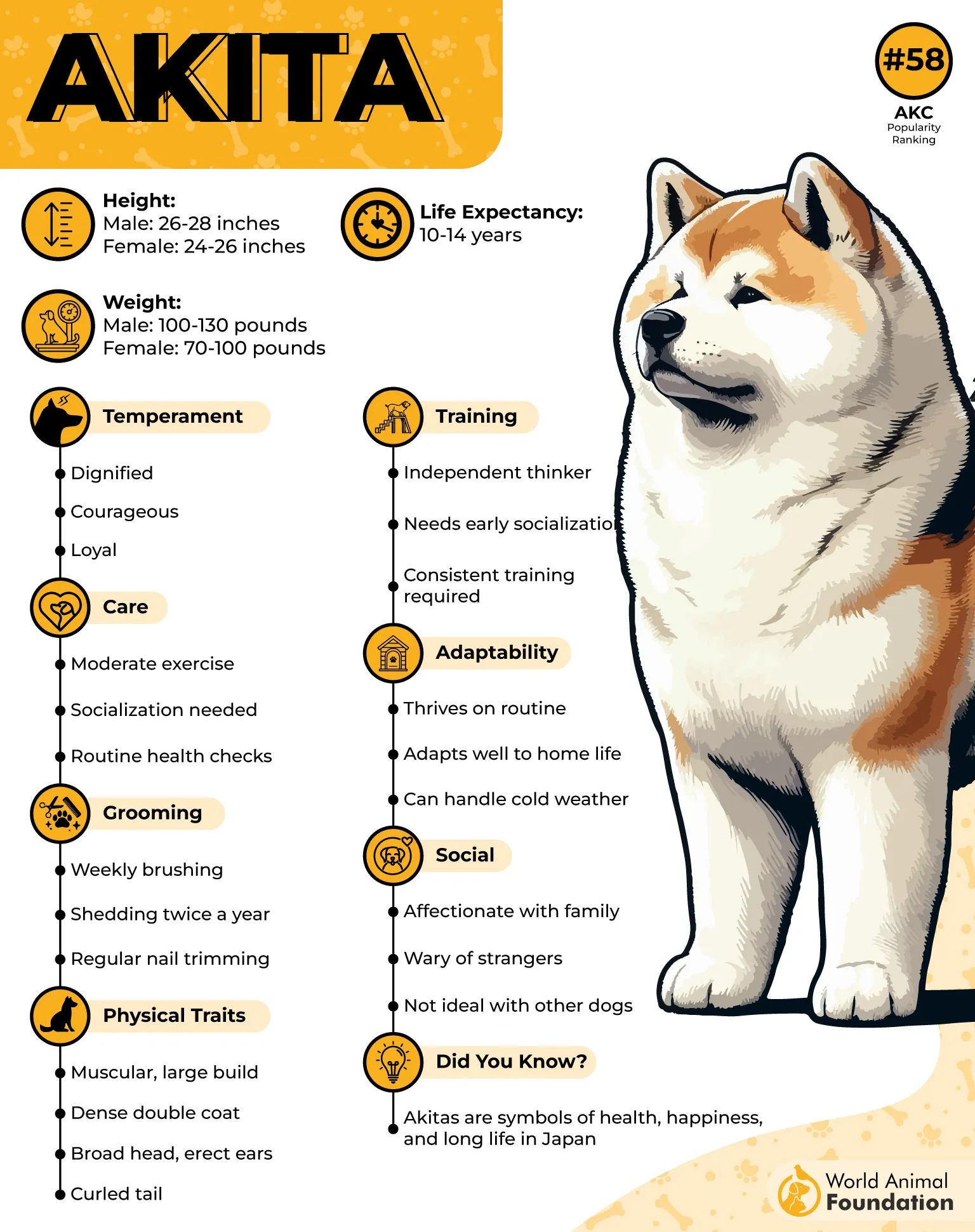
Akitas can make excellent companions for experienced owners with older children, but they are generally not recommended for households with toddlers given their large size and strong protective instincts. Early socialization is essential to help them distinguish between real threats and everyday situations.
Structured routines, regular mental stimulation, and daily physical activity all go a long way in keeping an Akita balanced, predictable, and well-behaved.
9. Giant Schnauzer
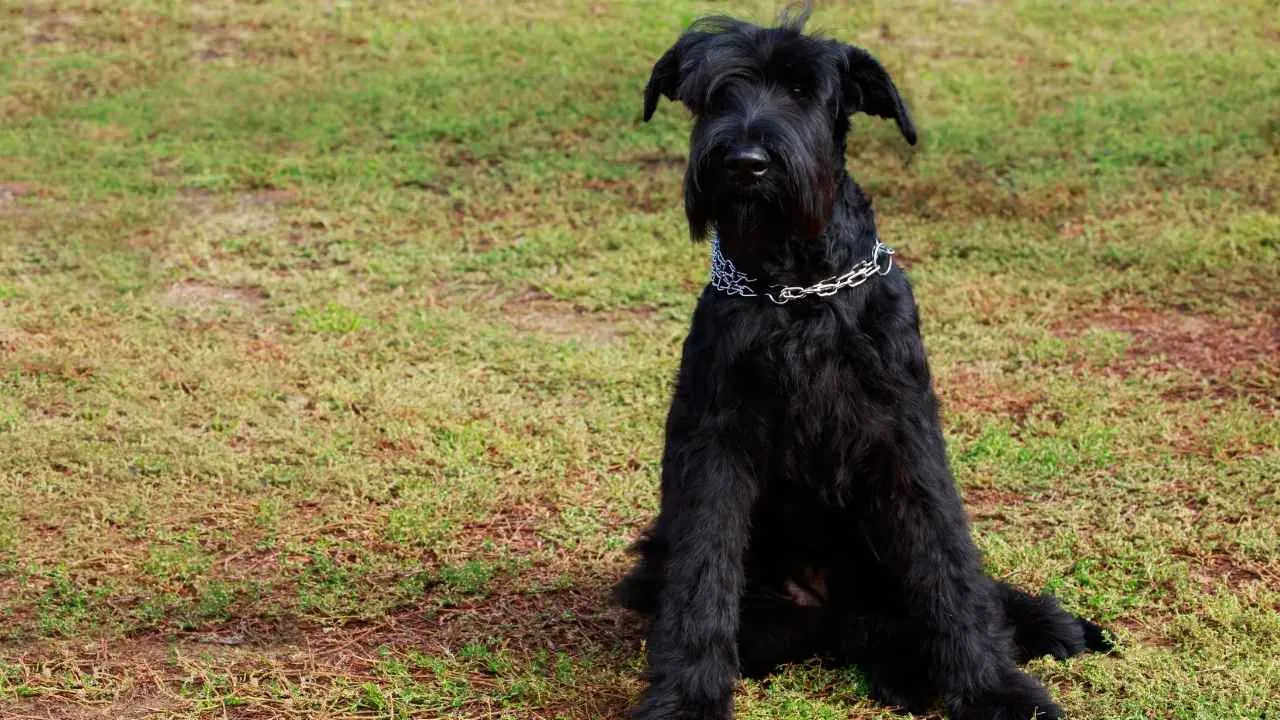
The Giant Schnauzer is a powerful working dog with strong guarding instincts. High-energy and highly alert, it stays constantly attuned to its surroundings and requires consistent training and mental stimulation to remain balanced and well-behaved.
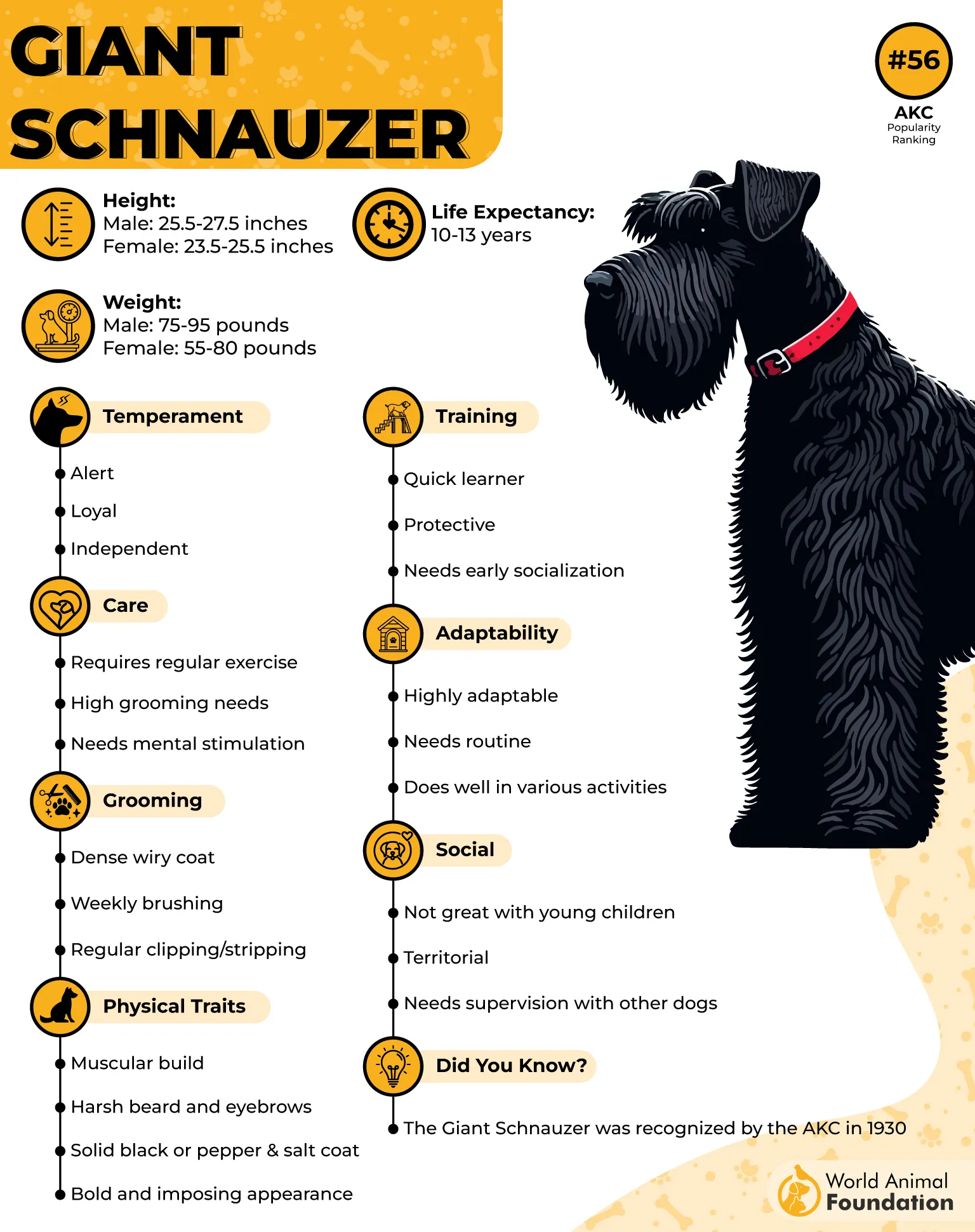
It maintains full awareness of its environment and reacts swiftly to anything unfamiliar. Its loud bark and self-assured presence make it an effective watchdog, well-suited to busy, active households.
Daily physical exercise and mentally engaging activities are essential for this breed. Regular grooming and structured training sessions round out the routine needed to keep a Giant Schnauzer healthy, focused, and at its best.
10. Tibetan Mastiff
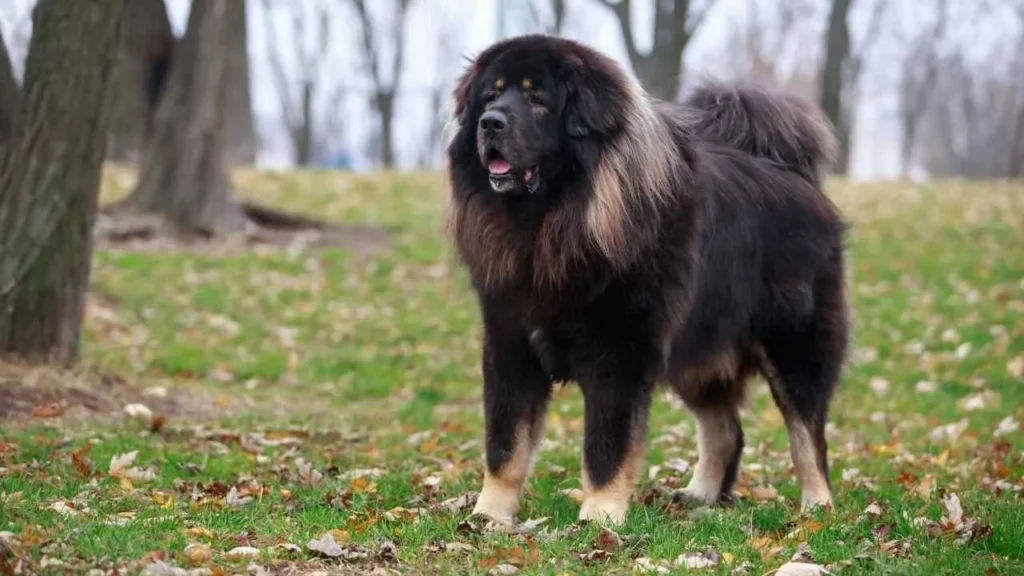
The Tibetan Mastiff is one of the most powerful guardian dog breeds in the world, historically used to protect livestock with fierce territorial instincts.
In calm, familiar situations, the breed is composed and unhurried, but it shifts to a state of heightened alertness the moment an unknown presence is detected. Its imposing size and thick coat naturally command respect, acting as a visual deterrent before any physical response is ever needed.
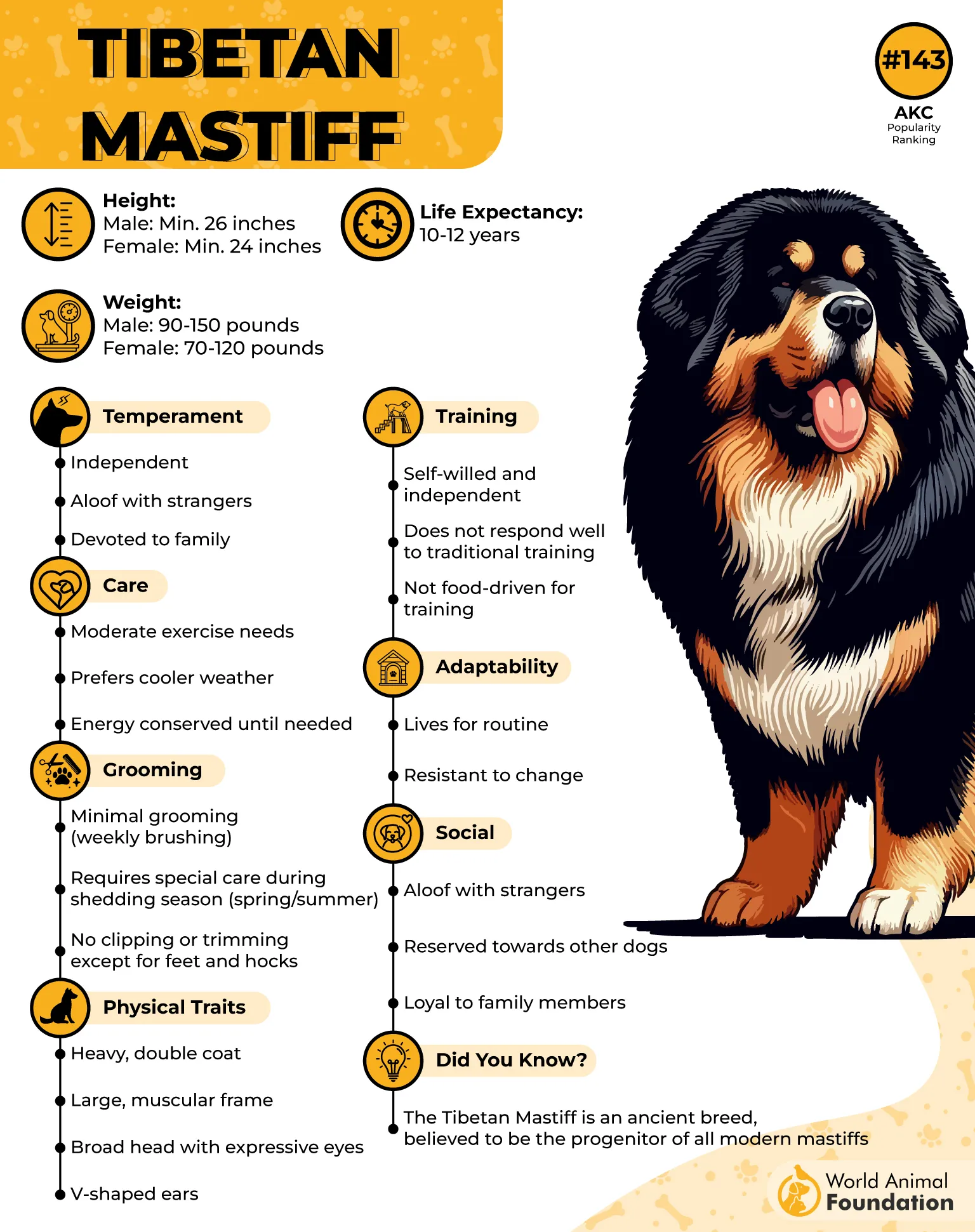
The Tibetan Mastiff needs open space, early training, and experienced handling. Proper socialization helps channel its confidence appropriately, teaching it to distinguish between genuine threats and everyday occurrences.
That said, this breed is not one to blindly follow commands. Tibetan Mastiffs are independent thinkers, bred to make their own decisions; a trait that makes them challenging to train and generally unsuitable for dog parks or off-leash environments.
Conclusion
The best guard dog breeds offer far more than physical protection. Through a combination of loyalty, situational awareness, and powerful instincts, they create a sense of security that goes beyond what any alarm system can provide. Each protection dog breed brings its own distinct strengths, whether that’s intelligence, speed, calm composure, or a commanding presence that speaks for itself.
Choosing the right breed comes down to understanding your family’s lifestyle, available space, and commitment to consistent training. When that match is right, an excellent guard dog becomes more than a protector; it becomes a trusted member of the family.
