




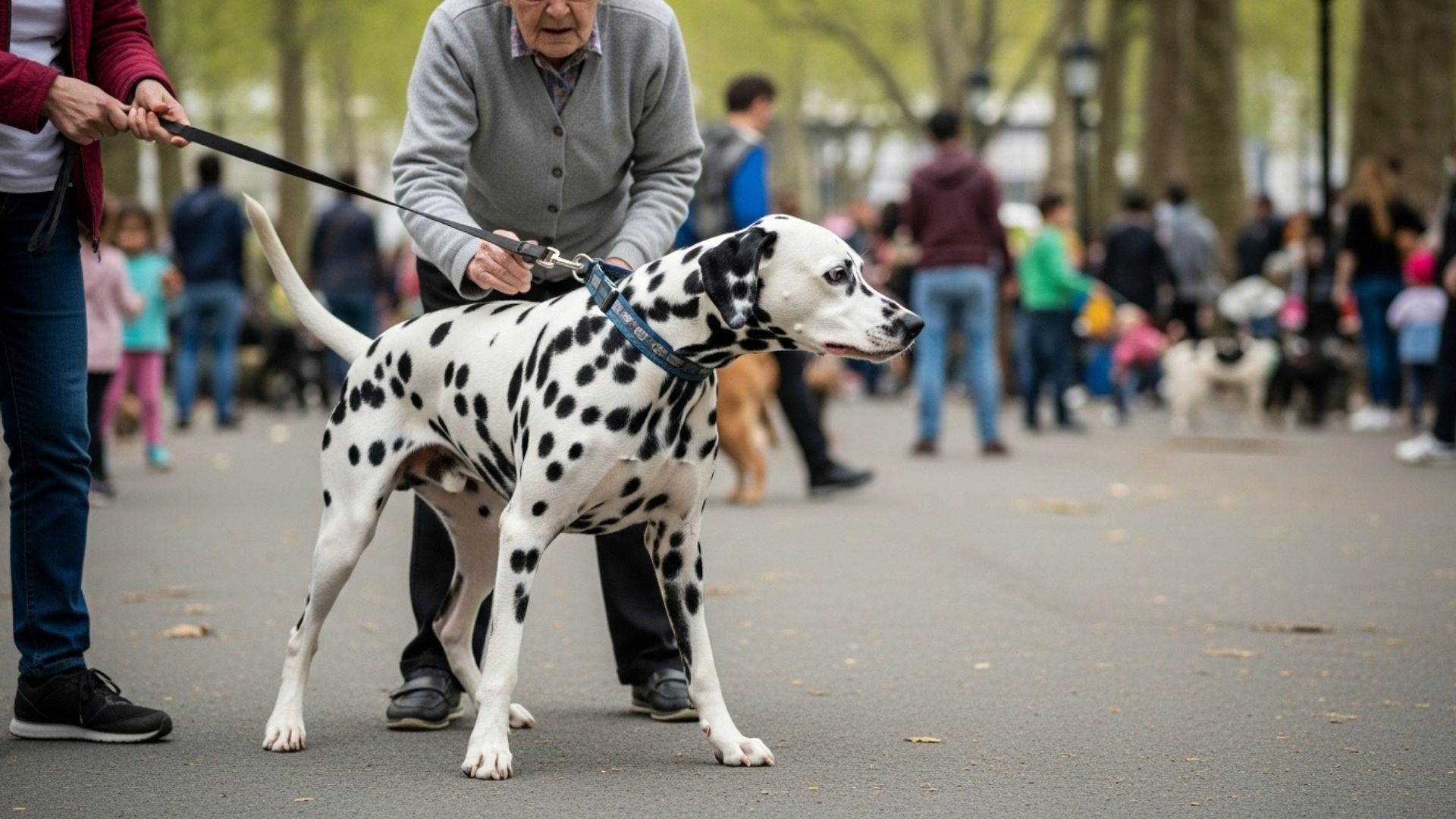
Finding the perfect dog in your golden years can be life-changing, but it’s just as important to know which breeds may not be the best match. While dogs bring joy, comfort, and unconditional love, seniors with mobility issues need companions that are manageable, calm, and low-maintenance.
Some breeds, despite being loyal and affectionate, come with high exercise demands, heavy grooming needs, or strong-willed temperaments that can be difficult to handle. For older adults facing mobility challenges, these traits can turn pet ownership into a strain instead of a source of happiness.
With that in mind, let’s look at the dog breeds seniors with mobility issues should avoid, so you can focus on finding the right companion that truly makes life easier, safer, and more fulfilling.
Best Dog Breeds to Avoid for Seniors with Mobility Issues
Did you know? A CDC-backed report found that nearly 95% of adults over 60 live with at least one chronic health condition, and most face mobility challenges because of it.
For seniors, this makes choosing the right dog even more important. High-energy, high-maintenance breeds can become overwhelming, while calmer, low-maintenance pups are a better fit.
Let’s take a look at the worst dog breeds seniors with mobility issues should avoid.
1. Doberman Pinscher
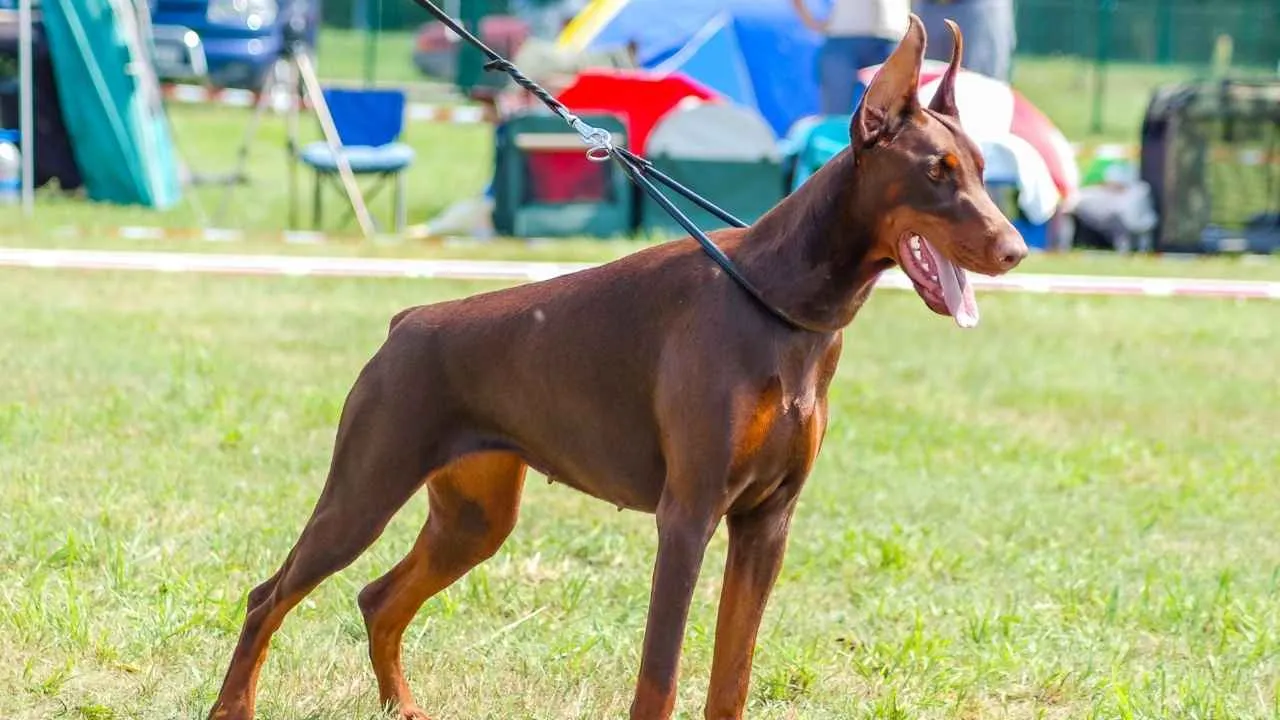
Sleek, athletic, and highly intelligent, the Doberman Pinscher is celebrated worldwide as one of the finest protection dogs. With their striking physique and sharp mind, they’re loyal companions and natural guardians. But for older adults struggling with mobility issues, this isn’t the easiest breed to live with.
Dobermans are energetic, playful, and protective, but they require extensive daily exercise and mental stimulation to stay balanced. Managing such a demanding routine can be challenging for seniors with limited mobility.
During their younger years, especially, Dobermans are bouncy, clumsy, and often hyperactive; traits that can quickly become overwhelming in the wrong household.
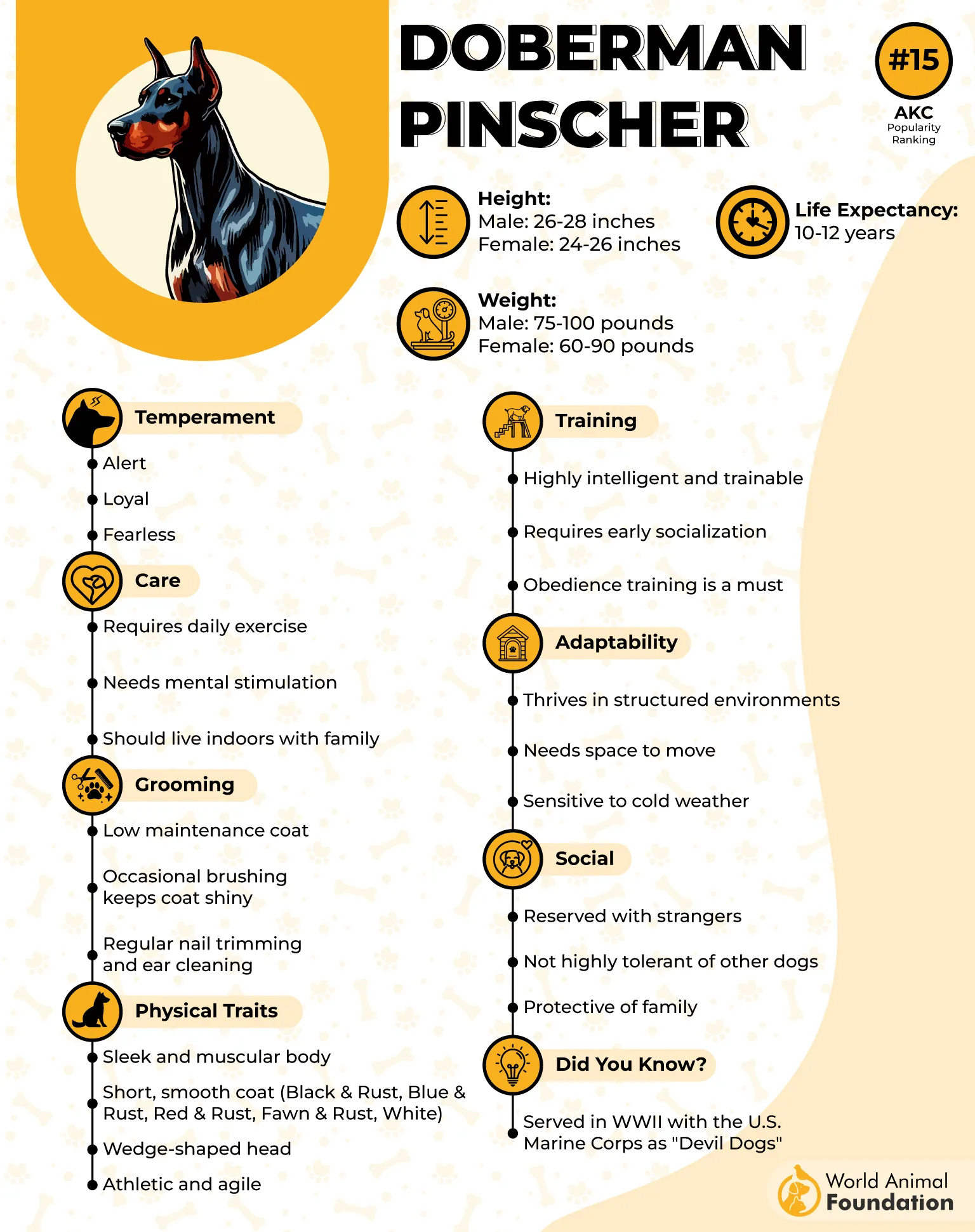
While Dobermans rank among the top five most intelligent breeds and have relatively low grooming needs thanks to their short coat, they are also strong-willed. Training them takes consistent positive reinforcement and firm guidance. Without it, their stubborn streak can lead to behavioral issues.

Note for seniors: Dobermans are known for jumping up on people when excited, which can unintentionally cause trips or falls, making them risky companions for those with frail bones or limited stability.
2. Dalmatian
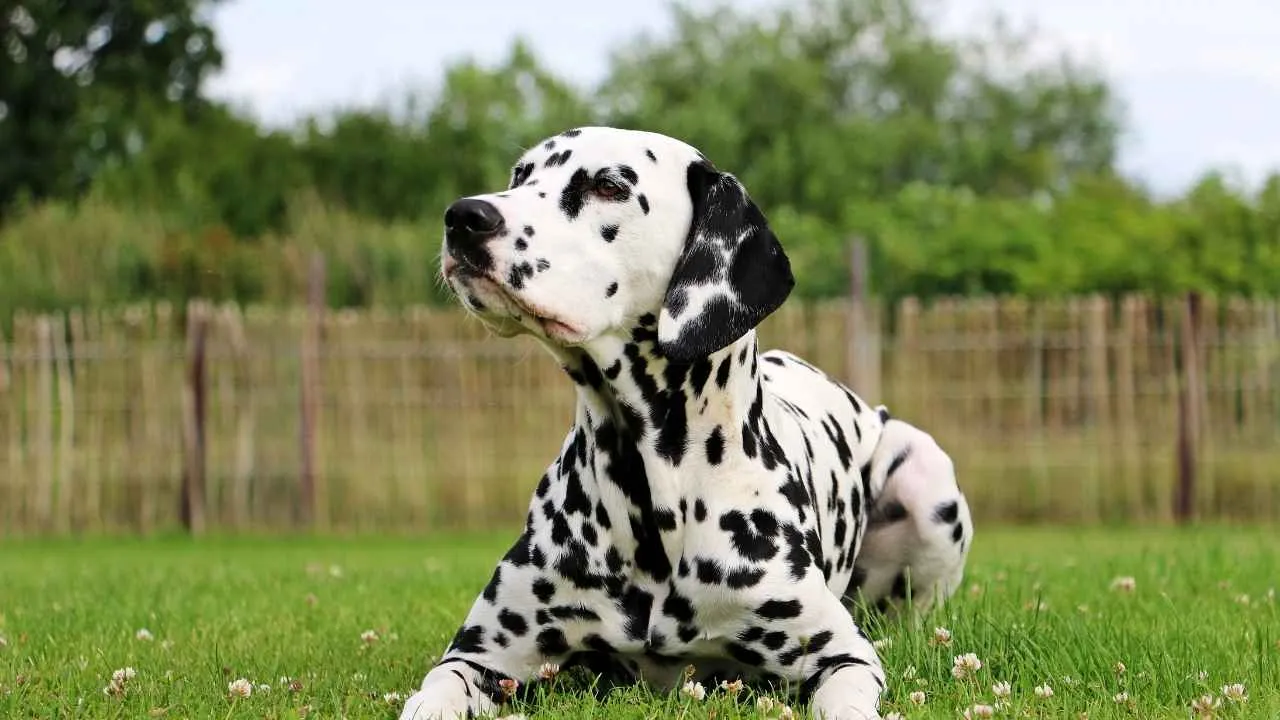
For many seniors, later life can feel heavy with loneliness, declining health, and mobility challenges. In such circumstances, managing a high-energy breed like the Dalmatian can be overwhelming.
Though famously known for trotting alongside horse-drawn carriages, fire brigades, and nobles, this iconic spotted dog is far from a low-maintenance companion.
According to PetMD, Dalmatians are muscular, athletic dogs bred for stamina and long-distance running. They excel as watchdogs, service dogs, and even in psychiatric support roles, but they require an active lifestyle to thrive.
For seniors with mobility issues, keeping up with this breed’s constant need for exercise and stimulation is simply too demanding.
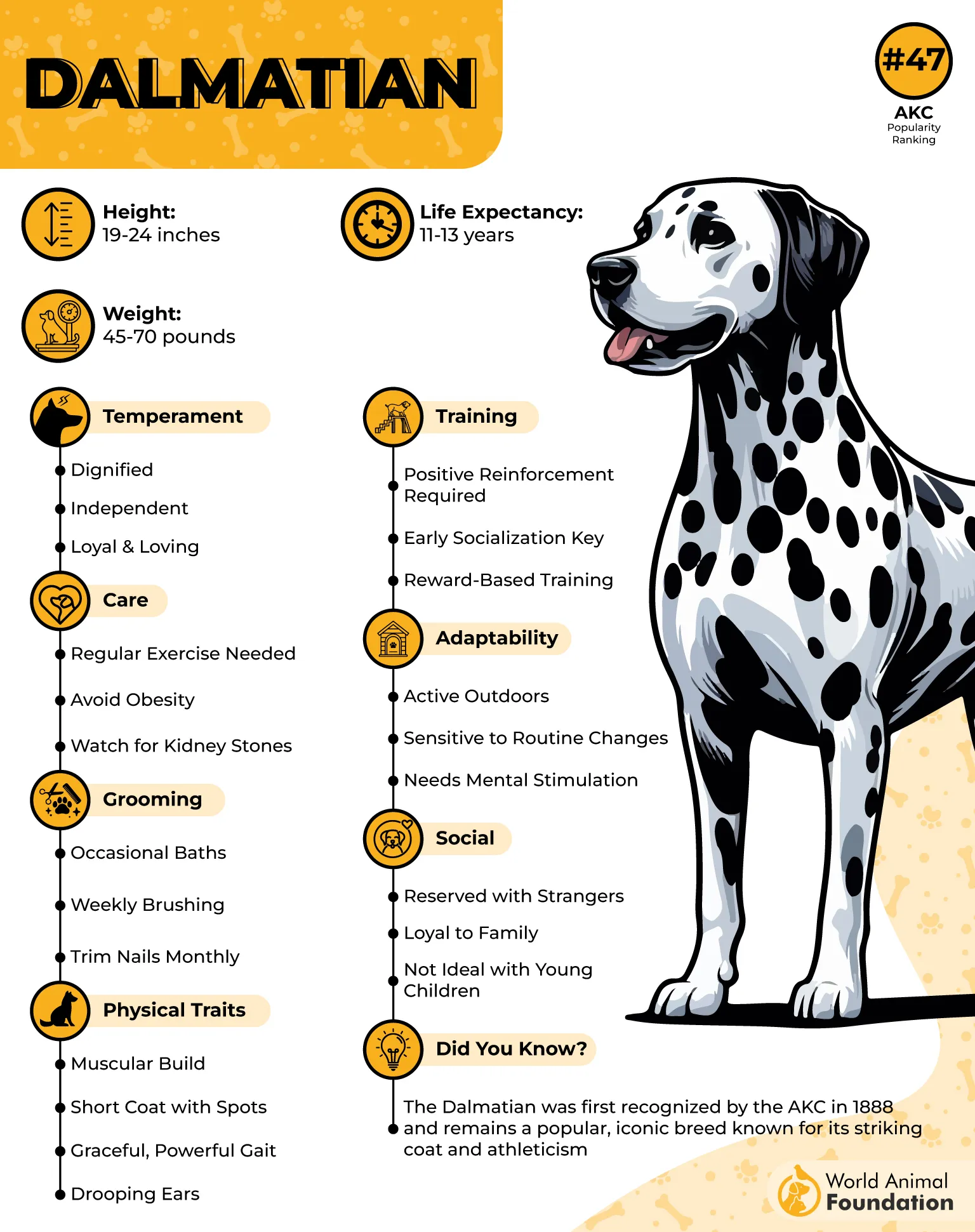
While strikingly beautiful, Dalmatians also come with health challenges. Even when sourced from reputable breeders, they are prone to congenital deafness, sometimes partial, sometimes complete.
This hearing loss can make them easily startled, which in turn may lead to defensive nipping or biting if they misinterpret a situation. Combined with their energetic and sometimes stubborn temperament, they are not the ideal choice for older adults seeking a calm, dependable, and manageable companion.
Note for seniors: Dalmatians are stunning but high-energy dogs that demand constant activity. For seniors with mobility issues, their stamina, stubborn streak, and risk of deafness make them difficult—and sometimes unsafe—companions.
3. Australian Shepherd
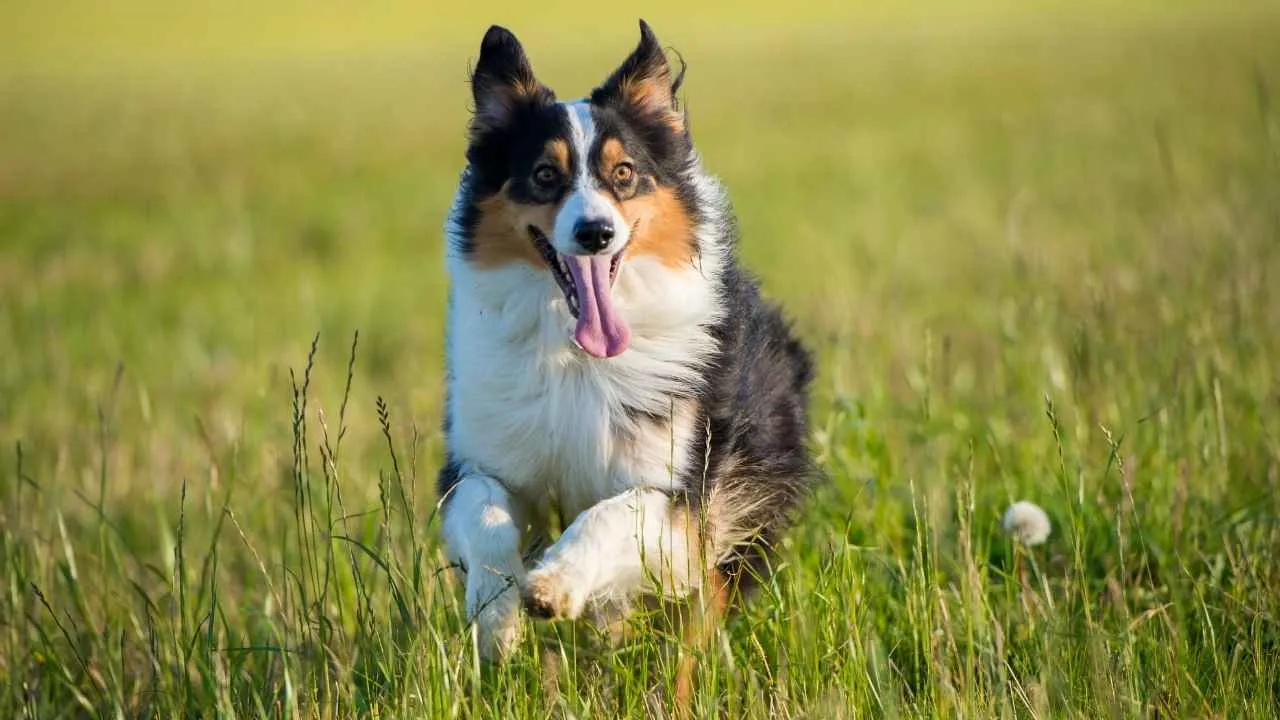
The Australian Shepherd is more than just an active dog; it’s an energy powerhouse. With boundless stamina, sharp intelligence, and a relentless need to work, this beautiful herding breed is not an ideal match for seniors coping with mobility issues such as osteoarthritis, sciatica, or osteoporosis.
While their striking coats and lively personalities can win anyone over at first sight, these dogs are like bolts of lightning. They thrive on high-intensity activities, mental challenges, and constant stimulation.
Without a daily job to do, their clever minds and prey-driven instincts can quickly turn to destructive behavior.
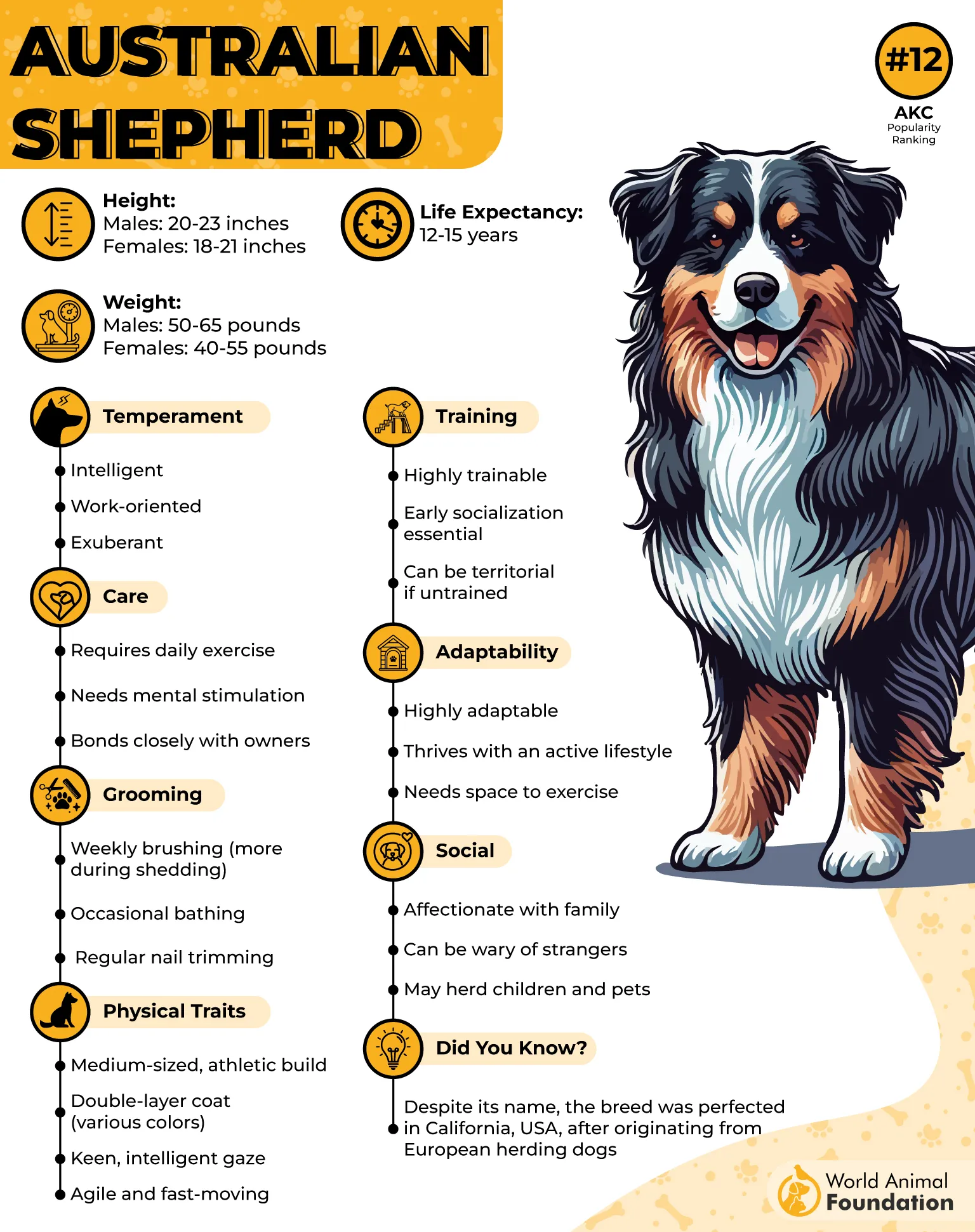
Australian Shepherds require vigorous exercise, regular grooming, and consistent training to stay happy and balanced. They’re best suited for active adults in their prime, not older folks seeking a calm, manageable companion. As stunning as they are, their high demands make them a handful for seniors hoping for a more relaxed pace of life.
Note for seniors: This brilliant herding dog is built for speed, stamina, and nonstop activity. Seniors with limited mobility will find it nearly impossible to keep up with an Australian Shepherd’s explosive energy and demanding care needs.
4. Alaskan Malamute
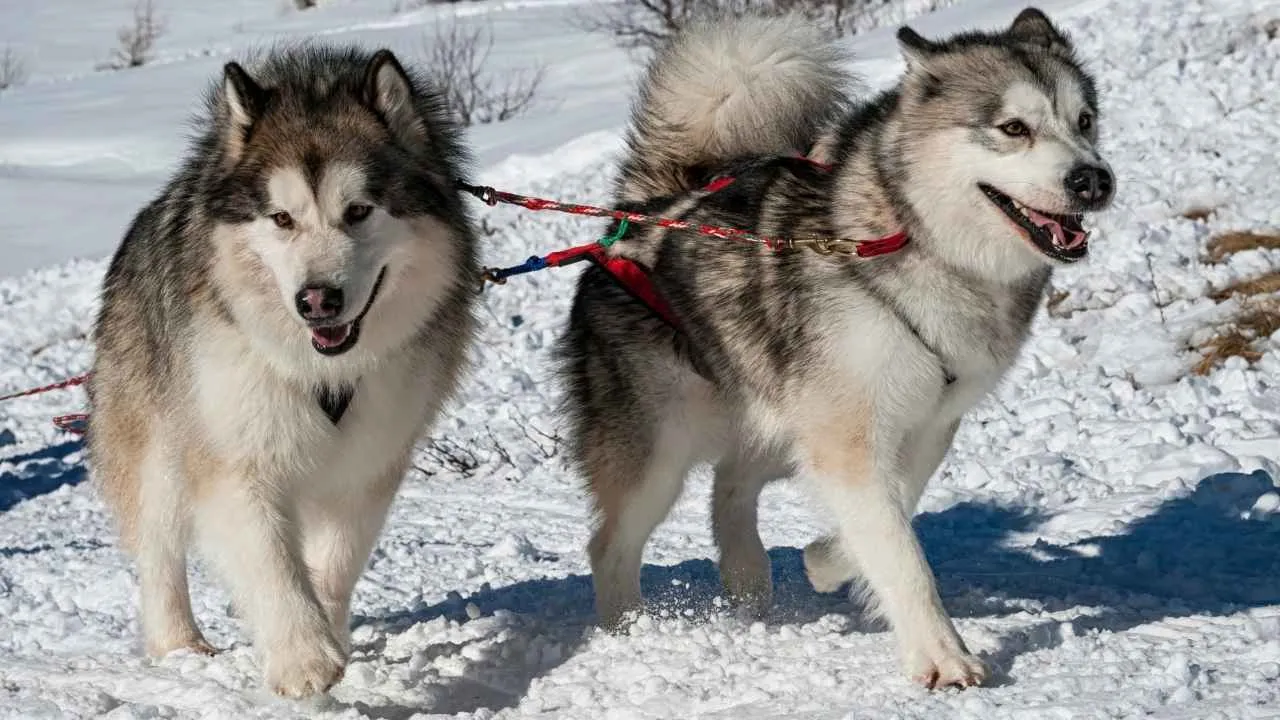
Fluffy, majestic, and closest in genetics to the wolf, the Alaskan Malamute is a breathtaking breed, but one that can quickly overwhelm even the most energetic adult, let alone a senior with mobility challenges.
These powerful sled dogs were bred to haul heavy loads across Arctic terrain, which means they have seemingly endless stamina, strength, and determination.
According to VCA Animal Hospitals, Malamutes are heavy-boned working dogs with immense physical capabilities and a spirited, not-so-calm temperament. While they’re affectionate with family, their sheer size, rough play style, and tendency to get bored easily make them a poor fit for elderly owners.
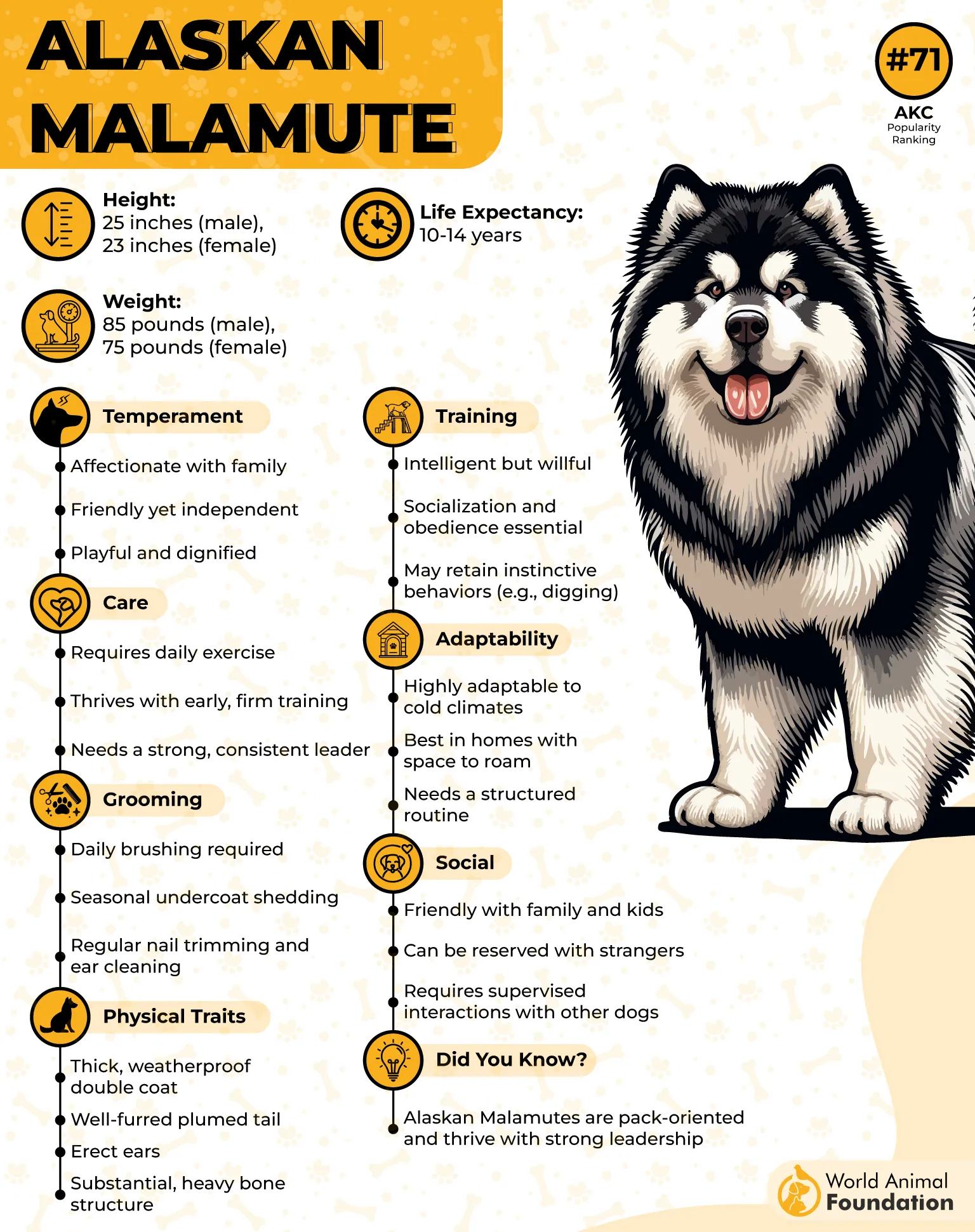
Malamutes demand vigorous daily exercise and open space; they don’t adapt well to apartments or sedentary households.
Their pack-driven mentality makes training a challenge, and if they don’t respect their handler, they can become stubborn and even domineering. Managing such a strong-willed dog is not only physically demanding but also mentally exhausting for inexperienced or less mobile owners.
Note for seniors: This stunning sled dog may look like a big, cuddly teddy bear, but don’t be fooled, their extreme energy, demanding exercise needs, and independent streak make them a serious challenge. Seniors would find handling a Malamute more of a burden than a joy.
5. Akita
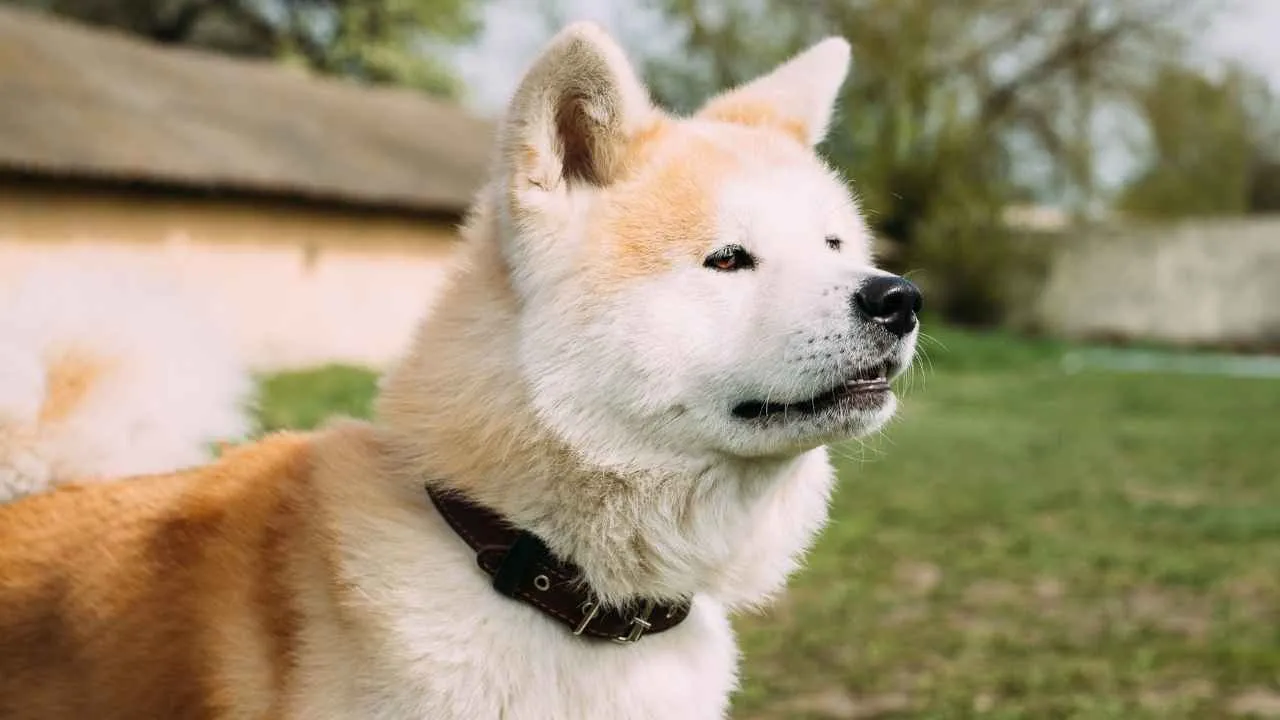
At first glance, the Akita’s noble stance and quiet, watchful nature might seem perfect for seniors seeking a loyal and dependable companion. But looks can be deceiving.
These powerful, protective dogs are far from laid-back lapdogs; they’re strong-willed guardians with energy levels and care requirements that can easily overwhelm an older owner.
Akitas are famous for their independence and physical resilience. While their loyalty and courage are remarkable, they come with demands that require stamina, consistency, and confidence to manage. Without proper guidance, their protective instincts can become difficult to control.
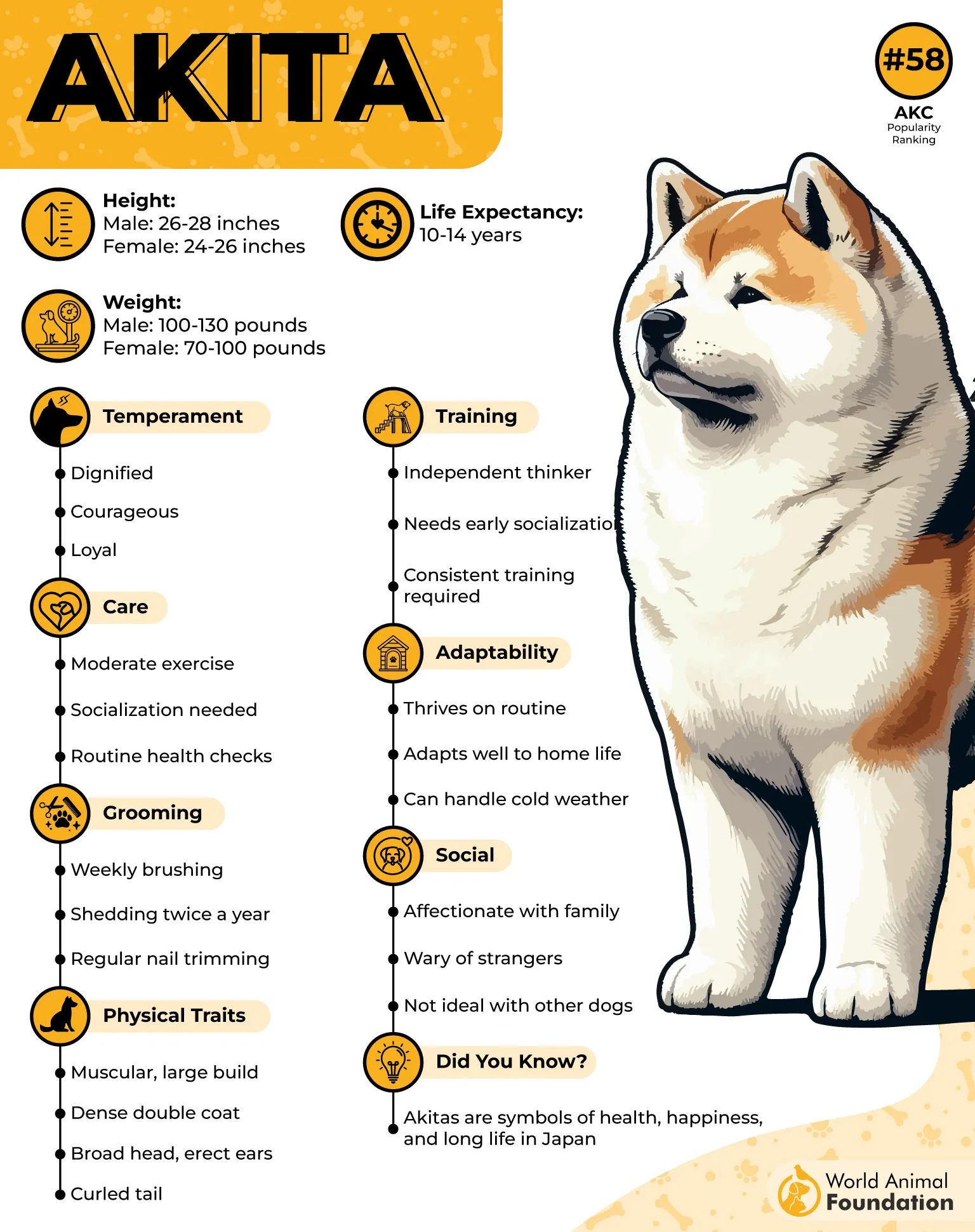
Akitas thrive on structure, early socialization, and constant physical and mental stimulation. Their thick coats also require regular professional grooming to stay healthy, which can be both time-consuming and physically taxing.
While they are deeply devoted to their families, they are not an easy breed to manage, especially for seniors with limited mobility or strength.
Note for seniors: These powerful protectors require firm leadership, heavy grooming, and demanding exercise routines. Seniors who struggle with mobility or stamina will find raising and managing an Akita to be more of a herculean challenge than a source of comfort.
6. German Shepherd
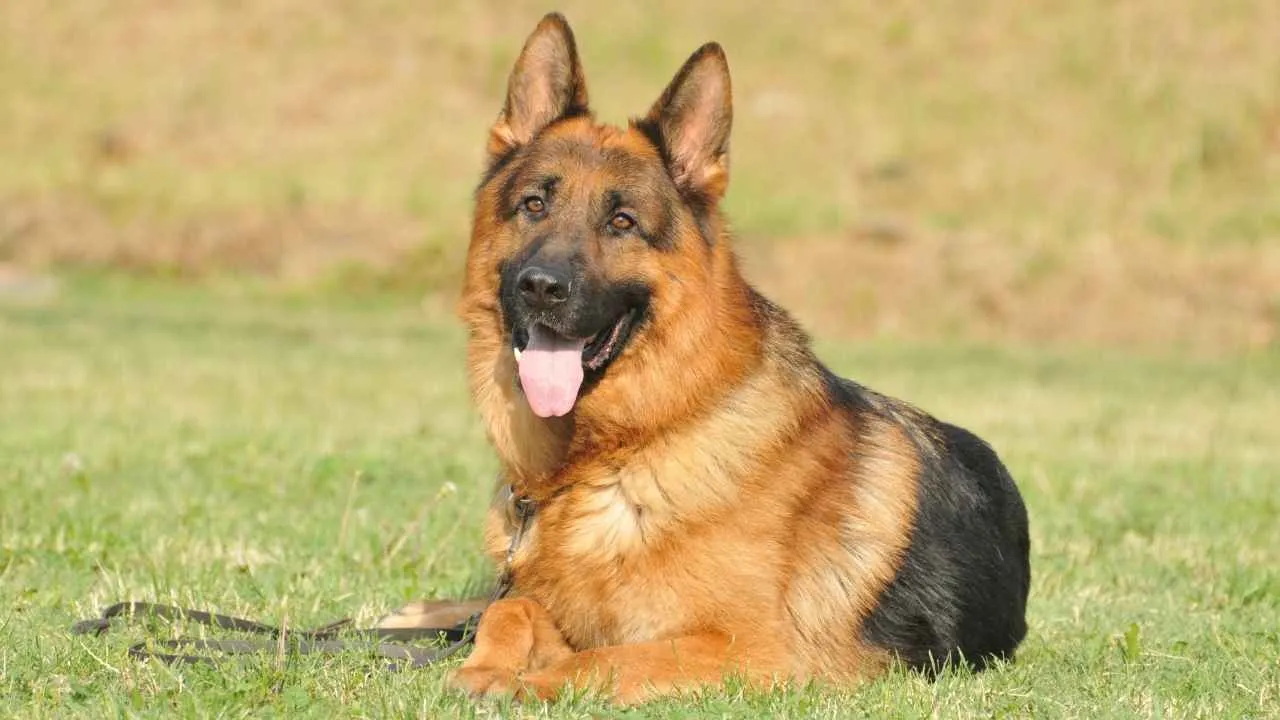
Built like a tank yet graceful in motion, the German Shepherd is one of the world’s most recognized and admired working dogs. Known for their loyalty, intelligence, and versatility, they excel as service dogs, police partners, and guardians.
But behind their noble reputation lies a long list of requirements, daily vigorous exercise, mental stimulation, and regular grooming, that make them more suited to active owners than seniors with limited mobility.

The Continental Kennel Club highlights the German Shepherd as a universal superstar, capable of speed, endurance, and remarkable feats. While that’s impressive, it’s exactly why this breed can be overwhelming for elderly owners.
Their size, boundless energy, and sharp intelligence demand a firm handler who can provide structure, training, and activity every single day. Add in a thick double coat that requires consistent grooming, and this breed quickly becomes more of a challenge than a comfort for seniors.
Note for seniors: Though fiercely loyal and dependable, German Shepherds are high-maintenance dogs with intense energy and grooming needs. Their rambunctious nature and size can unintentionally cause injuries, making them an unsuitable choice for older adults seeking an easygoing companion.
7. Siberian Husky
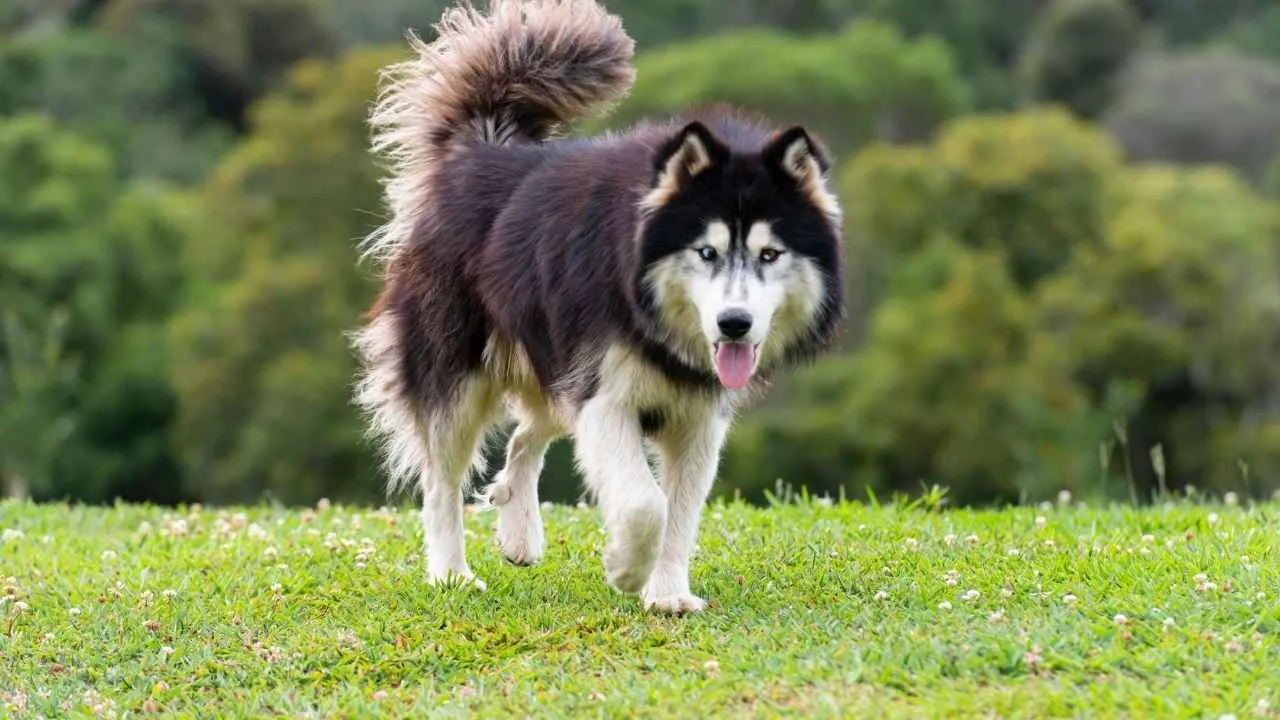
Whether young or old, the Siberian Husky is always a racer at heart. With striking eyes, a wolf-like coat in endless color variations, and an adventurous spirit, they are undeniably captivating.
But don’t be fooled by their beauty; these dogs are bundles of energy and mischief, making them one of the worst breeds for seniors.
Huskies are famously stubborn, strong-willed, and independent. They don’t enjoy being left alone, and their jealousy, high prey drive, and occasional destructive streak can make them difficult even for experienced owners.
Add in heavy grooming needs due to their thick double coats, and caring for them quickly becomes overwhelming.
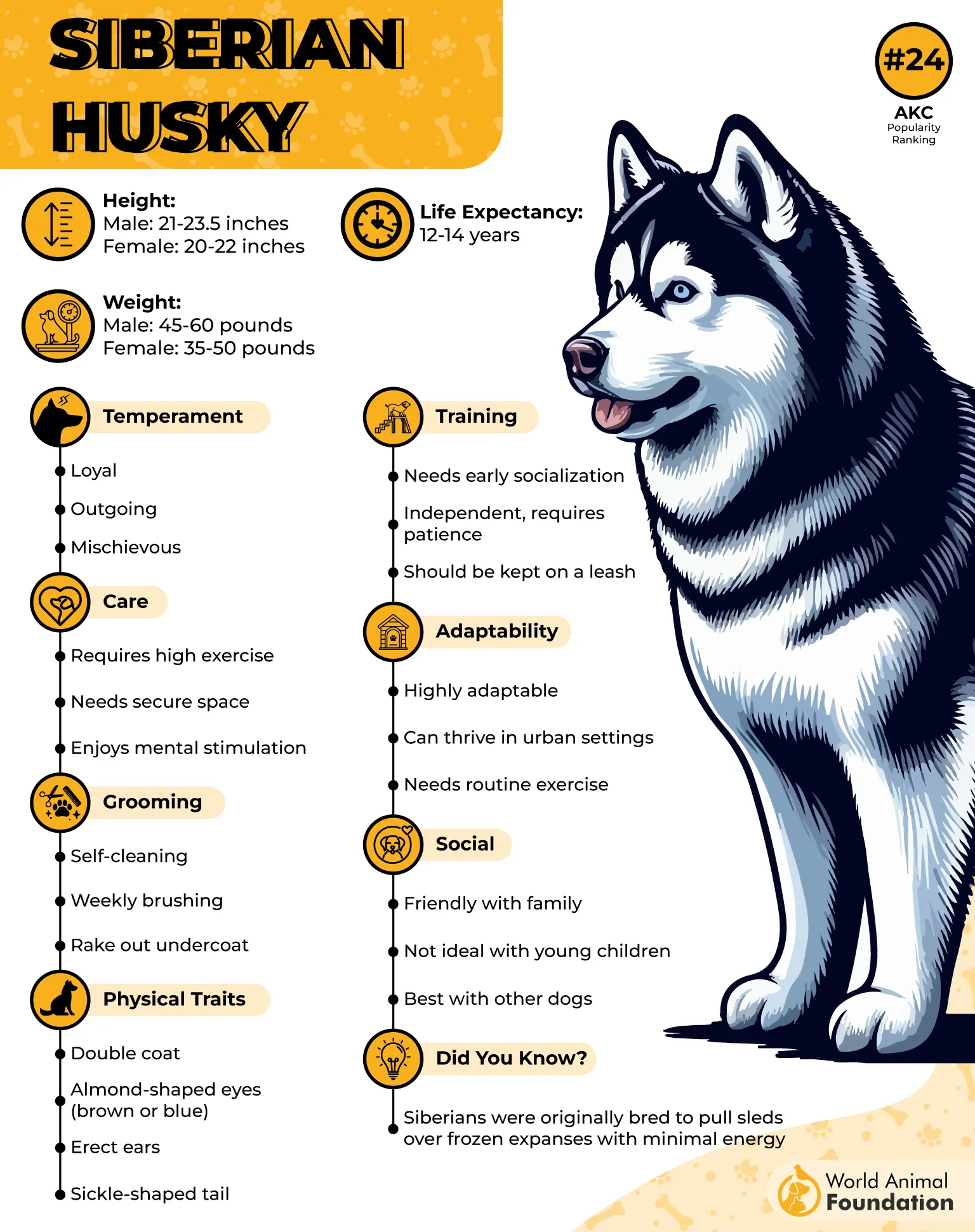
For seniors, Huskies are far from ideal. These competitive runners demand hours of exercise, consistent training, and mental stimulation every day. Without it, they can dig, chew, or howl their way into trouble.
Their high energy levels and strong personalities are tough to manage, making them a challenging breed for anyone who wants a calm, low-maintenance companion.
Note for seniors: Beautiful but demanding, Huskies require too much exercise, training, and grooming for most elderly owners. Their stubbornness and powerful energy can be exhausting, making them a poor match for seniors seeking an easygoing pet.
Conclusion
Hey! Even though we must have answered most of your questions, we might still have left some stones unturned. Hence, if you are wondering which dog breed is the easiest for seniors, then there are several great options like Cavalier King Charles spaniels, Labrador retrievers, and golden retrievers, all known for their friendly and affectionate nature.
Moreover, if you want to know which pup is the most reliable for your mobility issues, then you should consider small dogs or older dogs that are low maintenance, like the smaller breeds like the shih tzus, Havanese, Bolognese, and the cute bichon frise.
Lastly, no matter how old you get or how frail you become, dogs are incredibly supportive service animals that don’t just aid you physically and help in enhancing your health. But they are also great four-legged emotional therapists who practically give you so much much-needed mental relief and comfort.
These dog breeds for seniors are the mood boosters, healers, and comrades, making them the most ideal pets for humans of all ages. Hence, these pooches will fill your life with some zen-like calm, peace, and perfection. But the most crucial point is to choose a perfect dog pairing when choosing these pets.
