




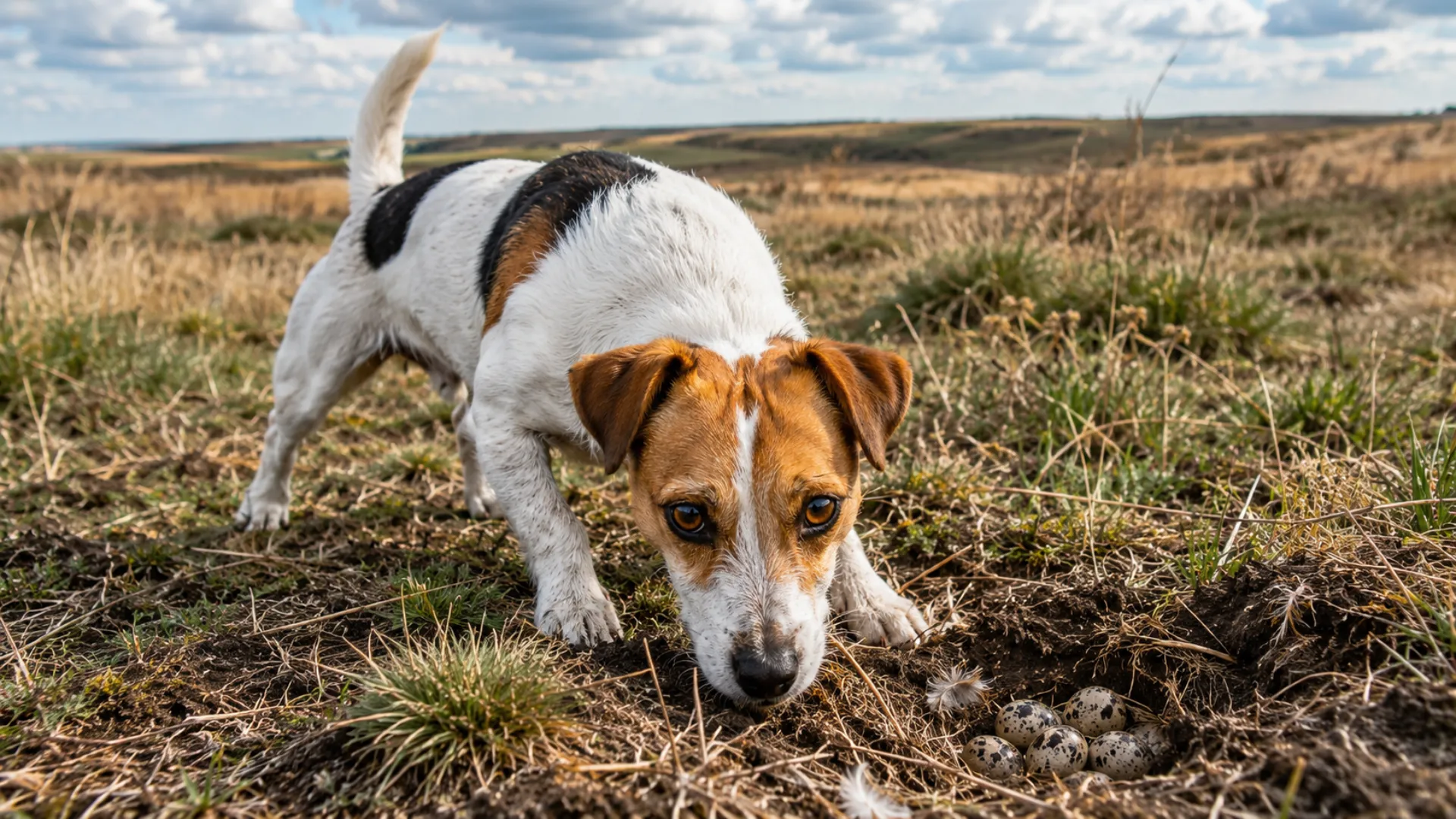
How does a dog find an animal hidden beneath grass, brush, or soil when there is barely a visible clue? For some breeds, locating concealed quarry comes naturally after generations of selective breeding for hunting and tracking work.
Terriers, Dachshunds, and scent hounds use different strengths to locate animals in burrows, dense vegetation, and hidden spaces. Their keen senses, persistence, and hunting instincts can be especially useful in thick cover and varied terrain.
While some breeds have strong retrieving instincts, the dogs featured here have specialized abilities for working close to the ground and investigating concealed quarry.
So, which breeds stand out? These seven combine strong hunting instincts, athleticism, and determination, making them interesting companions for outdoor enthusiasts.
FACT: Many hunting dog breeds were developed to search for, track, flush, or pursue quarry hidden underground or in dense cover.
Best Dog Breeds That Locate Ground-Nesting Animals
1. Russell Terrier
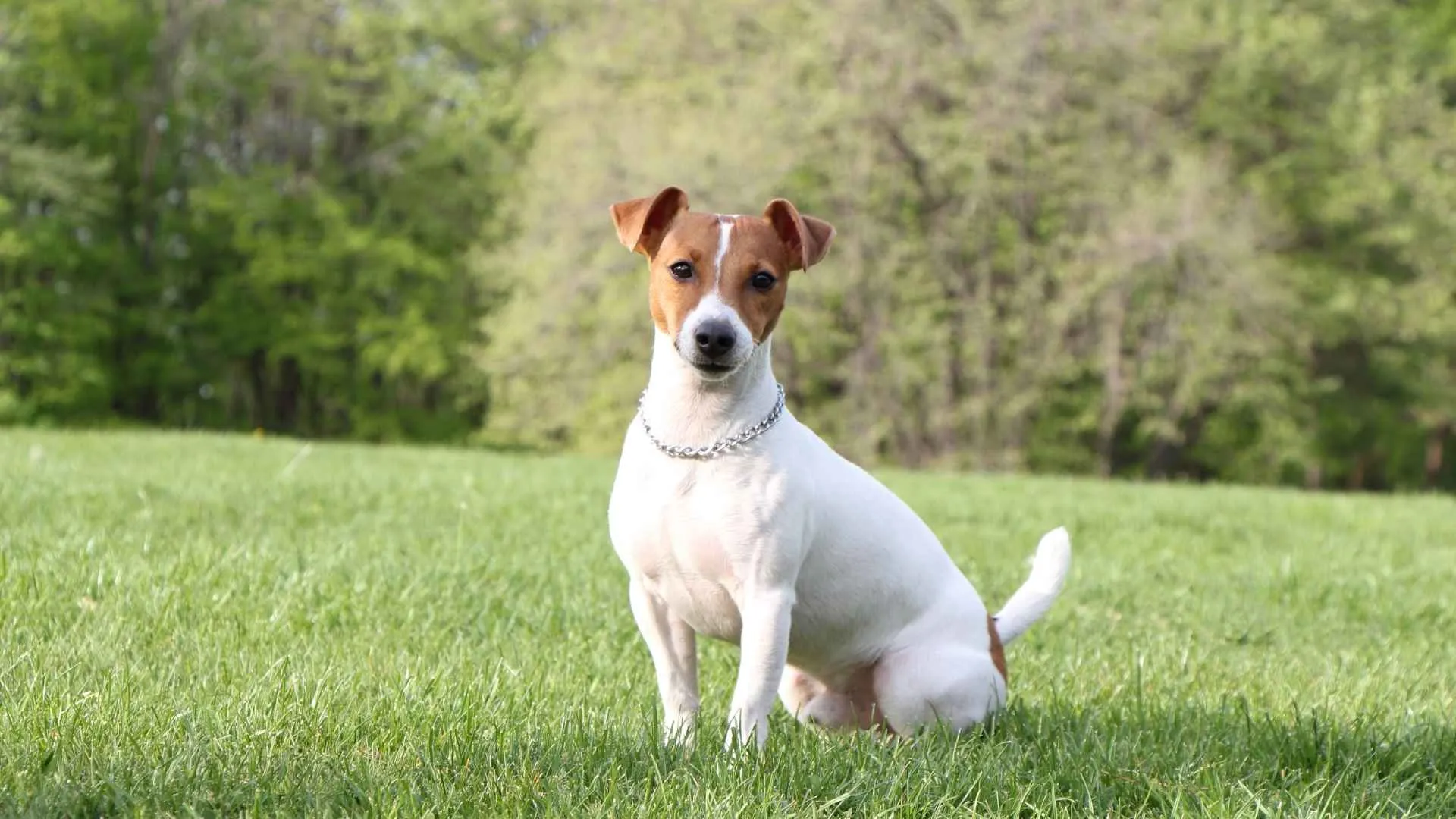
Smaller dog but remarkably driven, the Russell Terrier was developed for fox hunting, including work involving underground quarry. That heritage gives this breed an instinct for investigating spaces while staying close to the ground when searching for hidden animals.
Rather than relying on size, the Russell uses determination, a strong prey drive, and a strong desire to explore its surroundings. Its compact build allows it to move through areas that larger dogs may struggle to reach, while its energy helps it maintain a steady pace during active searching.
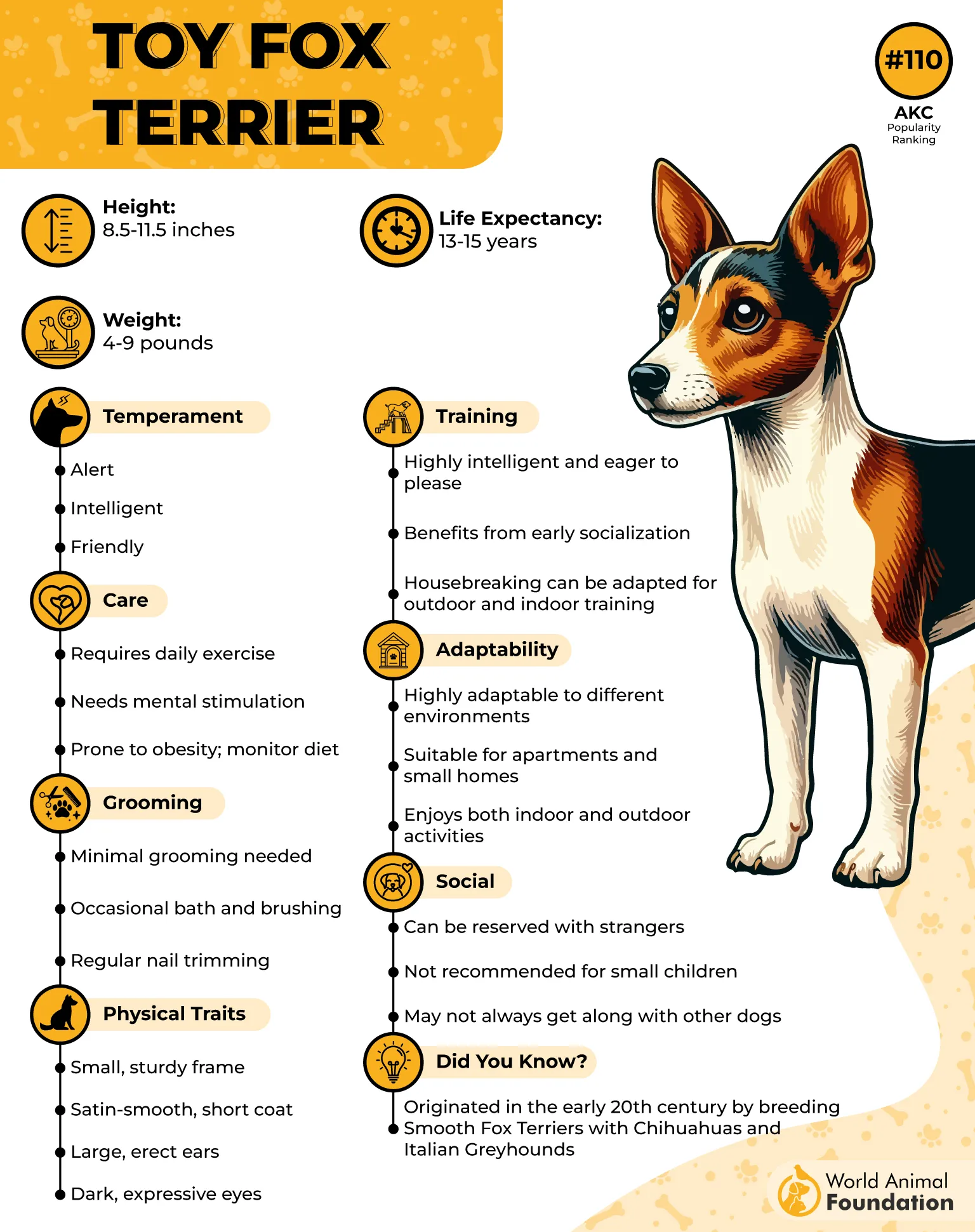
Intelligence adds to its effectiveness in the field. The breed is easily trained with proper training and consistent reinforcement, although its independent nature can sometimes make it challenging. Scent games and supervised tracking activities can provide a fun way to channel its natural abilities.
That same tenacity can appear at home, too. When bored or lacking an outlet for its energy, a Russell may dig repeatedly, reflecting the persistent behavior associated with its original hunting role.
2. Fox Terrier
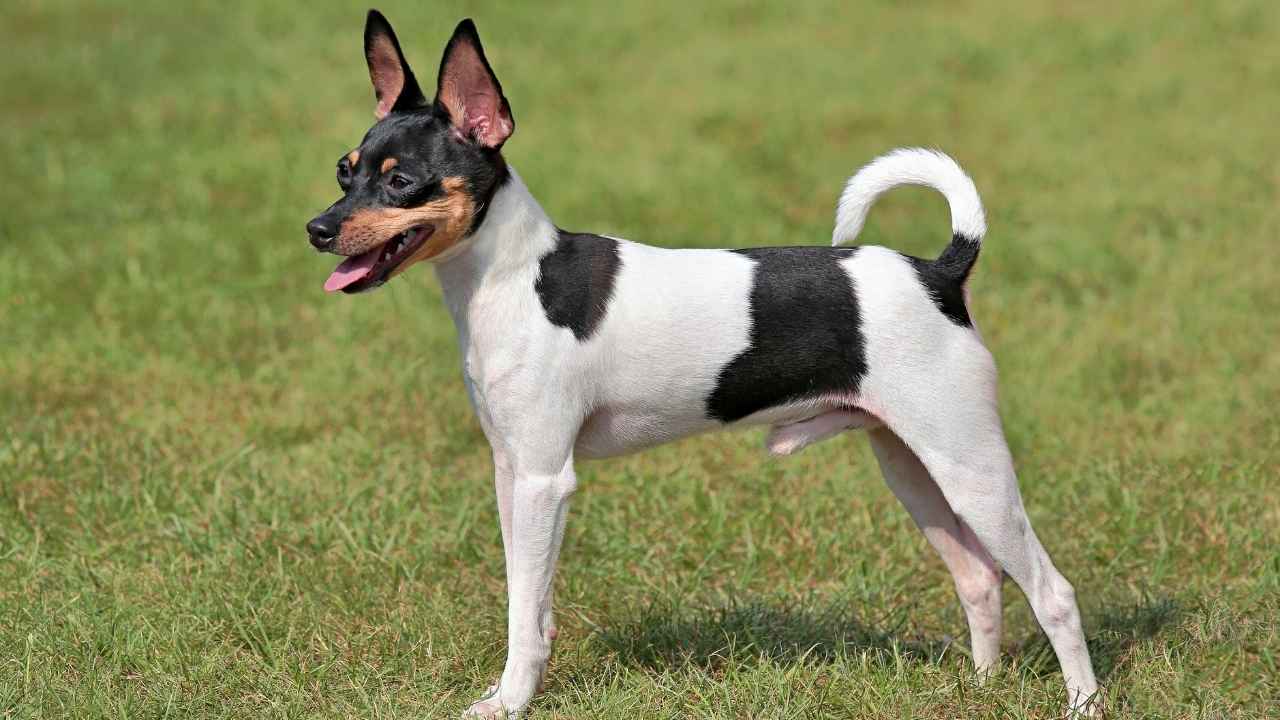
The Fox Terrier is a classic vermin-finding specialist, originally developed for Britain’s traditional fox hunts. Its compact, muscular frame allows it to move quickly and persistently when searching through challenging terrain.
According to Purina, the breed’s physical structure supports agility and endurance, qualities that were useful during demanding hunting work. Its natural prey drive can also make it eager to pursue small animals when given the opportunity.
Naturally energetic, curious, bold, and determined, the Fox Terrier has the strong hunting drive needed for active work. Its excellent nose can help it explore interesting scents, while its alert nature makes it quick to notice movement around heavy cover.
Its independent streak can make training challenging, so proper training and consistent guidance are important. Without enough activity, this high-energy terrier may channel its instincts into digging, particularly when it detects something interesting beneath the surface.
3. Norfolk Terrier
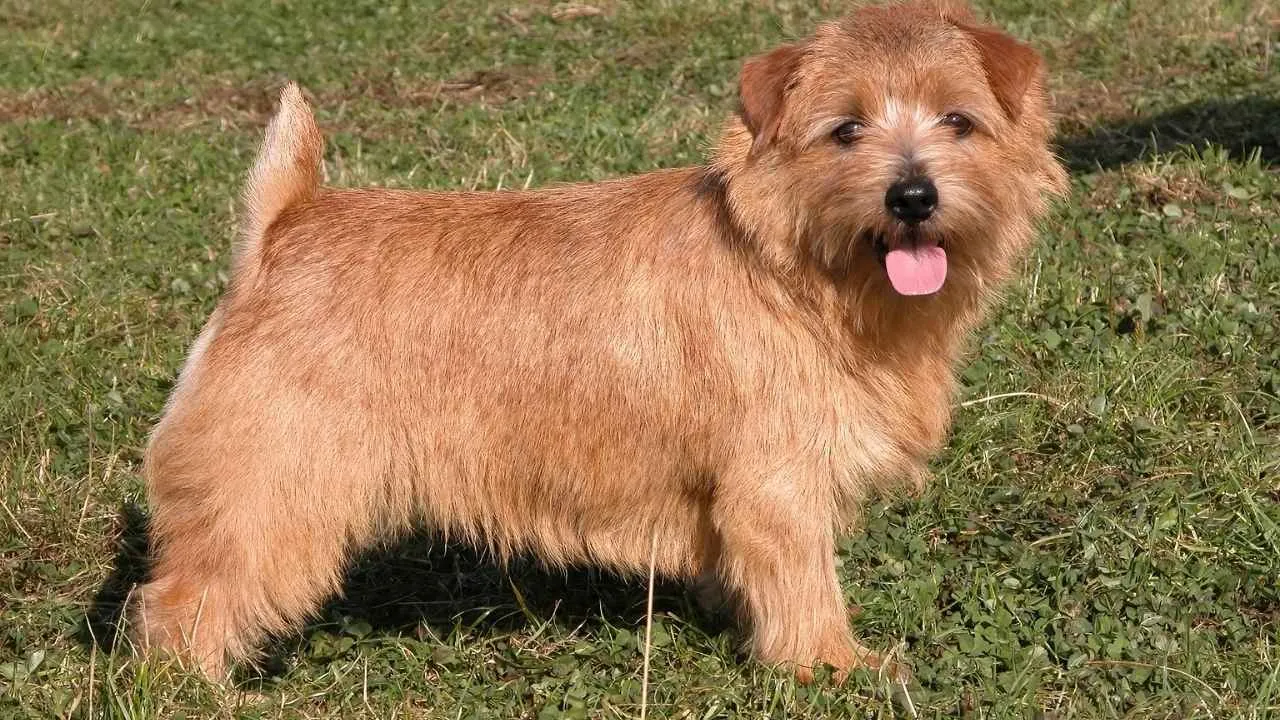
Small but determined, the Norfolk Terrier carries the classic terrier instinct to investigate burrows and other confined spaces. Its independent nature and persistent attitude make it eager to follow a scent or scrutinize something hiding underground.
Digging is more than a pastime for this breed; it reflects its earthdog heritage. Norfolk Terriers were developed for work involving rats and other vermin, giving them the courage and determination to investigate confined spaces despite their small size.
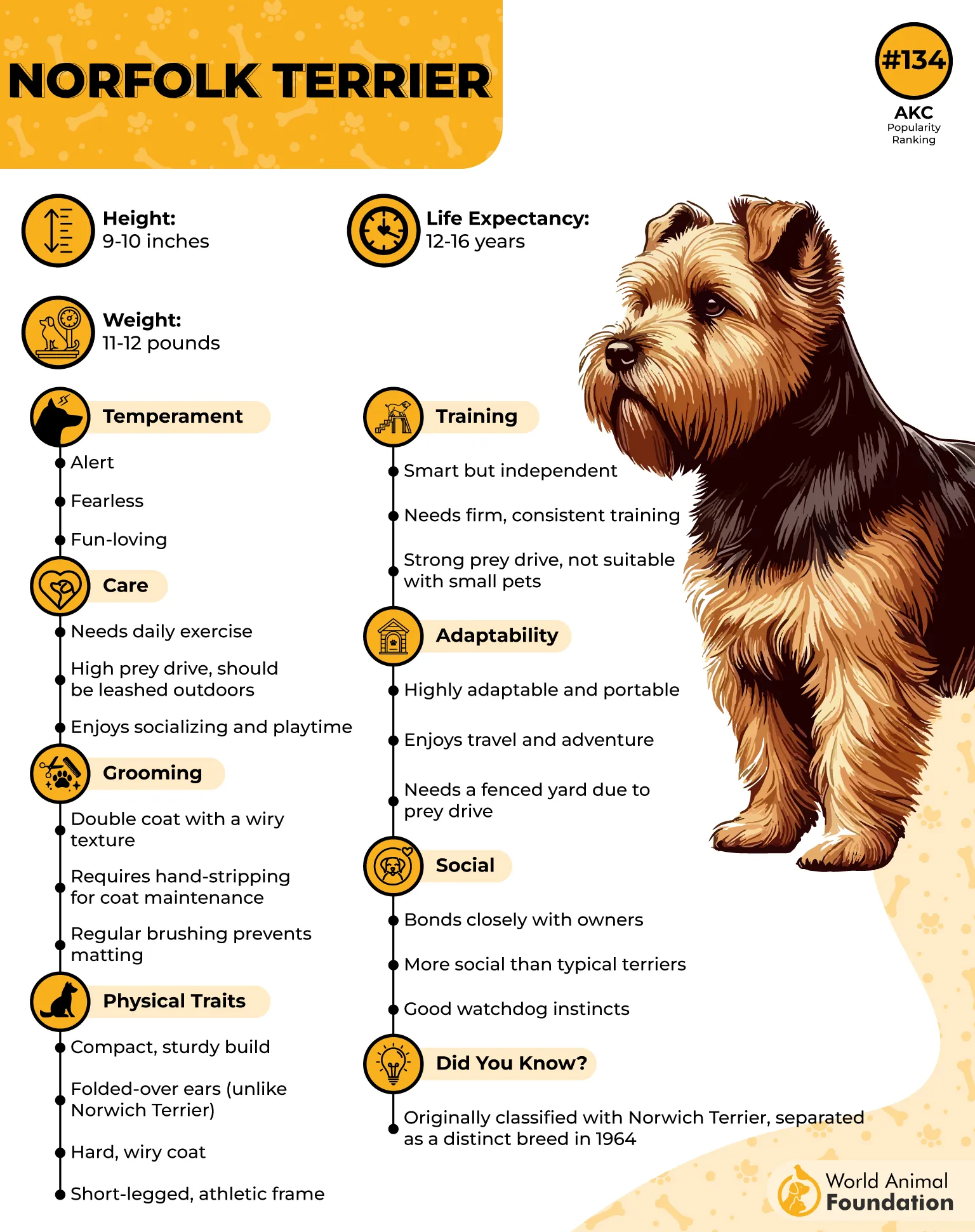
Their lively personality keeps them moving between running, jumping, playing, and exploring. They can also be surprisingly tough during active work, while their loyalty keeps them closely connected to their families.
Training may require patience because their attention can quickly shift toward birds, rodents, or other dogs. Treats and praise can encourage cooperation, while Earthdog activities provide an outlet for their instinctive drive to locate quarry underground.
4. Beagle
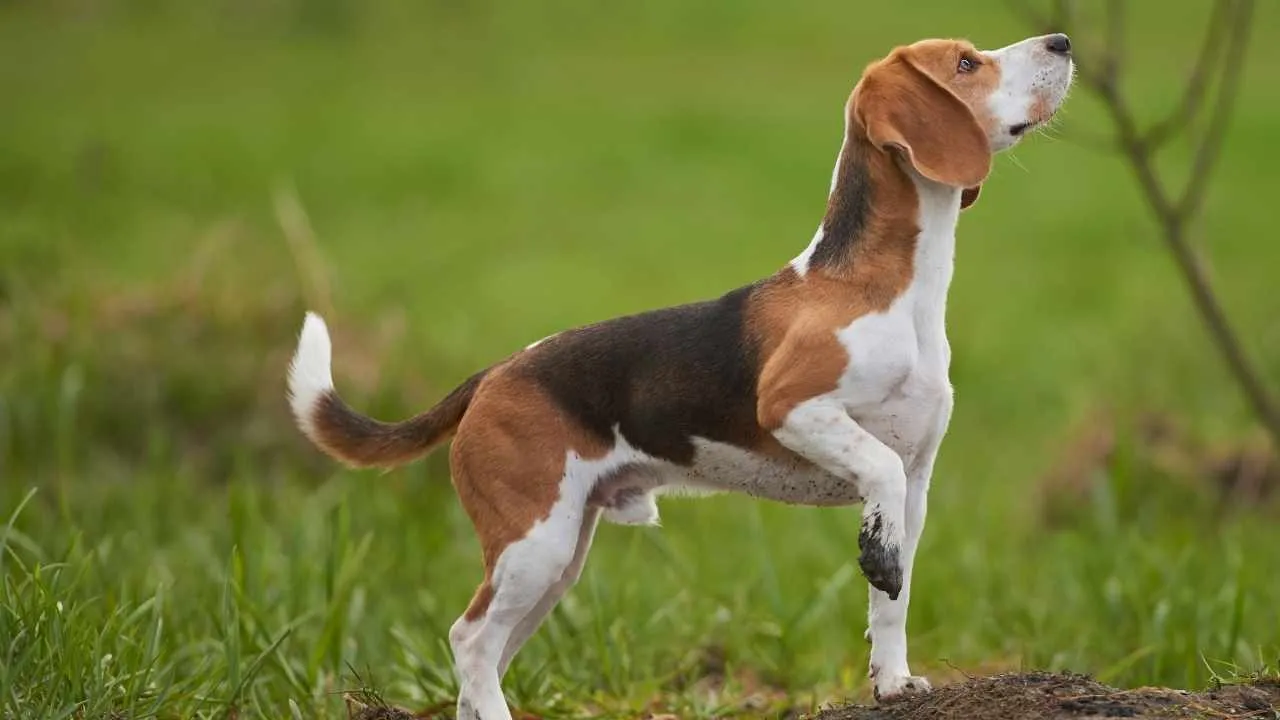
The Beagle is a classic small-game hunter whose strongest asset is its remarkable sense of smell. When locating hidden animals, it can rely heavily on scent rather than waiting for obvious visual clues.
Its compact build helps it navigate through brush, tight spaces, and uneven terrain while staying focused on a trail. This makes the breed particularly suited to following scent trails left by rabbits, hares, and other small quarry that may remain hidden from view.
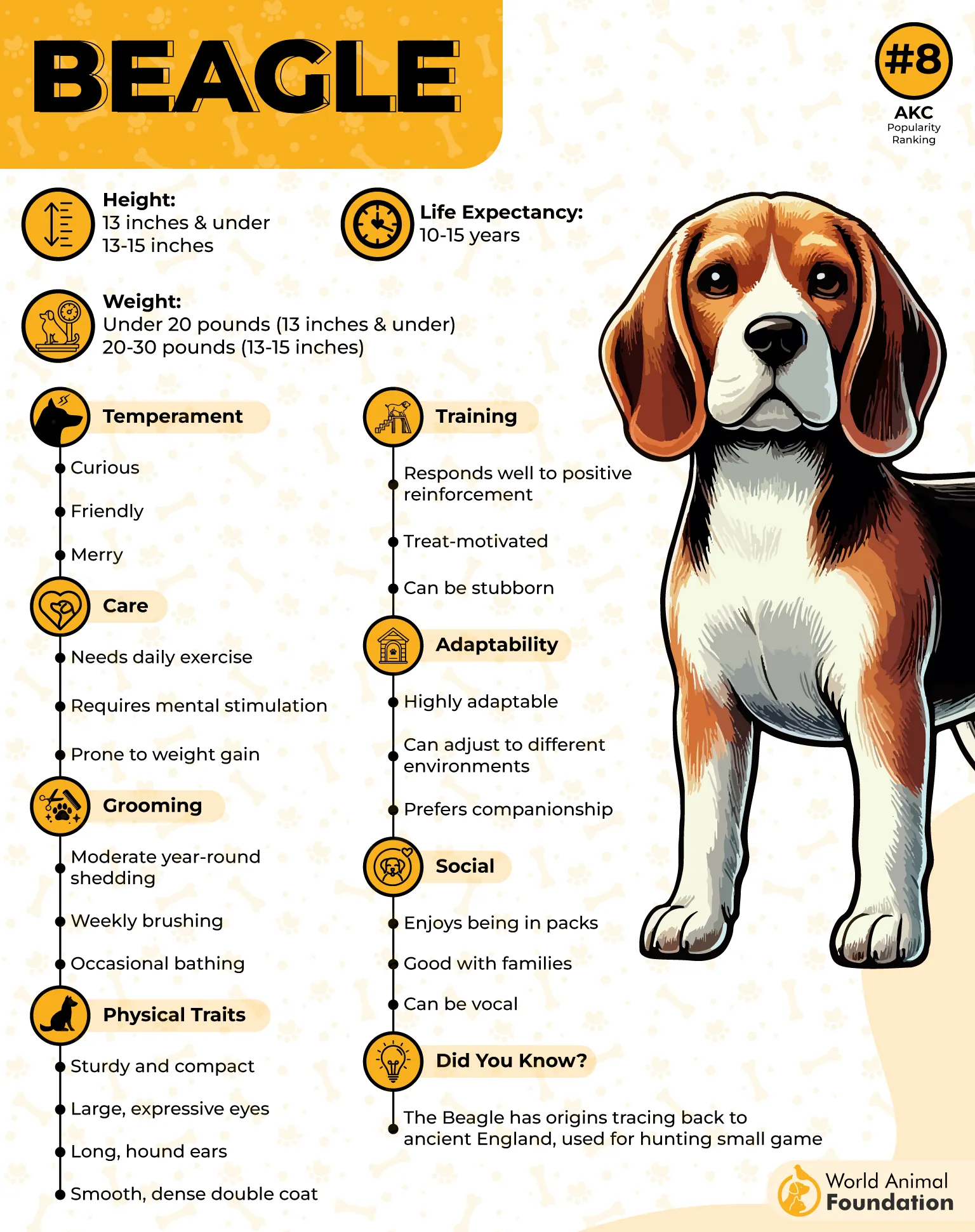
Beagles are naturally driven to investigate scents, sometimes digging when they suspect something is beneath the surface. Their determination can keep them searching even when the animal itself is lost from sight.
Because their noses can lead them almost anywhere, proper training is important. Scent-based games and supervised tracking activities can give this energetic hound an outlet while strengthening its natural instinct for finding animals.
5. Dachshund
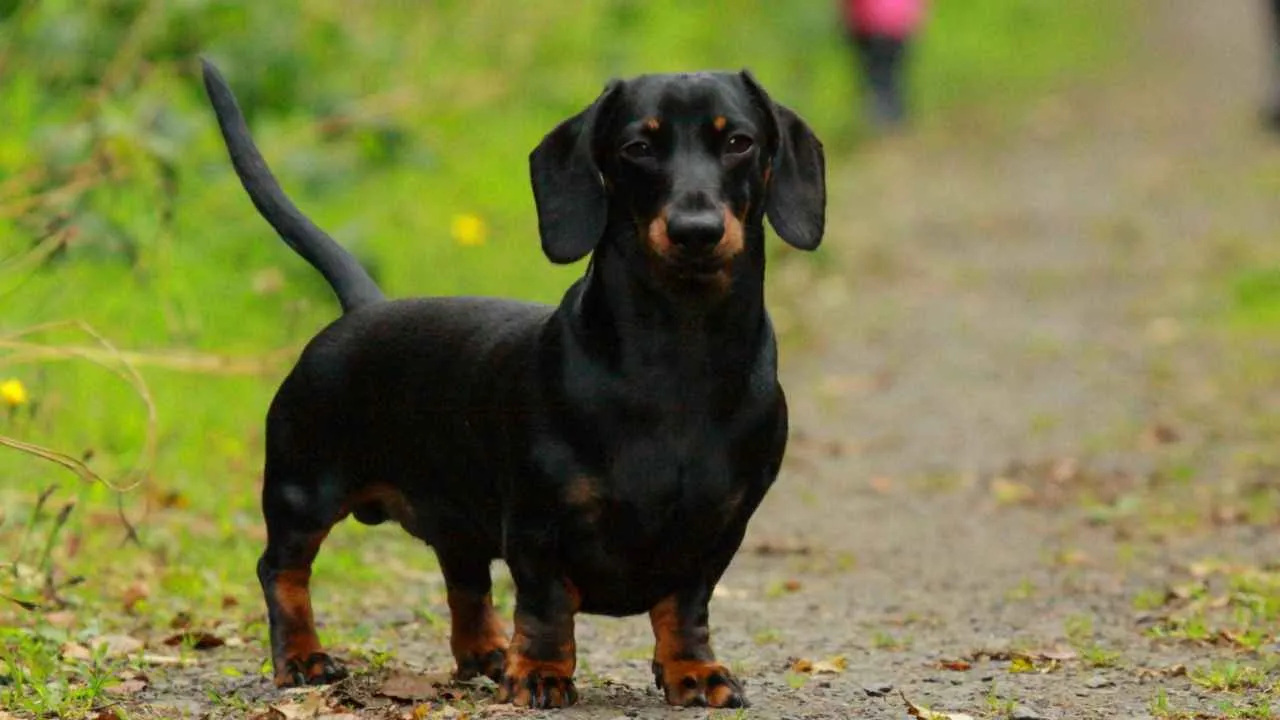
Built close to the ground, the Dachshund was developed to pursue small animals into tight hiding places. Its long body and short legs allow it to explore burrows and narrow spaces that taller dogs may struggle to reach.
According to the AKC, digging is second nature to this breed, thanks to its history of working underground after badgers and other small quarry. That instinct can make a Dachshund especially persistent when it detects something moving beneath soil or vegetation.
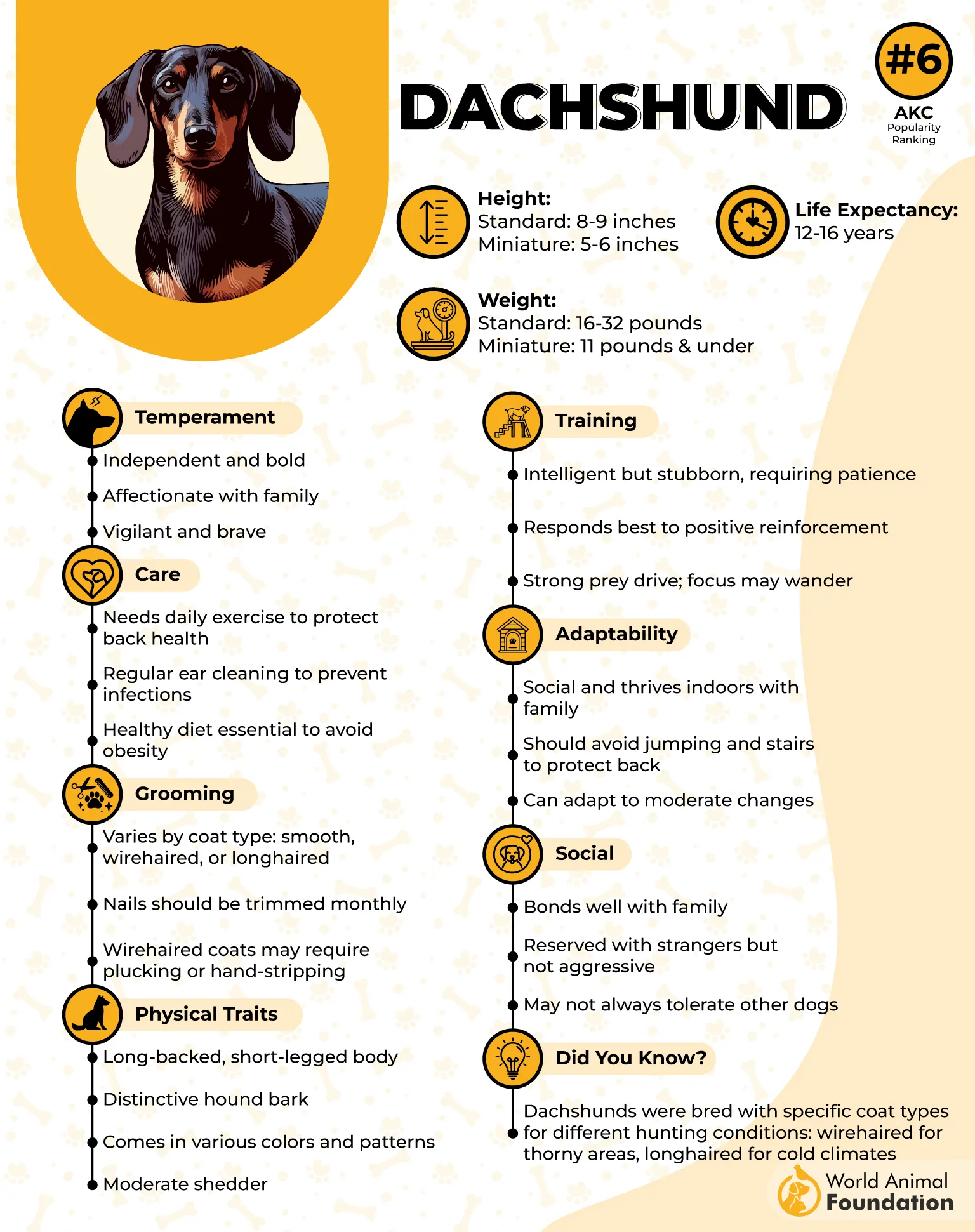
Despite its small stature, this breed is remarkably fearless. Its quick reactions and strong prey drive can make it highly alert to unusual movement around gardens, wooded areas, and other places where animals may conceal themselves.
A Dachshund’s determination can sometimes turn into stubbornness, particularly when it becomes focused on a scent or suspected hiding place. Its excellent nose, curious nature, and willingness to investigate make it well-suited to searching spaces where other animals cannot easily follow.
6. Cairn Terrier
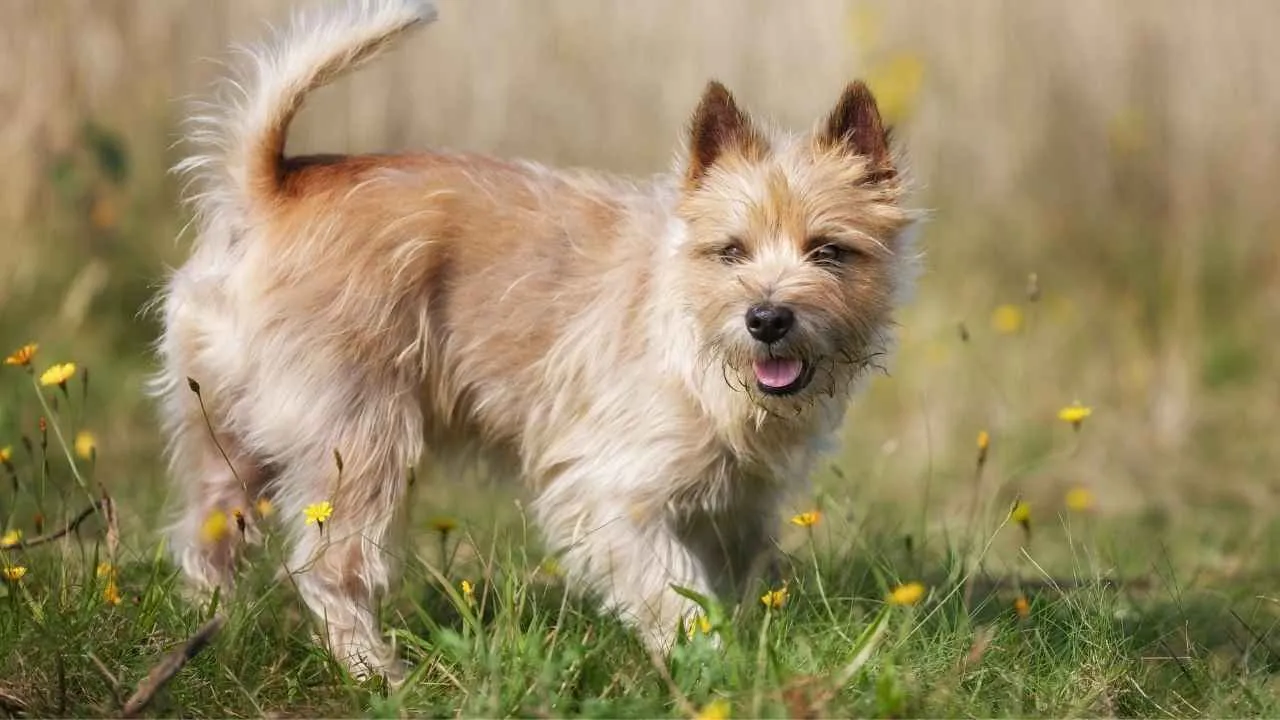
The Cairn Terrier is a rugged little explorer built for investigating dense cover and challenging ground. Its weather-resistant coat helps it push through rough vegetation, while its compact size allows it to maneuver into places larger dogs may struggle to reach.
Originally bred as a working terrier in Scotland, this breed developed a strong prey drive and an instinct to explore animals hiding within or beneath the ground. Its history as an earthdog makes it particularly well-suited to activities involving burrows and concealed quarry.
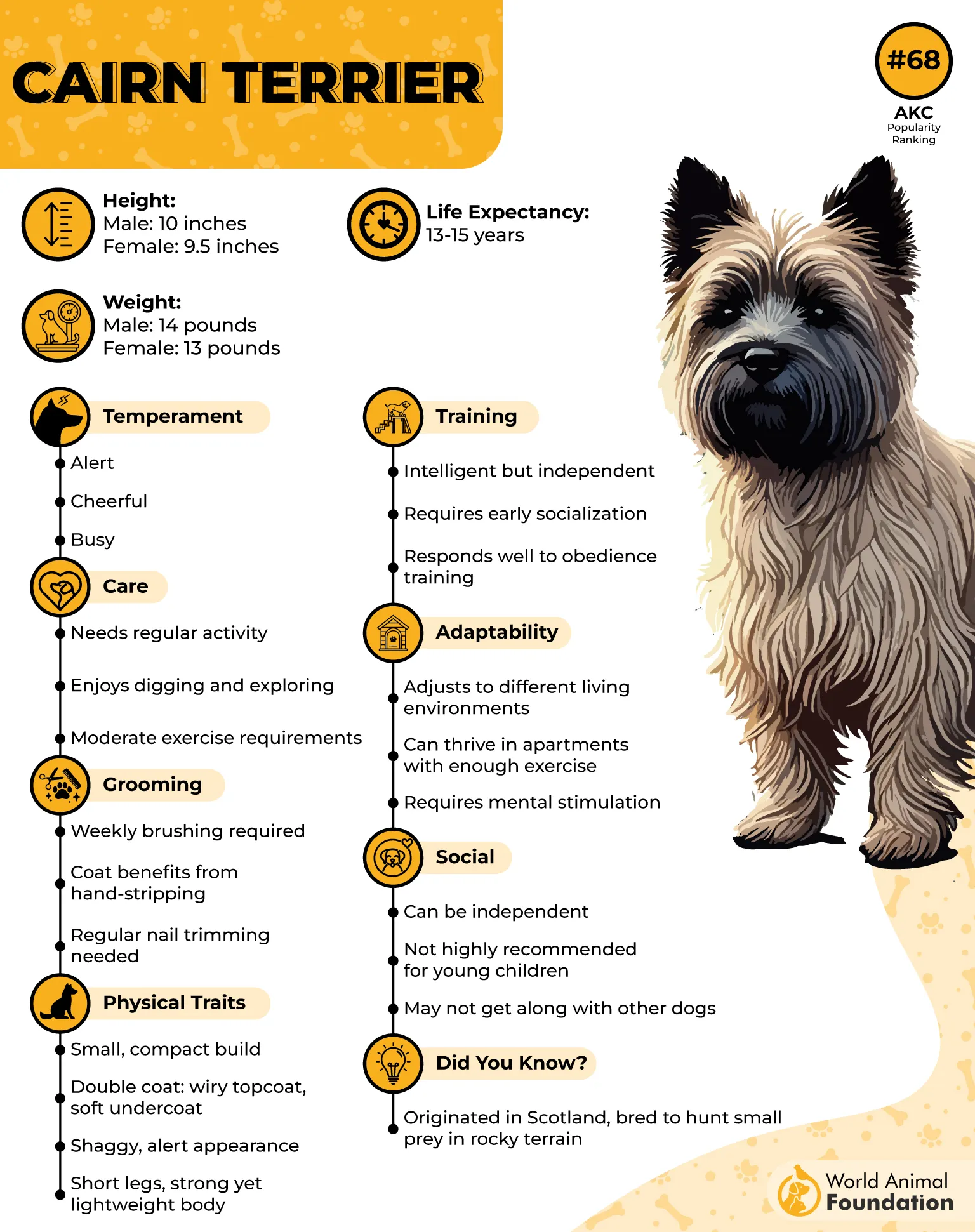
According to PetMD, Cairns are fearless, lively, and notably independent, traits that can help when searching beyond open spaces. Their natural tendency to dig is another reflection of their hunting heritage, especially when they detect something interesting underground.
Early socialization is important because their stubborn streak and enthusiasm can make them persistent explorers. Keeping them engaged with tracking and scent-based games can channel their instincts productively while giving them a fun mental challenge.
7. Rat Terrier
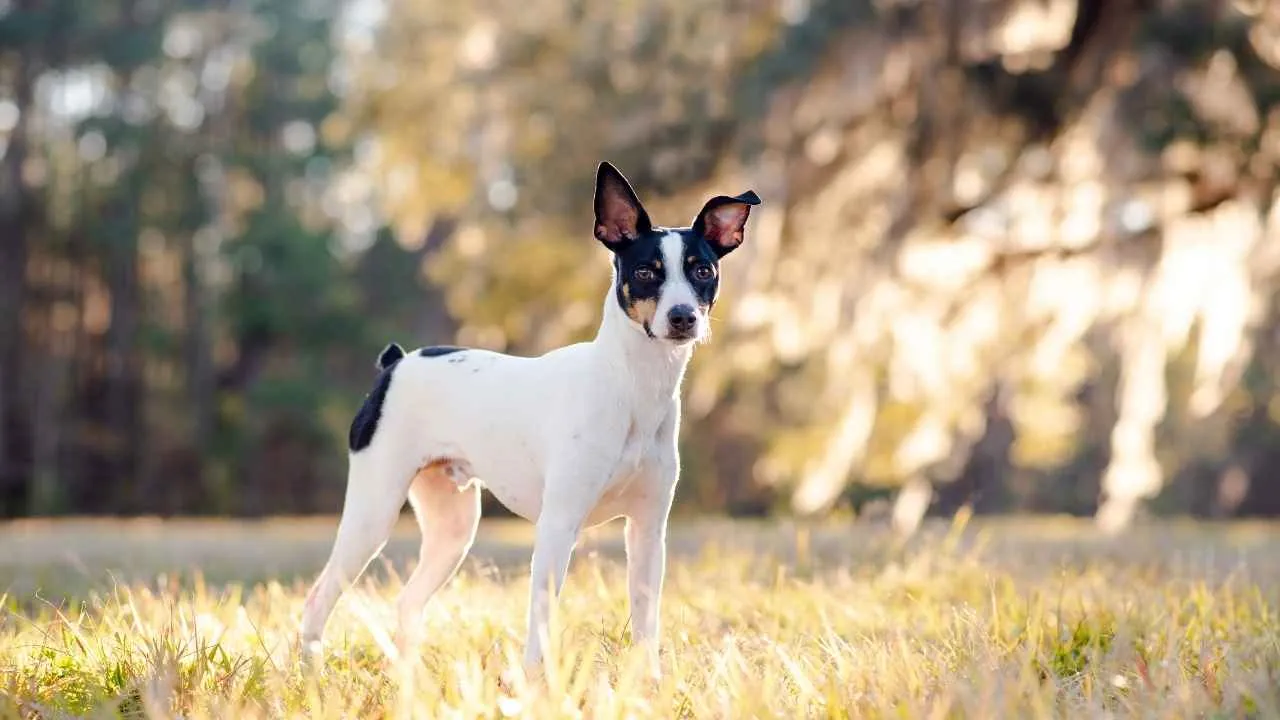
Rat Terriers were developed as farm dogs to control rats and other small pests, making them naturally suited to locating animals that hide below ground or within dense vegetation. Their instinct to chase quick-moving prey gives them a strong drive for this kind of work.
Quick reactions are one of this breed’s biggest advantages. Their background as versatile dogs helped them perform multiple jobs around farms, from controlling rodents to accompanying families as active companions.
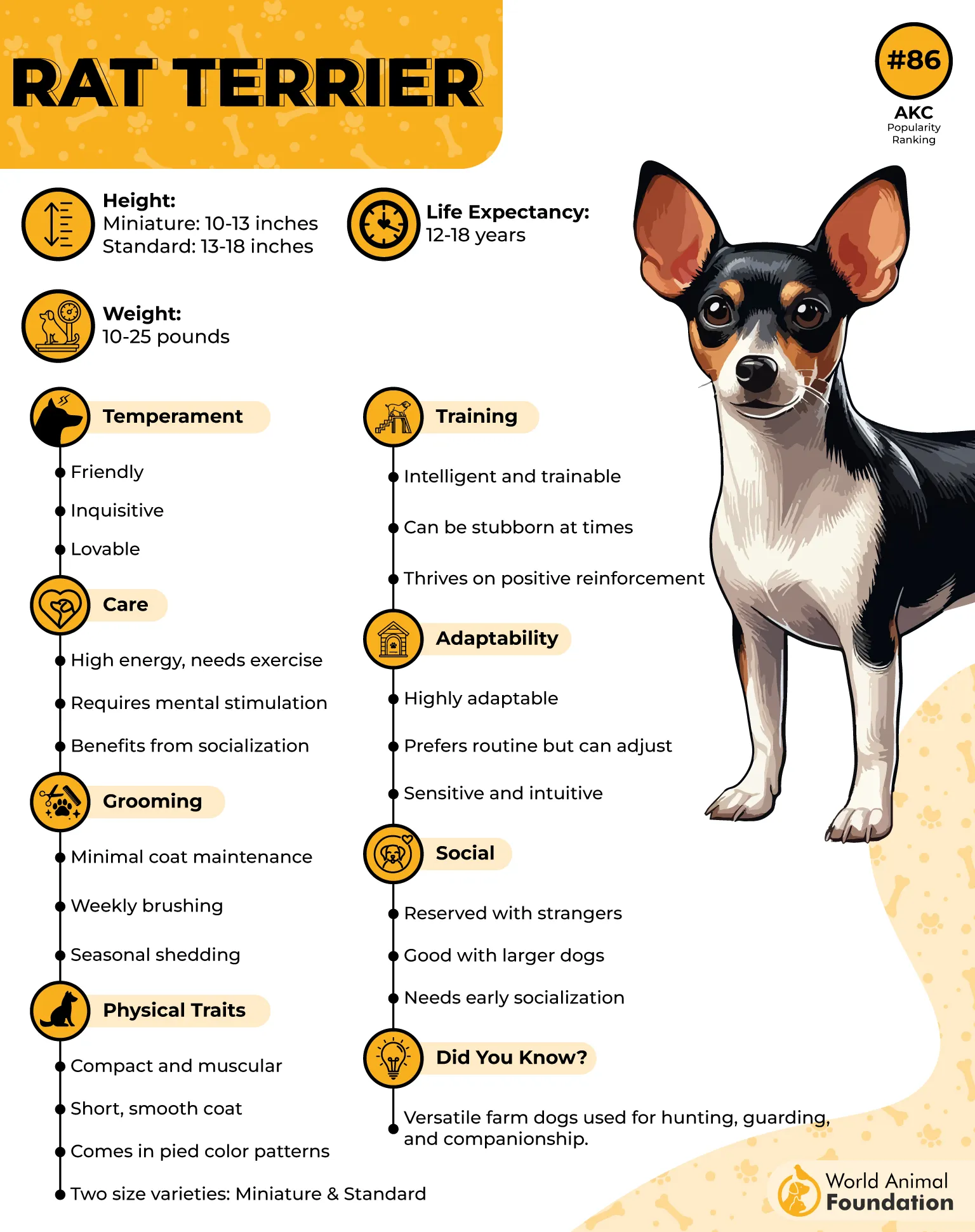
These terriers are capable diggers and naturally enjoy investigating burrows and hidden spaces. This breed is energetic, intelligent, and highly sociable. This allows them to move efficiently while searching, while their determination keeps them focused when they pick up an interesting scent or movement.
Training can bring out their searching abilities, although their independent streak may sometimes make them stubborn. Rat Terriers respond well to early, consistent reinforcement and enjoy learning tasks that keep their minds and bodies occupied.
Conclusion
Dogs with strong hunting instincts, keen noses, and determination can be valuable companions for locating animals that remain close to the ground, inside burrows, or hidden beneath dense vegetation. Their natural abilities allow them to investigate places where visual searching alone may not be enough.
Each breed brings a different strength to the task. Terriers and Dachshunds are particularly associated with underground hunting, while the Beagle relies heavily on its exceptional scenting ability. Although these breeds were developed for work, some can also become good family dogs when their exercise and mental stimulation needs are met.
With proper training and responsible handling, their instincts can be directed toward scent games, tracking, and Earthdog-style activities rather than uncontrolled chasing. Some can even be good house dogs when their energy and natural hunting behaviors receive appropriate outlets.
For outdoor enthusiasts, these versatile dogs can offer an engaging combination of athletic ability, curiosity, and working instinct. Choosing a breed whose temperament and natural skills match your environment can make exploring and scent-based activities even more rewarding.
