




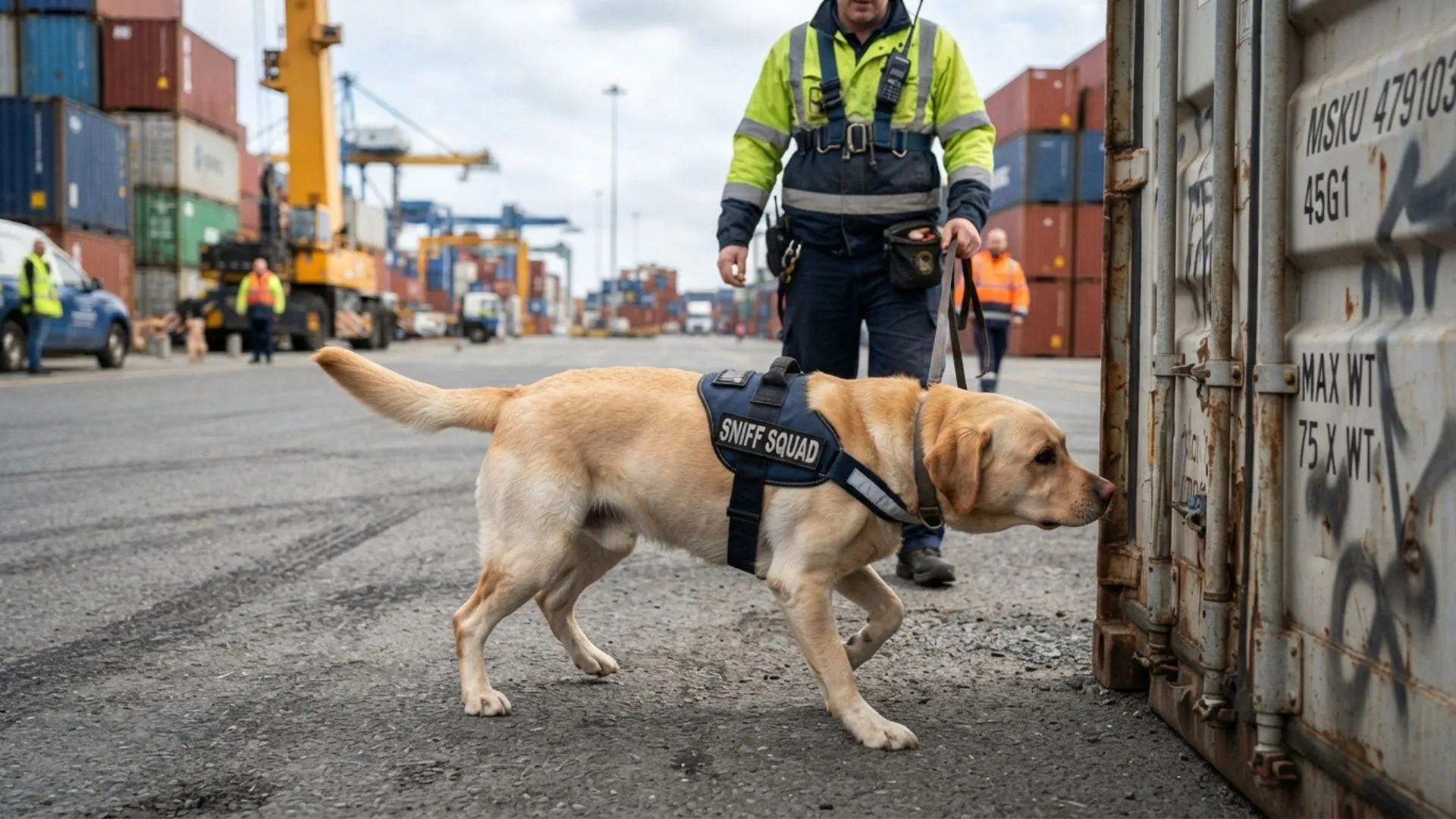
Ever wondered how a dog can find a missing person, sniff out hidden contraband, or follow a scent trail that’s days old? While we humans navigate life mostly through sight, dogs experience the world through their noses first.
Some breeds have such extraordinary scenting abilities that they’ve become essential in hunting, law enforcement, search and rescue, wildlife conservation, and even medical detection. Their powerful noses hold millions of scent receptors, letting them separate and identify individual smells with incredible precision.
It’s this rare combination of instinct, endurance, and laser-sharp focus that makes them true scent specialists. In this post, we’ll dig into the remarkable breeds whose exceptional noses have earned them global recognition as the ultimate canine scent experts.
Dog Breeds That Dominate the World of Sniffing
1. Bloodhound
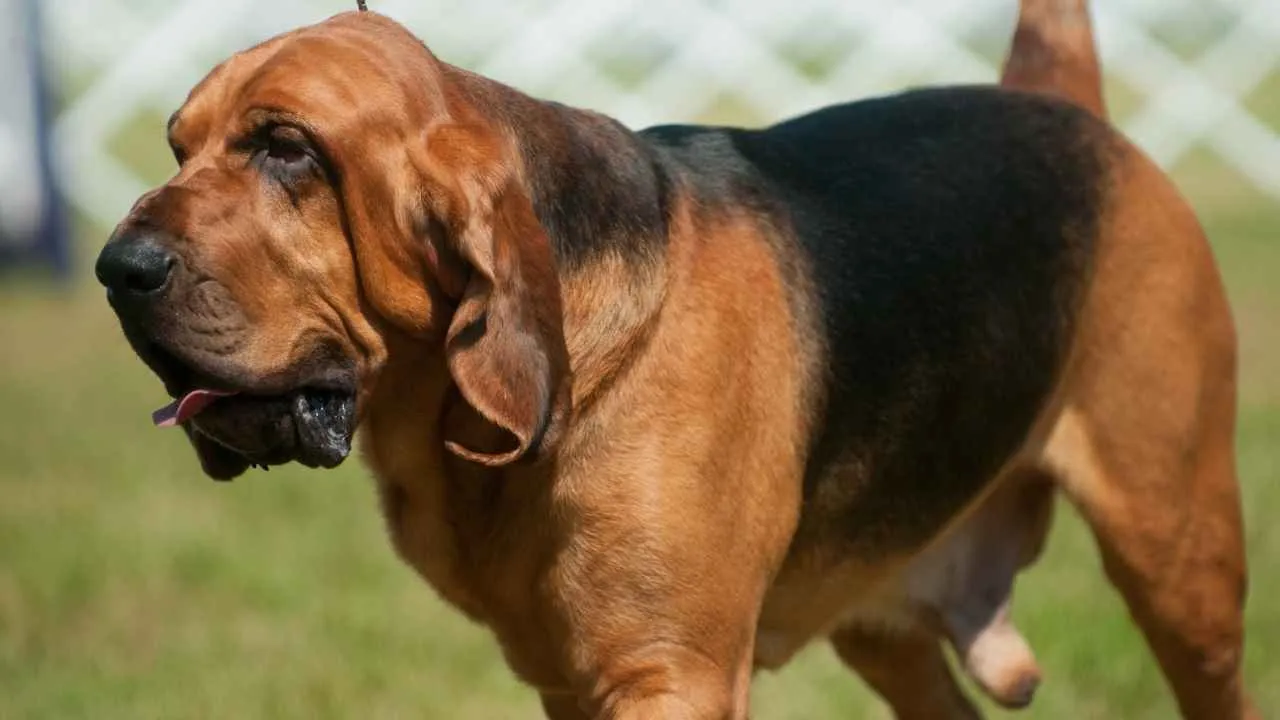
One of the oldest scent dog breeds around, Bloodhounds pair an excellent nose with a calm temperament and serious endurance. They’re famous for having one of the keenest senses of smell in the dog world, with over 300 million scent receptors compared to a human’s roughly 5 million.
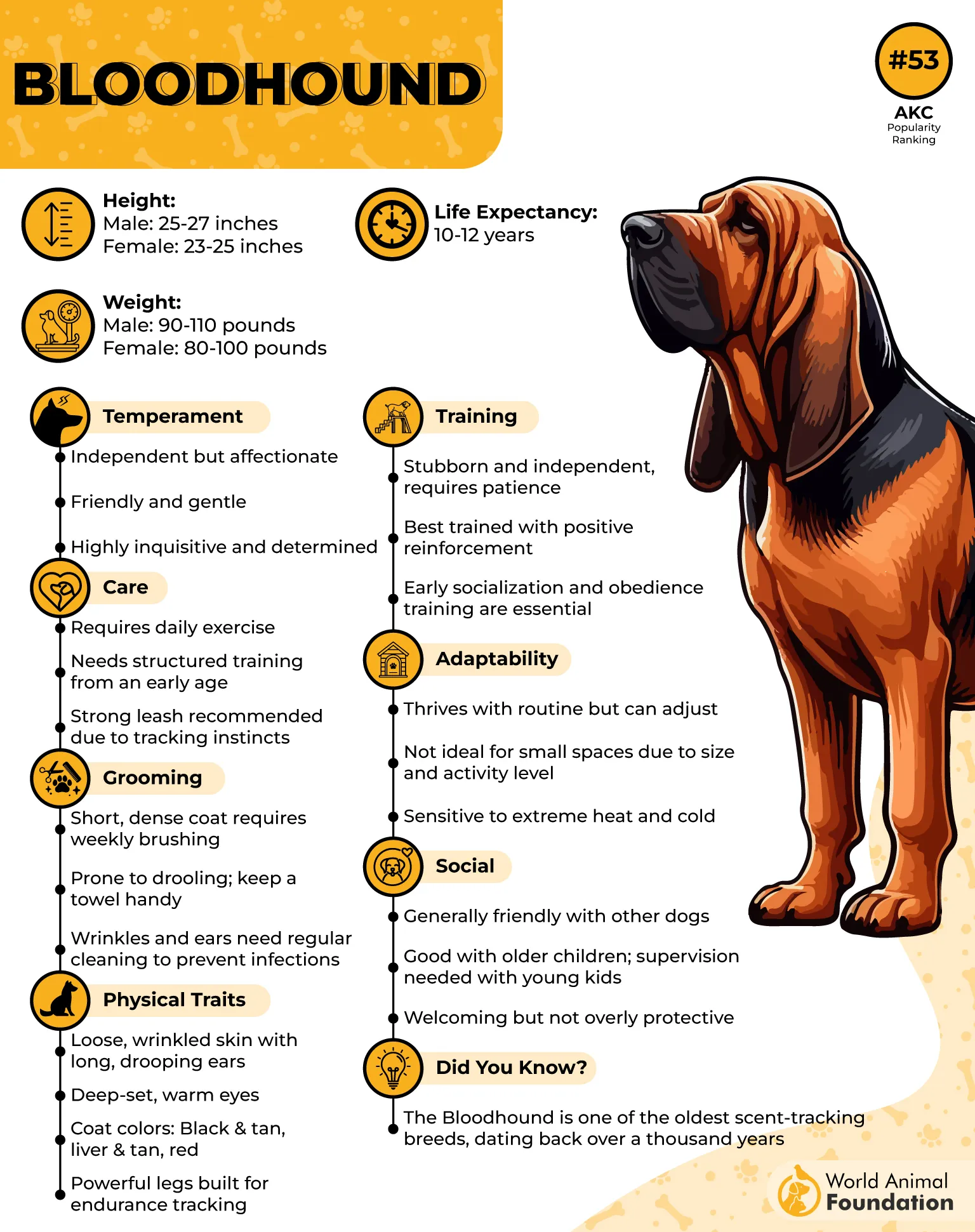
Originally bred as hunting dogs for wild boar, Bloodhounds can follow a scent trail that’s up to 12 days old. Often nicknamed “a nose with a dog attached,” they can pick up on just a few scent particles while trailing. Beyond their strong presence in law enforcement, these gentle giants also make wonderful family pets.
Bloodhounds have been used as natural cadaver dogs since medieval times, tracking human scent over long distances with ease. Their bodies are practically built for the job, too, from how they process odors to how they trap scent particles close to the ground; everything works together to help them lock onto a target and stick with it.
2. Basset Hound
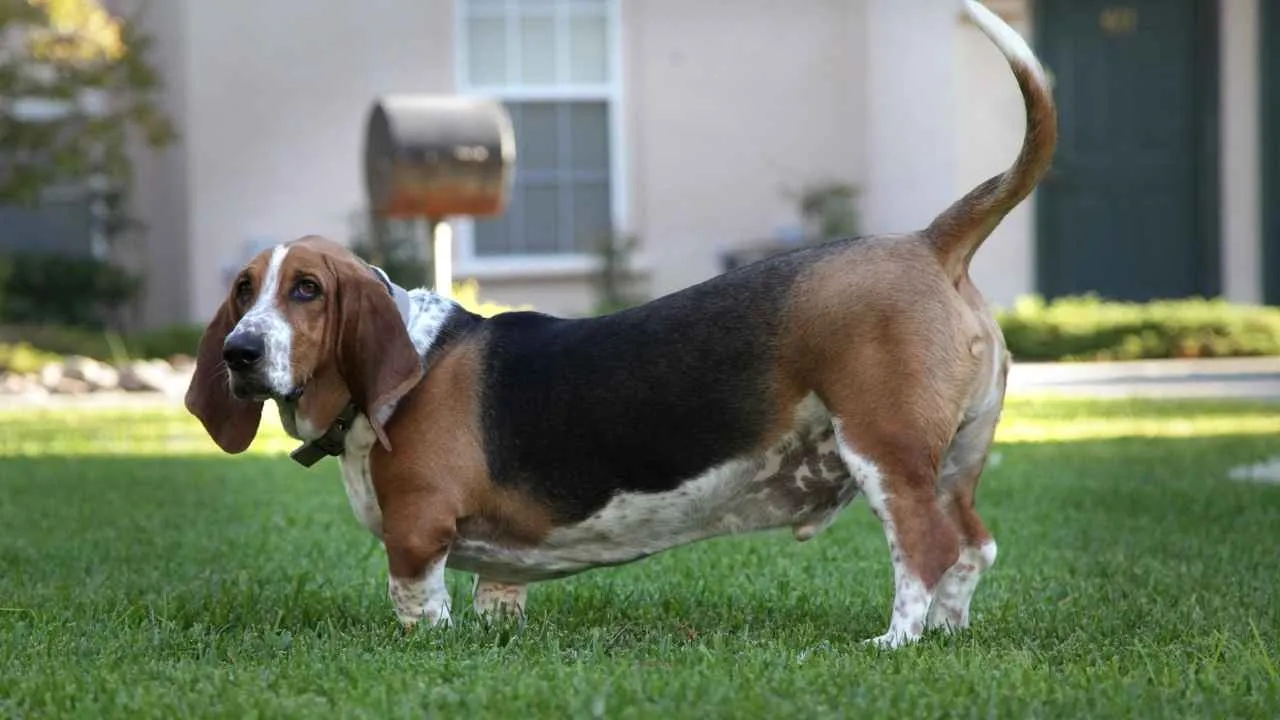
Close cousins of Bloodhounds, Basset Hounds are adorable, friendly dogs that were bred in 6th century France to hunt badgers and foxes. They rank right behind their cousins for the second-best sense of smell in the dog world.
Their good noses, short frames, and those famous long ears all work together, and these dogs genuinely seem to enjoy their scent work. Their tracking skills let them work through dense undergrowth and damp conditions without missing a beat.
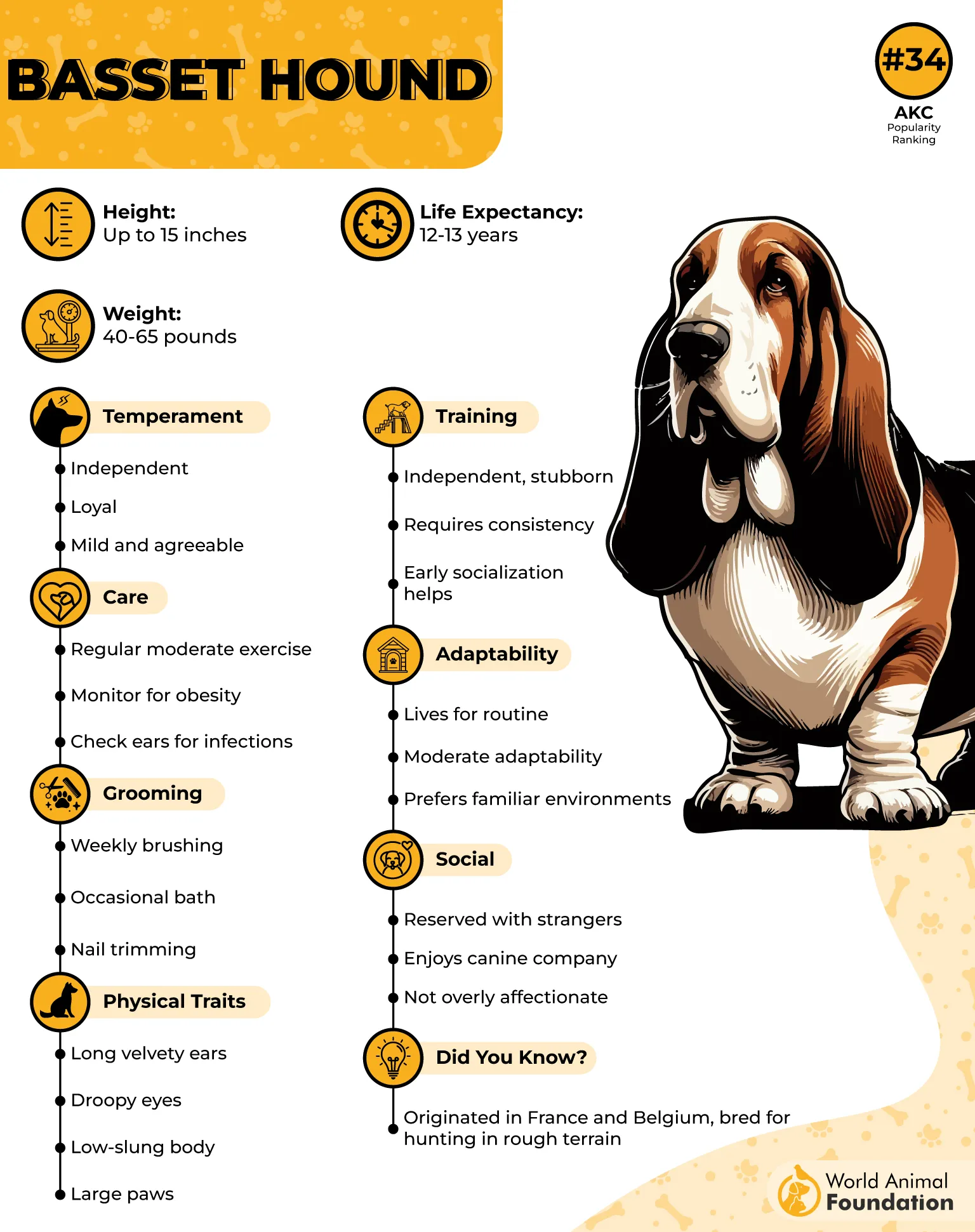
Rather than catching their prey, they simply track it down and alert their owners once they’ve found it. Instead of barking like most breeds, Basset Hounds bay when they’re following a trail.
Because of their strong urge to chase small animals, they tend to be independent with a high prey drive, which can make training a bit of a challenge. That said, their laid-back nature means they don’t need constant activity, making them a great fit for busy households, even though they still shine at tracking and scent work.
3. Beagle
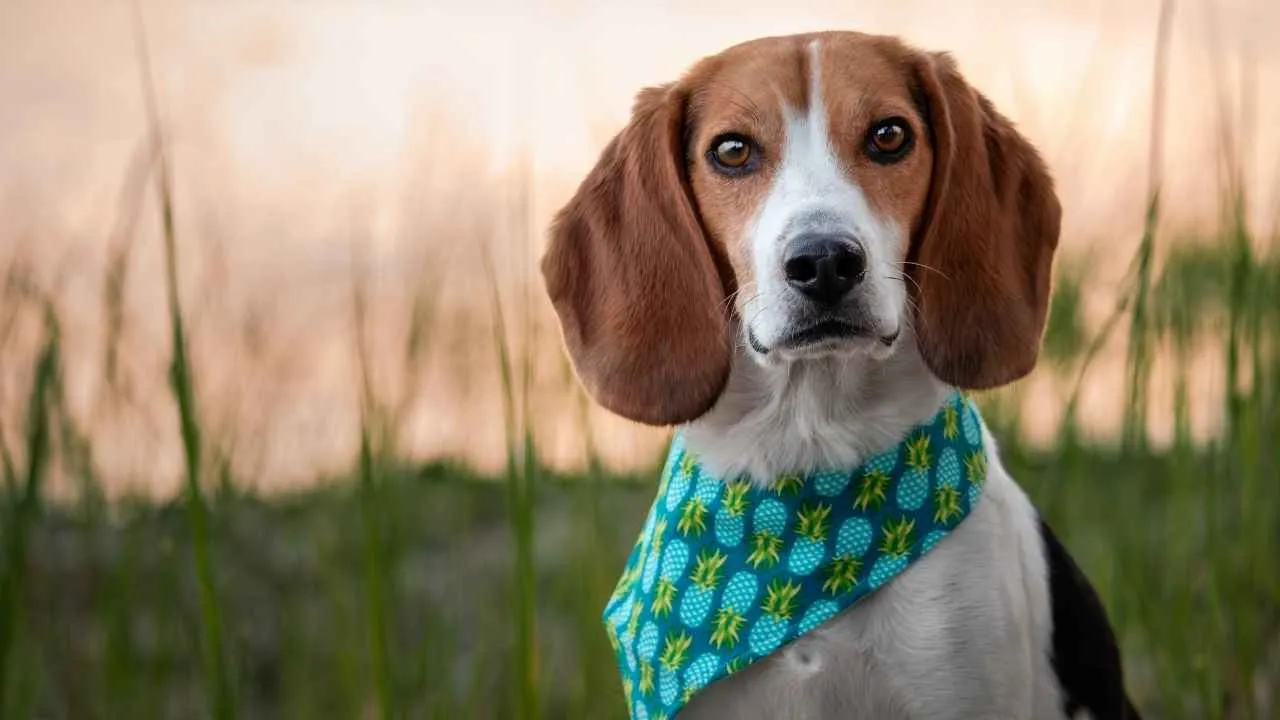
Falling into the medium-sized dog category, Beagles are known for their playful, loving nature just as much as their keen sense of smell. Their focus and determination while following a scent trail make them excellent cadaver dogs.
Beagles have receptors that let them pick up smells way beyond what we’re capable of, and their long snouts and large ears help funnel scents straight to those receptors. This makes them a natural fit for search and rescue missions, whether in forests or busy urban areas.
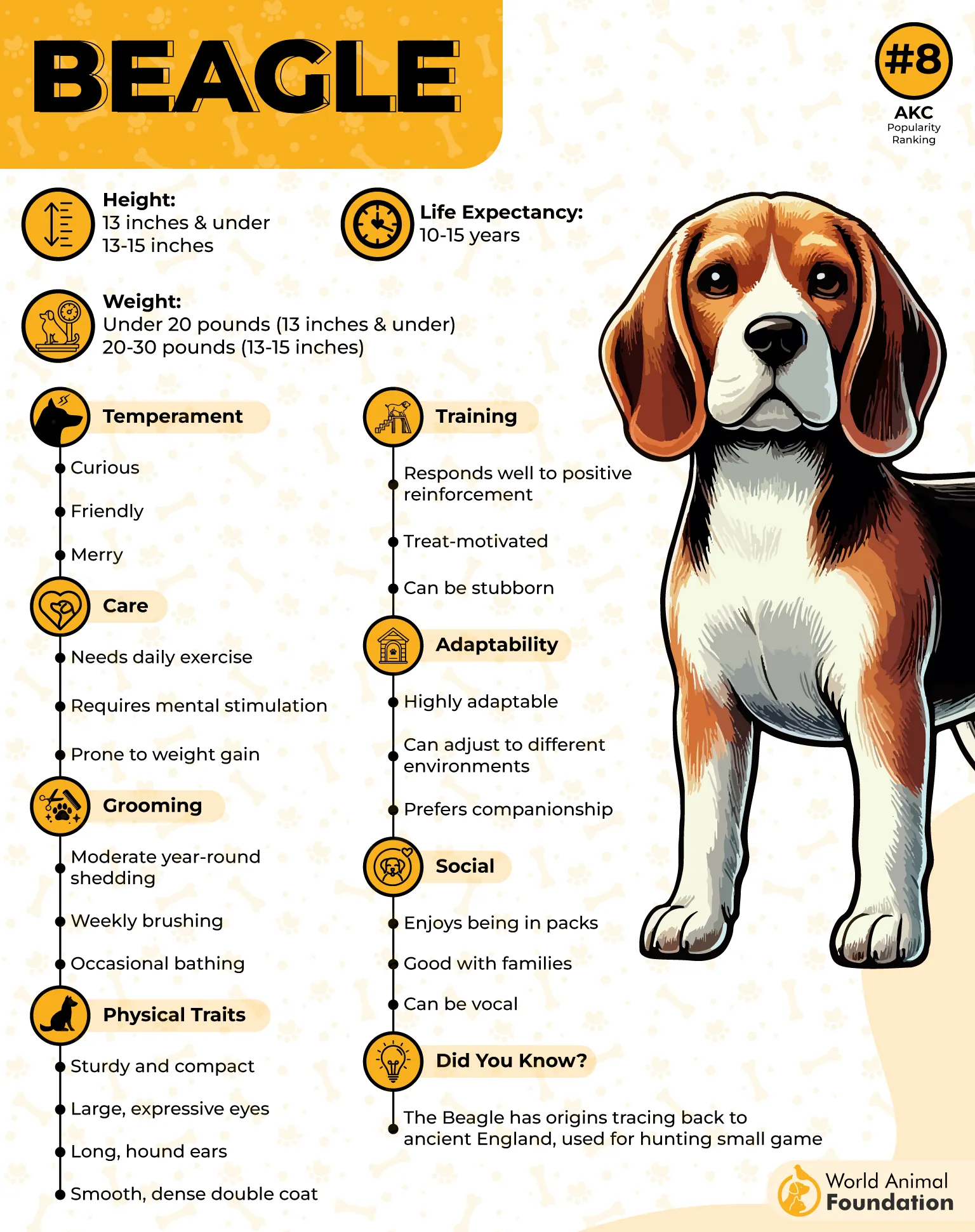
You’ve probably spotted them at airports and customs checkpoints, sniffing out narcotics, drugs, and explosives hidden in cargo, luggage, or even on people. Beyond that, Beagles have also been trained to detect health issues, like alerting diabetic patients to dropping blood sugar levels.
4. German Shepherd
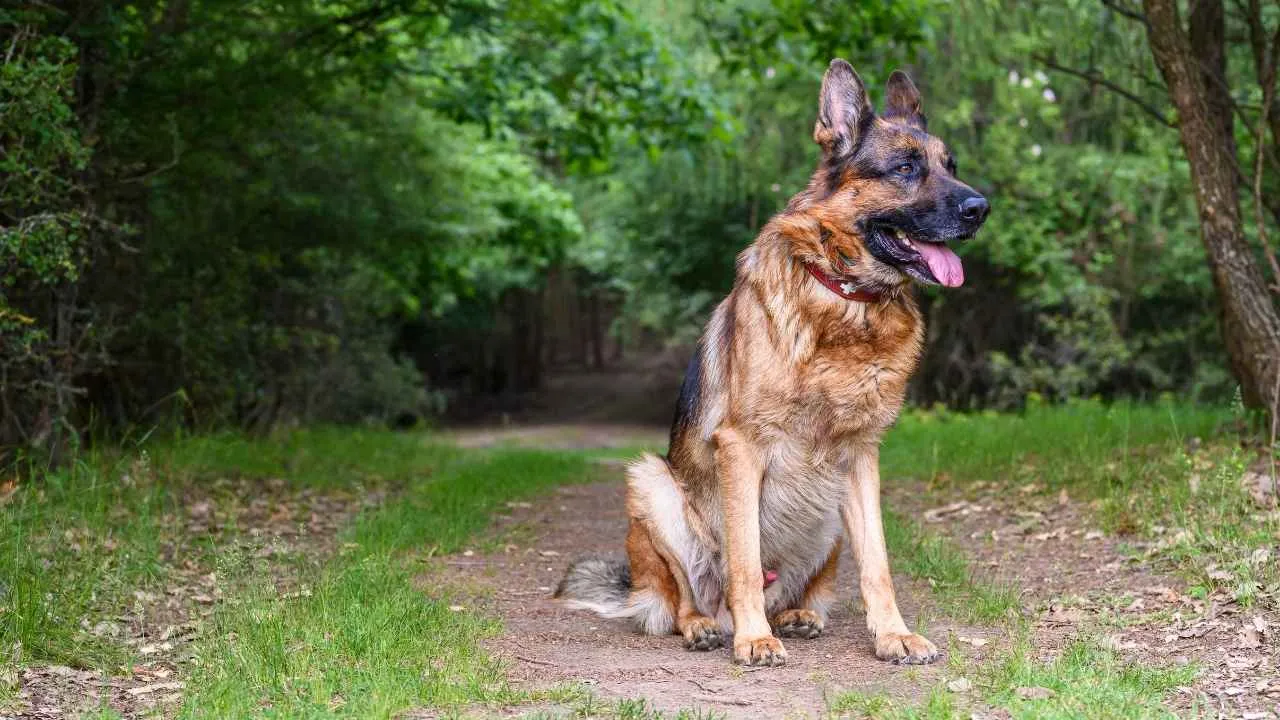
One of the most famous dog breeds in the world, German Shepherds are loved by dog owners everywhere for how trainable they are and how eager they are to please. With around 220 million scent receptors, they thrive in detection work in ways we simply can’t match.
Their sharp noses help them track down things hidden almost anywhere. According to Royal Canin, these dogs are widely used in search and rescue and by law enforcement agencies, whether it’s detecting bombs or sniffing out drugs.
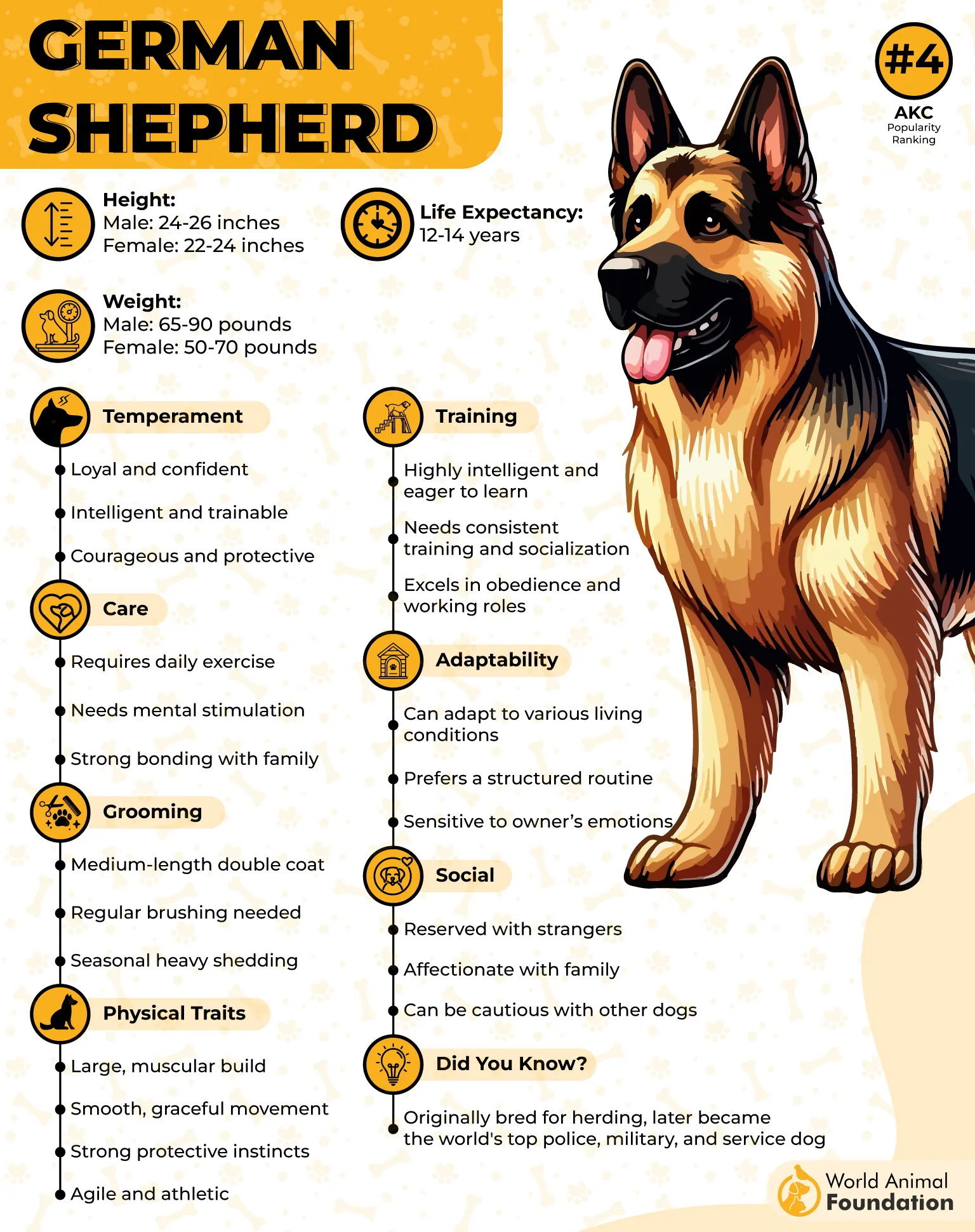
As cadaver dogs, they can pick up a scent from over a mile away, and with the wind working in their favor, that range can stretch up to 10 times further. Their sense of smell can reach roughly 40 feet underground and 80 feet underwater, which is exactly why they’re so good at picking up on human scent to help recover bodies.
5. Belgian Malinois
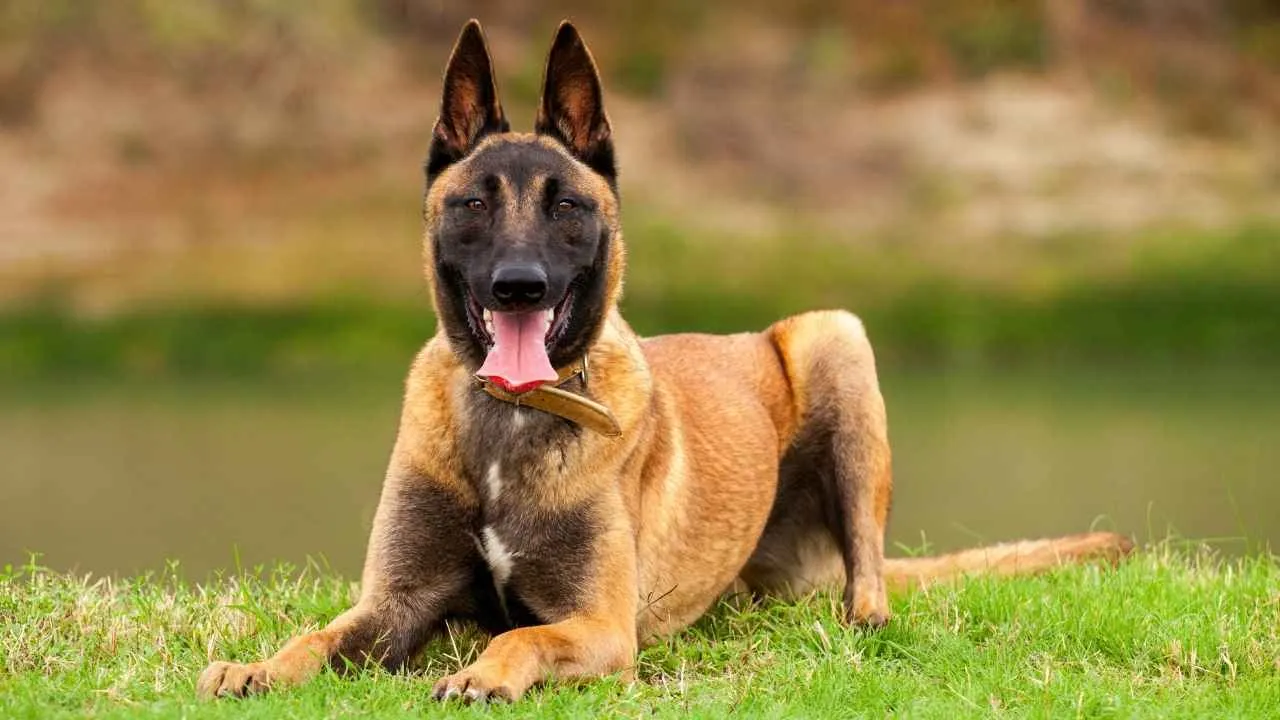
Belgian Malinois are best known for their intelligence, athleticism, and versatility. They were originally bred in the northwestern region of Belgium to herd livestock, notes WebMD. When it comes to their sense of smell, these dogs impress by picking up on subtle changes in the human body.
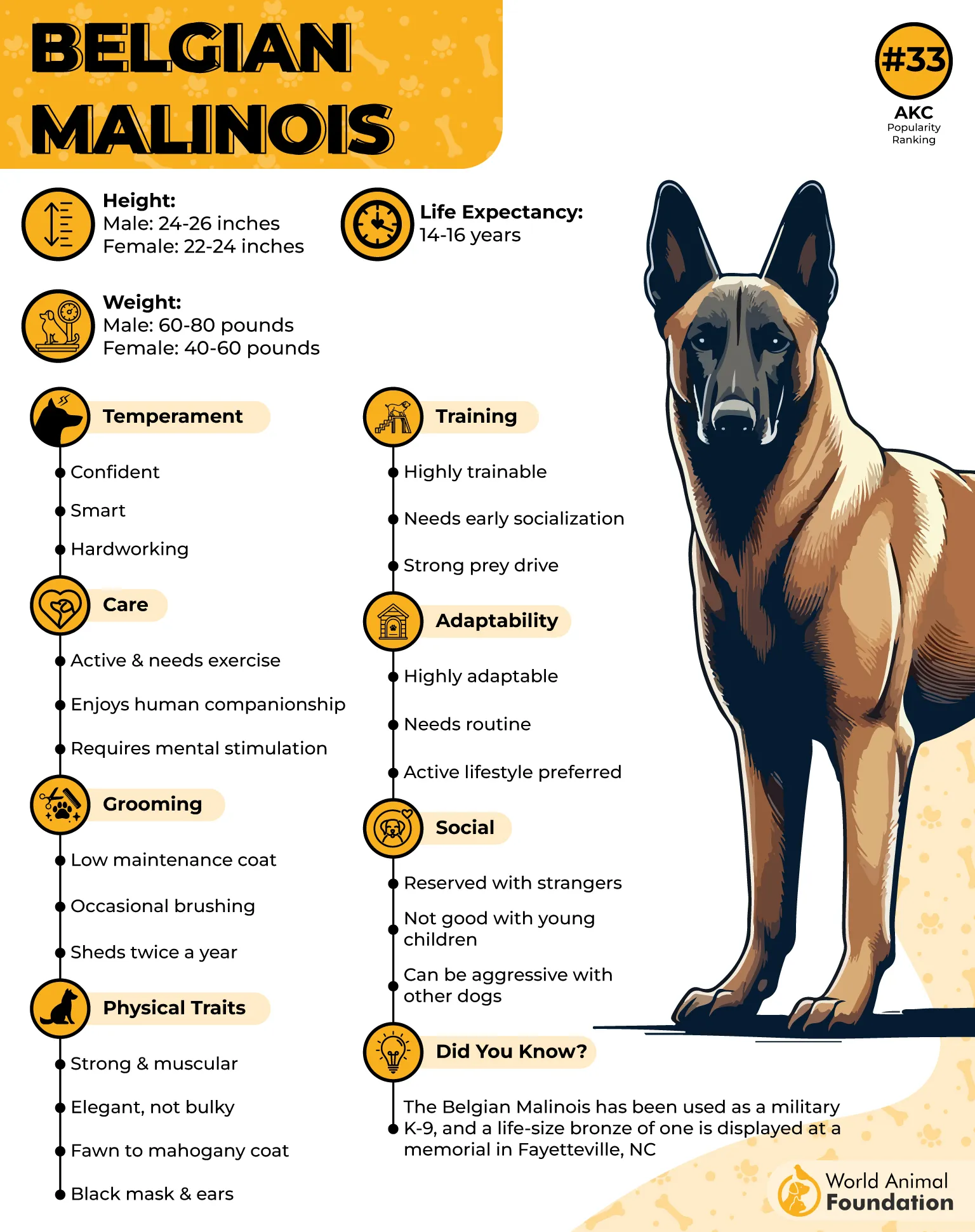
With over 300 million olfactory receptors and an unmatched sense of determination, they thrive in detection work. Beyond their role in medical alert tasks, Belgian Malinois are also trained by law enforcement for search and rescue missions and bomb detection.

Their high energy levels mean they need vigorous exercise and mentally demanding tasks; otherwise, they can slip into destructive behaviors. On top of all that, Belgian Malinois are naturally protective of their humans and stay alert to anything changing around them.
6. Labrador Retriever
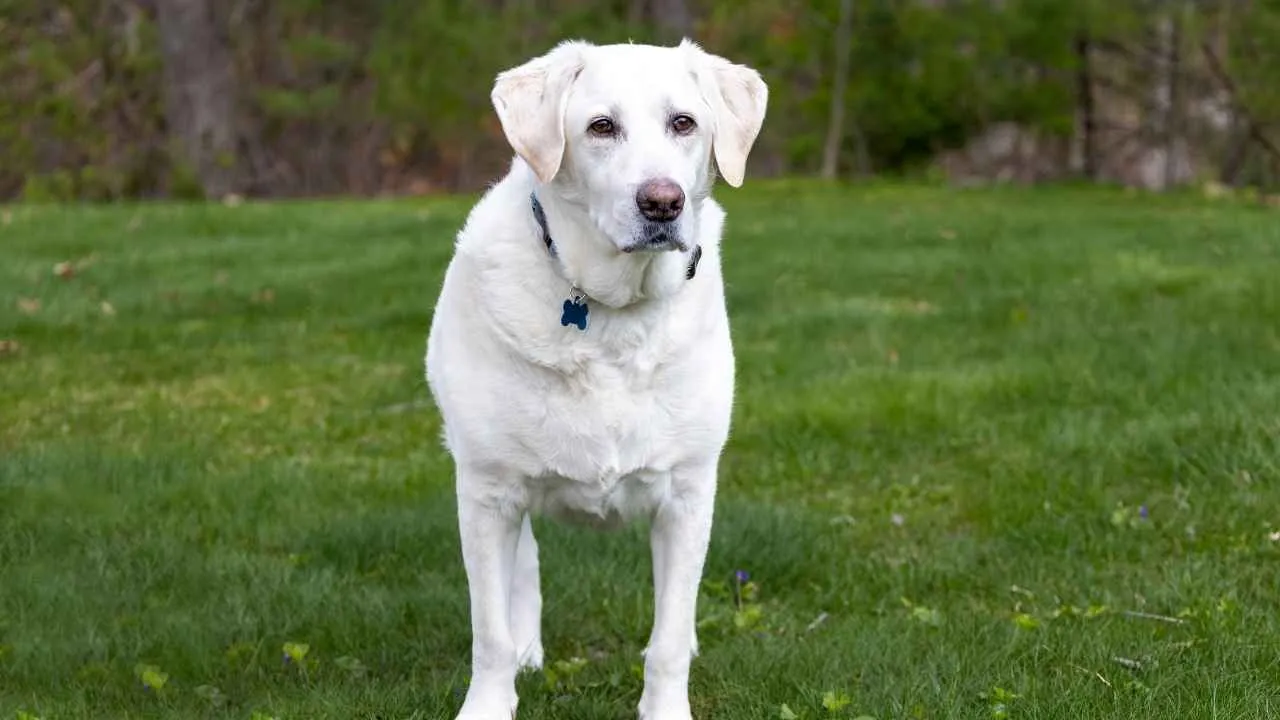
On top of their famously friendly nature, Labrador Retrievers are also blessed with one of the best noses in the dog world. Originally from Newfoundland, where they worked as hunting dogs helping retrieve game, today they make wonderful family companions, especially in active households.
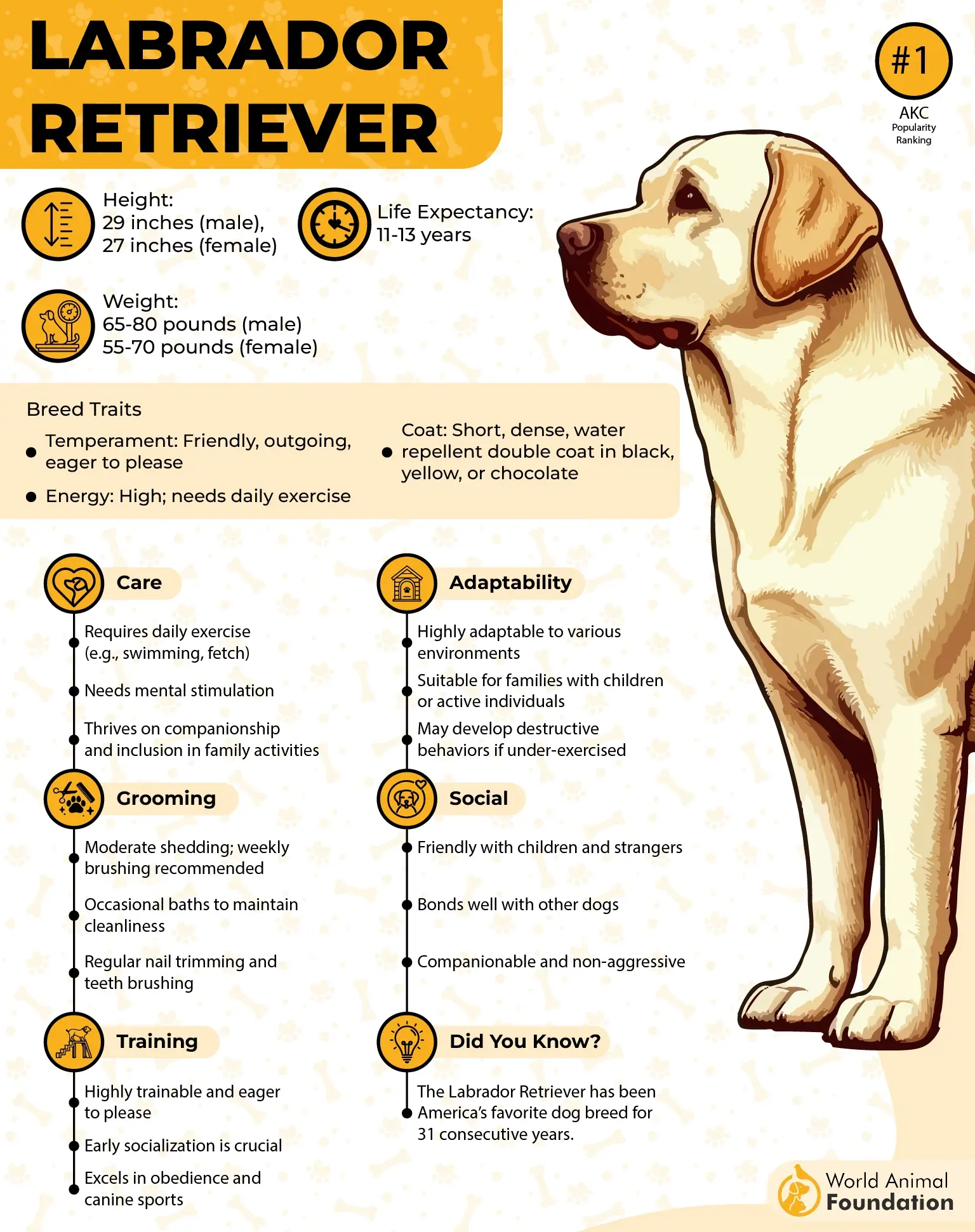
Since certain diseases cause the body to give off distinct odors, Labrador Retrievers, with around 220 million olfactory receptors, can be trained to detect prostate or ovarian cancer just by sniffing a patient’s urine. They’re also skilled at tracking down lost people using scent alone.
Their friendliness isn’t reserved for humans either; they get along beautifully with other dogs and seem to make new friends wherever they go. Labs are eager to please and surprisingly emotionally attuned, often picking up on their owner’s body language, which is part of why they make such excellent therapy dogs.
7. Black and Tan Coonhound
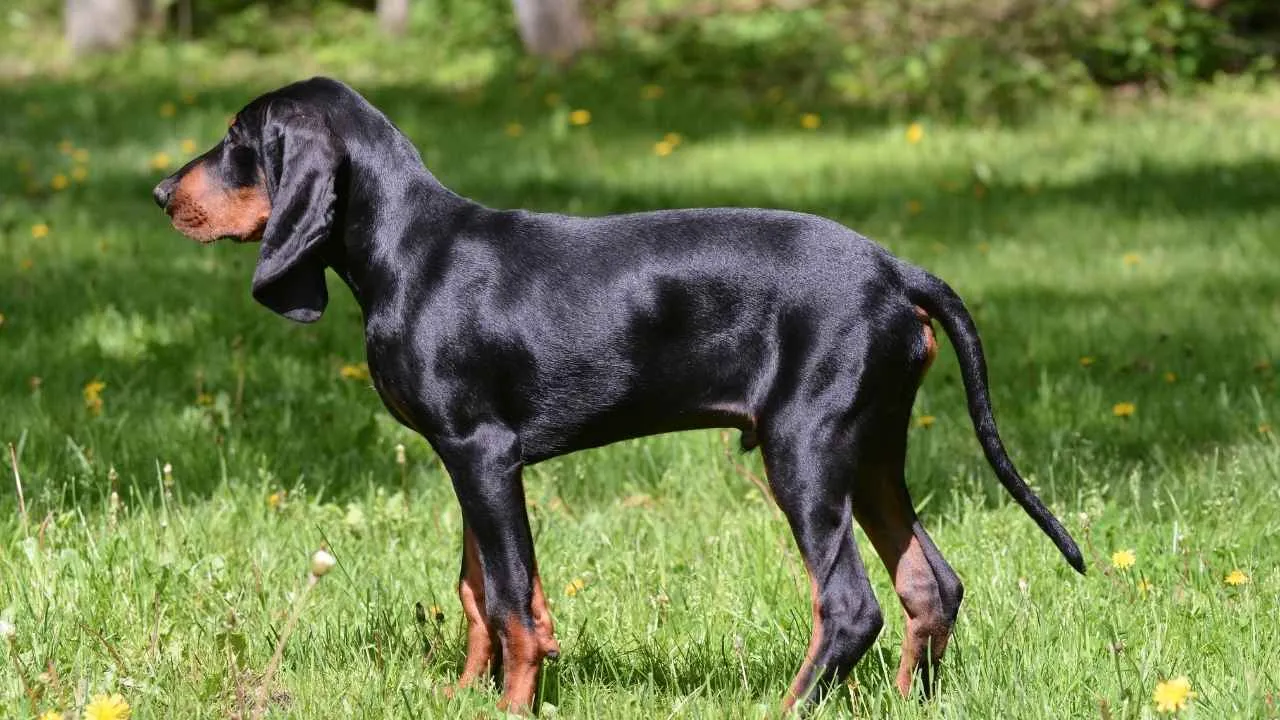
Whether it’s tracking or treeing, Black and Tan Coonhounds have a serious nose on them, having been bred to hunt bears and raccoons across the southeastern United States. As true cold-nose dogs, they can follow a scent trail even when it’s days old.
Beyond being super sniffers, these dogs are also built for hunting over long distances. Once the work is done, though, they’re happy to lounge around and stay calm at home, says PetMD. Given their hunting instincts, Black and Tan Coonhounds should always be kept on a leash or in a securely fenced yard.
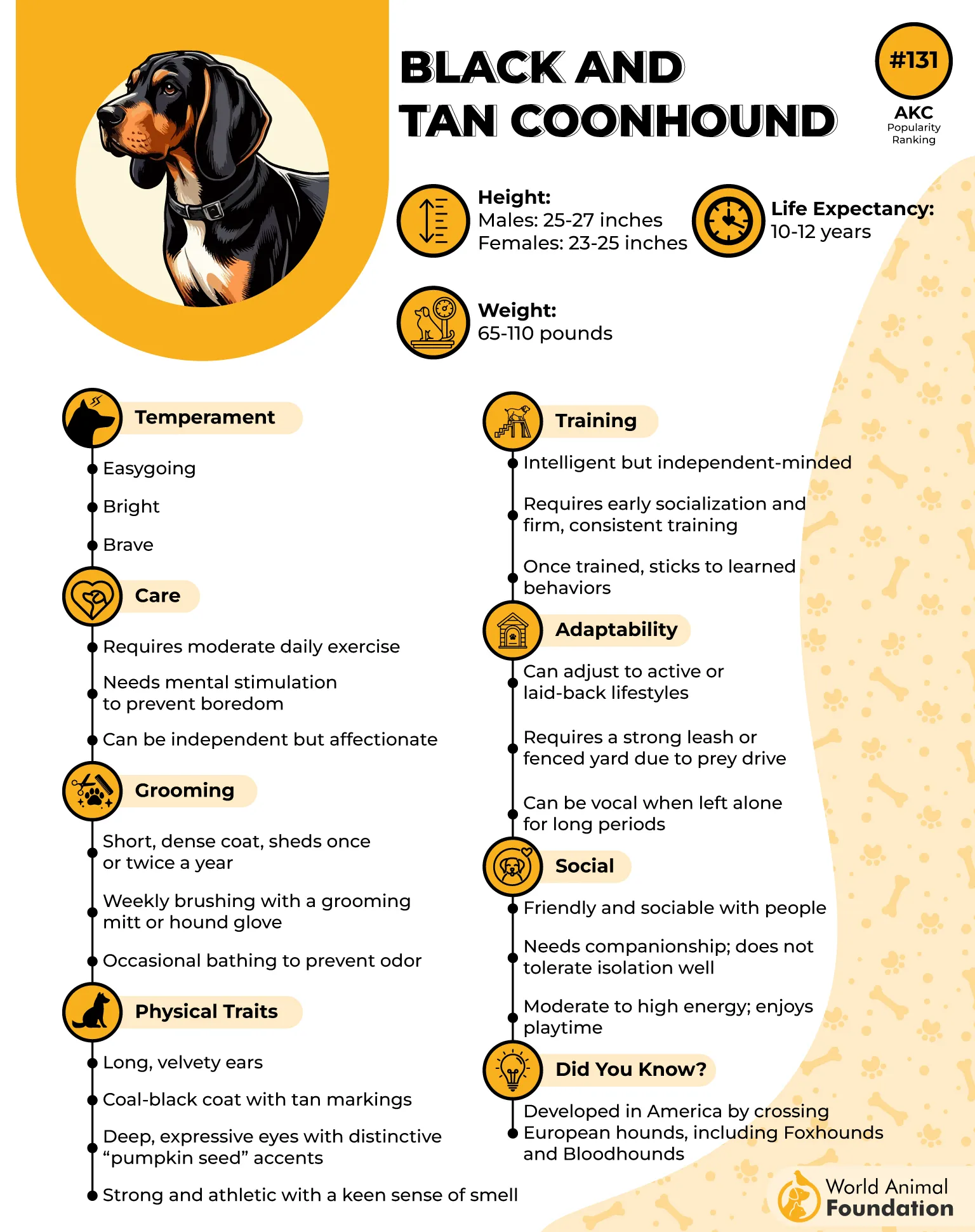
They’re also naturally protective of their families, making them great watchdogs. Their tendency to howl and their wariness around strangers can be softened with early socialization. As true scent hounds, they’re often more interested in chasing squirrels than sitting through a training session.
8. English Springer Spaniel
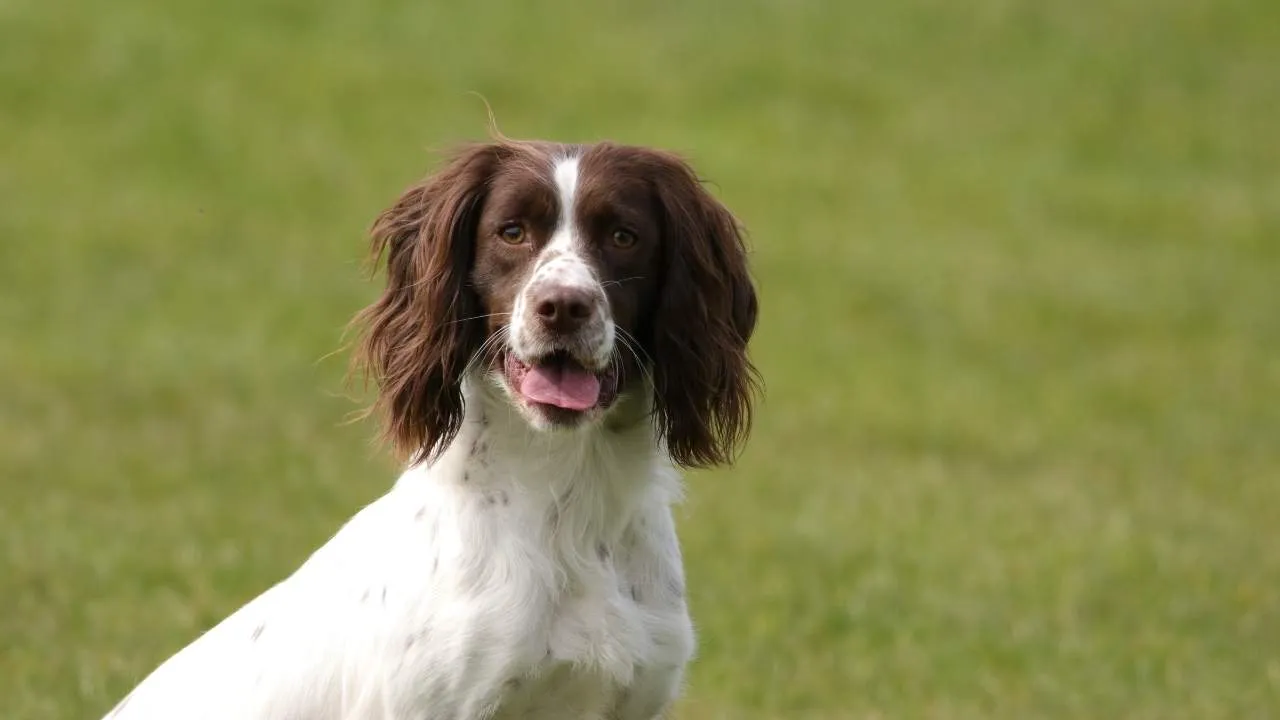
Built for endurance and fieldwork, English Springer Spaniels were once a favorite in Britain for flushing and springing game. They’ve also earned a name for themselves among police and search and rescue teams, thanks to their sharp noses and even sharper minds.
These dogs are deeply affectionate and thrive on human companionship, so much so that being left alone for too long can lead to separation anxiety. With boundless energy and a naturally curious streak, they love exploring the outdoors, often with their nose pressed firmly to the ground.
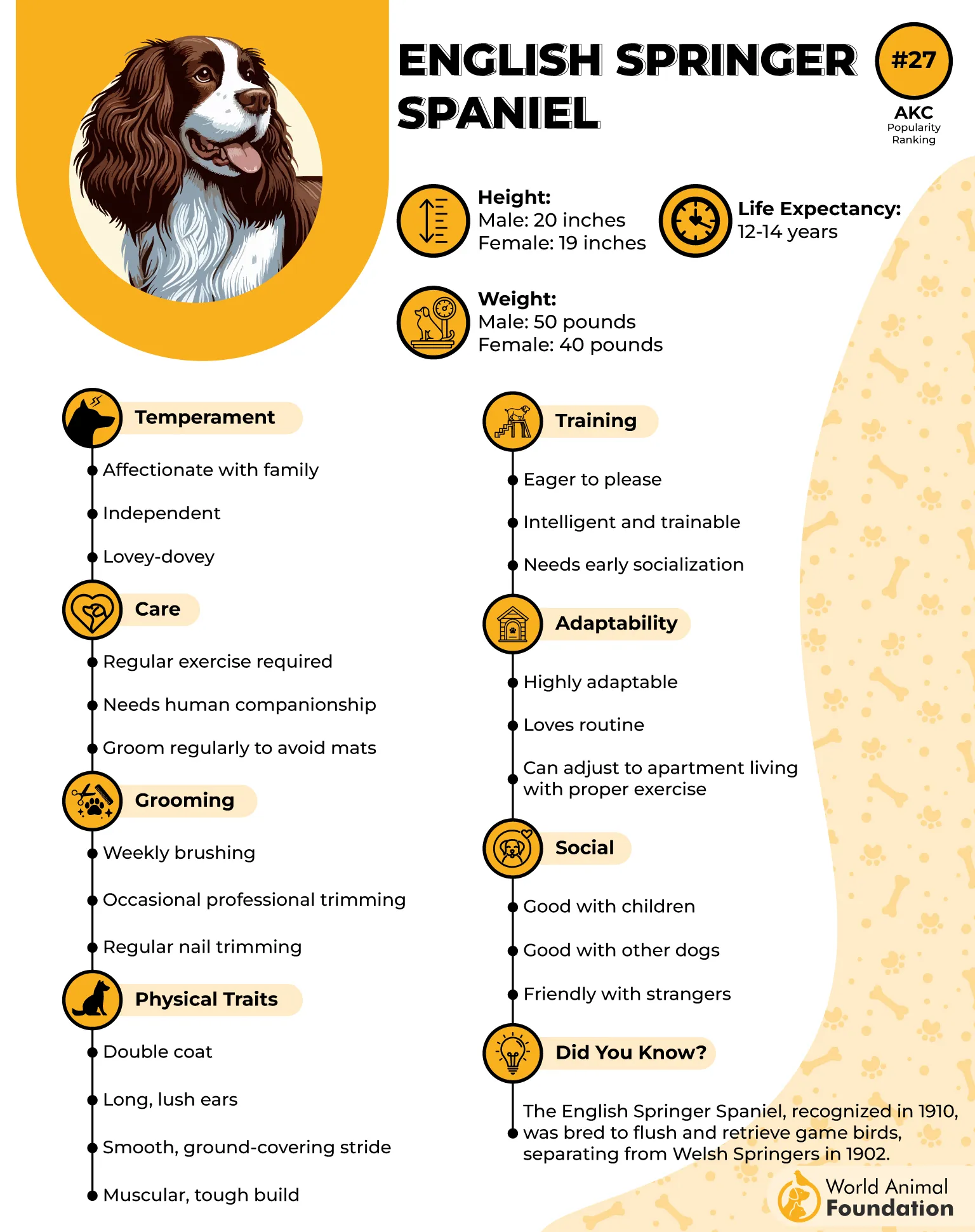
Since their hunting instincts run strong, they’re not always the best fit for multi-pet households, especially ones with small furry animals like rabbits or squirrels. Without enough physical and mental stimulation, they can become restless and start developing nuisance behaviors.
9. Bluetick Coonhounds
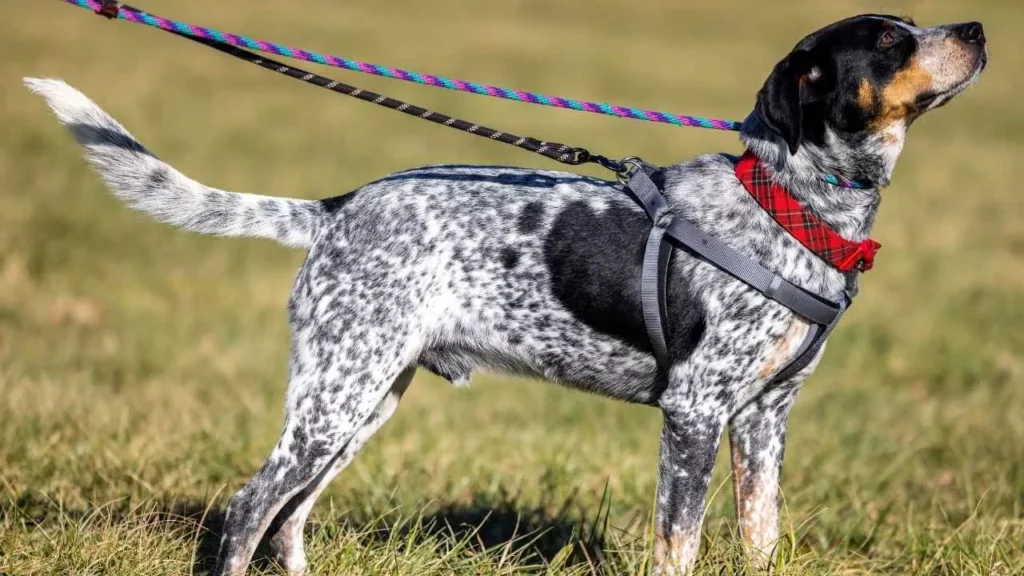
Last but not least, Bluetick Coonhounds are known for their keen nose, capable of picking up even the faintest smells, thanks to their history as skilled hunters and trackers. They also have a distinctive sound called a bawl, which helps them let their companions know exactly where they are, even from a long distance away.
Bluetick Coonhounds are instantly recognizable by their tick-patterned coats, and your neighbors might get quite the surprise the first time they hear one “singing.” Since these dogs can get easily distracted by sounds, smells, and sights around them, they do best in homes with secure, fenced yards.
Their stamina, strength, and energy levels call for an active lifestyle filled with plenty of activities, including dog sports. And because of their strong will and independent streak, early and consistent training, paired with reward-based methods, really makes all the difference.
Conclusion
From following faint trails through forests to picking out specific scents in crowded environments, these elite scent hounds consistently outperform most other breeds when it comes to odor detection. Their success comes down to a combination of genetics, endurance, and a genuine drive to work with their noses.
For pet parents who appreciate intelligence, determination, and remarkable sensory abilities, the breeds above stand among the most impressive canine specialists in the world.
