




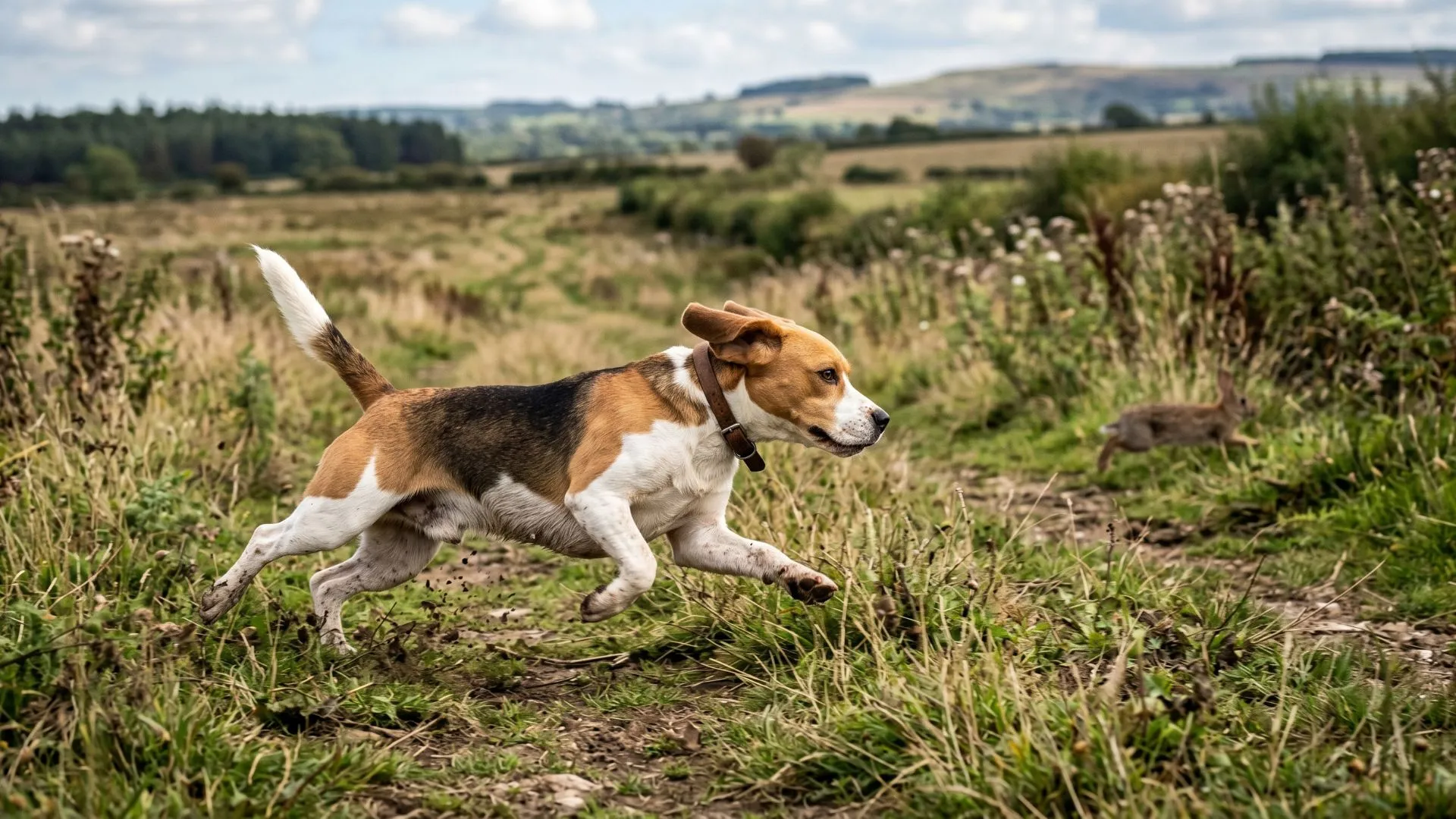
Most people think energy level is the main thing that makes a dog hard to handle. If a dog is active, they expect more work, and if it seems calm, they expect things to stay easy. That assumption misses something important.
A dog can appear manageable and still react strongly when certain triggers show up. Prey drive does not always match what you see at first glance. It becomes obvious in specific moments, especially when movement is involved. This is where many owners feel caught off guard.
Not every dog responds this way, which is why the difference can be surprising. Some stay steady no matter what passes by, while others shift instantly into a focused state. Recognizing this early helps avoid confusion and makes everyday handling far more predictable over time.
Ahead, you will get a clearer picture of the dogs known for this instinct and how it shows up.
Key Takeaways
Ever noticed how some dogs freeze for a second and then lock onto movement as if nothing else exists around them?
The Weimaraner and Vizsla carry this focus into every outdoor moment, reacting instantly to motion and staying fully engaged.
Beagles follow scent with the same intensity, while Whippets turn a quick movement into a full-speed chase within seconds.
Once you go through all seven, it starts to make sense why these reactions feel so strong and so consistent in certain breeds.
Best Dog Breeds Possessing a Notable Prey Drive
1. Weimaraner
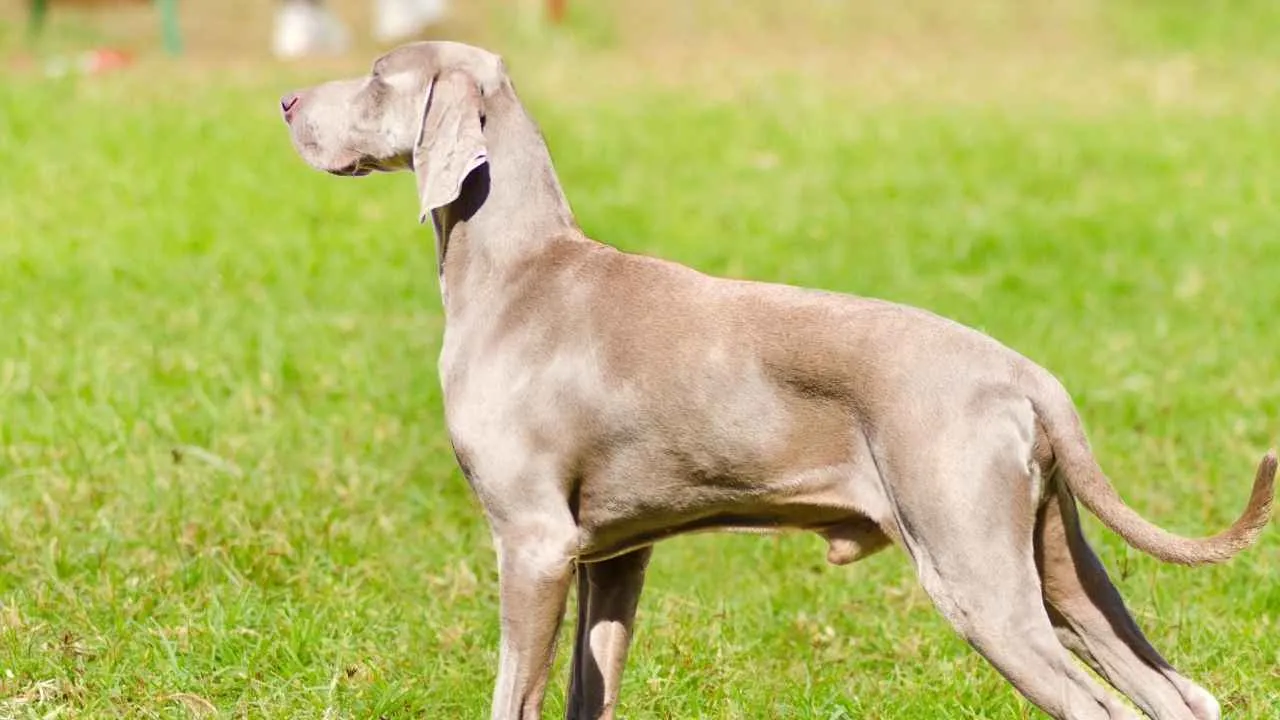
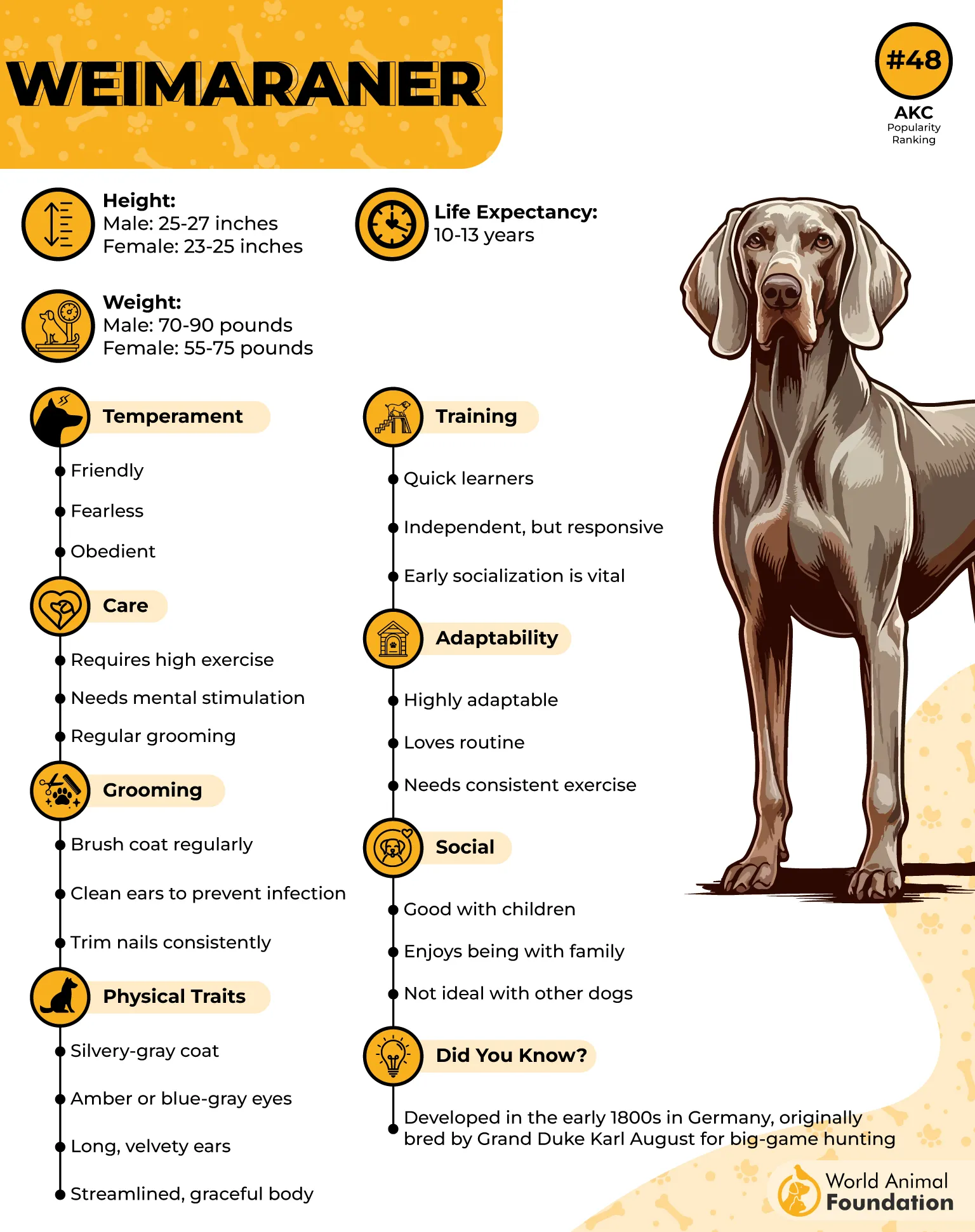
Weimaraner shows a lean, athletic frame with long legs and a sleek gray coat that reflects light movement efficiency. Its alert expression comes through amber or blue-gray eyes framed by naturally soft, hanging ears. The overall structure suggests a dog tuned for fast reaction and steady attention.
Behavior shaped around activity
This hunting dog responds strongly to physical and mental stimulation, often seeking interaction through structured tasks or guided movement. Their background influences how they notice smaller animals, often triggering pursuit behavior in outdoor settings.
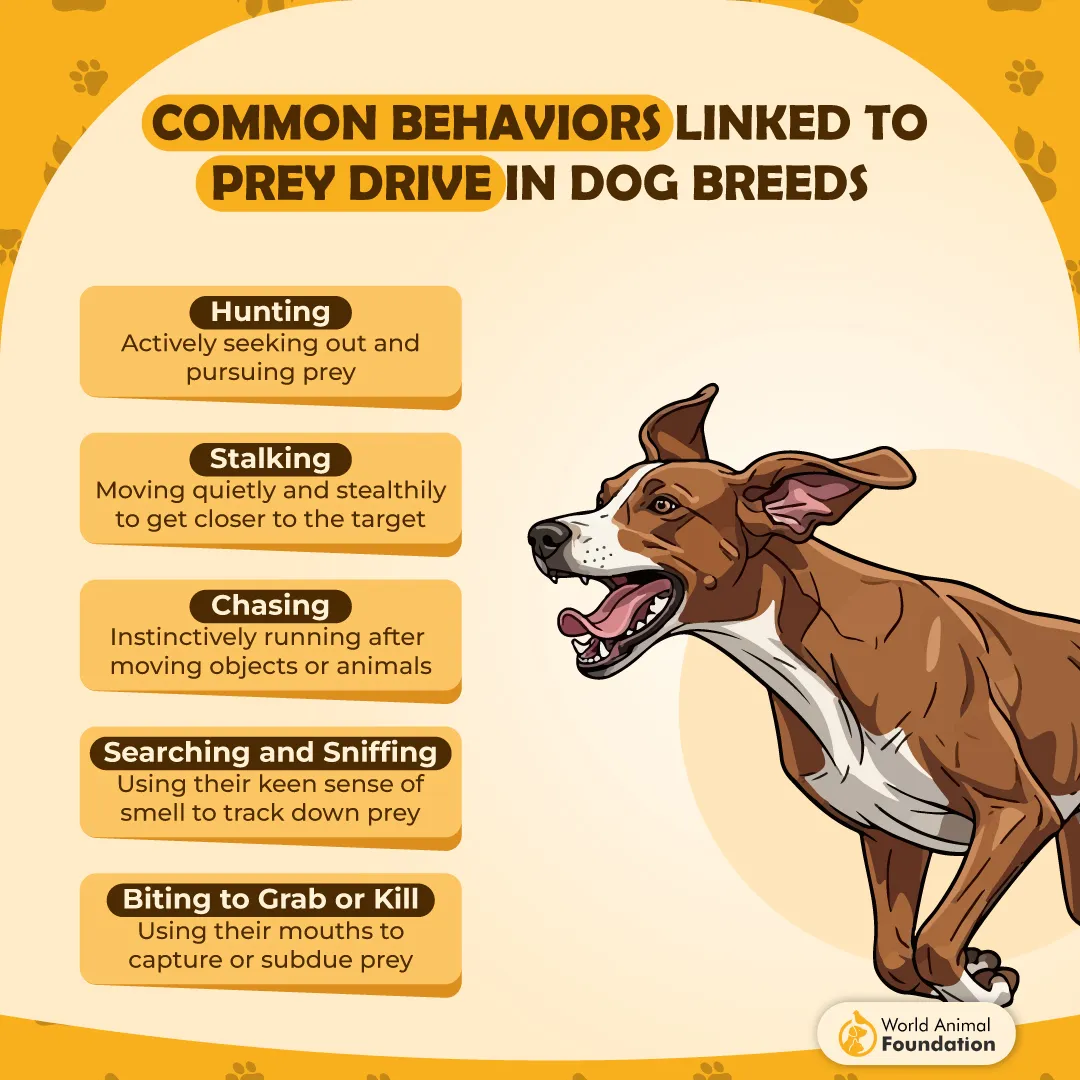
That pattern becomes clearer in specific traits:
Notices and follows quick movement instinctively
Responds best to consistent guided activity
Requires close supervision around small animals
Living space awareness
Weimaraner interacts closely with its environment, often using its long reach and height to explore counters or elevated spaces. Its curiosity leads it toward household surfaces where food or activity is present, as per PetMD. This behavior reflects a constant need for a monitored structure indoors.
2. Vizsla
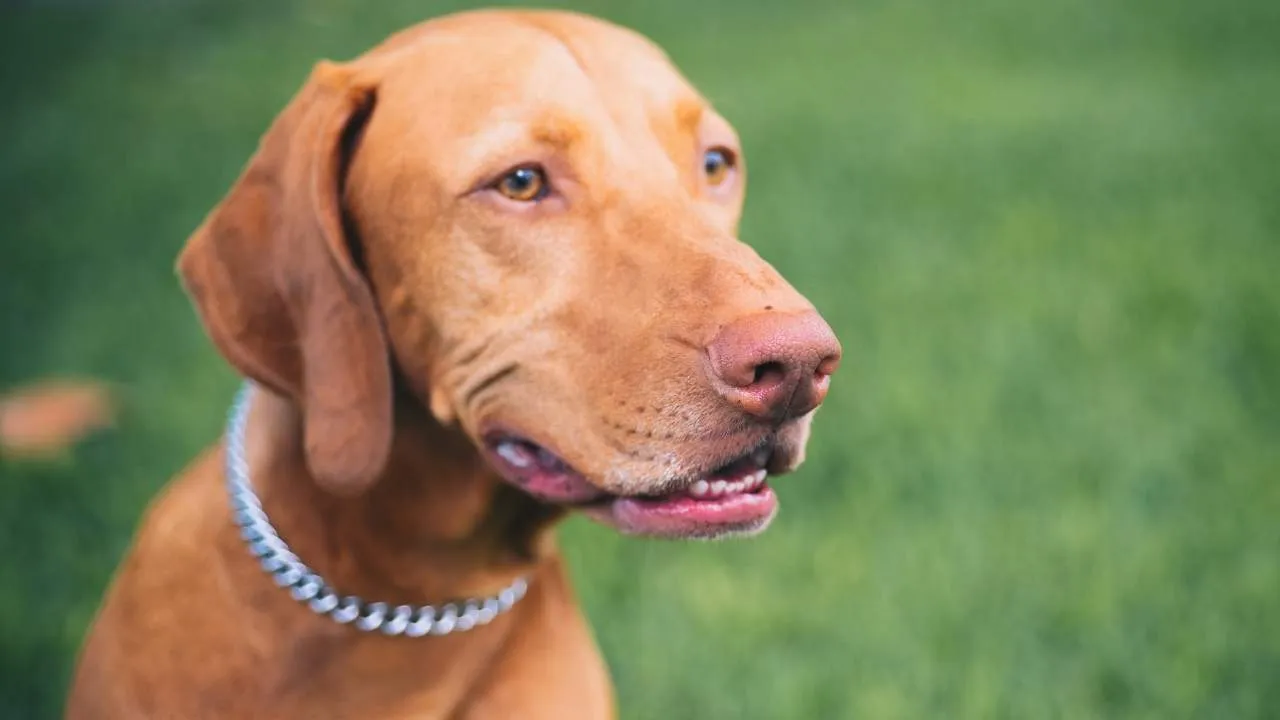
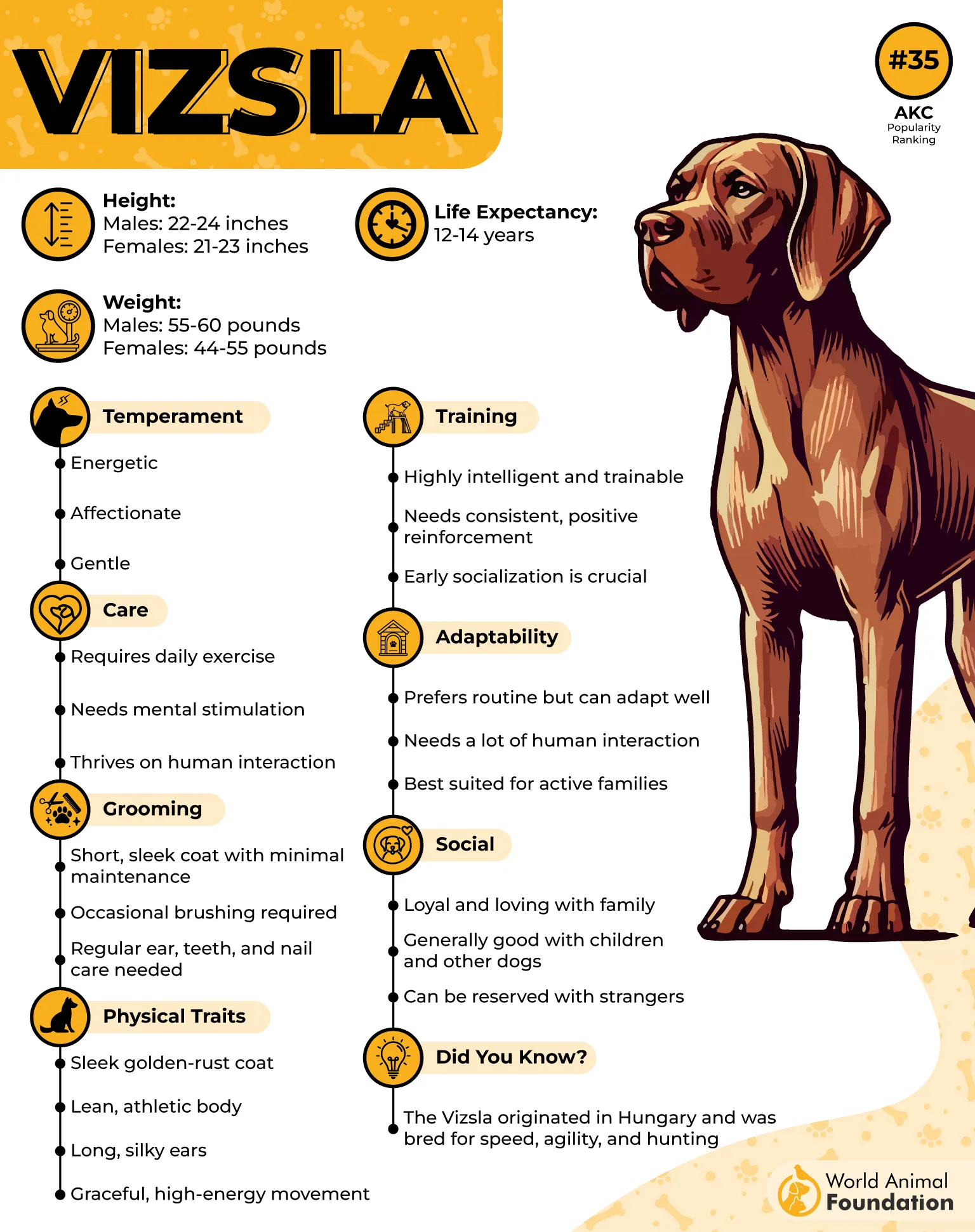
Vizsla reflects its Hungarian hunting roots through a streamlined frame built for speed, focus, and field coordination. Its smooth red-golden coat and tall structure highlight a dog designed for active tracking rather than passive presence. Attention stays locked onto movement, especially when following scent trails in open space.
Drive directed through engagement
Vizsla responds strongly to interaction, often seeking continuous involvement with people and activity. Its high energy and eagerness to follow direction show a mind that works best when consistently engaged.
That pattern becomes clearer in practical behavior:
Follows scent trails with sustained focus
Reacts quickly to moving targets in open areas
Learns routines through repeated interaction
Instinct shaped by early exposure
As a hunting breed, they display a strong interest in small pets, where their strong prey drive can be activated during outdoor exposure, as stated by PDSA.
Controlled socialization from an early stage influences how this instinct is managed in mixed environments. Its behavioral balance depends heavily on training consistency and environmental boundaries.
3. Beagle
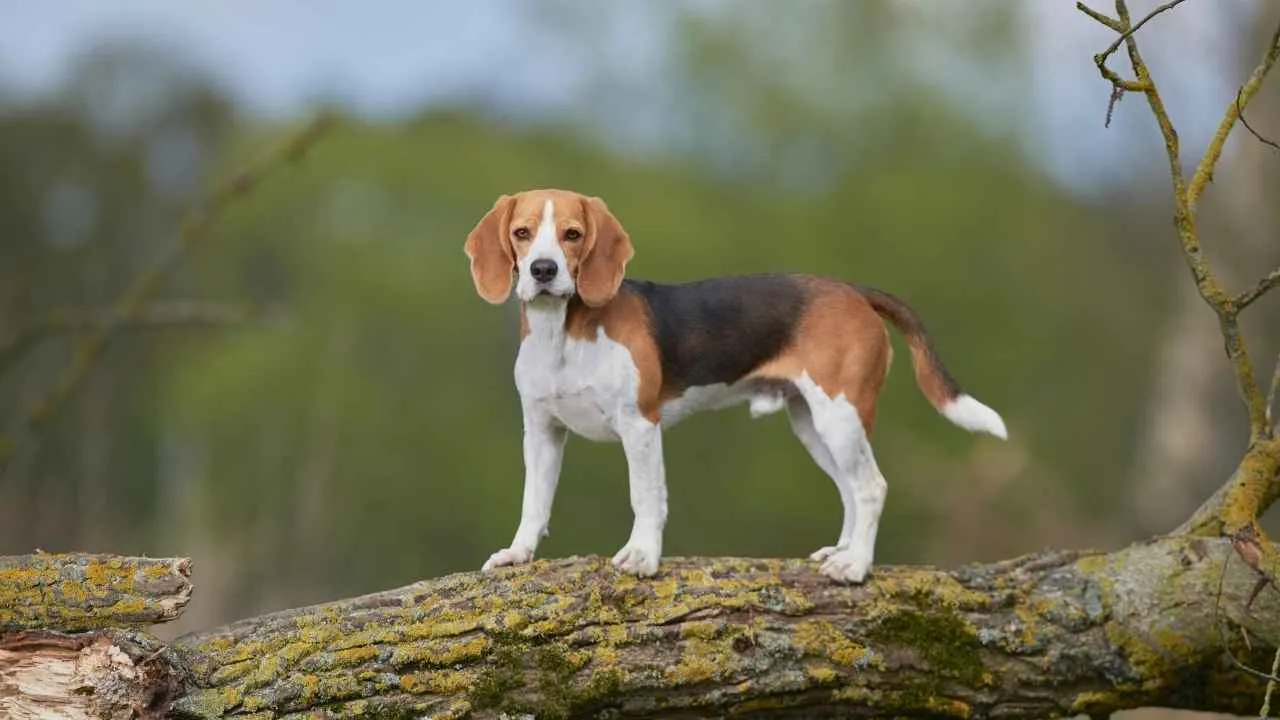
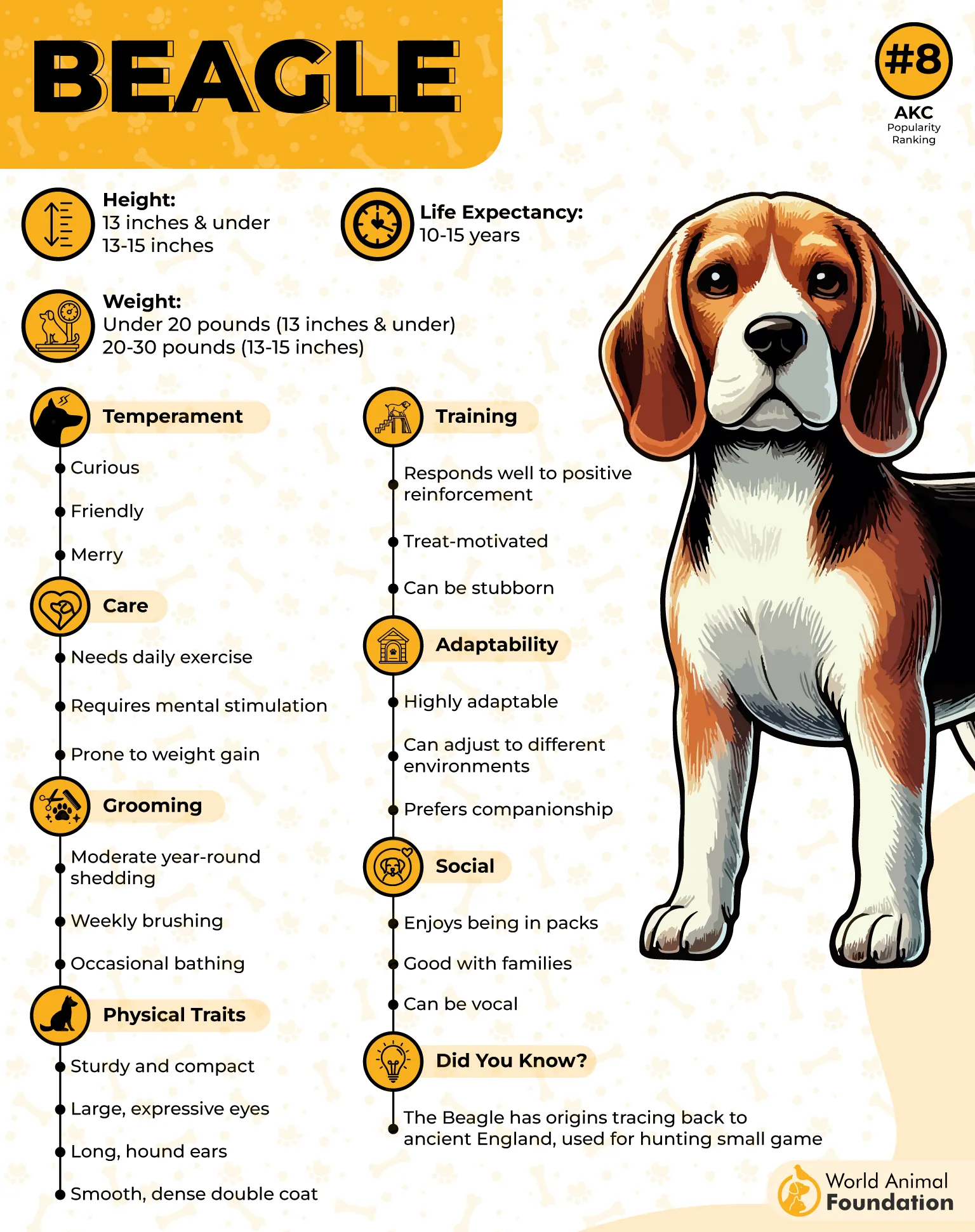
Beagles show a strong history of working in groups, which is reflected in their comfort around company and steady social behavior. Its expression often appears soft and attentive, shaped by large eyes and low-set ears on a broad head. The overall presence feels light, alert, and socially tuned.
Drive expressed through scent and curiosity
They respond strongly to scent trails, often following movement and smell with sustained focus. This instinct remains active even without proper training, influencing everyday behavior in open spaces.
That pattern becomes clearer through specific traits:
Tracks scent trails with sustained attention
Engages actively in exploratory behavior outdoors
Responds quickly to movement-based cues
Chasing instinct in real settings
Beagles react quickly to small moving targets, with a natural tendency to follow rabbits, squirrels, or fast motion in their surroundings. This response connects directly to its hunting background rather than playful curiosity alone. The focus during pursuit often overrides other distractions once engaged.
4. Whippet
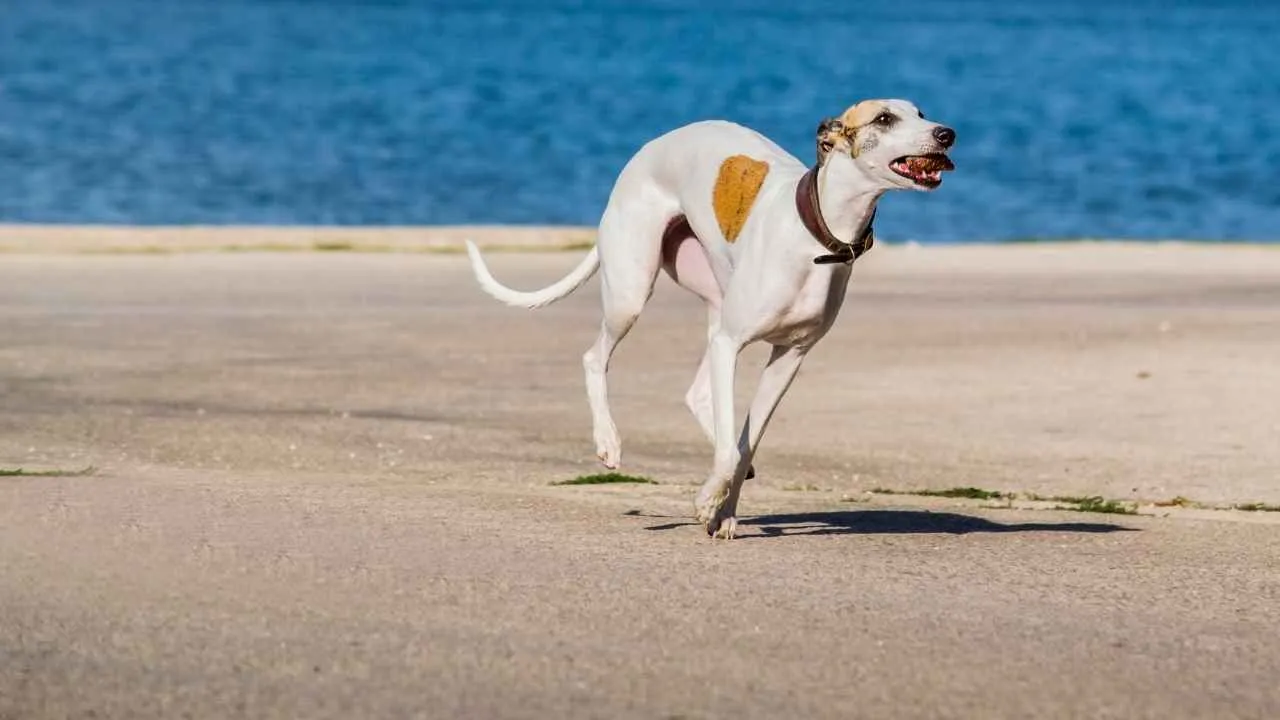
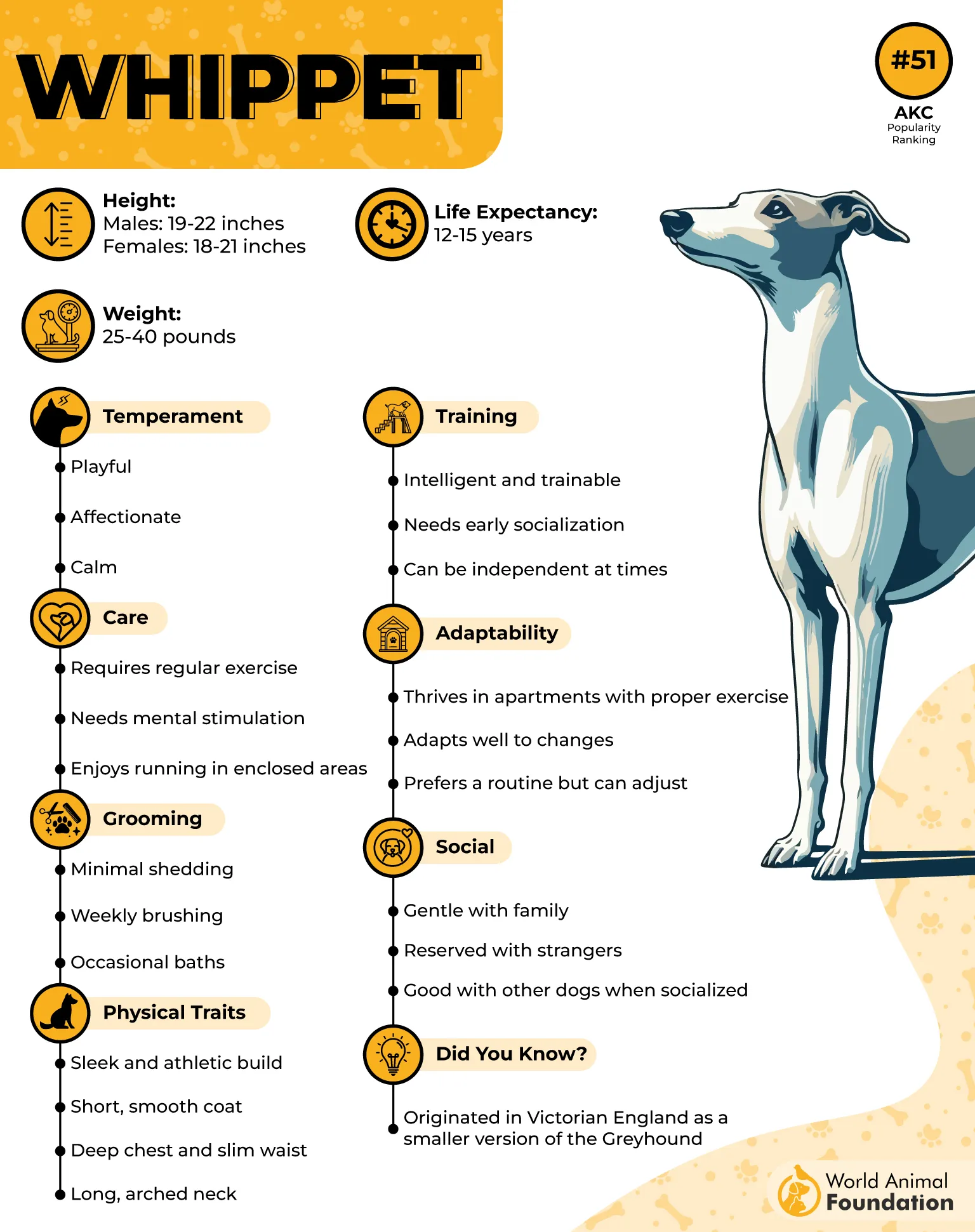
Whippets present a slim frame with a deep chest, narrow waist, and long neck, shaped for rapid acceleration and tight turns. Its body reflects a design focused on chasing rather than endurance. The resemblance to smaller Greyhounds links directly to its sprinting purpose.
Chase instinct in action
This breed reacts sharply to fast-moving targets, showing alertness that quickly shifts into pursuit behavior. Its ability to reach high speeds and adjust direction mid-run defines how it engages with prey-like movement.
That instinct becomes clear in short bursts:
Locks onto small, fast-moving animals
Reaches speeds up to 35 mph
Adjusts direction quickly during pursuit
Control through boundaries
Whippets require physical limits such as leashes or enclosed spaces, as their chase response can activate suddenly, as WebMD noted. Small animals in open environments often trigger pursuit without hesitation. Structured containment plays a key role in everyday handling.
5. Pharaoh Hound
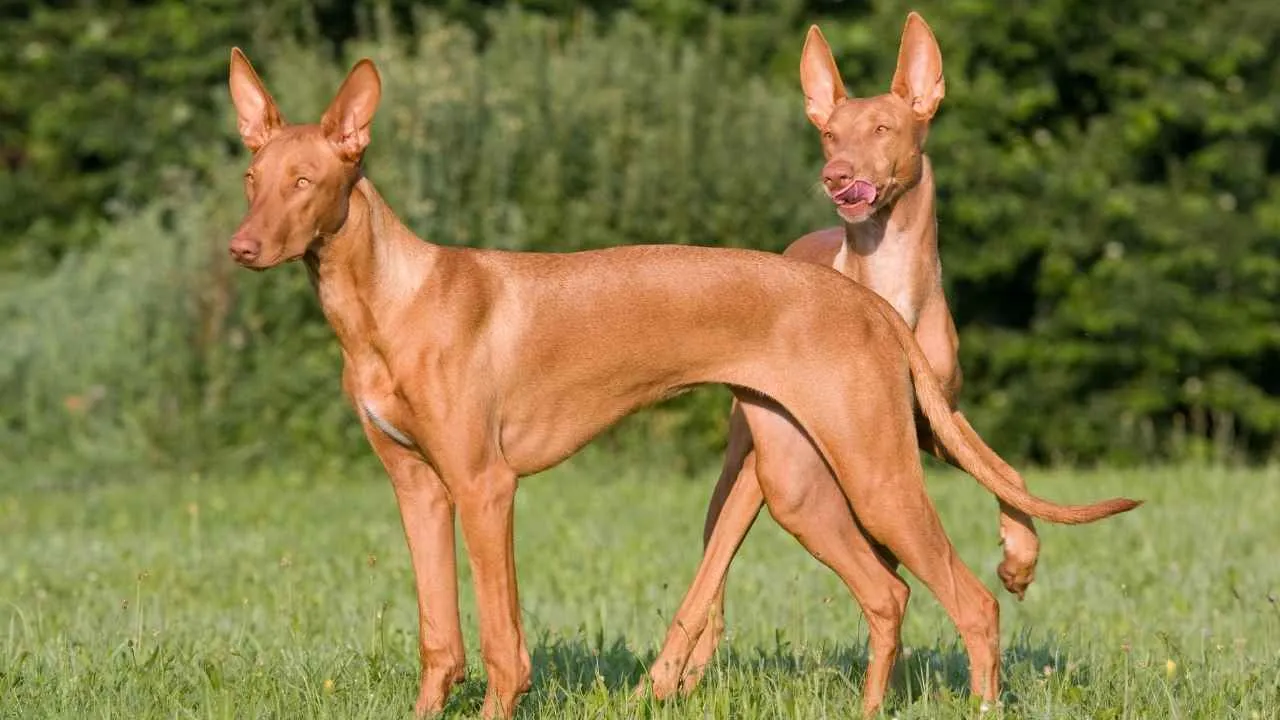
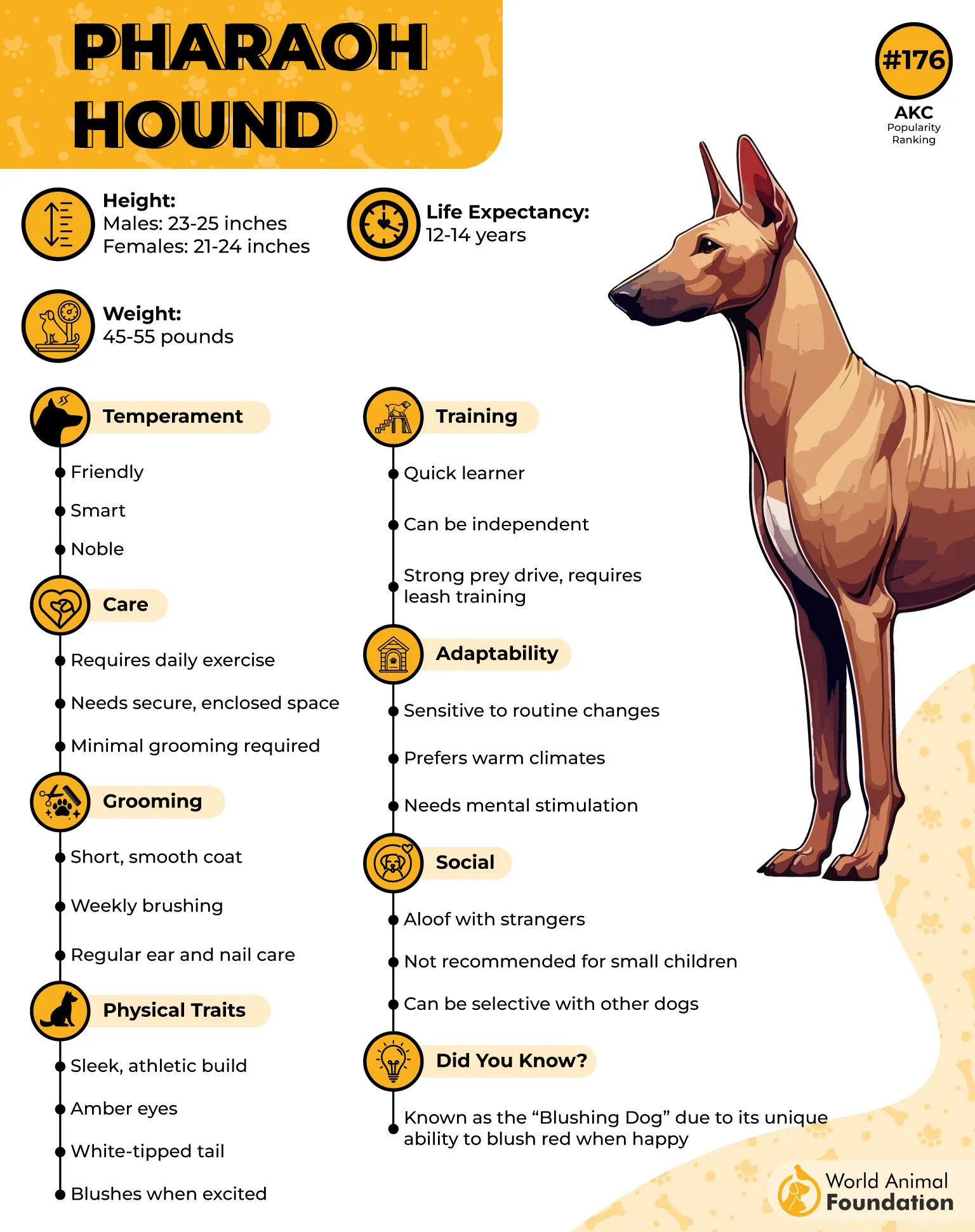
Pharaoh Hound shows a rare physical response where its face flushes when excited, adding to its striking, ancient-inspired appearance.
Its build reflects elegance paired with alert awareness, shaped for visual tracking rather than scent work. This combination places emphasis on what it sees, not just what it senses.
Sight-led reaction patterns
They respond quickly to fast-moving visuals, locking attention onto small animals or sudden motion in their surroundings. Its hunting background centers on visual pursuit, making its reactions immediate and focused.
That instinct appears in clear behavioral cues:
Fixates on rapid movement from a distance
Reacts instantly to other animals in motion
Maintains visual tracking once engaged
The environment shapes control
As a high prey drive dog, it requires secure outdoor boundaries, as open spaces can quickly trigger pursuit behavior when movement catches its attention.
A fenced setup with sufficient height becomes necessary due to its ability to react and act quickly. Controlled environments help manage this visually driven response.
6. Rhodesian Ridgeback
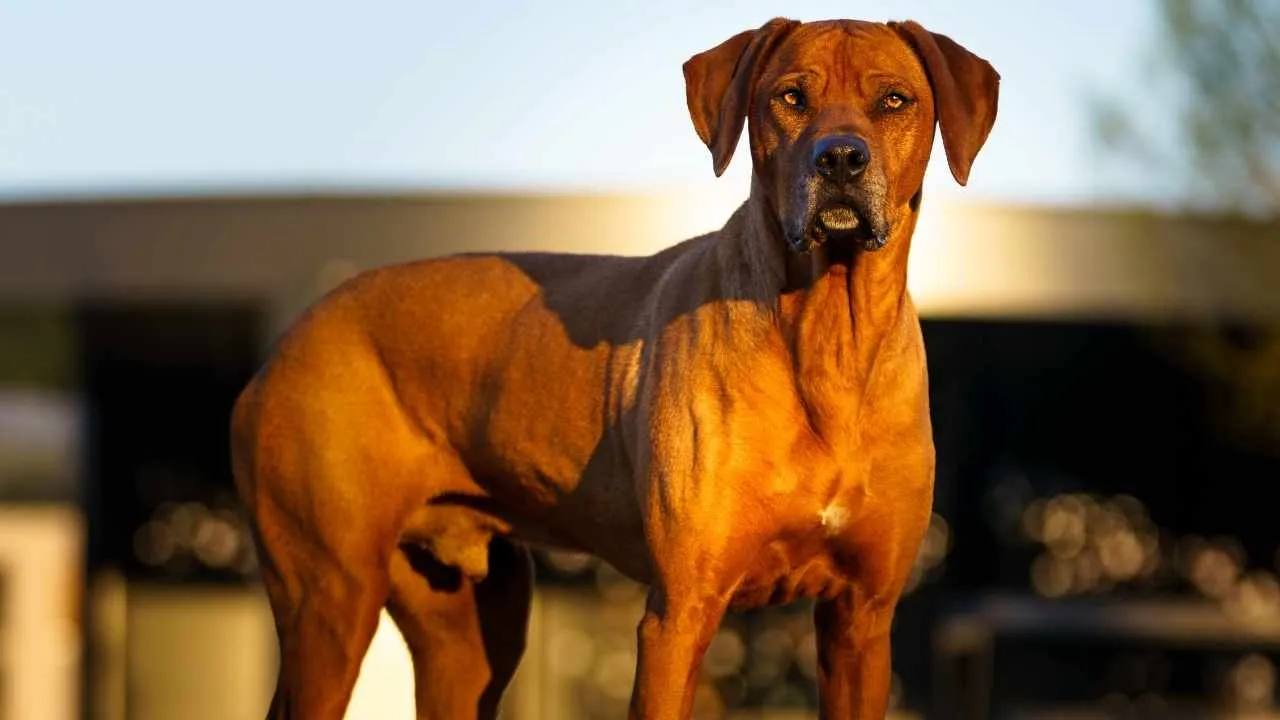
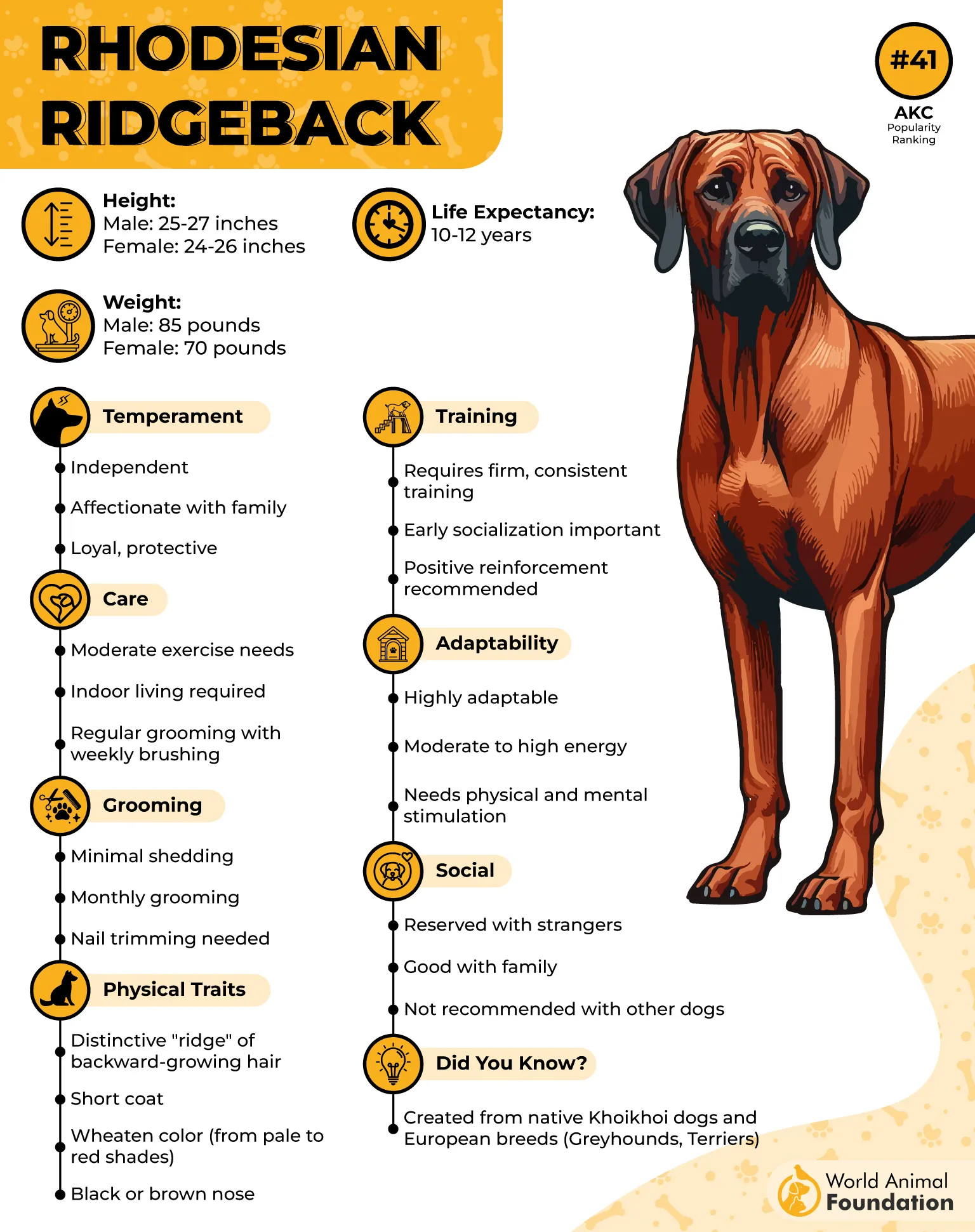
Rhodesian Ridgeback is recognized by the distinct ridge of backward-growing hair along its spine, a feature tied closely to its working identity.
In its native Africa, it earned a reputation for tracking and holding lions at bay without engaging directly. This balance between pursuit and restraint shapes its hunting behavior.
Chase instinct with control limits
This high-energy dog shows a strong response to fast-moving targets, often locking focus once motion is detected. Its independence influences how it follows instinct, requiring early guidance to shape controlled reactions.
That instinct becomes visible in specific ways:
Fixates on small, fast-moving animals
Maintains pursuit once triggered
Requires secure boundaries to prevent chasing
Independence in decision-making
They approach situations with a self-directed mindset, often assessing before responding to commands. This independent streak reflects its background as a hunting hound expected to act without constant direction. Guidance needs consistency rather than repetition.
7. Saluki
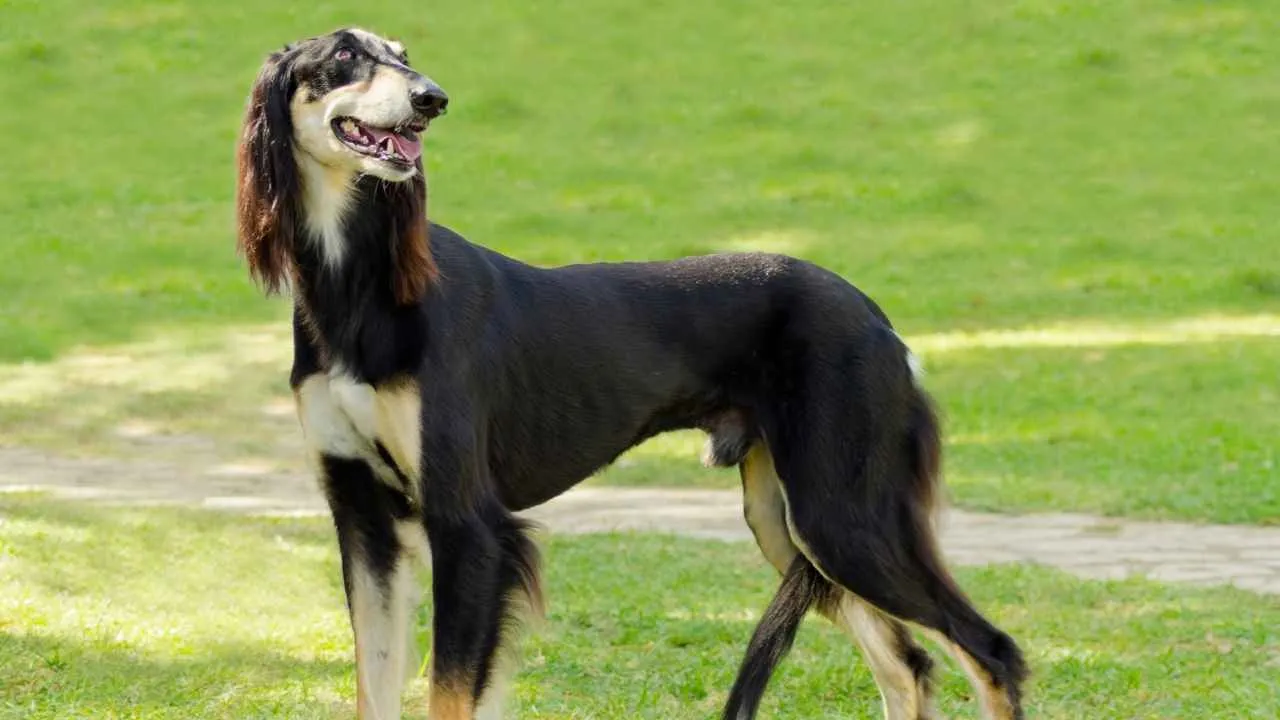
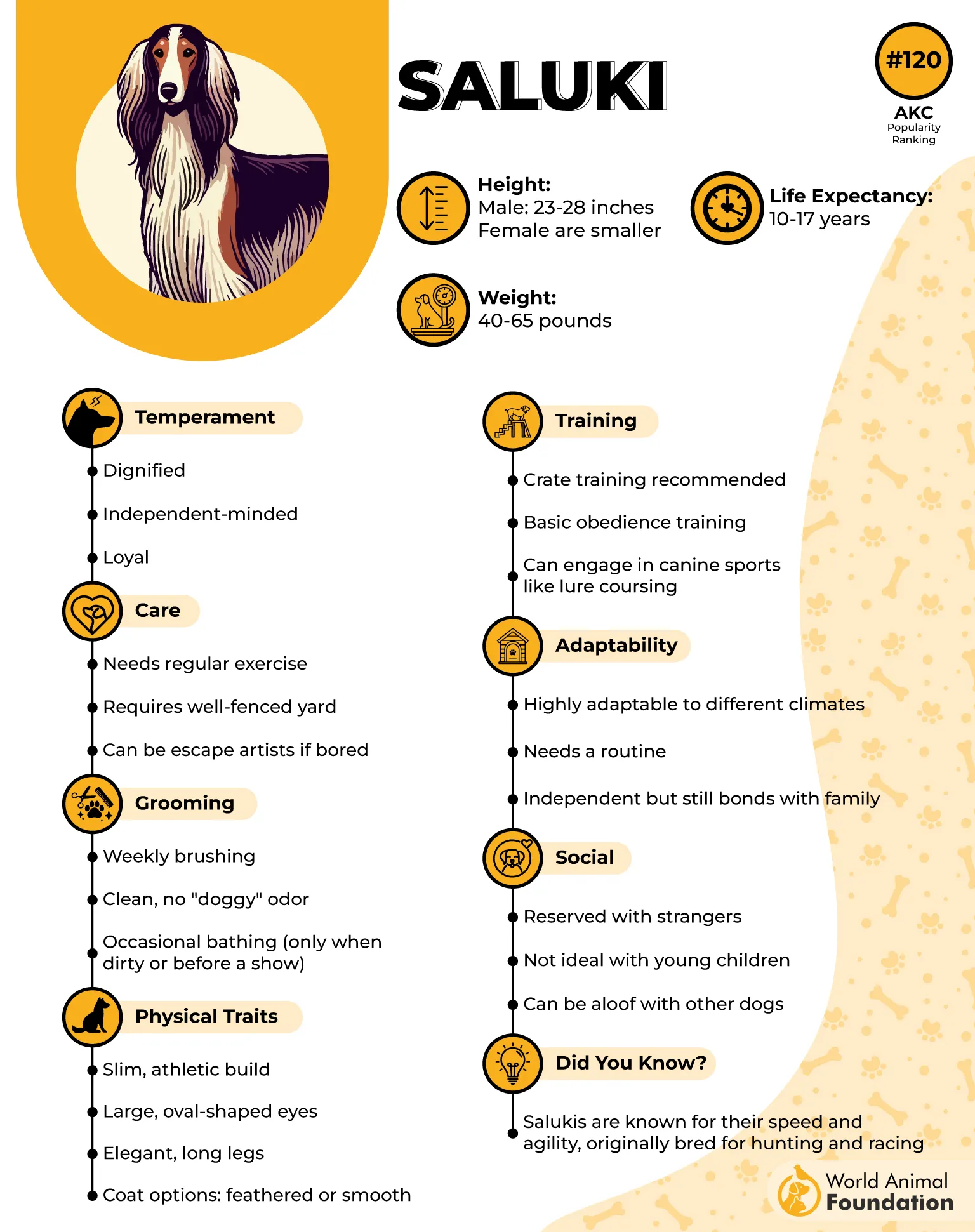
Saluki holds a long history as a royal hunting hound, shaped for speed and precision over open terrain. Its slim yet strong frame reflects a balance of endurance and sudden acceleration. The structure feels refined, built around pursuit rather than brute force.
Focus triggered by movement
This energetic dog, too, reacts sharply to fast-moving objects, showing deep instinct tied to its hunting background. Its attention locks onto motion with intensity, often ignoring distractions once engaged.
That instinct becomes clear through simple patterns:
Fixates on small, fast-moving pets or other dogs
Prefers open space for sprinting bursts
Reacts quickly to sudden movement shifts
Independence in daily behavior
Saluki maintains a self-directed temperament, choosing when to engage rather than constantly seeking interaction. It stays affectionate with familiar people while remaining distant toward strangers. This selective engagement shapes how it fits into quieter, predictable environments.
Conclusion
Prey drive becomes easier to understand once you see how consistently it shows up.
It is not random or unpredictable. It follows clear patterns tied to movement, scent, and environment. The breeds discussed here reflect that instinct in different ways, often showing how they naturally pursue prey when the trigger appears.
With time, that awareness changes how you handle everyday situations. You stop assuming and start recognizing triggers before they happen. Early socialization plays a role in shaping better responses, reducing the chances of unwanted, destructive behavior.
The instinct does not disappear, but it becomes something you can manage without confusion or constant correction.
