




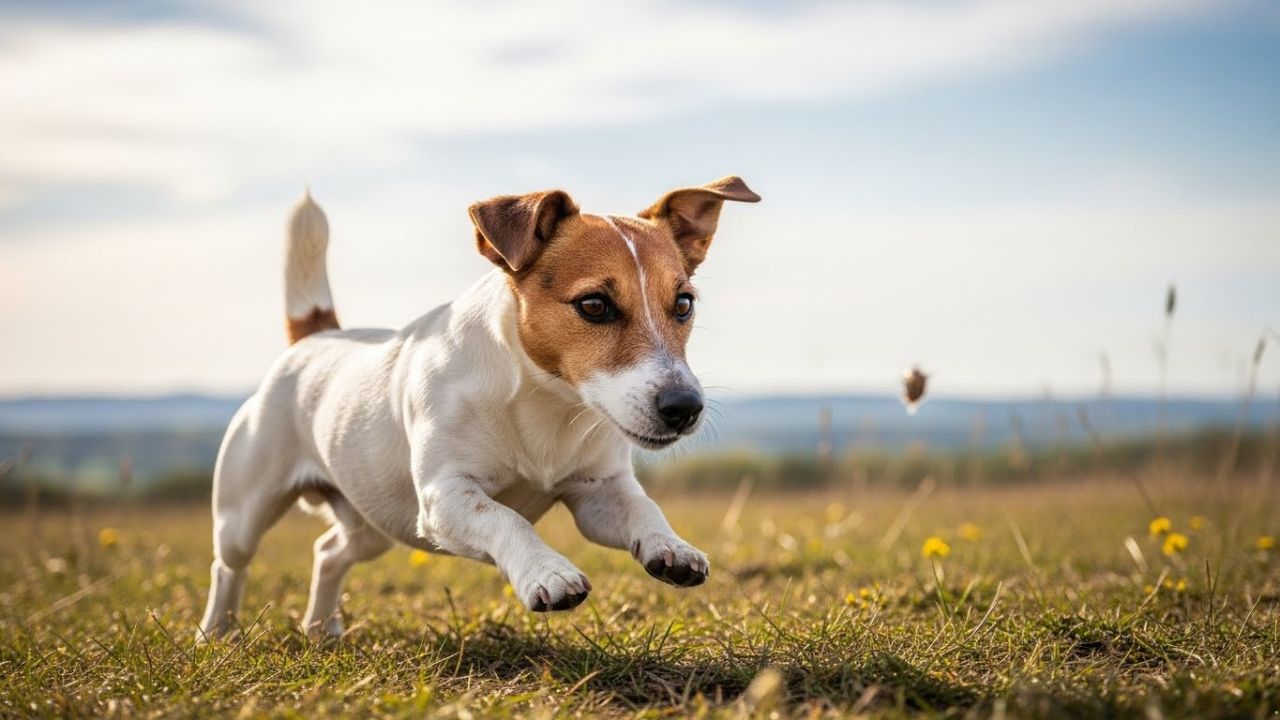
Did you know some dogs can spot a squirrel’s tiniest tail-flick from across the park and treat it like a full-blown mission? That laser focus is prey drive: a built-in instinct to notice, chase, and sometimes grab moving “targets.” It’s not “good” or “bad,” it’s simply powerful, and it shows up most strongly in breeds developed for hunting, tracking, vermin control, and herding.
If you love energetic dogs, outdoor adventures, and training challenges, a strong prey drive can be a thrill because these dogs often bring intensity, speed, and determination to everything they do. But if you have cats, small pets, or a busy neighborhood full of joggers and bikes, that same intensity can create real management needs.
In this guide, we’ll look at dog breeds known for sharp prey instincts and what that trait can mean in everyday life.
Best Dog Breeds Possessing a Keen Prey Drive
1. Border Collie
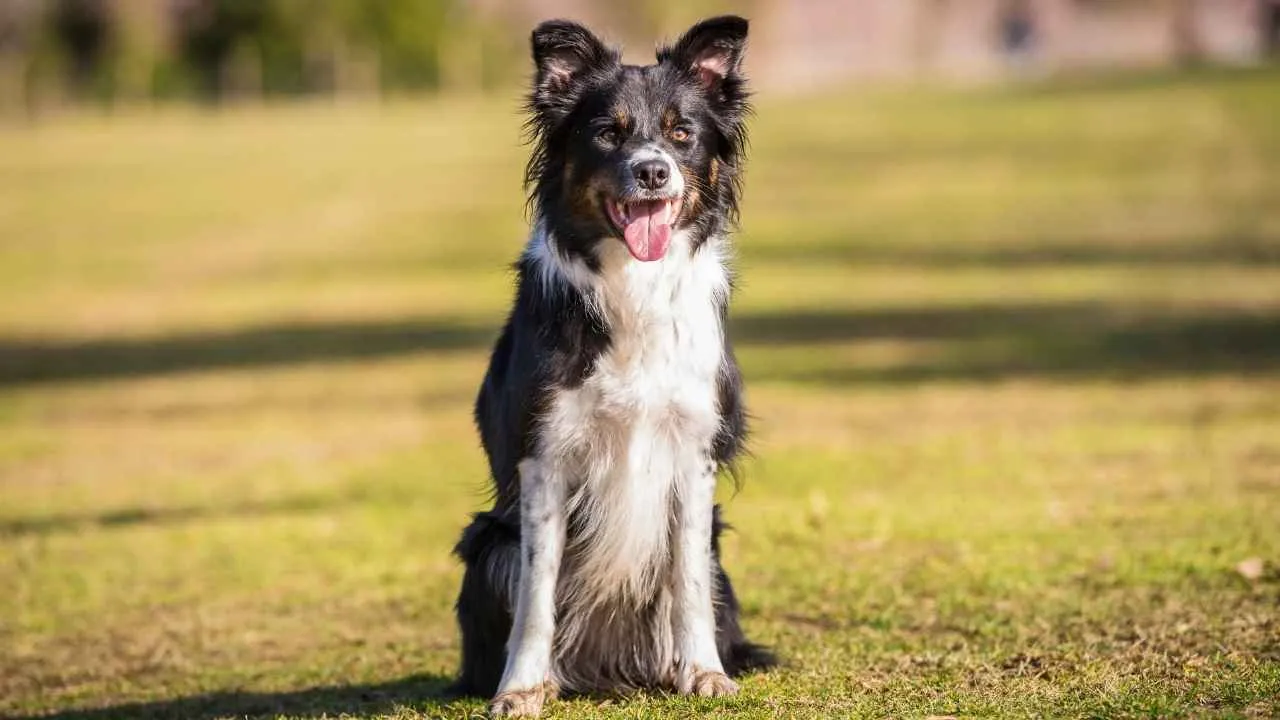
Border Collies were developed to work livestock, and that heritage shows up as intense focus and quick reactions to movement. They are widely described as exceptionally smart and extremely active, which is why their brains need as much exercise as their bodies.
In daily life, many Border Collies look like they are “reading” their environment at all times, noticing runners, bikes, and wildlife instantly. Their herding style can include stalking and chasing behaviors, especially if they are bored or under-stimulated. Consistent training and giving them a job helps channel that drive into something productive, as suggested by the AKC.
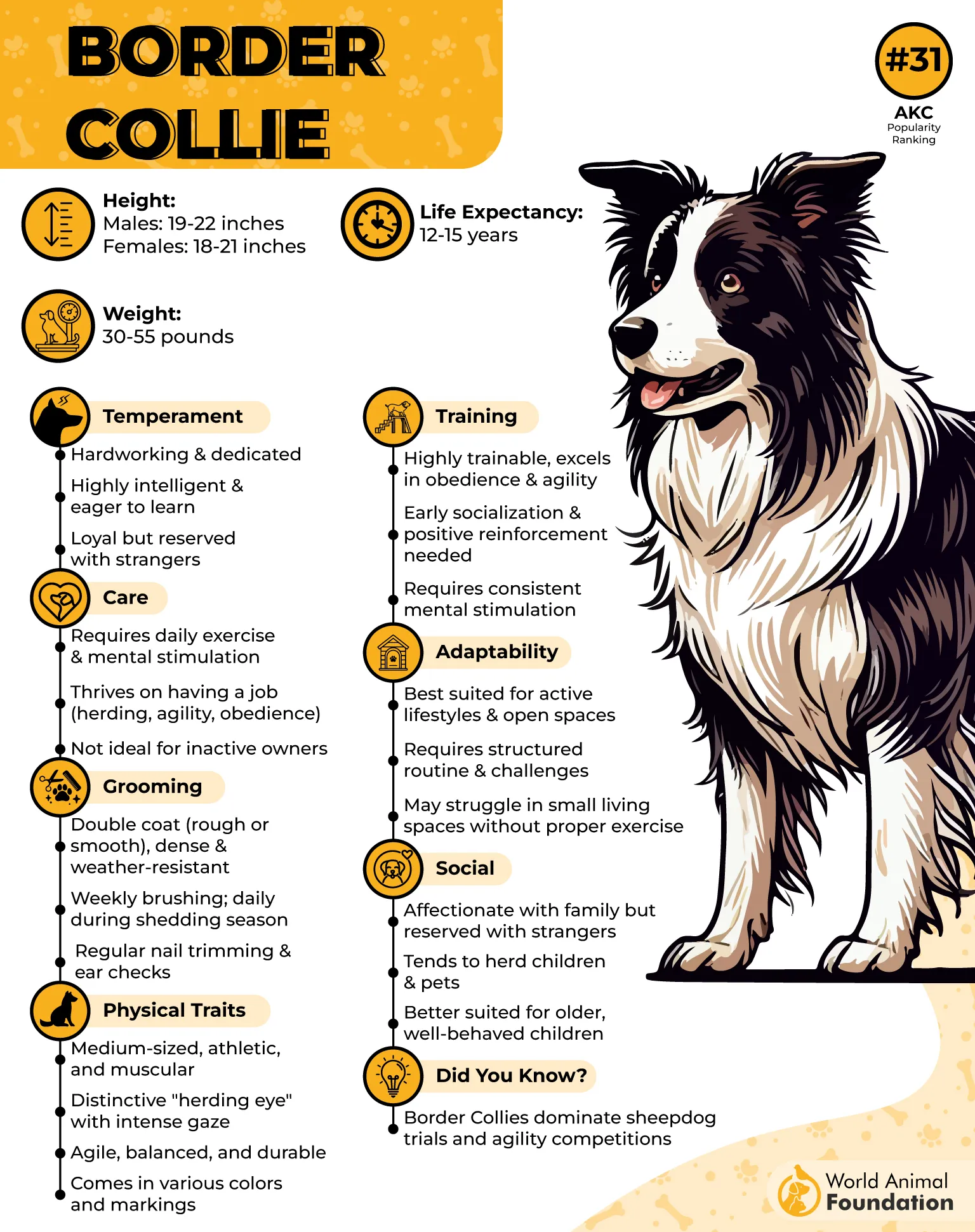
Care-wise, this is not a low-effort breed: they typically need substantial activity and mental enrichment every day to stay balanced. Many breed guides recommend daily exercise that is both physical and mentally challenging, especially for younger dogs.
If you are choosing a Border Collie, plan for structured outlets like agility foundations, advanced obedience, or herding-style games that reward focus. When their needs are met, they tend to be responsive partners who thrive on learning and teamwork.
Fun Fact
Border Collies appeared in the hit movie Babe. The breed also drew famous fans in the 19th century, including Queen Victoria.
2. Jack Russell Terrier
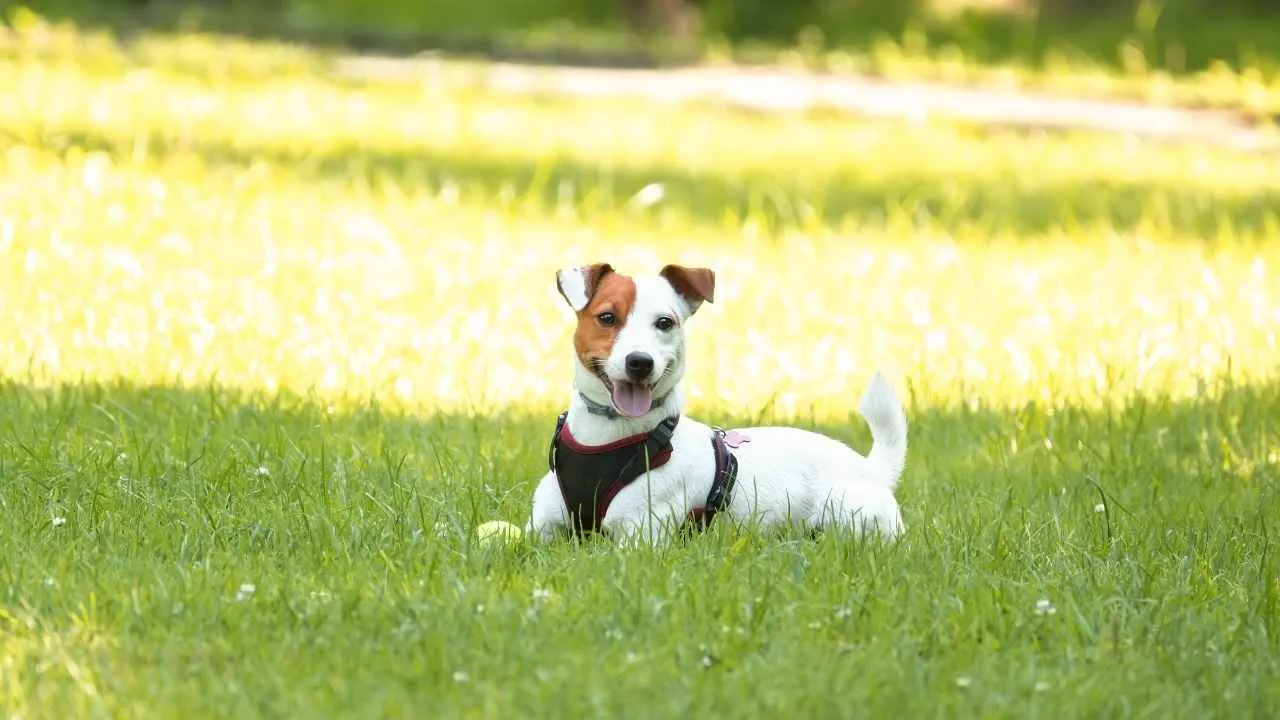
The Jack Russell Terrier was developed in 19th-century England for hunting, including work that required pursuing animals in dens. That history helps explain why the breed is often described as bold, energetic, and highly driven.
In the home, this often translates into a dog that is switched on, quick to react, and determined when something grabs its attention.
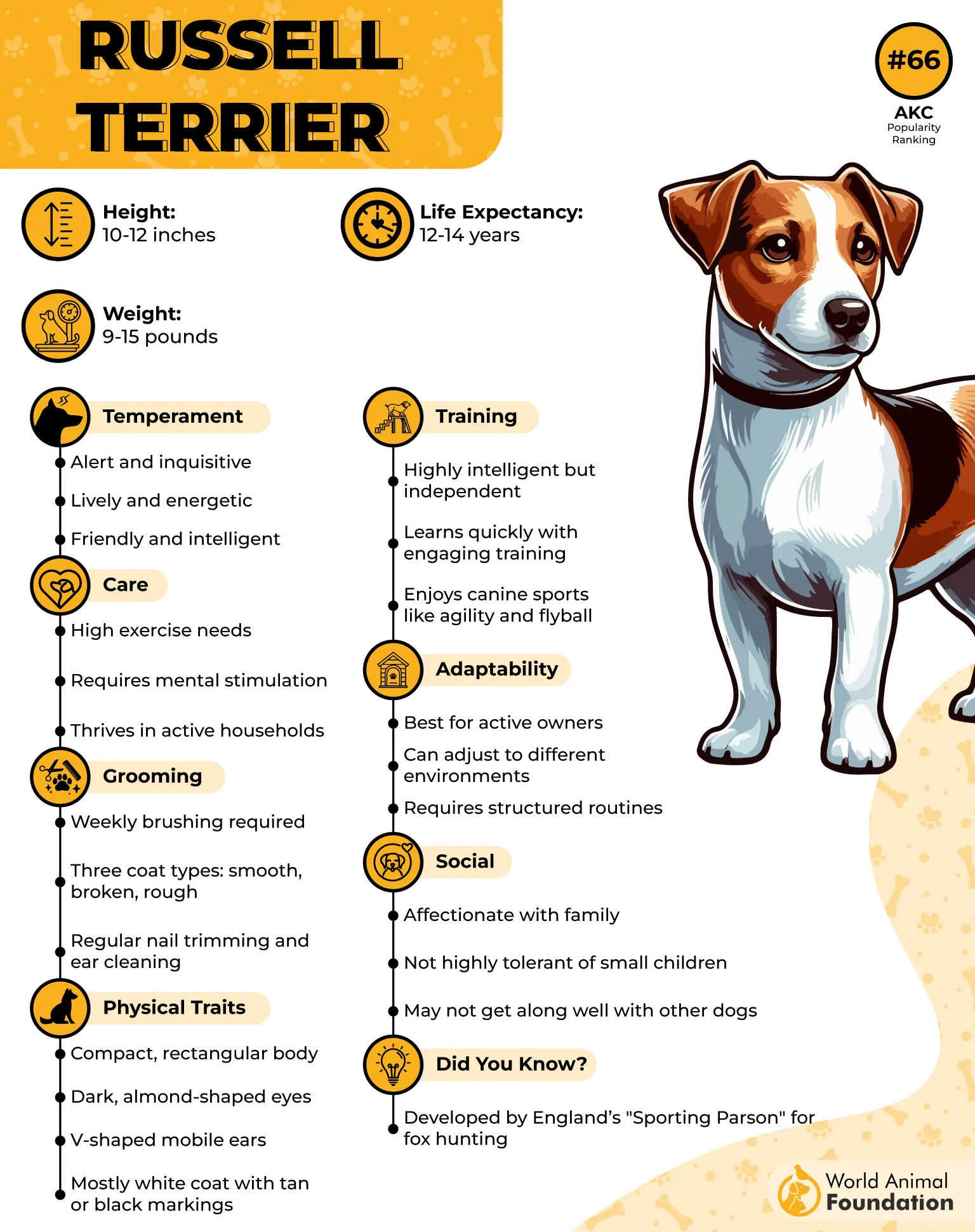
As per Britannica, they usually need consistent enrichment and early training to avoid turning that intensity into nuisance behaviors. When their high energy is directed into constructive activities, they can be entertaining companions with a lot of personality packed into a small frame.
A practical approach is frequent short training sessions, interactive play, and controlled games that mimic “hunt” sequences safely. Their background rewards owners who like structure, variety, and clear boundaries.
Fun Fact
The breed is named after Rev. John Russell, who helped develop these terriers for fox hunting. That specialized purpose is a big reason the breed can seem fearless compared with its size.
3. Australian Cattle Dog
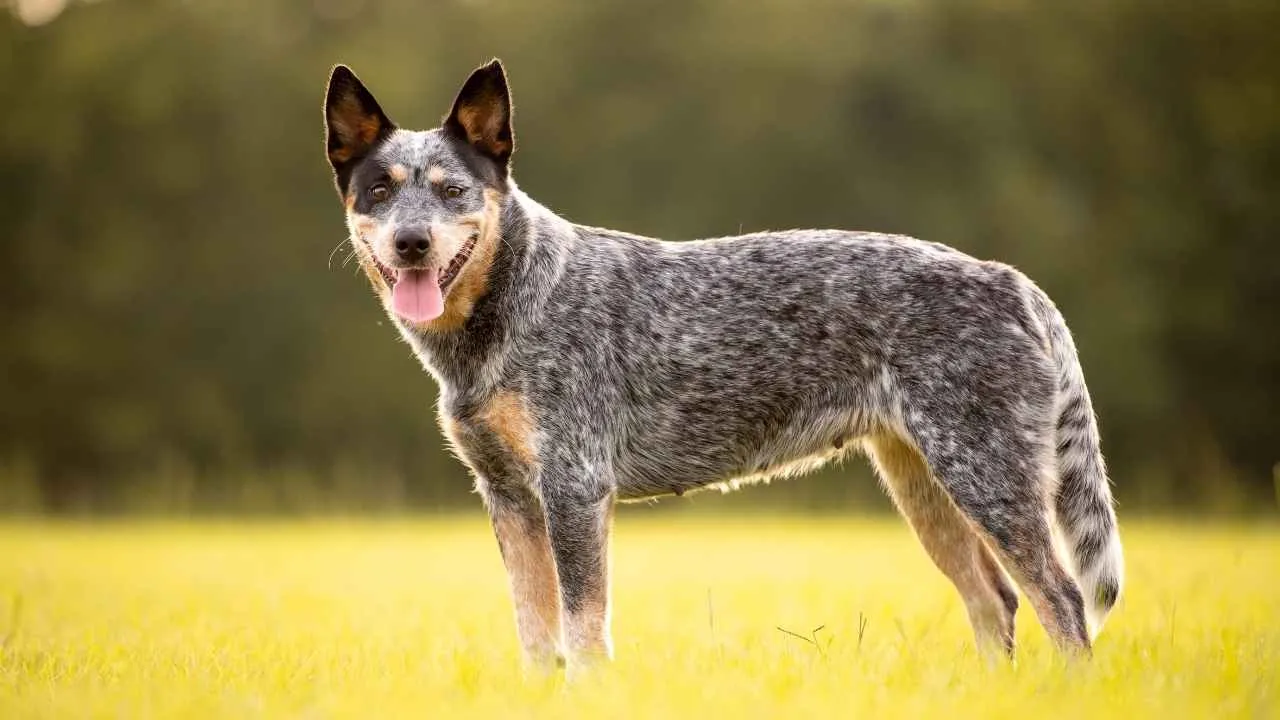
Australian Cattle Dogs are medium-sized working dogs commonly described as intelligent, tough, and highly energetic. They are often recommended for active homes because they thrive when they have a job to do.
Their strong instincts can show up through chasing, nipping, and herding behaviors, especially with fast-moving triggers. Some breed references also caution that they may try to herd smaller children and can chase cars if not trained and managed.
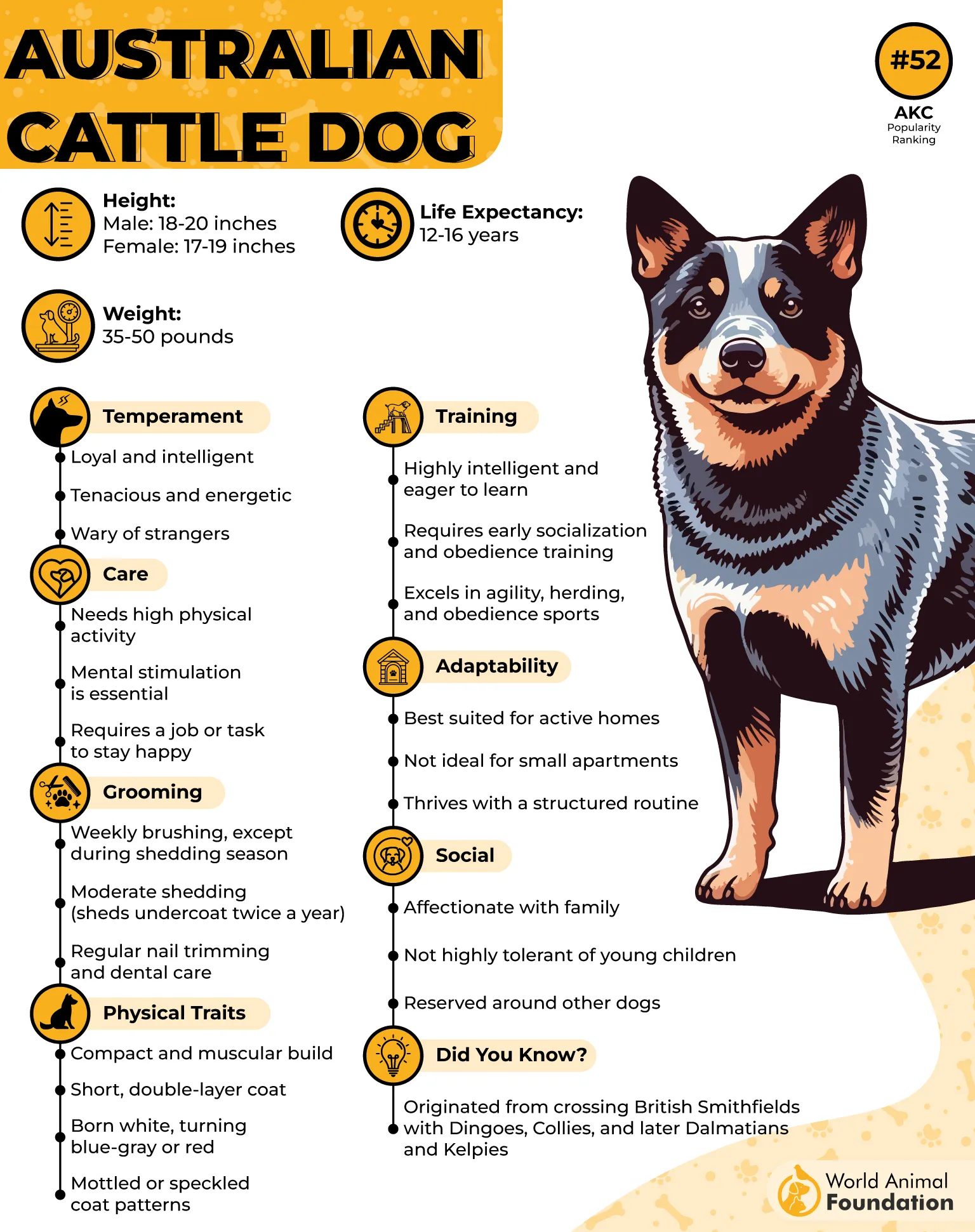
Temperament-wise, they are often loyal and people-focused, with a protective streak. Early socialization and steady training matter because their intensity and independence can become difficult if they are under-exercised.
For owners who love activity, this breed can shine in structured sports and daily routines that include learning and problem-solving. Their strong trainability makes it easier to redirect herding impulses into appropriate games and skills.
Fun Fact
Australian Cattle Dog puppies are typically born with white coats, and their signature coloring develops later. This change can be surprising if you have only seen adult dogs.
4. Beagle
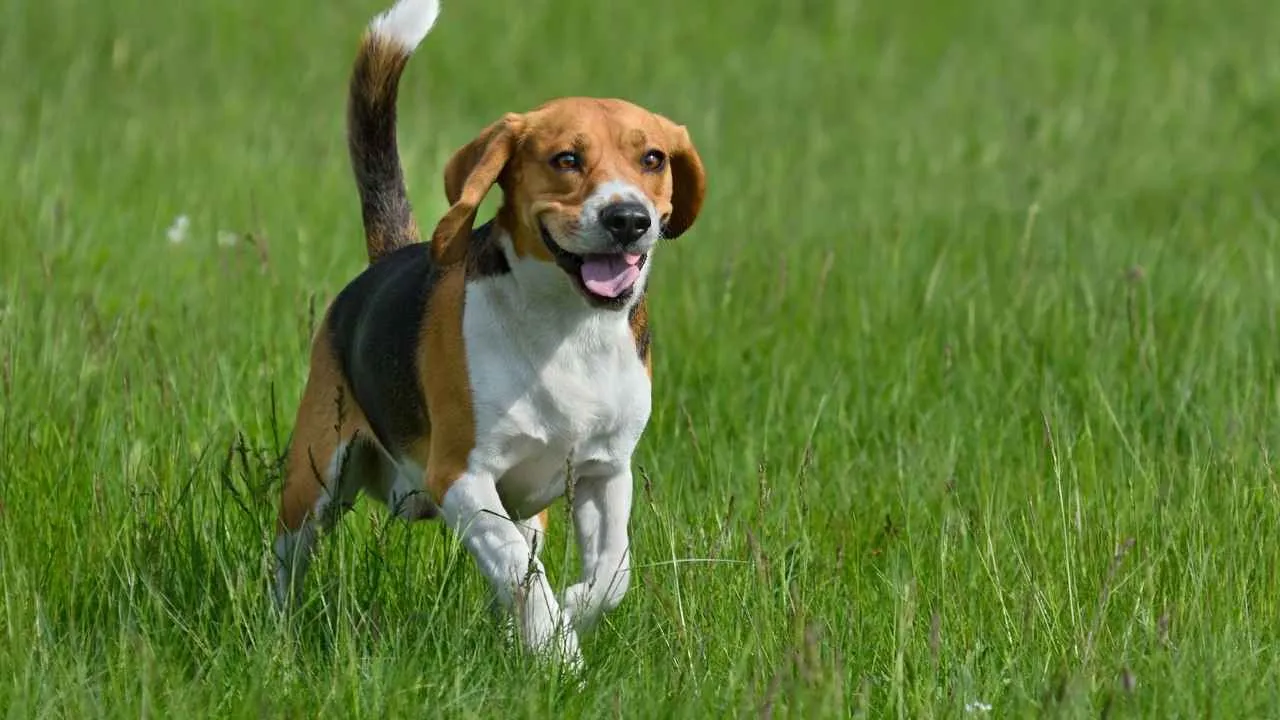
Beagles are scent hounds built around tracking, and many breed profiles emphasize their strong hunting background. Their nose-led decision-making can look like “selective hearing” when an exciting scent trail appears.
Because they were developed to follow scent, Beagles often lock onto smells and keep going, which is why secure leashes and fenced areas are commonly recommended. Their prey drive often shows up as scent-chasing rather than the visual chase you see in some other breeds.
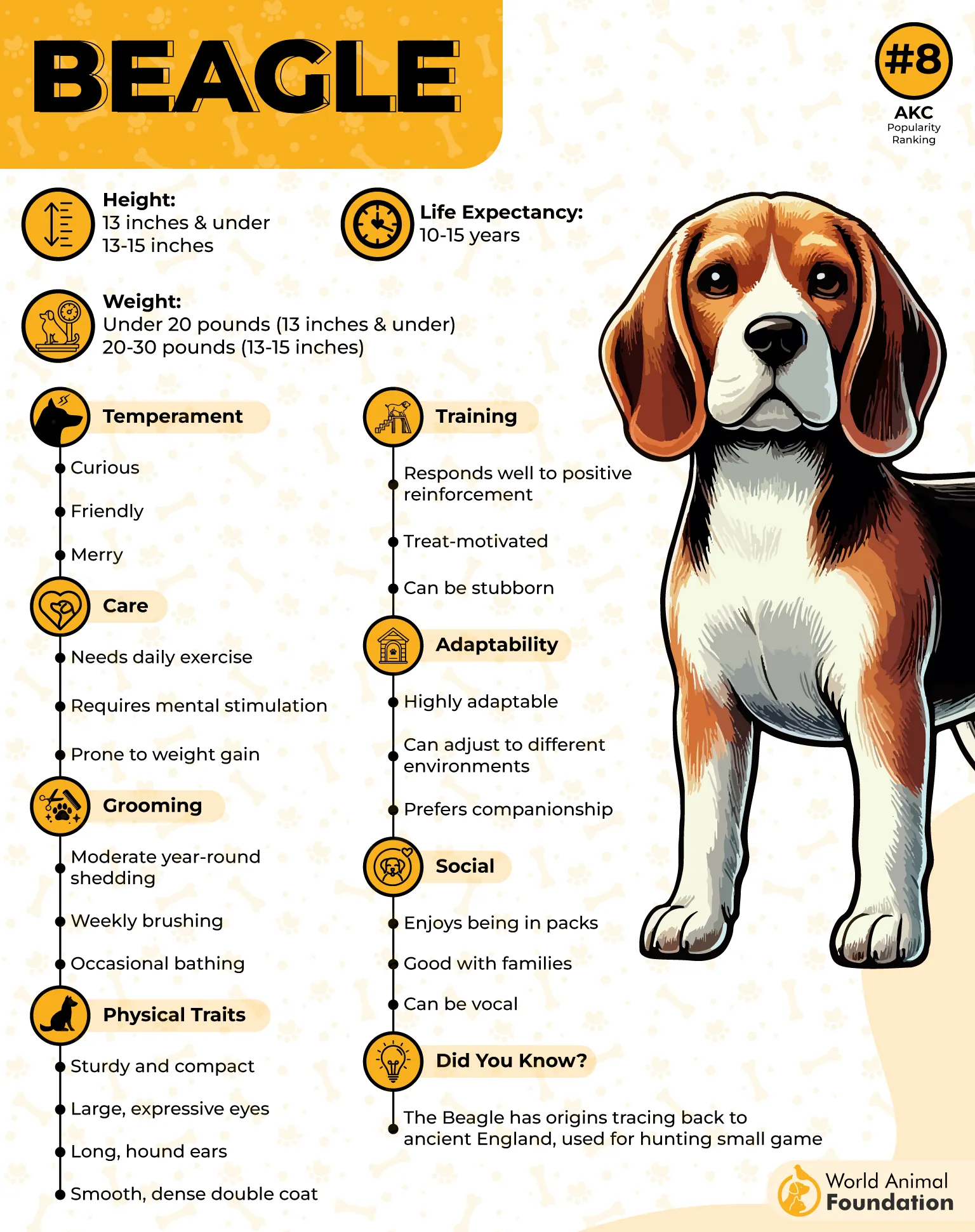
Hill’s Pet notes that Beagles need regular daily exercise, mental and physical stimulation. Nose-work games, food puzzles, and sniff-heavy walks can be especially satisfying for them.
Health considerations depend on the individual dog, but breed resources often mention screening for issues that can occur in the breed, including certain joint, thyroid, neurological, and eye concerns. Responsible breeding and preventive veterinary care are key parts of long-term planning.

Fun Fact
There are two commonly recognized Beagle size varieties, based on height. Many people do not learn this detail until they start comparing breed standards.
5. Siberian Husky
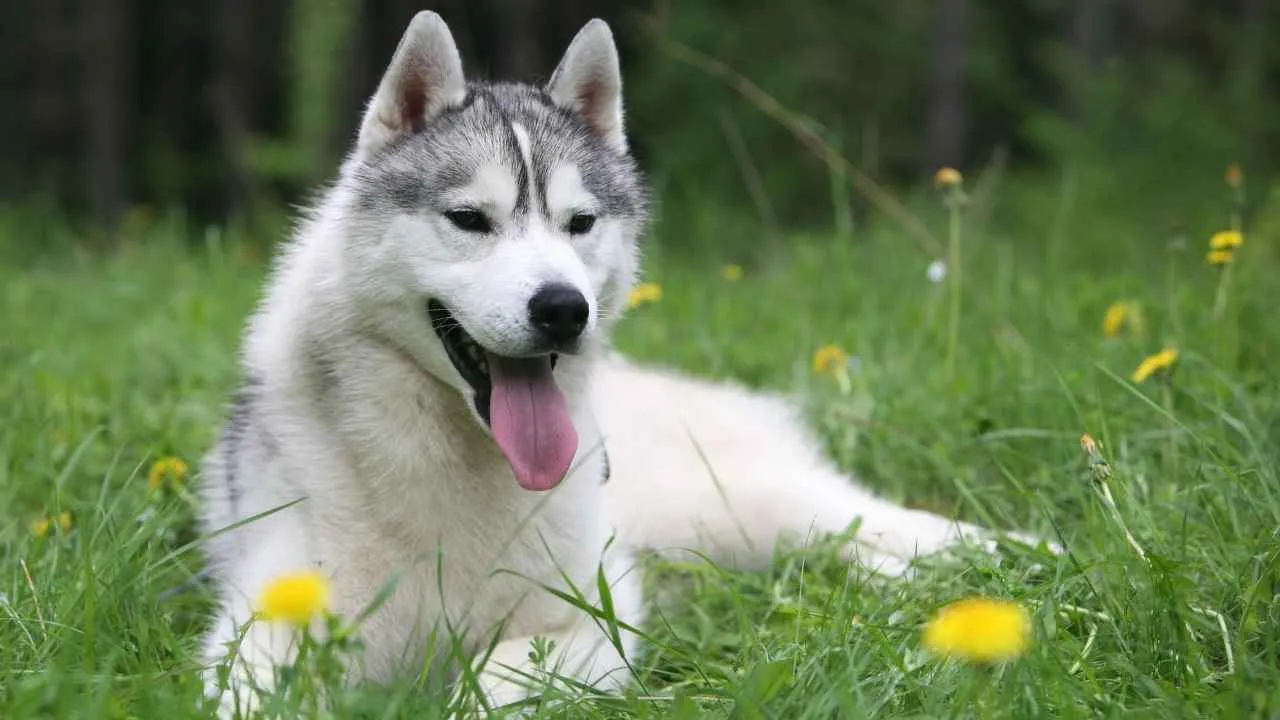
Siberian Huskies are known for endurance and are often described as active, intelligent dogs that love to move. Their working background helps explain why they are rarely content with minimal daily exercise.
That stamina can pair with a strong chase instinct around small, fast-moving animals, especially when something darts away. High prey drive breed lists frequently include Huskies, reflecting how commonly owners report chasing tendencies.
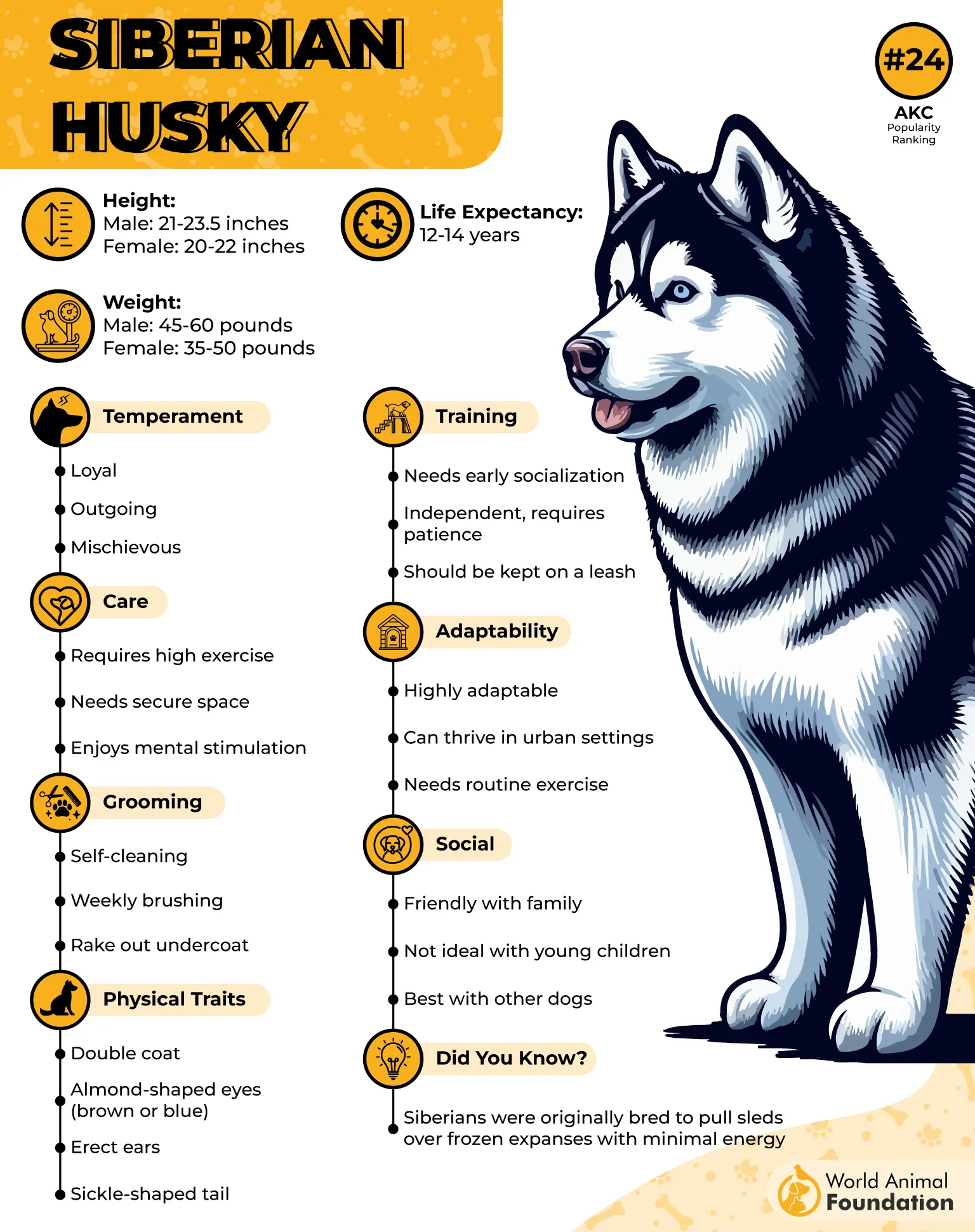
Many care guides recommend a minimum of around two hours of daily exercise for adult Huskies, along with training and enrichment. They are also often described as vocal, which can be part of their charm and part of their management needs.
Because they were developed to work for long distances, boredom can be a real issue without routine outlets. Consistent structure, safe confinement, and engaging activities can help prevent escape attempts and destructive habits.
Fun Fact
Many breed references list Siberian Huskies at roughly 16–27 kg as adults. People are often surprised that they can be lighter than expected for such powerful-looking dogs.
6. Weimaraner

Weimaraners were developed as hunting dogs, and many breed profiles describe them as athletic, smart, and driven. They are known for needing plenty of daily activity, not just casual walks, because their bodies and minds are built for work.
In day-to-day settings, a Weimaraner often notices movement quickly and can become intensely interested in anything that runs or flutters. This makes training reliable recall and practicing calm leash skills especially important in busy outdoor areas.
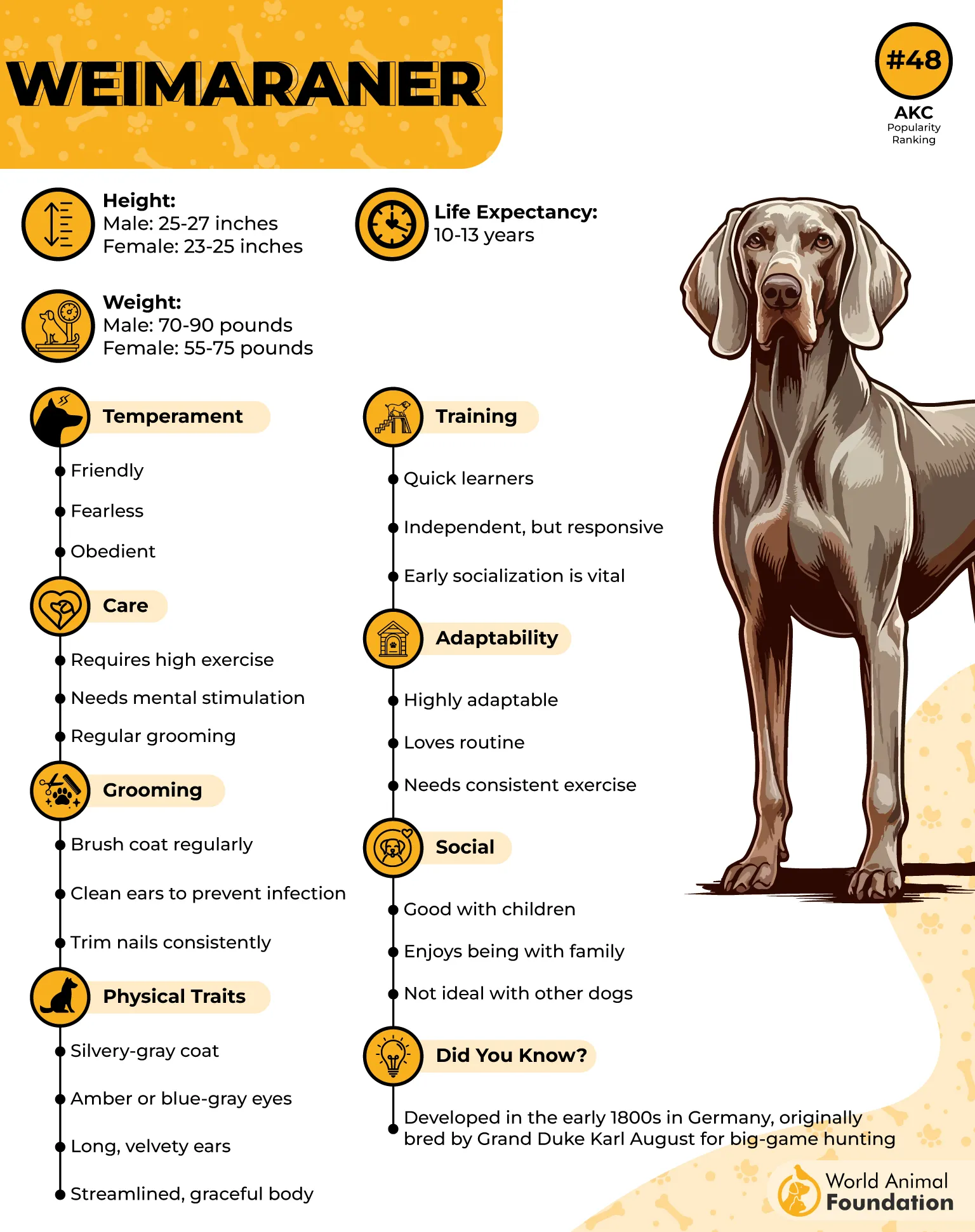
Their temperament is frequently described as people-oriented and eager to be involved, which can be a big plus for active households. When they are left under-stimulated, that same energy can spill into restlessness, chewing, or constant “find something to do” behavior.
For a smoother life together, lean into structured outlets like advanced obedience, scent games, and long exercise sessions that let them use their natural talents. Clear rules and consistent routines help them settle, especially during adolescence.
Fun Fact
Weimaraners are often nicknamed the “Gray Ghost” because of their sleek silver-gray coat. That distinctive look is one reason they are instantly recognizable even to non-dog people.
7. German Shepherd
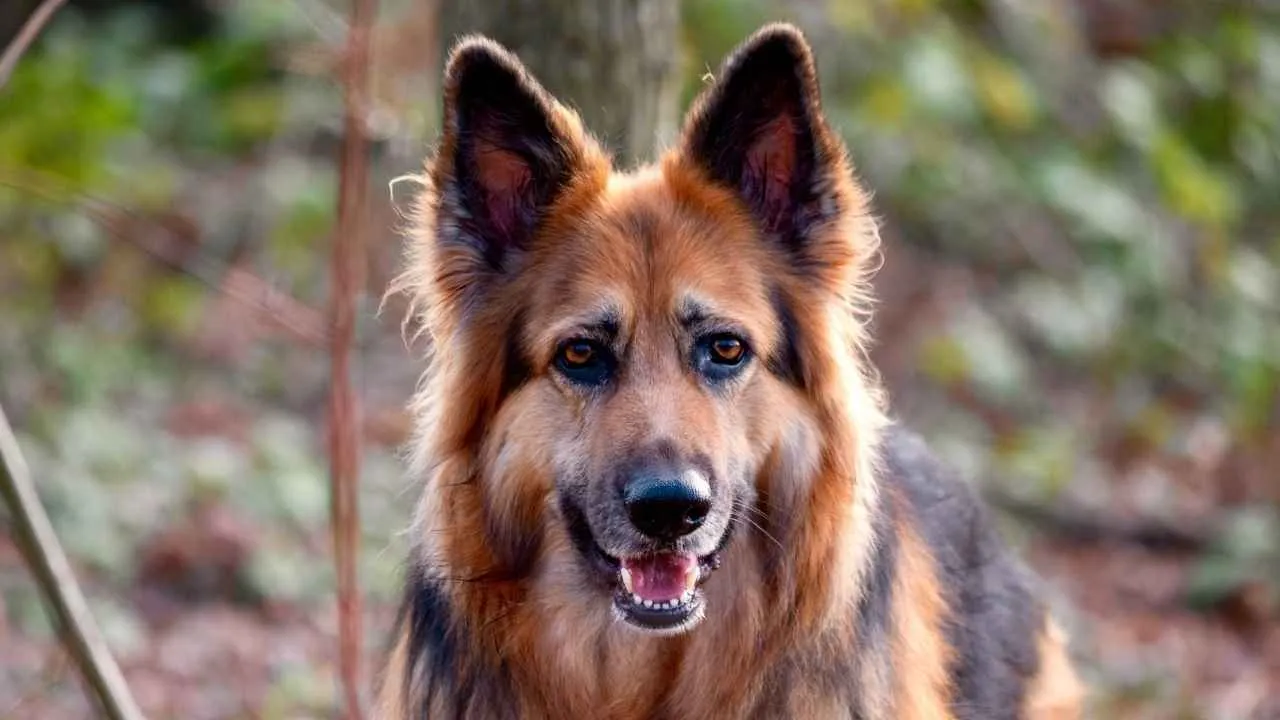
German Shepherds are widely described as an intelligent breed, highly capable with strong trainability and confidence. Many breed resources highlight their versatility across tasks that require focus, speed, and quick decision-making.
A common trait is a strong interest in moving stimuli, including fast play, running animals, and action-heavy environments. With the right guidance, that intensity can become an excellent drive for sports, structured training, and real working roles.
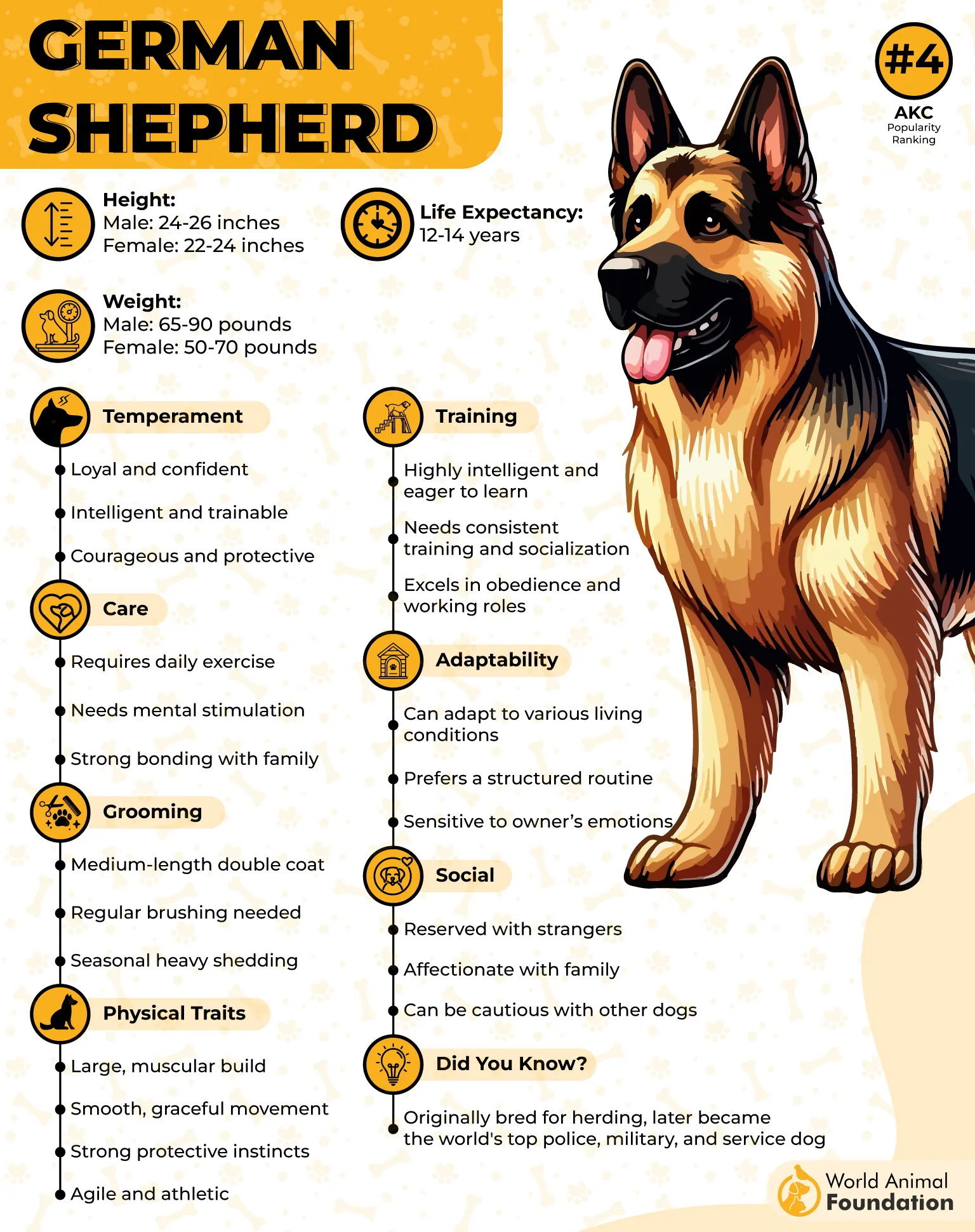
They tend to do best with owners who provide both physical exercise and regular mental challenges. Without consistent outlets, they can become bored and overly reactive, especially if they are not well-socialized from a young age.
Practical management often includes structured obedience, controlled tug or toy games, and leadership that stays calm and predictable. When trained thoughtfully, they can be steady companions that combine confidence with responsiveness.
Fun Fact
German Shepherds have a long reputation for service and working roles because they can learn complex tasks and perform them under pressure. Their combination of brains and athleticism is a major reason they are chosen for demanding jobs.
8. Belgian Malinois
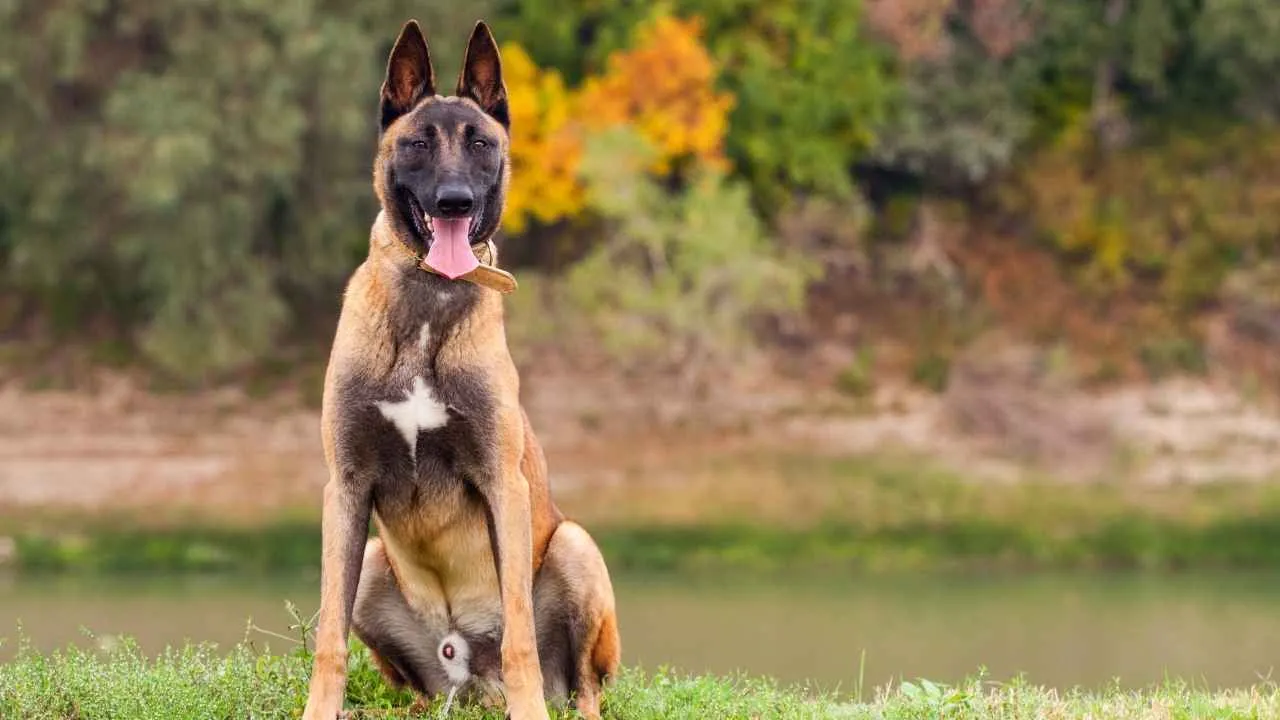
Belgian Malinois are frequently described as high-drive, highly intelligent working dogs with intense energy reserves. They are often associated with demanding roles that require speed, focus, and strong motivation to work.
In many homes, that drive shows up as a dog that loves motion-based games and can become fixated on chasing and grabbing moving objects. This is why trainers often emphasize structured play, clear rules, and careful management around fast triggers.
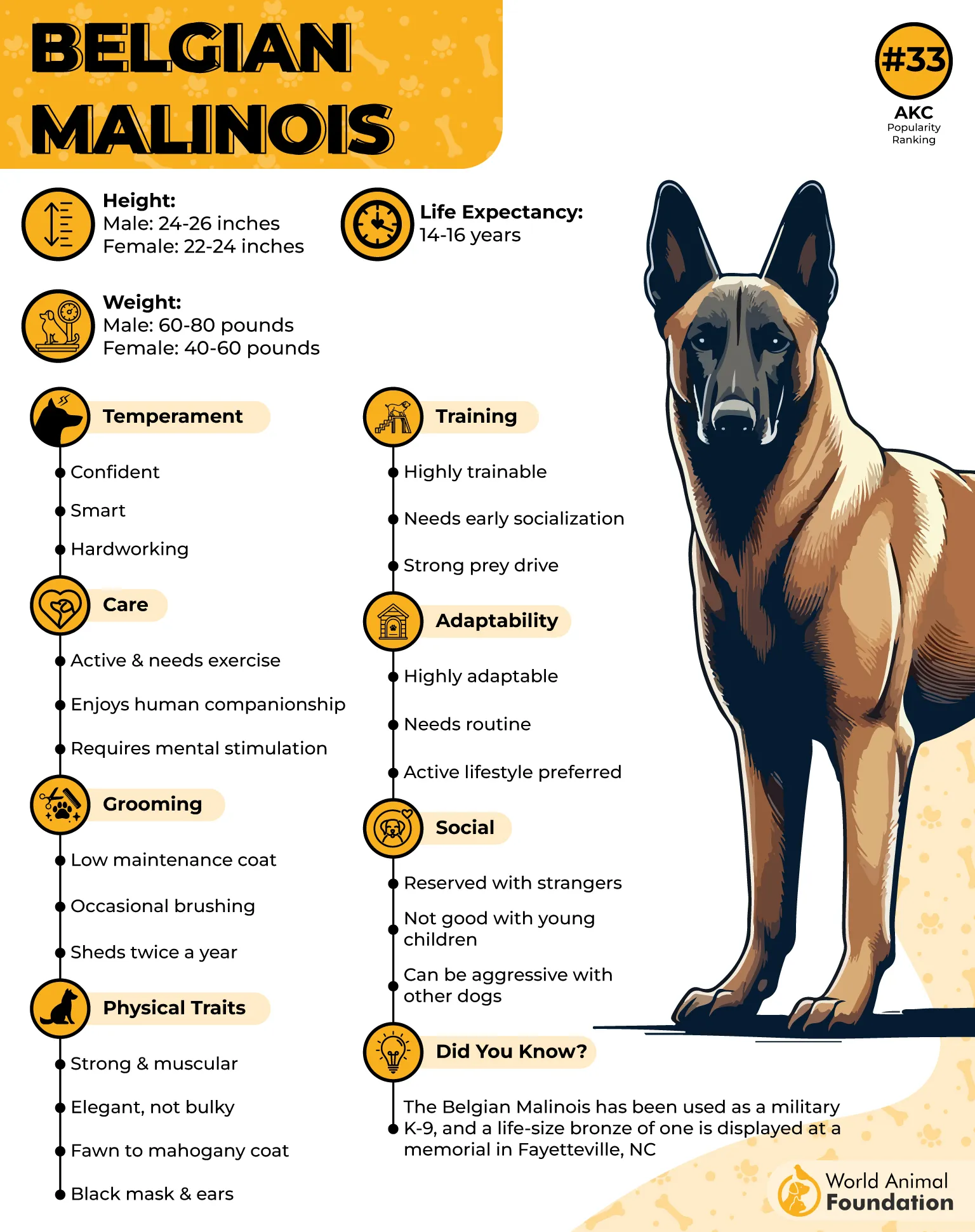
They typically need significant daily exercise paired with mentally challenging work. Puzzle-style training, advanced obedience, and sport foundations can help prevent frustration behaviors that stem from understimulation.
If you are considering one, plan for consistent training and a lifestyle that treats the dog like an athlete with a schedule. With skilled handling, their intensity becomes an advantage as they can prove to be great guard dogs.
Fun Fact
The Belgian Malinois is often chosen for high-performance working roles because it combines agility, stamina, and a strong learning ability. Many people are surprised by how “all day” their energy can feel compared to other active breeds.
9. Greyhound
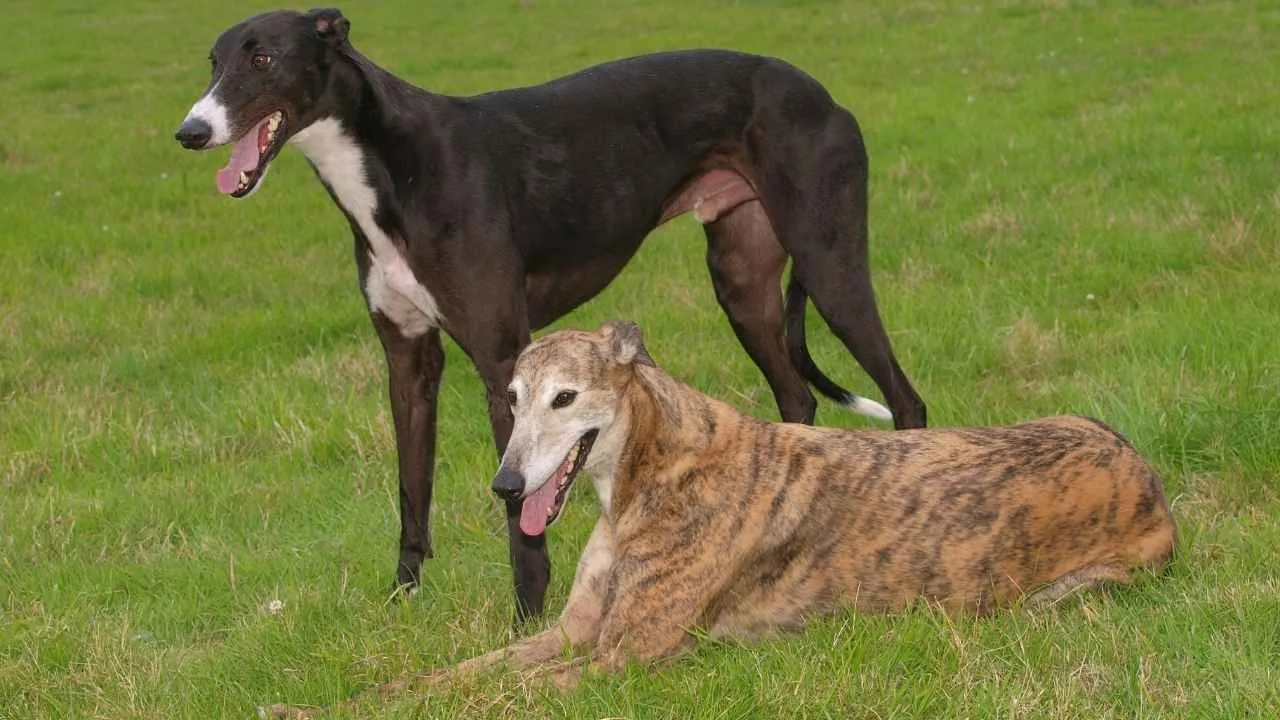
Greyhounds are famous for speed and are commonly described as sleek, athletic sighthounds built to spot movement and chase. Their bodies are designed for sprinting, which is why they can appear lightning-fast when something triggers their focus.
Greyhounds rely heavily on what they see, so quick-moving animals can flip their attention instantly. In everyday life, that means leash security and safe, enclosed spaces matter when outdoor movement is unpredictable.
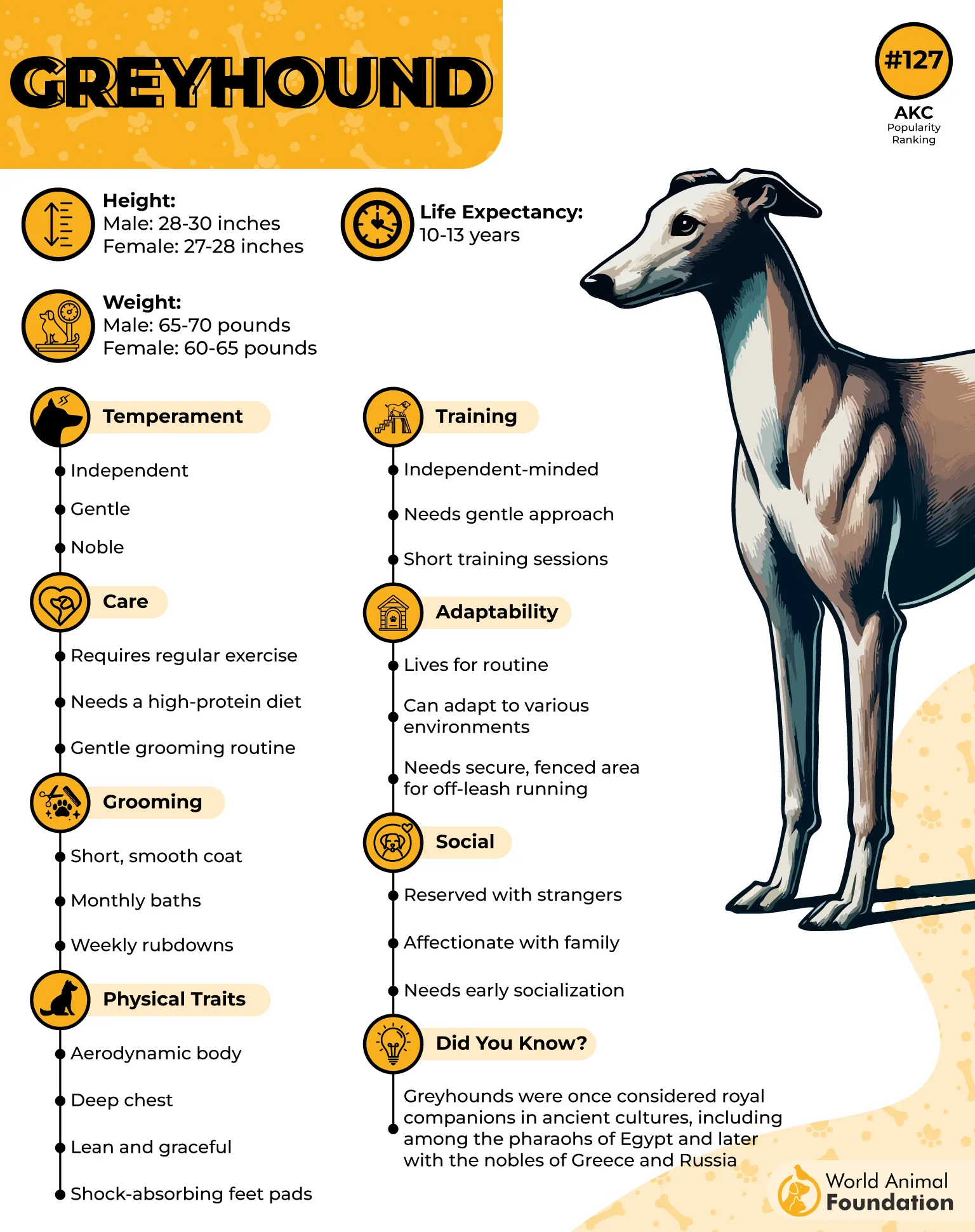
Many breed resources also note that Greyhounds often enjoy relaxing at home once their exercise needs are met. Their activity tends to come in bursts, so a good routine may combine short, safe runs with calm downtime.
Training often focuses on controlled impulse skills and predictable routines rather than drilling endless repetition. When thoughtfully managed, they can be gentle companions with an impressive athletic background.
Fun Fact
Greyhounds are among the fastest dog breeds, built specifically for sprinting. Their streamlined shape is not just aesthetic; it supports rapid acceleration and top speed.
10. Fox Terrier
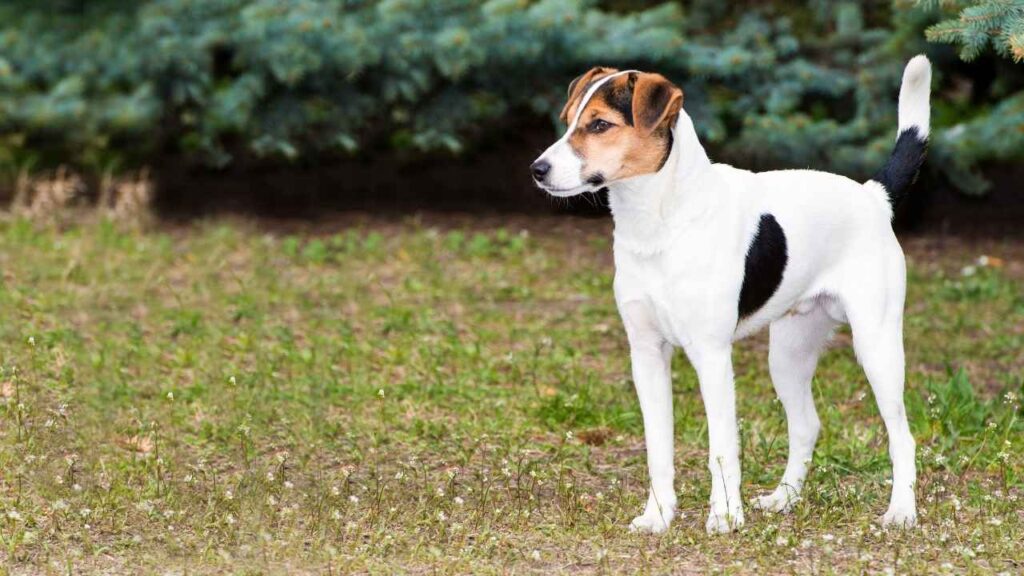
Fox Terriers were developed for hunting, and breed descriptions often emphasize their very high prey drive, alertness, boldness, and lively attitude. Terriers as a group are known for persistence, and this breed is frequently associated with “never quit” determination.
In a household setting, that can look like a strong interest in small animals, quick reactions to movement, and a love of chase games. Their confidence can also mean they test boundaries, so consistent training and rules are important from the start.
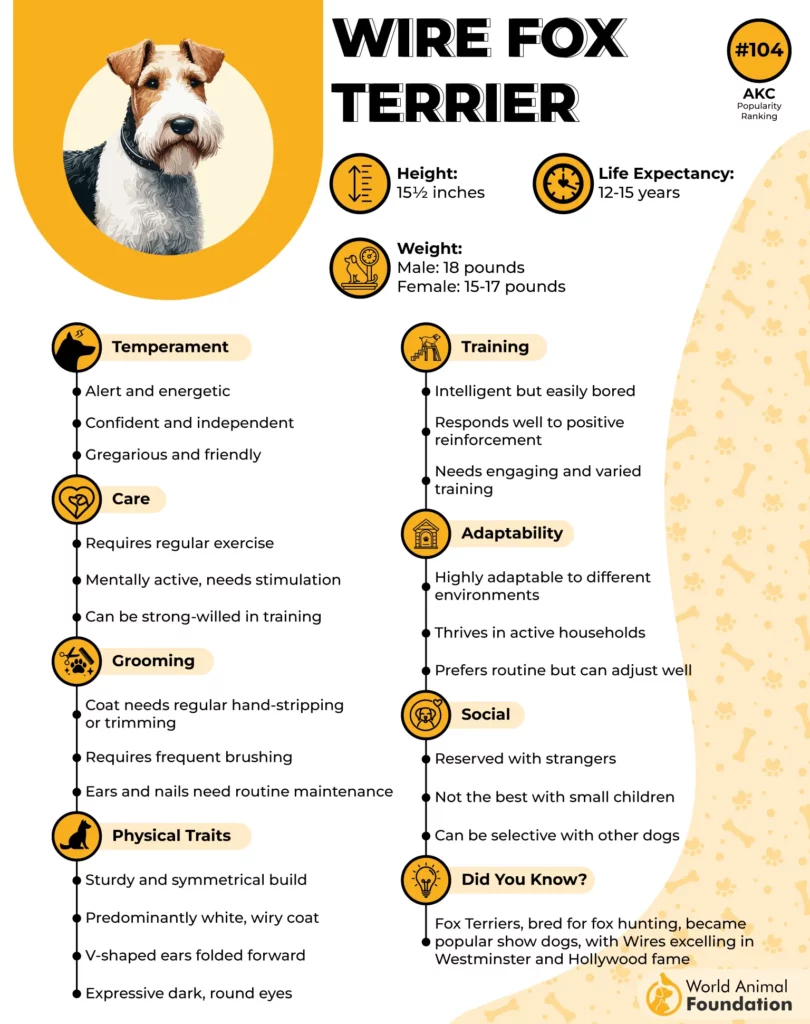
They generally do best with active engagement, short training sessions, and games that let them use their brains. Giving them structured outlets can reduce nuisance behaviors like digging or pestering for attention.
A smart approach is to channel that terrier intensity into controlled play and enrichment activities rather than hoping it will fade with time. When managed well, Fox Terriers can be entertaining, energetic companions with a sharp, bright personality.
Fun Fact
Fox Terriers were historically used in hunts to drive foxes from their dens, which required both courage and persistence. That background still shows in how confidently they tackle challenges today.
Conclusion
The best dog breeds possessing a keen prey drive can be thrilling companions, but they also come with real responsibilities for dog owners. Prey instincts often switch on around other animals, wild animals, and even other dogs, and most dogs will chase something that suddenly bolts. With certain breeds, that intensity can be stronger, so planning ahead matters, especially if your home includes small pets.
Success usually comes down to structure, not luck. Dogs love routines that include mental stimulation and daily outlets like long walks, and these habits can make a big difference in how they behave around people and older children. Early socialization is also key for building calmer responses in busy places, particularly for high-drive working dogs and some guard dogs.
Other dog breeds, such as pit bulls and many gun dogs, can also show strong chase instincts, so choose carefully and train thoughtfully. When the match is right, you get a dog that’s engaged, motivated, and easier to live with.
