




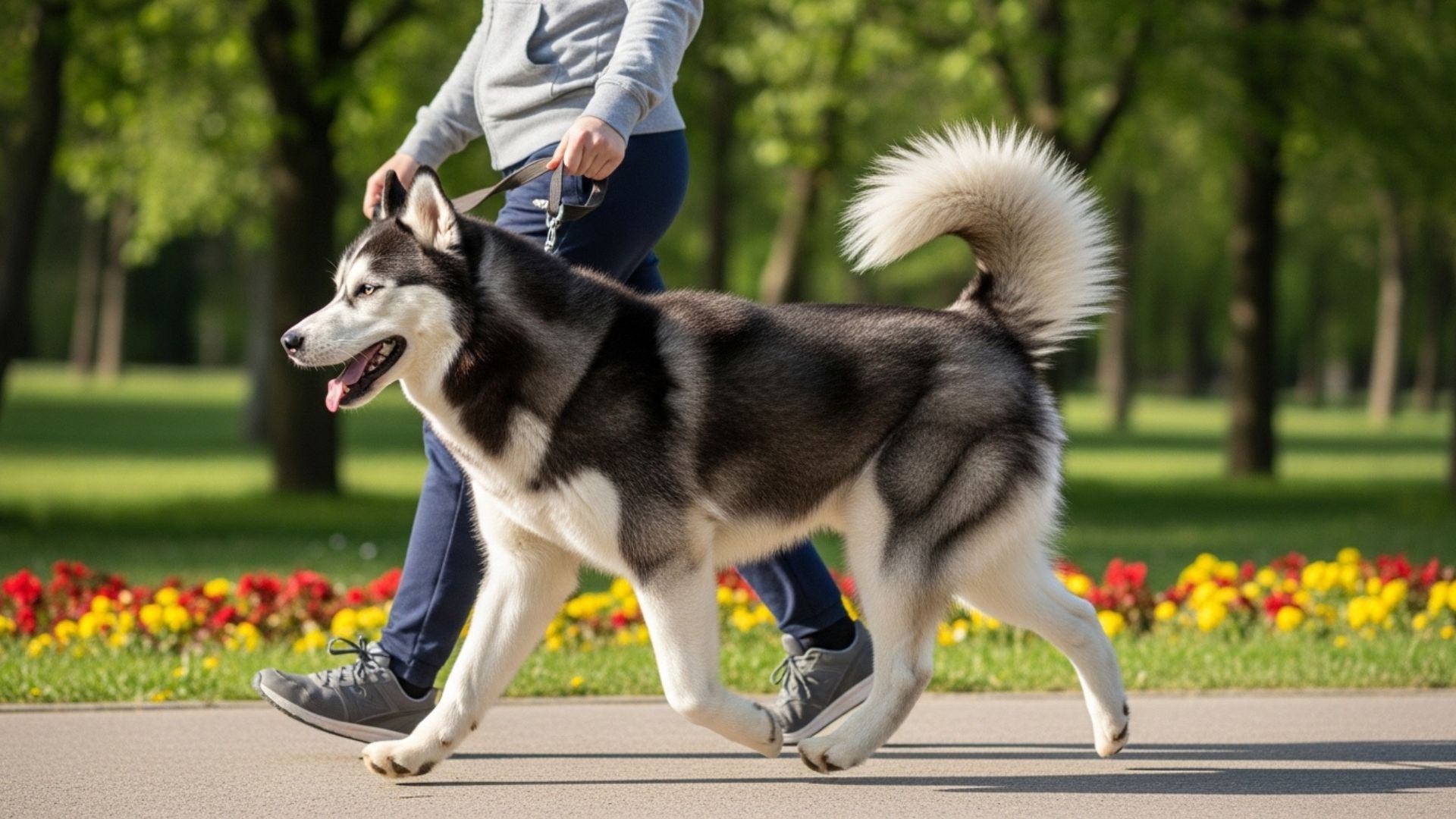
If your idea of a perfect day includes a sunrise run, a long hike, or a weekend on the water, the right dog can turn every outing into a shared adventure. While all dogs need exercise, some breeds are especially suited for active lifestyles and truly thrive when they have a job to do and room to move.
Choosing a dog that matches your energy level is one of the smartest steps you can take as a pet owner. The right fit means a happier companion, smoother routines, and plenty of tail wags along the way.
Let’s explore the breeds that love to keep pace with life on the go.
Dog Breeds Ideal for Highly Active Owners
1. Border Collie
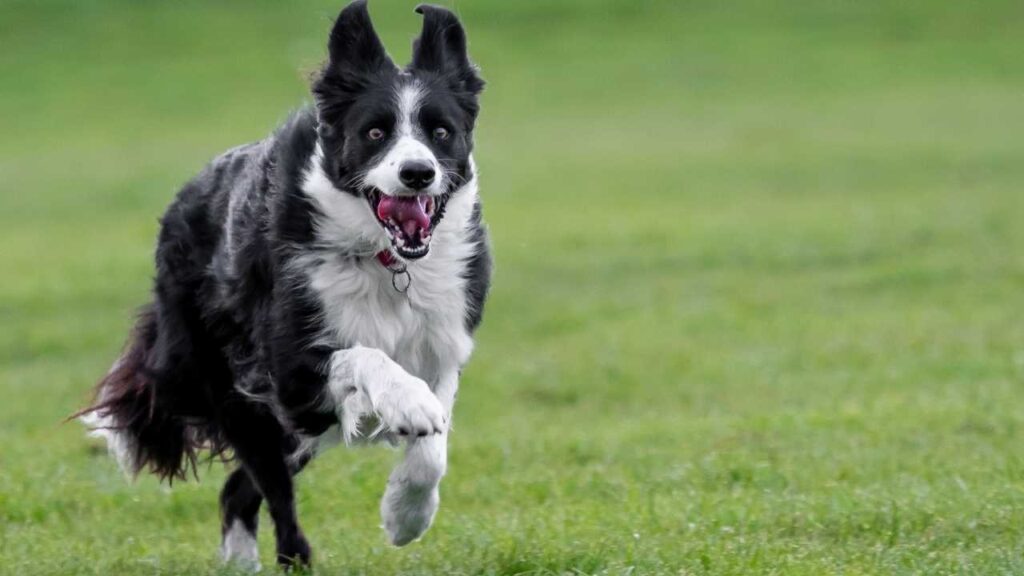
Border Collies are herding dogs bred to gather livestock, and that heritage still shapes everything they do. They are energetic, athletic, and intensely focused, with a reputation for intelligence and fast learning. Their almond-shaped eyes and “herding eye” give them a sharp, alert expression that matches their quick minds.
As per Purina, these dogs thrive when they have a purpose. They excel in activities like agility, flyball, frisbee, and herding trials, and they are known for impressive speed, precision, and endurance. Border Collies can work for hours and are happiest when both their bodies and brains are fully engaged.
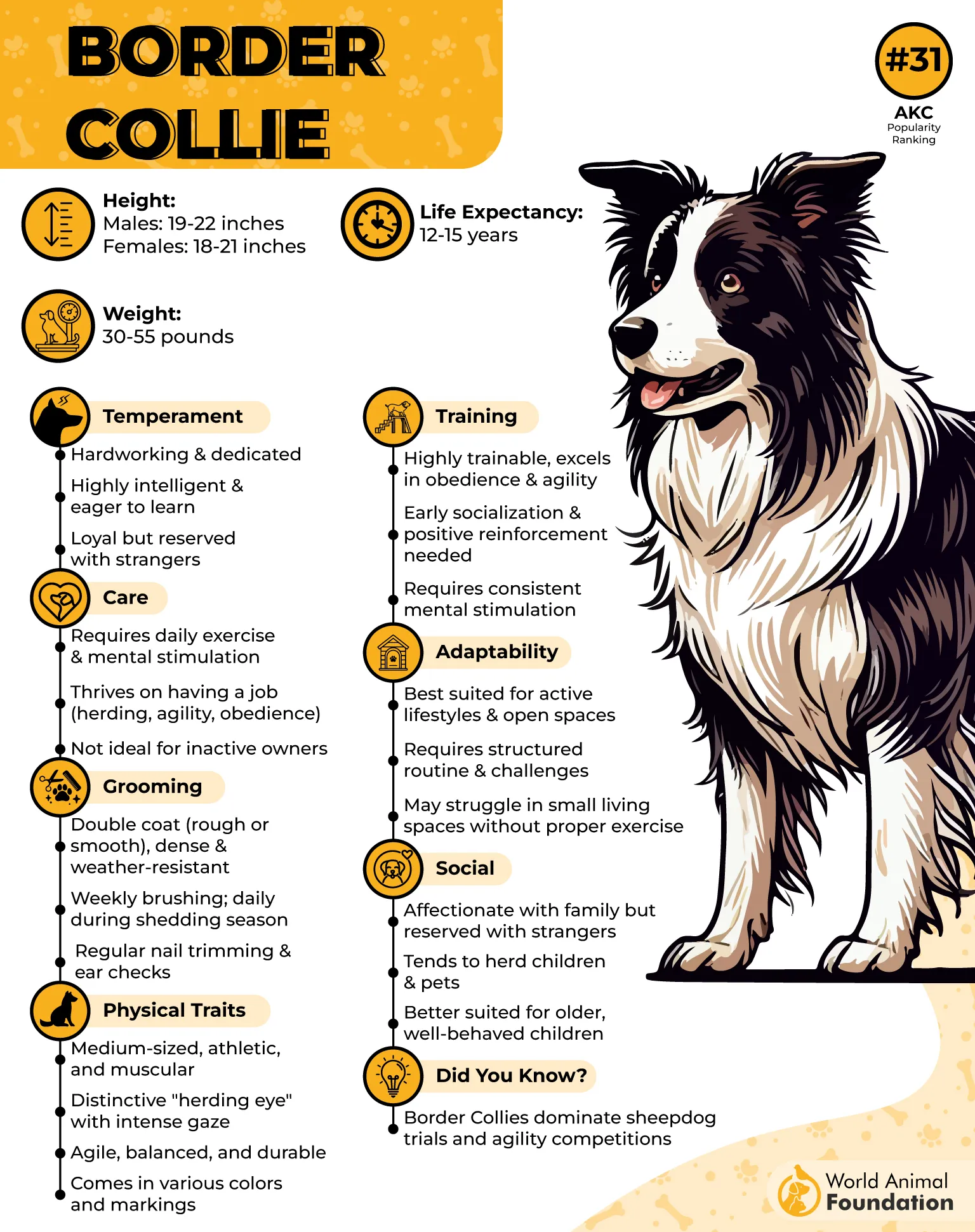
Highly trainable and eager to please, they form strong bonds with their people and respond well to positive reinforcement. Without enough activity and mental stimulation, they can become bored and develop unwanted behaviors. They do best with experienced owners who have time to dedicate to training, structure, and consistent engagement.
Why This Breed Is a Good Fit
Keeps pace on long hikes, runs, and high-energy adventures without slowing down
Thrives in dog sports and structured training sessions
Ideal for owners who enjoy teaching, problem-solving, and interactive play
2. Australian Shepherd
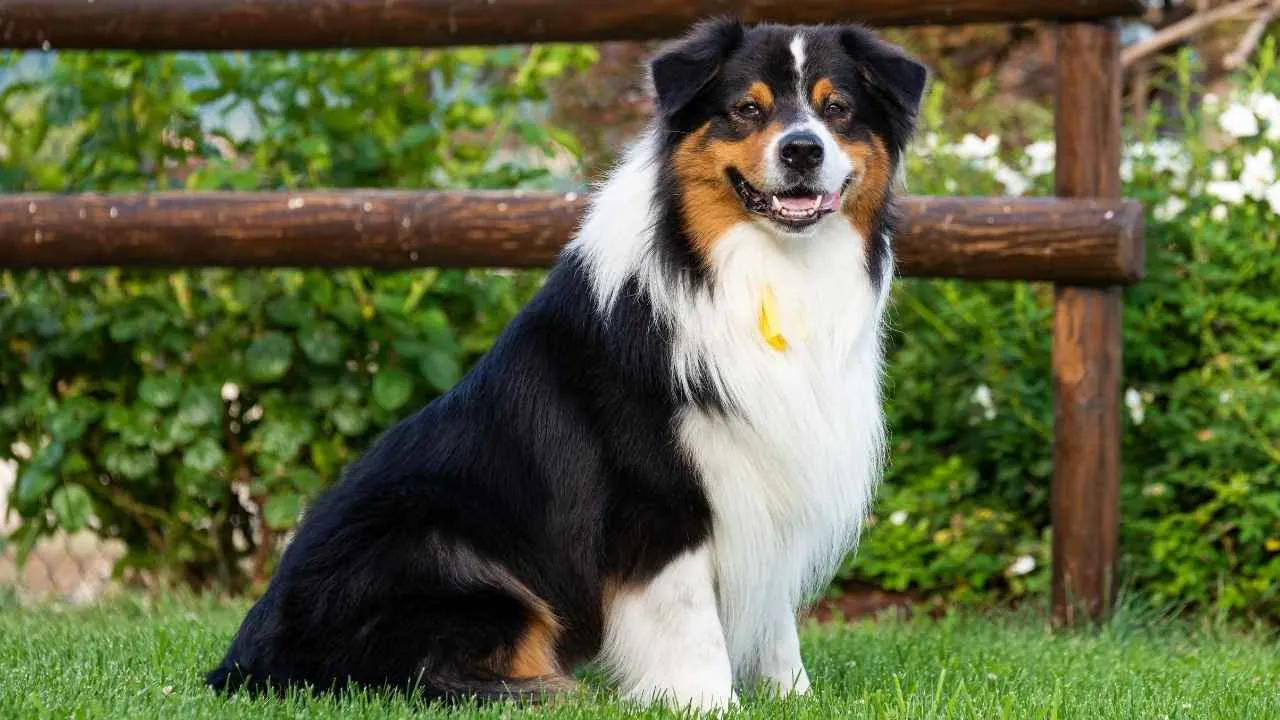
Australian Shepherds are intelligent, muscular, and agile herding dogs originally bred to work. They are known for their strong drive to complete tasks and stay busy. Loyal and attentive, they often form close attachments to their families.
This breed carries high energy well into adulthood and sometimes into senior years. Aussies need daily physical exercise along with consistent mental stimulation to stay balanced. Without an outlet, they may dig or chew, and they can also attempt to herd children, cats, or even moving objects if not properly redirected.
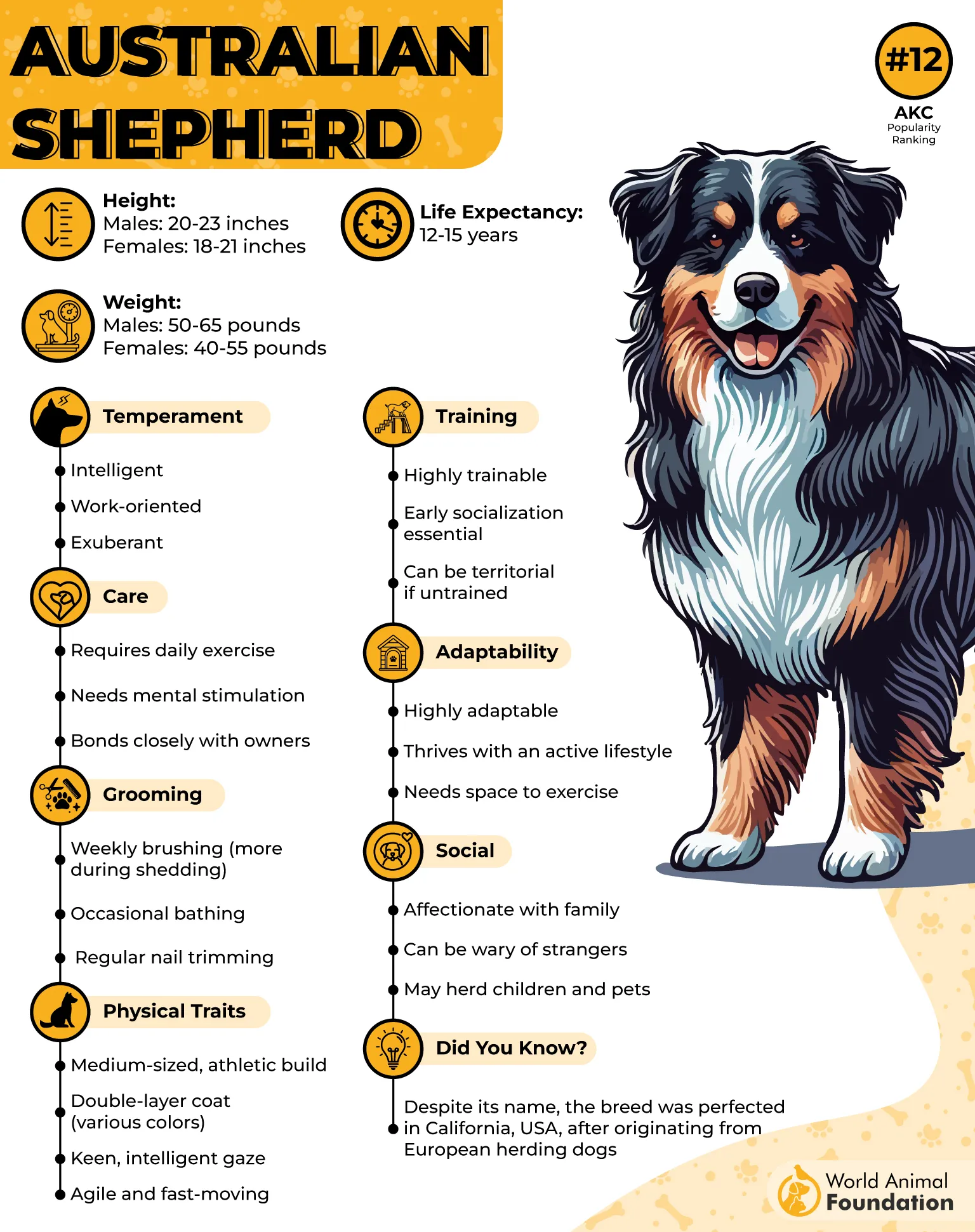
PetMD states that they respond readily to positive reinforcement and enjoy advanced training, agility, herding trials, flyball, and long hikes or runs. Early socialization is important to help them feel comfortable around new people and other animals. Their intelligence means they quickly learn skills, but they also require clear guidance and ongoing engagement.
Why This Breed Is a Good Fit
Excellent companion for long-distance running, hiking, and dog sports
Loves having a job and structured daily routines
Suit owners ready to invest time in training and active play
3. Siberian Husky
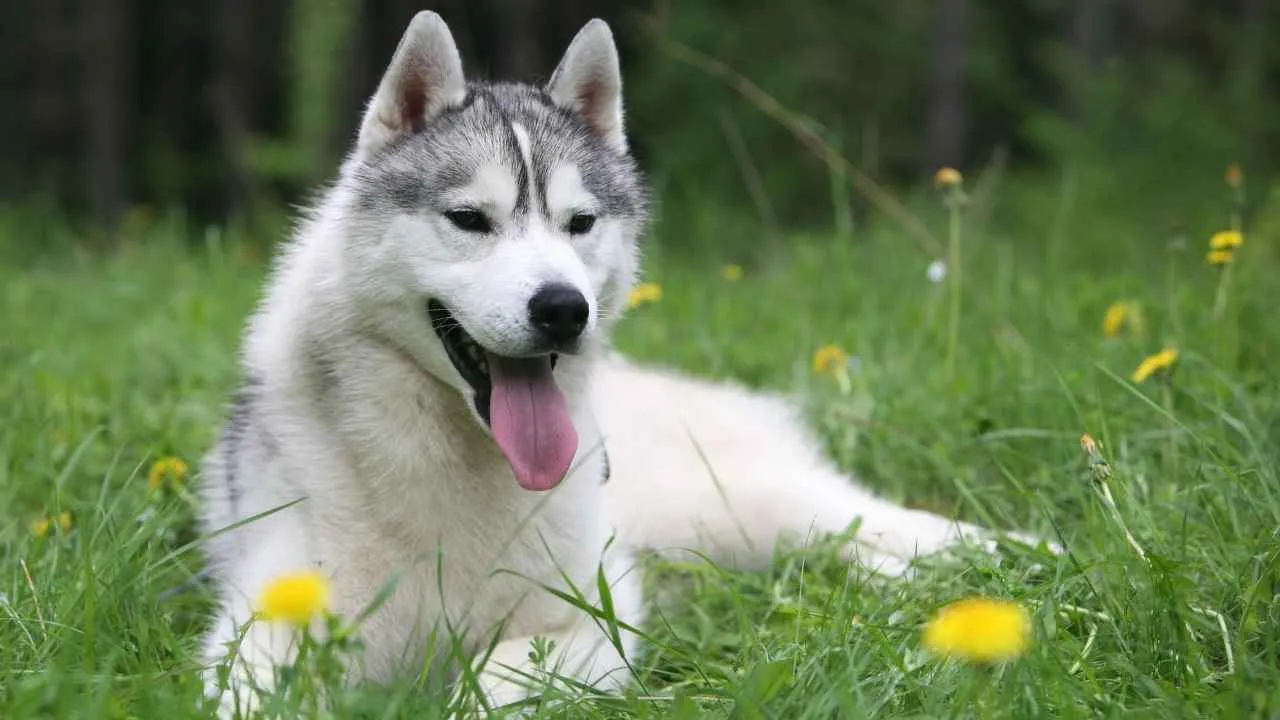
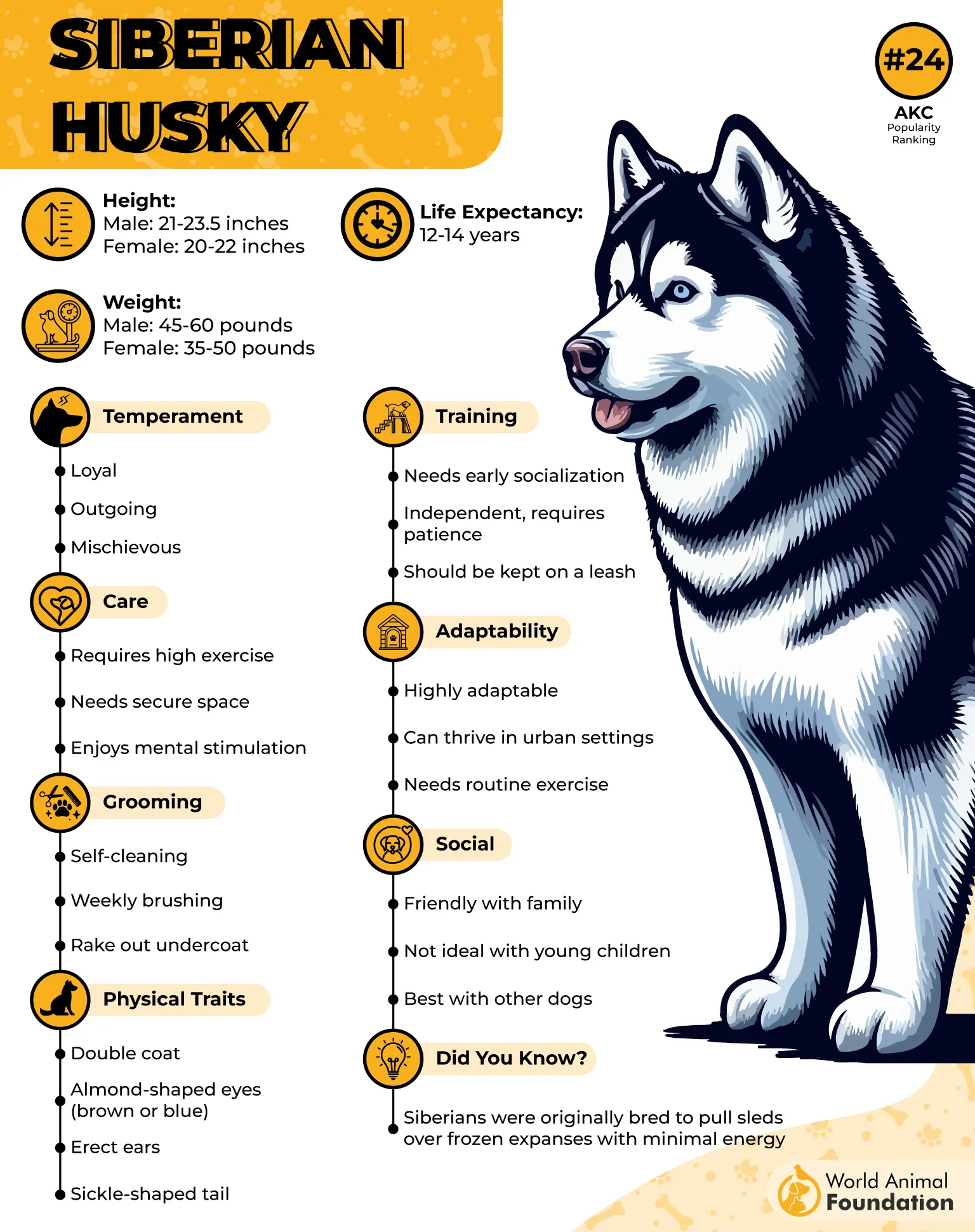
Siberian Huskies are medium-sized, powerful dogs originally bred for long-distance sled hauling. Known for strength, stamina, and speed, they combine athleticism with a friendly and playful personality. Their thick double coat and distinctive howl make them instantly recognizable.
Huskies require at least two hours of exercise each day, as suggested by Chewy. They enjoy vigorous walks, running, and activities that let them explore, though they should be kept on a lead in unsecured areas due to a strong prey drive and a tendency to ignore recall. Canicross and agility training are excellent outlets for both their physical energy and sharp minds.

Independent and sometimes mischievous, Huskies need consistent, fair training and clear leadership. They crave company and do not cope well with being left alone for long periods, which can lead to destructive behavior. Mental stimulation is just as important as exercise to keep them content.
Why This Breed Is a Good Fit
Built for endurance activities like trail running and cross-country adventures
Great match for owners who spend hours outdoors
Thrives with active routines that include both exercise and brain work
4. Jack Russell Terrier
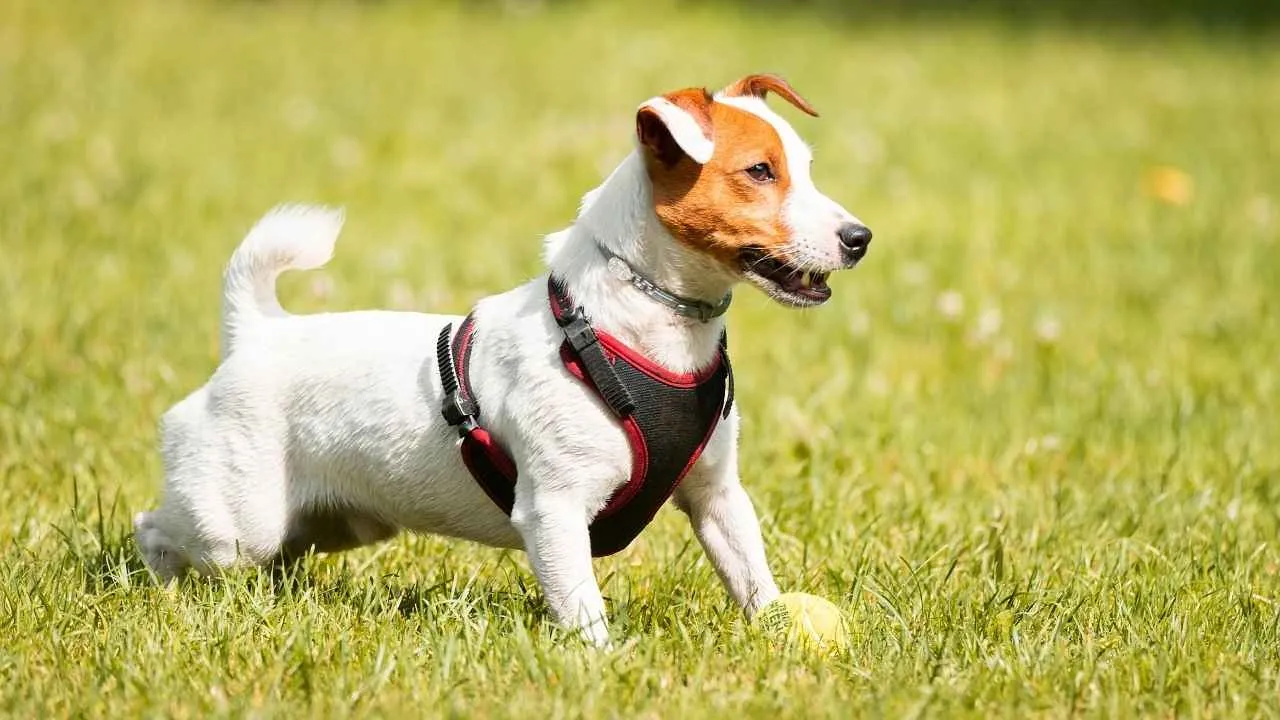
Small in size but overflowing with confidence, the Jack Russell Terrier was bred in England to accompany fox hunts. They were designed to be quick, low to the ground, and bold enough to pursue prey into burrows. That working background still shows in their stamina, intelligence, and strong prey drive.
Despite their compact build, they need at least an hour of exercise every day. Off-lead time in a secure area supports their independent spirit, though strong recall training is essential. Digging comes naturally to them, and they may take off after anything that moves if given the chance.
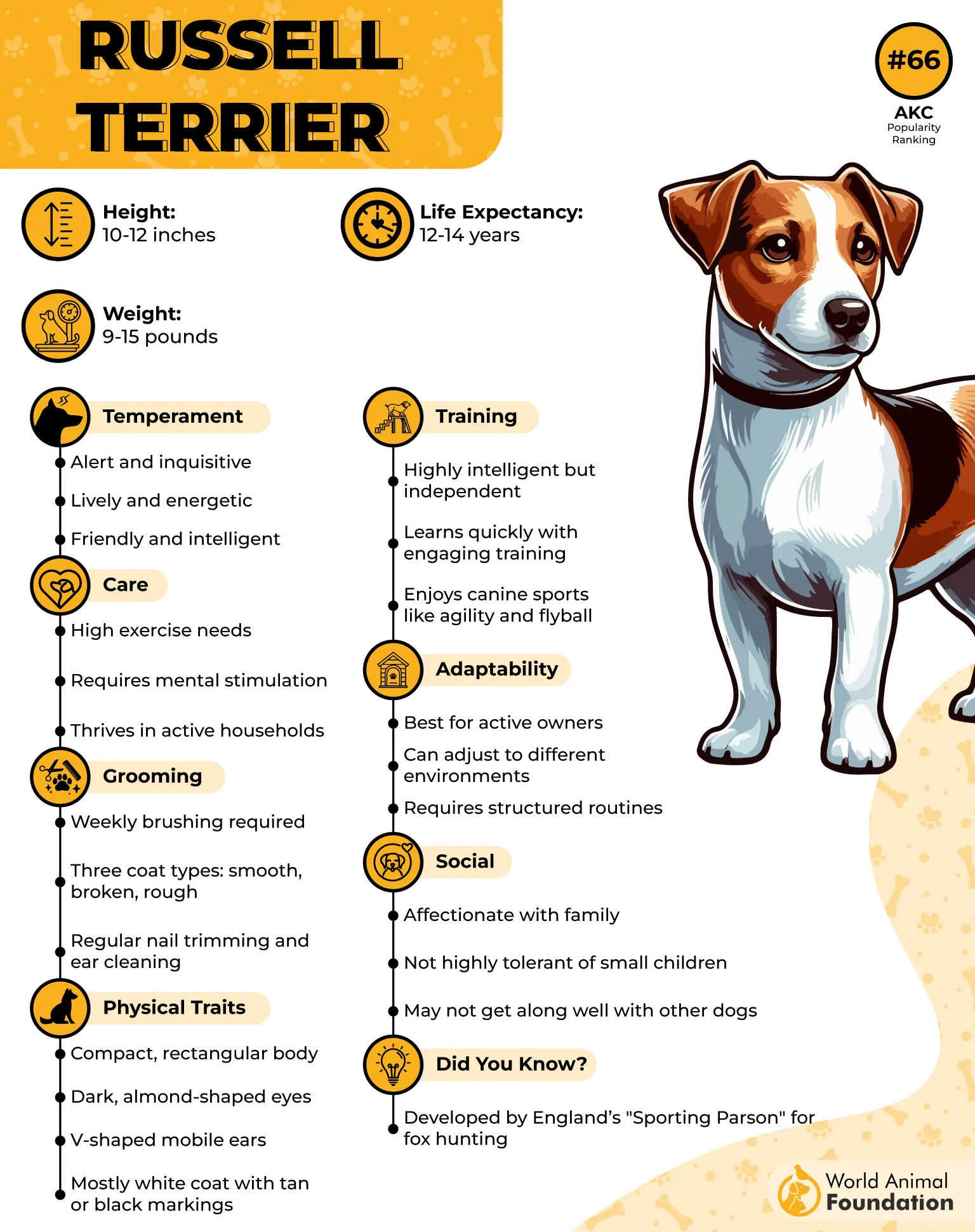
Jack Russells are smart and capable learners, but they get bored easily during repetitive training. Sessions must stay engaging and consistent to hold their attention. They form strong bonds with their people and do not handle long periods of solitude well, making daily involvement in family life important.
Why This Breed Is a Good Fit
Packs big energy into a small, apartment-friendly body with proper exercise
Perfect for owners who enjoy long walks, hikes, and active games
Keeps life lively with constant enthusiasm and curiosity
5. Weimaraner
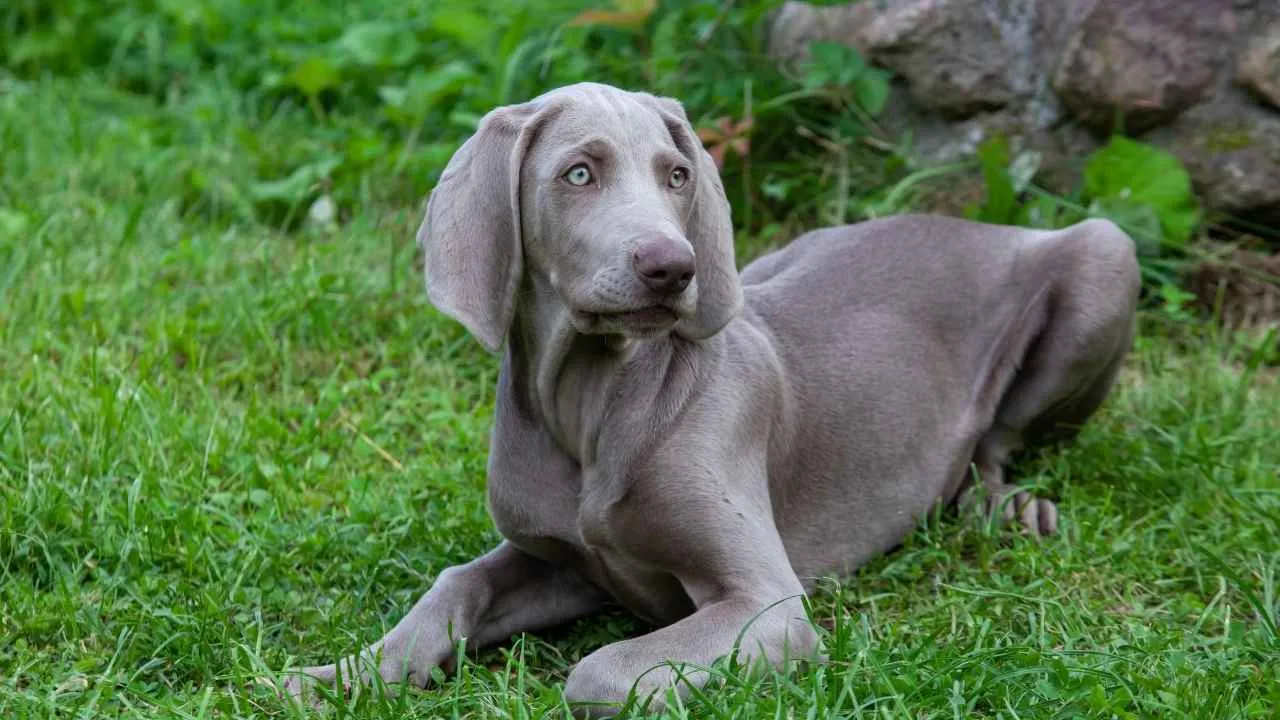
The Weimaraner is a fearless and obedient sporting dog developed in 19th-century Germany for tracking, speed, courage, and durability. Tall and athletic, males stand taller and bigger, with females slightly smaller. Their sleek blue-gray or silver-gray coat and long, floppy ears give them a striking look that matches their bold personality.
This breed needs at least two hours of physical activity every day. Weimaraners thrive on hiking, running, hunting, fetch, dock diving, and agility, and they benefit from puzzle toys that challenge their intelligence. Without enough exercise and mental stimulation, they may chew, dig, bark excessively, or even figure out how to open doors and unlatch gates.
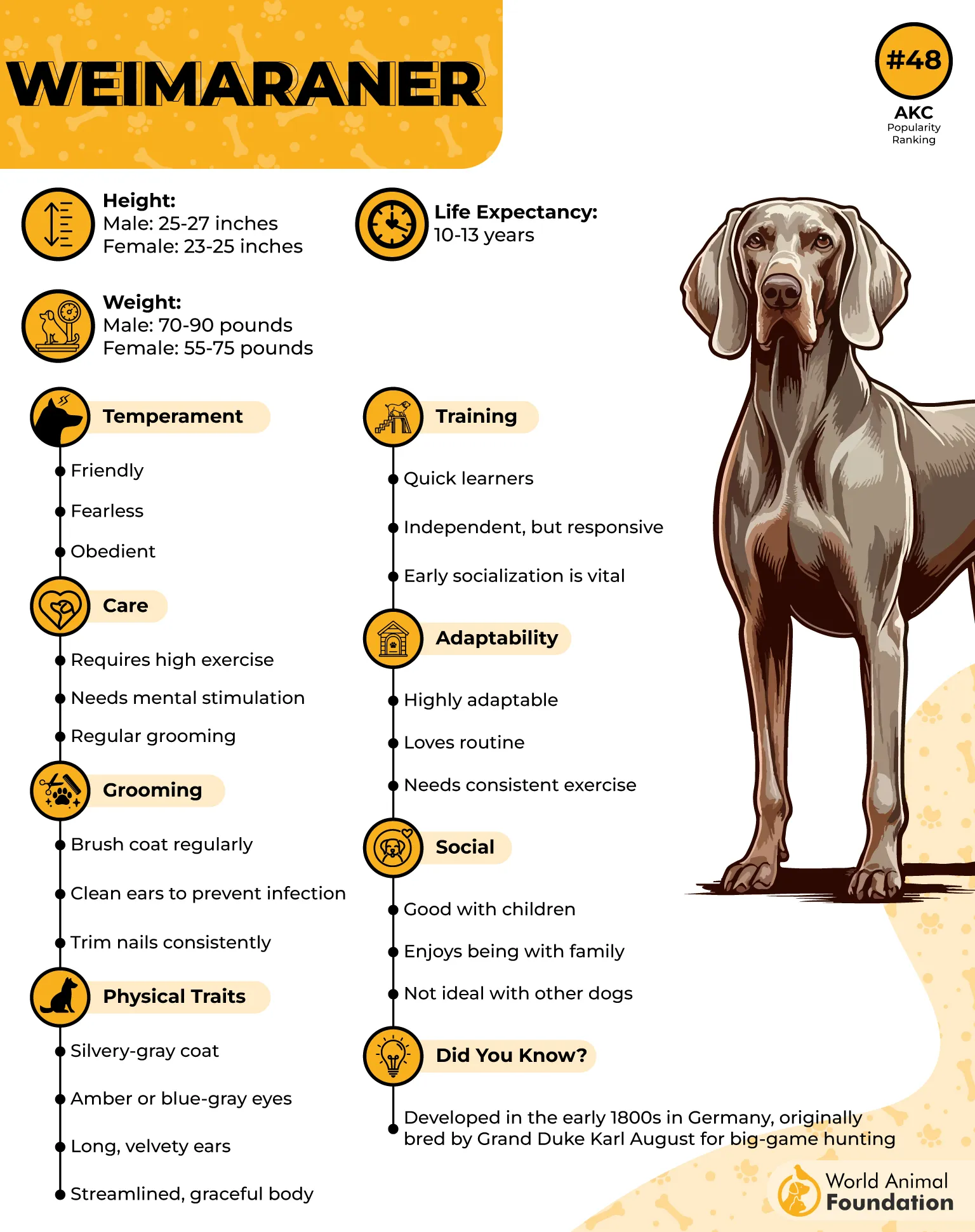
They are loving, highly trainable, and loyal family companions when properly socialized. However, their strong prey drive means smaller pets may not be suitable housemates. Because they can develop separation anxiety, they do best with owners who spend plenty of time with them.
Why This Breed Is a Good Fit
Excellent partner for active families who enjoy outdoor sports
Matches well with experienced owners who like structured training
Ideal for homes with space for daily high-energy activity
6. Belgian Malinois
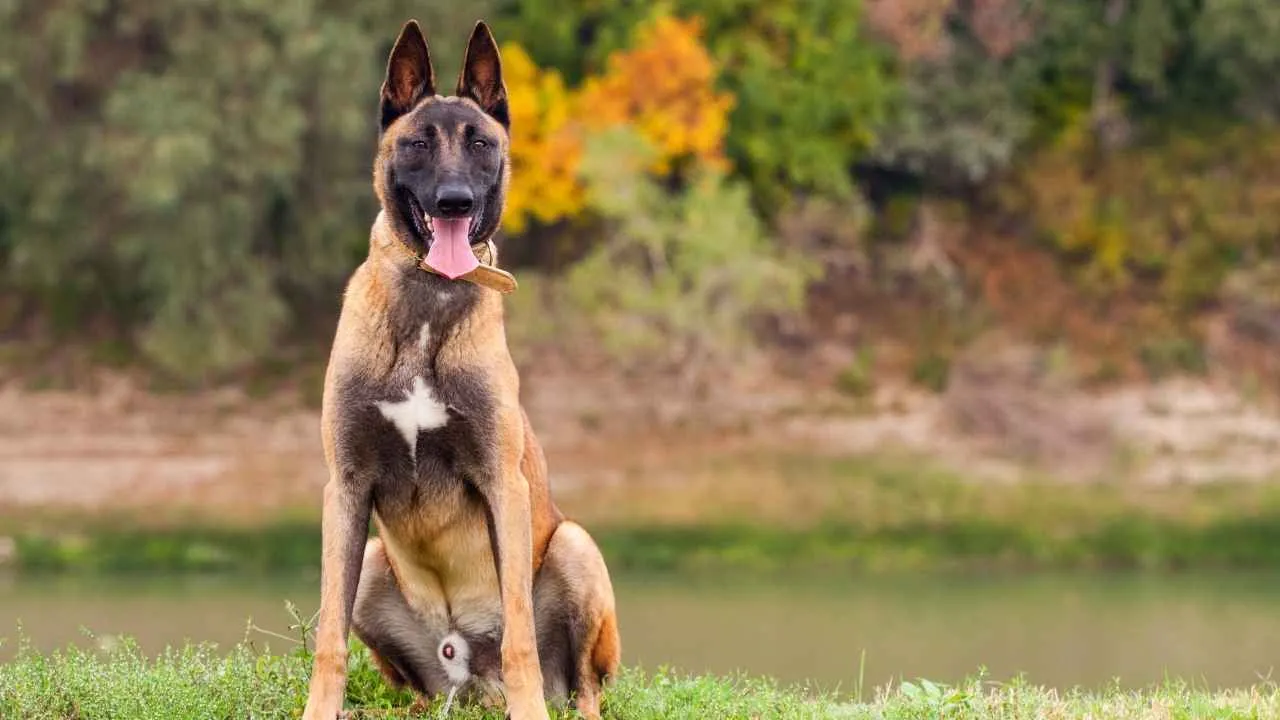
The Belgian Malinois originated in Belgium in the late 19th century as part of a group of herding dogs known as Belgian Shepherds. They typically have a short coat in shades of fawn or mahogany with a black mask. Bred for herding and guarding, they are known for their strong work ethic and protective instincts.
These dogs are energetic, athletic, and highly intelligent. They require between 90 minutes and two hours of daily exercise, including rigorous activity. Leash walks alone are not enough, and they thrive on herding work, agility, search and rescue tasks, tracking, swimming, and running.
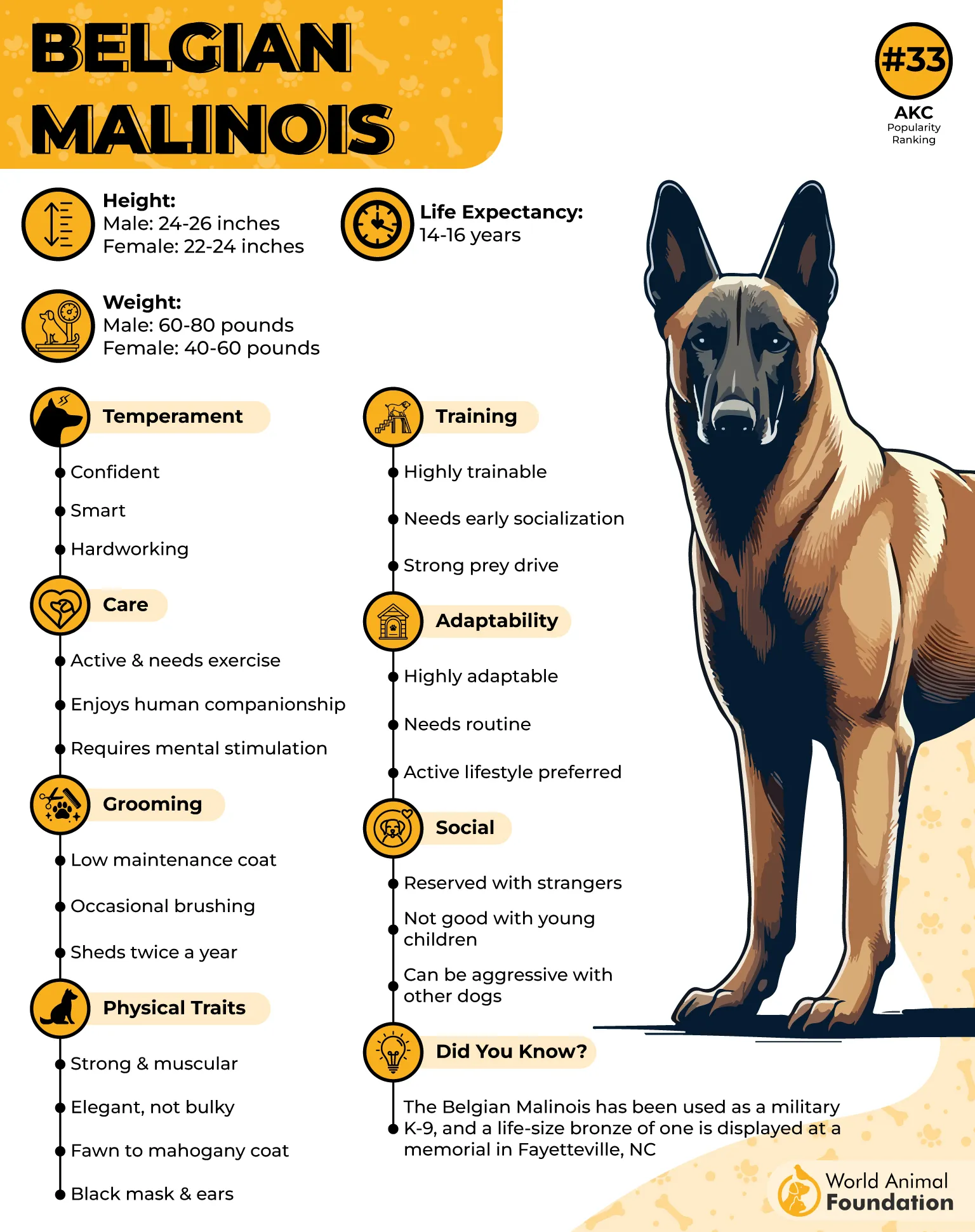
Belgian Malinois are loyal and eager to please, but they need early training and consistent leadership. Their guarding instincts and high energy mean they do best with experienced, active owners who can provide structure and space to move. Without enough stimulation, their energy can become difficult to manage.
Why This Breed Is a Good Fit
Perfect for owners who want a high-drive partner for intense workouts
Excels in advanced training and skill-based activities
Thrives in homes that prioritize daily outdoor adventures
7. Vizsla
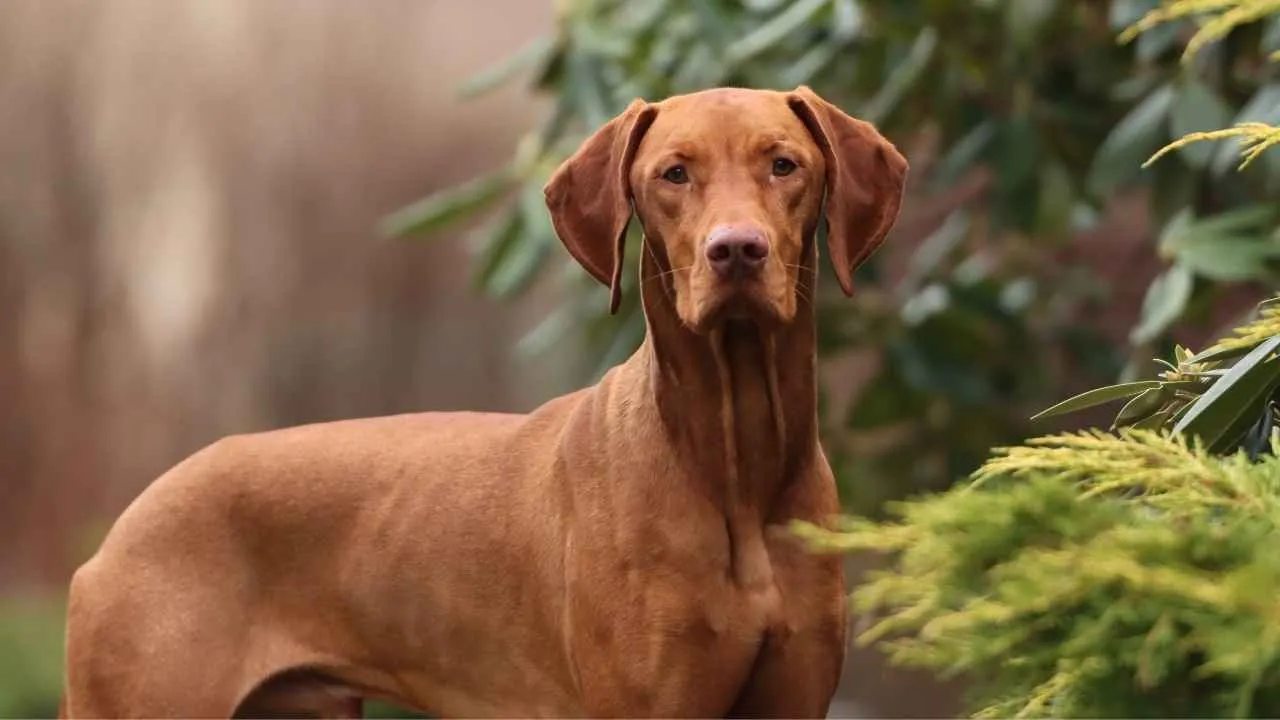
Hungarian Vizslas are lively, athletic dogs originally bred for retrieving. These big and active dogs are built for speed and endurance. With short coats and strong bodies, they are always ready to stay busy and involved in family life.
This breed requires a minimum of two hours of exercise every day. Vizslas love running, long walks with time to sniff, agility sports, and games of fetch. They also enjoy swimming and need additional mental challenges, such as training sessions and puzzle games, to prevent boredom.
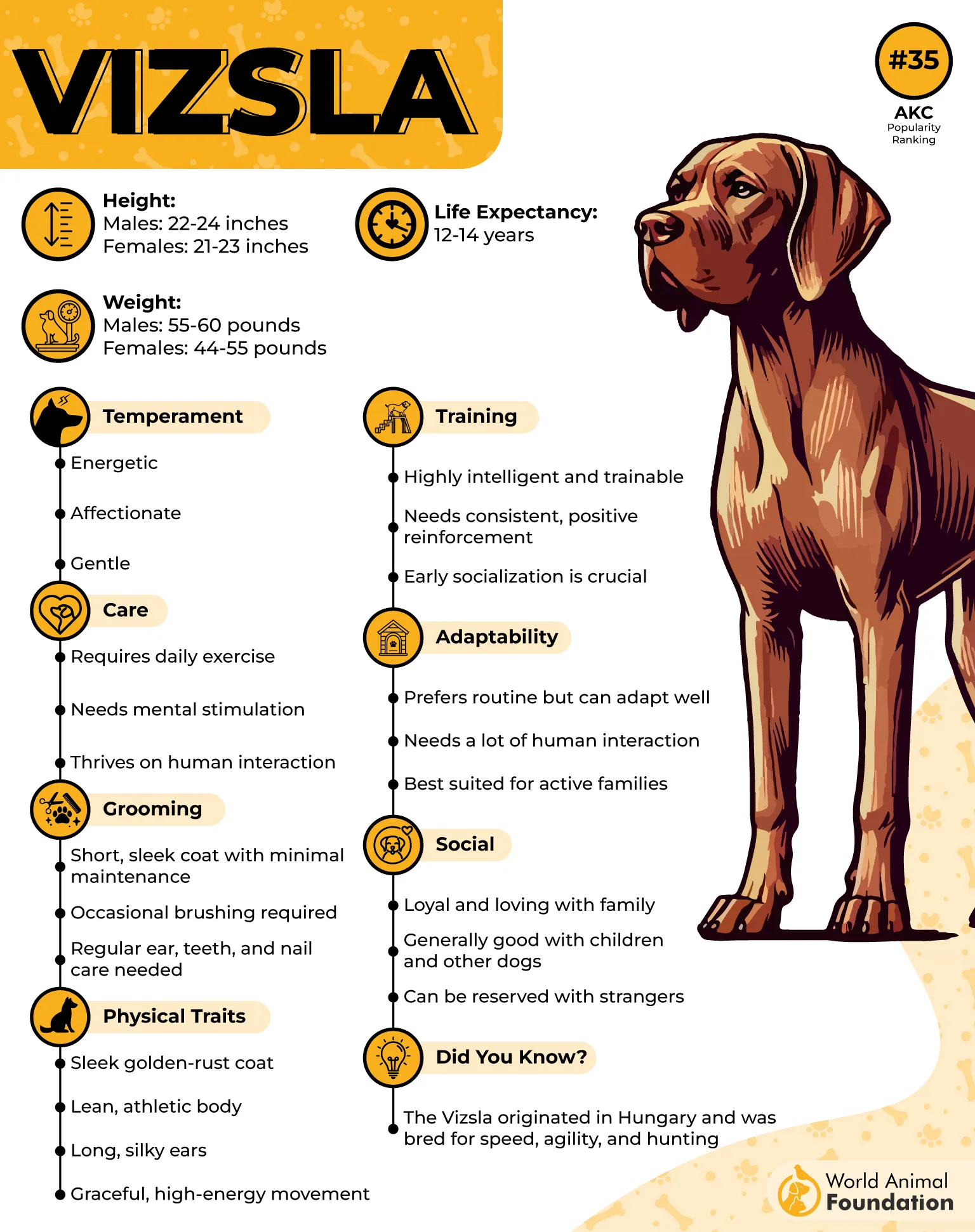
Vizslas form strong bonds with their owners and are often described as “Velcro dogs” because they like to stay close. They respond well to positive, reward-based training but need consistency and effort. Without enough exercise or company, they can become bored or develop separation anxiety.
Why This Breed Is a Good Fit
Outstanding running companion with impressive speed and stamina
Great choice for owners who want a highly engaged, people-focused dog
Suit households ready to commit to long daily exercise sessions
Conclusion
An active lifestyle deserves a dog who truly enjoys keeping up. The breeds highlighted here are not just energetic; they are driven, intelligent, and happiest when they have a purpose. From long trail runs to agility courses and weekend hikes, these dogs thrive when both their bodies and minds are challenged.
Most of these were originally bred to be working dogs or hunting dogs, roles that require physical stimulation and vigorous exercise.
Choosing the right dog breeds for an active lifestyle means being honest about your time, space, and commitment to daily exercise and training that includes physical and mental stimulation. With the right match, you will gain a loyal teammate who is ready for every adventure, rain or shine.
