




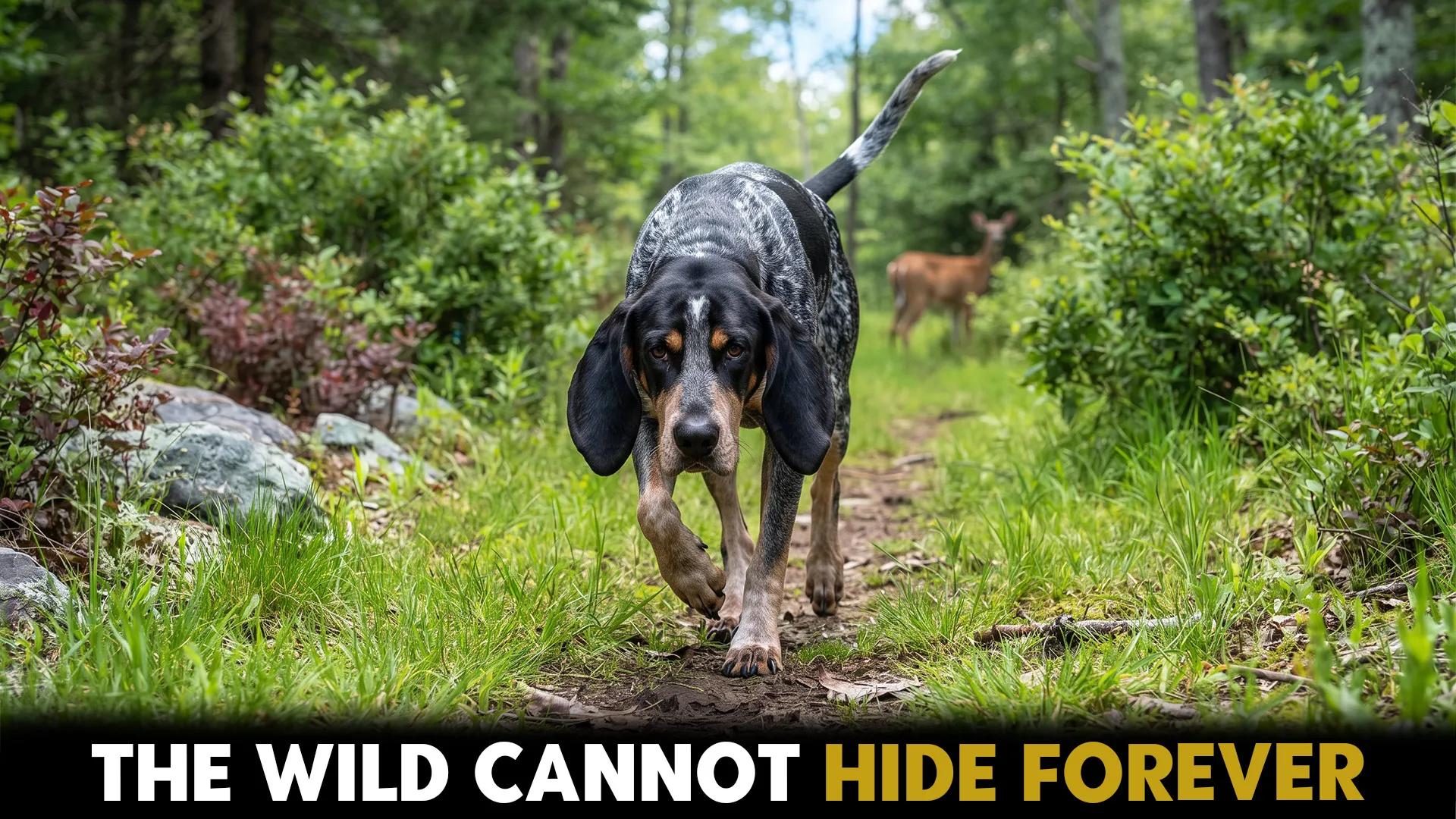
A wild trail tells a story that humans may never notice. A broken twig, a faint mark in the soil, or a smell lingering between the trees can be enough for a capable dog to know an animal has passed through. That extraordinary sensitivity is what makes certain breeds so fascinating as wildlife trackers.
Their abilities aren’t accidental. Generations of selective breeding strengthened traits like scent detection, persistence, stamina, and concentration. Some dogs stay locked on a trail for long distances, even when the scent turns faint or the surroundings get challenging.
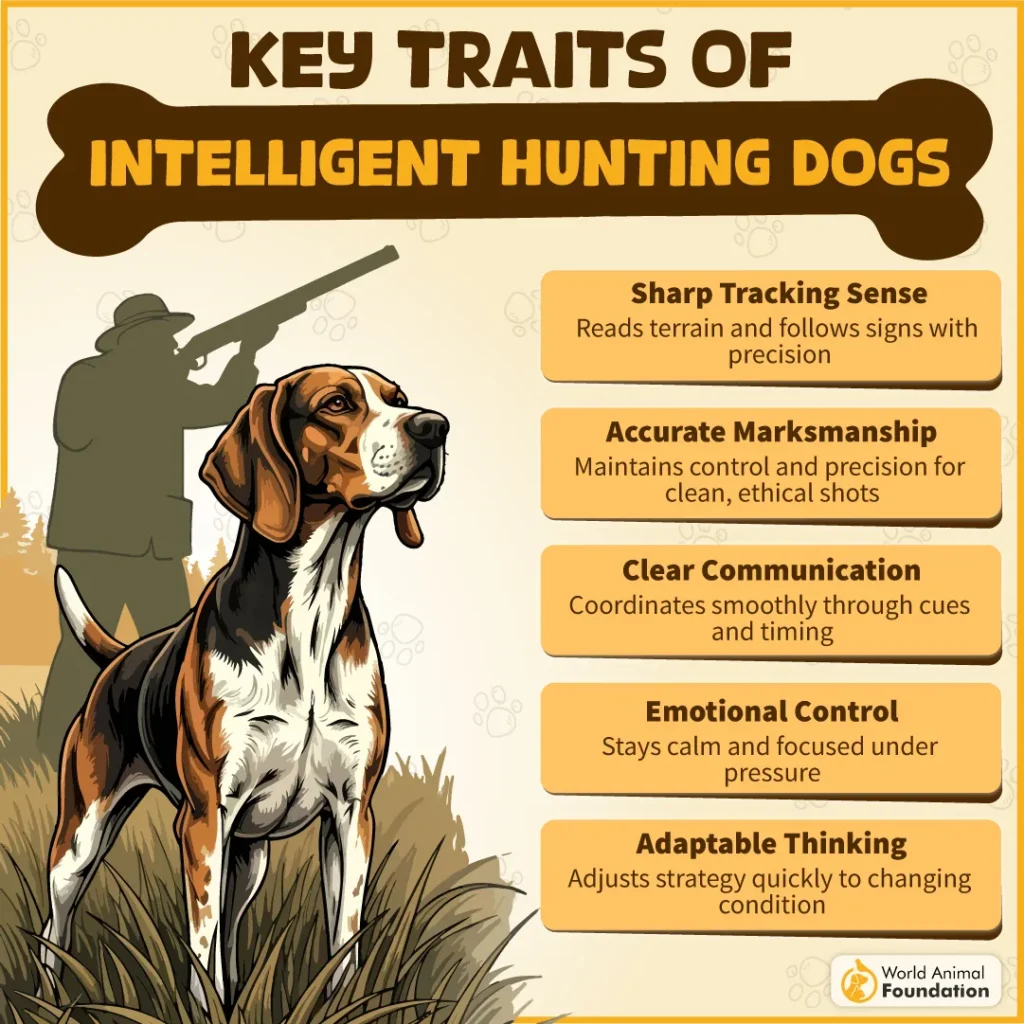
Still, a powerful nose doesn’t automatically make a dog a great tracker. Temperament, trainability, adaptability, and handler control matter just as much.
For owners interested in scent work, choosing a breed whose natural instincts match their goals can lead to a rewarding outdoor partnership while encouraging responsible interaction with wildlife.
Best Dog Breeds for Tracking Wildlife
1. Bloodhound
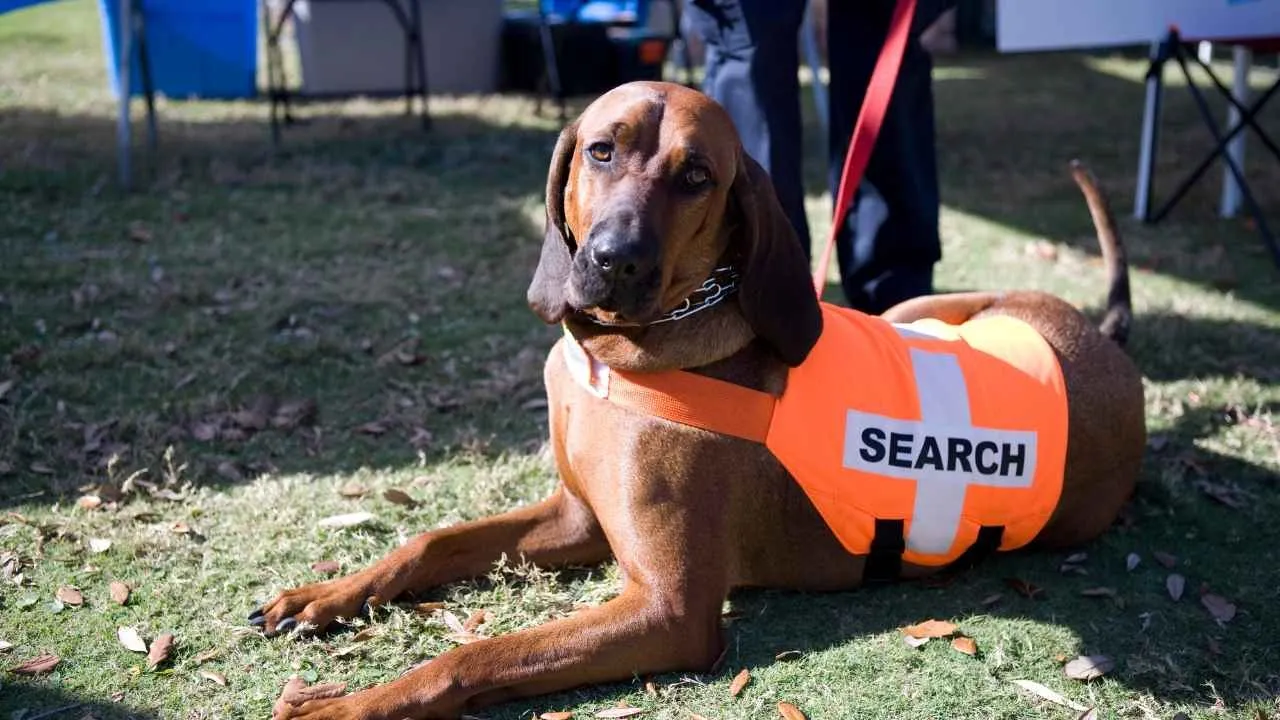
The Bloodhound’s history goes back to medieval France, where the breed was originally developed to track game of all sizes, from deer and wild boar to rabbits. Today it is counted among the oldest scent-trailing breeds, with one of the best noses in the dog world.
Its ability to follow a scent over long distances has made it a valuable partner in search and rescue and law enforcement work. Although it’s one of the most versatile hunting companions, it also makes a great family pet in an active household.
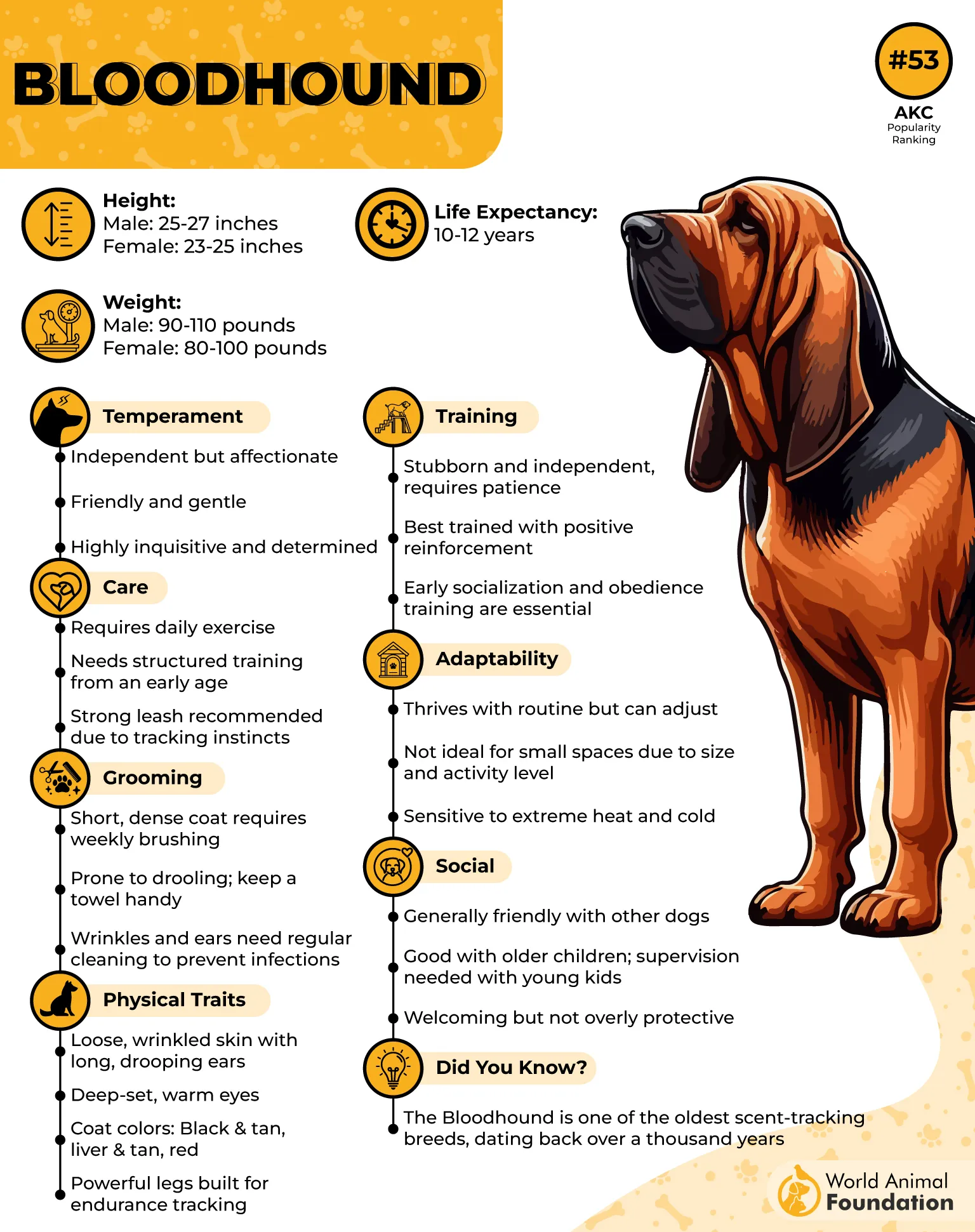
At home, the Bloodhound is gentle and laid-back, thanks to the breeders who spent generations shaping its temperament. These dogs are playful and highly devoted, though they have a stubborn streak that often shows up during training sessions.
2. Bavarian Mountain Scent Hound
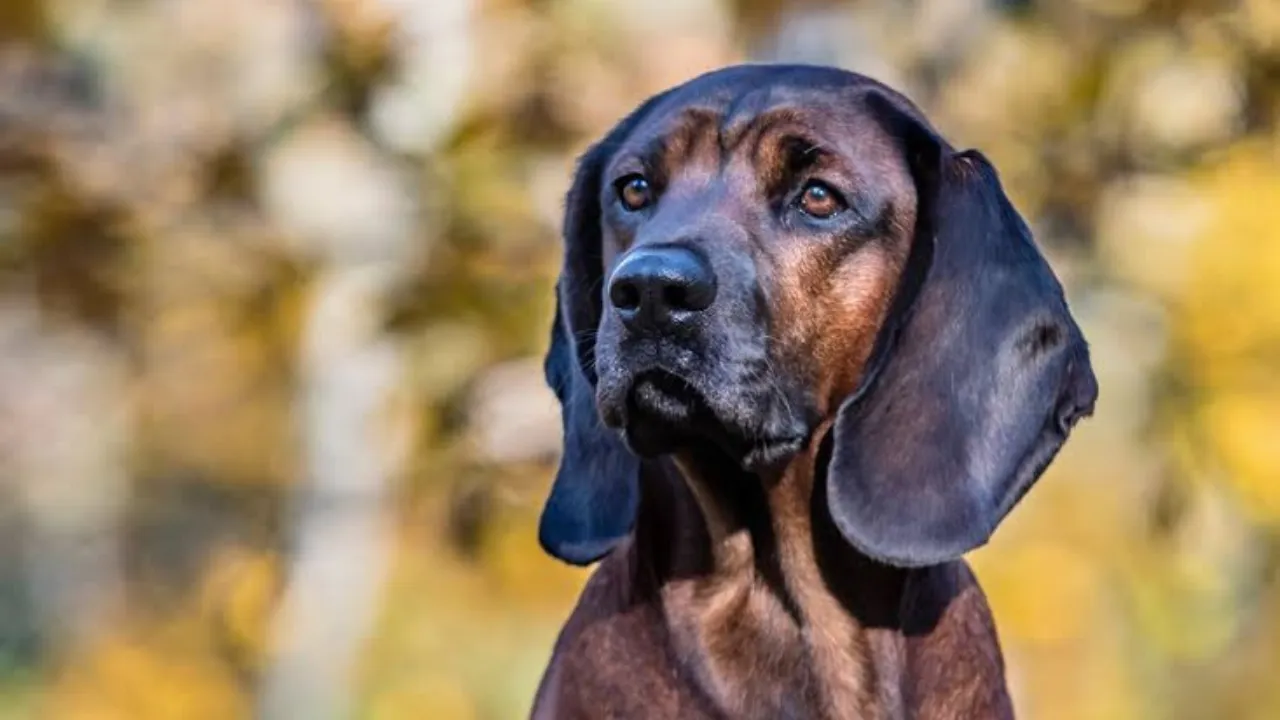
These medium-sized dogs were bred mainly to track wounded animals, and they remain well-suited hunting partners for versatile hunters. According to Purina, Bavarian Mountain Scent Hounds are typically devoted, affectionate, and calm.
Thanks to their alertness, hunting instincts, and keen noses, they can follow a cold scent and are especially good at locating wounded deer quickly. They are also highly obedient to handlers with prior experience working with this type of dog.
Their determination and willingness to work long hours make them highly prized game recovery dogs, even in challenging environments like rugged terrain. They’re also known for their loyalty and the deep bonds they form with their owners.
3. Plott Hound
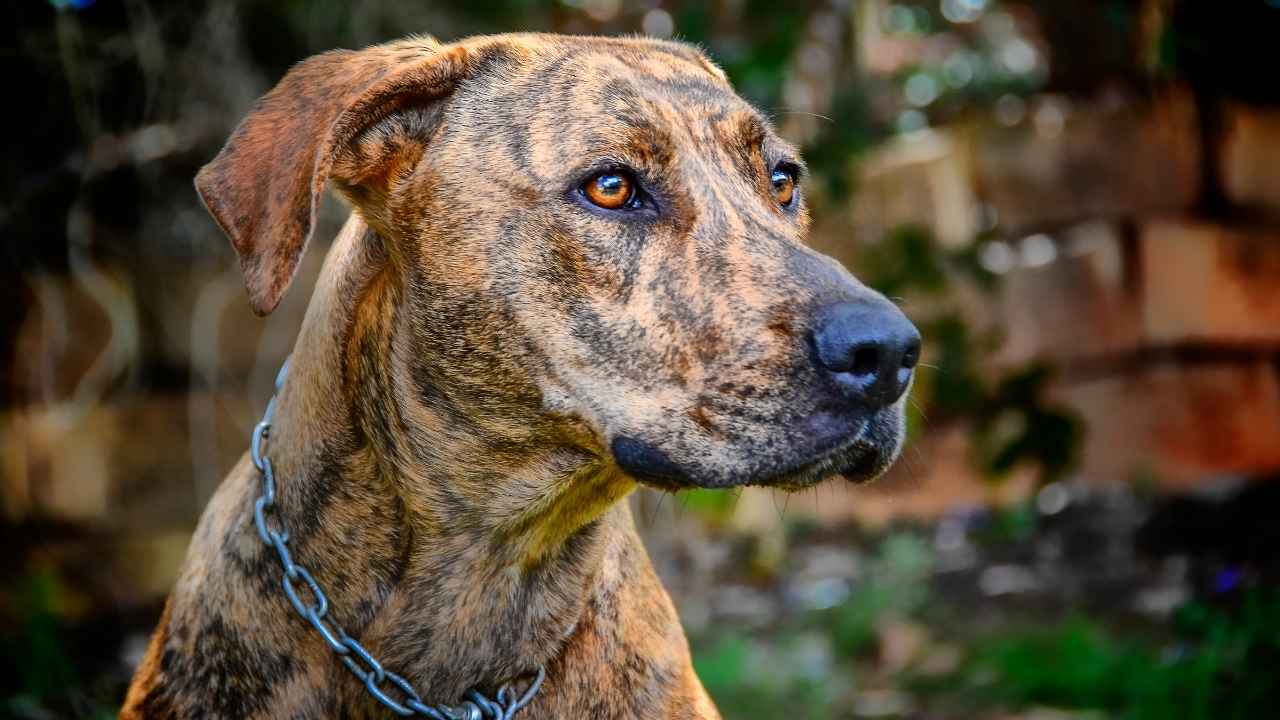
Hailing from North Carolina, these mountain dogs combine hunting skill, dedication, and confidence. Their muscular build and long legs speak to their remarkable stamina and speed, both highly valued in the hunting field.
Plott Hounds were bred to hunt wild boar and bear, and they also guarded farms, homes, and livestock. They rank among the top dog breeds for hunting, but many families choose them as companions because of their temperament.
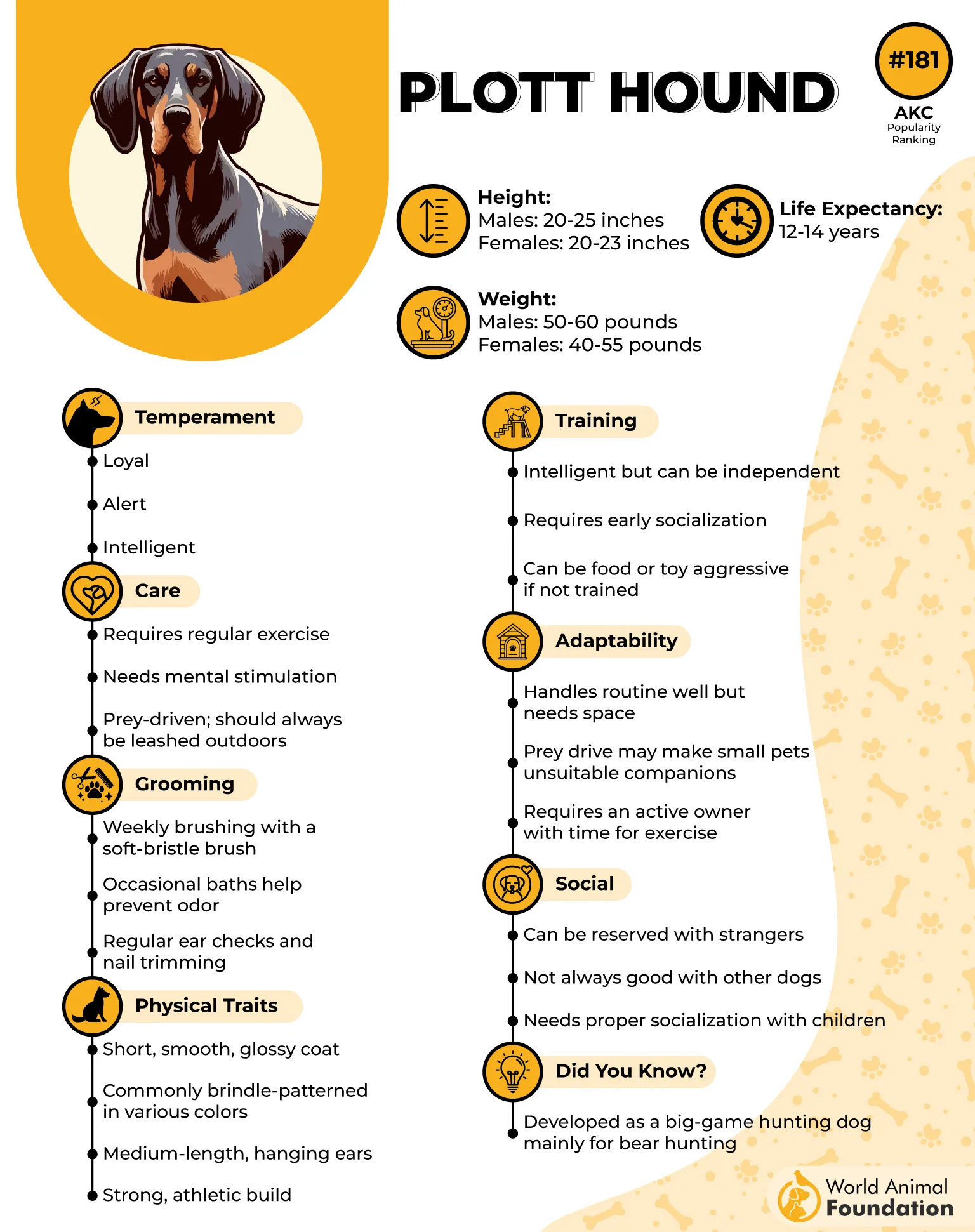
Their background means they need extensive training, since Plott Hounds are quite independent, as CKCUSA mentions. They have a high prey drive and love to bark, which is why early socialization plays a crucial role in their upbringing.
4. Transylvanian Hound
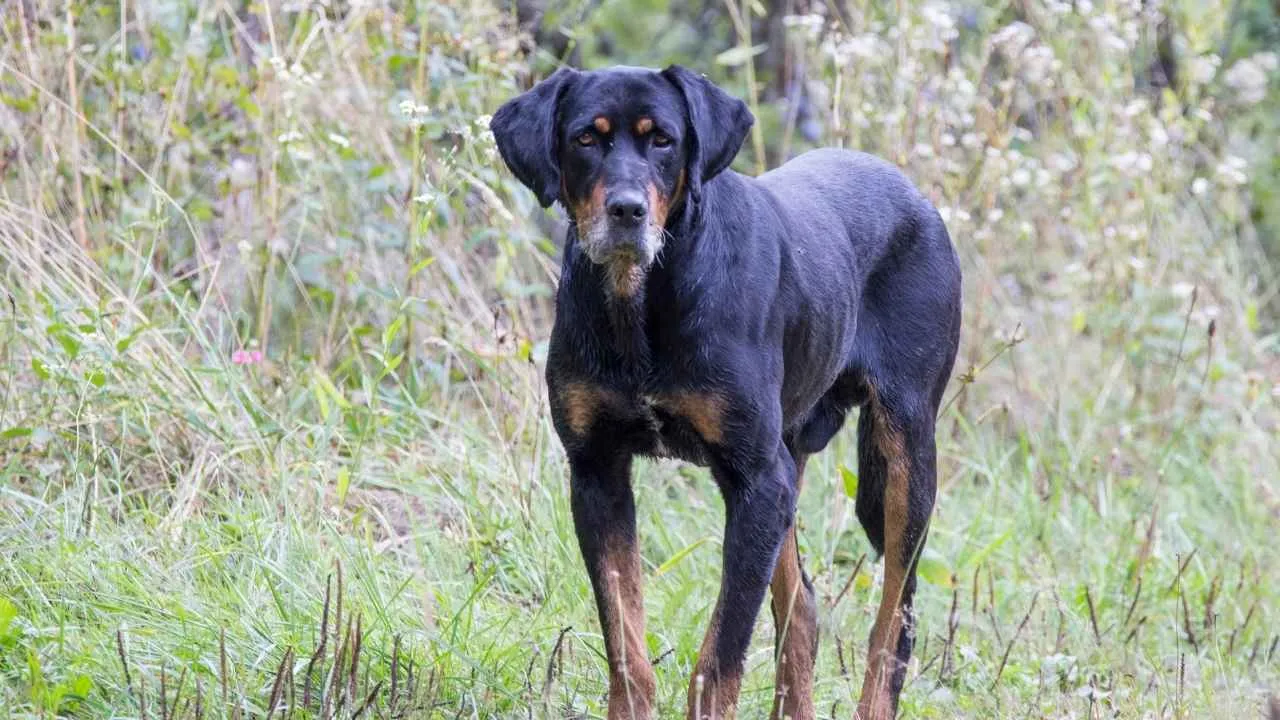
Transylvanian Hounds were bred in Hungary as trackers and hunters of various game. They’re known for their distinctive black and tan coat, muscular frame, and courageous yet friendly temperament.
The breed originally came in two versions, short-legged and long-legged. The long-legged type was developed for big game, while the short-legged type was used for small game. These scent hounds can follow a trail for miles and pursue game even in rough terrain.
Despite their independent streak, Transylvanian Hounds are considered smart, eager to please, and highly adaptable in the right environment. If you want to keep one as a pet, their high energy needs to be channeled through regular exercise and mental stimulation.
5. American Foxhound
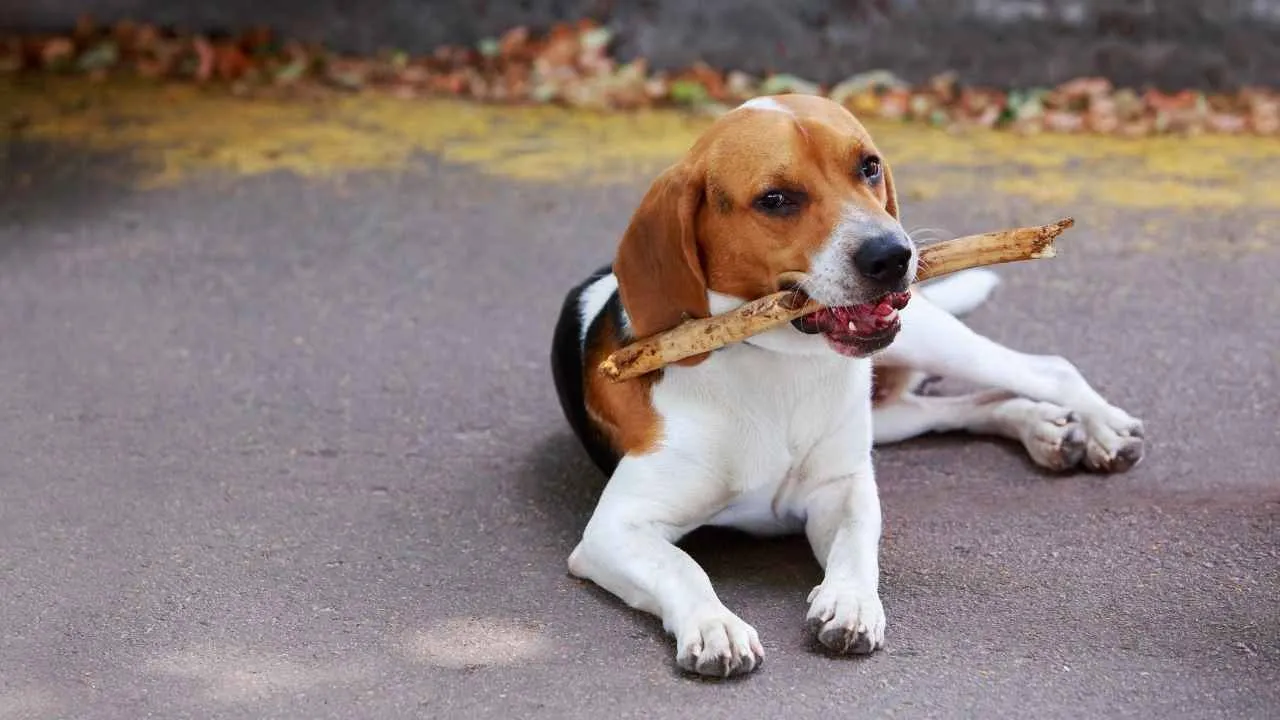
American Foxhounds aren’t for everyone. They have high demands and minds that like to think for themselves. As the name suggests, these dogs were bred in America to hunt foxes by scent, according to WebMD.
They thrive as one of the top breeds for hunting, but they can also make wonderful companions at home. With early training and socialization starting in puppyhood, they can get along well with kids, other dogs, and even cats under the same roof.
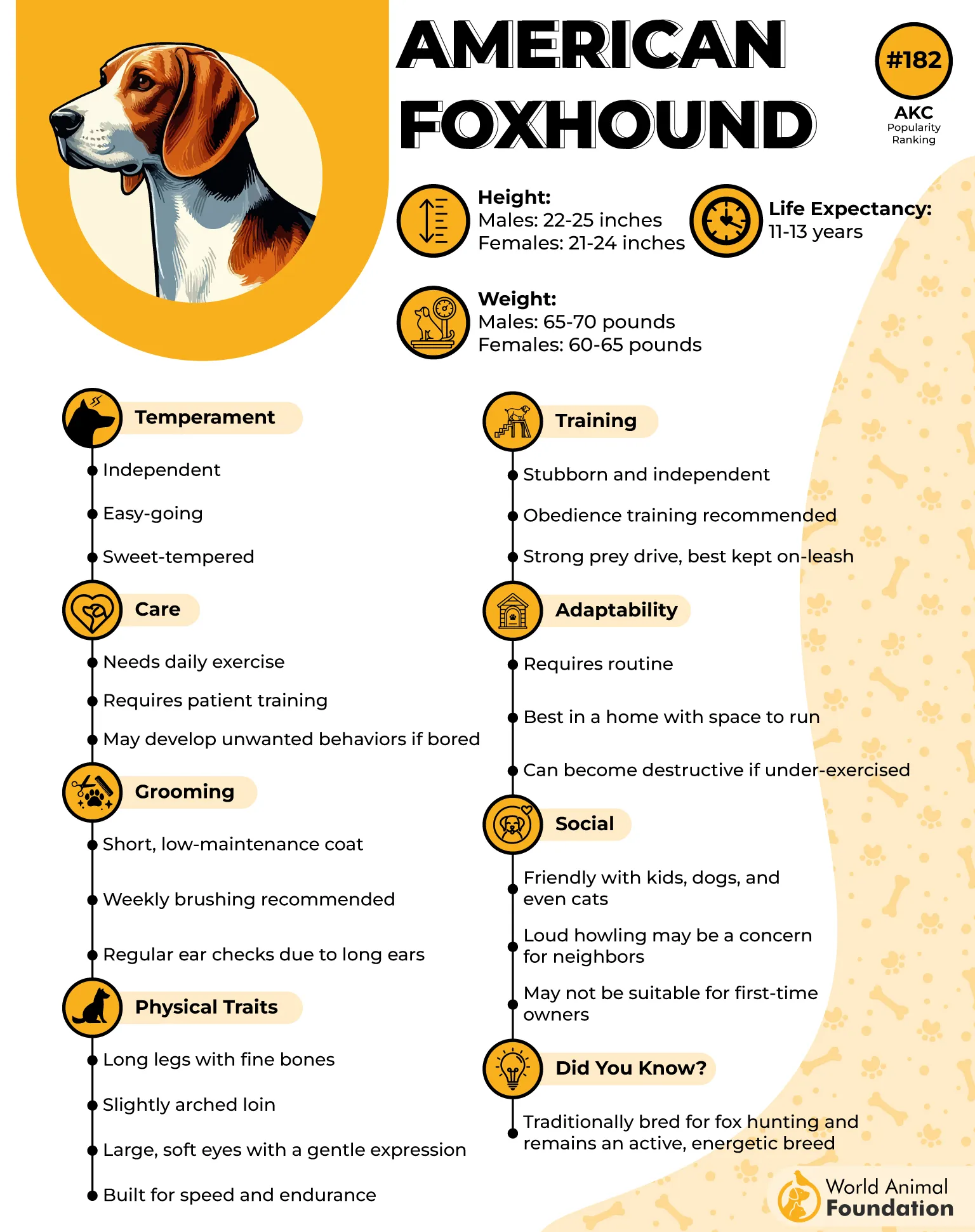
They love outdoor adventures and tend to stay calm and laid-back afterward. They’re affectionate with their people and usually aren’t wary of strangers. Their hunting desire is so strong, though, that they’re best suited to families with a hunter they can accompany.
6. Black and Tan Coonhound
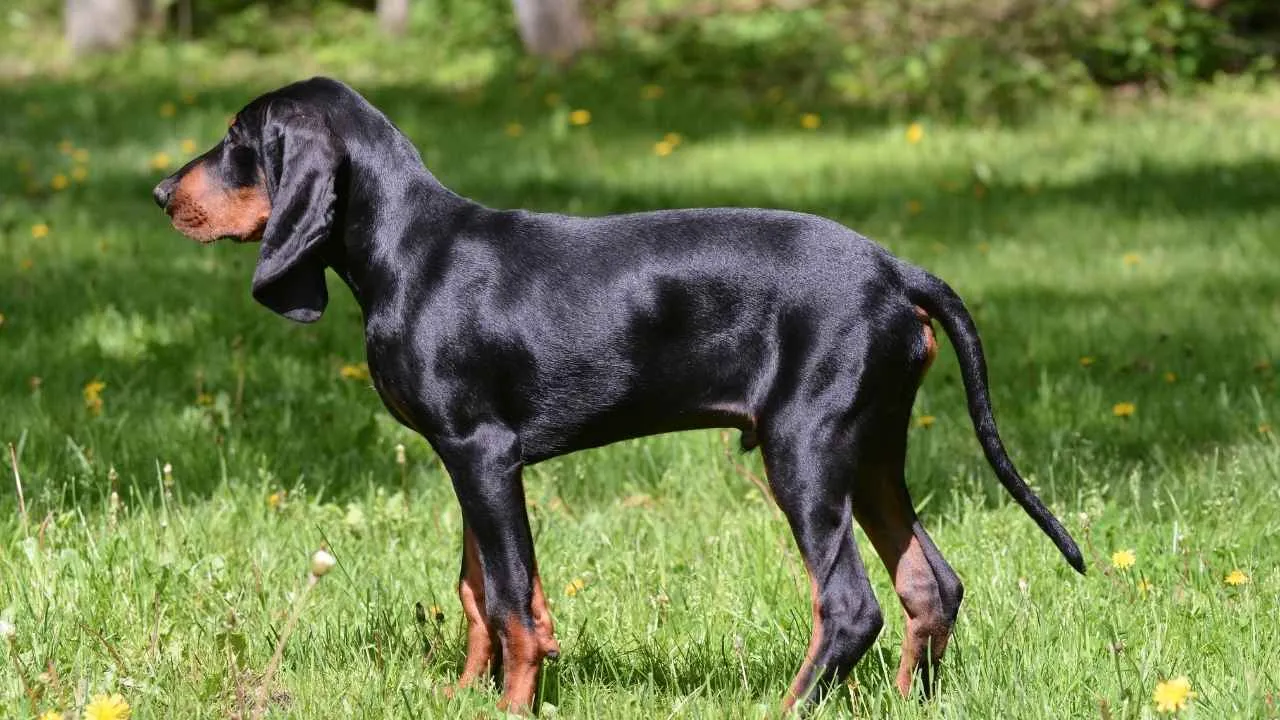
These hounds were bred to trail raccoons by scent, and they do it so precisely that few other dogs can match them. Black and Tan Coonhounds are blessed with one of the best noses in the dog world, along with exceptional hunting skill and great endurance.
They’re intelligent, eager to please, and passionate about their work. If owners aren’t consistent with commands or don’t give them enough attention, though, they can become headstrong and hard to train.
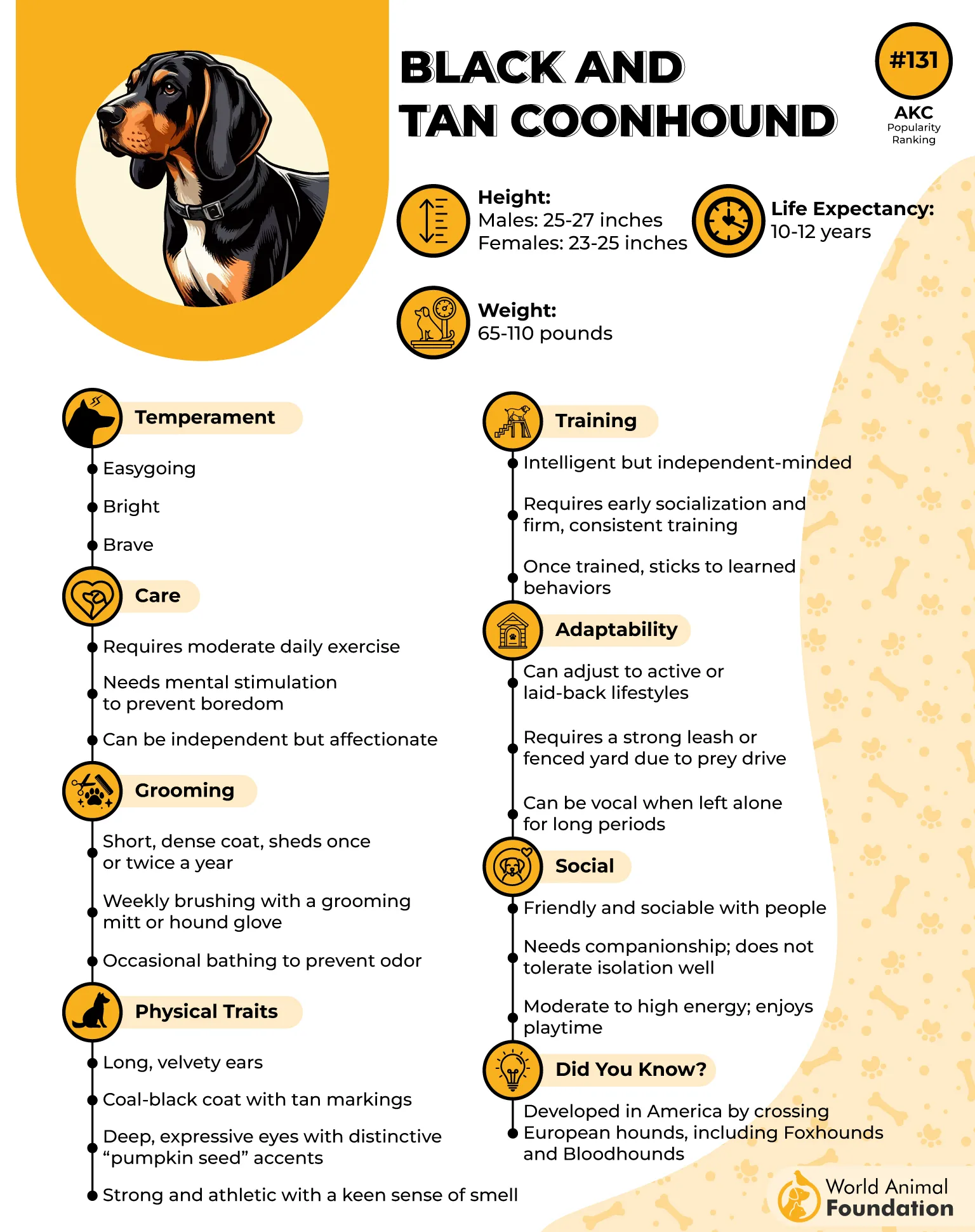
They’re excellent night trackers and will follow a trail for miles before treeing their target. Once they’ve found it, they howl to let their hunting partners know where it is. Black and Tan Coonhounds need lots of space, exercise, and activity, so they aren’t well suited to apartment living.
7. Bluetick Coonhound
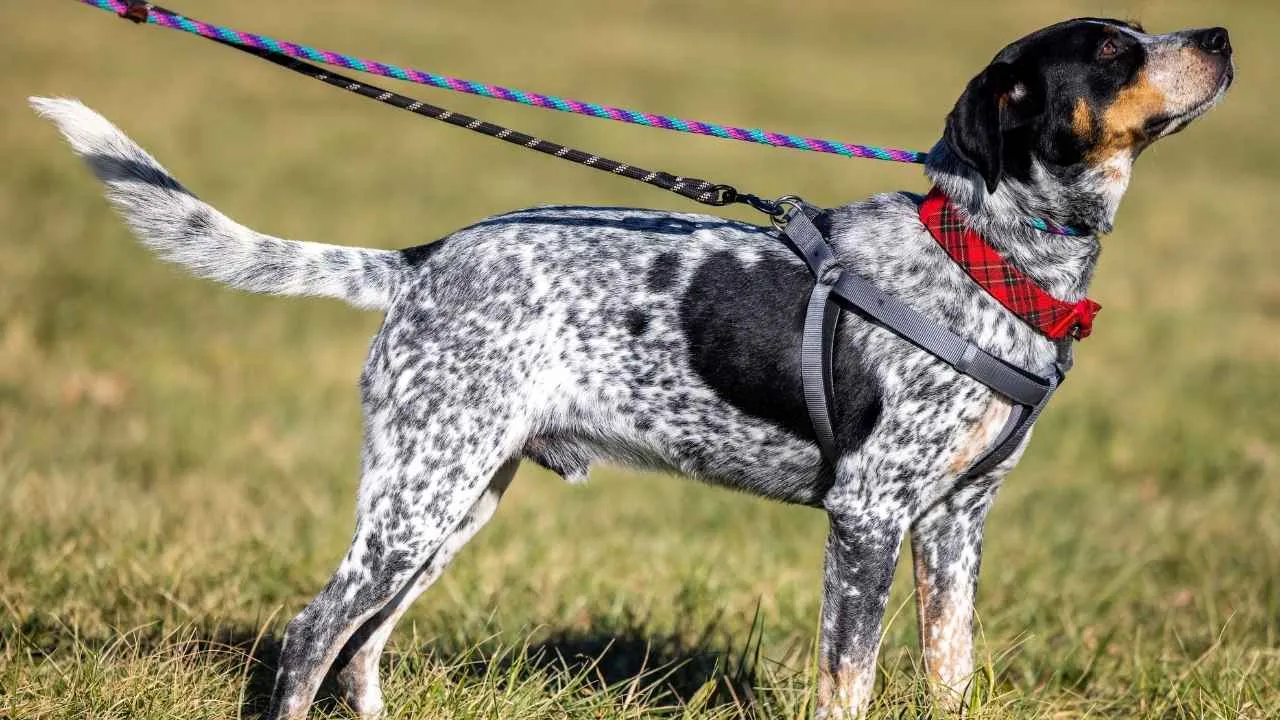
Last but not least, another hunting dog is an expert at raccoon hunting and trail recovery. Along with their dedication to the hunt, Bluetick Coonhounds have keen noses and sharp eyesight that help them work at night, too. Besides raccoons, they can track bears, wild boar, and cougars.
Once on a trail, a Bluetick keeps pursuing the quarry until it is treed, then waits there and howls to bring its owner over. The name comes from the breed’s distinctive coat, which has white and black speckles like ticking.
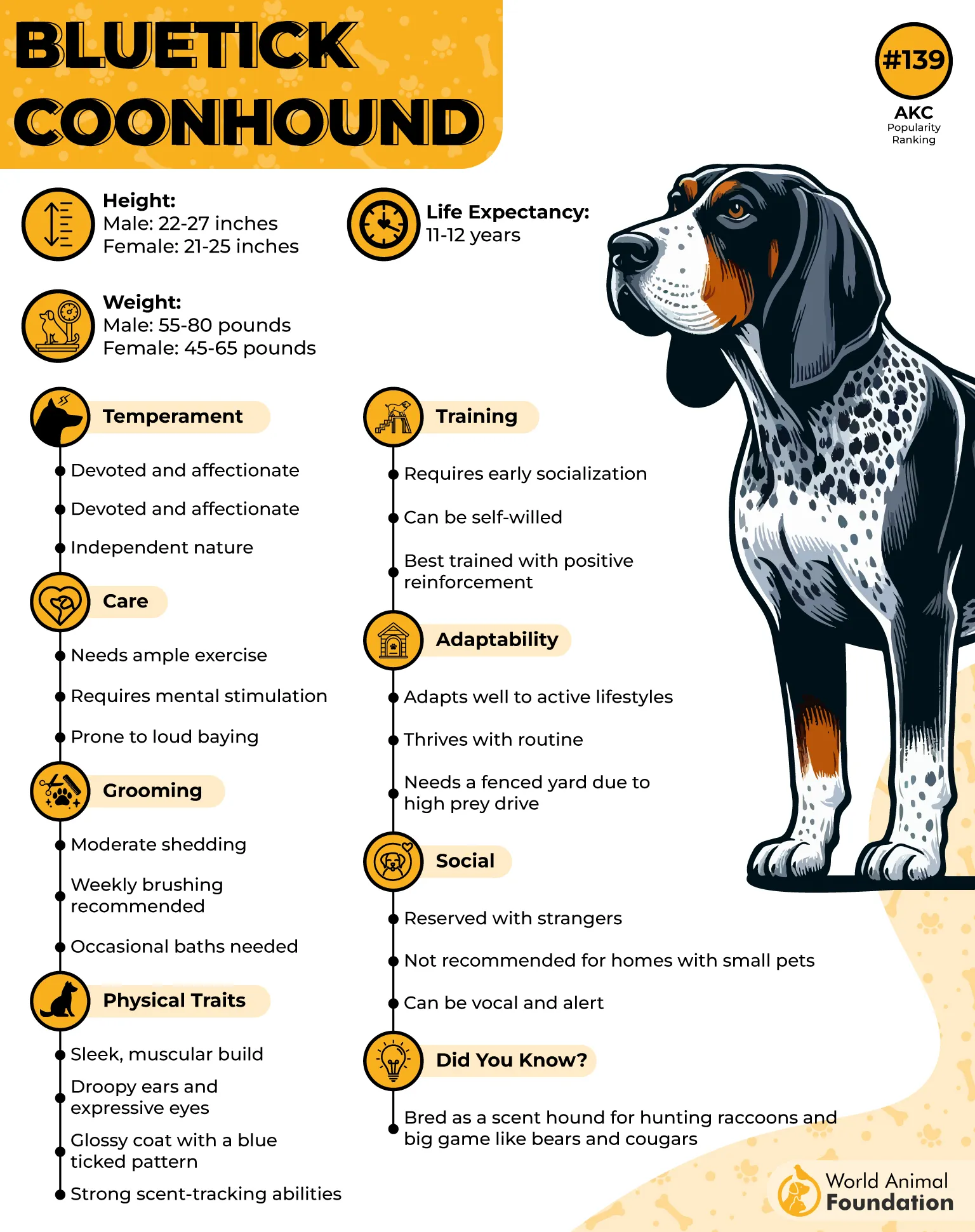
Their howling and barking can get out of hand if they aren’t trained early. These hunting dogs can thrive as family pets, but as big dogs, they need ample space, plenty of physical stimulation, and activities like agility.
Conclusion
A dog with a natural talent for tracking can bring a whole new sense of purpose to outdoor adventures. Breeds with strong noses, stamina, persistence, and a willingness to follow a scent can be especially fascinating companions for people interested in wildlife tracking.
Natural ability is only part of the picture, though. Reliable training, responsible handling, and an understanding of wildlife behavior matter just as much when working around natural habitats.
