




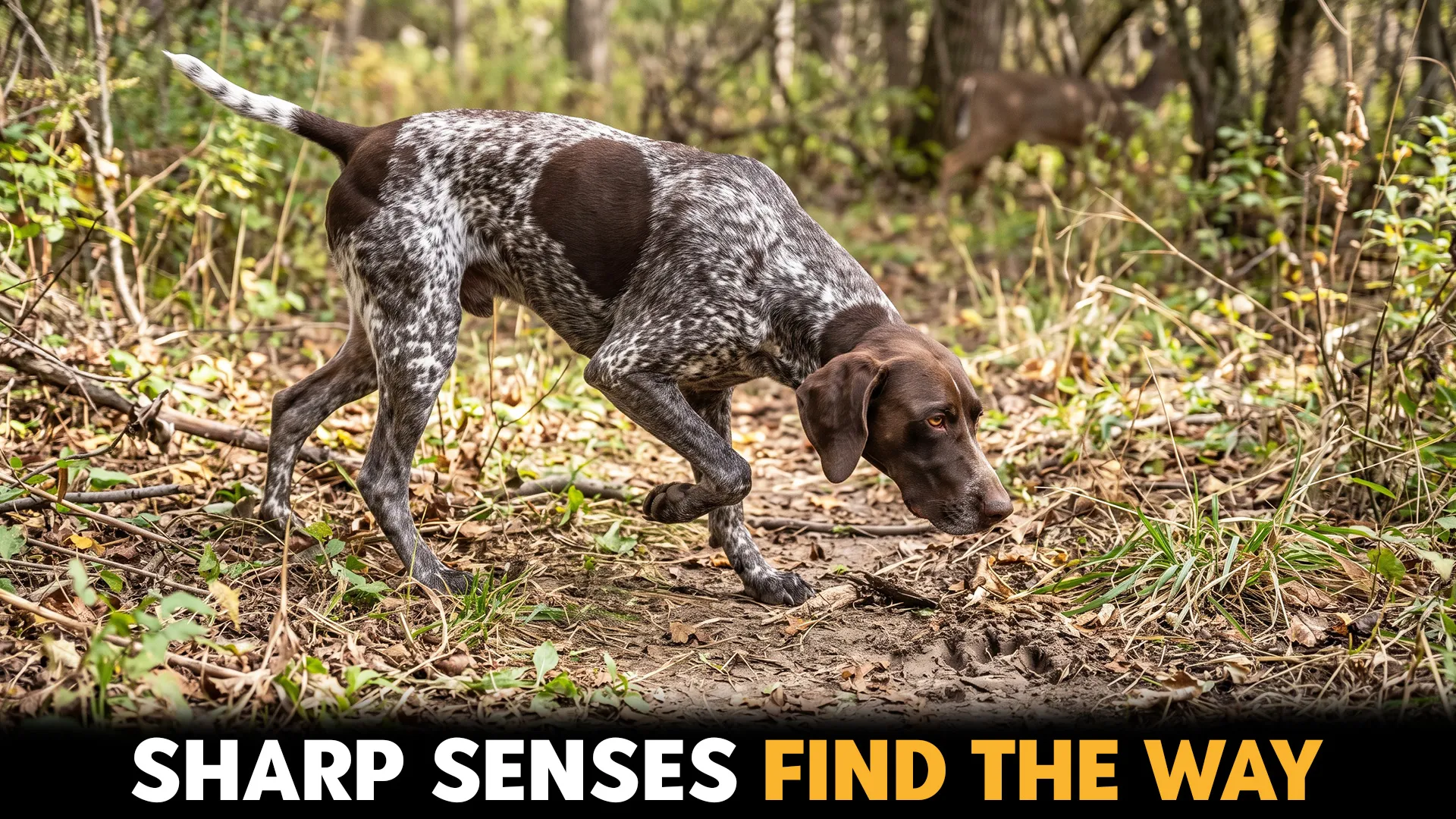
Every hunter knows that feeling: the woods go quiet, the dog suddenly slows down, and you realize its nose has picked up something you cannot see yet. That moment is why tracking dogs matter. They turn guesswork into direction and a long walk into a real chance at game.
Still, the right dog depends on the hunt. A bird hunter may need a close-working flusher, while a rabbit hunter needs a hound that lives for ground scent. Night hunters often want a dog that can trail, tree, and announce its find without hesitation.
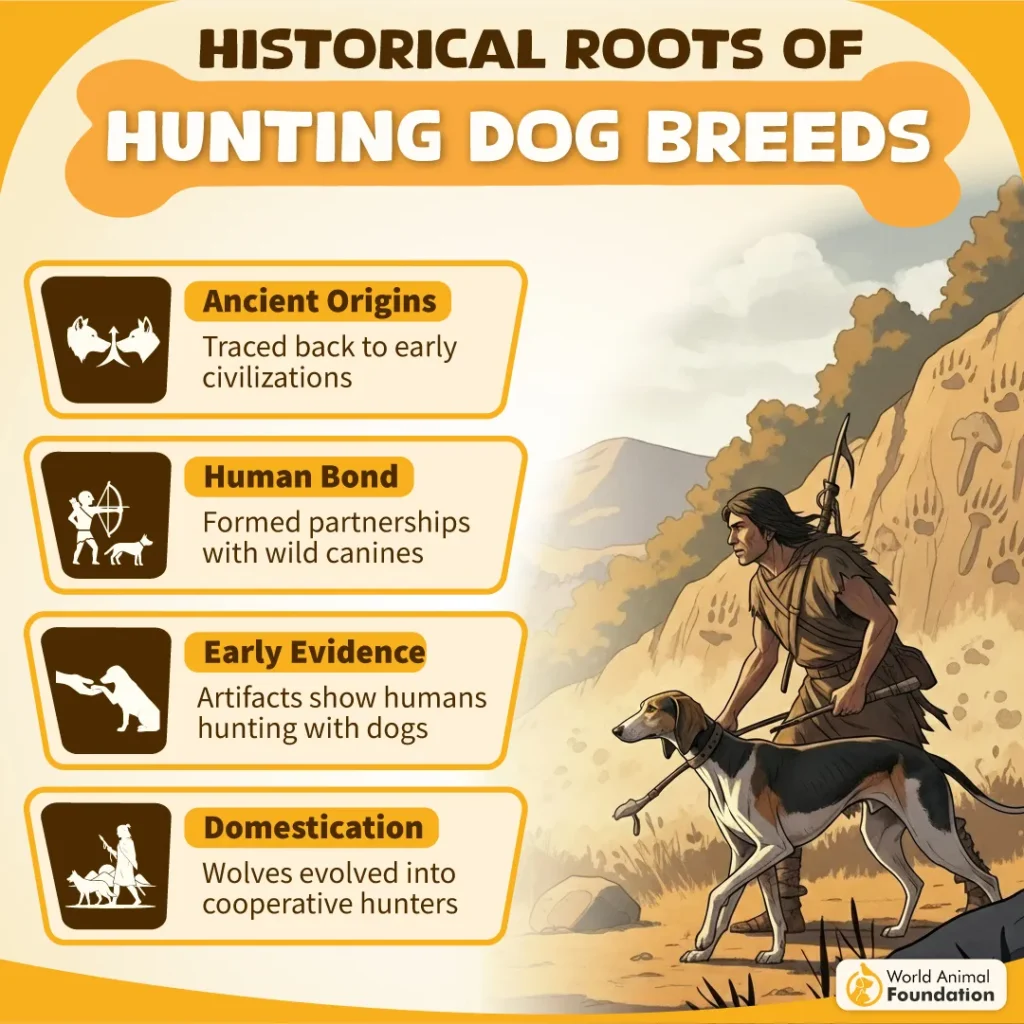
The seven breeds below bring different skills to the field. Some are elegant pointers, some are tireless scent hounds, and others are rugged all-purpose workers.
Best Dog Breeds for Tracking Wild Game Effectively
1. English Springer Spaniel
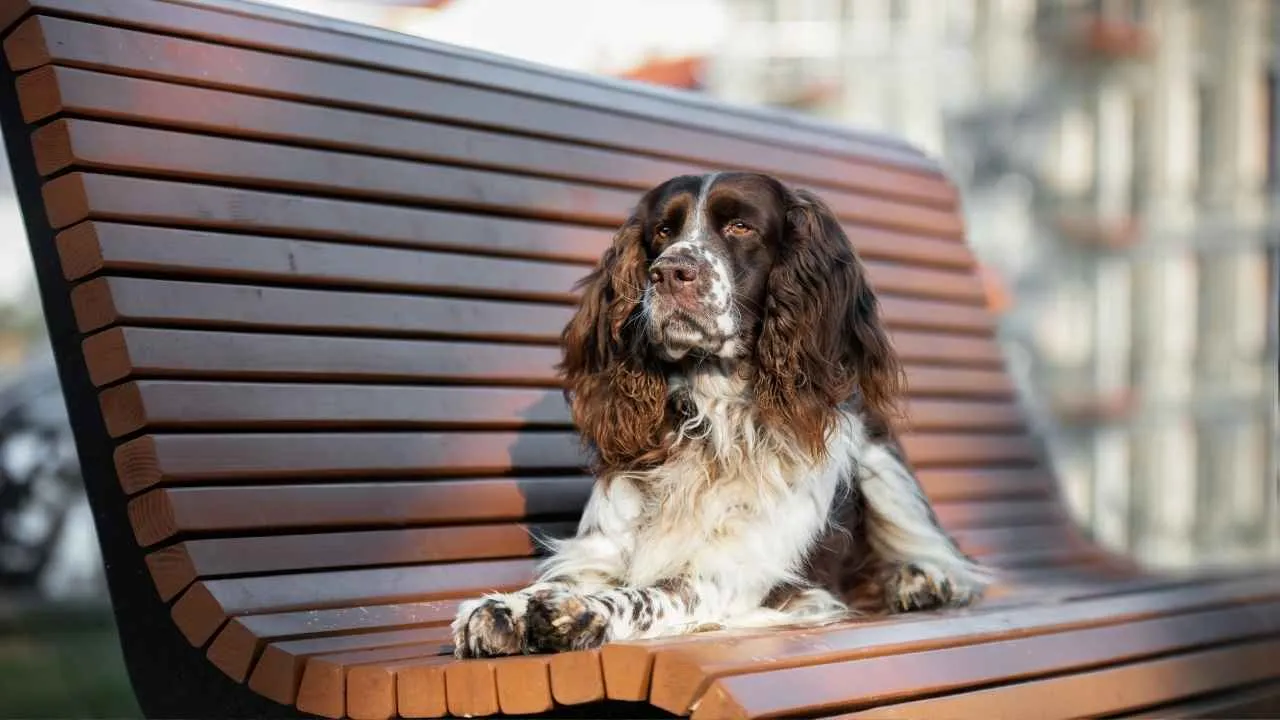
Originally bred in England as a bird dog, the breed has its origins in Spain. The English Cocker Spaniels and the English Springer Spaniel were classified as the same breed, but later, they were separated as the English Springer Spaniel was larger and had a different purpose.
Roughly 12-13% of the air inhaled by the hunting dog breed goes straight to the olfactory region to process scent, while the rest goes for respiration. It has long legs relative to the torso, providing a swinging stride, and does not tire after hours of hunting. The tail exhibits a circular “buzzsaw” wagging motion when it captures an interesting scent.
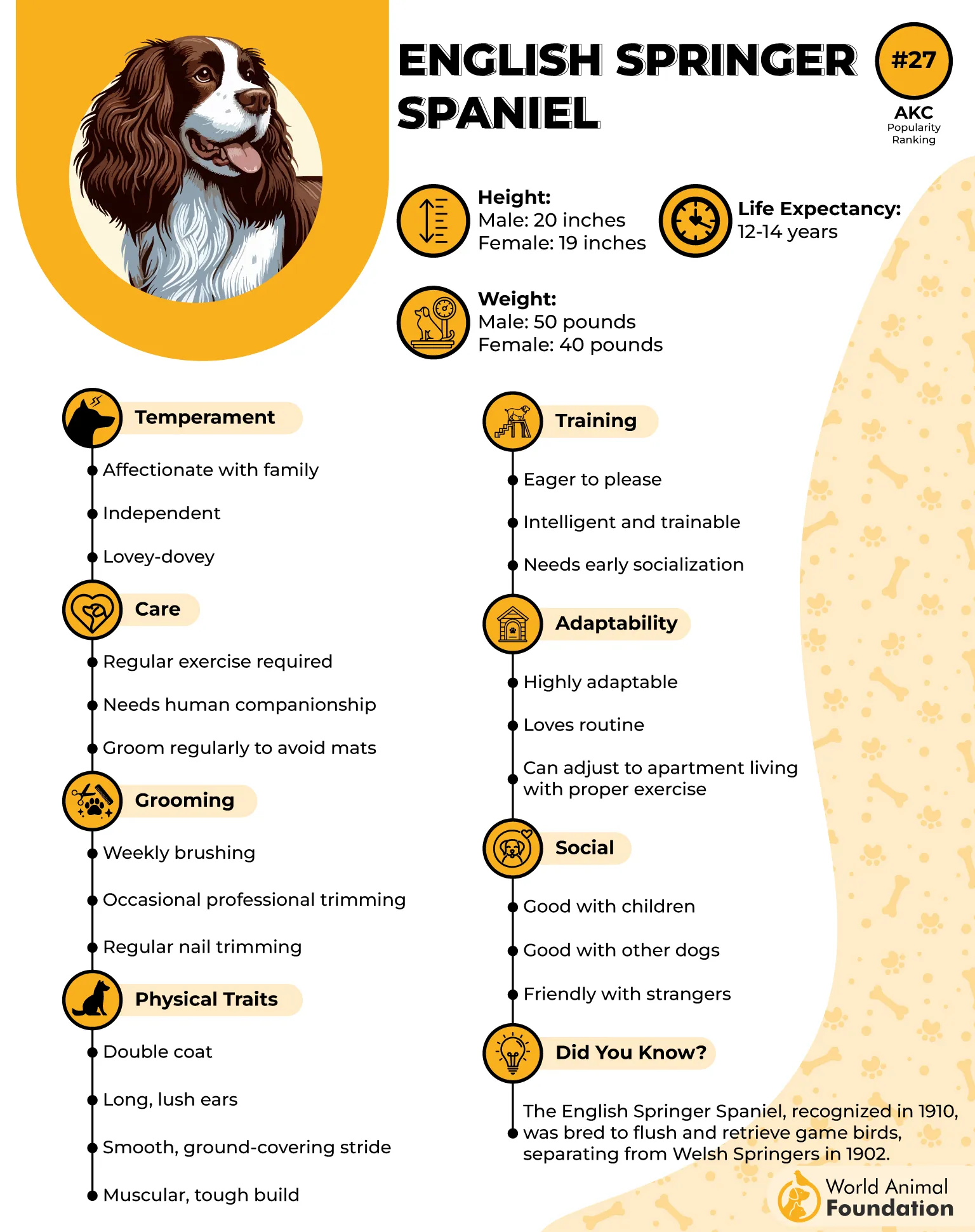
Known for quartering, it sweeps side-to-side horizontally; it covers most of the area within a short span of time. It tends to restrict its tracking grid to 20-30 yards. Otherwise, the flushed game escapes the hunter’s reach.
2. German Shorthaired Pointer
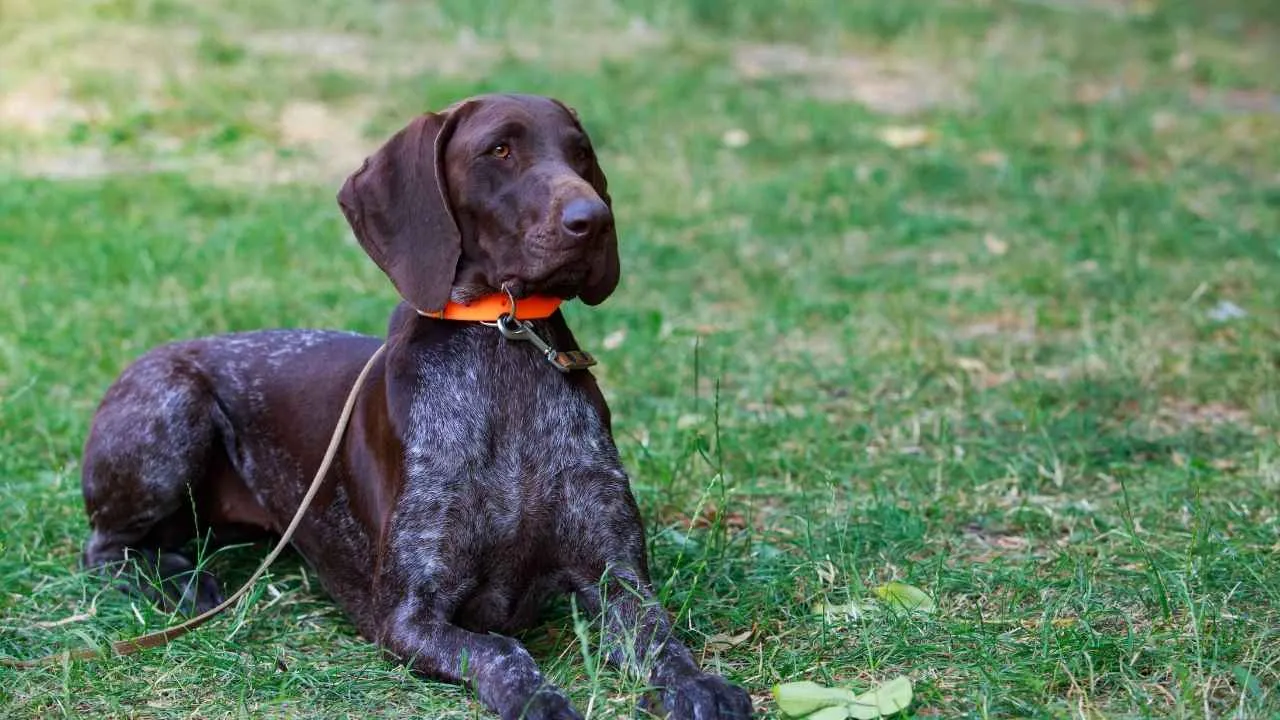
The hunting breed was developed in Germany in the 17th century by crossing the German bird dogs, the Spanish Pointer, and the Bloodhound. The resultant breed was slower and heavier; thus, efforts were made to make it faster and lighter by crossing it with the English Pointer.
It holds its head high while tracking rather than sticking it to the ground to catch air scent. The breed has well-arched toes and webbed feet that act as snowshoes, and powerful hindquarters enable a high speed of 34 mph. Once it tracks its game, it freezes at one point, raises one paw, and directs its muzzle towards the prey.
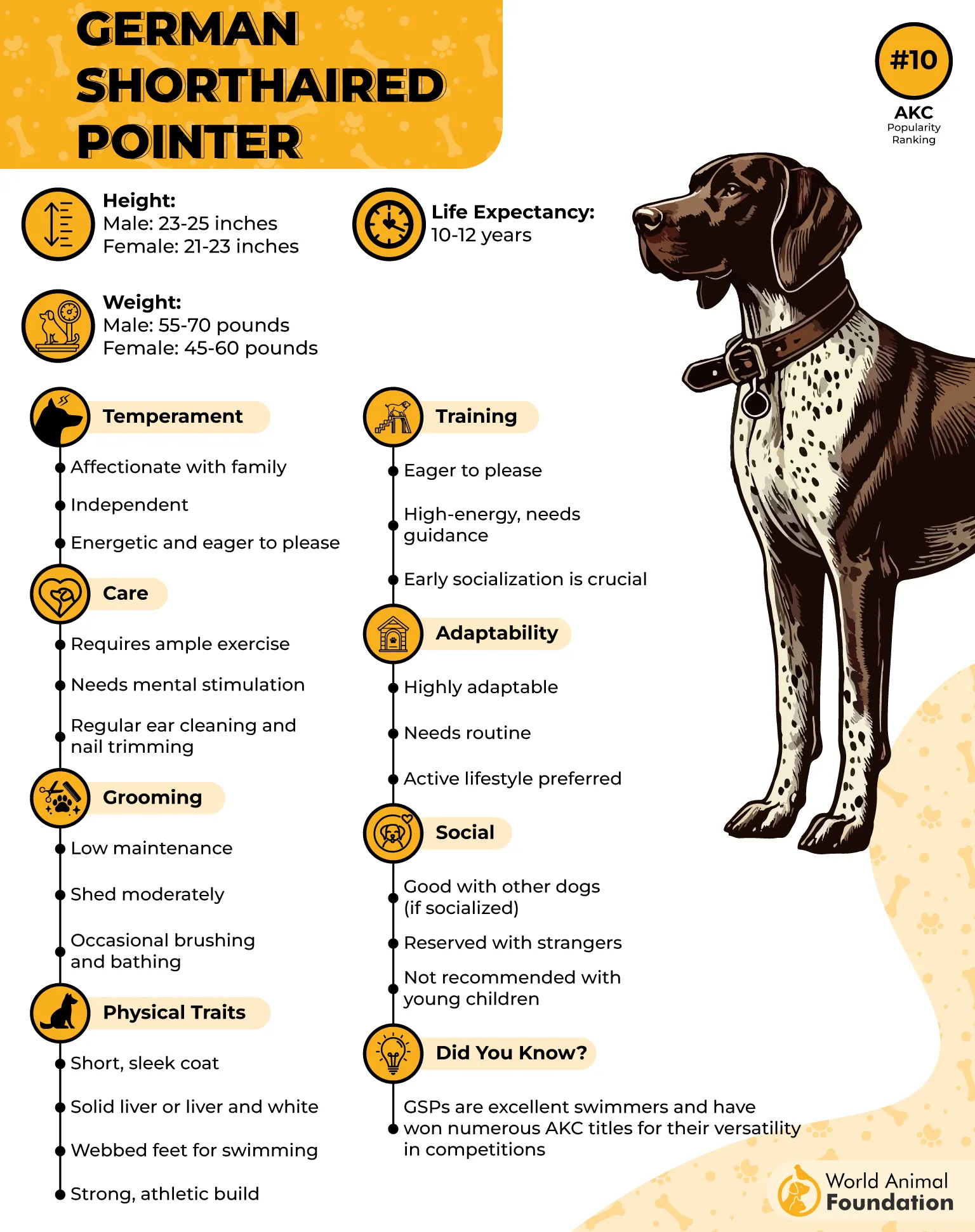
The highly developed olfactory system can isolate targeted scent and excels as a cold and blood tracking dog. With its soft mouth, the breed retrieves its prey without physically damaging it.
3. Vizsla
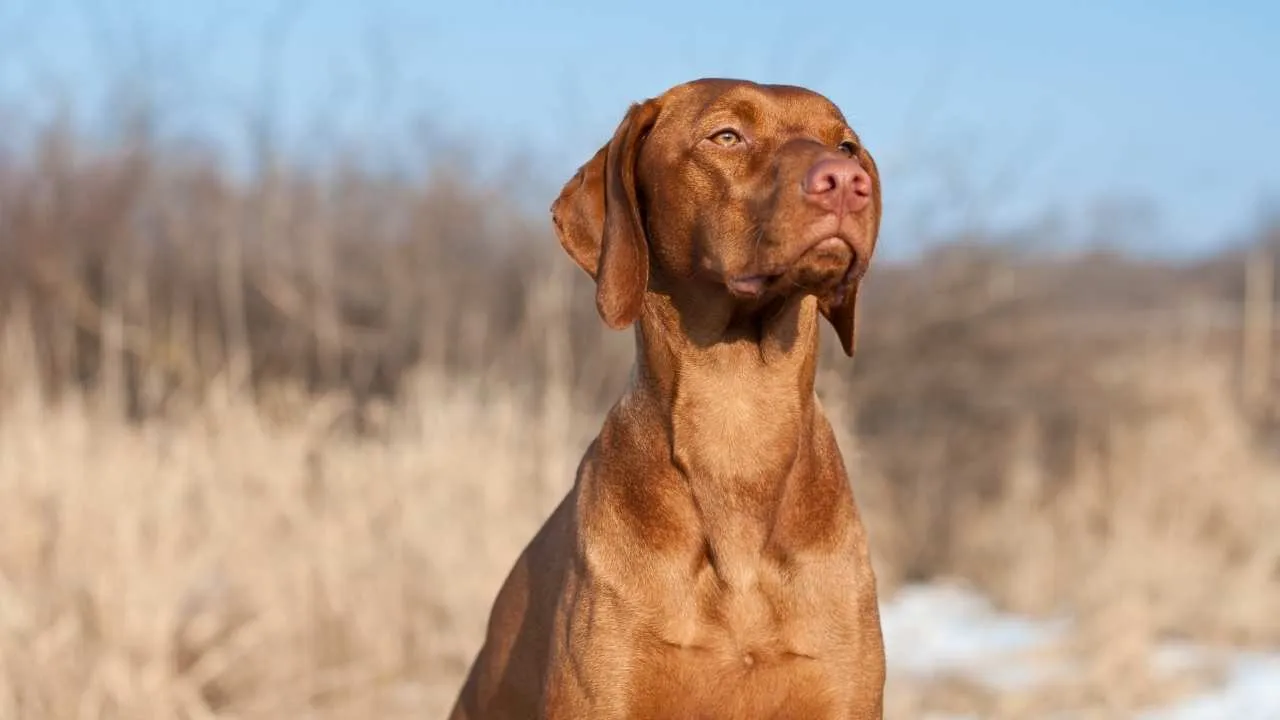
The great hunting companion is descended from the ancient breed once kept by the Magyar tribes from Hungary and Central Europe more than 1,000 years ago. It gained popularity among the aristocracy in the 20th century and nearly went extinct after WWII, as reported by Orvis.
It tracks with an open mouth, curls its upper lips, and dilates its nostrils. This lets the air scent directly into the vomeronasal organ, designed to process pheromones of the wild boar and other game. The high power-to-weight ratio makes it run at a high speed of 40 mph. The cat-like feet provide excellent traction and prevent injuries while navigating rough terrain.
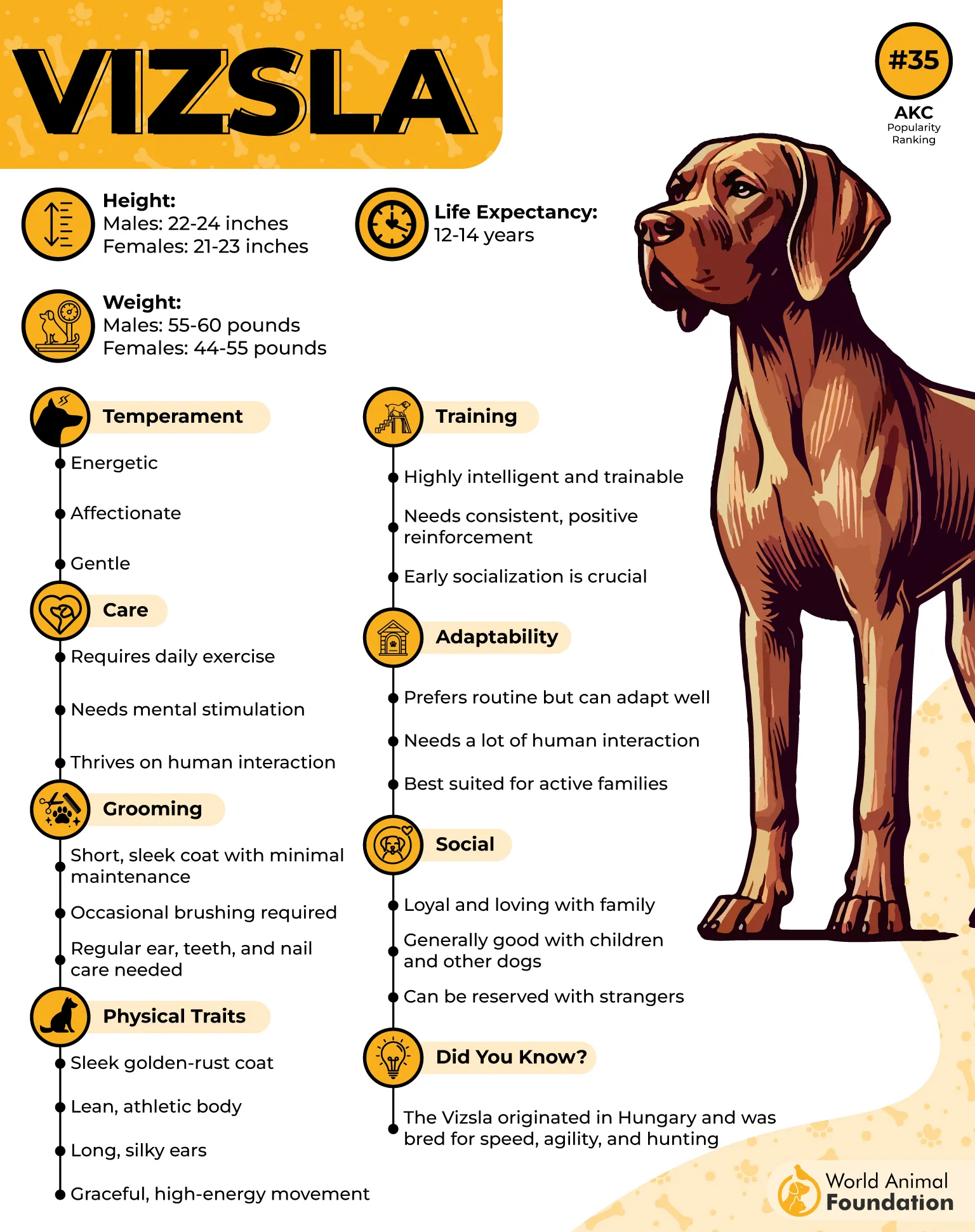
The golden-rust coat extends across the footpads, nose, and eyes, creating perfect camouflage in autumn forests and wheat fields. High intelligence helps it learn complex commands within 5-15 repetitions.
4. Weimaraner
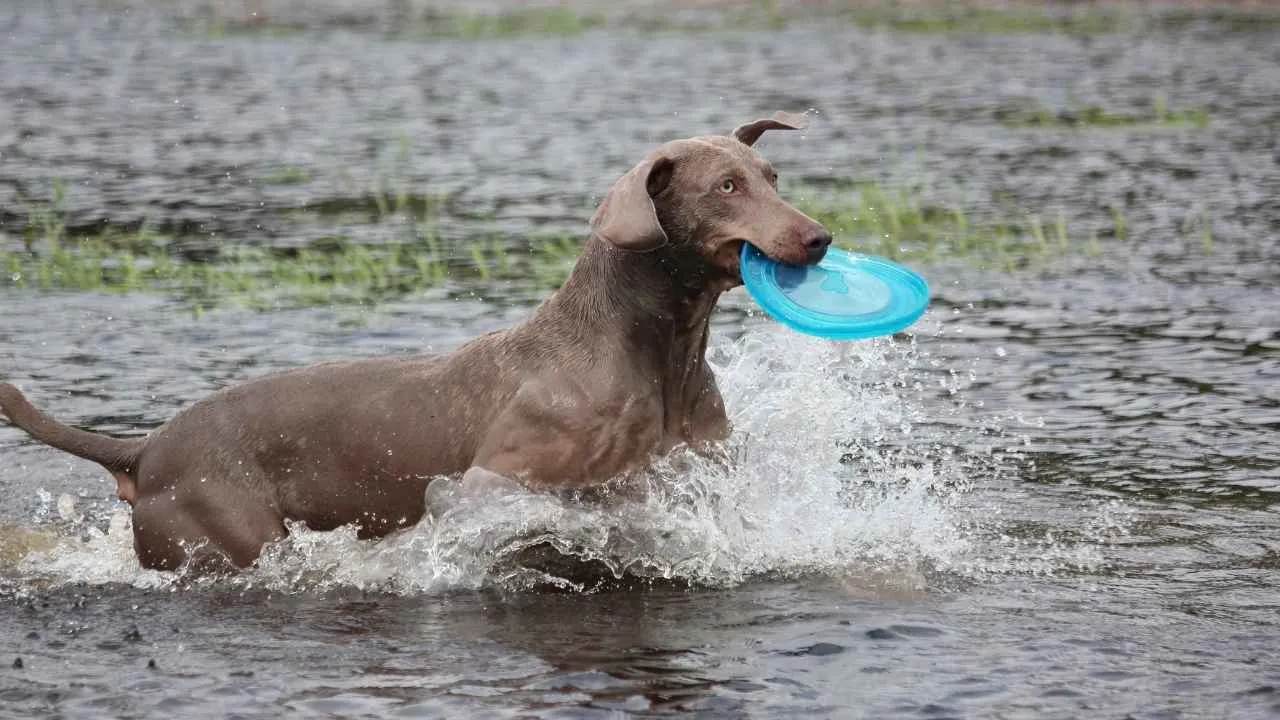
Also known as the Weimar Pointer, the hunting breed was developed in Germany in the 20th century by crossing the German and French hunting breeds with the Bloodhound. The primary purpose was to hunt larger animals, such as wolves, deer, and bears. The excellent companion made its way to America in the 20th century.
With its strong sense of smell, it utilizes its 300 million scent receptors to capture maximum air. The long and pendulous ears trap and channel air and ground scent directly to the nose. The lean muscular frame enables low energy expenditure while supporting a long stride. The webbed feet make it a great swimmer.
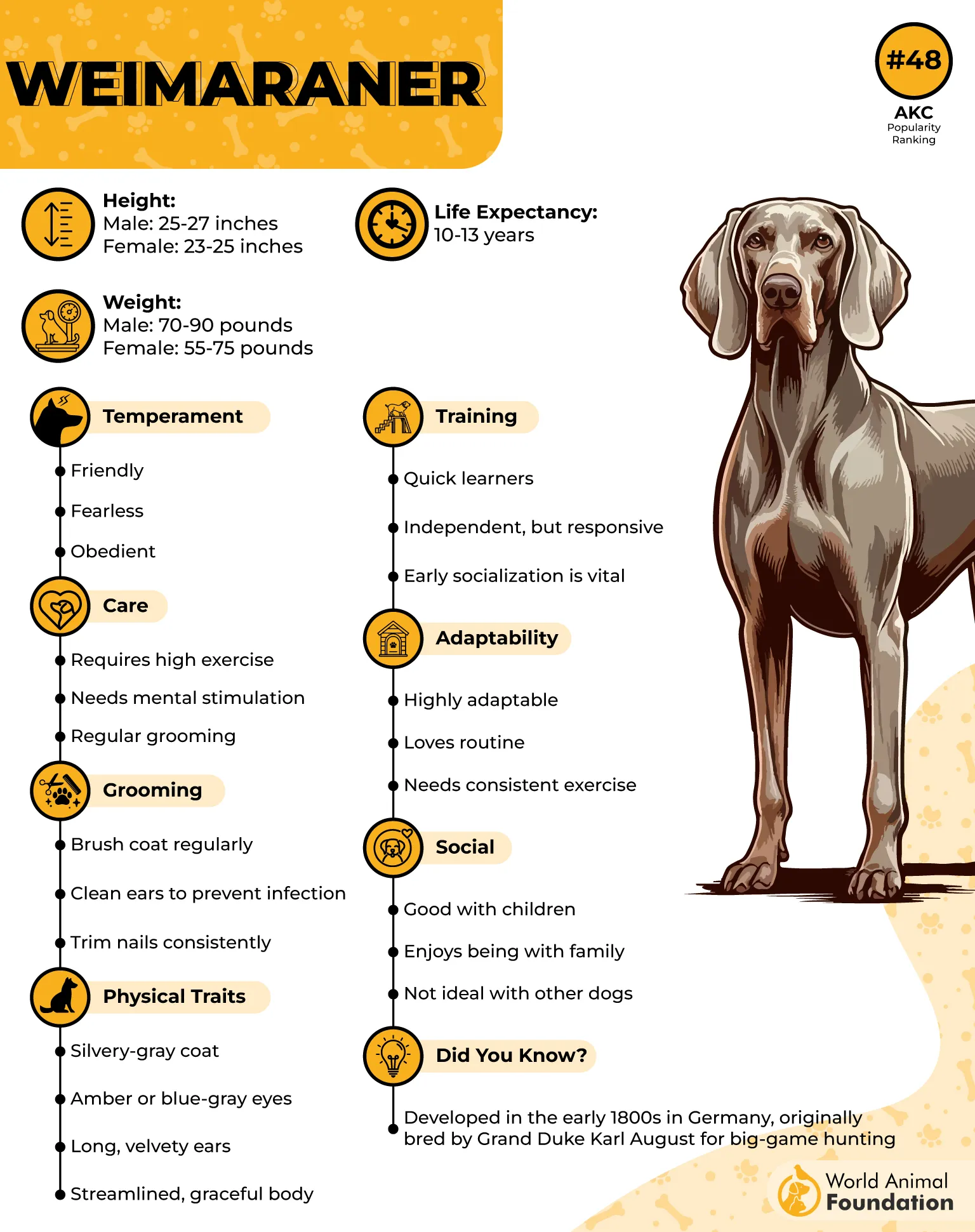
The highly intelligent dog was selectively bred to track its prey for miles, freeze, and point its handler in the direction of the prey. Known for having a cold nose, the breed can track scent days old.
5. Beagle
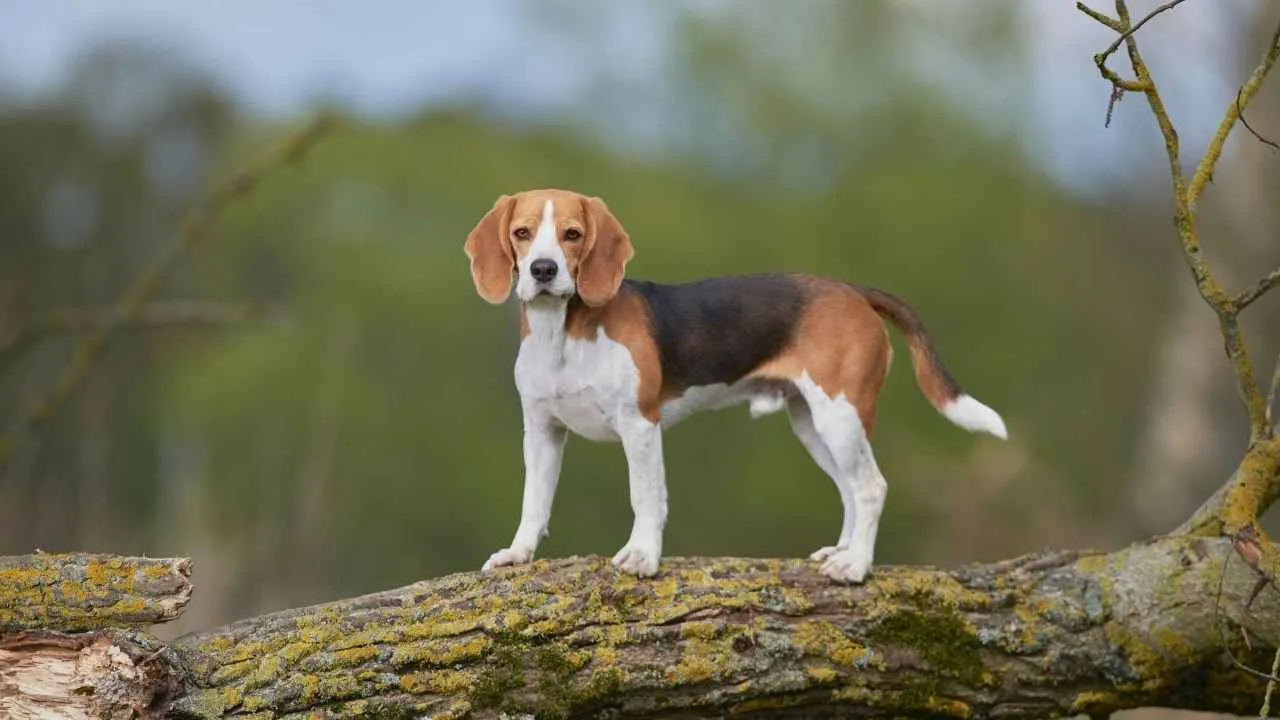
The scent hound was developed in Britain and is closely related to the Foxhound. The primary purpose was to hunt rabbits and hares. Today, it is widely used as a detection and companion dog because of its keen sense of smell, according to Wikipedia.
The great hunter has a low centre of gravity because of short legs and a proportional frame. It presses its nose firmly to the ground without causing fatigue. The white-tipped tail acts as a visual marker, allowing the handler to trace the dog through dense regions.
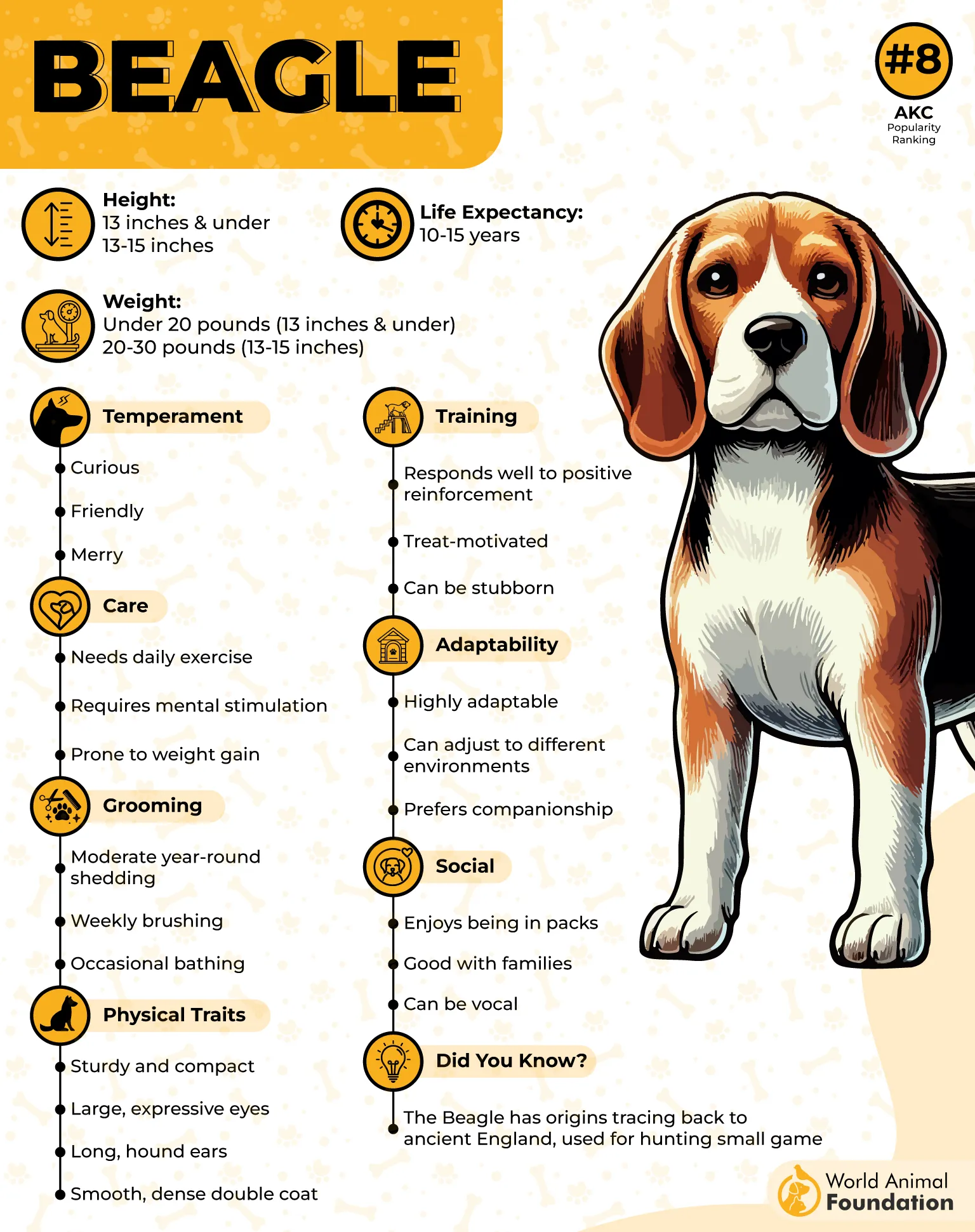
It produces a bark, a howl, and a bay when it tracks down a hot scent trail. This enables the hunter to track the progression of the hunt miles away. Despite being a hunting breed, the Beagle lacks territorial aggression and does not instantly kill the prey.
6. Treeing Walker Coonhound
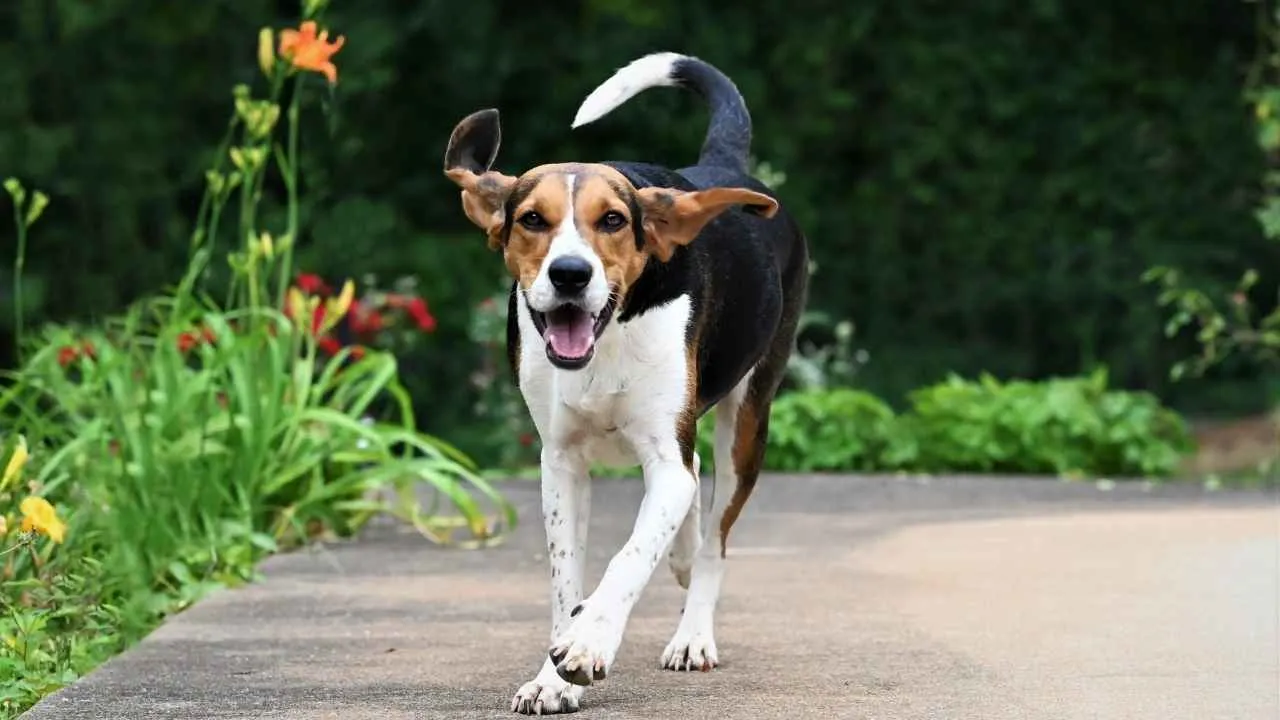
The breed was developed in the United States in the mid-18th century from the Walker Foxhound. The word ‘treeing’ in the name suggests that it tends to corner and force the small game up to the tree and keeps on barking til the hunter arrives. The primary purpose was to hunt raccoons; however, it was later adopted for large game hunting as well.
The deeply muscled hindquarters and thighs enable forward propulsion. The active dog generates a ringing howl while tracking prey, allowing the hunter to locate the path and speed of the dog. This vocalization converts into a chop bark once the game is cornered.
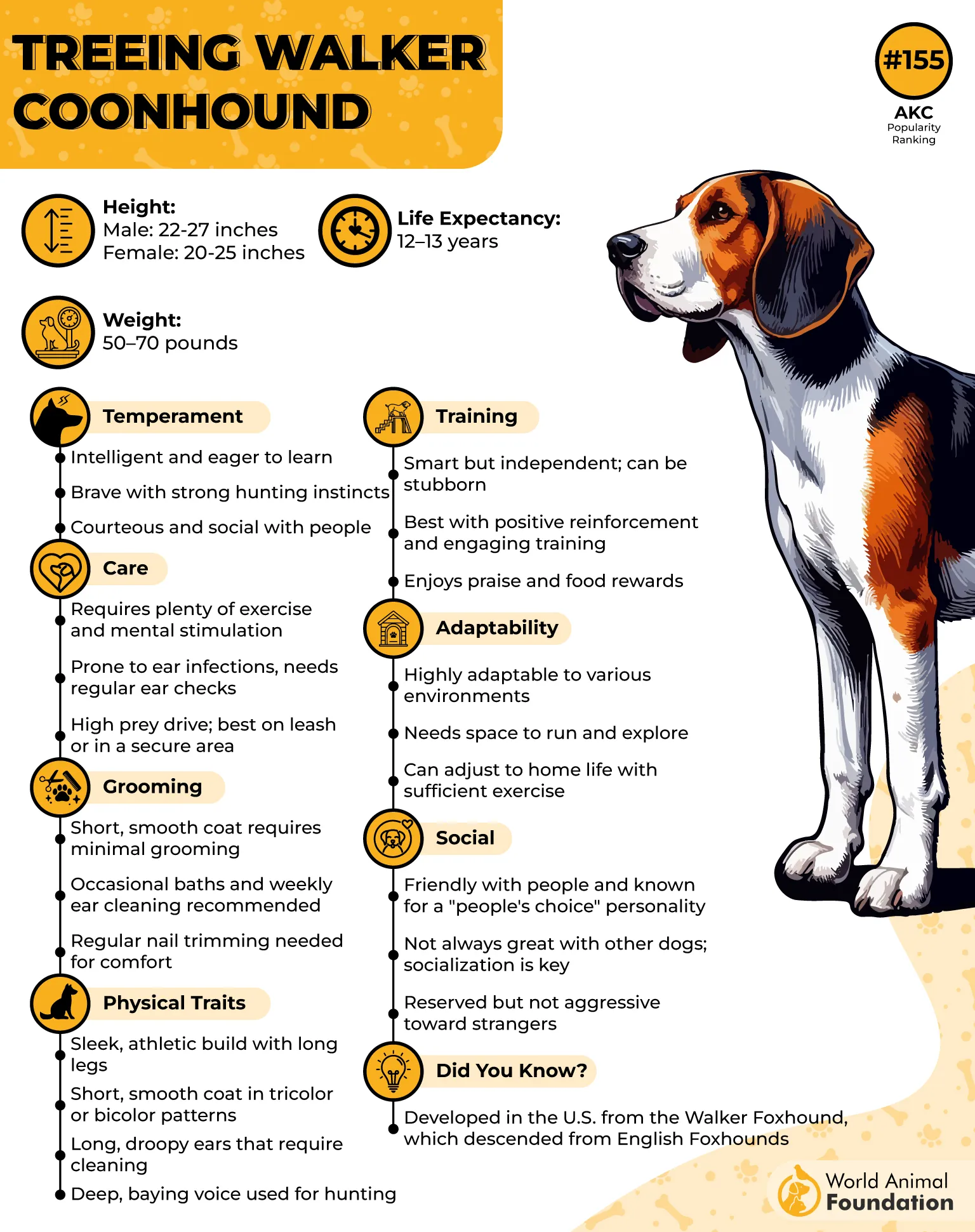
When the breed loses its track of the scent, it moves in semi-circles to cross-cut the wind and re-acquire the physical path of the animal. It is famously known for having a hot nose; it prefers fresh scent tracking.
7. Mountain Cur
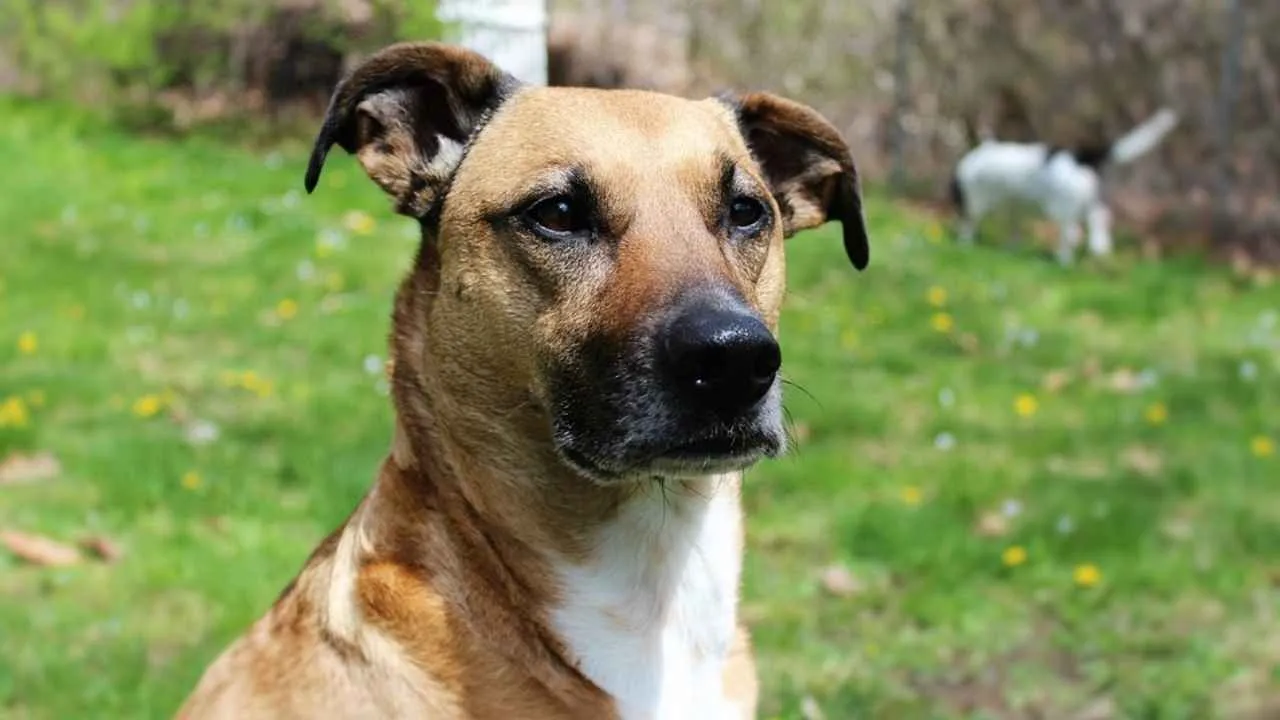
The working breed was originally bred in America for treeing and trailing small game, such as squirrels and raccoons. Today, it is also used in big game hunting and as an all-purpose farm dog. It is recognized by both the United and American Kennel Clubs.
The breed has long and straight forelegs with well-muscled hind legs and needs physical exercise, as noted by the AKC. This propulsive musculoskeletal alignment helps it navigate through rough terrain without compromising speed. The tri-color short coat acts as a protective shield against burrs, water, mud, and dirt. It switches to casting once the scent is lost.
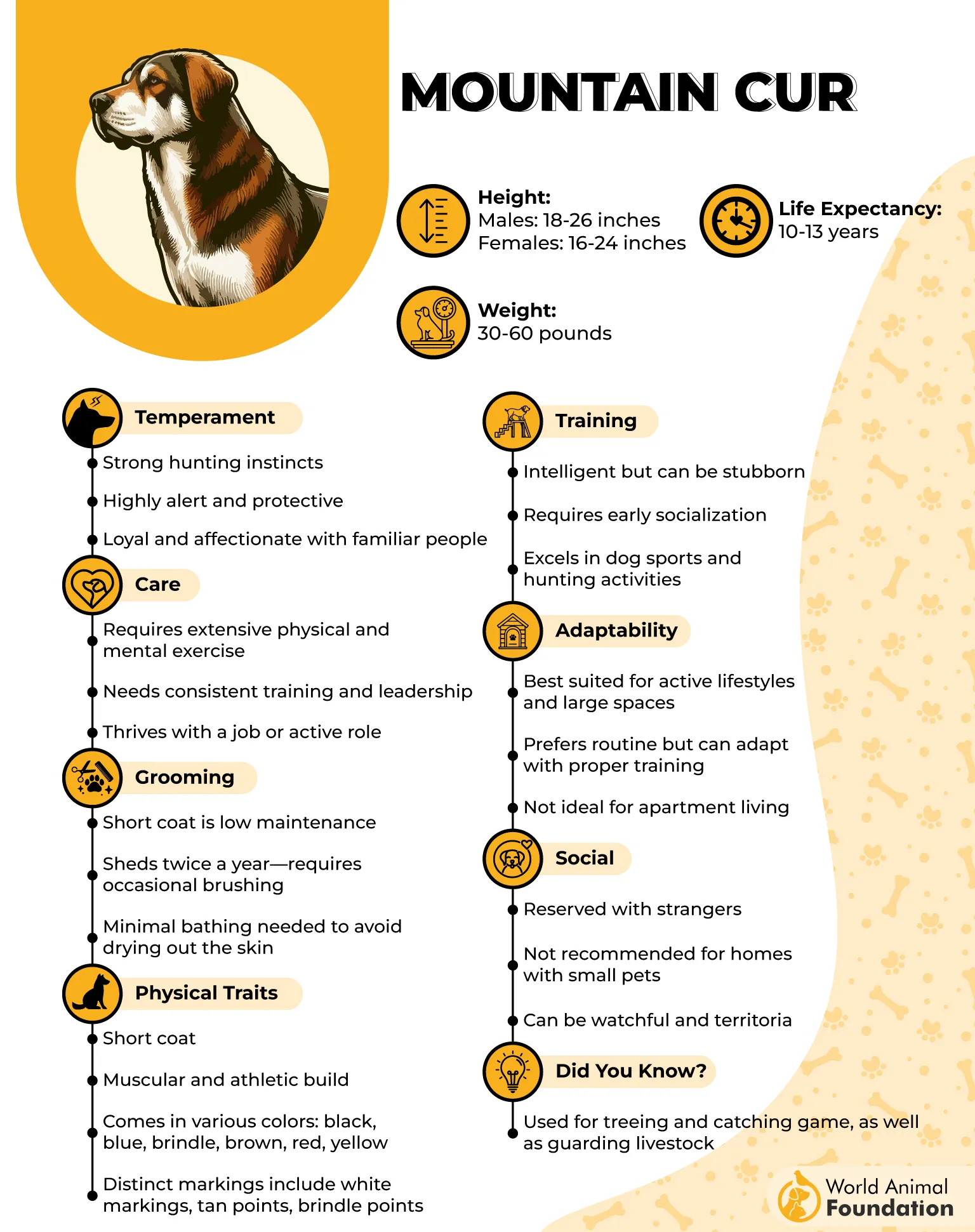
The dog is known for ‘checking trees,’ where it stops to smell the trunks and looks up to find its prey. It tends to exhaust the prey by covering vast miles of dense underbrush and rough terrain.
Conclusion
A great tracking dog does more than find game. It teaches patience, builds routine, and gives every outdoor trip a sense of purpose. The right breed can match your hunting style, but your consistency will shape the dog you actually take into the woods.
Whichever breed you choose, treat training as a partnership rather than a command session. Celebrate small wins, stay calm when things go wrong, and let your dog use its instincts. With time, effort, and a little mud on your boots, you will build a team that knows how to work together.
