




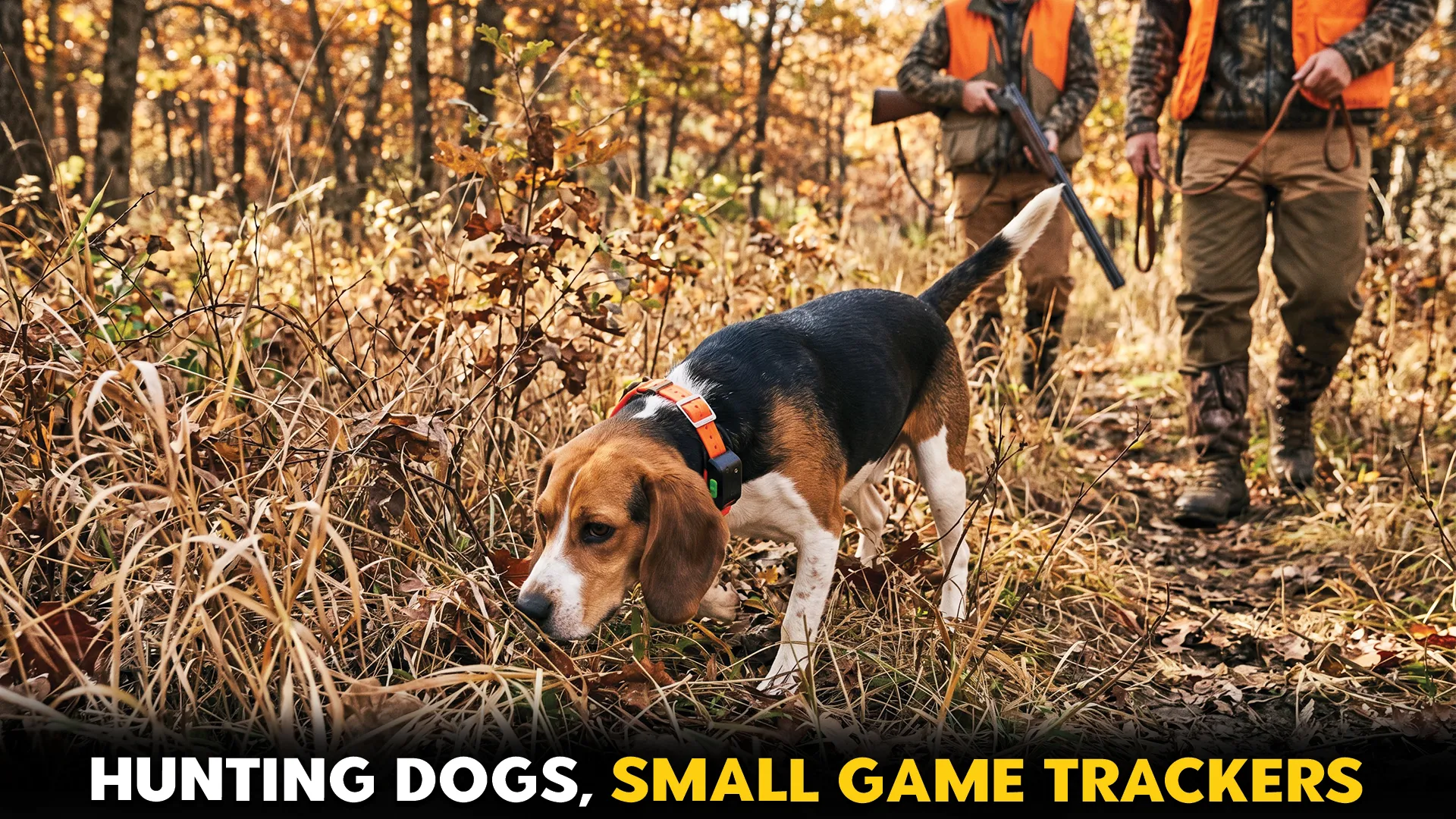
Dogs have partnered with humans in the field for millennia, shaping some of the most capable hunting companions in the animal world.
Early hunters quickly learned that certain canines excel at following scent trails, locating hidden prey, and working through dense terrain where human senses fall short.
Over time, selective breeding refined these natural abilities into specialized groups designed for different tasks in the hunt.
For small-game and upland-game hunting, agility, persistence, and an exceptional sense of smell are essential traits. Some dogs are bred to locate animals moving above ground, while others are skilled at flushing them from cover or pursuing quarry that retreats into burrows.
Terriers, whose name literally means “of the earth,” are especially known for their determination underground; they were originally developed to pursue foxes, rodents, and similar quarry in tight spaces.
Across hunting traditions, these dogs remain valued partners, combining instinct, endurance, and intelligence to support hunters in finding elusive small game efficiently and effectively. They continue to play a vital role in modern field hunting practices today.
Best Dog Breeds for Tracking Small Game Hunters
1. Beagle
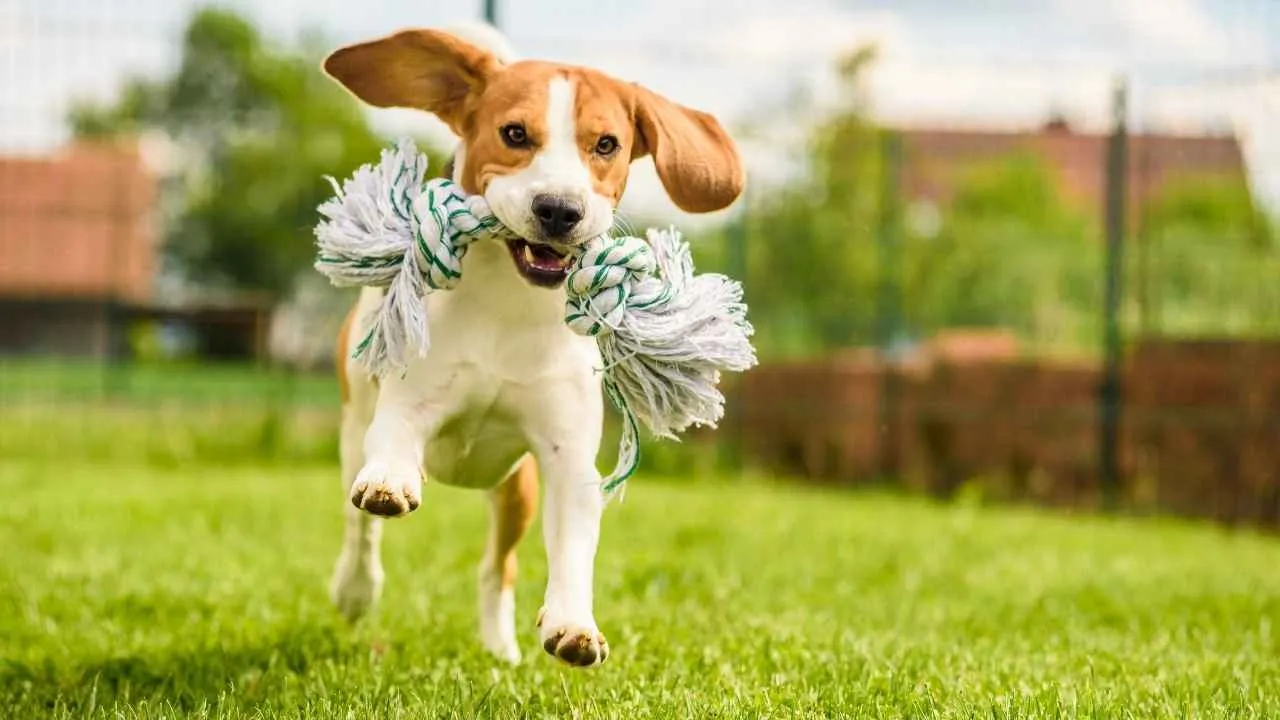
The Beagle is one of the most dependable scent hounds used for tracking small game, known for its remarkable ability to follow even faint trails across challenging terrain, as noted by The Kennel Club.
Originating in England by the 15th century, this compact-sized breed was carefully developed to flush rabbits and hares in coordinated packs, allowing hunters to work on foot while relying on the dog’s steady tracking skills.
Over time, its keen nose and persistence made it a preferred choice for consistent field performance rather than speed alone.
Built for endurance and focus, the breed excels at maintaining a scent line without easily losing direction, even when distractions are present.
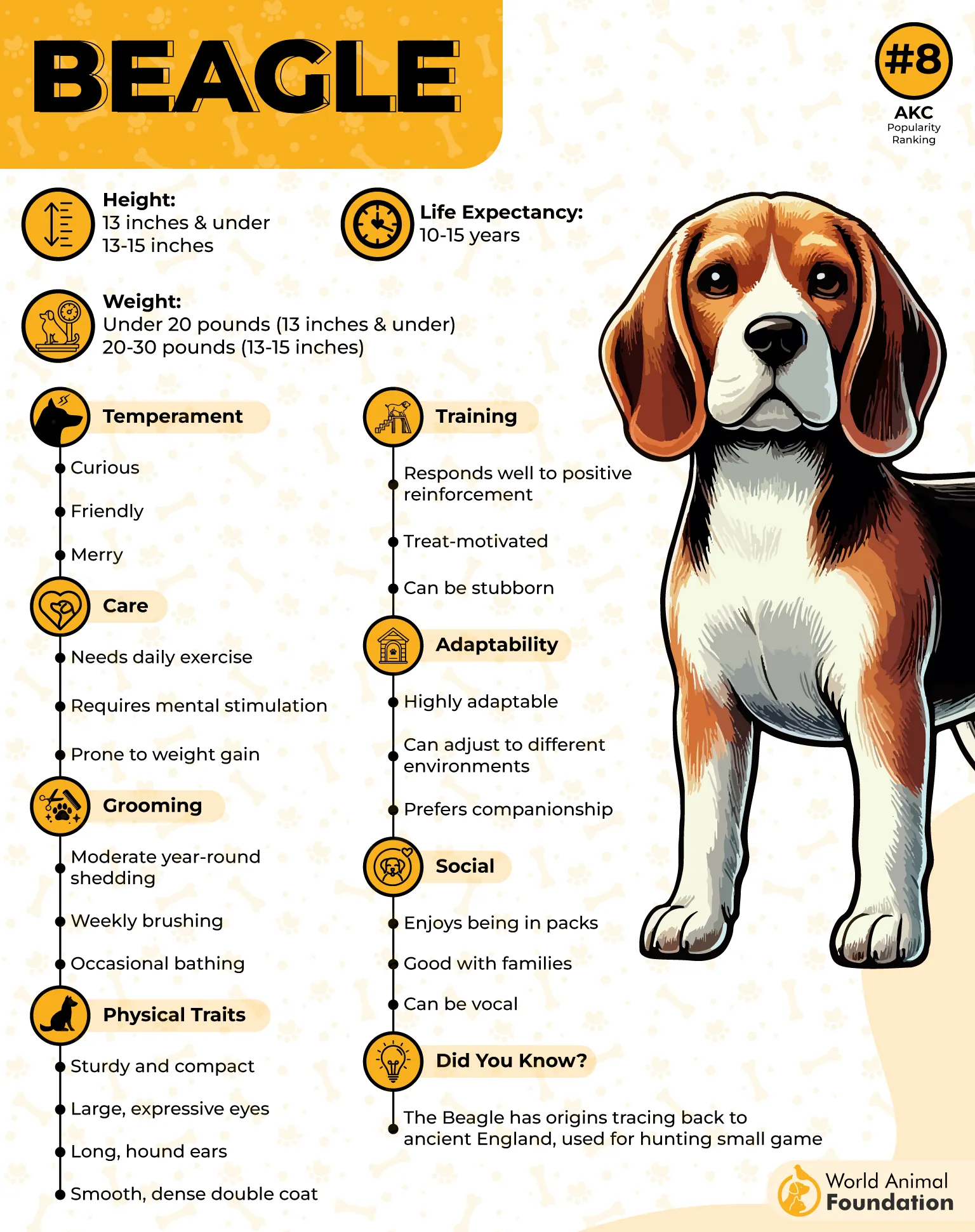
This strong instinct to pursue scent trails has remained unchanged through centuries of selective breeding. Historically, smaller varieties were once favored in royal hunting circles, valued for their convenience and portability during excursions.
Beyond its working ability, this small hunting dog breed is highly social and thrives in cooperative environments, making it effective in pack-based hunting situations.
Its combination of determination, adaptability, and natural tracking intelligence continues to make it one of the most trusted companions for small game hunters today in varied outdoor conditions.
2. Bluetick Coonhound
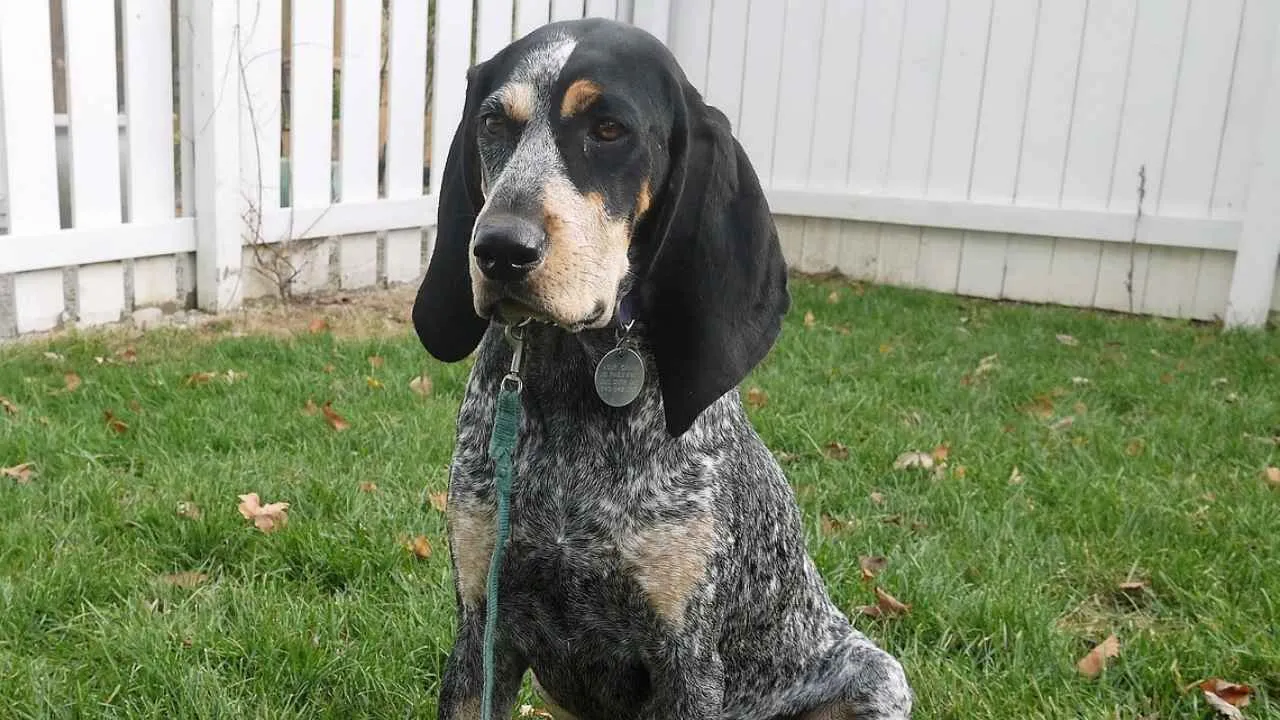
The Bluetick Coonhound is a powerful and determined scent hound widely respected for its ability to track and tree small game such as raccoons with precision and persistence, as noted by WebMD.
Developed in the United States from traditional hound lines, it is especially valued for its cold-nose tracking ability, allowing it to follow old or faint scent trails across varied terrain.
Once on a track, this tracking dog becomes intensely focused, often working independently for long stretches without losing direction. This strong hunting drive makes it a reliable partner for hunters pursuing elusive small game in wooded and rural environments.
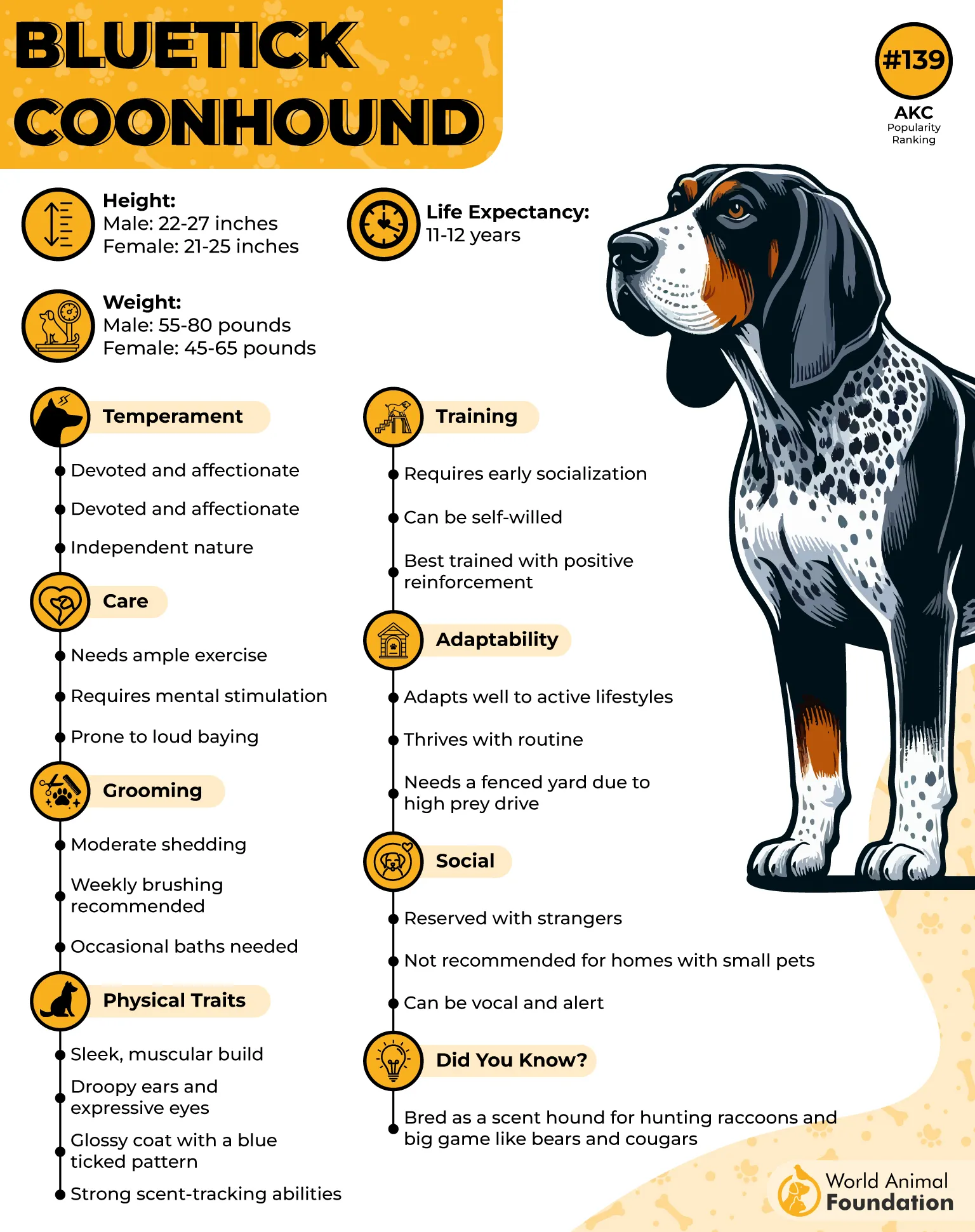
At home, it is known for a calm, affectionate nature and forms strong bonds with its family, showing a gentle and social temperament.
However, in the field, its hunting instincts take over, revealing a highly driven tracker built for endurance and problem-solving on scent trails. Its loud, distinctive voice helps hunters follow its progress during a chase.
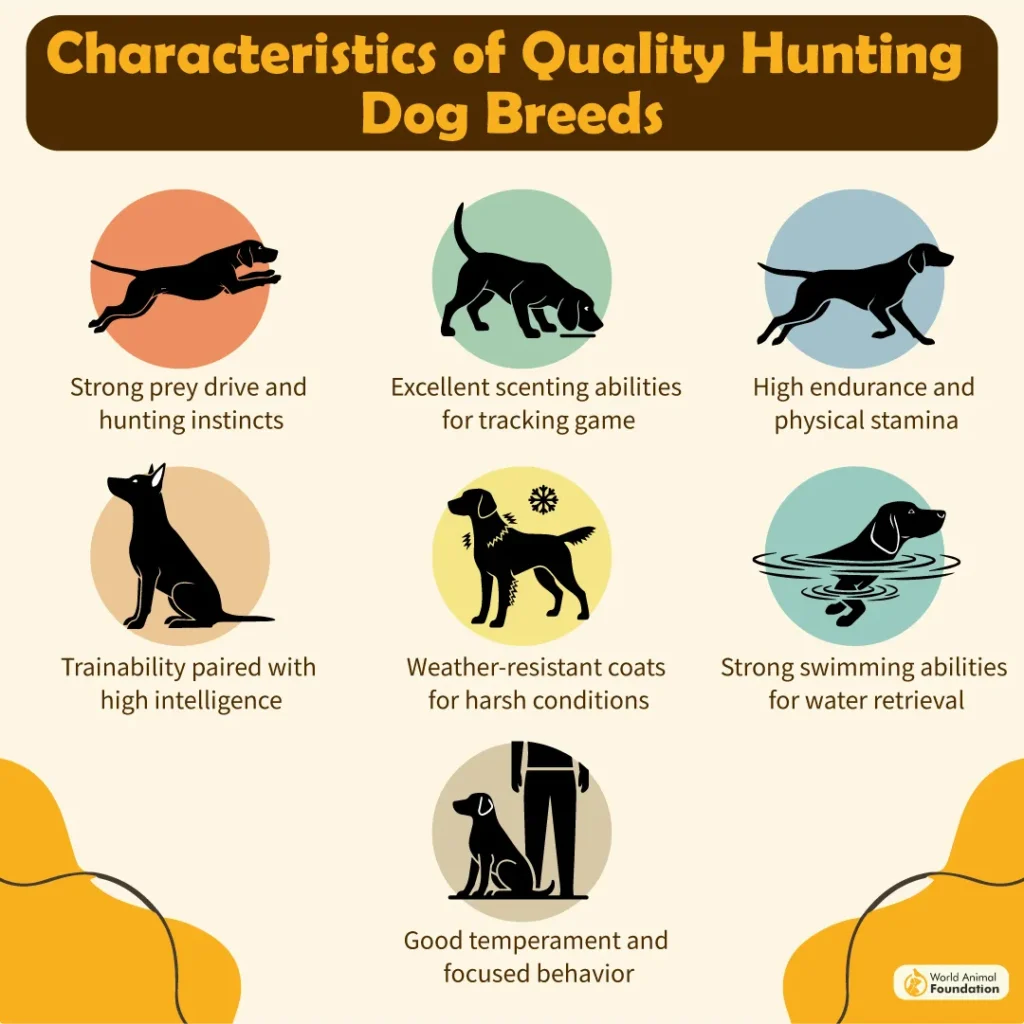
With proper exercise and purpose, it remains one of the most effective and dedicated small game tracking breeds in traditional and modern hunting practices.
3. Basset Hound
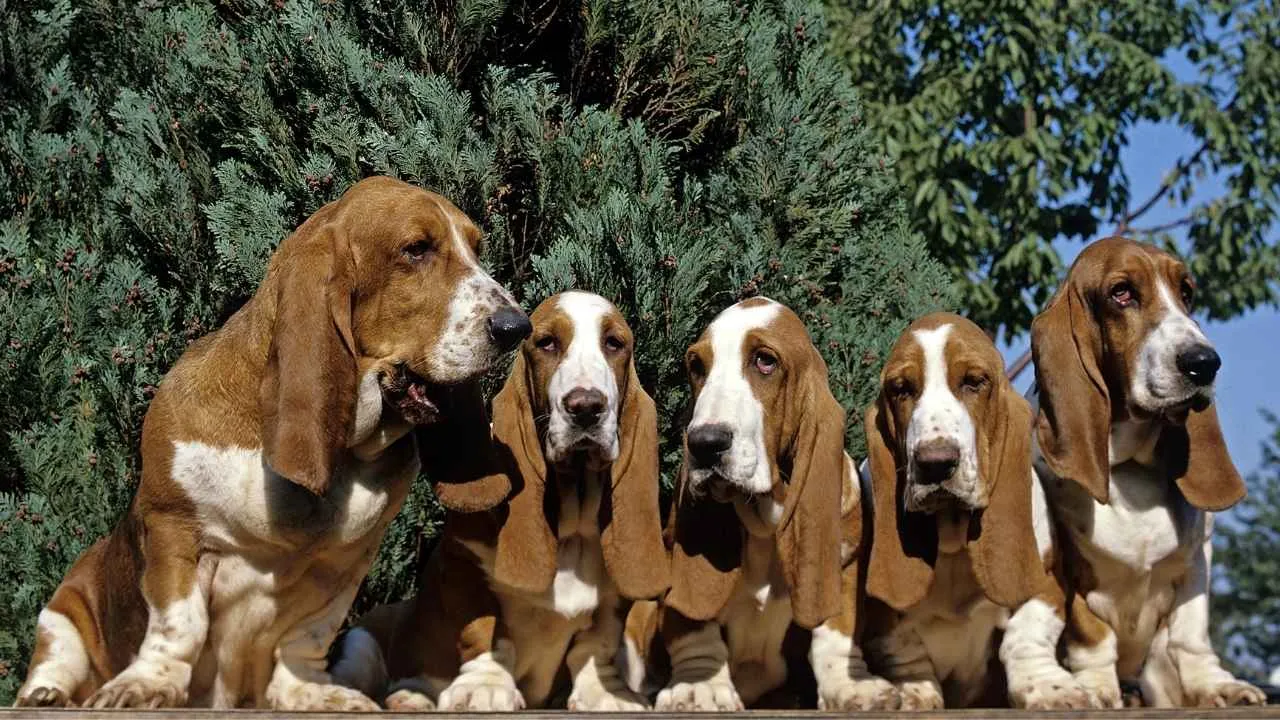
The Basset Hound is a traditional scent hound with a long history of tracking small game across fields and forested terrain, originally developed in France for hunters on foot.
Originally bred to follow slow, methodical scent trails, it is especially skilled at pursuing rabbits, hares, and other small game with steady persistence rather than speed.
Its extraordinary sense of smell ranks among the finest in the canine world, allowing it to stay locked onto a trail even when conditions are difficult or scents are faint.
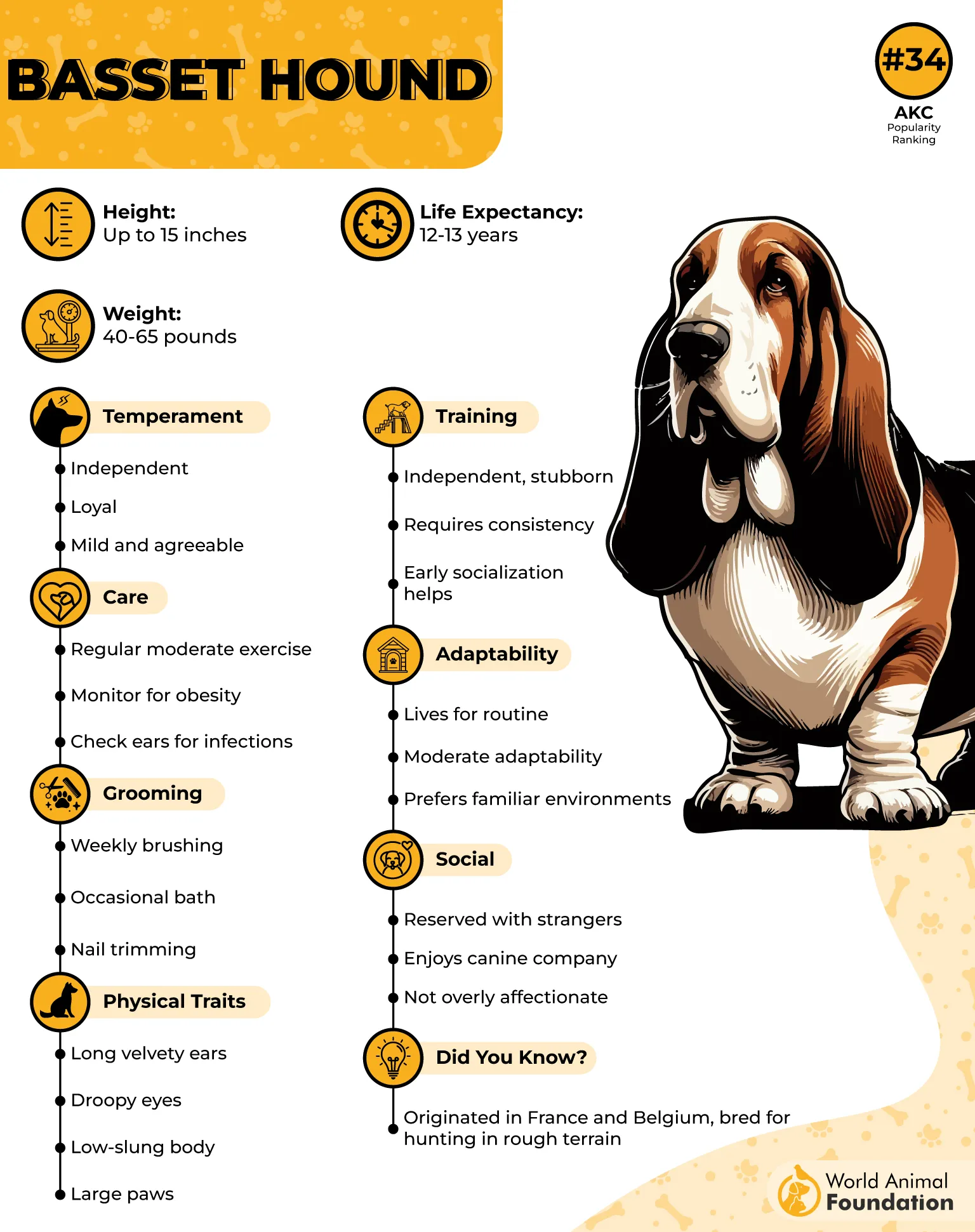
In the field, it works deliberately and with focus, often giving hunters time to follow its progress at a manageable pace. This steady tracking style made it especially valuable in early hunting traditions where patience and accuracy mattered more than rapid pursuit.
At home, it is calm and easygoing, but when engaged in tracking, it becomes highly determined and independent. Its deep, distinctive voice helps signal its location during a hunt, making it easier for hunters to follow.
With its strong scenting instinct and unwavering persistence, it remains one of the most reliable small game tracking breeds today.
4. Weimaraner
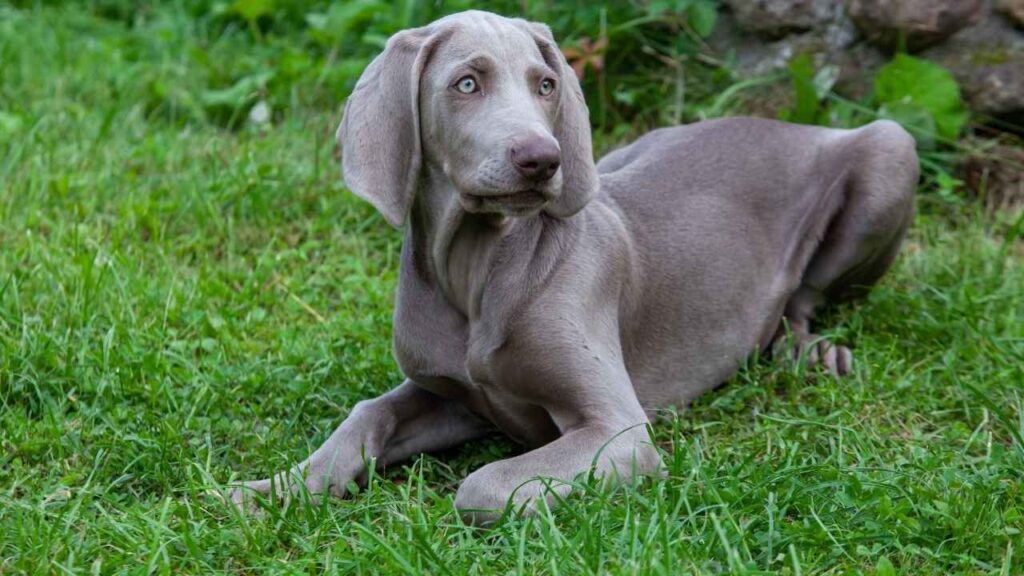
The Weimaraner is a versatile sporting dog with a strong background in hunting, originally developed by German nobility for tracking and pursuing game across varied landscapes, as mentioned by Britannica.
Although it was first used for larger quarry, it quickly proved valuable in working as a scent-driven hunter capable of locating and retrieving smaller game such as birds and other field species.
Its exceptional stamina and sharp intelligence make it highly effective in tracking scenarios where endurance and focus are essential. Once on a scent, it follows with determination and precision, using both instinct and awareness to stay engaged with the trail.
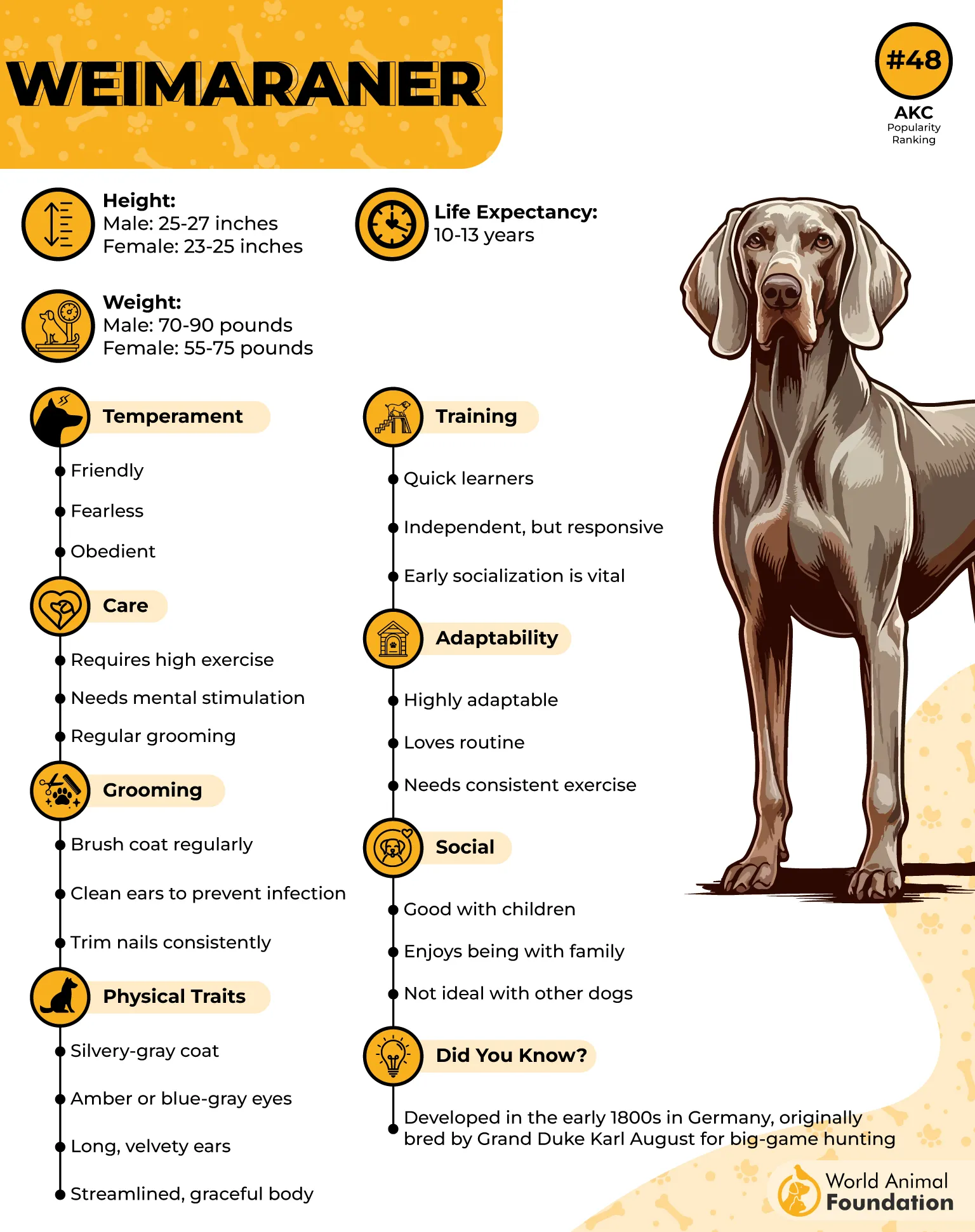
In modern hunting settings, this large breed is often used in active field work where small game tracking requires speed, adaptability, and control.
Beyond its working ability, it forms strong bonds with handlers and responds well to structured training, especially in outdoor environments. Its energetic nature demands regular activity, making it best suited for hunters who can match its drive and intensity.
With a combination of tracking ability, loyalty, and athletic performance, it remains a capable partner for small game hunting pursuits.
5. Vizsla
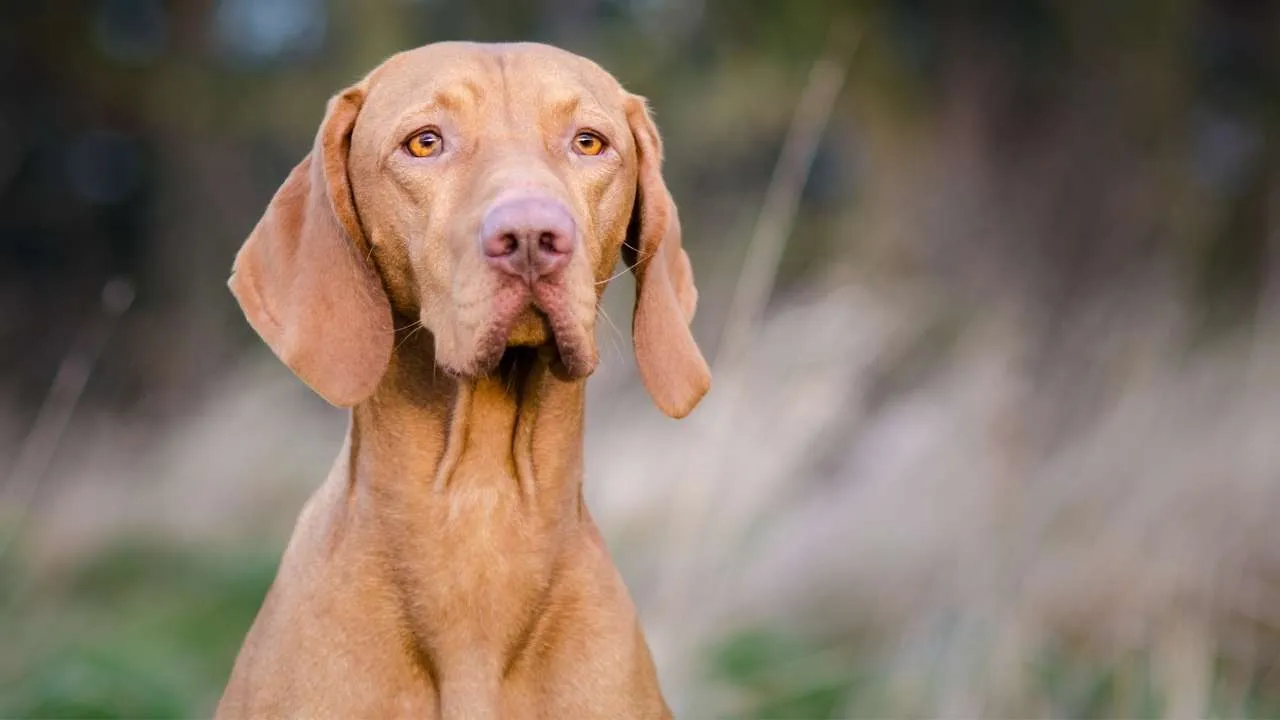
The Vizsla is one of the best hunting dog breeds known for its exceptional ability to track, point, and retrieve small game with precision and speed.
Originating from the ancient hunting dogs of the Magyar tribes in Central Europe, it has been valued for centuries as a dependable field partner in varied terrain.
Its strong scenting ability, combined with natural pointing instinct, allows it to locate game birds and other small quarry efficiently, holding focus until the hunter arrives.
Once engaged in the field, it works with intensity and fluid movement, covering ground quickly while maintaining a strong awareness of scent trails.
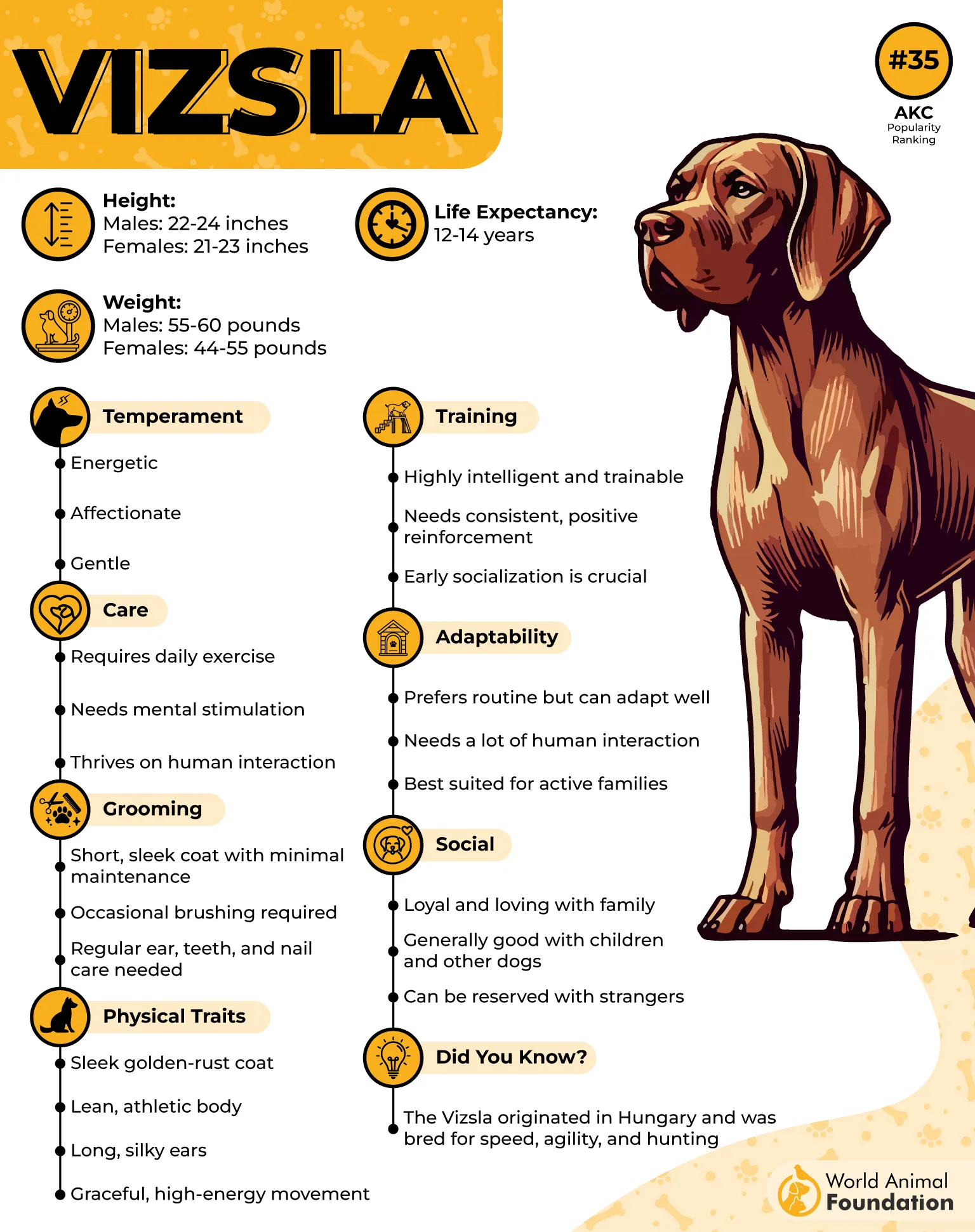
In addition to its tracking skill, it is known for forming close bonds with its handler, responding well to training that involves both physical activity and mental engagement.
Its energetic nature makes it especially suited for active hunters who spend long hours outdoors. With a blend of intelligence, agility, and persistence, it performs consistently in small game hunting situations.
This combination of drive and cooperation has kept it a favored choice among hunters who value both performance and companionship in the field.
6. Brittany
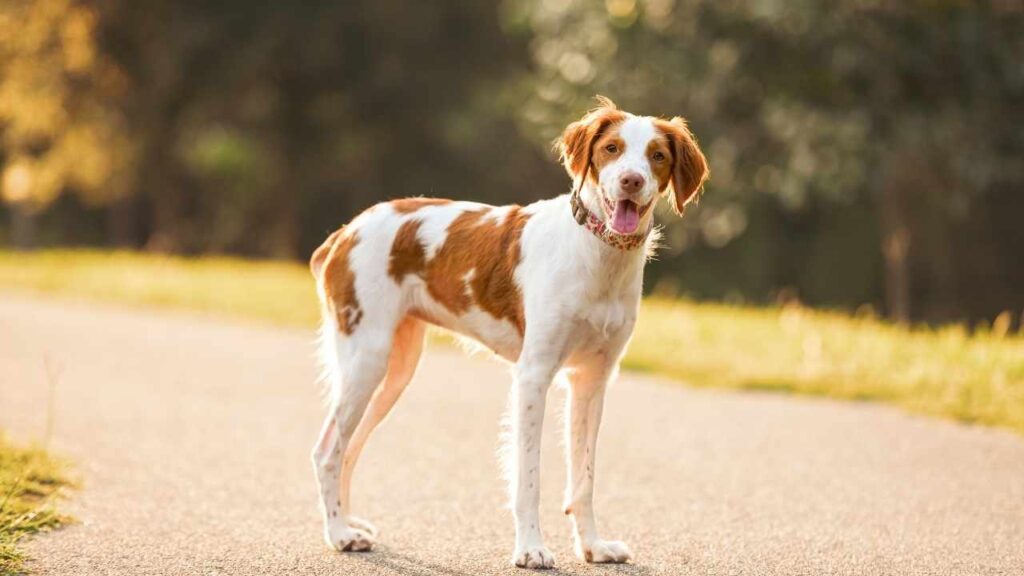
The Brittany is a highly versatile hunting dog bred for upland field work, especially valued in upland bird hunting for tracking and locating small game birds with speed and precision.
Originating in the French region of Brittany, it was developed from spaniel, pointer, and setter influences to create a compact yet highly energetic gun dog capable of working in dense cover and changing terrain.
Its strong scenting ability allows it to quickly pick up and follow game trails, while its natural pointing instinct helps it hold position once quarry is located, giving hunters a clear advantage in the field.
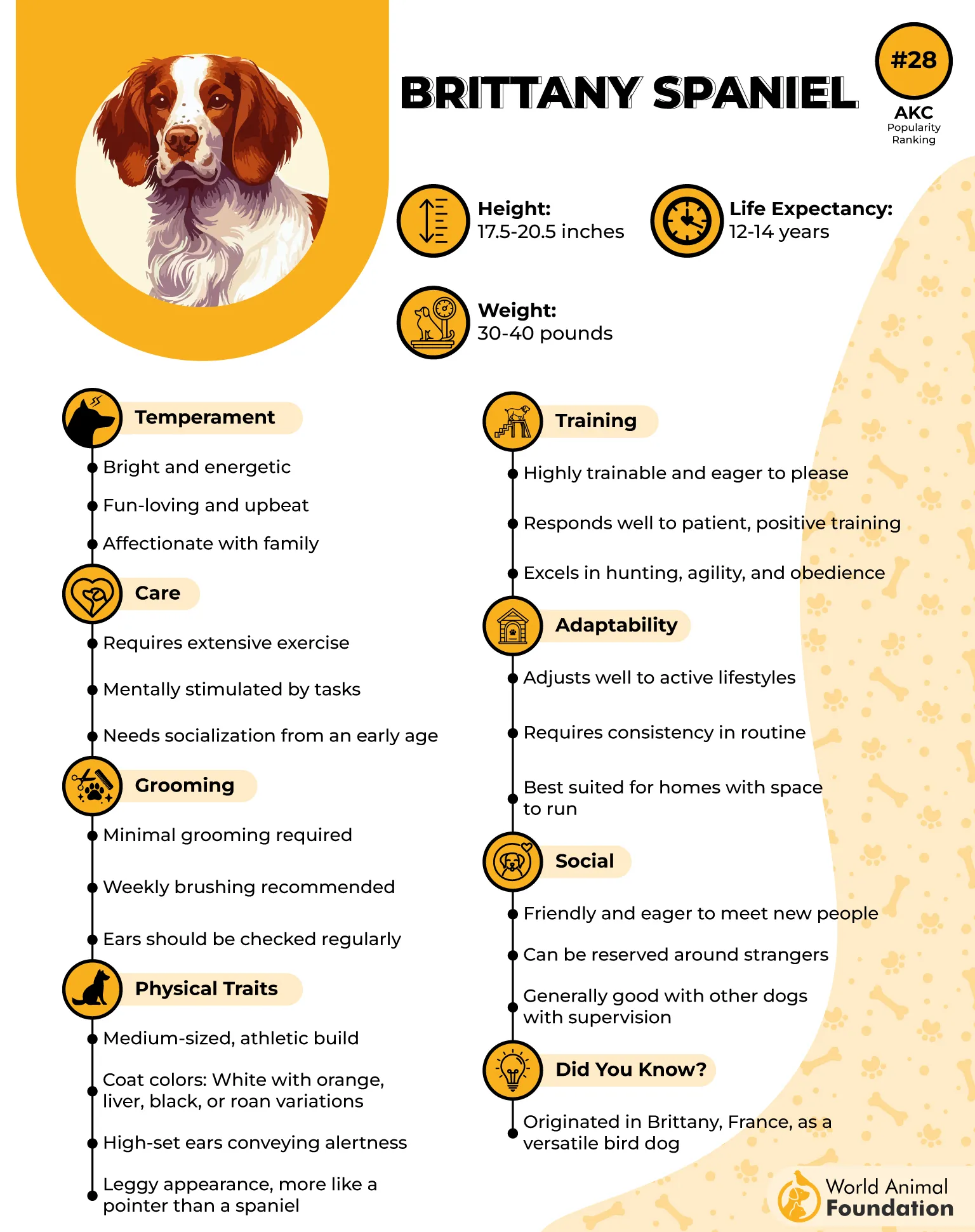
Known for its sharp awareness and eagerness to work, it covers ground efficiently and remains highly responsive to handler direction.
This makes it especially effective in small game hunting situations where both tracking and quick reaction are essential. In addition to its field ability, it is intelligent and highly trainable, thriving in environments where it is given purpose and activity.
Its combination of agility, endurance, and scenting skill has made it one of the most reliable and widely used small game tracking breeds in modern hunting.
7. German Shorthaired Pointer
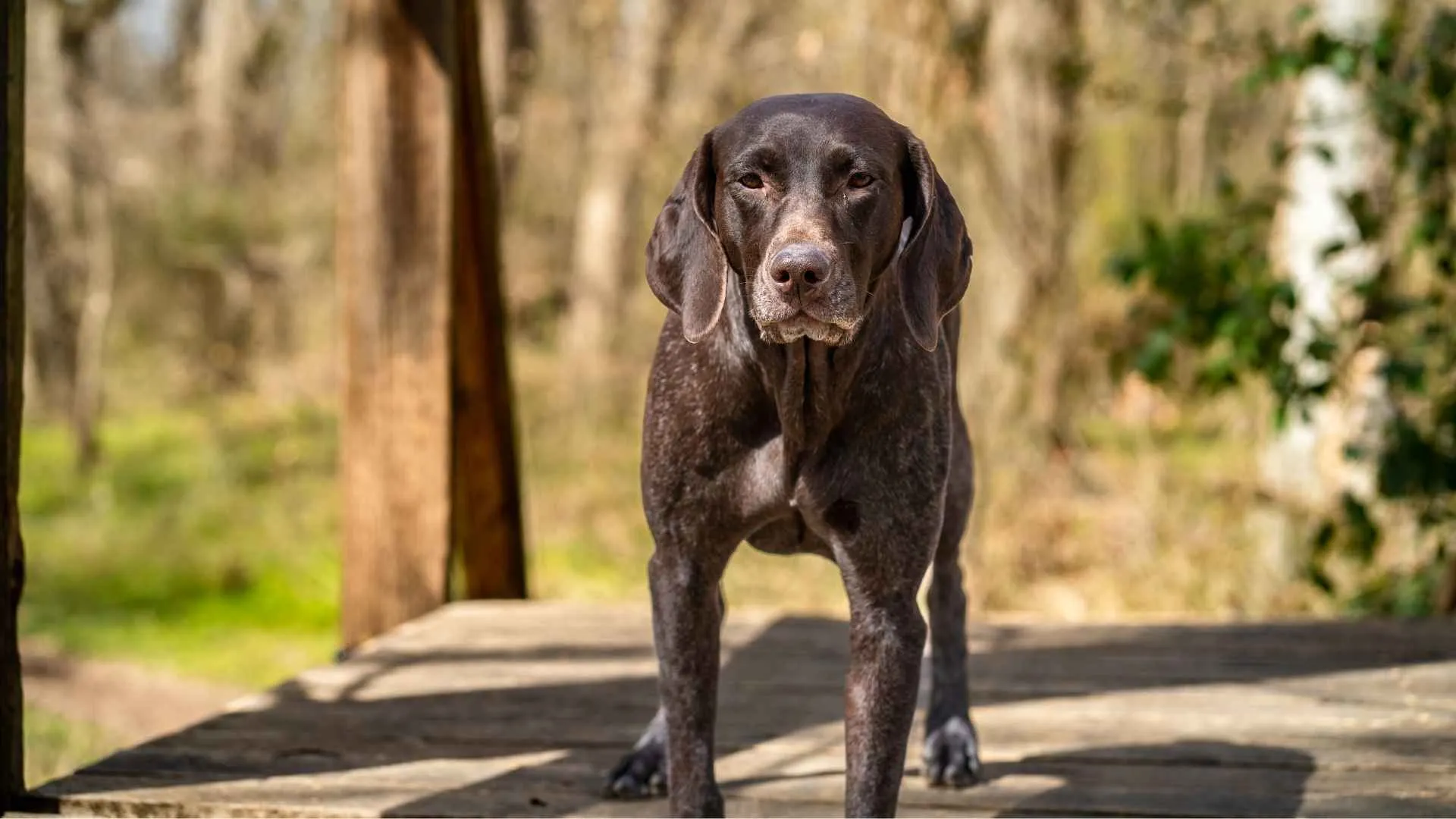
The German Shorthaired Pointer is a highly versatile and driven hunting dog widely respected for its ability to track, locate, and retrieve small game across diverse terrain.
Developed in Germany during the 19th century from a mix of pointer and scent hound lines, it was bred to function as an all-purpose field dog capable of working on land and in water.
Its strong nose allows it to follow scent trails efficiently, while its natural pointing instinct helps it hunt birds and other small quarry with accuracy. Once on a track, it moves with speed and purpose, maintaining focus even in challenging conditions.
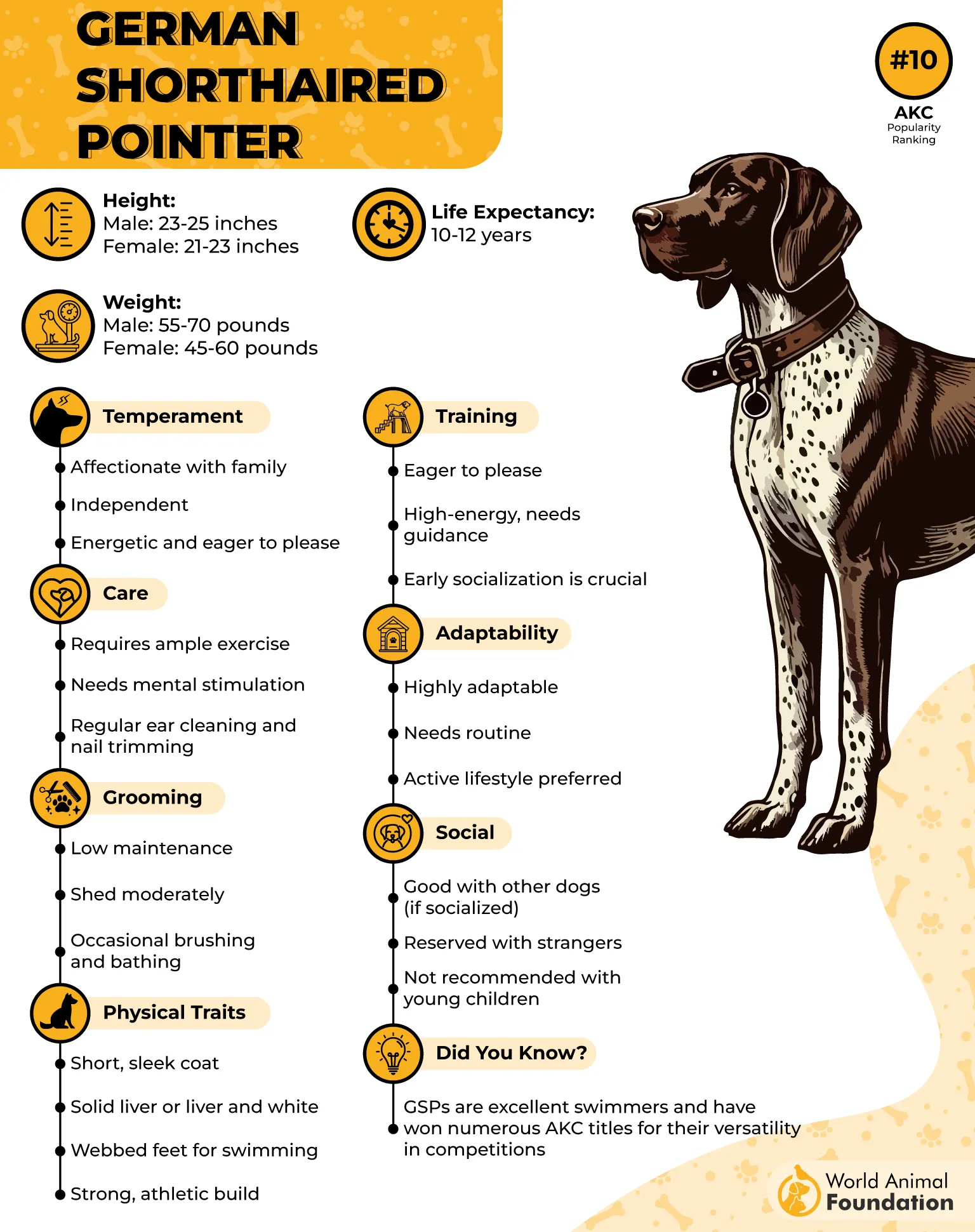
In small game hunting, it stands out for combining tracking ability with stamina and responsiveness, making it effective for long field sessions.
It works closely with hunters, quickly adapting to direction while maintaining independence when following scent. Known for intelligence and eagerness to work, it thrives when given structured tasks and regular field activity.
This blend of endurance, scenting skill, and trainability makes it one of the most reliable breeds for tracking small game in modern hunting environments.
Conclusion
Small game hunting relies heavily on dogs that can combine scenting accuracy, endurance, and focus in the field. The best tracking companions are those that can follow faint trails, work through varied terrain, and maintain steady determination without losing direction.
Their ability to adapt between open fields, dense cover, and challenging conditions makes them invaluable partners for hunters. Along with physical stamina, intelligence and trainability ensure they respond well during long hunts.
These qualities together define what makes certain dogs exceptional allies in successfully locating and pursuing elusive small game.
