




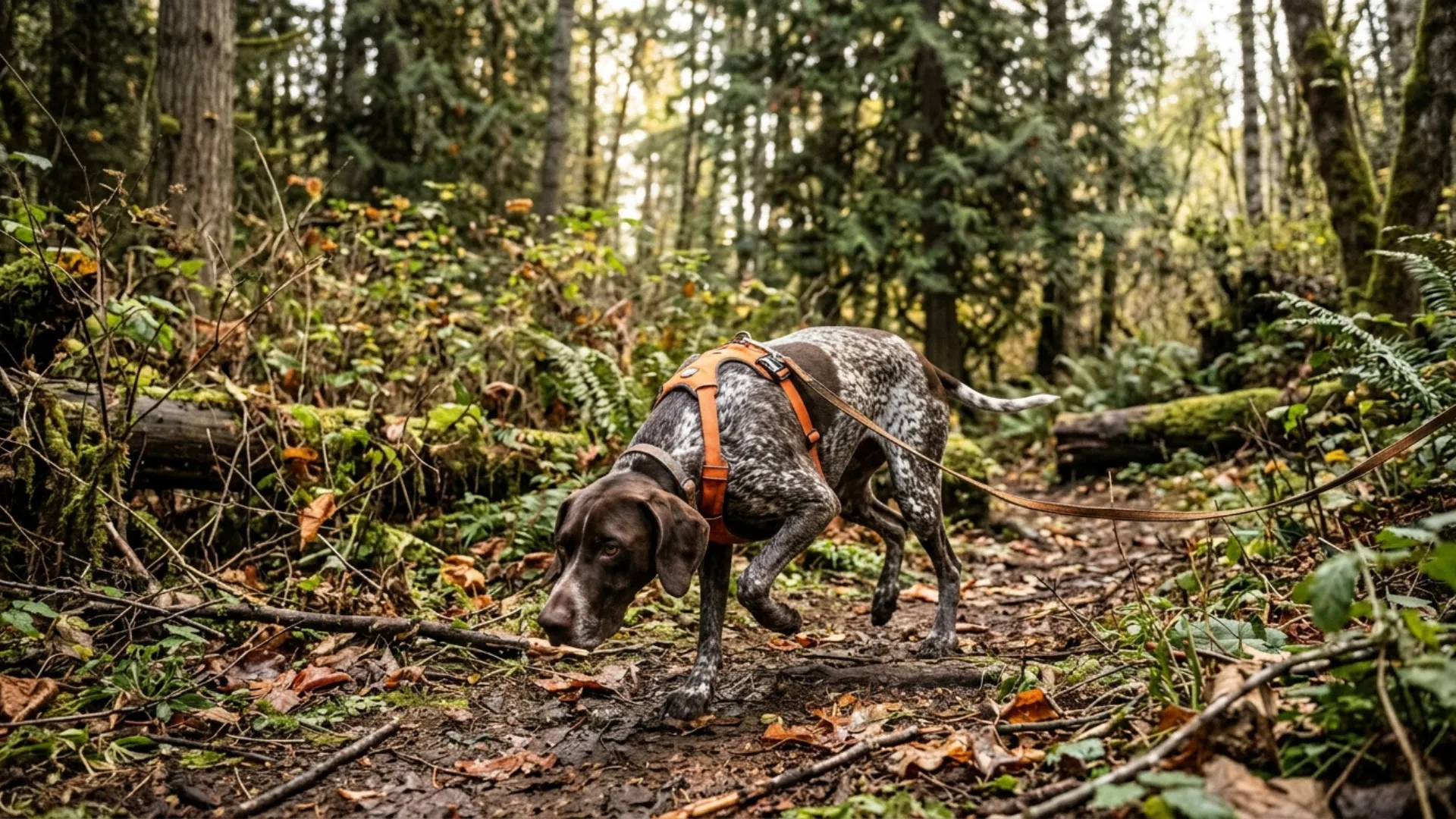
Some dogs can follow a scent trail across miles of rough wilderness without losing focus once. Others struggle the moment conditions become difficult. The difference between them usually has nothing to do with size or appearance.
It comes down to instincts that have been developed over generations for one specific purpose: tracking animals in the wild with precision and consistency. Experienced hunters understand how valuable that ability becomes once the trail disappears into thick brush, muddy ground, or shifting wind conditions.
A dependable tracking dog does far more than run beside its owner. It reads scent patterns, reacts to subtle environmental changes, and continues working even when the trail seems impossible to follow. What makes certain breeds exceptional at this work is not always obvious at first glance, but their abilities become clear once they enter the field.
The dogs featured ahead are respected for exactly those qualities and much more.
Key Takeaways
Tracking in the wild takes far more than energy since some dogs can read scent trails across rough terrain as if the ground is telling them a story.
Bloodhounds and American Foxhounds were shaped for exactly this kind of work, staying locked onto trails long after others lose direction.
German Shorthaired Pointers and Weimaraners bring a different kind of tracking skill, using speed, focus, and sharp instincts to read the field with precision.
As you move through the list, it becomes clear why hunters and outdoor experts continue trusting these breeds where the trail gets hardest to follow.
Best Dog Breeds for Tracking Animals in the Wild
1. American Foxhound
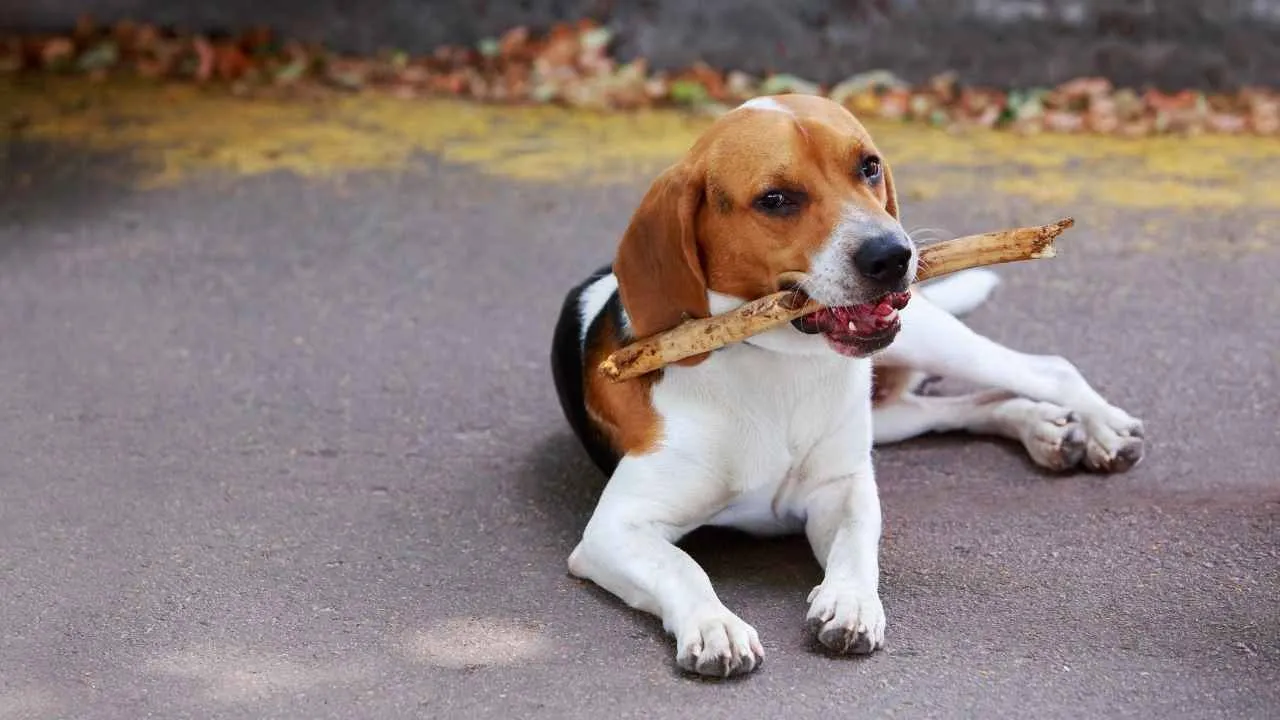
The American Foxhound arrived in colonial America alongside English hunting traditions, later becoming tied to horseback fox chases among wealthy landowners. Long legs, deep lungs, and an exceptional nose allowed this hound to follow trails for miles without losing focus.

Roaming nature
This tracking dog settles into family life more easily than people expect, especially when given companionship and room to burn energy. Its temperament stays mild and affectionate at home, though scents outdoors can instantly redirect attention.
These characteristics shape their daily life:
Powerful scent fixation outdoors
Baying instead of regular barking
Strong attachment to the pack company
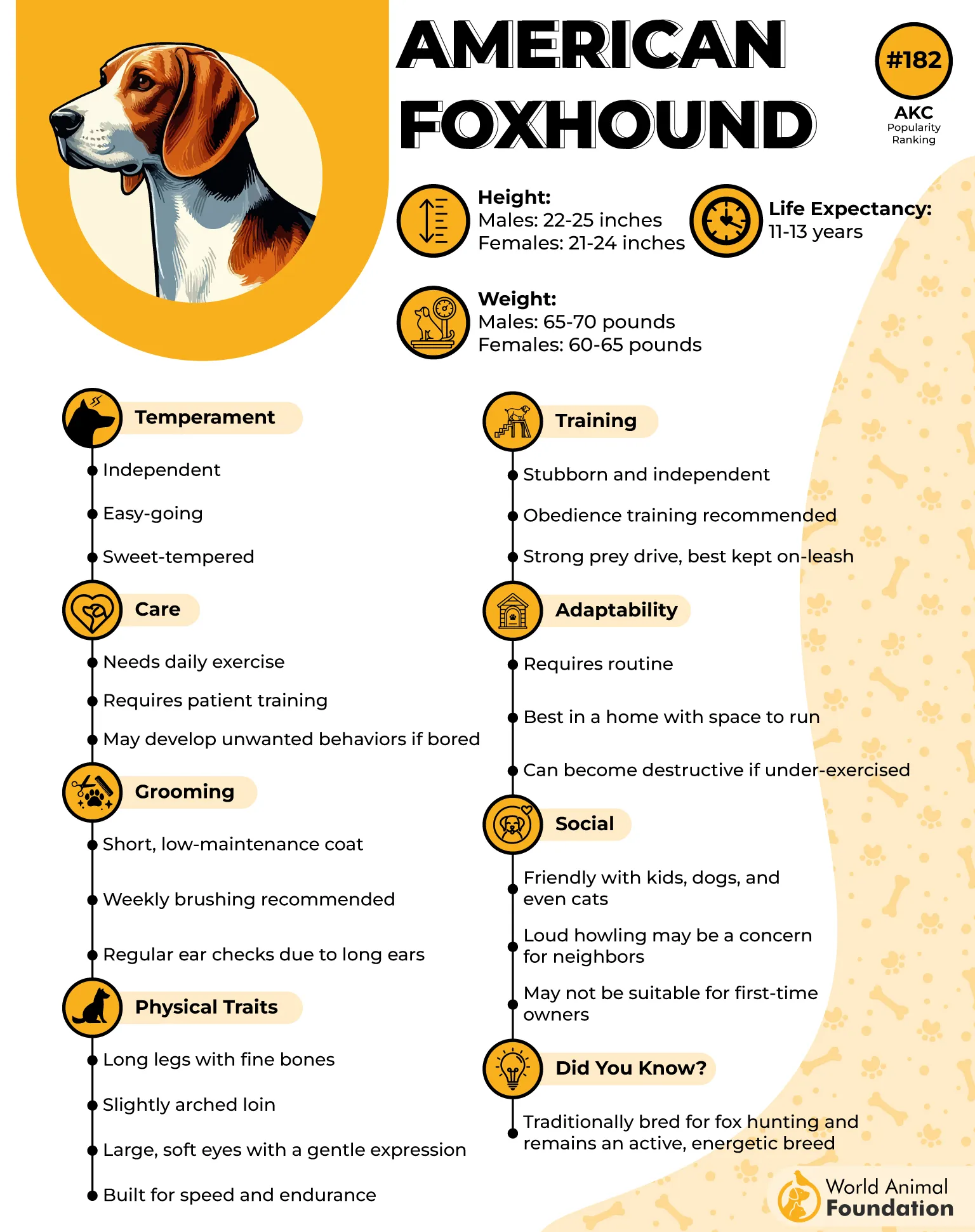
Gentle but independent
As a great family dog, they interact warmly with children, other dogs, and familiar pets while approaching strangers with initial hesitation, as mentioned by Omlet.
Proper training takes patience because the breed learns at its own pace. Moreover, after active days, this hound happily curls onto the sofa, forgetting how athletic it looked outside
2. German Shorthaired Pointer
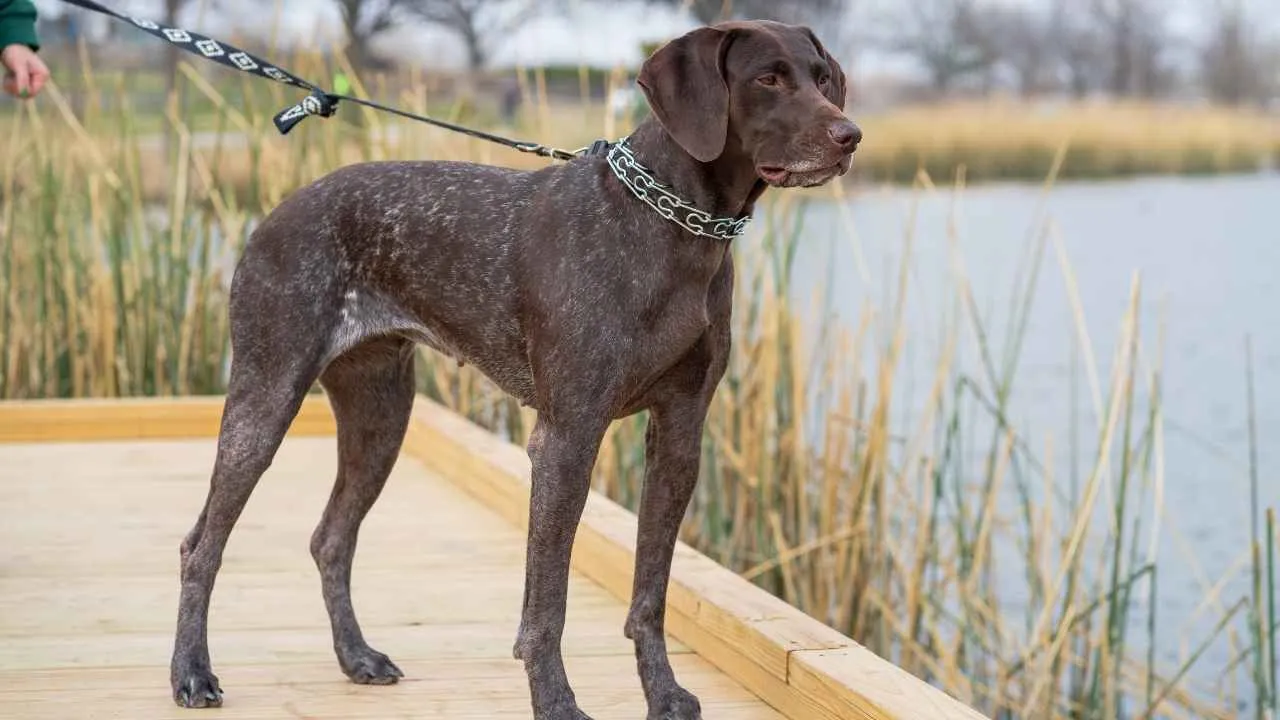
The German Shorthaired Pointer combines an aristocratic appearance with the physical tools needed for demanding field work.
Its speed, agility, and endurance shape a dog capable of covering large terrain without losing focus. The alert posture and forward-directed nose reveal how closely scent guides its actions.
A tracking method hunters rely on
This hunting dog approaches game detection through controlled pointing behavior, stopping completely once scent is identified. Instead of rushing forward, it waits for direction before the next step begins.
That field pattern depends on several instincts:
Locks onto scent with focused stillness
Uses pointing posture to signal location
Waits for the handler instruction before flushing the game
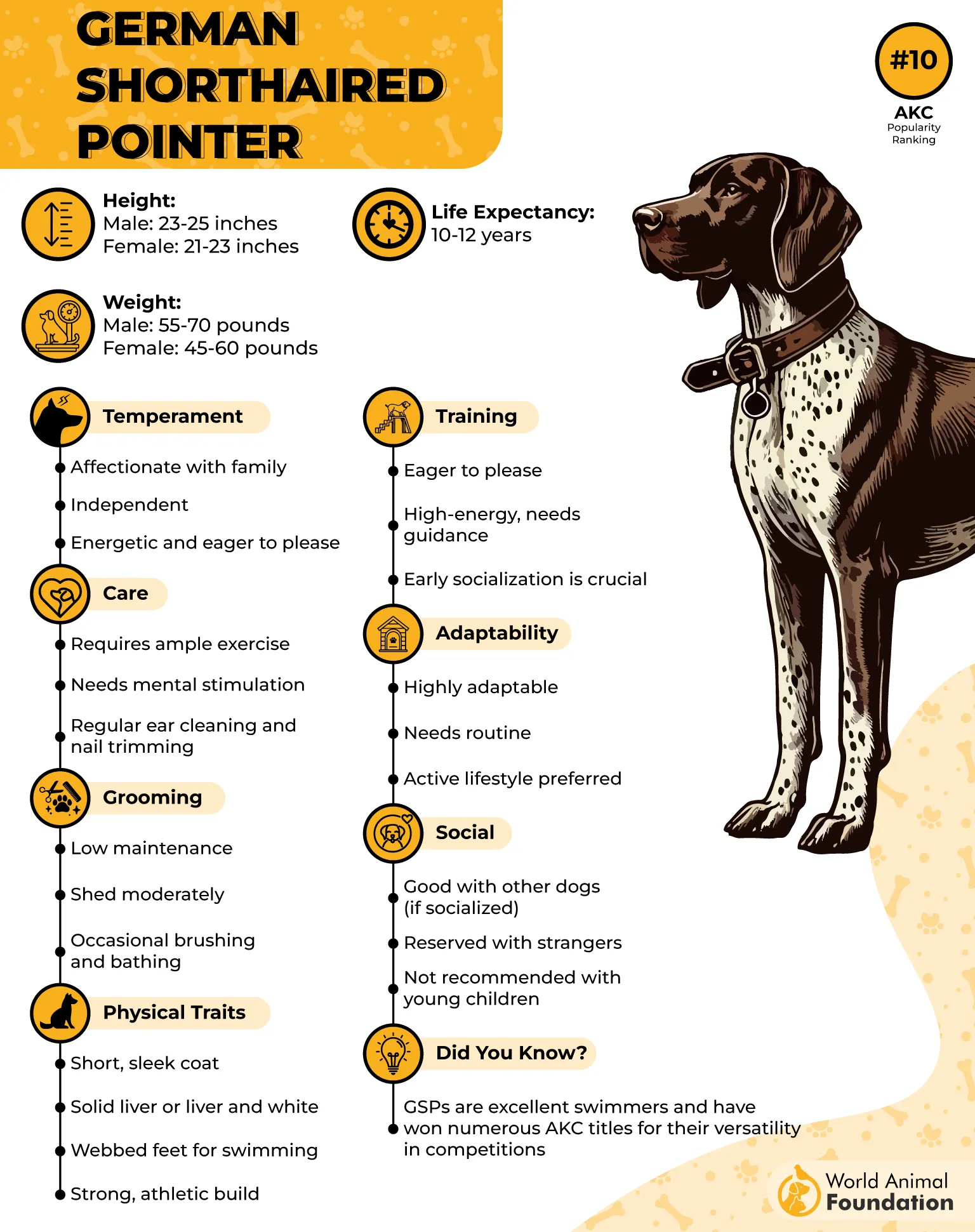
Energy tied to an outdoor purpose
Pointers function best with frequent activity, especially in settings involving exploration, running, or scent-based tasks, as stated by PetMD.
Long periods without engagement can shift its energy into restless indoor behavior. Its working drive connects closely with motion, terrain, and environmental stimulation.
3. Redbone Coonhound
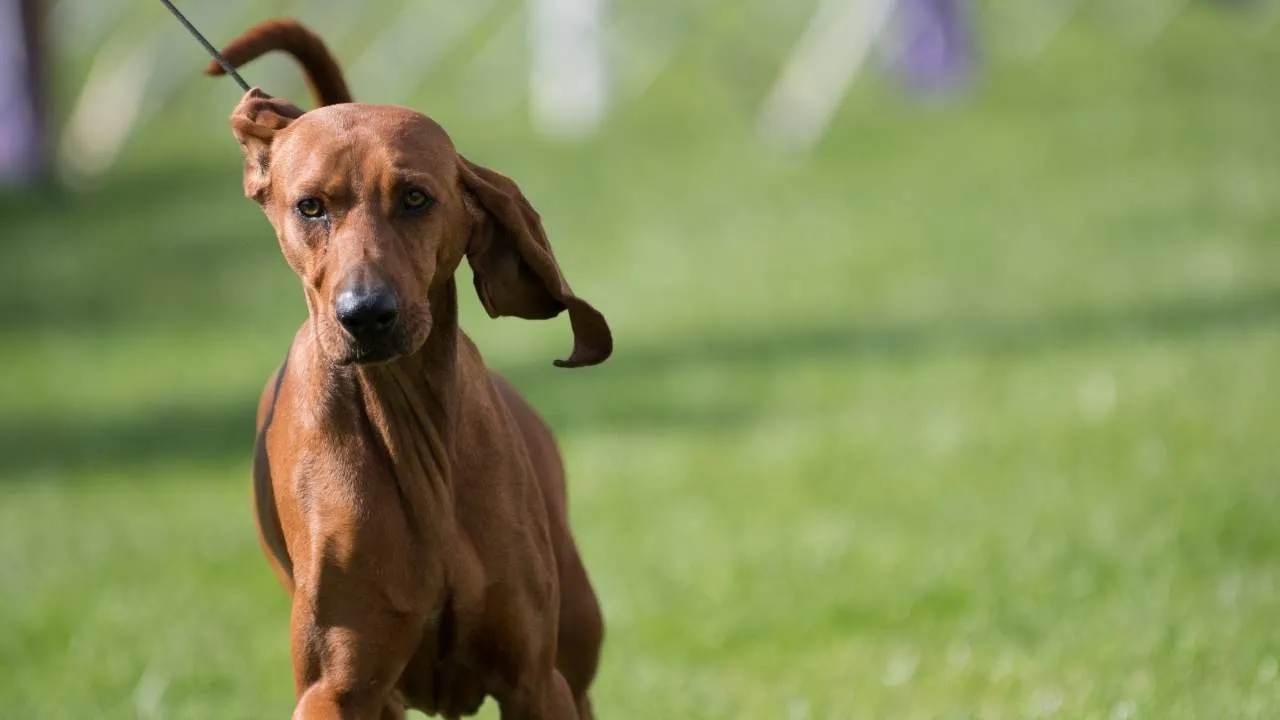
The Redbone Coonhound was originally bred in the United States during the late 1700s, shaped by hunters needing a dog that could cross swamps, forests, and rocky mountains without hesitation. Its sharp nose and ringing bay helped hunters locate raccoons hidden deep within rough terrain.
Driven by the scent
They take on trails with determination, often remaining focused long after other dogs lose interest. Curiosity and stamina shape much of its daily behavior, especially in homes that enjoy outdoor routines.
Their hunting reputation is shown in these points:
Powerful scent-tracking instincts
Loud baying is used to alert hunters
An agile body suited for uneven ground
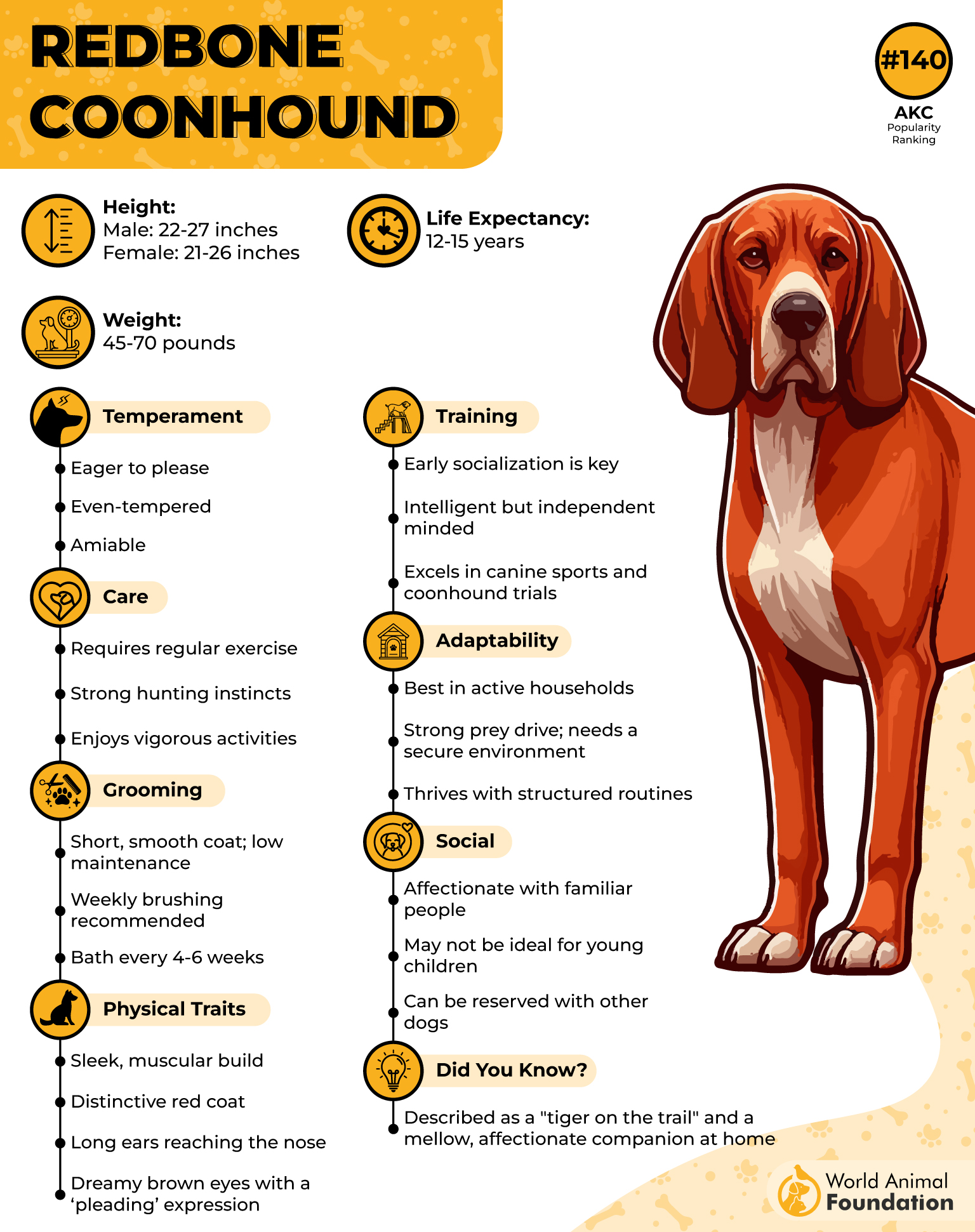
Energy that needs direction
The Redbone Coonhound prefers activity woven into everyday life, whether through long hikes, nose work, or games that challenge its problem-solving ability. Intelligence and eagerness to cooperate make training enjoyable when sessions stay consistent and reward-based
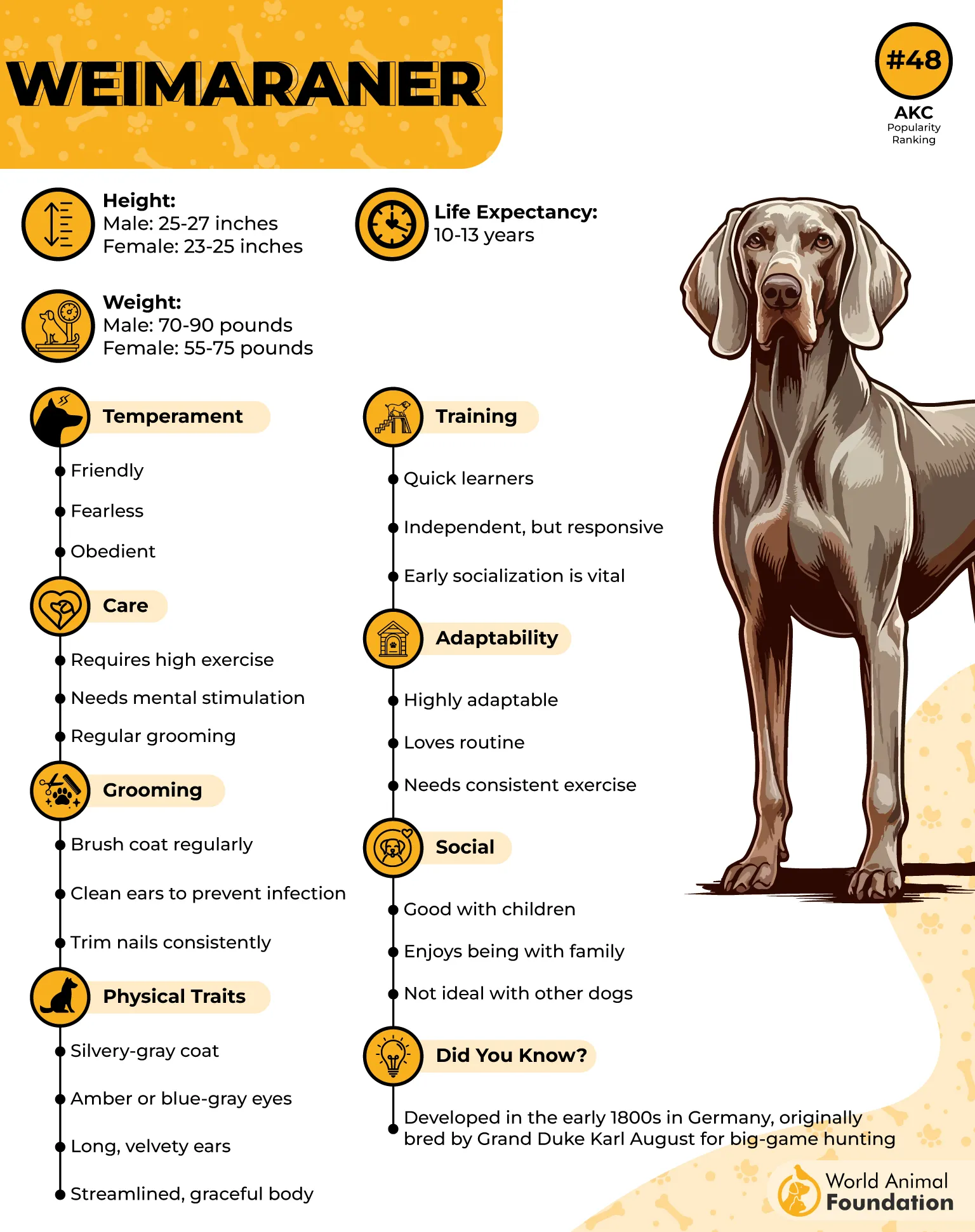
4. Weimaraner
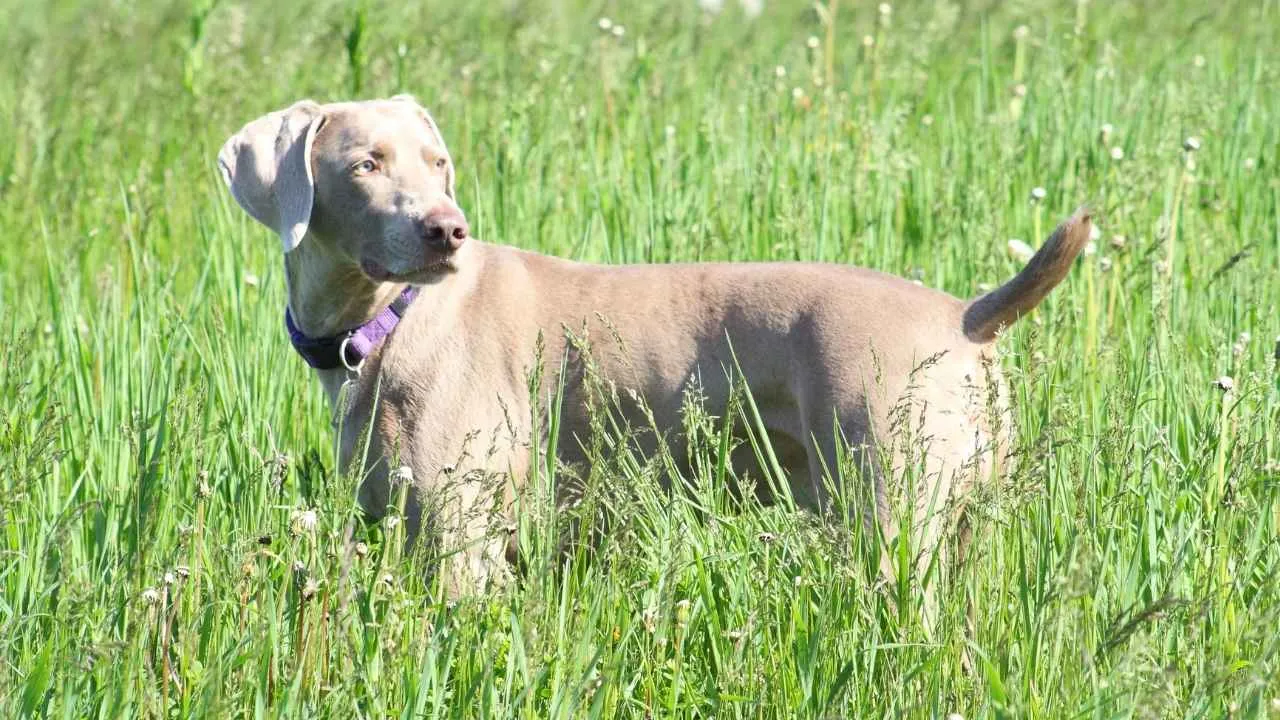
The Weimaraner emerged from 19th-century Germany, where nobles refined a gun dog capable of tracking animals as large as deer and bear, as WebMD highlighted.
Its lean frame, long legs, and gray-toned features reflect a breed shaped for speed and range across demanding terrain. Exceptional scent work remained central to its hunting role from the beginning.
Tracking is built on speed and focus.
The Weimaraner approaches scent work with urgency and precision, covering ground quickly while remaining locked onto trails. Its hunting instincts connect closely with pursuit, especially around smaller animals that trigger chase response.
Several traits reinforce this working style:
Long stride suited for covering distance
Strong scent focus during outdoor tracking
Quick reaction to fast animal movement
Intelligence that learns fast
This hunting breed picks up routines and behavioral patterns rapidly, responding well to consistent guidance and reward-based training.
That same intelligence also allows unwanted habits to form quickly when boundaries remain unclear. Early structure plays a major role in shaping reliable behavior indoors and outside.
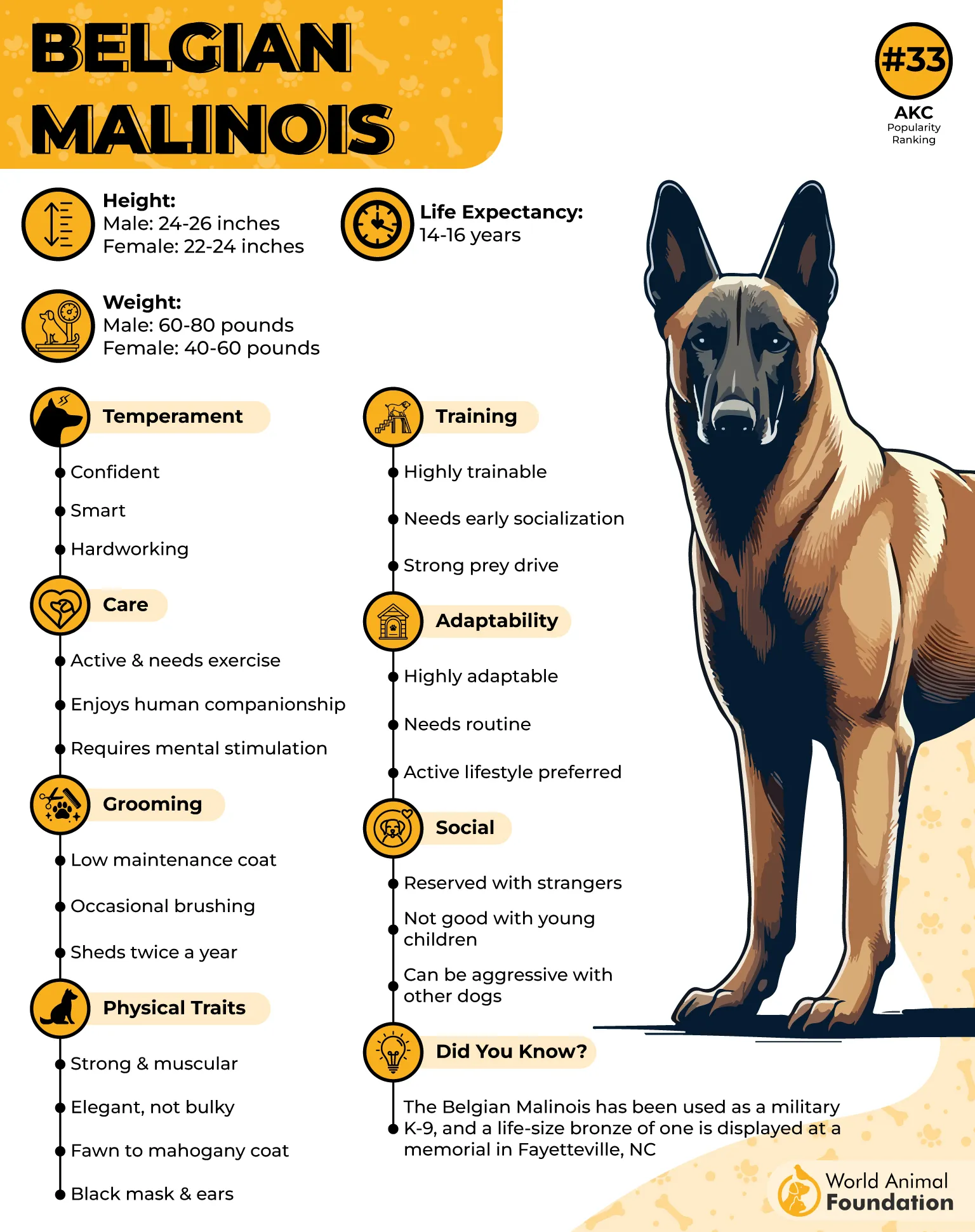
5. Belgian Malinois
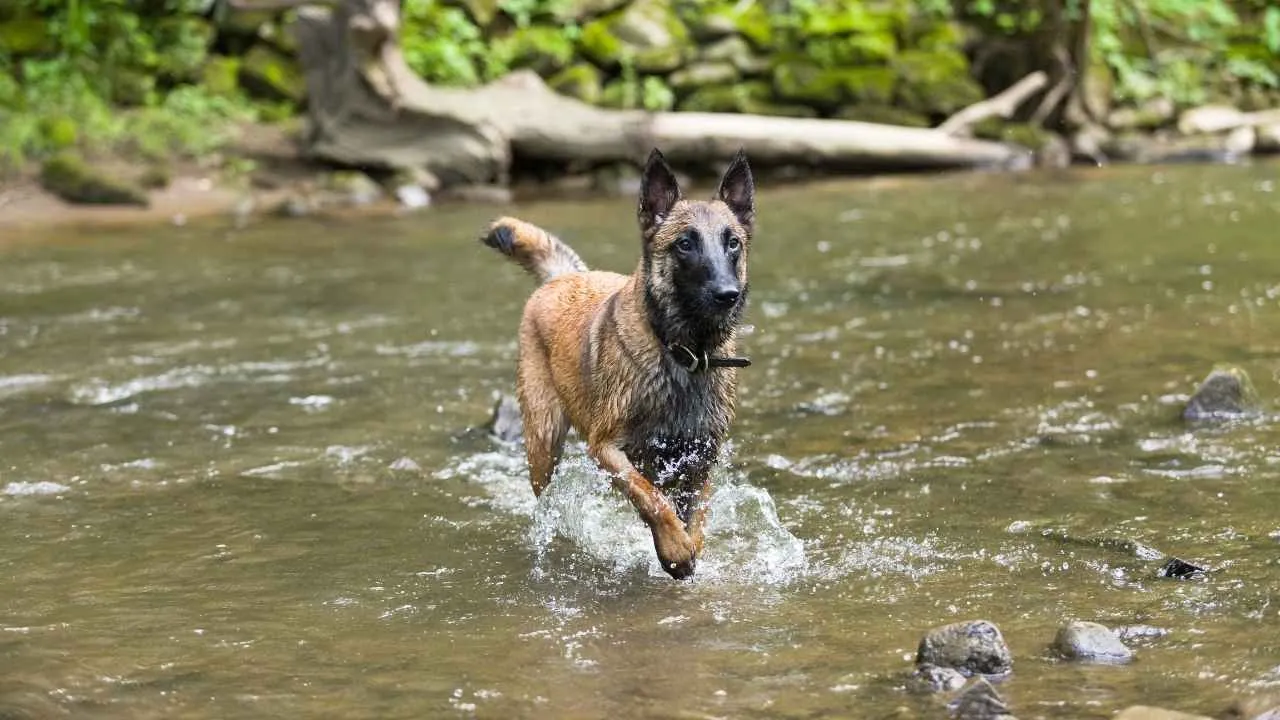
The Belgian Malinois emerged near the Belgian city of Malines, where herding work shaped a dog wired for responsiveness and constant engagement. Its sharp decision-making and intense focus later pushed it into police, detection, and rescue roles. Every action feels deliberate, fast, and task-oriented.
Drive that needs direction
This high-energy breed connects best with structured activity, responding intensely to tracking drills, obedience work, and fast-paced outdoor routines. Short walks rarely satisfy a breed conditioned for demanding physical output.
Its working rhythm appears through behaviors like:
Tracks scent trails with sustained focus
Excels in agility and obedience routines
Handles long-distance running with ease
Energy without an off switch
They approach daily life with relentless physical intensity, often seeking the next task before the previous one fully ends. Hiking, biking, and advanced training sessions fit naturally into its routine. Idle time often shifts into chewing, pacing, or creating stimulation independently.
6. Bloodhound
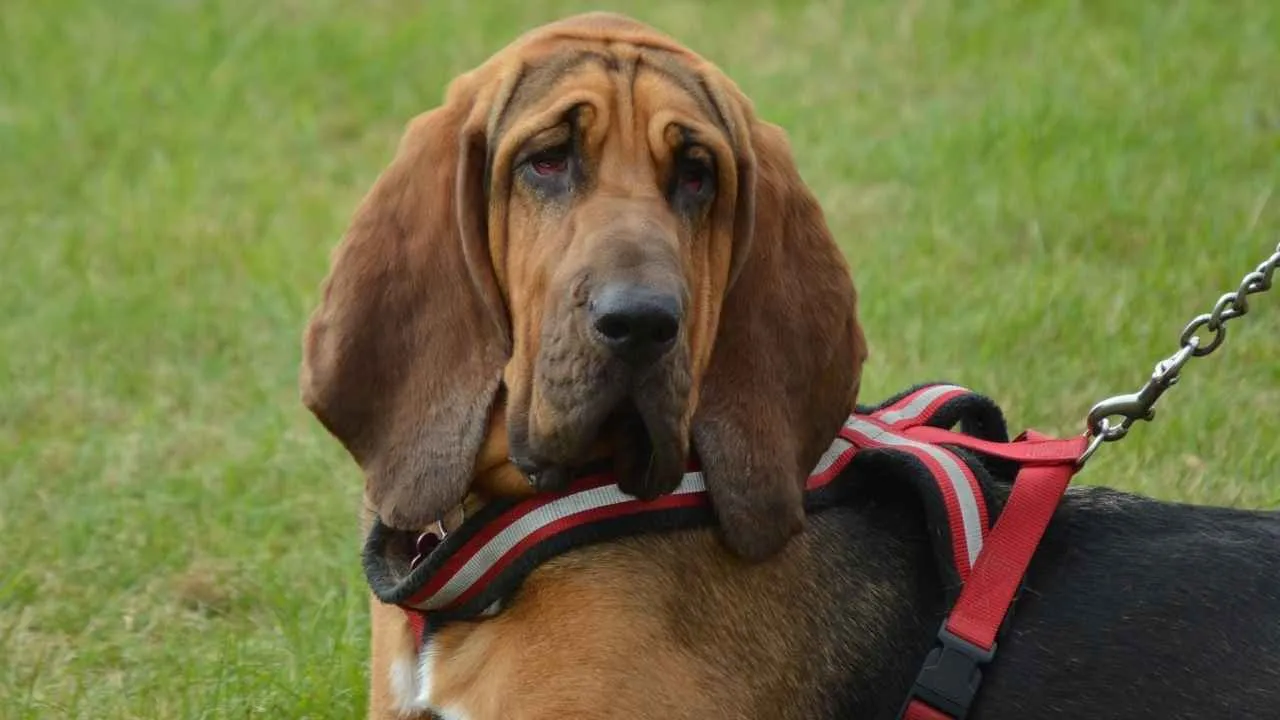
The Bloodhound earned recognition through scent work, once relied upon by medieval nobles tracking game across long distances. Its nose became so dependable that tracking trails later gained acceptance in court investigations. This reputation shaped a hound intensely focused once a scent is picked up.
Endurance guided by scent
As a blood tracking dog, it follows trails for hours with steady determination, often ignoring distractions once locked onto a target odor. Its search style relies more on persistence and scent commitment than speed or sudden reaction.
That working pattern appears through clear instincts:
Pursues scent trails across extended terrain
Uses deep howls to communicate direction
Continues tracking long after fresh contact fades
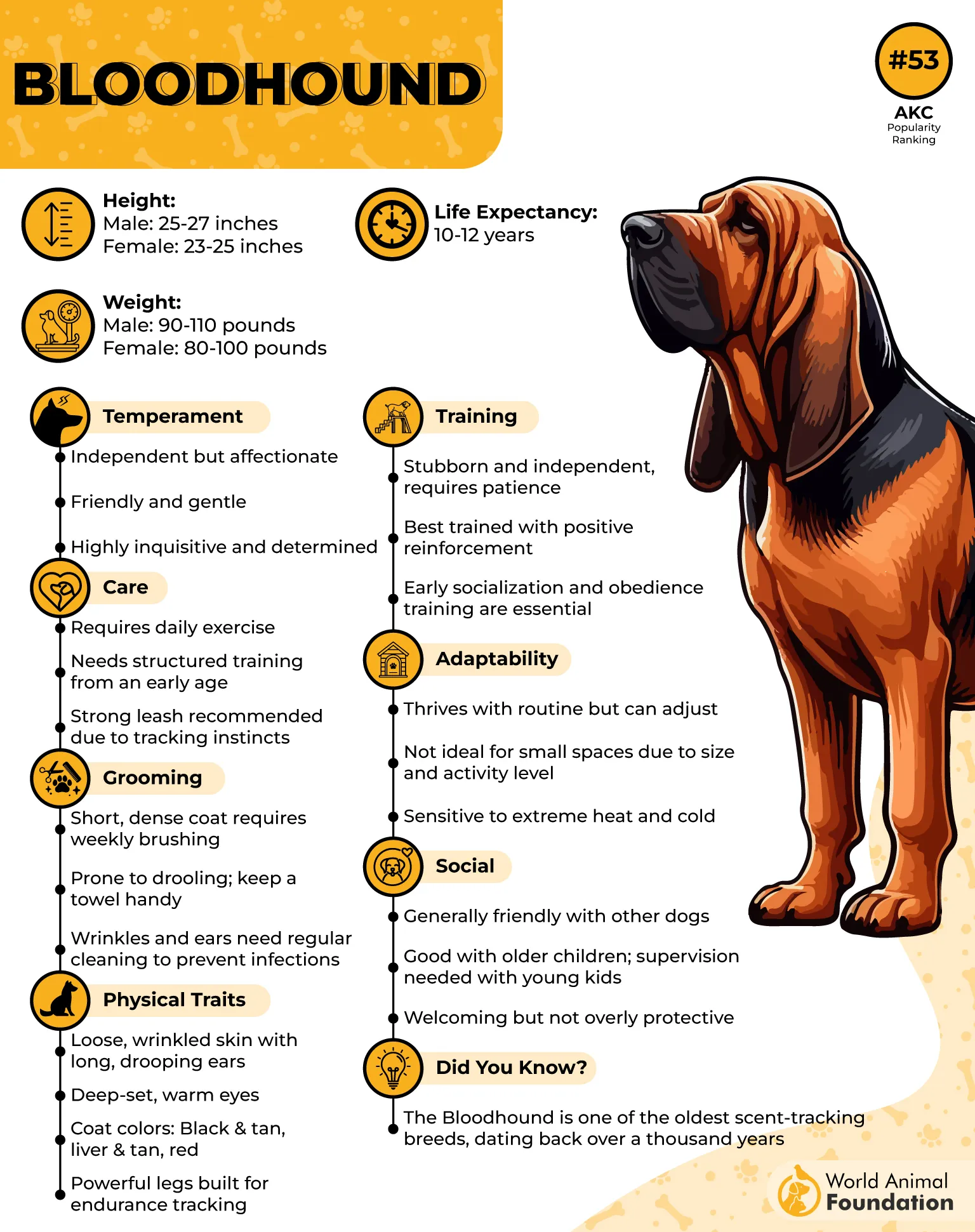
Gentle nature inside the home
The Bloodhound interacts patiently with children and other animals when social exposure begins early in life. Its pack-oriented temperament creates comfort around companionship rather than isolation. At home, stubborn behavior can surface when curiosity pulls attention toward a new smell.
7. English Springer Spaniel
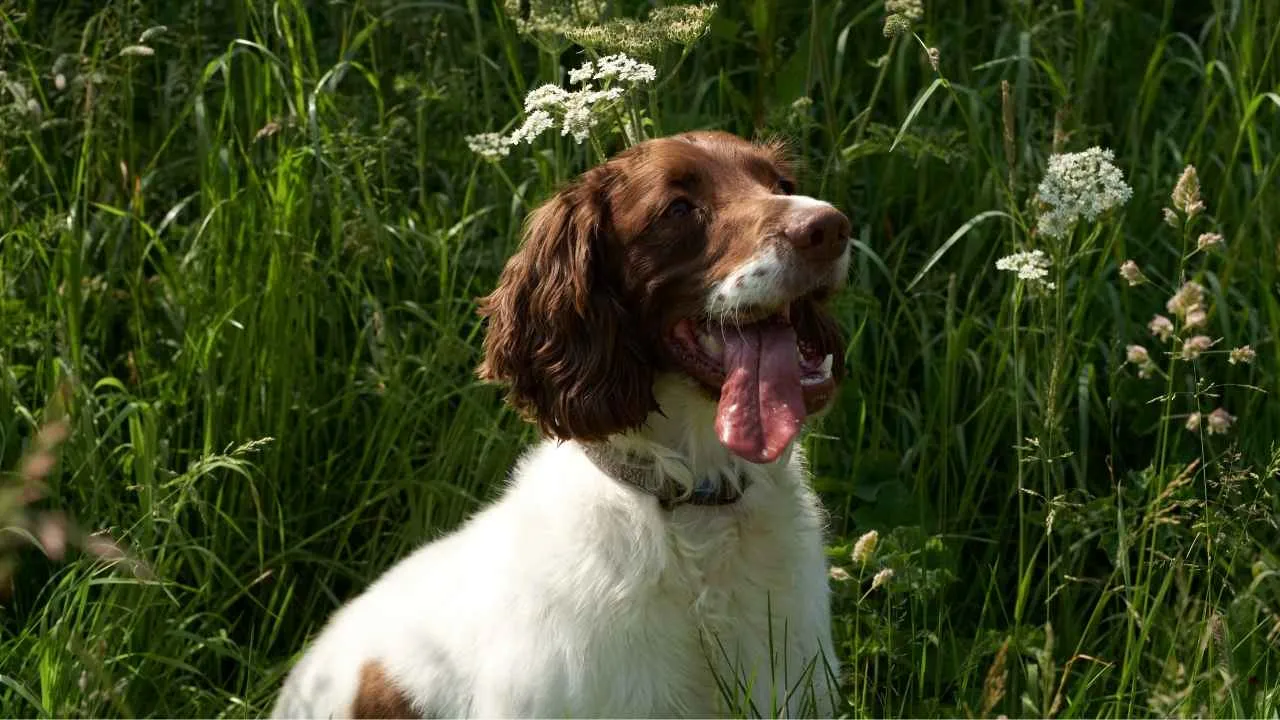
The English Springer Spaniel earned its name through a hunting style centered on flushing birds into flight for hunters. That instinct shaped a dog constantly tuned to scent, ground patterns, and sudden motion in brush-heavy terrain. Its cheerful expression and floppy ears soften a breed built around field work.
Built around the retrieval work
This bird dog does outdoor tasks with eagerness, often shifting quickly between scenting, flushing, and retrieving. The breed responds best when activity feels interactive rather than repetitive or isolated.
That working rhythm appears through distinct habits:
Pushes birds out from dense cover
Responds quickly during retrieval tasks
Uses scent awareness across uneven terrain
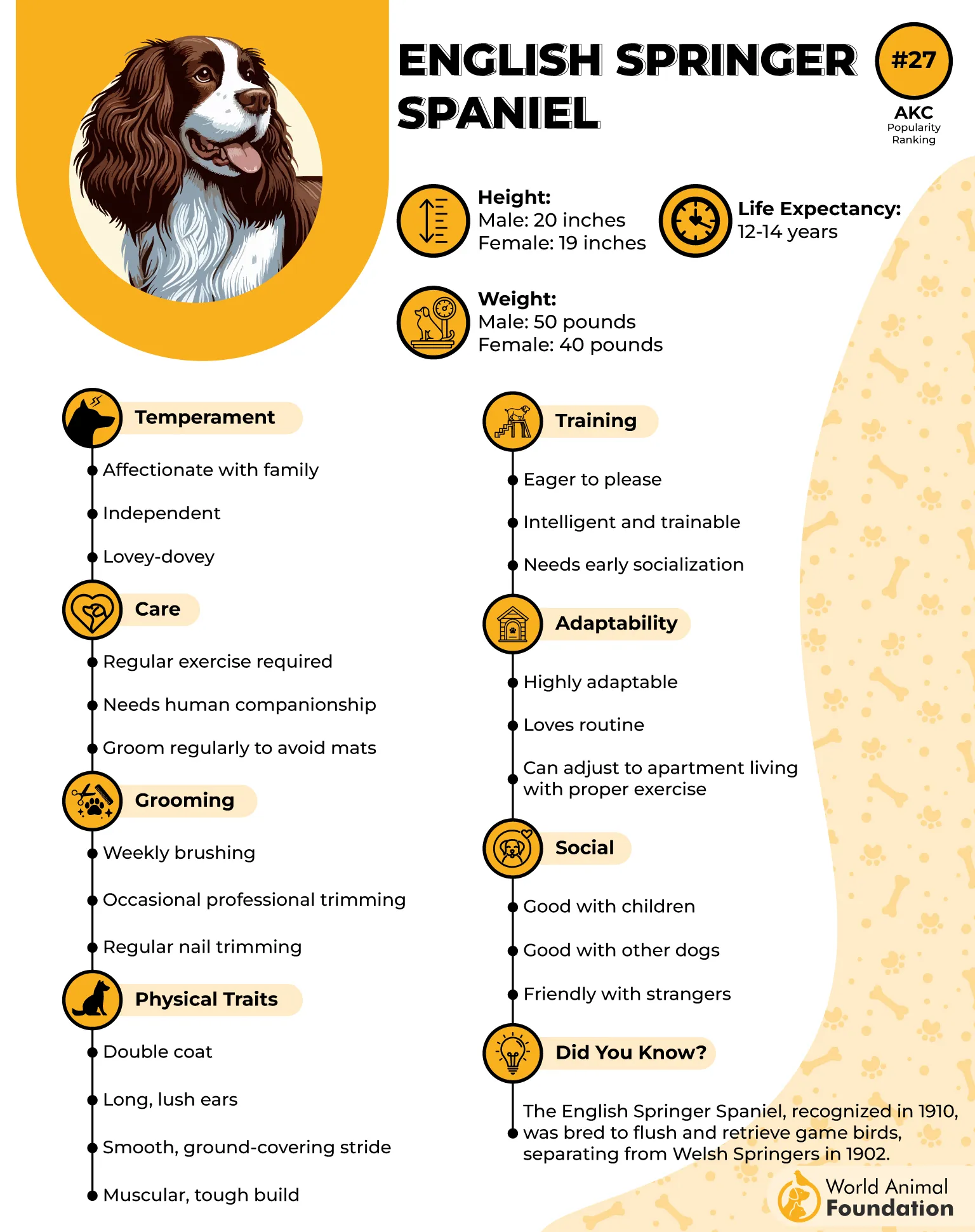
Personality beyond the field
As a family pet, it fits closely into family routines, often seeking interaction with both adults and children throughout the day.
Its playful nature can turn restless when long periods pass without engagement or structured activity. Vocal behavior usually appears through excitement rather than constant noise.
Conclusion
Some dogs enjoy outdoor activity, while others seem naturally connected to the hunt itself. That distinction becomes obvious once scent trails weaken, terrain turns difficult, and tracking wounded animals begins demanding real concentration instead of simple excitement.
The strongest tracking companions rely on more than speed or energy. Their instincts are shaped around patience, scent interpretation, endurance, and the ability to stay locked onto a trail during difficult hunting tasks. Even a popular dog breed can stand apart once those instincts appear in the field.
For experienced hunters, those qualities matter deeply because dependable tracking changes the rhythm of working in the wild. Truly capable dogs become loyal companions whose focus and consistency are difficult to replace once experienced firsthand.
