




![Best-Dog-Breeds-for-Tracking-&-Retrieving-Birds[1]](https://worldanimalfoundation.org/wp-content/uploads/2026/03/Best-Dog-Breeds-for-Tracking-Retrieving-Birds1.webp)
For centuries, hunters have relied on the remarkable instincts and abilities of dogs to locate and retrieve game. Long before modern agriculture, humans and canines worked side by side in the hunt, forming a partnership built on trust, skill, and shared purpose.
Even today, the right hunting companion can make a significant difference in the field, especially when pursuing birds. Dogs suited for bird hunting are often known as gun dogs, a group specifically bred for locating, flushing, and retrieving birds for hunters.
These breeds typically possess a strong prey drive, excellent stamina, and a natural willingness to follow training and commands. Their athletic build and keen senses allow them to work efficiently across fields, wetlands, and wooded areas.
Bird-hunting dogs generally fall into three main categories: pointers, which freeze and indicate the bird’s location; flushers, which drive birds into flight; and retrievers, which collect downed birds and bring them back to the hunter.
Choosing the right breed depends on hunting style, terrain, and the type of game you plan to pursue.
Best Dog Breeds for Tracking and Retrieving Birds
1. Labrador Retriever
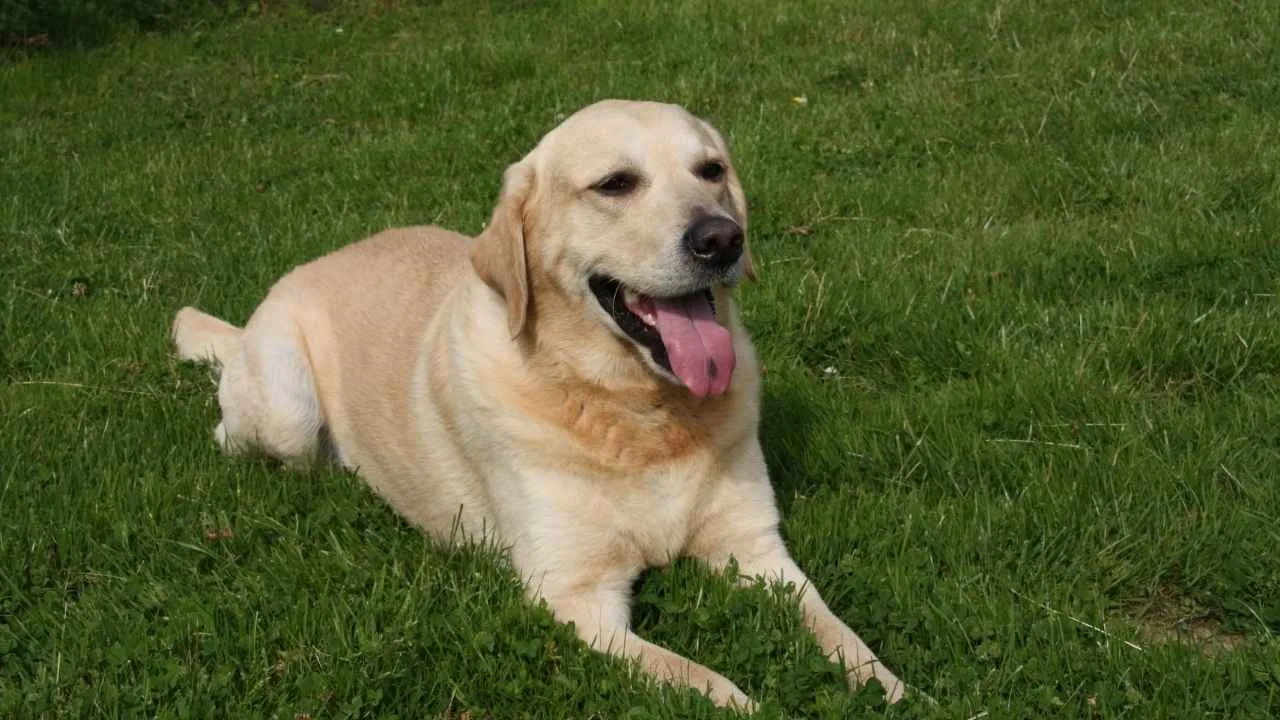
The Labrador Retriever is widely regarded as one of the best bird-hunting companions, originally bred as a gun dog to retrieve game birds for hunters, as noted by Britannica.
Known for their keen instincts and reliable temperament, these dogs excel at retrieving downed birds from fields, forests, and even cold waters. Their natural enthusiasm for fetching and strong swimming ability make them especially effective at retrieving waterfowl.
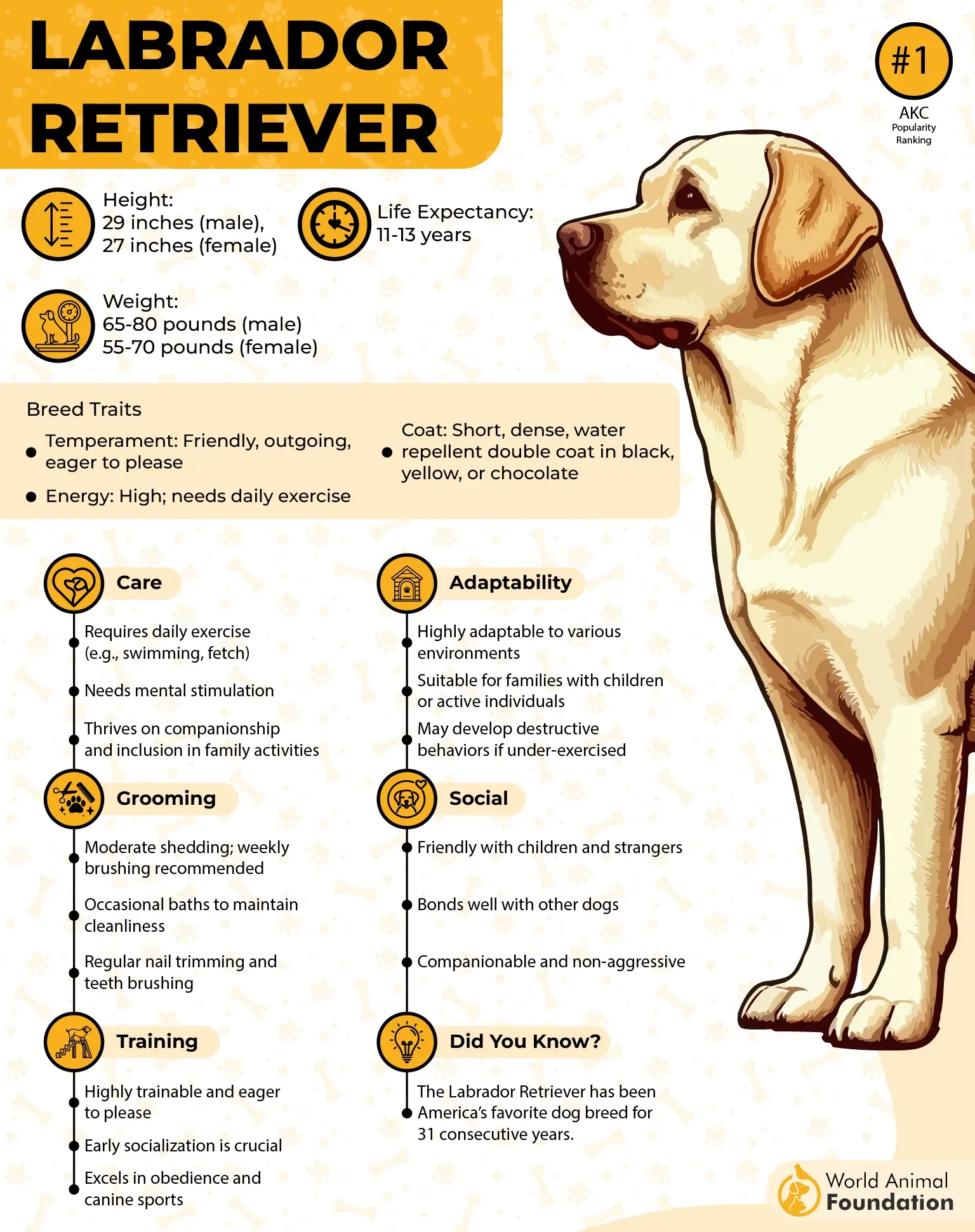
Energetic, intelligent, and eager to please, Labradors are highly trainable and adapt well to various roles.
While they shine in the hunting field, they are equally valued as loyal family companions, service dogs, and working partners in tasks such as search and rescue or detection work.
Their friendly nature and steady obedience allow them to remain focused and calm when properly trained. They possess a short, dense, double, water-resistant coat. Labradors typically appear in three main coat colors—yellow, black, and chocolate—with a deeper fox-red shade also seen.
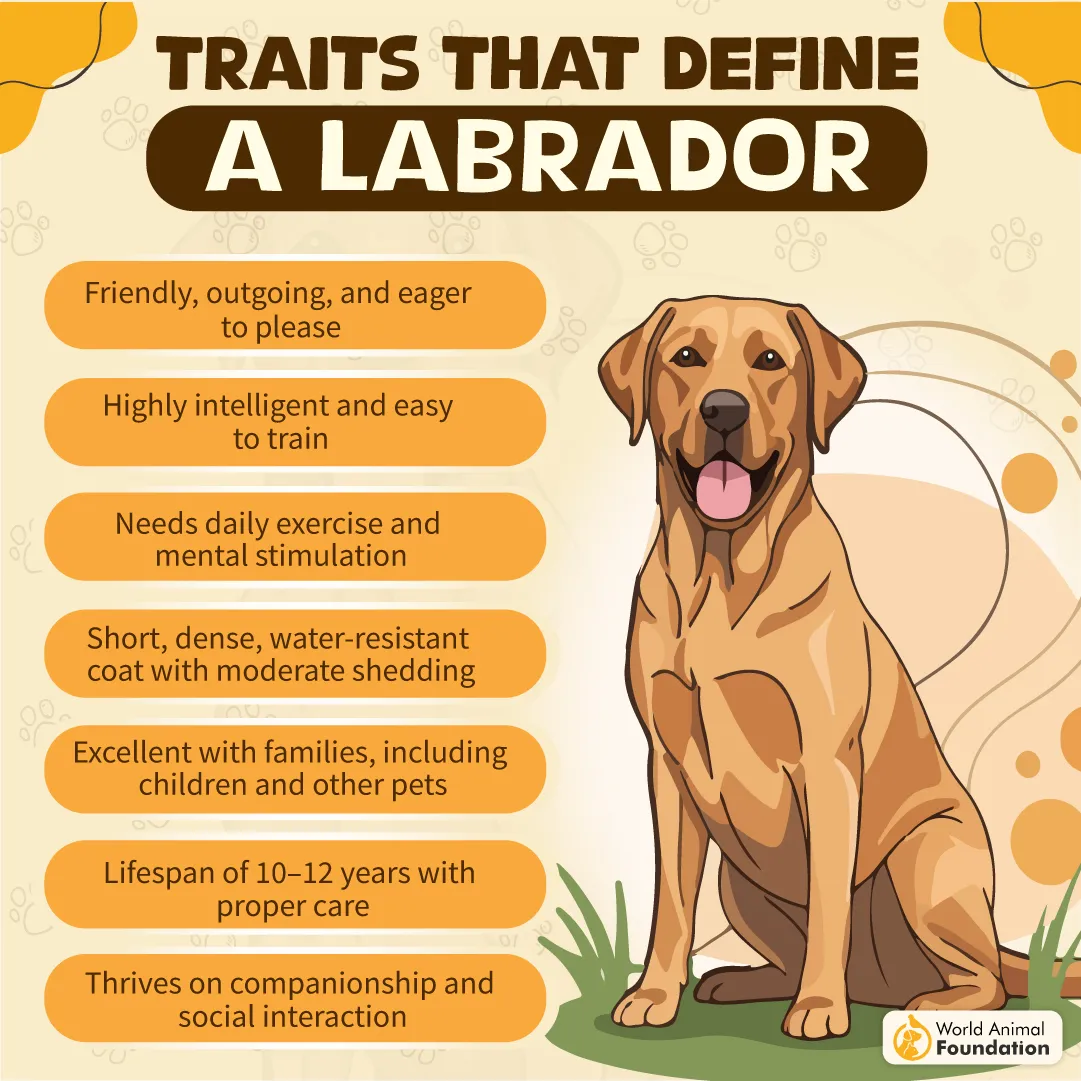
They are sometimes categorized into English and American types, with the former being stockier and the latter taller and more athletic.
With their stamina, intelligence, and love for the outdoors, Labradors remain a top choice for tracking and retrieving birds.
2. Boykin Spaniel
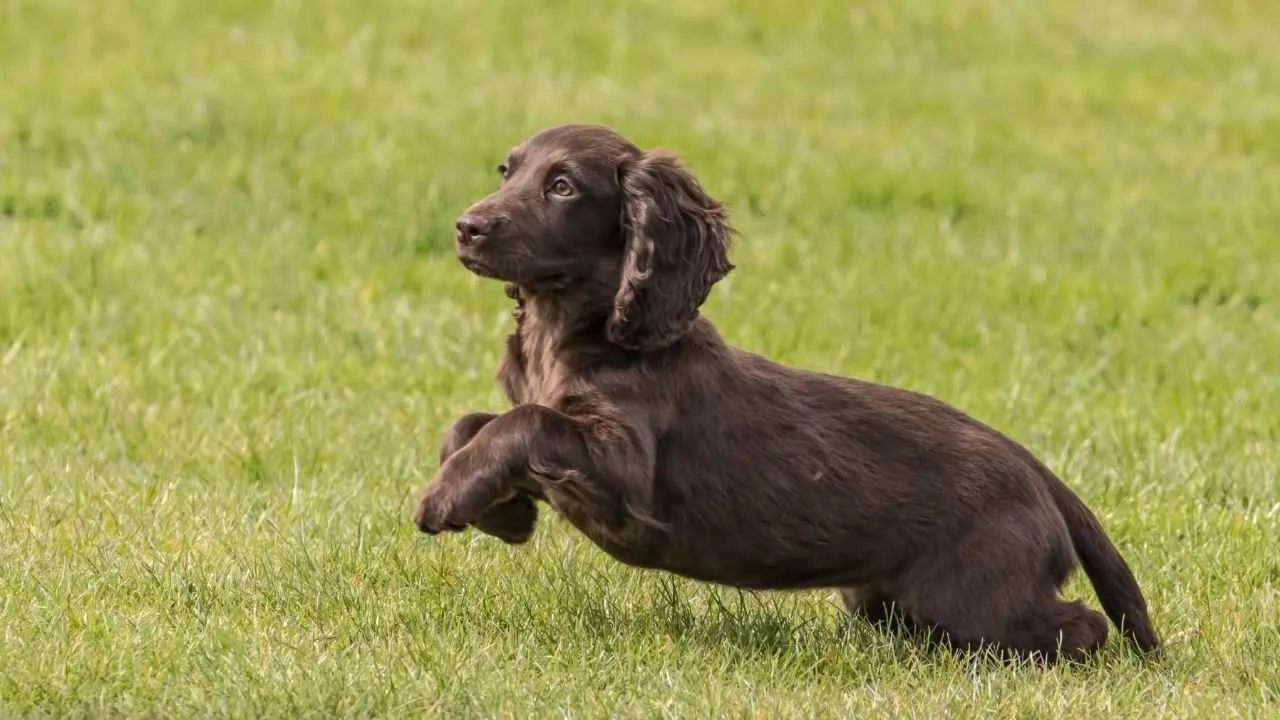
The Boykin Spaniel stands out as a remarkable bird-hunting companion with deep roots in the wetlands of South Carolina, as noted by the AKC.
Developed by local hunters in the early 1900s, this versatile gun dog was specifically bred to track and retrieve wild turkeys in the dense swamps surrounding the Wateree River. Over time, its natural instincts, endurance, and intelligence made it a trusted partner for hunters pursuing a variety of game birds.
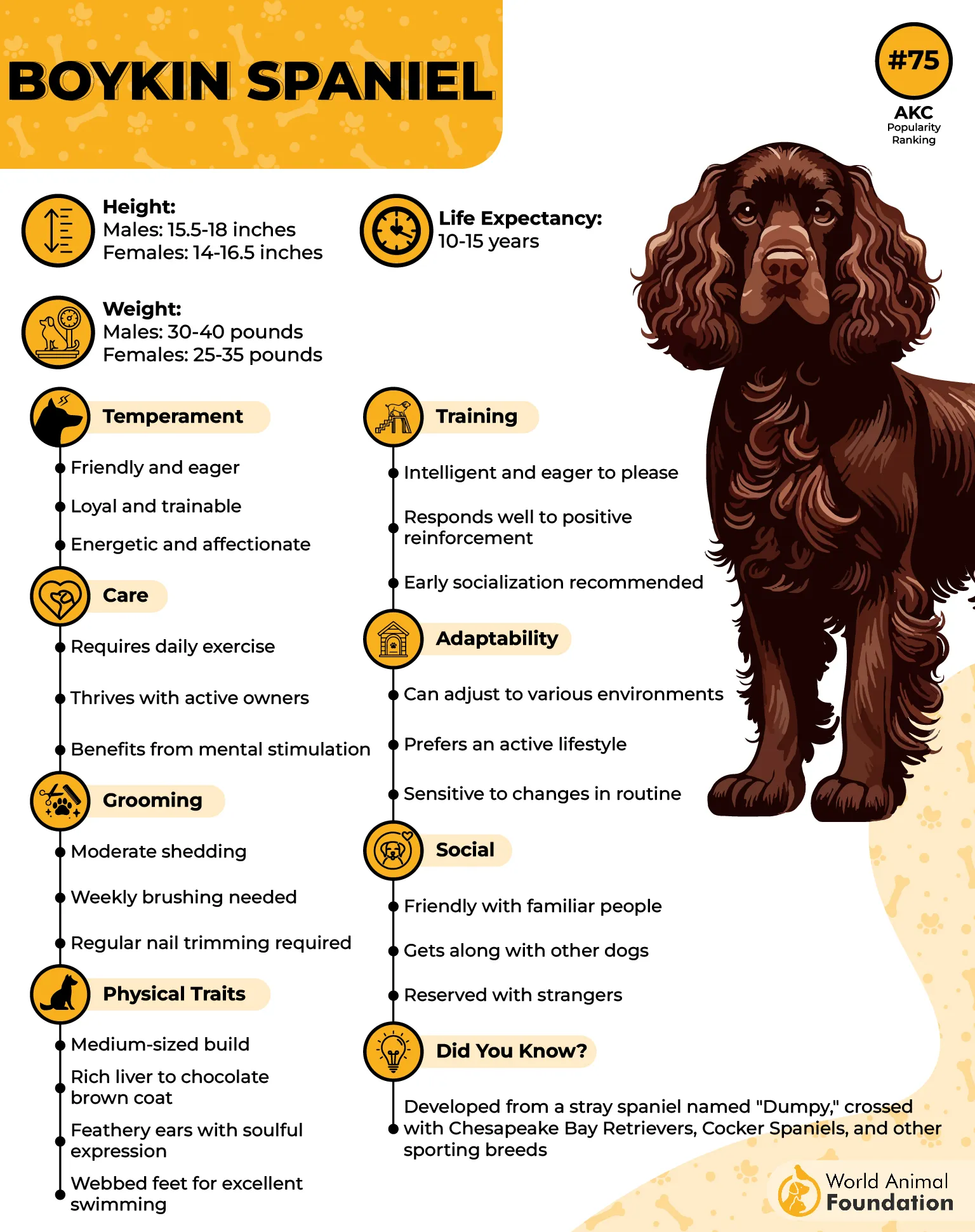
Built for performance, the Boykin Spaniel has a compact yet athletic frame that allows it to move smoothly through thick brush, marshes, and wetlands.
Its rich brown coat not only adds to its distinctive appearance but also serves as effective camouflage in wooded and swampy environments. This adaptability enables the breed to perform equally well in dove fields, duck marshes, and forested hunting grounds.
Beyond its impressive field abilities, the Boykin Spaniel is known for its loyalty and strong bond with its owner.
Energetic, eager to please, and highly trainable, this hardworking dog thrives when given a job to do, making it an exceptional choice for tracking and retrieving birds.
3. Golden Retriever
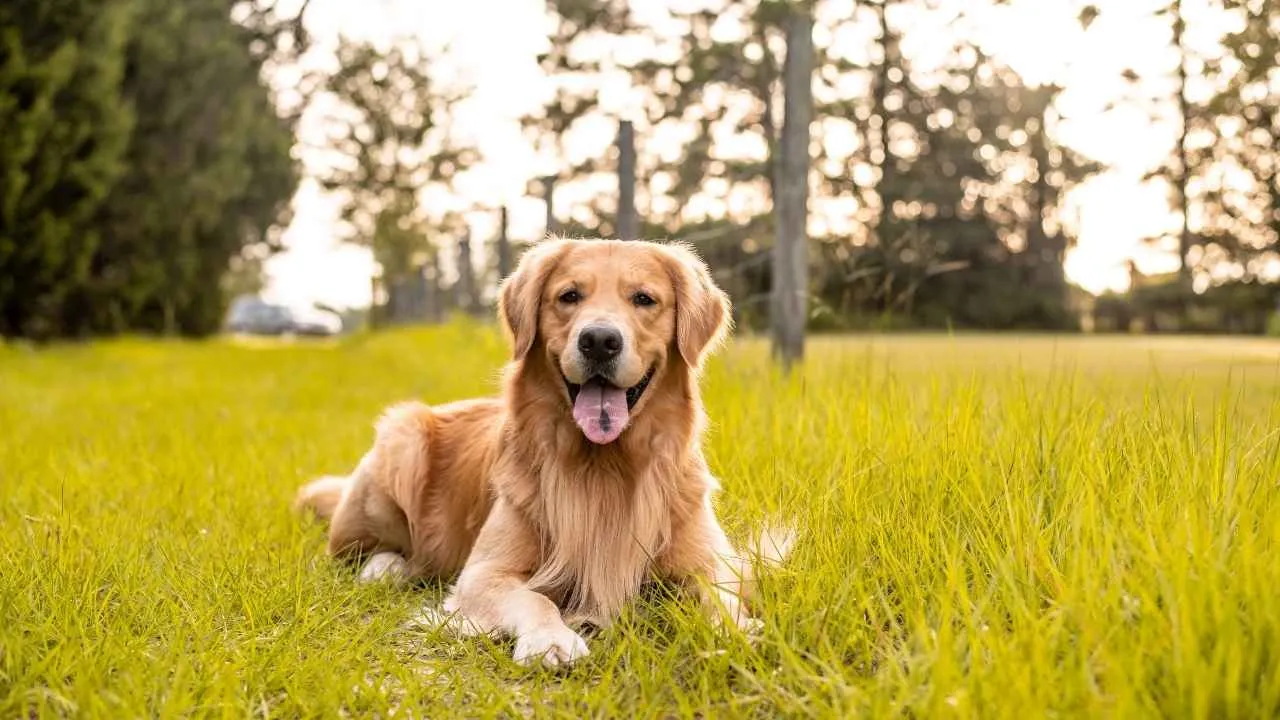
The Golden Retriever has long been celebrated as a dependable bird-hunting companion, with a history rooted in the sporting fields of the 19th century.
Descended from early “yellow retrievers,” these dogs quickly earned the admiration of hunters for their remarkable versatility, trainability, and dedication in the field.
Their natural love for water, combined with a sturdy medium-to-large build, made them exceptionally skilled at retrieving both upland game birds and waterfowl.
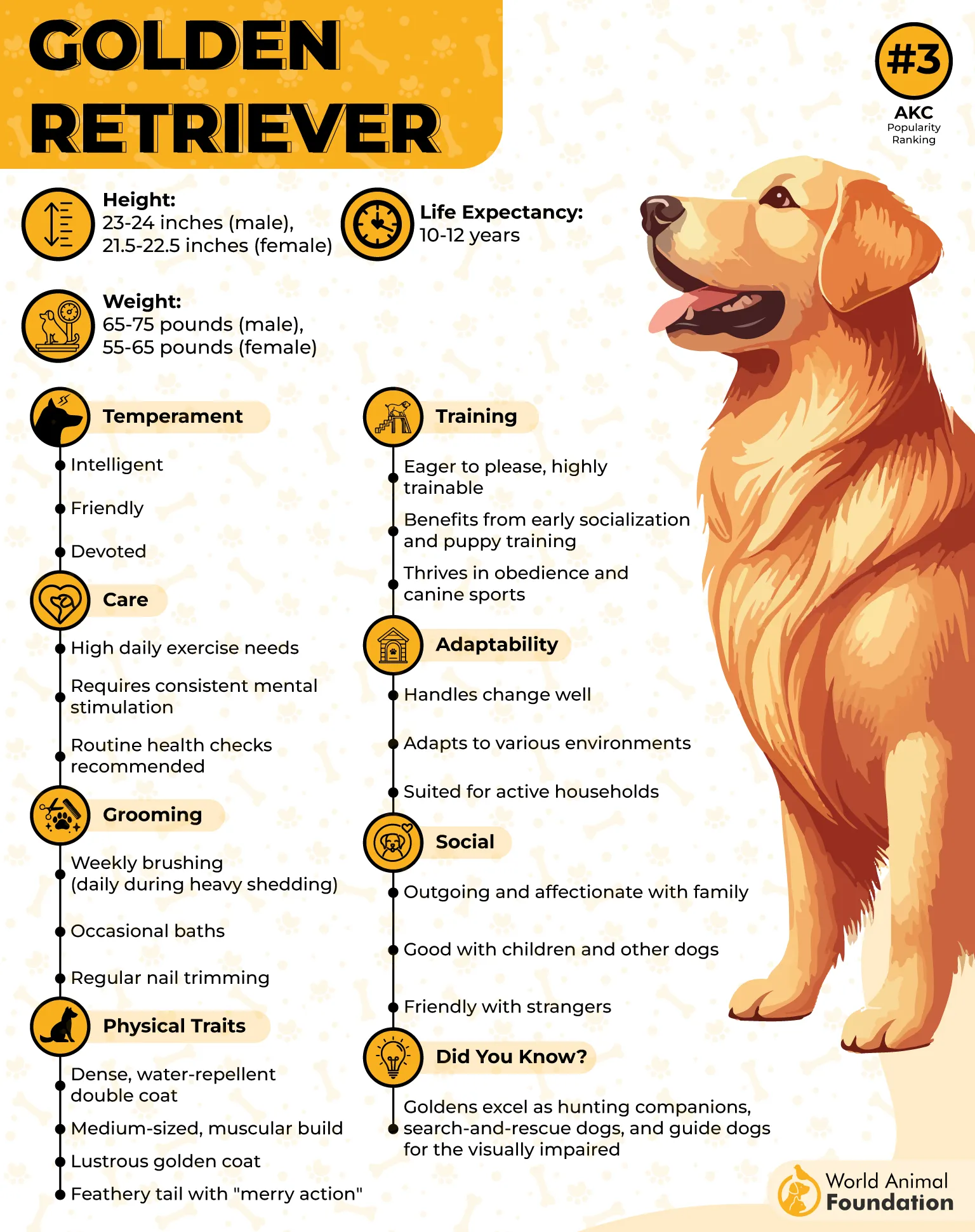
One of the best upland dogs, Goldens gained recognition for their field performance when they began appearing in organized field trials, showcasing their keen instincts and impressive retrieving abilities.
Their soft mouths allow them to carry game gently, while their intelligence and eagerness to please make training straightforward and rewarding for hunters.
Beyond the hunting grounds, Golden Retrievers are known for their friendly temperament, high energy level, and loyal nature.
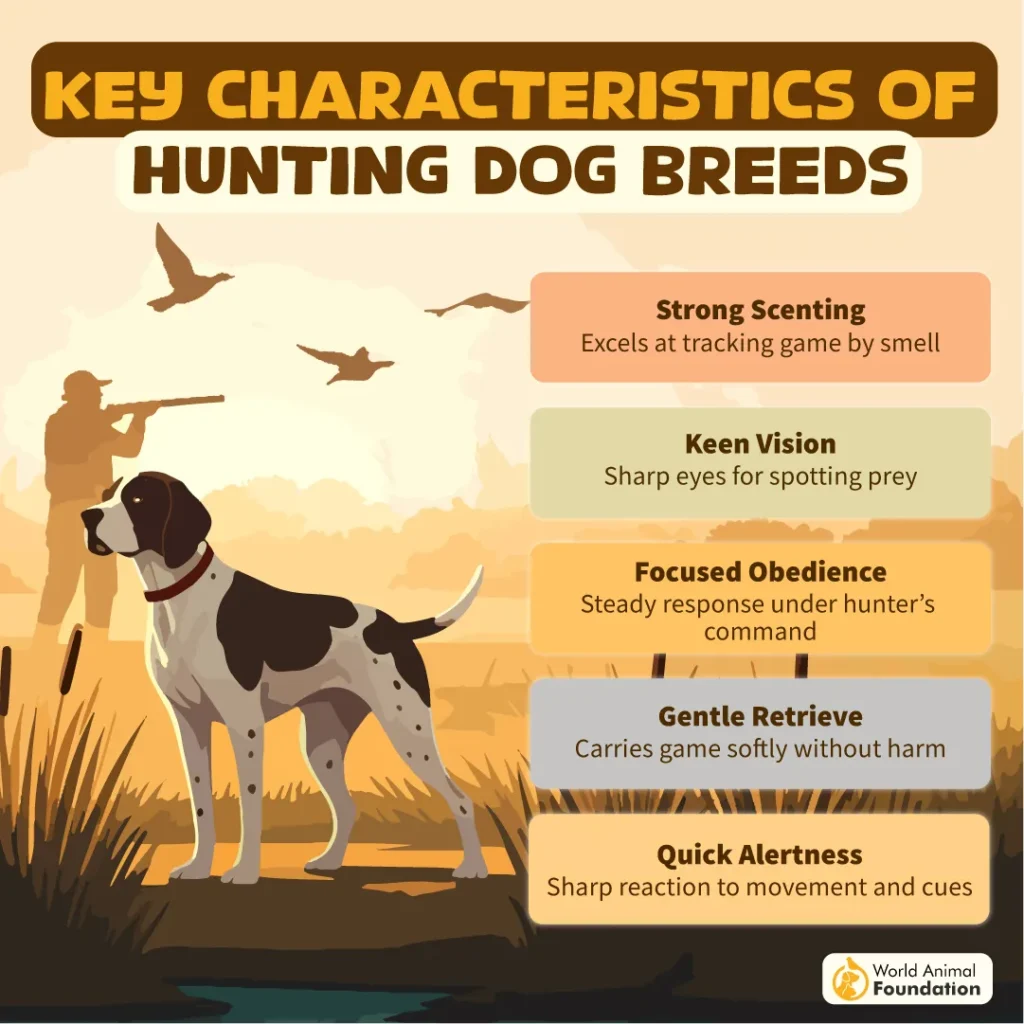
These qualities make them not only outstanding sporting dogs but also beloved family companions. Whether tracking birds in the field or participating in canine sports and working roles, the Golden Retriever consistently proves itself to be a reliable, enthusiastic partner for outdoor adventures.
4. Vizsla
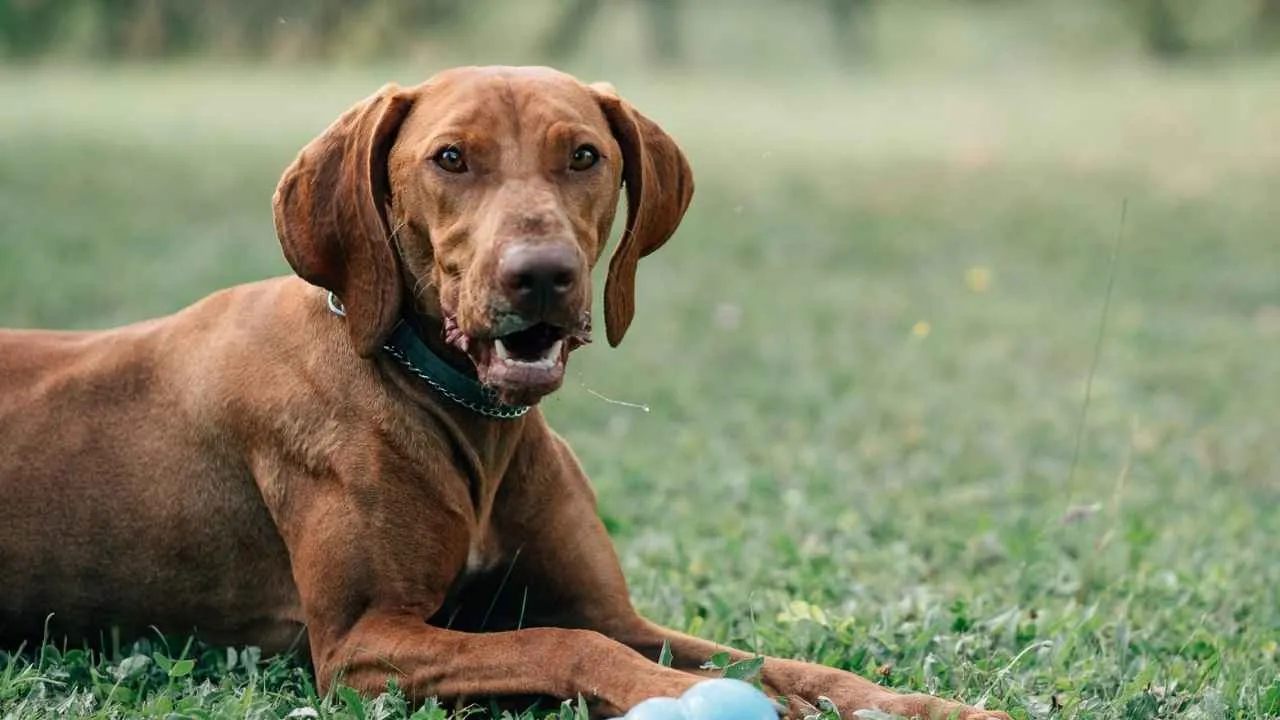
The Vizsla, a sleek and athletic hunting dog from Hungary, has earned a strong reputation for its remarkable abilities in tracking, pointing, and retrieving birds, as noted by the Omlet UK.
Developed centuries ago as a versatile gun dog, this pointing dog was prized by hunters for its speed, endurance, and sharp instincts in the field. Its natural ability to locate game and signal its position with a steady point makes it an invaluable partner during bird hunts.
With a slightly lighter and more agile frame than many other breeds, the Vizsla moves effortlessly through dense grass, brush, and undergrowth.
This agility allows it to cover ground quickly while maintaining close contact with its handler, a trait highly valued by hunters who prefer a dog that works attentively by their side.
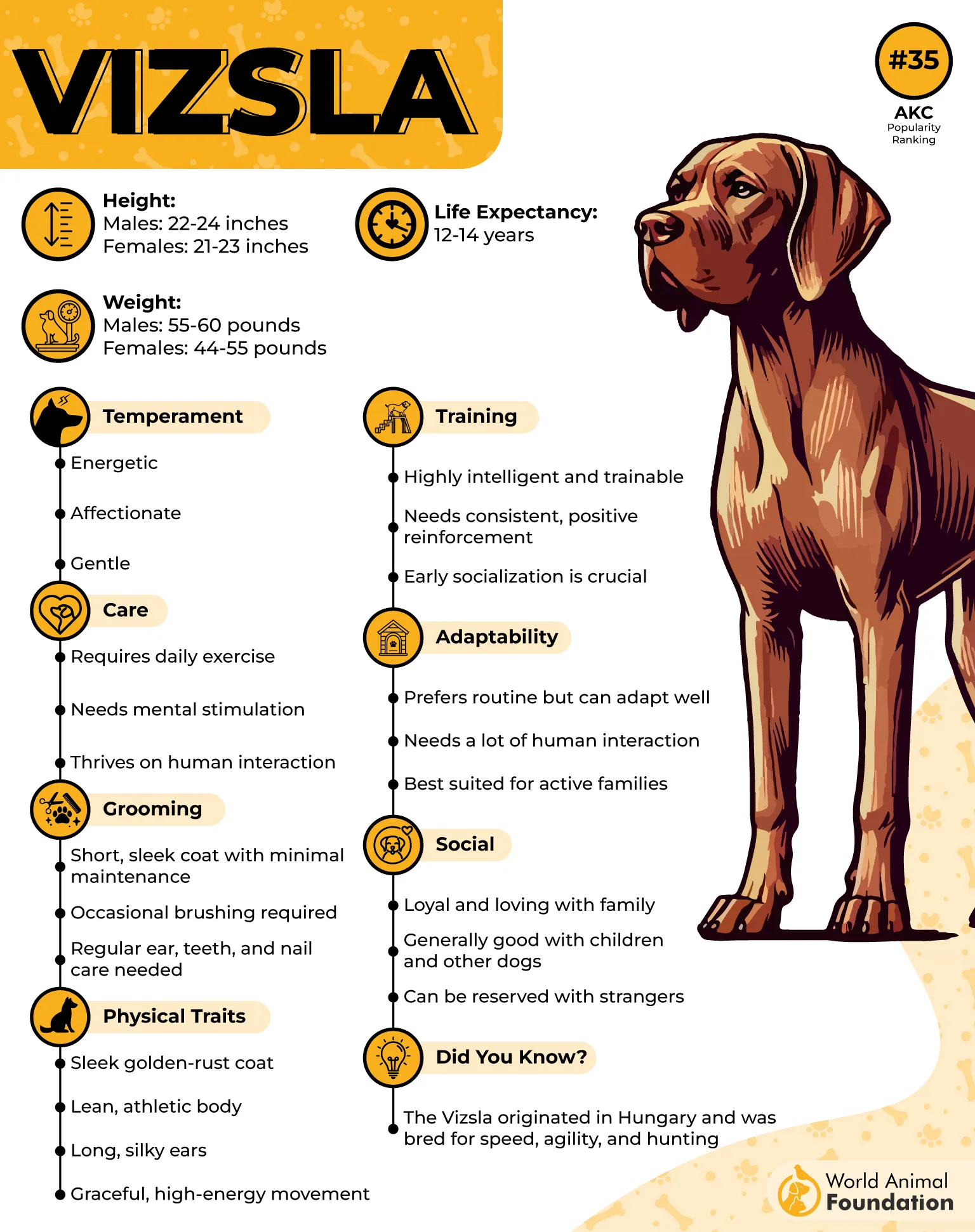
These retrieving dogs are known for their intelligence, energy, and strong desire to cooperate, making them highly trainable for both hunting and retrieving tasks.
Their enthusiasm for outdoor activity, combined with a loyal and affectionate temperament, means they thrive when given excessive regular exercise and purposeful work.
For bird hunters seeking a fast, responsive, and dedicated companion, the Vizsla is a truly exceptional choice.
5. English Springer Spaniel
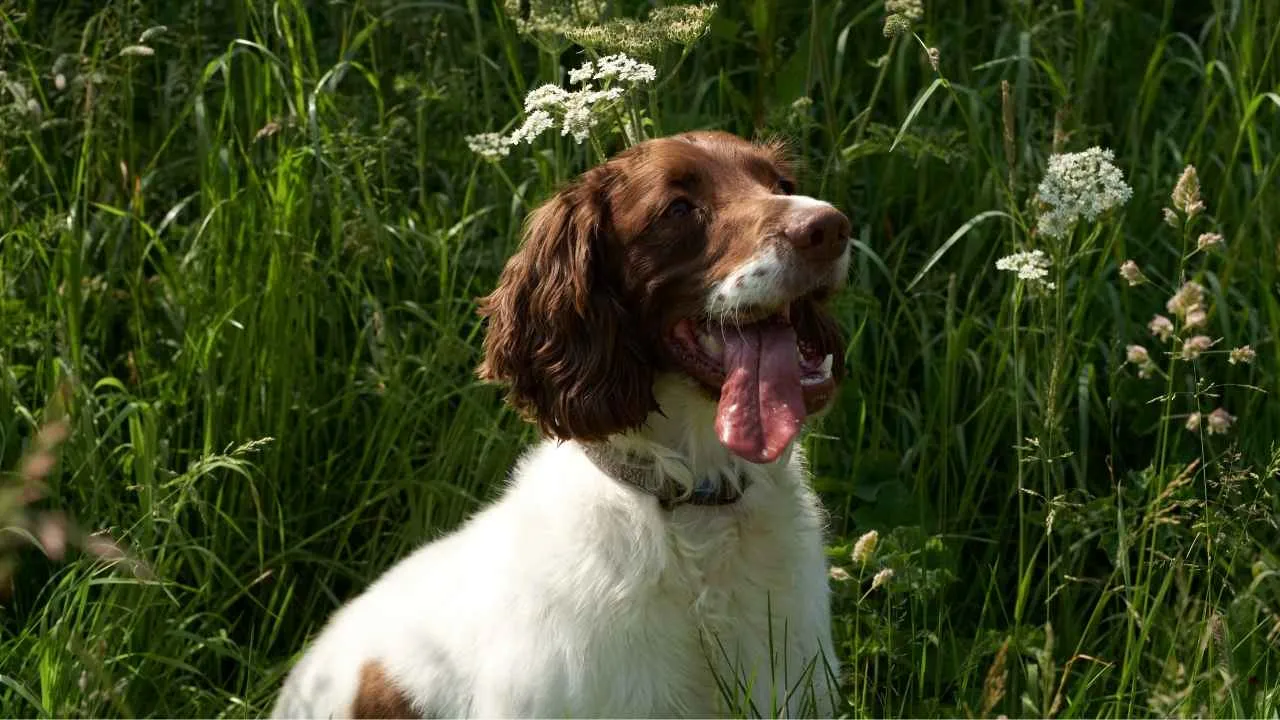
The English Springer Spaniel has long been admired as one of the most popular dog breeds for hunting, with roots tracing back to the late 19th century when spaniels from the same litter were categorized as either “cockers” or “springers.”
The larger springers were specifically valued for their ability to flush birds from cover and retrieve them for hunters, a role that eventually shaped the modern English Springer Spaniel into a dependable companion in the field.
Bred for stamina and performance, this energetic gundog is known for its powerful movement and remarkable endurance.
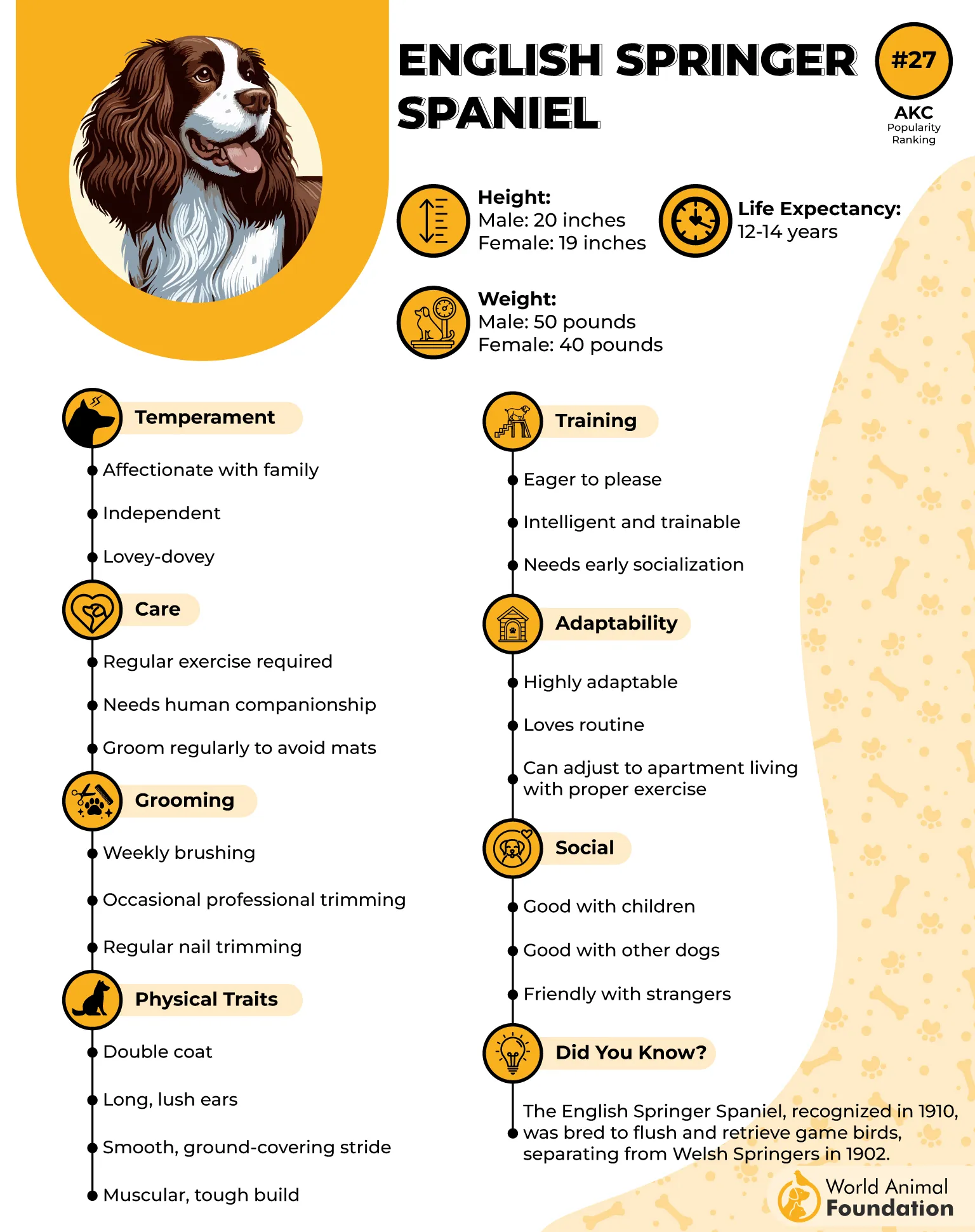
Their natural “rear drive” allows them to cover ground efficiently while flushing birds from dense brush or grassy fields. Combined with keen instincts and sharp intelligence, these traits make them highly effective at tracking and retrieving game birds.
English Springer Spaniels have also proven their abilities in competitive field trials, where their agility and responsiveness continue to impress hunters and trainers alike.
Beyond the hunt, they are beloved for their friendly nature, playful personality, and willingness to please. This balance of skill and companionship makes them a reliable partner for bird hunters and an affectionate addition to active households.
6. Curly Coated Retriever
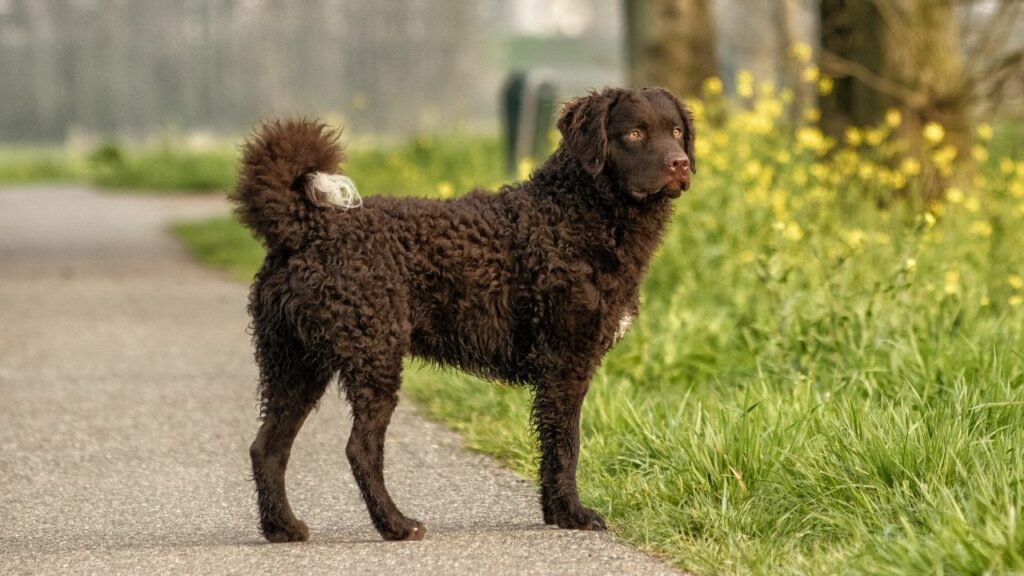
The Curly-Coated Retriever is one of the oldest retriever breeds and a highly capable partner for hunters who pursue birds.
Known for its intelligence, determination, and athletic build, this dog excels at tracking and retrieving game in a variety of environments, especially around water and wetlands.
Its distinctive tight curls aren’t just for looks—they provide protection against harsh weather and rough terrain, allowing the dog to work comfortably during long hunting sessions.
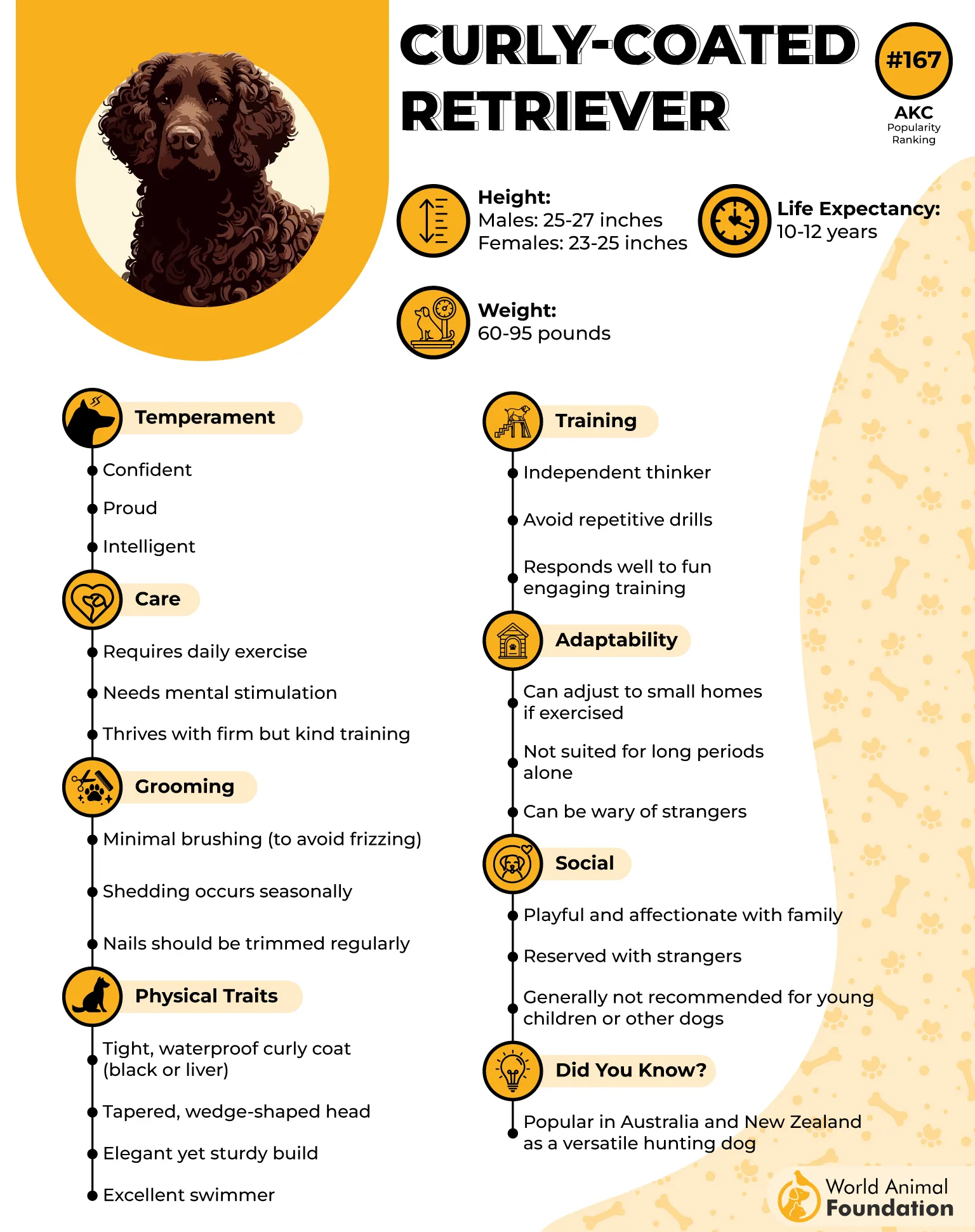
These energetic dogs thrive when given regular opportunities to run, explore, and use their natural instincts. Activities like swimming, retrieving games, and long outdoor excursions help keep them mentally and physically satisfied, as PetMD mentioned.
In addition to their hunting ability, they are loyal companions that form strong bonds with their families.
They do best in active households with space to move, such as homes with large yards or easy access to outdoor adventures, making them excellent partners for bird tracking and retrieval.
7. Nova Scotia Duck Tolling Retriever
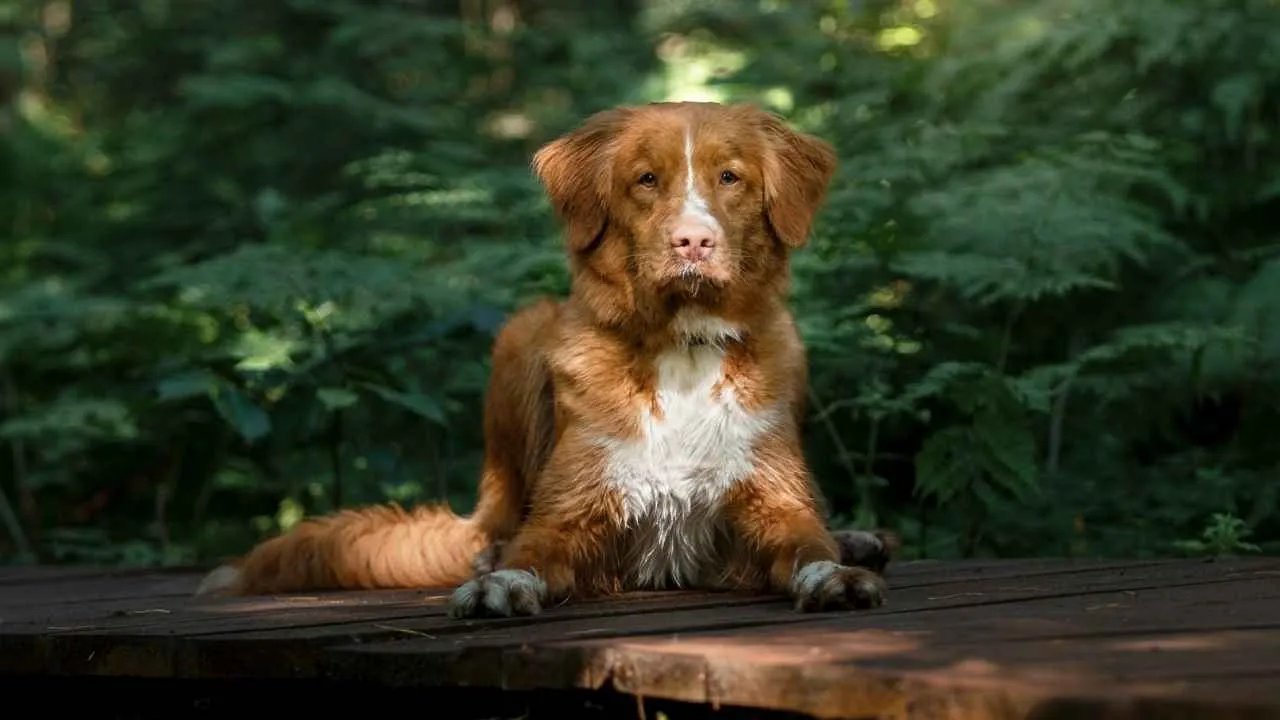
The Nova Scotia Duck Tolling Retriever is one of the most fascinating bird-hunting dogs, famous for its unique ability to lure waterfowl within a hunter’s range.
Originating in Nova Scotia during the early 19th century, this clever breed was once known as the Little River Duck Dog. Its hunting technique, called “tolling,” relies on playful movements and an energetic, wagging tail to capture the curiosity of ducks along the shoreline.
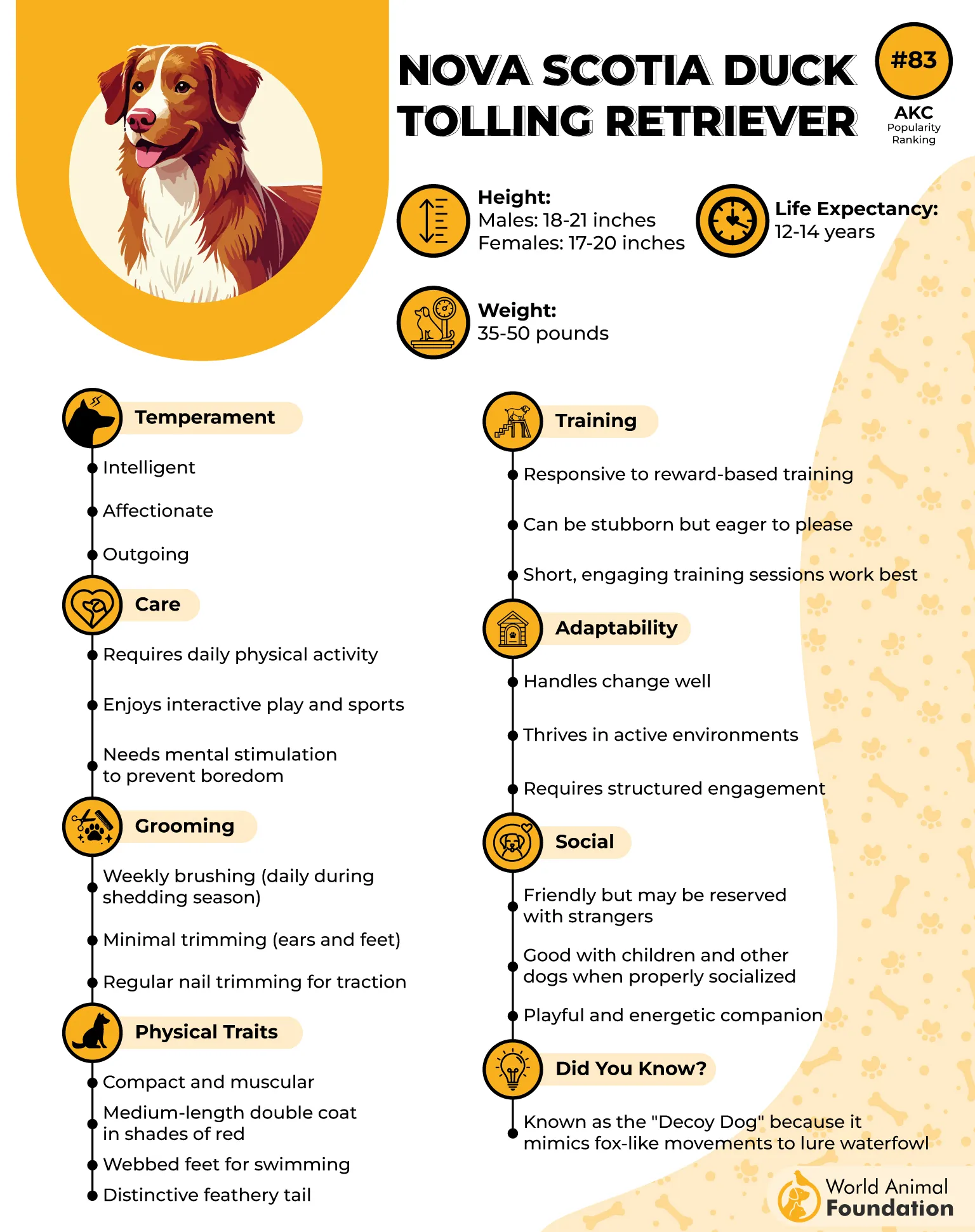
As the dog darts, plays, and retrieves small objects near the water’s edge, nearby waterfowl are naturally drawn closer out of curiosity.
Once the birds approach within range, hunters can take their shot, after which the dog retrieves the fallen game from the water. This remarkable strategy makes the breed especially valuable in waterfowl hunting.
Beyond their specialized skills, these retrievers are admired for their intelligence, enthusiasm, and affectionate nature.
They are highly trainable and thrive in environments where they can stay active and engaged. Today, many participate in hunting trials and outdoor sports, continuing to showcase the agility, focus, and natural talent that make them exceptional bird-tracking and retrieving partners.
Conclusion
Bird hunting has long relied on the natural instincts, intelligence, and partnership between humans and well-trained dogs.
The bird dog breeds highlighted above have earned their reputation through generations of fieldwork, excelling at tracking, flushing, and retrieving birds across a variety of terrains—from open fields and dense forests to wetlands and marshes.
Their strong prey drive, endurance, and eagerness to work alongside their handlers make them invaluable companions during hunts.
Choosing the right hunting dog ultimately comes down to your hunting style, environment, and commitment to training and care.
