




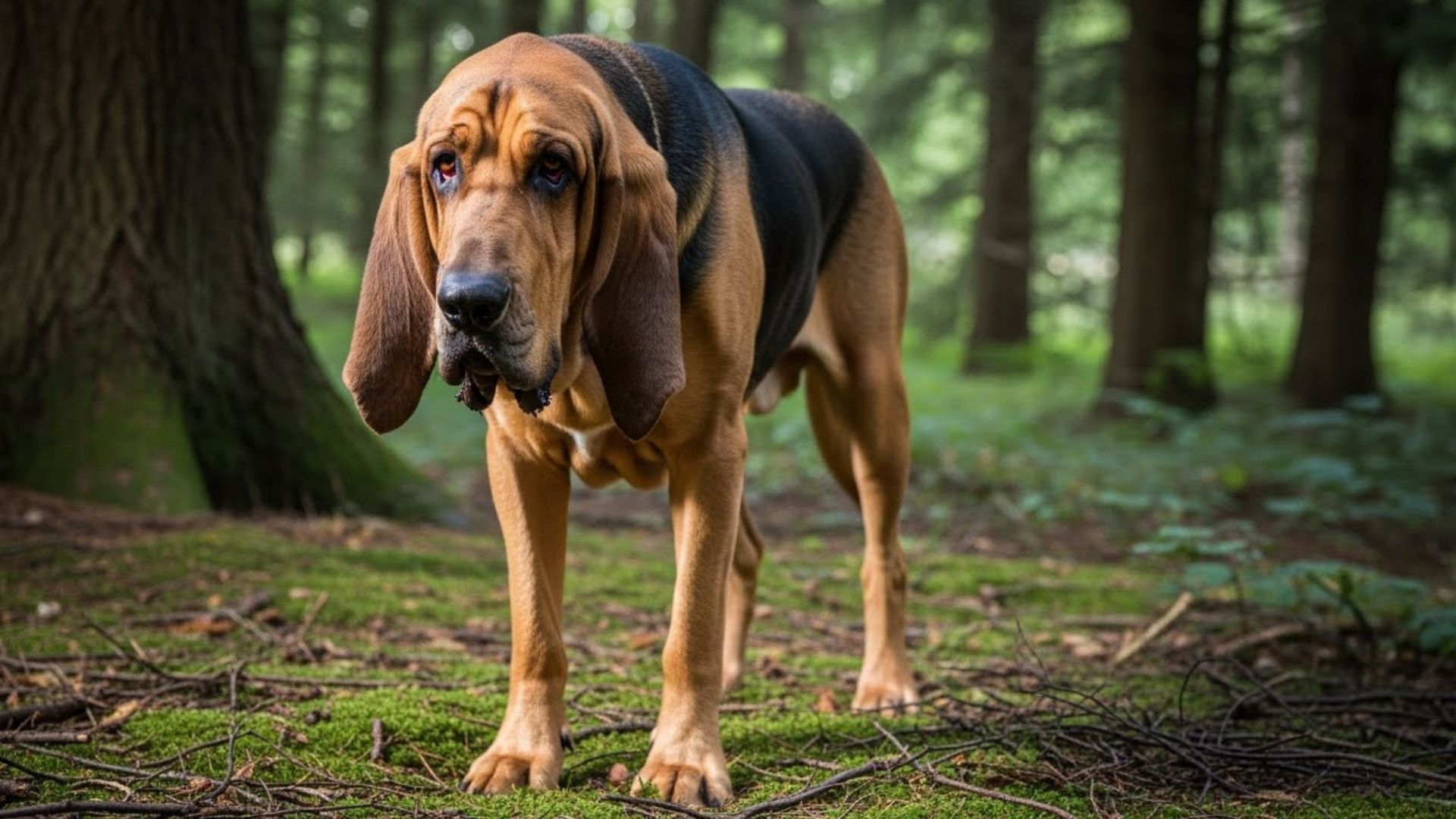
For decades, people have enjoyed the thrill of watching a dog follow a scent trail with complete concentration. Many people rely on hunting dogs to track and retrieve prey, such as deer.
Hunters have also developed a great deal of confidence in their hunting dogs because of their ability to find and retrieve prey in many difficult conditions.
When it comes to choosing a breed that is suited for your hunting needs, there are many factors to consider. What type of terrain will the dog be hunting over? What type of prey will the dog be chasing, for instance, in deer hunting? How aggressive does the hunter like to be?
All these things factor into what dog breeds would be the best fit for you. According to APDHA, if you match the breed and choose to hunt with the style of hunting you prefer, then you can ensure both safety and effectiveness in the field, particularly with adequate training.
Let’s check out the list of the top 9 tracking dogs that are the best dog breeds for tracking prey, such as upland game birds, including their strengths, weaknesses, and some fun facts about each breed.
Best Dog Breeds for Tracking and Recovering Prey
1. BloodHound
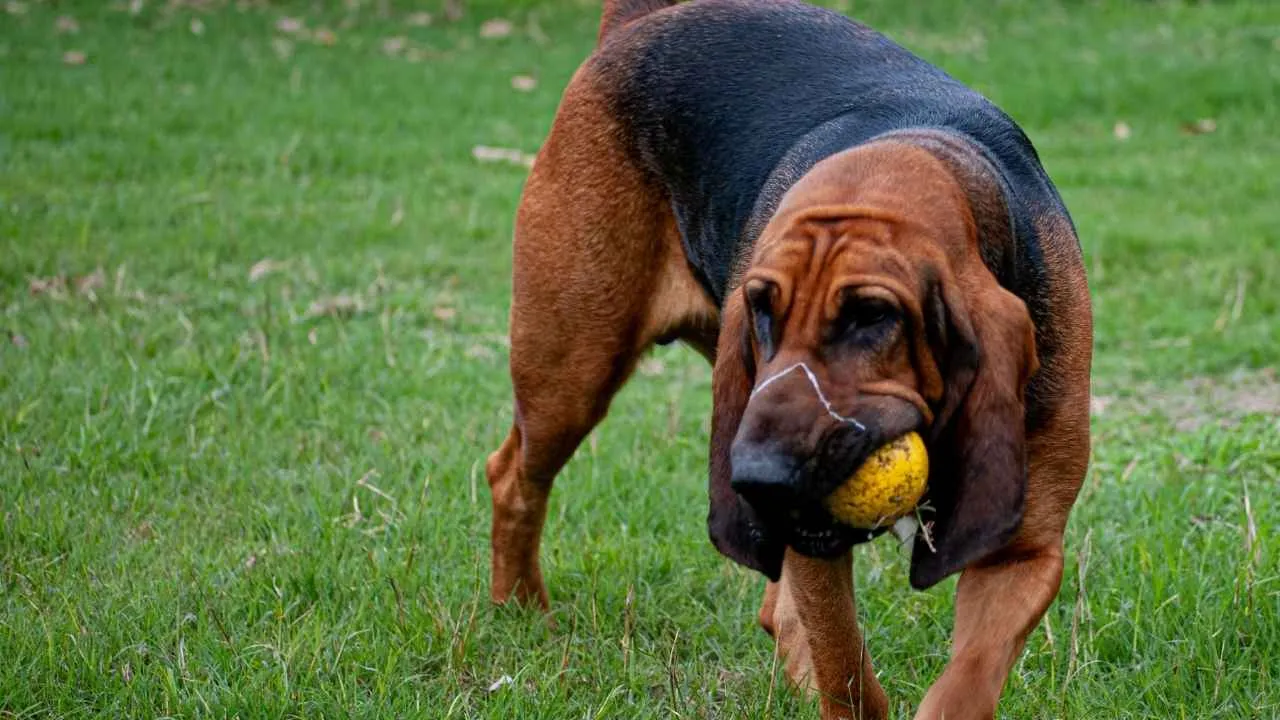
Bloodhounds are known for their floppy ears and exceptional tracking abilities, and for being able to follow a scent trail days after it was made, showcasing their tireless work ethic.
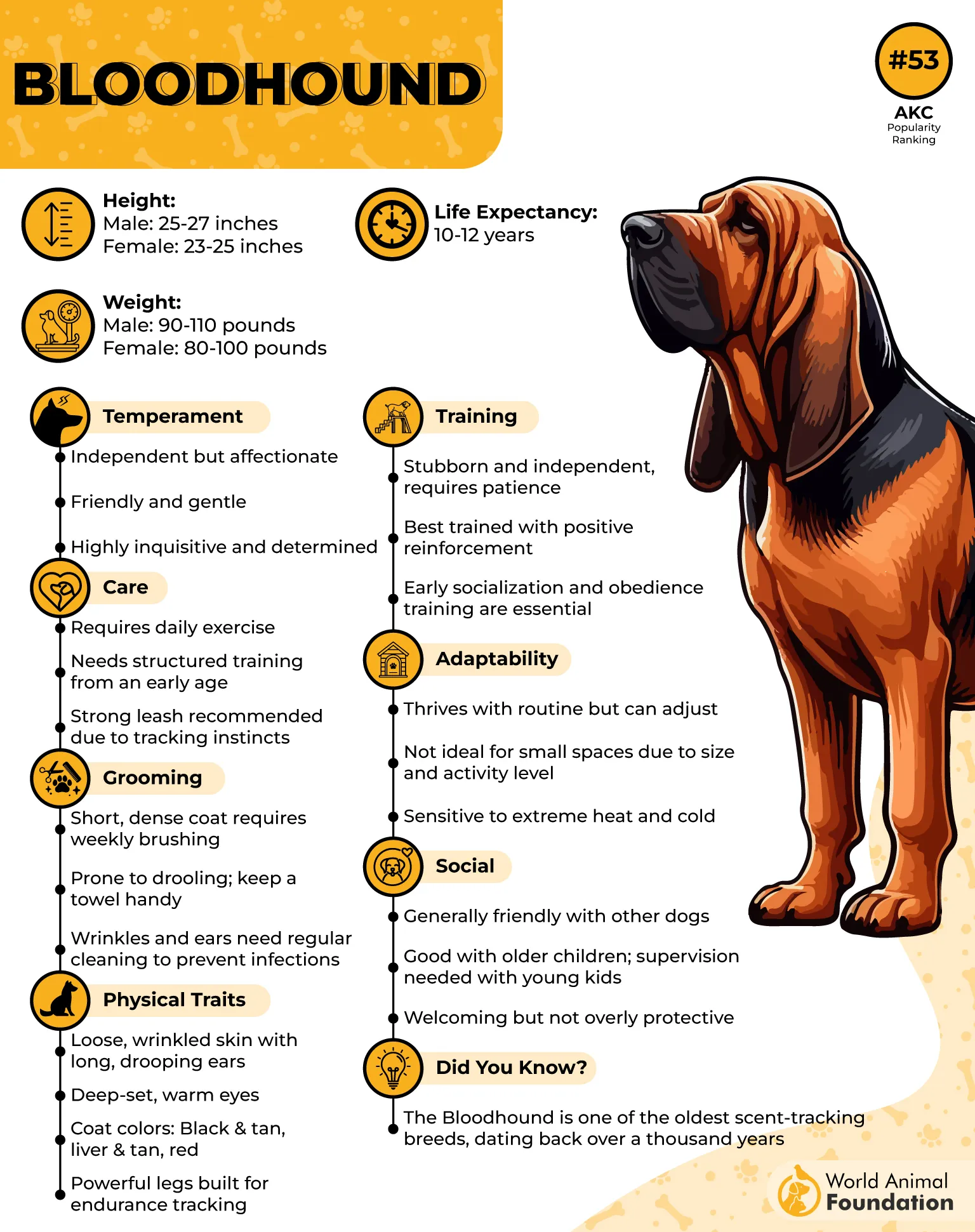
A Bloodhound’s loose skin and long ears allow scents to travel down the length of its face and straight to its nose. These large predators are very determined and can be very gentle, but they tend to focus on one thing at a time.
Fun Facts
Can follow human scent trails for up to 300 hours old, as per the American Kennel Club.
Often used in search and rescue missions.
Used in courts to provide tracking evidence.
Very gentle and calm at home, but can be quite intense when tracking.
Due to their ability to focus so intently, Bloodhounds are ideal tracking dogs, but they do need a lot of physical and mental stimulation, along with proper training to keep them happy.
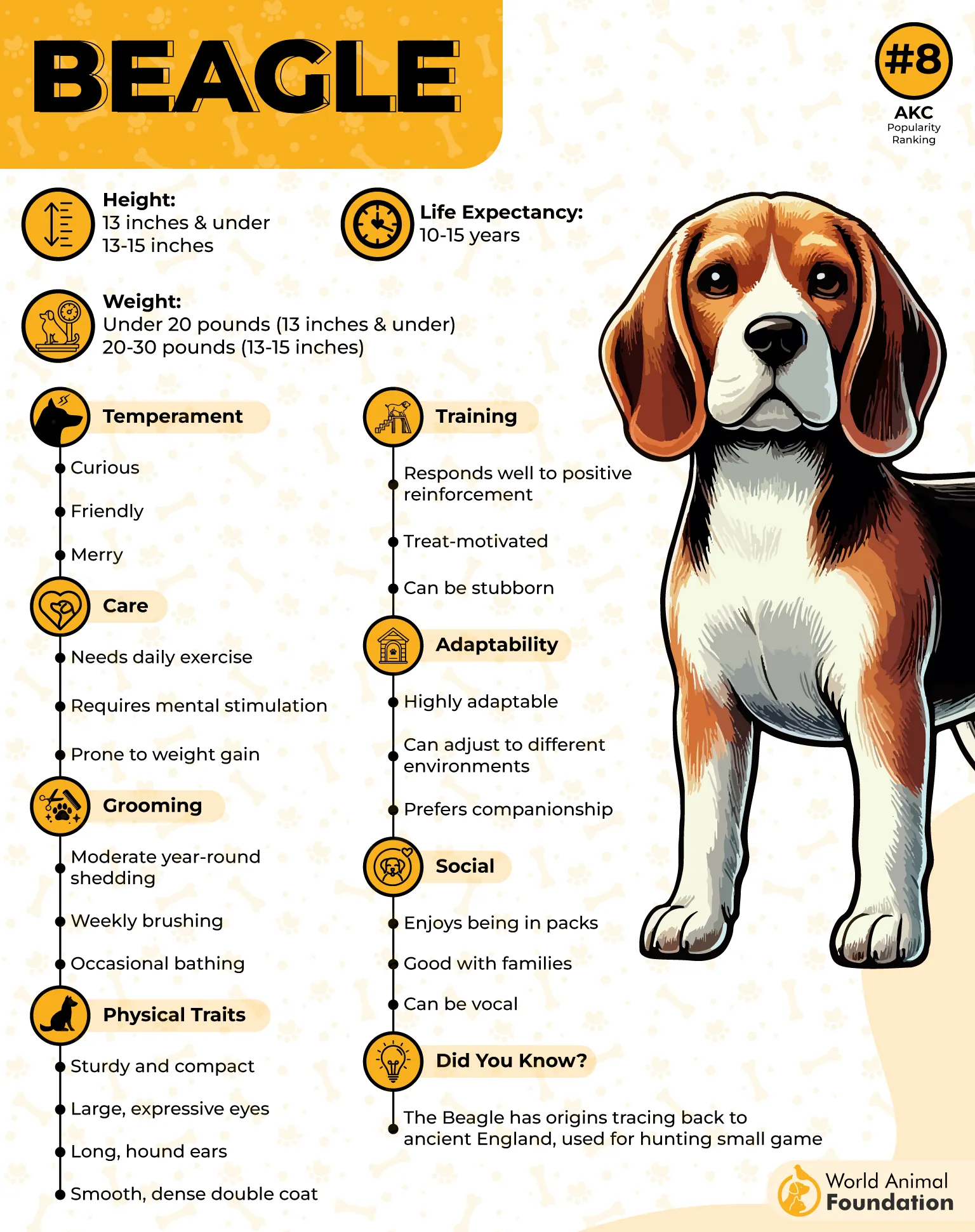
2. Beagle
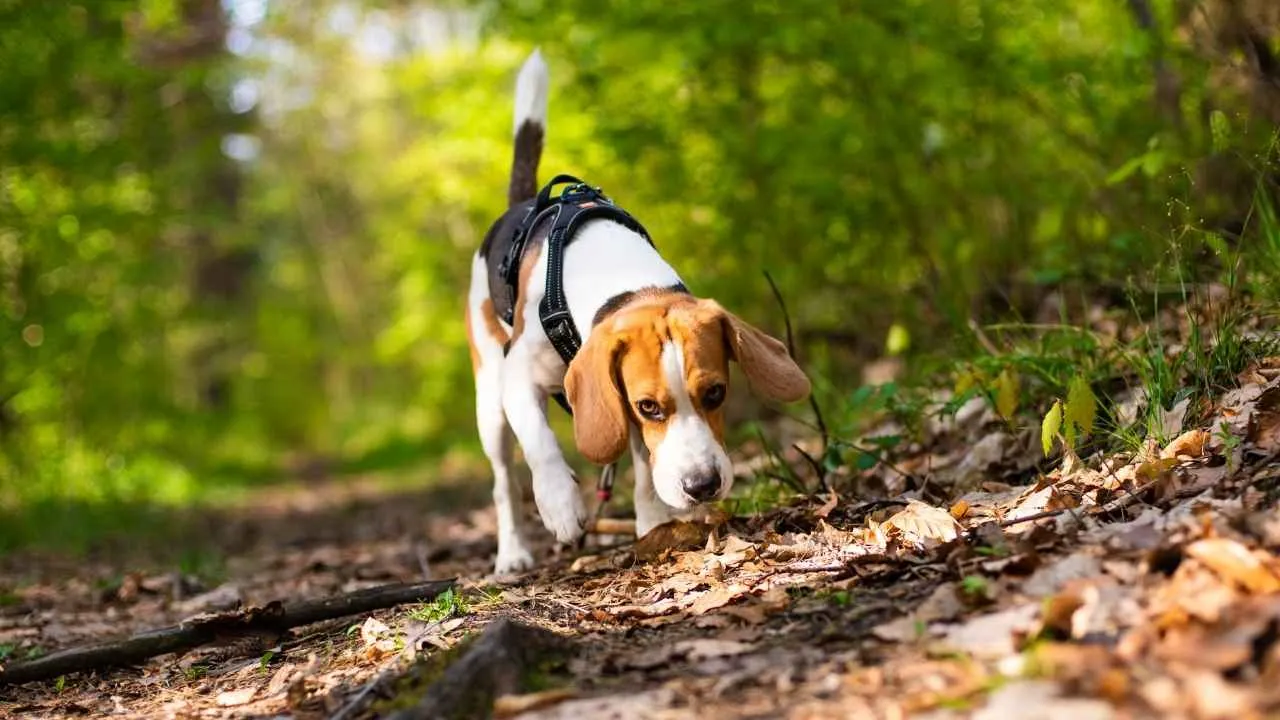
Despite their small stature, Beagles are intelligent tracking dogs when it comes to hunting tasks, particularly for small animals. With their extremely sensitive noses and playful personalities, Beagles are the perfect breed to hunt, especially rabbits and other small game, and they can even hunt in packs.
Fun Facts
Known for their distinctive “baying”, which allows hunters to locate them.
Historically bred to hunt hares and rabbits.
Excellent endurance for long hunts.
Friendly with children and other pets, making them an ideal companion.
Although Beagles are intelligent and curious, this can cause them to be a bit stubborn during training. With patience and positive reinforcement, they will be excited to hunt with you and will be a good hunting partner due to their energy and focus.
3. Labrador Retriever
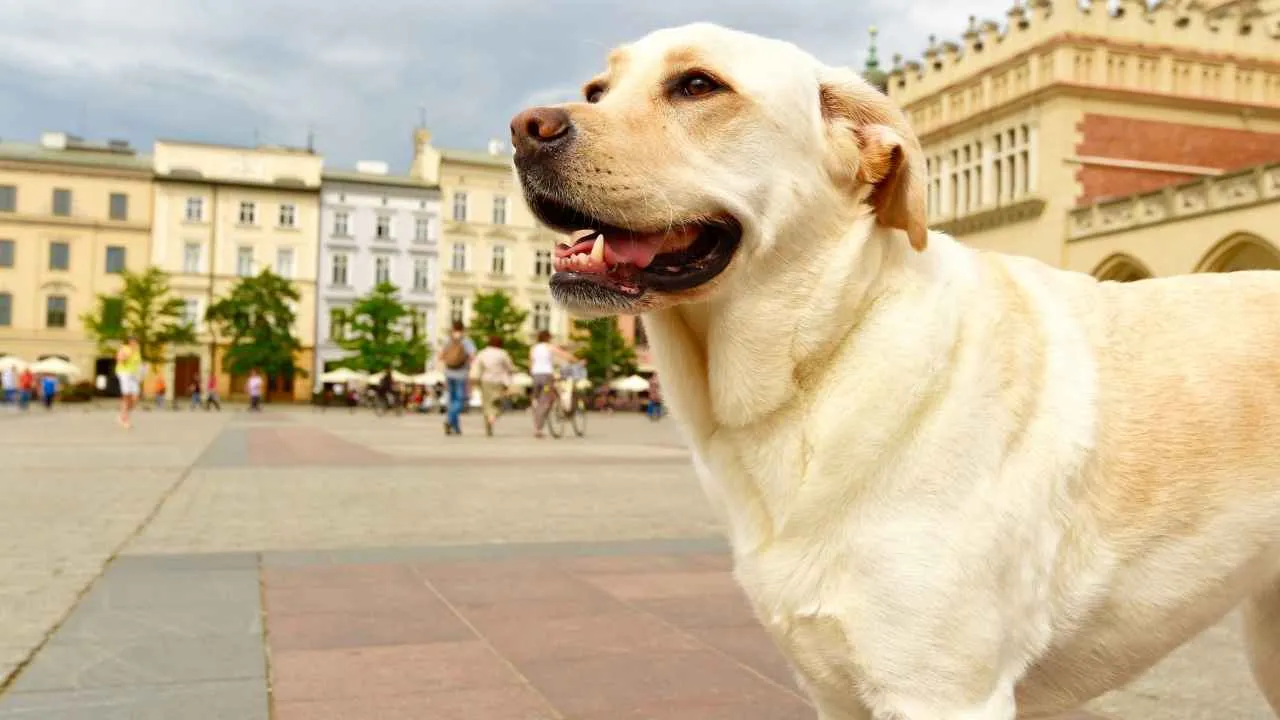
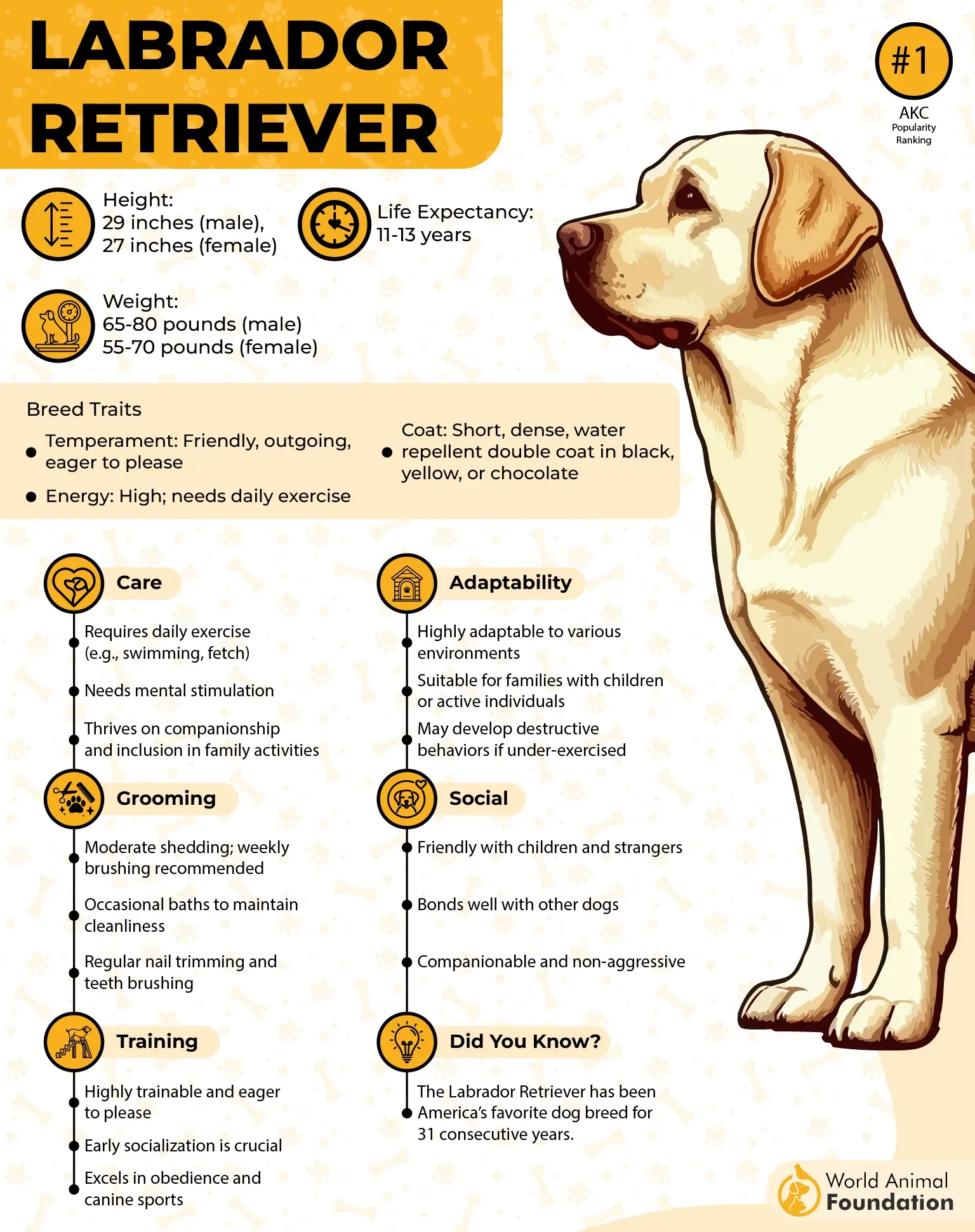
Labradors are versatile hunting dogs due to their ability to retrieve waterfowl and other prey gently using their soft mouth, a feature complemented by their water-resistant coat.
They are great hunting dogs in both land and water, particularly when hunting big game. They are also very easy to train.
Fun Facts
Strong swimmers are ideal for waterfowl hunting.
Highly obedient and adaptable to various hunting settings.
Able to hunt long distances in muddy or rough terrain.
Loyal companions off the field.
Labrador Retrievers have the combination of endurance and intelligence that makes them ideal hunting dogs for big game. Their desire to please and capability to quickly learn make them an excellent choice for all-around hunting companions.
4. German Shorthaired Pointer
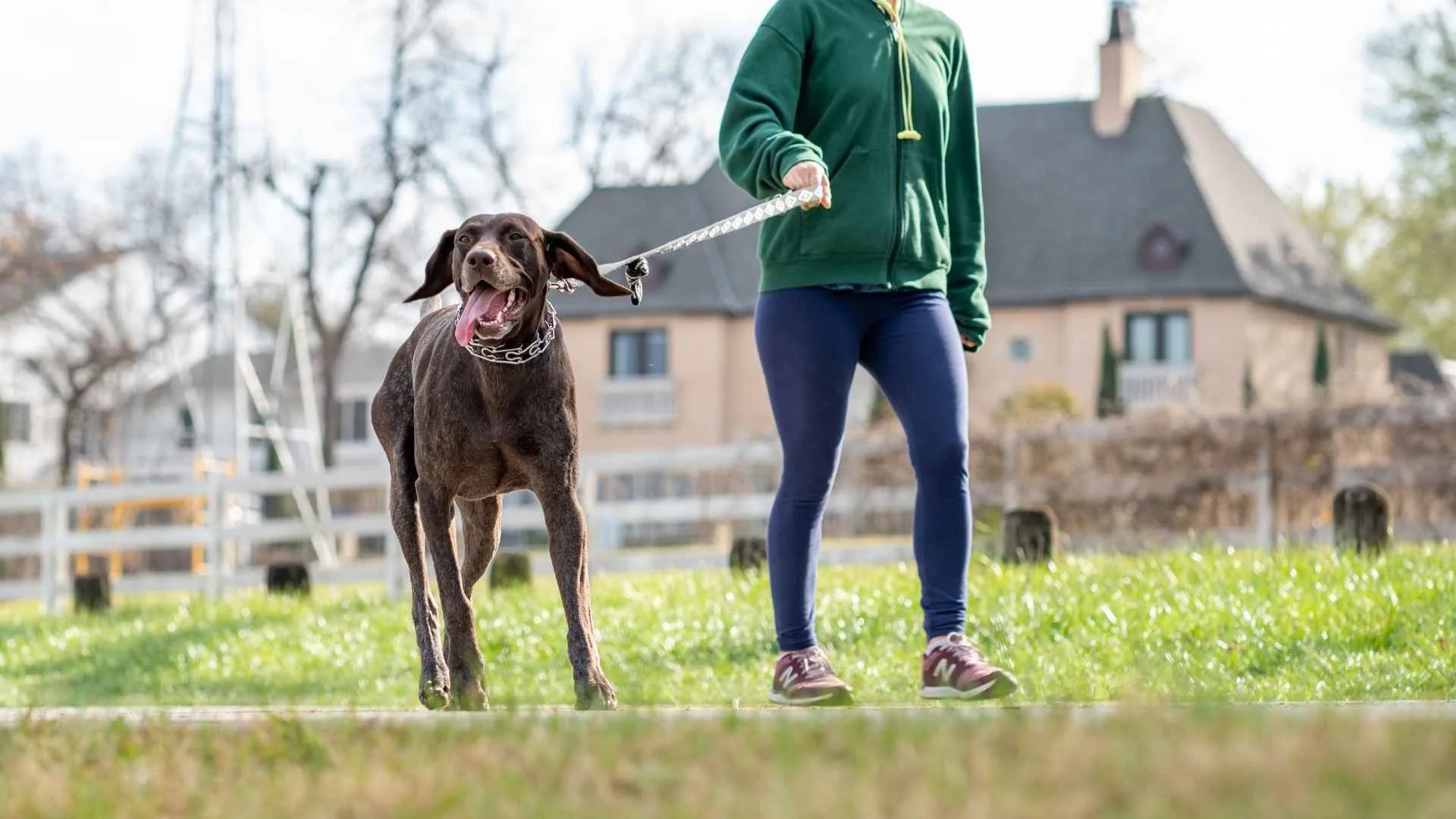
German Shorthaired Pointers are intelligent, high-energy dogs. They can point, track, and retrieve, making them ideal for hunters who want all-purpose hunting dog breeds.
Bred for versatility, this athletic dog excels in scent work, pointing, flushing, and retrieving—both on land and in water. Their powerful nose allows them to follow even faint trails with remarkable accuracy, while their stamina and agility enable them to work tirelessly across rough terrain.
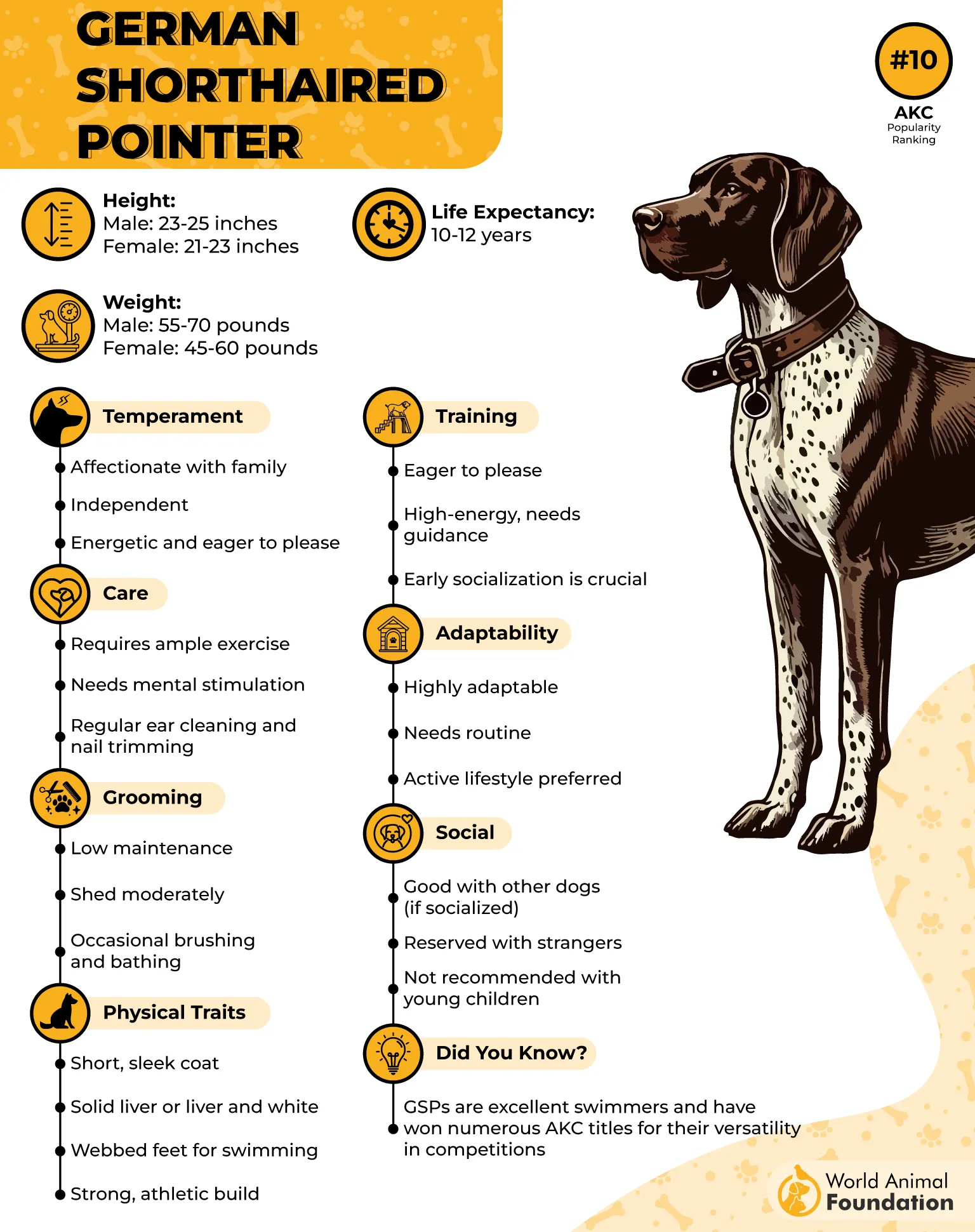
Fun Facts
Thrive in environments that offer a lot of physical activity.
Capable of hunting in a variety of terrains, such as open fields and dense forests, as per PetMD.
Extremely resourceful and intelligent problem-solvers.
Develop a strong bond with their owner.
Their high energy level makes them ideal for active families. However, their constant need for physical and mental stimulation means that boredom can result in destructive behavior.
5. Black and Tan Coonhound
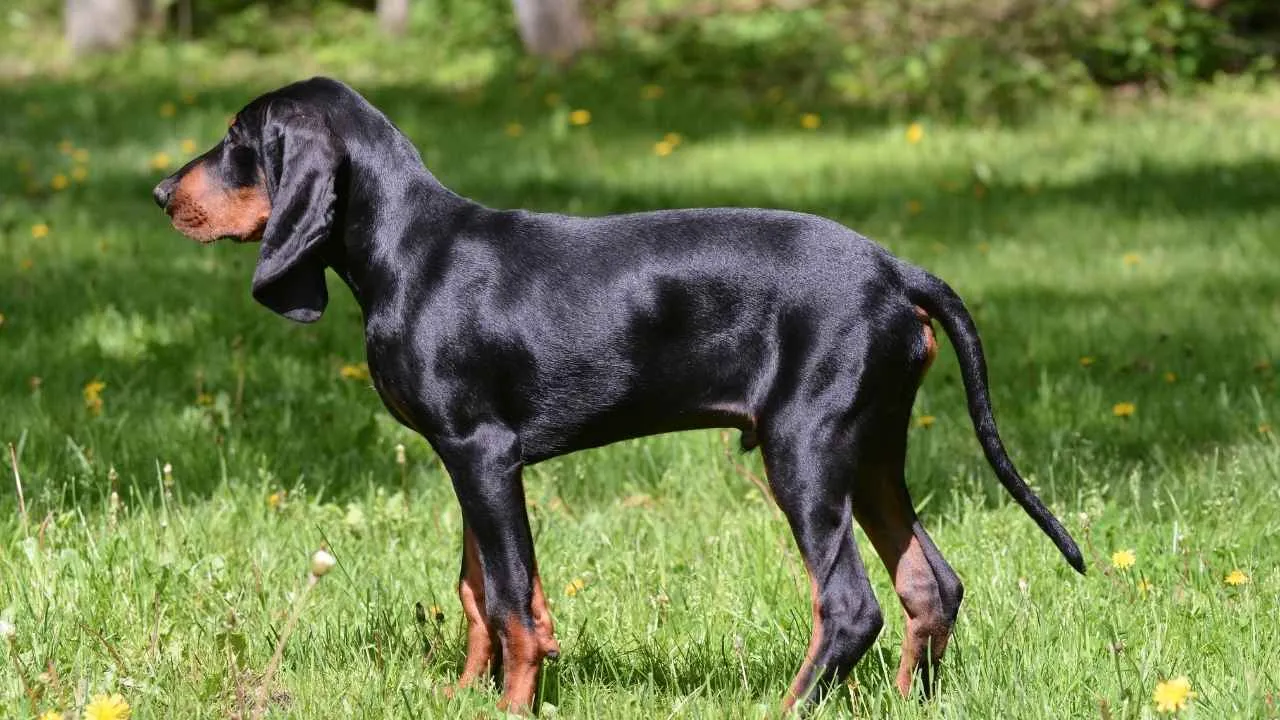
Black and Tan Coonhounds are skilled trackers and treers of game, and they often hunt at night. Their loud bays alert hunters to their presence. Known for its deep, melodic bay and incredible scenting skills, this breed can follow cold trails with remarkable persistence—sometimes for hours.
Their strong work drive, weather-resistant coat, and steady temperament make them a dependable partner for hunters who need a dog that won’t quit until the job is done. Whether navigating thick brush or trailing through the night, this breed is a true specialist in the art of pursuit.
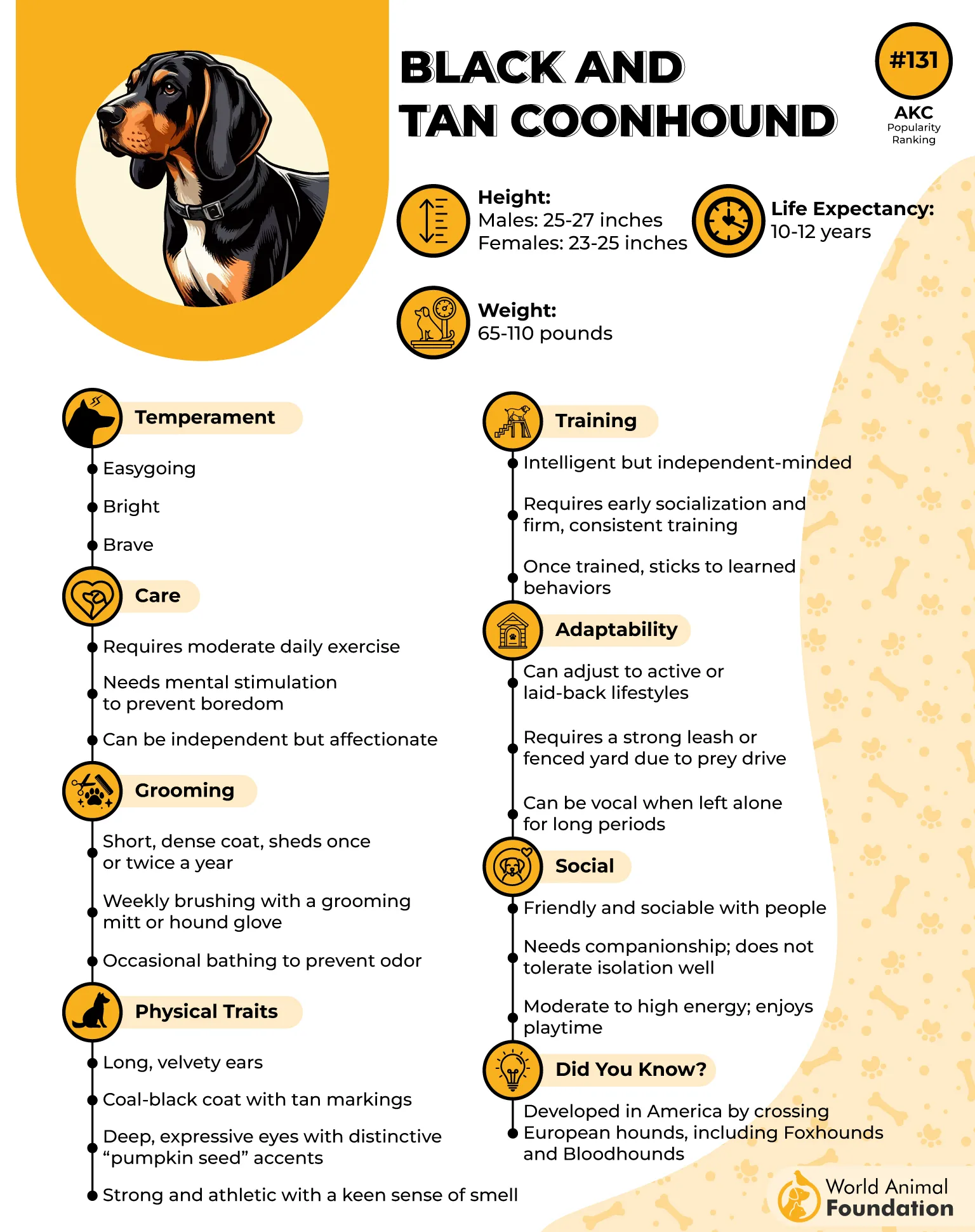
Fun Facts
A cold-nose specialist that can follow faint scent trails.
Can work alone and remain focused on the scent.
Steady and loyal hunting partners for extended periods.
Ideal for hunters who prefer to hunt in forested areas or challenging terrain.
Dependable and highly intelligent trackers, black and tan coonhounds are perfect for hunters who respect their instincts, according to Britannica.
6. Redbone Coonhound
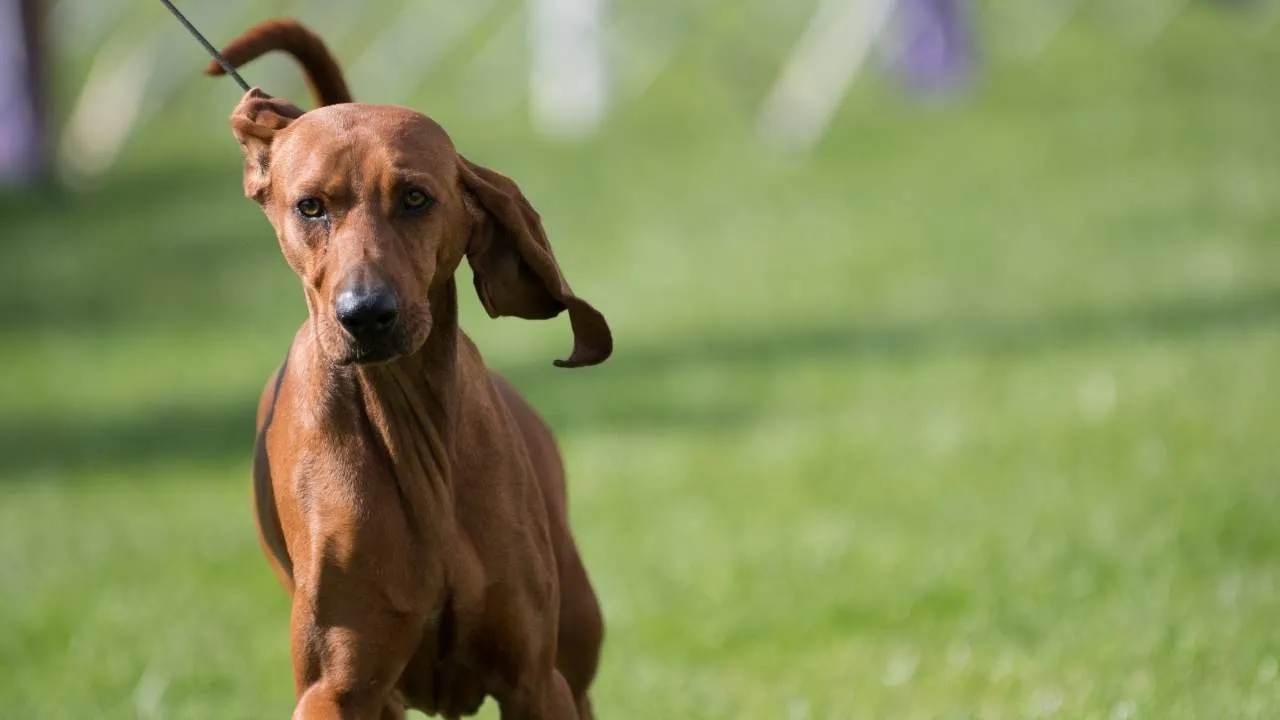
Redbone Coonhounds are agile and quick learners, and are ideal for pursuing rapid game, such as downed birds and wild boar, while remaining focused on a scent trail.
Originally bred for hunting raccoons and larger game across the American South, this striking red-coated hound is known for its ability to follow both hot and cold trails with unwavering focus.
Agile and athletic, the Redbone moves effortlessly through dense forests, steep hills, and swampy terrain, often covering ground faster than many other scent hounds.
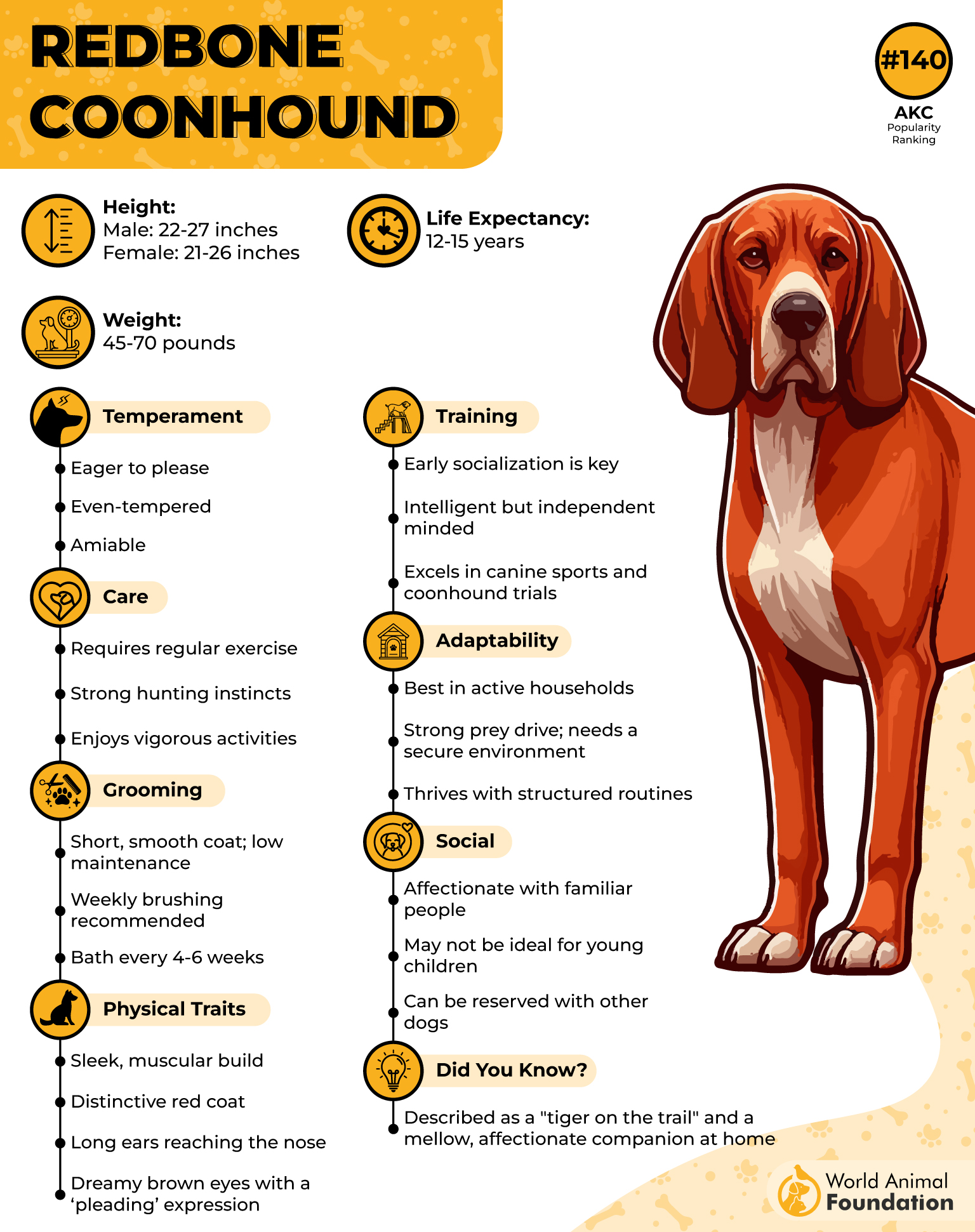
Fun Facts
Their bright red coats make them easily identifiable in the field.
Calm at home, but intense while hunting.
This breed has historically been used to hunt raccoons.
They are excellent swimmers and climbers, which enables them to access a wide variety of terrain.
Due to their versatility, they may be suited to many different types of games. Redbones do very well with the regular training routine and structured hunting schedule.
They have so much enthusiasm and concentration on every hunt, which is beneficial for blood tracking and locating wounded animals.
7. Bluetick Coonhound
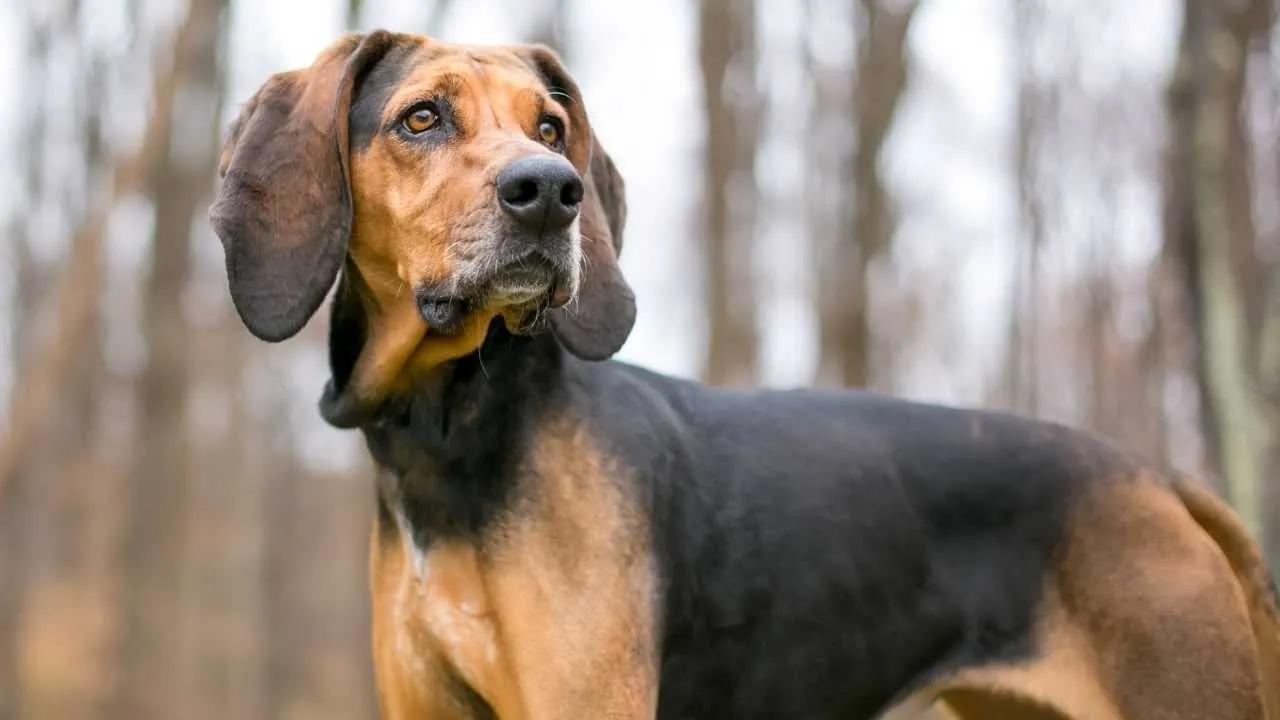
Blueticks are extremely aggressive hunters with good cold trekking abilities. When trekking, they make a lot of noise with their loud baying and also perform well in difficult terrain.
Bred for challenging hunts in dense woods and rugged terrain, the Bluetick pairs endurance with determination, never giving up on a lead once it’s found. Its distinctive, musical howl guides hunters through the chase, while its athletic build allows it to navigate tough environments with ease.
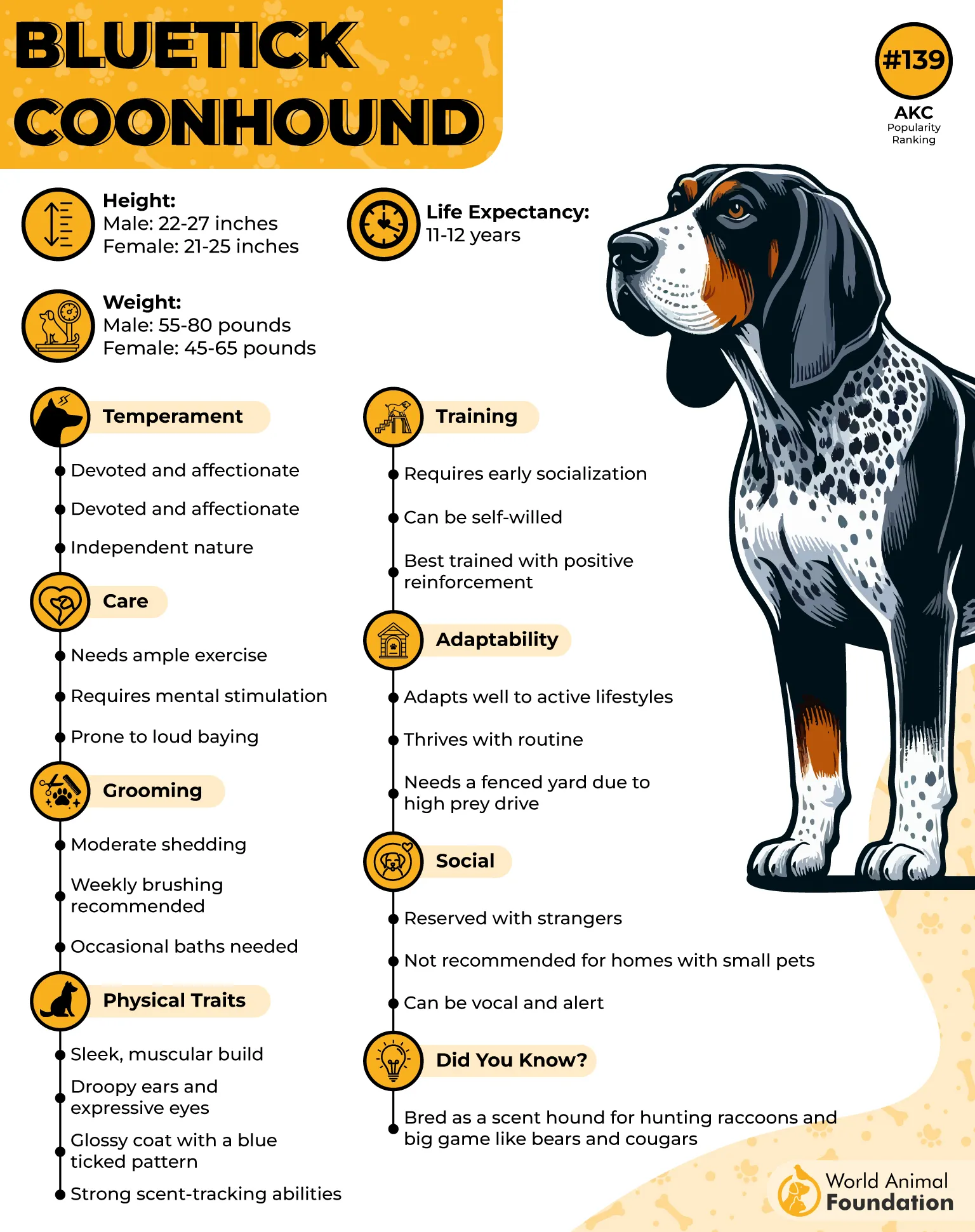
Fun Facts
Endurance is their hallmark; they are willing to travel long distances before giving up on the hunt.
Blueticks are very affectionate with their family, but are relentless hunters in the field.
They are excellent hunters at night because of their keen sense of smell.
Although Bueticks have a sharp sense and are independent thinking dogs, they do well responding to a handler’s commands, unlike some other breeds, and therefore they are reliable hunting dogs regardless of how challenging the hunt may be.
8. English Springer Spaniel
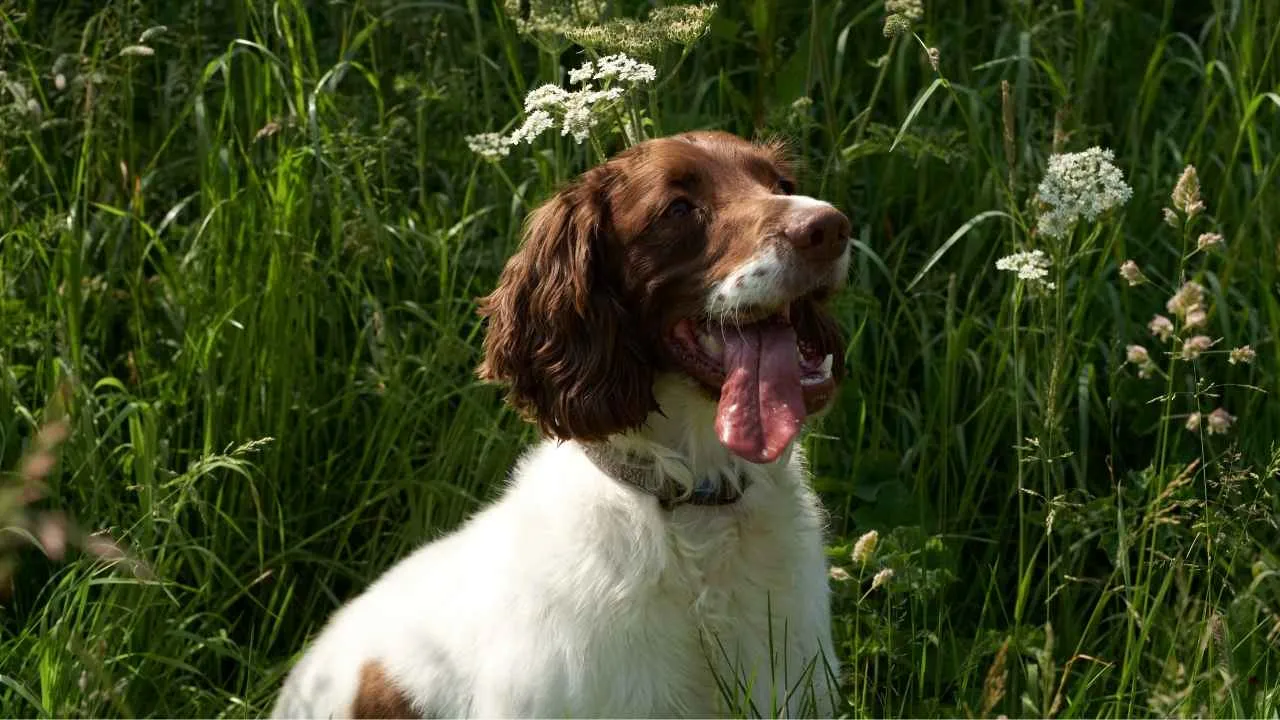
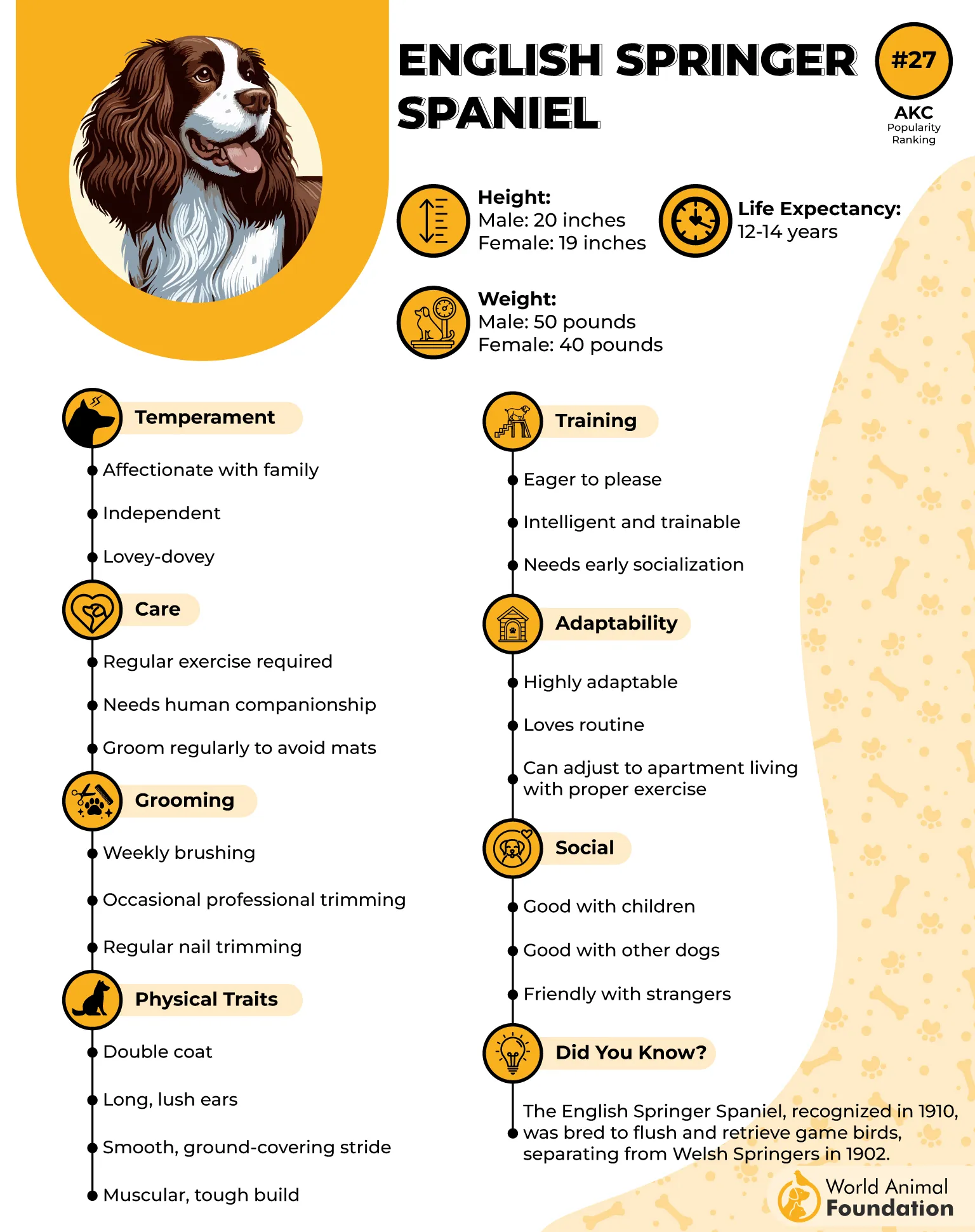
English Springer Spaniels are energetic hunters and make a great family dog that is highly trainable at flushing and retrieving skills, similar to other dogs in the hunting category. They also excel when hunting birds in upland habitats and marshy areas.
Fun Facts
Springers are soft-mouthed retrievers, and therefore very gentle when recovering game.
Happy and smart, they love to work and play.
Springers can work alone, but also be very effective as part of a team.
Springers are agile and can easily navigate rough terrain
VCA reports that because of the versatility of the Springer, hunters in South Carolina wish to have a bird dog that can accomplish several different aspects of hunting trips, particularly upland game.
9. Weimaraner
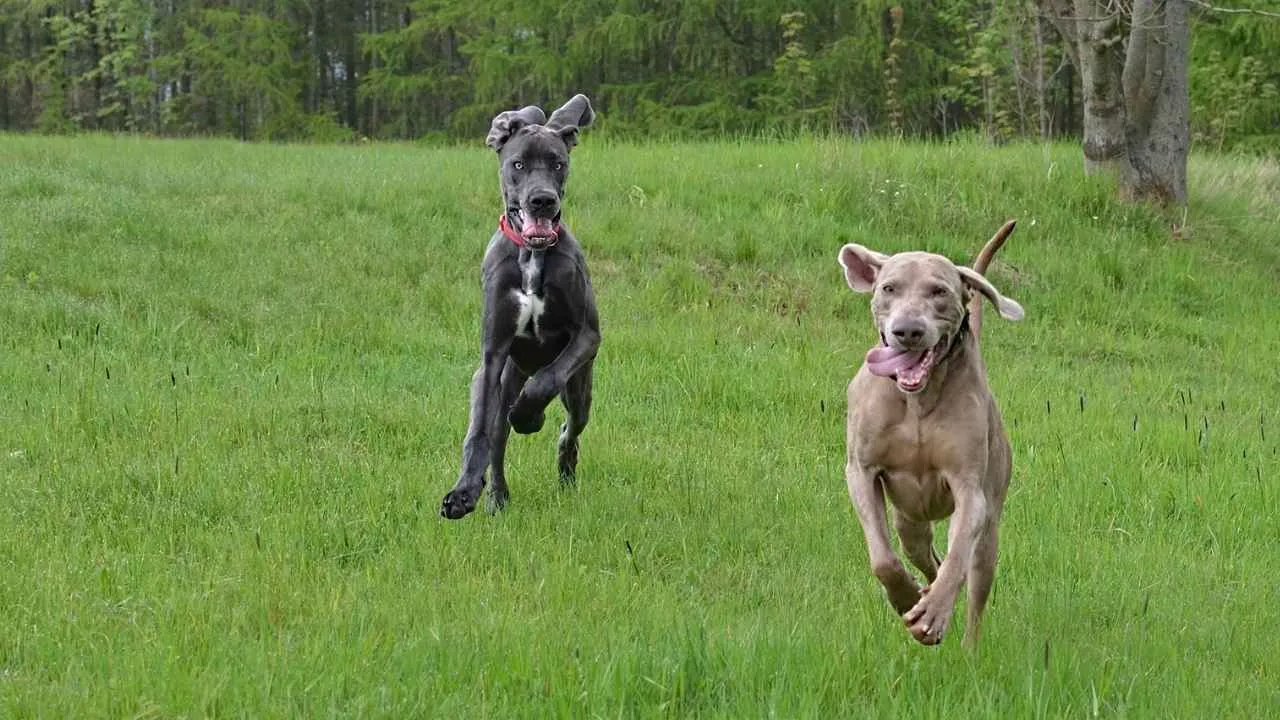
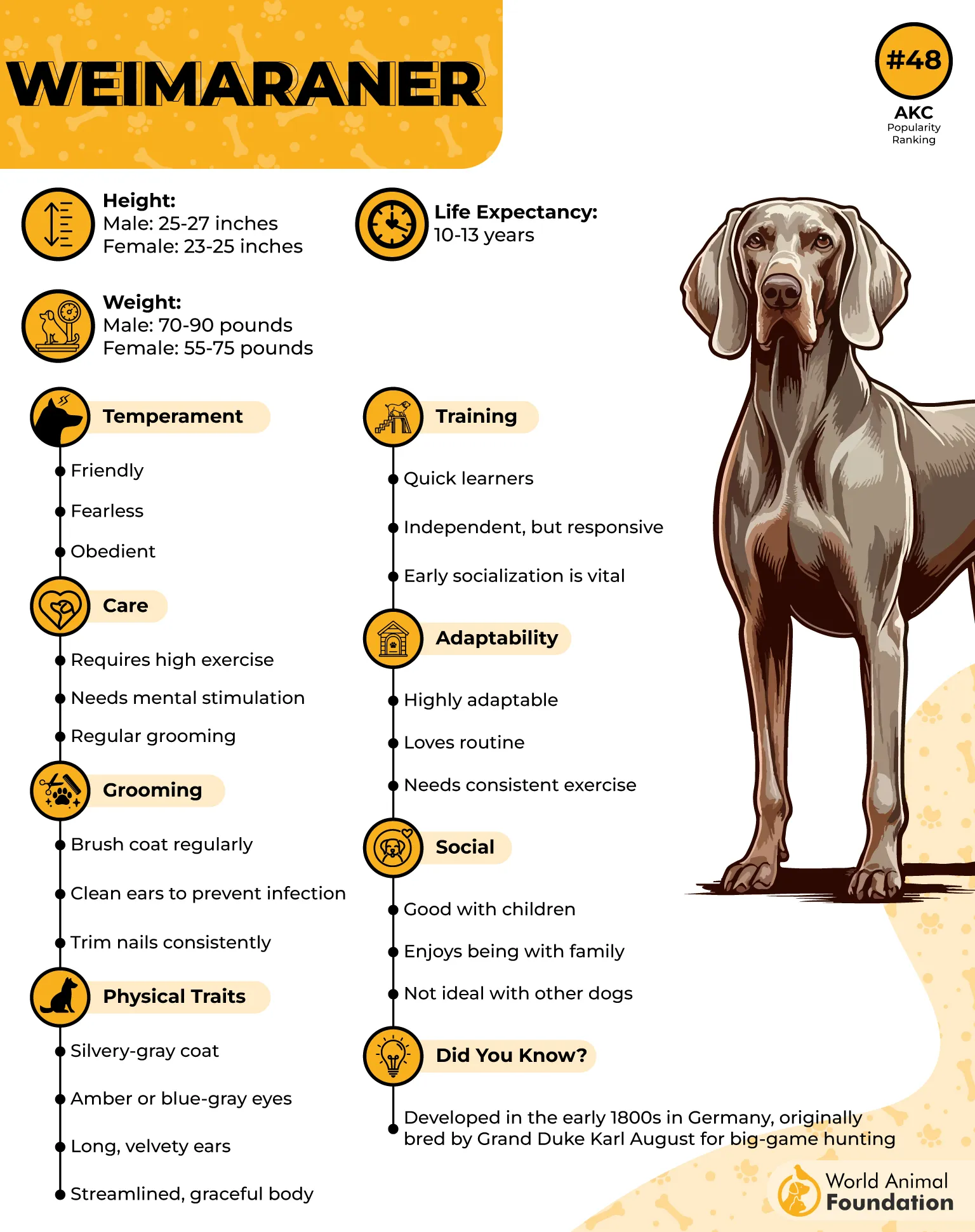
Weimaraners are known as the “Gray Ghost” because of their sleek, fast, and tenacious hunting style, complemented by their weather-resistant coat. In addition, Weimaraners form a very strong prey drive with their handlers and are also excellent at hunting larger game animals.
Fun Facts
Very durable and have the stamina to continue tracking over long distances.
The striking silver-gray coloration makes them instantly recognizable.
They are very intelligent, independent, and loyal companions.
Weimaraners will thrive with an active hunter that provides them with physical and mental challenges daily.
Conclusion
From the Bloodhound’s ability to track based on scent, to the Weimaraner’s speed and endurance, all of these nine breeds offer their own set of hunting and tracking characteristics that would suit the needs of hunters.
A great tracking dog is more than just a hunter; they are a true companion, a partner in adventure, and, with unwavering determination, a direct extension of your hunting instinct in the field.
Regardless of whether you are tracking through dense woods, rugged terrain with wide open fields, or marshy wetlands, these breeds will be able to fulfill your tracking needs and provide you with an efficient and rewarding hunting experience.
Make the right selection, consistently train your tracking dogs with boundless energy, and enjoy the unbreakable bond you will share with a dog that was bred to hunt.
