




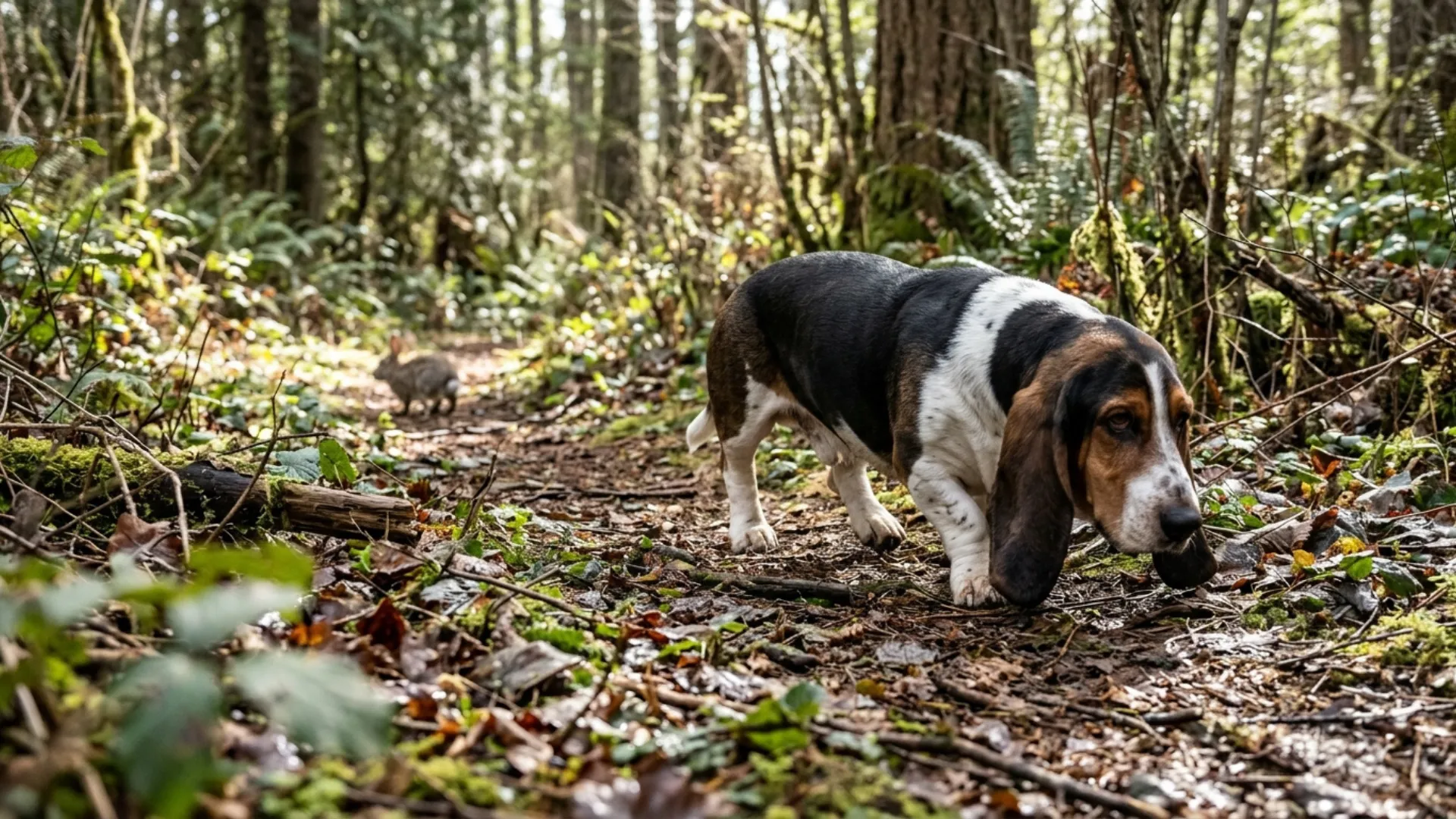
Tracking and recovering game requires dogs with exceptional scenting ability, persistence, stamina, and a willingness to work closely with their handlers. Whether following a wounded animal through dense woodland or locating game across open terrain, these dogs use their instincts to help hunters find animals more efficiently.
However, different breeds specialize in different tracking tasks. Some combine scenting ability with versatile hunting skills, while others excel at following ground trails over long distances or pursuing particular types of game. Training, reliable recall, physical conditioning, and responsible handling all contribute to effective performance in the field.
From versatile sporting dogs to determined scent hounds, the following seven breeds are recognized for their tracking abilities and hunting heritage. Each brings distinctive strengths to game recovery, depending on the terrain, quarry, and working conditions.
Best Dog Breeds For Tracking and Recovering Game
1. German Shorthaired Pointer
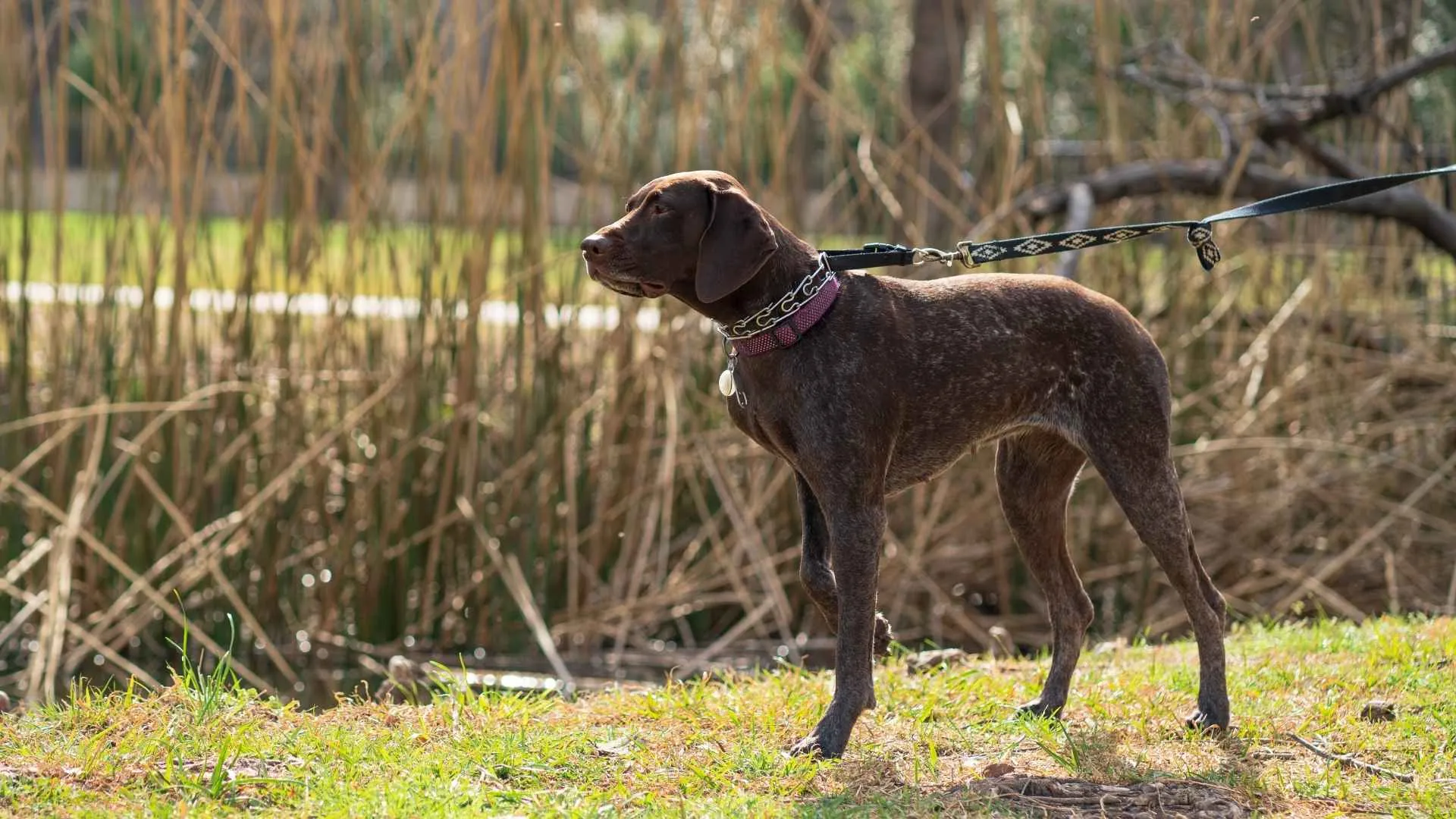
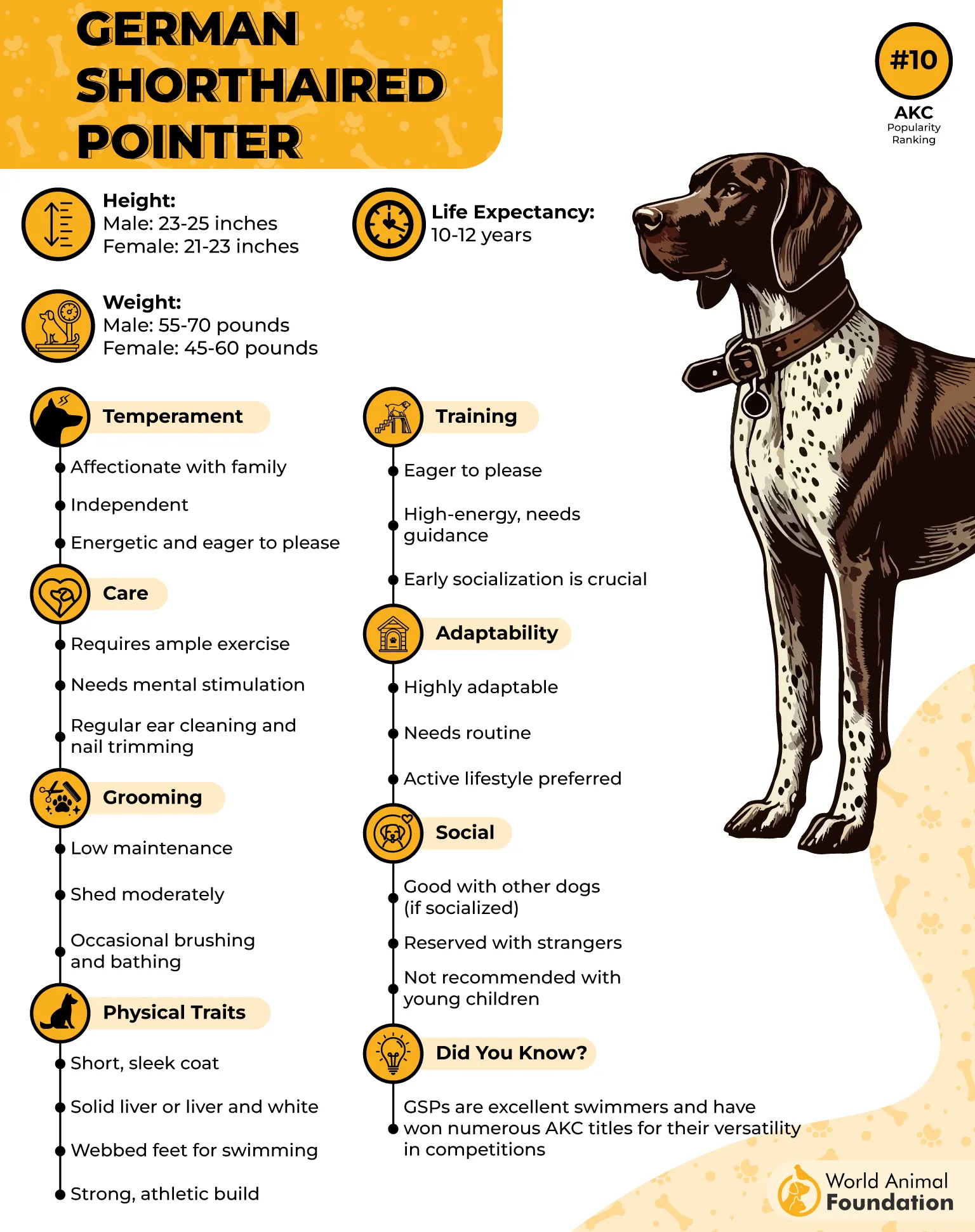
The German Shorthaired Pointer is energetic, intelligent, alert, and eager to work. Its versatility allows it to combine scent detection, pointing, retrieving, and tracking rather than focusing on a single hunting task. These dogs often form strong partnerships with their handlers, but their high activity levels and need for mental stimulation require consistent training and regular outdoor exercise.
Developed as a Versatile German Hunting Dog
The German Shorthaired Pointer was developed in Germany during the 19th century to meet hunters’ demand for an adaptable sporting dog. Breeders combined different hunting-dog lineages to produce a versatile companion capable of locating game, pointing birds, and retrieving on land and in water. Its working heritage emphasized intelligence, endurance, and cooperation.
Combining Scent Work With Game Recovery
The breed’s keen nose, athletic build, and ability to work across varied terrain make it useful for tracking and locating game. German Shorthaired Pointers can learn to follow scent trails, search systematically, and retrieve game to their handlers, as noted by the AKC.
Structured tracking exercises and reward-based training help develop accuracy while preventing their enthusiasm from turning into uncontrolled chasing.
2. Plott Hound
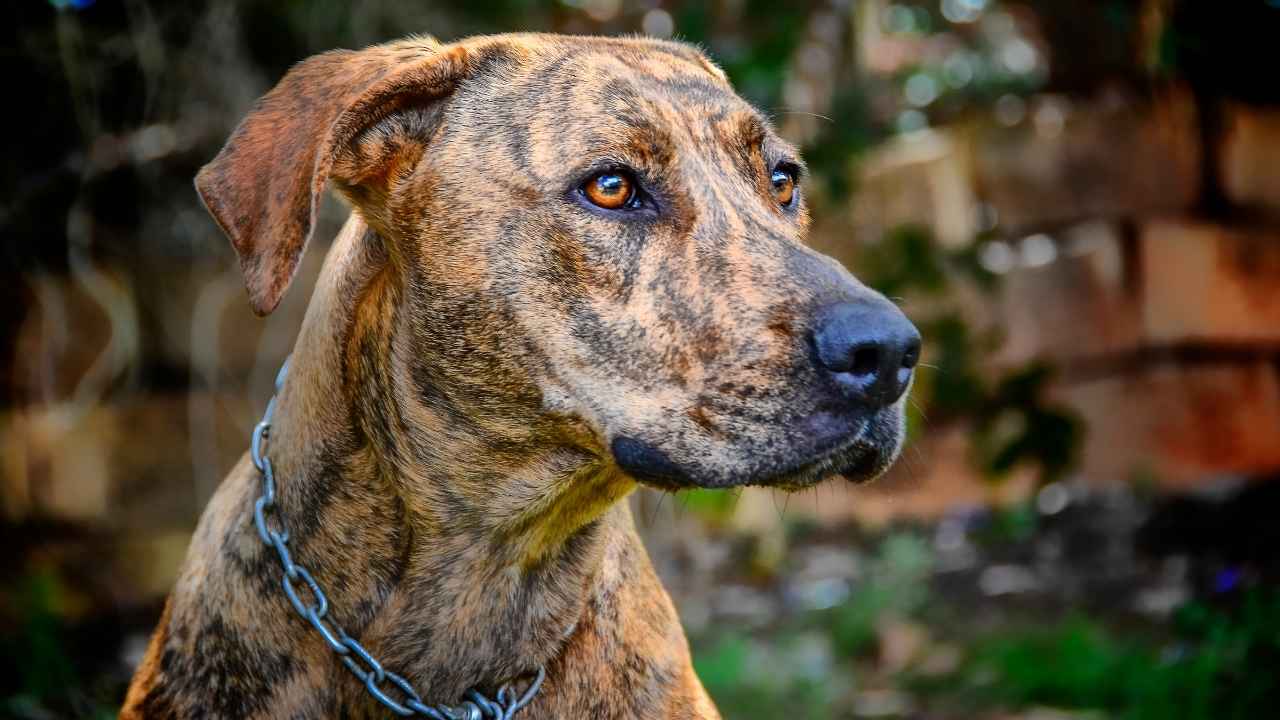
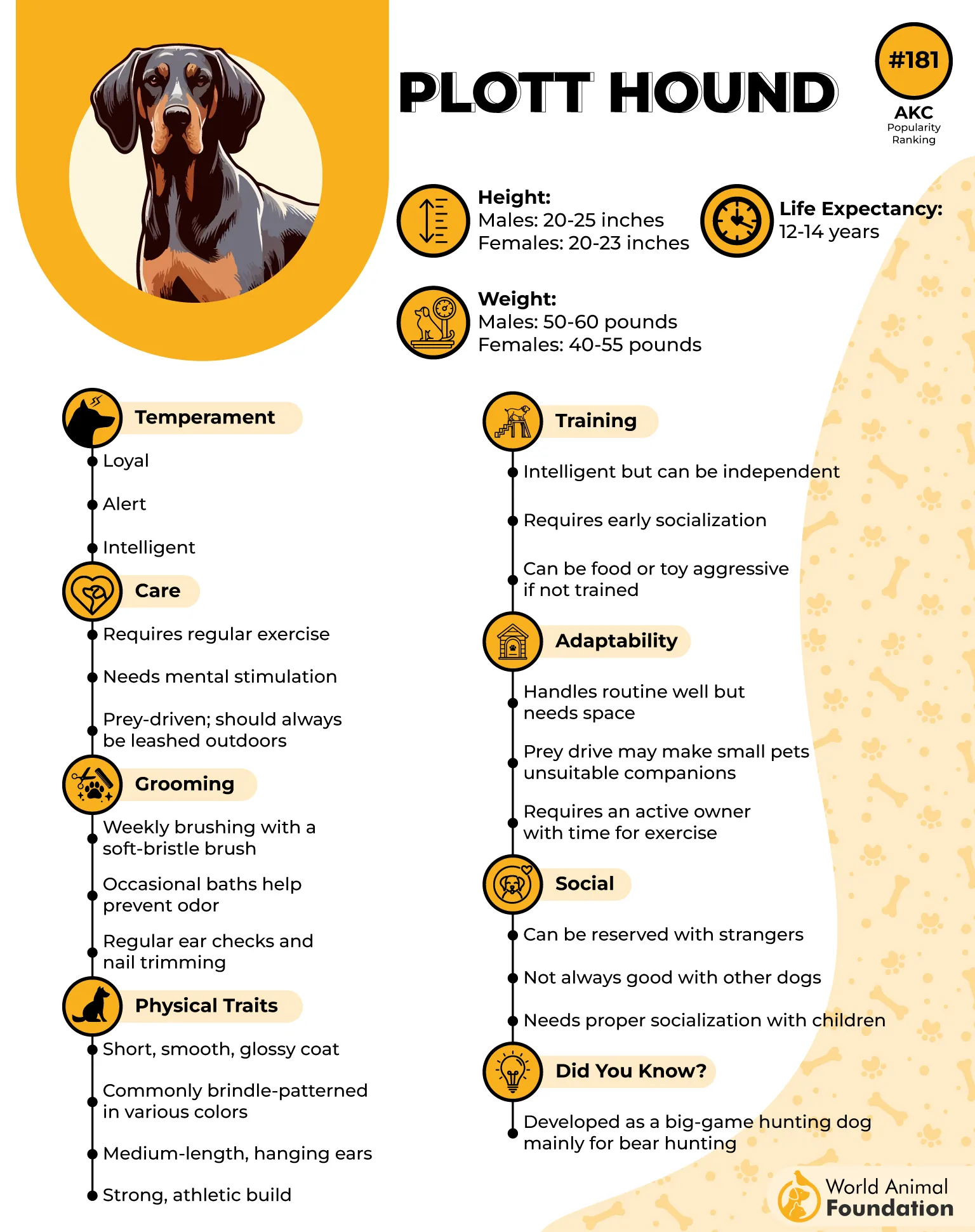
The Plott Hound is determined, courageous, and persistent, with a strong instinct to follow challenging scent trails. It can remain focused while working through thick vegetation and rugged terrain, making it valuable for demanding tracking tasks. Its independent nature and powerful voice reflect its hound heritage, so handlers benefit from patient training and dependable control.
A Distinctive American Hound With German Ancestry
The Plott Hound traces its history to German hunting dogs brought to North America by Johannes Plott’s family in the 18th century. Developed in the Appalachian region, the breed became associated with hunting large game, particularly bears and wild boar, as per WebMD. Generations of working selection strengthened its endurance, determination, and ability to follow scent through difficult landscapes.
Persistence on Difficult Trails
The Plott Hound’s strong nose, muscular frame, and stamina help it follow ground scent over long distances. Its ability to work through forested hills and dense cover can be especially useful when locating game in challenging terrain.
Consistent tracking practice, controlled exposure to distractions, and a reliable recall are important for directing its persistence toward productive and responsible hunting work.
3. Bluetick Coonhound
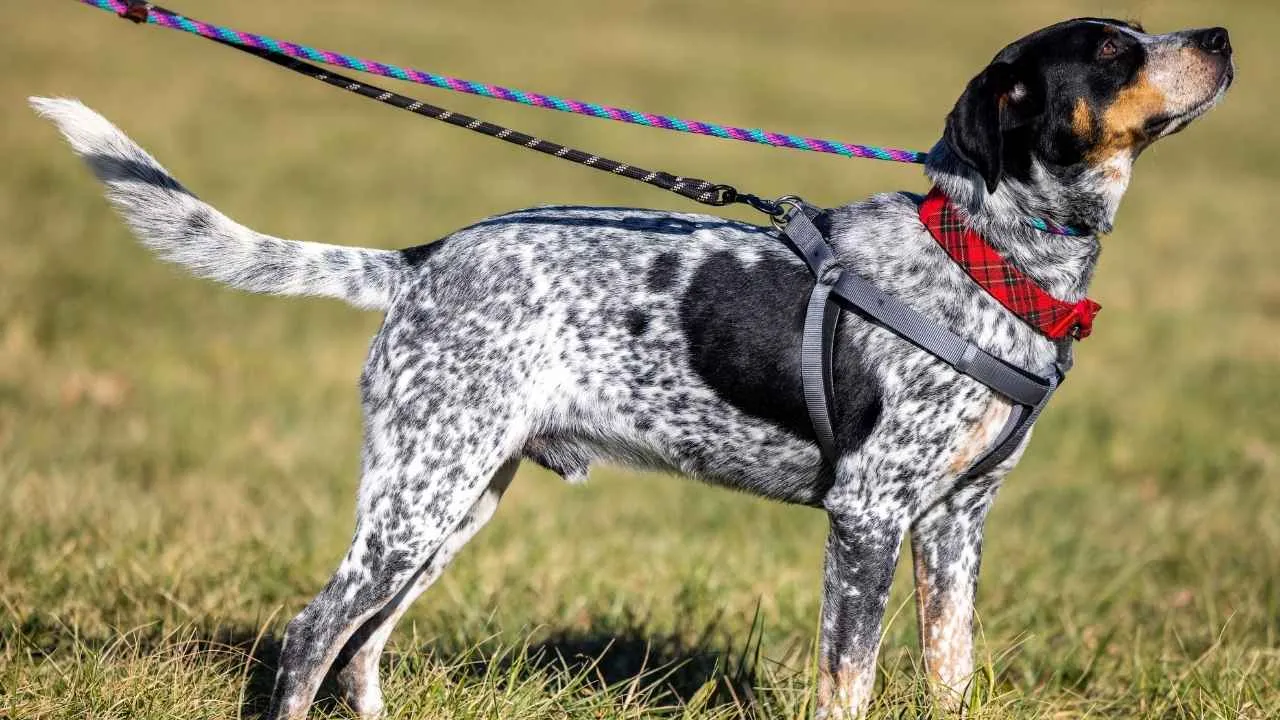
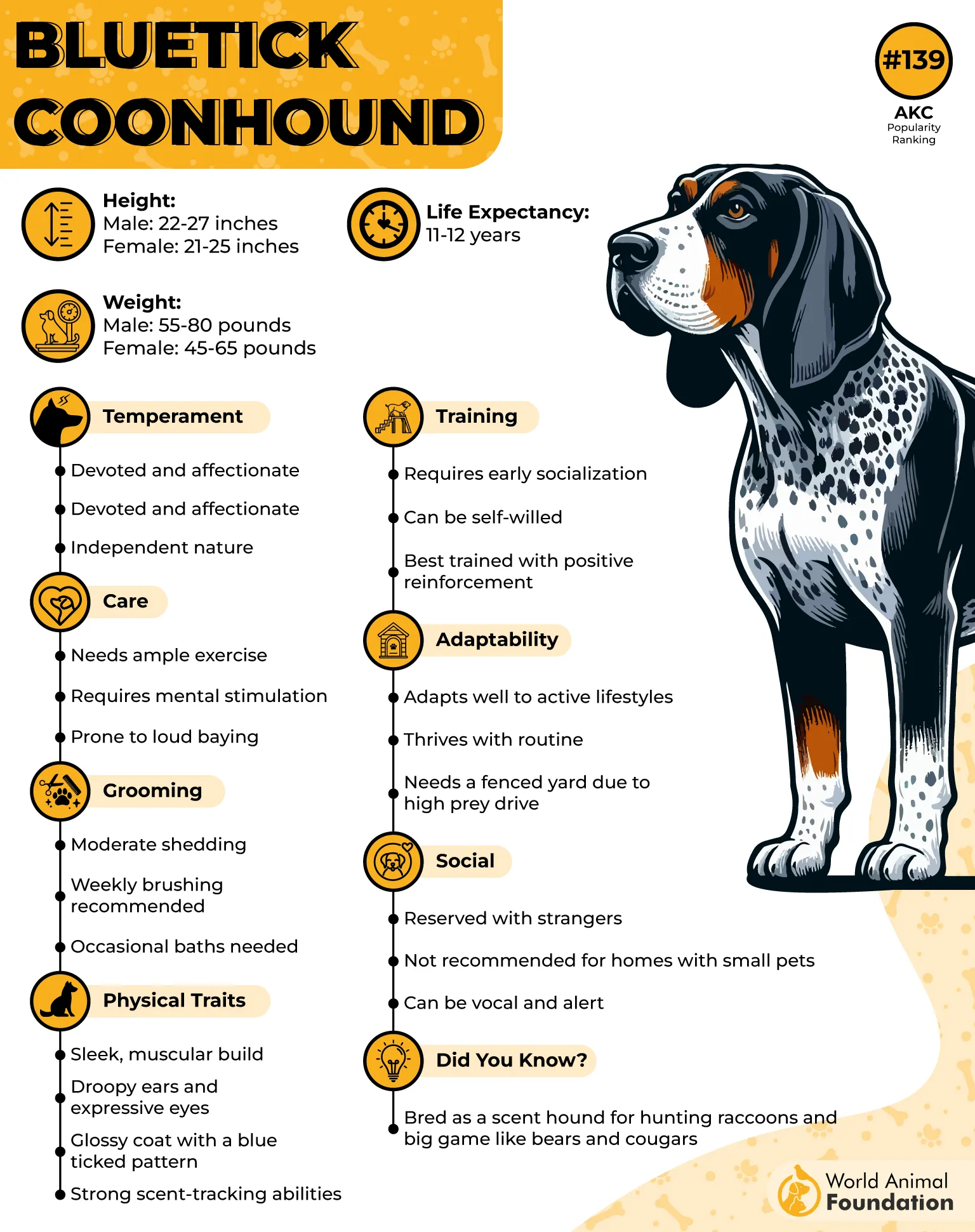
The Bluetick Coonhound is persistent, vocal, and highly scent-driven. It tends to investigate trails methodically and may continue following an interesting scent long after other distractions have faded. Its independence can be an asset in the field, although owners need patience, secure handling, and training that encourages the dog to remain responsive while working.
Southern American Roots in Coon Hunting
The Bluetick Coonhound developed in the United States from scent hounds influenced by French hound ancestry and other American hunting dogs. Selective breeding emphasized a cold nose, endurance, and the ability to trail raccoons through forests and varied terrain. Its distinctive blue-speckled coat and resonant voice have become recognizable features of the breed.
Following Faint Scents Through Dense Cover
Bluetick Coonhounds are valued for their ability to follow scent trails that may be difficult for less specialized dogs to detect. Their stamina helps them work through wooded areas, while their vocalizations can help hunters locate them during a trail. Training should develop scent discrimination, responsiveness to recall, and the ability to work safely without disturbing non-target wildlife.
4. Basset Hound
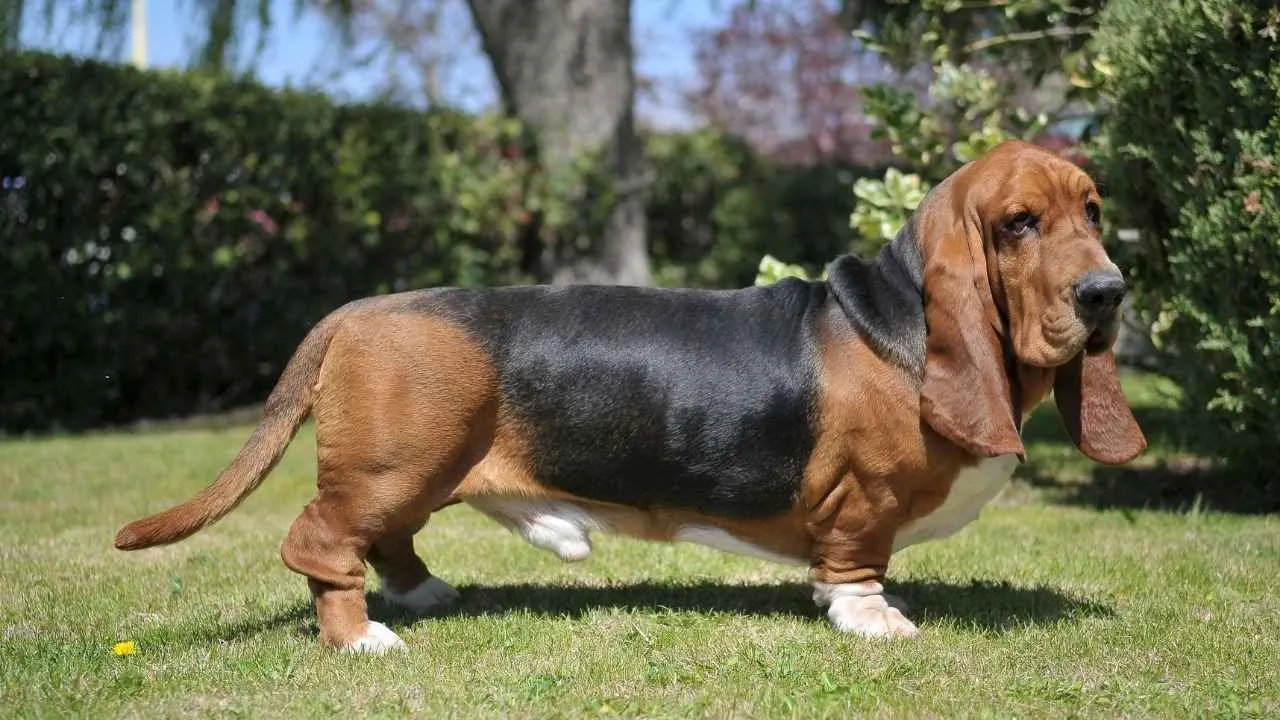
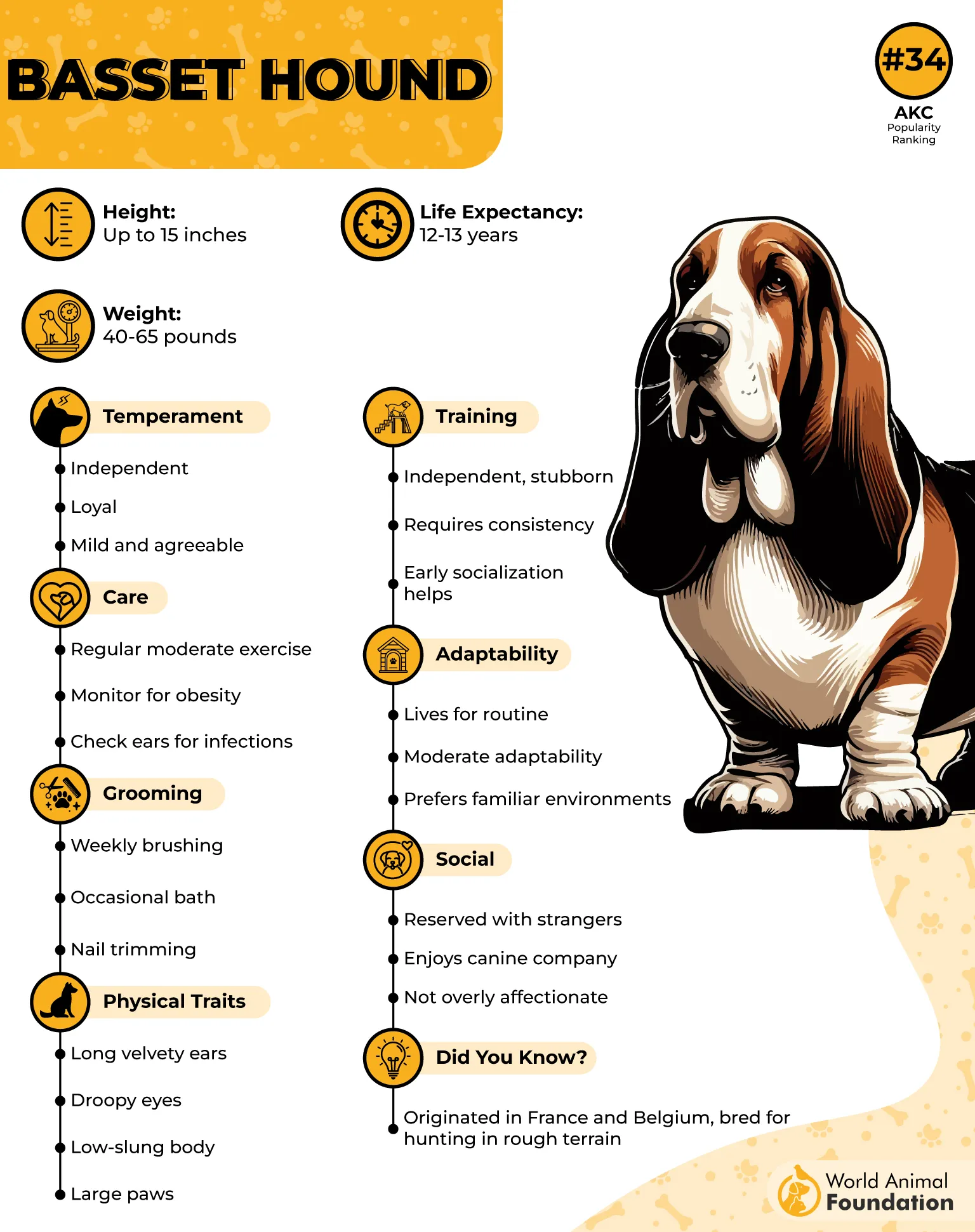
The Basset Hound is calm, patient, and remarkably persistent when following a scent. Its low-set body places its nose close to the ground, while its methodical approach allows it to investigate trails without rushing. Although it is often relaxed at home, its tracking instincts can become intense outdoors, and its independent temperament makes consistent recall training important.
French Scent-Hound Ancestry
The Basset Hound developed from short-legged French scent hounds traditionally used to track rabbits and other small game. The breed became established in Britain and later gained popularity in North America. Its long ears, loose skin, and sturdy frame are distinctive features associated with its history as a deliberate, ground-scenting hunting dog.
Slow, Deliberate Tracking With a Powerful Nose
Basset Hounds excel at following ground-level scent trails at a steady pace, making them useful for certain small-game tracking tasks. Their persistence can help them work through brush and uneven ground, although their short legs may limit speed over particularly rugged terrain. Moderate conditioning, paw care, and controlled leash work help support safe and productive tracking sessions.
5. American Foxhound
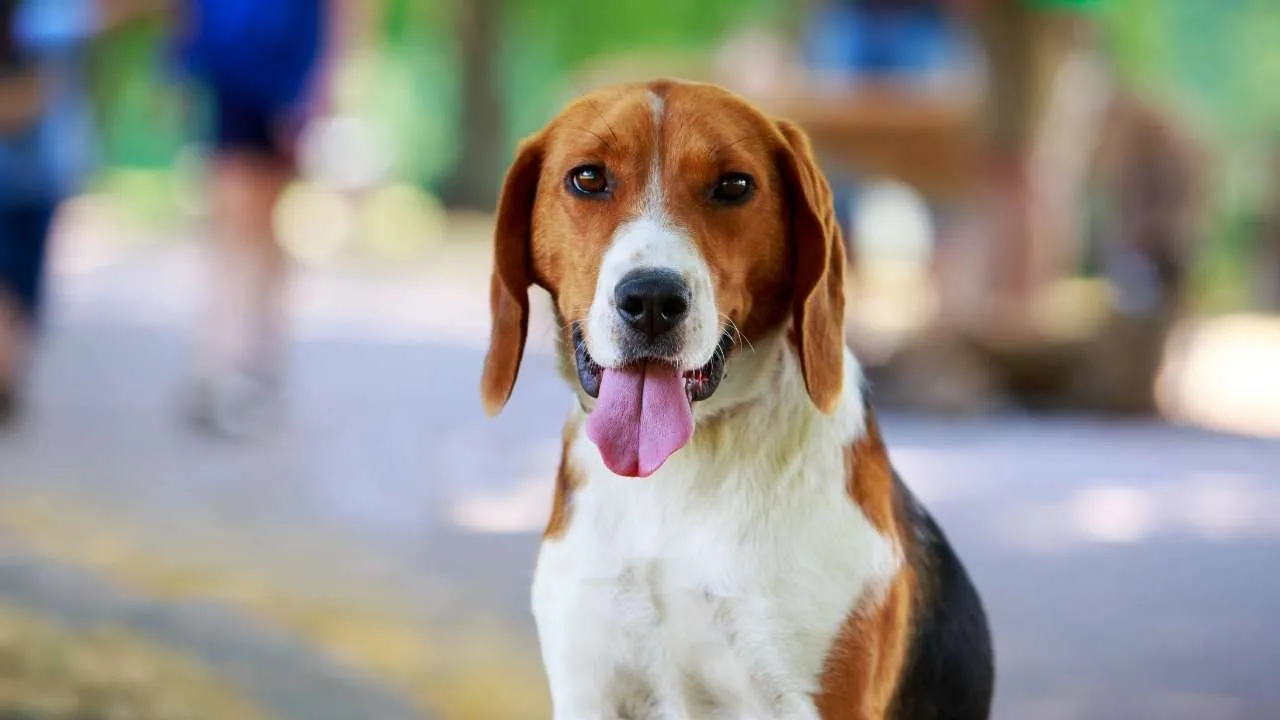
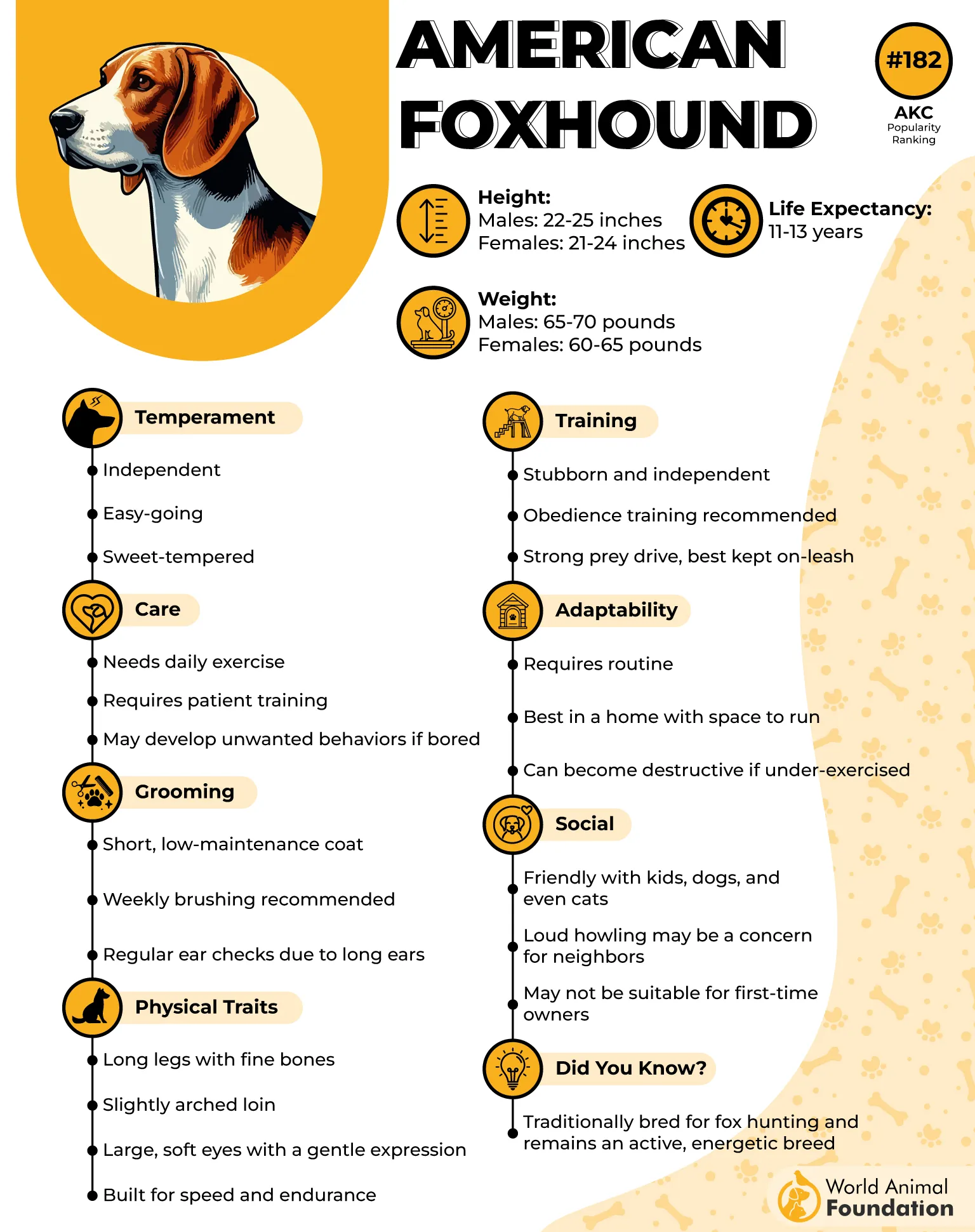
The American Foxhound is athletic, independent, and exceptionally enduring. Bred to follow scent over considerable distances, it often displays remarkable persistence when a trail captures its attention. Its sociable nature can suit group hunting environments, but its strong prey drive and tendency to range widely make secure handling and reliable recall especially important.
Developed for Hunting Across American Countryside
The American Foxhound developed in the United States from English and other European foxhound lines. Breeders adapted these strong dogs to local hunting conditions, emphasizing speed, stamina, and the ability to follow foxes across extensive countryside. The breed became closely associated with organized fox hunting and the demands of long-distance pursuit.
Endurance for Extended Tracking Work
The American Foxhound’s lean, athletic build and powerful scenting ability support sustained tracking across open fields, woodland, and rolling terrain. Its endurance makes it particularly suited to long trails rather than short, confined searches. Regular conditioning, structured scent training, and reliable control help ensure that its natural drive remains manageable during fieldwork.
6. Black and Tan Coonhound
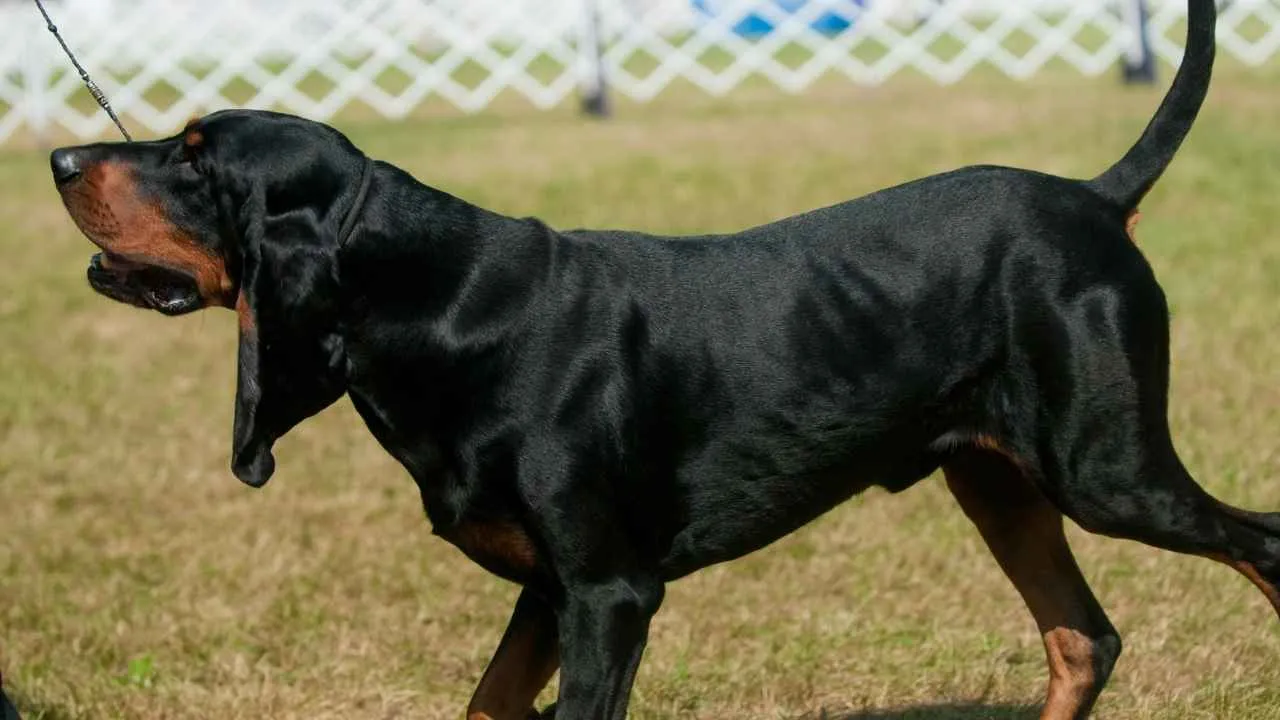
The Black and Tan Coonhound is confident, steady, and strongly motivated by scent. It often approaches a trail with persistence and may use its distinctive voice to communicate while following it. These dogs are generally affectionate with their families, but their powerful noses can make them single-minded outdoors, requiring consistent training and careful supervision.
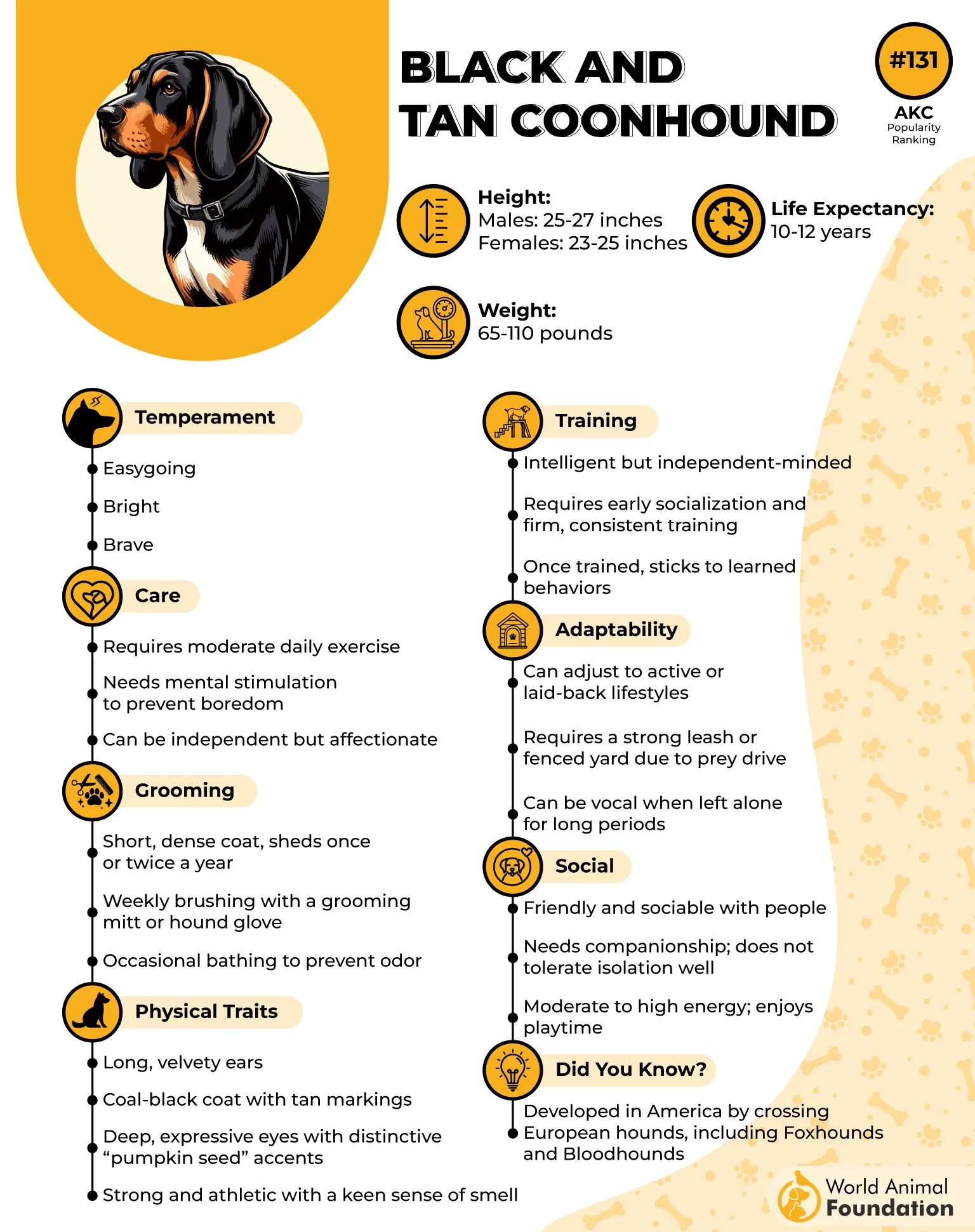
An American Hound Developed for Night Hunting
The Black and Tan Coonhound was developed in the United States from bloodhound and foxhound ancestry, among other influences. Hunters selected dogs capable of tracking raccoons and other game through forests, including during nighttime hunts, as per Purina. Its scenting ability, endurance, and characteristic black-and-tan markings distinguish it from other coonhound breeds.
Tracking Through Woodland and Challenging Terrain
This breed’s long ears, strong nose, and substantial stamina help it follow scent trails through thick vegetation and uneven woodland. Its persistence is valuable when locating game over extended distances, while its vocalizations can help handlers monitor its progress. Training should emphasize distinguishing target scents, responding to recall, and maintaining safe control in areas containing wildlife or livestock.
7. Treeing Walker Coonhound
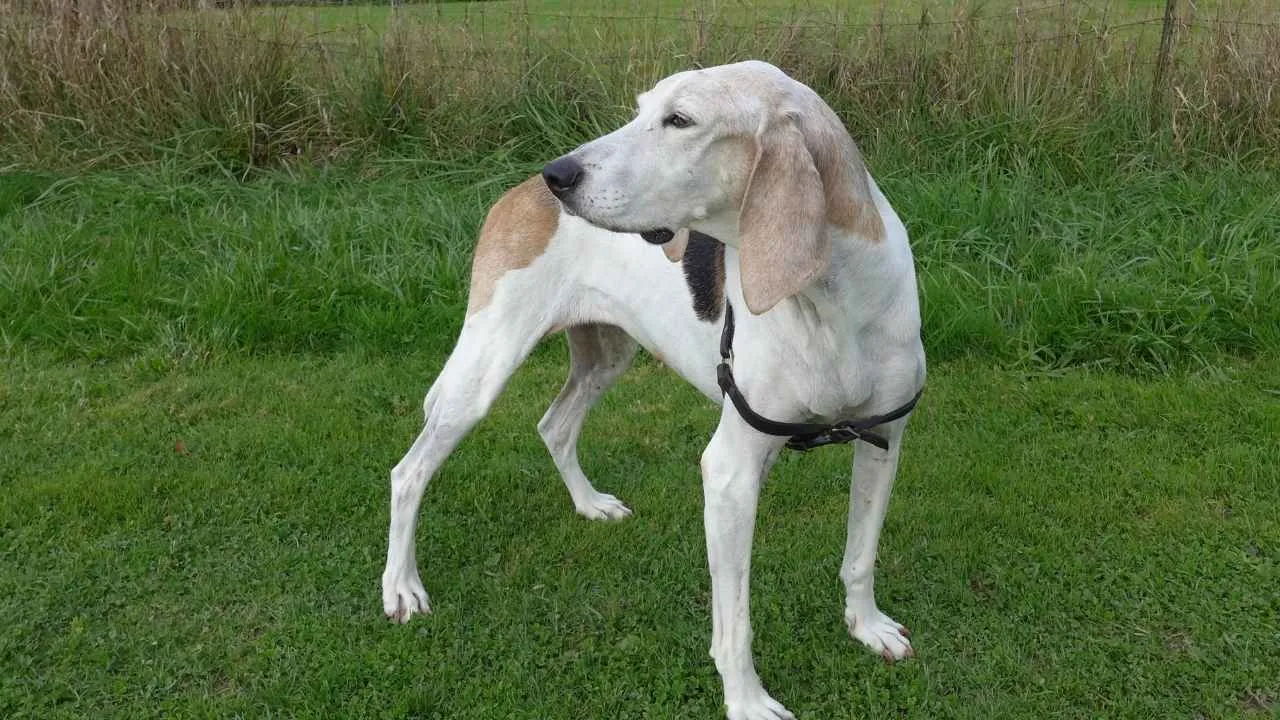
The Treeing Walker Coonhound is energetic, determined, and quick to pursue a fresh scent. It combines an athletic build with a strong hunting drive and is known for locating game and keeping it positioned in a tree until the hunter arrives. Its speed and independence can be impressive in the field, but they make structured training and reliable handling essential.
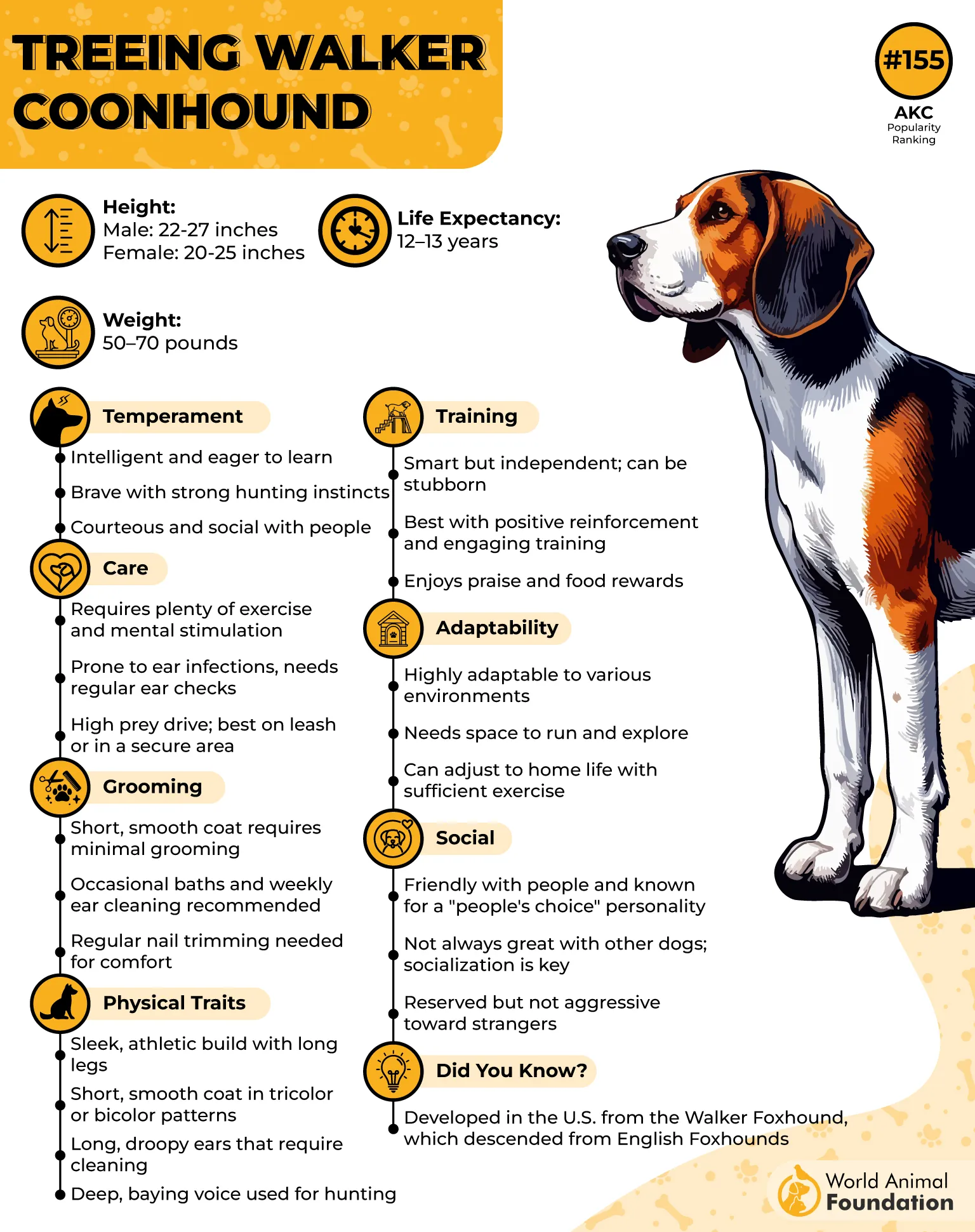
An American Hound With Foxhunting Connections
The Treeing Walker Coonhound developed in the United States from Walker hound lines associated with fox hunting and later specialized coonhound work. Breeders emphasized speed, endurance, and a strong ability to follow trails. The breed became particularly valued for pursuing raccoons and locating them in trees, a working behavior reflected in its name.
Fast Scent Pursuit and Effective Game Location
Treeing Walker Coonhounds are known for covering ground efficiently while following scent trails through wooded areas. Their athleticism and determination make them effective for tracking and locating game, particularly when the task involves sustained pursuit.
Training in scent discrimination, recall, and controlled searching helps channel their enthusiasm into dependable performance while reducing the risk of losing contact with the handler.
Conclusion
All of the above-mentioned dog breeds offer valuable abilities for tracking and recovering game. Their different combinations of scenting skill, stamina, athleticism, and persistence make them suitable for a range of hunting environments and tracking tasks.
However, no single breed is ideal for every situation. A versatile sporting dog may suit handlers who need pointing and retrieving skills alongside tracking, while specialized scent hounds can be better suited to prolonged ground-trailing work. Individual temperament, health, training quality, and terrain all influence real-world performance.
Before selecting a tracking dog, consider the game you intend to pursue, the conditions in which you will work, and the time you can dedicate to training. Prioritize reliable recall, scent discrimination, physical conditioning, and safe handling. When properly trained and responsibly managed, these breeds can become valuable partners in locating and recovering game.
