





Living in a tiny home or condo doesn’t mean you have to miss out on the joy of having a dog. The right companion can bring plenty of love, fun, and personality into even the smallest living space.
While some breeds need large yards to burn off their energy, others are happy to share a cozy apartment with their favorite person.
However, size isn’t the only thing to consider when choosing a dog for a small home. Energy levels, barking habits, temperament, and daily exercise needs all play a role in how well a breed adapts to compact living.
From affectionate lap dogs to playful little companions, there are plenty of breeds that can thrive without much indoor space.
Whether you live in a compact condo or a tiny house, these small dog breeds can help you find a companion who fits your home and lifestyle without making your living space feel crowded.
Best Dog Breeds for Tiny Homes and Condo Dwellers
1. Cavalier King Charles Spaniel
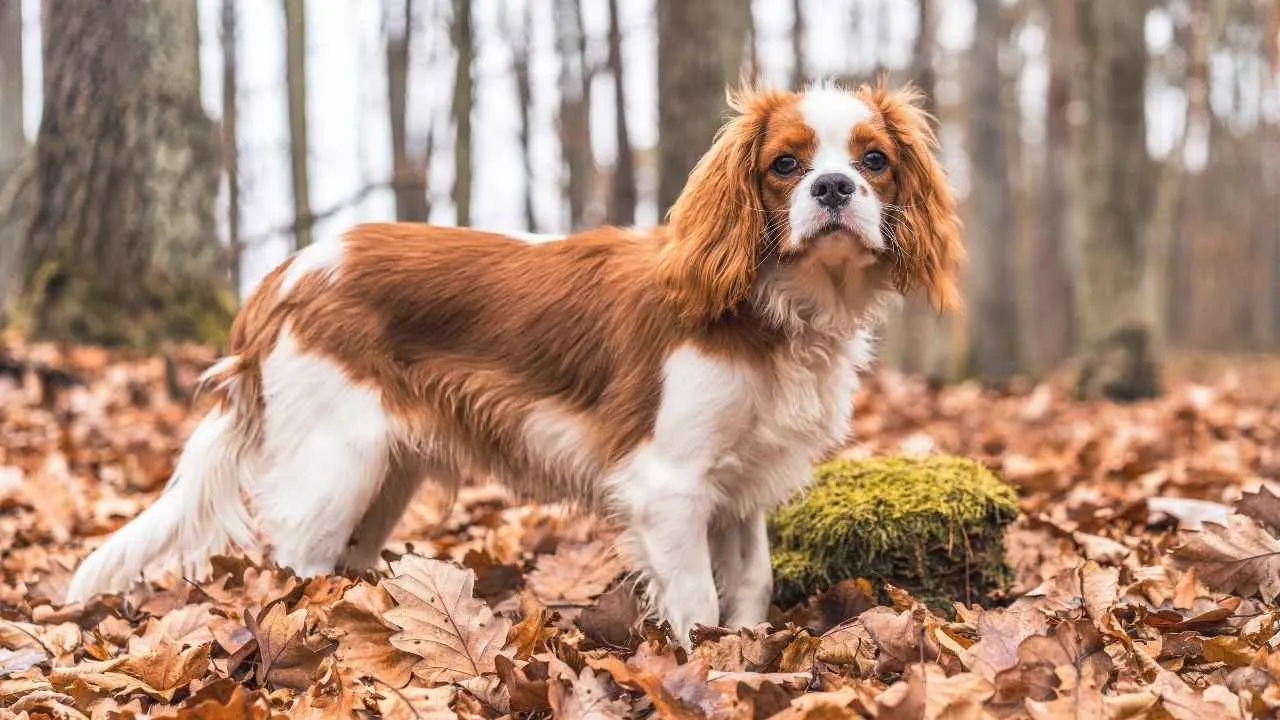
Cavalier King Charles Spaniels are affectionate companion dogs with a gentle nature and a friendly personality. Their history dates back to 17th-century Britain, where King Charles I and his son, Charles II, loved taking these dogs everywhere, even to Parliament.
According to PetMD, they were bred to warm laps in cold castles and during chilly carriage rides. Their loving nature and adaptability make them well suited to different lifestyles.
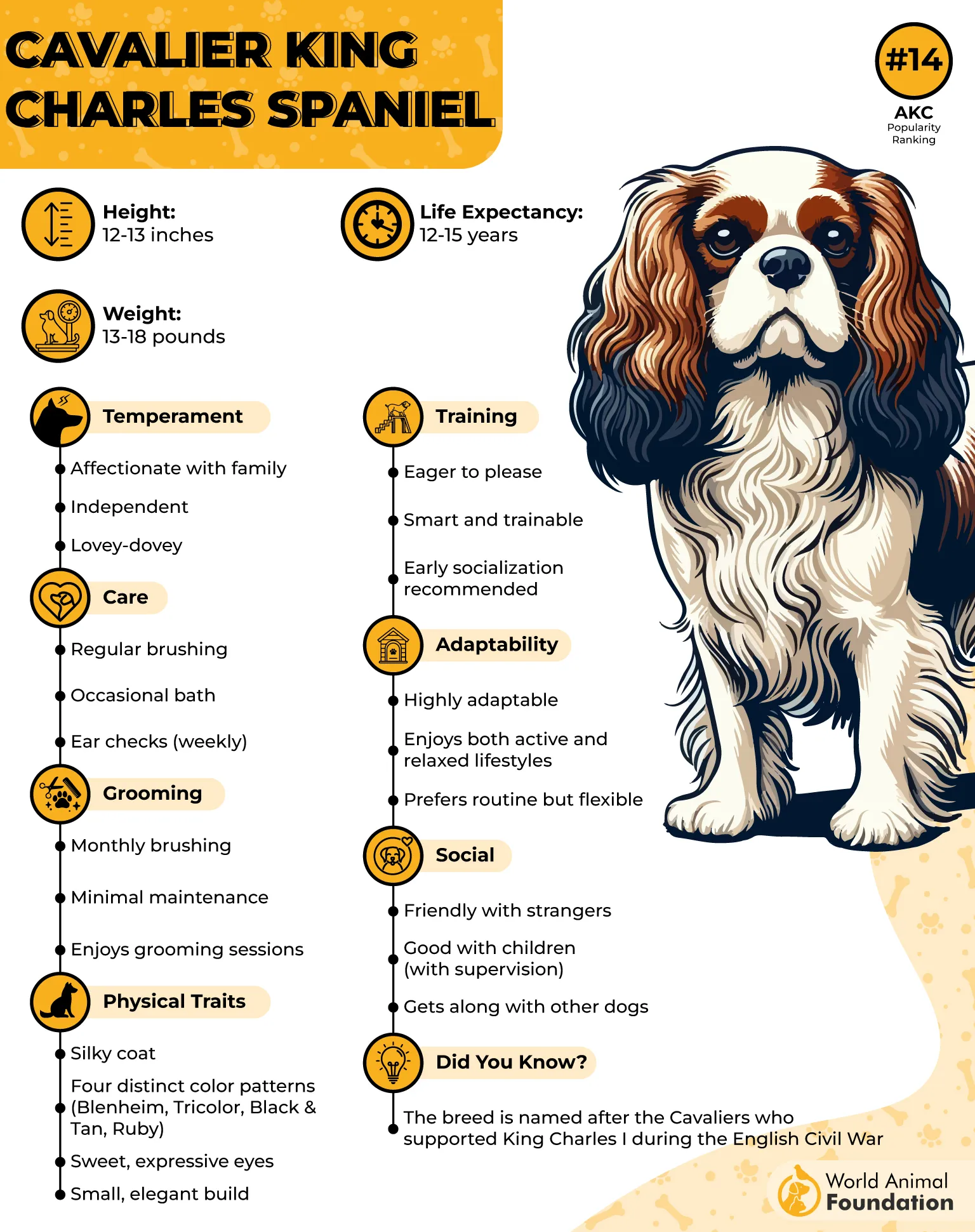
These dogs can be a great fit for tiny homes and condos because they are relatively quiet and calm. They enjoy daily walks and playtime but are equally happy relaxing on the couch or cuddling in their owner’s lap.
Cavaliers also get along well with children, cats, and other dogs. However, they need regular human companionship and should not be left alone for long periods.
Caring for Cavalier King Charles Spaniels
Exercise: Two daily walks of 20–30 minutes, along with playtime, help meet their moderate exercise needs.
Grooming: Their long, silky coats need regular brushing to manage loose hair. Weekly ear and eye checks are also important.
Training and health: Cavaliers are eager to please and respond well to positive reinforcement. They can be prone to inherited health conditions, so routine veterinary care and responsible breeding are important.
2. French Bulldog
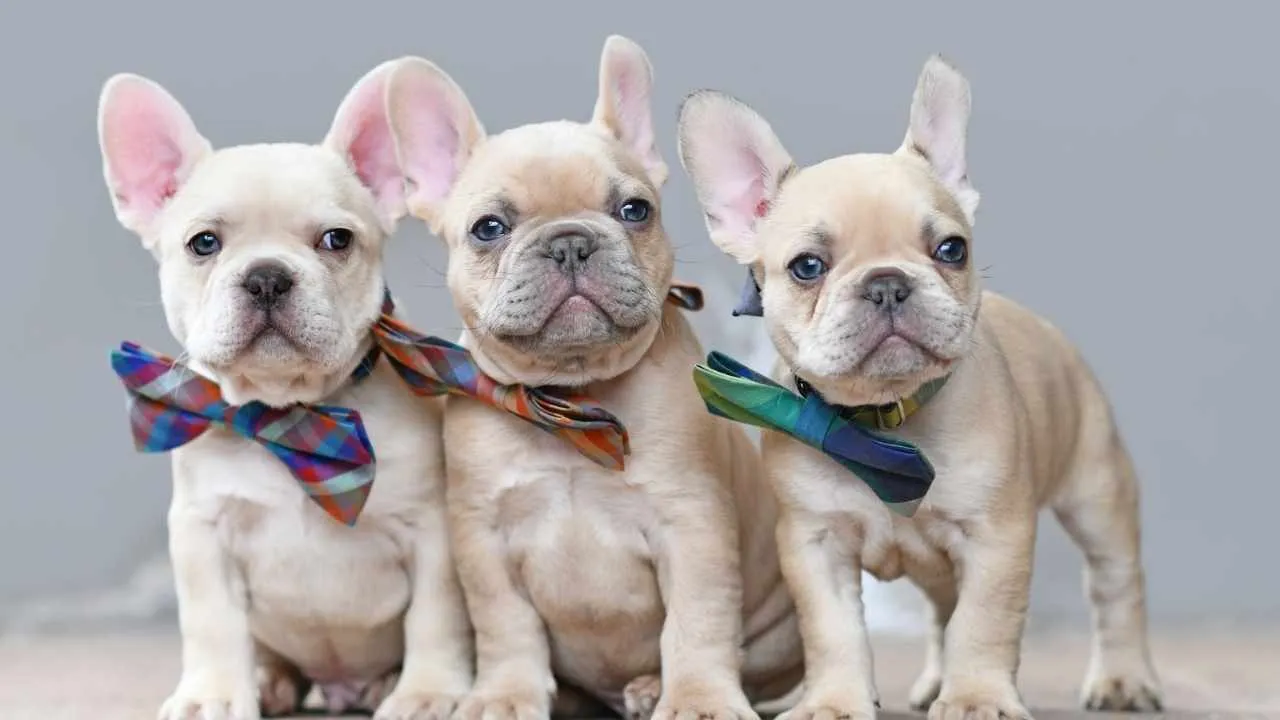
French Bulldogs are playful, affectionate companions known for their large bat-like ears, compact bodies, and distinctive wrinkled faces. Despite their grumpy expressions, these dogs have cheerful personalities and love making people laugh with their funny antics, as noted by the AKC.
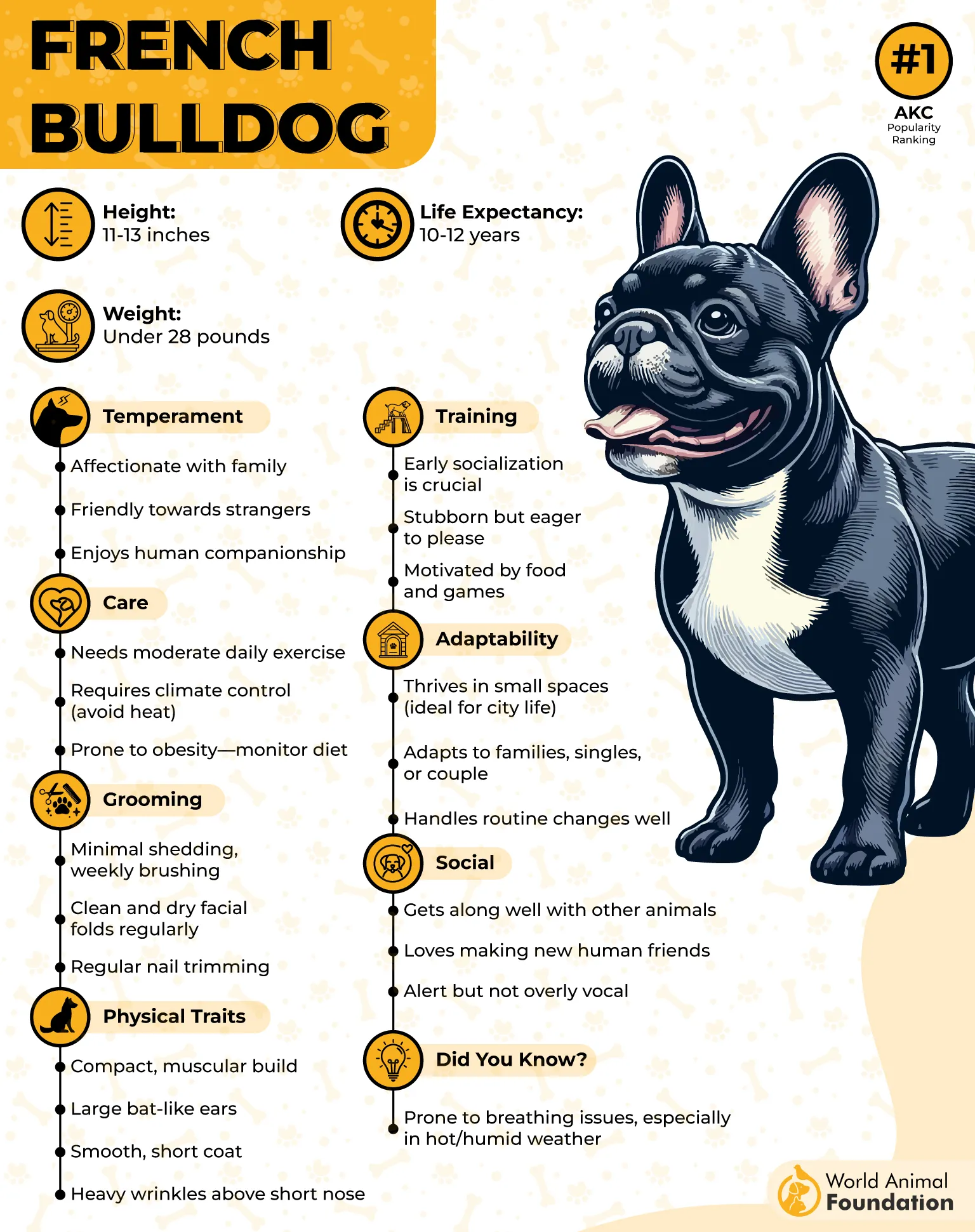
Their popularity among city dwellers comes from their small size, friendly nature, and ability to adapt to different lifestyles. They can be happy living with singles, couples, or families.
They enjoy playing but are equally content napping beside their owners. These dogs usually get along well with children, other pets, and new people. They also bark very little, although their alert nature makes them good watchdogs.
Caring for French Bulldogs
Exercise: Short walks and indoor play can help meet their activity needs. Avoid excessive exercise, especially in hot weather.
Training and socialization: French Bulldogs can be stubborn, so training requires patience. Early socialization helps them feel comfortable around people and other animals.
Companionship: These dogs form strong bonds with their owners and thrive on family interaction. They are best suited to companionship rather than protection work.
3. Shih Tzu
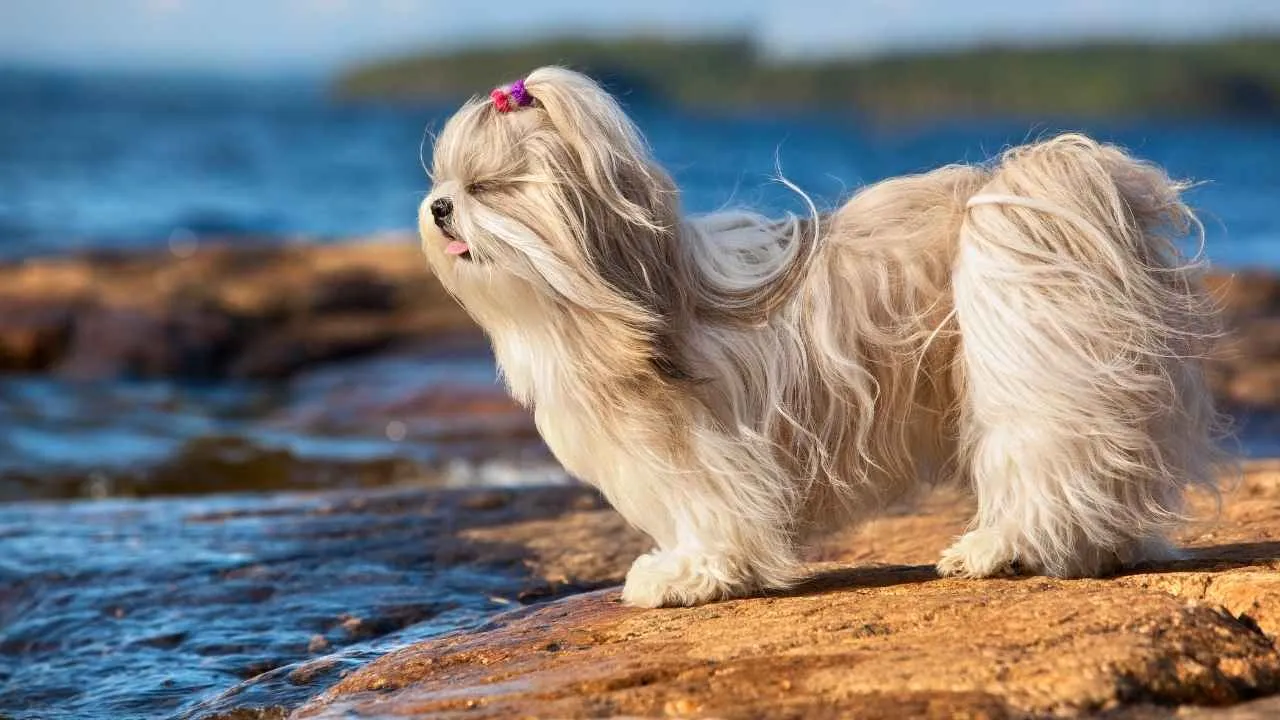
Shih Tzus are cheerful, affectionate companion dogs known for their sweet expressions, big dark eyes, and long, flowing coats. This ancient Tibetan toy breed was once kept by royal families and bred to be a loving indoor companion.
Their name means “lion dog,” and their playful nature often brings plenty of fun and mischief into a home. They are friendly, outgoing, and enjoy spending time with their families.
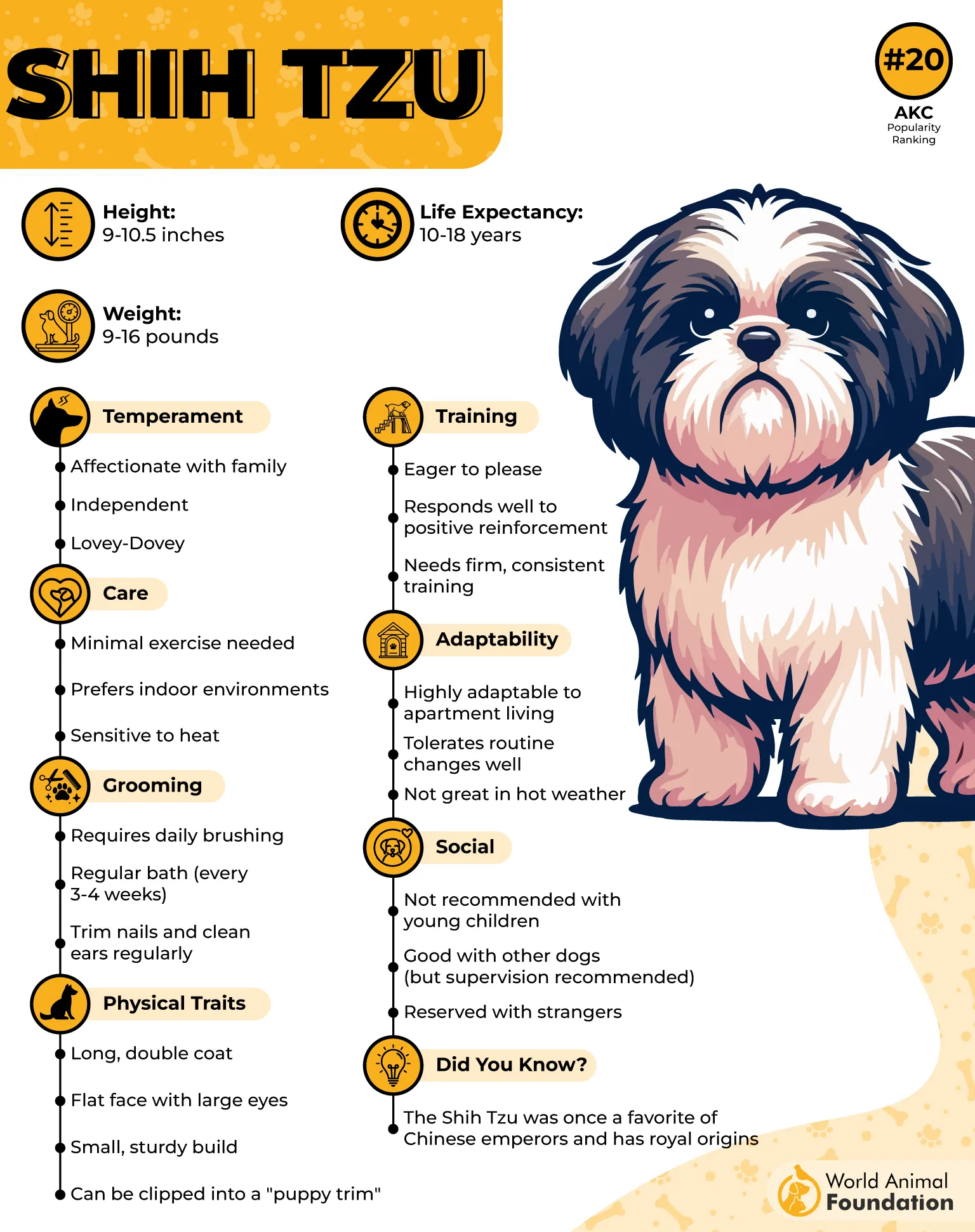
Shih Tzus are well suited to tiny homes and condos because they are comfortable living indoors and do not need a large backyard. They enjoy sitting on their owner’s lap just as much as playing around the house.
These dogs usually get along well with children, strangers, and other pets, making them suitable for many households. They can be energetic and alert, but a daily walk and indoor playtime often meet their exercise needs. They also make adequate watchdogs, though they are not suited to protection work.
Caring for Shih Tzus
Exercise: A 30-minute walk and indoor playtime can help keep them active. A harness is preferable to attaching a leash to their collar because of their anatomy.
Grooming: Their beautiful coats need regular grooming to stay in good condition.
Training and socialization: Shih Tzus can be slow to obey, but they learn quickly when cooperative. Early socialization helps them feel comfortable around people and other animals.
4. Havanese
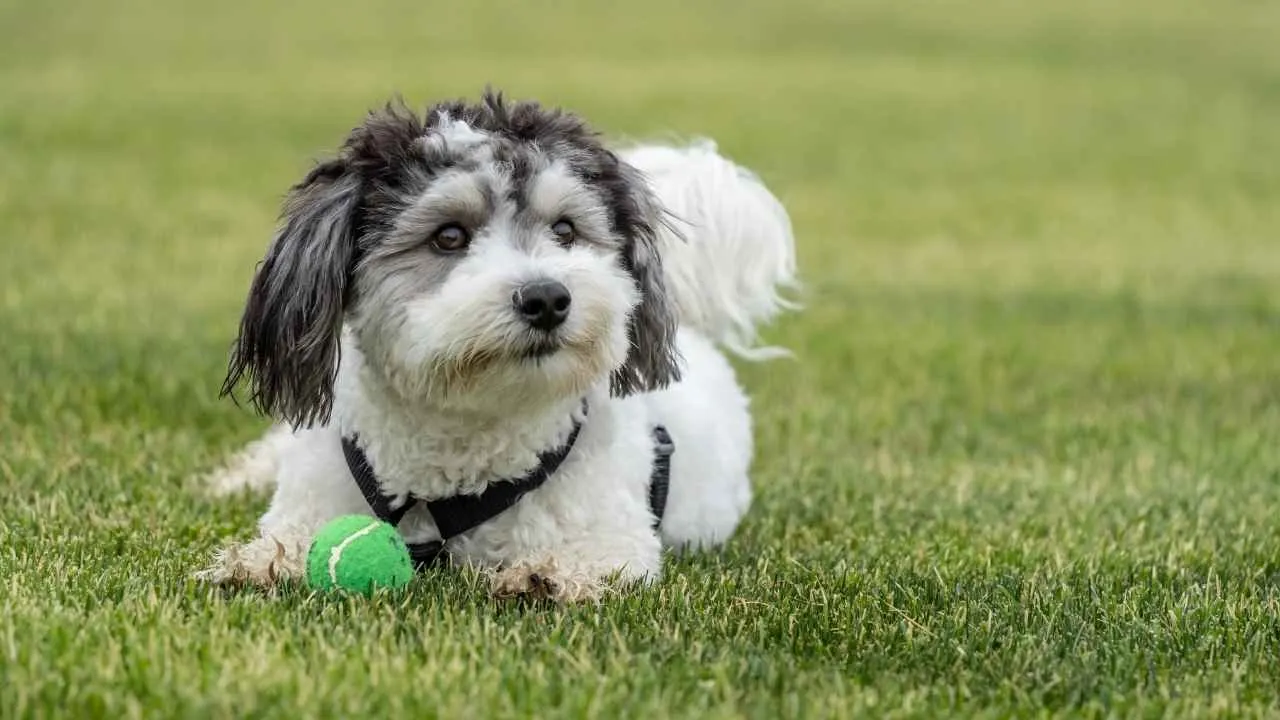
Havanese dogs are cheerful, playful companions known for their silky coats, curled tails, and bright brown eyes. They are the only dog breed native to Cuba, where their ancestors arrived from Spain in the 1600s.
These small but sturdy dogs have lively personalities and love being the center of attention. They are intelligent, entertaining, and quick to learn tricks, making them delightful companions for people of different ages.
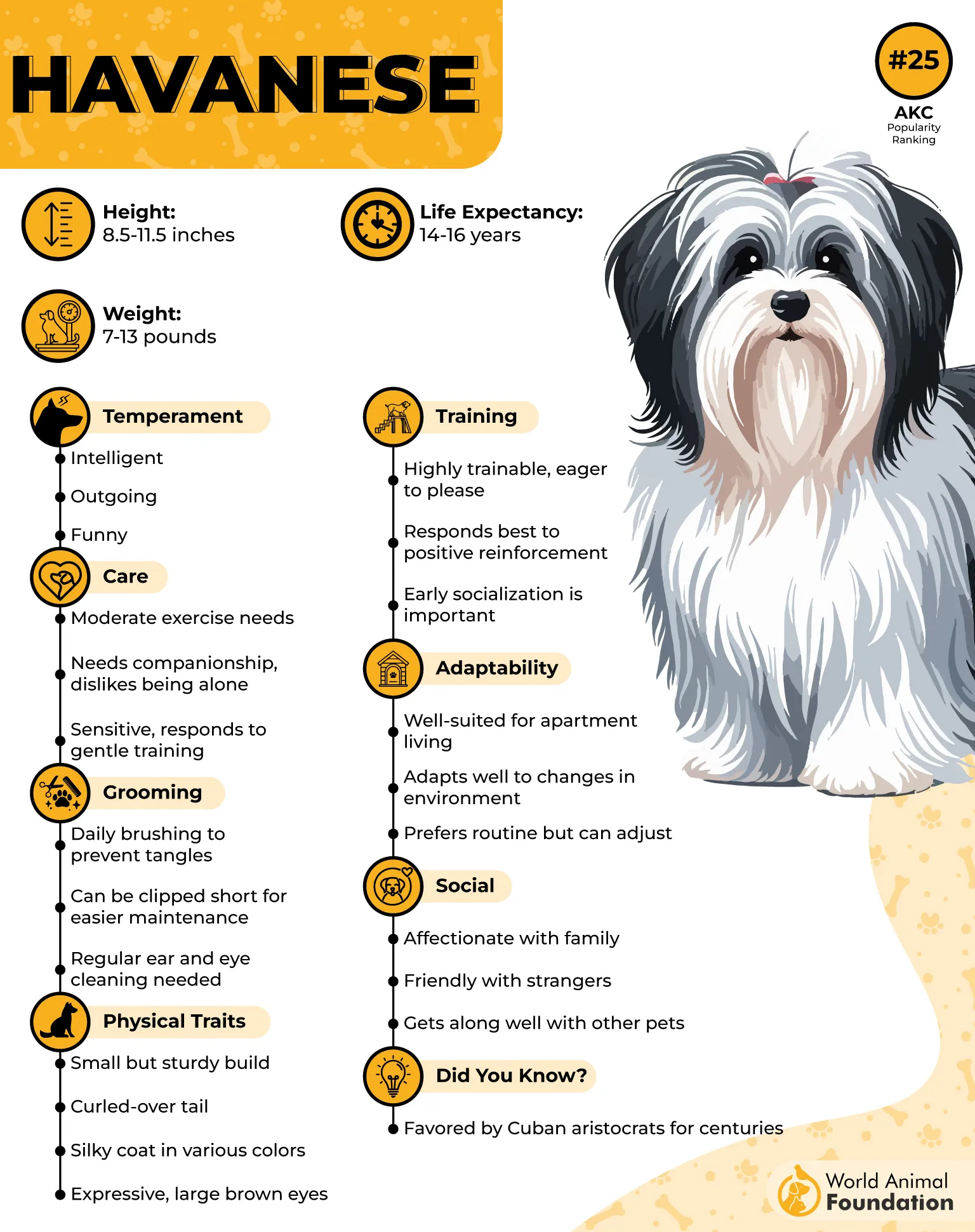
Havanese dogs are well suited to tiny homes and condos because of their adaptable nature and friendly personalities. Often called “Velcro dogs,” they love sticking close to their owners and cuddling on the sofa, as Omlet notes.
They usually get along well with children, other dogs, cats, and strangers. However, they crave companionship and may struggle when left alone for long periods.
Caring for Havanese
Exercise: Around 30 minutes of daily exercise, including walks and playtime, helps keep them active.
Grooming: Their long, silky coats may be straight or wavy and need frequent brushing to prevent tangles. Short haircuts can make grooming easier.
Training and companionship: Havanese dogs are intelligent and eager to please. They respond well to consistent training and enjoy learning new tricks.
5. Boston Terrier
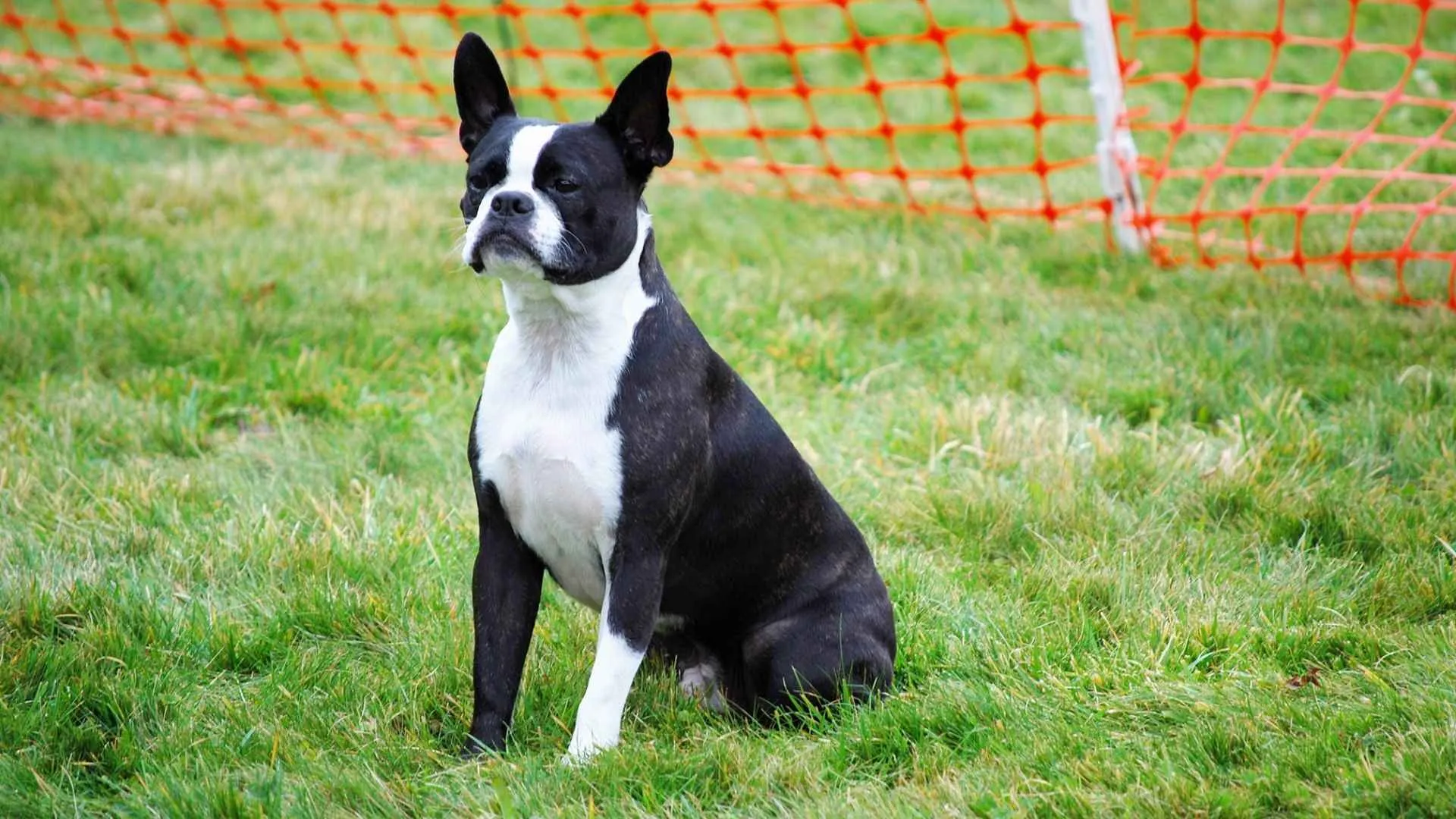
Boston Terriers are lively, affectionate dogs known for their tuxedo-like coats, short muzzles, and large, round eyes. Originating in Boston, they have earned the nickname “American Gentleman” because of their distinctive appearance and good manners.
These playful dogs have a fun-loving personality and enjoy being part of whatever their families are doing. They can be full of mischief but are equally happy relaxing beside their owners. They enjoy brisk walks, indoor games, and spending time with their families.
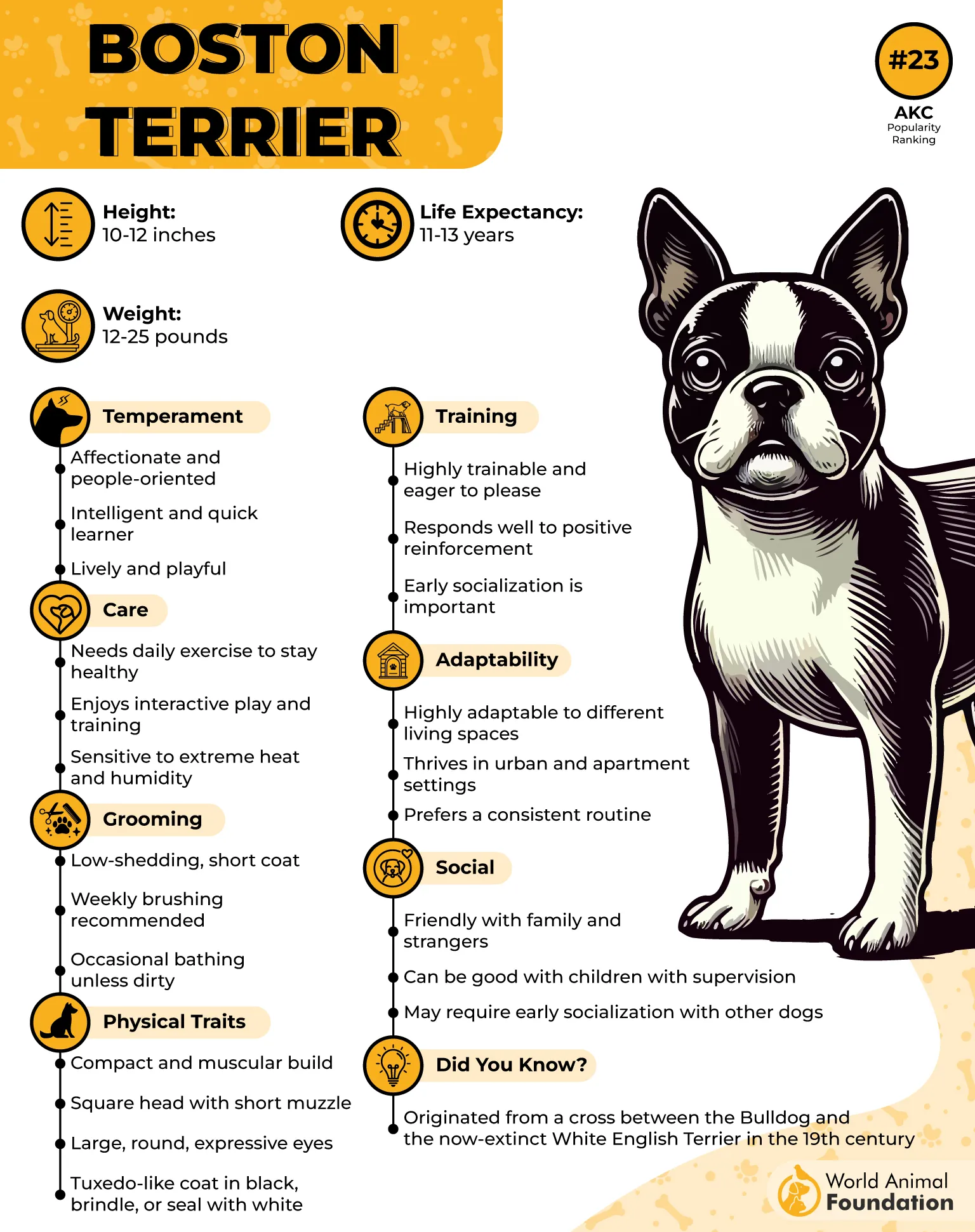
They generally get along well with children and other household pets, although play with children should be supervised to prevent accidental injuries. Their flat faces can also cause breathing difficulties, especially in hot weather or after too much exercise, so they need extra care during warmer months.
Caring for Boston Terriers
Exercise: Regular walks and play sessions help meet their activity needs. Avoid strenuous exercise and schedule outdoor activities during cooler hours.
Training: Boston Terriers are intelligent and quick to learn, but they can be stubborn. Treats and games can make training easier.
Socialization: They are affectionate and social, but some may act assertively toward unfamiliar dogs.
6. Pug
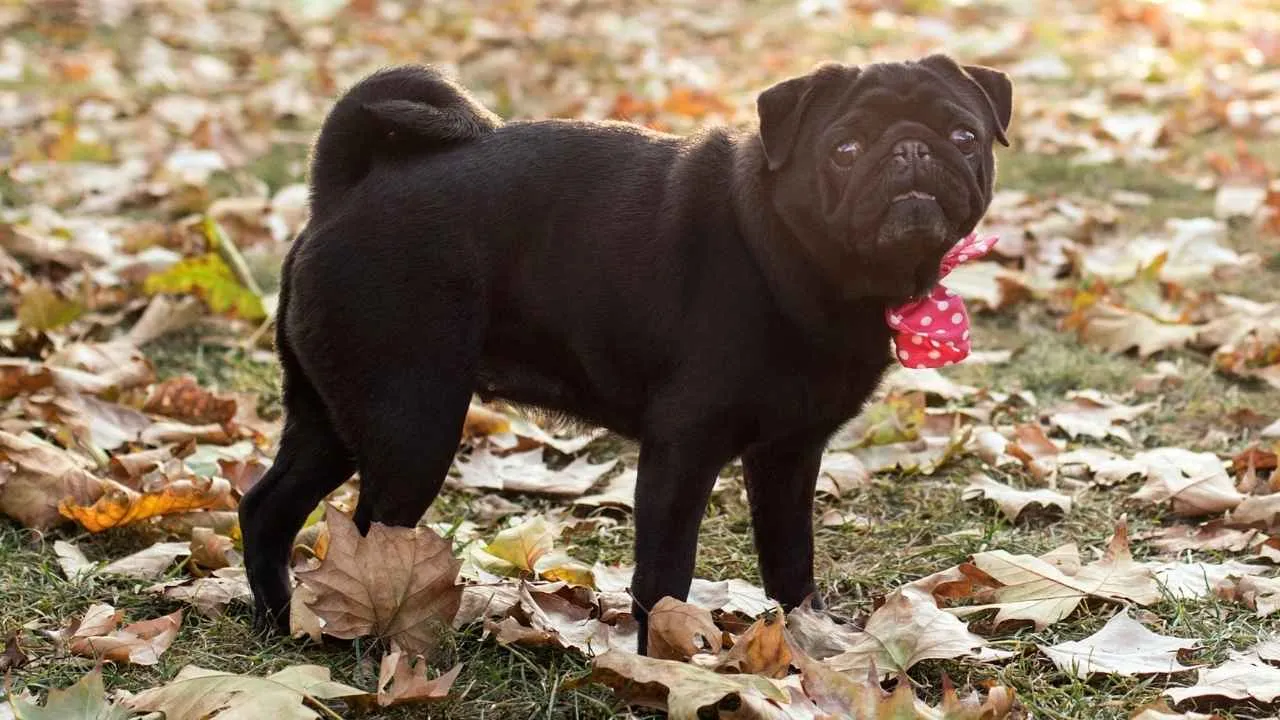
Pugs are charming companion dogs known for their round, expressive eyes, wrinkled faces, and curly tails. This ancient breed originated in China around 2,000 years ago and became a favorite among royalty, including Chinese emperors and Holland’s royal House of Orange.
Pugs have playful, affectionate personalities and love being close to their owners. Their funny antics and human-like expressions make them delightful companions.
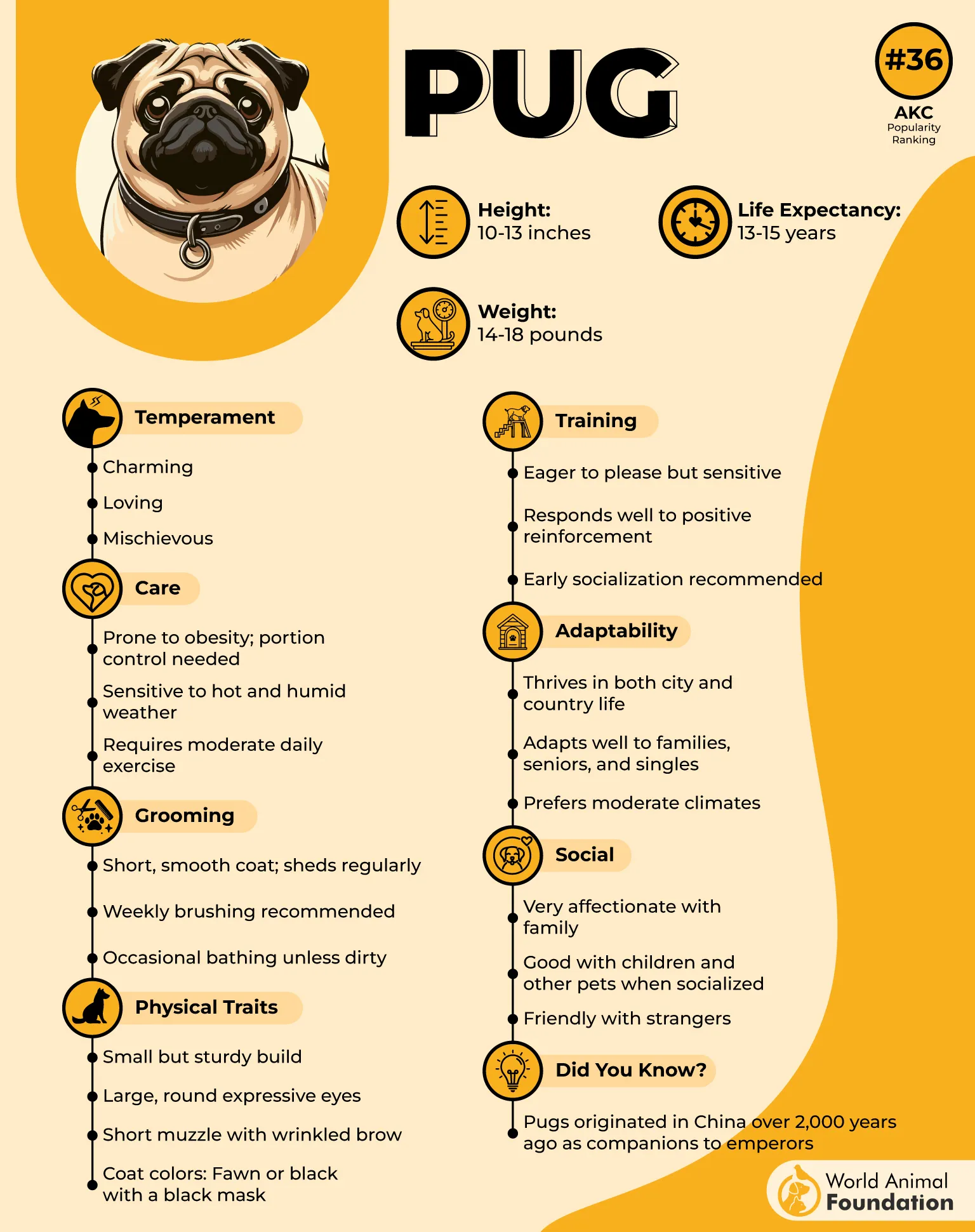
Pugs usually get along well with children, other pets, and strangers, though Children should be taught to protect their delicate eyes during play.
Their short muzzles can make breathing difficult, especially in hot weather or during strenuous exercise, so they need careful supervision outdoors.
Caring for Pugs
Exercise: Several short walks of 15–20 minutes and gentle play are usually enough. Avoid strenuous activity and watch for signs of overheating or breathing difficulties.
Grooming and diet: Brush their short coats several times a week, increasing brushing during seasonal shedding. Monitor food intake because Pugs can gain excess weight.
Training and companionship: Pugs learn at their own pace and need patient training. They thrive on attention, so include them in daily activities rather than leaving them alone for long periods.
7. Bichon Frise
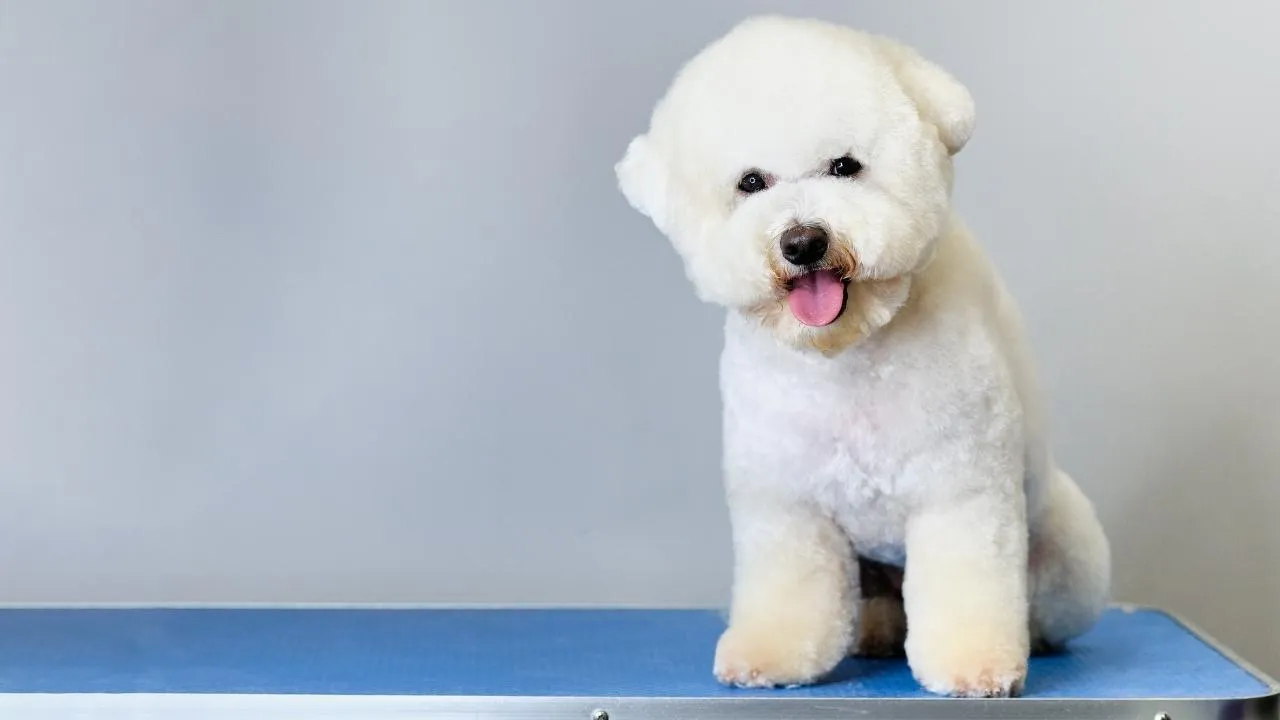
Bichon Frises are cheerful, playful dogs known for their fluffy white coats, dark eyes, and lively personalities. These charming companions have a long history and are closely related to breeds such as the Havanese, Maltese, and Bolognese.
They enjoy learning tricks, entertaining their families, and meeting new people. Their affectionate nature makes them lovely companions for households of different sizes.
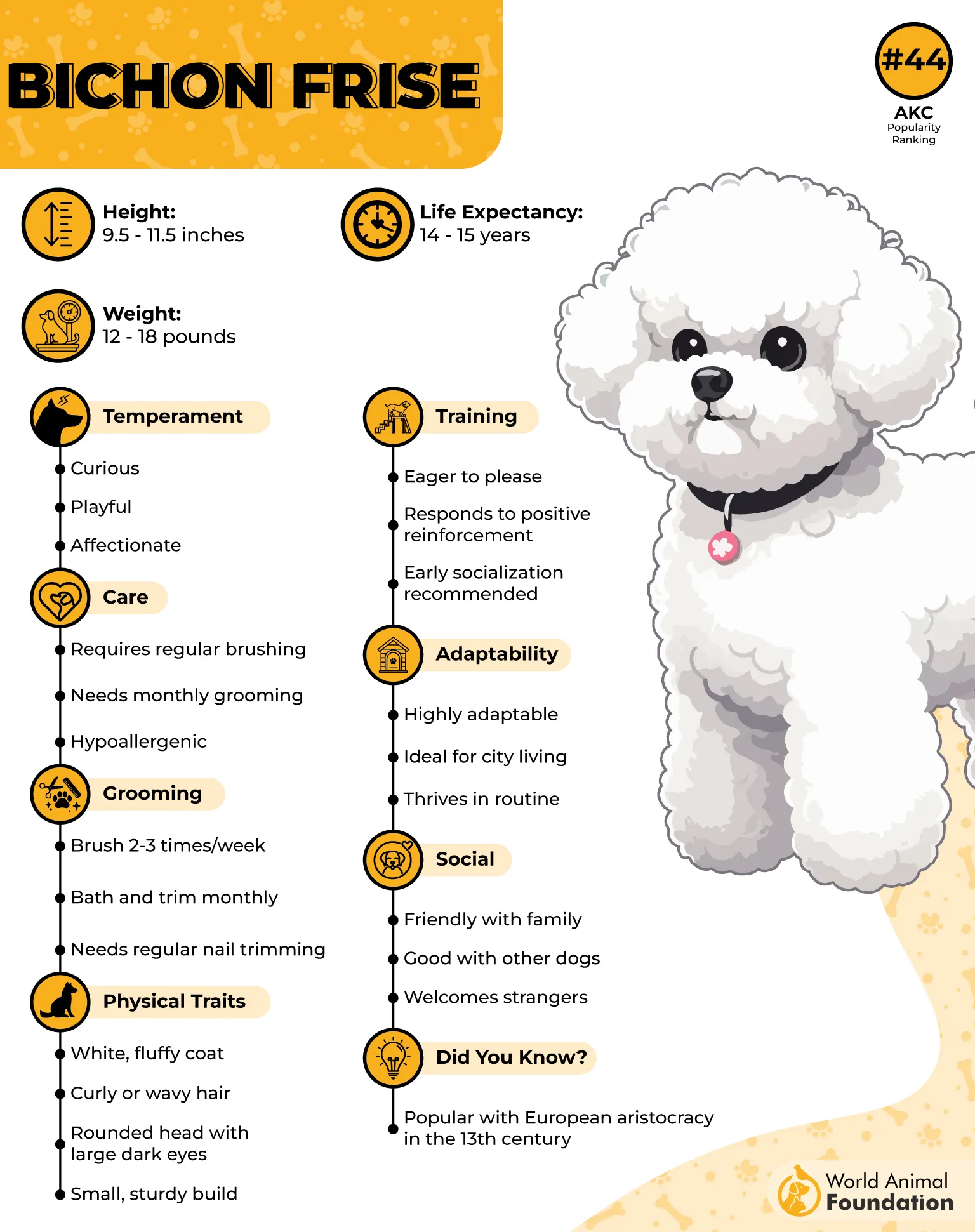
They usually get along well with children and other pets, but they love company and may struggle when left alone for long periods. Their low-shedding coats may suit some people with allergies, although no dog is completely hypoallergenic.
Caring for Bichon Frises
Exercise and play: Short walks, interactive play, and learning new tricks help keep them happy and occupied.
Grooming: Their curly coats need daily brushing and regular professional grooming to prevent tangles and keep them in good condition.
Training: Start training early to manage alert barking and encourage good behavior.
Conclusion
Living in a tiny home or condo doesn’t mean you have to miss out on having a dog. Each breed has its own personality, so think about your daily routine, grooming preferences, and how much time you can spend with your pet.
Before choosing your new companion, research the breed carefully and consider meeting a dog in person to see if your personalities fit.
The best apartment dog isn’t simply the one that takes up the least space. It’s the one whose needs fit your lifestyle and who can feel safe, comfortable, and loved in your home.
