




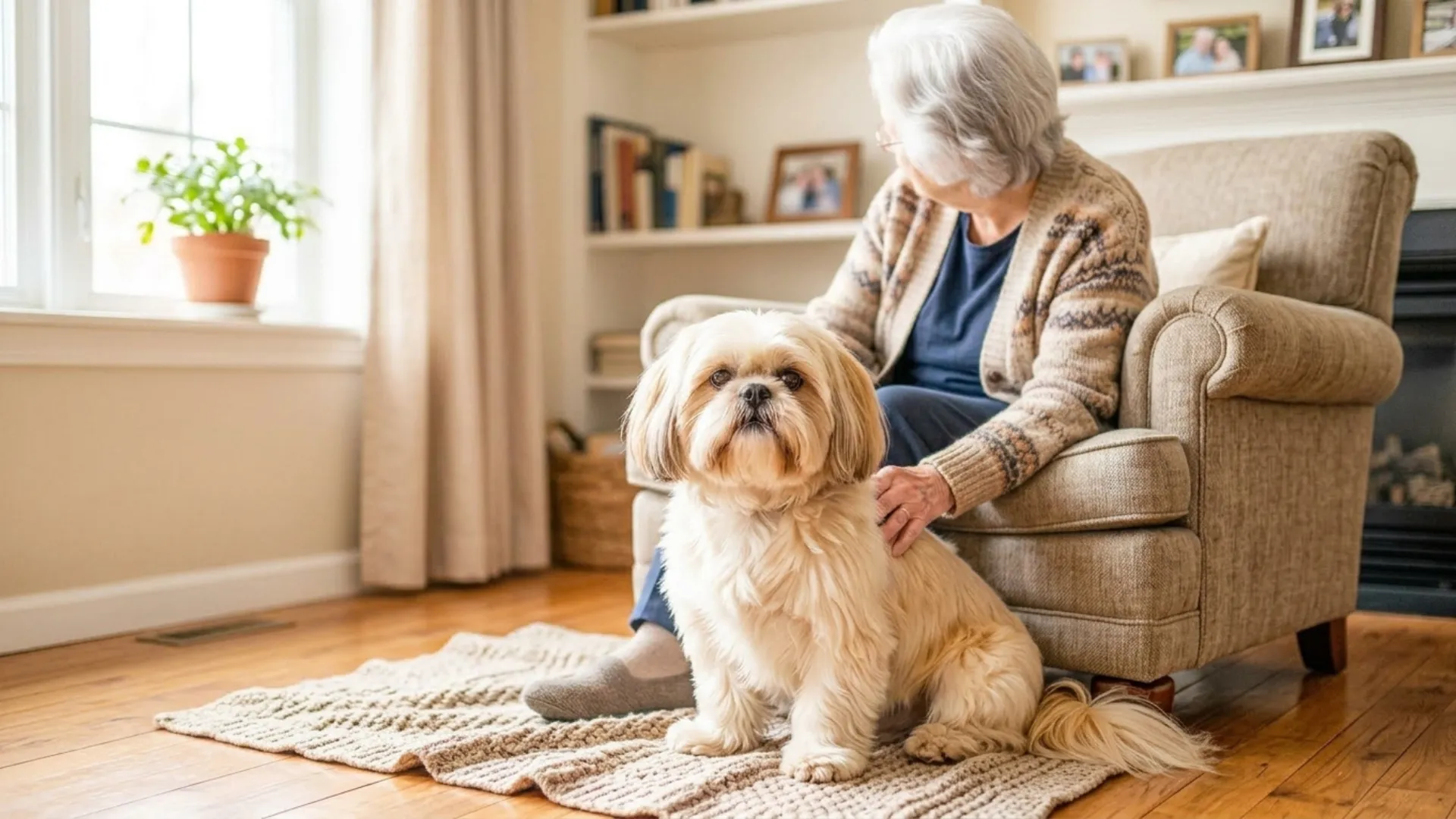
A dog can bring more than companionship into a senior’s life; it can add warmth, purpose, and small moments of happiness to an ordinary day. The right canine companion may encourage gentle activity, offer a comforting presence, and create opportunities for social connection.
For older adults who spend much of their time at home, simply having a loyal dog nearby can make the day feel less quiet. Yet choosing a dog in later life is about more than falling for an adorable face.
Energy level, temperament, size, grooming needs, health considerations, and the ability to meet daily care requirements all deserve careful thought. Some seniors may thrive with a playful, lively companion, while others may prefer a calmer dog happy to settle beside them.
From affectionate lapdogs to adaptable breeds with moderate exercise needs, this guide explores dog breeds that can bring comfort, companionship, and genuine joy to the senior years.
Key Takeaways
The right dog can enrich a senior’s daily life with companionship, affection, and a comforting sense of routine.
Small, adaptable breeds can be excellent companions for seniors, particularly those living in apartments or quieter homes.
Moderate exercise needs matter. Breeds that enjoy gentle walks and indoor play can fit more comfortably into a senior-friendly lifestyle.
Temperament is just as important as size. Affectionate, friendly, and easygoing dogs can make companionship more enjoyable.
Best Dog Breeds for Seniors – Comfort and Joy
1. Cavalier King Charles Spaniel
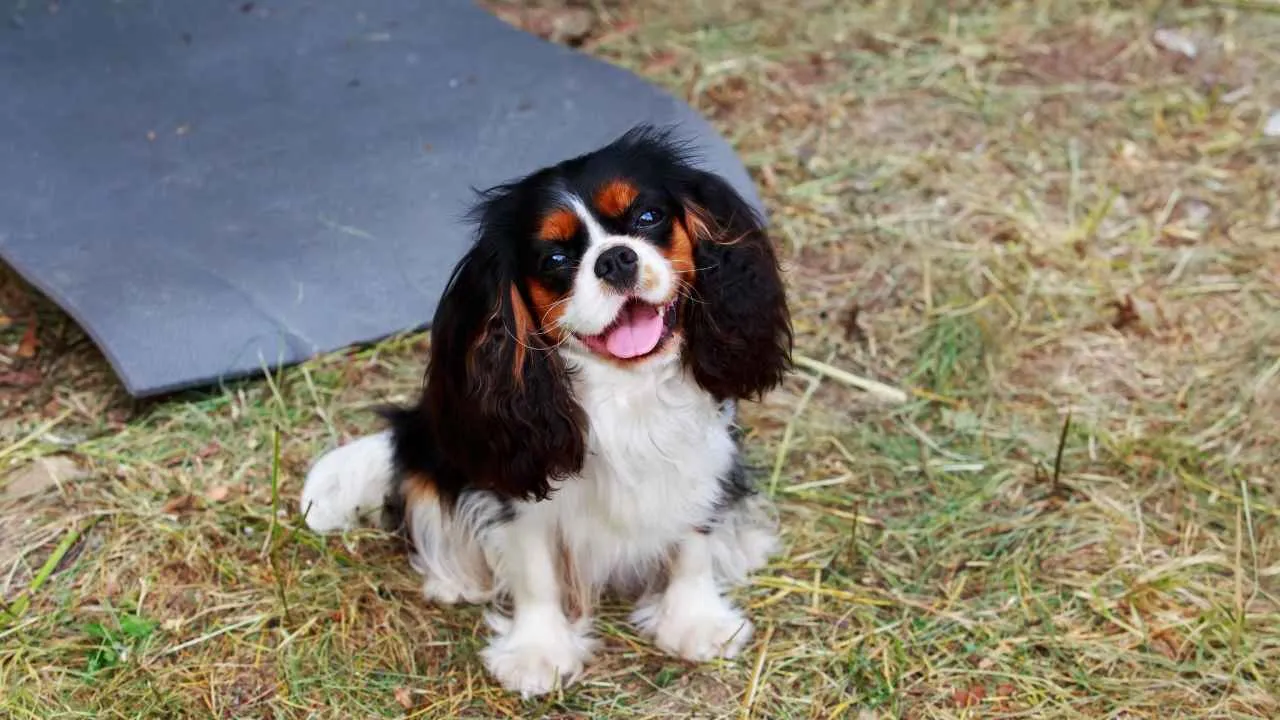
The Cavalier King Charles Spaniel brings a gentle, affectionate presence to any home, making this graceful toy breed especially appealing for seniors seeking companionship and comfort.
With its sweet expression, large round eyes, and silky coat, the Cavalier has an unmistakably charming appearance.
Though small, it still carries the sporting spirit of its spaniel heritage, enjoying moderate exercise, walks, and outdoor activities while being equally content relaxing beside its owner.
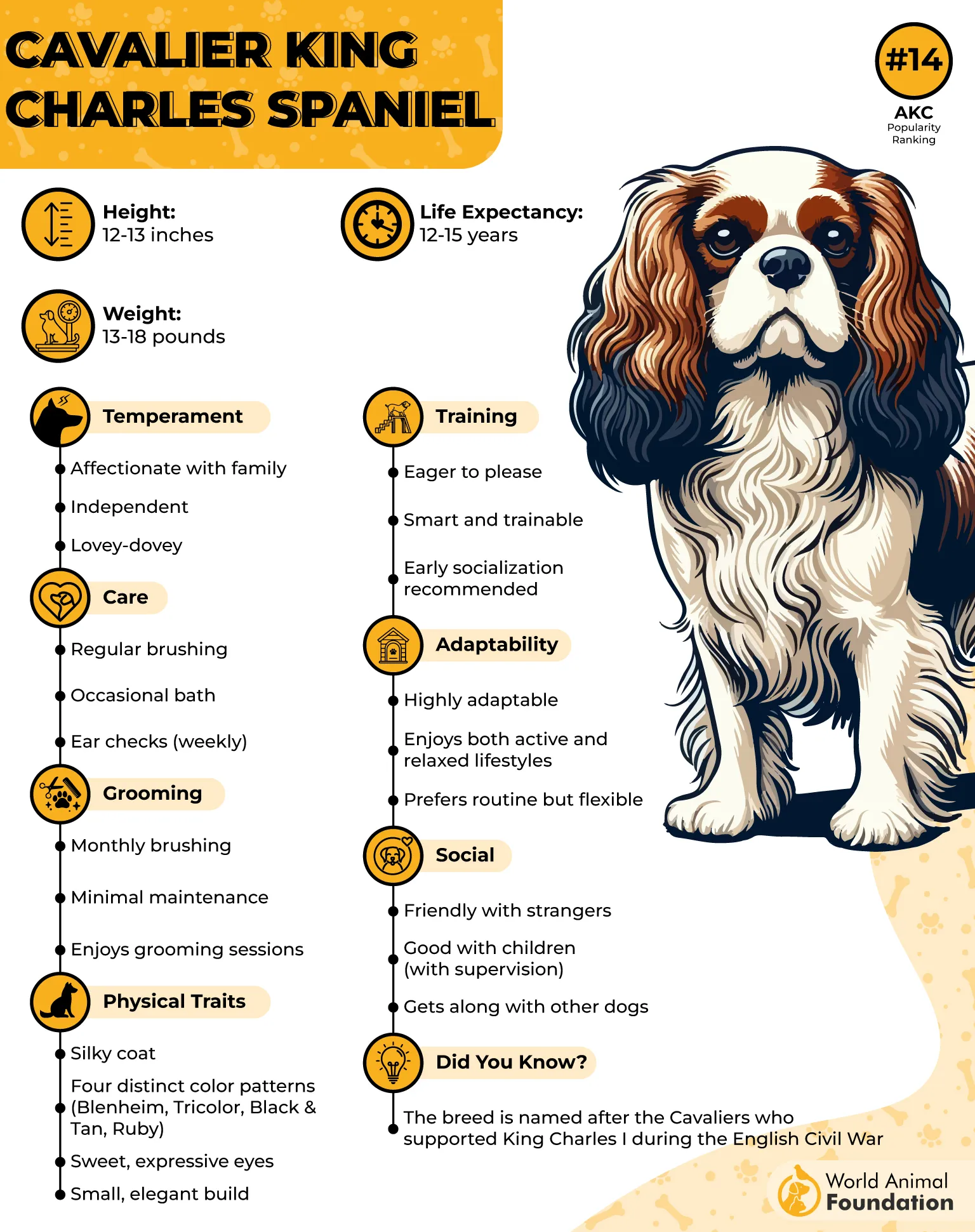
Its adaptable personality allows it to suit both active households and quieter lifestyles, according to the American Kennel Club. These cute dogs are generally friendly with people, children, and other animals, and their eagerness to please makes training enjoyable.
Regular brushing keeps their coat beautiful while offering a soothing opportunity to strengthen the bond between dog and owner. Their ears need weekly checks, and nails should be trimmed regularly.
Prospective owners should also discuss the breed’s known health concerns with a responsible, health-testing breeder.
2. Shih Tzu
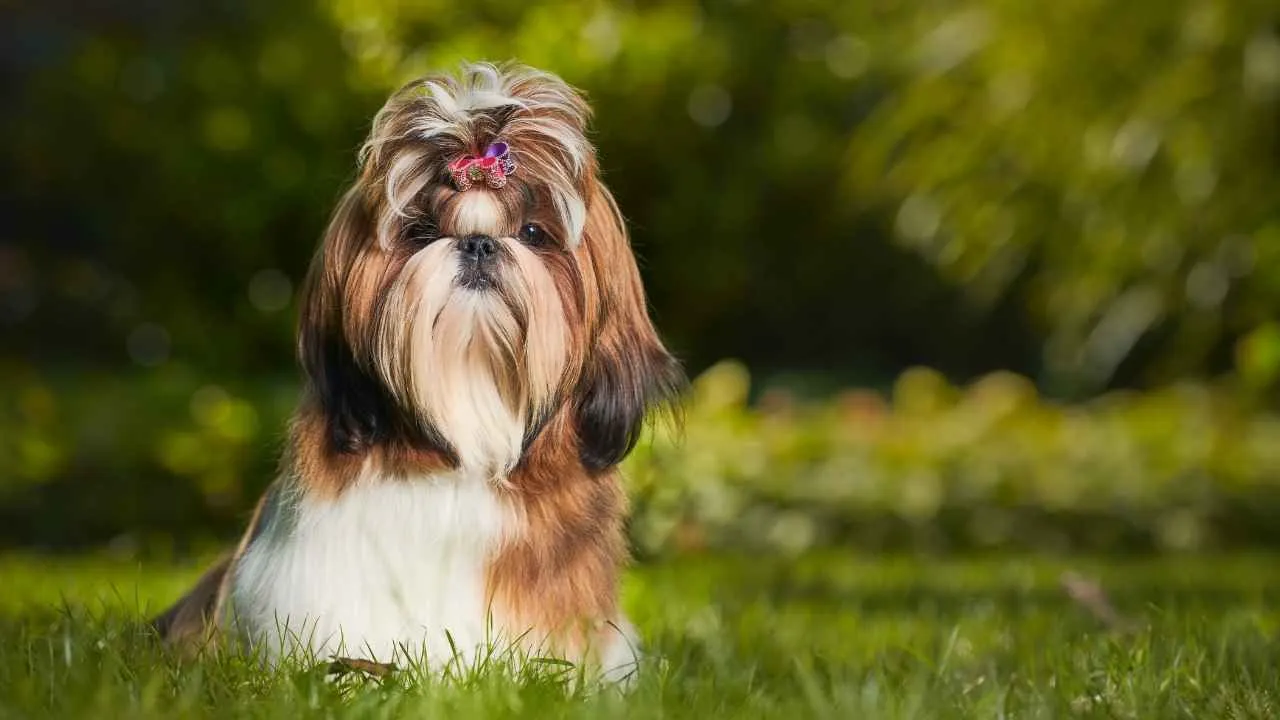
For seniors looking for a companion that brings warmth without demanding an overly active lifestyle, the Shih Tzu can be a delightful choice.
Bred to be cute, affectionate dogs, these small, lively dogs thrive on being close to their people. They enjoy a gentle walk, a little play, or simply curling up beside their owner, making everyday companionship feel wonderfully natural.
Their friendly, outgoing nature helps them settle into a variety of homes, including smaller living spaces.
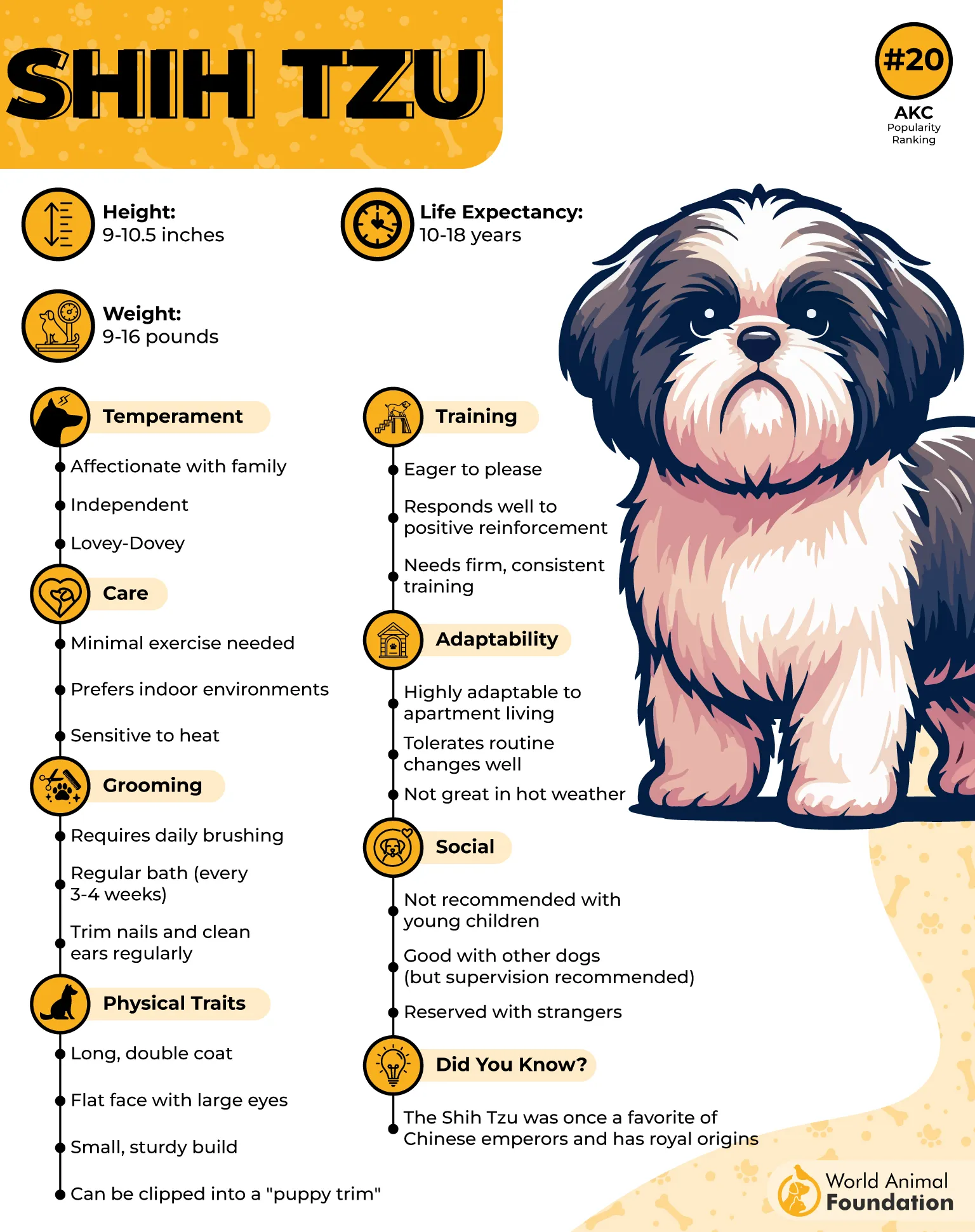
Shih Tzus are also generally sociable with people and other pets, while their alertness can make them attentive to visitors. However, their luxurious double coat requires daily brushing and regular grooming, so owners should be prepared for that commitment.
They do not need extensive exercise, but they benefit from regular walks, play, and mental stimulation.
Because they can struggle in hot weather and may have breathing concerns associated with their short face, activity should be kept comfortable and carefully monitored.
3. Maltese
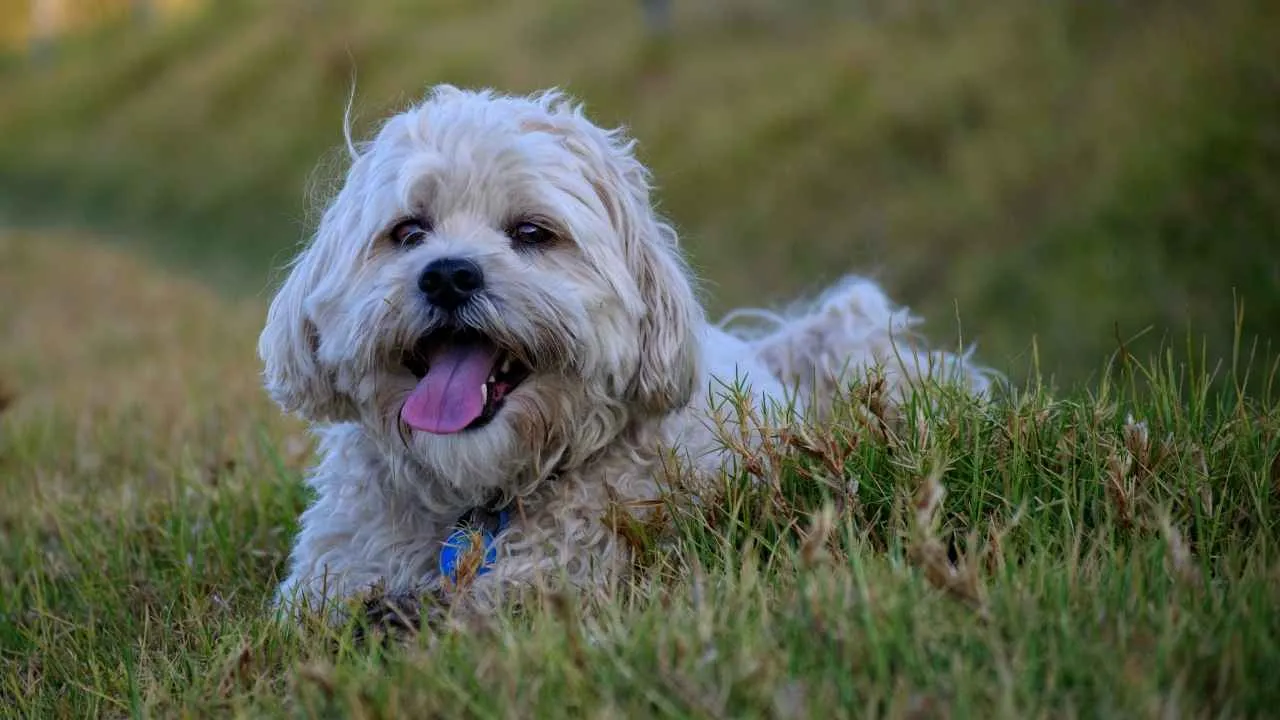
Small in size but rich in affection, the Maltese can bring a comforting sense of companionship to a senior’s everyday life.
These bright, friendly, playful dogs are happiest when they can stay close to their people, whether that means enjoying a gentle play session or curling up together on the sofa.
Their lively personalities add warmth without requiring intense exercise; around 30 minutes of daily activity and mental stimulation can help keep them content.
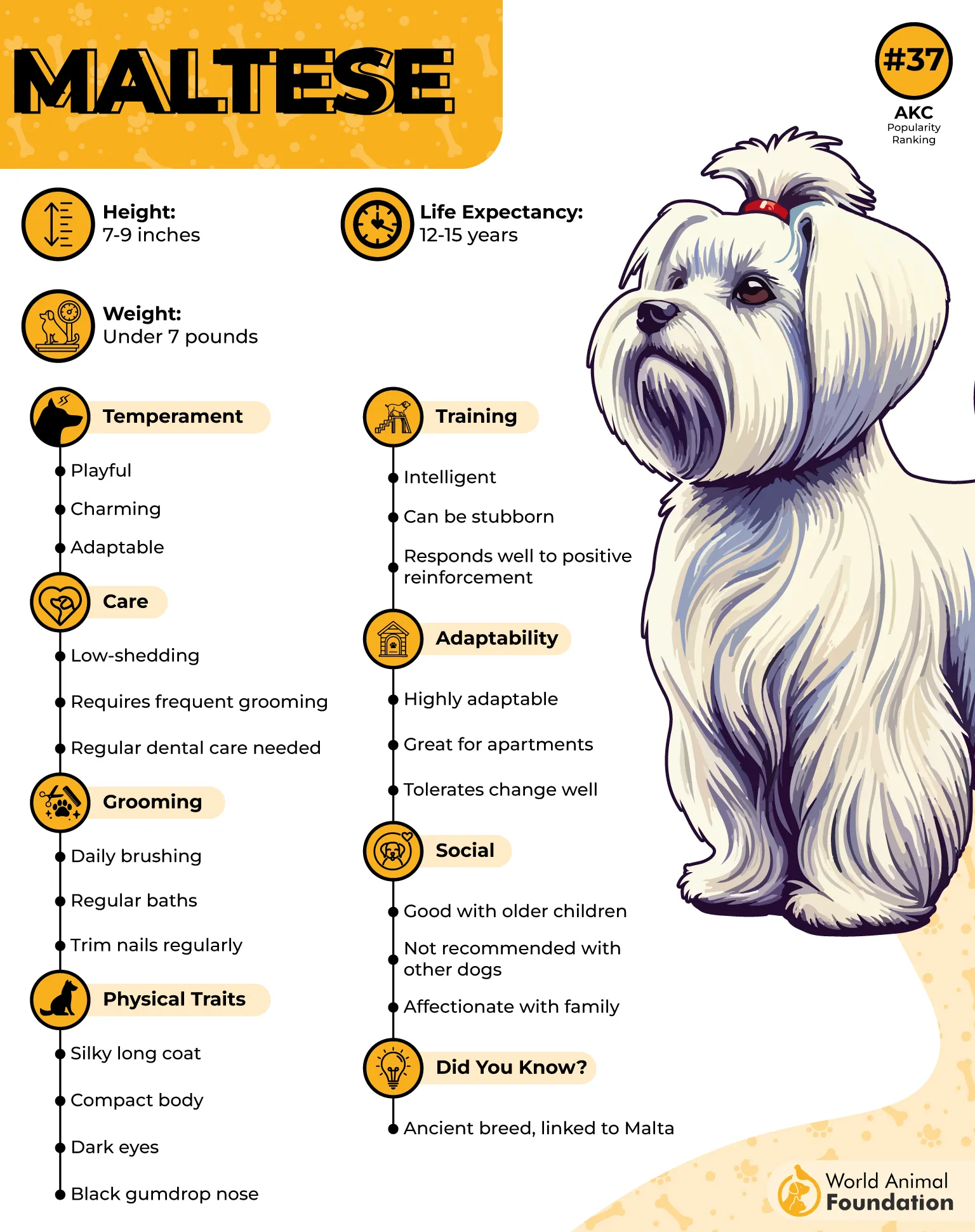
Maltese dogs are adaptable and can live comfortably in different environments, including flats. Their intelligence and eagerness to please can make training rewarding, although housebreaking may require patience, as stated by the Royal Kennel Club.
For seniors, one important consideration is grooming: their long, silky coat needs daily brushing and regular trimming to prevent tangles and mats.

They also form strong bonds with their owners and dislike being left alone for long periods. With affection, companionship, and consistent care, the Maltese can be a joyful little presence in a quieter home.
4. Pomeranian
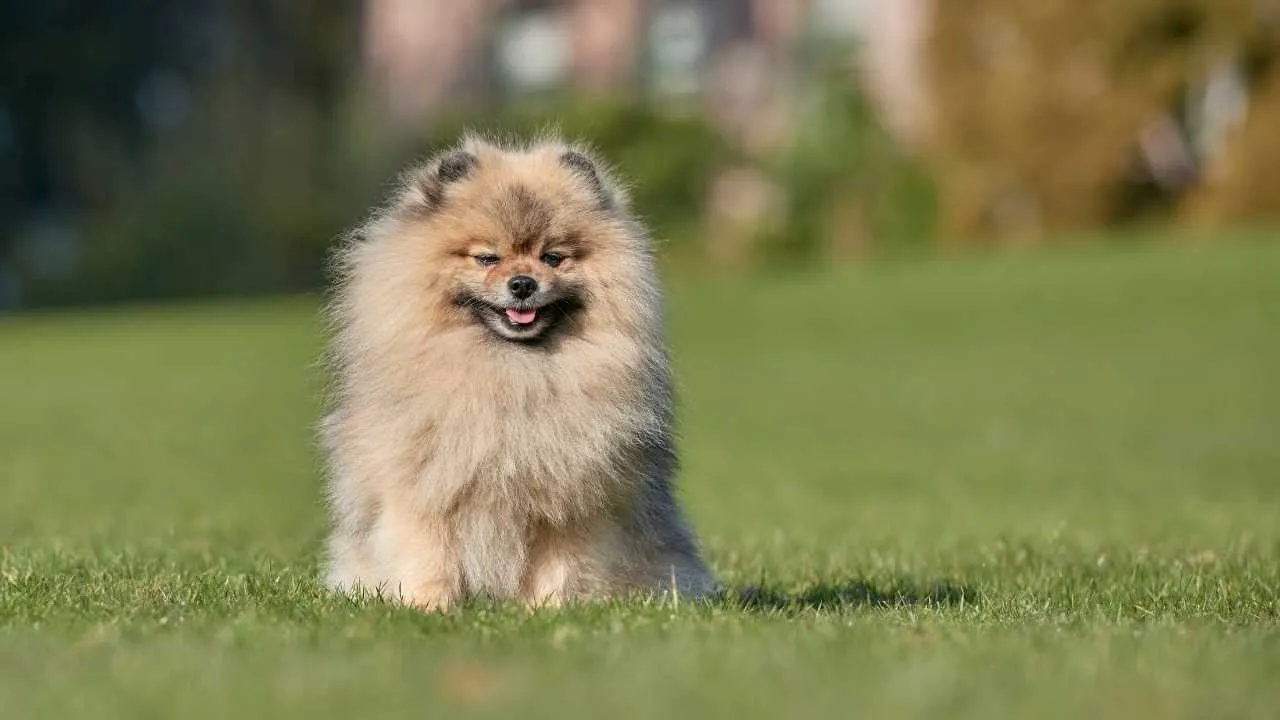
Tiny, lively, and full of personality, the Pomeranian can bring an unexpected spark of joy to a senior’s daily routine. These toy dogs are known for being friendly, curious, affectionate, and eager to stay close to their people.
Their small size makes them adaptable to different homes, while their playful nature provides companionship without requiring long periods of exercise.
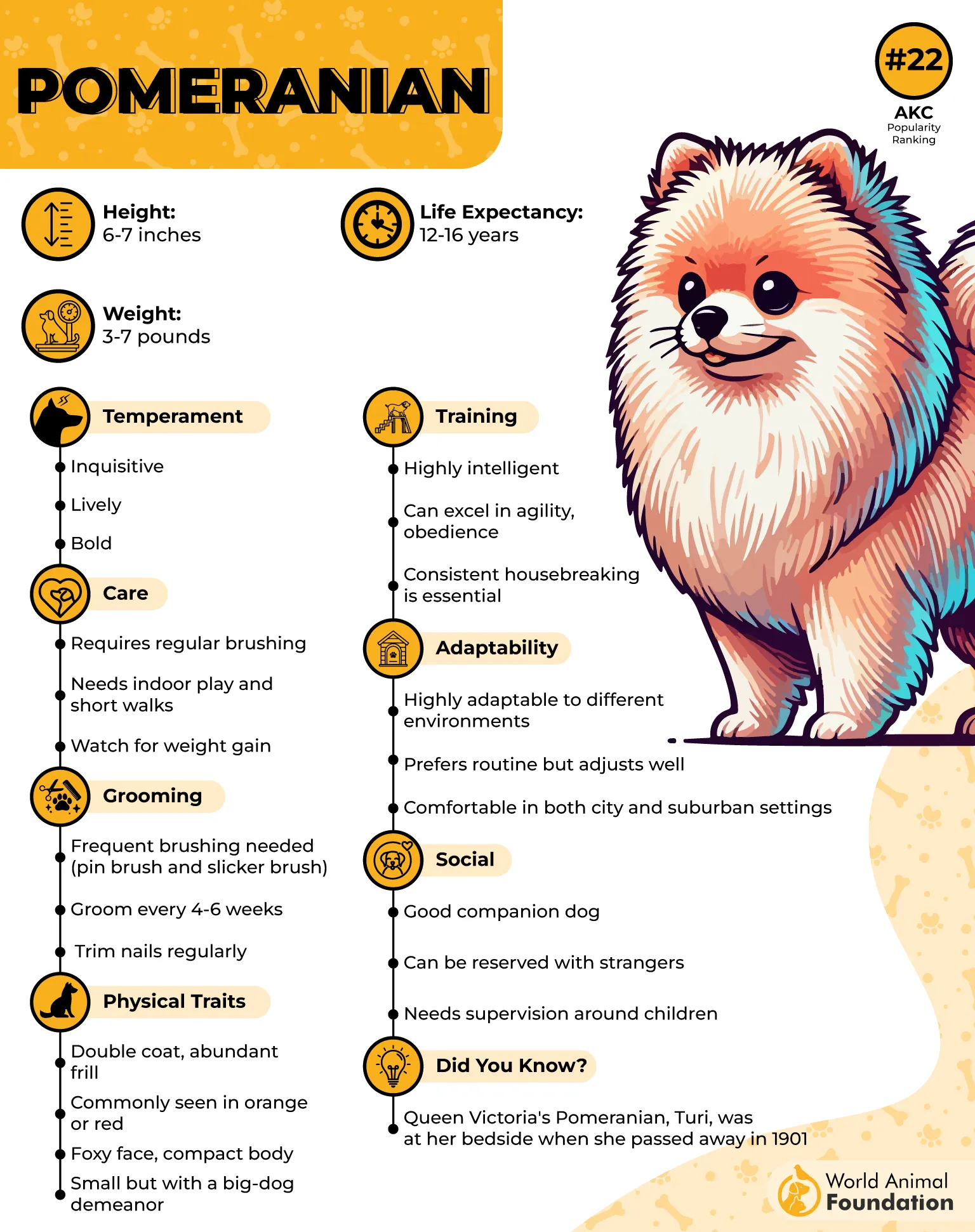
Short walks, indoor games, and plenty of interaction can help keep their active minds and bodies engaged.
Pomeranians also enjoy cuddling, making them charming lap dogs for quieter moments at home. They are intelligent and responsive to training, although their confident personalities can sometimes require patience and consistency.
Their fluffy double coat needs regular brushing to remain in good condition, and dental care is also important.
Seniors should consider that Pomeranians can be vocal and may bark readily at unfamiliar sounds. Their tiny bodies also require careful handling. With appropriate care, companionship, and attention, a Pomeranian can fill a peaceful home with affection, energy, and plenty of character.:::
5. French Bulldog
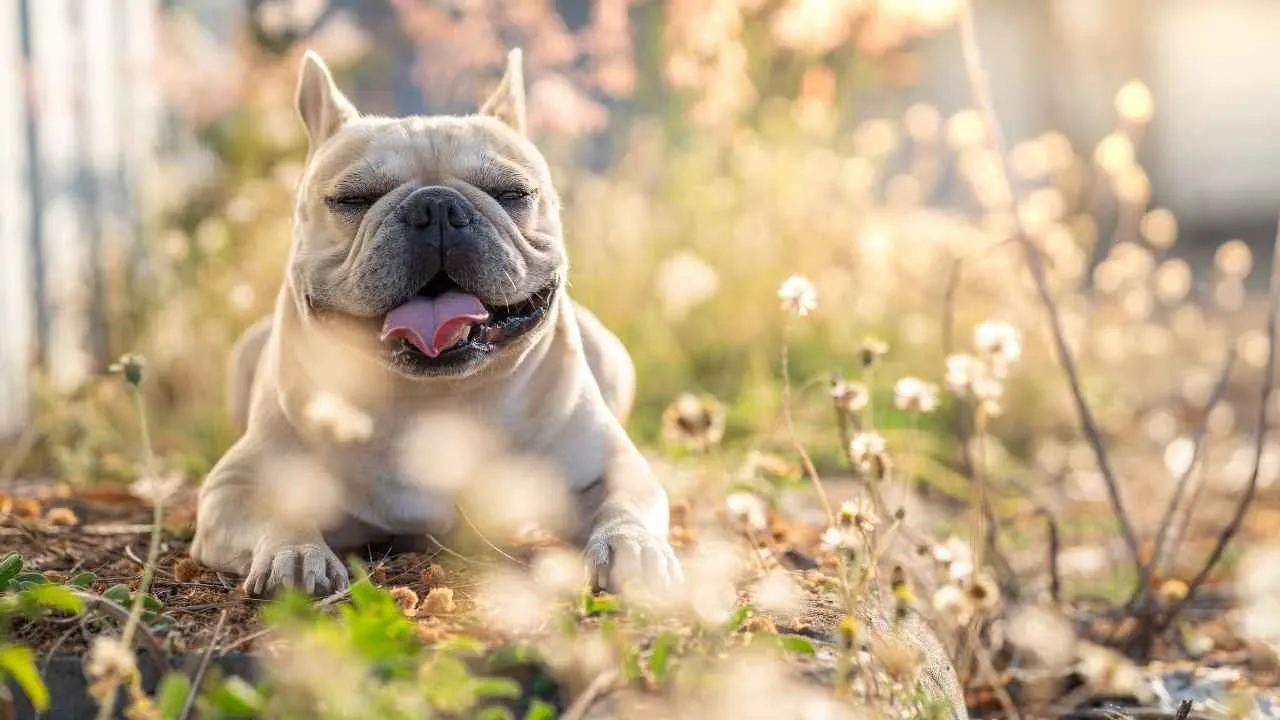
With its expressive face, playful spirit, and endearing nature, the French Bulldog can bring plenty of warmth and companionship to a senior’s home.
Often called a Frenchie, this small, sturdy breed is known for being easygoing and adaptable, happily fitting into apartment living as well as other homes.
It enjoys spending time with its people and can be content with a leisurely daily walk or gentle games, making it a companion for quieter routines.
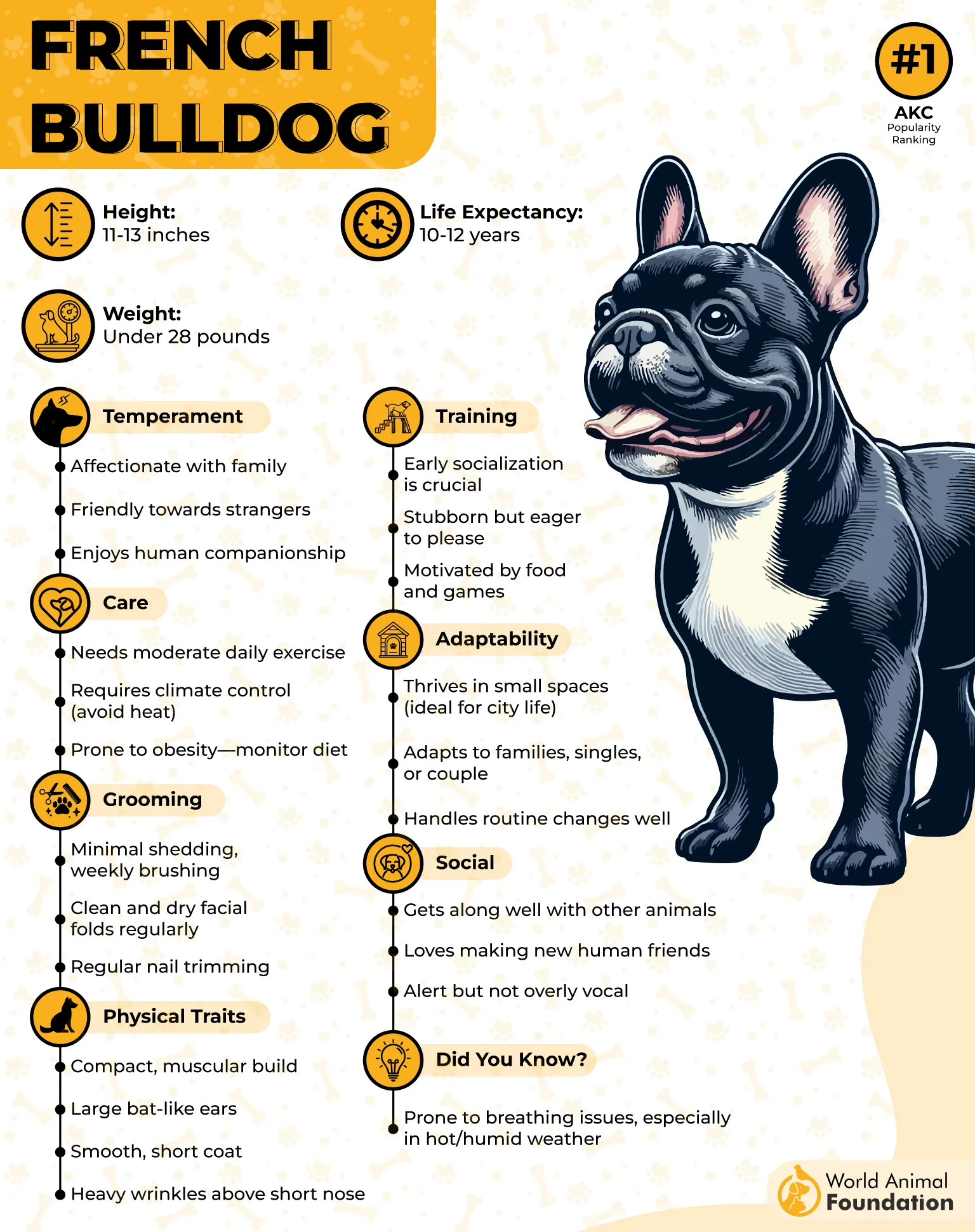
French Bulldogs are generally friendly with people, children, and other pets, although early socialization and positive, reward-based training can help manage their occasional stubborn streak.
They also thrive on companionship and may not cope well with being left alone for long periods, as explained by the UKC.
Their short coat is relatively simple to maintain, requiring about weekly brushing, while facial wrinkles need regular attention to stay clean and dry. Seniors should be especially mindful of their sensitivity to heat, as their flat faces make overheating a significant concern.:::
6. Bichon Frise
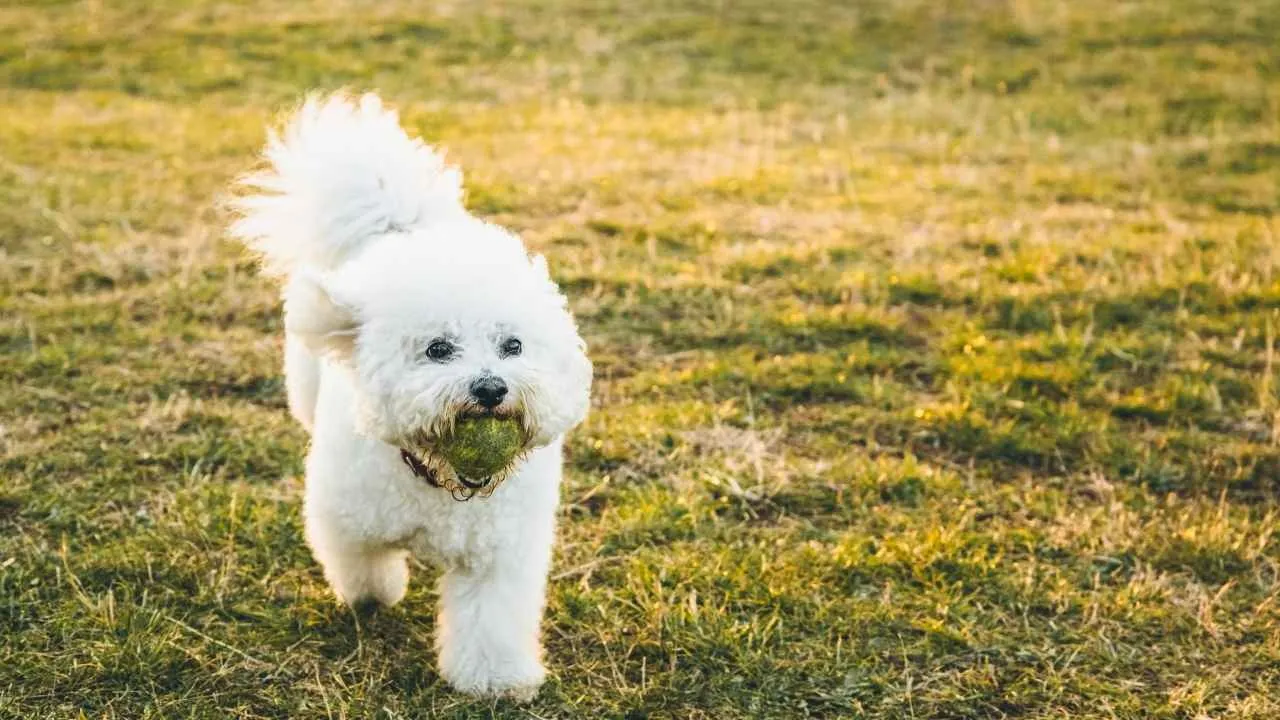
For seniors seeking a small companion with a cheerful spirit, the Bichon Frise can bring plenty of warmth and companionship into everyday life.
Known for its loving nature, playful personality, and adaptable temperament, this fluffy little breed enjoys being close to its people and can fit comfortably into quieter homes.
Bichons are moderately active, so daily walks, gentle play, and interactive games can keep them both physically and mentally engaged without demanding excessive exercise.
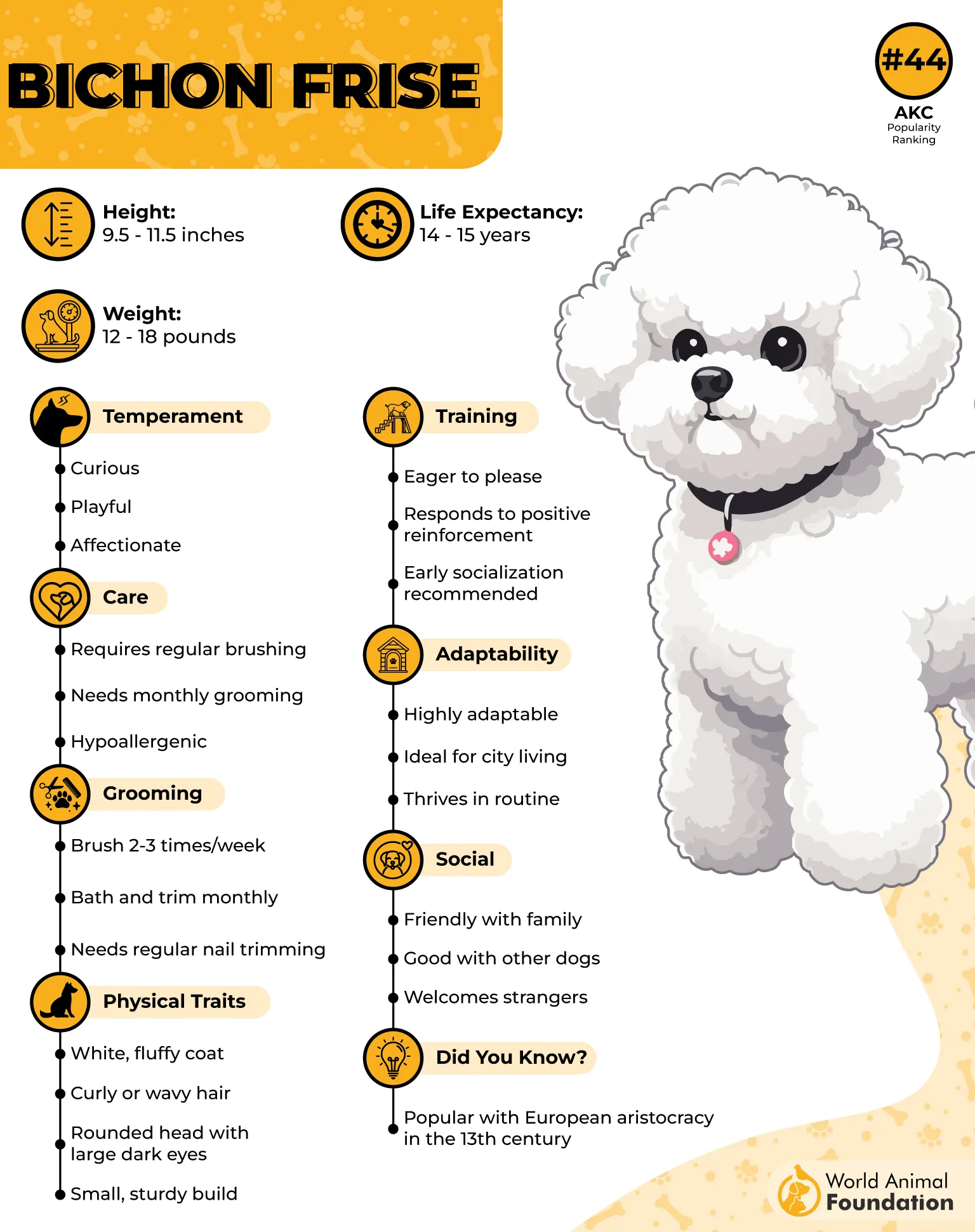
Their intelligence also makes positive, reward-based training an enjoyable way to build a stronger bond.
However, their beautiful curly coat requires regular brushing and professional grooming, while dental care and routine veterinary visits remain important.
Seniors should also consider the breed’s potential health concerns, including allergies, dental problems, patellar luxation, bladder stones, and cataracts. With consistent care, a Bichon Frise can offer years of affection, companionship, and joyful moments.
7. Havanese
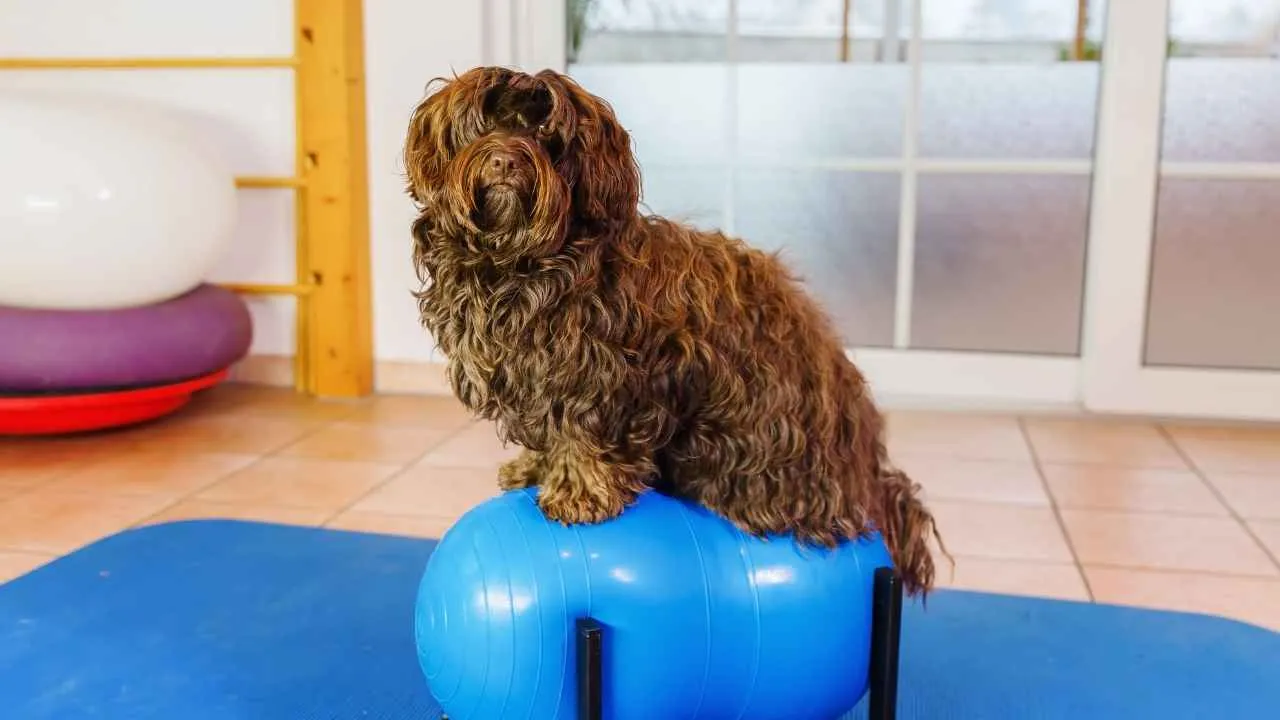
The Havanese brings a little warmth and liveliness wherever it goes, making it especially appealing to seniors seeking a devoted companion.
This small Cuban breed is affectionate, intelligent, playful, and happiest when close to its people. Its moderate exercise needs mean daily walks, gentle play, and even indoor activity can help keep it content without demanding a highly active lifestyle.
Equally comfortable in houses and apartments, the Havanese can adapt well to quieter homes, provided it is not left alone for long periods.
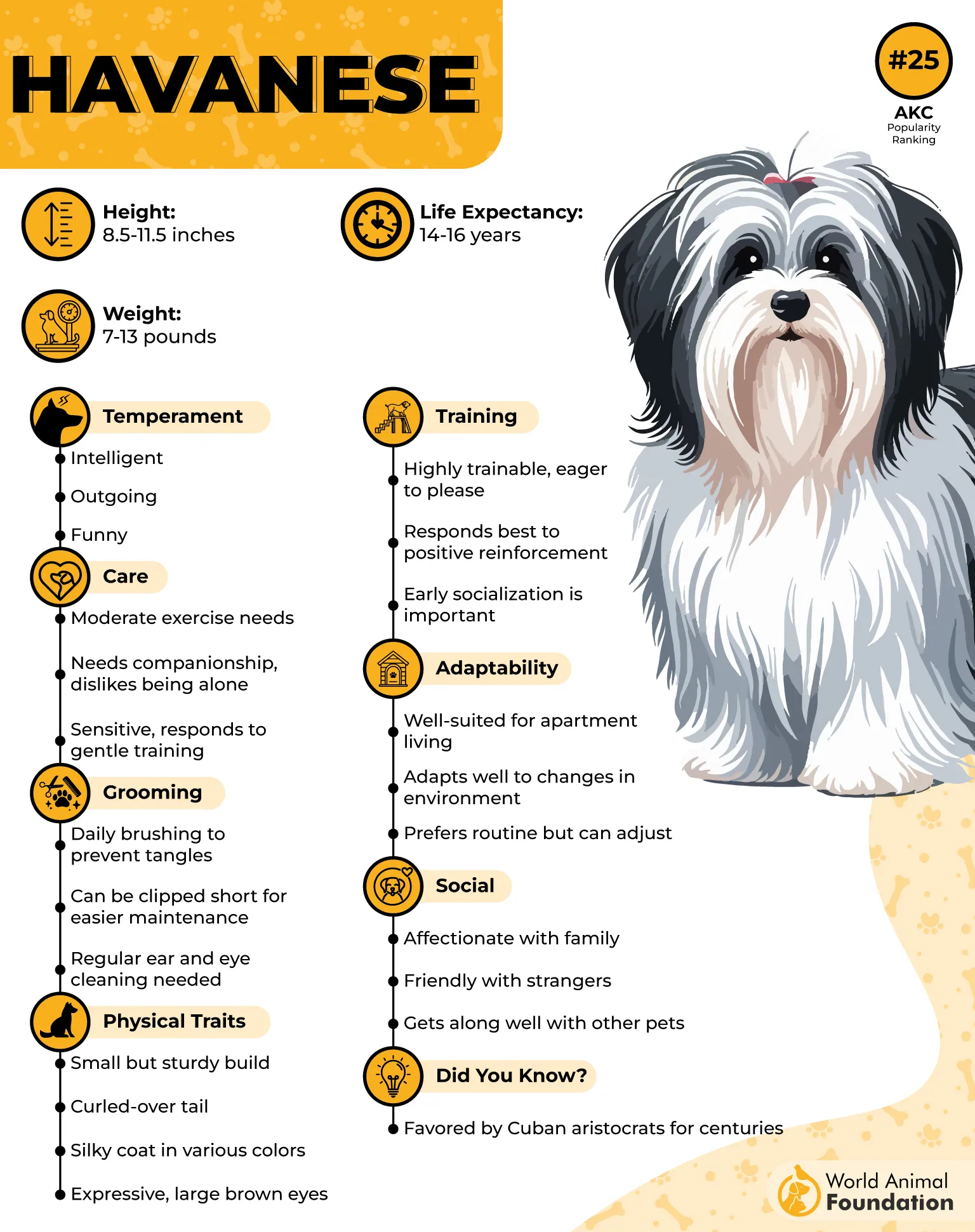
Its cheerful personality, eagerness to learn, and love of attention can make everyday companionship feel especially rewarding, according to Dogs NSW.
Grooming does require commitment, as the long coat needs regular care to prevent matting.
With a typical lifespan of around 12 to 15 years and generally good health, the Havanese can offer seniors many years of affection, companionship, playful moments, and the simple comfort of having a loving presence nearby.
Conclusion
Choosing the best dog breed for seniors is ultimately about finding a companion whose needs and personality fit naturally into everyday life.
The ideal dog does more than provide a reason to smile; it can bring companionship, routine, gentle activity, and a comforting presence to quieter days.
Temperament, exercise requirements, grooming, size, health, and the ability to manage ongoing care should all be considered before making a decision. It is equally important to remember that no single breed is perfect for every older adult.
The best match is one that complements the senior’s lifestyle and allows both dog and owner to thrive. With thoughtful consideration, welcoming a dog can become a deeply rewarding experience, one filled with affection, companionship, laughter, and the simple joy of having a loyal friend by your side.
