




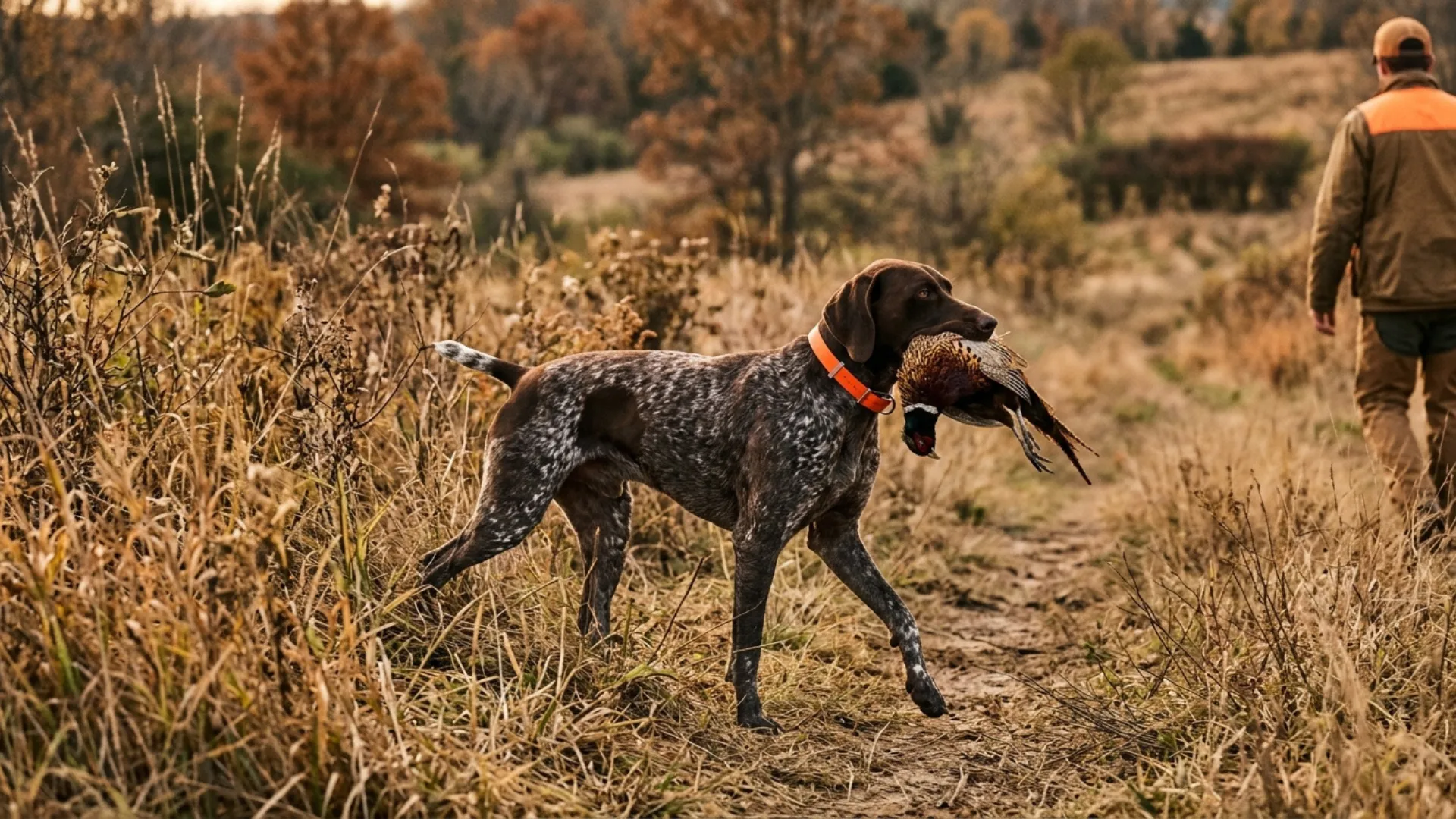
Some dogs chase toys. Others chase legends through brush, water, and miles of winding scent trails. If you have ever watched a determined dog lock onto a trail or gently deliver a retrieve like it is the most important job in the world, you know this is not just instinct; it is art.
Not every pup is built for this kind of work. The real standouts combine stamina, sharp noses, and a “let’s go again” attitude that never seems to quit. And if you love a dog that can do a bit of everything, you are in for a treat.
Let’s meet the breeds that truly shine when the trail gets interesting.
Did you know?
Dogs rely far more on their noses than their eyes when tracking, often trusting scent trails even when they cannot see what they are following.
Best Dog Breeds for Retrieving and Tracking Wildlife
1. Labrador Retriever
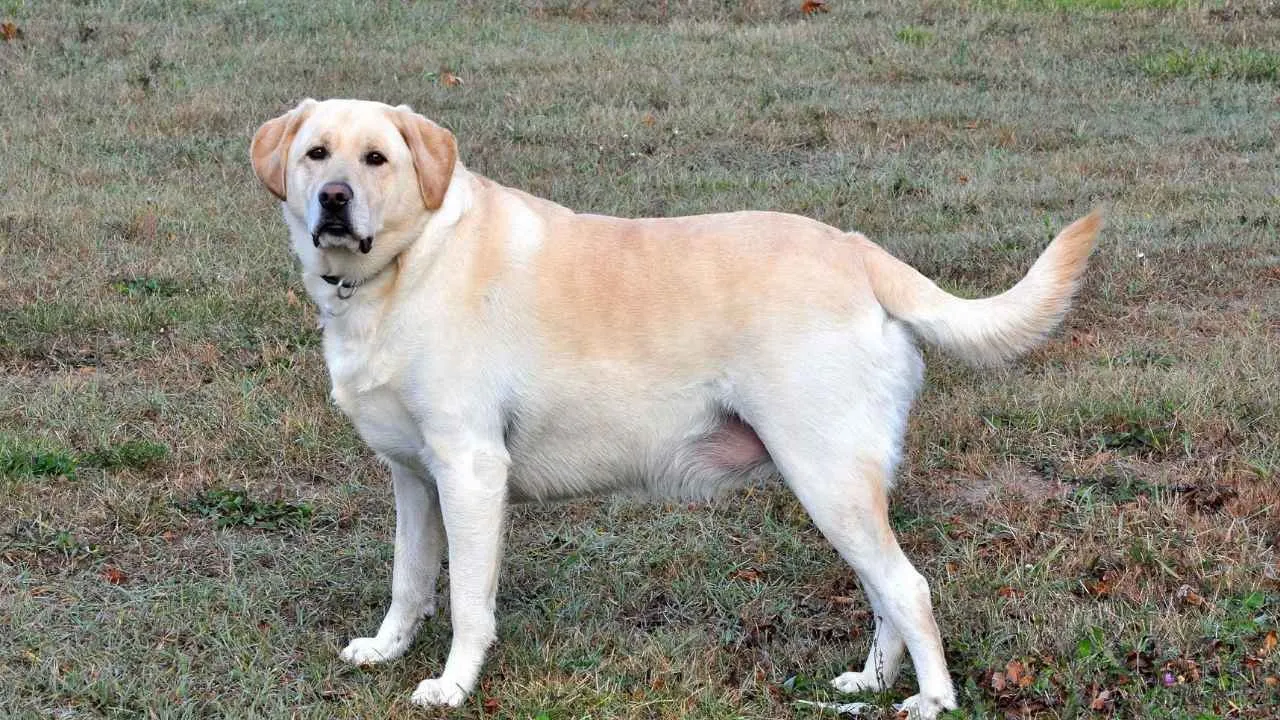
There is always that one dog who treats every fetch like a full-time job, and that is the Labrador Retriever in a nutshell. When it comes to retrieving and tracking wildlife, this popular dog breed shows up with enthusiasm, focus, and zero intention of calling it a day early.
Labradors were originally bred for working alongside fishermen, retrieving fish and lines from cold waters before becoming trusted hunting companions. Over time, they were refined as gun dogs, especially for retrieving waterfowl during hunts, where their natural instincts really shine.
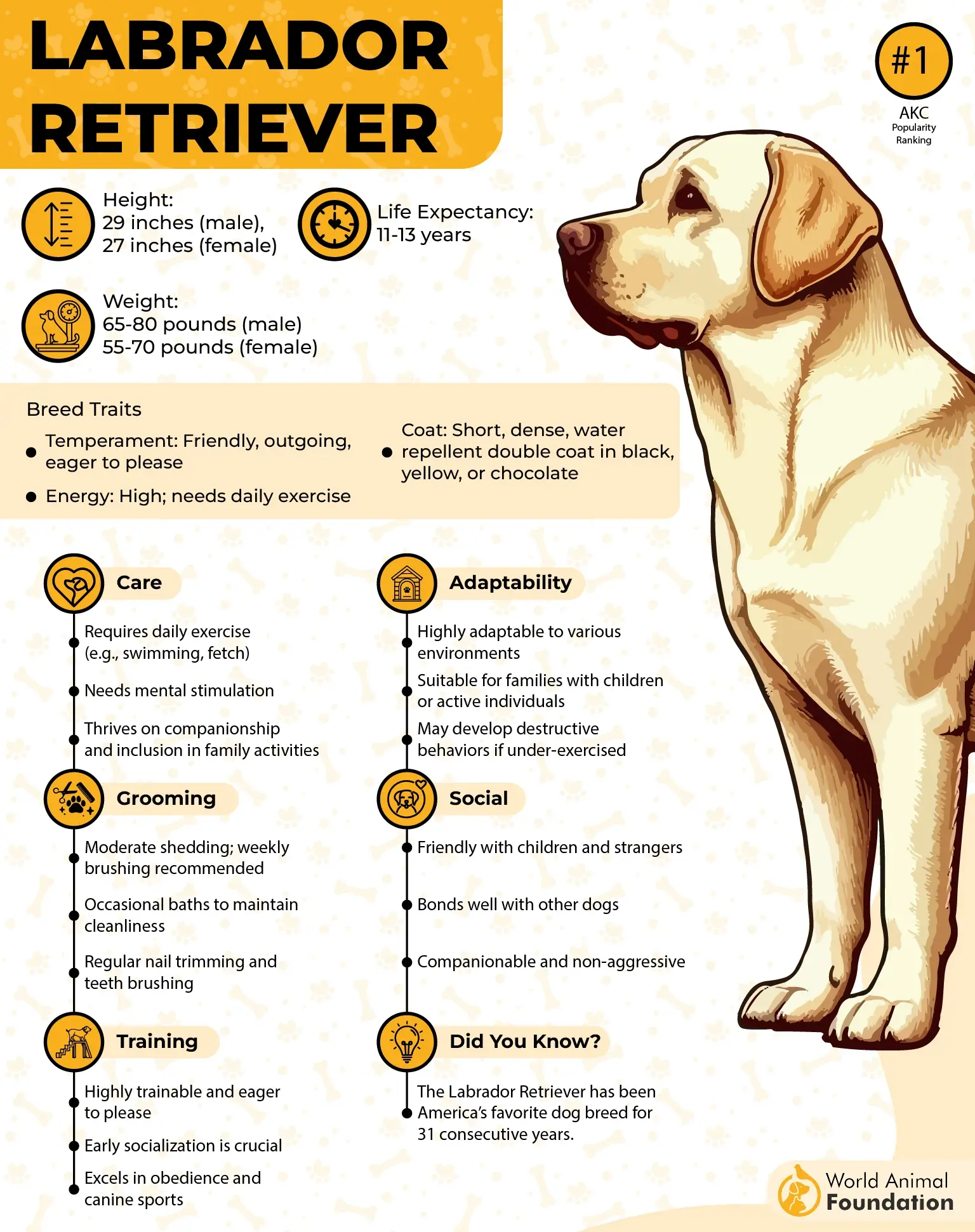
Out in the field, Labradors are known for retrieving birds and other game, particularly from water or rough terrain. Their gentle grip allows them to carry game carefully, while their strong noses help locate animals that are harder to find.
Why This Breed Excels at Retrieving and Tracking Wildlife
Naturally eager to work closely with handlers, making coordination in the field feel effortless
Comfortable moving between land and water environments without hesitation
2. Golden Retriever
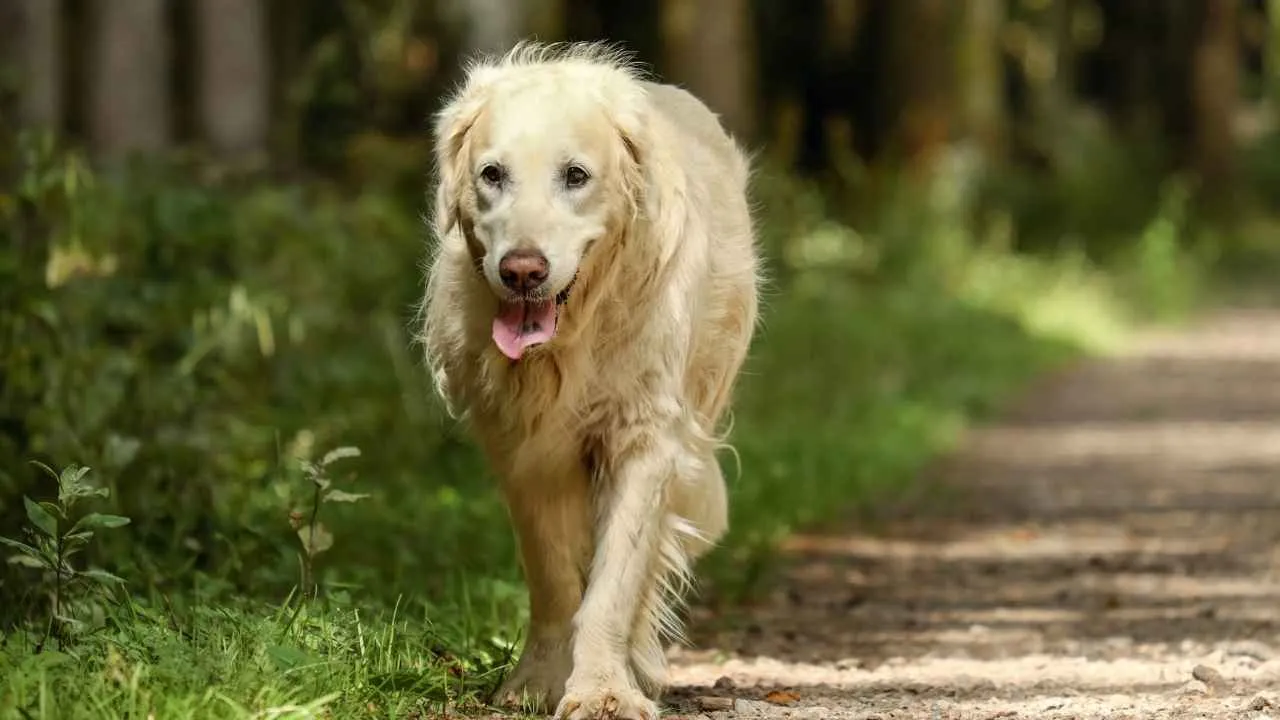
Some dogs bring the vibe, and then there is the Golden Retriever, happily trotting along like every tracking trail is the best adventure ever planned. When it comes to following scents and retrieving, this breed turns work into something that looks suspiciously like pure joy.
Water does not slow this breed down at all. Golden Retrievers were built to retrieve waterfowl for hours, and swimming plus fetching feels like second nature to them, whether it is a calm pond or a marshy hunting ground.
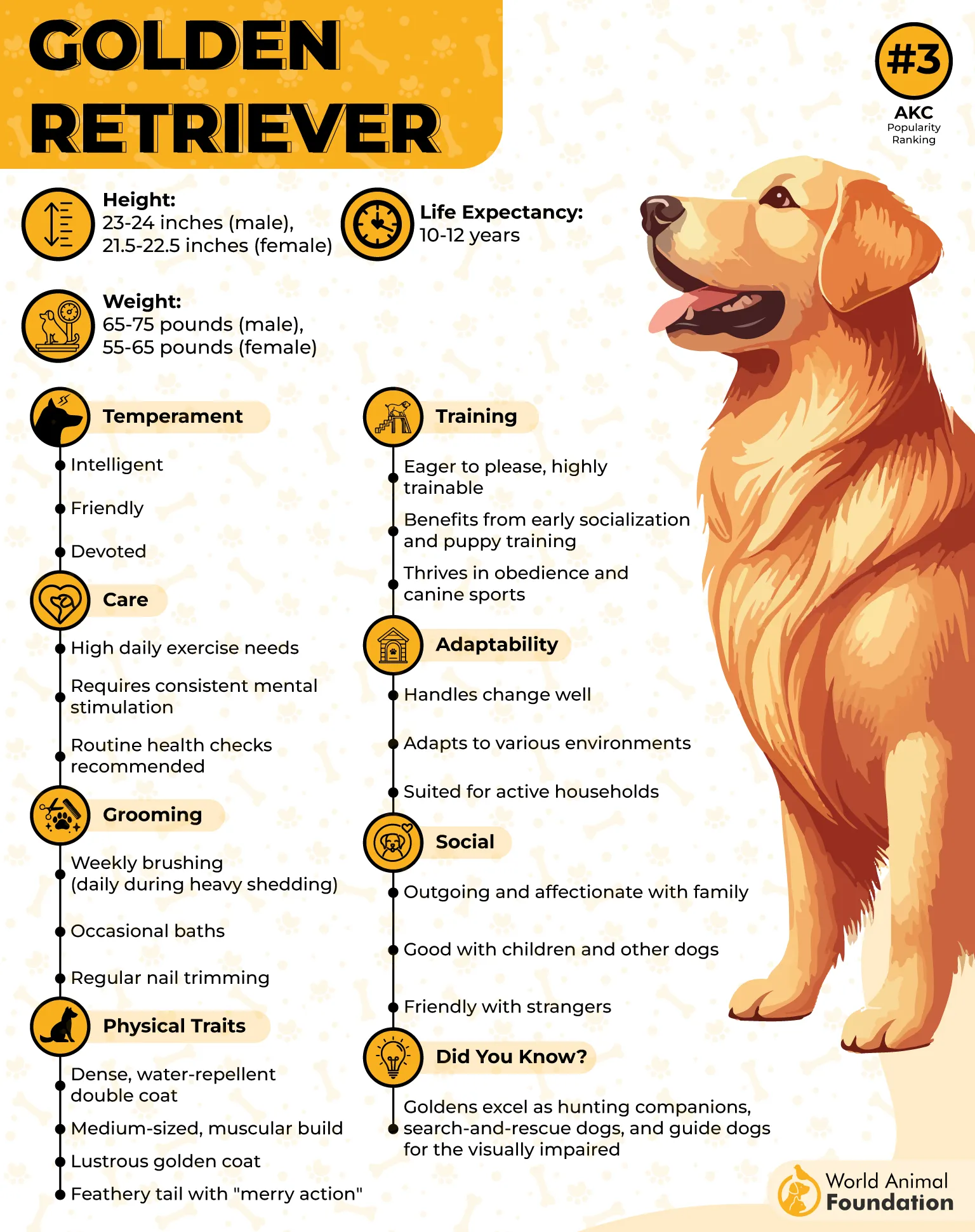
As noted by PetMD, Golden Retrievers are usually easy to train thanks to their friendly nature and eagerness to please. Positive reinforcement works best, and early socialization helps them grow into confident, well-mannered dogs in new situations.
Why This Breed Excels at Retrieving and Tracking Wildlife
Strong natural drive to follow scent trails with confidence
A playful mindset keeps them engaged even during repetitive work
3. Chesapeake Bay Retriever
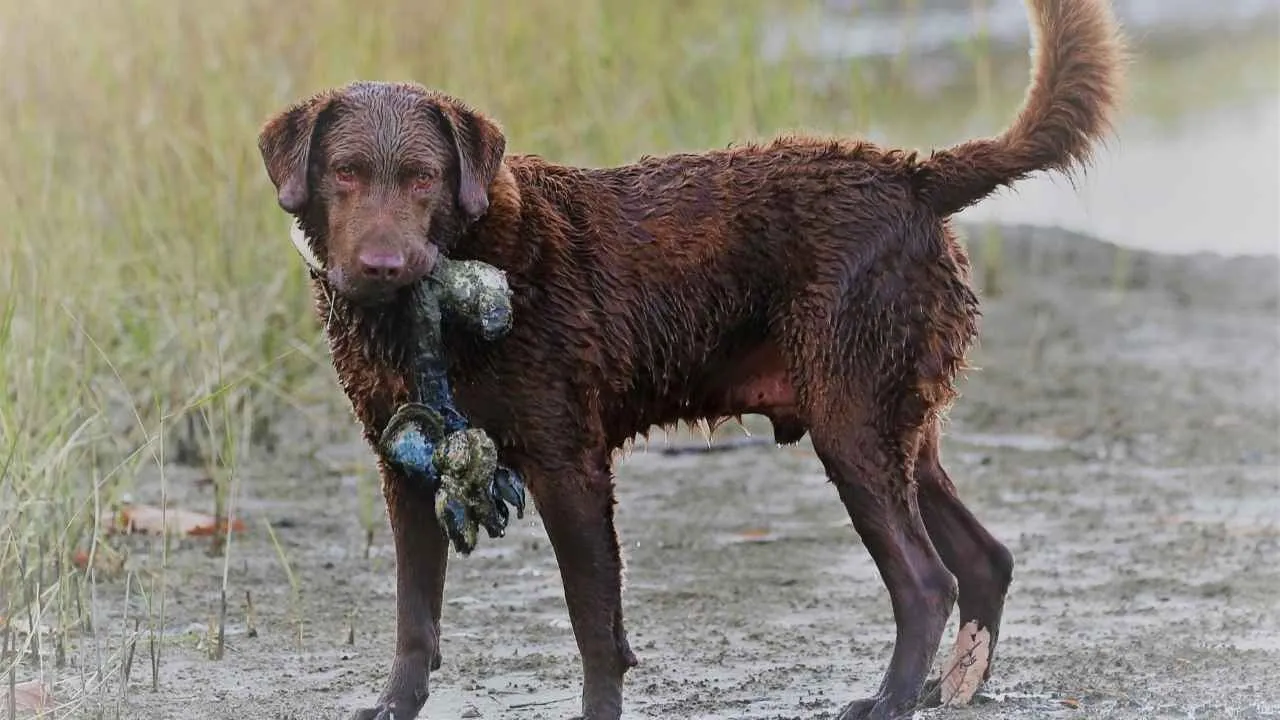
If conditions get rough, windy, or downright miserable, the Chesapeake Bay Retriever seems to take that as a personal challenge. This is the dog that does not just retrieve and track wildlife, but does it while pushing through icy water like it owns the place.
When it comes to tracking, this breed relies on its sharp nose and persistence. It can follow scent trails over land and water, and once it locks onto something, it is not exactly known for giving up halfway through.
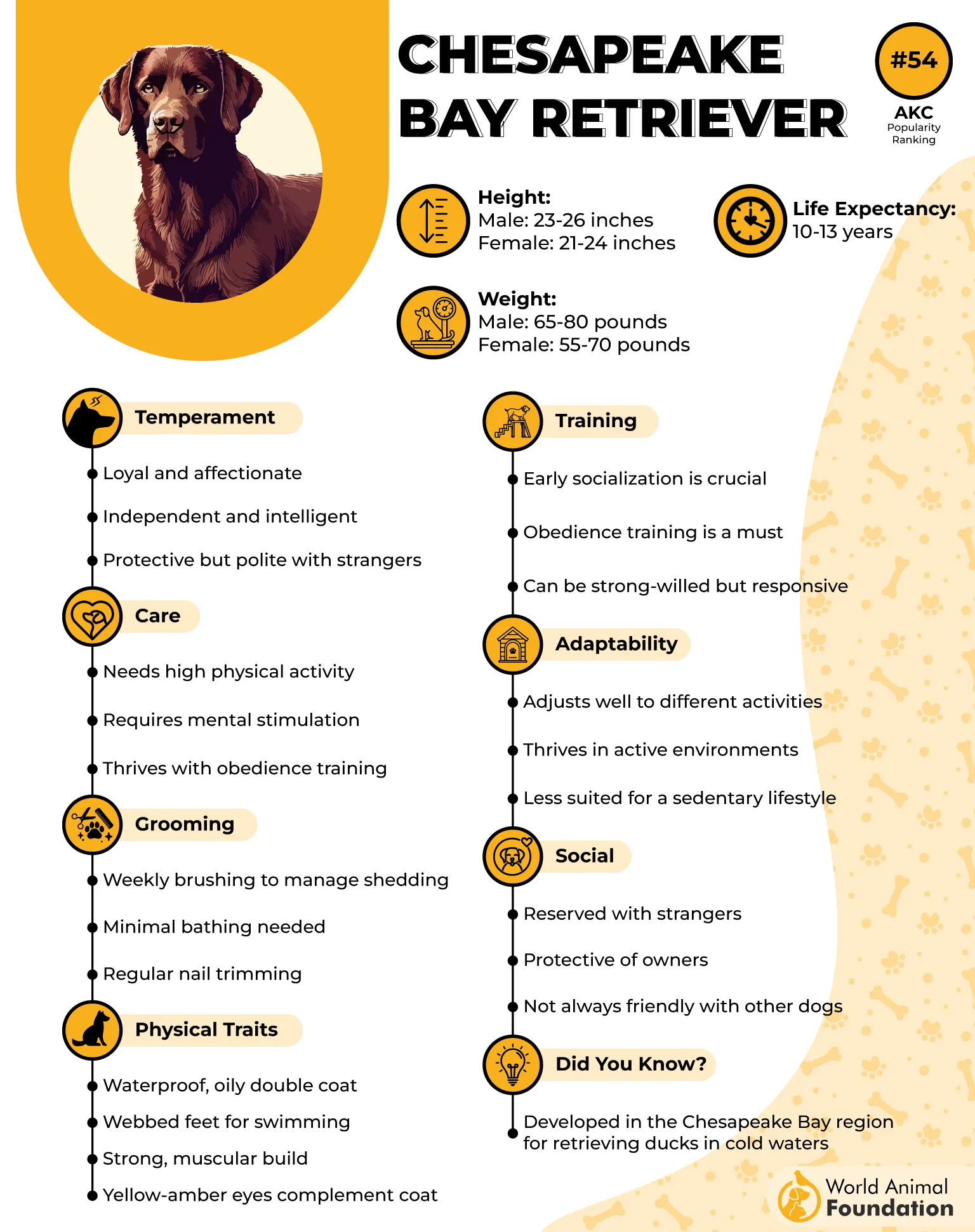
In the field, the Chesapeake works with confidence and independence. It retrieves waterfowl in tough environments, remembers locations of fallen birds, and tackles both land and water tasks with a steady, determined approach that feels almost stubborn in the best way.
Why This Breed Excels at Retrieving and Tracking Wildlife
Handles harsh weather and cold water with impressive resilience
Strong memory helps keep track of multiple targets during hunts
4. German Shorthaired Pointer
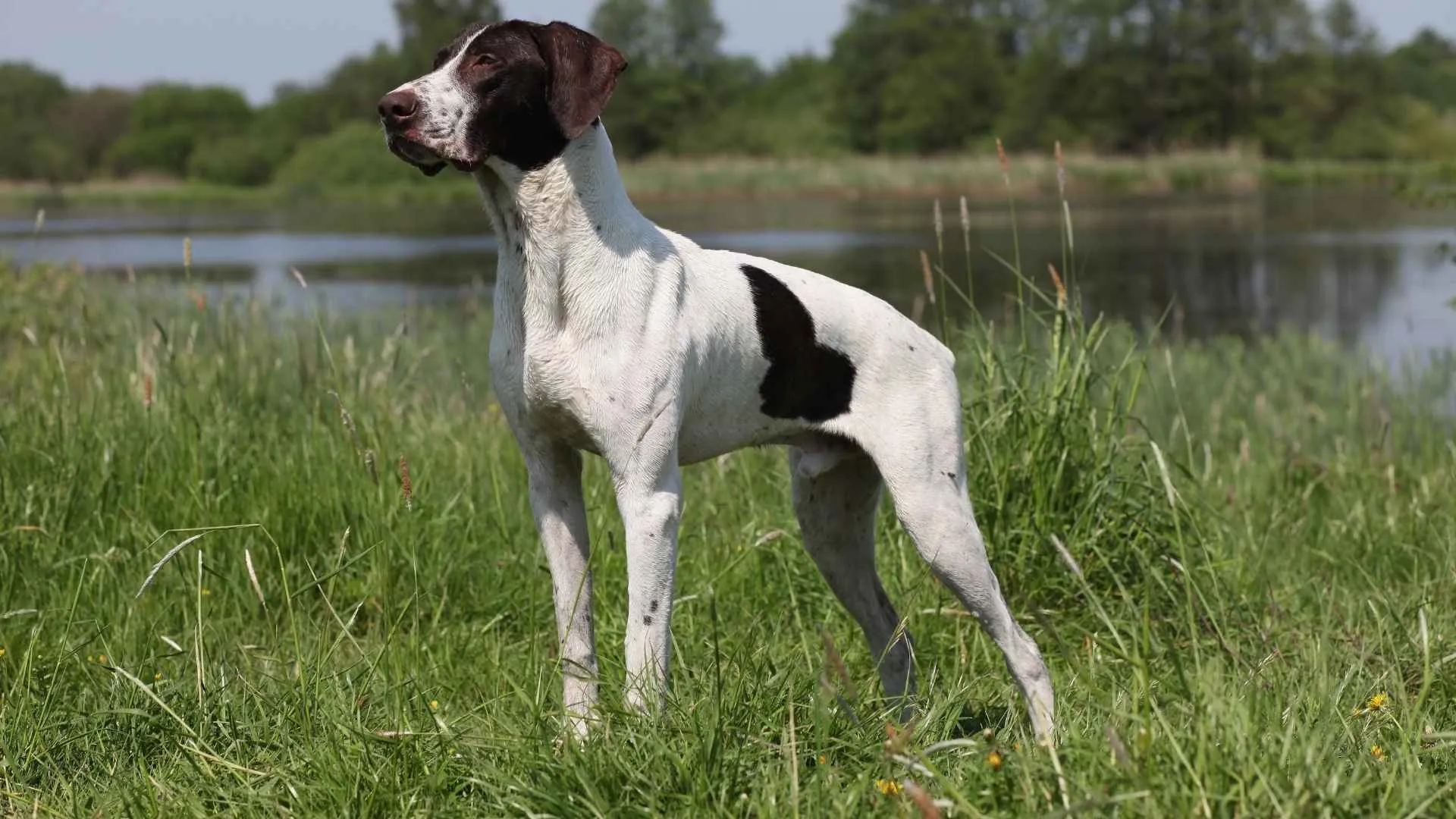
There is something almost unfair about how many jobs the German Shorthaired Pointer can handle without breaking a sweat. Recognized by the American Kennel Club (AKC) in 1930, this breed shows up ready to work for long hours, and still has energy left to keep going.
When it comes to upland bird hunting, this versatile pointing, retrieving, and tracking dog is right at home. It was developed to be a reliable bird dog, capable of locating game, signaling its presence, and staying locked in during long days across fields and woodland terrain.
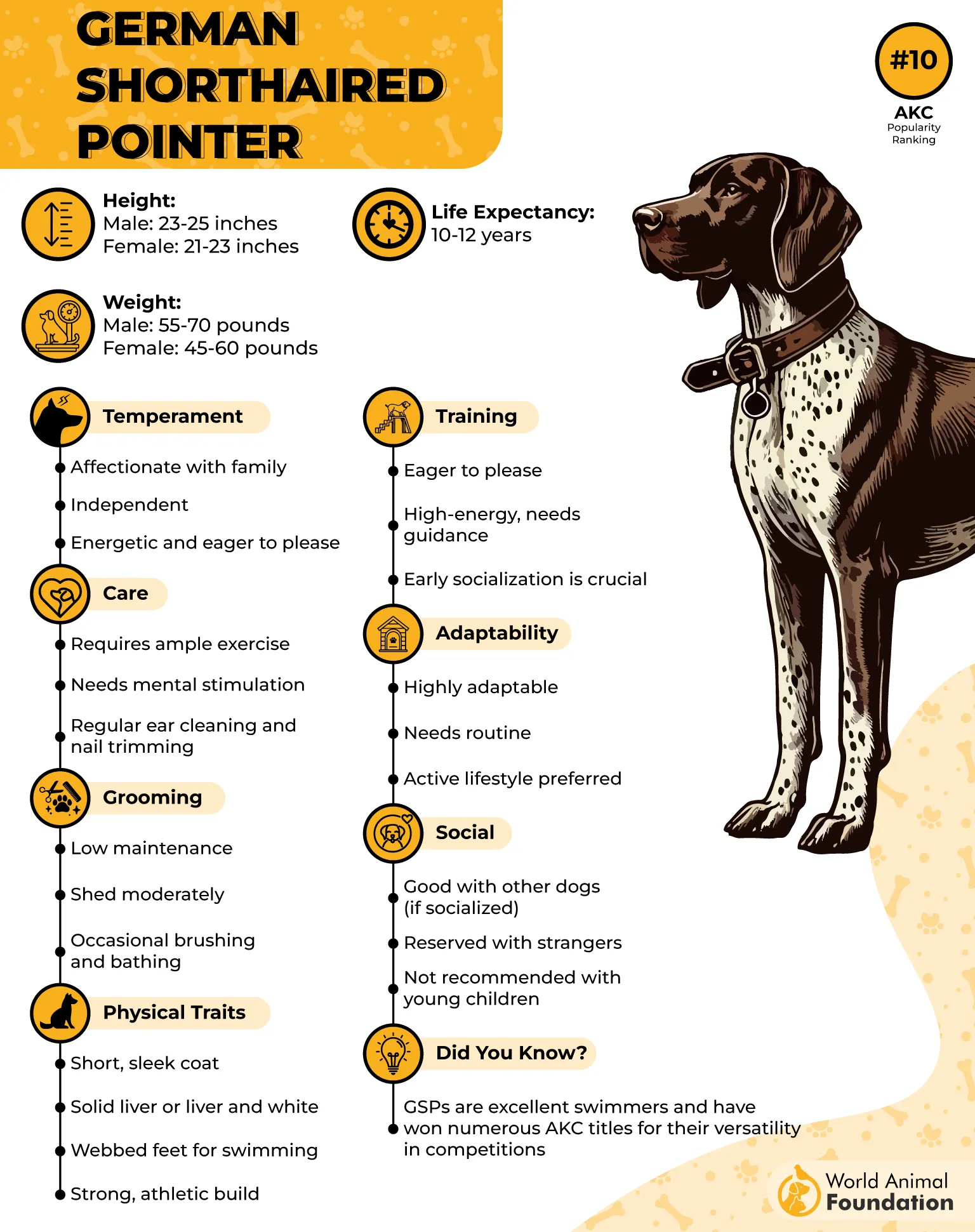
Retrieving and tracking downed birds is part of its all-around skill set. With a strong nose and natural drive, it can follow scent trails and recover game both on land and in water, making it a true all-in-one hunting dog breed.
Why This Breed Excels at Retrieving and Tracking Wildlife
Combines pointing, tracking, and retrieving into one seamless workflow
High energy keeps performance consistent across long sessions
5. Boykin Spaniel
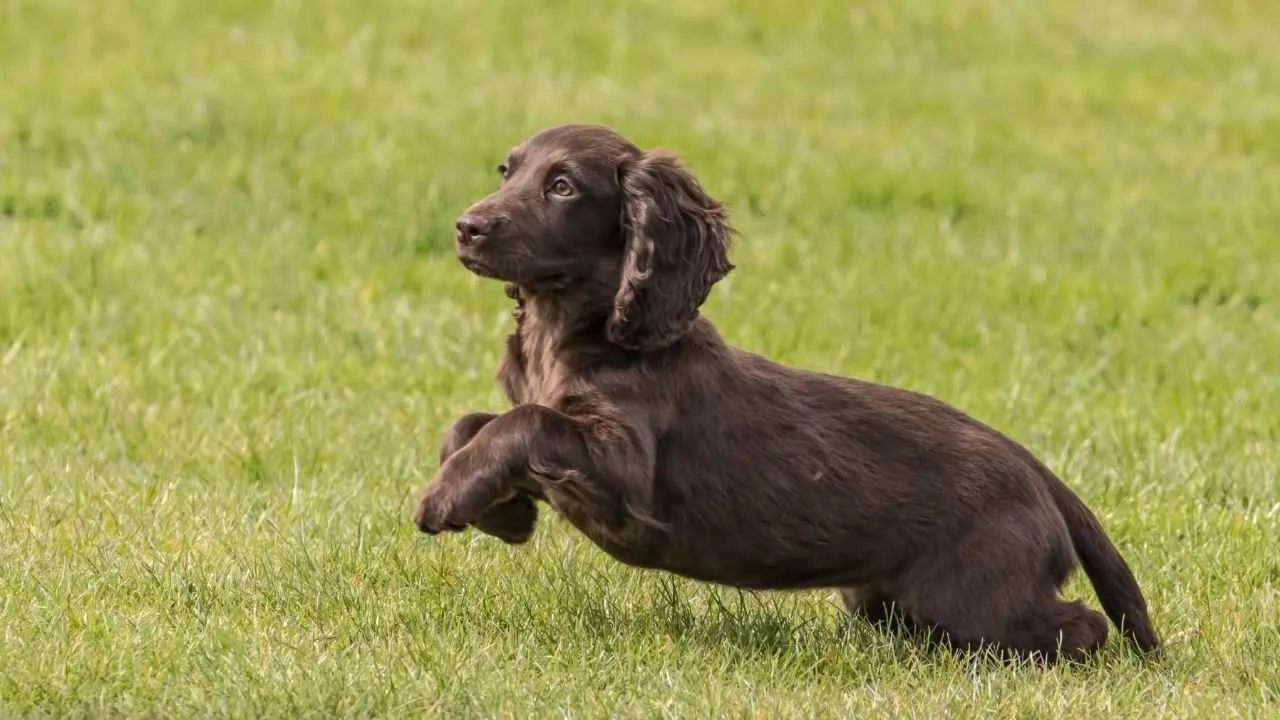
Small in size but definitely not in personality, the Boykin Spaniel brings a lively, get-it-done attitude to retrieving and tracking. This is the kind of dog that dives into work like it has been waiting all week for this exact moment.
The Boykin Spaniel was bred specifically to hunt wild turkeys and waterfowl in swampy areas. That background gave it the ability to work through dense cover while staying close and responsive during hunts.
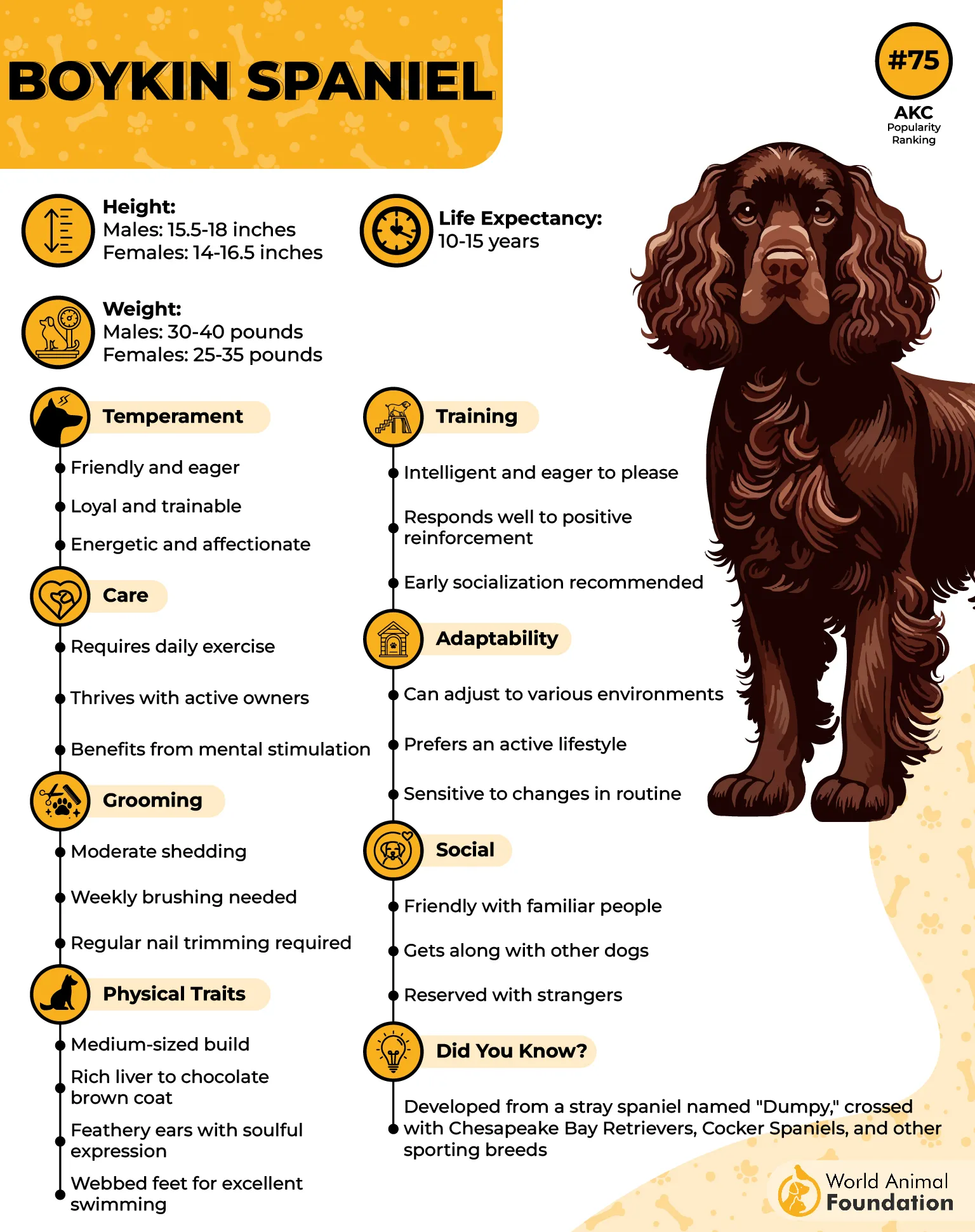
The ideal owner for this hunting breed is someone active and involved, someone who enjoys spending time outdoors and giving their dog a job to do. They thrive with people who match their energy and appreciate their working instincts.
Why This Breed Excels at Retrieving and Tracking Wildlife
Comfortable working in tight, dense environments without hesitation
Naturally stays close, making coordination easier during hunts
6. Flat-Coated Retriever
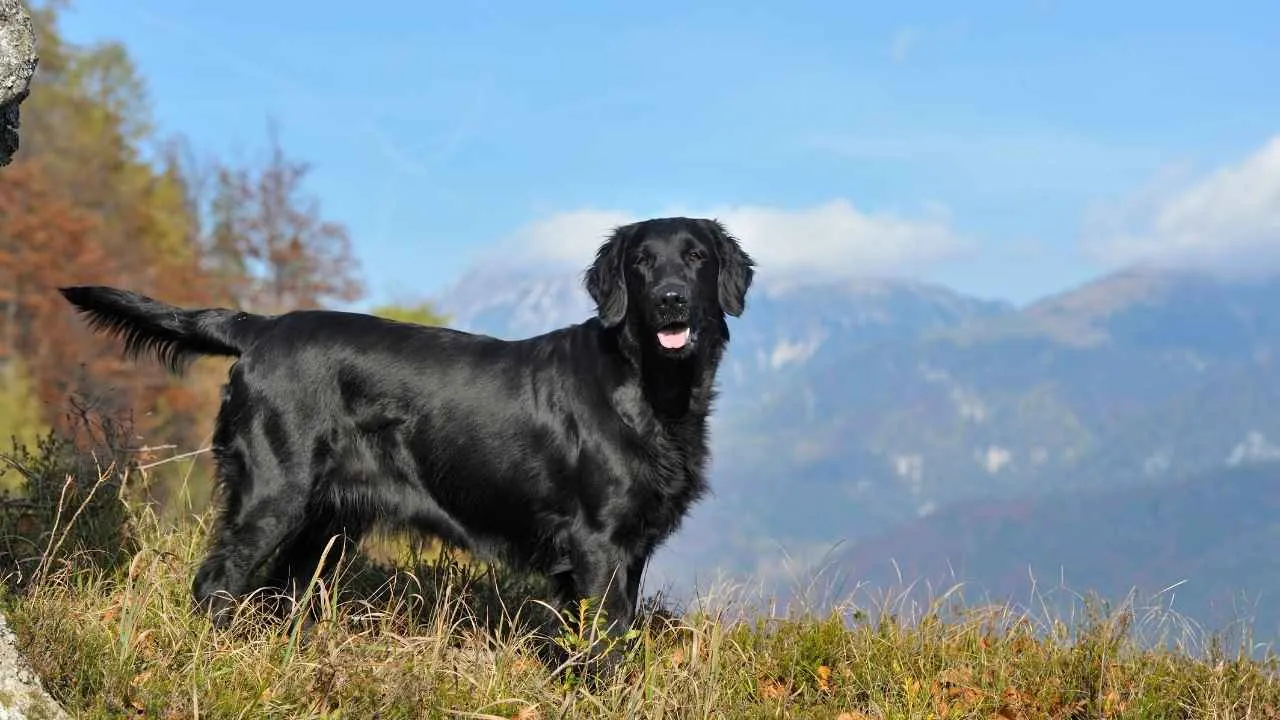
There is a certain dog that treats every outing like a grand adventure, tail wagging like it has its own personality, and that is the Flat-Coated Retriever. It carries that upbeat, always-ready energy straight into outdoor work without ever looking bored.
The Flat-Coated Retriever’s coat needs regular but simple care to stay in good shape. Weekly brushing helps remove dirt and loose hair, while keeping the coat clean and smooth. Routine checks, especially around the ears, also help maintain overall coat health.
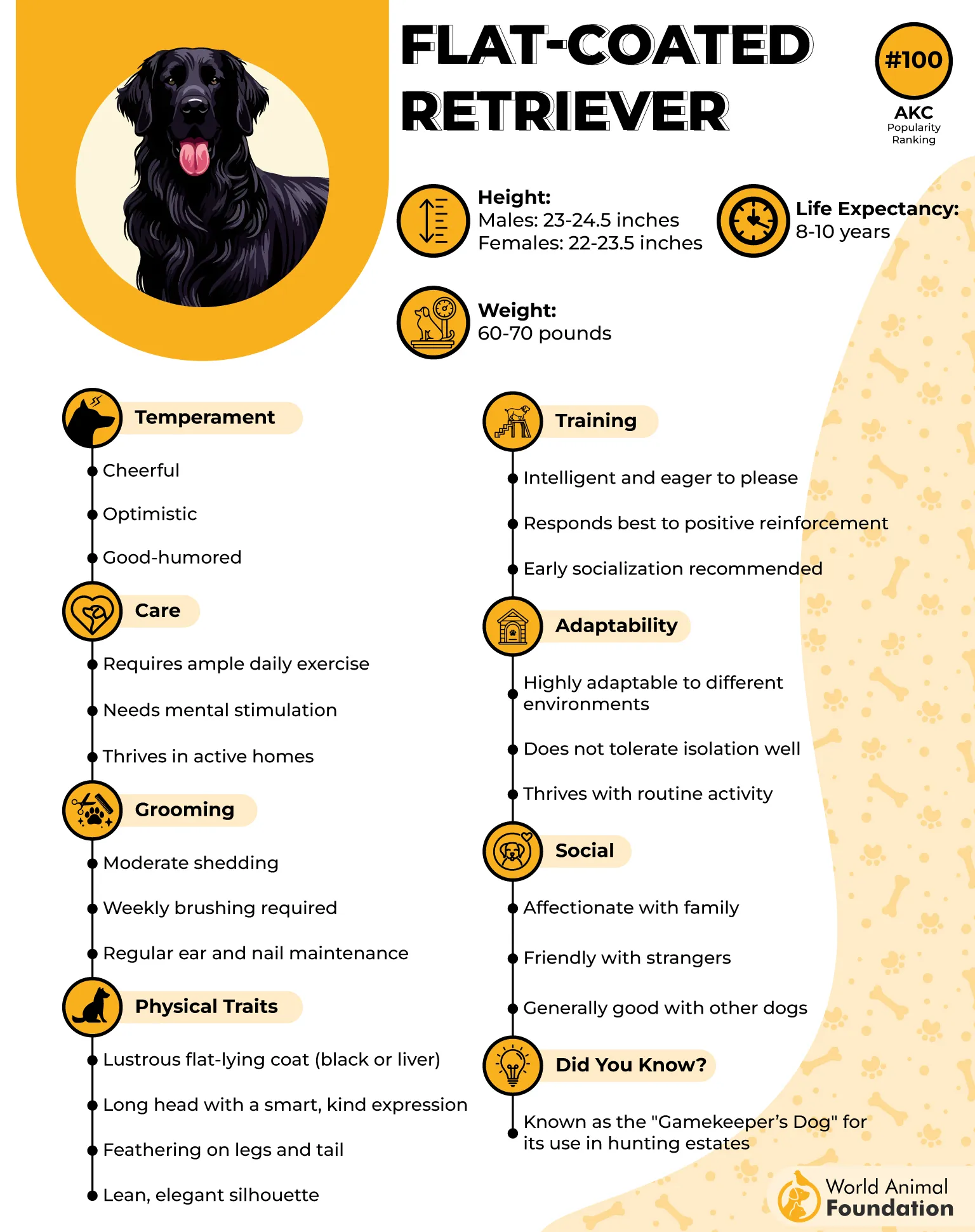
As mentioned by WebMD, Flat-Coated Retrievers are bright, cheerful, and eager to please, which makes training feel surprisingly smooth most of the time. Keep things positive and encouraging, though, because harsh tones can stress them out and quickly take the fun out of learning.
Why This Breed Excels at Retrieving and Tracking Wildlife
Strong desire to stay close and engaged with people during outdoor work
Quick responsiveness helps them adapt to different field situations
7. Curly-Coated Retriever
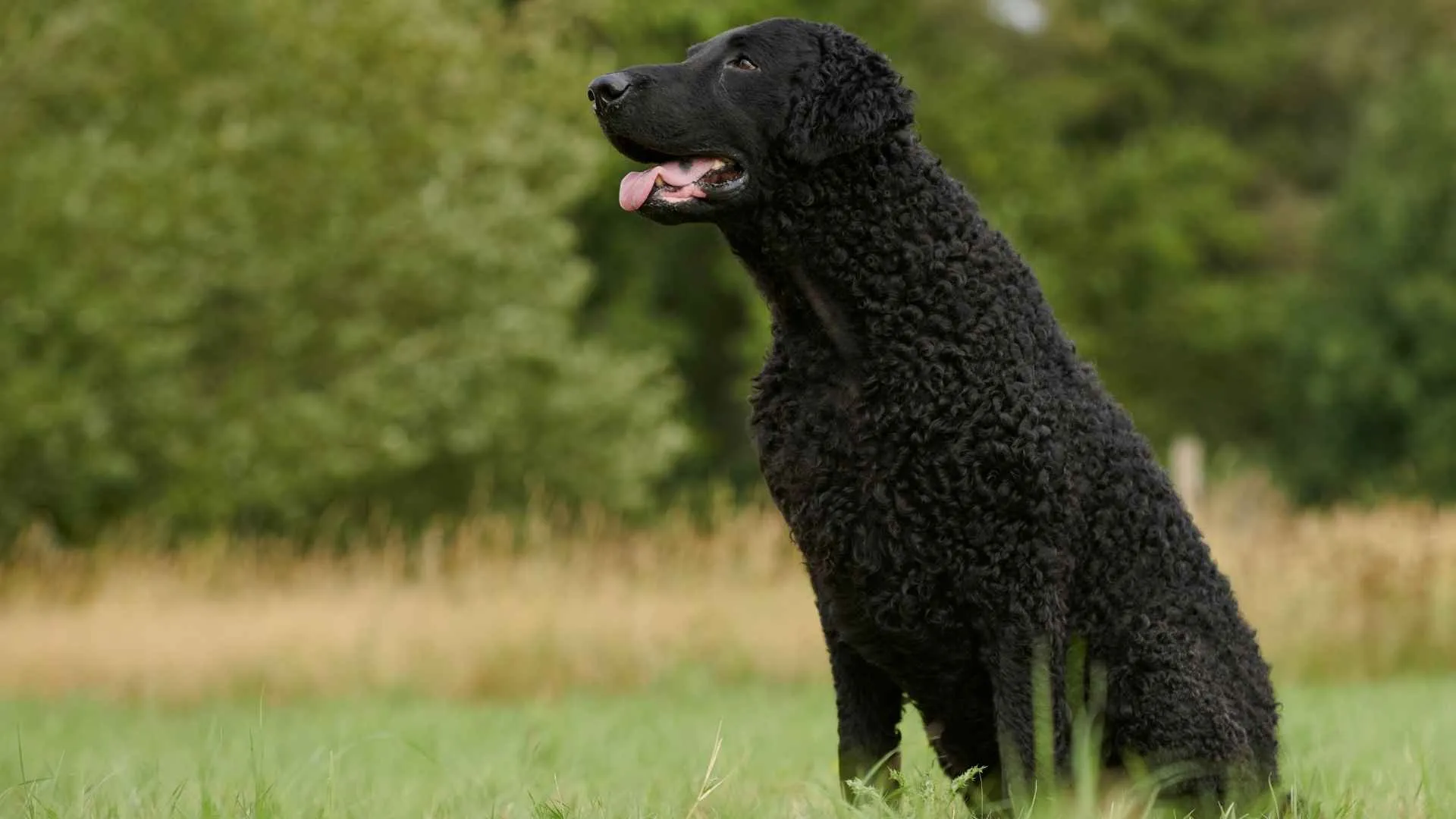
Some dogs quietly get the job done without making a big show of it, and the Curly-Coated Retriever fits that vibe perfectly. Calm, confident, and a little independent, it brings a steady presence when working through fields or water.
When it comes to tracking and retrieving, this breed has built a reputation for efficiency. It handles both upland game and waterfowl, retrieving wounded or fallen game on land and in water with determination and reliability.
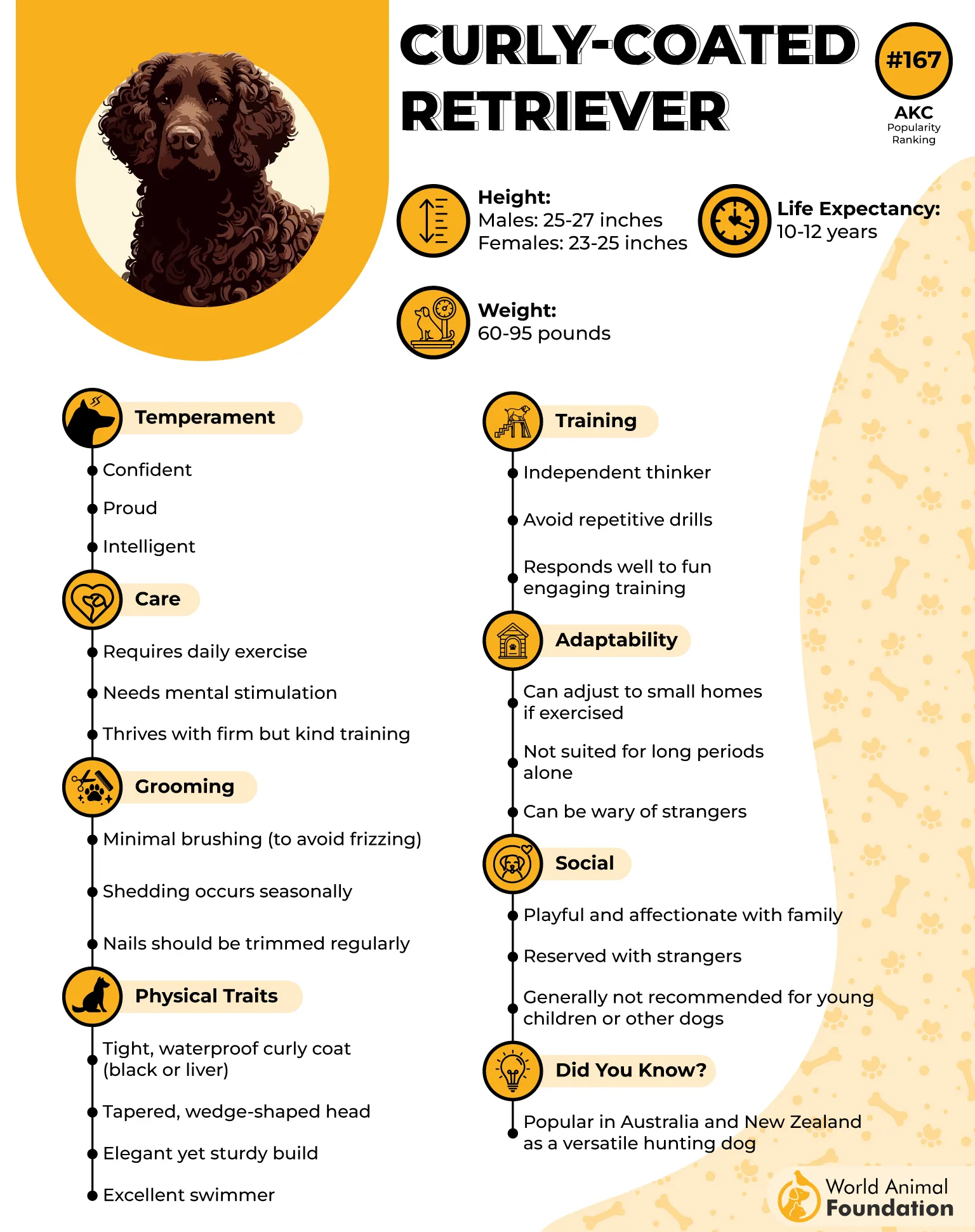
Keeping this breed satisfied takes more than a quick walk. It thrives on active routines, outdoor play, and tasks that challenge both mind and body, with swimming and retrieving activities being especially enjoyable outlets for its energy.
Why This Breed Excels at Retrieving and Tracking Wildlife
Independent thinking helps it handle hunting tasks without constant direction
Strong endurance supports long working sessions in varied environments
Conclusion
Tracking scents, splashing through water, and proudly carrying back their prize is more than just a skill for these dogs. It is instinct meeting enthusiasm. Each breed brings its own personality, turning the experience into true teamwork.
Picking the right companion comes down to your pace, your space, and your vibe outdoors. The right match will not just follow along but turn every outing into something exciting, memorable, and a little addictive once you get started.
