




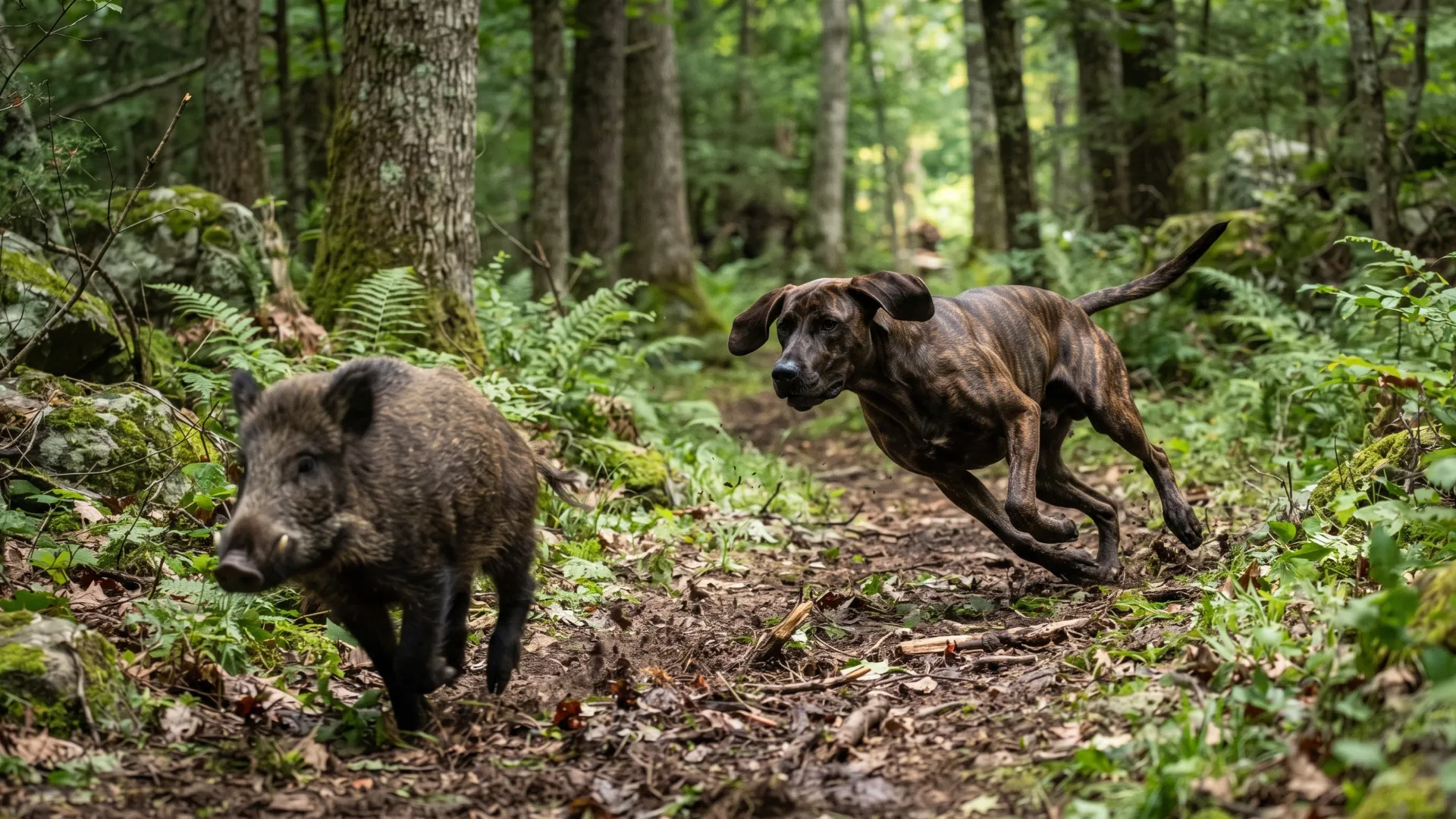
Ever watched your dog freeze mid-walk because a squirrel committed the terrible crime of existing nearby? Suddenly, your sweet couch companion is locked in, ears forward, eyes focused, and apparently starring in their own wildlife documentary.
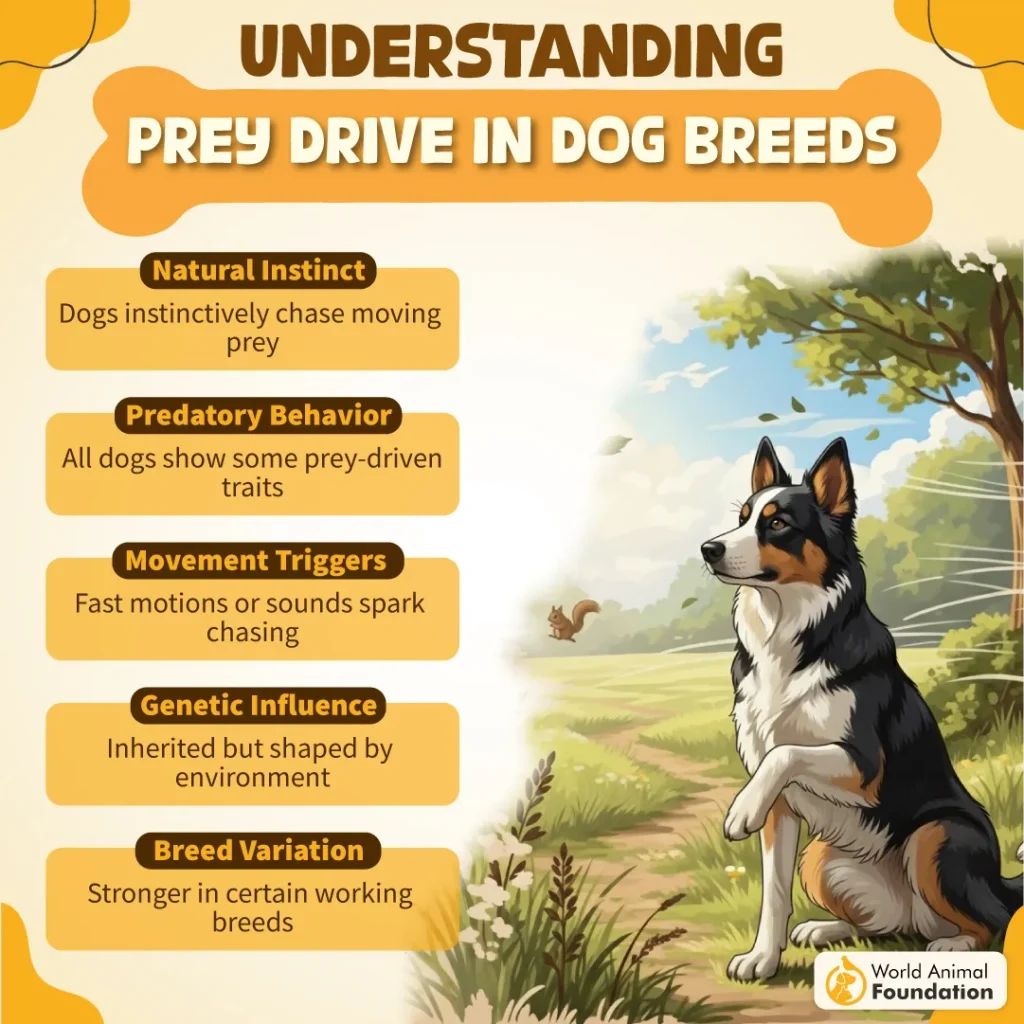
That intense urge to stalk, chase, track, or grab moving targets comes from prey drive, an instinct dogs inherited from their canine ancestors. In some dogs, generations of selective breeding strengthened certain parts of that instinct for hunting, herding, or other working jobs.
And when that chase switch flips, things can get interesting fast. So, which dogs are especially wired to pursue instinctive prey? Let’s meet them.
Did you know?
Prey drive originally helped wild canines locate and capture food, but domestication did not erase it completely. Even playful behaviors like fetching, tugging, chasing, and shaking toys can echo parts of that ancestral sequence still present in dogs today.
Best Dog Breeds for Pursuing Instinctive Prey
1. American Foxhound
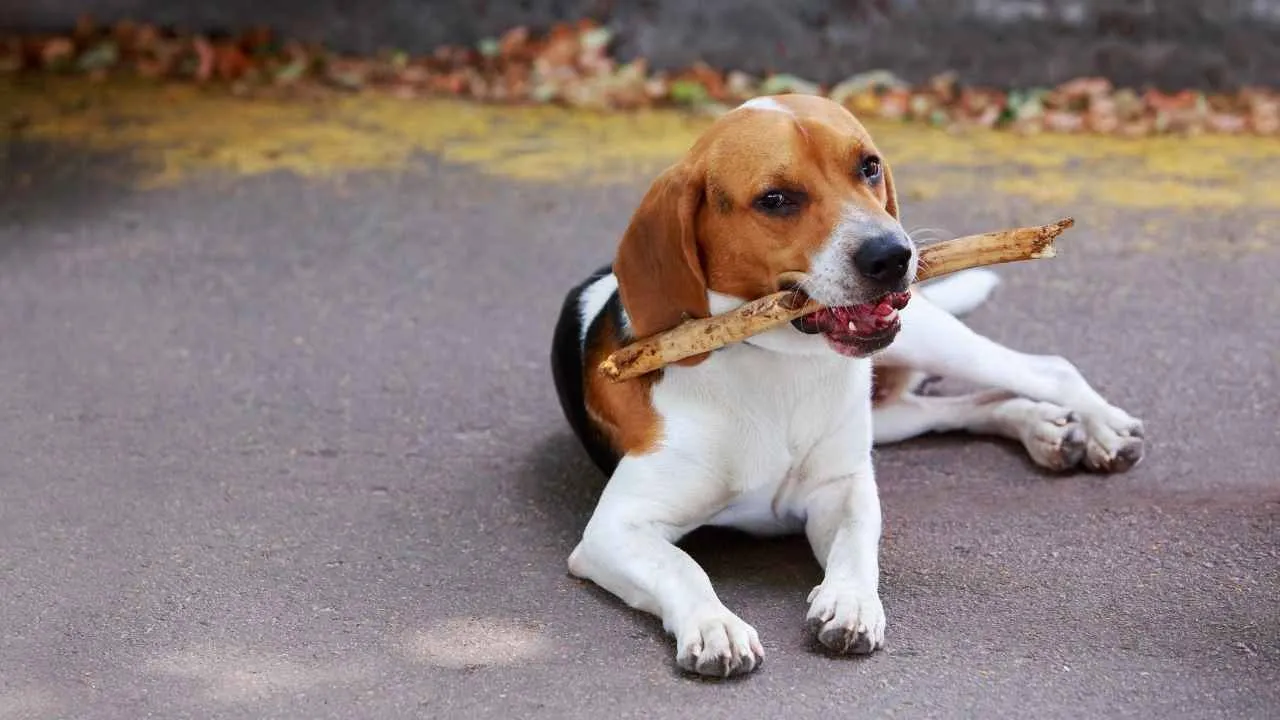
Sweet manners can be wonderfully misleading with an American Foxhound. The moment an interesting scent enters the conversation, this devoted hound can switch from easygoing companion to intensely focused pursuer, bringing speed, determination, and a distinctly single-minded hunting instinct.
Originally bred to hunt foxes in the Colonial era, the American Foxhound was developed for demanding work over distance. George Washington also helped shape the breed by crossing dogs from England, France, and the United States, strengthening its long hunting tradition.
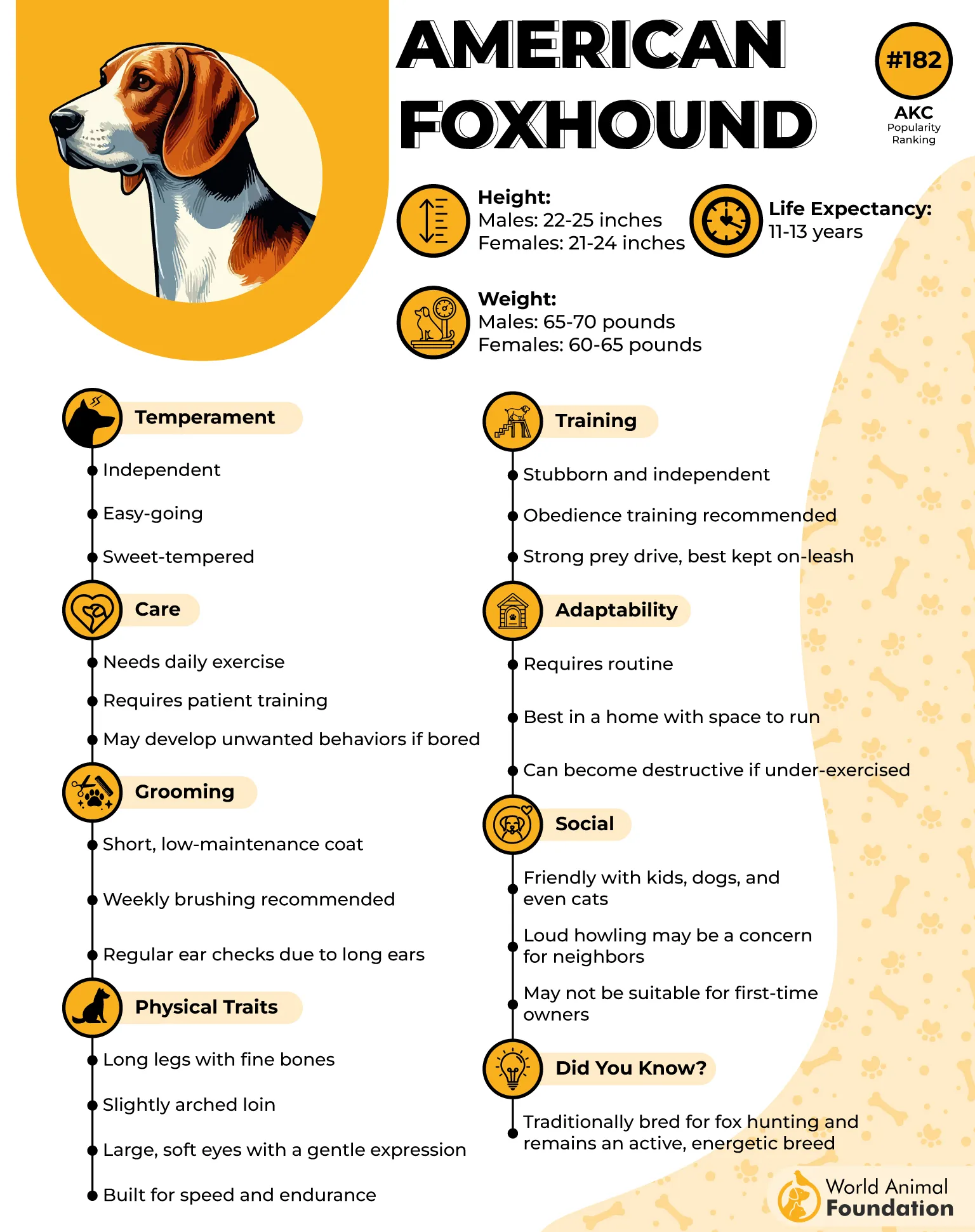
Following scent and pursuing prey is where this hound becomes wonderfully serious. American Foxhounds were bred to chase prey for hours, combining endurance with a powerful nose, so their instinctive pursuit skills make them naturally equipped for tracking and hunting work.
What Makes This Breed Stand Out
Its booming bay once helped communicate with human hunting companions when the dog was following a scent.
Tracking, rally, and coursing activities can give this high-energy dog productive ways to use both body and brain.
2. Jack Russell Terrier
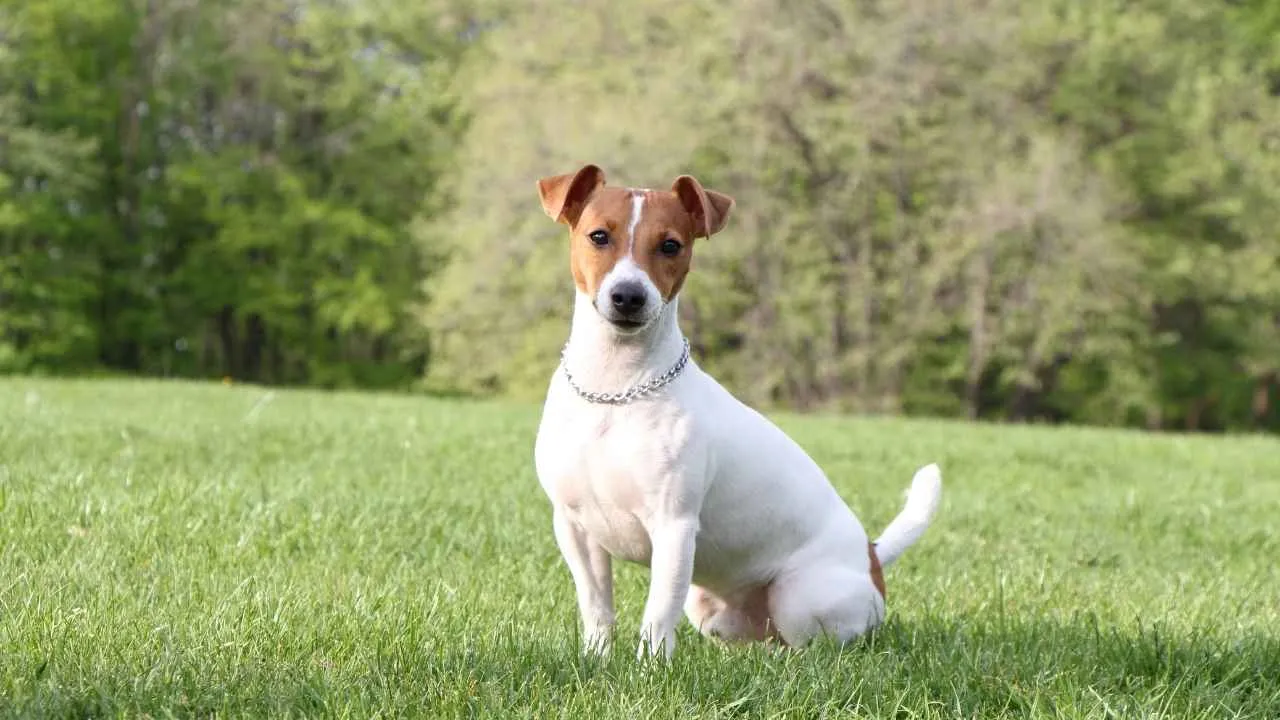
A quiet backyard can become interesting when a Jack Russell spots something small moving through it. This fearless dog possesses a formidable chase instinct, sharp curiosity, and the kind of hunting determination that rarely accepts “never mind” as an answer.
These dogs can chase small animals when they quickly grab their attention. Jack Russells may pursue cats, rodents, birds, and other small creatures because their hunting instincts remain strong, making supervision especially important when smaller pets share their surroundings.
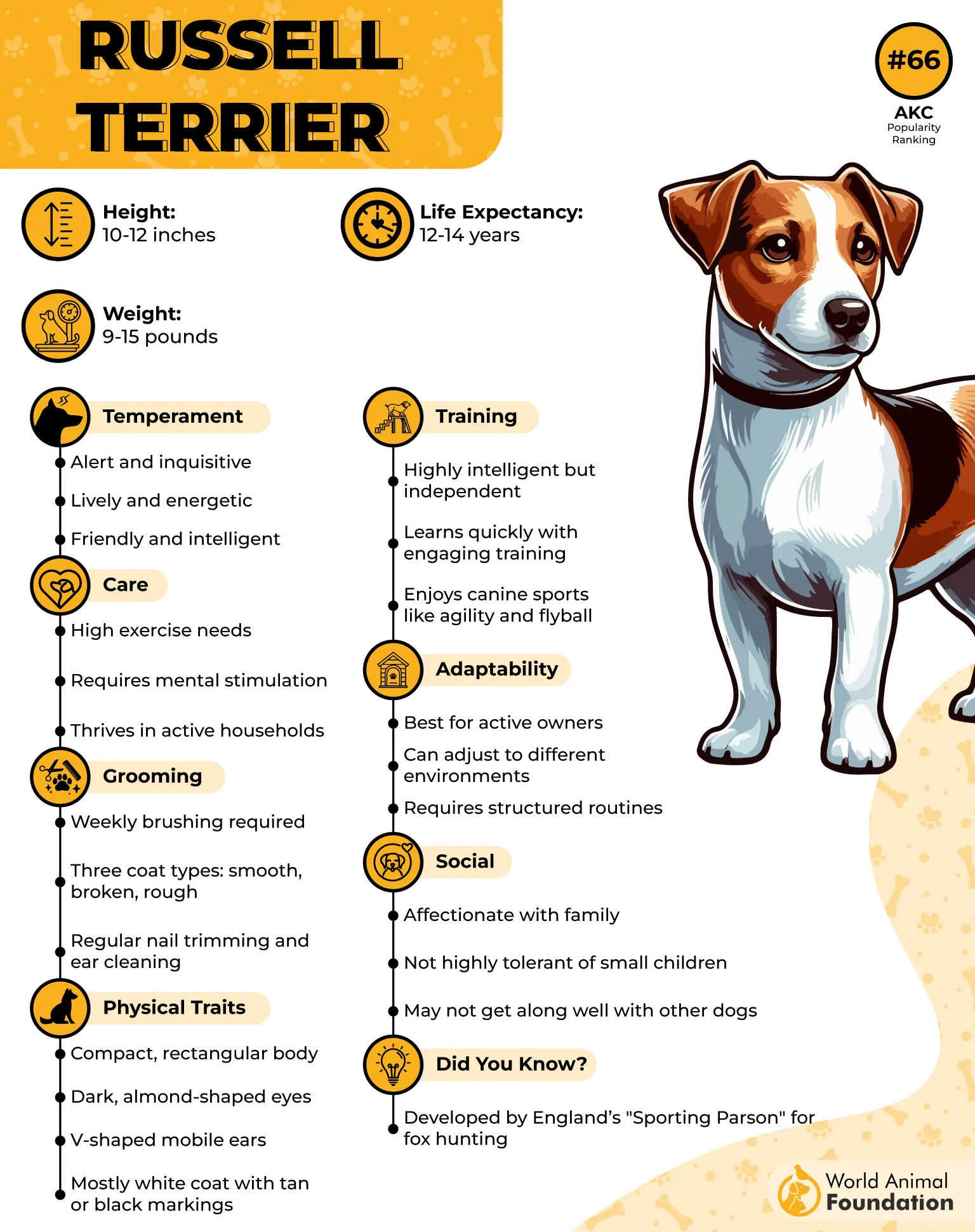
As noted by Purina, Jack Russells respond especially well to positive reinforcement, rewards, and fun. Early socialization, reliable recall, and proper training matter, while their clever, fast-learning nature can make activities and dog sports especially enjoyable.
What Makes This Breed Stand Out
Fetch can turn that enthusiastic urge to chase into a structured game rather than an unscheduled wildlife expedition.
These clever terriers can become accomplished diggers and escape artists, so secure fencing earns its keep quickly.
3. Weimaraner
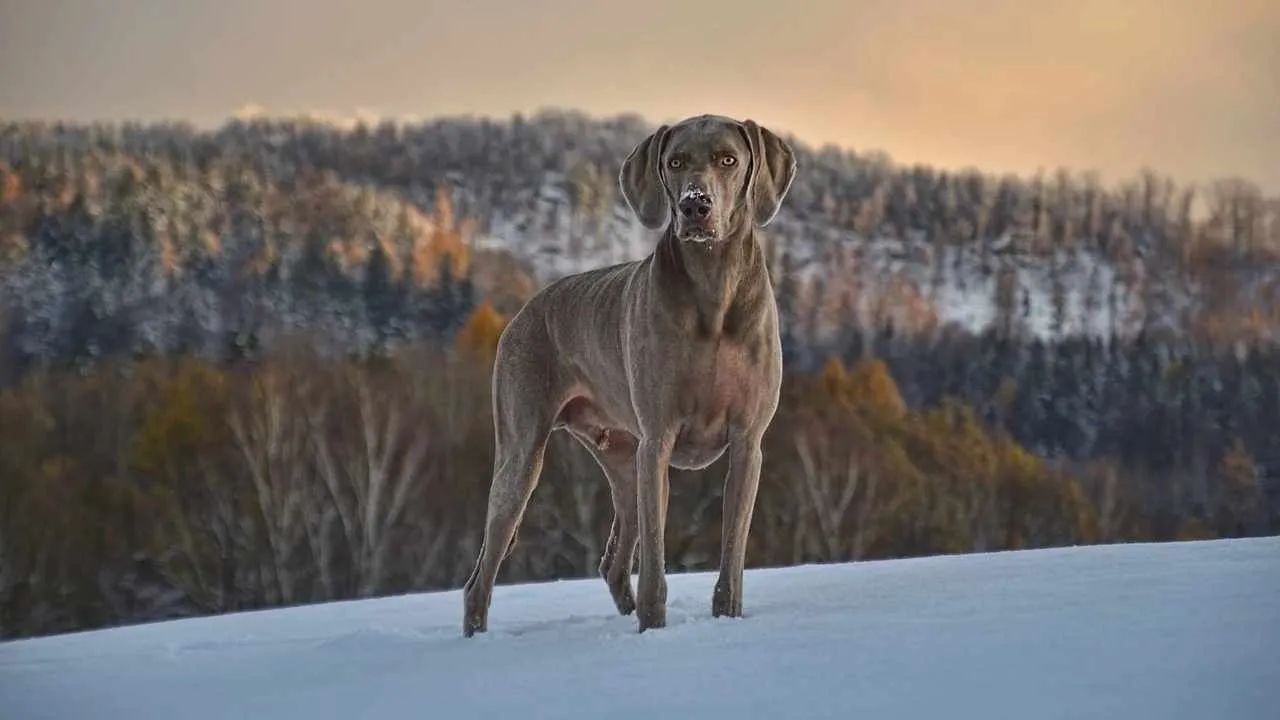
The Weimaraner has the polished look of a dog who knows exactly where the action is. Beneath that sleek appearance sits a sporting hunter with tracking ability, courage, speed, and enough instinctive drive to take pursuit very seriously.
Strong prey drive remains part of the Weimaraner’s hunting character. Cats, rodents, and small dogs may trigger chasing behavior, while early socialization can help them live successfully with other dogs, making introductions and supervision especially important around smaller animals.
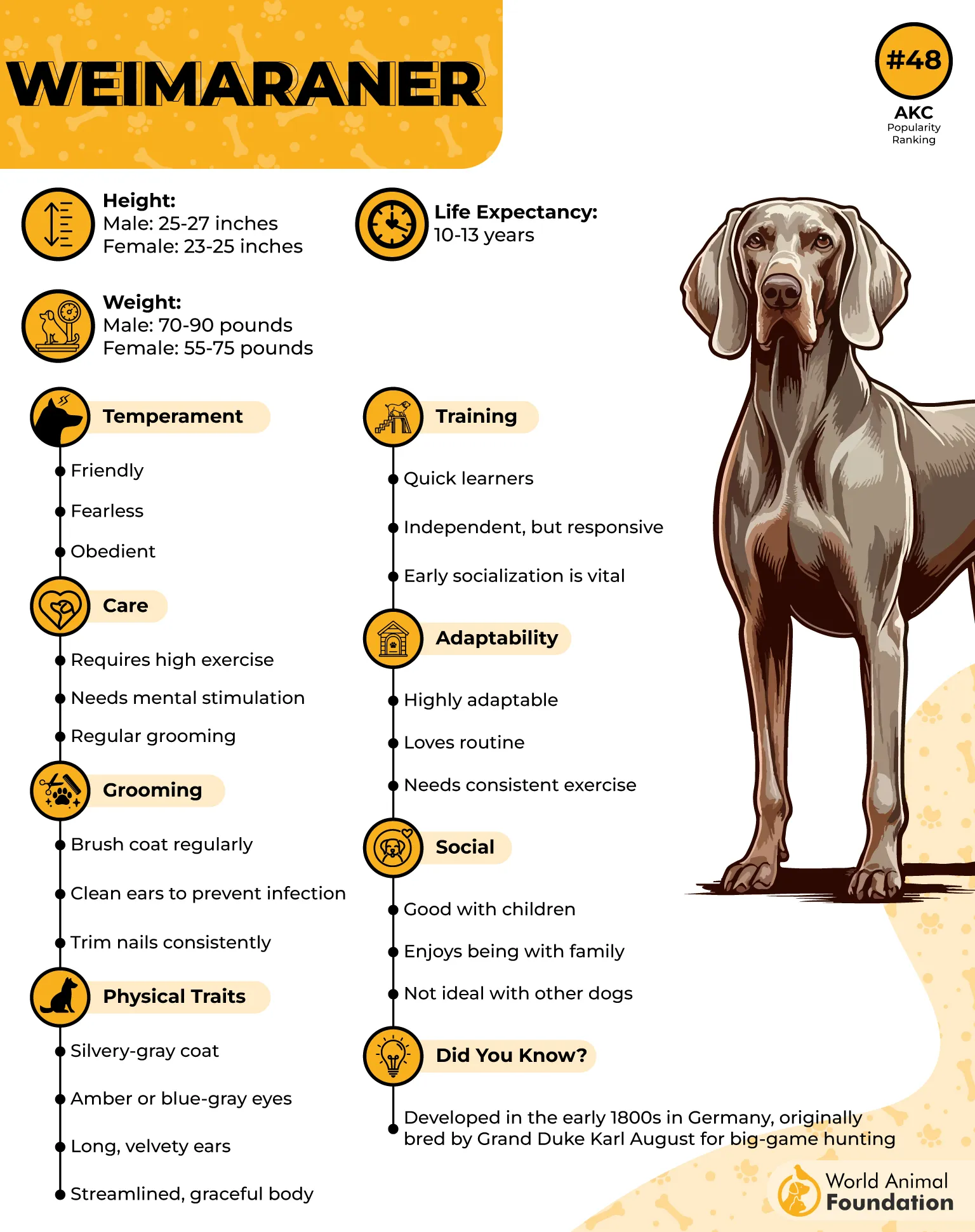
Keeping this intelligent dog pleasantly occupied takes more than a casual stroll. Weimaraners need substantial physical activity plus mental stimulation, and running, tracking prey, nose work, or other challenging activities can give their energetic minds and bodies something worthwhile to do.
What Makes This Breed Stand Out
Strong problem-solving ability makes advanced activities such as agility, dock diving, tricks, and tracking an especially interesting match.
This hunting breed strongly enjoys human company, bringing an affectionate, people-oriented side to an otherwise seriously athletic sporting dog.
4. Plott Hound
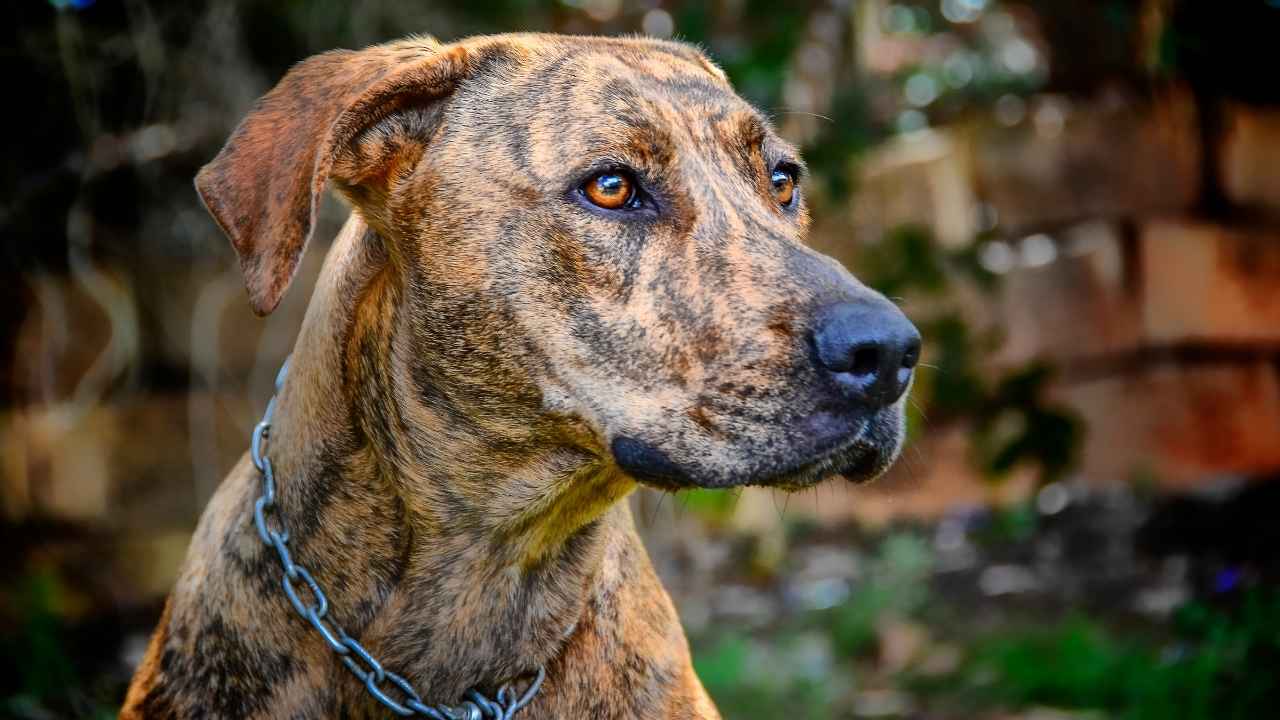
The Plott Hound does not exactly bring half-hearted energy to a hunt. Rugged, fearless, and relentless at work, this scent hound combines speed with spirit and was recognized by the AKC in 2006, bringing serious purpose to pursuit.
Initially bred from Hanover hounds brought to North Carolina by Johannes Plott in 1750, the breed developed into a big-game hunter. The Plott family later crossed its dogs with local hunting stock, shaping a hound suited to demanding quarry.
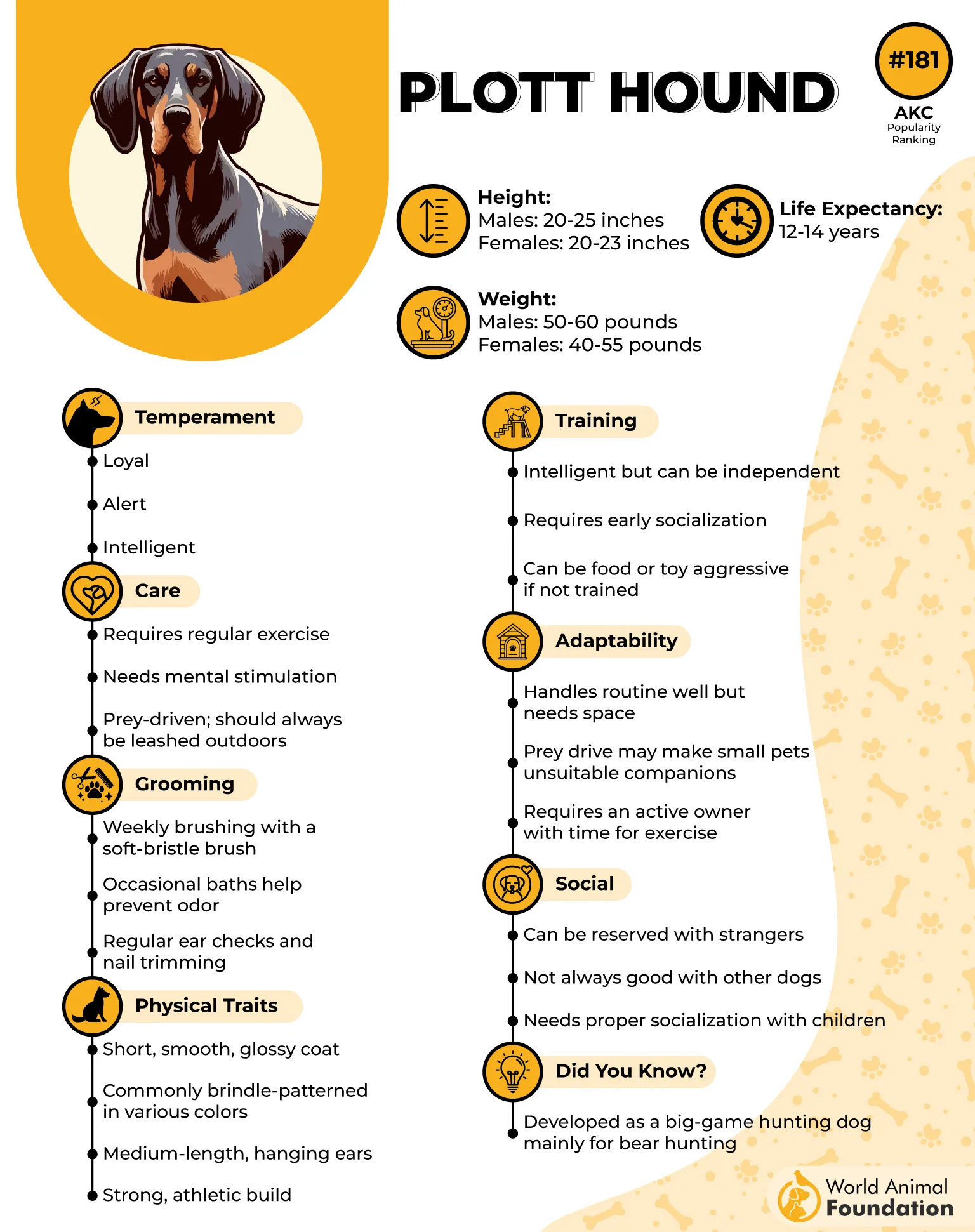
Around people, the Plott Hound can be affectionate, loyal, and eager to please, especially in an active family. Other dogs may become good companions with socialization, but smaller household pets can be viewed as prey, so supervision matters.
What Makes This Breed Stand Out
A distinctive brindle coat gives the Plott a look that is every bit as memorable as its working personality.
The breed’s long, steady barking voice can be remarkably powerful, giving this hound a rather unmistakable soundtrack.
5. Beagle
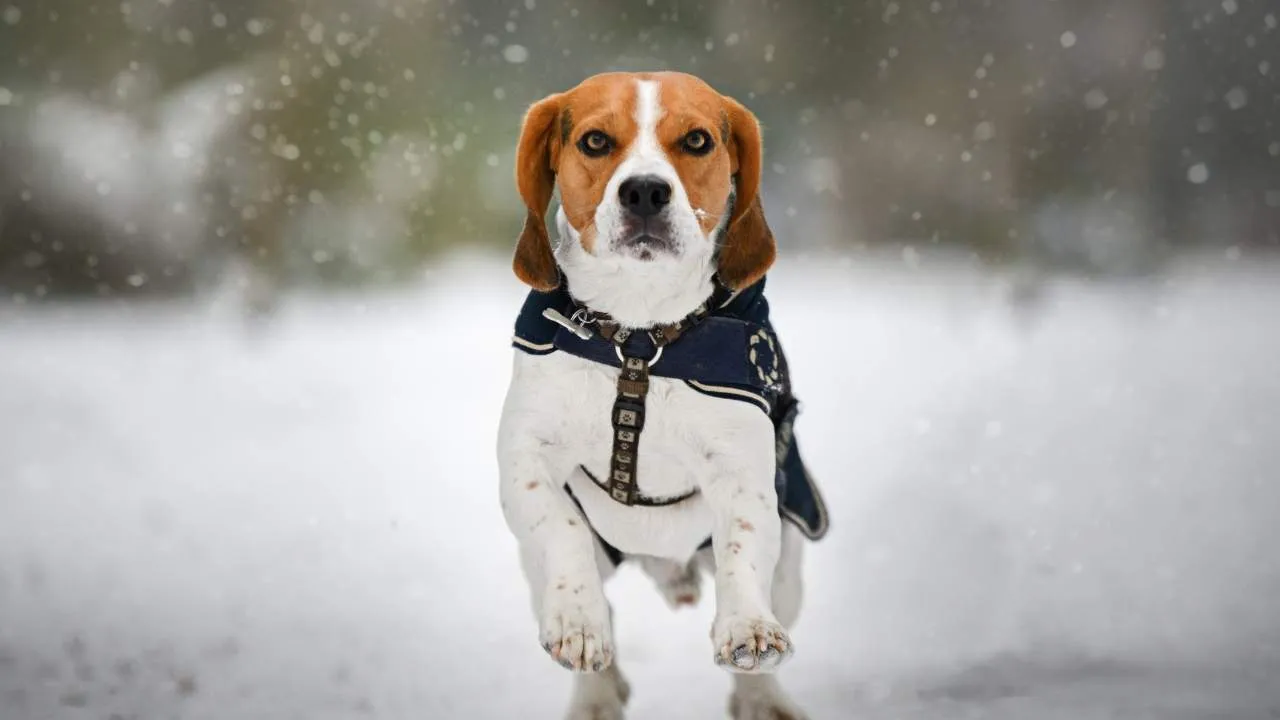
The Beagle has a nose that can turn an ordinary walk into a full investigation. Curious and determined, this scent hound was developed to hunt hare, and that sharp tracking instinct still gives the breed a very purposeful streak.
When a compelling scent appears, the Beagle can become wonderfully single-minded. Its keen sense of smell and strong tracking instincts help it follow quarry, while that hunting background explains why a leash matters when something interesting grabs its nose.
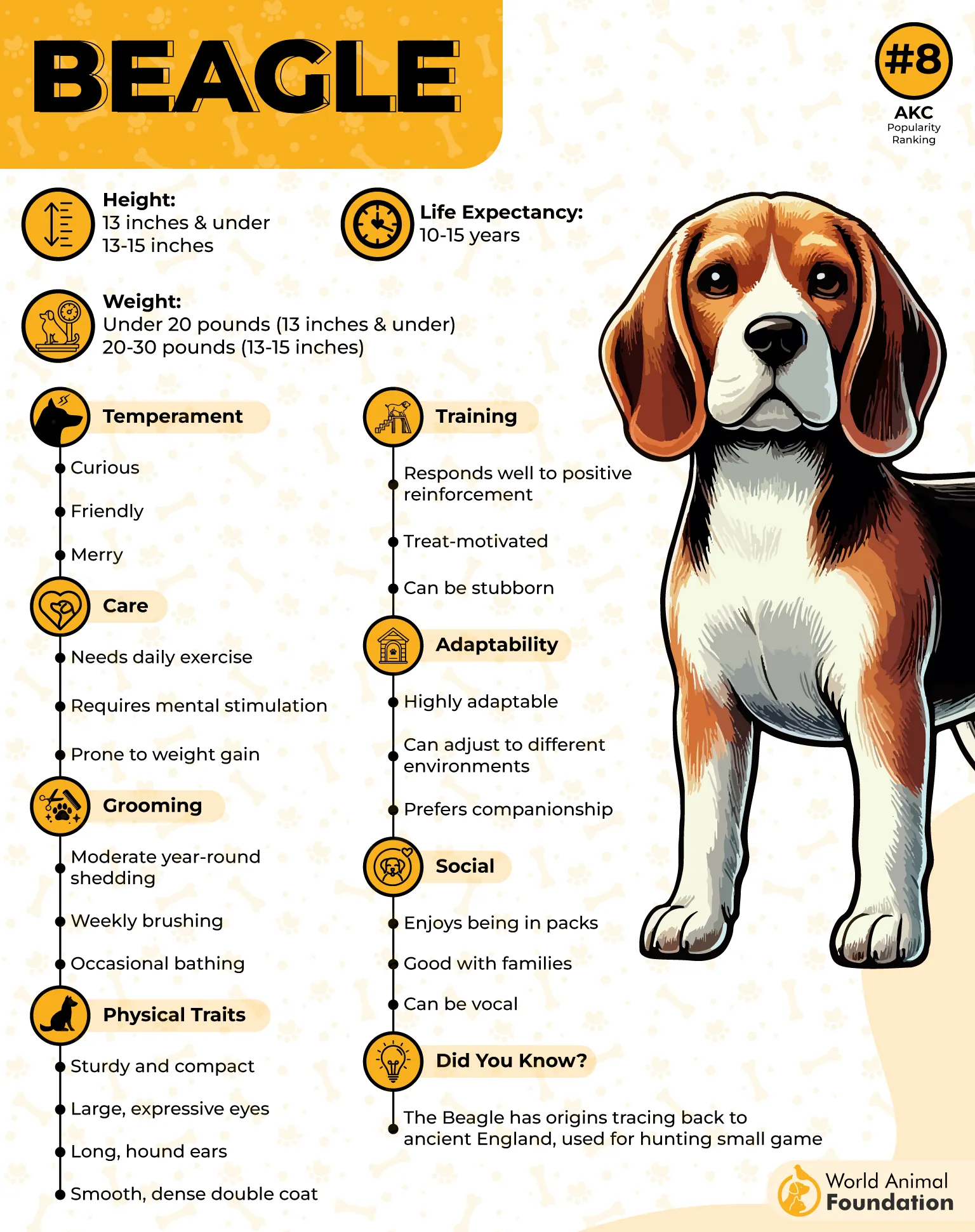
Beagles can make cheerful family companions thanks to their friendly, sociable nature. They usually enjoy being around people and other pets, while their playful personality can bring plenty of lively energy and affection into the home.
What Makes This Breed Stand Out
Beagles were bred to work in packs, which helps explain their companionable nature and strong preference for company.
Patience, positive reinforcement, treats, and a little creativity can make lessons much more productive with this clever hound.
6. Rhodesian Ridgeback
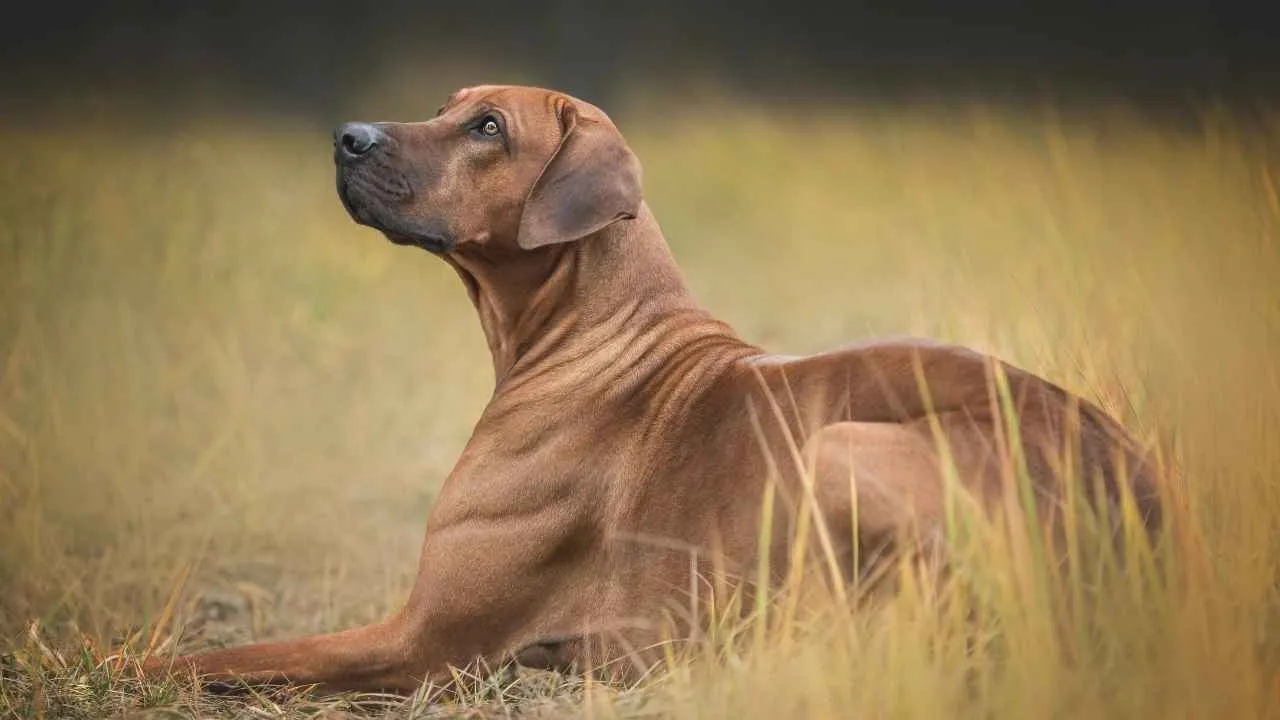
A Rhodesian Ridgeback carries serious hunting history under that famous ridge of backward-growing hair. Bred in Africa for big game, it combines courage with a strong prey drive, giving this independent hound a very alert eye for potential quarry.
Fast-moving animals can flip the Ridgeback’s pursuit switch quickly. Its strong prey drive may send it after perceived prey, and its history includes coursing quick-footed game such as antelope, so secure handling matters whenever movement gets exciting.
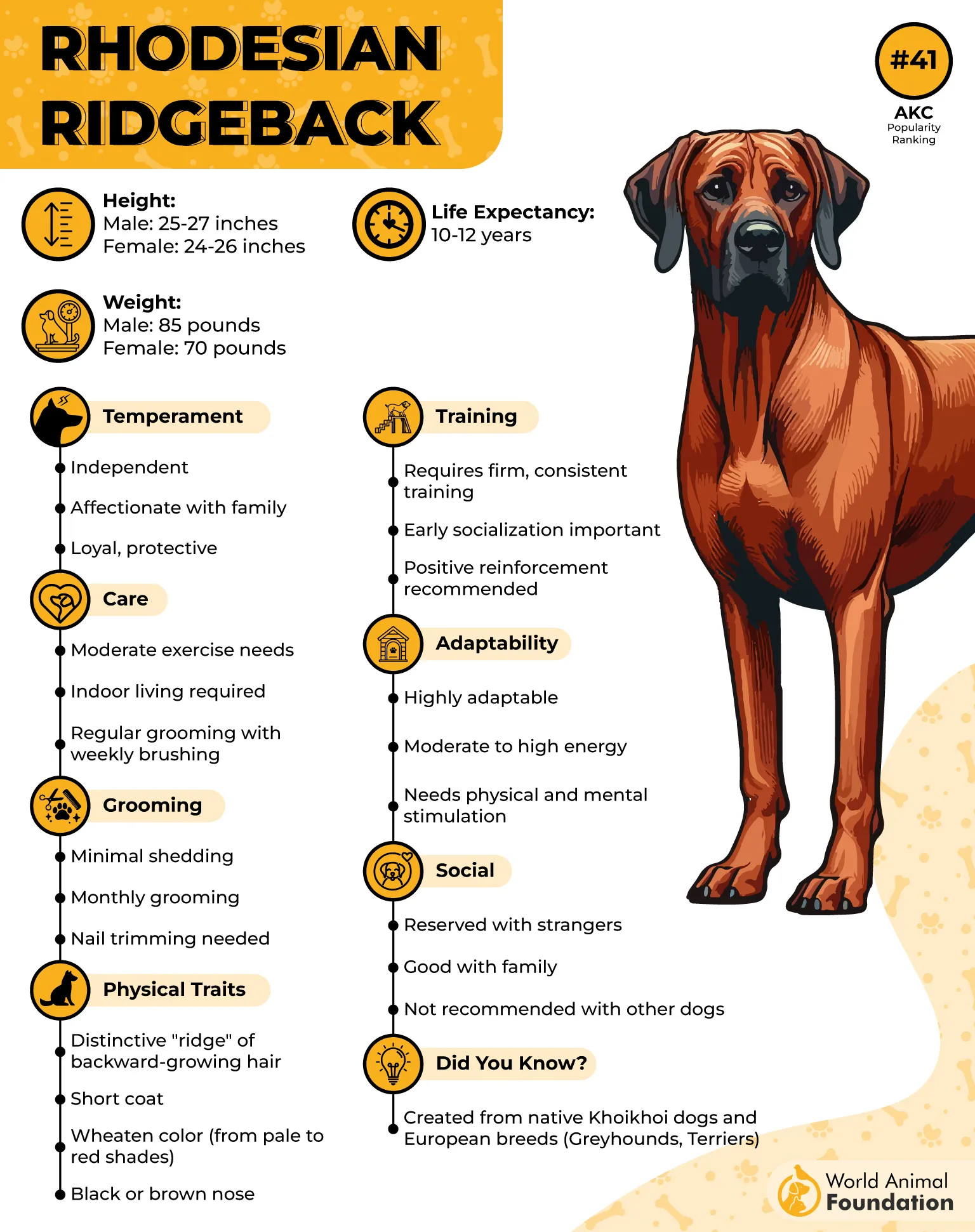
As mentioned by WebMD, Rhodesian Ridgebacks have a high prey drive, so early socialization and obedience training really matter. Their strong-willed nature makes starting young especially important, while secure enclosed areas help prevent those powerful predatory instincts from taking over.
What Makes This Breed Stand Out
Tracking and agility can challenge both mind and body, giving this energetic dog breed structured activities to enjoy alongside its owner.
Loyalty runs deep here, and Ridgebacks can be highly affectionate and protective with the people they trust.
7. Greyhound
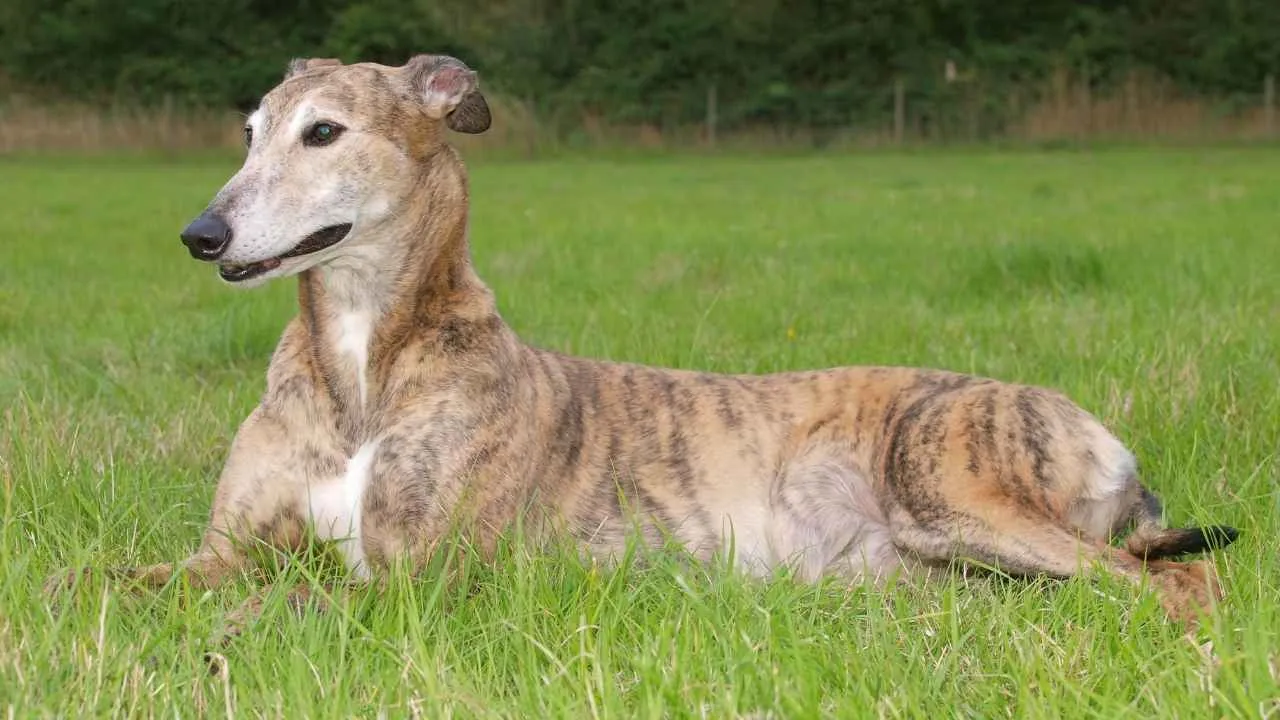
A Greyhound can spend the quiet hours looking wonderfully mellow, then become startlingly animated when something worth chasing appears. That contrast is pure Greyhound: gentle and sweet-tempered in companionship, yet carrying an independent spirit shaped by generations of coursing work.
Originally bred as a hunting dog, the Greyhound pursued game by sight rather than scent. Its coursing background encouraged independent decision-making, while generations of high-speed pursuit shaped a hound designed to detect, chase, capture, and dispatch fast-moving wildlife.
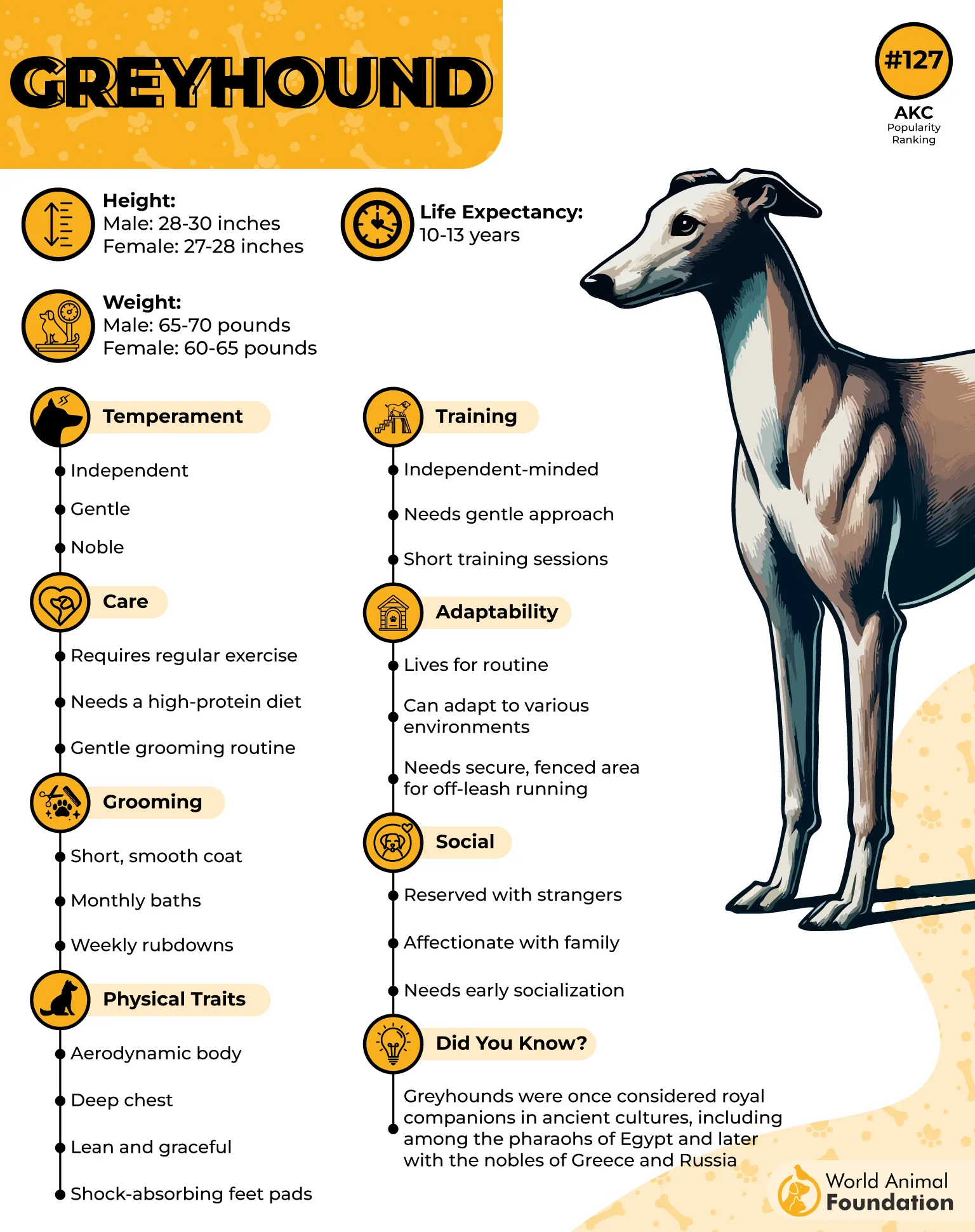
For instinctive pursuit, the Greyhound brings a rather dramatic toolkit. Keen eyesight reacts quickly to movement, powerful speed closes distance fast, and its urge to chase perceived prey can become so absorbing that recall may suddenly feel far less interesting.
What Makes This Breed Stand Out
Greyhounds can be surprisingly laid-back once their bursts of activity are finished, making their off-duty personality quite different from their sprinting reputation.
An independent streak comes naturally to this sighthound, reflecting a working style built around making decisions without constant human direction.
Conclusion
These breeds show how strongly instinct can shape a dog’s focus, movement, and working style. From scent-led determination to lightning-fast visual pursuit, each brings something distinct to the chase. The real decision comes down to which temperament, energy, and hunting style feels right for you.
Spend time thinking about the kind of companion you can confidently handle, train, and enjoy every day. A powerful prey instinct can be fascinating, but the best match is the one whose personality fits your life. Pick thoughtfully, and you may gain an unforgettable partner.
