




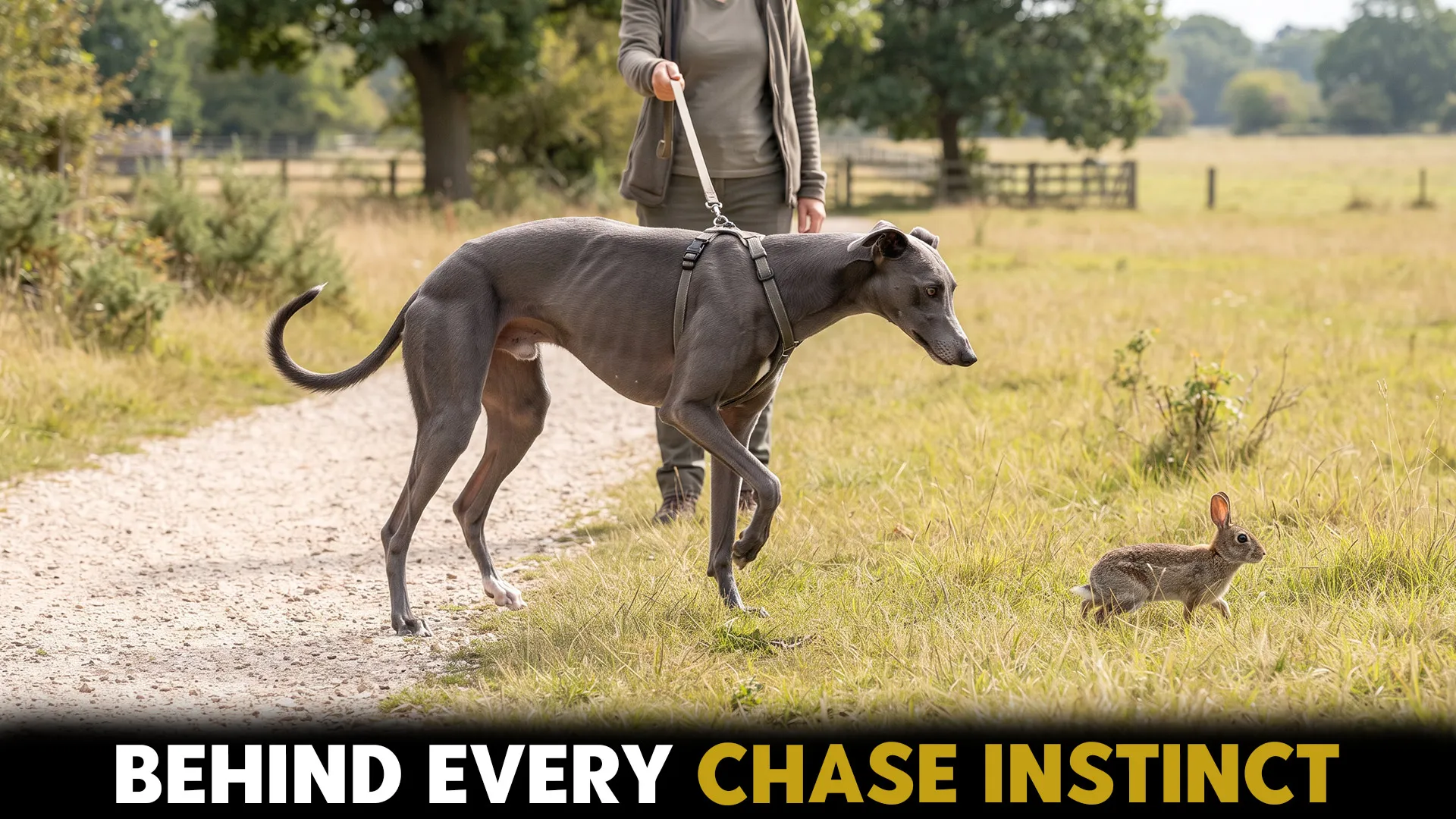
A survey of nearly 1,875 dogs found that 88% of them loved hunting behavior or did it often, according to research from canine behavior specialist Tracey McLennan. That is a lot of tails wagging over something most pet owners never fully understand.
Every dog still carries a piece of their wolf ancestry, even the laid-back couch companions that seem too chill for chaos.
Prey drive in dogs is not bad behavior; it is an ancient survival skill hiding just under the surface, ready to activate the second something moves. Different breeds express this strong instinct in their own way, some through a stare, some through a sprint, some through a bite that never lands.
Most people assume aggression when a high prey drive dog fixates on a bird or squirrel, but the real story is far more interesting, and easier to manage than it looks.
Curious which dogs feel that desire strongest, and what pet parents can actually do about it? Keep reading; the next part might change how you walk, play, and train for good.
Best Dog Breeds for Owners Aware of Prey Drive
1. Afghan Hound
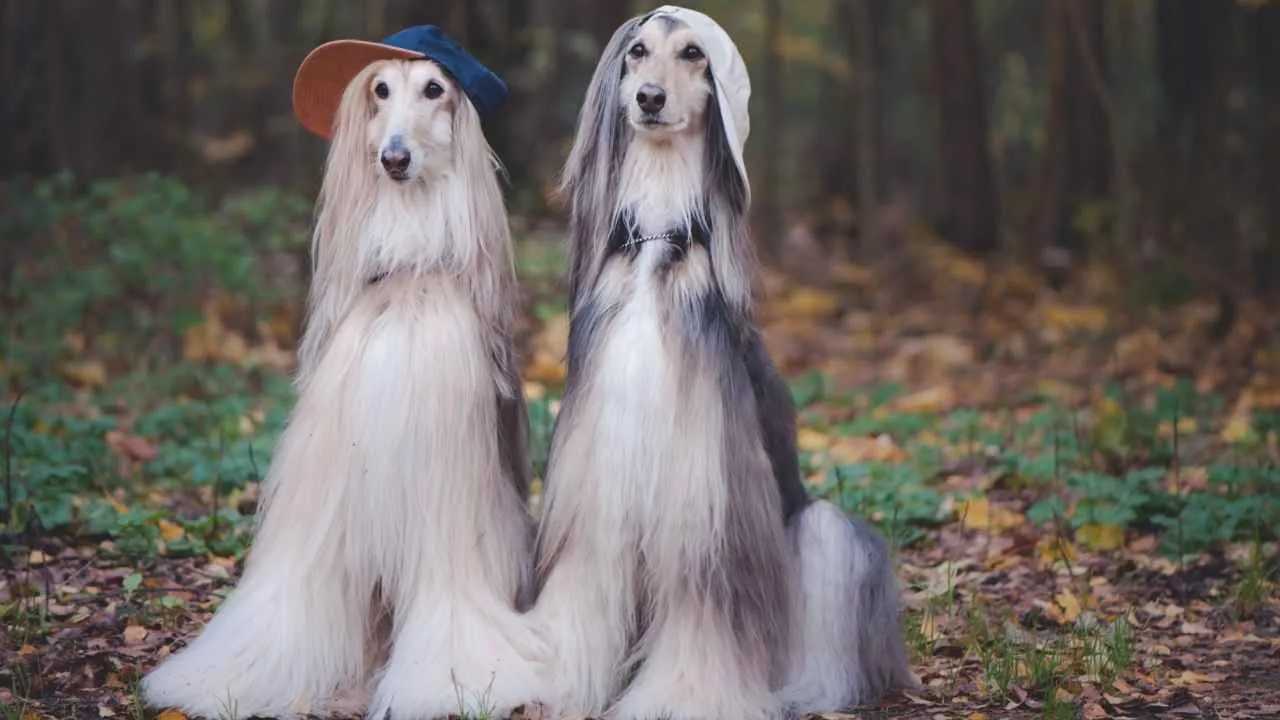
The Afghan Hound looks like pure royalty, right up until a squirrel darts by. That famous prey drive flips on fast, turning a graceful walk into a full sprint. This dog was built to chase, not to stroll.
This breed adores its people and does well with calm, older kids. Small pets are a bigger gamble, since cats and rabbits can trigger that hunting instinct. Multi-pet homes need slow, careful introductions.
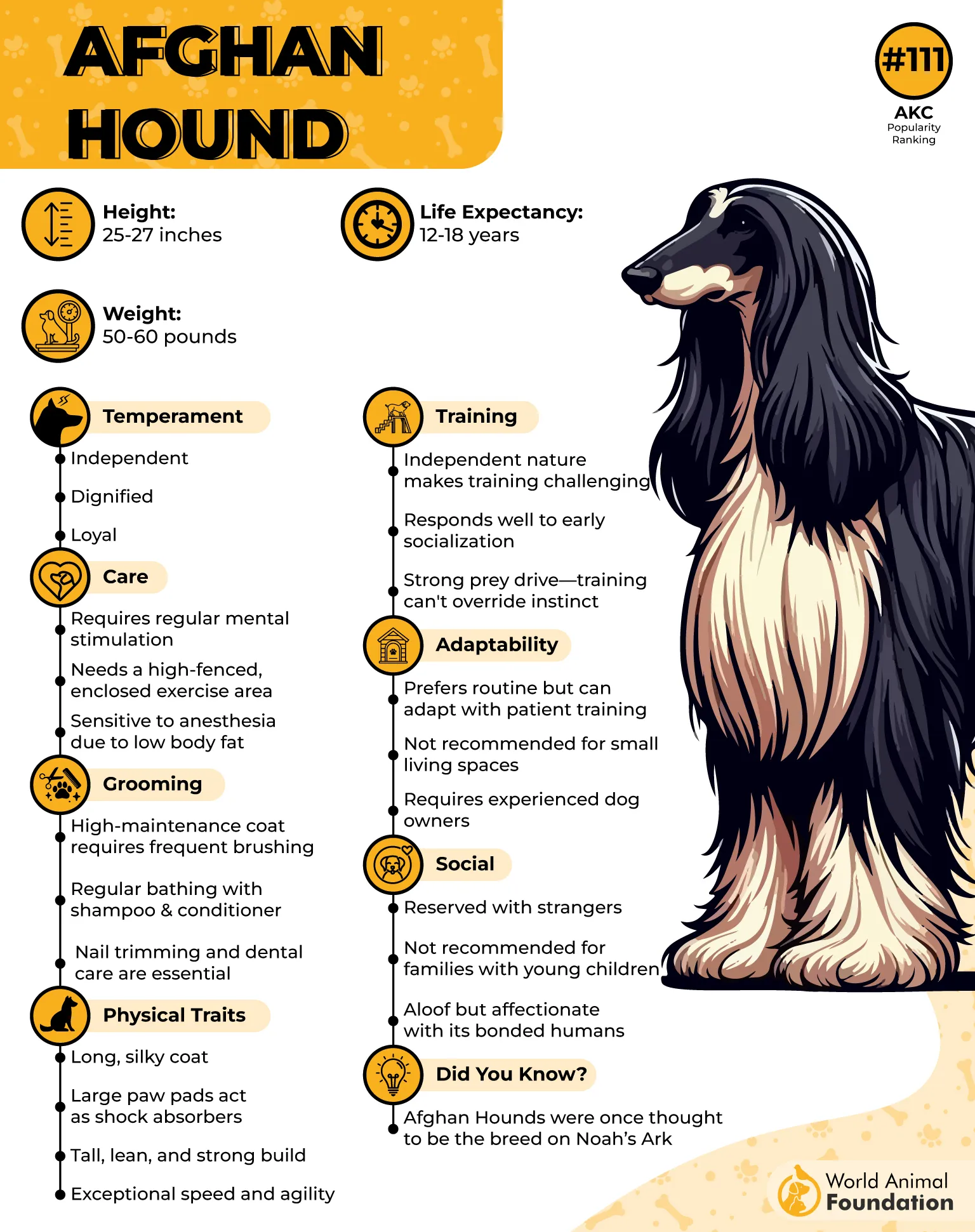
Management:
Fit a martingale collar; this breed slips standard ones.
Fence a wide yard; this dog covers ground fast.
Behavior/training:
Skip harsh corrections; use calm consistency.
Reward focus instead of punishing instincts.
Structured outlets:
Try lure coursing to burn off chase energy.
Add sniff walks to satisfy the hunter’s nose.
The AKC calls this breed an aloof and dignified aristocrat, but underneath that elegant coat is a genuine hunter built for open terrain. That silky look hides serious stamina. This dog was born to run, not to lounge all day.
2. Greyhound
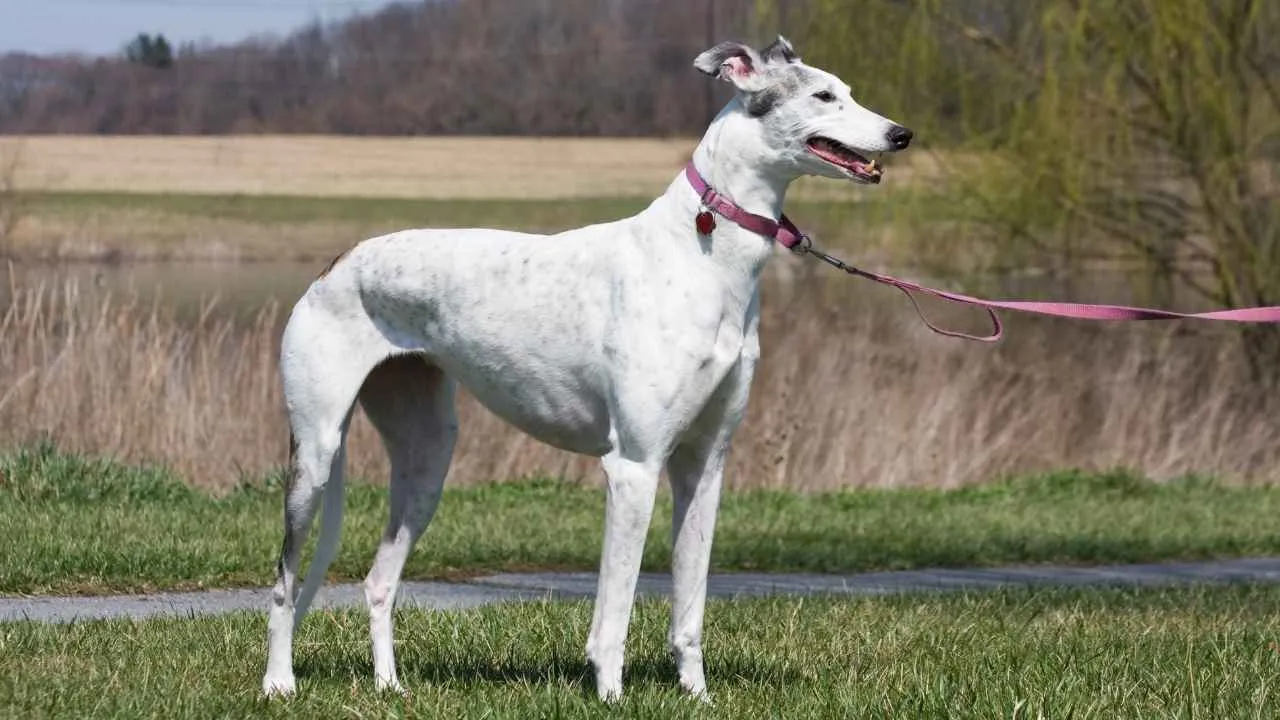
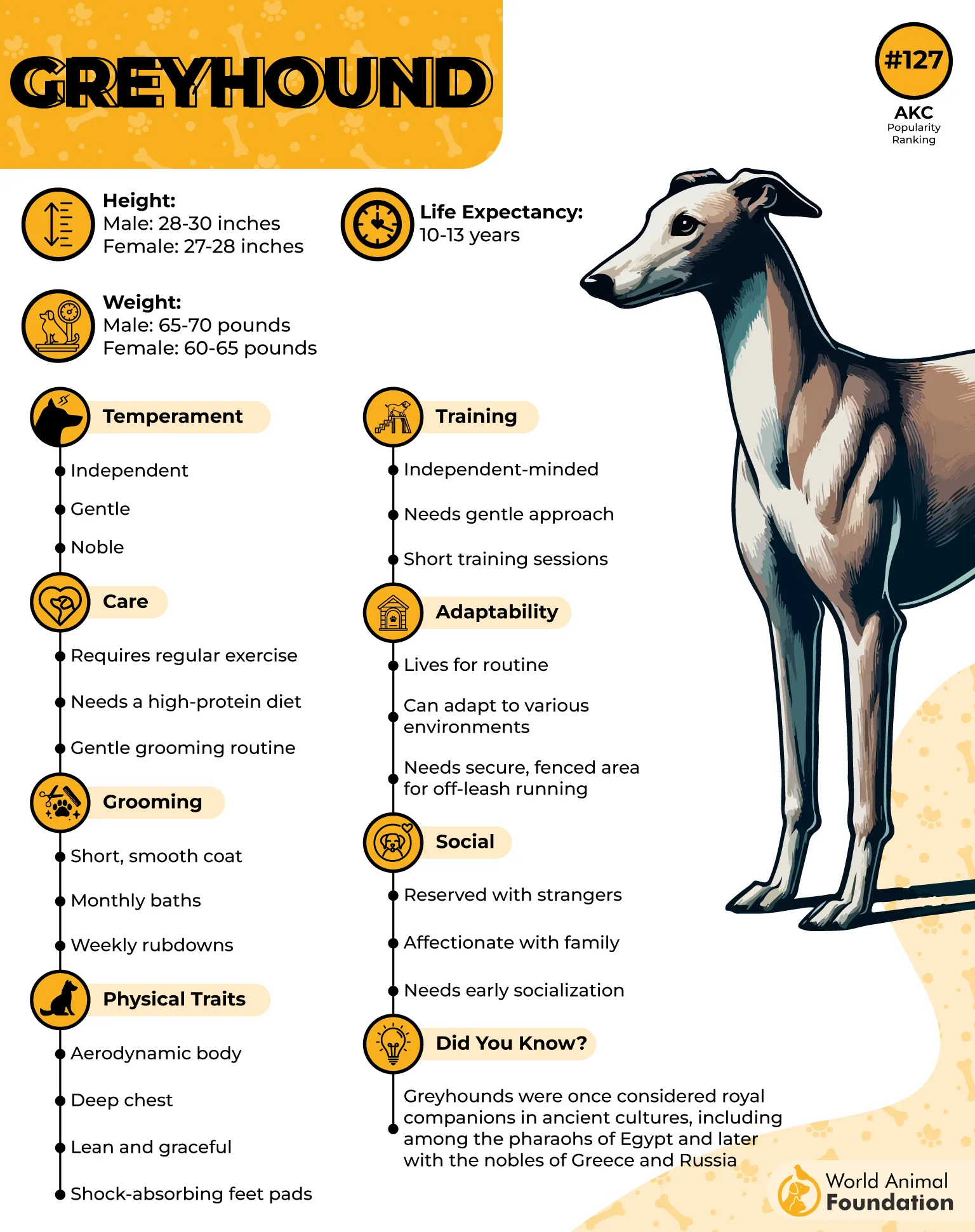
Ask any Greyhound owner what causes a sudden sprint, and they will laugh. One small animal darting past and the couch potato becomes a rocket. That switch flips instantly, with almost no warning.
Greyhounds get along beautifully with medium and large dogs. Cats, rabbits, and other small pets carry more risk, since this breed can mistake them for something to hunt. Homes without small animals tend to have the easiest time.
Management:
Reserve off-leash time for enclosed dog parks only.
Test cat introductions slowly, in a small room.
Behavior/training:
Socialize early around smaller animals.
Reward calm curiosity instead of chasing.
Structured outlets:
Sign up for a local lure coursing event.
Try flirt poles to mimic the chase safely.
PetMD notes Greyhounds tend to have very high prey drives, a legacy of centuries spent chasing fast-moving targets. That same drive makes them gentle, quiet companions once the sprint ends. Speed built this breed, and speed still defines it.
3. Saluki
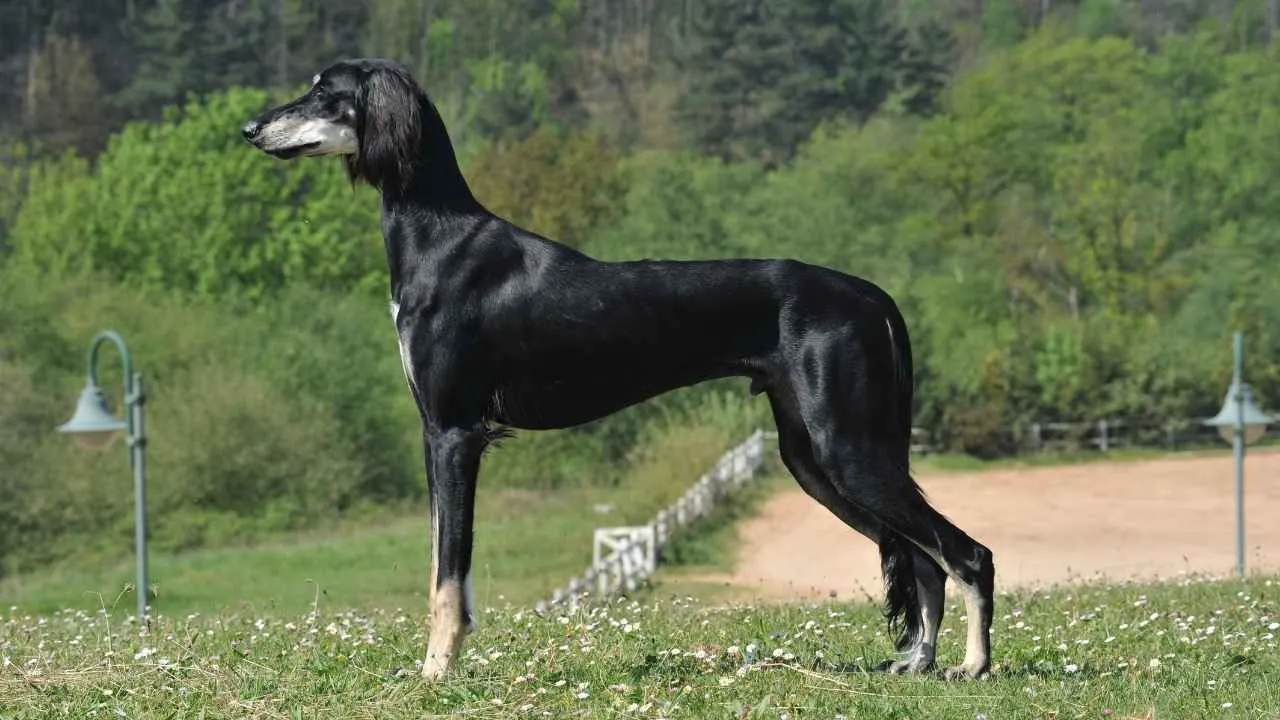
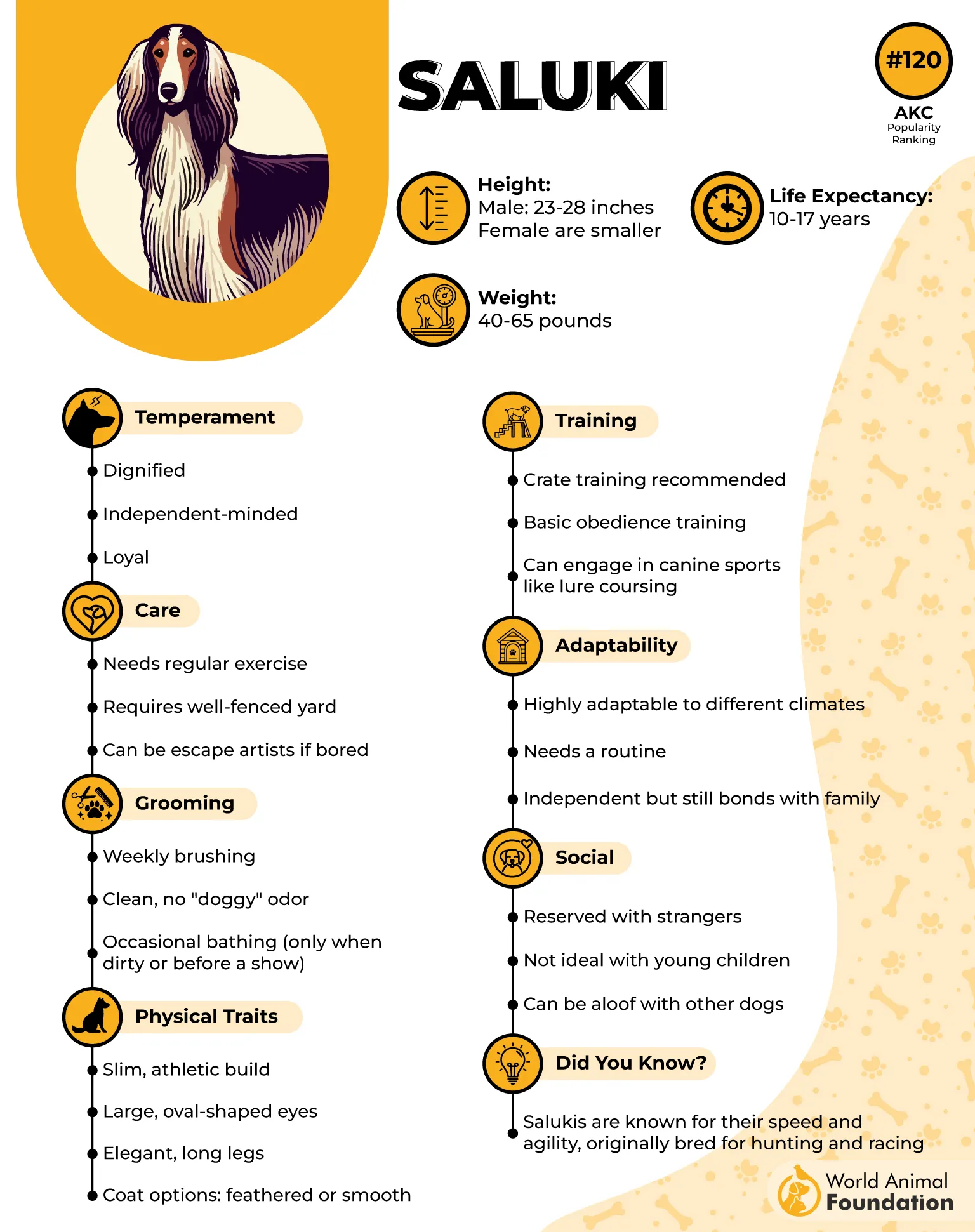
The Saluki looks calm until something moves fast in the distance. Then the desert hunter wakes right up. Recall often loses this battle, so that instinct rarely gets a second thought before it engages.
This breed bonds closely with its family and tolerates other dogs raised alongside it. Cats and small animals are a different story, since the hunting instinct runs deep here. Quiet, pet-free homes suit this dog best.
Management:
Build a six-foot fence; this dog jumps high.
Keep a long line handy for open spaces.
Behavior/training:
Start socialization early and keep it positive.
Practice calm focus games before free running.
Structured outlets:
Enter agility trials to channel raw speed.
Try scent games to engage the nose too.
Orvis notes Salukis shouldn’t live with cats and other small animals because of their powerful prey drive. That instinct traces back to centuries of chasing gazelles across open desert. Underneath the elegance is a true endurance hunter.
4. Border Collie
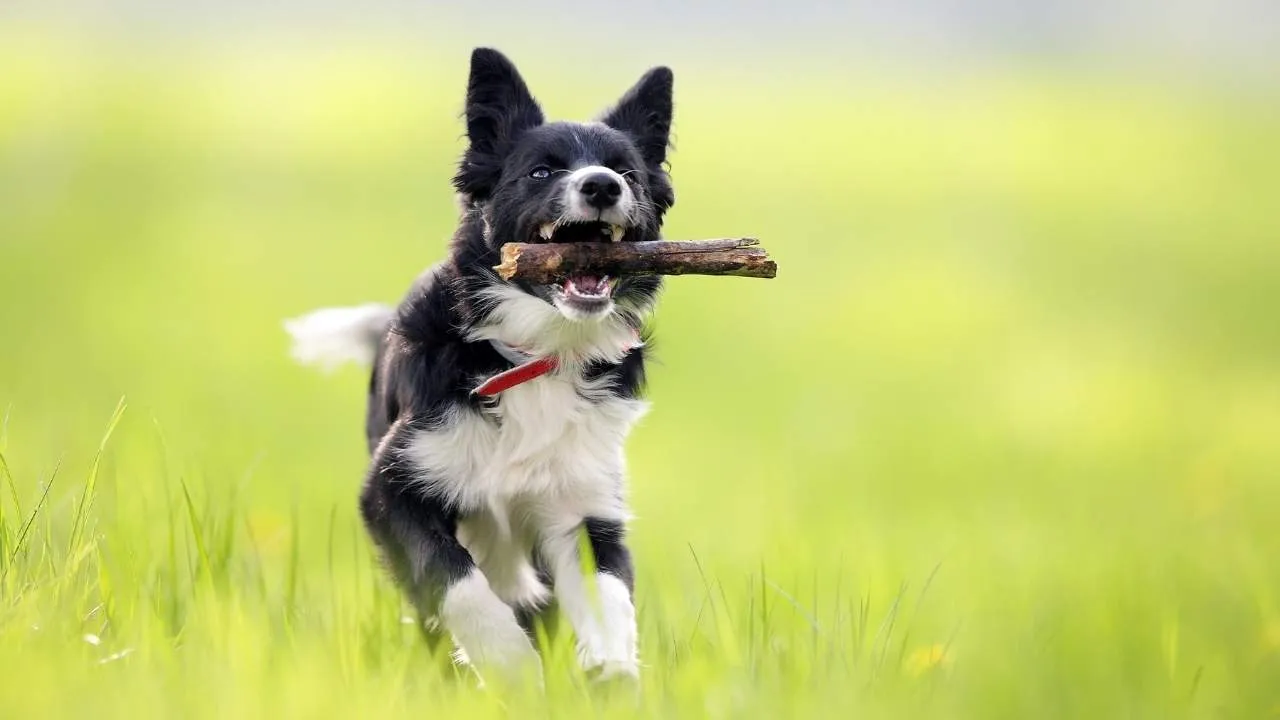
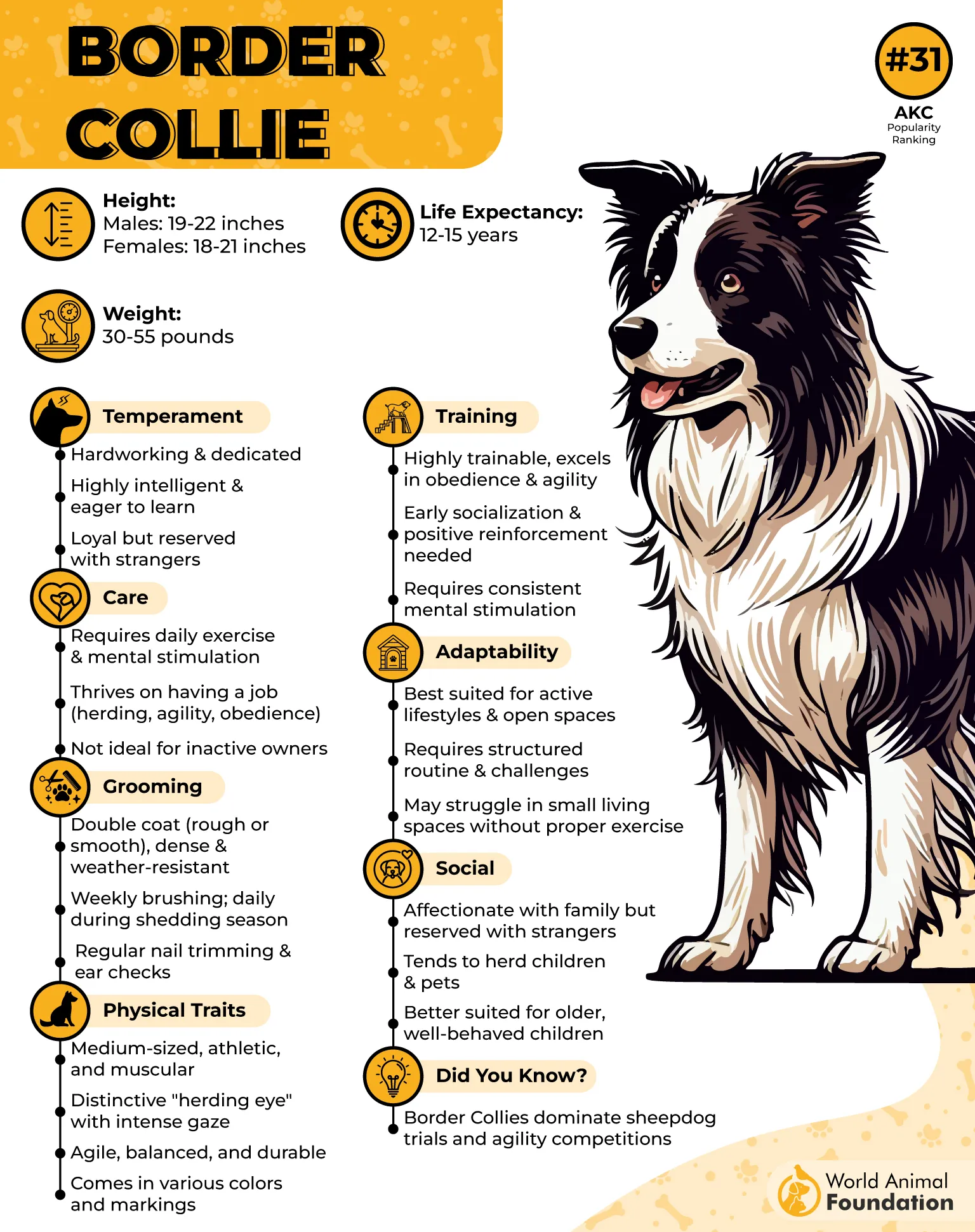
The Border Collie doesn’t always chase first; it stares first. That famous laser focus, sometimes called “the eye,” locks onto anything that moves before the chase even begins. Joggers, bikes, and squirrels all become unsuspecting targets.
This breed thrives with active families who love a job to do. Around small pets, supervision matters, since the herding instinct can turn into nipping or fixation. Homes with plenty of structure suit this dog well.
Management:
Redirect staring at cars toward a toy instead.
Block window views of the street if needed.
Behavior/training:
Teach a strong leave it command early.
Reward calm disengagement from moving targets.
Structured outlets:
Enroll in flyball for constant movement and focus.
Try herding balls to satisfy the eye instinct.
This breed’s hunting instinct got a rewrite through generations of shepherding. Instead of a full chase and catch, it stops at stalk and stare. That intensity makes this one of the most trainable working dogs around.
5. Weimaraner
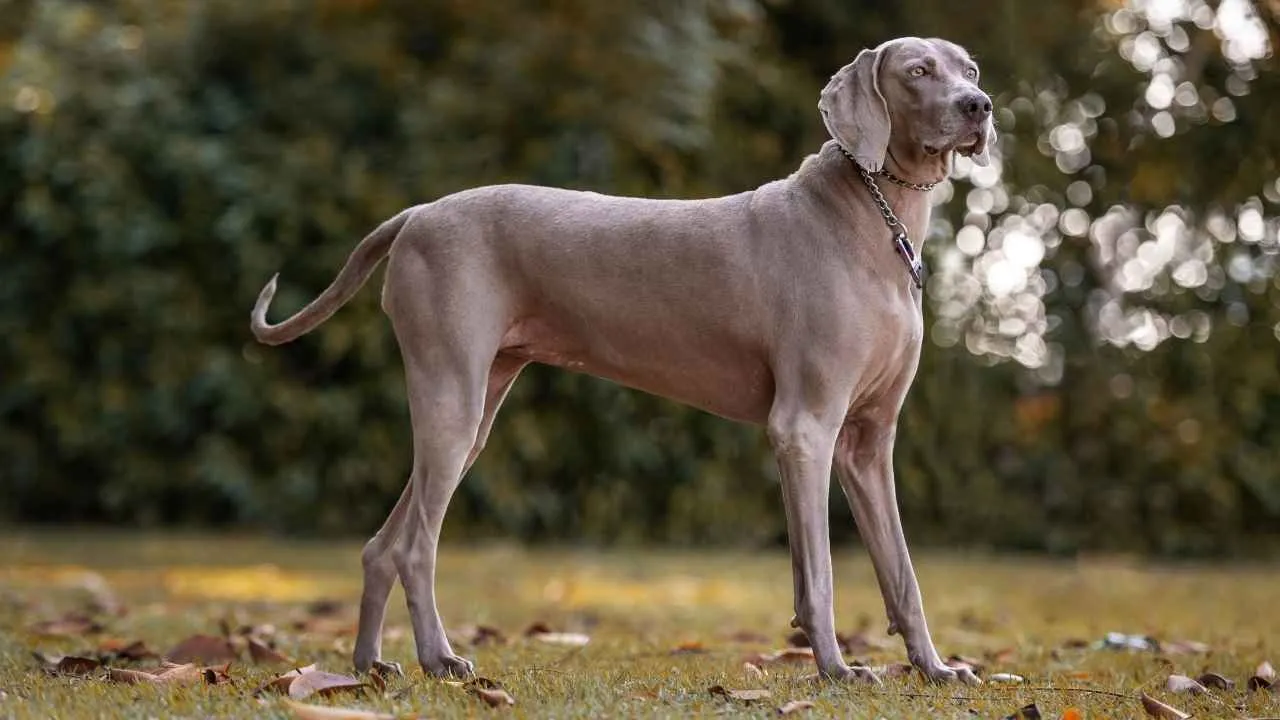
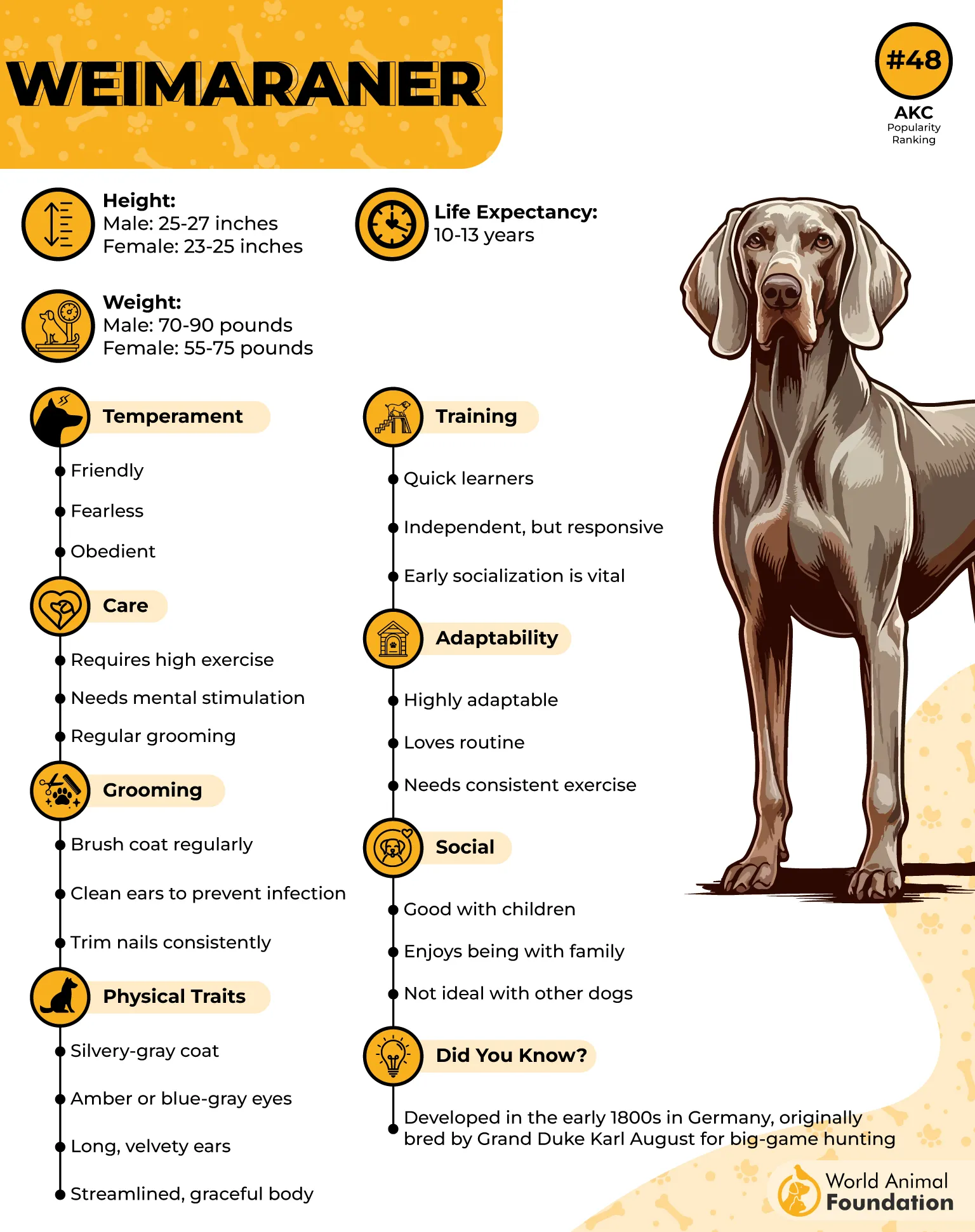
The Weimaraner notices movement before you do. A car, a squirrel, or a jogger can flip that hunting switch in an instant. This breed was built to track and chase, and it never forgot the job.
This dog bonds hard with its people and does well with other dogs when socialized young. Cats and small pets are a tougher match, since the prey drive here runs strong. Calm, patient introductions make the biggest difference.
Management:
Crate train early to ease separation anxiety.
Keep this dog close during off-leash hikes.
Behavior/training:
Practice calm greetings with small animals.
Use treats to reward ignoring distractions.
Structured outlets:
Try retrieving games to use that gun dog nose.
Join a tracking club to work that scent drive.
This breed was developed in Germany for tracking and hunting big game across long distances. That same nose and drive now shows up on every walk. The nickname “Grey Ghost” fits both the coat and the focus.
6. Jack Russell Terrier
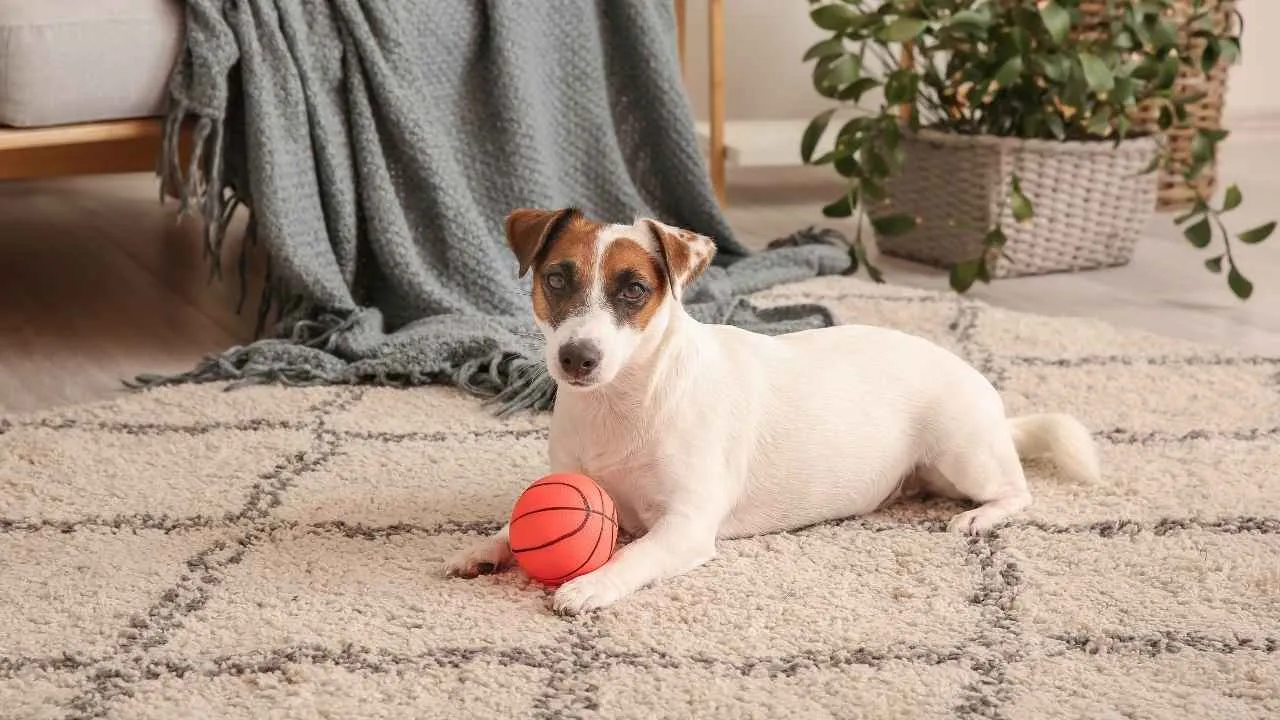
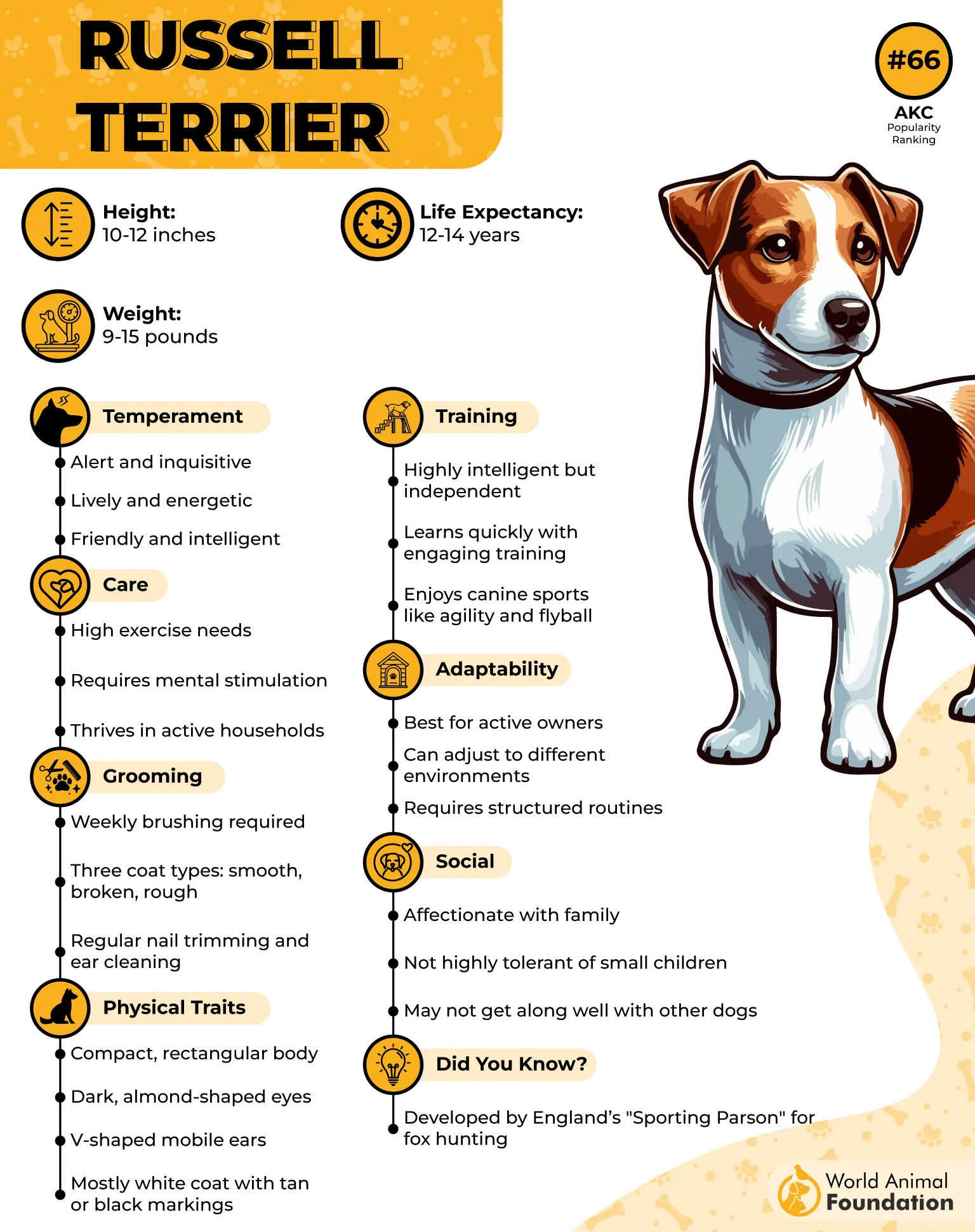
The Jack Russell Terrier hears a rustle underground before anyone else notices. Digging, scent, and chase are basically this dog’s favorite hobbies. A squirrel, a rabbit, or a suspicious patch of dirt can trigger the whole sequence.
This breed is playful and loyal with its family, especially kids old enough for rowdy games. Small pets need careful, early introductions, since the terrier instinct to hunt runs deep. Cats already in the house usually fare better than newcomers.
Management:
Block gaps under fences; this dog digs out fast.
Watch closely near backyard burrows and holes.
Behavior/training:
Reward calm behavior around cats consistently.
Redirect digging urges toward a sandbox spot.
Structured outlets:
Sign up for earthdog trials built for terriers.
Use tug toys to satisfy the grab bite urge.
Royal Canin notes this breed was bred to hunt and burrow into holes, with a strong prey drive and a keen sense of smell. That nose still runs the show today. Big personality, small package, endless curiosity.
7. Rhodesian Ridgeback
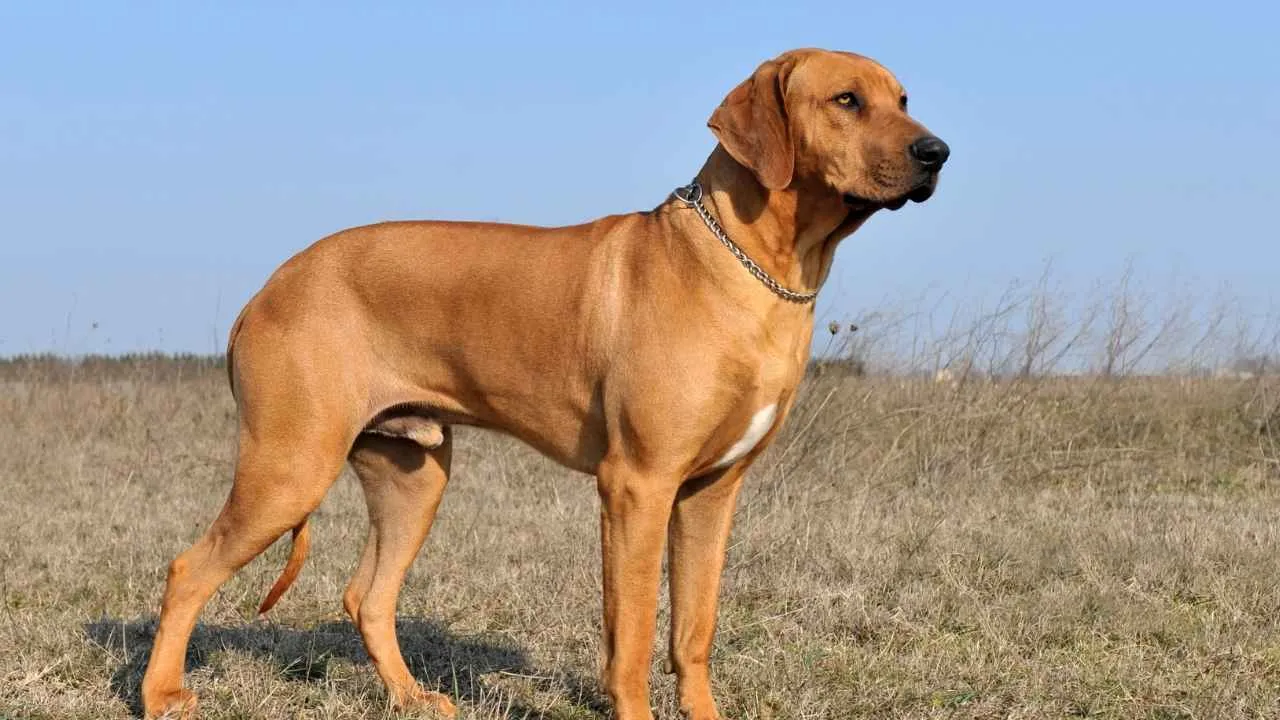
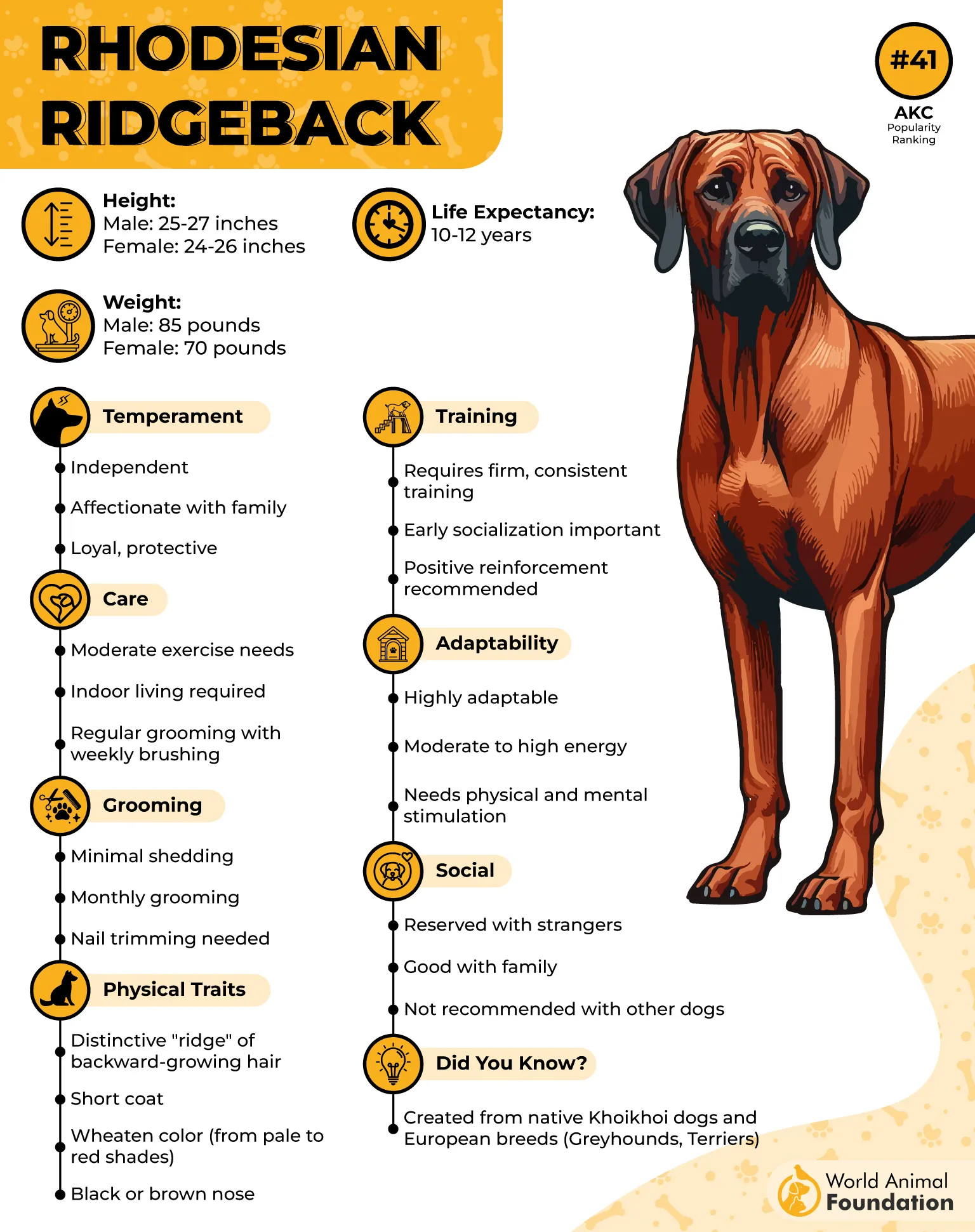
The Rhodesian Ridgeback was bred to track lions, so a squirrel barely registers as a challenge. Fast movement nearby can trigger a serious chase. This is a dog built for distance, speed, and serious focus.
This breed bonds closely with its family and can live well with other dogs given patient introductions. Small pets are riskier, since the hunting instinct here runs strong. Confident, experienced owners tend to have the smoothest experience.
Management:
Check fence height often; this dog jumps well.
Keep new pets apart until trust builds fully.
Behavior/training:
Use positive reinforcement; this breed dislikes harsh methods.
Reward calm indifference toward small animals nearby.
Structured outlets:
Try weight pulling or long hikes for big energy.
Practice recall drills often in a fenced field.
WebMD notes this breed was crossed from the ridged Khoikhoi dog and breeds like Greyhounds and various terriers, built to outsmart dangerous game. That hunting legacy still shapes its instincts today. Strong body, strong drive, strong loyalty.
Conclusion
Every high prey drive dog carries the same strong instinct rooted in their wolf ancestry, whether it shows up as a squirrel chase or an intense stare. Most dogs with this hunting history are not unpredictable troublemakers; they are simply dogs whose prey instincts need an outlet, and pet owners who learn their dog’s behavior can manage that desire fantastically.
Whether you are raising curious puppies or living with a highly intelligent, high-energy companion, channel that drive through fetch, retrieving, flyball, toys, and long walks to build strong recall and real excitement.
Ready to become a more confident pet parent? Talk to a trainer today and turn that instinct into a fun, desirable partnership.
