




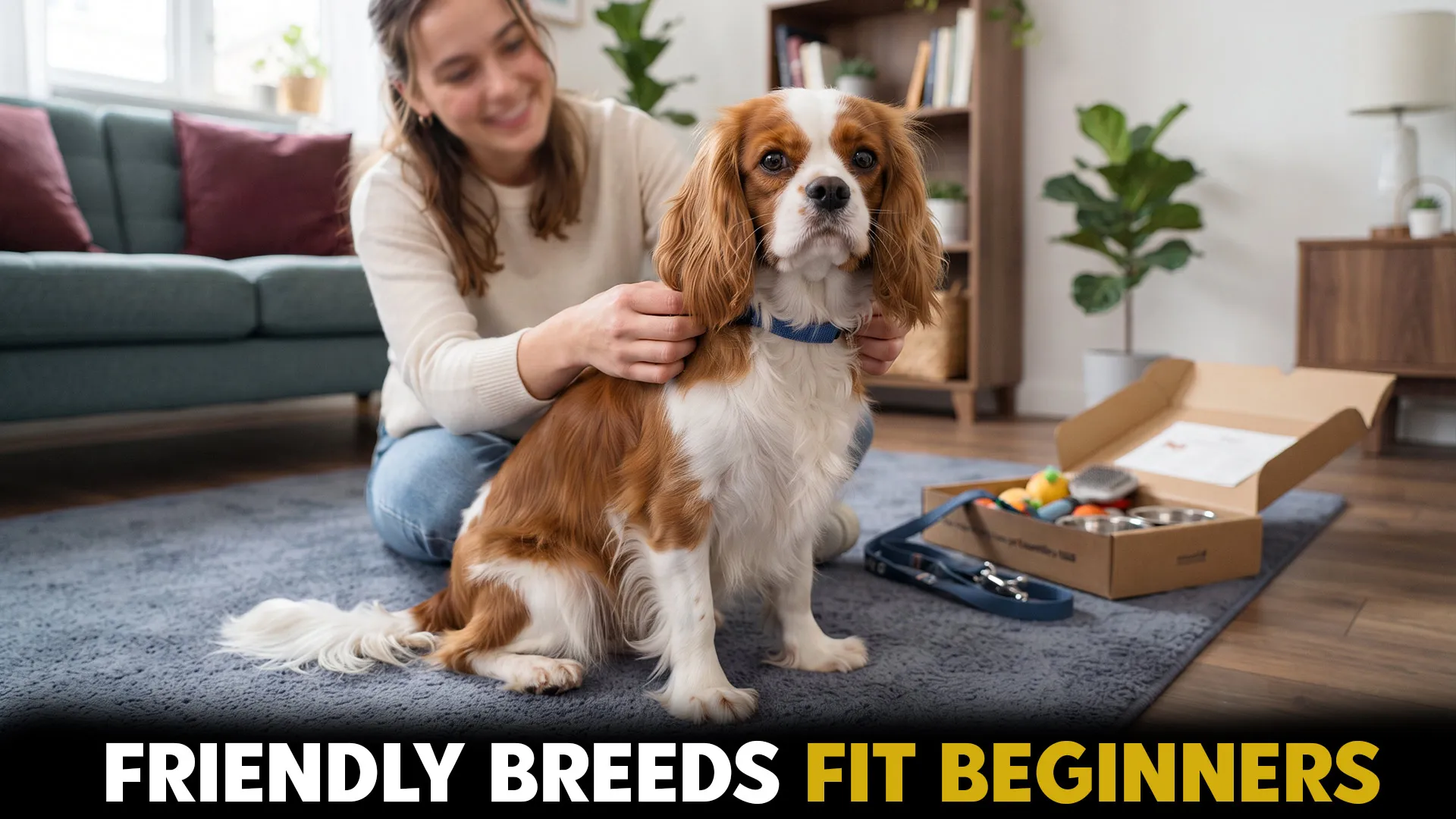
Adopting your first pet is an exciting event. But it can also become overwhelming. Bringing a cute pet home means that now you are responsible for their training, grooming, and exercise. This is why you should put in some work and research before deciding on your pet.
Some dog breeds require experienced handlers, while others are not as demanding, and you can make a few mistakes in their upbringing without any disastrous consequences.
You will be able to find many varieties from mixed breed dogs to large dog breeds but all of them are not suitable for first time pet owners.
Some of the most popular dog breeds for first time dog owners are flexible, sociable, trainable and easy to handle. However, not all that’s small is easy. All of these dogs require training, veterinary care, and a clear set of boundaries to follow to make your life happier.
In this article, we list seven dog breeds that are perfect for inexperienced owners. Being aware of the differences can help a first-time owner in determining which one would seem to be the right match.
Best Dog Breeds For Inexperienced Pet Parents
1. Havanese
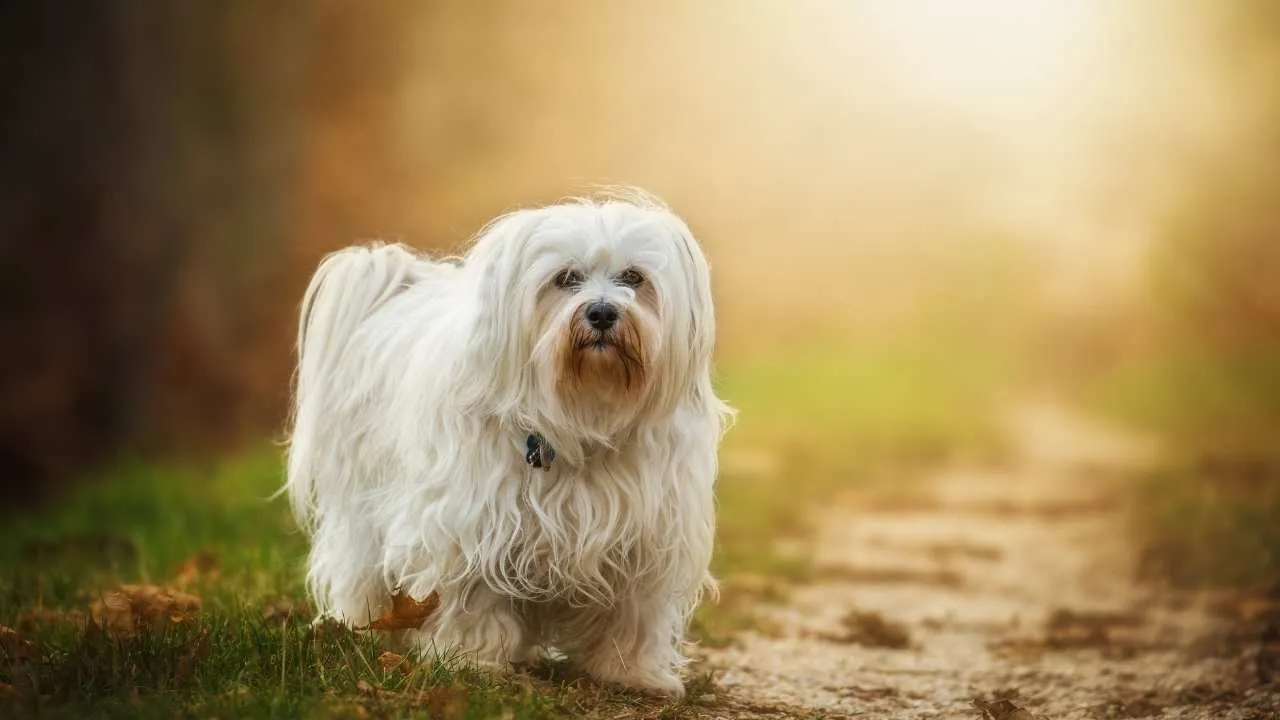
The Havanese is a happy, highly social, little dog. It’s the only dog breed that is native to Cuba. These dogs are very people-centric, and that can be a huge bonus to novice owners.
They tend to be very jovial and always want to please their owners. Positive training works well, and they can be trained quite easily. You can also make basic training more like play sessions due to their playful personality.
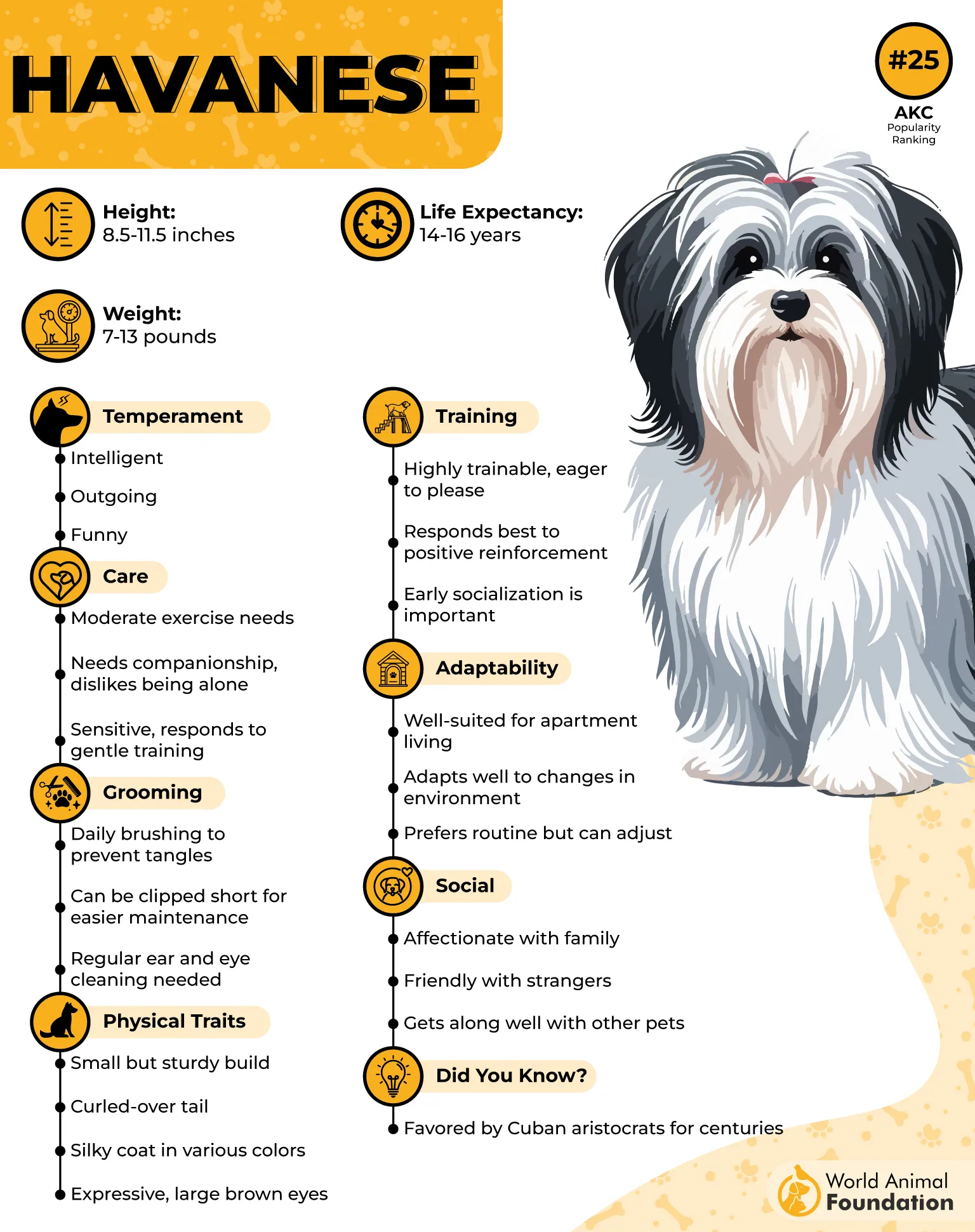
Havanese dogs can easily adjust to small homes and apartments, provided their daily needs are met. A brisk walk, indoor games, and time with their owners will keep these dogs satisfied.
They should not be left alone for long periods of time and are suited to people who stay at home most of the time.
They also require care for their silky coat. Owners need to brush them regularly to keep their coat smooth, according to the American Kennel Club.
2. Cavalier King Charles Spaniel
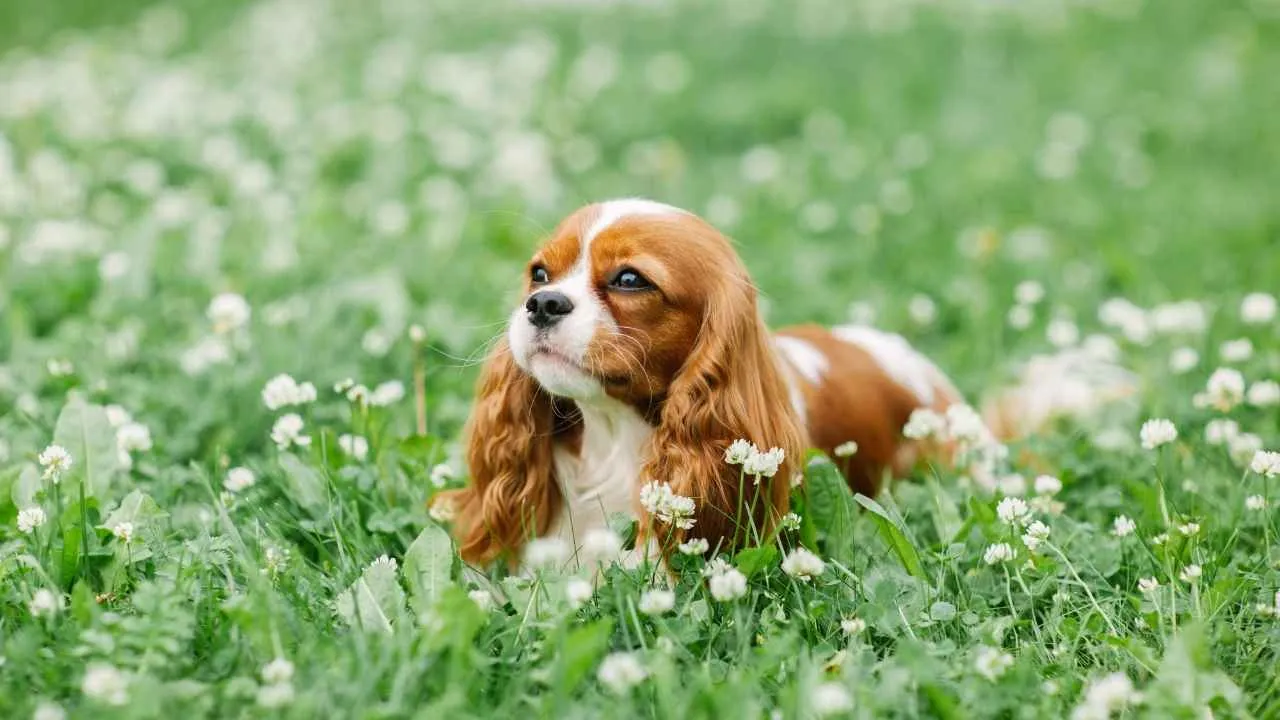
The Cavalier King Charles Spaniel should be on every novice owner’s list. They are adaptable, affectionate, and keen to cooperate. These characteristics can help make early training much less frustrating.
The Cavaliers also possess an intriguing mix of skills. They are toy dogs but have some of the athletic traits as well because they are a sporting breed. They should be taken out for a walk regularly, and they should be leashed at all times.
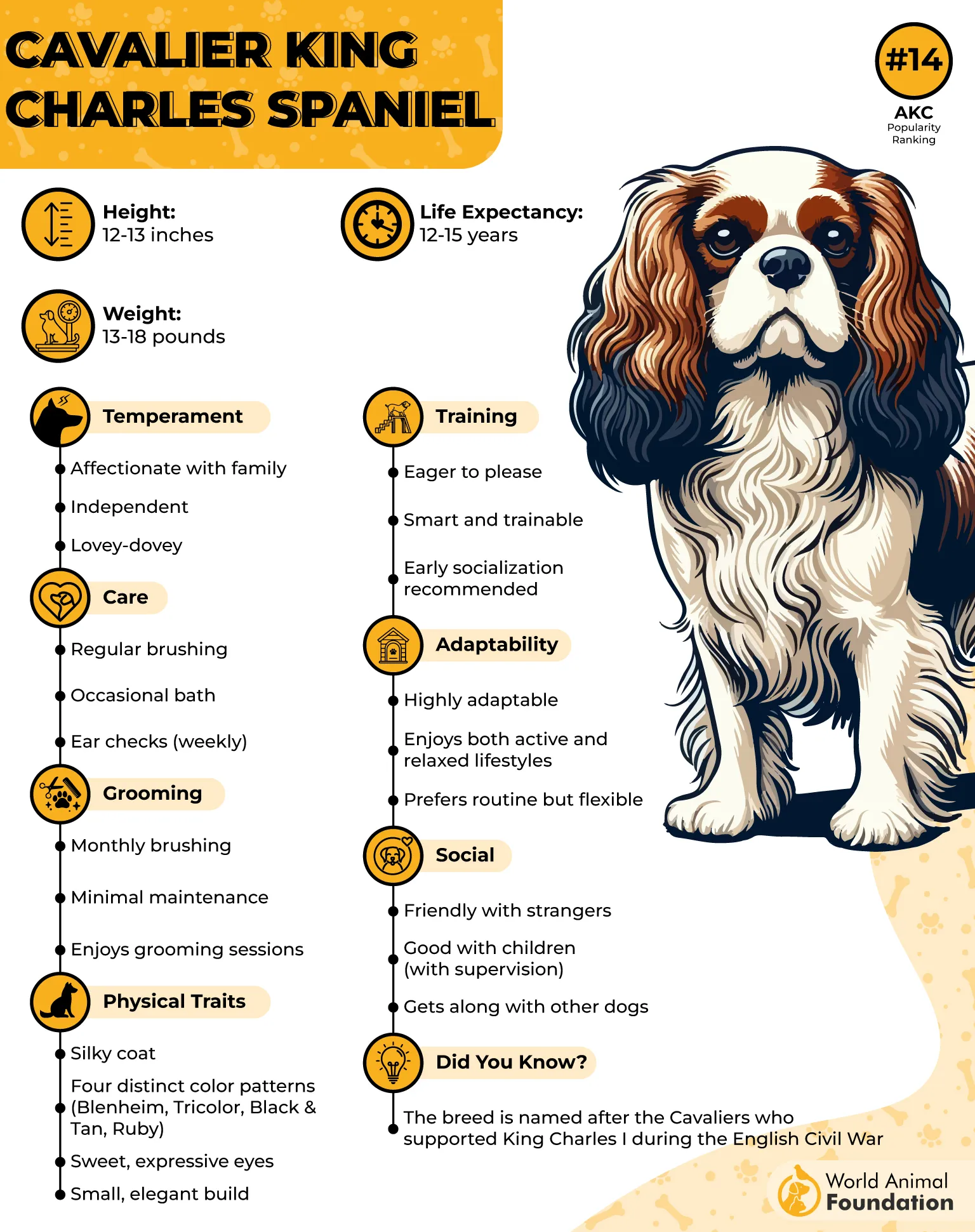
They are very willing to please their owners. Positive reinforcement is a great way to reinforce everything from basic commands to leash walking.
Another pro of having these dogs is their social personality. Cavaliers can be relaxed with people and other animals if they have been properly socialized.
Cavalier King Charles Spaniels have a long, feathered coat that benefits from daily brushing. Regular brushing can also feel like a gentle massage and help your dog relax.
3. Pugs
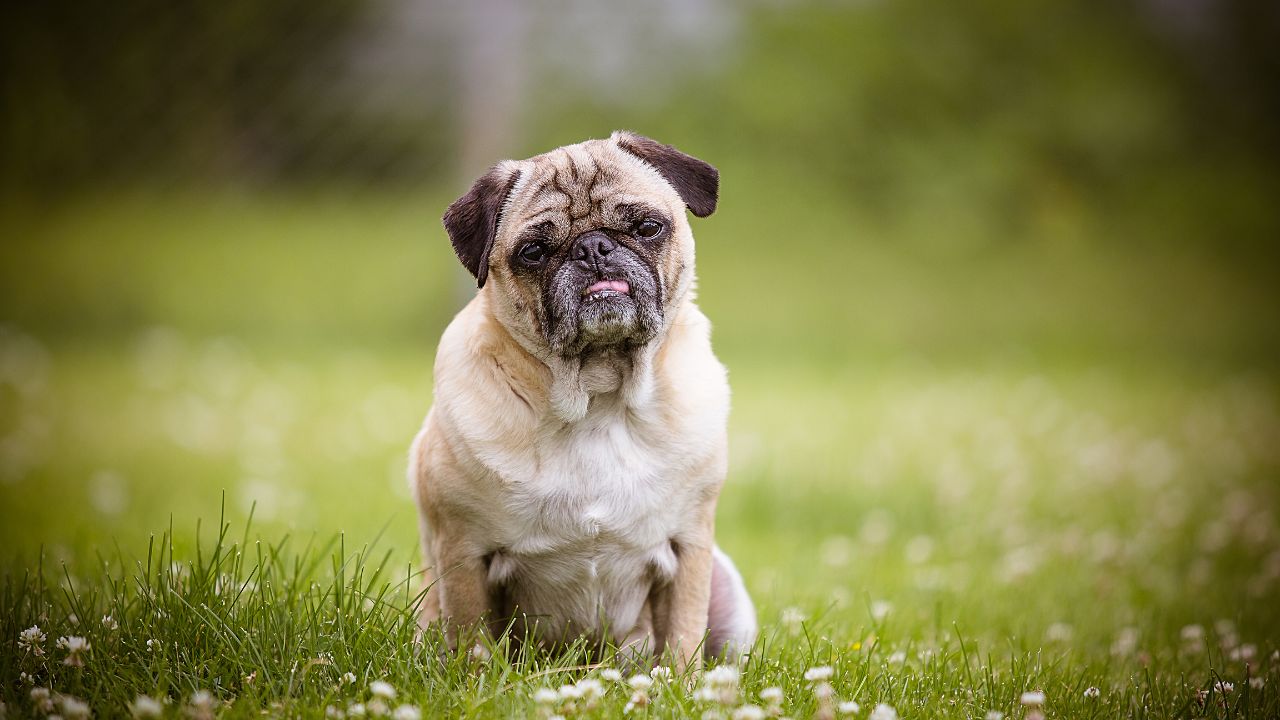
Pugs can help make owning a dog very fun for the first time. This breed is good for making everyday household stories funny and entertaining due to its lively behavior.
These dogs are very happy to spend their time at home instead of being active outside. One of their strengths is their adaptability.
They can easily settle into whatever routine you set for them without any hassle. A moderate exercise routine is preferable.
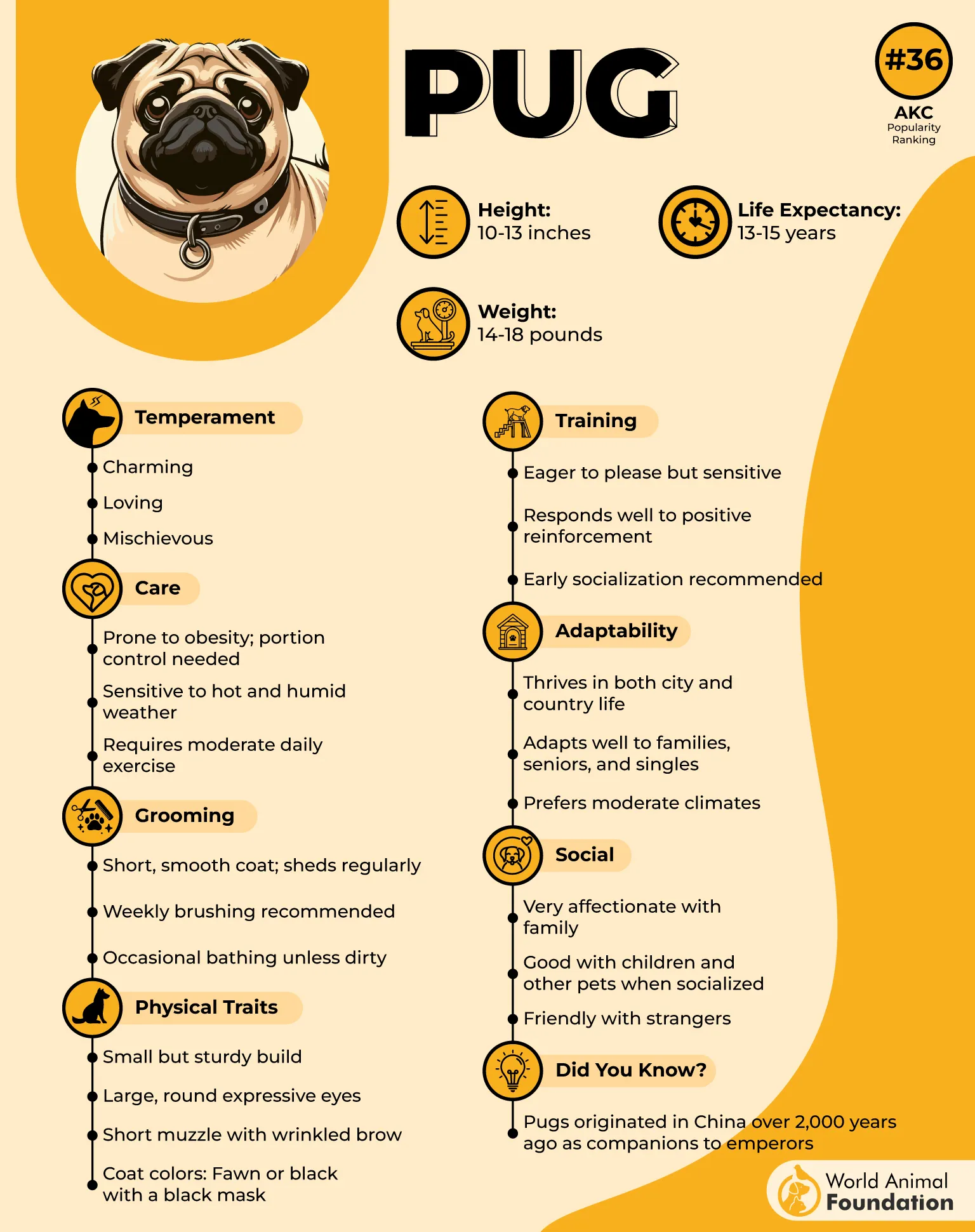
One thing new owners should be aware of is heat. Their short nose is especially problematic when it is very hot and humid. Avoid exercise and taking your dog outside during humid weather.
Weight management should also be taken into consideration. Pugs tend to be foodies, and it is easy to overfeed them as a new owner. So, care is a must in this regard. Moderate portions should be given to this dog to avoid obesity, according to PetMD.
4. Lowchen
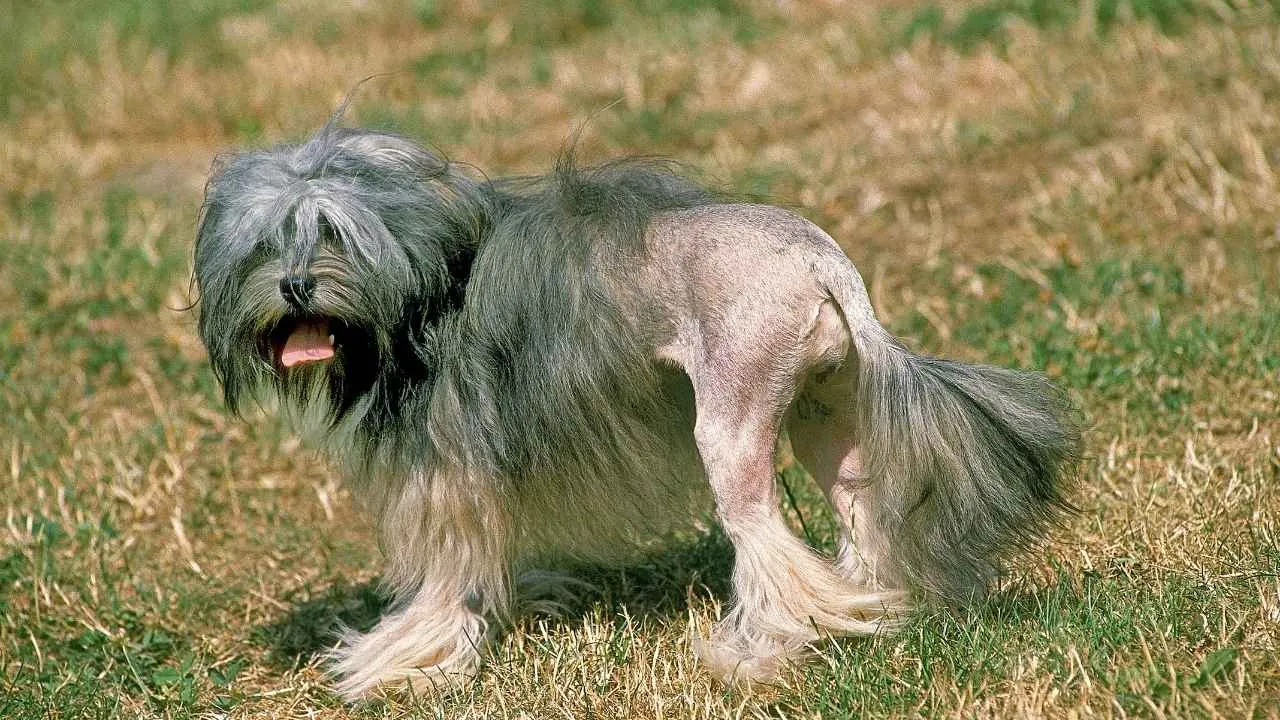
Sometimes referred to as the “Little Lion”, the Lowchen is a tiny dog that sports an elegant coat. This dog is robust and energetic.
This dog’s history dates back over 500 years and has been a companion ever since. Lowchens are intelligent and affectionate, which is a perfect combination for inexperienced dog owners. They love to explore and are capable of competing in obedience and agility competitions.
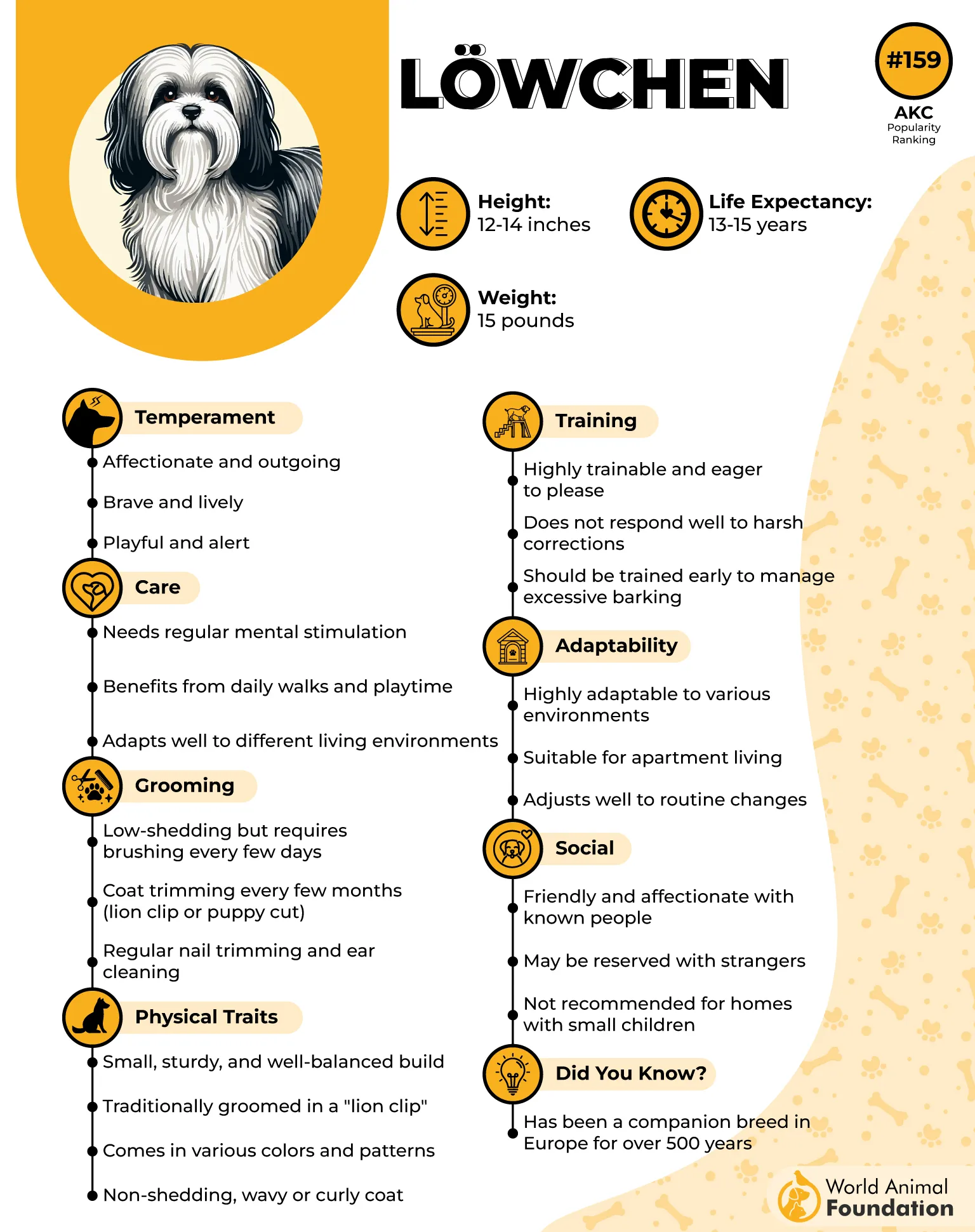
Requirements for exercise are not excessive. It can be satisfied with walks, games, and brief training sessions. This breed should be adopted by someone who also leads an active lifestyle.
The primary commitment is all about taking care of the grooming. Brushing should be done regularly, and periodic grooming by a professional helps keep the coat under control and tidy.
Regular professional grooming will not make the pup low maintenance but will reduce the time it takes to maintain this furry friend.
5. Bolognese
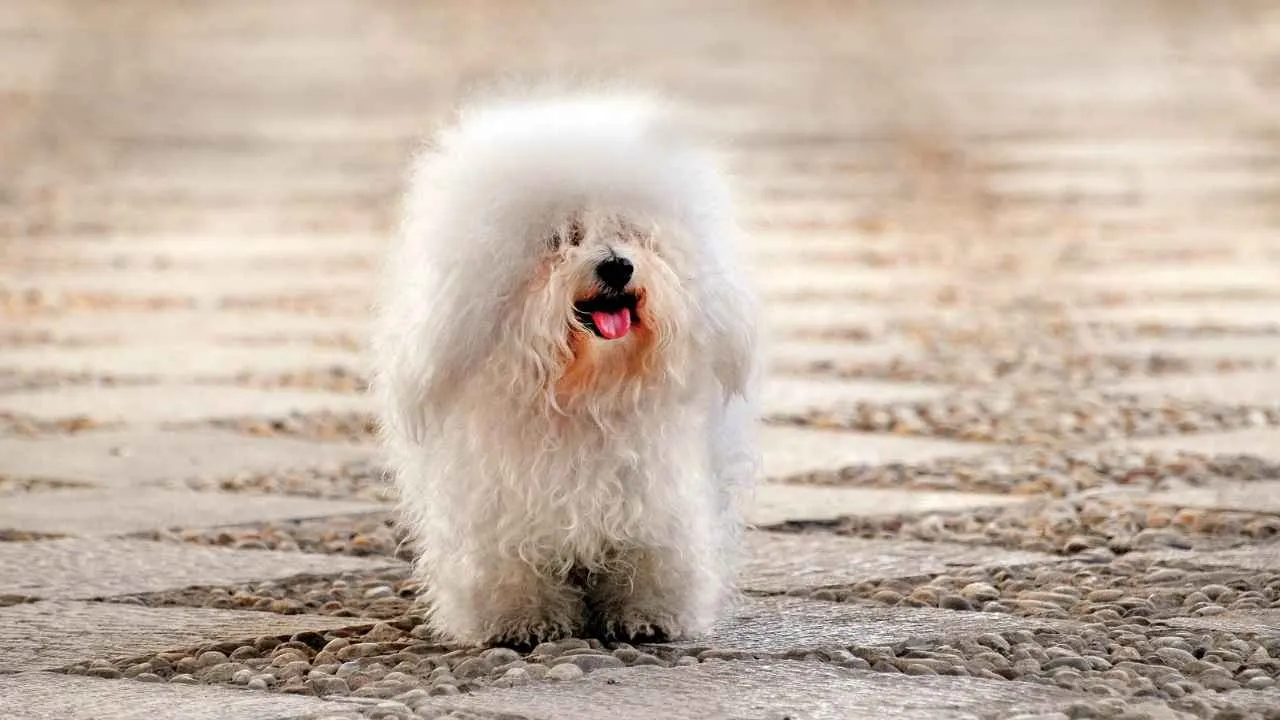
For those people who like to have a quiet home, the Bolognese is the best choice. An Italian companion dog that is faithful, calm, and beautiful.
This dog does not require any extensive exercise sessions. Moderate walks and indoor games are enough to make them content. They can also be mentally stimulated by learning tricks or playing games with their owners. This makes the Bolognese appealing to owners who want a lazy lifestyle.
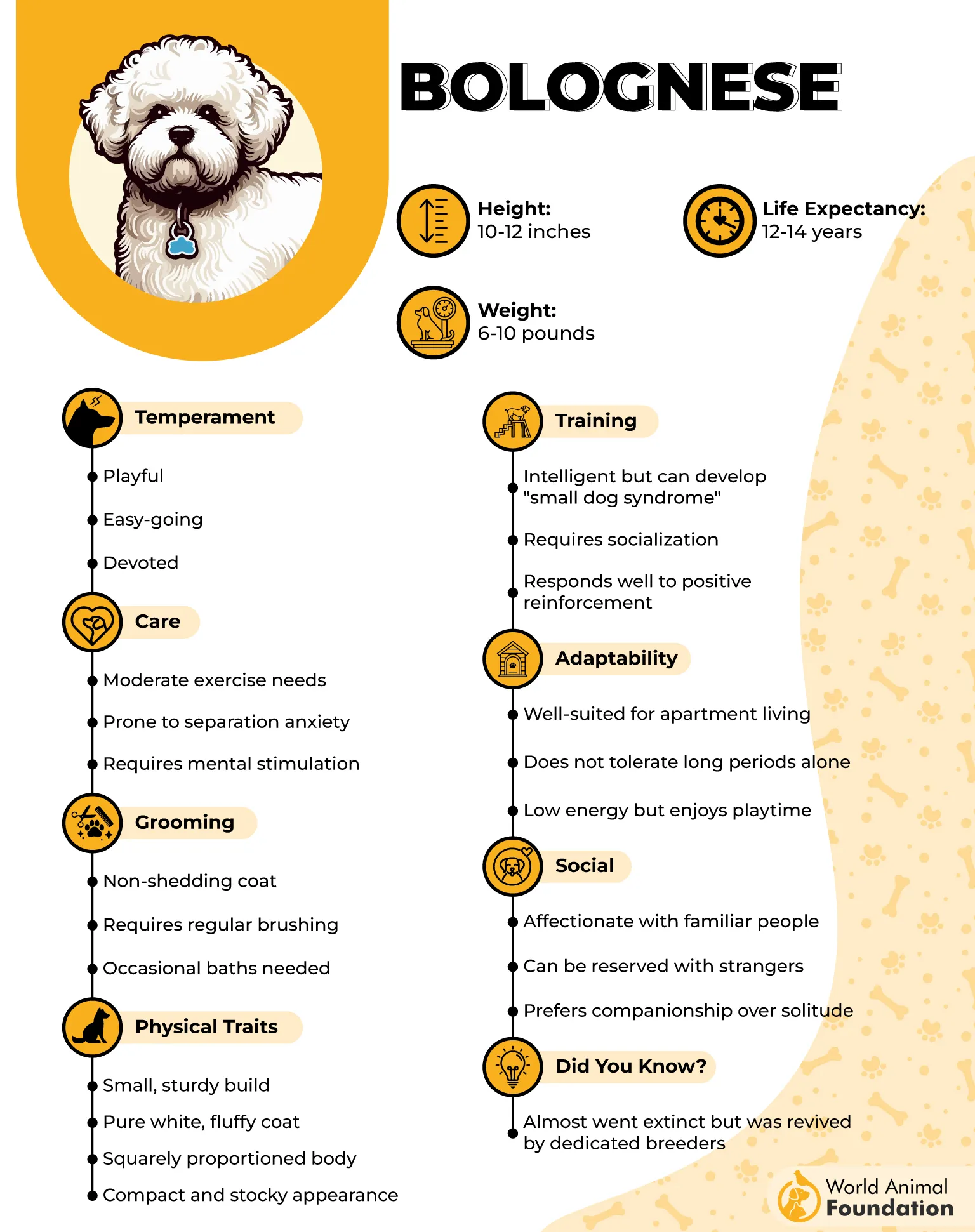
Do not confuse its placidness with independence, however. This dog breed can form close bonds with its family members and can suffer from separation anxiety.
Grooming is another consideration. Bolognese has a white, fluffy coat, which requires regular grooming to avoid tangling and to keep it looking nice.
The Bolognese may be a great first dog for an owner who has a lot of time at home, and would prefer a dog to be a gentle companion rather than an energetic one.
6. Russian Toy
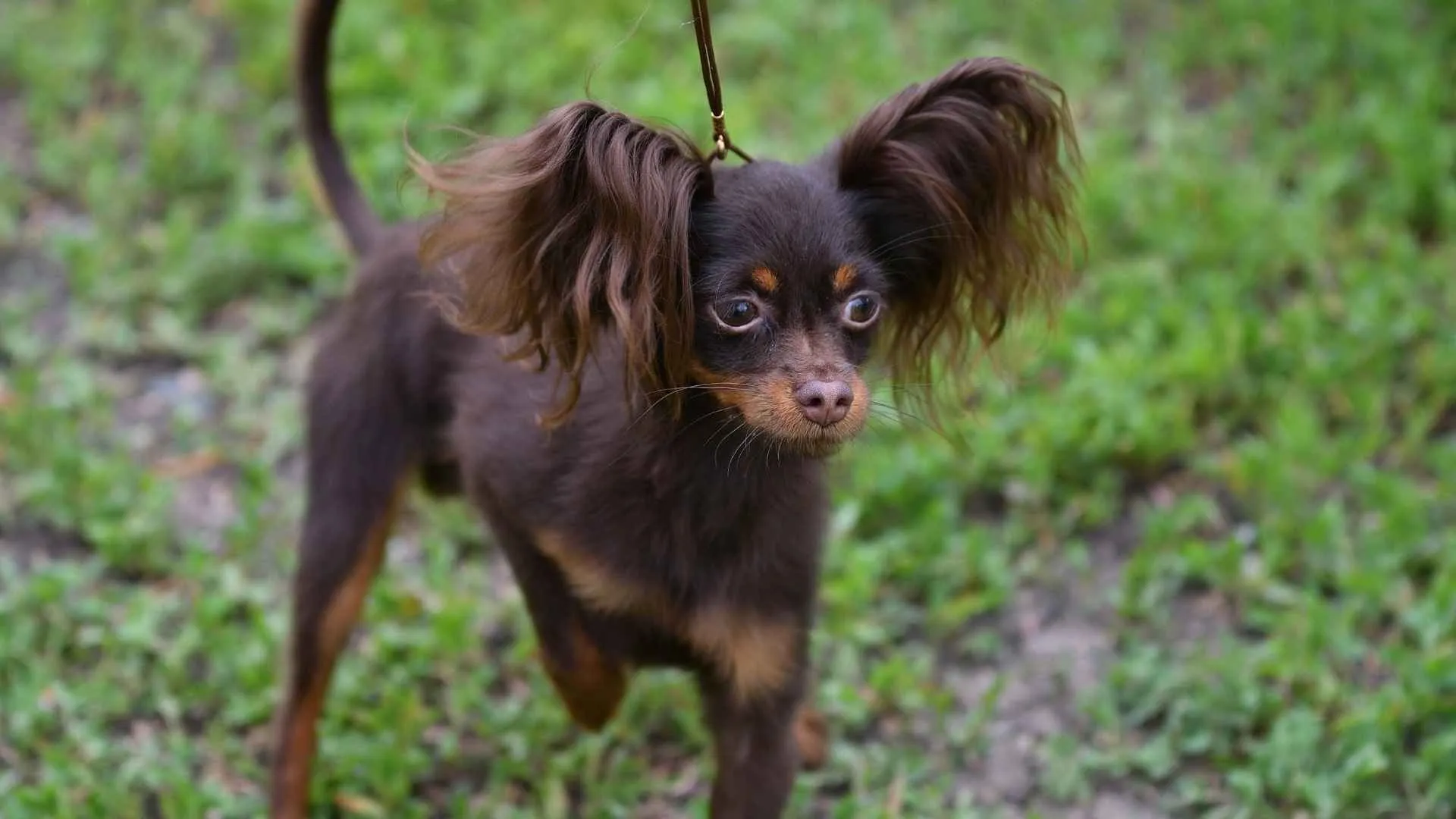
One of the smallest dogs on this list, the Russian Toy is elegant, lively, smart, and very attached to its human companions.
The small size of this dog can be beneficial to owners who are not used to handling larger dogs. Due to its size, this dog does not need a lot of space to live in and can be easily transported and involved in indoor activities.
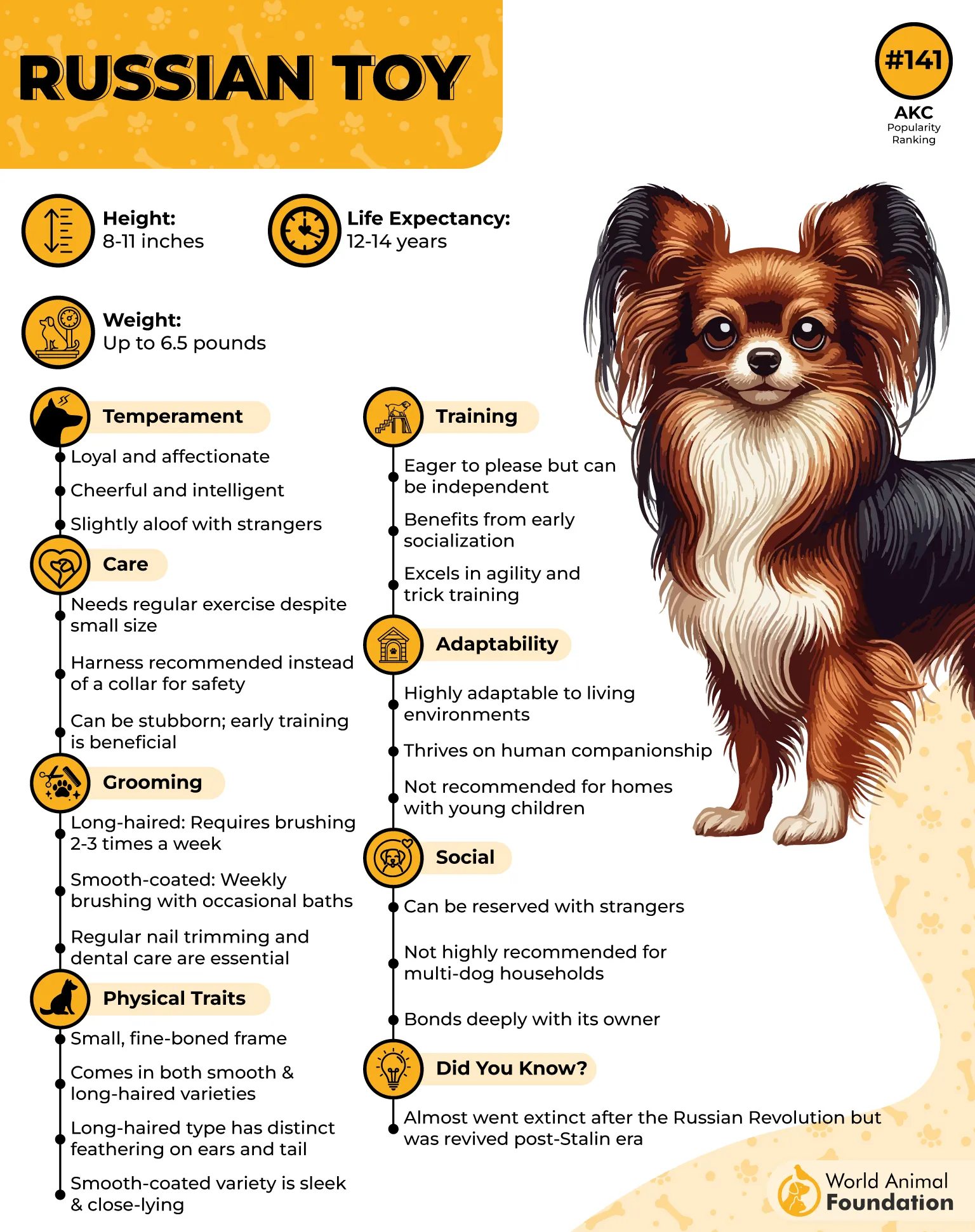
Russian Toys are inquisitive and eager to learn new tricks. It does well in obedience, rally, agility, and nose work. Training can be integrated into the dog’s routine easily. Short mental exercises can be used to provide enrichment, rather than just long walks.
Russian Toys can be reserved with strangers. Thus, it is important to begin the socialization process in early life. Confidence can be developed with gentle exposure to various sounds, environments, people, and appropriate dogs.
Their small size also requires owners to consider how they will interact and handle young children.
7. Russian Tsvetnaya Bolonka
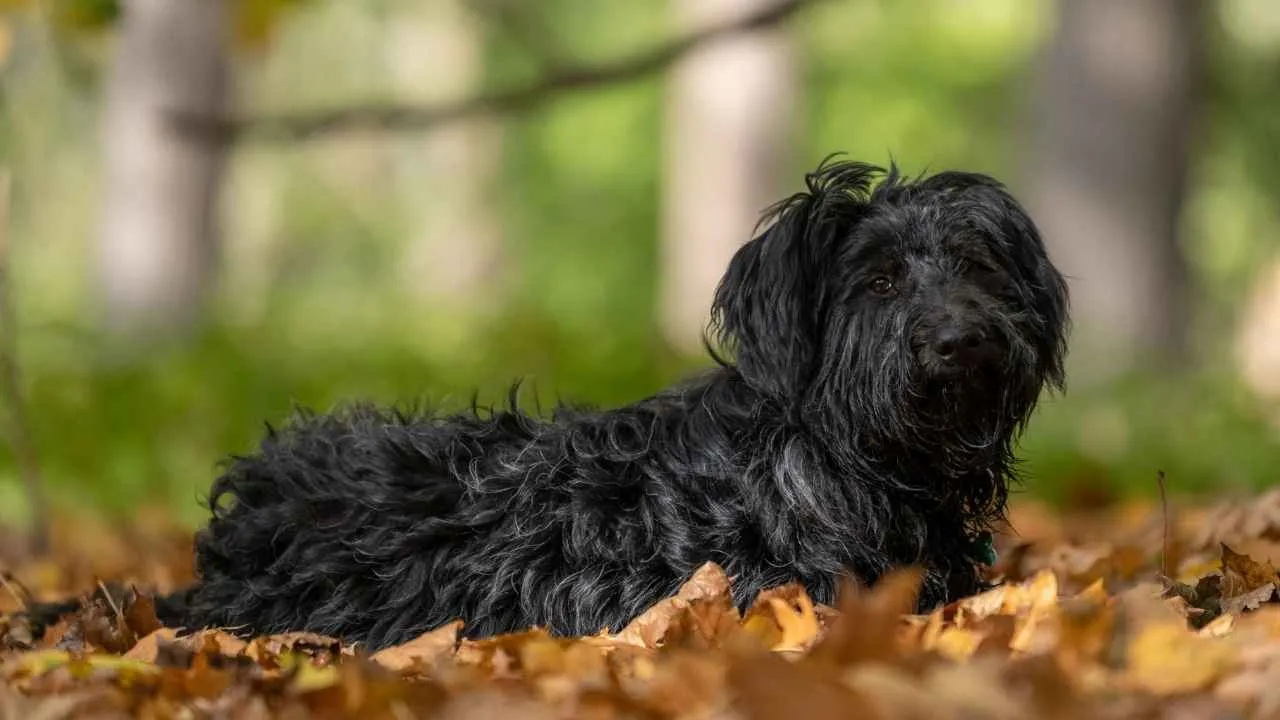
The Russian Tsvetnaya Bolonka is particularly good for novices seeking a composed companion. Also known as the Bolonka, this companion dog of the 1950s was originally bred from multiple companion dog breeds such as the Maltese, Bolognese, and Shih Tzu.
This dog breed is versatile in nature and a particular attraction for modern homes, as noted by the AKC. It can easily adapt to small city apartment living. It is easy to manage in everyday life due to its compact size.
Bolonkas are said to be sociable, intelligent, alert, and easygoing. These high-energy dog breeds can become good companions of other dogs, which is a plus for people who want to own more than one pet.
Another unique characteristic about this dog breed is its coat. This dog has a solid colored coat. It can have wavy or curly fur and can have a variety of colors other than white. As this is a recent addition to big breed recognition, initial owners should be extra careful in picking their breeder.
Health, responsible breeding, temperament, and early socialization are very important. If you’re looking for a unique pet that makes a quiet home, the Bolonka may be an interesting choice.
Conclusion
Picking your first dog should be an exciting experience and not an intimidating one! The proper breed can help you make these initial experiences easier and educate you on the responsibilities of caring for another living being.
There is no such thing as the perfect dog breed. Your schedule, home, level of activity, grooming habits, and companionship all count. There could be a few bumps in the road during the initial learning curve, but these bumps are the things you will look back on and laugh about in years to come.
