




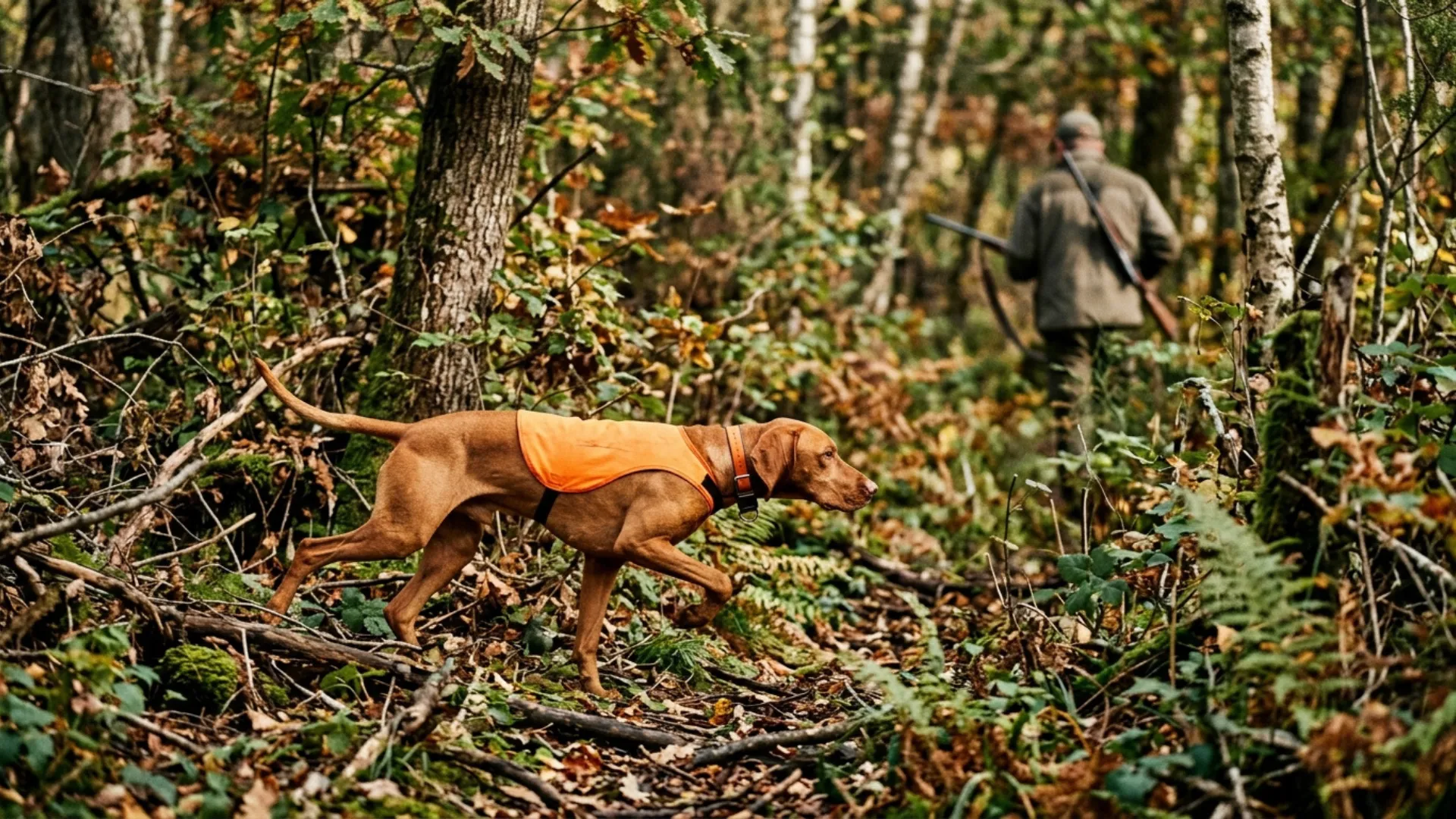
Hunting in dense woodland is not just a sport; it is a partnership shaped by history, instinct, and trust between humans and dogs.
From the forests of Virginia to the traditions of Europe, hunters have long relied on dogs with powerful noses, sharp focus, and relentless drive to move through thick cover where visibility disappears but scent remains alive.
These working companions have been woven into hunting culture for centuries, tracing game like rabbit, fox, raccoon, and pheasant through tangled terrain with remarkable precision.
Yet behind every successful hunt lies a deeper story, of discipline, training, and responsibility toward these loyal animals who give everything in the field. Their role is not just functional but emotional, built on cooperation and understanding.
This article explores the best dog breeds for woodland hunting, dogs shaped by purpose, endurance, and instinct, each one uniquely equipped to thrive where the forest is thickest and the trail is hardest to follow.
Key Takeaways
Dense woodland hunting requires dogs with strong scenting ability, stamina, and focus to work through limited visibility and thick terrain.
Hound dogs play a major role in woodland hunting because they rely on tracking smells rather than sight.
Hunting breeds like coonhounds, spaniels, and pointers are traditionally favored for their ability to navigate and hunt in forested environments.
Endurance is essential; successful woodland hunting dogs must cover long distances without losing drive or concentration.
Intelligence and trainability matter, as these dogs must respond reliably in distracting, scent-heavy environments.
Best Dog Breeds For Hunting In Dense Woodland
1. Treeing Walker Coonhound
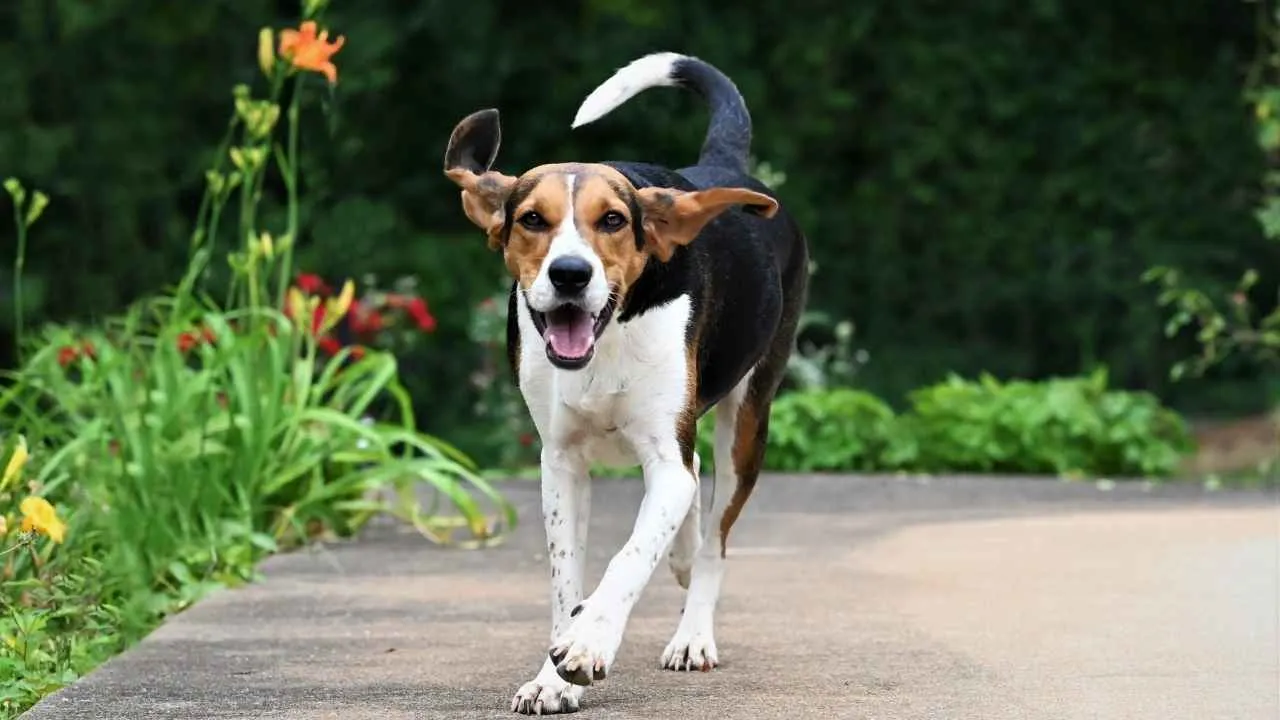
Built for speed, stamina, and sharp instincts, the Treeing Walker Coonhound thrives in harsh conditions where lesser hunters might struggle.
Often called “The People’s Choice,” this American-bred hound combines agility with determination, covers ground efficiently as it tracks scent through thick terrain, according to the American Kennel Club.

Watching it move, muscular, focused, and relentless, can stir real excitement in any hunter’s heart. Yet, after the chase, it reveals a softer side, resting quietly with a gentle expression that forms a deep bond with its owner.
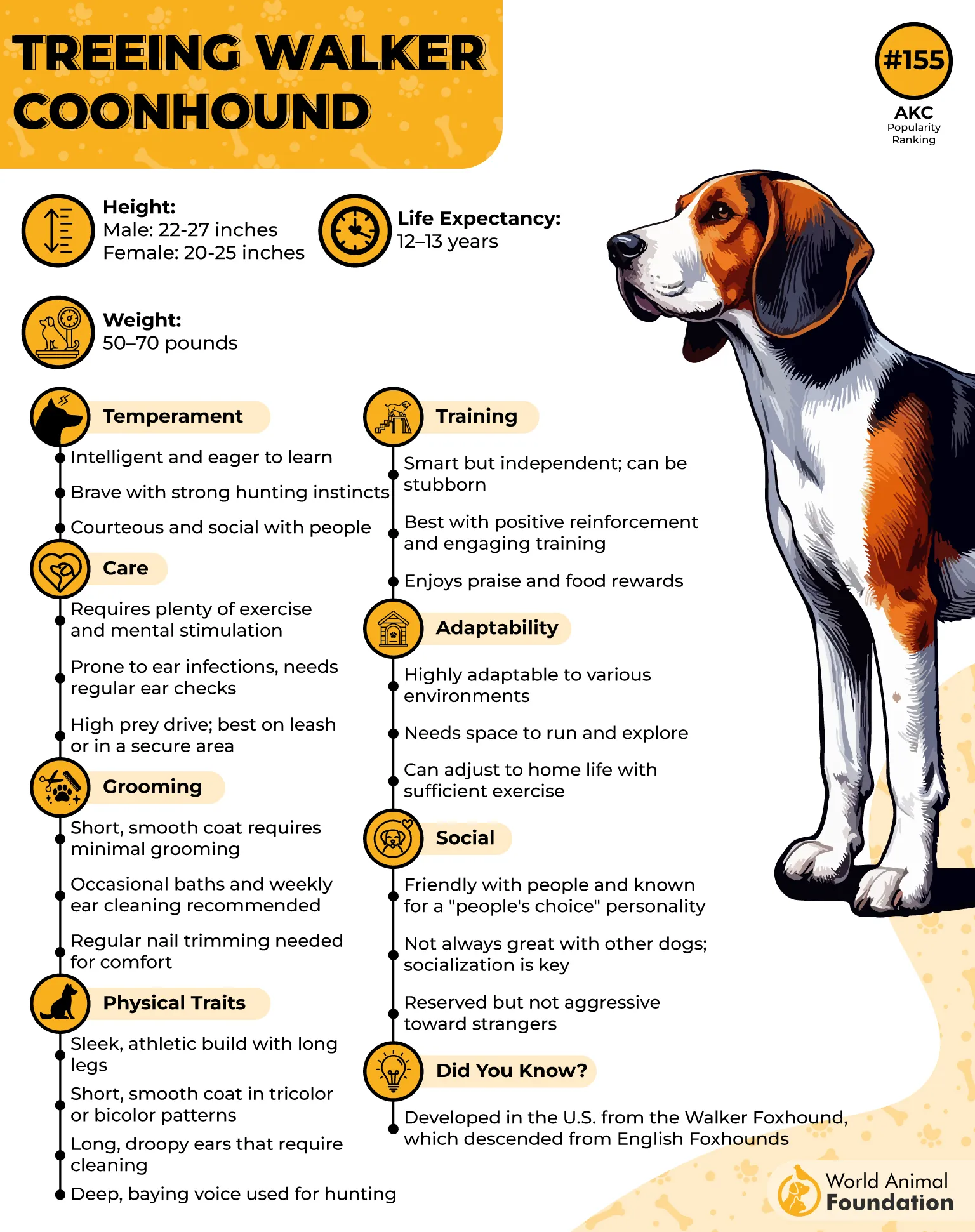
This hunting dog breed is generally healthy, though regular ear checks are essential, especially after outdoor runs where debris and ticks can hide. Its short coat is easy to maintain, needing only light grooming to stay clean.
Energetic and driven, it requires daily exercise and thrives with active owners. Intelligent but independent, it responds best to patient training and positive reinforcement. With proper care, diet, and attention, this hound becomes both a skilled woodland hunter and a loyal companion.
2. Black And Tan Coonhound
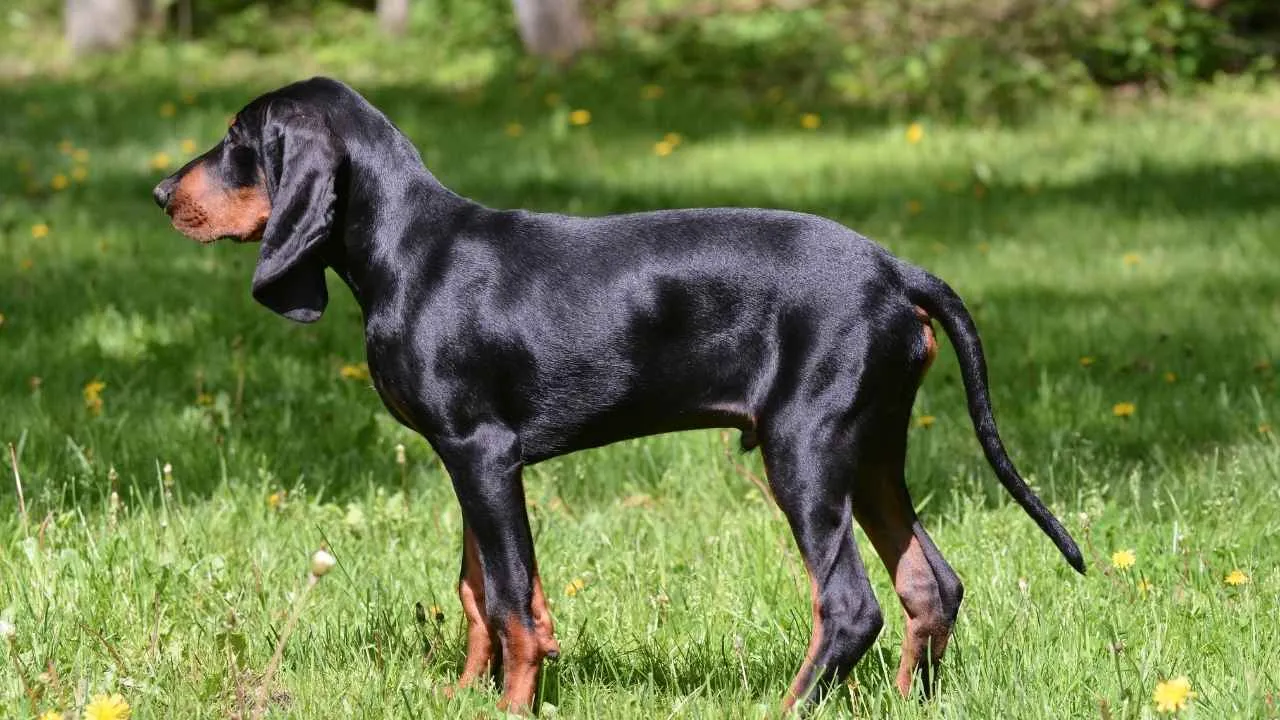
Forged from the strength of Bloodhounds and Black and Tan Virginia Foxhounds, the Black and Tan Coonhound is one of the best hunting dog breeds for dense woodland hunting.
Originally used to track bears and raccoons in the southeastern United States, this breed follows scent with unwavering focus, nose low, pace steady, yet surprisingly swift.
In thick forests where visibility is limited, its strong hunting drive and extraordinary sense of smell become its greatest weapons.
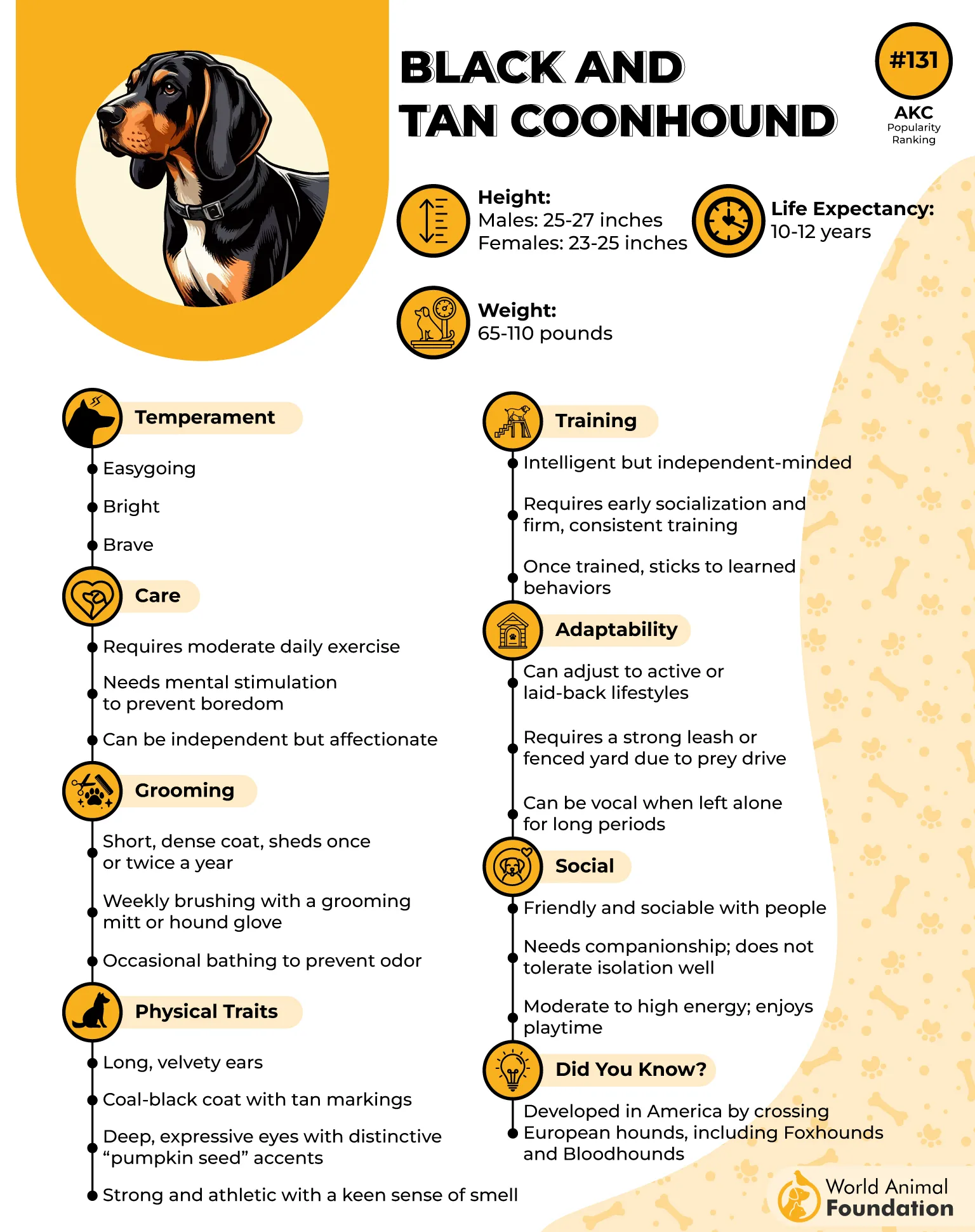
At home, this hound is calm and easygoing, but when it steps outside, its instincts ignite instantly. Known for its deep baying voice, it communicates across the woods while on the trail. Because of its powerful tracking drive, it’s safest to keep it on a leash or within secure boundaries.
Though sometimes reserved with strangers, early training and socialization shape a loyal, gentle companion. With the right guidance, the Black and Tan Coonhound balances rugged hunting ability with a quiet, affectionate presence that feels right at home after a long day in the wild.
3. Vizsla
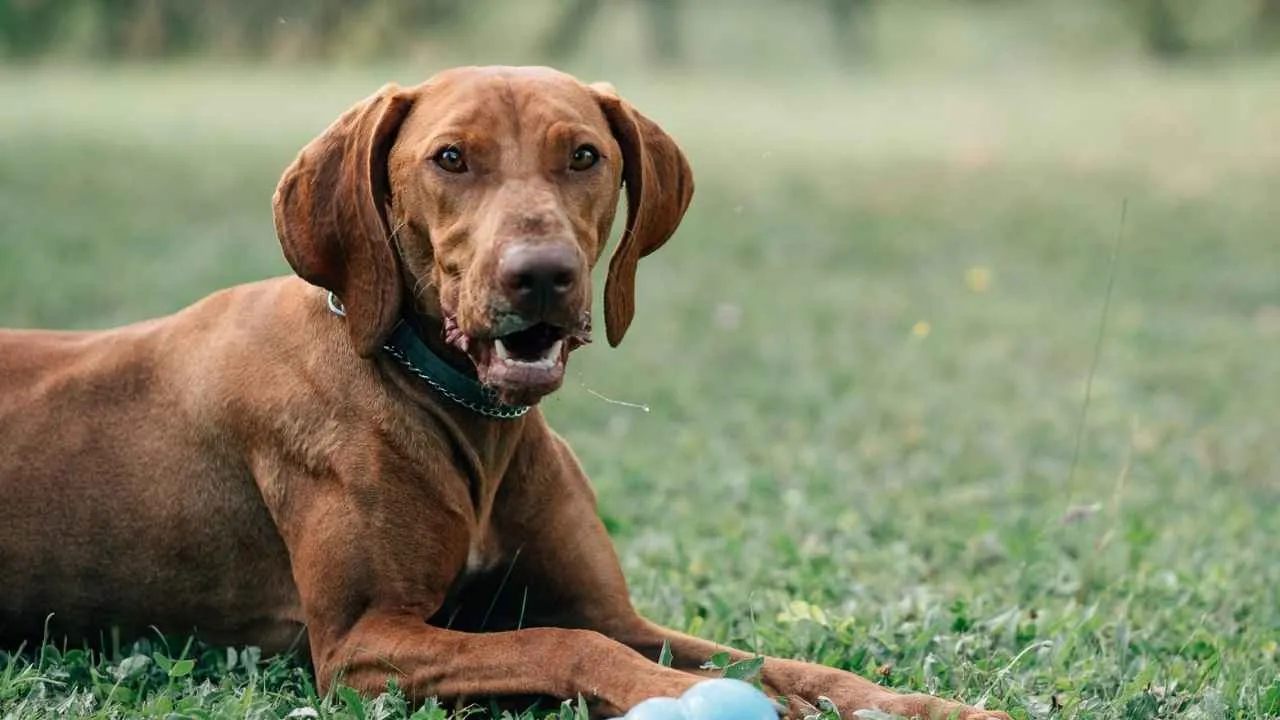
Graceful yet tough, the Hungarian Vizsla is a medium-sized gundog built for endurance in challenging terrain like dense woodland.
With its wiry, weather-resistant coat and athletic frame, it moves with purpose, demonstrating efficient hunting skills while staying alert to every movement and scent.
Bred to hunt, point, and retrieve, this dog thrives when given a task, especially in environments that demand both stamina and sharp instincts, as noted by Britannica.
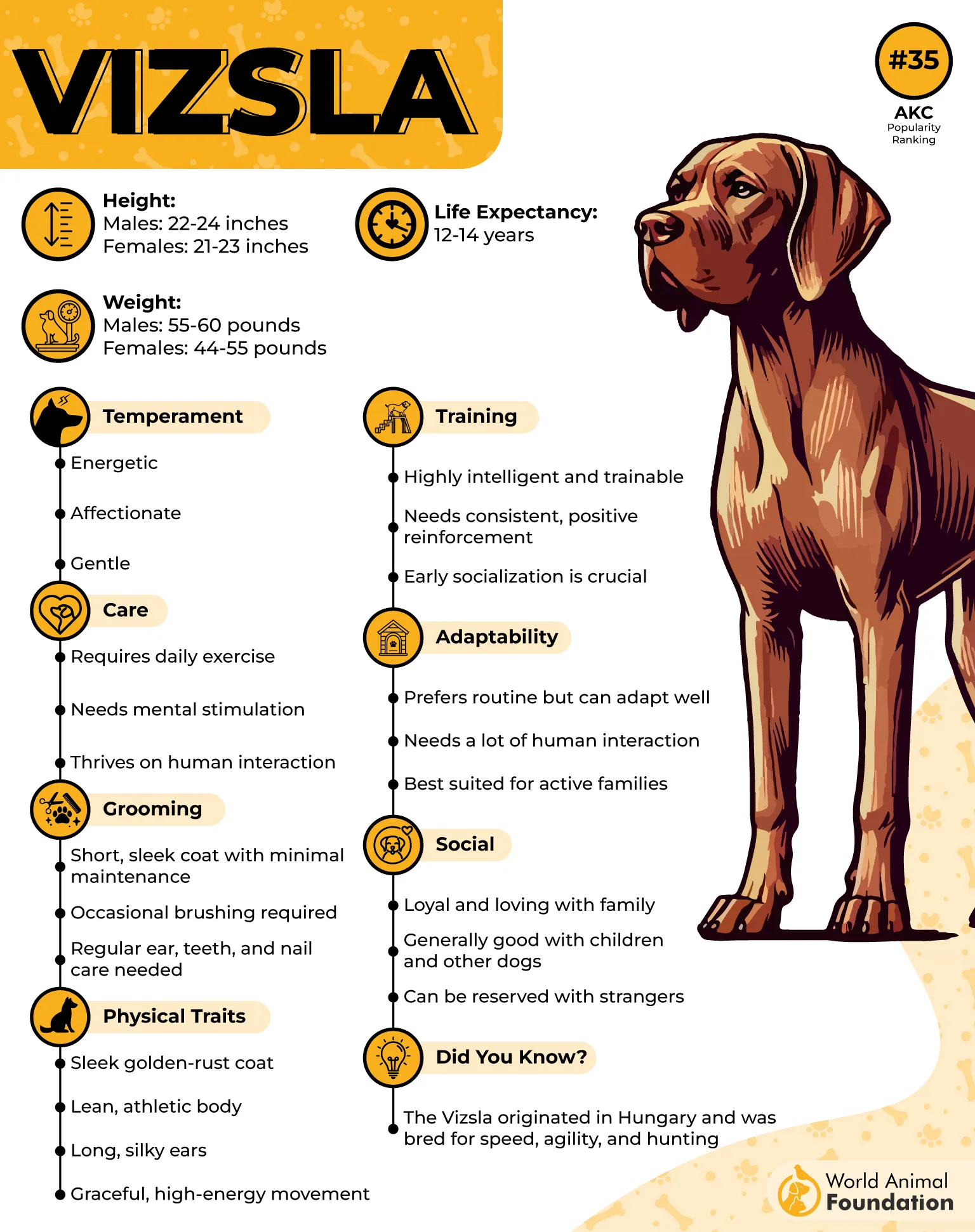
Beyond its working ability, the Vizsla is deeply affectionate, often called a “Velcro dog” for the way it stays close to its owner.
It forms strong emotional bonds and doesn’t do well in isolation. High energy defines this breed, requiring more than two hours of daily exercise along with mental stimulation to stay balanced.
Training must be patient and engaging, as the Vizsla is sensitive yet intelligent. In the right hands, it becomes a wonderful pet and loyal hunting partner, focused in the field and gentle at home.
4. Weimaraner
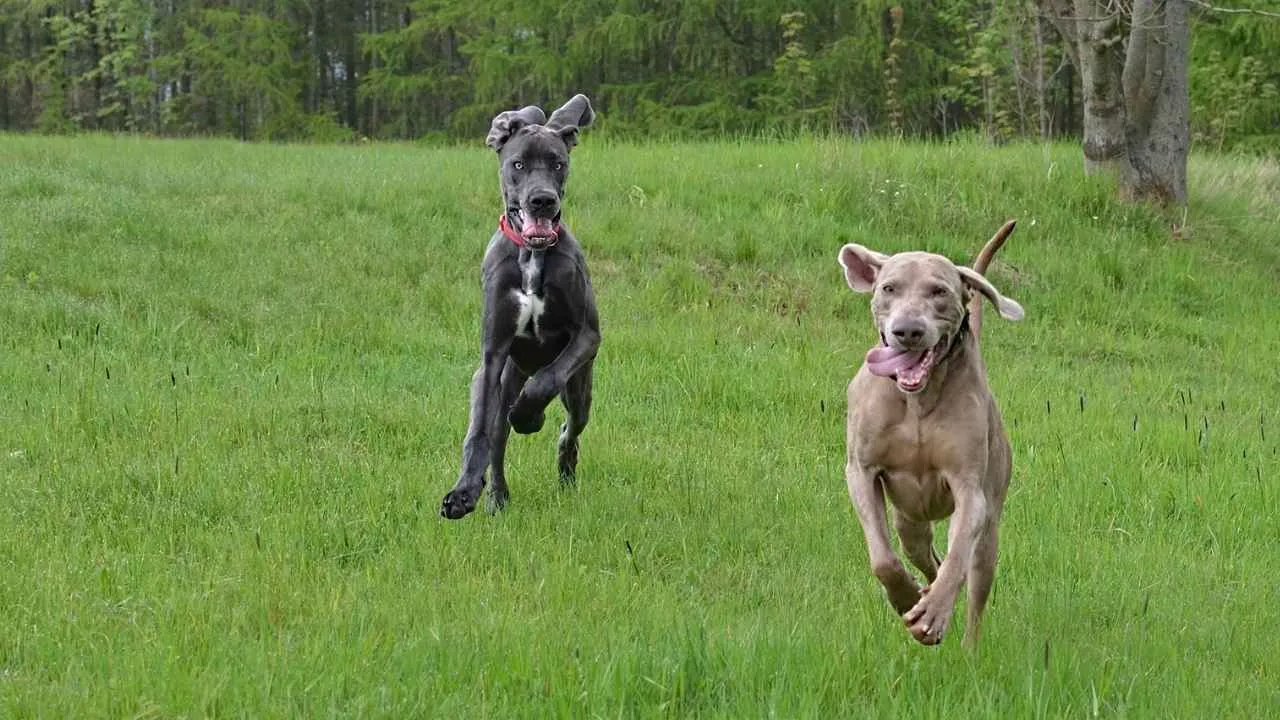
With its striking silver-gray coat and commanding presence, the Weimaraner is as captivating as it is capable.
Known as one of Germany’s oldest pointing breeds, it was shaped for the demands of serious hunting, combining endurance, precision, and an exceptionally keen nose.
In dense woodland, where patience and focus matter most, the Weimaraner works with quiet intensity, tracking game with control and purpose.
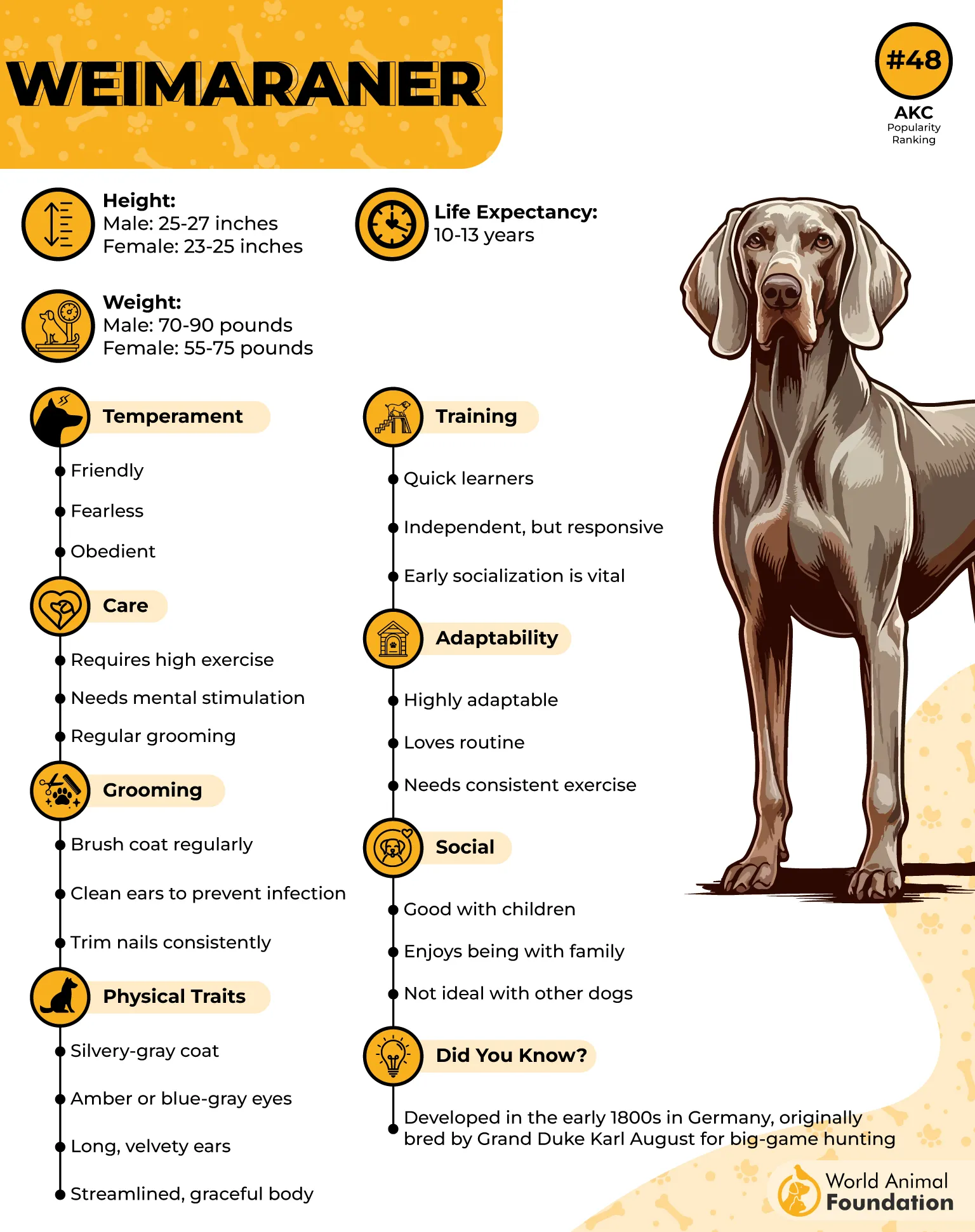
But this elegance comes with responsibility. The Weimaraner is highly intelligent, energetic, and driven, needing consistent training and meaningful activity every day.
Without a task, its restless nature can quickly surface. Deeply loyal and often forming a close bond with one person, the Weimaraner thrives in experienced hands that understand its needs.
Though admired beyond hunting circles, it is not an easy companion. With proper care, structure, and engagement, however, this noble dog proves itself both a dedicated woodland hunter and a family pet.
5. German Shorthaired Pointer
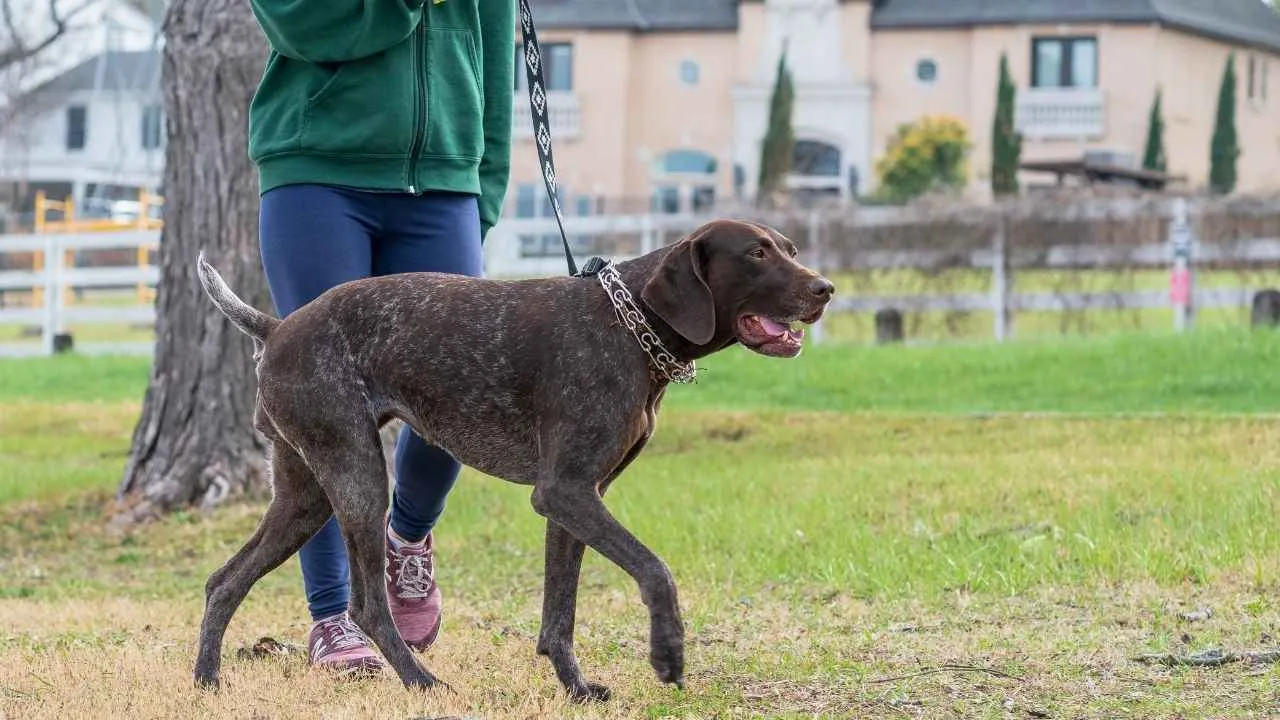
Athletic, sharp-minded, and endlessly driven, the German Shorthaired Pointer is built for the demands of dense woodland hunting.
This medium-sized sporting dog combines strength with agility, moving smoothly through thick terrain while staying alert to every scent and movement.
Bred to hunt on both land and water, its streamlined body, webbed feet, and powerful stride make it a true all-rounder in the field.
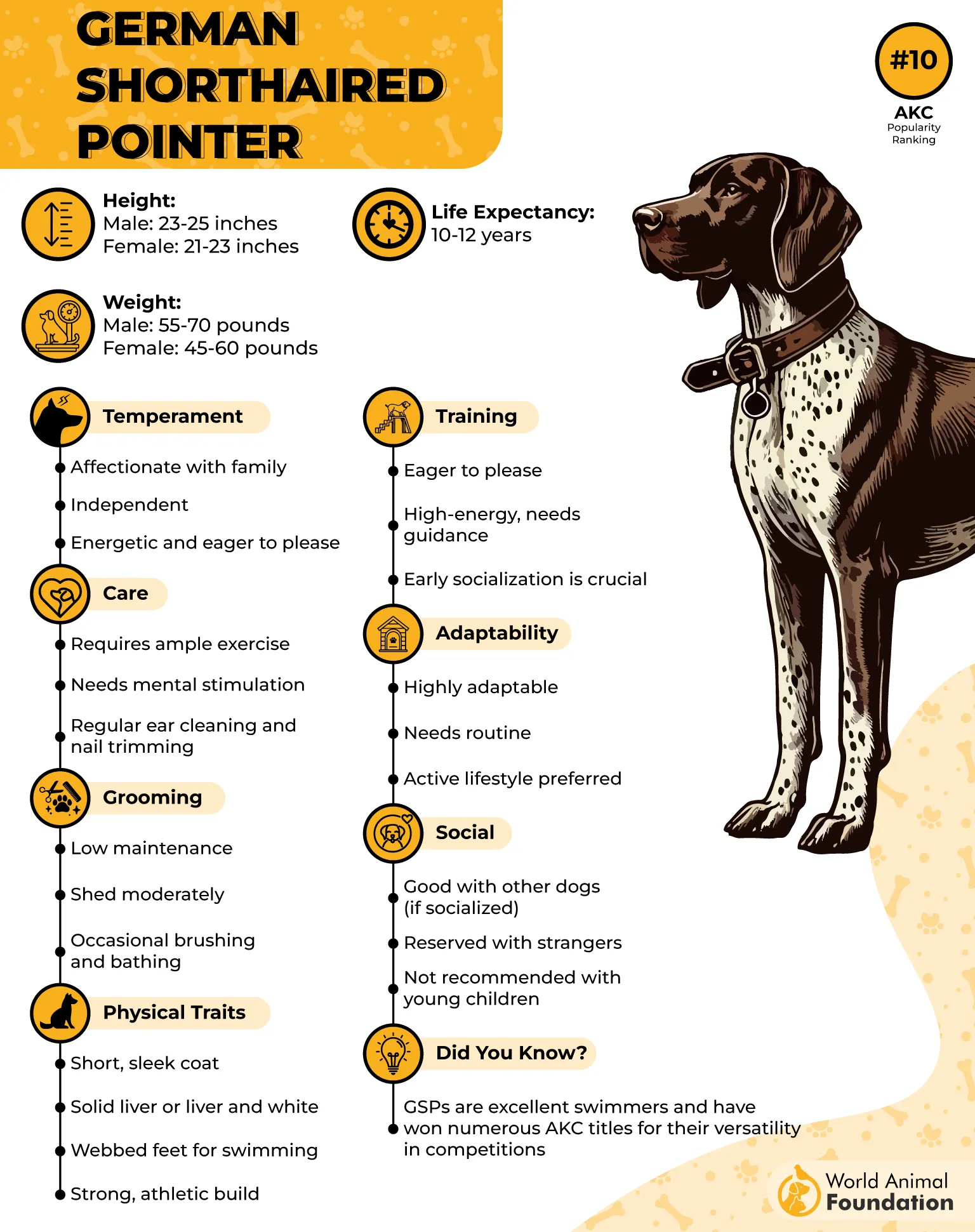
Beyond its working ability, this breed is deeply loyal and forms strong bonds with its family. Friendly and adaptable, it fits well into active homes, but only if its high energy is properly managed. Long runs, outdoor play, and mentally engaging tasks are not optional; they are essential.
Intelligent and eager to please, the German Shorthaired Pointer responds well to training, though its enthusiasm can be overwhelming without structure.
With the right balance of exercise, care, and guidance, this active dog becomes a dependable hunting partner and a lively, affectionate companion.
6. Mountain Cur
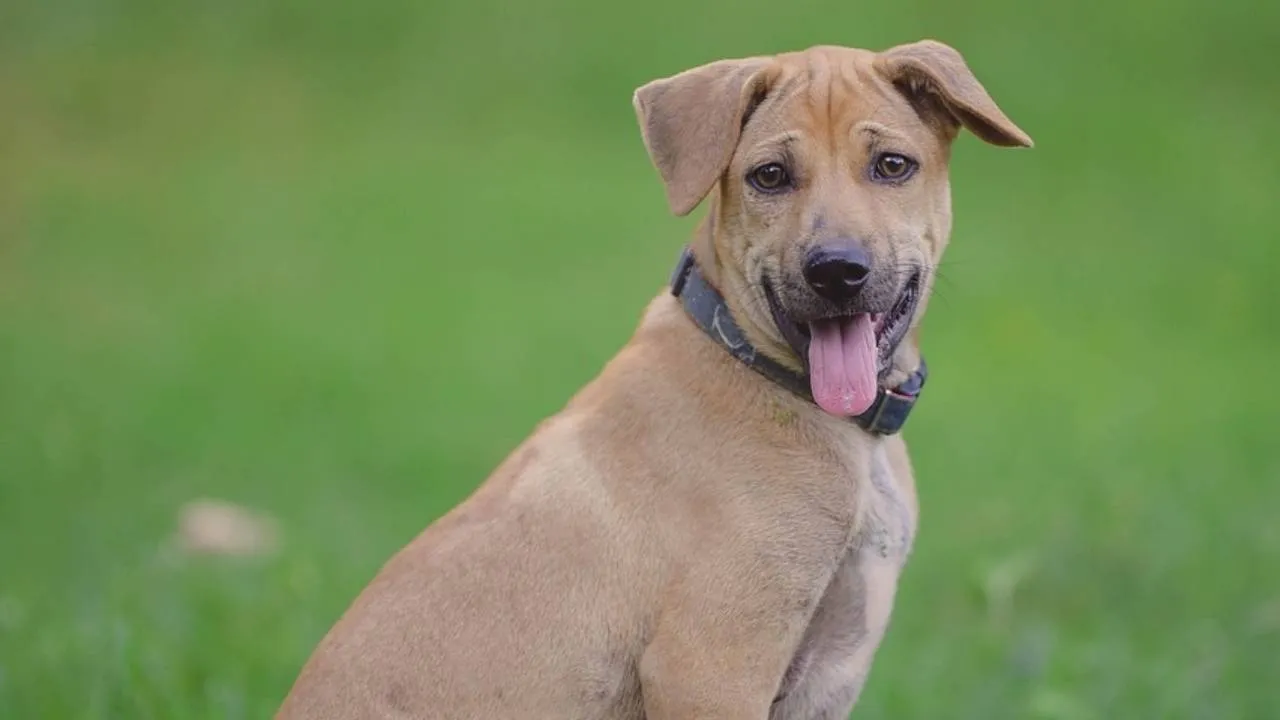
Born from the rugged landscapes of the Appalachian Mountains, the Mountain Cur is a true woodland worker, tough, alert, and built for purpose.
Developed by early settlers to hunt, track, and guard, this breed thrives in dense forests where stamina and sharp instincts are essential. Its compact, muscular frame and short, dense coat allow it to move swiftly through rough terrain without slowing down.
What sets the Mountain Cur apart is its unwavering determination.
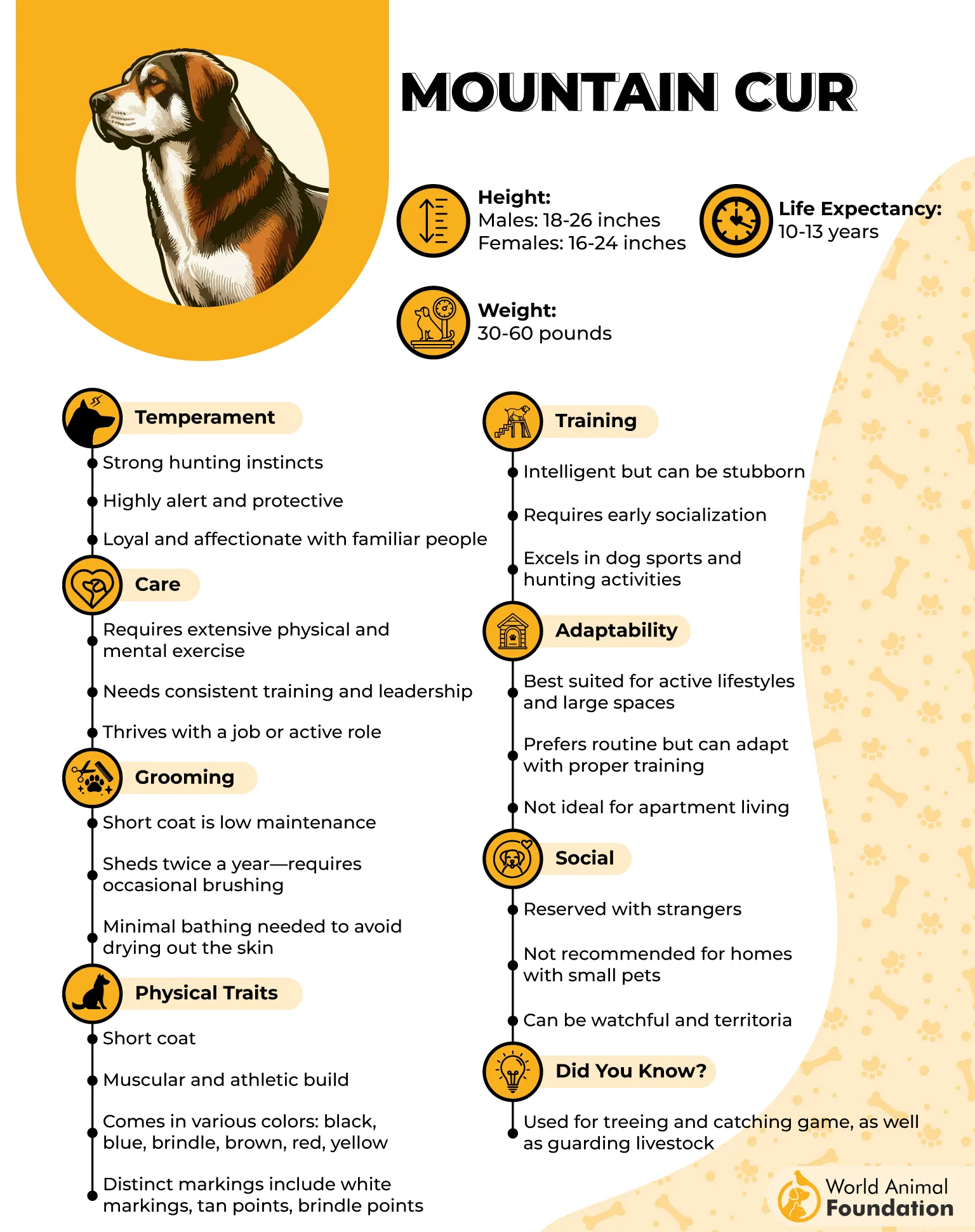
With a strong prey drive and keen awareness, it stays focused on the trail, making it a reliable hunting companion in thick cover. Yet beyond the hunt, it shows deep loyalty and forms close bonds with its family.
Highly intelligent and eager to work, this breed responds well to training but demands regular exercise and mental stimulation.
For those who embrace an active, outdoor lifestyle, the Mountain Cur offers not just skill in the field, but a steady, devoted presence at your side.
7. English Springer Spaniel
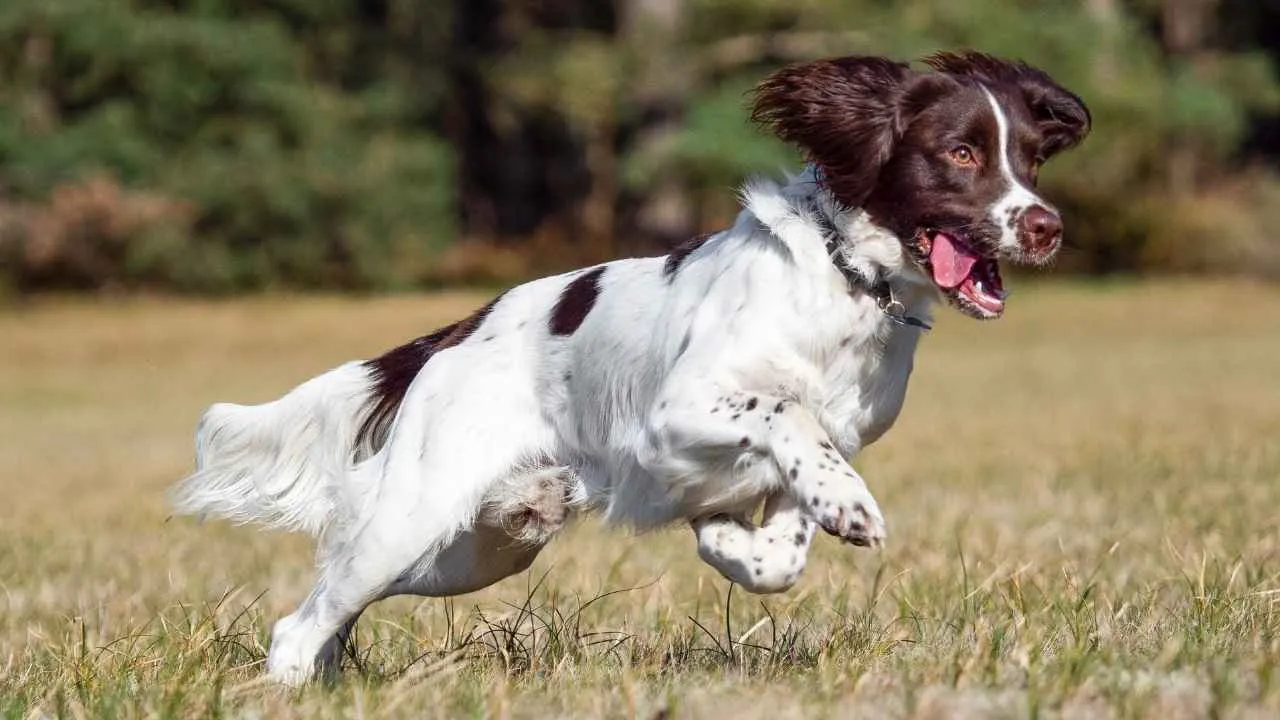
With roots stretching back to medieval Britain, the Springer Spaniel was bred for one clear purpose: flushing game from thick cover, making it an exceptional choice for dense woodland hunting.
Agile, tireless, and driven by instinct, this breed moves through undergrowth with an eager, searching energy, always guided by its powerful nose.
Beneath its cheerful expression lies a hardworking spirit built for endurance.
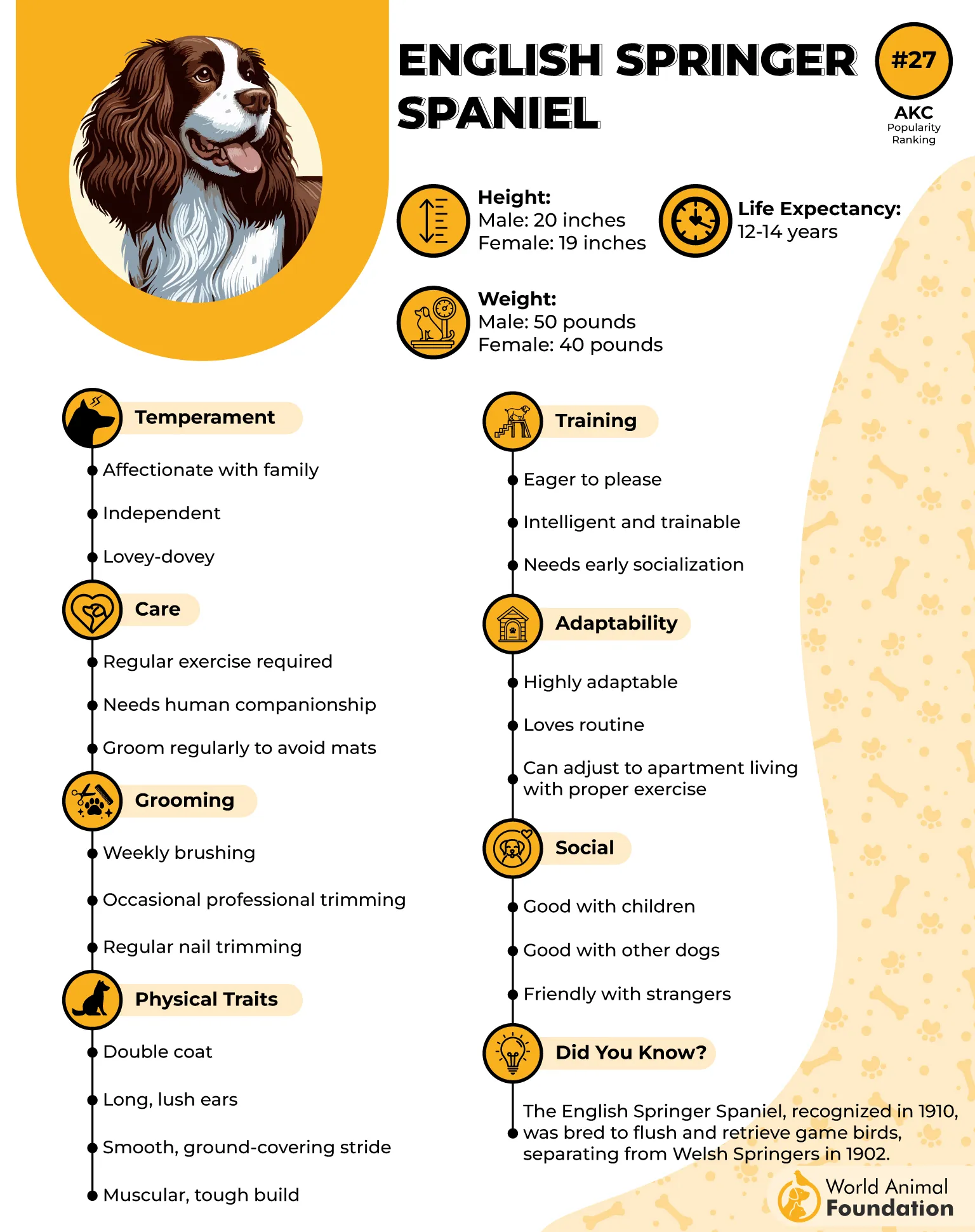
Springer Spaniels are quick learners, responsive to training, and thrive when given structure and purpose. Their natural enthusiasm makes them highly effective in the field, especially when working through tangled terrain where focus and stamina matter most.
At home, they are affectionate and deeply people-oriented, often forming strong bonds with their families. However, their high energy demands daily exercise and mental engagement to prevent restlessness, according to VCA Hospitals.
Whether flushing game or simply running through open spaces, the Springer Spaniel carries a lively, devoted spirit that feels right at home in the heart of the woods.
Conclusion
Choosing the best dog breeds for hunting in dense woodland comes down to stamina, instinct, and teamwork.
The most effective hunting dog breeds are often versatile dogs originally bred for demanding fieldwork such as tracking scents, flushing birds, and retrieving upland birds or wounded game.
These dogs rely on excellent noses, strong prey drive, and high energy to move through thick cover where visibility is limited but scent trails remain strong.
With proper training and mental stimulation, these energetic dogs become dependable hunting companions capable of handling upland game and bird hunting tasks with focus and precision.
Ultimately, successful woodland hunting depends on dogs that balance drive, intelligence, and loyalty, forming a bond that turns hunting into a true partnership.
