




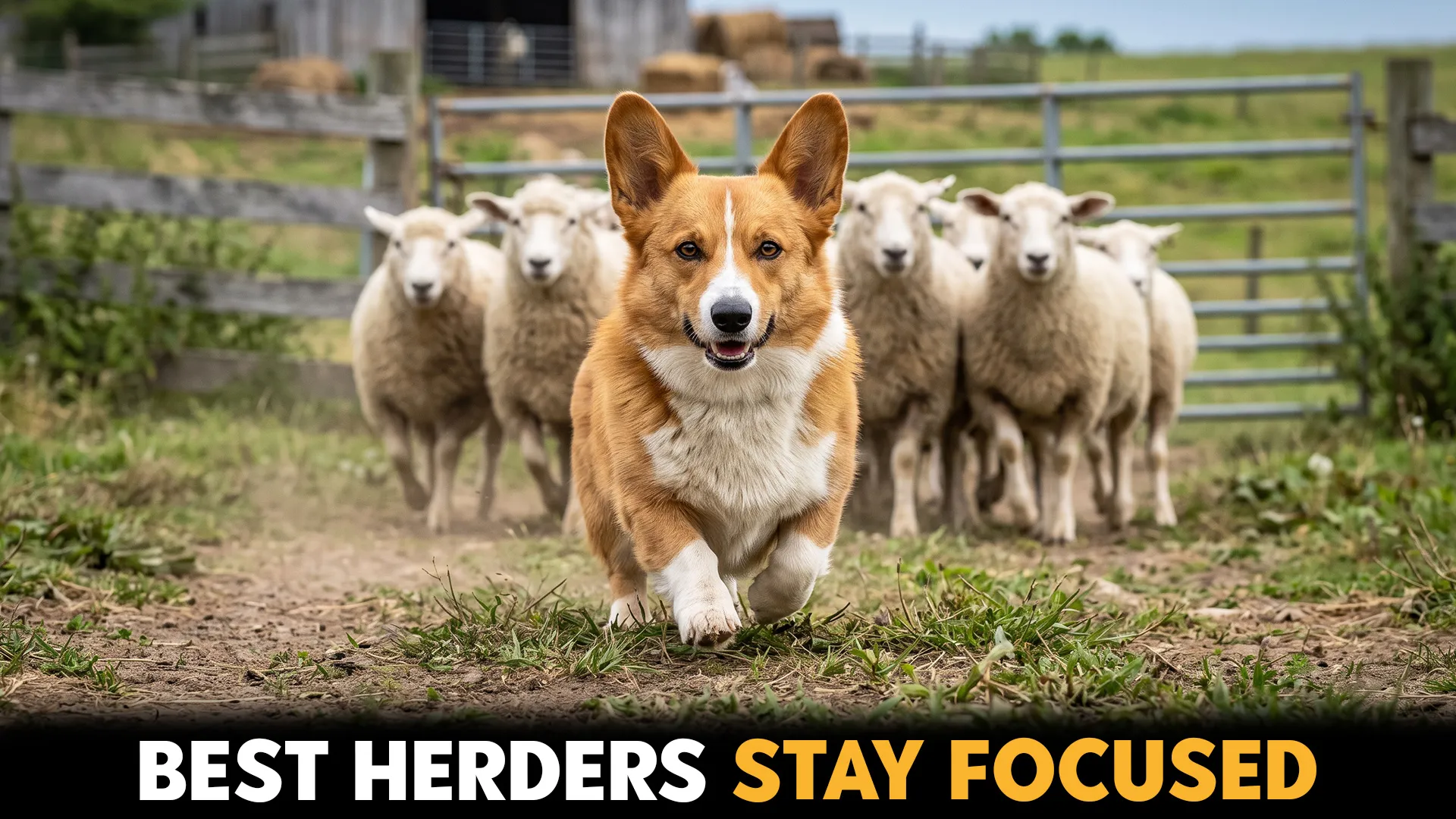
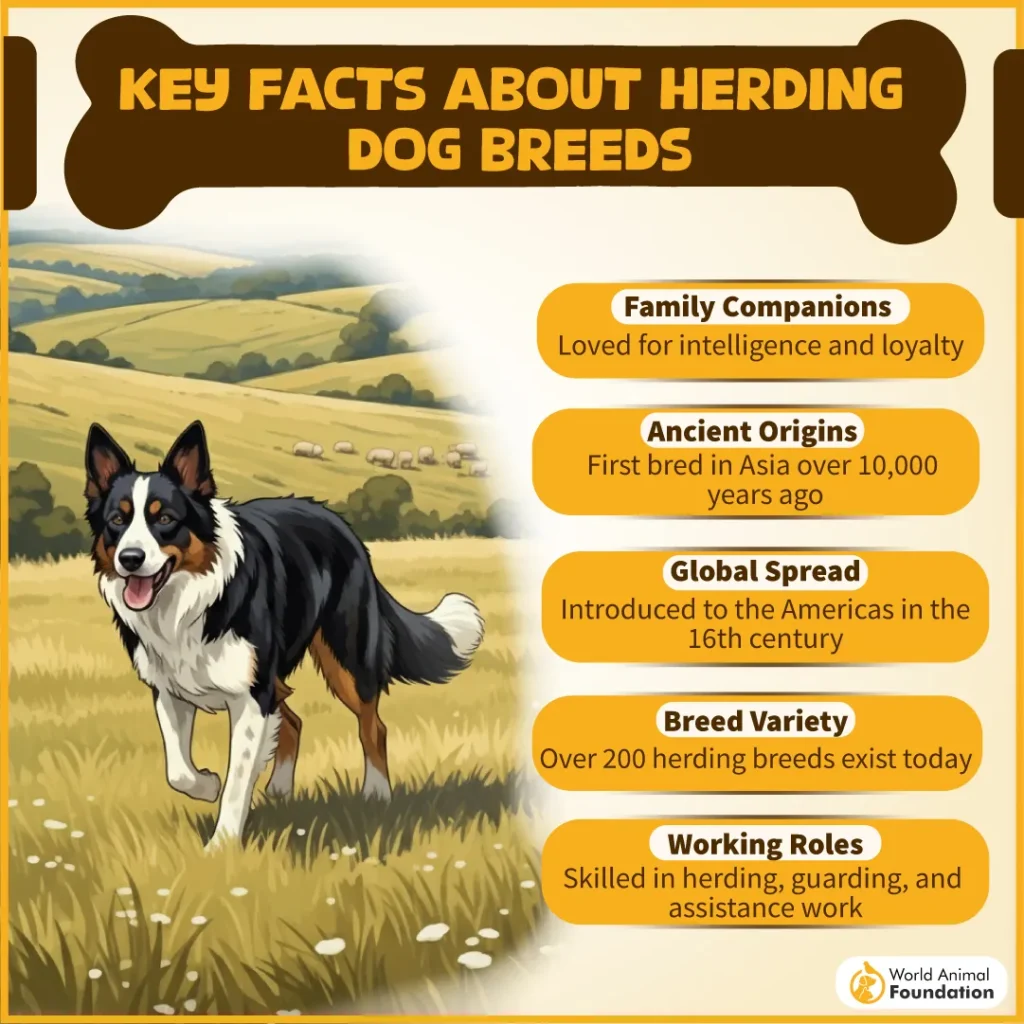
Herding dogs have a special talent for keeping things in order, whether they’re guiding a flock of sheep, moving cattle across a field, or helping manage reindeer. These dogs were bred to work closely with people, using their intelligence, quick reactions, and instincts to keep livestock moving in the right direction.
But what makes them so good at their jobs, and what hidden strengths set them apart?
Although herding dogs were originally bred for farm work, their skills go far beyond the pasture. They are often quick learners, energetic, alert, and eager to stay busy. Many also make devoted family companions, especially in homes where they get plenty of exercise, attention, and mental stimulation.
If you’re curious about what makes these hardworking dogs stand out, you’re in the right place. Let’s explore seven of the best herding dog breeds and discover the secret strengths behind their impressive abilities.
Best Dog Breeds for Herding and Their Secret Strengths
1. Border Collie
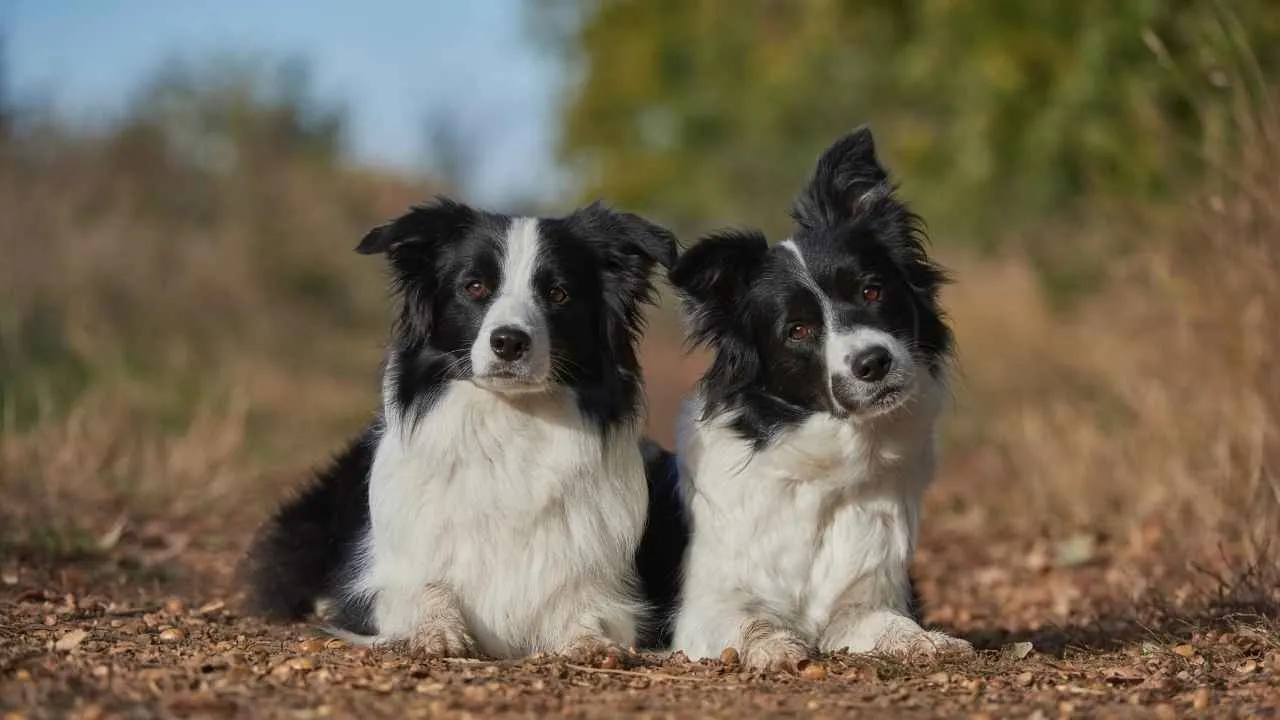
Border Collies were originally bred to herd sheep on farms in Great Britain. They are known for their sharp minds, tireless energy, and impressive herding skills.
Their agility and ability to make quick decisions help them guide livestock with ease. One of their greatest strengths is how quickly they learn and respond to commands.
Personality and Temperament
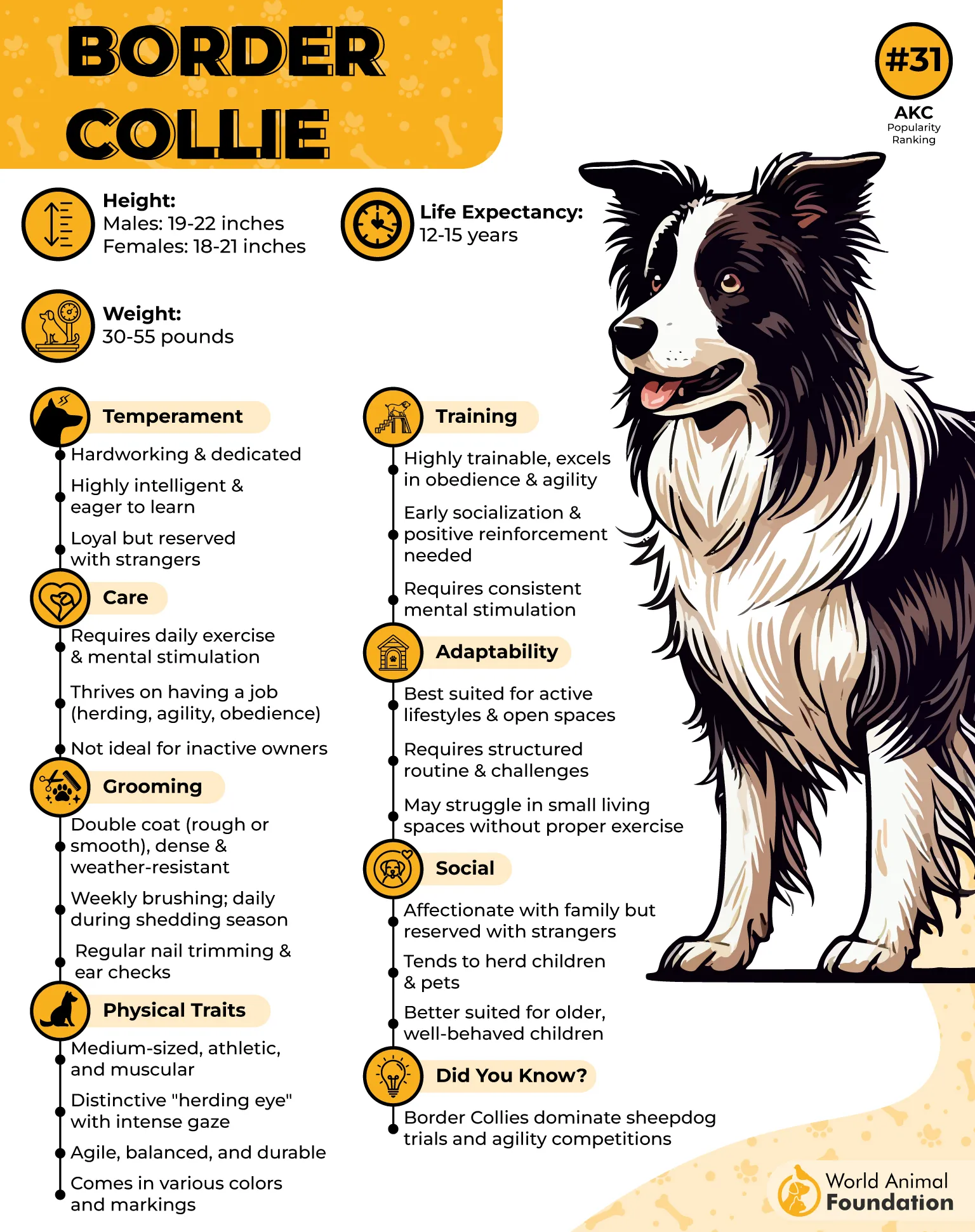
Border Collies are affectionate, playful, and loyal to their families. They enjoy spending time with their people and thrive on routine and purpose.
However, their strong herding instincts may lead them to herd children, other pets, or even unfamiliar dogs. Early socialization and training help them learn when to settle down.
Exercise and Daily Care
These energetic dogs need daily exercise and mental stimulation. They enjoy activities like Frisbee, hiking, and agility competitions. Without enough to do, they may chew furniture, dig holes, or find other ways to stay busy.
They also appreciate a predictable schedule and an orderly home. Britannica says their energy can overwhelm young children or older adults, so they suit active households that can meet their needs.
2. Australian Shepherd
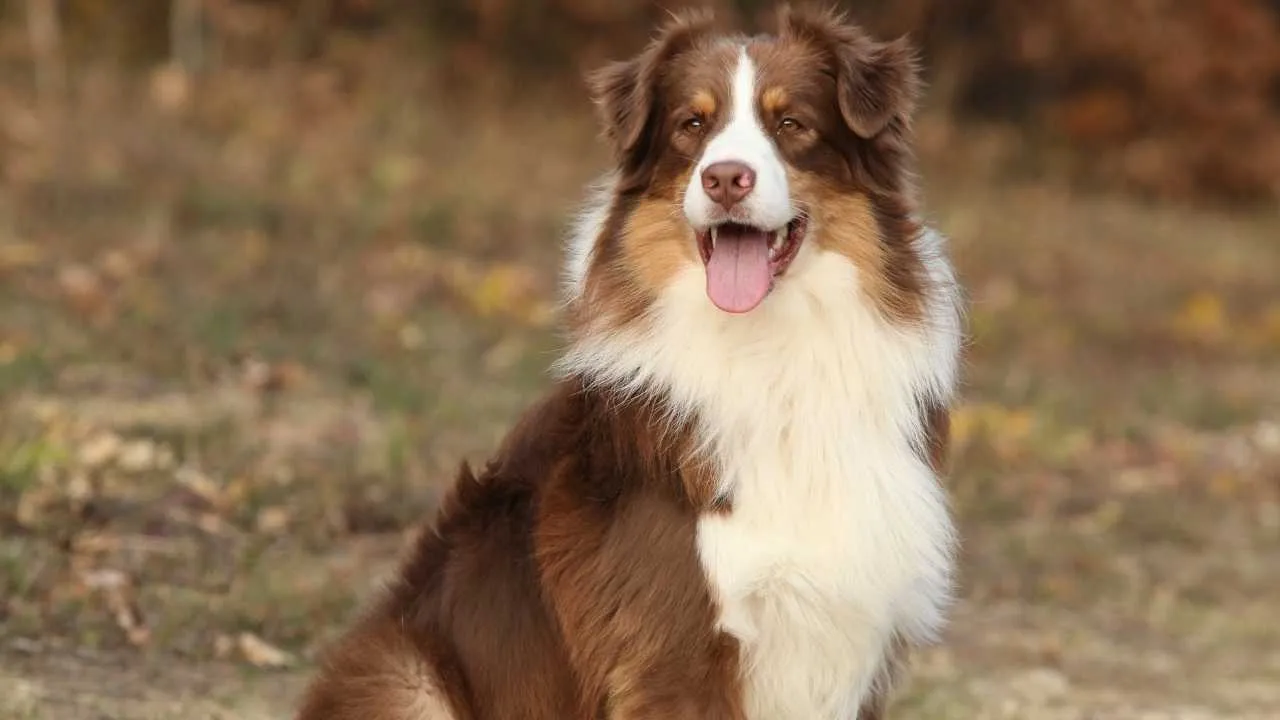
Despite their name, Australian Shepherds were developed in the western United States in the late 1800s. They became closely associated with ranches, cowboys, and rodeos.
These agile, hardworking dogs have strong herding instincts and can guide groups of animals with ease. Their intelligence and trainability also make them useful in search and rescue, police work, and therapy work.
Personality and Temperament
Australian Shepherds are smart, loyal, and devoted to their families. They are usually friendly but may take time to warm up to strangers.
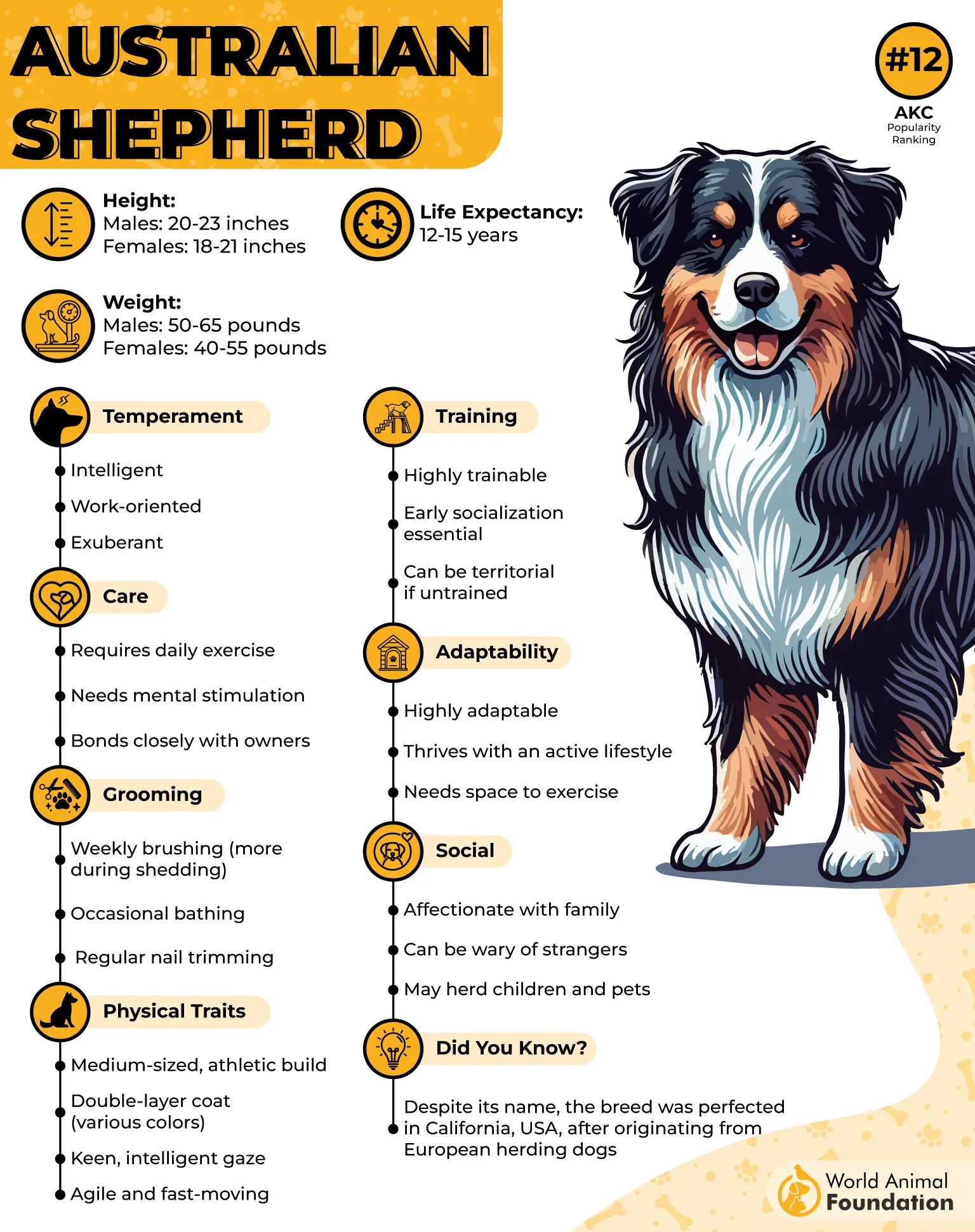
Their strong herding instincts can lead them to chase children, cats, birds, and moving objects such as bikes and scooters. Early socialization helps them live more comfortably with children and other pets.
Exercise and Daily Care
Australian Shepherds need plenty of physical activity and mental stimulation. Games like fetch and tasks that give them a purpose help keep them engaged.
Without enough activity, they can become difficult to manage, so they are better suited to active owners than sedentary households. Their joint and hip health also deserves attention throughout their lives.
3. Australian Cattle Dog
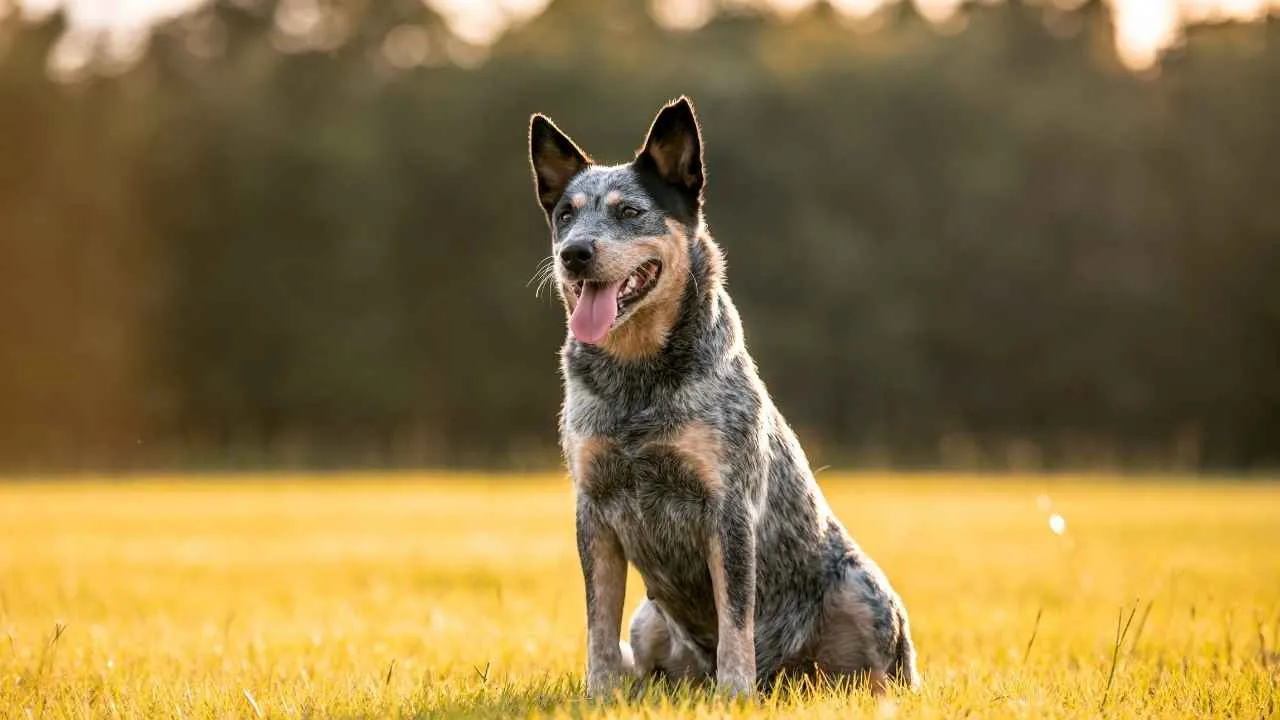
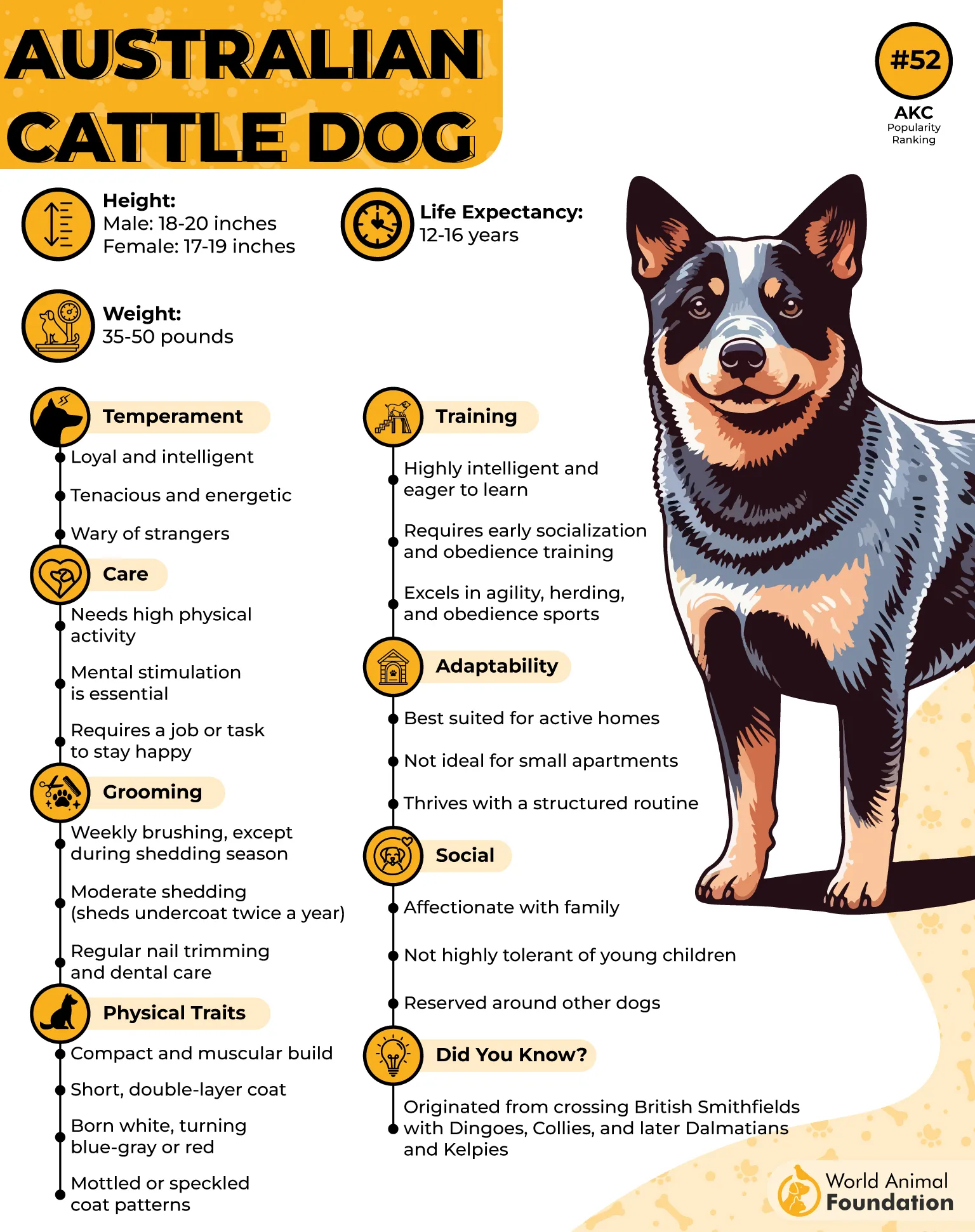
Australian Cattle Dogs are tough, muscular herders descended partly from Australia’s wild Dingo. Also known as Blue Heelers or Red Heelers, they were bred to control and move livestock.
Their name comes from their habit of nipping at animals’ heels while herding, according to PetMD. These dogs are quick learners with impressive strength, agility, and stamina.
Personality and Temperament
Australian Cattle Dogs are loyal, alert, and playful with their families. They often form a strong bond with one person and may dislike being separated from them.
However, they can be wary of strangers and may act aggressively toward unfamiliar dogs. Their instinct to nip while herding can also become a problem around people, making early socialization and training important.
Exercise and Daily Care
These energetic dogs need plenty of physical activity and mental challenges. Running, jogging, fetch, Frisbee, and agility training can help keep them engaged. Without enough to do, they may become bored and get into mischief.
They are best suited to active owners who can provide consistent training and regular exercise. Their strong-willed nature may make them challenging for inexperienced owners.
4. Shetland Sheepdog
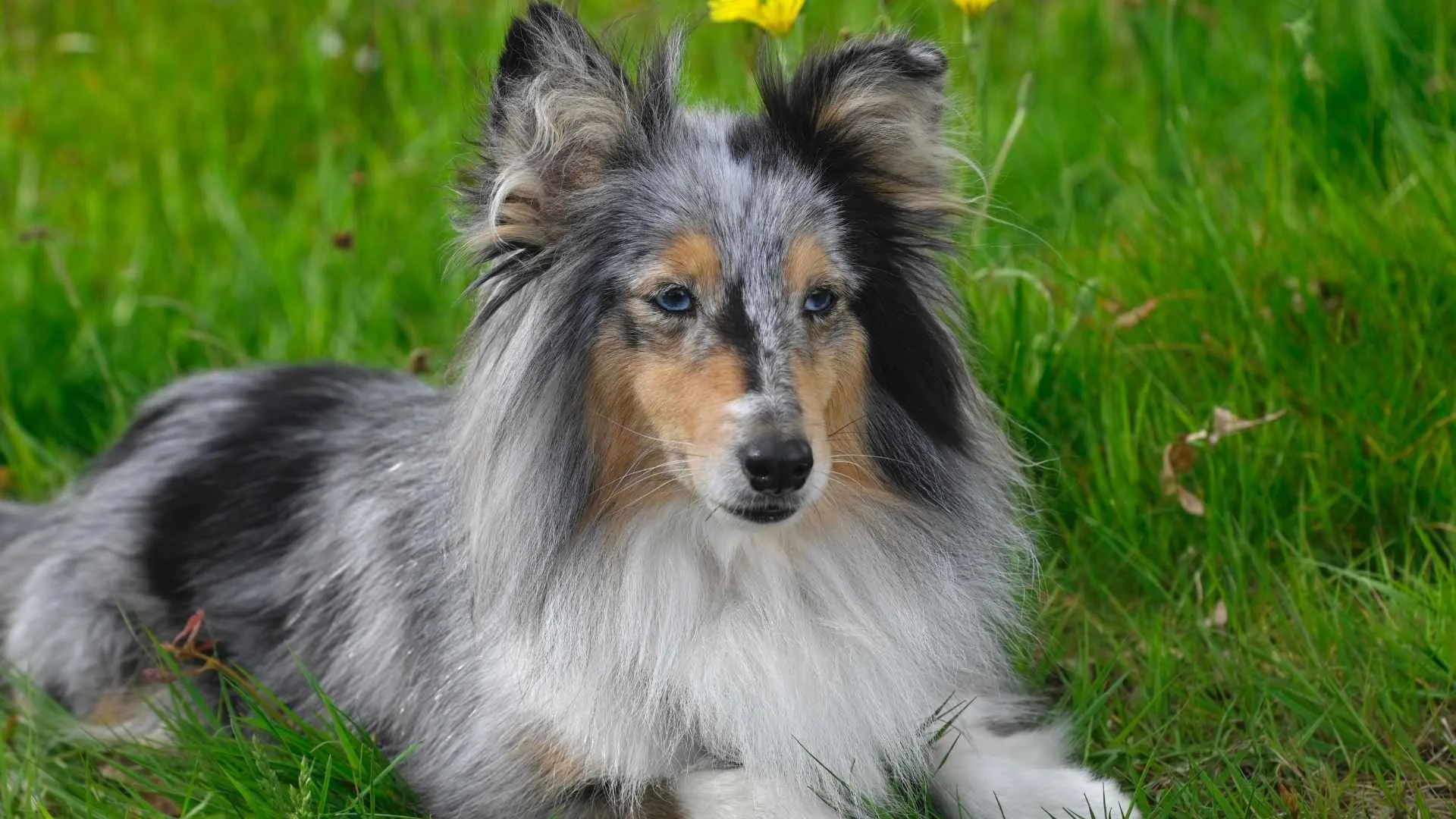
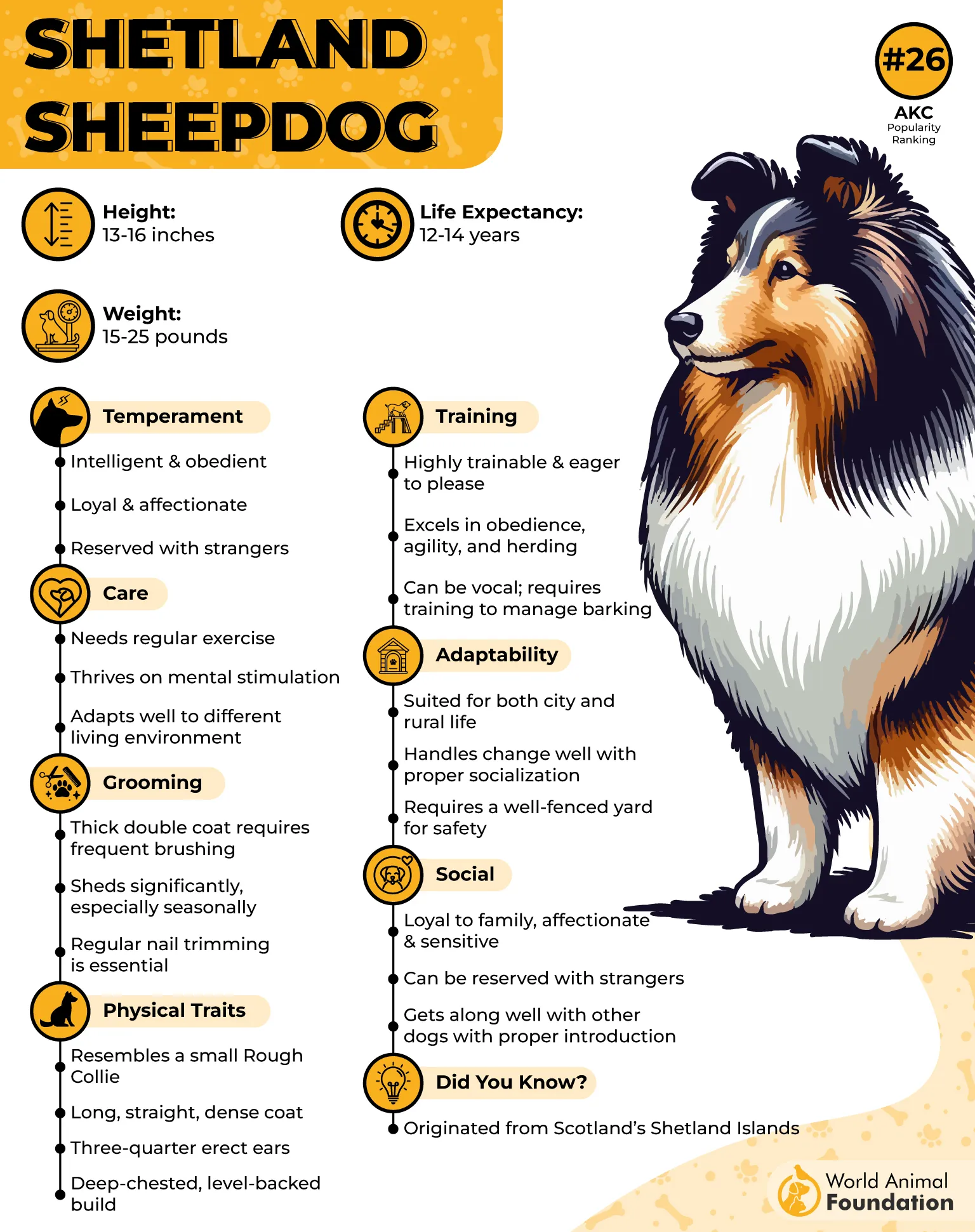
Shetland Sheepdogs, also called Shelties, come from Scotland’s rugged Shetland Islands. They resemble smaller versions of Collies and were bred to herd livestock.
Their intelligence, agility, and quick responses make them excellent learners. They also excel in obedience, agility, and herding competitions, where their eagerness to please helps them stand out.
Personality and Temperament
Shelties are affectionate, playful, and sensitive dogs that enjoy being around their families. They usually get along well with children, other pets, and people they know.
However, they can be reserved around strangers and may bark to alert their families to unfamiliar visitors. Their sensitivity means they respond best to gentle handling and can struggle when left alone for long periods.
Exercise and Daily Care
These active dogs need around an hour of exercise each day, along with mental challenges. Puzzle toys, scent games, and interactive play help keep their minds busy.
Without enough activity, they may develop habits like excessive barking and destructive chewing. Their long coats have a dense undercoat, so regular grooming helps keep them looking their best.
5. Pembroke Welsh Corgi
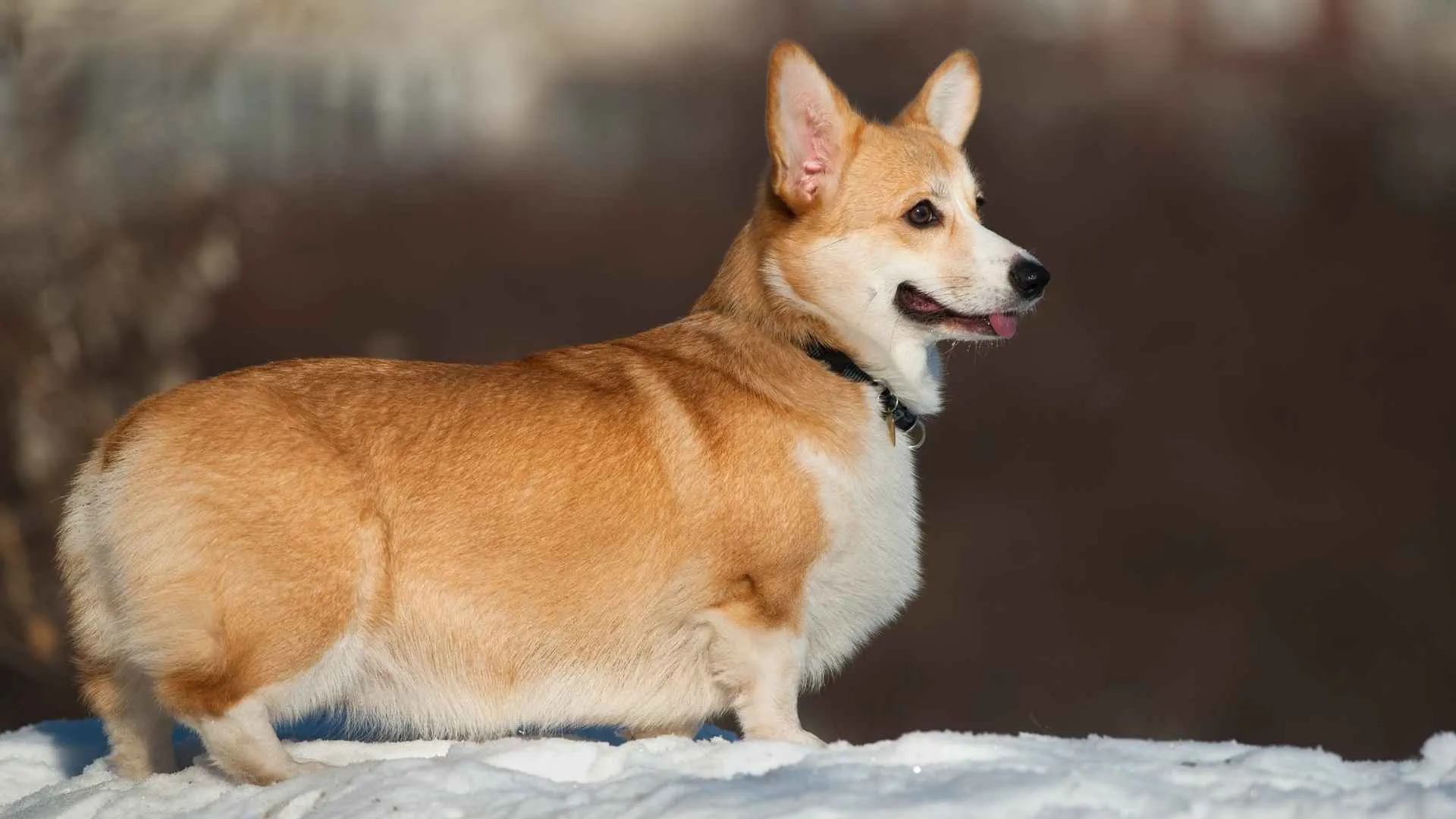
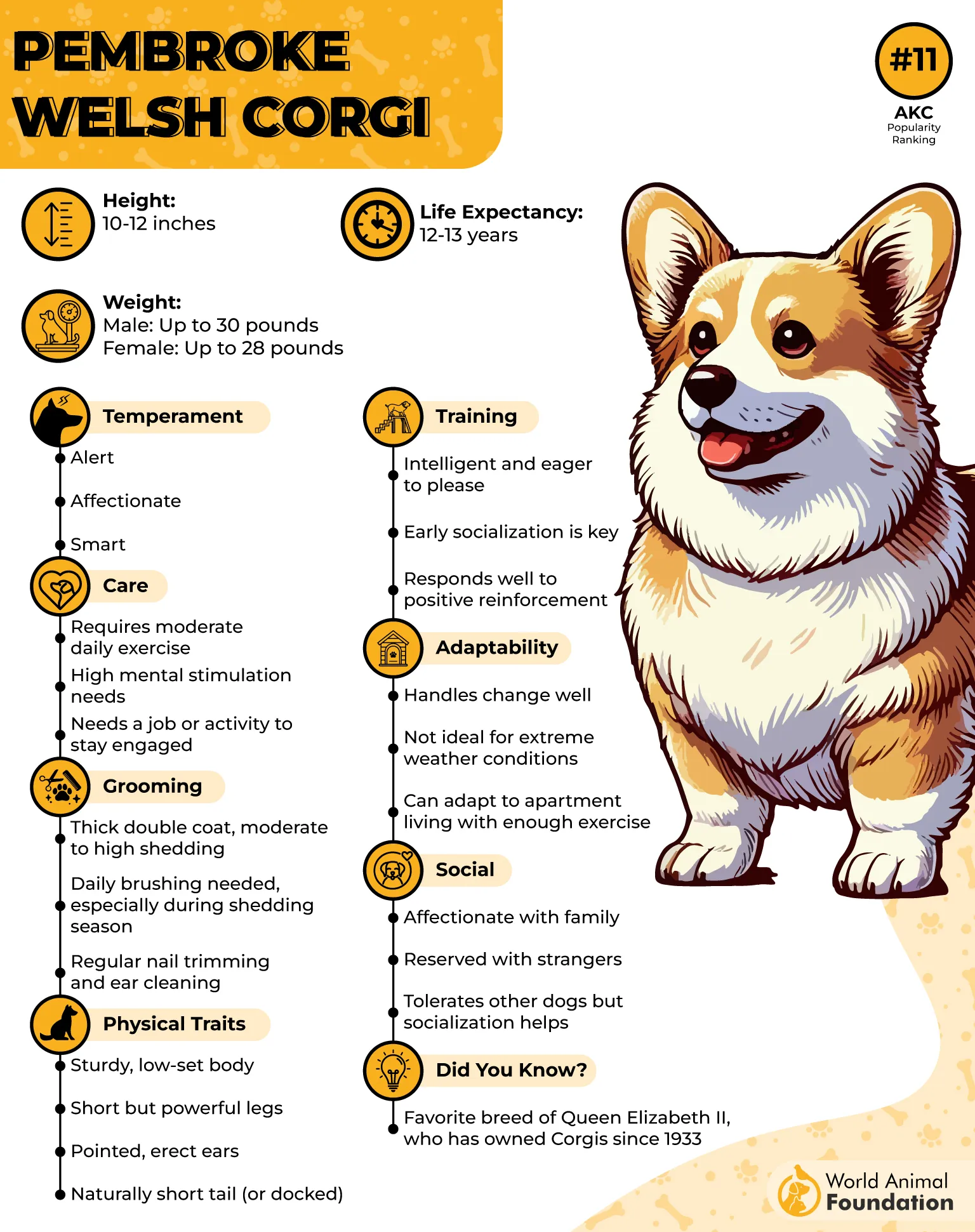
Pembroke Welsh Corgis were bred in the United Kingdom to herd cattle and sheep. Despite their short legs, these sturdy dogs are surprisingly quick and agile.
Their fearless, independent nature helps them handle livestock, while their sharp senses make them excellent watchdogs, as mentioned by Omlet. Their intelligence also makes them responsive to training, although they can be stubborn at times.
Personality and Temperament
Pembroke Welsh Corgis are affectionate, playful, and adventurous. They enjoy exploring the world but prefer having their favorite people nearby. They can be friendly with strangers but may bark at unfamiliar sounds.
Their herding instincts may also lead them to try to herd small children. These dogs are devoted to their families and can struggle when left alone for long periods.
Exercise and Daily Care
These energetic dogs need regular exercise, playtime, and mental stimulation. Agility activities and reward-based training help keep them engaged. Teaching them a quiet command can help manage excessive barking. After an active day, they are usually happy to relax beside their families.
6. Bouvier des Flandres
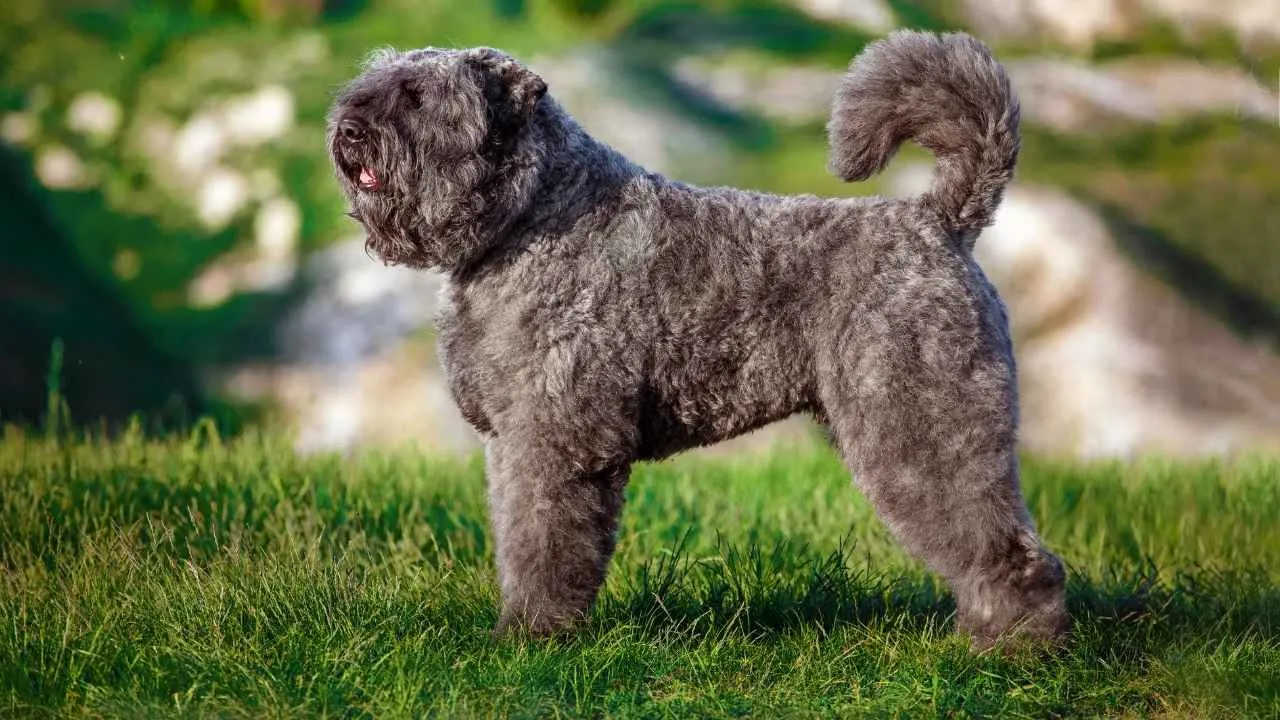
Bouvier des Flandres dogs originated in Belgium, where farmers relied on them to herd cattle, haul carts, and guard their property. These powerful, intelligent dogs are versatile workers with a strong work ethic.
Today, they can also serve as watchdogs, police dogs, and service dogs. Their confidence and strength make them well suited to demanding tasks.
Personality and Temperament
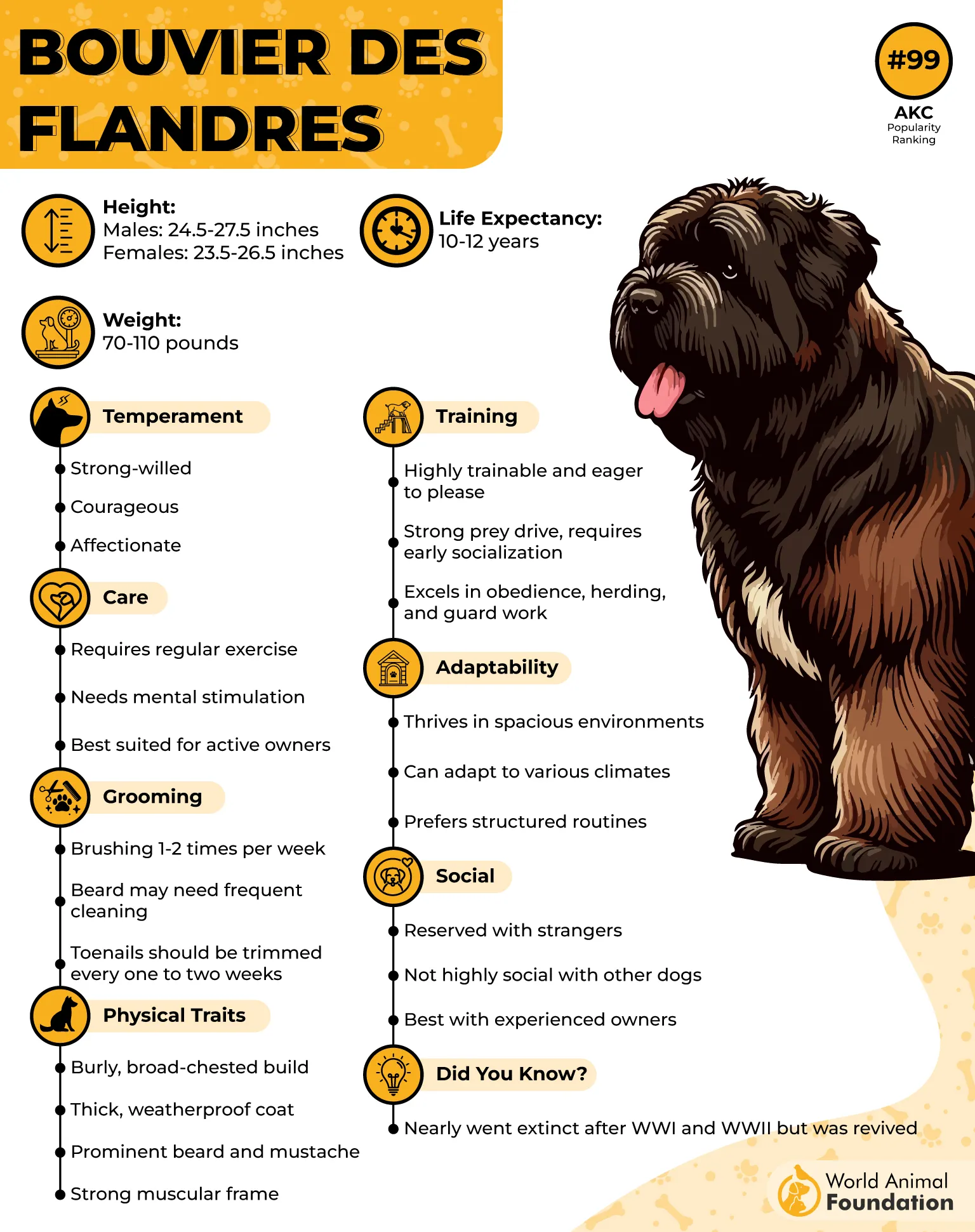
Despite their rugged appearance, Bouvier des Flandres dogs are affectionate and loyal to their families. They are often patient with children, especially when raised alongside them.
However, they can be reserved around strangers and may try to dominate other dogs. Their strong-willed nature calls for early, consistent training and careful introductions to other pets.
Exercise and Daily Care
These energetic working dogs need at least two hours of daily exercise and mental stimulation. Giving them tasks to complete helps prevent boredom and destructive behavior.
Their rough, weatherproof double coat needs brushing once or twice a week to reduce shedding and prevent mats. Their beards may also need frequent cleaning.
7. Old English Sheepdog
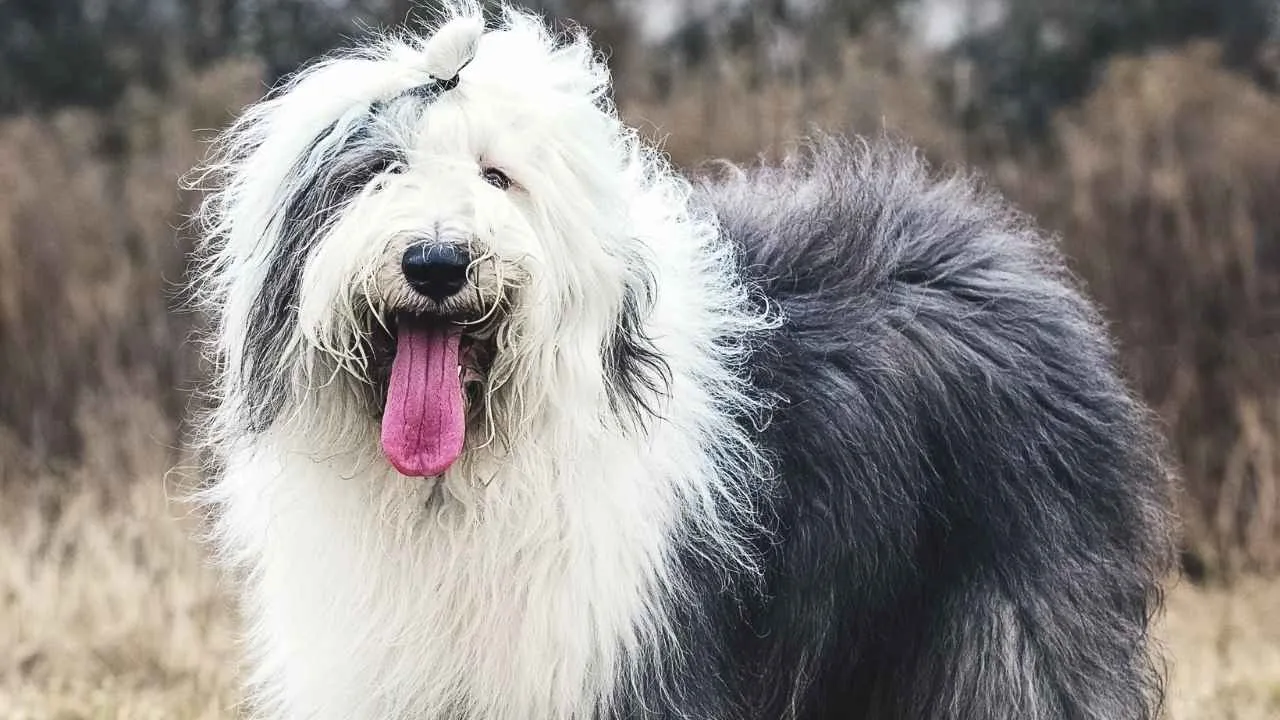
Old English Sheepdogs are known for their thick, shaggy coats and distinctive bear-like walk. Originally bred as drovers, they are strong, agile dogs that helped move livestock.
Beneath their fluffy appearance lies an intelligent and capable worker. They can also excel in herding trials, obedience, and agility, especially when given tasks to complete.
Personality and Temperament
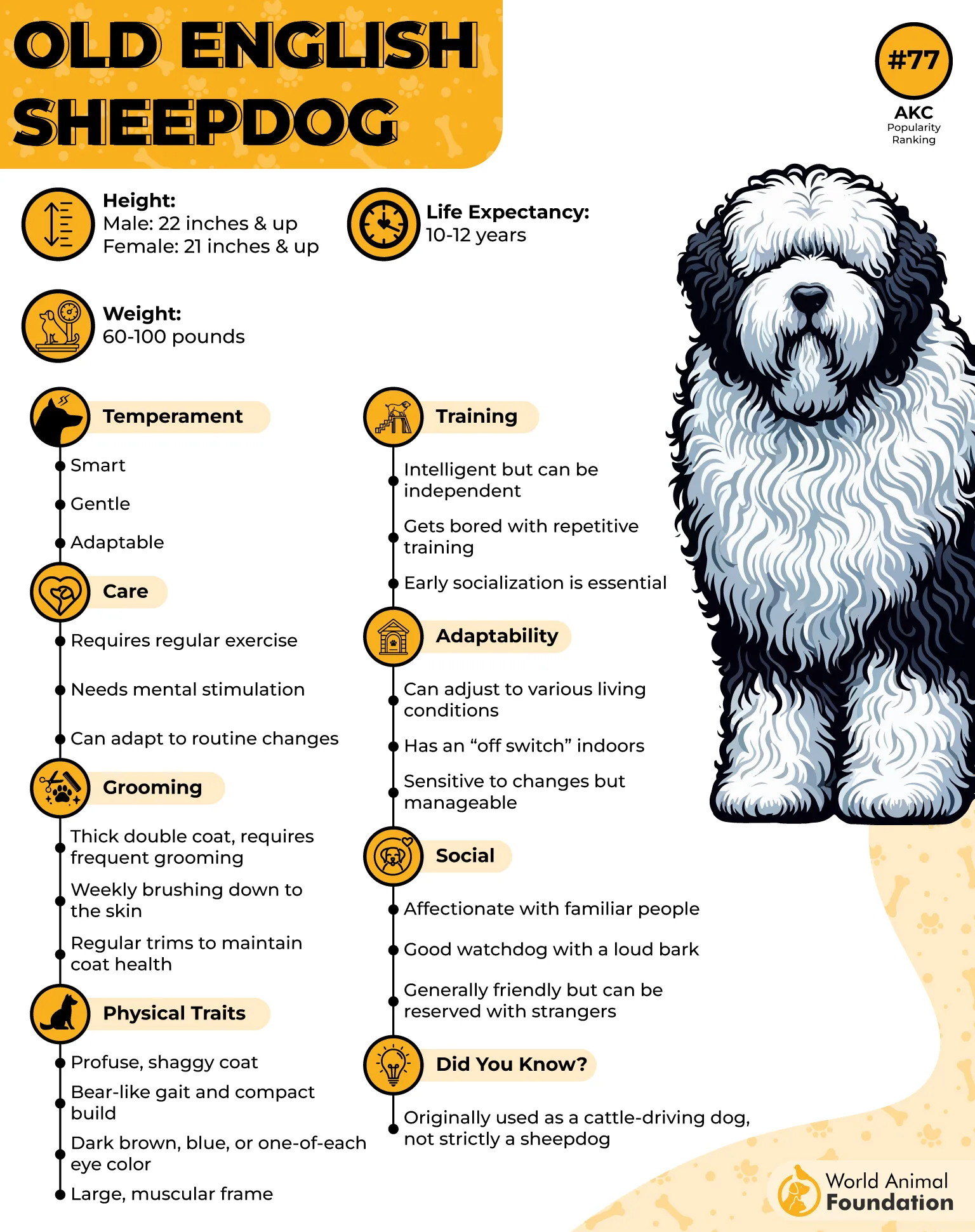
Old English Sheepdogs are affectionate, cheerful, and devoted to their families. Often described as playful clowns, they enjoy attention and love spending time with their people.
They are generally good with children and other dogs, but their size and boisterous behavior can make them a handful. They are also watchful and protective, using their loud, ringing bark to alert their families to visitors.
Exercise and Daily Care
These active dogs need daily walks, regular exercise, and space to play. Training should start early to help manage their strength and enthusiasm. Activities like agility and obedience can keep their minds busy.
Their thick double coats also require regular grooming to prevent tangles and maintain their shaggy appearance. After a busy day, they are usually happy to settle on the sofa and enjoy time with their families.
Conclusion
Herding breeds bring together intelligence, energy, loyalty, and a natural talent for guiding livestock. From quick-thinking workers to strong and watchful companions, each breed has its own strengths and personality.
However, they all need regular exercise, mental stimulation, and consistent training to stay happy and well-behaved.
Before bringing a farm dog home, consider your lifestyle, available time, and activity level. These dogs thrive when they have a purpose, whether that means working on a farm or learning new skills at home.
Choose a breed that fits your routine, and you may gain more than a loyal companion. You may find a partner who keeps you active, engaged, and always on your toes.
