




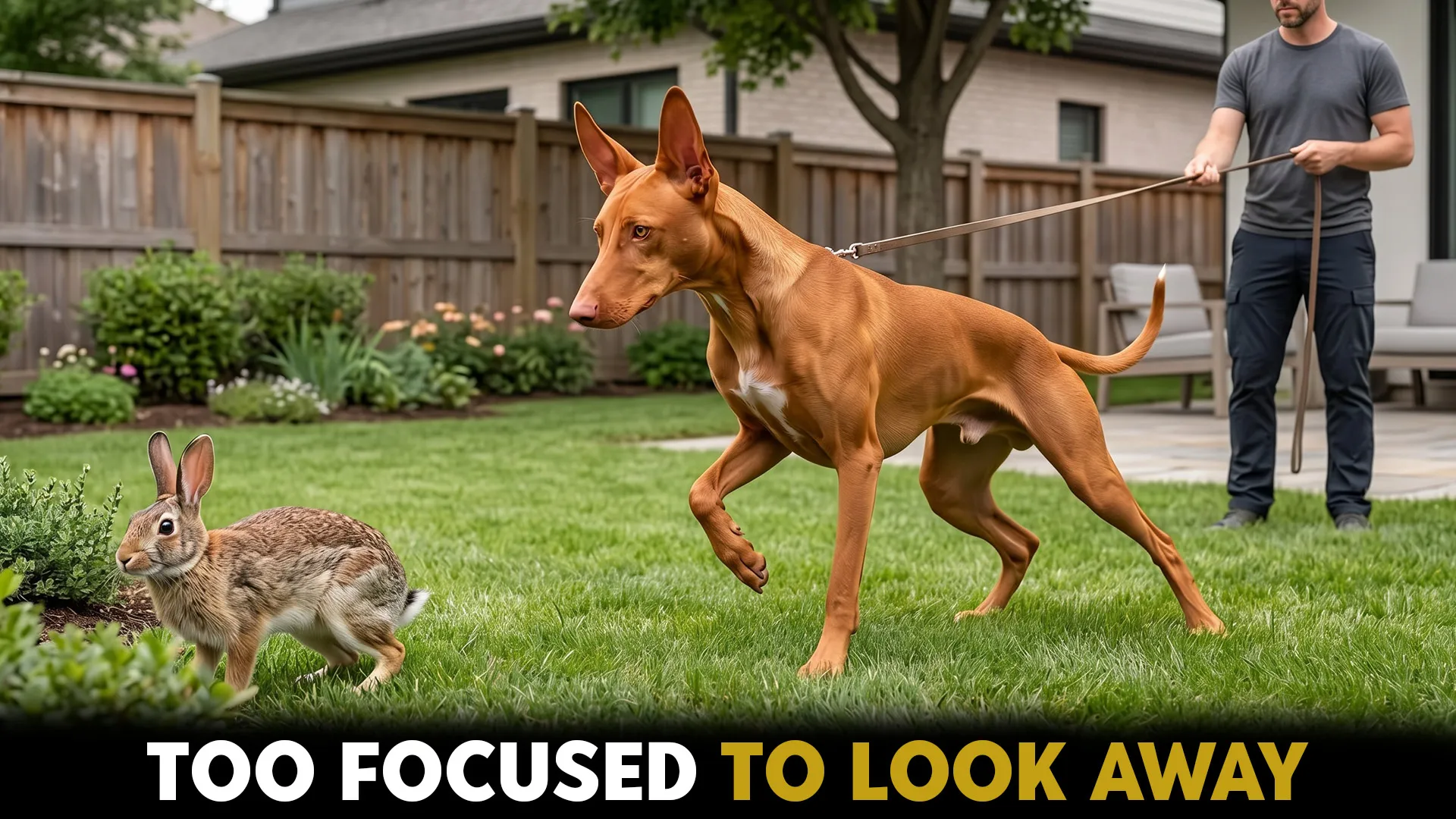
Some dogs are perfectly happy with a quick stroll, a cozy mat, and a short burst of playtime. Others seem like they’re never truly still, locking onto the slightest movement and instantly wanting to chase it down.
If you’ve owned dogs for a while, that kind of energy can actually be pretty exciting. Still, it also means more work for whoever’s holding the leash.
Dogs with a high prey drive don’t really thrive on basic training alone. They tend to need secure, enclosed spaces, plenty of daily exercise, and clear, consistent rules laid out in simple, predictable ways.
It also helps to have an owner who can anticipate just how fast a squirrel, rabbit, bird, or even a fluttering leaf might grab their attention.
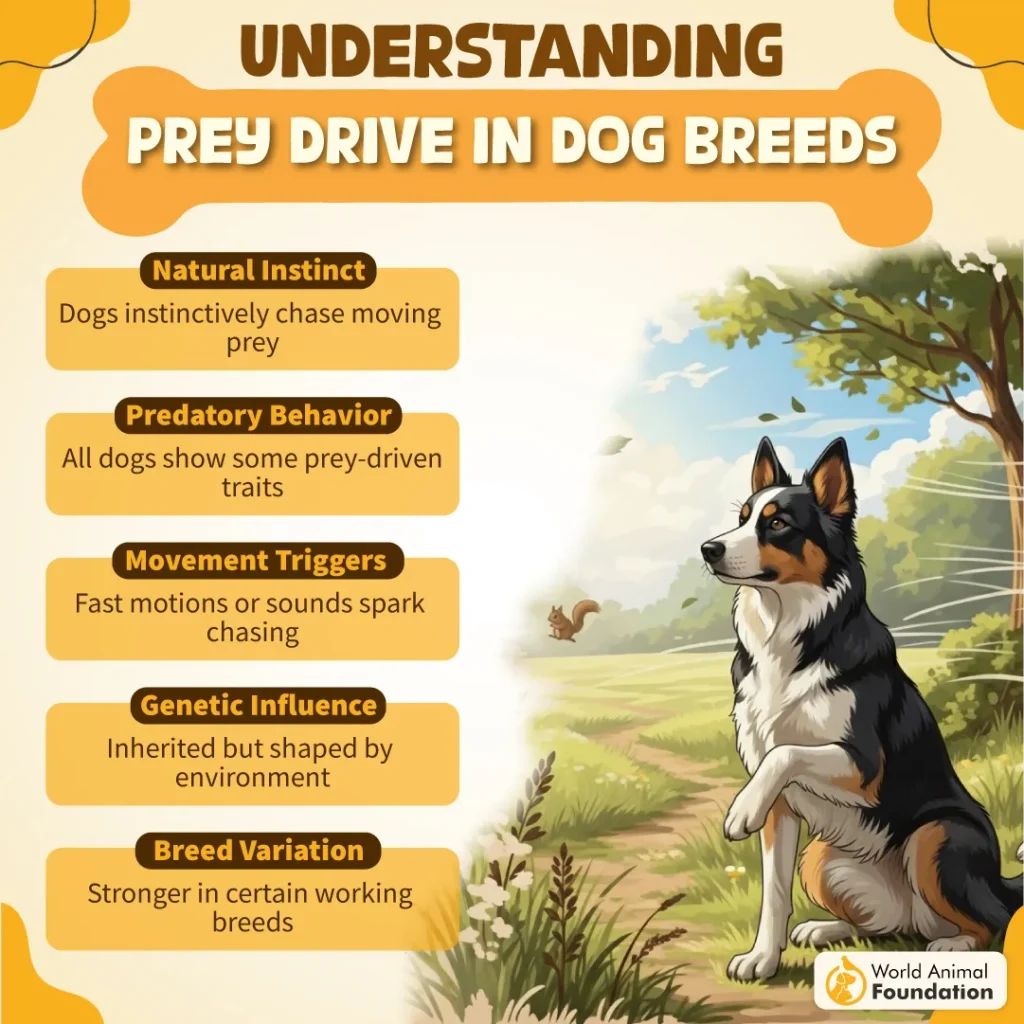
Fun fact: Some dogs can go from a calm, relaxed companion to a full-on working hunter in the blink of an eye. A squirrel darting by or a bird flying overhead can instantly steal their focus, and it’s not just something they’ve been trained to do. Prey drive is hardwired into them as a natural instinct.
Best Dog Breeds for Experienced Owners: Prey Drive Focus
1. Pharaoh Hound
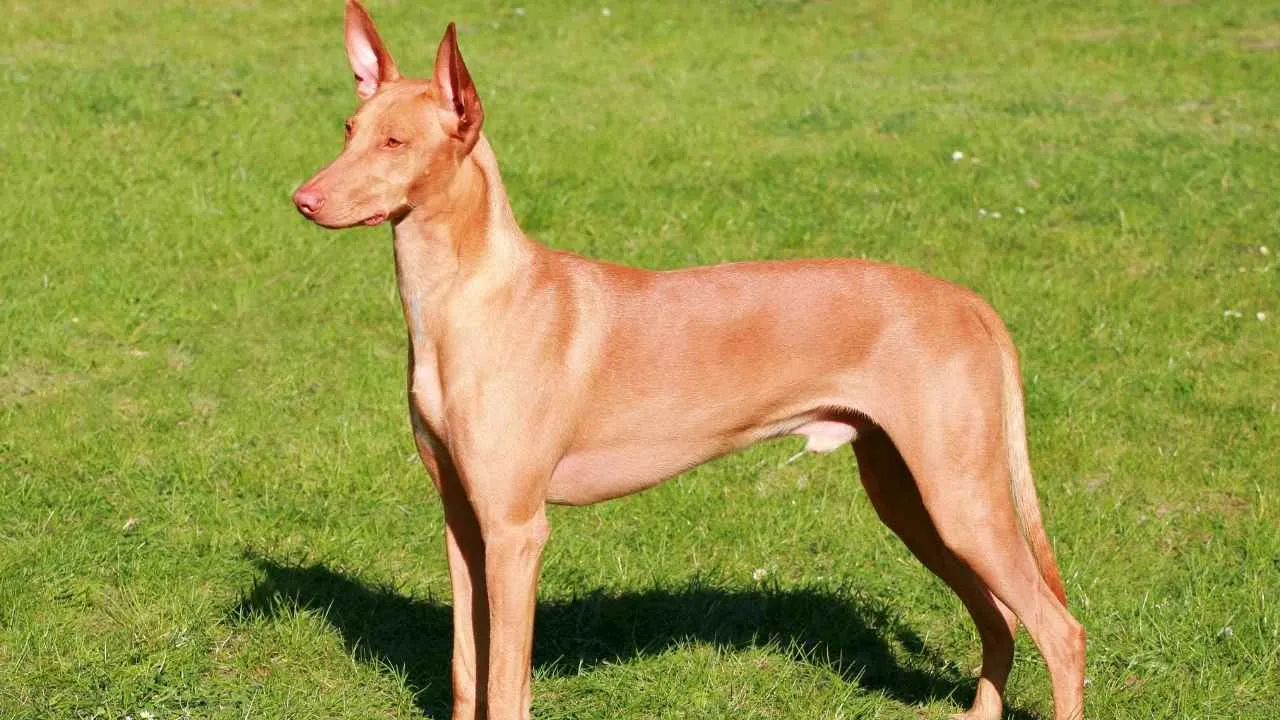
The Pharaoh Hound has a sleek, athletic build that looks built for speed, and rightfully so. This breed originated in Malta, where it worked as a skilled hunting companion, chasing small game across rough, rugged terrain. That history still shows today in its lightning-quick reactions and strong instinct to chase.
At home, though, the Pharaoh Hound tends to be sweet and genuinely sociable. Its short tan coat and striking amber eyes give it an elegant, almost regal appearance, and its tail features a distinctive white tip.
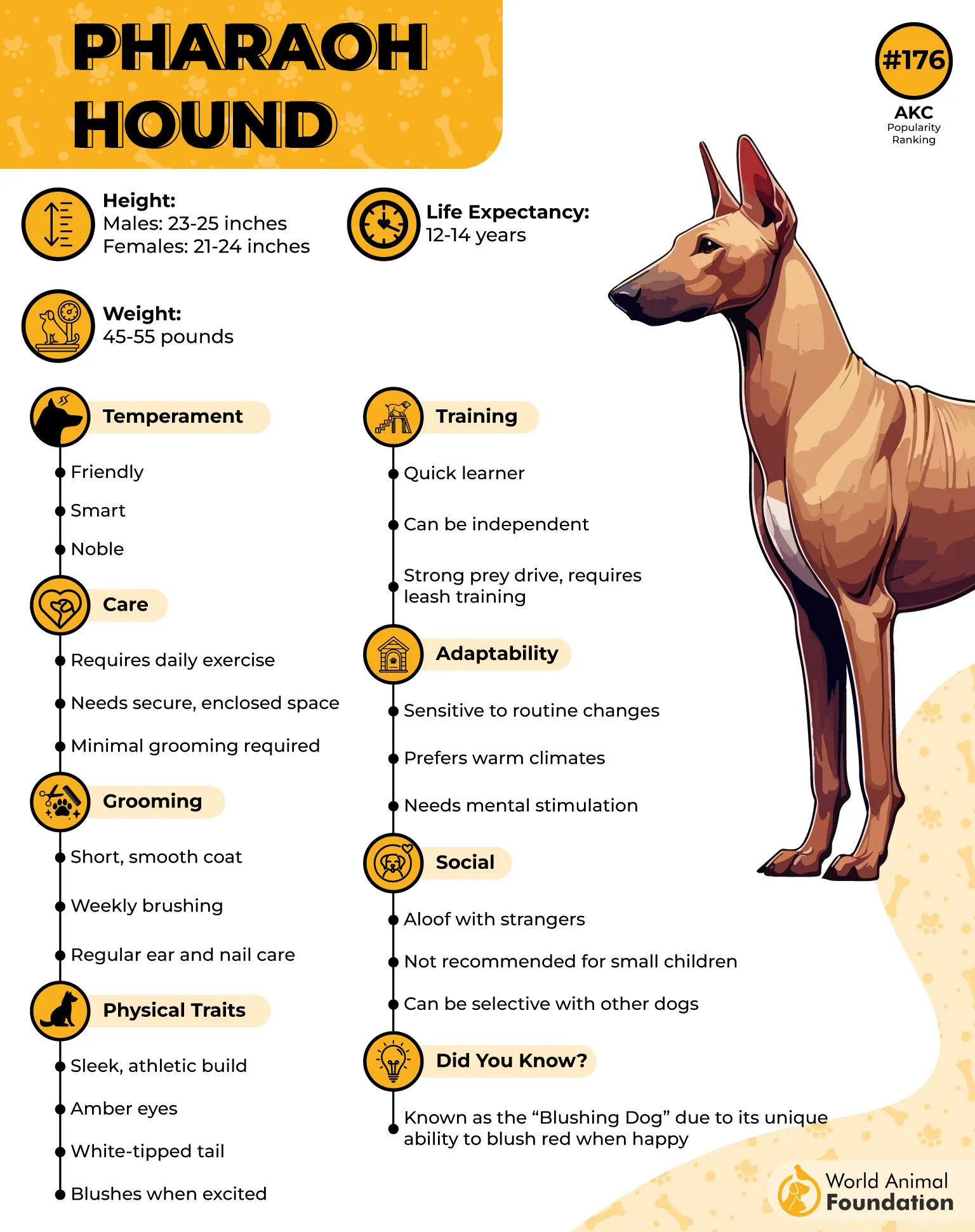
One of its more charming quirks is the way its face, particularly around the nose and ears, can actually “blush” a soft pink when the dog gets excited or happy.
According to the AKC, this breed was specifically shaped to track small game across difficult terrain, and it shows in its speed, athleticism, and overall agility. It also carries a genuinely friendly temperament. For the right experienced owner, that combination can make for a wonderfully fun companion, as long as regular training and daily activity remain part of the routine.
2. Irish Setter
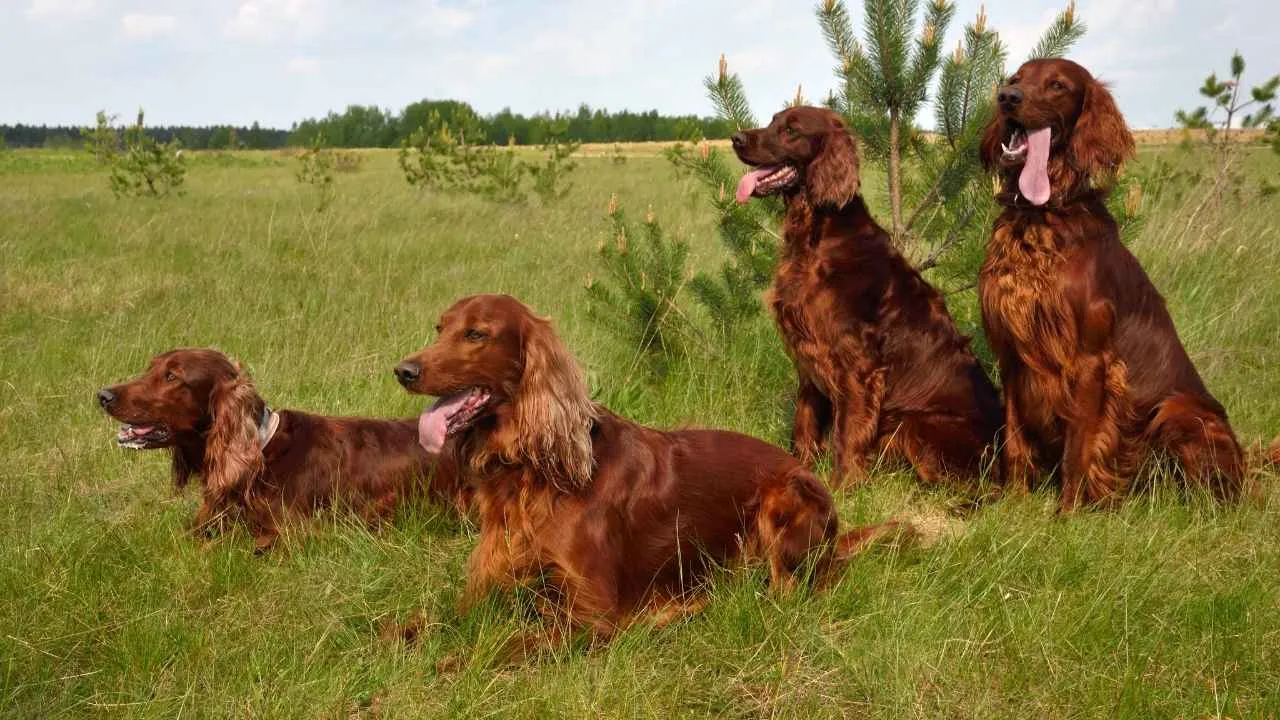
The Irish Setter brings a completely different energy to this list. That shiny, deep red coat is impossible to miss, but honestly, it’s the dog’s sweet, playful nature that really wins people over. Affectionate and genuinely people-oriented, this breed tends to shine brightest when it gets to join in on family outings and everyday adventures.
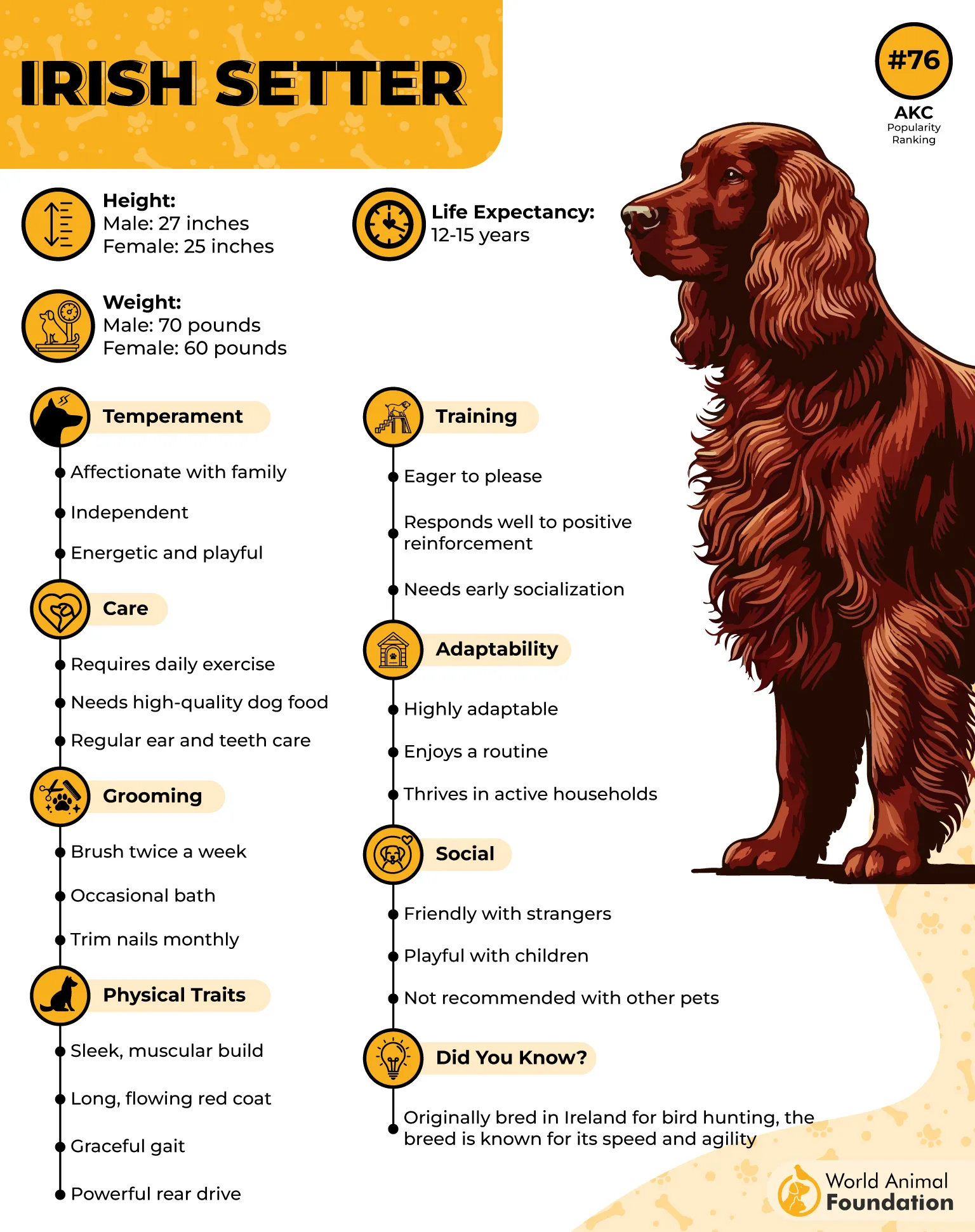
Irish Setters tend to stay lively well into their older years, which means their owners need to commit to regular outdoor time. Long walks help burn off energy, outdoor games keep things fun, and training sessions go a long way too. Left with too little movement or too quiet a day, this active breed can quickly grow restless.
PetMD describes the Irish Setter as sweet, friendly, playful, and athletic, making it just as comfortable in a family home as it is working alongside hunters in the field. For an experienced owner, the formula is pretty simple: plenty of exercise paired with steady, calm training habits.
3. Weimaraner
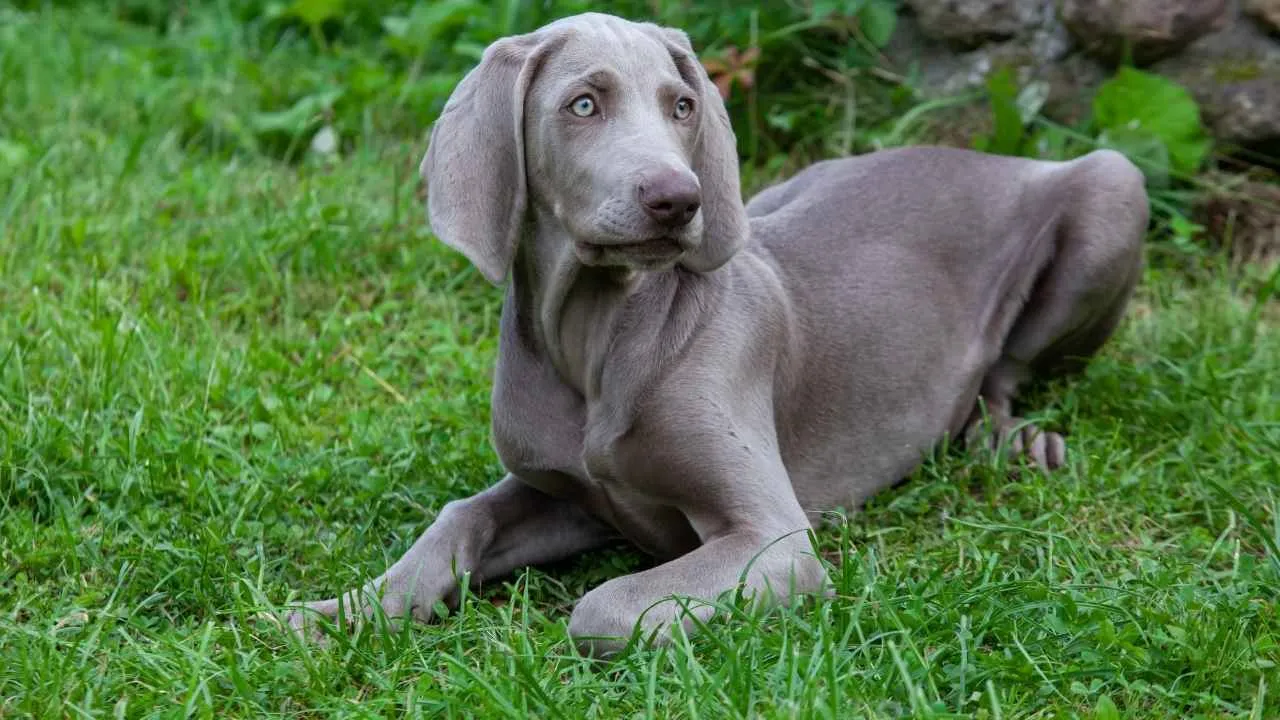
The Weimaraner is hard to miss, thanks to its sleek gray coat and powerfully athletic build. Developed in Germany specifically for hunting, this breed carries serious drive, speed, and sharp focus in everything it does. Its intense look has earned it the nickname “Gray Ghost,” though don’t let that fool you. Underneath that striking exterior is often a genuinely warm, friendly temperament.
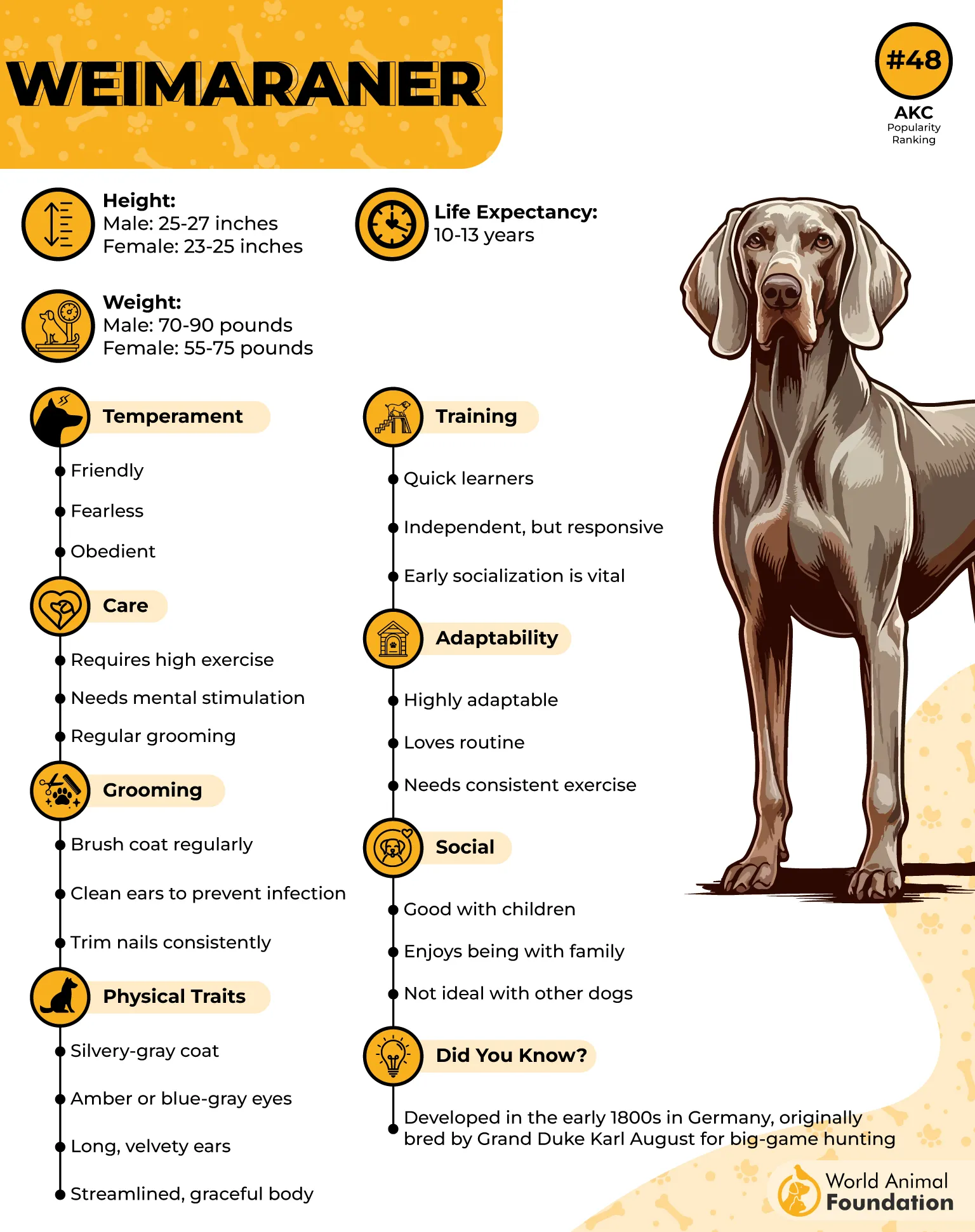
If an active lifestyle is your thing, the Weimaraner could be a great match. This breed generally does best when it stays busy, with regular walks, yard games, and training sessions all helping keep it calm and balanced. Without enough to do, though, a fast, drive-heavy hunting breed like this one can really struggle to settle down.
Purina also describes the Weimaraner as alert, easy to train, kind-natured, and naturally athletic. The key to a happy Weimaraner really comes down to regular exercise for both body and mind. With an owner who understands that need, this breed can thrive on a solid daily routine instead of falling into boredom.
4. Vizsla
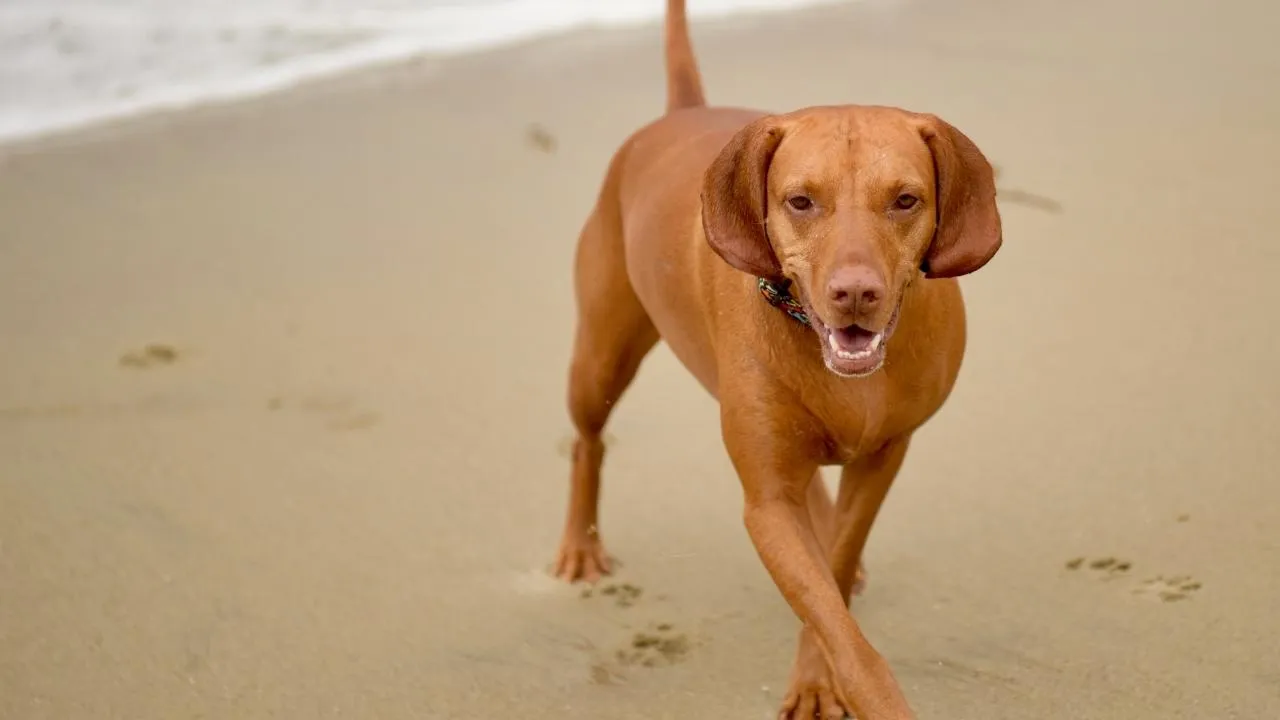
The Hungarian Vizsla is pretty much always on the go and tends to feel its best when the day has some structure to it, whether that’s a long walk, a game of fetch, scent work, or just plenty of time outdoors. Vizslas also love staying close to their people and often want to be right in the middle of whatever you’re doing.
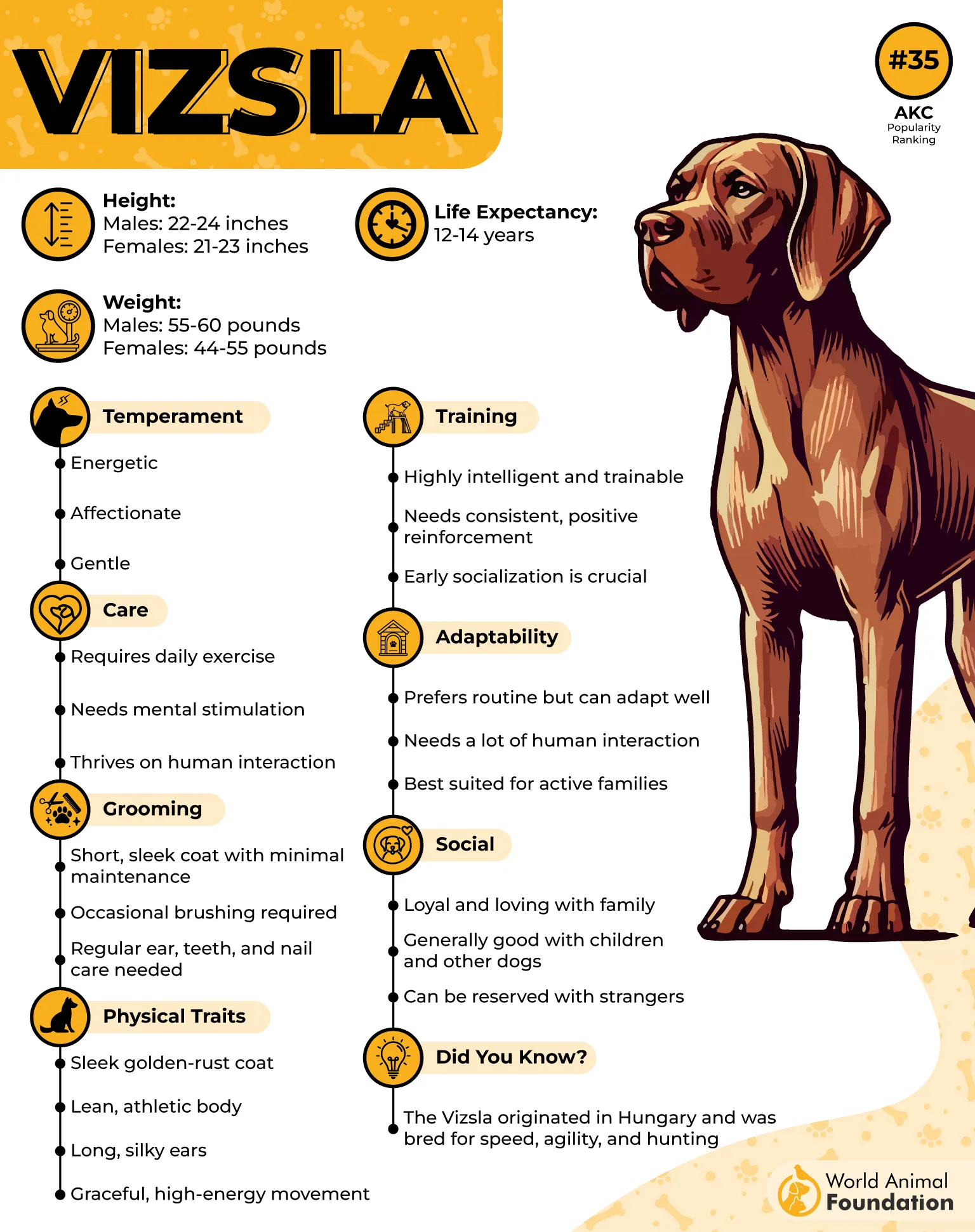
This breed comes from strong hunting roots, so it’s not unusual for natural retrieving instincts to pop up on their own. Training tends to go smoothly since Vizslas are attentive and genuinely enjoy learning. That said, their chase instinct can still be tricky to manage outdoors if solid recall training hasn’t been part of the routine.
Patience and consistent repetition go a long way with this breed. Sticking to positive rewards and keeping the rules consistent really helps things click.
PDSA describes the Hungarian Vizsla as energetic, smart, eager to learn, and always ready to work alongside its people. This breed does best with owners who can offer regular exercise and plenty of mental stimulation.
5. Rhodesian Ridgeback

The Rhodesian Ridgeback is a tough, capable hound with roots in Africa, originally built for serious hunting work. Over time, it became especially known for helping hunters track large game, lions included. That demanding history shows up clearly in the breed’s confident, driven personality, along with plenty of stamina and a healthy dose of independence.
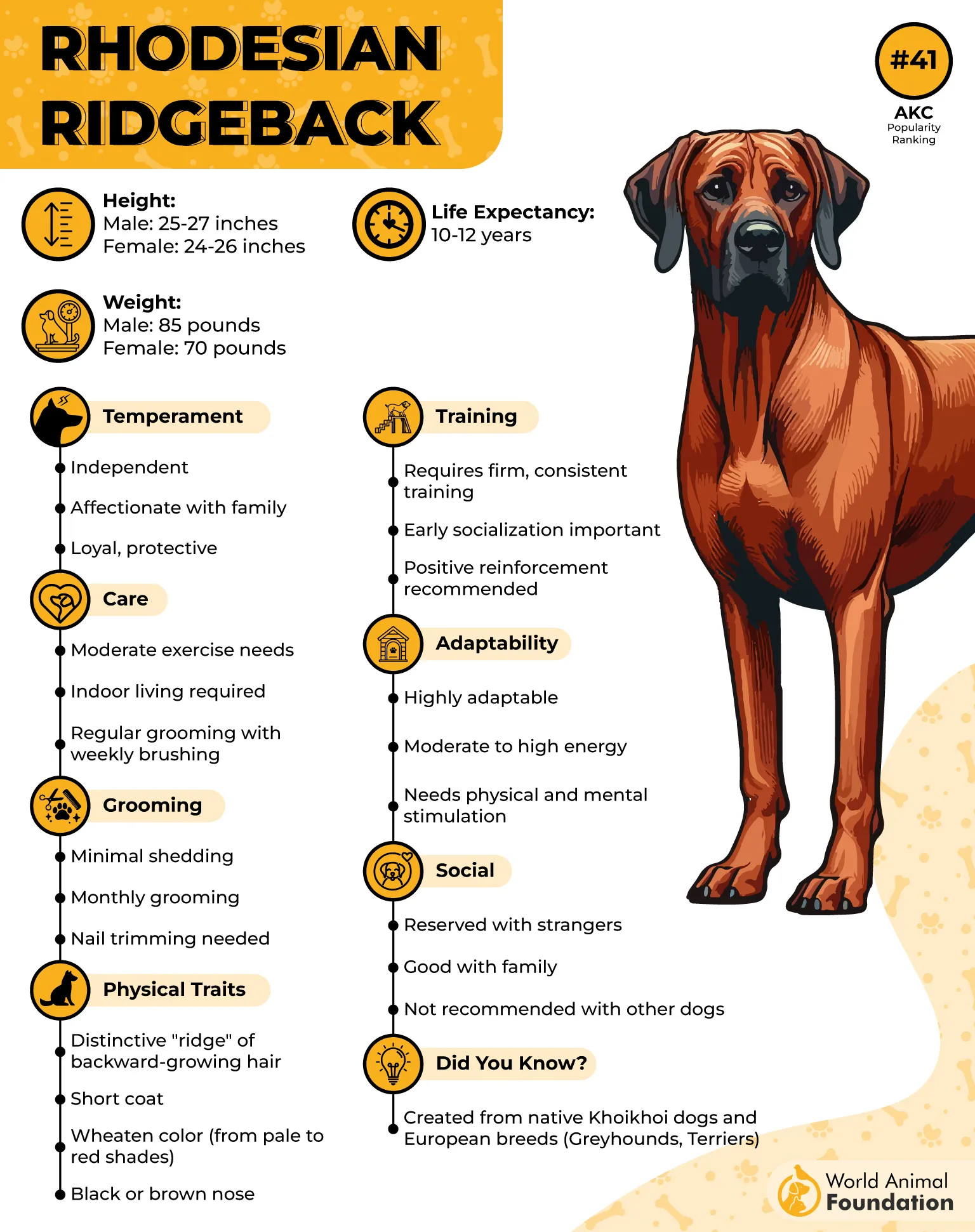
This breed is easy to spot thanks to its short, smooth coat and the distinctive ridge of hair running along its back. Despite its hunting background, a well-bred Ridgeback can be genuinely sweet and loyal at home. It may size up strangers before warming up, which is exactly why early socialization matters so much with this breed.
RRCUS emphasizes the importance of socialization and basic obedience training, especially while the dog is still young. They describe the Rhodesian Ridgeback as brave, self-reliant, and protective, noting that it tends to suit active owners who can match its energy.
6. German Shorthaired Pointer
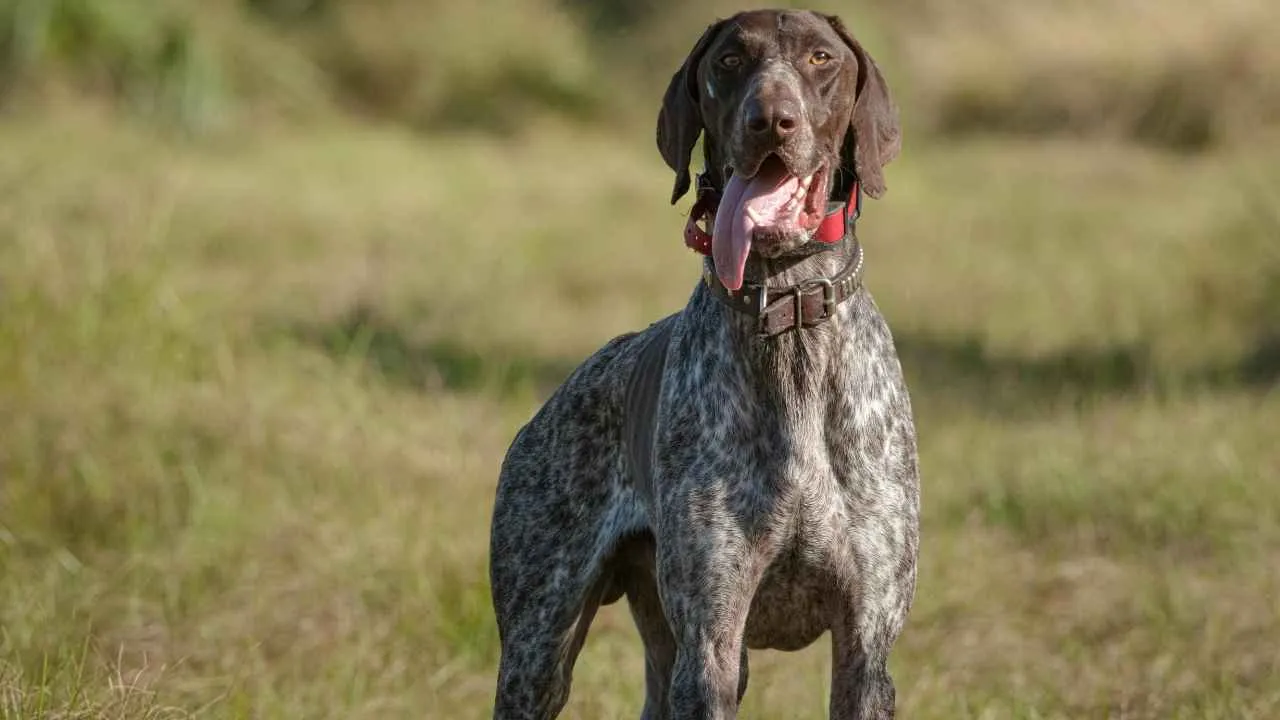
The German Shorthaired Pointer, or GSP, is a powerful sporting breed developed to hunt, point, fetch, and track. Its lean, athletic build allows for high speed, and its mind is just as sharp, which makes consistent, day-to-day training an important part of raising one.
GSPs tend to thrive with active families, but a short loop around the block simply won’t cut it for this breed. They typically need a lot more than that, with running, swimming, fetch, and longer walks all helping to burn off their energy. Regular outdoor play really does make a noticeable difference in their overall behavior.
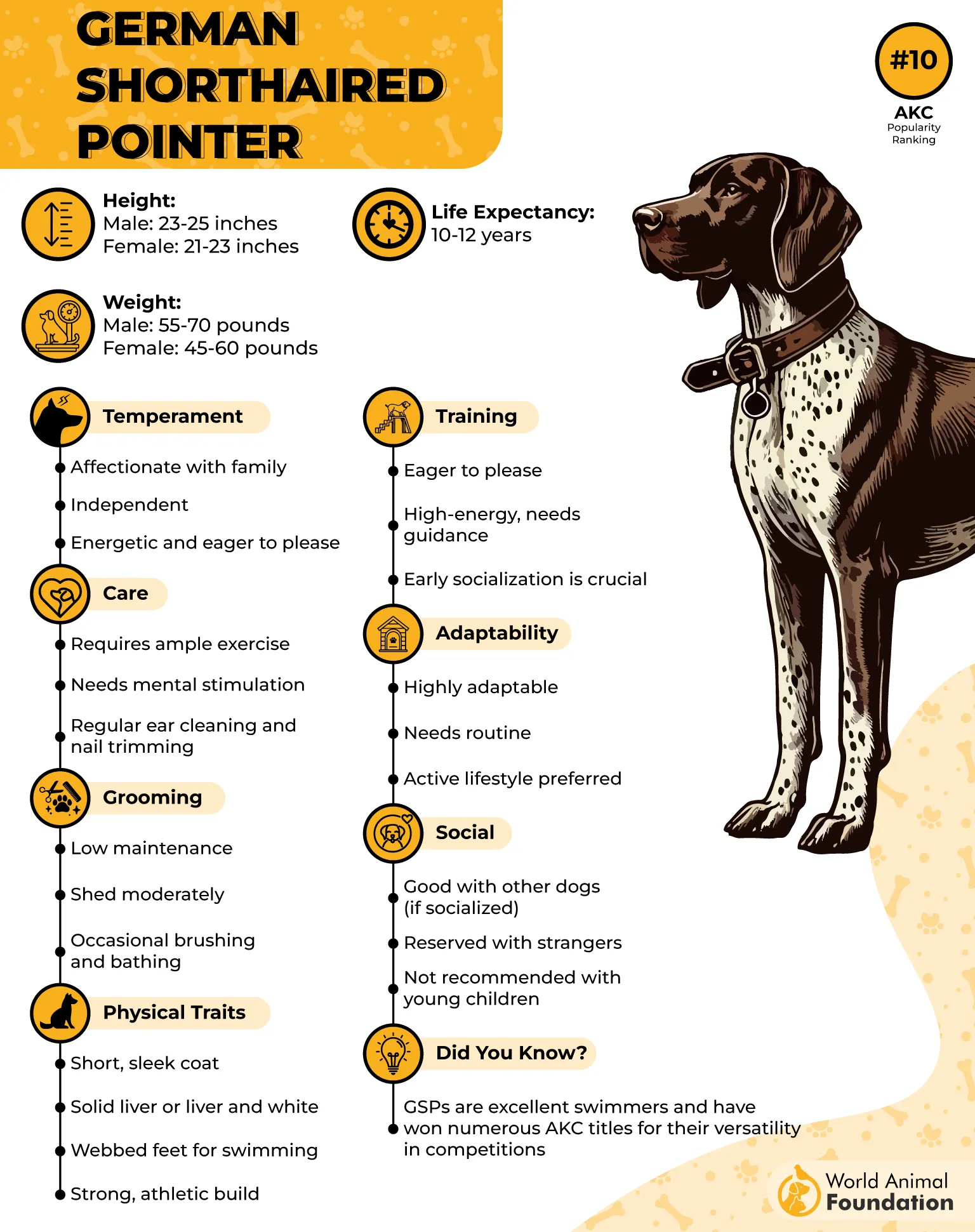
This breed also tends to have a strong chase instinct, often triggered by squirrels, birds, rabbits, or other small, fast-moving animals. A GSP can lock onto motion in an instant and take off after it without warning.
Because of that, off-leash time should only happen in secure, trusted areas, and ideally only once the dog has reliable recall and can hold steady even when tempted to chase.
7. Beagle
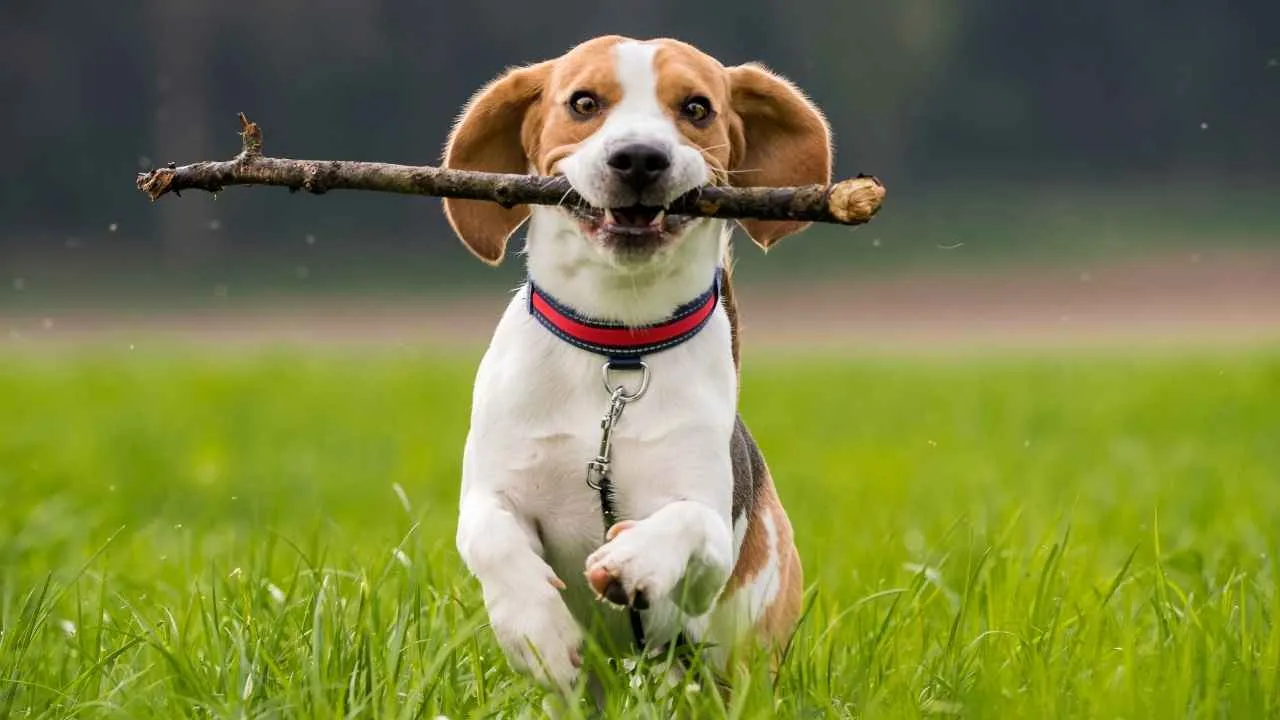
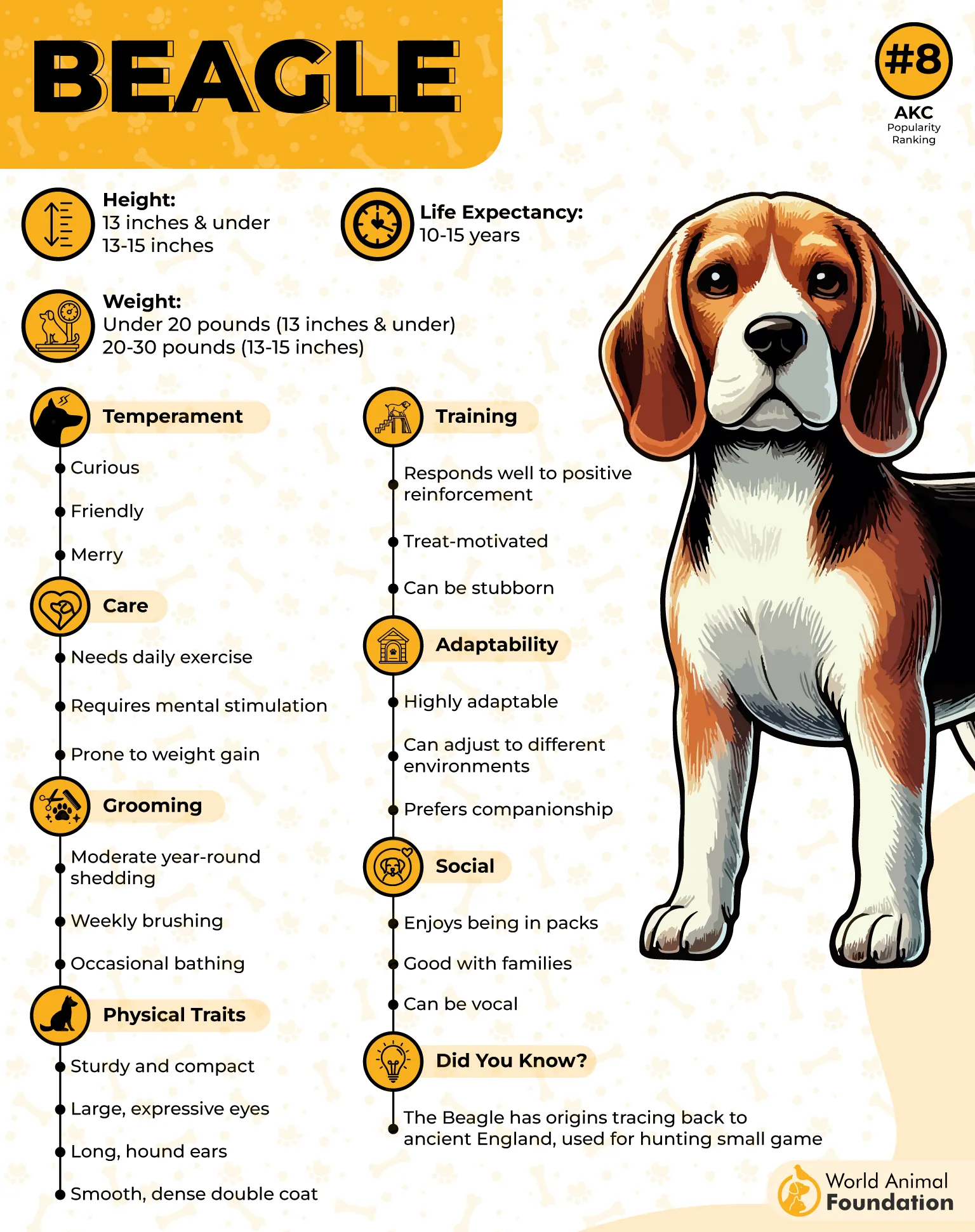
Beagles may look smaller and more manageable than some of the other breeds here, and plenty of families assume that means an easier dog. But that strong hunting drive can actually make everyday routines trickier than expected. Beagles were bred as scent hounds, which means their nose often takes the lead the moment something interesting catches their attention.
That said, Beagles tend to be upbeat, loving, and genuinely sociable. They usually do well with kids and can get along nicely with other pets too. Their smooth coat and long, drooping ears give them that classic friendly look that so many families fall for.
A Beagle that locks onto an interesting scent can take off before you even realize it, which is exactly why small gaps matter so much. An open gate, a loose fence board, or a leash that slips can turn into a real problem in seconds.
That’s why a secure, well-maintained yard and early leash training are so important, and staying consistent really pays off. Hill’s Pet describes Beagles as active, curious, and happiest when they have company.
Conclusion
Having a strong prey drive doesn’t automatically rule a dog out as a great family companion. It just means that a high-prey-drive dog needs thoughtful guidance and an owner who understands what that instinct is likely to trigger. Breeds like the Pharaoh Hound, Irish Setter, Weimaraner, Vizsla, Rhodesian Ridgeback, German Shorthaired Pointer, and Beagle can all bring incredible energy and character into the right home.
For owners with the right experience, the payoff comes from learning how to channel those instincts in a healthy, constructive way. With patient training, solid boundaries, regular exercise, and plenty of good playtime, a dog with a high prey drive can absolutely live a full, happy life and grow into a truly trusted member of the family.
