




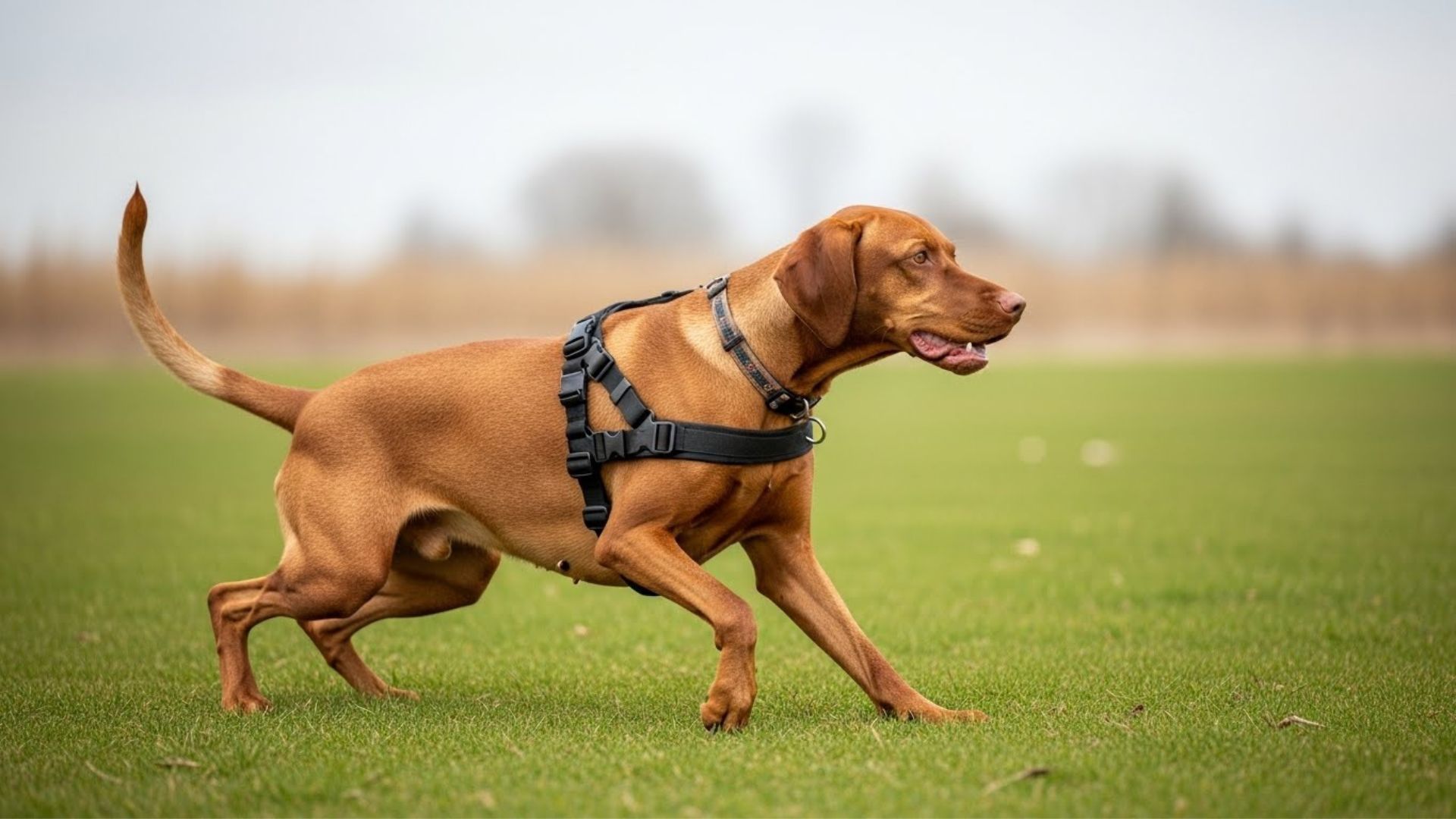
Hunting and tracking require skill, stamina, and an instinctive connection between hunter and dog. Not all breeds are suited for these demanding tasks, so selecting the right canine partner can make a significant difference in performance and enjoyment. Advanced hunting dogs combine intelligence, agility, and an exceptional sense of smell, making them invaluable in the field.
Certain breeds excel in tracking elusive game, while others thrive in flushing or retrieving. These dogs are not only physically capable but also highly trainable, responding quickly to commands and adapting to challenging environments. Experience, discipline, and the right training enhance their natural abilities, turning them into reliable hunting companions.
Choosing the best hunting dog involves understanding each breed’s strengths, energy levels, and instincts. From bloodhounds with unmatched scenting abilities to versatile retrievers, the ideal dog complements the hunter’s style and terrain.
Best Dog Breeds For Advanced Hunting & Tracking
The best hunting dogs blend instinct, intelligence, and endurance to become unparalleled partners in the field.
1. German Shorthaired Pointer
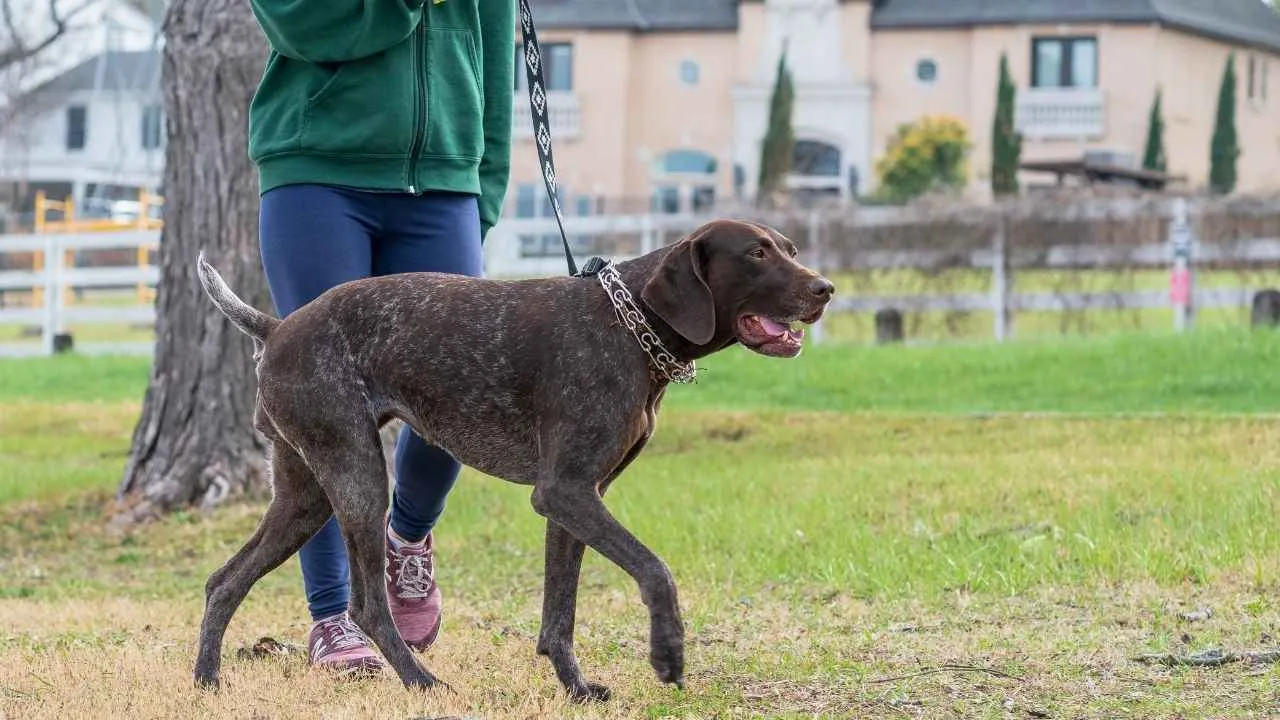
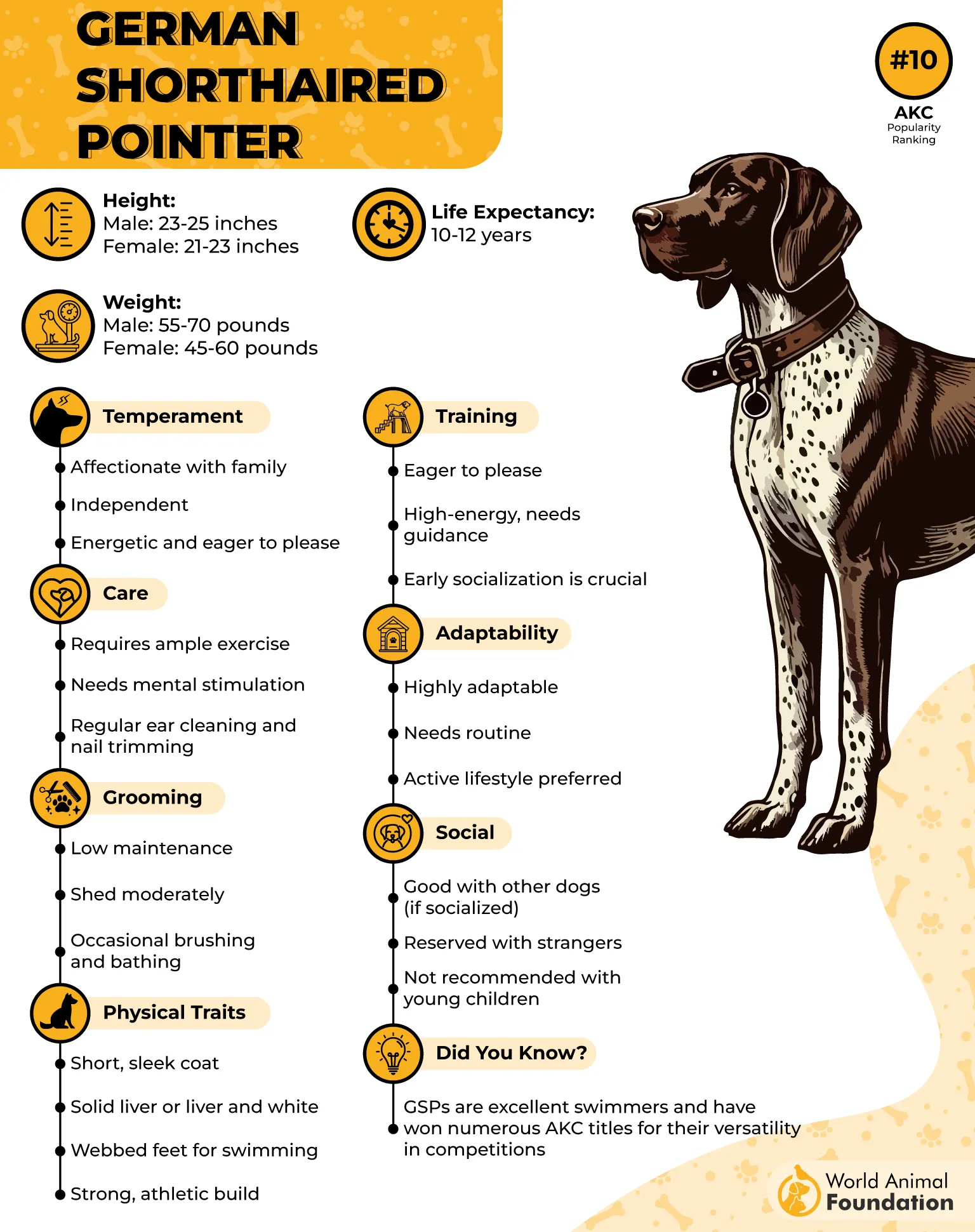
The German Shorthaired Pointer (GSP) is a medium-sized dog with unmatched speed, stamina, and intelligence. Built to work all day in the field or water, they thrive on outdoor activity and strong bonds with their family.
Roots of a Master Tracker
Developed in the 1800s in Germany, the GSP was perfected by crossing pointing dogs with scent hounds. Breeders like Prince Albrecht zu Solms-Braunfels aimed to create a versatile dog with endurance and intelligence.
Grooming, Energy, and Daily Life
German Shorthaired Pointers are low-maintenance, needing just weekly brushing to keep their coat healthy. Their high energy requires one to two hours of daily exercise, including running, swimming, or agility games. Without this, their intelligence and prey drive can lead to mischievous behavior or destructive habits.
Why German Shorthaired Pointers Shine in Hunting & Tracking
Exceptional scenting ability for tracking both land and water game
High endurance for long days in the field
Agile and fast, capable of navigating rugged terrain
Versatile hunters: point, flush, and retrieve with ease
Intelligent and trainable, responding well to commands in challenging conditions
2. Vizsla
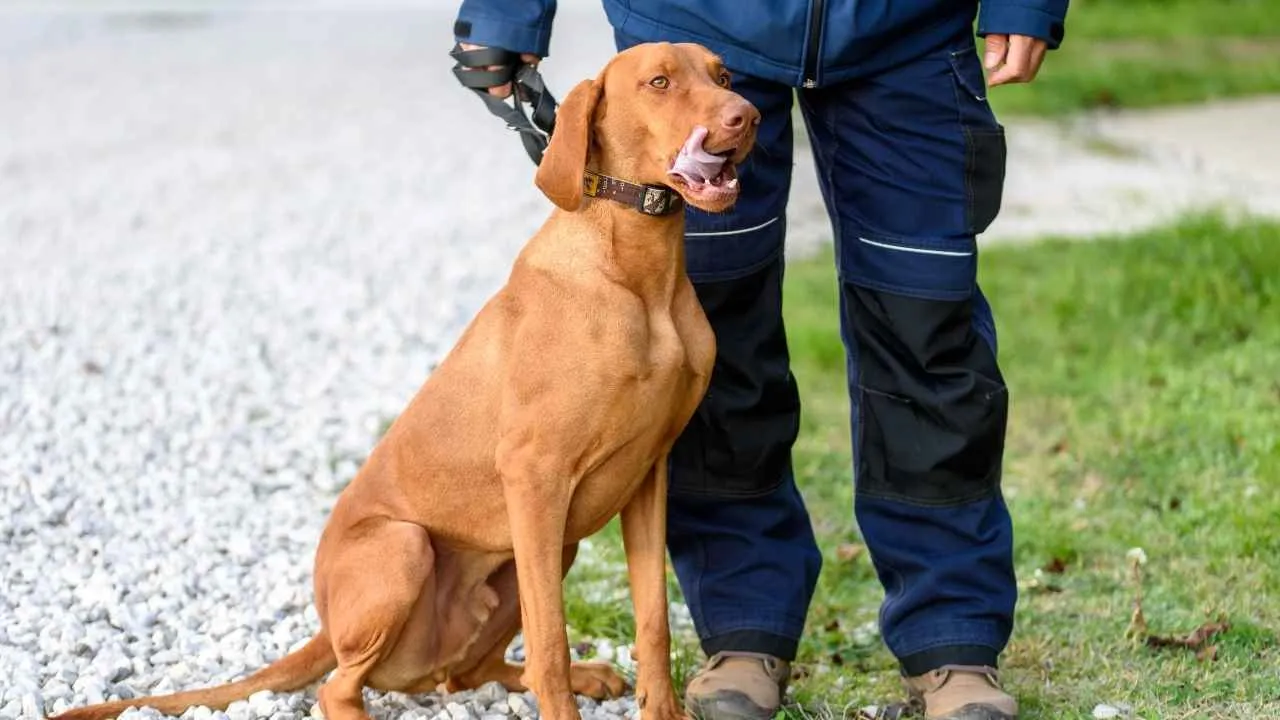
The Hungarian Vizsla is a medium-sized, athletic dog with a sleek golden-rust coat and muscular build. Affectionate and energetic, they thrive in active households and love spending time with their owners. Their sensitive, loyal nature makes them both playful companions and devoted family members.
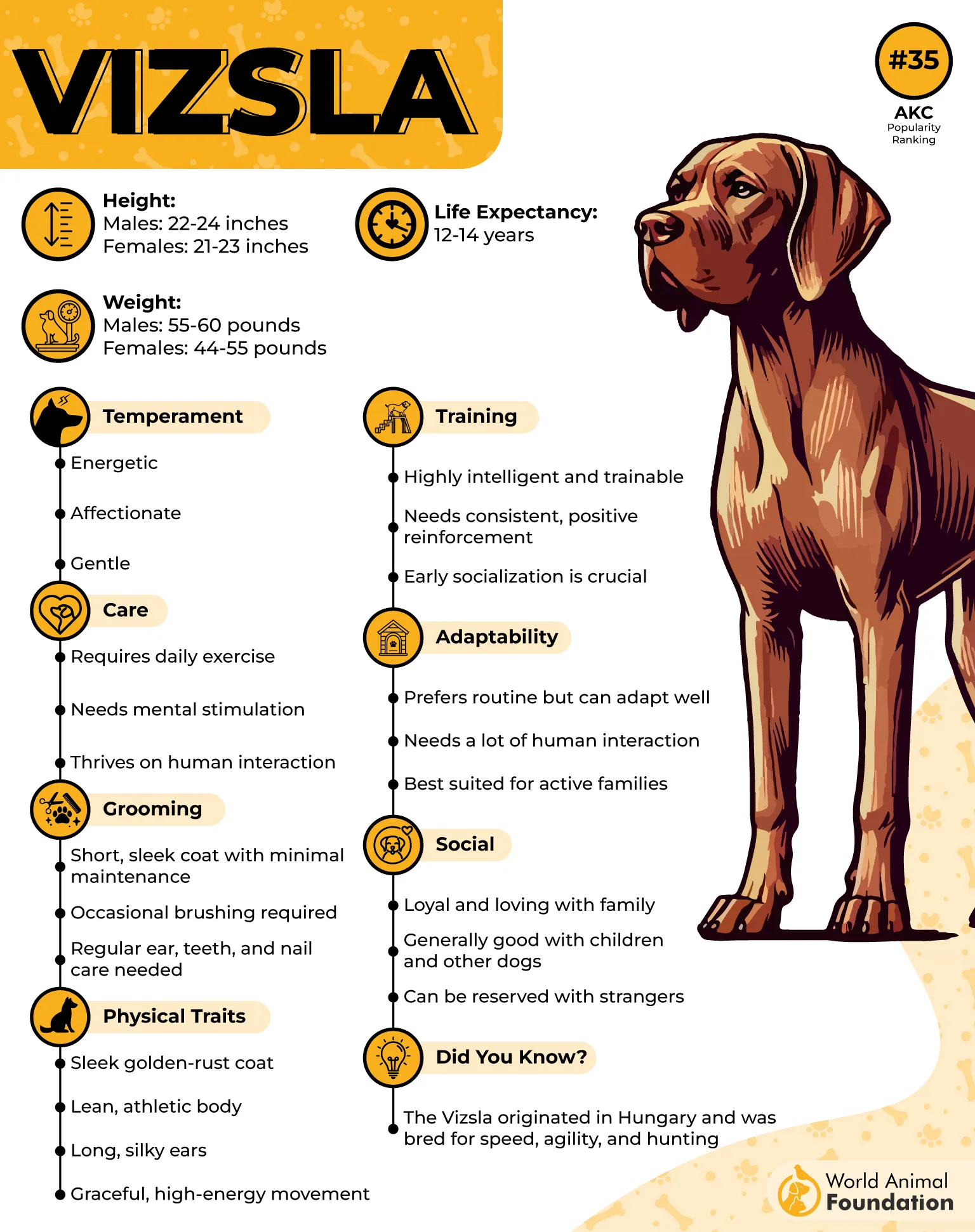
From Ancient Hunters to Modern Pals
Dating back to the Magyar tribes of Central Europe, Vizslas were both hunters and companions for warriors, as per PDSA. Despite near extinction after the World Wars, dedicated breeders preserved the breed, and today they excel in hunting, sports, and family life.
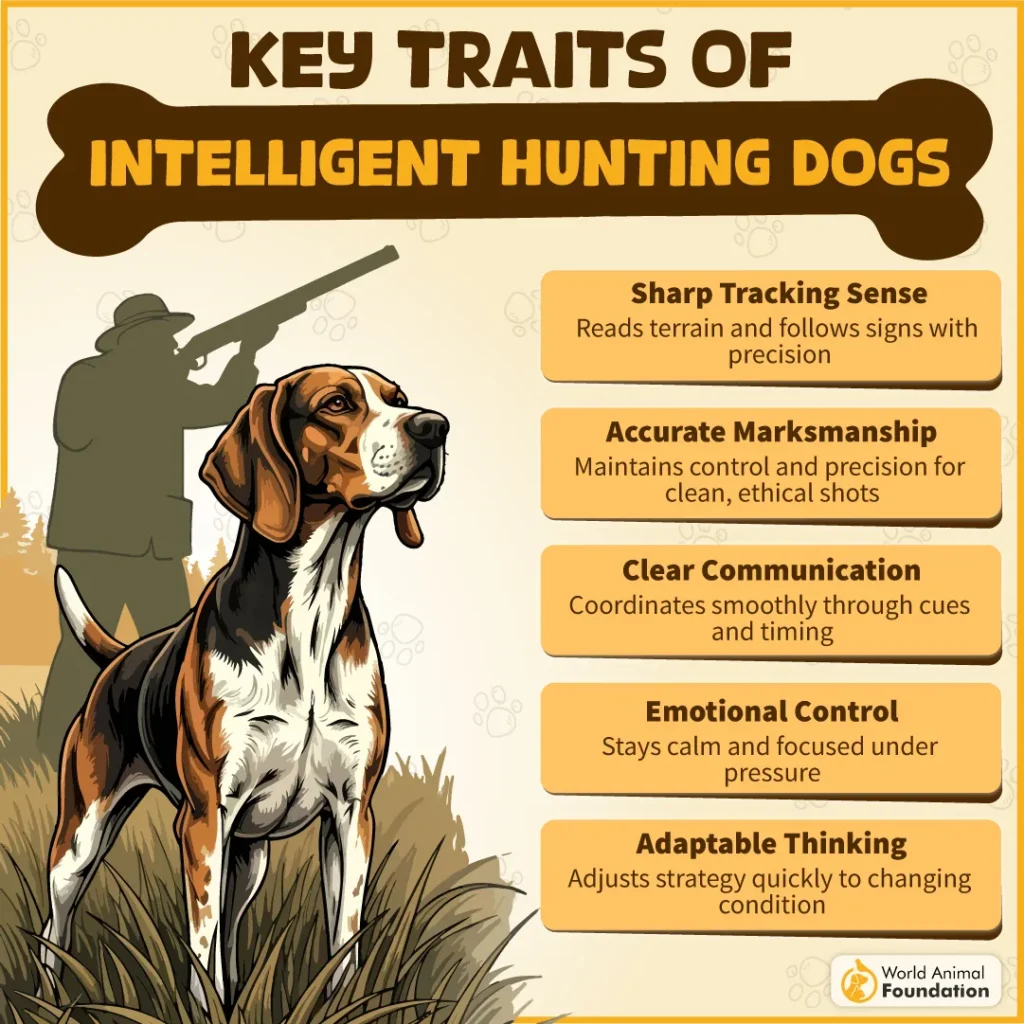
Grooming, Exercise, and Daily Needs
Vizslas are low-maintenance dogs, with short, dense coats that need only a quick weekly rubdown. Their intelligence and high energy require daily physical activity, like running, hiking, or training games. Without sufficient exercise or mental stimulation, they may develop destructive habits such as chewing or digging.
Why Hungarian Vizslas Excel in Hunting & Tracking
Exceptional endurance for long hunting days
Keen scenting skills for tracking game birds
Agile and quick, navigating diverse terrains easily
Loyal and trainable, responding well to positive reinforcement
A strong bond with the owner enhances teamwork in the field
3. Catahoula Leopard Dog
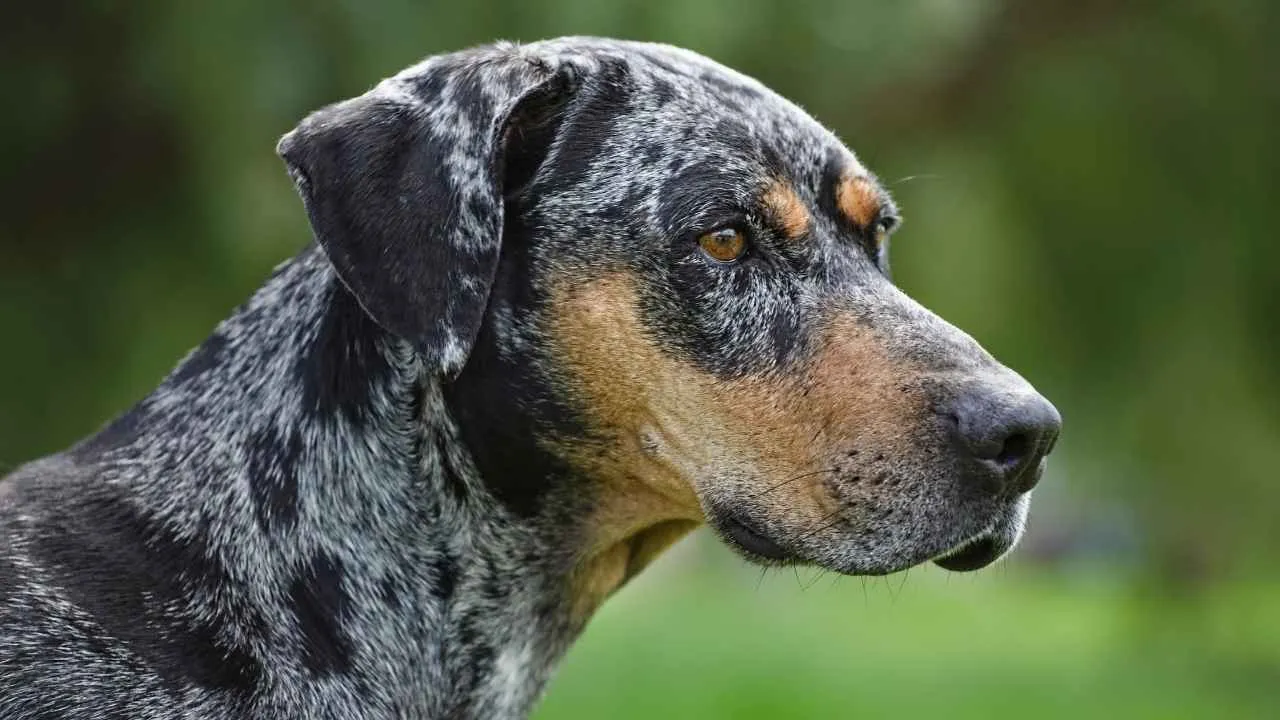
The Catahoula Leopard Dog is a medium-large, muscular breed known for strength, agility, and endurance. While serious on the job, they are playful and affectionate with family, forming strong bonds with those they trust.
Louisiana’s Native Hunter
Originating in Louisiana, the Catahoula was developed from Native American dogs crossed with Spanish and French breeds. Historically used to herd wild hogs and cattle, they perfected the “canine fence” technique to control livestock, as per Hill’s Pet.
Grooming, Energy, and Daily Needs
Catahoulas are low-maintenance, with short coats that need only weekly brushing and occasional baths. High energy levels require consistent physical activity and mental stimulation, or they may develop destructive behaviors.
Why Catahoula Leopard Dogs Excel in Hunting & Tracking
Incredible stamina for long hunting sessions
Sharp, alert senses are ideal for tracking and herding
Agile and powerful, able to navigate rugged terrain
Loyal, intelligent, and quick to follow commands
Strong prey drive and protective instincts enhance fieldwor
4. Saluki
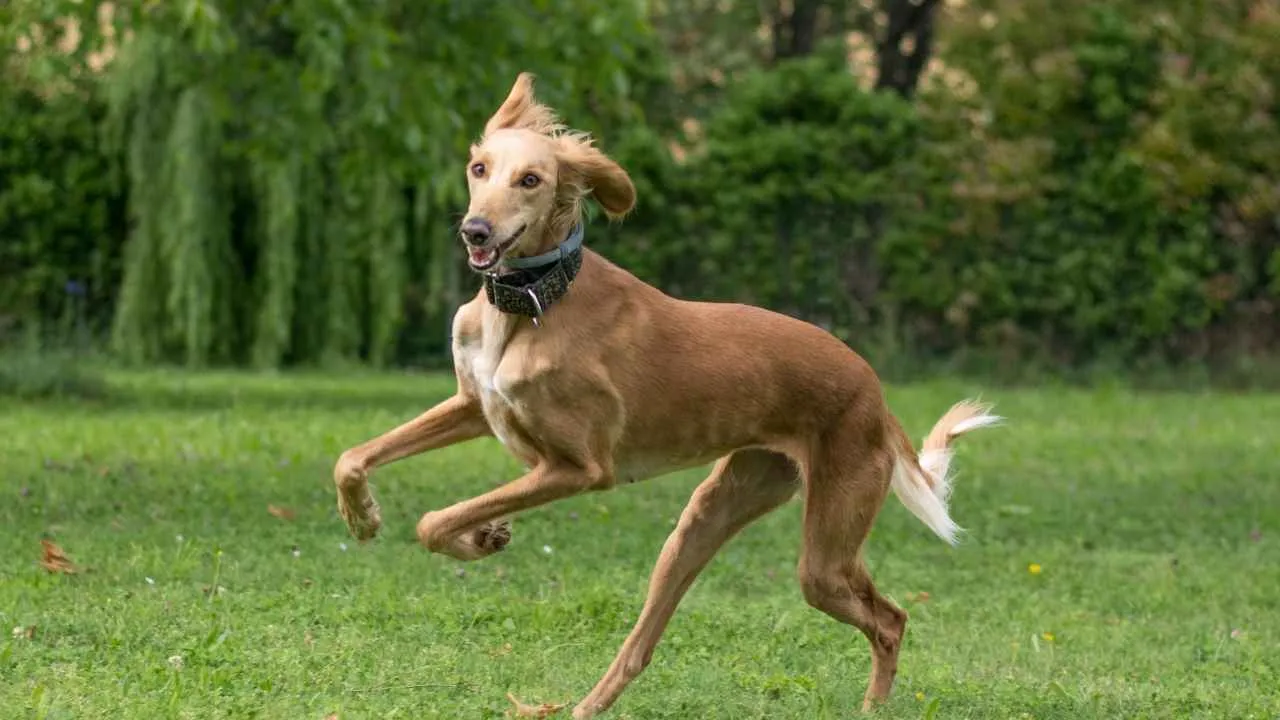
The Saluki is one of the oldest dog breeds, tracing back to 7000–6000 BCE in the Fertile Crescent. Sacred to the Egyptians and cherished by Bedouin nomads, they were prized for hunting gazelles, hares, and other game.
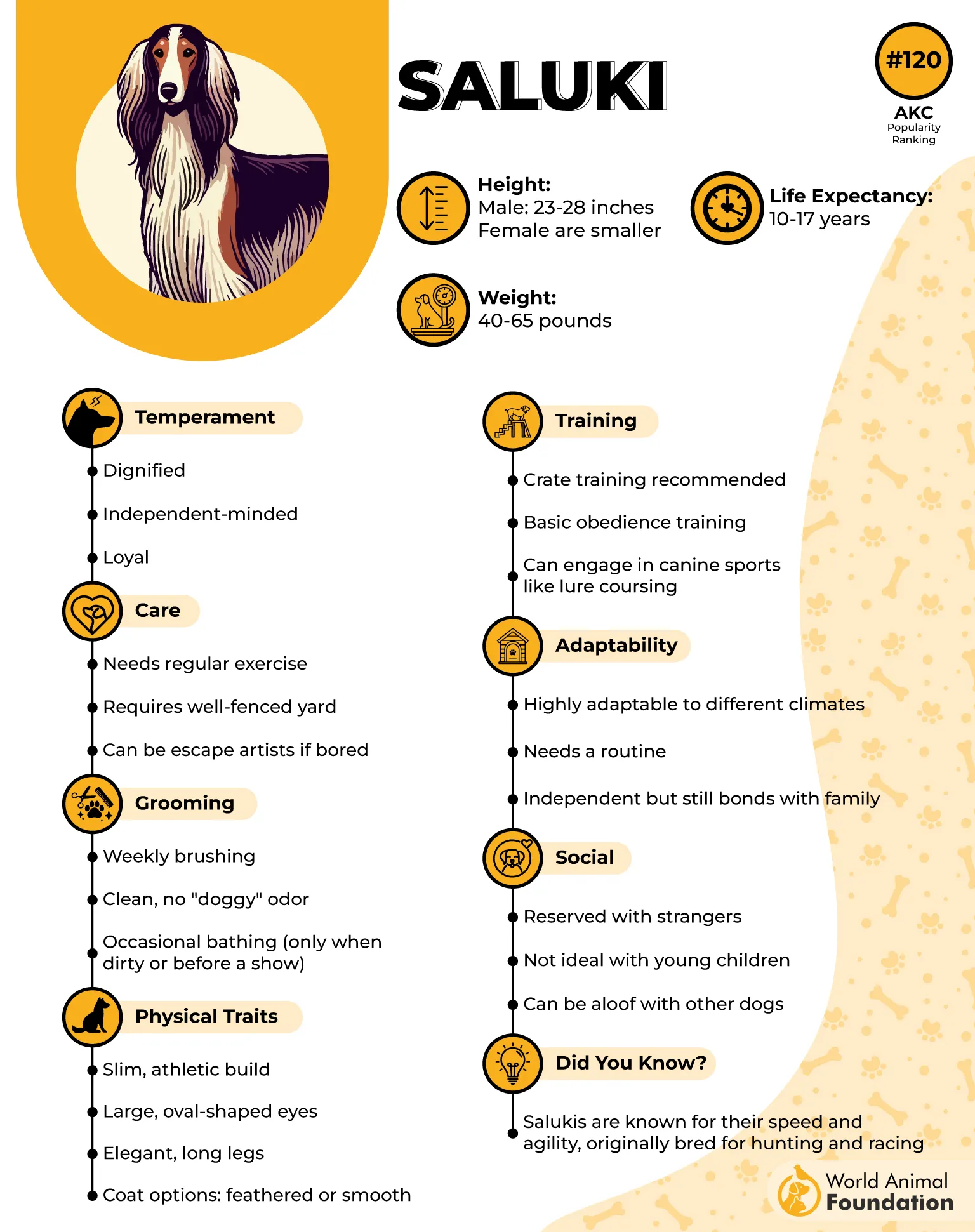
From Pharaohs to Modern Companions
Salukis were depicted in ancient art, pottery, and tombs, earning the title “royal dog of Egypt.” This heritage has shaped their elegant, refined appearance and independent nature. While loyal and gentle with family, they retain a strong prey drive and an instinct to sprint after game.
Grooming, Exercise, and Daily Life
Salukis have smooth or feathered coats that require minimal grooming, though feathered areas like ears and tails need twice-weekly attention. They enjoy daily bursts of running but are otherwise calm and sedate. With proper exercise and a secure space, they remain gentle, quiet, and affectionate pets at home.
Why Salukis Excel in Hunting & Tracking
Exceptional sight and speed for chasing prey over open terrain
Graceful, agile bodies built for endurance and sprinting
Highly alert, able to spot and track movement from afar
Loyal and trainable with consistent, reward-based methods
Independent hunters who combine instinct with intelligence in the field
5. Plott Hound
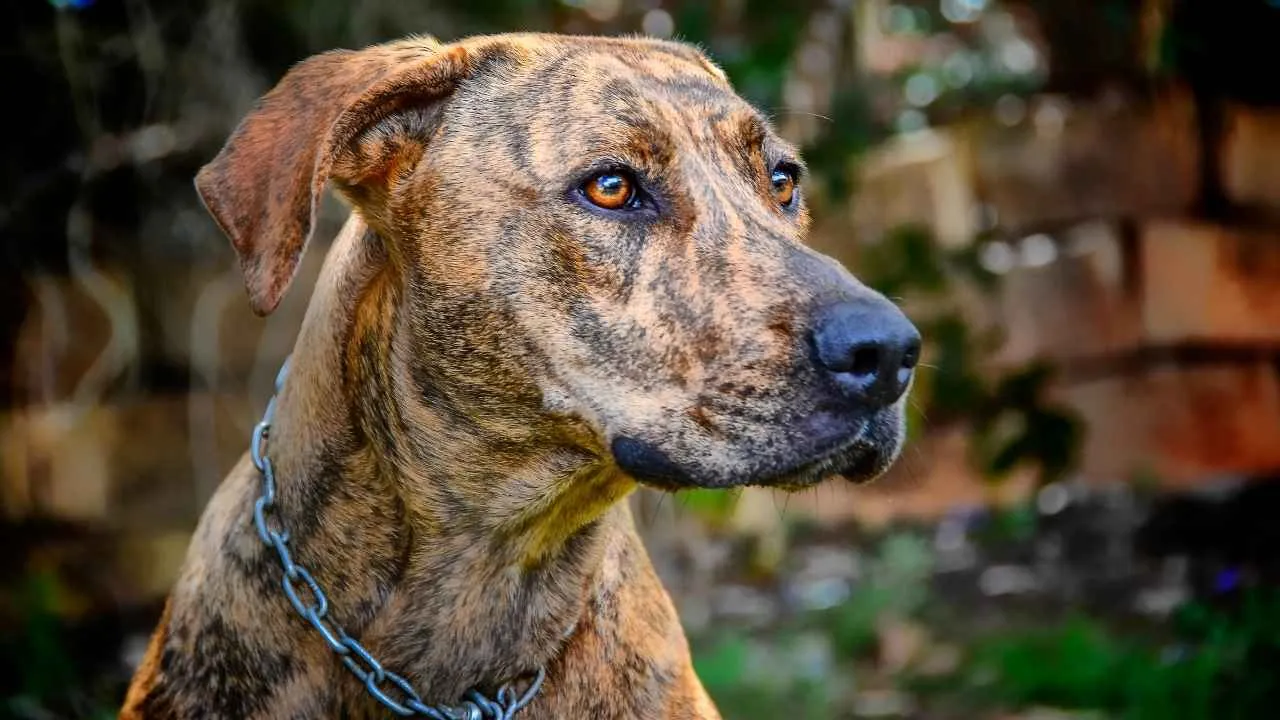
The Plott Hound is a medium-large, athletic scent hound with a muscular build and striking brindle coat. Known for its intelligence and stamina, this breed thrives on outdoor activity and challenges. Loyal and affectionate at home, they are energetic, alert, and playful with their families.
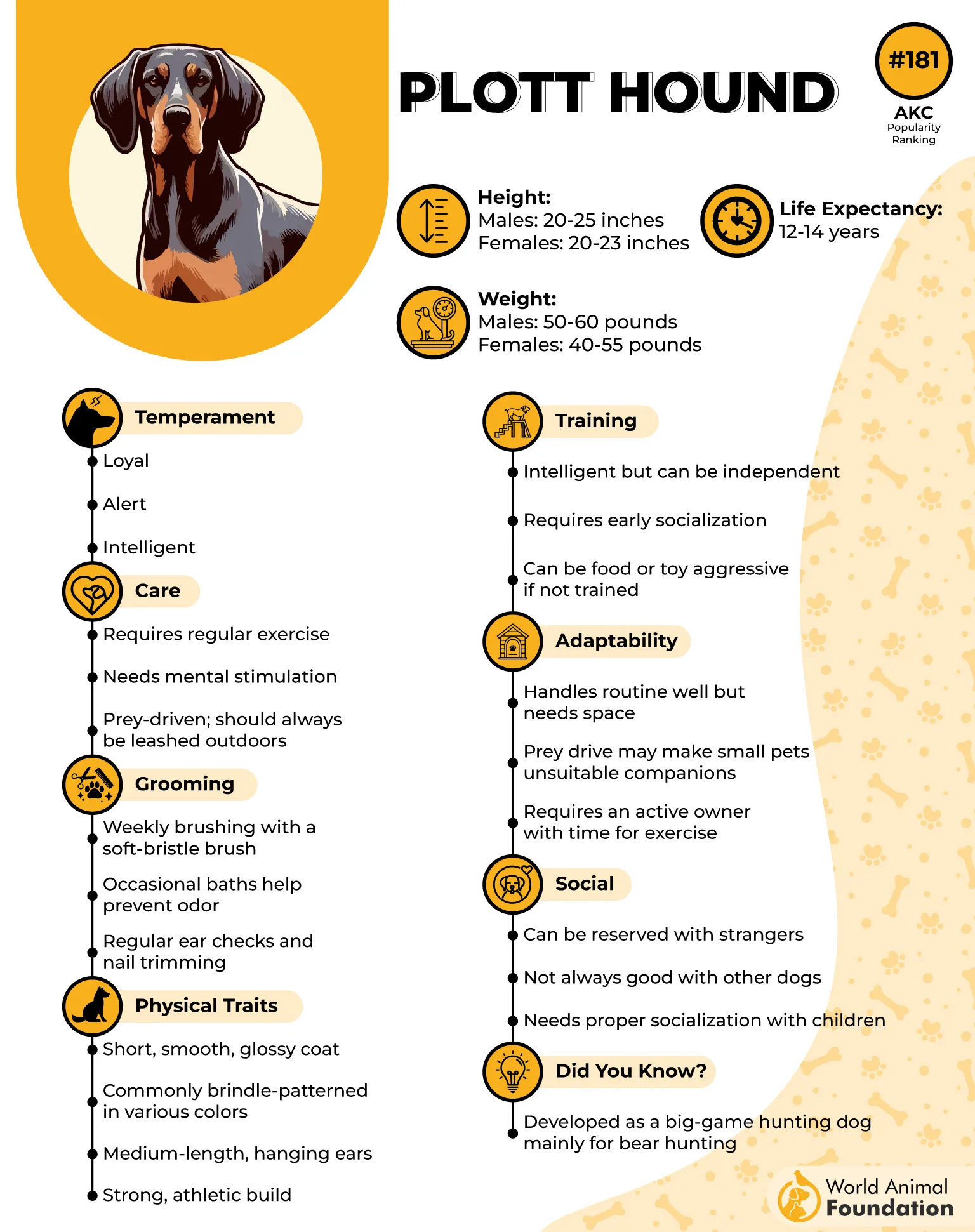
From Germany to North Carolina
Brought to the U.S. in the 18th century by Johannes Plott, these hounds were originally bred to hunt boar. Over generations in the North Carolina mountains, the Plott Hound developed endurance, cleverness, and a fierce hunting instinct, as per Britannica. Today, they remain a top choice for tracking and fieldwork.
Grooming, Exercise, and Daily Life
Plott Hounds have short, low-maintenance coats that require only weekly brushing. They need daily vigorous exercise to stay happy and healthy, including long walks, hunting sessions, or field activities. Without adequate stimulation, their energy and intelligence can lead to mischief or stubborn behaviors.
Why Plott Hounds Excel in Hunting & Tracking
Exceptional scenting ability for trailing game over rugged terrain
High stamina and endurance for long hunts
Agile, athletic, and capable of navigating difficult environments
Independent yet intelligent, able to work with hunters effectively
Strong prey drive and determination make them relentless trackers
6. American Foxhound
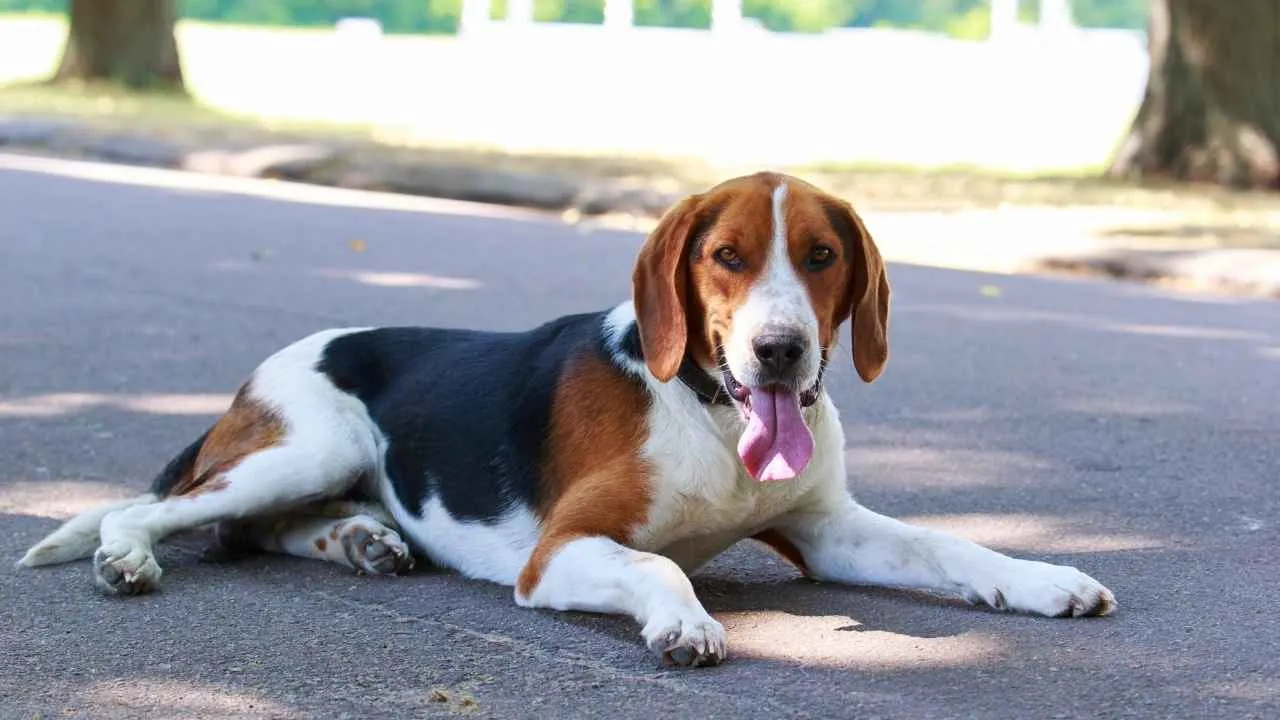
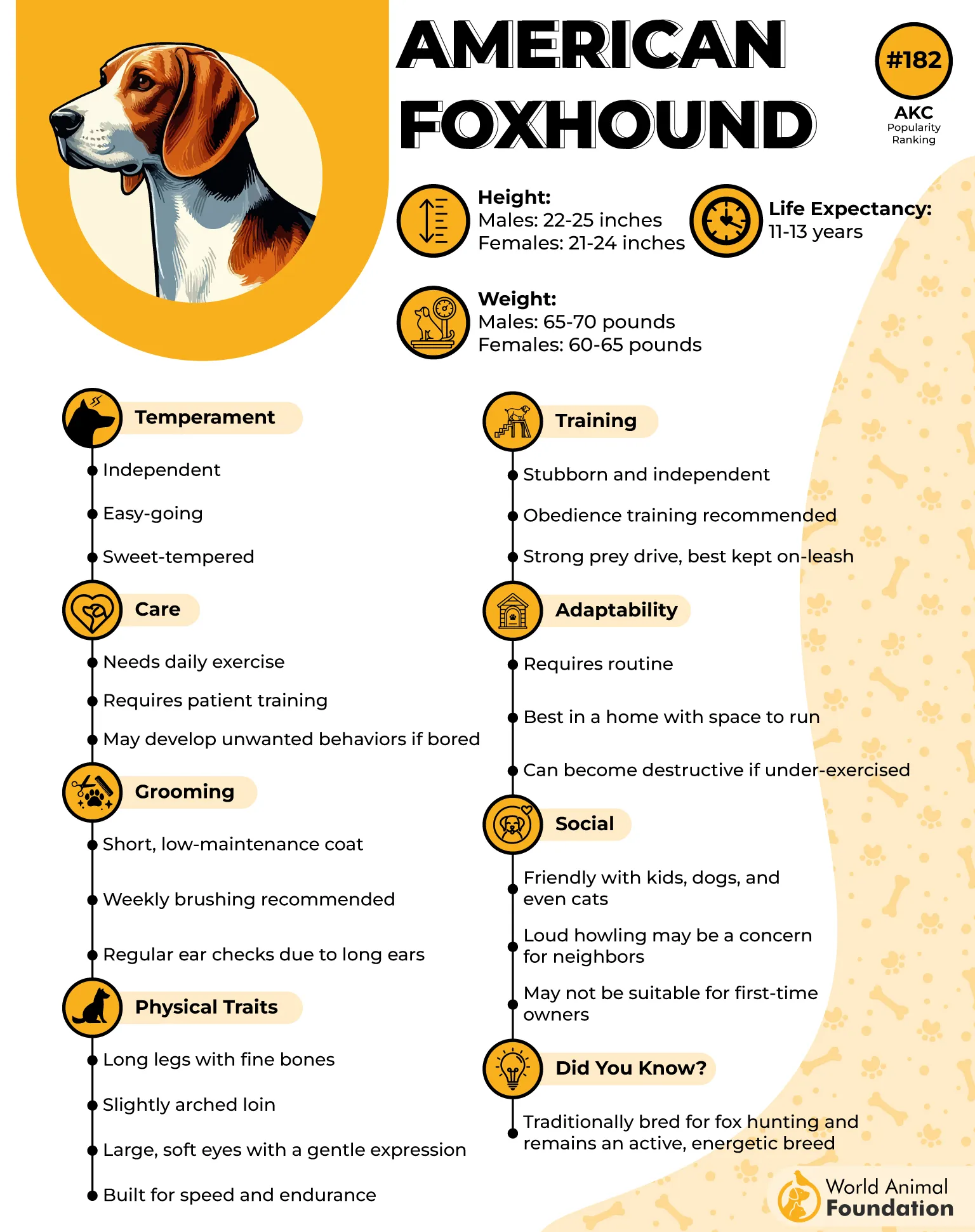
The American Foxhound is a sleek, rangy hound built for speed, endurance, and determination. Known for their friendly nature, they get along with children, dogs, and even cats. At the same time, their strong prey drive and vocal baying make them natural hunters.
From Colonial Estates to Modern Companions
Bred by early American gentry like George Washington and refined with French and British stock, the Foxhound played a key role in traditional foxhunting, as per PetMD. Over time, selective breeding produced a distinctly American variety, valued for intelligence, stamina, and courage in the field.
Exercise, Grooming, and Daily Life
American Foxhounds are low-maintenance dogs with medium, tough coats that protect them outdoors. They need at least one to two hours of exercise daily to stay happy and avoid destructive behaviors. With consistent training and socialization, they make loyal, intelligent companions.
Why American Foxhounds Shine in Hunting & Tracking
Exceptional stamina and speed for long hunts
Acute scenting ability and strong prey drive
Agile and capable of navigating rugged terrain
Independent yet trainable for fieldwork
Gentle, intelligent, and loyal with their human companions
7. Rhodesian Ridgeback
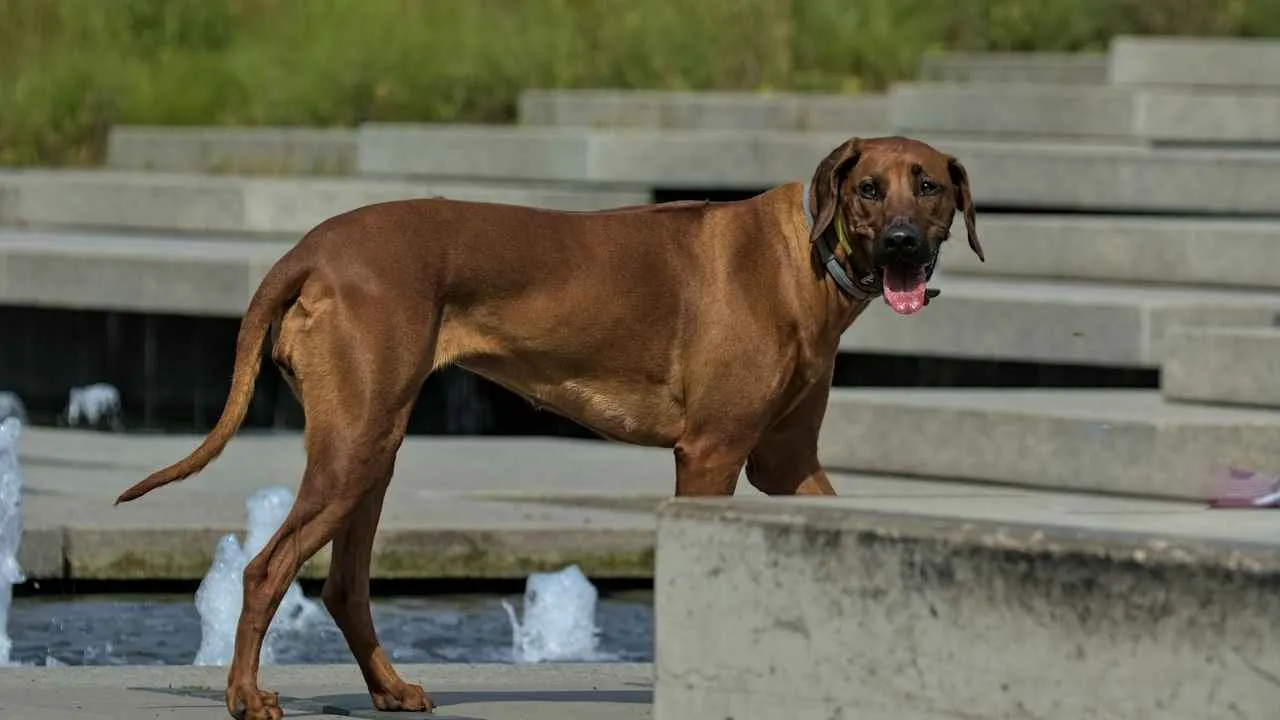
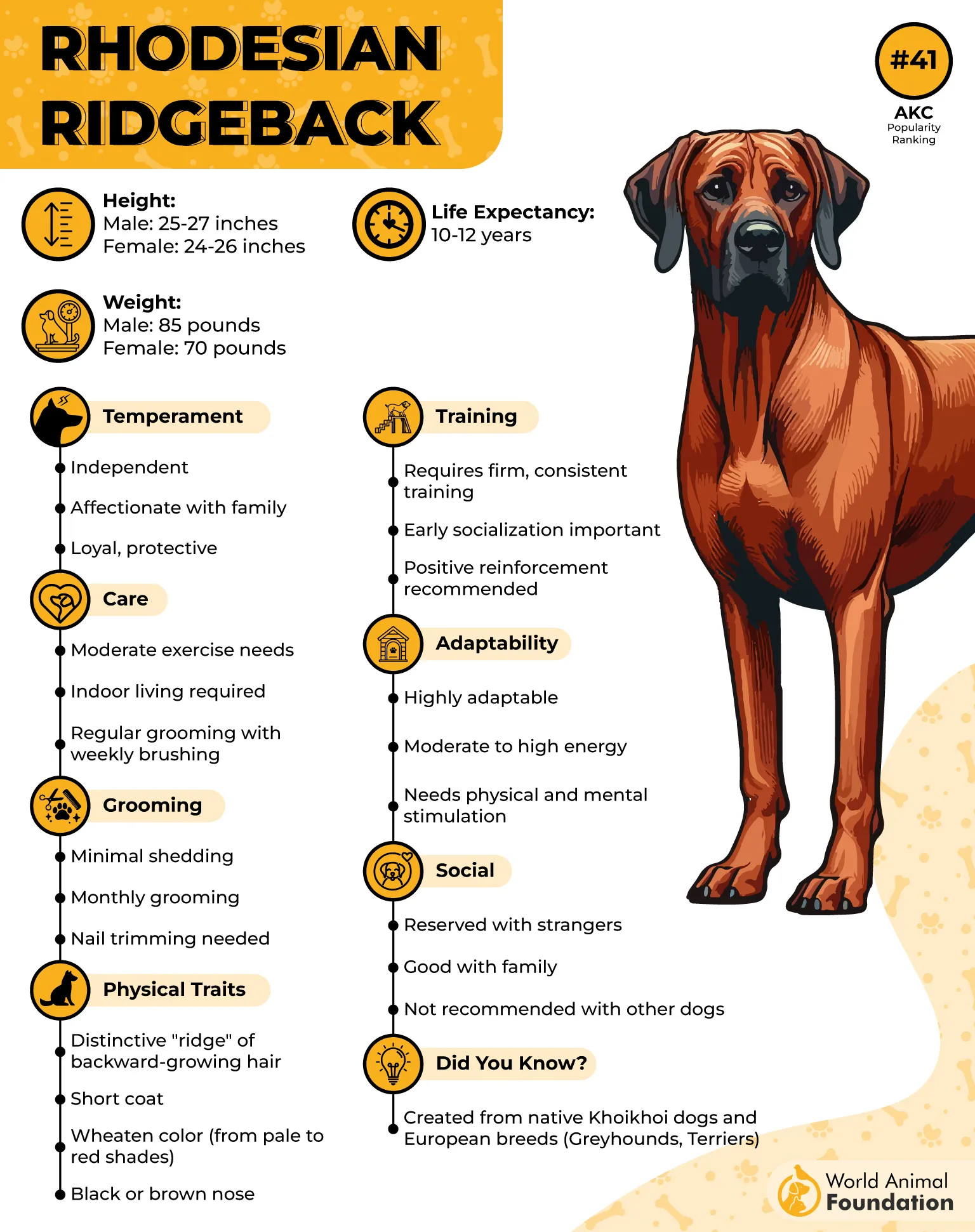
The Rhodesian Ridgeback is a large, athletic hound known for strength, courage, and endurance. Its signature ridge of hair along the spine reflects its unique heritage from semi-wild African hunting dogs. Loyal and protective, Ridgebacks bond closely with their families while remaining wary of strangers.
From Africa to Modern Companions
Bred in southern Africa to track and confront lions and other big game, Ridgebacks combine fearless hunting instincts with a strong protective streak. Crossed with European dogs in the 1600s, the breed was refined in the 1800s and standardized in the 1920s, eventually gaining AKC recognition in 1955.
Exercise, Grooming, and Daily Needs
Ridgebacks require daily physical activity like jogging, hiking, or dog sports to stay fit and mentally stimulated. Their short, wheaten coats shed moderately and need only weekly brushing. Consistent training and socialization are key due to their intelligence, independence, and high prey drive.
Why Rhodesian Ridgebacks Excel in Hunting & Tracking
Incredible stamina and endurance for prolonged activity
Fearless and powerful, suited for large game hunting
High prey drive enhances tracking and pursuit
Intelligent and independent, capable of problem-solving in the field
Agile and athletic, able to navigate rugged terrain
Conclusion
The best dog breeds for advanced hunting and tracking are dogs with a powerful sense of smell, sharp instincts, and the ability to follow long scent trails across rugged terrain and thick brush. These hunting dogs were originally bred to hunt birds, track small game, and locate wounded game, especially rabbits and upland birds, making them highly reliable for demanding hunting tasks.
With proper training and consistent training, these tracking dogs become a good tracking dog that helps hunters locate game during bird hunting, small game hunting, deer hunting, and waterfowl hunting. Their high energy, strong noses, and focus also make them useful in search and rescue missions, where accurate scent tracking and sharp senses are essential.
For experienced hunters, choosing the right dog depends on hunting style, terrain, and daily activity level. While many of these high-energy dogs are best suited for active households rather than apartment living, they can still be wonderful pets and great companions with enough exercise and mental stimulation.
