




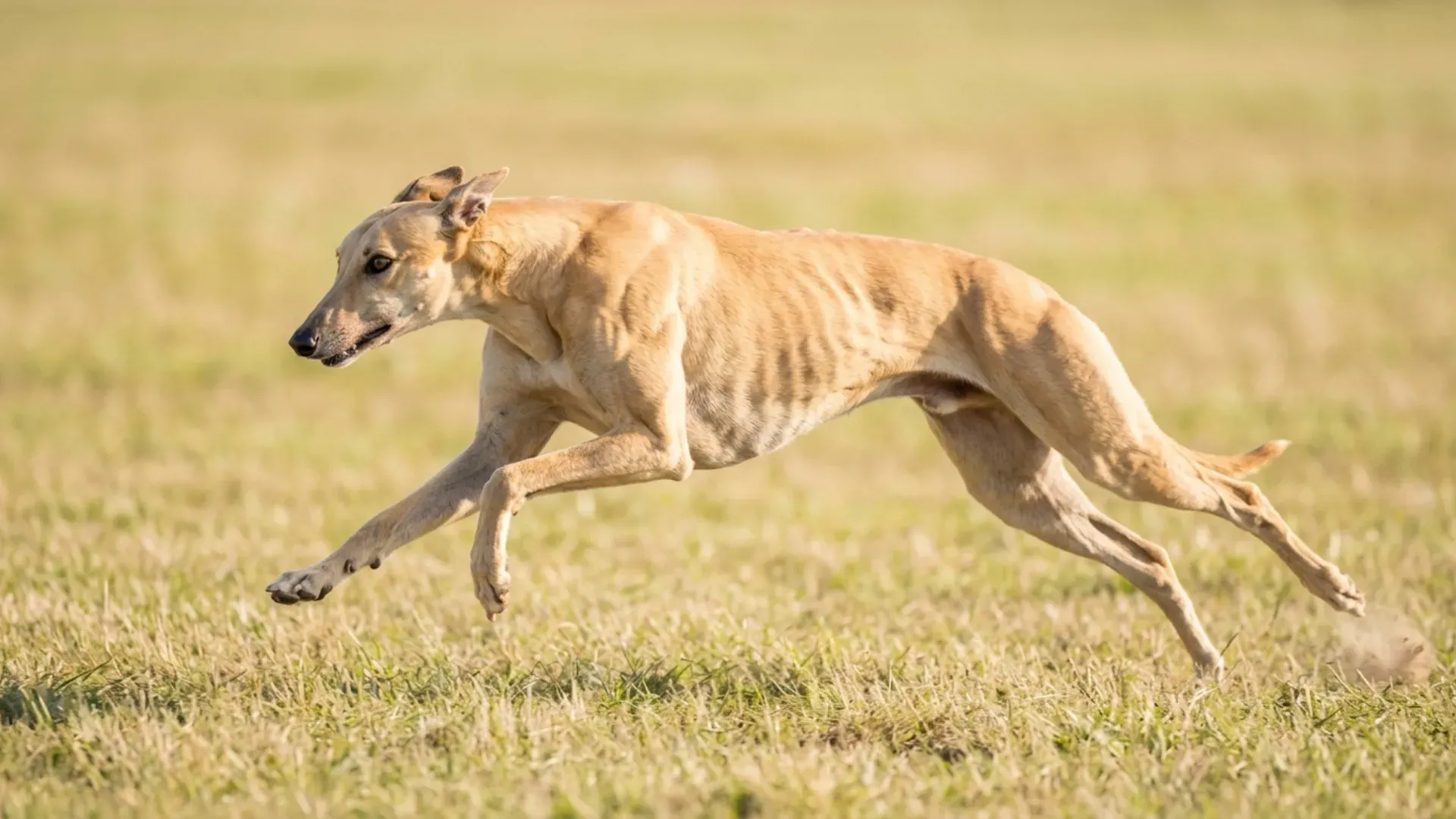
Many people assume a dog’s energy level tells them everything they need to know. A playful dog gets labeled active, a calm dog gets labeled easy, and the decision feels simple.
But another instinct shapes behavior far more than people realize. It appears during walks, shows up during training, and quietly influences how dogs respond to movement, sounds, and changing environments. This instinct is prey drive, and in certain breeds, it remains remarkably strong.
These dogs are often intelligent, engaged, and incredibly rewarding to live with, but they experience the world differently. Their attention locks in faster, their reactions tend to be sharper, and their motivation often comes from the pursuit itself. That difference changes everyday life in ways people rarely expect.
Coming up are breeds that stand out for powerful prey instincts and the qualities behind their reputation.
Key Takeaways
A simple walk can turn into a moment of sudden focus when instinct takes over faster than training or attention.
Weimaraner and Vizsla carry that intensity through generations of hunting work, where focus and reaction were everything in the field
Whippet and Rhodesian Ridgeback take it further in different ways, one built for explosive chase and the other for powerful tracking over distance
Stay till the end as each breed reveals how this instinct quietly shapes everyday behavior in surprising ways
Best Dog Breeds Exhibiting Strong Prey Drive
1. Weimaraner
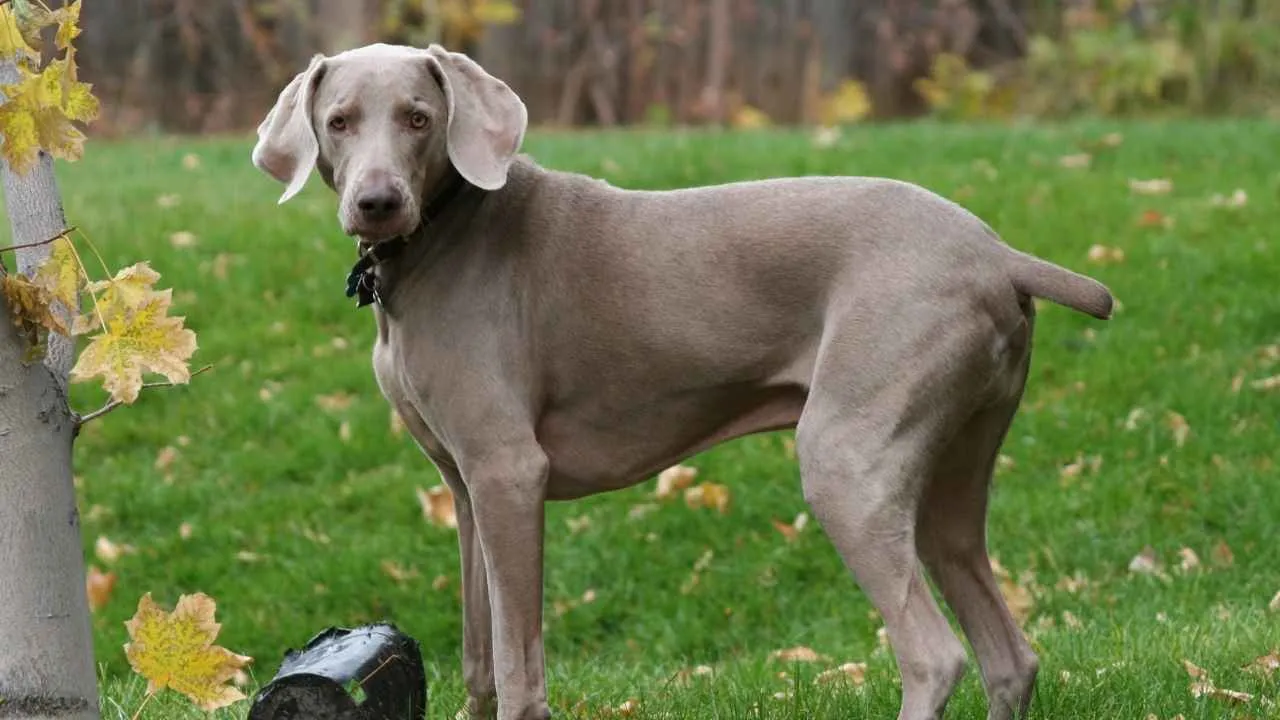
Weimaraner is known for a strong tracking ability paired with fearless energy, a trait shaped for demanding fieldwork, as PetMD noted.
German nobles refined this athletic hunter in the 19th century for speed, endurance, and precision. Its lean frame and alert posture reflect constant readiness for action.
Driven Working Companion
Built for sustained activity, the hunting dog requires both physical movement and mental engagement to stay balanced. Its intelligence makes it responsive, yet its instinct can push it toward chasing smaller animals if not guided early.
A few key traits define how this drive plays out:
Strong prey-focused attention
High stamina for long activity
Quick response to commands
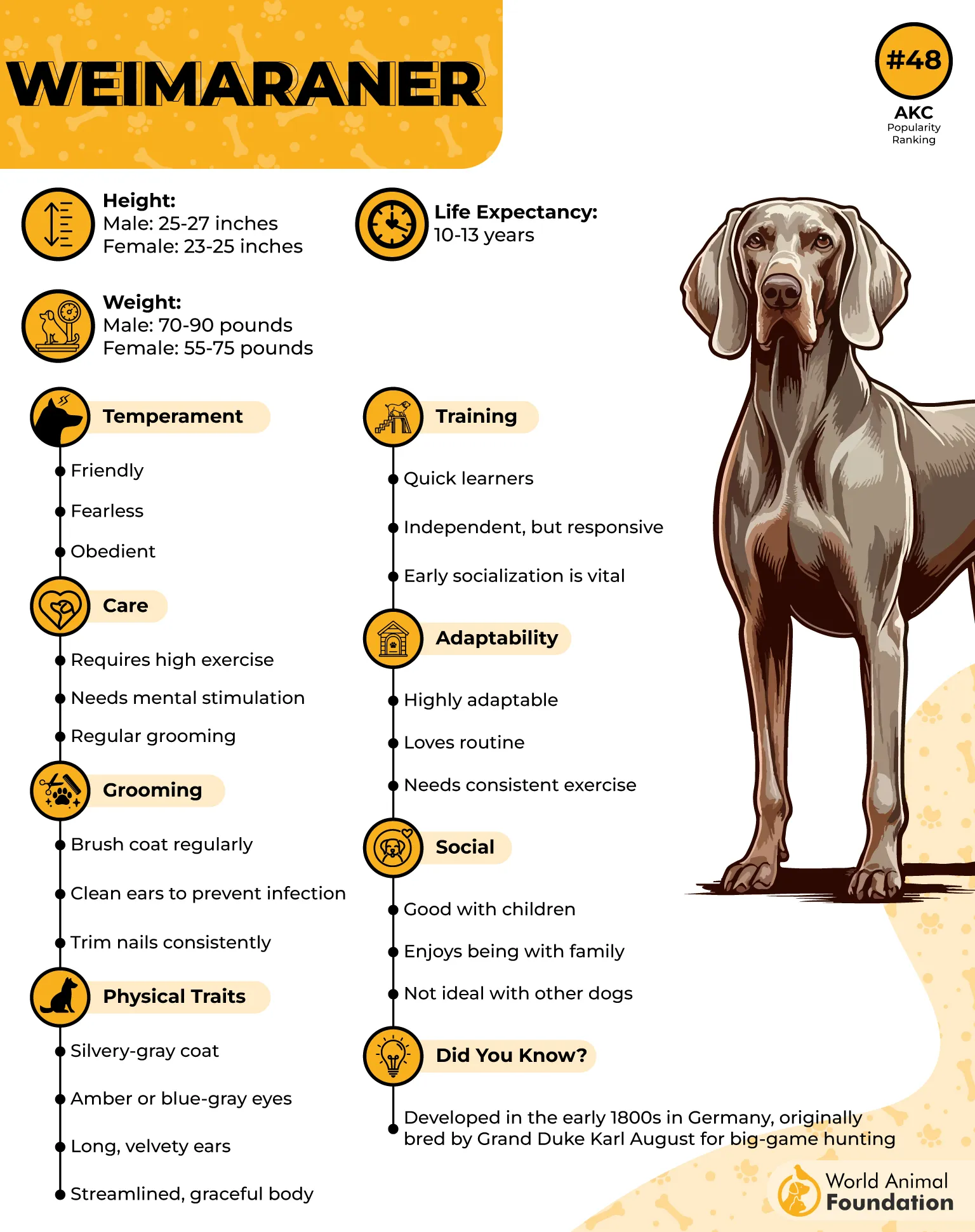
Control and Living Needs
Weimaraner performs best in spaces that allow movement and safe containment due to its curiosity and speed. A fenced environment supports its active nature while preventing roaming behavior linked to its hunting instincts. Regular activity routines help channel its focus effectively.
2. Vizsla
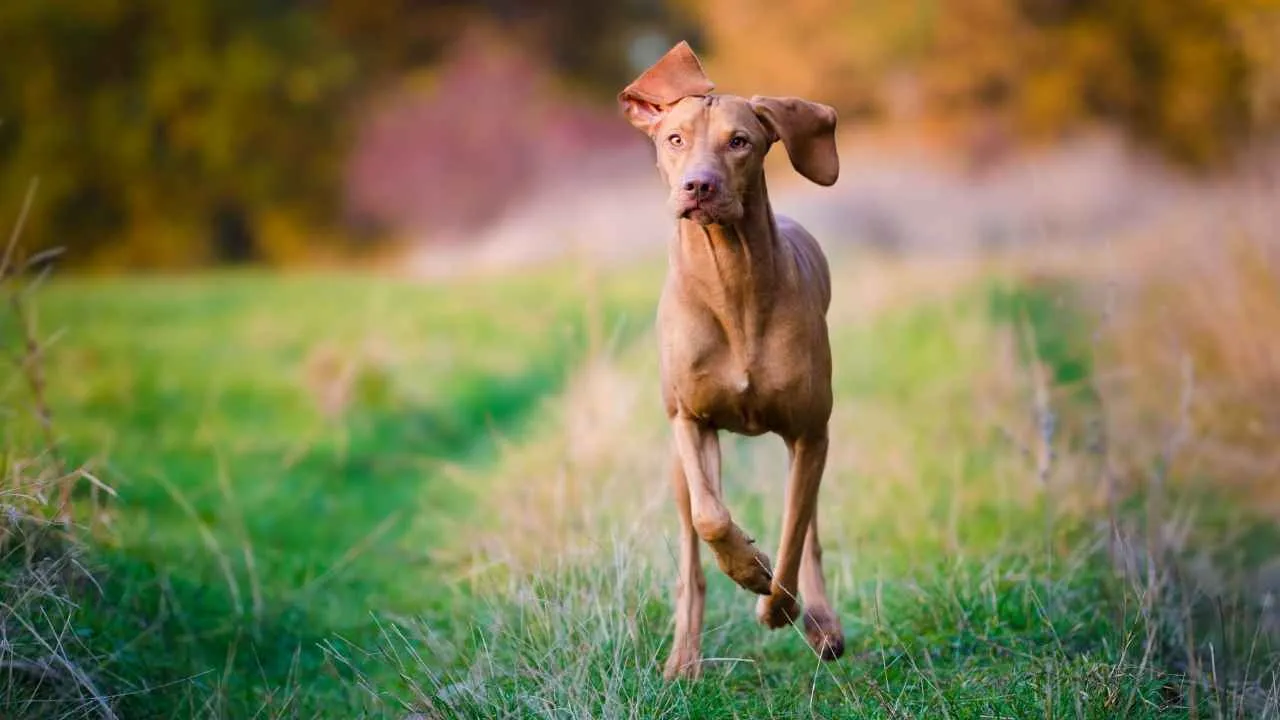
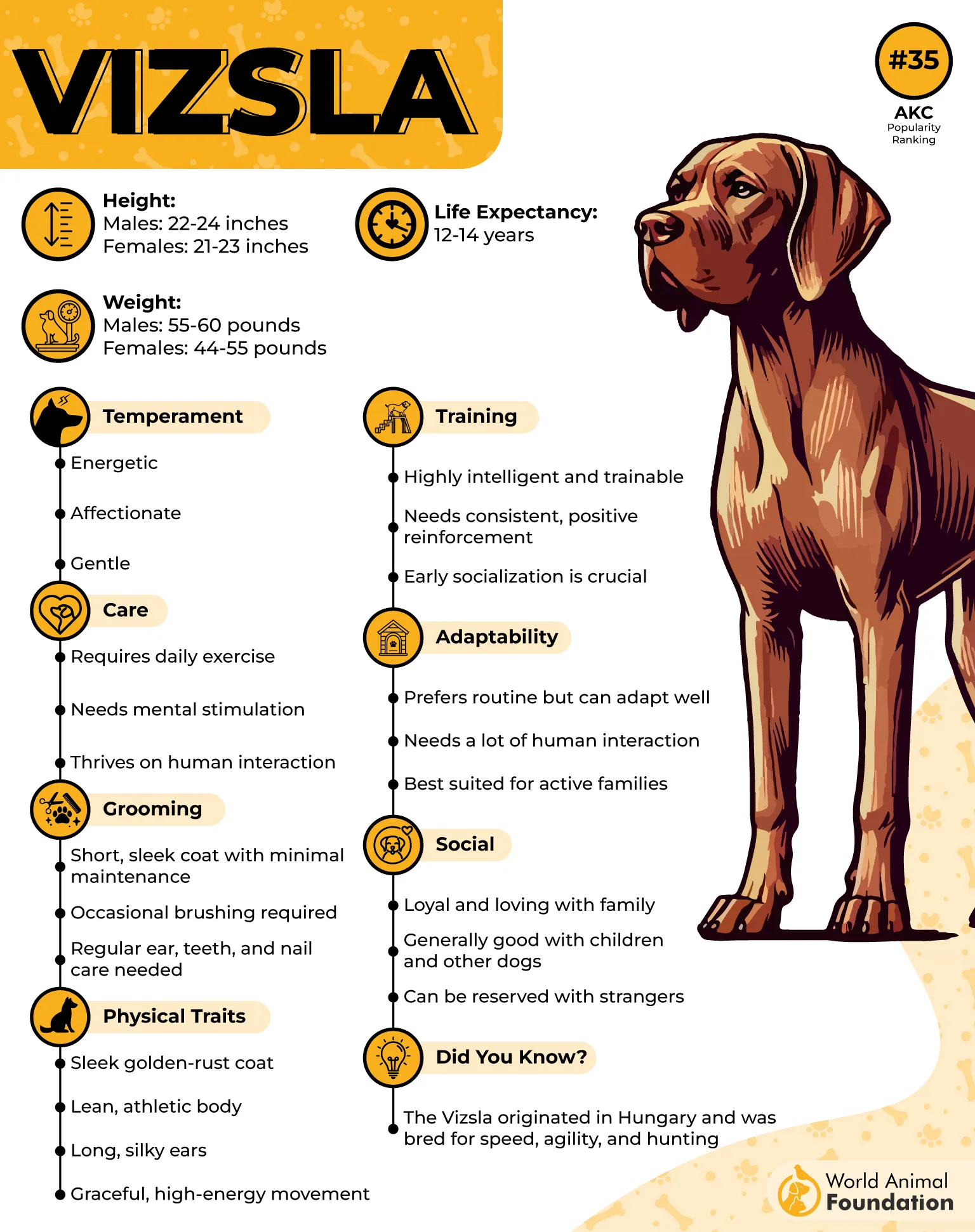
Vizsla has a lively, athletic build and a deep connection to human companionship, often seeking close involvement in daily activities.
Originating in Hungary, it earned recognition as a skilled hunting partner shaped for endurance and focus. Its eager, responsive nature reflects a strong working background.
High Drive and Control Needs
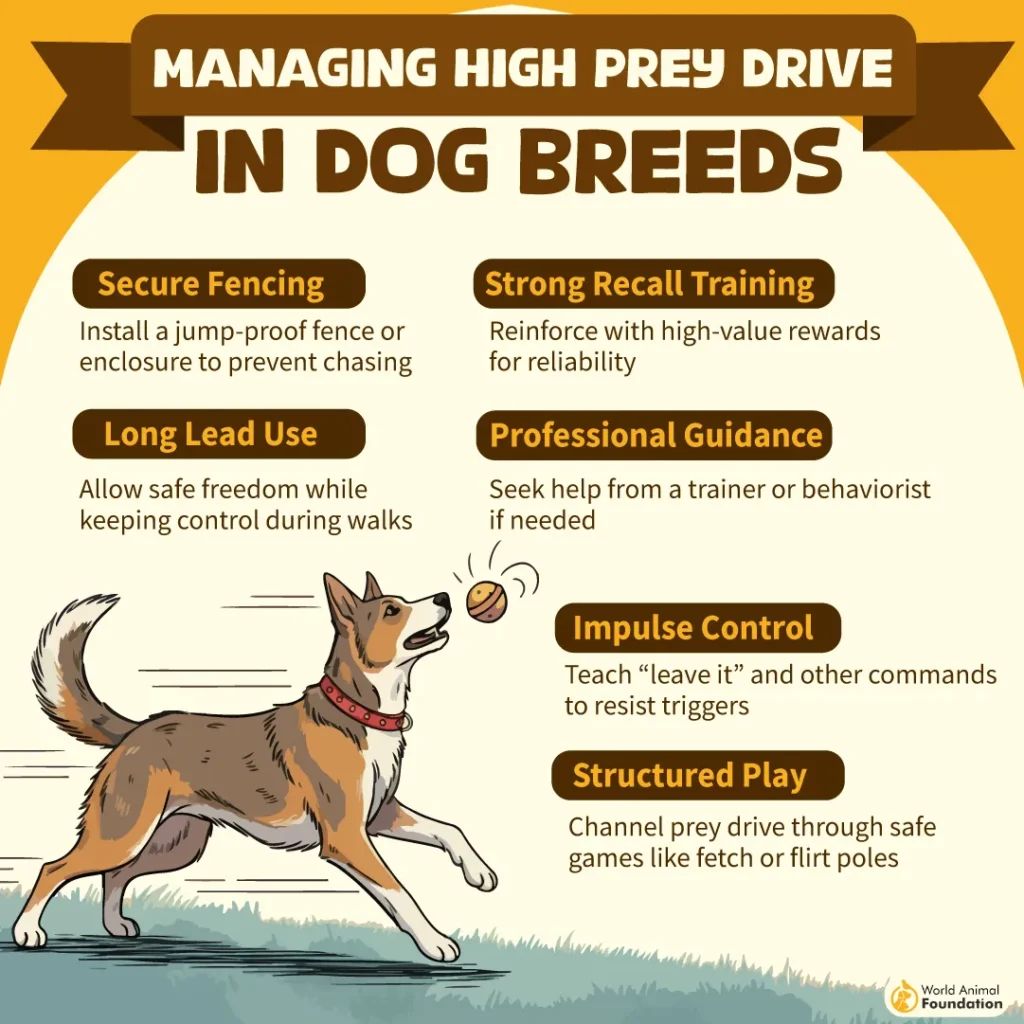
Vizslas’ instinct for chasing movement makes them highly reactive to birds, small pets, and fast distractions. Channeling this energy requires proper mental stimulation, blended with physical activity.
A closer look reveals what helps guide this intensity effectively.
Strong response to moving targets
High need for structured activity
Benefits from early training routines
Training and Daily Balance
They respond best when given space to move freely, along with regular training that sharpens recall and impulse control, as WebMD notes.
Activities like running, swimming, or agility work help direct their natural energy into productive outlets. Consistency plays a key role in shaping stable daily behavior.
3. Whippet
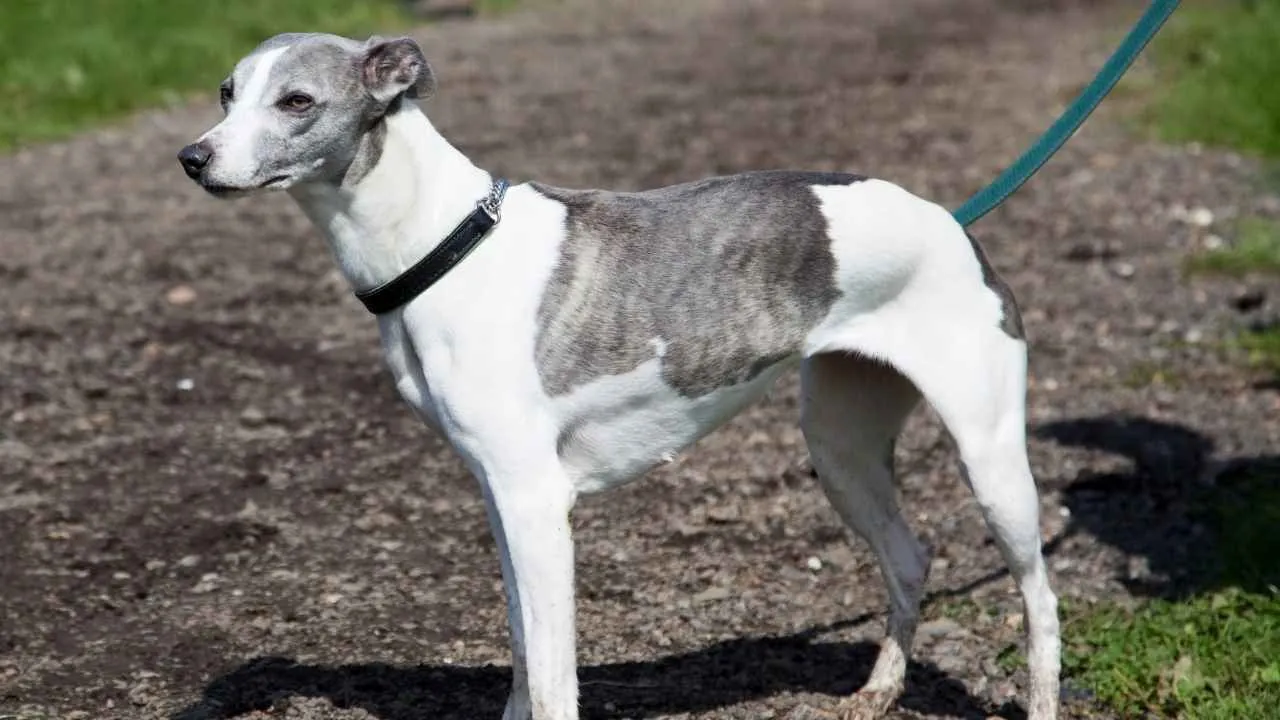
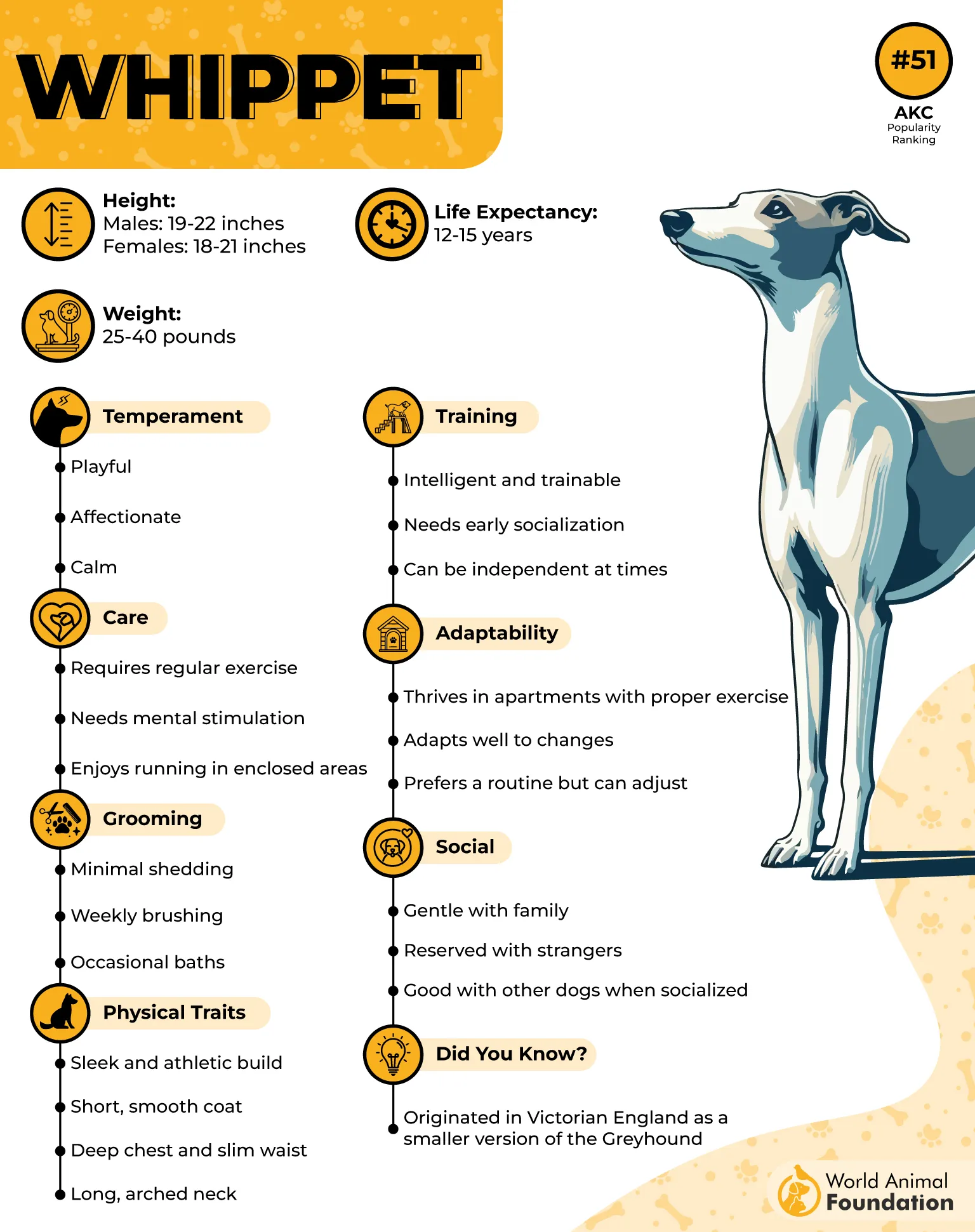
Whippets are known for their aerodynamic frame that supports explosive bursts of speed, shaped like a smaller version of long-distance sprinters.
Early links to Greyhound and terrier crosses explain its sharp agility and quick reaction to movement. Its lightweight structure plays a direct role in fast pursuit behavior.
Chasing Instinct and Drive
They respond instantly to motion, using sudden acceleration and tight directional control when tracking anything that triggers their focus. Short sprints define its working style rather than long endurance runs.
These key traits help explain this chase response:
Rapid acceleration in short bursts
Sharp turning ability during pursuit
Heightened response to movement
Outdoor Awareness
Whippet stays highly alert during outdoor time, carefully scanning movement in its surroundings. Small animals or sudden motion can quickly activate their chase behavior, making secure spaces important during activity. This awareness remains consistent even in quiet environments.
4. Rhodesian Ridgeback

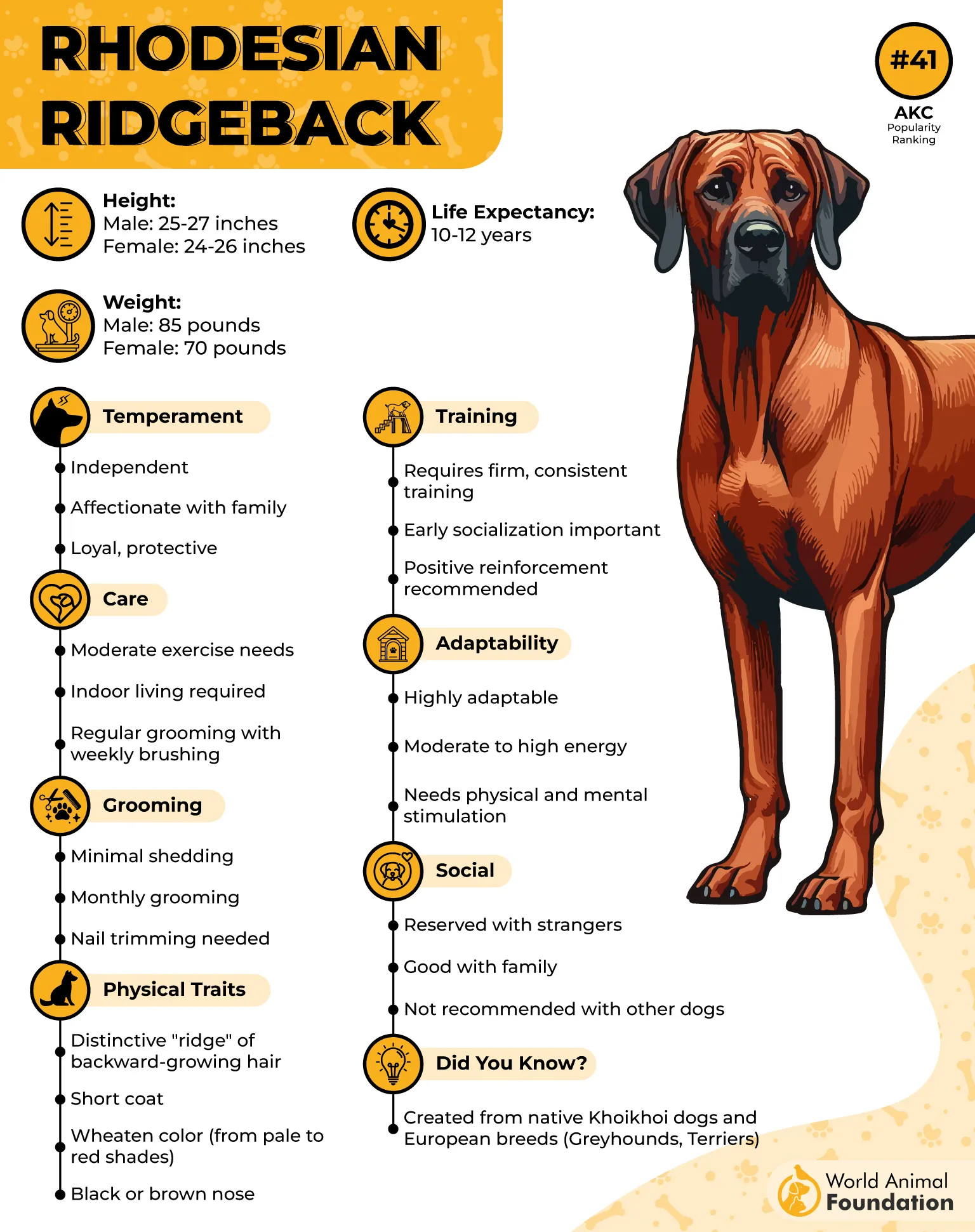
Rhodesian Ridgeback is recognized for the distinctive ridge of hair along its back, growing in the opposite direction of the coat. Built with muscle and athletic structure, it earned the name African Lion Hound through its role in tracking large predators, as per the AKC.
Hunting Instinct in Focus
The breed’s working background centers on stamina, sharp awareness, and a strong chase response toward fast-moving animals. This drive shapes how it responds to movement and activity in its surroundings.
A few key traits help explain its working behavior:
Strong endurance for long activity
Focused response to movement
With early socialization, they work well with other dogs
Daily Energy Balance
They require steady physical activity along with mental engagement to avoid restlessness. At least moderate daily exercise keeps its natural drive balanced in home settings. Its affection toward familiar people contrasts with a more reserved attitude toward unfamiliar individuals.
5. Irish Setter
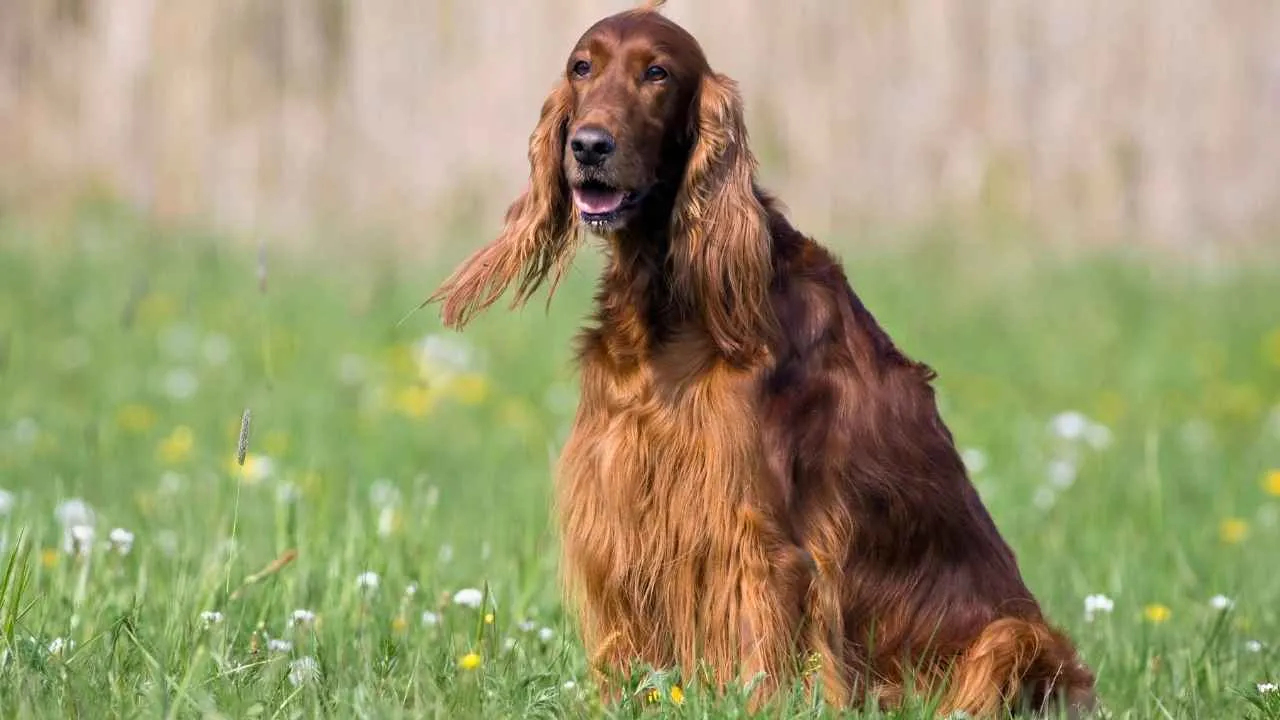
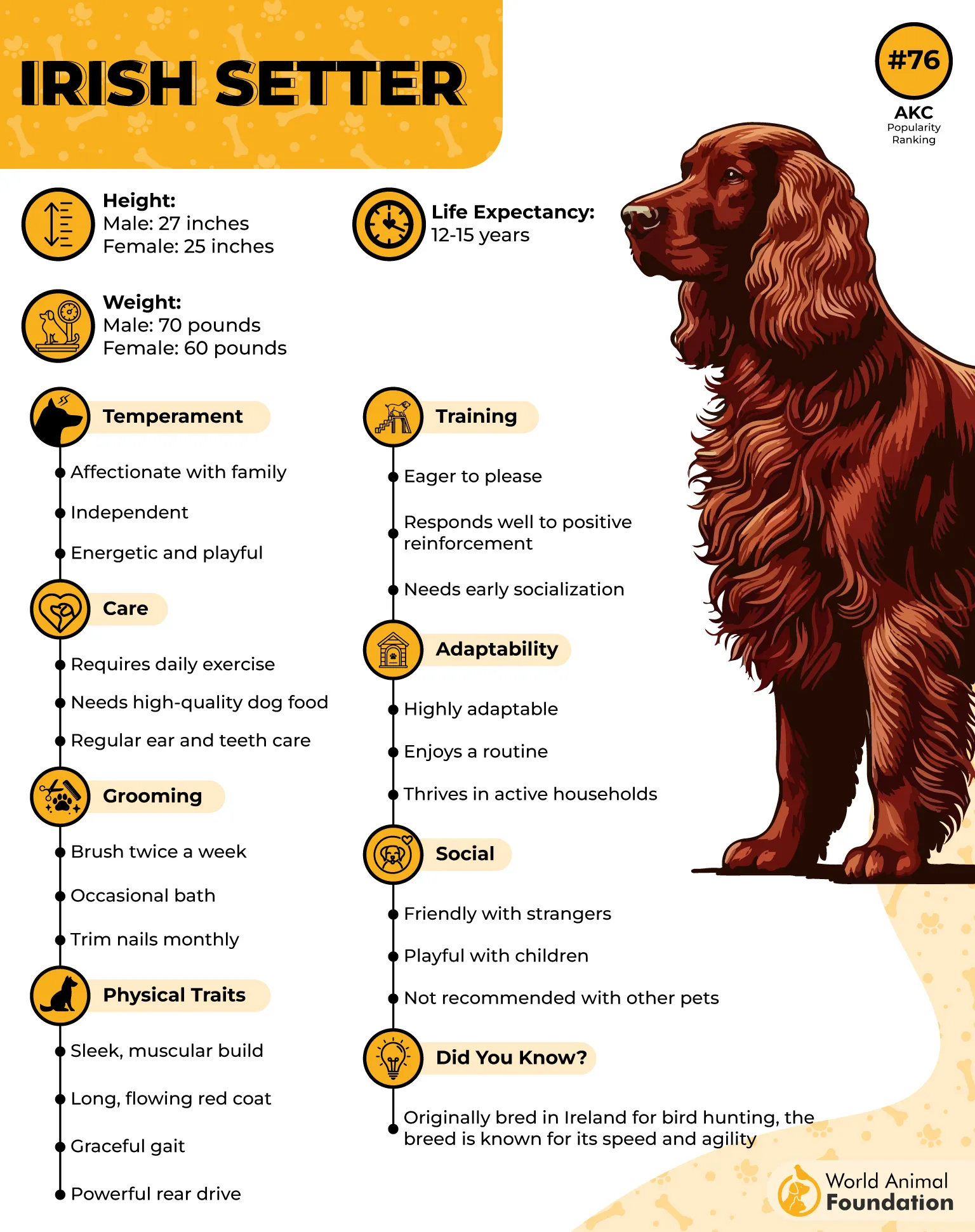
Irish Setter draws attention with a flowing red coat and an energetic stride shaped by generations of fieldwork. Its hunting background influences a sharp response to movement and scent, often guiding its focus outdoors. This combination of beauty and drive shapes its working identity.
Energy and Chase Instinct
They thrive in active environments where movement and exploration are part of daily life. Their instincts lean toward chasing and tracking, which can require steady guidance in open spaces.
Here’s a closer look at their behavior:
Strong response to moving targets
High energy during outdoor activity
Needs secure spaces for freedom
Social Nature and Interaction
Irish Setters stay friendly and approachable around people and can adapt well when introduced properly to other pets. Its social behavior often contrasts with its hunting focus, creating a balanced but lively companion. Early structure helps manage its curiosity around small animals.
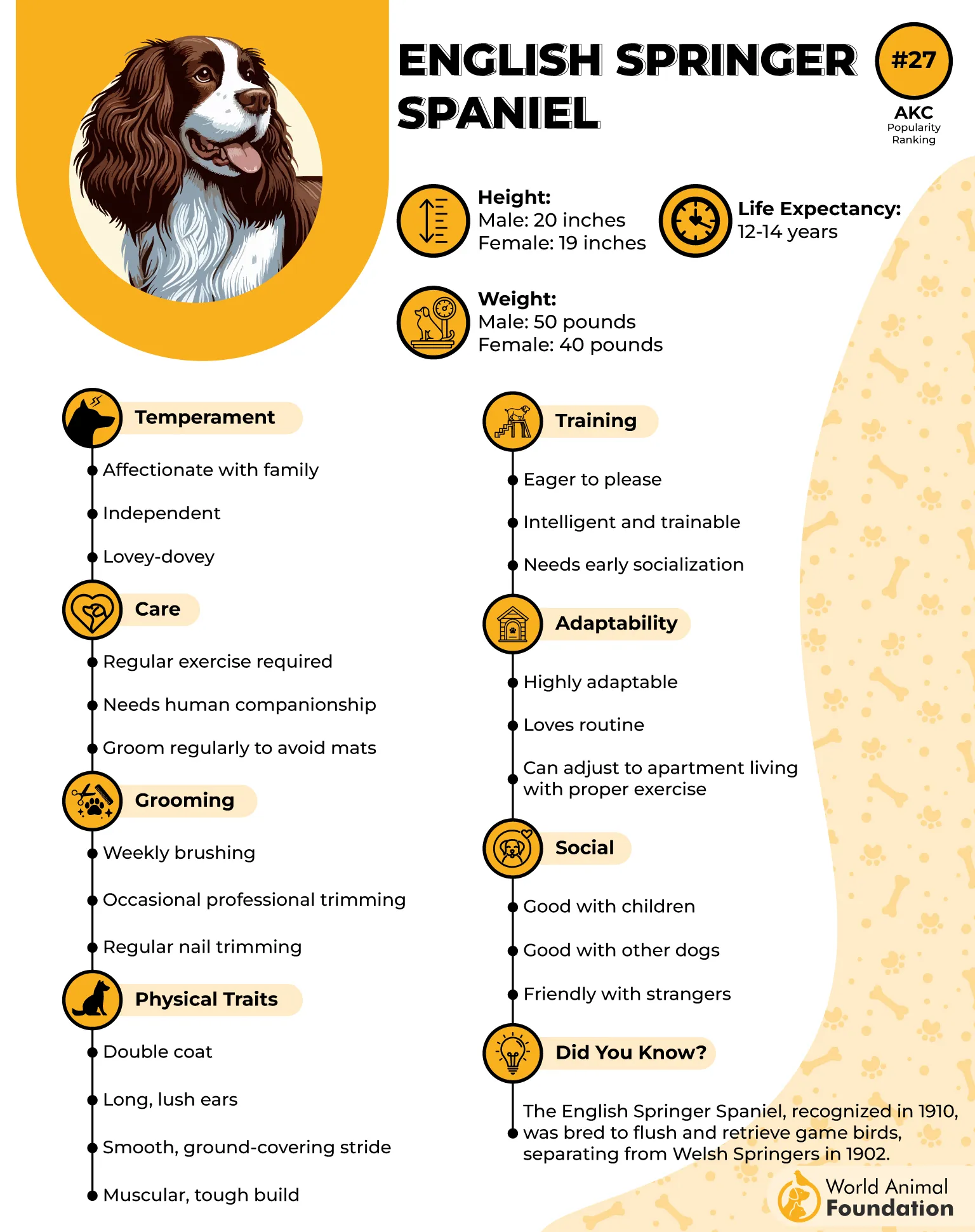
6. English Springer Spaniel
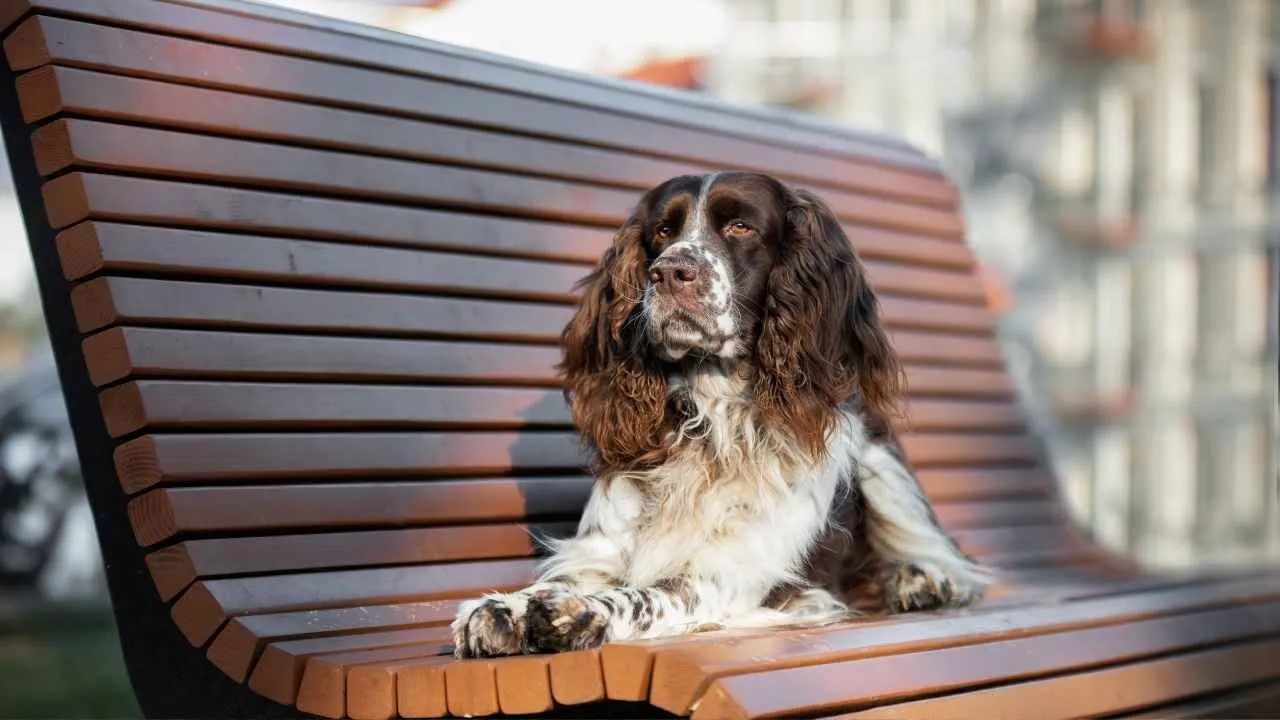
English Springer Spaniel is recognized for a natural drive linked to flushing birds during hunts, a trait that shaped its original working purpose.
The name “springer” comes from its ability to push game into flight for hunters. Alongside this working instinct, the breed is also valued as a companion and show dog.
Energetic Working Nature
A lively mindset and eagerness for structured activity make this breed responsive to training and daily routines. It thrives when given clear tasks and enough space for movement and exploration.
This is how they translate their energy in daily life:
Enjoys structured training tasks
Responds well to regular exercise
Strong focus on bird movement
Lifestyle Fit and Management
This breed benefits from consistent physical outlets that match its active working background, especially in open outdoor spaces.
Its strong interest in birds means careful management around avian pets is necessary. Regular engagement keeps its temperament steady and balanced in home environments.
7. Border Collie
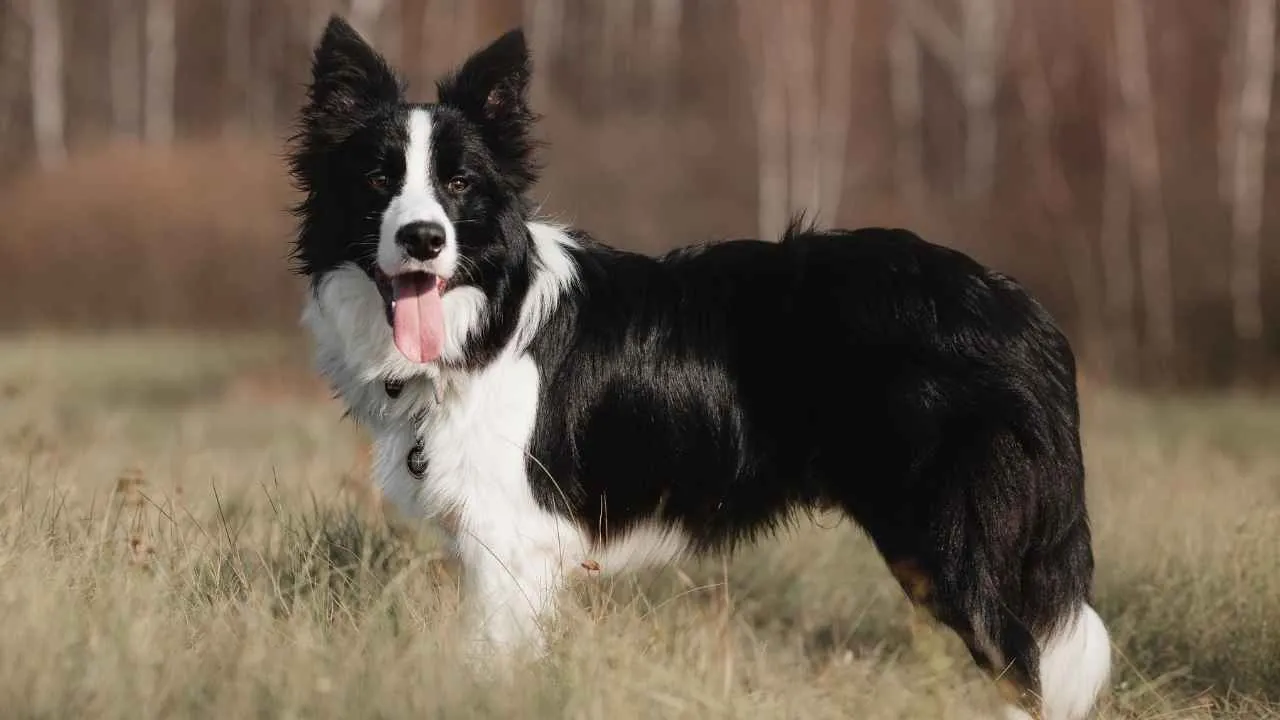
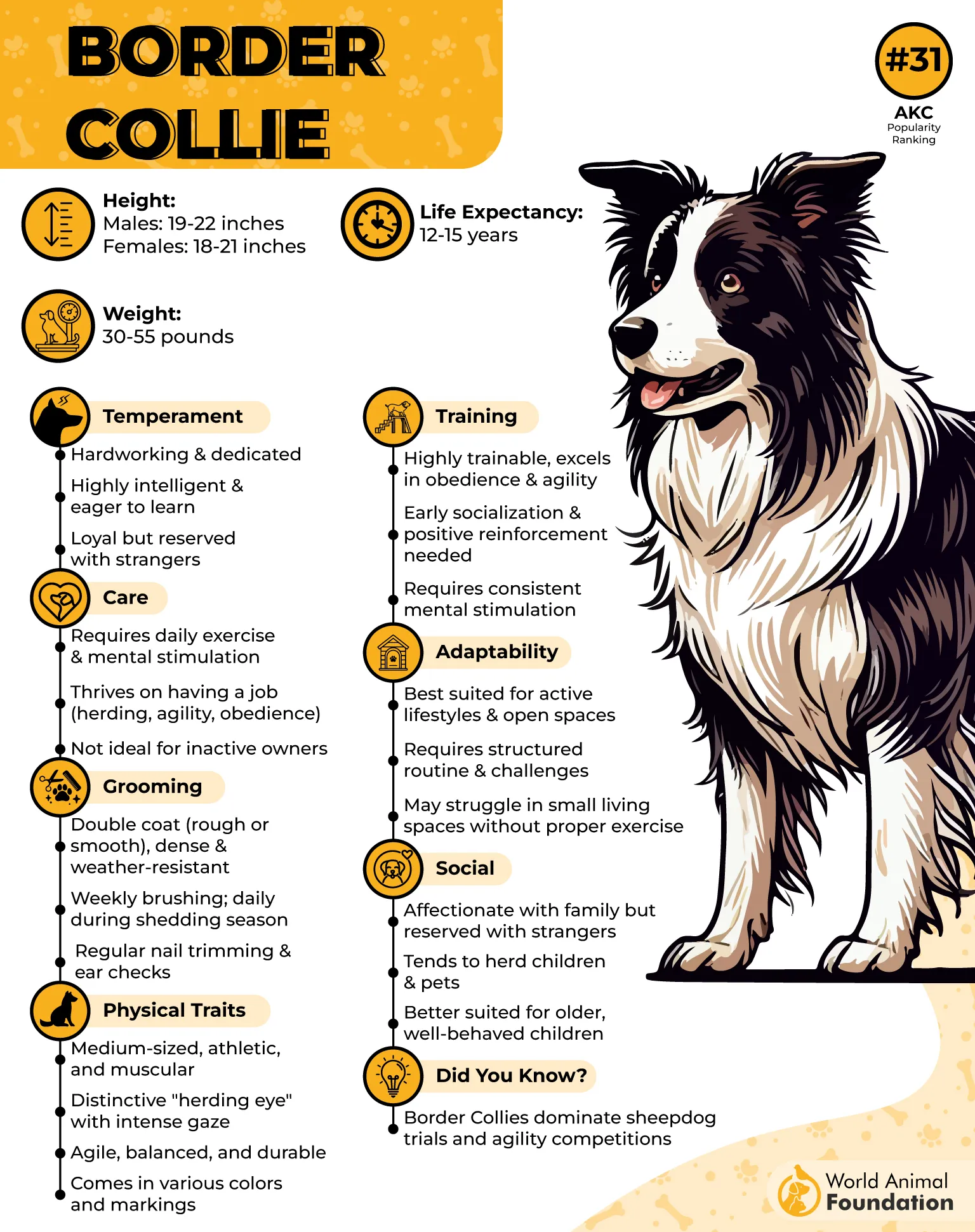
Border Collie is driven by intense focus and fast reactions, originally shaped for guiding livestock across farms in Great Britain. Its sharp awareness and rapid movement define how it engages with its surroundings. Even in modern settings, that instinct stays active in daily behavior.
High-Energy Working Mind
This herding breed is widely recognized for strong intelligence paired with nonstop activity, making structure essential in daily life. Without direction, its energy often shifts into unwanted habits, so tasks and engagement matter.
A brief breakdown of key traits:
Strong response to fast-moving objects
Quick learning through repetition
High need for mental engagement
Instinct in Everyday Life
Border Collies often react to movement around them, sometimes attempting to guide or organize people and animals in their space. This herding-driven behavior can appear even during casual home routines. Its alert mindset keeps it continuously engaged with its surroundings.
Conclusion
Prey drive changes the way a dog experiences everyday life. What looks like sudden excitement is often an instinct shaped through generations of purposeful work and selective breeding. These high prey drive dogs notice movement quickly, stay engaged with their surroundings, and often find satisfaction in the act of pursuit itself.
That intensity can become incredibly rewarding when paired with structure, training, and meaningful outlets. Knowing this trait matters far more than simply labeling a dog as active or energetic. The right environment allows these high prey instincts to become strengths instead of challenges, creating a more balanced and enjoyable partnership.
