




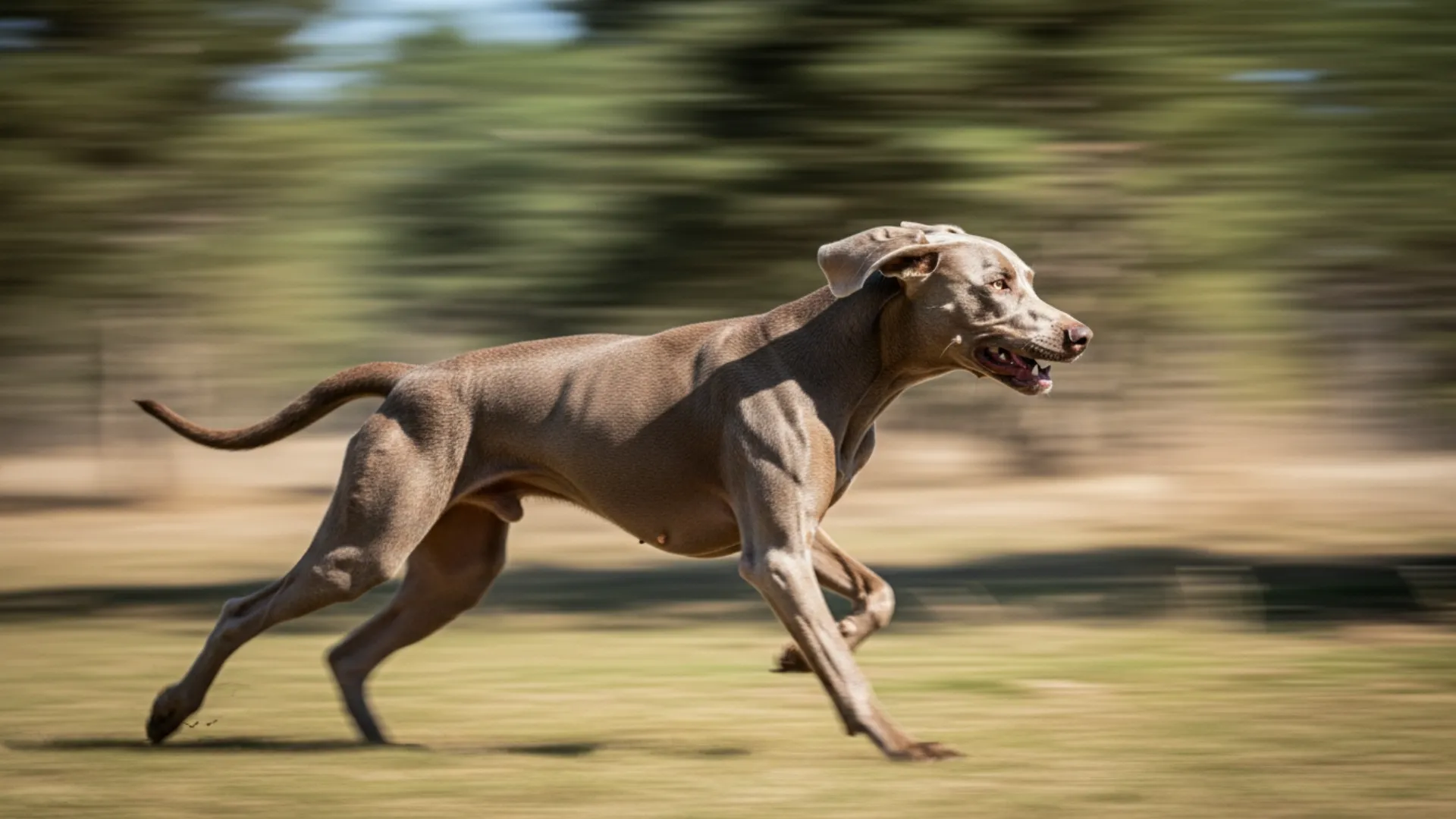
Some dogs can ignore movement around them, while others instantly lock onto anything that runs, jumps, or scurries. This reaction is known as prey drive, an instinct deeply rooted in a dog’s genetic makeup.
It reflects a natural sequence of behaviors such as stalking, chasing, and capturing, shaped over generations when dogs worked alongside humans as hunters and trackers.
Dogs with a strong prey drive often display clear traits, including intense focus, quick reactions, and persistent chasing behavior. They may become highly alert to small animals or fast-moving objects, making them energetic, driven, and loving companions.
While these qualities can be impressive, they also require understanding, as such instincts are not easily eliminated but can be guided.
Training and early socialization play a crucial role in managing prey-driven behavior. With structured routines, positive reinforcement, and proper outlets like interactive play, these instincts can be redirected healthily.
When handled correctly, high prey drive dogs become disciplined, engaging companions that thrive with purpose and guidance.
Top Dog Breeds Driven by a Powerful Prey Drive
1. Border Collie
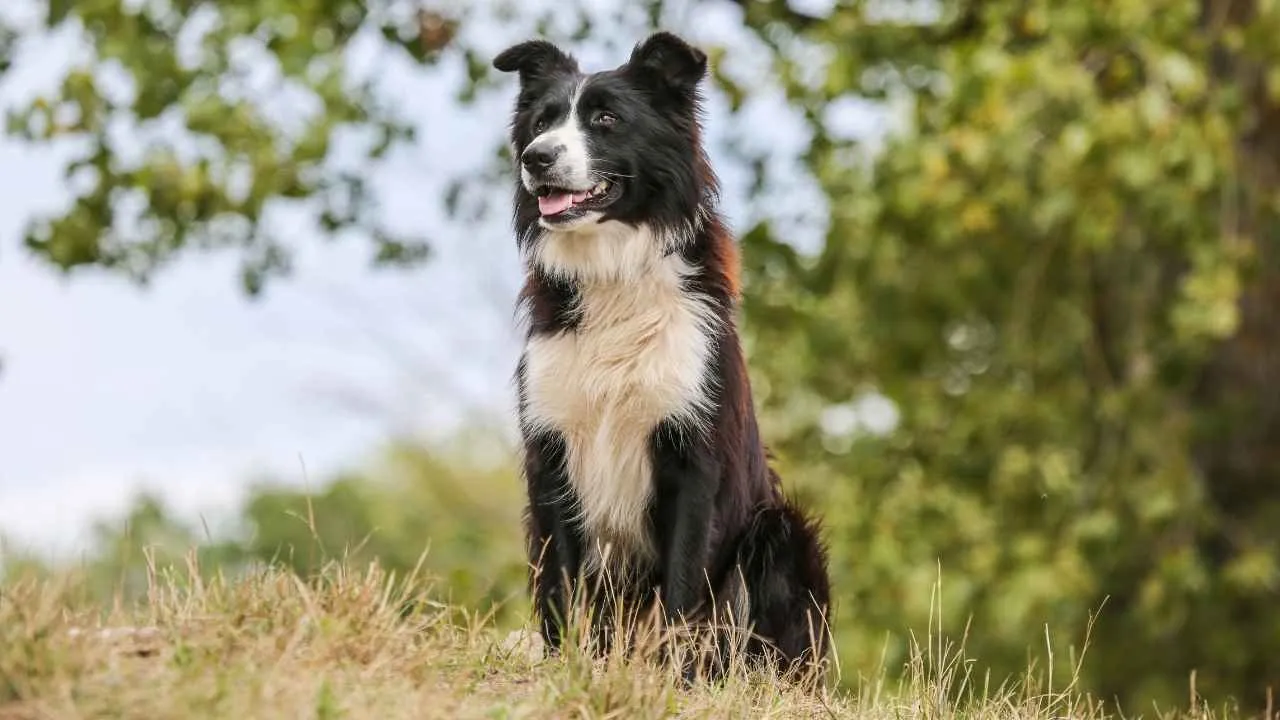
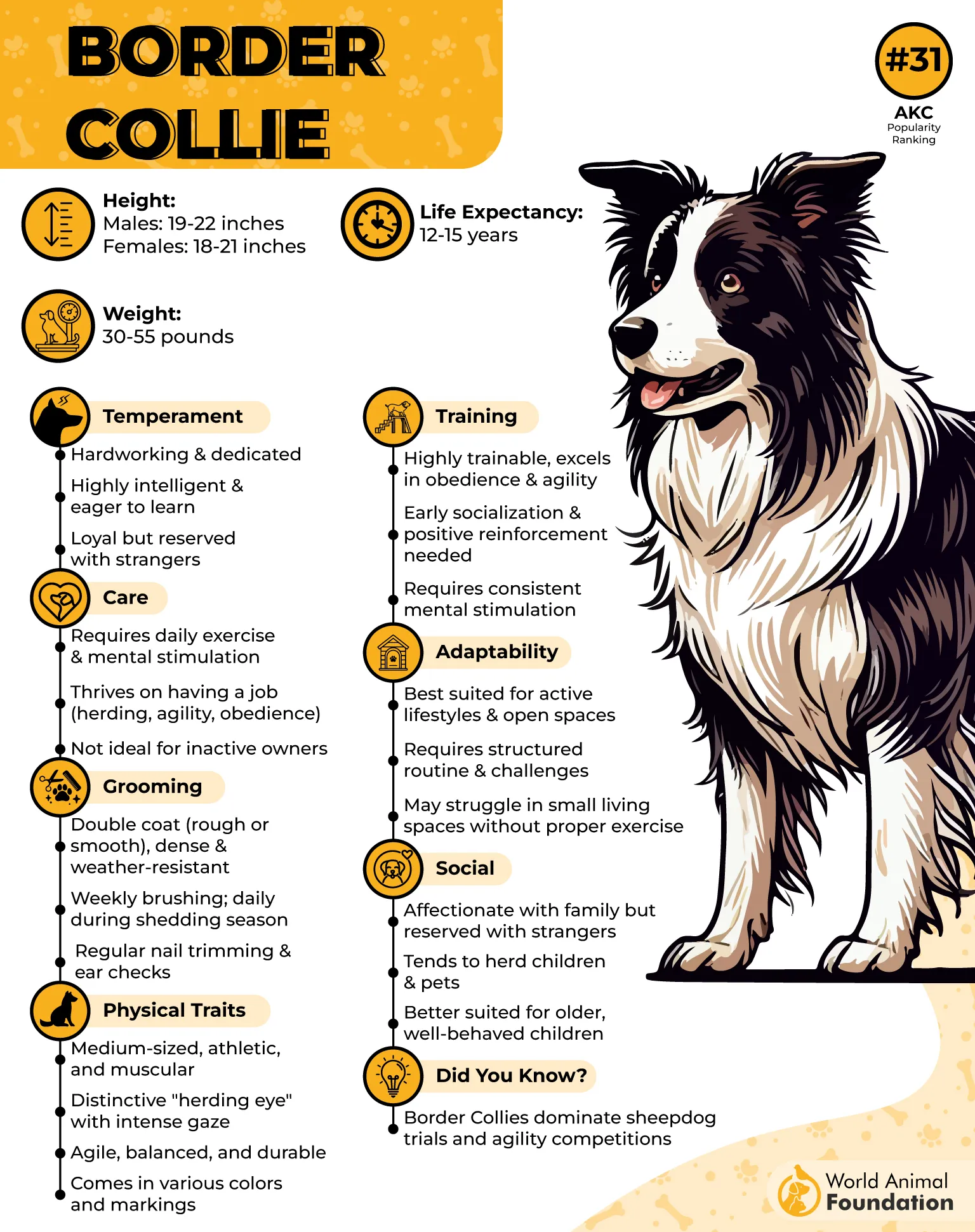
The Border Collie, sometimes referred to as a working collie or sheepdog, is a highly intelligent herding breed known for its sharp gaze, athletic build, and unmatched focus. Originating from the Anglo-Scottish border, it was bred to manage livestock with precision and control.
According to Hill’s Pet, the Border Collie is a highly intelligent and active working dog that thrives on activity and companionship, with strong herding instincts and a protective nature toward its family.
The Fast and Focused Hunter with Intense Drive
Border Collies possess an intense prey drive rooted in their herding instincts, often fixating on movement with remarkable concentration. Once engaged, they pursue their target with speed and unwavering determination.
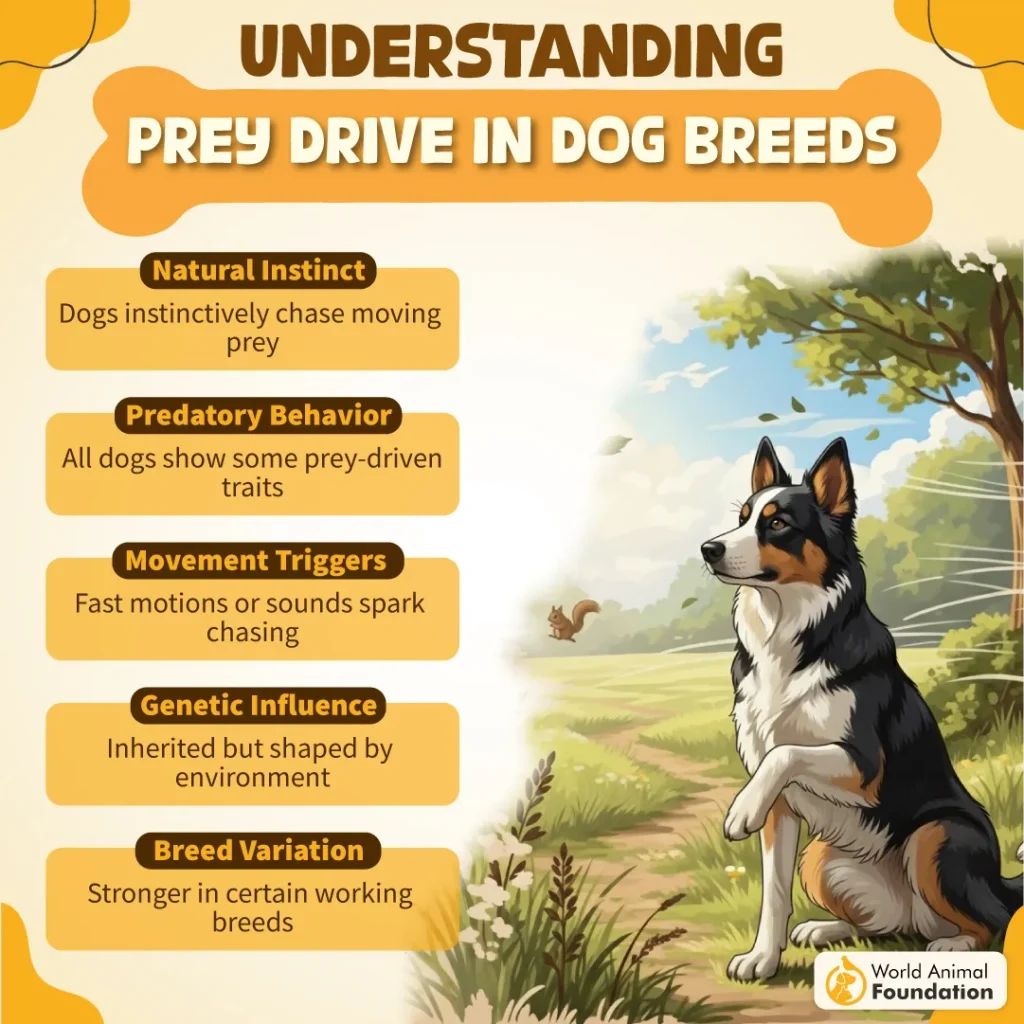
Their sharp awareness and quick reactions make them exceptional at tracking and controlling animals. However, this same instinct can lead them to chase smaller pets or even attempt to herd children.
This hunting breed thrives on both physical activity and mental stimulation, requiring plenty of space and structured tasks. Without proper outlets, their energy and drive can become overwhelming.
Despite their high intensity, they are affectionate and great family dogs when well-trained and socialized. Early guidance is essential to channel their instincts into controlled and positive behaviors.
Fact: Border Collies are widely regarded as one of the most intelligent dog breeds, with a strong prey drive driven by their natural herding instincts.
2. Weimaraner

The Weimaraner, often nicknamed the “Gray Ghost” or simply “Weim,” is a sleek German hunting dog known for its steel-gray coat, athletic build, and striking eyes. Originally bred as an all-purpose gun dog, it combines speed, stamina, and sharp intelligence.
According to Purina, the Weimaraner is an alert, trainable, and affectionate breed that thrives in active families, requiring plenty of exercise to stay physically and mentally healthy.
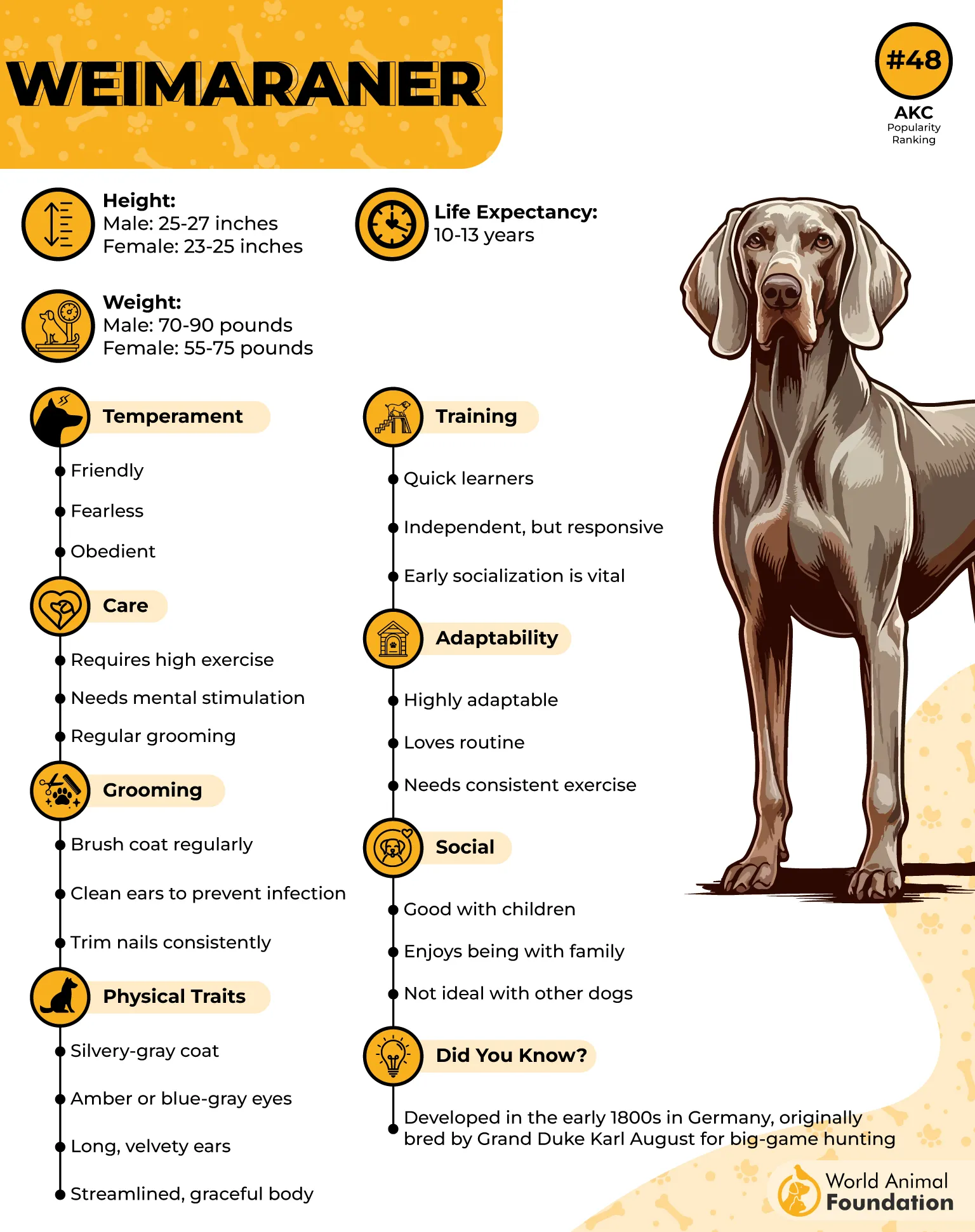
A Determined Tracker Known for Its Relentless Pursuit
Weimaraners possess a powerful prey drive rooted in their history of hunting and retrieving game. They are quick to notice movement and will instinctively pursue smaller animals with focus and determination.
Their tracking ability is supported by strong endurance and alertness, allowing them to stay locked onto a target once engaged. This relentless pursuit makes early training essential to manage their instincts.
This guard dog is highly energetic and intelligent; it requires regular exercise and mental challenges to stay balanced. Without proper stimulation, their drive can lead to unwanted chasing behaviors or mischief.
Despite their intensity, they are affectionate and loyal, often forming close attachments with their families. Their desire to stay near their owners, combined with proper guidance, helps shape them into excellent companions.
Fact: The Weimaraner was originally bred in Germany to hunt large game and is known for its nickname “Gray Ghost” due to its sleek gray coat and stealthy movement.
3. Australian Cattle Dog
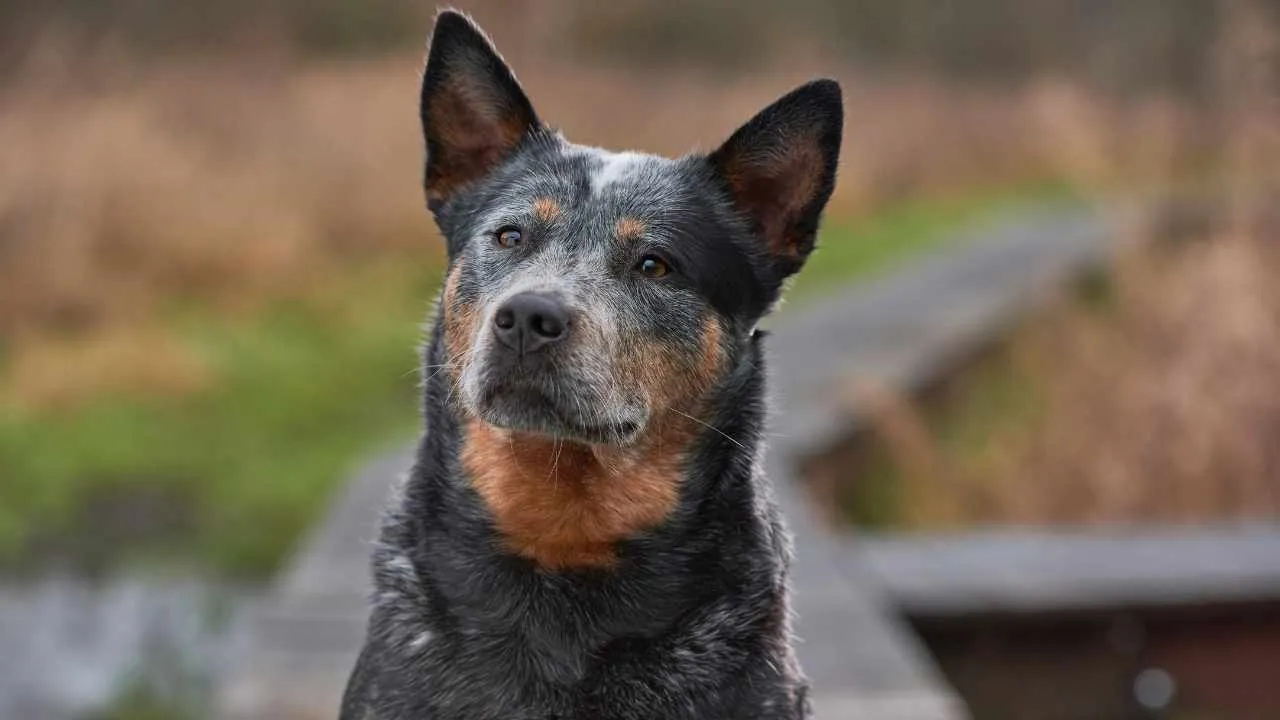
The Australian Cattle Dog, also known as the “Blue Heeler” or “Red Heeler,” is a rugged and intelligent working breed recognized for its compact strength, alert ears, and speckled coat. This popular breed developed for herding livestock; it is known for endurance, quick thinking, and strong instincts.
According to Britannica, the Australian Cattle Dog is an intelligent, high-energy, and independent breed that thrives on physical and mental challenges, showing loyalty to family while being wary of strangers.
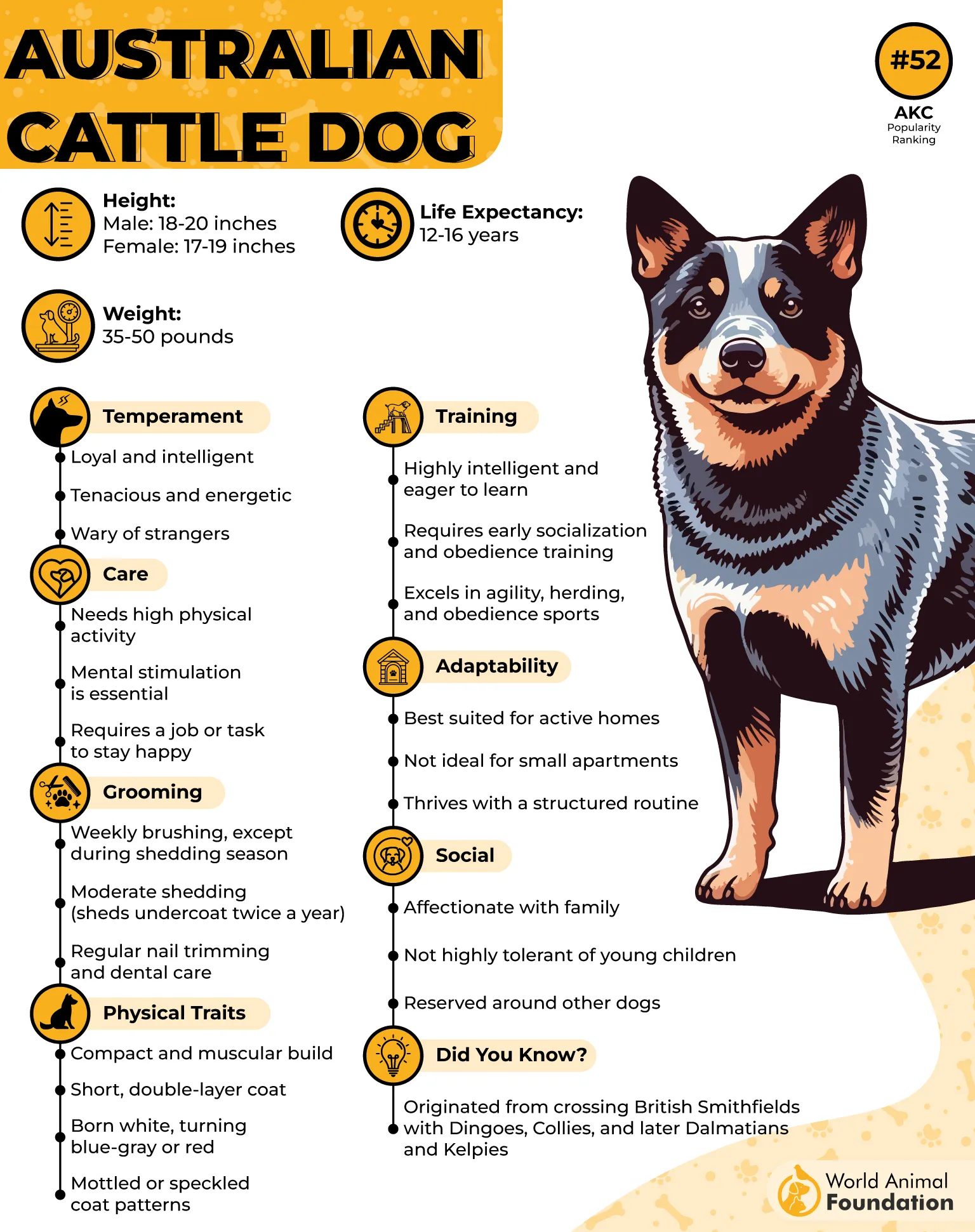
The Agile Breed That Excels in Chasing and Capturing
Australian Cattle Dogs have a powerful prey drive rooted in their herding background, often chasing anything that moves with sharp focus. Their instinct to control movement makes them quick and precise in pursuit.
This energetic dog breed is highly agile and reacts instantly to motion, making it excellent at tracking and controlling animals. However, this same instinct can lead to chasing small pets or nipping at heels, especially in active environments.
They require constant mental and physical stimulation, as boredom can quickly turn into destructive behavior. Structured activities and training help channel their intense energy into productive outlets.
While affectionate with their families, they can be independent and strong-willed, requiring firm and consistent guidance. With proper training, they become loyal companions capable of managing their natural drive effectively.
Fact: Australian Cattle Dogs are born with strong herding instincts that can include chasing and heel-nipping behaviors, even when raised in a home environment.
4. Beagle
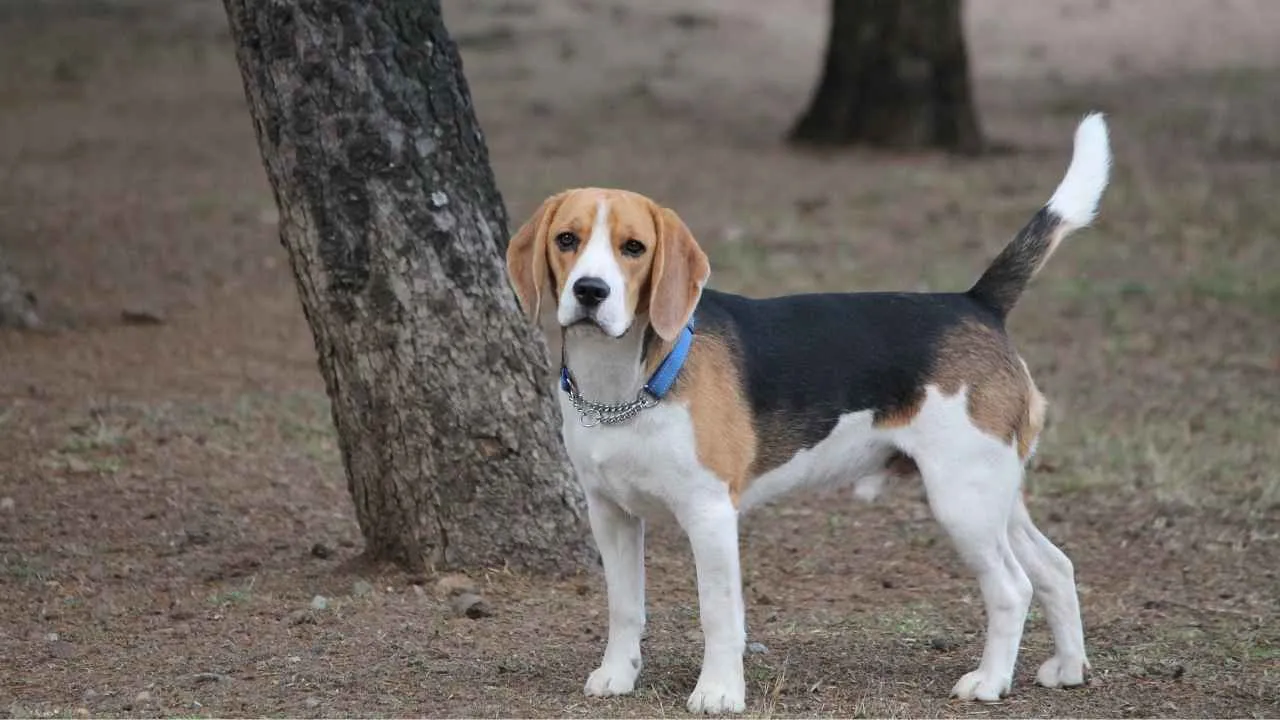
The Beagle, sometimes called a pack hound or even the “Pocket Beagle” in smaller varieties, is a compact scent hound known for its long ears, expressive eyes, and keen nose. Originating in England, it was bred to hunt small game with remarkable stamina and precision.
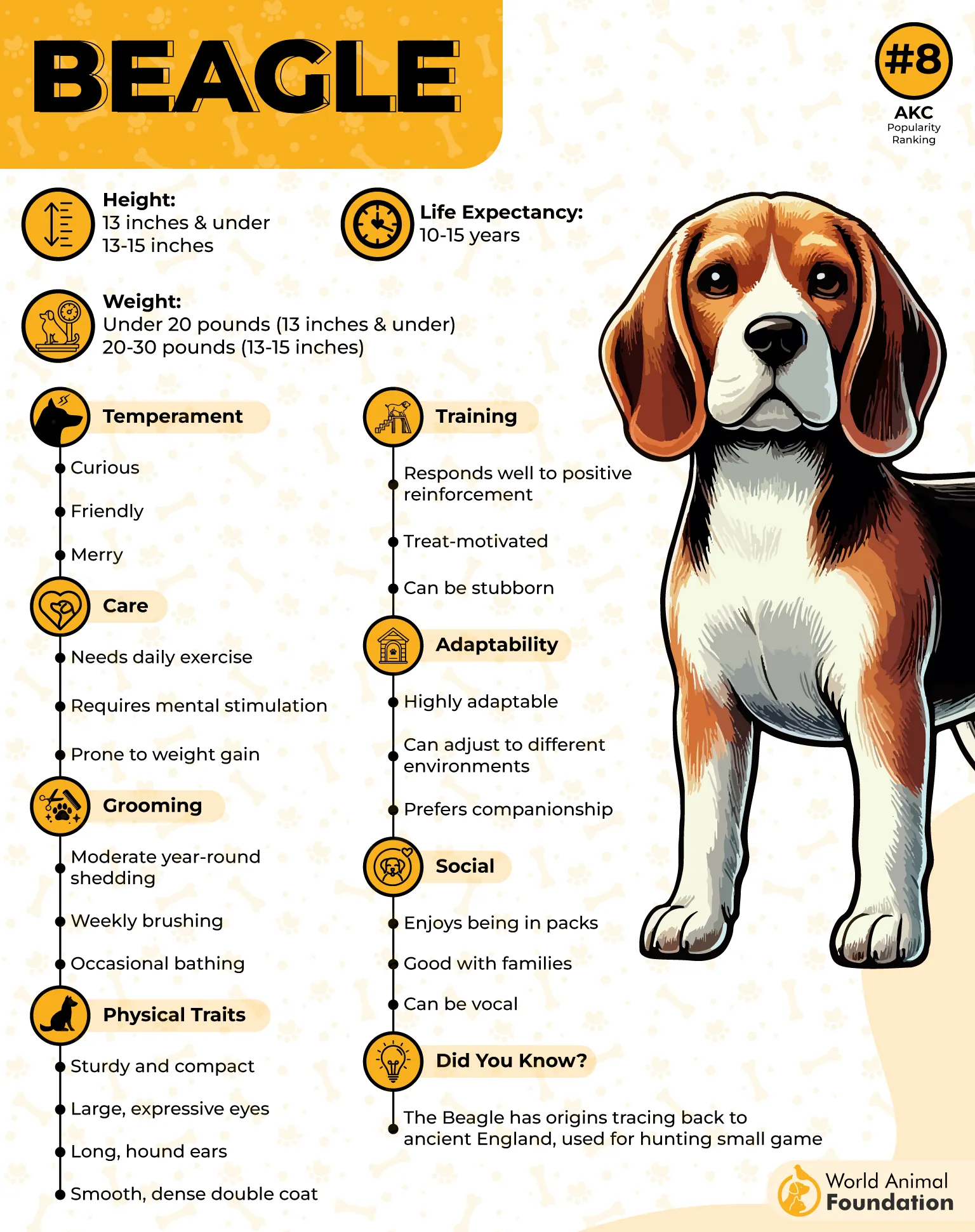
A Sharp-Instinct Dog with Exceptional Hunting Skills
Beagles possess an outstanding prey drive driven by their powerful sense of smell, often following scents with unwavering focus. Once they pick up a trail, they can become completely absorbed in tracking it.
Their natural hunting instincts make them skilled at pursuing small animals, relying more on scent than sight. This strong tracking ability can lead them to wander or chase if not properly supervised.
They are energetic and curious, requiring regular activity and secure environments to prevent them from following interesting scents too far. Consistent training is important, as their independence can make them easily distracted.
Despite their hunting intensity, they are friendly and sociable, thriving in family settings and getting along well with other dogs. Their cheerful nature balances their strong instincts when guided correctly.
Fact: Beagles were originally bred to hunt in packs and are known for their exceptional scenting ability and stamina when tracking small game.
5. Rhodesian Ridgeback
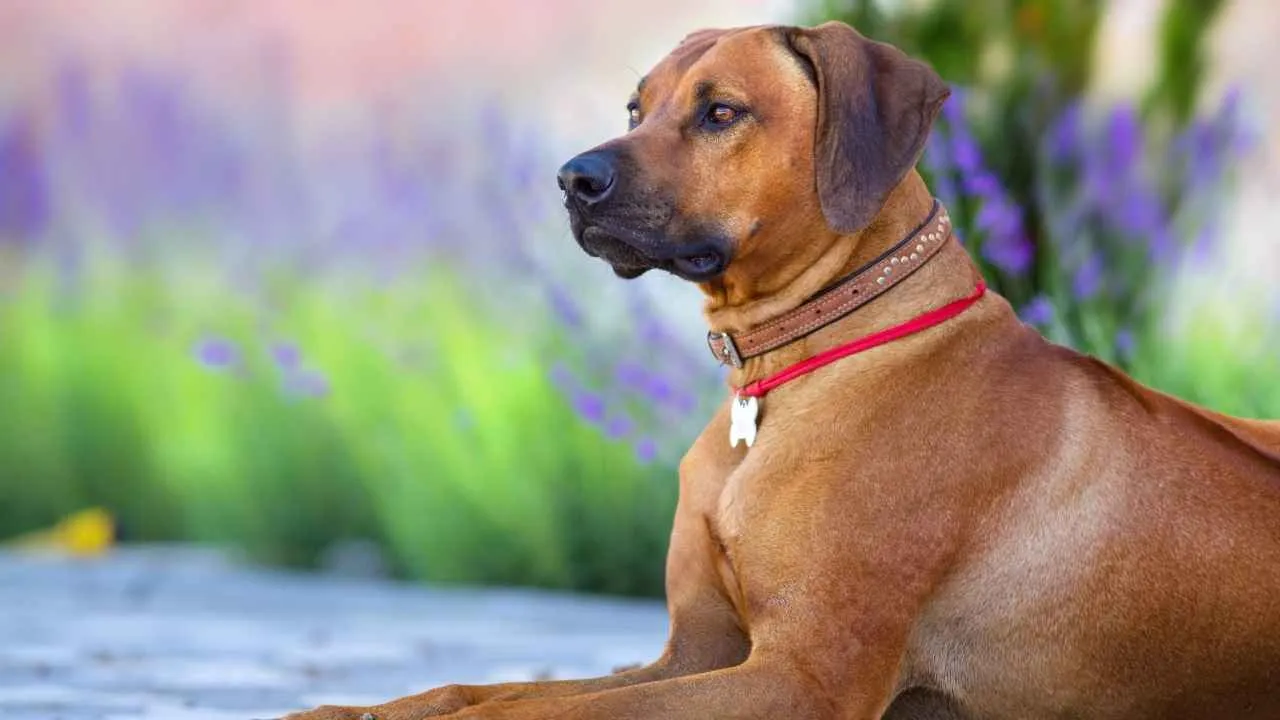
The Rhodesian Ridgeback, sometimes called the “African Lion Hound,” is a powerful and athletic breed recognized for the distinctive ridge of hair running along its back. Originating in southern Africa, it was developed for tracking and controlling large game, giving it strength, confidence, and independence.
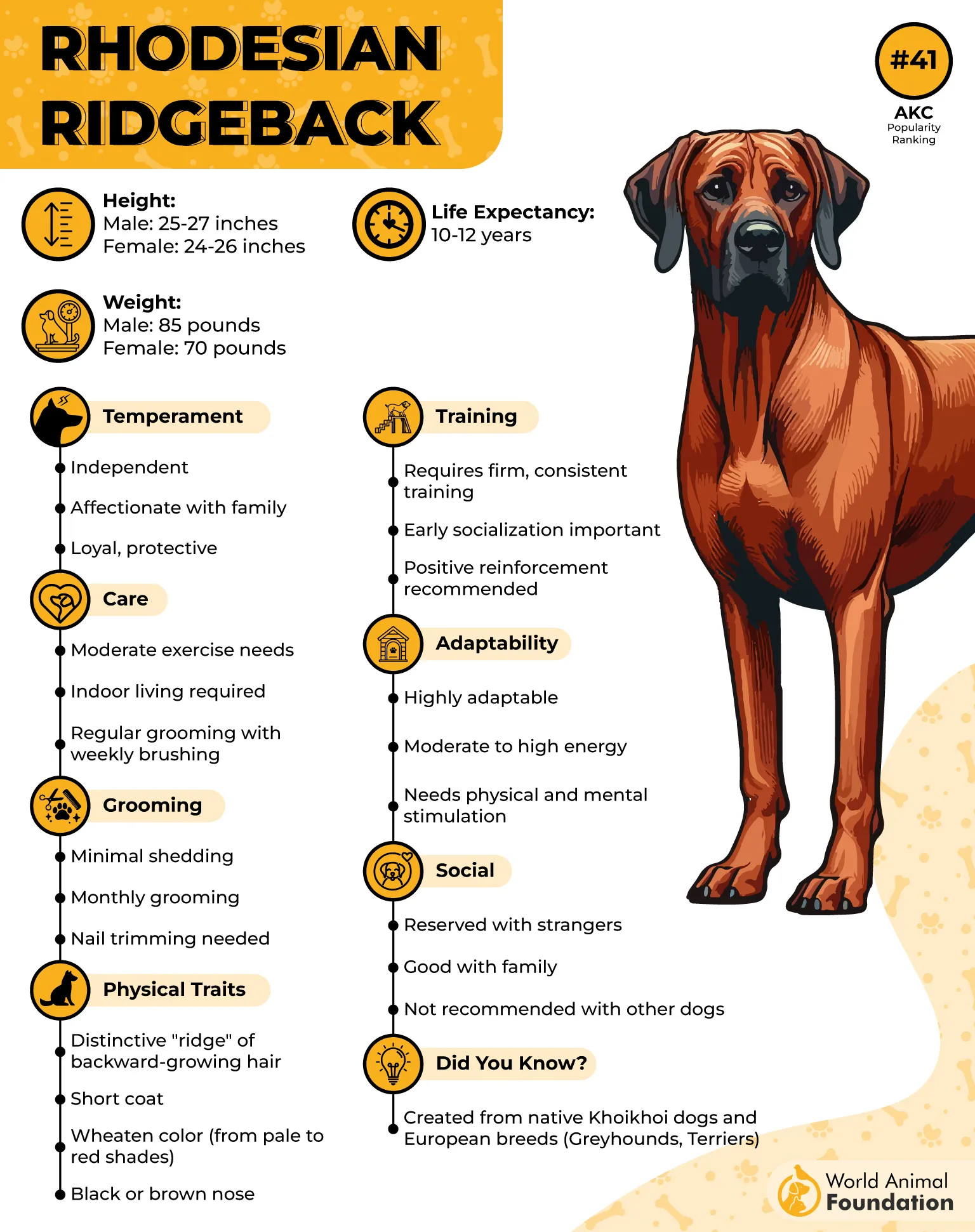
The Energetic Pursuer That Thrives on Movement
Rhodesian Ridgebacks have a strong prey drive shaped by their history as hunters, often reacting quickly to movement. Their instinct to chase makes them highly focused when pursuing smaller animals.
They are energetic and require regular exercise to stay balanced, thriving in environments where they can move freely. Without proper outlets, their drive can make leash control and outdoor interactions more challenging.
This breed is independent and strong-willed, needing consistent training and clear boundaries to manage its instincts. Secure spaces are important, as they may escape if given the opportunity.
Despite their intensity, they are affectionate and loyal to their families, preferring to stay close to their people. They typically do best in homes with older children and without small pets due to their strong hunting instincts.
Fact: Rhodesian Ridgebacks were originally bred to track and hold lions at bay, which contributes to their powerful prey drive and fearless nature.
6. Saluki
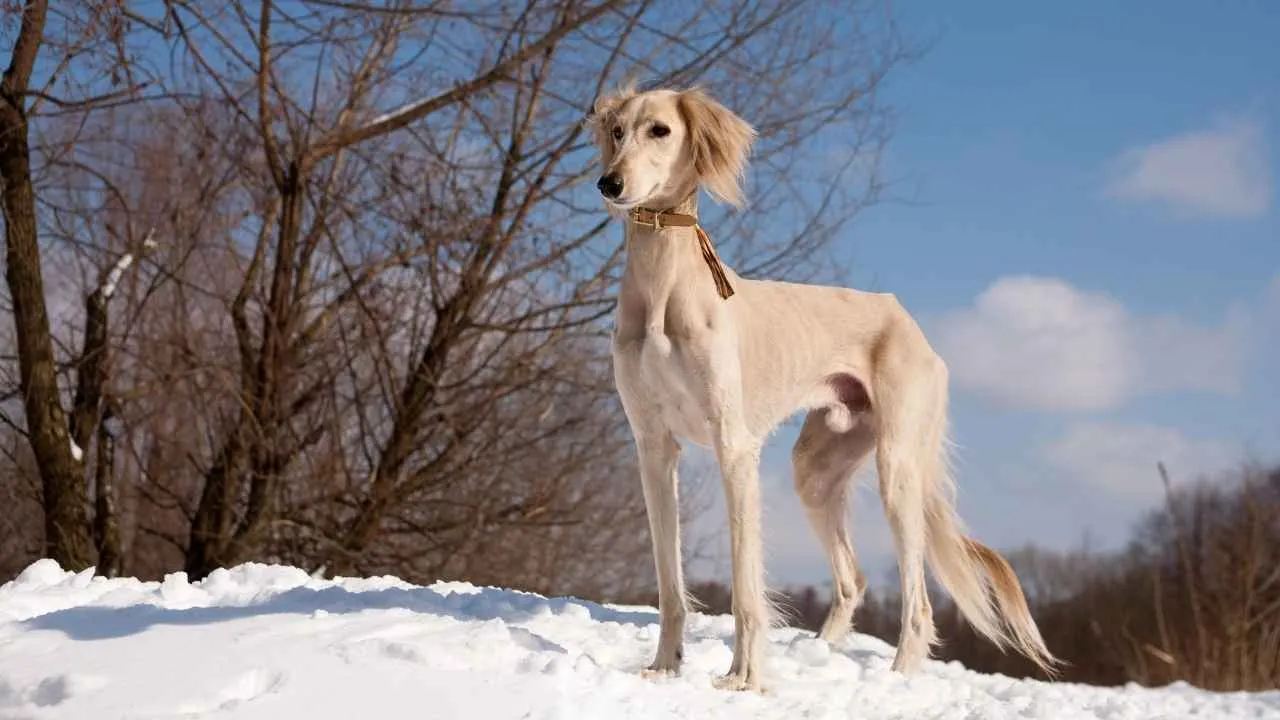
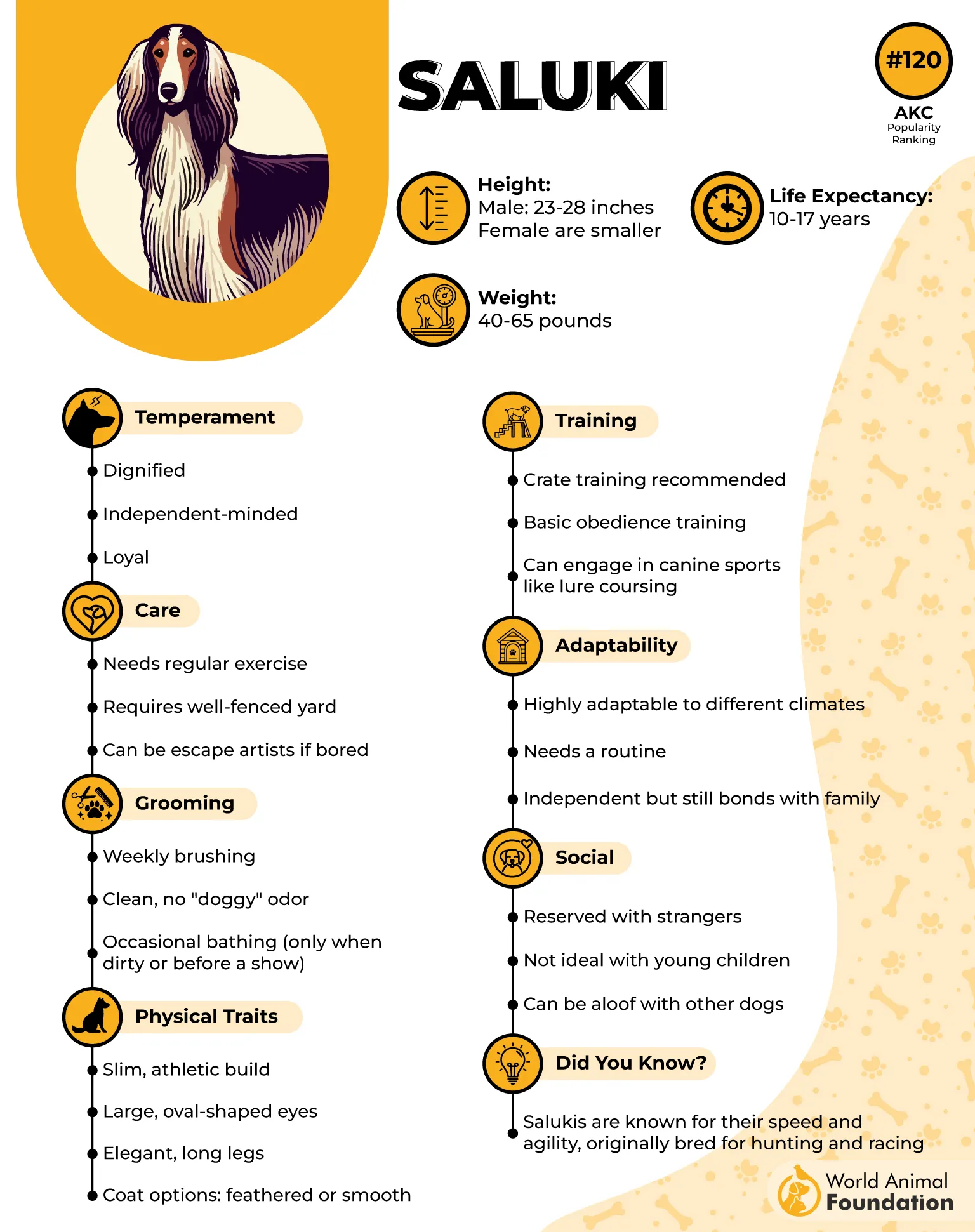
The Saluki, also known as the “Persian Greyhound” or “Royal Dog of Egypt,” is a graceful sighthound admired for its slender build and flowing, feathered coat. With a long, narrow head, silky ears, and an elegant tail, this ancient breed carries a noble and refined presence.
A Fearless Breed with Strong Natural Hunting Tendencies
Salukis possess a powerful prey drive rooted in their history as desert hunters, where speed and sharp vision were essential. Their instinct to chase moving targets remains strong, making them highly alert outdoors.
They are incredibly fast and agile, and once relied upon to pursue swift animals across open landscapes. This natural drive means they require secure areas, as they may sprint after anything that catches their attention.
Despite their hunting instincts, they are gentle and calm dogs, often reserved in the home, and often form deep bonds with their families. Their affection is quiet rather than overly expressive, and they tend to be distant with unfamiliar people.
Salukis value companionship but maintain an independent streak, blending loyalty with a calm, dignified nature. They prefer peaceful environments and do not enjoy being left alone for long periods.
Fact: Salukis were so treasured in ancient Egypt that they were often mummified alongside royalty, reflecting their revered status.
7. Afghan Hound
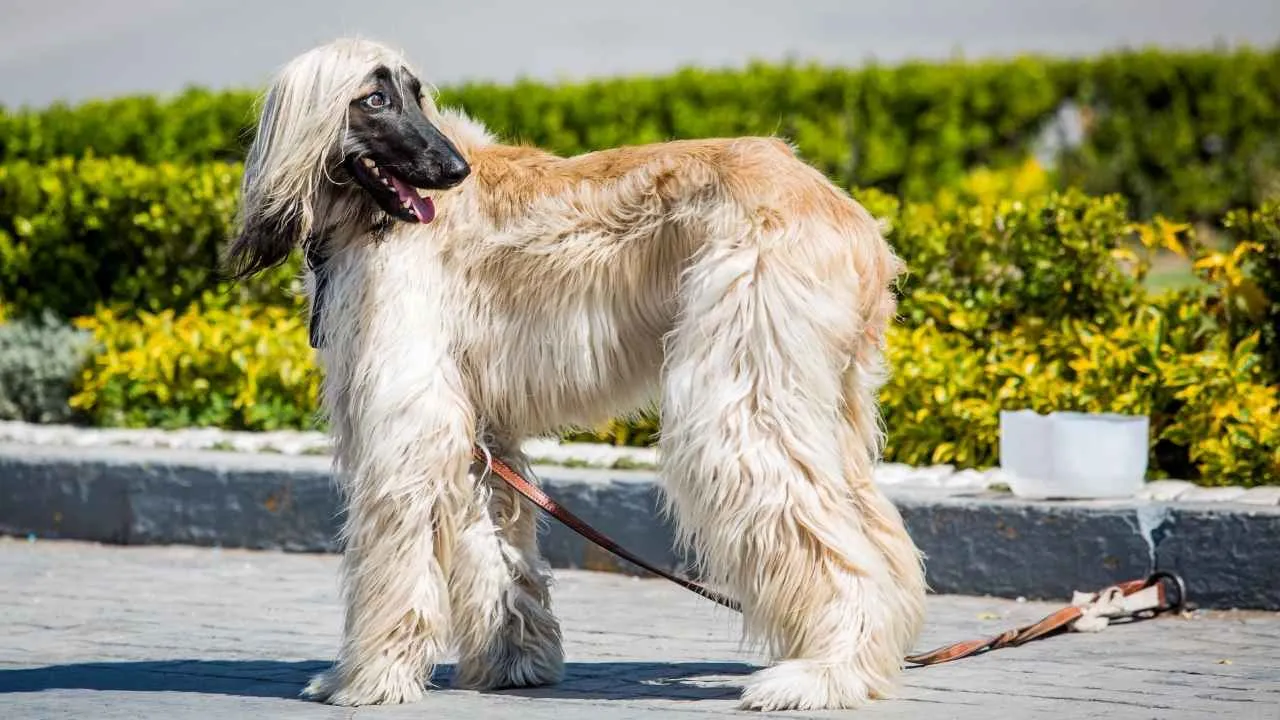
The Afghan Hound, also known as the Tazi or Afghan Greyhound, is a regal sighthound admired for its flowing coat and refined, aristocratic presence. Originating from ancient regions of Afghanistan and neighboring lands, this breed carries both elegance and a deeply rooted hunting heritage.
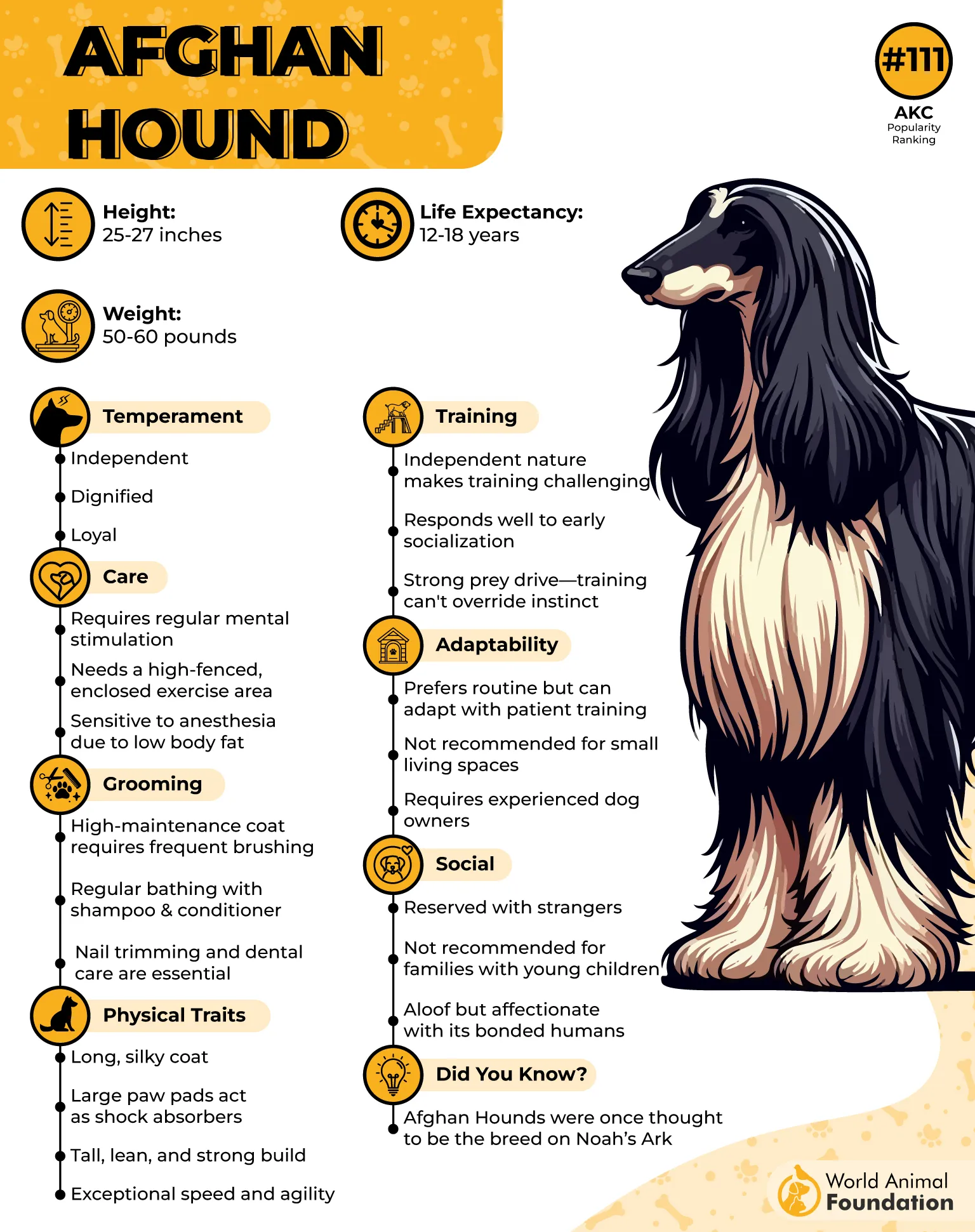
The Alert and Persistent Dog Built for the Chase
Bred to hunt by sight, Afghan Hounds possess an intense instinct to pursue anything that moves. Their sharp vision and natural alertness make them quick to react, often focusing completely on a target once it captures their attention.
Their athletic build and high energy levels demand open space where they can run freely at full speed. Even with training, their strong chase drive means they should remain in secure areas, as their instincts can easily override commands.
Despite this drive, they are affectionate and loyal to their families, though somewhat reserved with strangers. Their independent nature adds to their charm, blending sweetness with a dignified, sometimes aloof attitude.
Like other pets, they balance bursts of playful energy with calm companionship, forming close bonds while still maintaining their self-reliant personality.
Fact: Afghan Hounds are among the oldest purebred dogs, with origins dating back long before written history.
Conclusion
High-energy dog breeds with a powerful prey drive showcase instinct, focus, and remarkable determination. The breeds highlighted in this article stand out for their alertness, speed, and natural hunting abilities, making them highly responsive to movement and stimulation.
These traits reflect their working backgrounds and give them a strong sense of purpose and engagement.
However, managing a high prey drive requires understanding, training, and consistent structure. Providing proper outlets through exercise, controlled activities, and mental stimulation helps positively channel their instincts.
With responsible ownership and guidance, these dogs can thrive as both active companions and well-balanced members of the household, offering energy, intelligence, and a deeply instinctive connection to their environment.
