




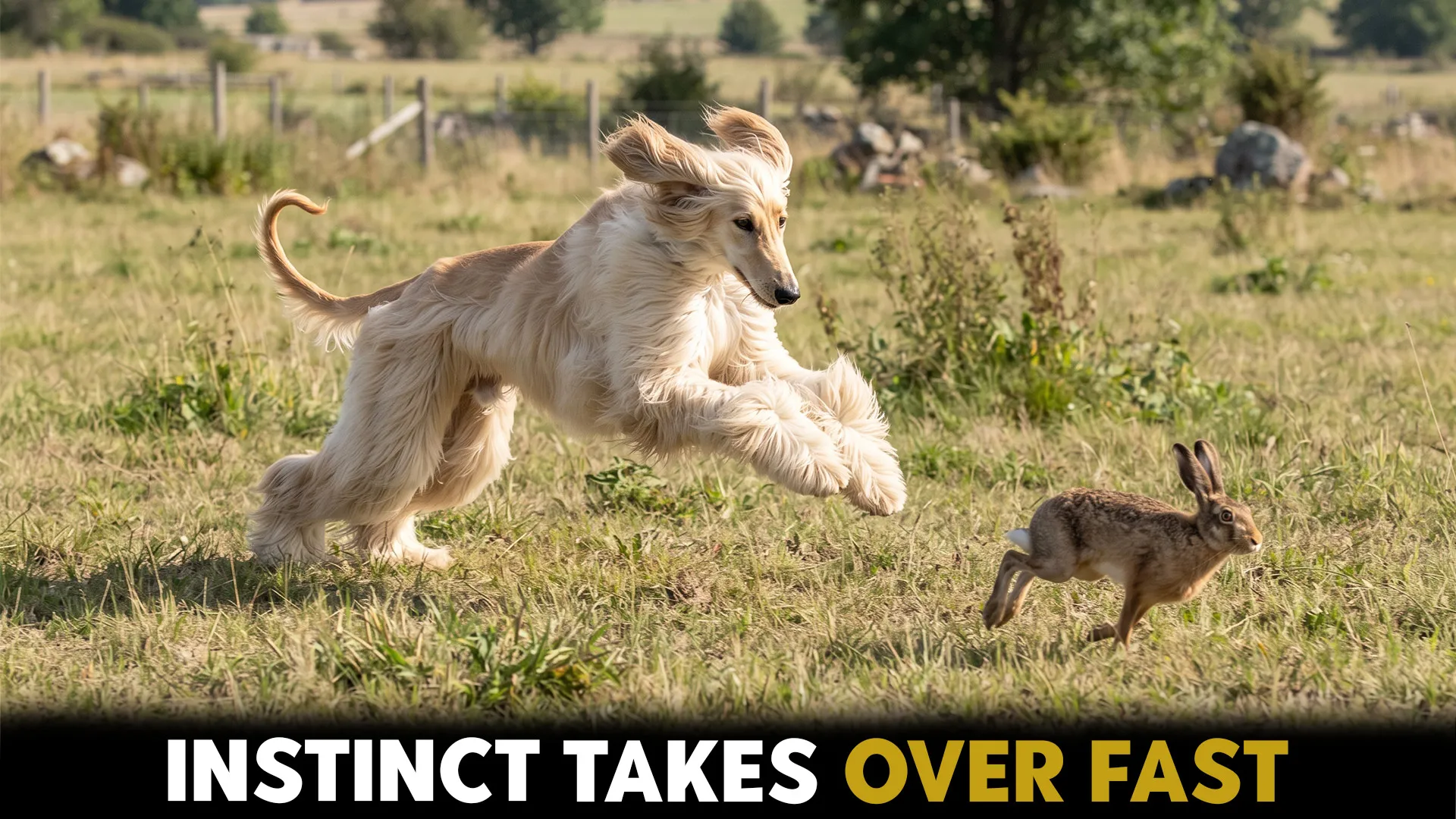
Some dogs see a squirrel and think, “cute.” Others see the same squirrel and instantly activate full mission mode, complete with staring, stalking, sprinting, digging, tracking, or refusing to hear a single word you say. That instinct is known as prey drive, and it comes from behaviors dogs inherited and were selectively bred to use to hunt, chase, locate, or catch animals.
High prey drive isn’t automatically bad, and it definitely doesn’t mean a dog is aggressive. In many breeds, it simply reflects centuries of purpose-built work, whether that involved coursing hare by sight, following rabbits by scent, flushing foxes from dens, or helping hunters locate game across huge stretches of countryside.
Here are seven high-prey-drive dogs in which the hunting instinct is still very much alive.
Best Dog Breeds Displaying High Prey Drive Traits
1. Greyhound
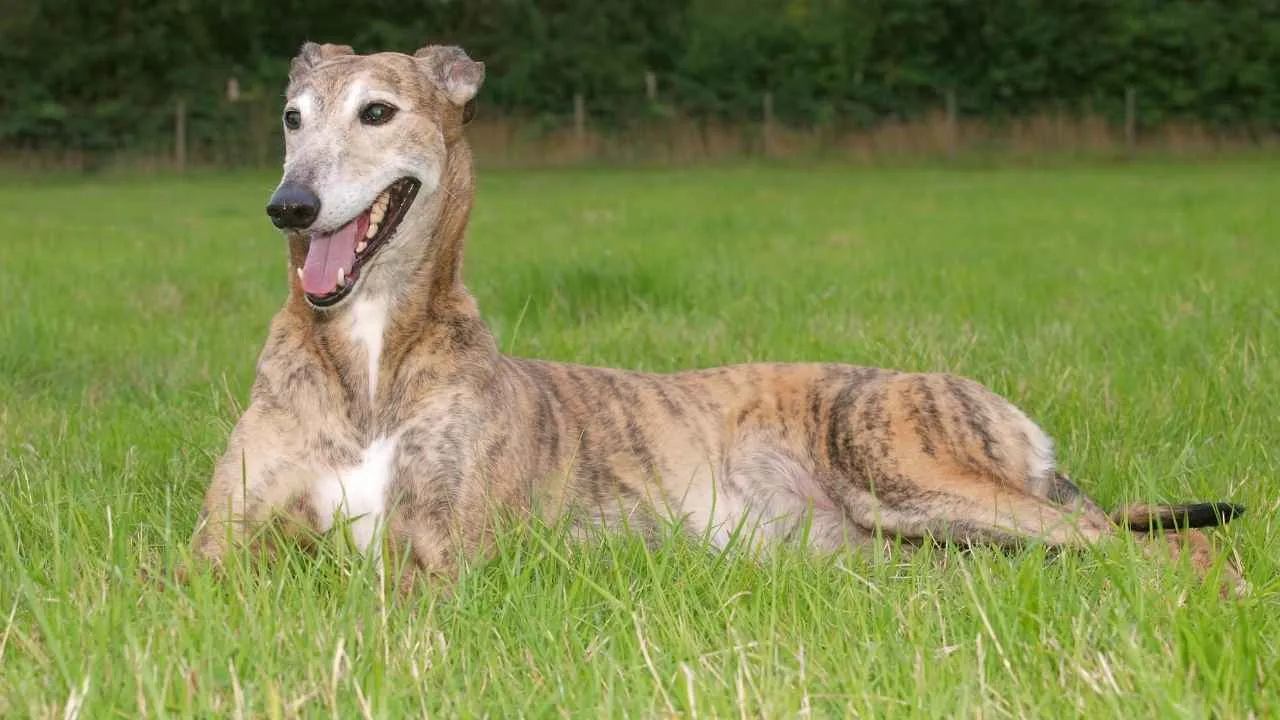
Greyhounds are basically the supercars of the dog world: elegant, aerodynamic, and capable of explosive acceleration when something starts moving. The American Kennel Club calls the Greyhound the fastest dog breed and notes that the hare has historically been its natural quarry.
When a Greyhound spots a rabbit bolting across an open field, generations of visual-hunting instinct can kick in before its human has even finished saying, “leave it.”
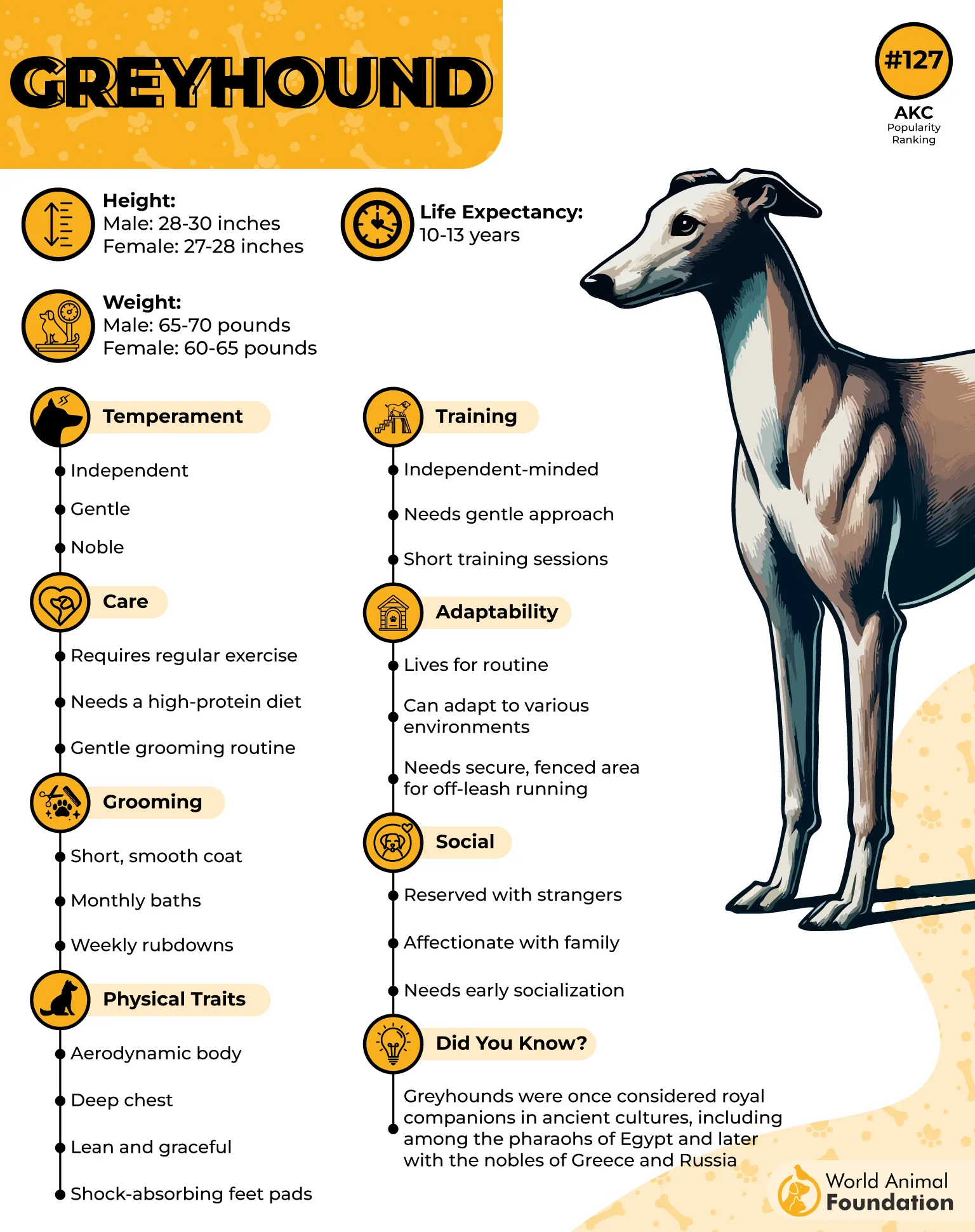
Unlike scent hounds that investigate the world nose-first, Greyhounds are sighthounds, meaning movement is the big trigger. Their long legs, deep chest, narrow body, flexible spine, and enormous stride were built for rapid pursuit rather than plodding along a scent trail for hours.
Here is the plot twist: many Greyhounds are surprisingly chill indoors. Owners of retired racing and coursing dogs often describe them as couch-loving companions between bursts of activity, proving that high prey drive and nonstop hyperactivity aren’t the same thing.
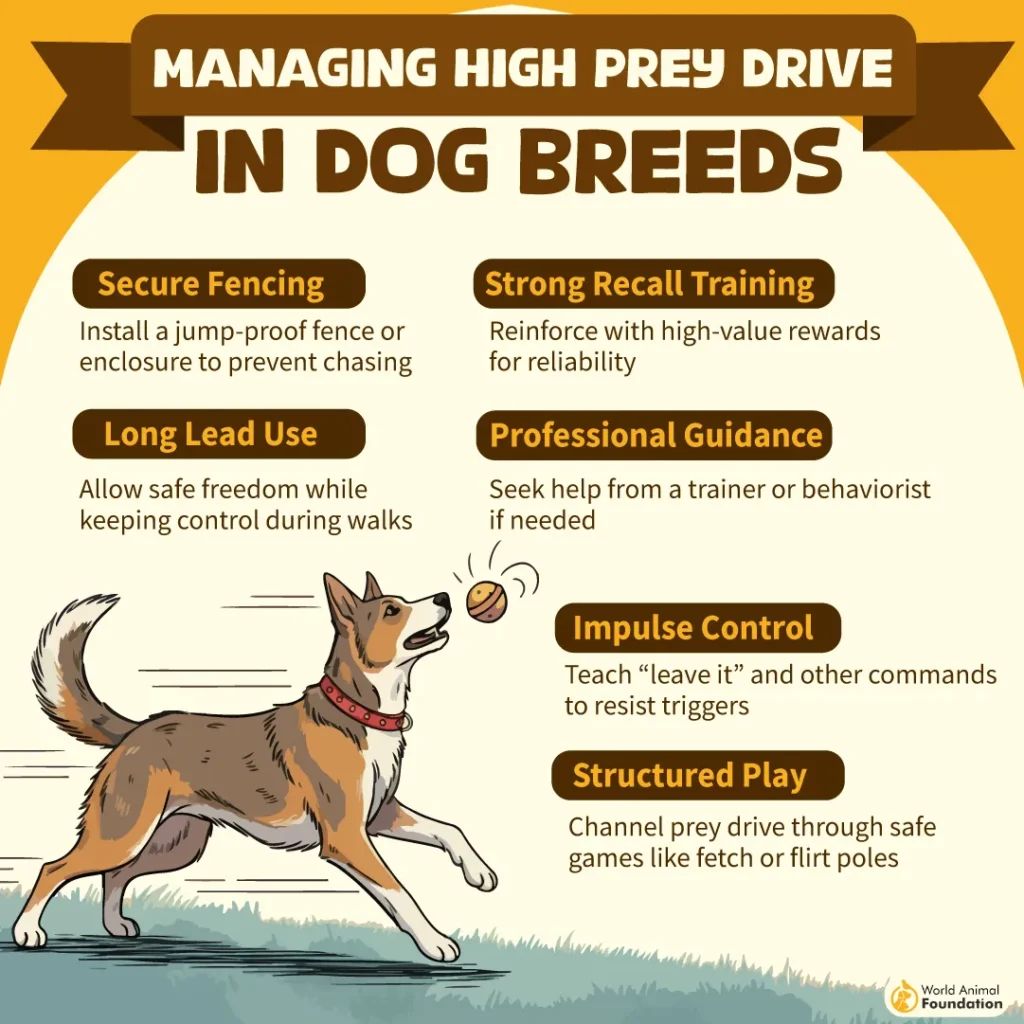
Management matters because speed changes the consequences of a failed recall. A dog that gets loose after wildlife can cover ground frighteningly fast, so securely fenced exercise spaces and leash control are far more sensible than assuming obedience will overpower instinct every time.
2. Jack Russell Terrier
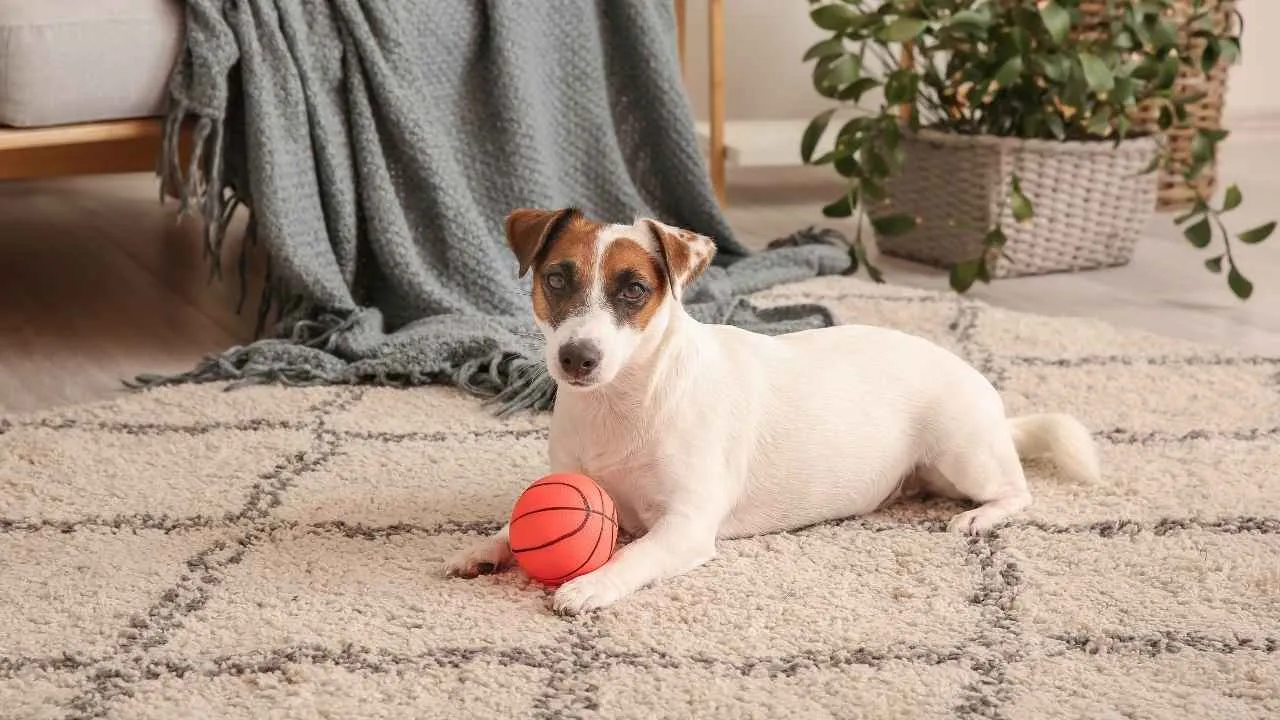
Dogs from the Jack Russell/Russell working tradition were developed to hunt foxes and vermin, including going underground after quarry. Britannica describes the Jack Russell Terriers as eager, tireless working terriers with strong hunting instinct. The breed’s ancestry traces directly to fox-hunting dogs.
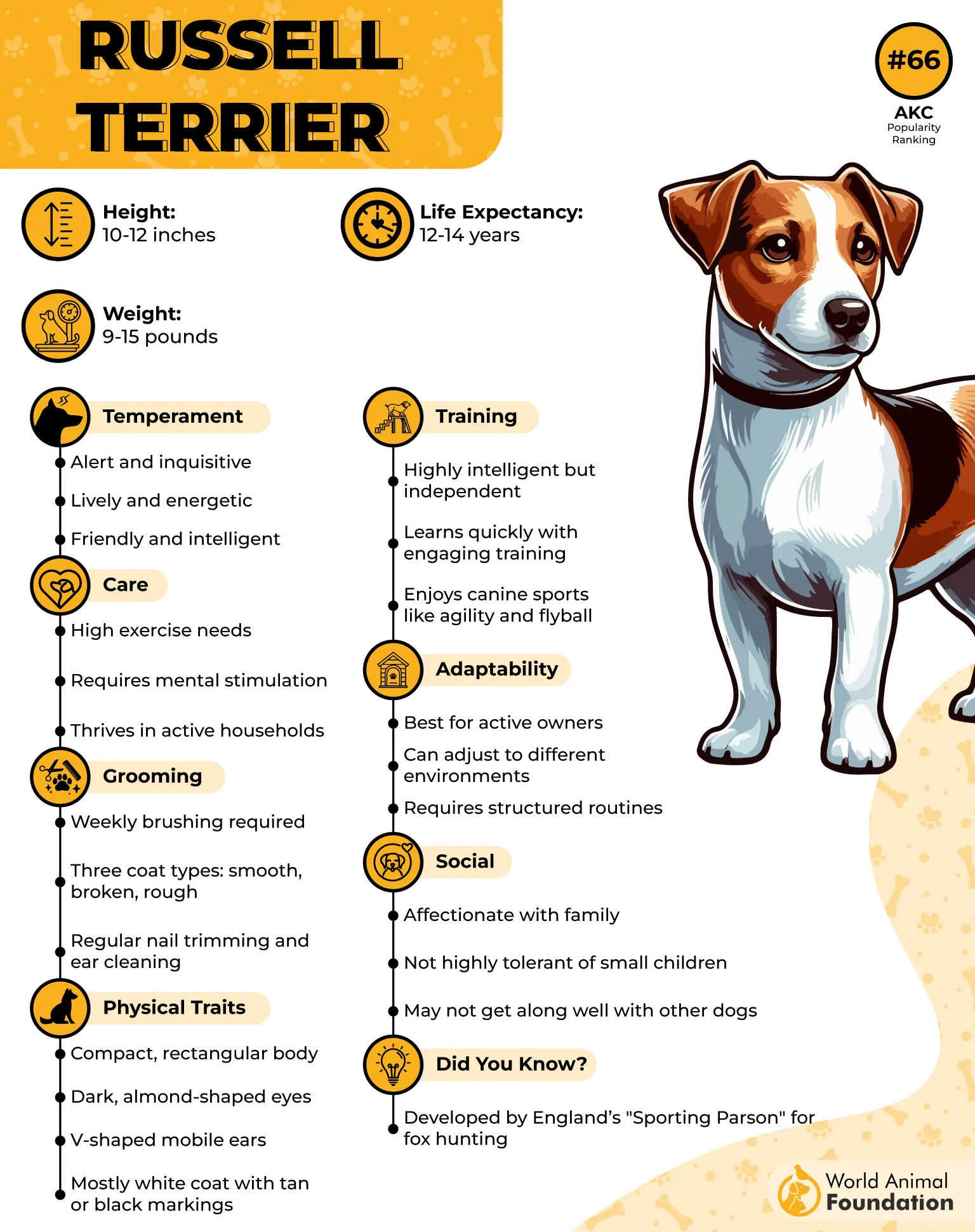
Terrier prey drive feels different from sighthound prey drive because it is not just about running fast after something. They may stare, chase, dig, squeeze into ridiculous spaces, investigate holes, shake toys, and obsess over tiny movements because historically they needed persistence around animals hiding underground.
Their history explains the “never quit” attitude. The Real Jack Russell says reverend John Russell developed fox-hunting terriers that could follow hunts and then enter earths when foxes went underground, and related Parson Russell records describe dogs bred to pursue foxes both above and below ground.
Real-life owners often discover that mental stimulation matters just as much as physical exercise. A Jack Russell that gets walks but no digging opportunities, scent games, training challenges, or toy-based hunting outlets may invent a hobby, and your flowerbeds may become the unwilling sponsor.
3. Afghan Hound
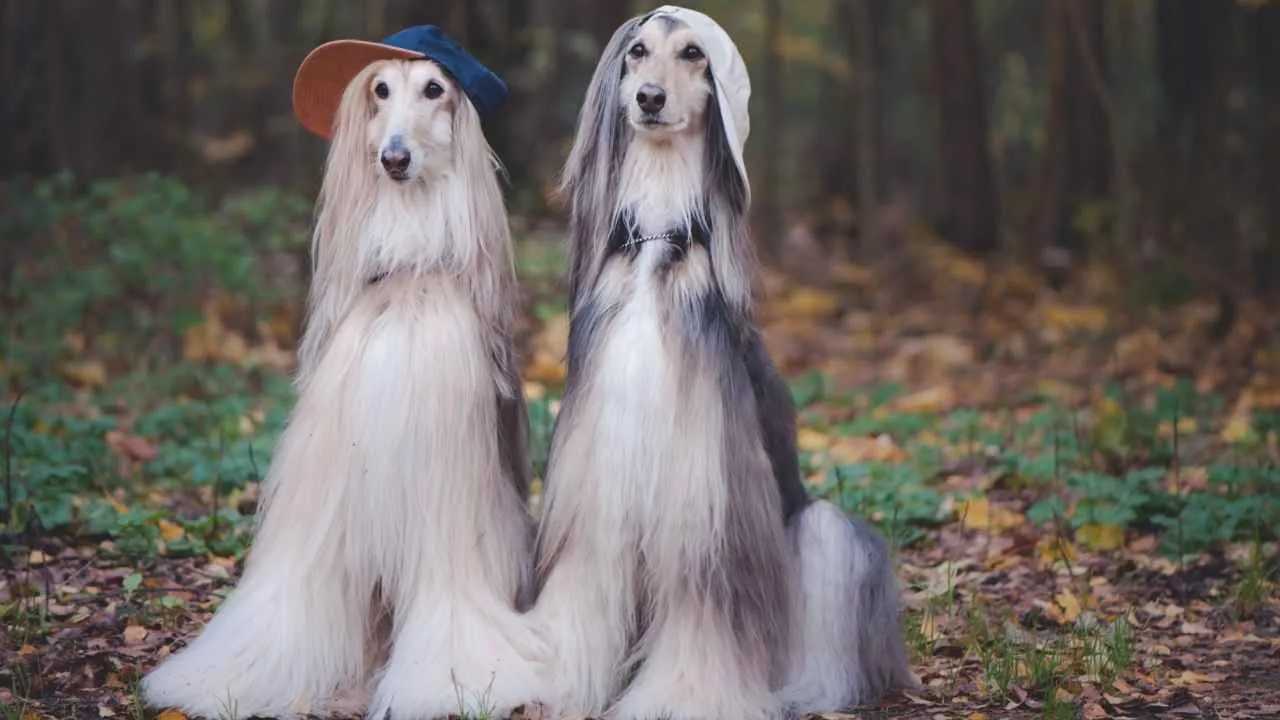
The Afghan Hound looks like it should be floating through a fashion campaign, but underneath that glamorous coat is a serious hunting athlete. It belongs to the sighthound family and historically hunted in the rugged regions around Afghanistan and neighboring parts of Central Asia.
Their prey drive is highly visual, so a sudden burst of movement can flip the switch. Long legs, a prominent hip structure, huge feet, athletic balance, and impressive agility helped these dogs move through mountains, plateaus, and rough ground rather than sprint across flat fields.
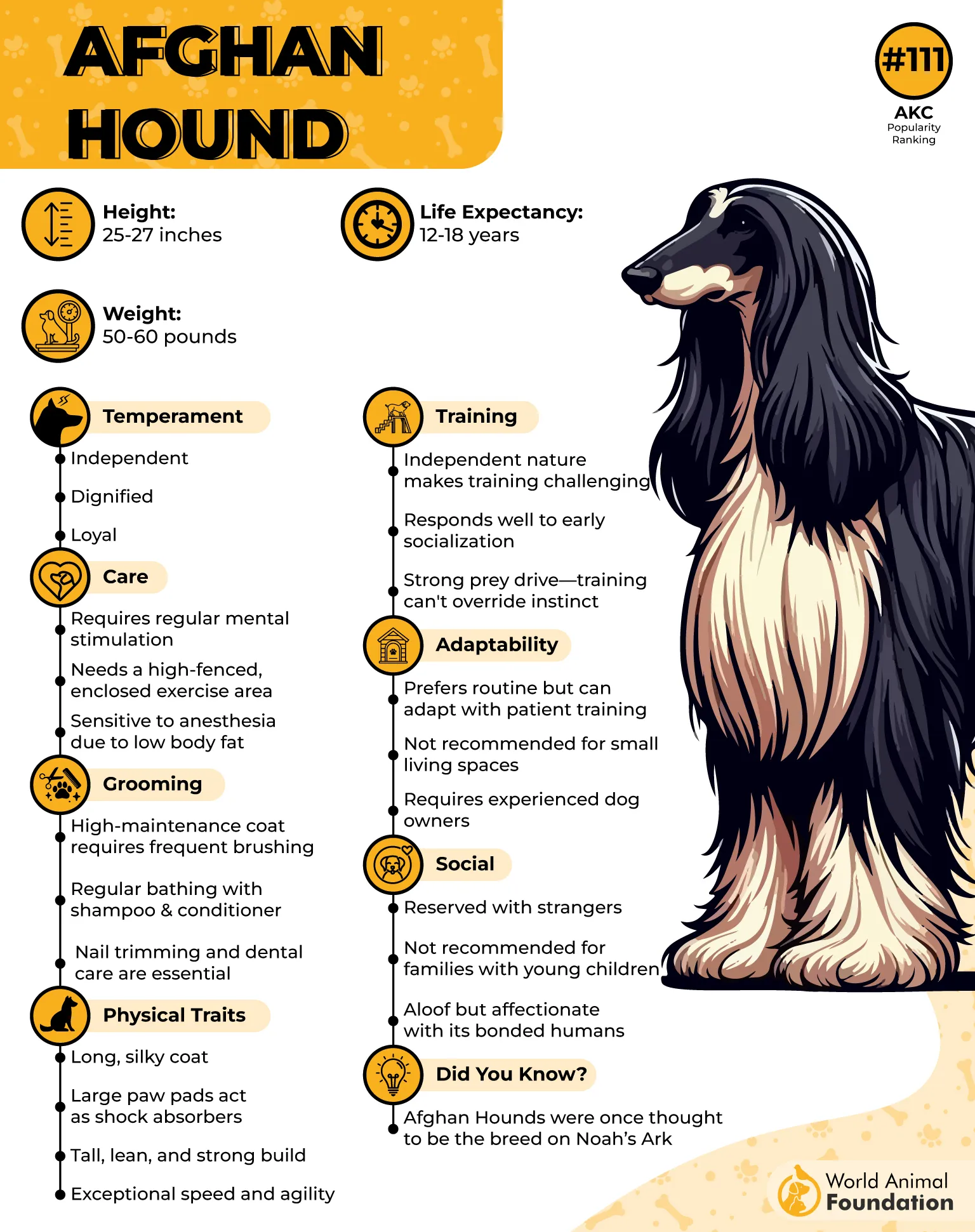
Training can be interesting because these hound dogs are famous for independence. That does not mean they are unintelligent; quite the opposite, since hunting independently at a distance required dogs to make decisions without constant human direction
Off-leash freedom in unsecured places is a gamble because a distant moving animal may suddenly become far more interesting than your recall cue. Secure spaces, long-line training, visual disengagement work, and carefully selected dog sports make much more sense.
4. Rhodesian Ridgeback
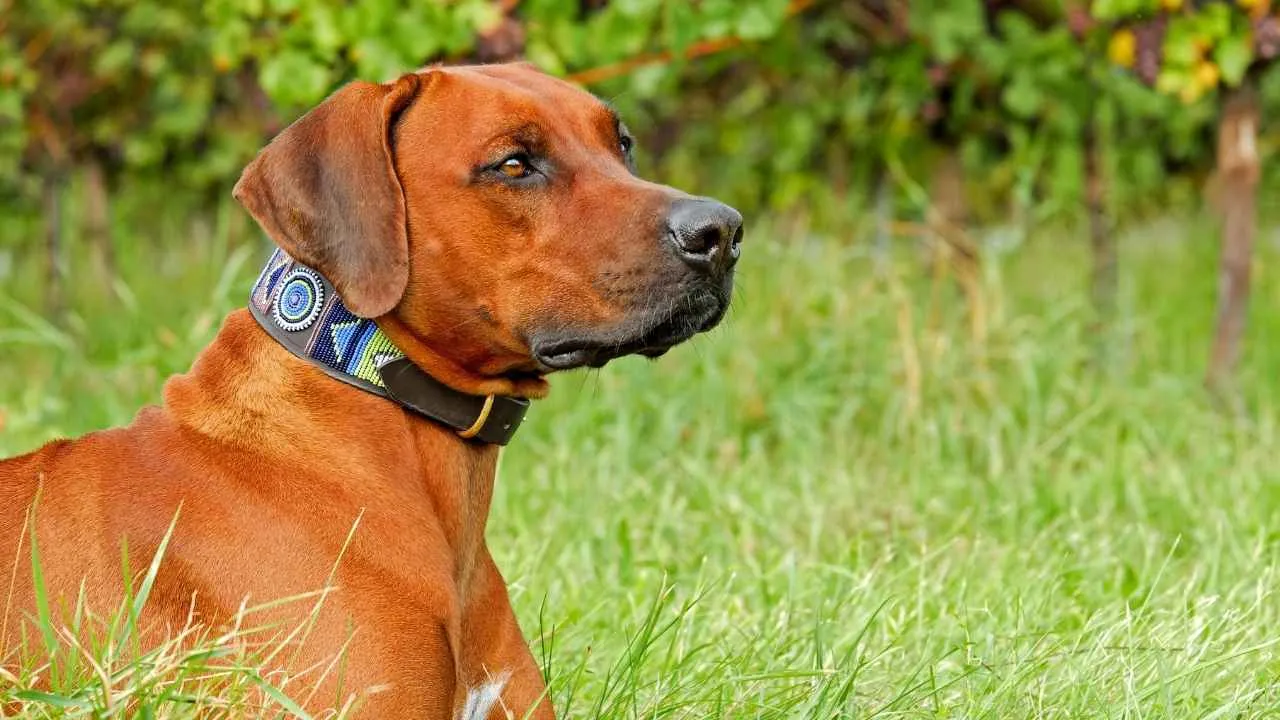
The Rhodesian Ridgeback brings a completely different flavor of prey drive because this breed was developed in southern Africa for serious hunting work. Its ancestry includes local ridged dogs crossed with European breeds, and Ridgebacks became famous for tracking and holding large game, including lions, at bay for hunters.
That job required courage, stamina, judgment, and enough athletic ability to keep moving around animals that could absolutely ruin everybody’s day. Modern Ridgebacks still tend to be powerful runners with strong chase instincts.
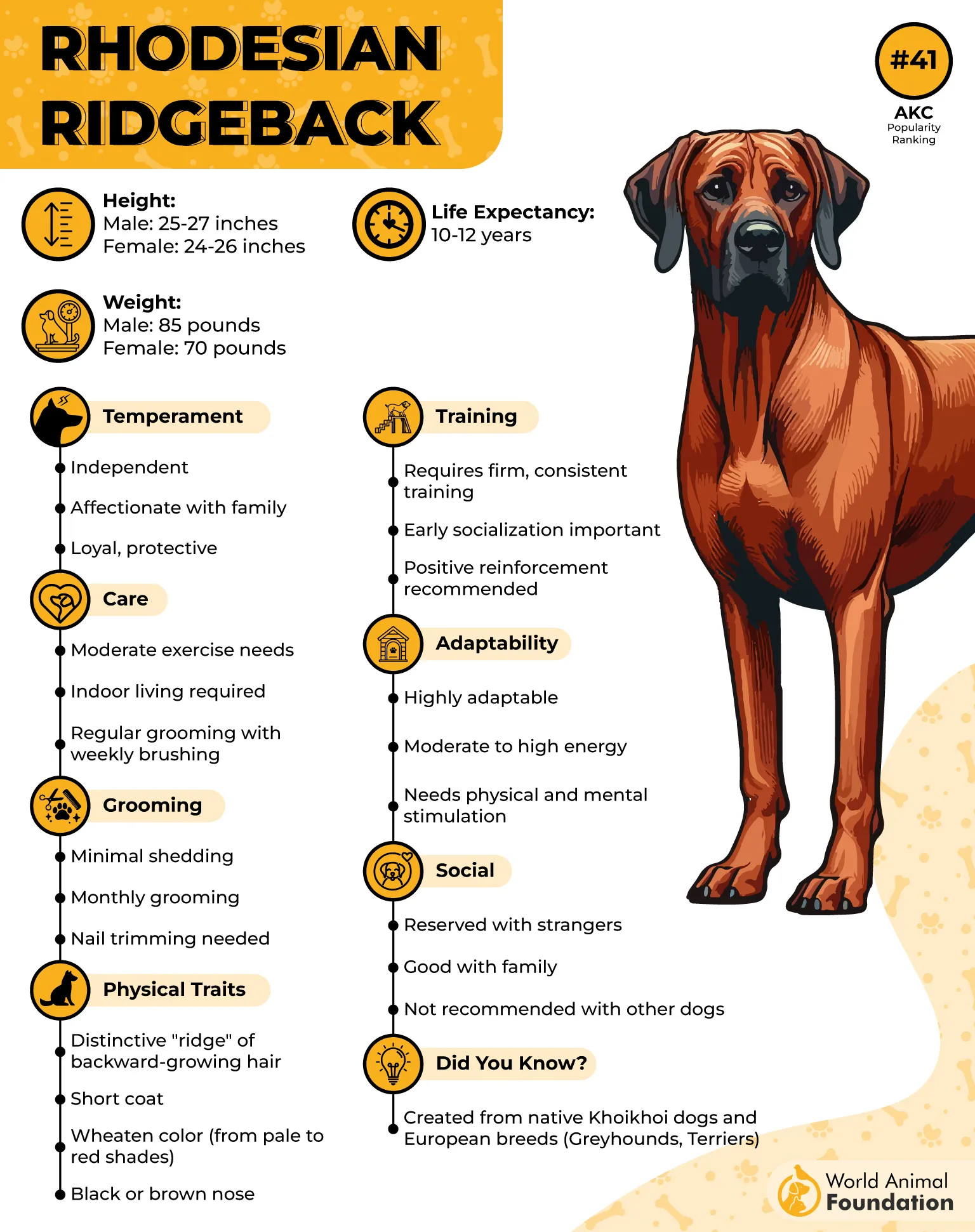
Their famous ridge comes from a strip of hair growing in the opposite direction along the spine. It is visually distinctive, but the breed’s real working assets are underneath it: muscular construction, endurance, speed, and confidence.
Ridgebacks also tend to think for themselves. That independence helped during hunting, but it can make training more successful when owners use clear boundaries, rewards, movement, and variety rather than endless repetition.
5. Weimaraner
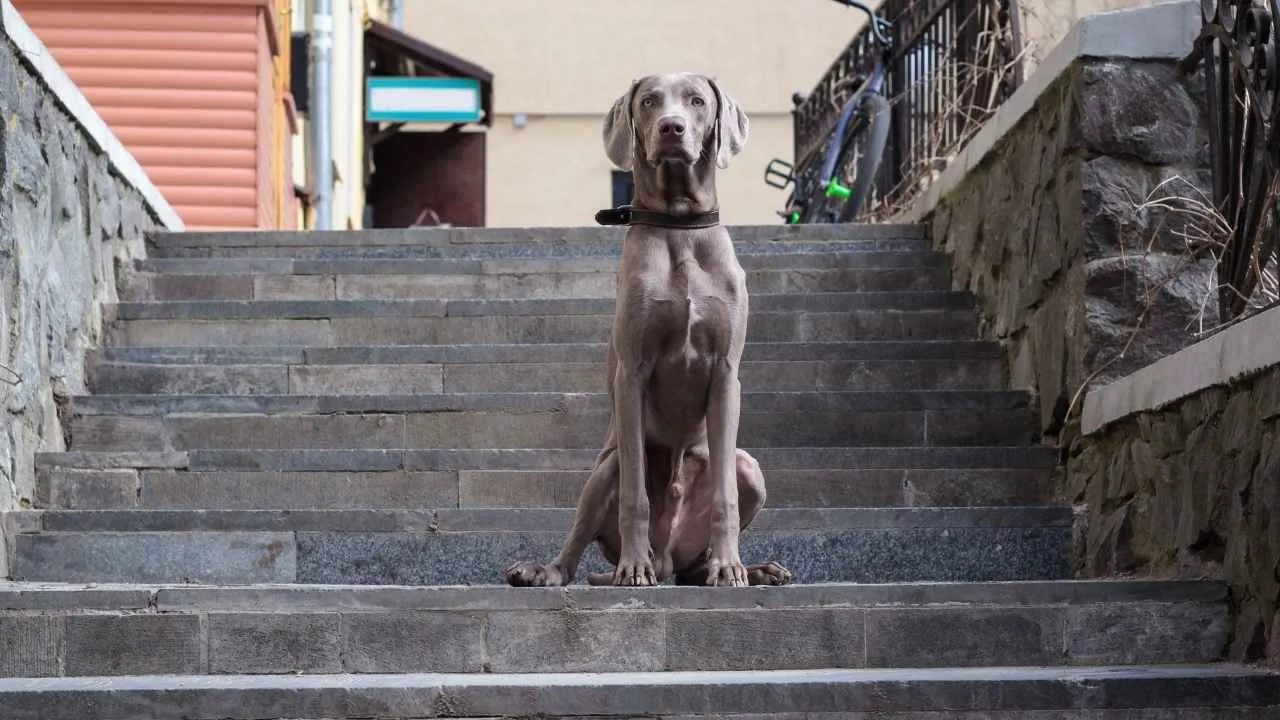
Developed in Germany in the early nineteenth century, Weimaraners are athletic dogs that were bred to hunt large game such as boar and bear before later becoming versatile bird and small-game hunting dogs.
Unlike pure sighthounds, they bring multiple hunting skills to the party. They can search, track scent, point, pursue, and retrieve, so prey drive may show up as intense sniffing as easily as a sudden chase. That versatility is why a Weimaraner on a woodland walk can seem to have fourteen browser tabs open at once.
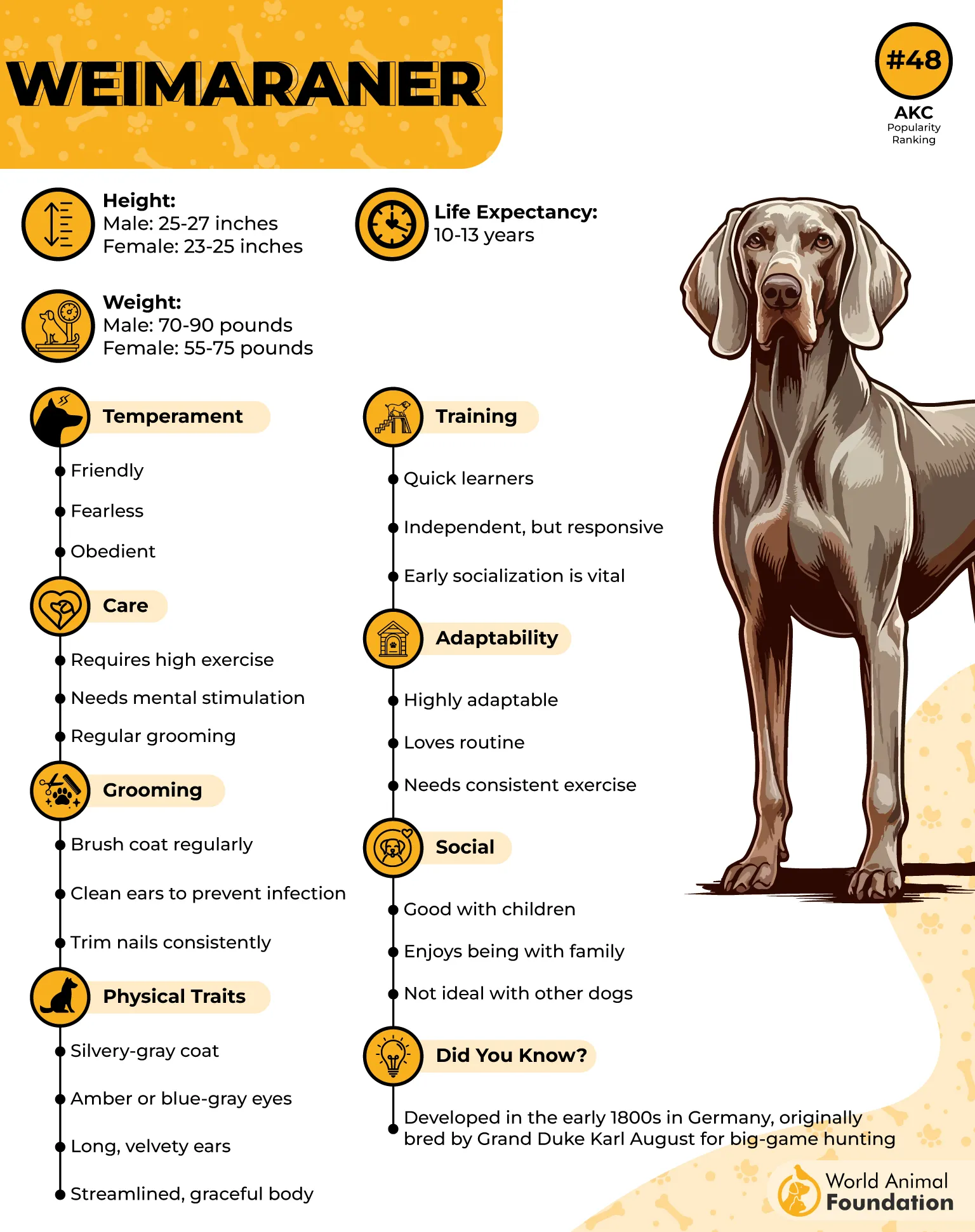
Energy is another major piece of the puzzle. They need substantial exercise and can maintain steady movement over long distances, with many taking naturally to activities such as running and agility. These dogs are also much more people-oriented than several of the independent sighthounds on this list.
Many owners love their close attachment, but that same intensity means training works best when the human is engaged and consistent, not just a boring treat dispenser. Retrieval work, scent detection, tracking, obedience games, hiking, and structured running all match the breed’s working brain beautifully.
6. Beagle
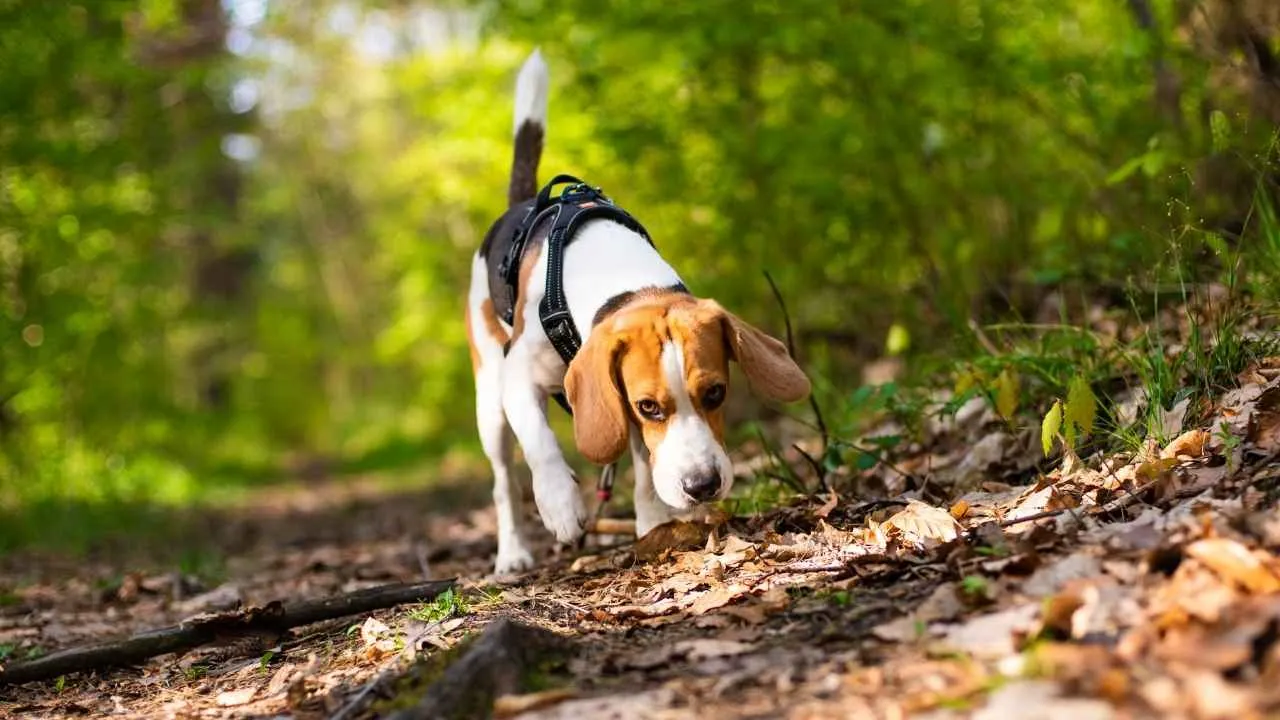
Beagles were developed as scent hounds, traditionally hunting hare and rabbit in packs. Their prey drive often starts quietly. Instead of instantly launching after something they see, a Beagle may put its nose down, zigzag across the grass, hit a fresh scent line, and suddenly act as if you have vanished from existence.
Because they were bred to work in packs, many Beagles are naturally social and enjoy company. Purina claims that their musical baying also served a practical hunting purpose by helping hunters follow dogs working a scent trail. However, your neighbors at 6:00 a.m. may not appreciate the historical significance.
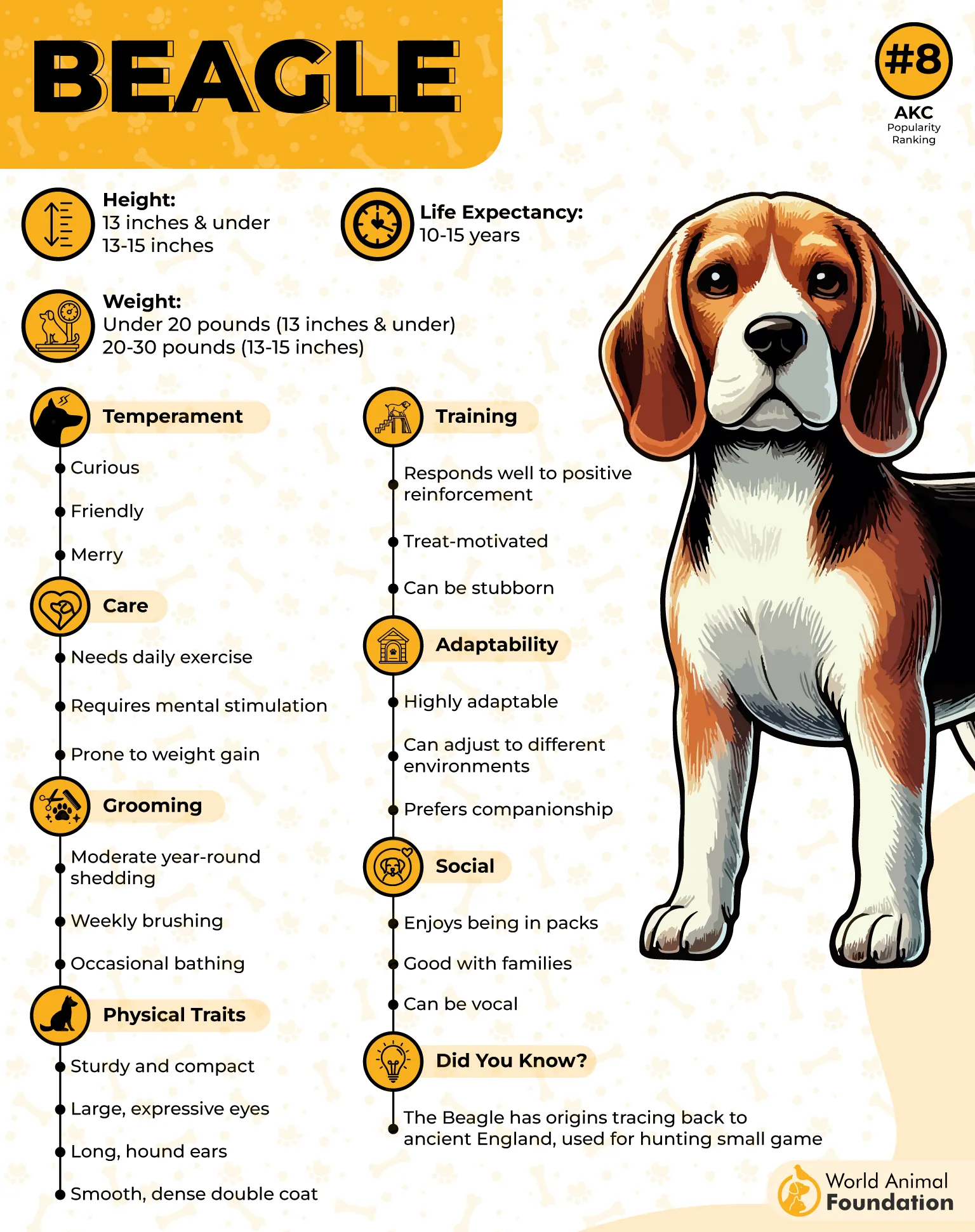
Recall deserves extra respect because an active scent trail can overpower casual obedience incredibly fast. Long lines, fenced areas, tracking games, scent boxes, food trails, and nose-work exercises let the Beagle use that talent without disappearing over the horizon.
Use scent as the reward: ask for a cue, then release your Beagle with “go sniff” instead of relying only on food. Hide treats around the yard or house so natural tracking behavior becomes a daily enrichment routine.
7. Saluki
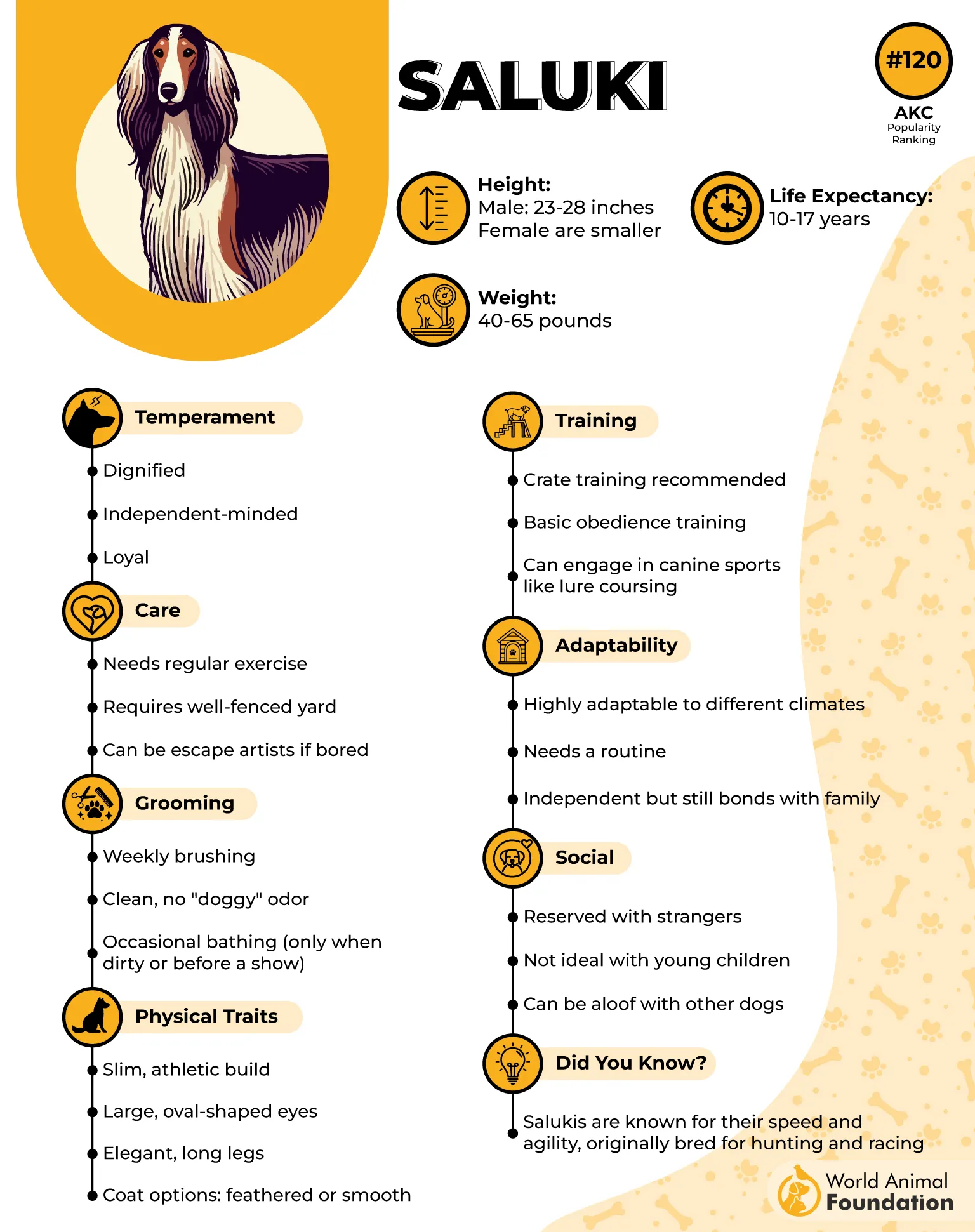
The Saluki is one of those breeds that makes “ancient hunter” sound almost understated. PetMD describes it as one of the world’s oldest breeds and notes archaeological evidence of Saluki-type dogs going back thousands of years, with slender hounds depicted in ancient Middle Eastern art and tomb imagery.
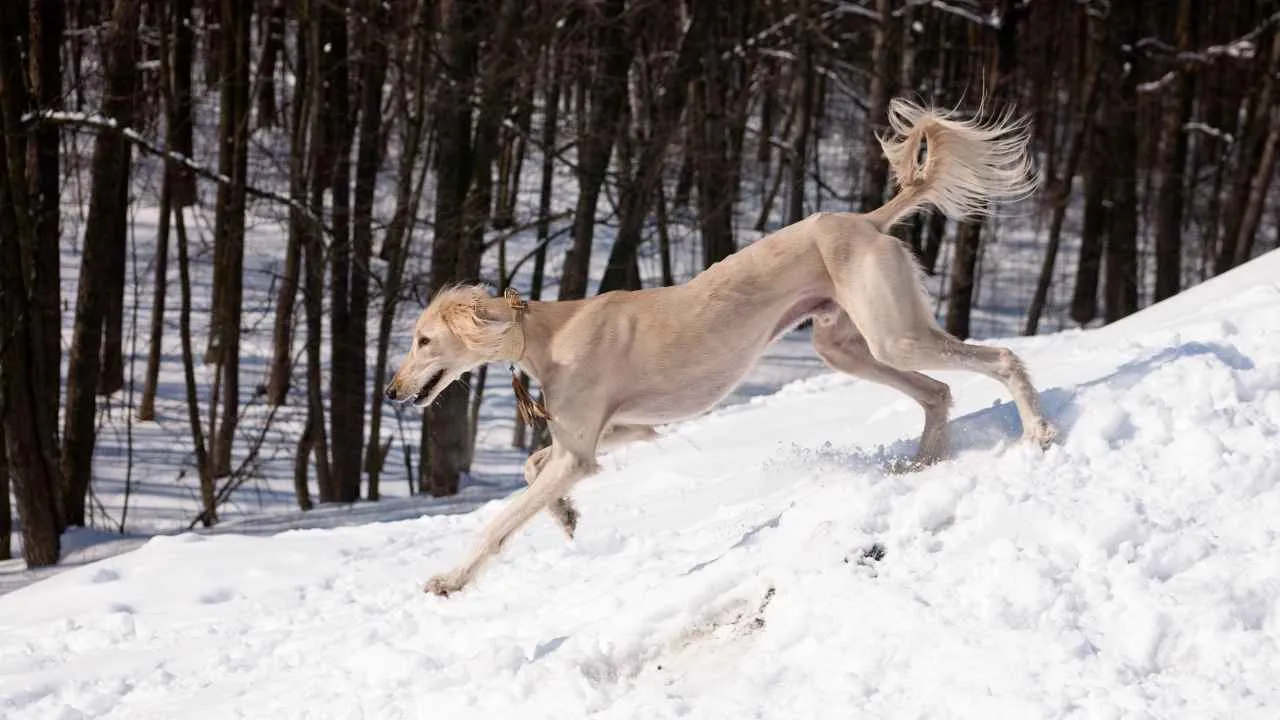
Historically, Salukis hunted swift desert game, particularly gazelle. Their speed, eyesight, endurance, and ability to work in harsh conditions made them valued hunting partners across the Middle East.
Physically, Salukis are built like elite runners. The breed combines a narrow aerodynamic outline with strong muscles, long limbs, and efficient movement. Their elegant appearance sometimes tricks newcomers into expecting delicacy, but underneath is a seriously durable coursing athlete.
Temperament tends to be gentle, dignified, affectionate with trusted people, and independent. That independence matters during training because a Saluki may understand perfectly well what you asked and still weigh whether your offer beats the interesting movement happening 100 meters away.
A secure fence is one of the most important tools a Saluki owner can have. These dogs combine speed, distance vision, and chase motivation, so off-leash freedom around wildlife should never depend solely on recall.
Conclusion
High prey drive is not a personality flaw; in these breeds, it is a piece of working history that humans deliberately strengthened for generations. Border Collies, Siberian Huskies, Irish Setters, and Doberman Pinschers are other dogs with high prey drive. These energetic dogs are known for their fearless nature and strong instinct to chase small animals.
The trick is choosing a dog whose instincts actually fit your lifestyle. High-prey-drive breeds can be brilliant companions, but they often need better fencing, more thoughtful off-leash decisions, stronger recall foundations, and far more purposeful enrichment than a simple walk around the block.
