




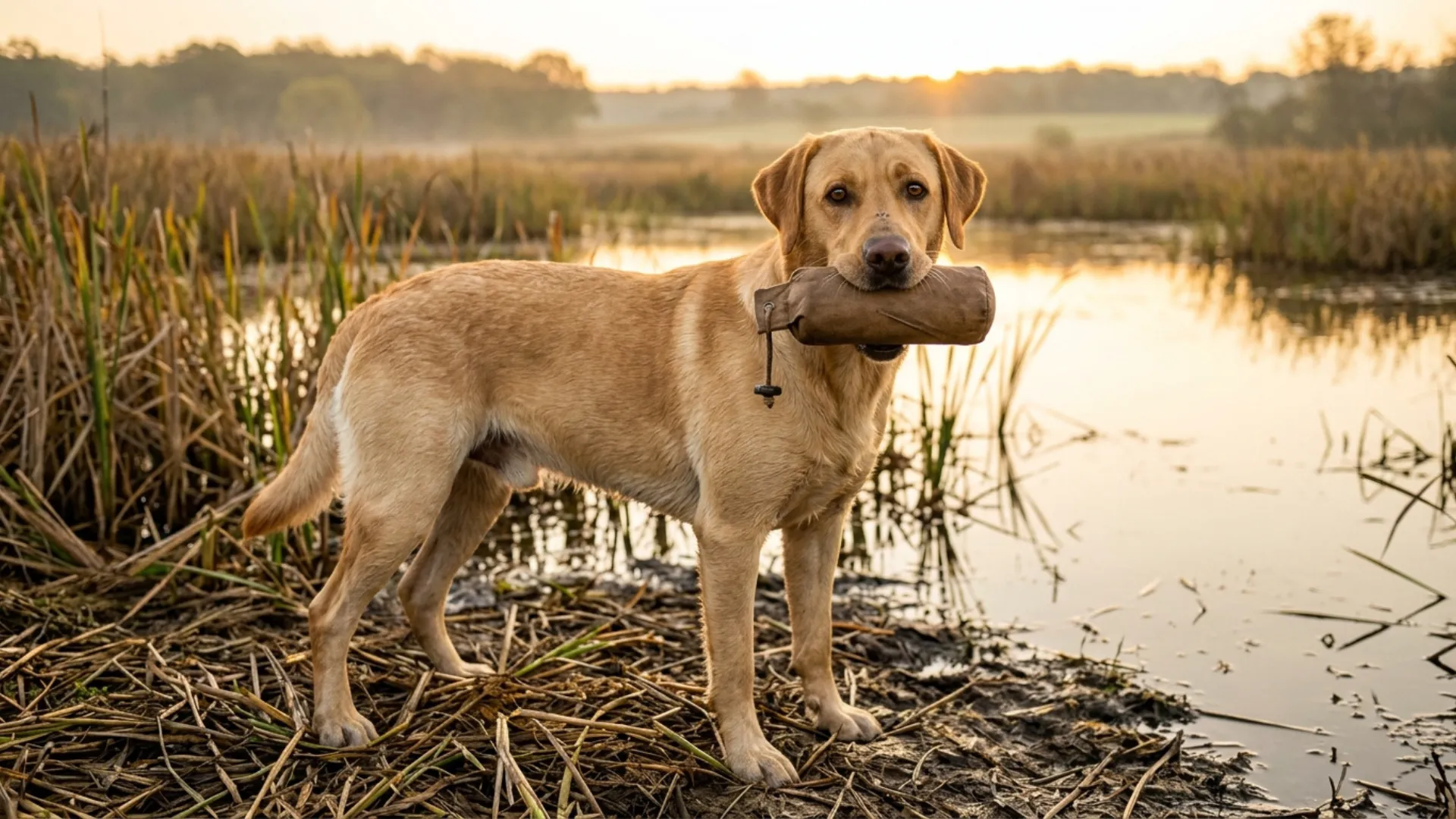
Tracking and retrieval are not just fancy versions of “go get the ball” for dogs; they involve scent discrimination, memory, wind use, marking, terrain awareness, steadiness, persistence, and the ability to work with a handler at a distance.
In other words, these dogs are running a pretty serious outdoor operating system while we are still trying to remember where we put the car keys.
The seven breeds below all bring serious field talent, but they solve the job differently. Some are elite water retrievers, some work dense upland cover, some cast widely for scent, and others stay comparatively close before flushing birds into the air.
If you want to understand how these dogs actually track, locate, and retrieve, rather than just hearing that they are “good hunting dogs,” this is where things get interesting.
Best Dog Breeds Choices For Tracking and Retrieval
1. Labrador Retriever
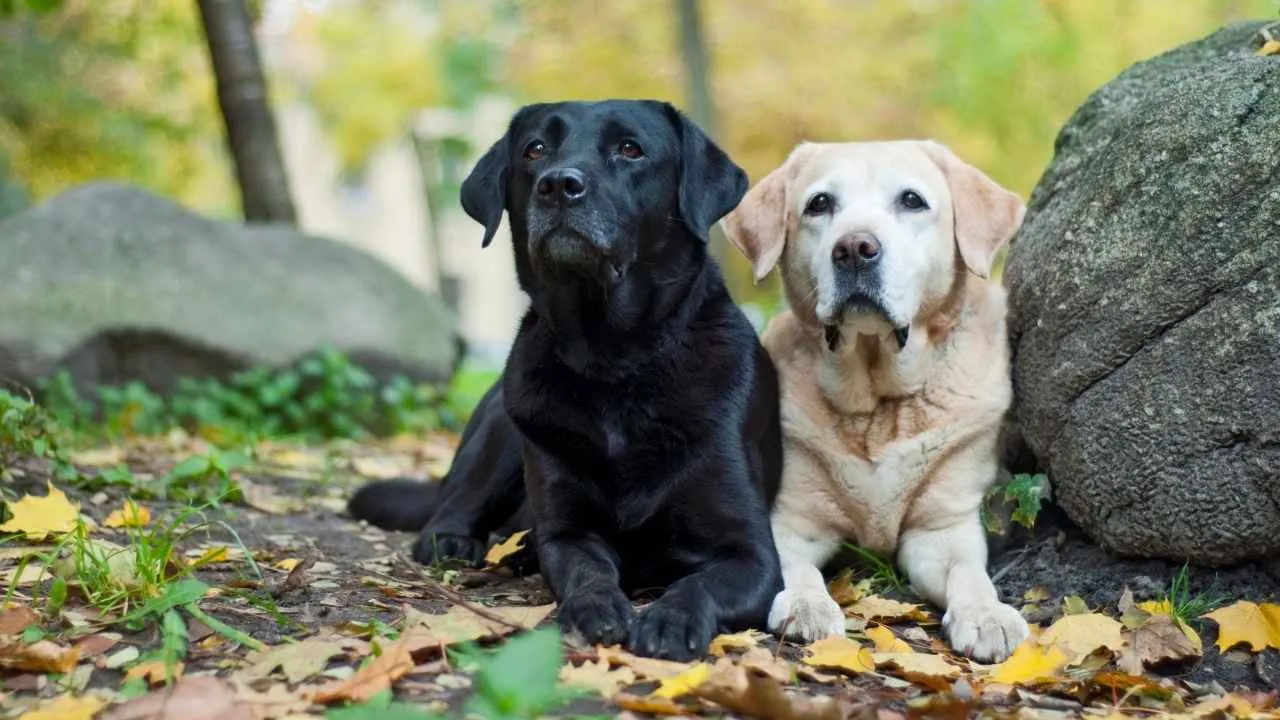
The Labrador Retriever’s strategy starts with one of the most valuable field skills a gundog can have: marking. A trained Lab watches where a bird falls, remembers that location despite terrain or visual obstacles, and then takes a direct route toward the area rather than searching randomly from scratch.
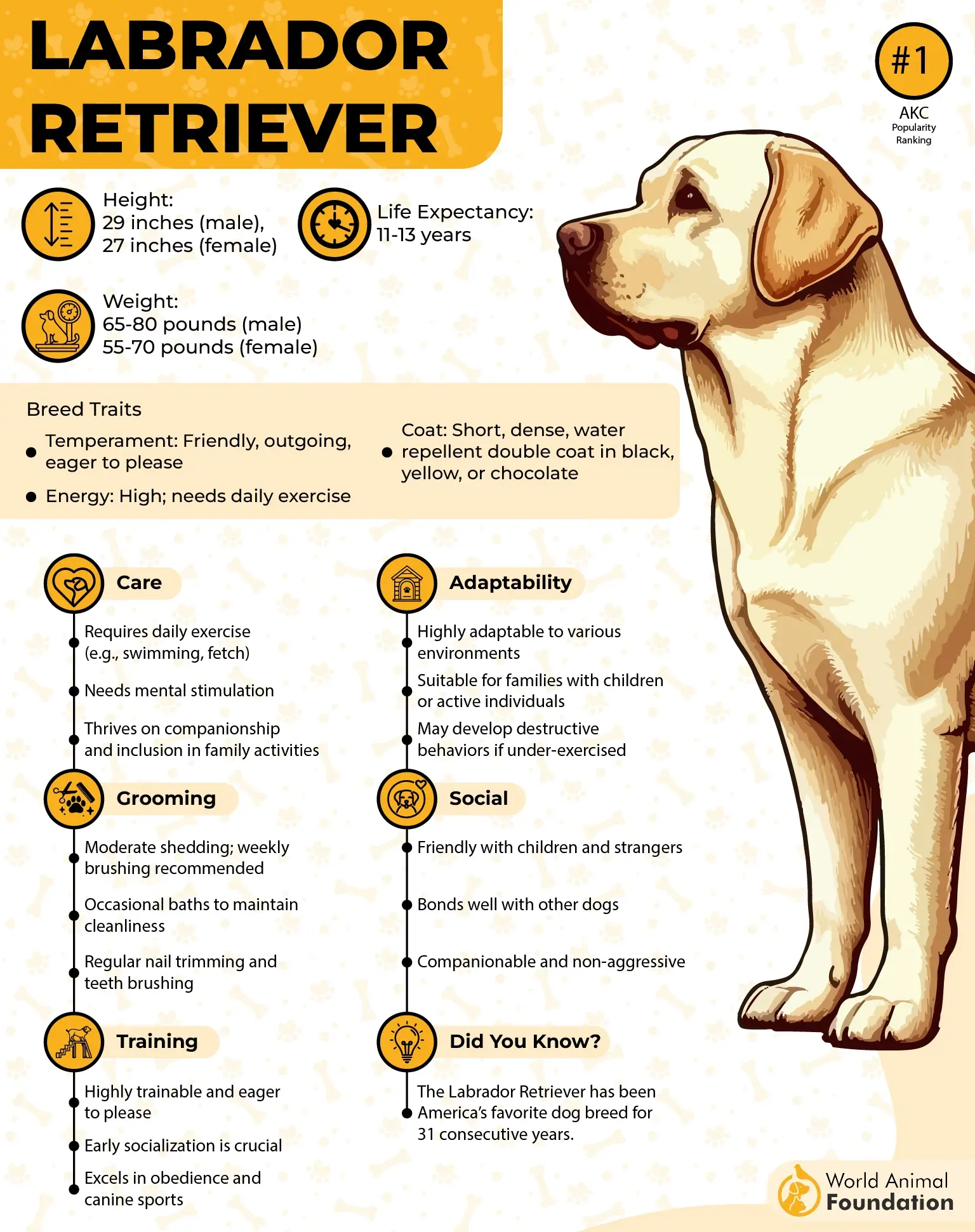
When the exact fall is unclear, the strategy shifts from visual memory to scent. A Lab will usually work into the downwind side of the fall area, use airborne and ground scent to tighten the search, locate the bird, and pick it up carefully with the famously valued retriever “soft mouth.”
Water retrieval is where these tracking dogs go from talented to extremely on-brand. Their job may involve watching waterfowl fall across open water, entering quickly, swimming through chop or vegetation, using memory to reach the approximate fall, and switching to nose work once they enter the scent zone.
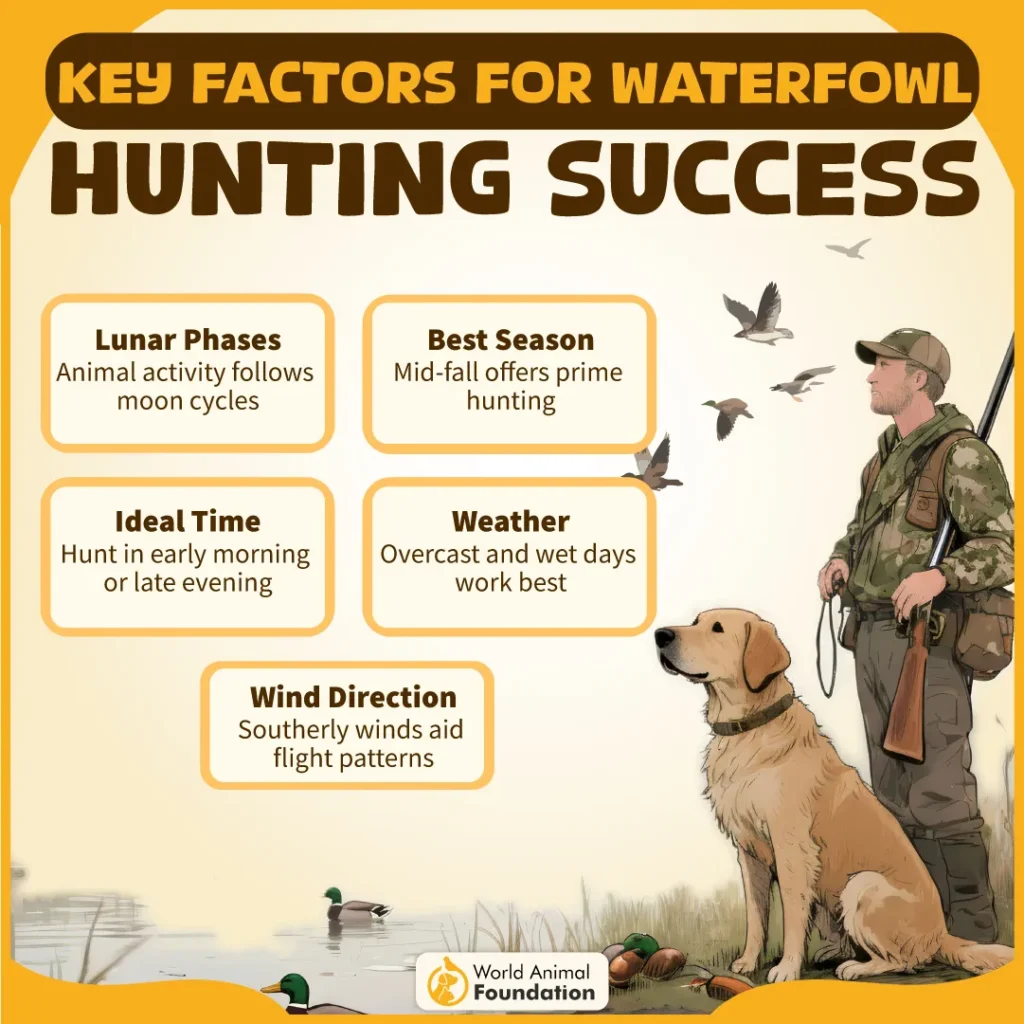
Field training calls that second type of retrieve a blind retrieve, and it requires an entirely different skill set than chasing something the dog already saw land. Instead of relying only on its own memory, the Labrador must stay responsive at a distance, stop on a whistle, read the handler’s directional signal, and continue on the indicated line until scent confirms the target.
2. Golden Retriever
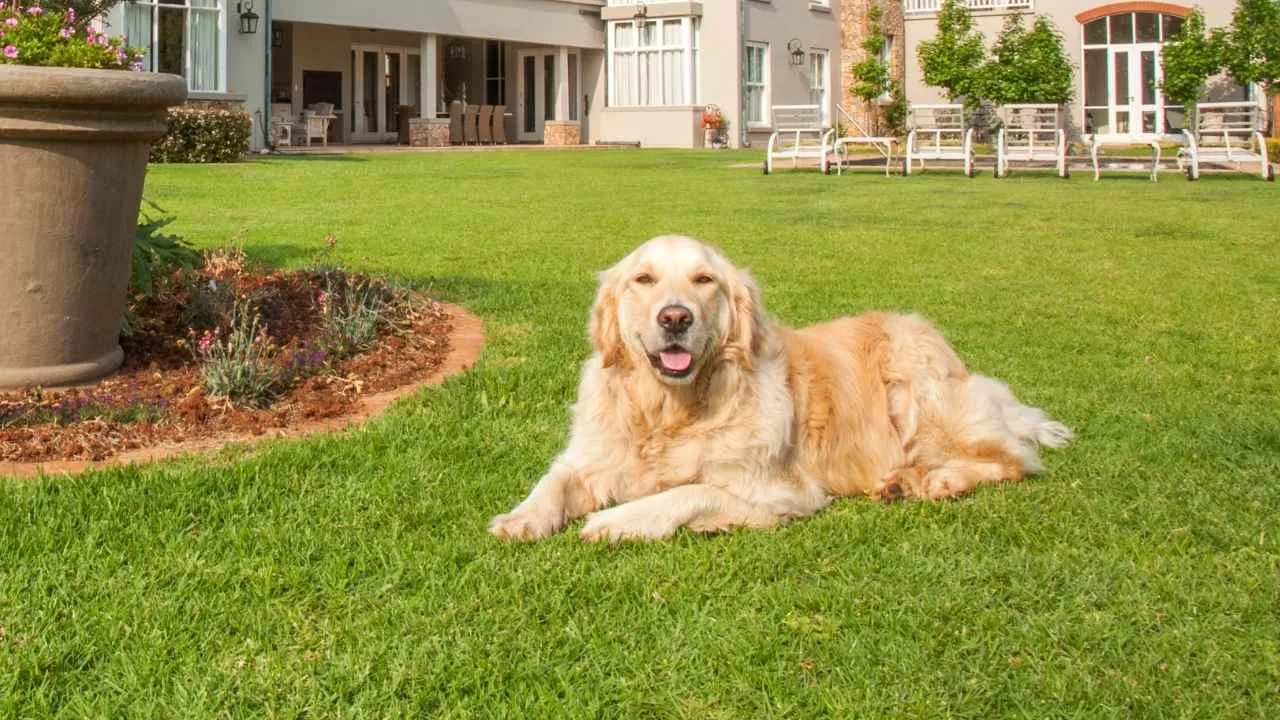
Golden Retrievers approach hunting birds and retrieval with enthusiasm and unusually strong cooperation with their handlers. They were developed as Scottish gundogs, and modern Goldens still appear in hunting, field work, search-and-rescue, obedience, and other working roles.
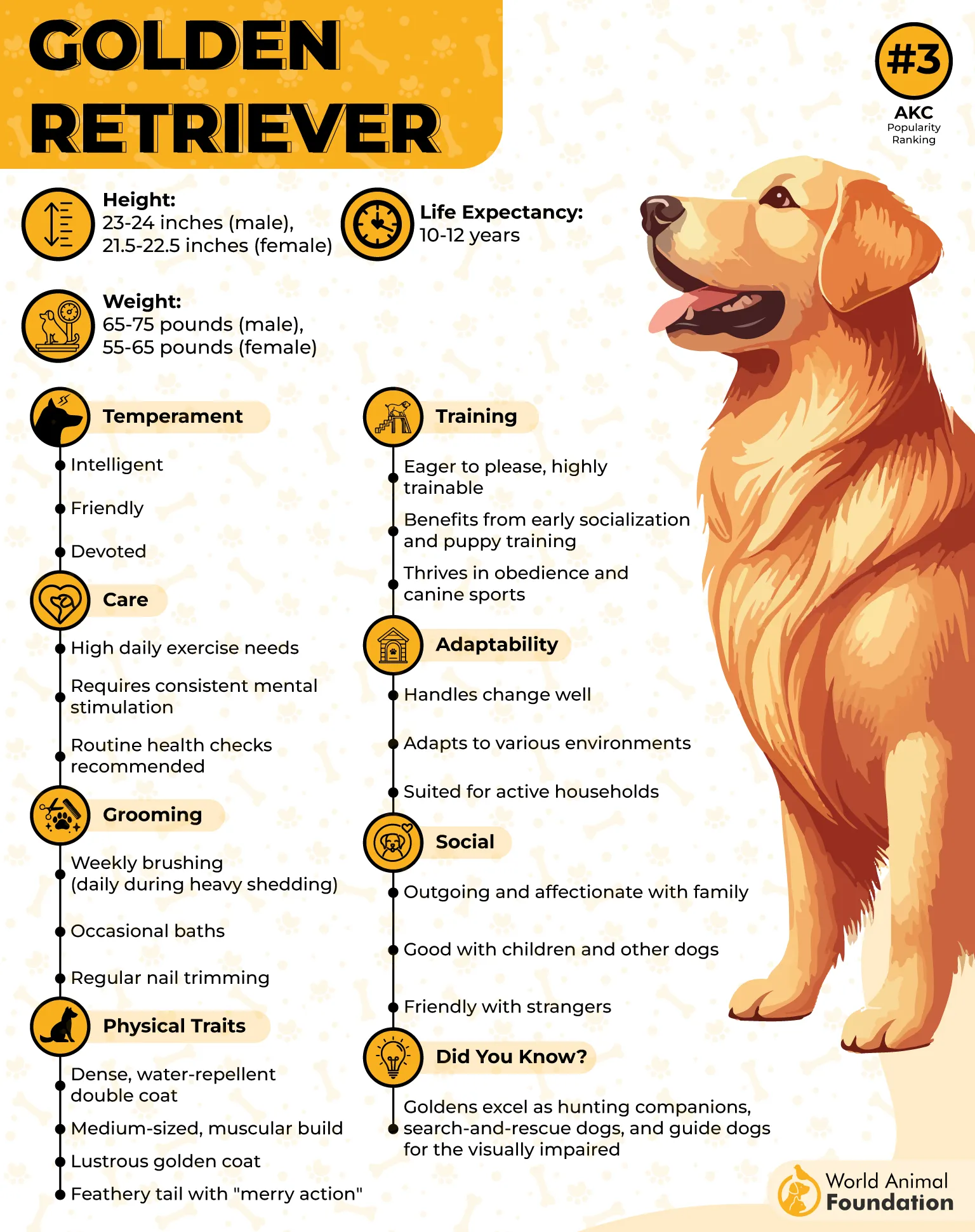
Their typical marking strategy resembles that of other retrievers: watch the fall, remember the location, take a committed line, then transition to scenting when visual information runs out. A strong field Golden learns not to waste energy zigzagging across acres of ground when it already has a good mental picture of where the bird landed.
Goldens can also handle blind retrieves, where the handler must guide the dog to an unseen fall using whistles and casts. This demands impulse control because the dog must stop moving on cue even while highly excited, turn toward the handler, interpret directional information, and then drive back into the search.
Tracking work plays nicely with the breed’s patience because Goldens generally enjoy sustained scent-based tasks rather than only fast, explosive retrieves.
3. German Shorthaired Pointer
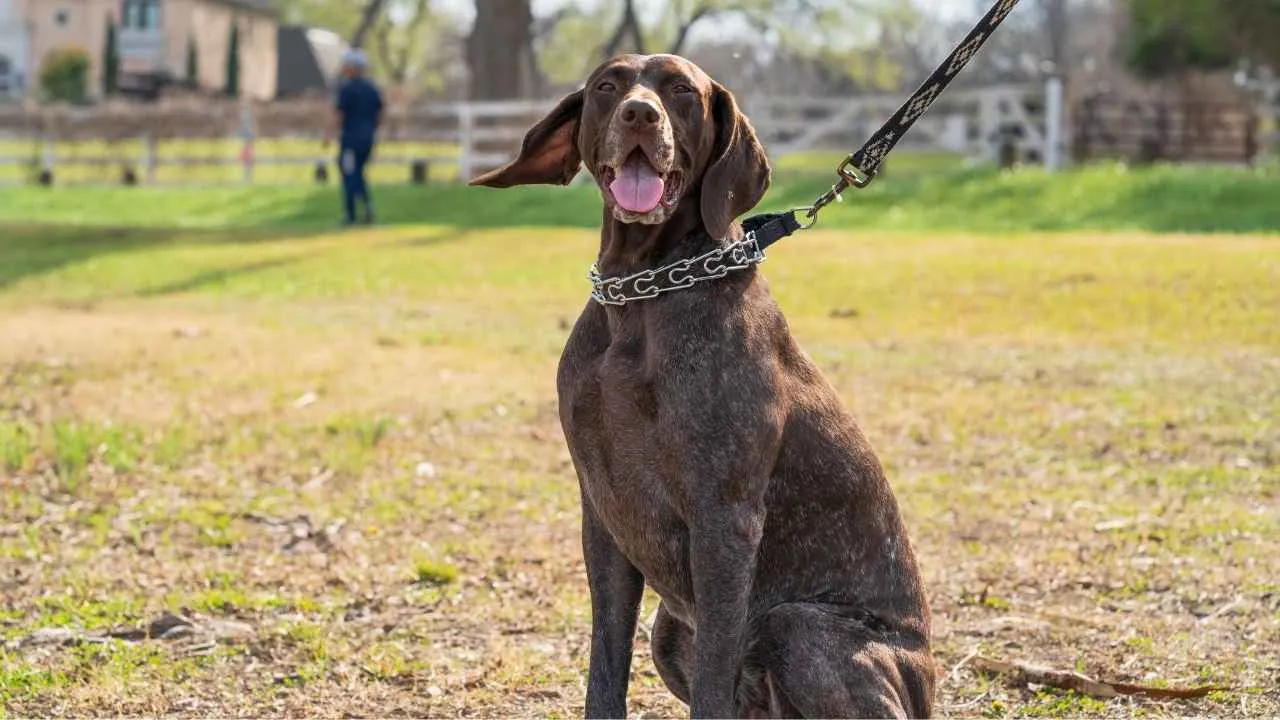
German Shorthaired Pointers don’t simply retrieve things; they run a full find-point-track-retrieve pipeline. As a pointing breed, their first task is often to search open country for bird scent by moving in broad casts, using wind direction to sample as much ground as efficiently as possible.
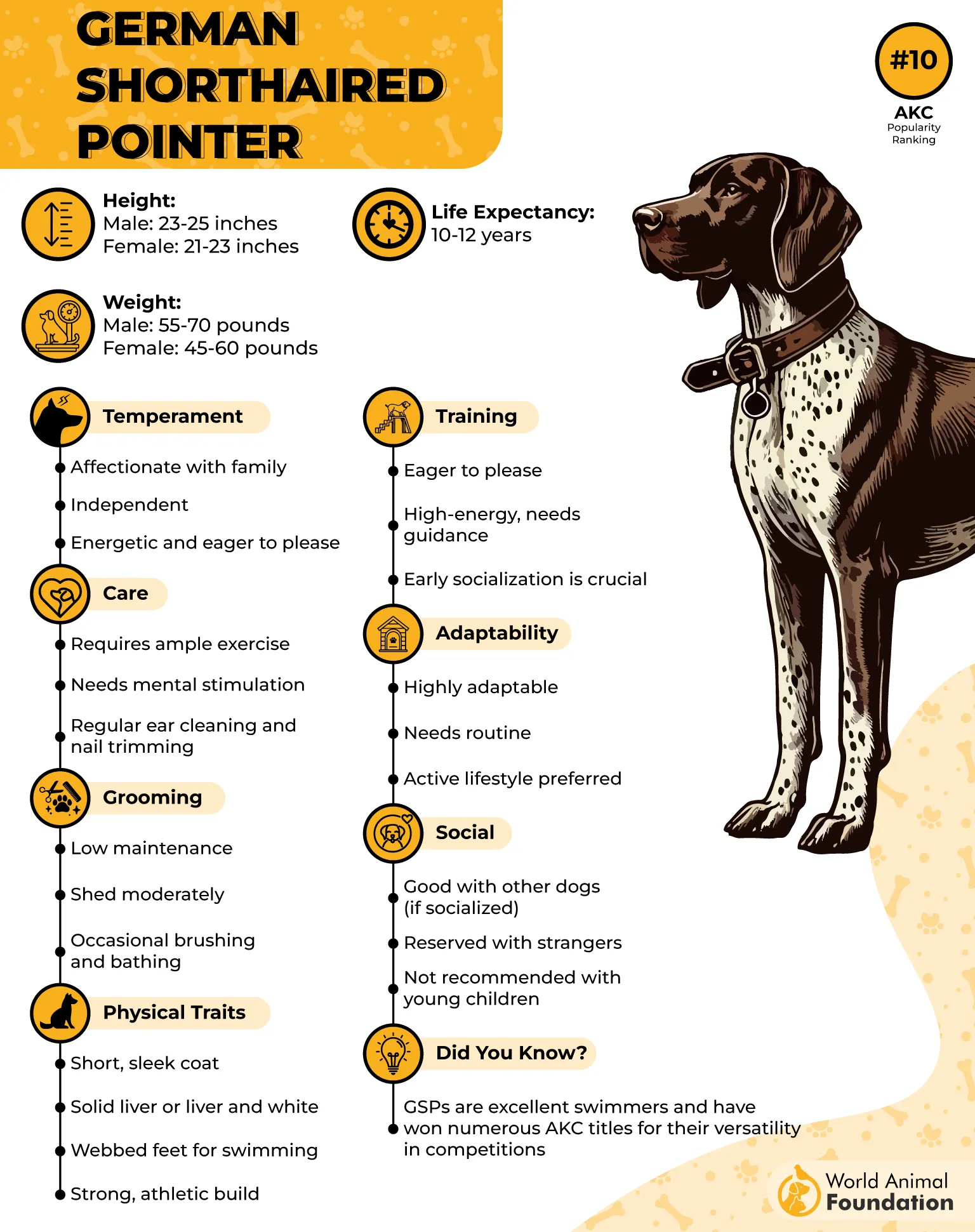
The famous point is really a communication strategy. Instead of barging straight into cover and sending birds everywhere, a well-trained GSP locks up, often with head, nose, and body aligned toward the scent source. That pause gives the hunter time to approach before the bird flushes, unlike the deliberate flushing style of a Springer Spaniel.
During the tracking of wounded game, when the wounded game moves away after the shot, the GSP’s nose becomes even more valuable. The dog can shift from locating airborne scent to following ground scent, disturbed vegetation, feathers, body odor, or other traces left by moving quarry.
Retrieval completes the sequence. After a fall, this Pointer dog marks or searches the location, takes the bird, and returns it to the handler, often working across dry land, brush, marsh edges, or water depending on training and conditions.
4. Chesapeake Bay Retriever
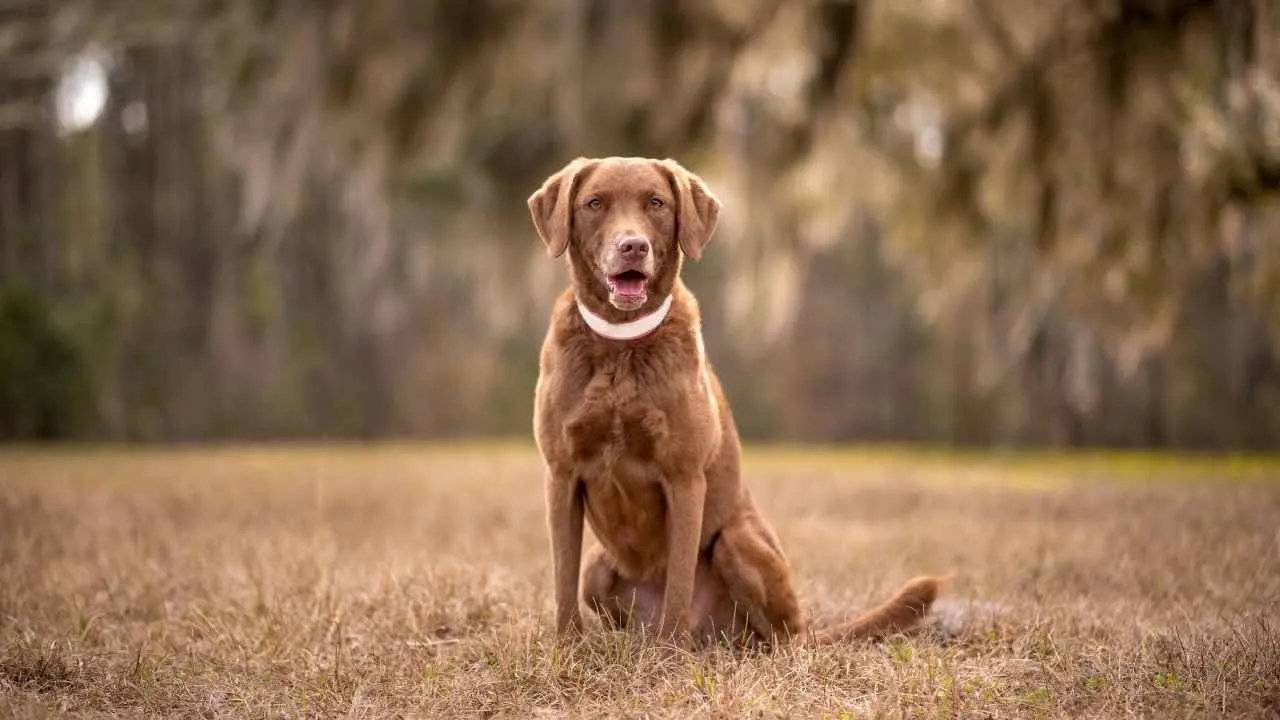
The Chesapeake Bay Retriever was developed for bird hunting around Chesapeake Bay conditions where dogs were expected to face icy water, strong currents, wind, and repeated retrieves rather than politely collecting one bumper from a calm swimming pool.
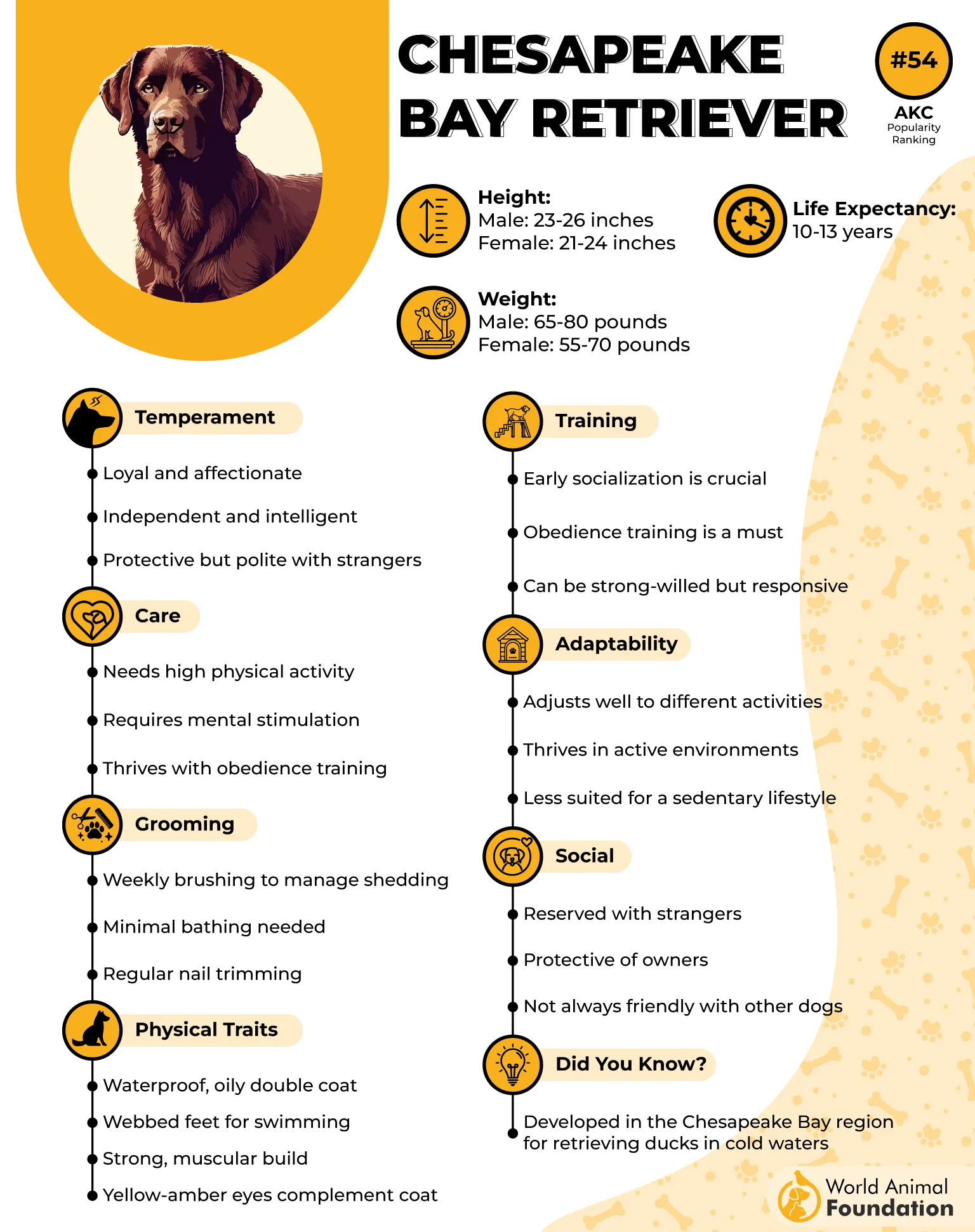
Their retrieval strategy therefore demands determination. A Chessie may need to remember several falls, enter difficult water without hesitation, swim directly toward the marked area, negotiate waves or vegetation, locate the bird by scent, and make the entire return trip while carrying it securely.
This phenomenal hunting companion with webbed feet also needs strong memory and reorientation skills because water constantly changes the sensory picture. Wind moves scent, waves alter a straight swimming line, floating vegetation blocks visibility, and the dog may lose direct sight of the fall after entering the water.
Tracking on land benefits from the same mental toughness. Rather than giving up when scent disappears temporarily across hard ground, or wind changes the scent picture, a persistent retriever learns to widen the search, reacquire the odor, and continue.
5. German Wirehaired Pointer
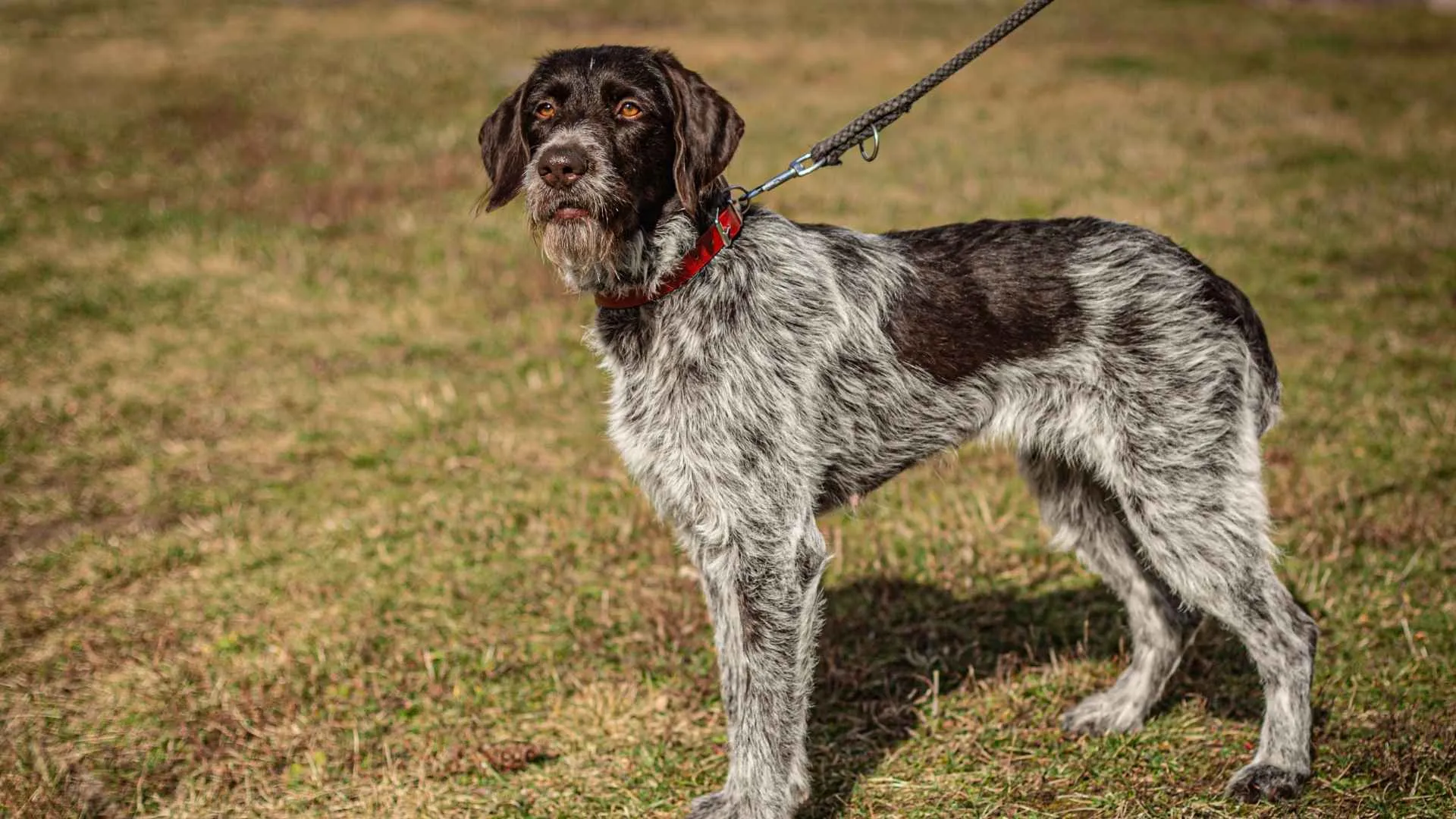
The German Wirehaired Pointer belongs to the versatile pointing tradition, meaning it can search for birds, point them, track wounded quarry, retrieve on land, and handle water work. At the same time, the Royal Kennel Club says that its harsh protective coat helps it push through rough country.
This gun dog’s search strategy typically begins with quartering. The dog sweeps across the handler’s direction of travel, moving into the wind whenever possible so scent from birds ahead gets carried toward its nose. Instead of following one narrow line, the dog scans a wide scent field like a furry radar array.
Once this good tracking dog encounters stronger bird scent, the GWP slows, works the odor carefully, and establishes a point rather than charging in immediately. That point lets the handler move into position, while proper training determines how steady the dog stays through flush and shot.
Wounded birds are where the breed’s tracking ability becomes especially valuable. A moving bird may leave intermittent scent through grass, brush, wet areas, or heavy cover, and the GWP must discriminate that trail from older bird scent scattered across the same environment.
6. English Springer Spaniel
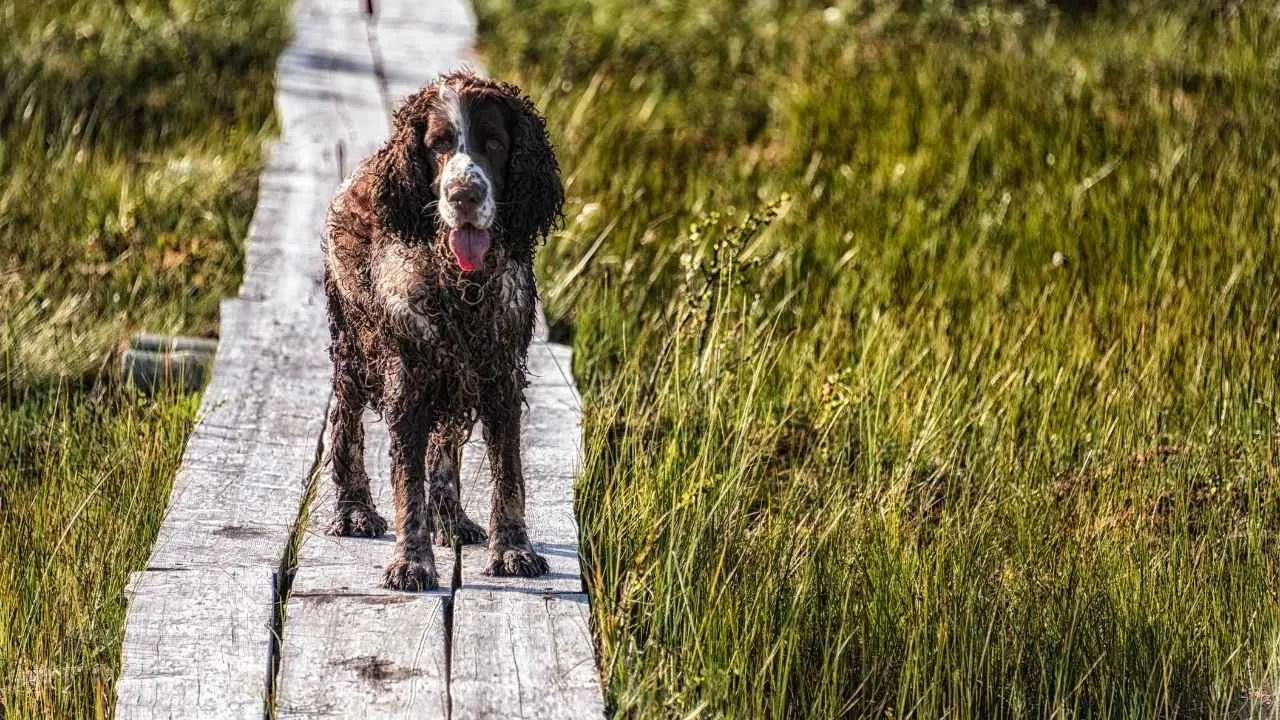
The English Springer Spaniel plays a completely different tracking game from a wide-ranging pointer. It typically works relatively close to the handler in a controlled zigzag pattern, searching cover for game that needs flushing into the open, as noted by the AKC.
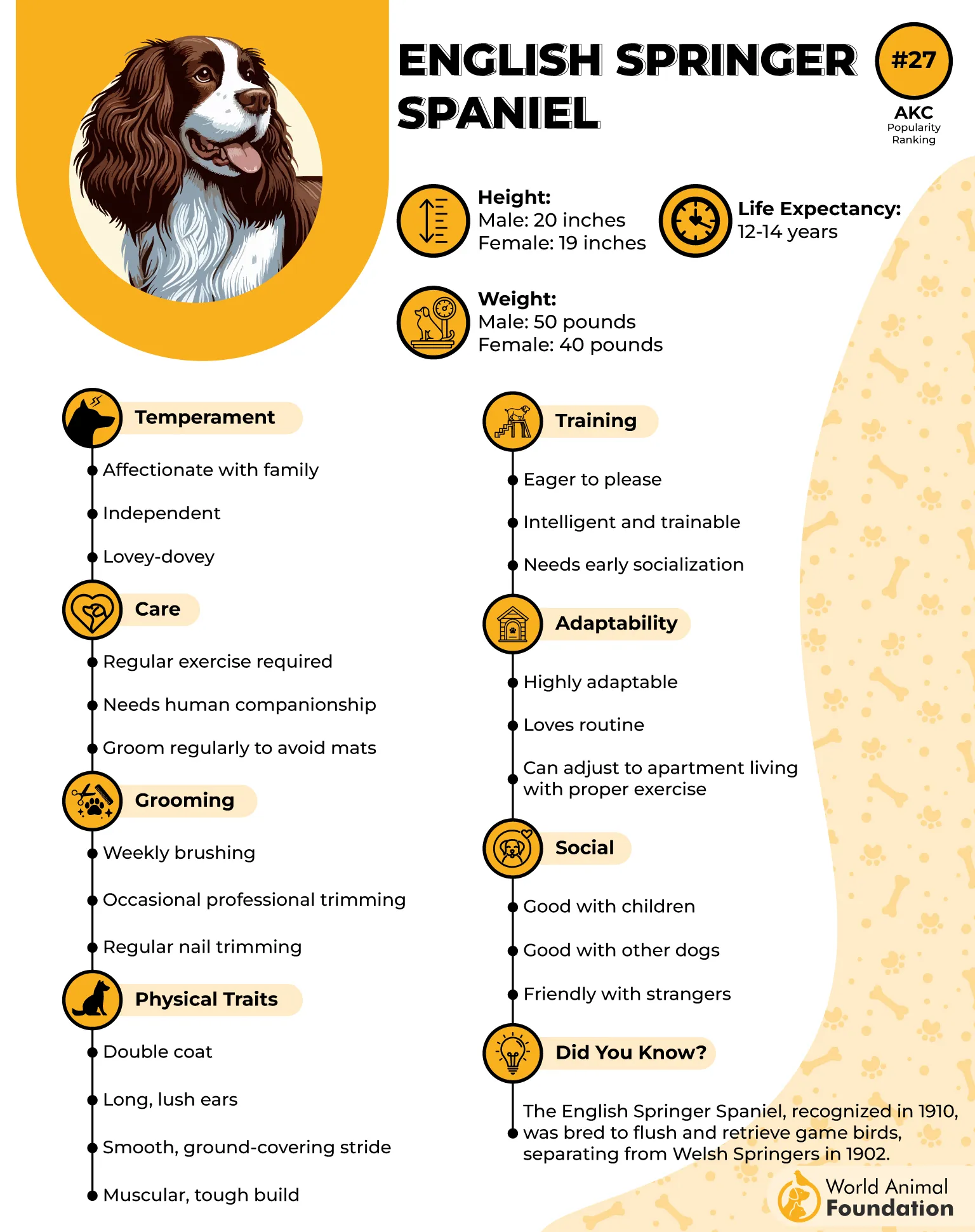
This active dog uses the wind intelligently while quartering through likely cover. It swings left and right across the handler’s forward line, checking brambles, grass, hedges, reeds, and pockets where birds could be hiding, then tightens its search as the scent strengthens.
Compared with a pointing dog, this Spaniel dog is less about announcing “bird here” and more about actively forcing that bird into motion at the right moment.
Once a bird flushes, steadiness becomes a major skill. The dog must resist the understandable urge to launch itself into the sky after the bird, wait through the shot, mark the fall, and leave only when released.
The retrieve then shifts from visual marking to scent work as needed. If the bird lands in thick cover, the Springer dives into the fall area, uses its nose to sort fresh bird scent from the general environment, picks up the correct bird, and returns it promptly to hand.
7. Brittany
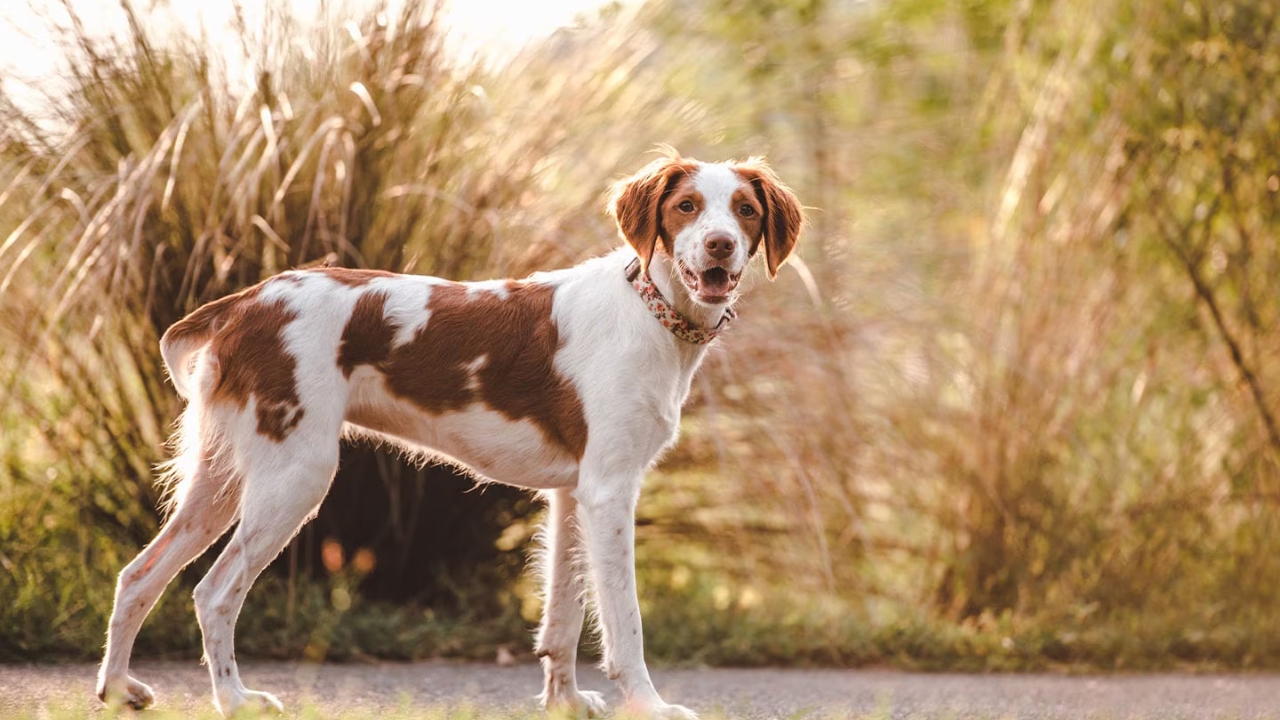
The Brittany is an energetic, versatile gundog with an exceptional nose, capable of pointing, flushing, and retrieving on land and water. That versatility makes its tracking strategy especially interesting because the dog can switch roles depending on terrain, quarry, and what happens after the shot.
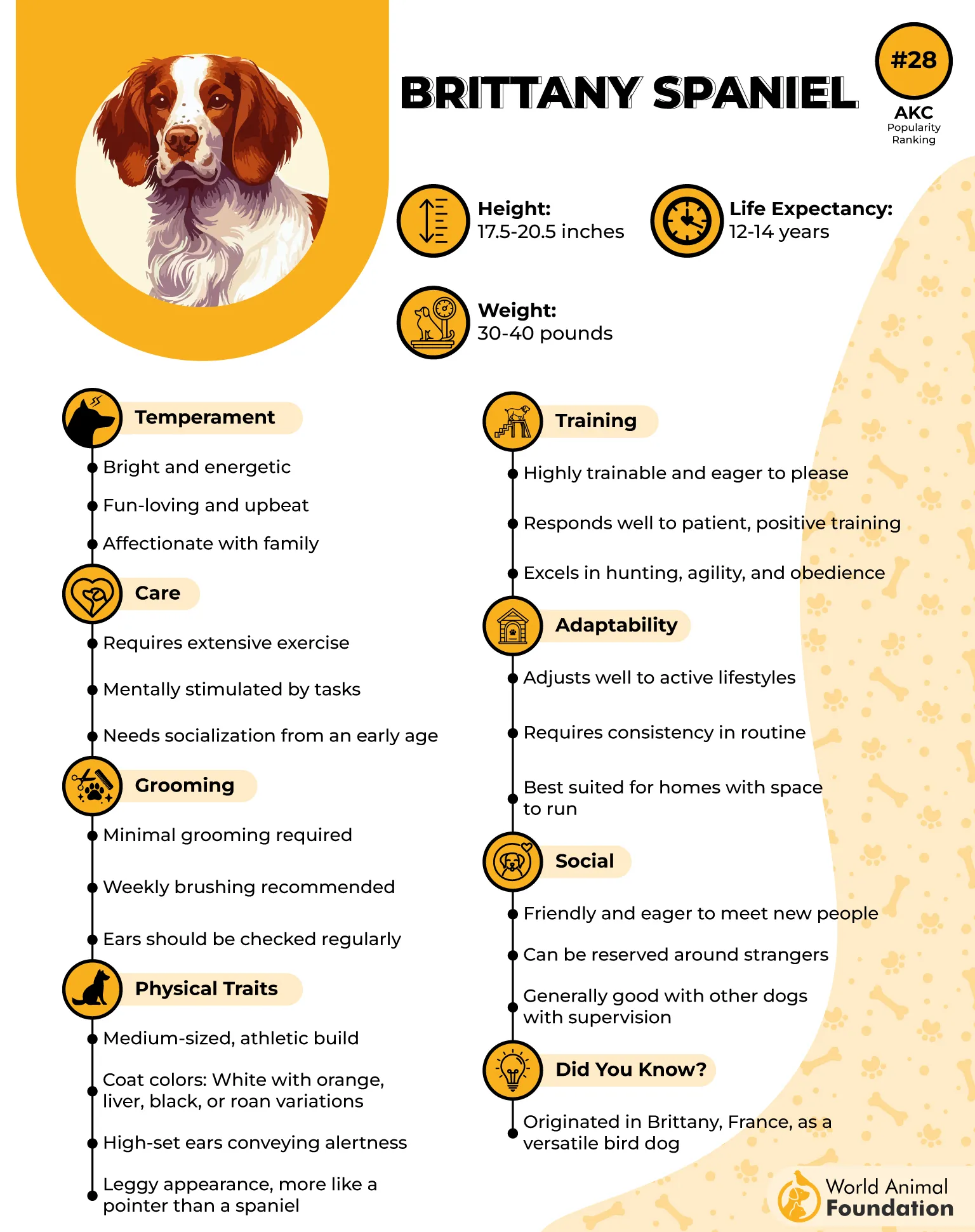
During the search, Purina says that these high-energy dogs often move quickly and efficiently through cover, thanks to their hunting instincts, while staying more manageable in range than some larger pointing breeds. They use windborne scent to locate birds, adjust direction as odor concentration changes, and eventually establish a point when they believe the bird is close.
After the flush and shot, a Brittany has to turn that excitement into retrieval discipline. It may mark the fall visually, run directly toward it, then use its nose to finish the search if cover hides the bird. They can retrieve both on land and in water, making them useful for hunters who want a lighter, highly mobile all-purpose bird dog.
Tracking a wounded bird emphasizes patience more than speed. The dog must follow weaker ground-level scent, feathers, disturbed cover, and intermittent odor without abandoning the track every time stronger unrelated bird scent drifts across its path.
Conclusion
The coolest thing about tracking and retrieval dogs is that no single “best” strategy exists.
So, when choosing a breed for tracking and retrieval, think about where and how you expect the dog to work, not just which one has the strongest nose. Open-water retrieves, dense upland cover, long-range pointing, close flushing, and aged scent trails all reward different combinations of instinct, structure, endurance, and trainability.
Pick the strategy that fits the job, train it properly, and suddenly “go find it” becomes one of the most sophisticated conversations you can have with a dog.
