




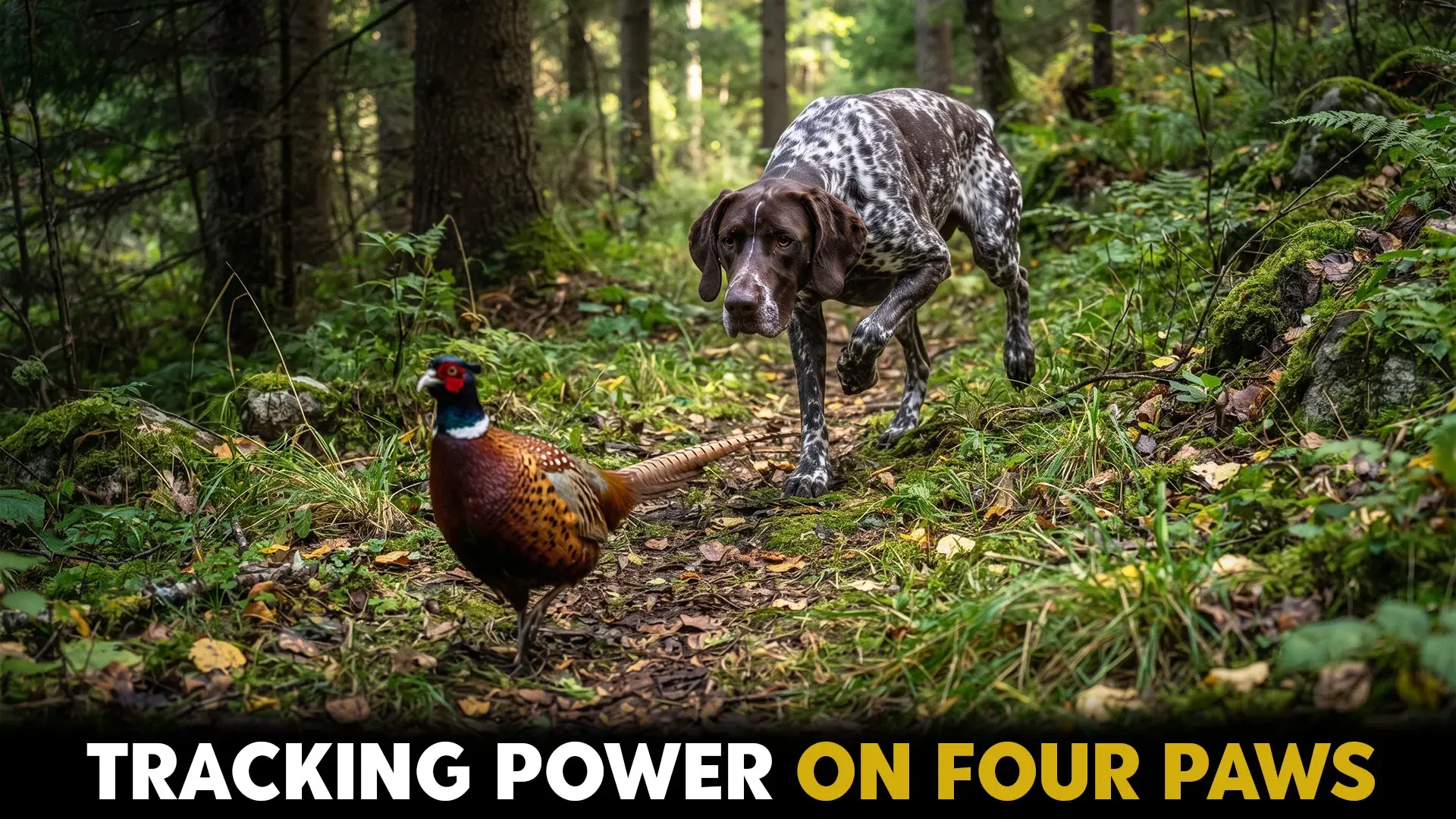
A skilled tracking dog can turn a challenging day in the field into a more focused and rewarding experience. While hunters scan the terrain, these remarkable dogs can detect faint scents, follow hidden trails, and maintain concentration across rough ground and changing conditions.
The best wildlife and bird-tracking breeds offer more than an exceptional nose. Stamina, intelligence, athleticism, focus, trainability, and a strong work ethic help them navigate demanding environments while remaining responsive to their handlers. Many were developed specifically to point, flush, track, or retrieve game birds.
Millions of dog owners take their pups on vacation, showing how naturally dogs accompany people beyond the home. For outdoor enthusiasts, these seven breeds can bring that same loyalty and versatility to wildlife tracking and bird hunting.
Best Dog Breeds for Tracking Wildlife and Birds
1. Bloodhound
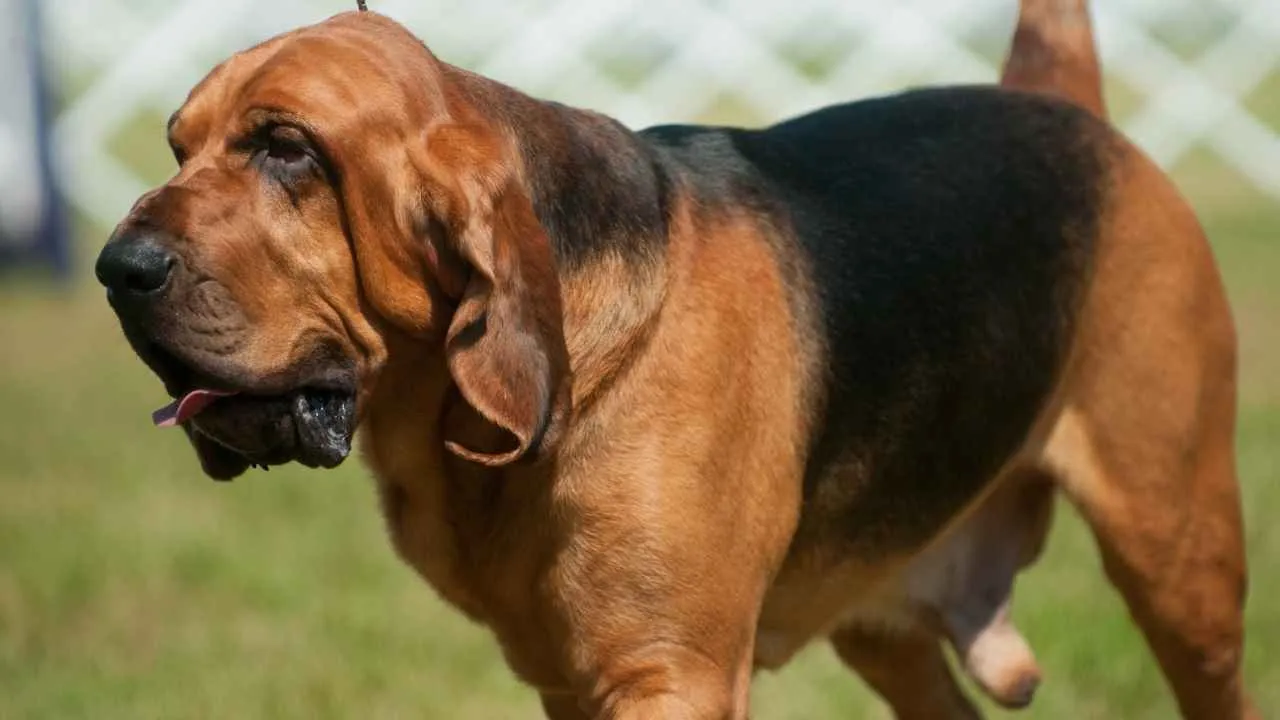
The Bloodhound is renowned for its exceptional scent-tracking ability, making it a natural choice for following wildlife across challenging terrain. Its powerful nose can distinguish and pursue faint trails over remarkable distances, even when the scent is no longer fresh.
According to PetMD, they are easily recognized by their long, drooping ears and distinctive folds of skin around the face.
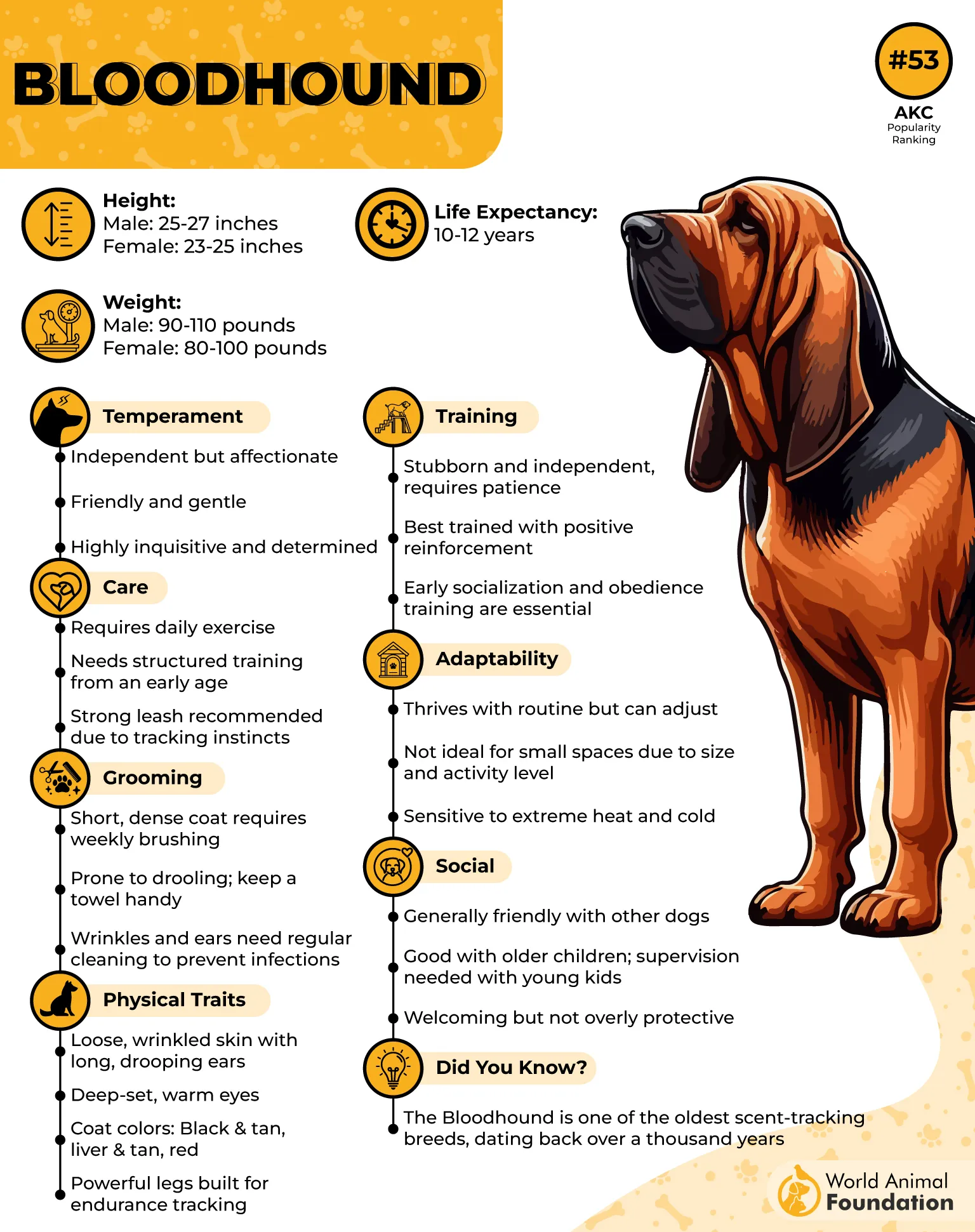
Also known as the St. Hubert Hound, the breed has centuries of history as a dedicated scent hound. Its long ears and loose facial skin help channel scent toward the nose, while its determination allows it to remain focused during extended tracking work.
How This Breed Stands Out
Extraordinary scent accuracy: The Bloodhound can detect subtle animal scents and follow complex trails with remarkable precision.
Tracks aging trails: Its exceptional nose enables it to pursue scent trails that may be several days old across difficult ground.
2. American Foxhound
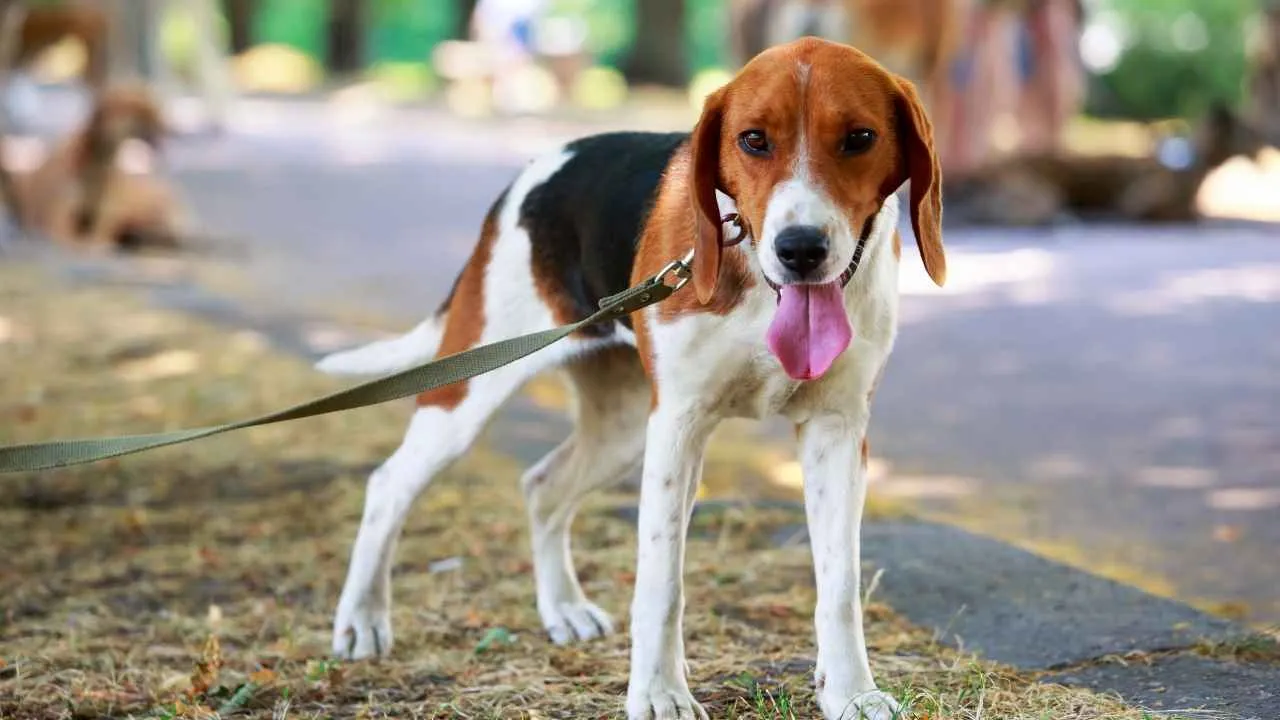
The American Foxhound is a lean, athletic scenthound bred to pursue game by following scent across expansive terrain. Its long legs, deep chest, and efficient stride allow it to maintain a steady pace during extended hunts, while its powerful nose keeps it focused on the trail.
According to Purina, they can sometimes be stubborn and independent, making early training especially beneficial.
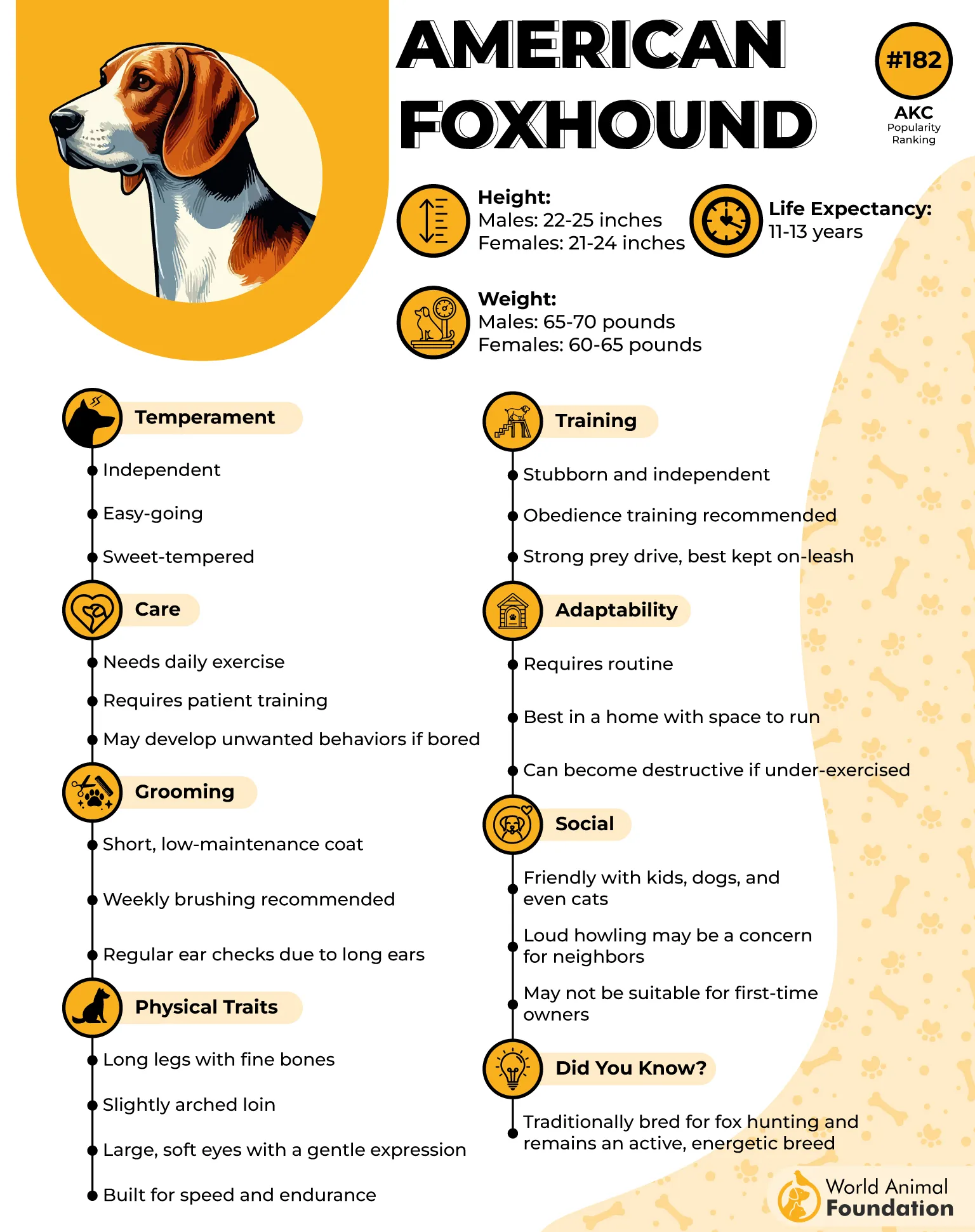
Naturally pack-oriented and sociable, this hound works well alongside other dogs but can become intensely focused when an interesting scent appears. Its characteristic bay helps communicate progress during a pursuit, while its strong prey drive makes consistent control and plenty of exercise important.
How This Breed Stands Out
Long-distance scent pursuit: Its refined nose and endurance allow it to follow scent trails across wide stretches of ground.
Exceptional running stamina: The breed is built for sustained movement, making it well suited to lengthy tracking sessions and demanding outdoor hunts.
3. Bluetick Coonhound
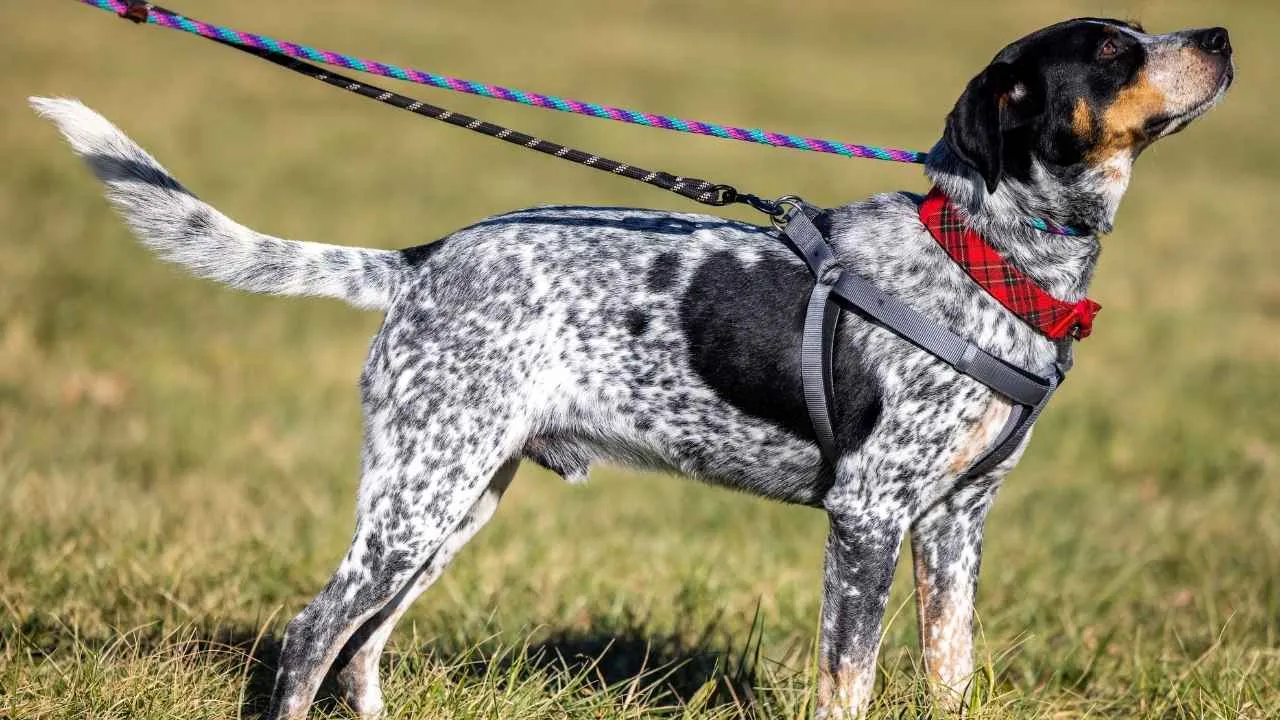
The Bluetick Coonhound is a determined scent hound with an exceptionally sensitive nose, allowing it to follow challenging trails across varied terrain. Its athletic build supports sustained movement, while its persistence keeps it focused when tracking elusive wildlife.
According to WebMD, Bluetick Coonhounds have a build that combines speed and endurance, supported by strong, muscular legs.
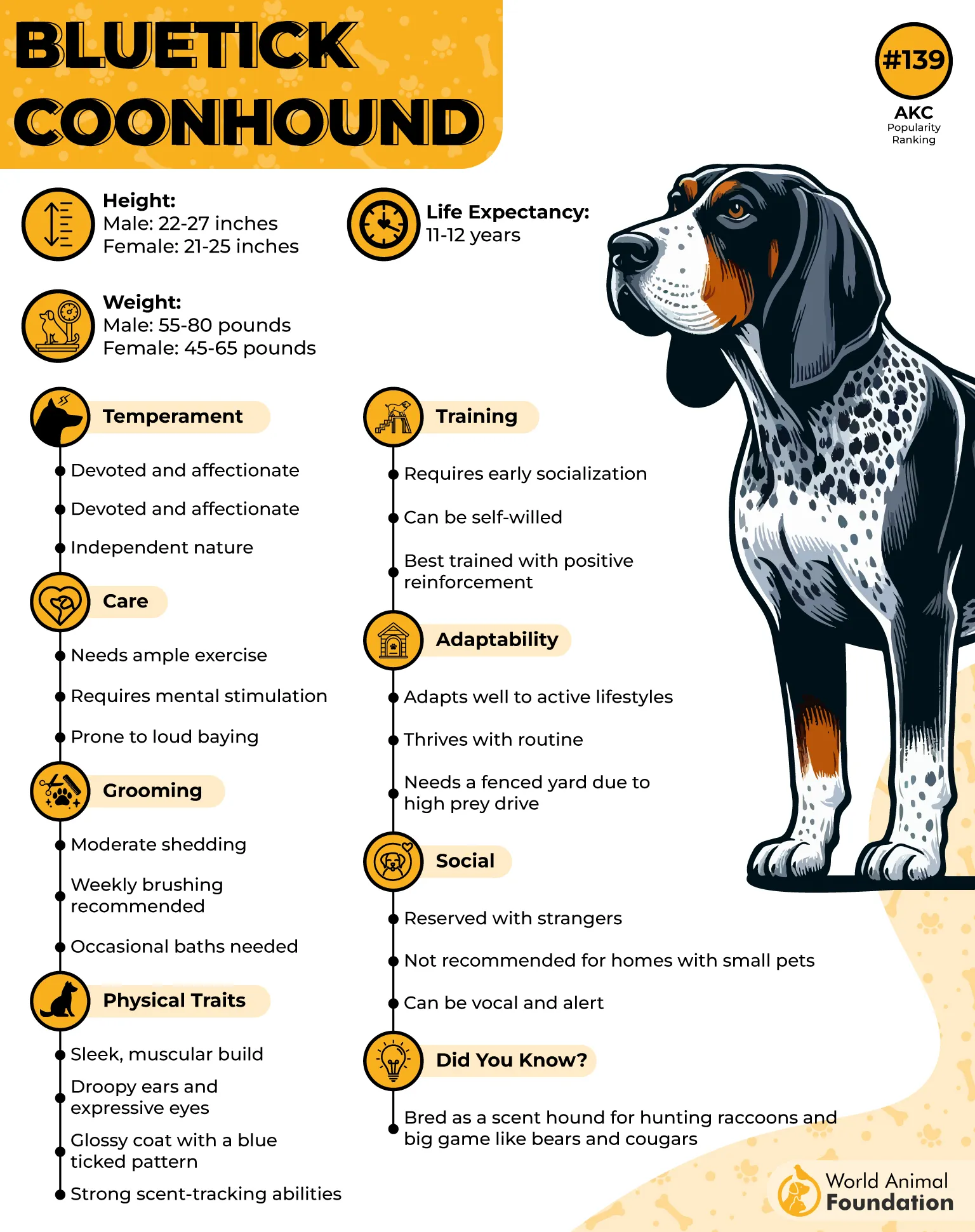
Developed for nocturnal hunting, this breed combines strong prey drive with intelligence and a distinctive baying voice that helps hunters locate it during a pursuit. Blueticks are affectionate and energetic at home, but they need regular activity and meaningful outlets for their natural hunting instincts.
How This Breed Stands Out
Cold-nose tracking: Its refined scenting ability allows it to follow older, faint trails that other dogs may struggle to detect.
Strong nocturnal hunting instinct: Bred for nighttime pursuits, the Bluetick remains focused and determined when tracking game after dark.
4. Brittany
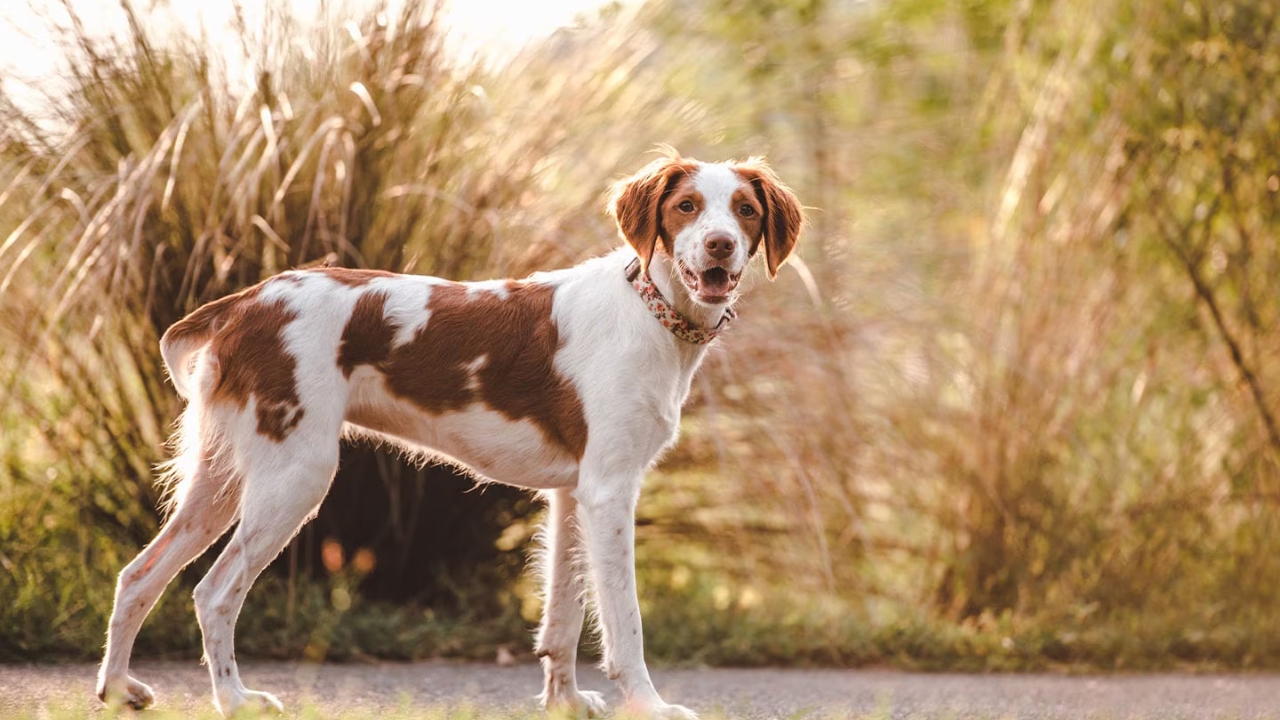
The Brittany is an agile pointing breed with a keen nose and a natural talent for locating upland birds. Developed to find game such as grouse, woodcock, pheasants, and quail, it combines stamina with an efficient hunting style that helps it cover varied ground without losing contact with its handler.
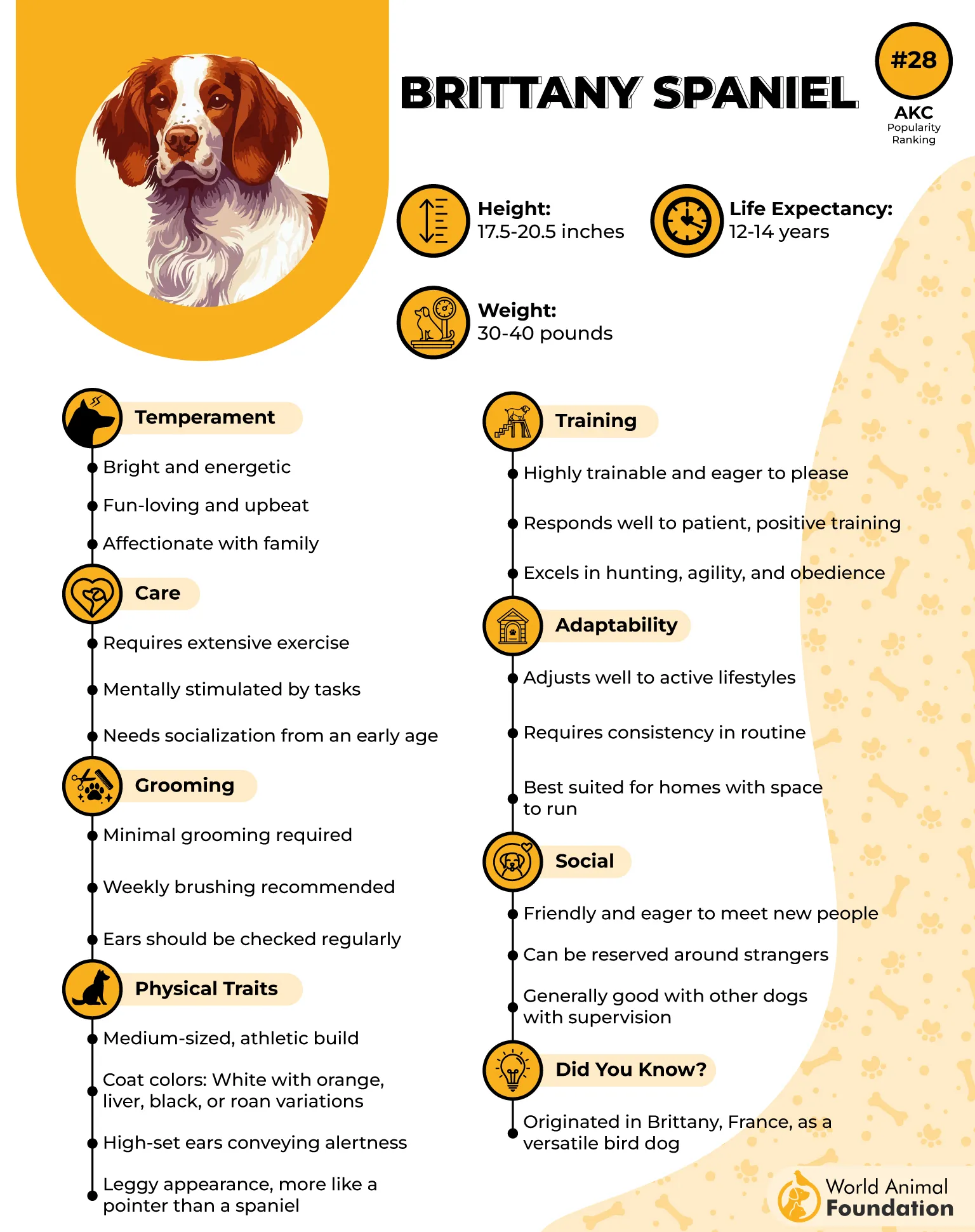
Its moderate size makes the Brittany especially maneuverable, while its eagerness to work supports focused searching in the field. These dogs are generally quick learners and can excel with positive, consistent training, but they need regular exercise and mental engagement to stay content.
How This Breed Stands Out
Locates upland birds: Its strong scenting ability helps pinpoint hidden game birds in fields, brush, and woodland cover.
Quick, close-range searching: A responsive hunting style allows the Brittany to work efficiently while maintaining useful proximity to its handler.
5. German Shorthaired Pointer
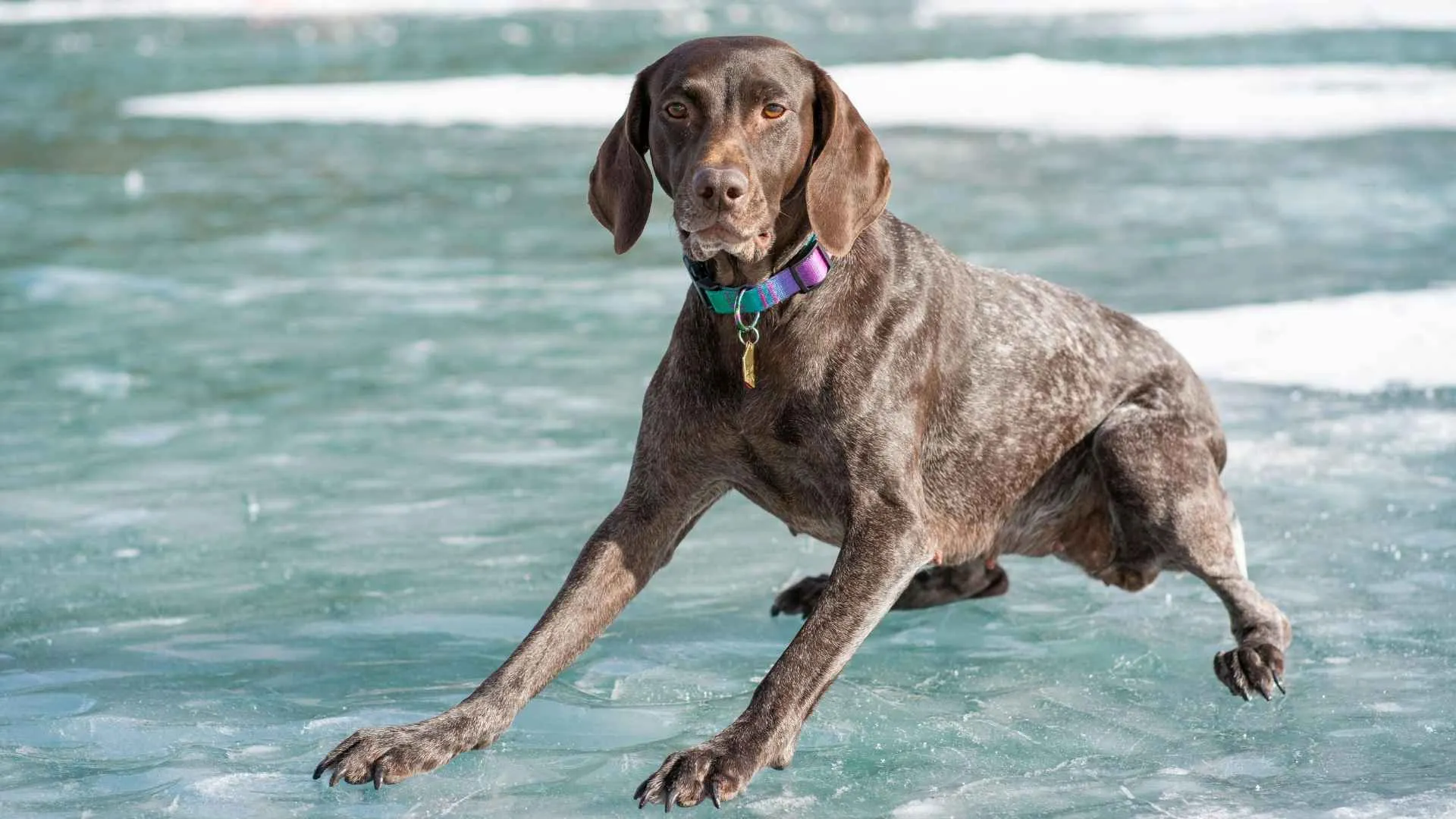
The German Shorthaired Pointer is a highly versatile hunting dog capable of tracking, pointing, and retrieving across different landscapes. Its keen nose helps it pick up wildlife scents in open fields and challenging terrain, while its athletic build allows it to cover substantial ground with speed and endurance.
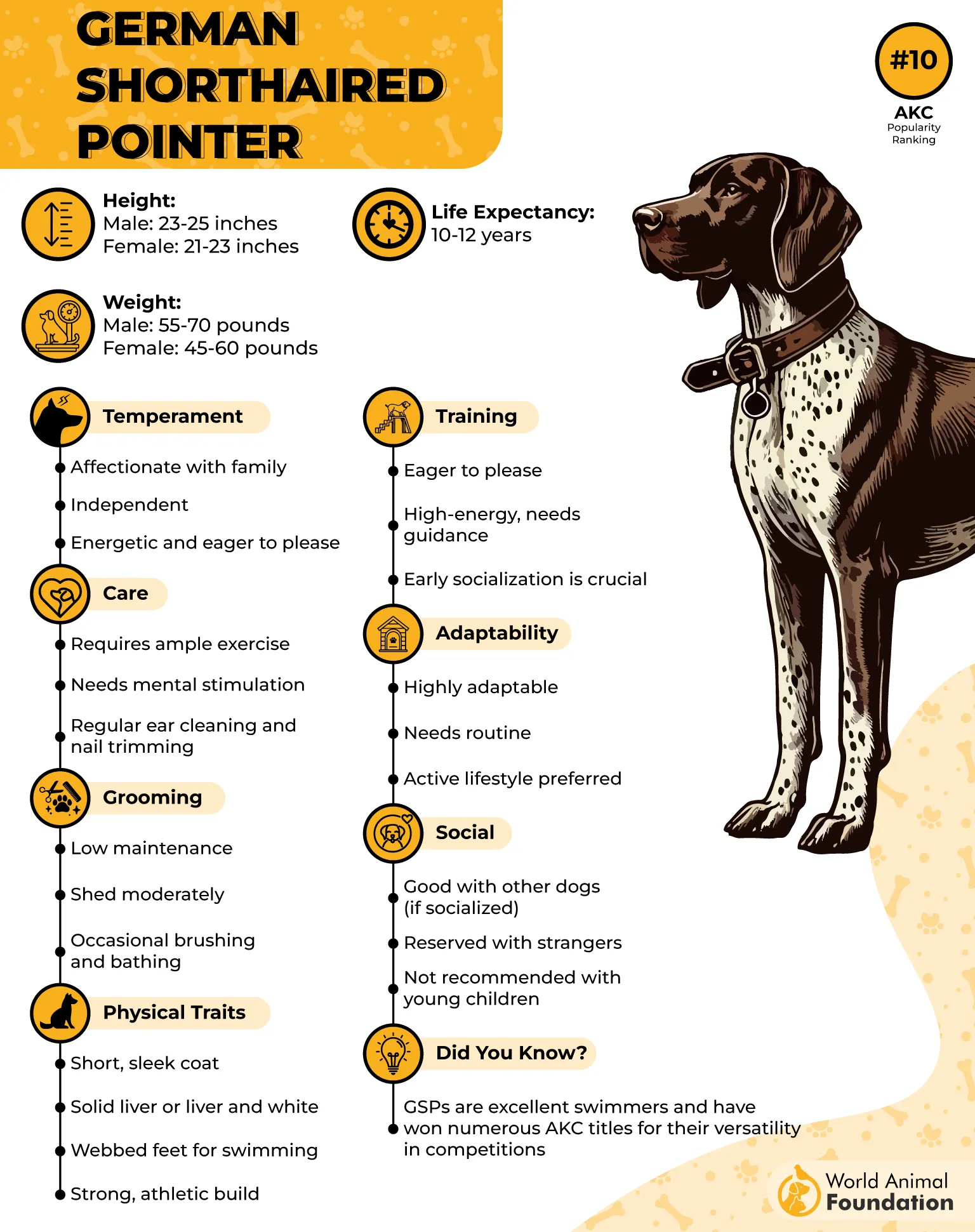
Its short coat suits active fieldwork, allowing the GSP to move freely through varied terrain without extensive coat maintenance. When it detects hidden game, its natural pointing instinct helps indicate the animal’s location, while intelligence and strong prey drive support demanding hunting tasks.
How This Breed Stands Out
Versatile field tracking: Its scenting ability and endurance allow it to follow wildlife across varied terrain during extended hunts.
Strong pointing instinct: The GSP naturally freezes and directs its nose toward detected game, giving hunters a clear indication of its location.
6. Chesapeake Bay Retriever
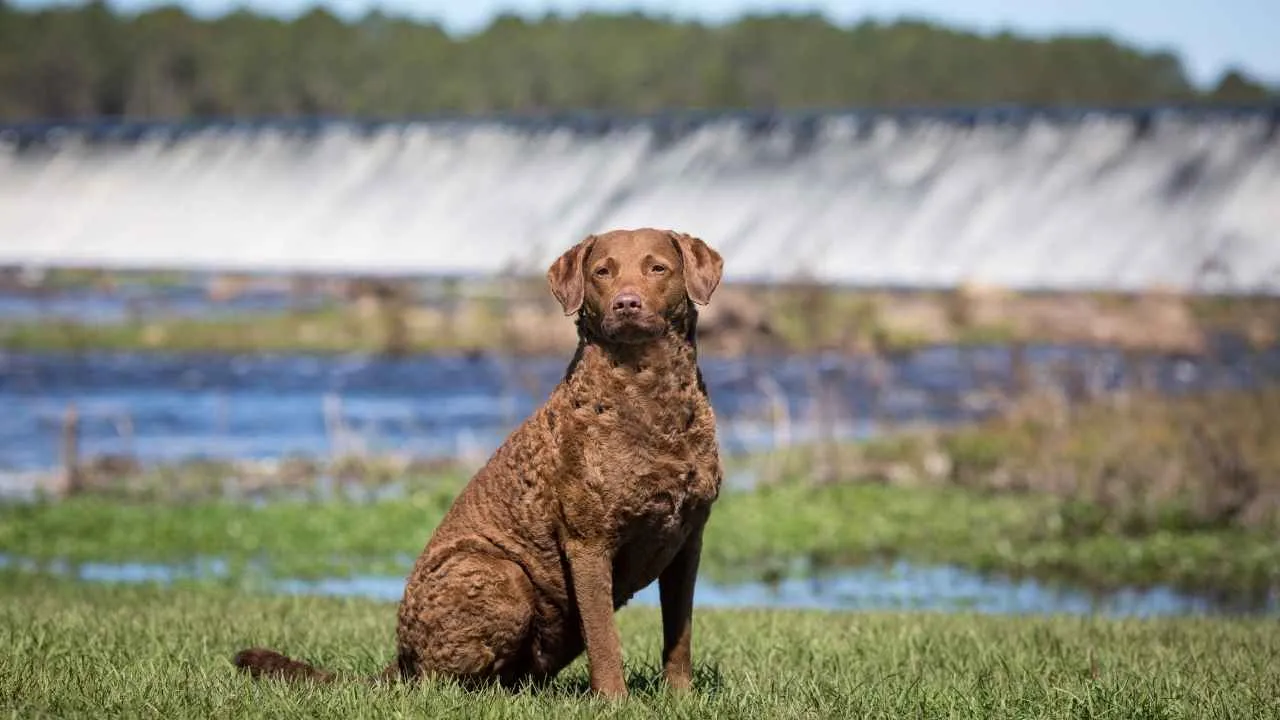
The Chesapeake Bay Retriever was shaped by the demanding conditions of its namesake waters, developing the stamina and strength needed for prolonged outdoor work. Its thick, water-resistant coat provides insulation in cold conditions, while its powerful build supports steady movement through challenging terrain.
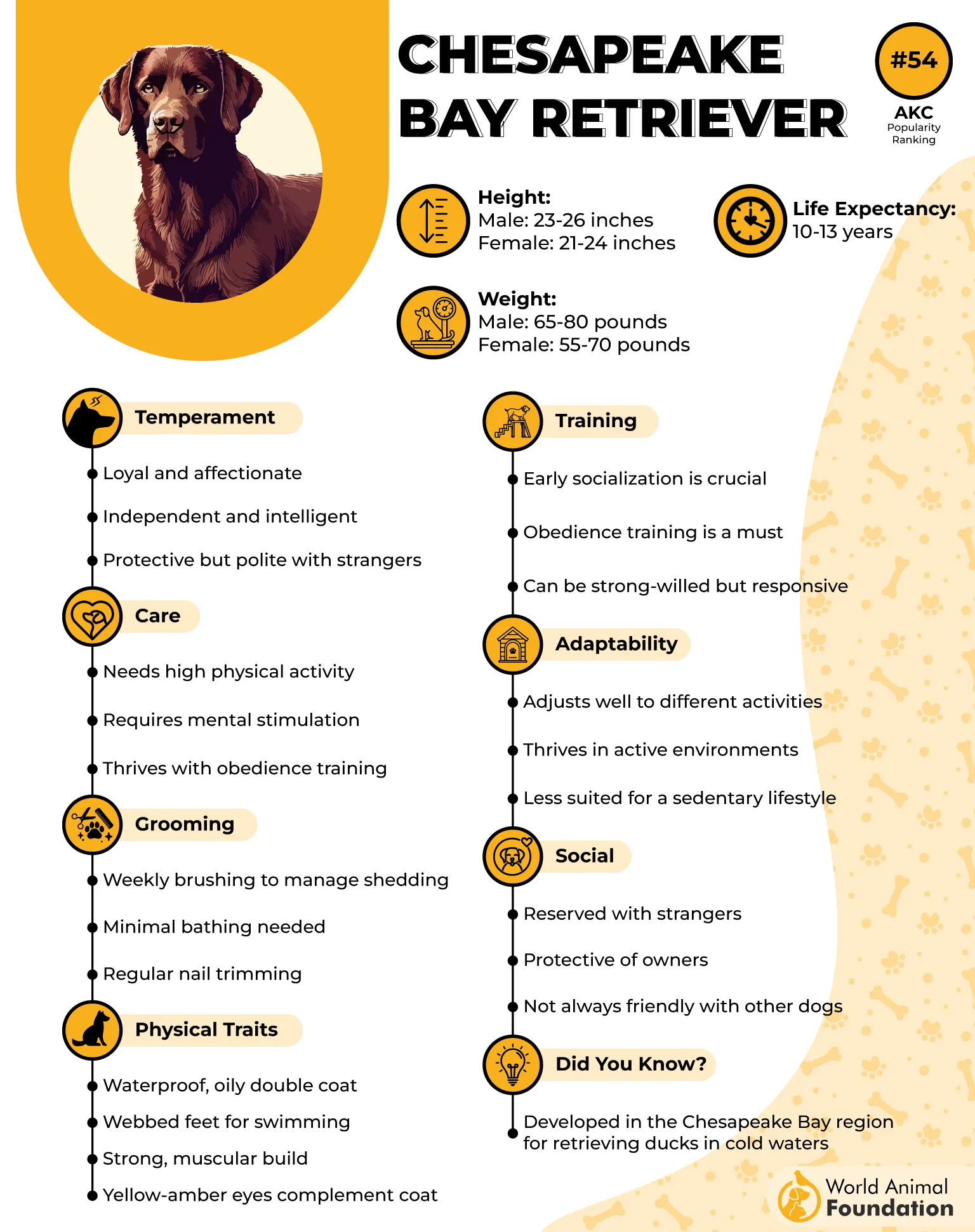
Beyond its swimming ability, the Chesapeake Bay Retriever brings determination and endurance to tracking and retrieving work. Its energy allows it to remain engaged during lengthy outings, but this hardworking breed also needs regular exercise and training outside hunting activities to stay focused and well-behaved.
How This Breed Stands Out
Tracks through cold water: Its insulating, water-resistant coat and strong swimming ability help it work confidently in chilly aquatic environments.
Powerful retrieving ability: Strength, endurance, and a determined working attitude make the Chessie well equipped for retrieving birds from demanding terrain.
7. Weimaraner
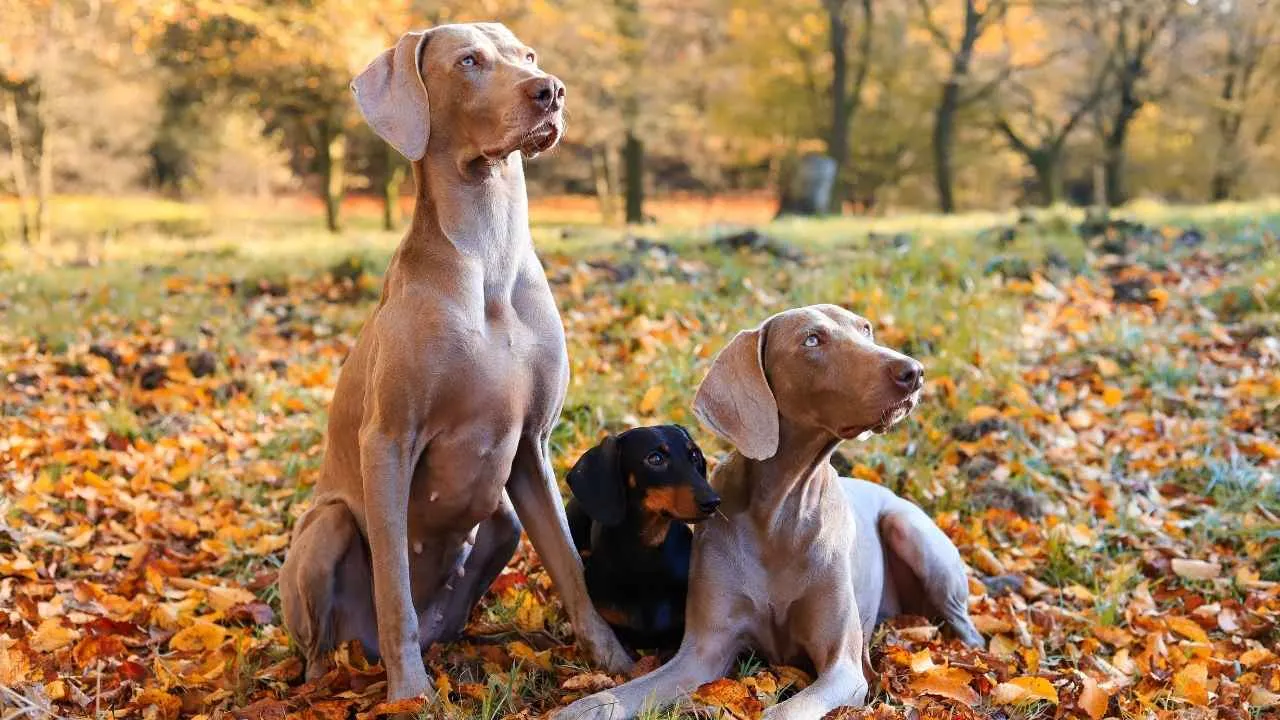
The Weimaraner is a sleek, athletic hunting breed recognized for its intelligence, endurance, and striking silvery-gray coat. Originally developed in Germany, it has the speed and stamina to follow game across varied terrain, making it well suited to demanding tracking work.
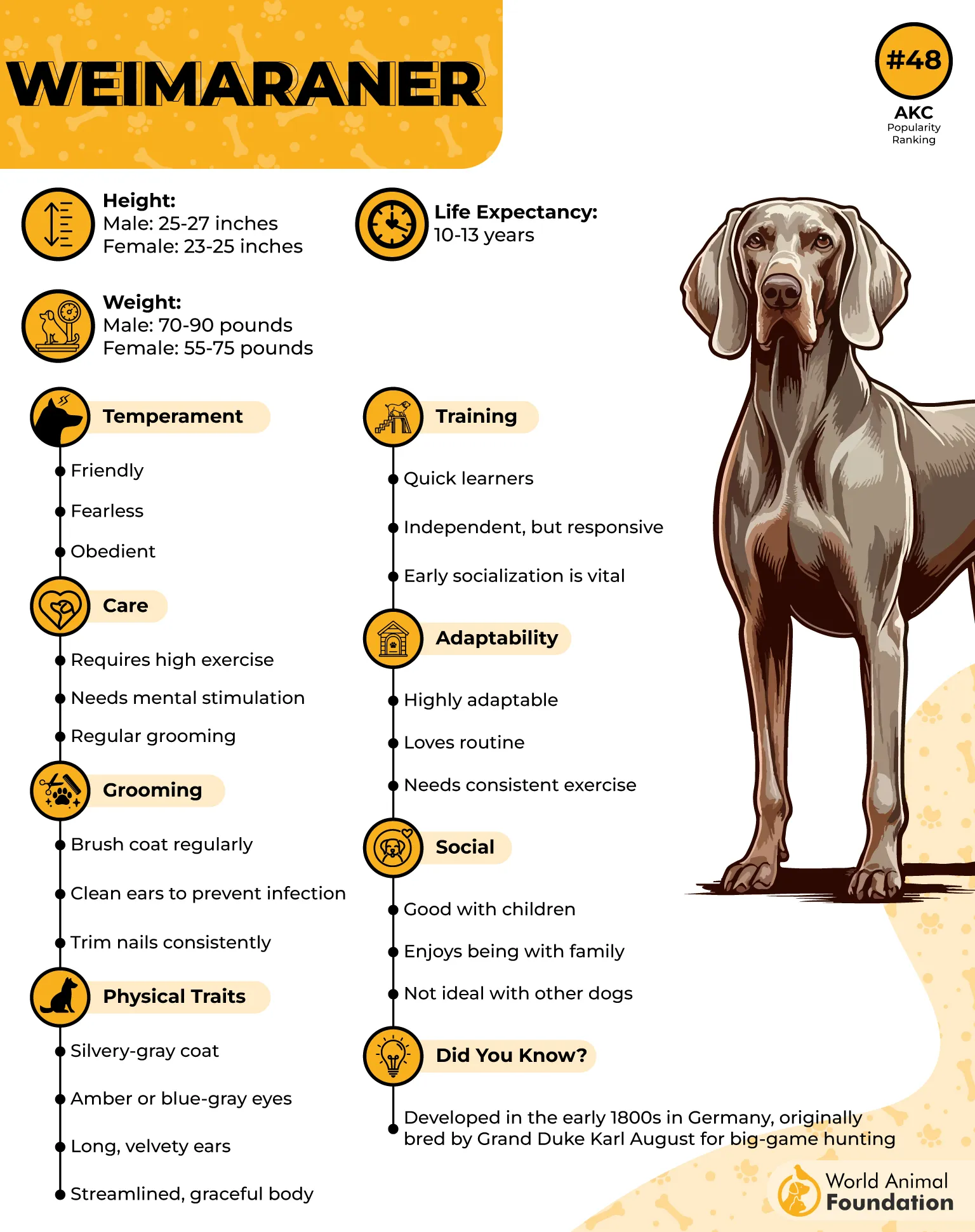
Its trainability and strong work ethic allow the Weimaraner to handle both tracking and retrieving tasks. The breed has also been used in pursuit of larger quarry, while its need for substantial physical and mental activity makes it best suited to active owners who can provide consistent engagement.
How This Breed Stands Out
Tracks larger quarry: Its athletic build, keen working instincts, and endurance support tracking demanding game over extended distances.
Persistent, athletic pursuit: Speed, stamina, and determination help the Weimaraner maintain an energetic pursuit across challenging landscapes.
Conclusion
Choosing the right dog for tracking wildlife and birds depends on the terrain, game, and hunting style. Each breed brings unique strengths that can make fieldwork more efficient and rewarding.
Breeds with powerful noses, strong endurance, and natural hunting instincts can follow trails across challenging landscapes. Others offer versatility, combining tracking, pointing, and retrieving skills for different hunting situations.
Temperament and trainability also matter, especially when a dog must work closely with its handler. Active breeds often need regular exercise, training, and mental stimulation to stay focused and balanced.
Whether you prefer a dedicated scent hound or a versatile sporting breed, the best choice is one that matches your outdoor lifestyle and hunting needs.
